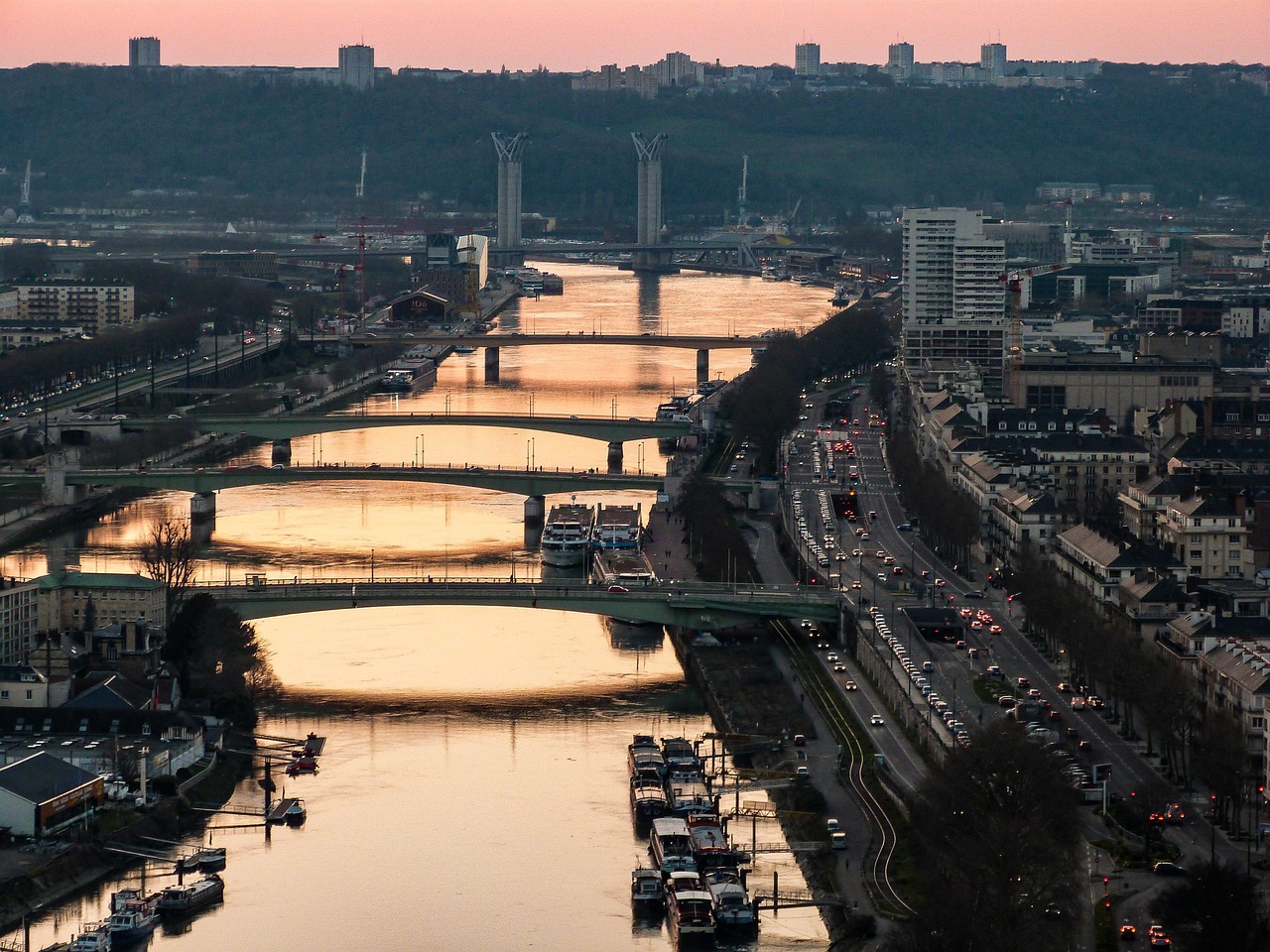
Why Visit Rouen in 2026?
Rouen is one of those cities that quietly gets under your skin. It doesn’t shout like Paris or pose like the Riviera; instead, it whispers stories through half-timbered houses, Gothic spires, and cobbled lanes that still remember Joan of Arc’s footsteps.
Every time I return to Rouen, usually by the mid-morning train from Paris-St-Lazare, I feel the same thing: stepping out of the station, catching that first glimpse of Rouen Cathedral’s lace-like spire at the end of rue Jeanne-d’Arc, I slow down. The city invites you to walk, look up, and let history soak in.
In 2026, Rouen is especially worth your time. The city has been investing in pedestrian-friendly streets, revitalizing its riverfront, and expanding cultural programming along the Seine. There’s a growing food scene (including some very good bistros that don’t cost Paris prices), a packed calendar of festivals, and an easygoing rhythm that makes 3, 4, or 5 days in Rouen feel both relaxing and deeply rewarding.
Whether you’re planning a 3 day itinerary for Rouen, stretching to 4 days in Rouen, or lingering with a full 5 day itinerary for Rouen, this travel guide is written from repeated visits over several years, including my most recent stays in 2024 and early 2026. I’ll walk you through my favorite routes, the must-see attractions in Rouen, and the little detours that make the city feel like your own discovery.
Table of Contents
- Why Visit Rouen in 2026?
- Quick Overview of Rouen
- Neighborhoods & Areas to Explore
- 20 Must-See Attractions in Rouen (With Personal Notes)
- 3, 4 & 5 Day Itineraries for Rouen
- Local Food in Rouen: What & Where to Eat
- Nightlife, Entertainment & Cultural Experiences
- Major Events & Festivals 2026–2027
- Best Day Trips from Rouen
- Cultural Etiquette & Local Customs
- Practical Travel Advice for Rouen
- Summary & Best Time to Visit Rouen
Quick Overview of Rouen
Rouen is the historic capital of Normandy, set on the banks of the Seine about 1h15 by train from Paris. Once one of Europe’s most important medieval ports, it’s a city of contrasts: Gothic churches and street art, student bars and solemn memorials, bustling markets and quiet cloisters.
It’s also compact. Most of the best places to visit in Rouen are clustered within a 15–20 minute walk of the cathedral. This makes it perfect for a 3 day itinerary for Rouen if you’re short on time, and even better if you can stretch to 4 or 5 days in Rouen to slow down and explore hidden gems.
Population-wise, Rouen feels like a big town rather than a small city. There’s enough life to keep things interesting at night, but not so much that you feel overwhelmed. Personally, I love basing myself here for a long weekend, then doing a couple of day trips along the Normandy coast.
Rouen’s Neighborhoods & Districts
Understanding Rouen’s layout will make your time here smoother and your itineraries more efficient.
Vieux-Marché & Old Town Core
This is the heart of historic Rouen: a tangle of cobbled streets, leaning half-timbered houses, and small squares. It’s where I almost always stay. You’ll find:
- Place du Vieux-Marché and the modern Joan of Arc church
- Rue du Gros-Horloge – the city’s main pedestrian artery
- Tons of cafés, crêperies, and bistros
Cathedral Quarter
Centered around Notre-Dame de Rouen, this area is postcard-perfect. It’s busy during the day with tour groups and school trips, then quiets down in the evening. I love wandering here after dinner when the crowds have gone and the cathedral is softly lit.
Saint-Maclou & Saint-Ouen
Just east of the cathedral, this slightly less polished, more bohemian pocket is full of character. Here you get:
- Gothic churches like Saint-Maclou and Saint-Ouen
- Antique shops and art galleries
- Great little bars and brunch spots that locals actually use
Quais de Seine (Riverfront)
The Seine cuts right through Rouen, and the riverside quays are where you go to breathe. Over the last few years, the city has added bike lanes, floating gardens, and pop-up bars in summer. I often grab a takeaway galette and sit on the steps near the Pont Jeanne-d’Arc watching river traffic and local joggers.
Saint-Sever (Left Bank)
Across the river, the left bank is more residential and modern, with a big shopping mall at Saint-Sever and some interesting street art. It’s not the prettiest part of town, but it feels authentically local and is where many students live.
Cimetière Monumental & Heights of Rouen
Head uphill (or take the bus) and Rouen opens up in front of you. The views from the heights are some of the best in the city, especially near the Monumental Cemetery and Sainte-Catherine hill across the river. Whenever friends visit, I try to include at least one viewpoint walk in our 3 or 4 day itinerary for Rouen.
20 Must-See Attractions in Rouen (With Personal Notes)
Here are the best places to visit in Rouen, mixing iconic sights with a few under-the-radar spots. Each sub-section includes some history, why it matters, and how I like to experience it. You absolutely don’t need to see all 20 in 3 days in Rouen, but if you have 5 days, you can take your time and weave most of them into your itinerary.
1. Rouen Cathedral (Cathédrale Notre-Dame de Rouen)
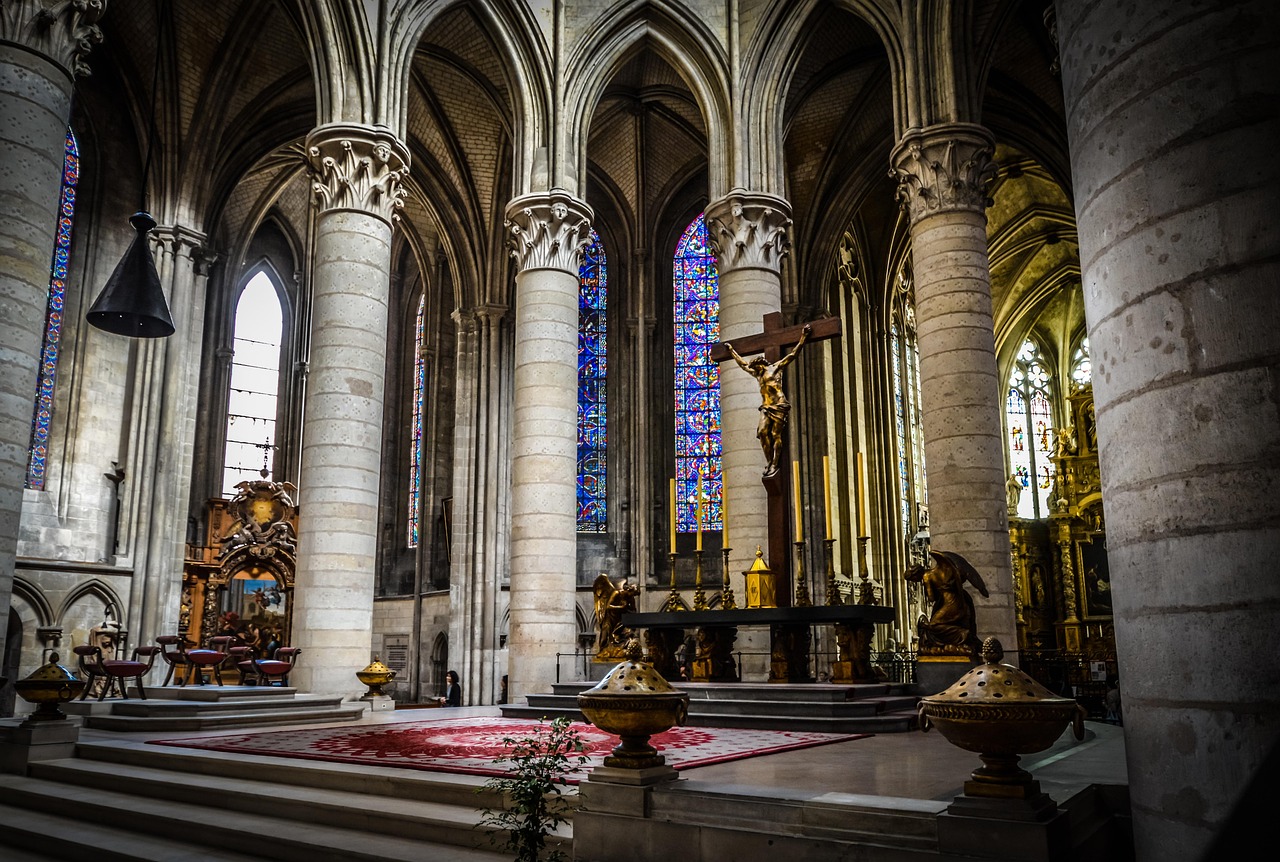
The first time I saw Rouen Cathedral, I understood why Monet painted it over 30 times. It doesn’t hit you all at once; instead, the details slowly reveal themselves as you step closer along rue du Gros-Horloge and then into the square.
Construction began in the 12th century and continued for centuries, layering Romanesque foundations with High Gothic facades and a cast-iron spire that still dominates the skyline. Inside, it’s airy and tall, with shafts of light filtering through stained glass that miraculously survived or was painstakingly restored after WWII bombings.
Don’t miss:
- The tomb of Richard the Lionheart’s heart in the choir
- The nave at late afternoon when the sun hits the south windows
- The façade from across the square, where you can line up your own “Monet view”
My routine: I like to come early (doors usually open around 9:00). In winter 2026, I visited on a frosty January morning; stepping inside from the cold, the cathedral felt almost warmer, full of the muffled sounds of a few locals lighting candles on their way to work. Later in the day the square gets busy, so if you want quiet, aim for opening time or around 6 pm.
Practical tips: Free entry; small fee for the tower when open (check schedules as renovations and special events sometimes limit access). Combine with a stroll down rue Saint-Romain for pretty timbered houses and galleries.
2. Gros-Horloge (Great Clock)
The Gros-Horloge is Rouen’s golden grin: a massive 16th-century astronomical clock spanning a Renaissance archway on the city’s main pedestrian street.
I still remember craning my neck the first time I walked under it, trying to take in the blue-and-gold face, the sun motif, and the tiny details that once told Rouen’s citizens the phases of the moon and the tides of the Seine.
Inside experience: The small museum inside the clock tower is worth it. Narrow staircases lead you through old mechanism rooms, and at the top you get one of the best rooftop views over Rouen’s old town. I took my parents up there on a clear September afternoon; we spent almost half an hour just spotting landmarks: “There’s the cathedral… that must be Saint-Maclou… oh, and the market square over there!”
Tips: Entry is paid and last admission is usually late afternoon. If your time in Rouen is short (say, just 3 days), I’d prioritize this over some smaller museums for the views alone. Avoid midday if you dislike crowds; mornings are usually quieter.
3. Place du Vieux-Marché & Église Sainte-Jeanne-d’Arc
Place du Vieux-Marché is both cheerful and sobering. Today it’s lined with restaurant terraces, flower stalls, and half-timbered façades that look almost too perfect to be real. But in the middle of the square, a simple cross marks the spot where Joan of Arc was burned at the stake in 1431.
The modern church of Sainte-Jeanne-d’Arc, built in the 1970s, looks like an upturned Viking ship or a dragon’s back. Locals are divided on the architecture, but it’s undeniably powerful inside. The vast stained-glass windows, salvaged from a destroyed medieval church, cast colored light across the minimalist interior.
I like to sit on the low wall near the cross with a takeaway coffee from one of the nearby cafés, letting the layers of history sink in—it’s one of those places where medieval and modern Rouen really collide.
Food tip: Many of Rouen’s most touristy restaurants are here, but a couple are solid if you choose carefully. For a budget-friendly option, I sometimes grab a galette from a crêperie on the square and eat it on a bench. For something more special, I usually walk a few minutes away into side streets where the menus are less set-menu-tourist and more local.
4. Historial Jeanne d’Arc (Joan of Arc Museum)
If you’re even vaguely interested in Joan of Arc, put this immersive museum high on your list. It’s housed in the former archbishop’s palace, right behind the cathedral, and tells Joan’s story mostly through the lens of her posthumous retrial in Rouen.
The visit follows a multimedia trail from room to room. The first time I went, I expected something dry and text-heavy; instead, it felt more like walking through a theatre set, with projected testimonies, ambient sound, and subtle lighting. It’s engaging without being gimmicky.
Good to know: The standard tour takes about 1.5 hours. Audio guides are available in multiple languages and are excellent. If you’re doing a tight 3 day itinerary for Rouen, this is a great rainy-day option, and it pairs naturally with the cathedral and Vieux-Marché.
5. Church of Saint-Maclou & Its Courtyard
Saint-Maclou is one of my favorite churches in France, partly because it catches you by surprise. You’re wandering through narrow streets east of the cathedral, turn a corner, and suddenly this flamboyant Gothic masterpiece appears, squeezed into a small square.
The ornate façade, with its carved portals and intricate details, is almost too much for the space it occupies—it feels like standing too close to a great painting. Inside, it’s more intimate than the cathedral, with beautiful stained glass and a hushed atmosphere.
My tip: Arrive via rue Damiette, one of Rouen’s prettiest streets, lined with antique shops and half-timbered houses. I love coming here in late afternoon when the light softens and people start heading to nearby wine bars.
6. Aître Saint-Maclou (Medieval Plague Cemetery)
The Aître Saint-Maclou is one of Rouen’s most haunting hidden gems. Tucked behind the church, this former plague cemetery is now a peaceful courtyard framed by timbered galleries. Look closely at the wooden beams and you’ll see carved skulls, shovels, and bones—reminders of its grim past.
These days, the complex houses art spaces and a café. I like to come here with a book; the mix of quiet, history, and occasional student chatter creates a strangely comforting mood.
Why go: It’s unique in France, and it adds depth to your understanding of medieval life in Rouen. It’s also a good example of how the city repurposes historic sites for modern use.
7. Saint-Ouen Abbey Church
Often overshadowed by the cathedral, Saint-Ouen is actually even larger, and its pure Gothic lines are breathtaking. The first time I approached it from the adjacent park, the west front suddenly loomed above the trees—an almost cinematic reveal.
Inside, the height and the stained glass create an incredible sense of verticality. When the grand organ is being practiced (you might be lucky), the whole building vibrates with sound.
Visit tip: Entry is free. I like to pair a visit here with a picnic in the adjacent Jardin de l’Hôtel de Ville on a sunny day. If you’re doing 4 or 5 days in Rouen, consider attending a concert or organ recital here; the acoustics are phenomenal.
8. Musée des Beaux-Arts de Rouen (Fine Arts Museum)
Rouen’s Fine Arts Museum is one of France’s best outside Paris—and it’s free. The collection spans from Renaissance painting to Impressionism and modern art, with works by Monet, Sisley, Delacroix, Caravaggio, and more.
I often use the museum as a rainy-day refuge. On my last visit in 2026, I spent an hour in front of the Normandy landscape paintings, then sat in the courtyard café with a coffee, watching students sketching statues in the sculpture gallery.
Must-see rooms:
- The gallery of Impressionist works, including Monet’s views of Rouen
- The sculpture halls, which are airy and beautifully lit
- Temporary exhibitions (in 2026, expect several shows tied to Normandy’s cultural programming)
9. Musée de la Céramique & Musée Le Secq des Tournelles
Rouen has a long history of faience (tin-glazed pottery), and the Ceramics Museum showcases exquisite pieces in an elegant townhouse. It’s small, quiet, and ideal if you prefer less crowded cultural experiences.
Just next door, the Musée Le Secq des Tournelles is even more surprising—a whole museum dedicated to wrought ironwork housed in a former church. Think keys, signs, weather vanes, tools, all displayed in a dark, atmospheric interior that feels straight out of a fantasy novel.
They’re not must-sees if you only have 3 days in Rouen, but for a 4 or 5 day itinerary, they add variety and depth.
10. Quais de Seine (Seine Riverfront)
Rouen’s riverfront has changed a lot over the past decade. What used to be a slightly neglected area is now a lively promenade with bike paths, floating gardens, food trucks in summer, and river cruise docks.
Some of my favorite Rouen memories are simple: evening walks along the Seine, watching the sky shift colors behind the bridges, or sitting with a drink at a pop-up terrace during the warm months.
Best time to go: Golden hour. If you’re visiting in summer 2026, look out for outdoor concerts and temporary art installations along the quays as part of the city’s cultural programming.
11. Panorama from Côte Sainte-Catherine
For the classic postcard view of Rouen’s skyline—cathedral spire, churches, river, and rooftops—you need to climb (or bus) to Côte Sainte-Catherine on the right bank.
On a clear morning in May 2025, I walked up from the city center, following steep streets and staircases. It’s not a long hike, but it is a bit of a workout. The reward at the top is a wide terrace overlooking the whole city. I sat on the low wall, shared a croissant I’d brought up, and watched the fog lift off the Seine.
Getting there: You can take a bus partway or a taxi/ride-share if you don’t feel like walking. If you do hike, wear decent shoes and bring water in summer. It’s a fantastic spot for sunrise or sunset—romantic and perfect for photography.
12. Rue du Gros-Horloge & Historic Streets
Rouen’s old streets are attractions in their own right. Rue du Gros-Horloge is the main axis, but I prefer ducking into the side streets: rue Saint-Romain, rue Eau-de-Robec, rue Damiette, rue Martainville.
Half-timbered houses lean at impossible angles, some painted in pastel colors, others weathered and crooked. On my second visit, I spent an afternoon just getting “lost” here, stopping for coffee, browsing second-hand bookshops, and peeking into courtyards.
Photography tip: Morning light is best for façades; late afternoon is better for atmosphere and people-watching. Try to explore at different times of day if you have 4 or 5 days in Rouen.
13. Modern Rouen & Architectural Contrast
While Rouen doesn’t have a high-rise skyline like big global cities, parts of the left bank and newer developments show a different side of the city: glass-fronted office blocks, renovated industrial warehouses, and bold modern structures that contrast with the medieval core.
On a recent trip, I wandered south from the river into the Saint-Sever district. It’s not conventionally pretty, but street art brightens underpasses, and you get a sense of everyday life far from the tourist core. For architecture fans, it’s interesting to see how Rouen continues to evolve.
14. Rouen Markets (Especially Place Saint-Marc)
If you want to see local life, go to the market. Place Saint-Marc hosts the city’s largest open-air market several days a week (typically Tuesdays, Fridays, Saturdays, and Sundays, though schedules can shift—check locally).
This is where I buy picnic supplies: Norman cheeses, saucisson, strawberries in late spring, and still-warm baguettes. On a recent Saturday, I watched an elderly couple carefully choose oysters while a nearby stall grilled sausages and locals haggled over flowers.
Budget tip: Markets are the best way to eat well on a budget in Rouen. With a small fridge in your accommodation, you can assemble dinners for a fraction of restaurant prices.
15. Panorama XXL Site / Future Seine Cultural Space
Rouen’s riverside has seen some major cultural experiments. The former Panorama XXL space (a huge rotunda that once housed immersive 360° exhibitions) is in the process of being reimagined as part of new Seine-side cultural projects rolling out through 2026–2027.
During my spring 2026 visit, the area was buzzing with pop-up exhibits and temporary structures—signs of a city testing new ways to use its waterfront. If you’re into contemporary culture and urban development, it’s worth a wander to see what’s on.
16. Palais de Justice (Law Courts)
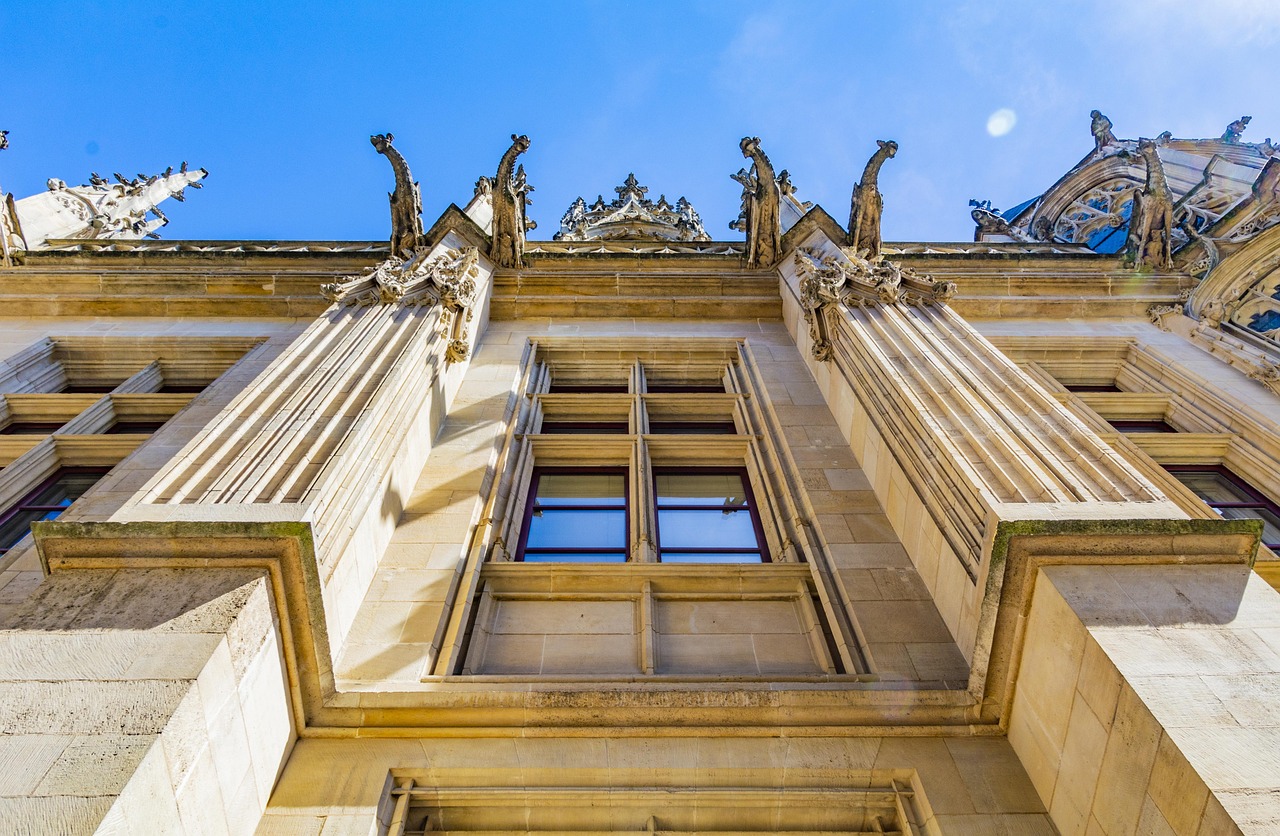
The Palais de Justice is one of the largest Gothic civil buildings in Europe. Bombed during WWII and painstakingly restored, its façade is a riot of gargoyles and ornamentation. I like to walk through the courtyard and along the side streets, imagining the legal dramas that have played out here over the centuries.
While the interior is not always accessible, the exterior alone is worth a detour. At night, subtle lighting emphasizes the details, giving it a slightly spooky charm.
17. Cimetière Monumental (Monumental Cemetery)
For something completely different, head up to Rouen’s Monumental Cemetery. It’s a peaceful, tree-filled space with elaborate 19th-century graves and occasional views down towards the city.
I came here on an overcast autumn afternoon, leaves crunching underfoot, and hardly saw another person. It’s reflective rather than morbid, and it gives you another angle on Rouen’s history, through the names and dates carved in stone.
18. Jardin des Plantes (Botanical Garden)
On the south side of the city, the Jardin des Plantes is a lovely escape, especially if you’re traveling with kids or just need a break from churches and museums. There are themed gardens, greenhouses, and wide paths where locals jog or walk dogs.
On a sunny spring day, I brought a picnic here and ended up staying hours, reading under a tree and people-watching. It’s not spectacular in a “bucket list” way, but it makes Rouen feel livable rather than just visitable.
19. Maritime & River Heritage (Musée Maritime Fluvial et Portuaire)
Rouen’s history as a major port on the Seine is easy to overlook if you focus only on its medieval core. This small maritime museum, located near the docks, tells the story of trade, shipbuilding, and daily life along the river.
It’s a niche interest, but I found it unexpectedly fascinating, especially the old photos showing how much the riverfront has changed. If you’re crafting a 5 day itinerary for Rouen and enjoy offbeat museums, pencil this in.
20. Street Art & Contemporary Culture
Rouen may be known for Gothic architecture, but its walls also host a growing collection of street art. Under bridges, on the edges of the city center, and in the left bank districts, you’ll find colorful murals and smaller tags.
One afternoon, I followed a loose route from the center across the river, spotting pieces under the Pont Jeanne-d’Arc and near the Saint-Sever area. It’s an enjoyable contrast to the polished historic core and a reminder that Rouen isn’t a museum—it’s a living city.
3, 4 & 5 Day Itineraries for Rouen (With Personal Stories)
These itineraries are flexible templates based on how I actually spend my time in Rouen. Use them as a starting point and adjust based on your interests, energy, and the weather.
3 Day Itinerary for Rouen – Classic Highlights & Local Flavor
If you have 3 days in Rouen, you can cover the must-see attractions and still enjoy a few hidden gems. Here’s how I’d structure it.
Day 1 – First Impressions: Cathedral, Gros-Horloge & Old Town
Morning: After dropping my bag at my guesthouse near Place du Vieux-Marché, I like to start with a slow walk toward the cathedral. Follow rue du Gros-Horloge, pausing under the clock to admire its details. Stop for a coffee and croissant at a café terrace (I often choose one with a view of the clock, just for the atmosphere).
Continue to the Rouen Cathedral, exploring the interior and circling the exterior. Don’t rush; the beauty is in the details: carved portals, small statues, and the play of light inside.
Lunch: I usually grab a simple lunch nearby—maybe a galette (savory buckwheat crêpe) or a plat du jour at a bistro on a side street like rue de la République. If the weather’s good, take it to go and sit in the small square behind the cathedral or in the shadow of Saint-Maclou.
Afternoon: Head to the Gros-Horloge museum and climb the tower for panoramic views. Then spend time wandering the surrounding streets: rue Saint-Romain, rue Damiette, and the little lanes around them. Pop into artisan shops, galleries, and maybe one of the small churches you pass.
Late afternoon: Make your way to Place du Vieux-Marché. Visit the Joan of Arc church, then sit by the memorial cross for a quiet moment. I often time this so the light is soft and the square is lively but not overwhelming.
Dinner: Choose a restaurant either just off the square or in a nearby side street (menus tend to be better value a block or two away). Try local specialties—duck, seafood, or a hearty Norman dish with cream and apples. If I’m not too tired, I finish the day with a short walk along the Seine, watching the city lights reflect on the water.
Day 2 – Joan of Arc, Art & Riverfront
Morning: Start at the Historial Jeanne d’Arc. The multimedia visit takes you through Joan’s story in a way that’s surprisingly emotional and engaging. Afterward, circle back through the cathedral square, now understanding the city’s role in her life and death more deeply.
Lunch: Head toward the Fine Arts Museum area and pick up something from a bakery or small café. The museum café itself is a nice option if you prefer to sit down.
Afternoon: Spend a couple of hours at the Musée des Beaux-Arts. Focus on sections that interest you most: I usually prioritize the Impressionist rooms and one or two temporary exhibitions. Don’t try to see everything; give yourself time to absorb what you do see.
Later, wander toward the quais de Seine. Cross to the river and walk along the banks, maybe stopping for a drink at a barge café if it’s open. In summer, street musicians and pop-up bars add to the vibe.
Dinner & Evening: For a second night, I like to try a different district—perhaps the Saint-Ouen area or a wine bar near Saint-Maclou. If you enjoy nightlife, check out one of the small bars along rue Eau-de-Robec or around Place du Vieux-Marché. It’s not wild, but it’s convivial.
Day 3 – Hidden Gems & Viewpoints
Morning: Make your way to the Aître Saint-Maclou. Spend time in the courtyard, noticing the carved details and visiting any open exhibitions or the café. Then visit the Saint-Maclou church itself if you haven’t already.
Continue toward Saint-Ouen Abbey. Explore the grand church and then relax in the nearby gardens or the Hôtel de Ville park. If there’s an organ rehearsal, take a seat and just listen.
Lunch: Try a casual restaurant or crêperie in this area. I like places with simple daily specials and a mix of office workers and students.
Afternoon: If you’re up for a climb and the weather is decent, head across the river (by foot or bus) to Côte Sainte-Catherine for the panoramic view. Bring a snack or pastry; sitting up there with something sweet and a view over Rouen is one of my favorite trip rituals.
If you prefer something calmer, visit the Jardin des Plantes on the south side instead, wandering the botanical gardens and relaxing on a bench.
Evening: For your last night in Rouen, revisit your favorite area—maybe the cathedral square or the old town—for a farewell dinner. I usually choose somewhere cozy and quintessentially Norman: cider, cheese, and something slow-cooked.
4 Day Itinerary for Rouen – Deeper Dives & Slower Pace
With 4 days in Rouen, you can follow the 3-day itinerary above and add a full day of slower exploration and lesser-known museums.
Day 4 – Markets, Ceramics & Everyday Rouen
Morning: Start at the Place Saint-Marc market (time your visit to a market day). Wander the stalls, sampling cheese and fruit. I love buying picnic supplies and chatting (in basic French) with stallholders about what’s in season.
Late morning: Visit the Musée de la Céramique and the Musée Le Secq des Tournelles. They’re small enough not to be exhausting, but rich in detail. If you enjoy decorative arts, you’ll likely spend longer than you expect.
Lunch: Try a simple brasserie or café in this area, or assemble a market picnic and find a small park or square.
Afternoon: Use this time to explore any area you feel you’ve rushed: perhaps more time in the old town, or a relaxed walk through the left bank’s everyday neighborhoods. On one trip, I spent this afternoon just following my nose, turning down whichever street looked interesting, and ended up discovering a tiny, family-run patisserie where the owner insisted I try a new pastry she was testing.
Evening: Check if there’s a concert, play, or cultural event you can attend—Rouen’s theatres and churches often host performances, especially from spring to autumn.
5 Day Itinerary for Rouen – Adding Day Trips & True Immersion
With 5 days in Rouen, you can follow the 4-day plan and add a day trip along the Seine or to the coast, plus more time for local life.
Day 5 – Day Trip: Coast or River
Rouen is a fantastic base for exploring Normandy. For your fifth day, choose one of these:
- Étretat: Dramatic white cliffs and sea arches, reachable by train + bus or direct coach. Hike the cliff paths, eat seafood, and breathe in the sea air.
- Honfleur: A postcard harbor town with art galleries and colorful boats. Reachable by train to Le Havre and bus, or by car.
- Jumièges Abbey & Seine Loop: Closer to Rouen, this ruined abbey is hauntingly beautiful. Combine with a drive or bike ride through the Seine valley.
I’ve done all three. My personal favorite is Jumièges for a shorter, less tiring day that still leaves you time for a relaxed dinner in Rouen. Étretat is more spectacular but more crowded and logistically a bit longer.
Evening back in Rouen: Return “home” to your favorite bar or café, and savor how familiar the city feels after 5 days. That, to me, is the best sign of a good trip: when you start to feel like a temporary local.
Local Food in Rouen – What to Eat & Where
Normandy is a region of butter, cream, apples, and the sea. Rouen draws on all of this, plus a student and tourist presence that supports everything from humble crêperies to gourmet restaurants.
Must-Try Norman Dishes
- Duck à la Rouennaise: A rich local specialty, traditionally involving pressed duck and a sauce made with blood and red wine. It’s intense and not for everyone, but if you’re curious and a meat eater, this is the place to try it.
- Camembert, Pont-l’Évêque, Livarot: Normandy’s holy trinity of cheeses. Sample them on a cheese plate or buy them at the market.
- Galettes & Crêpes: Buckwheat galettes (savory) filled with ham, cheese, eggs, or more inventive combinations; sweet crêpes with salted caramel or apple.
- Seafood: Oysters, mussels, and fish from the nearby coast. Look for daily specials.
- Apple-based desserts: Tarte aux pommes, apple crumble with cream, and more.
Drinks to Try
- Cider: Still or sparkling, brut (dry) or doux (sweet). Often served in ceramic bowls.
- Calvados: Apple brandy from Normandy. Sip slowly after dinner.
- Pommeau: A mix of apple juice and Calvados—sweeter, often as an aperitif.
Where I Like to Eat in Rouen
Names can change, but the patterns hold. I look for:
- Crêperies around Vieux-Marché and side streets: Great for filling, budget-friendly meals. I often have a complete menu: savory galette, sweet crêpe, and cider.
- Bistros east of the cathedral: Less touristy than the main squares, with blackboard menus and seasonal dishes.
- Market stalls at Place Saint-Marc: Cheese, charcuterie, and baked goods for DIY picnics.
- Wine bars in the Saint-Maclou/Saint-Ouen area: Glasses of good French wine with small plates of charcuterie or cheese.
Budget tip: Look for formule midi (lunch specials), usually cheaper than dinner for the same quality. If you’re staying in an apartment, alternate restaurant meals with market-based dinners to save money.
Nightlife, Entertainment & Cultural Experiences in Rouen
Rouen isn’t a wild party city, but it does have a lively, human-scale nightlife anchored by students and locals.
Evening Atmosphere
In the warmer months, terraces around Place du Vieux-Marché, rue du Gros-Horloge, and the cathedral area fill with people having a drink or late dinner. I love the way the cathedral glows at night; an evening stroll past its illuminated façade never gets old.
Bars & Pubs
- Student bars: Cluster around the old town and left bank. Expect cheap beer, music, and a young crowd.
- Wine bars: My preference. Look for small places with chalkboard wine lists; the staff are often happy to recommend something local.
- Seine-side pop-up bars: In summer, the quays host temporary bars and food trucks with music and deckchairs.
Cultural Experiences
- Organ concerts at Saint-Ouen or the Cathedral: Check schedules; the sound is unforgettable.
- Theatre & performance: Rouen’s theatres and cultural centers host plays, dance, and music, often affordable even on a budget.
- Light shows (when scheduled): Rouen has periodically hosted evening light projections on the cathedral façade; if these return in 2026–2027, don’t miss them.
Major Events & Festivals in Rouen (2026–2027)
Rouen’s calendar shifts year to year, but some recurring events and expected highlights for 2026–2027 include:
- Armada de Rouen (Next Edition Expected Around 2027): A massive gathering of tall ships and naval vessels along the Seine. If your travel dates align, book accommodation well in advance—this event transforms the city.
- Joan of Arc commemorations (May/June annually): Parades, historical reenactments, and cultural events around the anniversary of Joan of Arc’s death.
- Summer cultural season on the Seine: Outdoor concerts, art installations, and food events along the river, especially June–September.
- Music & arts festivals: Small to mid-sized festivals in and around Rouen featuring classical, jazz, and contemporary music.
- Christmas markets (December): Stalls in the city center, festive lights, and seasonal treats like mulled wine and gingerbread.
As 2026 approaches, check Rouen’s official tourism site for updated dates and new additions to the cultural scene; the city has been steadily increasing its event offerings.
Best Day Trips from Rouen
If you have 4 or 5 days in Rouen, use one day to explore wider Normandy.
Étretat
Dramatic white cliffs, natural arches, and a pebble beach. Hike the coastal paths, bring good shoes, and be prepared for crowds in peak season. Travel by train to Le Havre then bus, or by car for maximum flexibility.
Honfleur
A picture-perfect harbor town with narrow streets, old houses, and art galleries. Great for a romantic day out. Accessible by train + bus or car.
Jumièges Abbey
One of the most atmospheric ruins in Normandy. Towering walls of a former Benedictine abbey stand open to the sky, surrounded by greenery. Reachable by car or, with some planning, by bus plus walking.
Dieppe
A coastal town with a pebbly beach, clifftop castle, and excellent Saturday market. Direct trains from Rouen make this an easy, low-stress day trip.
Cultural Etiquette & Local Customs in Rouen
Understanding a few basics will make your time in Rouen smoother and more enjoyable.
Greetings & Politeness
- Always say Bonjour (daytime) or Bonsoir (evening) when entering shops, cafés, or speaking to staff.
- Add Madame or Monsieur where appropriate.
- A simple Merci, au revoir when leaving goes a long way.
In Restaurants & Cafés
- Table service is normal; don’t seat yourself unless clearly allowed.
- Service is included, but it’s common to round up or leave small change if you’re happy.
- Lingering over a drink is fine; you’re not rushed out unless stated.
Dress & Behavior
- Smart-casual is the norm. You don’t need to dress up, but overly athletic or beach wear will stand out.
- In churches, dress modestly (no bare shoulders or very short shorts).
- Keep voices low on public transport and in residential streets at night.
Language
Many younger people in Rouen speak some English, but you’ll get warmer responses if you start in French:
- Bonjour, parlez-vous anglais ? (Hello, do you speak English?)
- S’il vous plaît (please), merci (thank you), excusez-moi (excuse me).
Practical Travel Advice for Rouen
Getting To & Around Rouen
From Paris: Frequent direct trains from Paris Saint-Lazare to Rouen Rive Droite (around 1h15). Book tickets on SNCF or via rail apps; prices vary by time and advance booking.
Within Rouen:
- On foot: The historic center is very walkable; most major sights are within 10–20 minutes of each other.
- Tram & buses: Rouen has a tram/metro line and extensive bus network. Buy tickets at machines or kiosks; validate on board.
- Bike & scooters: Bike lanes are improving, especially along the Seine. Check for local bike-sharing schemes.
- Car: Not necessary within the city and parking can be tricky in the center. Useful only if you’re doing multiple day trips in the countryside.
Saving Money in Rouen
- Use free attractions: The cathedral, Saint-Ouen, and Fine Arts Museum offer world-class experiences at no cost.
- Eat lunch out, dinner in: Take advantage of lunch deals and have simpler dinners from market produce.
- Walk: You’ll see more and save on transit.
- Avoid peak event pricing: During big events like the Armada, accommodation prices rise sharply.
SIM Cards & Connectivity
As of 2026:
- EU visitors: Roaming within the EU is often included in home plans—check before travel.
- Non-EU visitors: Buy a local prepaid SIM from major providers (Orange, SFR, Bouygues) at airports, larger shops, or malls like Saint-Sever. eSIM options are widely available via apps.
- Cafés, hotels, and many public spaces offer Wi-Fi, though quality varies.
Visa Requirements & Entry
Rouen is in France, part of the Schengen Area.
- EU/EEA/Swiss citizens: ID card or passport; no visa.
- Many other nationalities (e.g., UK, US, Canada, Australia, etc.): Short stays (up to 90 days in 180) are visa-free but subject to Schengen rules. Check official French government sources for up-to-date info and ETIAS requirements planned for non-EU visitors.
- Always travel with a passport valid at least 3–6 months beyond your stay, as required by your nationality.
Driving & Foreign Licenses
If you’re renting a car for day trips:
- Most EU and many non-EU licenses are accepted; some non-EU drivers may need an International Driving Permit (IDP) alongside their home license.
- Check with your rental company before arrival.
- Parking in central Rouen can be tight and often paid; use underground car parks or park-and-ride lots on the edges.
Best Seasons & Weather in Rouen
- Spring (April–June): My favorite time—mild temperatures, longer days, markets full of fresh produce, and blooming gardens. Ideal for walking-heavy itineraries.
- Summer (July–August): Warm, sometimes hot, with more events and riverfront life. Also more crowds, especially during big festivals. Great for evening walks and al fresco dining.
- Autumn (September–October): Cooler, with lovely light and autumn colors. A good balance of fewer tourists and still-pleasant weather.
- Winter (November–March): Quiet, chilly, and occasionally rainy, but atmospheric. Perfect for museum visits, cozy cafés, and Christmas markets in December.
For a 3 day itinerary for Rouen focused on walking and outdoor views, aim for late spring or early autumn. For a 4 or 5 day itinerary including more cultural events and riverfront life, late spring through early autumn works well.
Summary – Key Takeaways & Final Recommendations
Rouen is one of France’s most rewarding smaller cities: compact yet layered with history, beautiful but not over-manicured, and close enough to Paris to be easy while feeling like a distinct world of its own.
- For 3 days in Rouen: Focus on the cathedral, Gros-Horloge, Joan of Arc sites, Saint-Maclou, Saint-Ouen, and the riverfront. You’ll leave with a strong sense of the city’s soul.
- For 4 days in Rouen: Add markets, lesser-known museums, and more time simply wandering the old streets and neighborhoods.
- For 5 days in Rouen: Use the city as a base for a day trip to the coast or the Seine valley, returning each evening to “your” café or bar.
- Best seasons: Late spring and early autumn for comfortable walking and softer light; summer for events and river life; winter for quiet streets, museums, and cozy evenings.
After several visits, Rouen has become a place I return to when I want to slow down without feeling bored, to walk streets that still surprise me, and to eat well without emptying my bank account. I hope this travel guide for Rouen helps you craft your own 3, 4, or 5 day itinerary, discover hidden gems, and feel, even briefly, like a local wandering a city of spires, stories, and very good cheese.