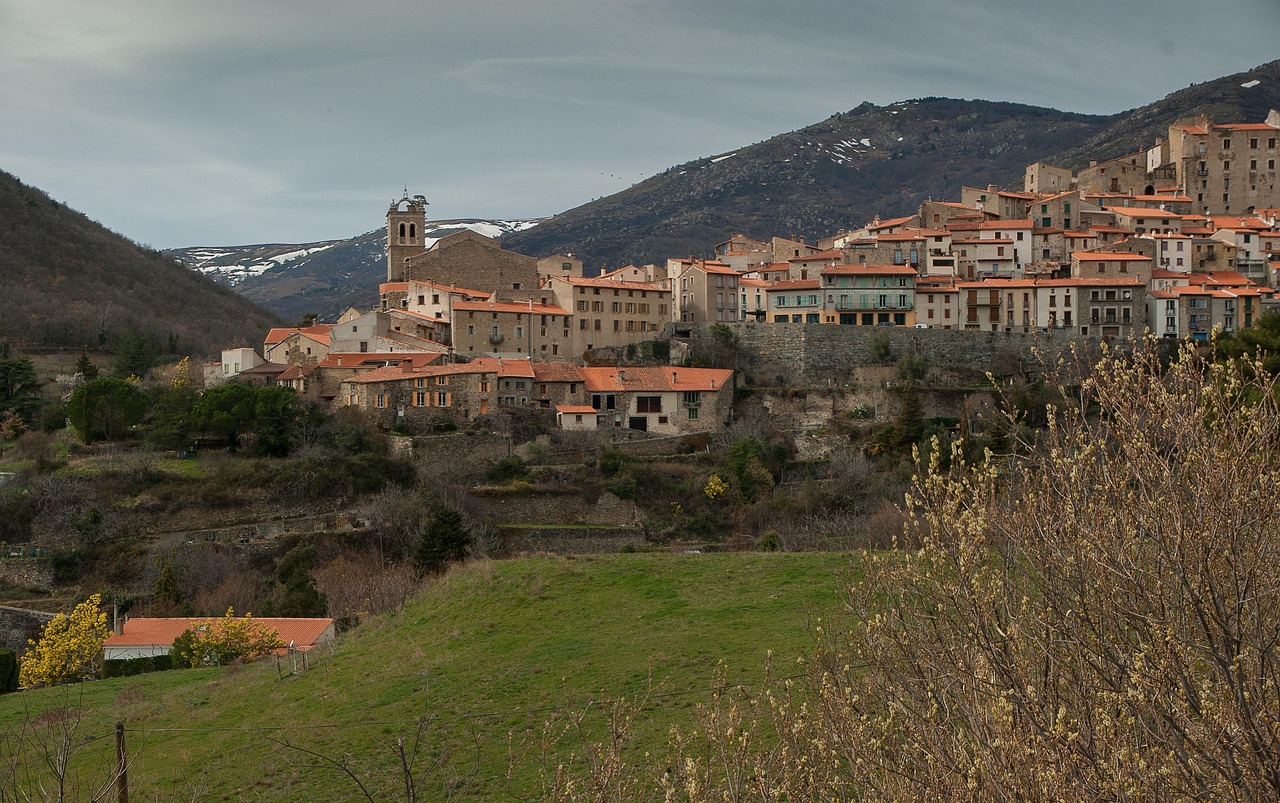
Why Visit Roussillon, France in 2026
If you’ve seen photos of Provence with red cliffs, pastel shutters and a sweep of lavender fields below a terracotta village – there’s a good chance you’ve already “met” Roussillon. What surprised me on my first visit (back in 2017) wasn’t the color – it was the silence between the bells of the church tower, the sound of someone sweeping their doorstep, and the way the light changes the village every hour.
In 2026, Roussillon is both well-loved and still deeply authentic. It’s popular, yes, but compared to nearby Gordes or Aix-en-Provence, it still feels like a place where people actually live, argue about the weather and gossip at the boulangerie. It’s an ideal base for:
- Slow travelers who want long breakfasts, afternoon walks and golden-hour photography.
- Couples looking for a romantic, walkable village with dramatic views and candlelit dinners.
- Families who want easy hikes, safe streets, and ice cream bribes after the ochre trail.
- Outdoor lovers keen on hiking, cycling and exploring the Luberon’s hilltop villages.
What makes Roussillon special is the rare mix of striking natural landscape (those ochre cliffs), cohesive village architecture (everything is painted in warm pigments), and a rhythm of local life that’s still visible if you’re willing to get up early and stay out after the tour buses leave.
This long-form travel guide for Roussillon (2026) is written for travelers who want more than a quick photo stop – especially if you’re planning a 3 day itinerary for Roussillon, 4 days in Roussillon, or even a 5 day itinerary for Roussillon using the village as your base in the Luberon.
Quick Overview of Roussillon
Roussillon is a small commune in the Vaucluse department of southeastern France, perched above the Parc naturel régional du Luberon. Its unique ochre deposits made it one of the most important pigment-producing areas in Europe in the 18th and 19th centuries. Today, those quarries are protected, and the village is officially recognized as one of Les Plus Beaux Villages de France.
- Region: Provence-Alpes-Côte d’Azur (Luberon)
- Nearest larger towns: Apt (15–20 min), Avignon (~1 hr), Aix-en-Provence (~1 hr 15 min)
- Best for: Landscapes, photography, slow travel, Luberon village-hopping
- Peak season: Late June–August (lavender + school holidays)
- Sweet spot: May–mid-June & September–October
The village itself is compact – you can walk end to end in under 15 minutes – but don’t be fooled: between the ochre trail, the cafés, small galleries, sunset viewpoints and nearby walking paths, it’s easy to spend several days here without feeling restless.
Suggested Itineraries: 3–5 Days in Roussillon
I’ve tried Roussillon as a rushed afternoon stop, a 3-day romantic escape, and a full week-long base with a rental car. The sweet spot for most travelers is between 3 days in Roussillon (for a relaxed taste of the village) and a 5 day itinerary for Roussillon (if you want day trips and deeper exploration).
3 Day Itinerary for Roussillon: Colors, Cliffs & Village Life
This 3 day itinerary for Roussillon is ideal if you want to focus mostly on the village and the nearby landscapes without too much driving. I’ll walk you through how I structured my own 3-day stay last autumn.
Day 1 – Arrival, First Walk & Golden Hour on the Ochre Cliffs
Every time I arrive in Roussillon, I aim for a check-in around early afternoon. The light on the village is lovely, and it gives you time to settle in before your first big experience: the Sentier des Ocres (Ochre Trail).
Morning / Early Afternoon: Settle into the Village
- Park at the main village parking lot below the center. In 2026, expect to pay a few euros for half a day in summer; it’s often free or cheaper in winter.
- Walk up the ramped street toward the main square (Place de la Poste). This first walk is a good time to mentally note cafés and bakeries.
- Check into your accommodation – if you can afford it and book early, a village-center B&B with a terrace is worth the splurge.
Lunch: Simple Provençal Welcome
For your first meal, I like to keep it simple – a salad, a tart, maybe a glass of local rosé. Several bistros near the main square offer lunch menus with a view of the ochre houses. Ask for something with chèvre chaud (warm goat cheese) or tapenade to dive into the local flavors.
Afternoon: The Sentier des Ocres (Ochre Trail)
Your first major activity, and one of the must-see attractions in Roussillon, is the Sentier des Ocres, a loop through the former ochre quarries carved into the hillside below the village.
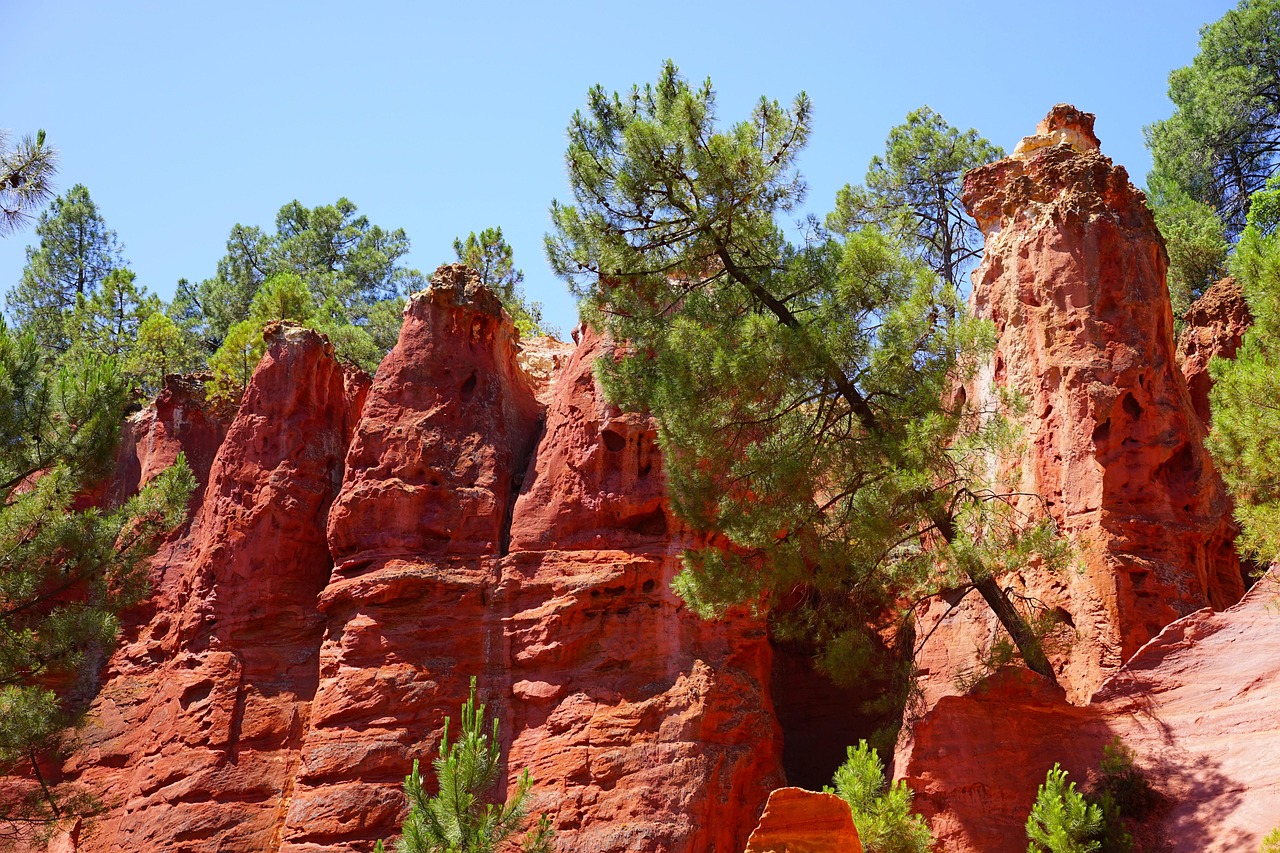
- When I go: I try to start 2–3 hours before sunset. The low sun makes the cliffs glow, and it’s less hot in summer.
- Routes: There’s a short loop (~30 min) and a longer loop (~60 min). If you’re comfortable on uneven steps, do the longer one – it feels like walking through a painting.
- Footwear: Wear closed shoes you don’t mind staining. The ochre dust sticks and can permanently color white sneakers.
- For kids: This is perfect. There are railings, steps, and lots of places to stop and play with (or in!) the red sand. Just bring wipes and a spare t-shirt.
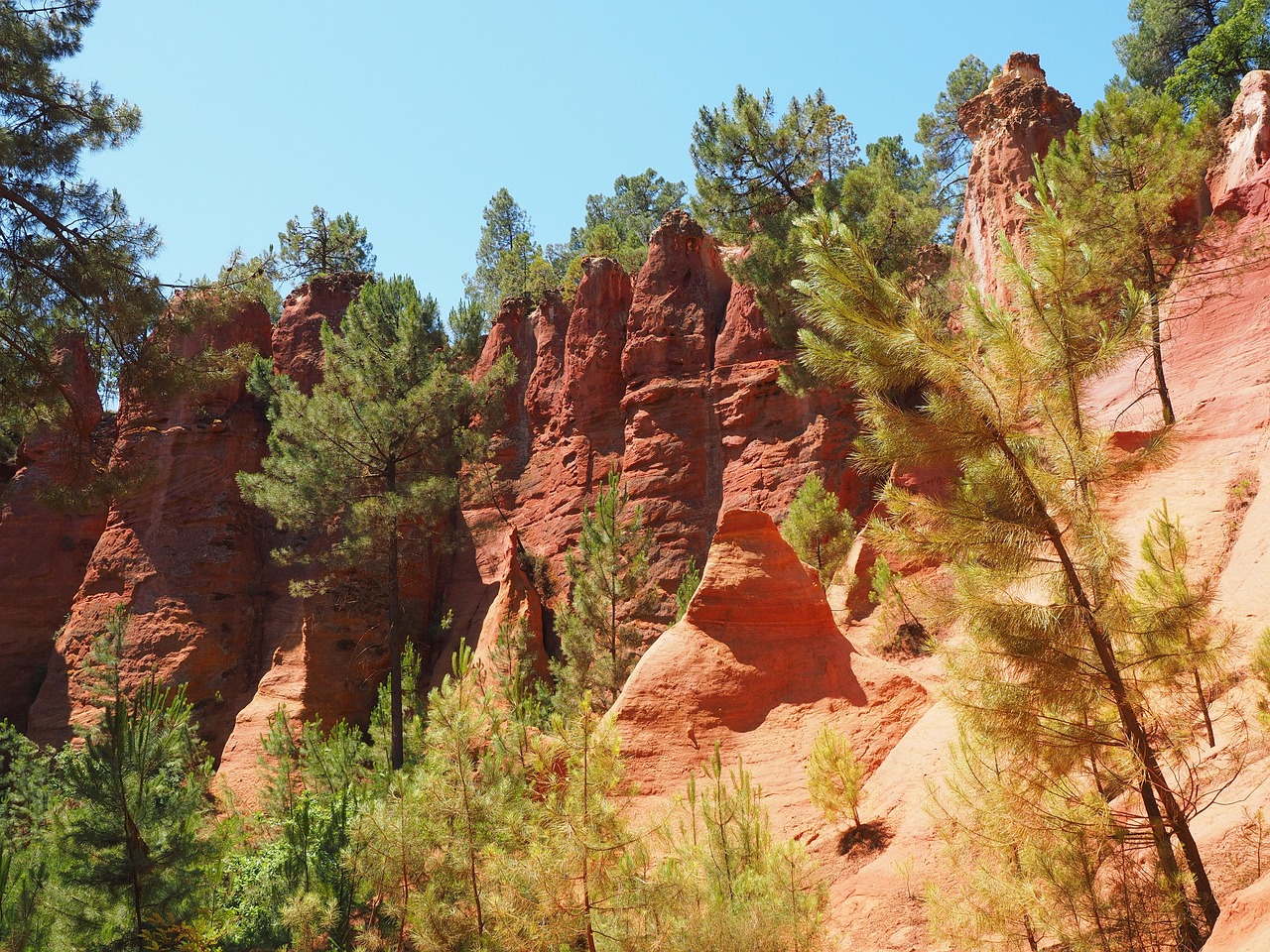
I still remember my first descent into the Sentier: the noise of the village vanished, replaced by the sound of footsteps on sand and the wind in the umbrella pines. The colors shift from deep red to almost neon orange, contrasted with dark green trees and a bright blue sky. It’s one of the most photogenic things to do in Roussillon, but also genuinely peaceful if you let the groups walk ahead.
Golden Hour & Sunset: Village Viewpoints
After the trail, head back up into the village. Before dinner, explore:
- Belvédère Viewpoint: Near the top of the village, follow signs to the panoramic terrace. You’ll see the ochre cliffs you just walked through and the rolling Luberon hills.
- Church of Saint-Michel & cemetery: The small church square is often quiet, and the cemetery behind it has a peaceful view over the valley.
Dinner: First Taste of Nighttime Roussillon
For dinner, I like one of the small restaurants lining the narrow streets above the main square. In 2026, several places are offering fixed-price menus with seasonal Provençal dishes – think daube provençale (beef stew with red wine), aïoli platters with fish and vegetables, and herb-scented roasted lamb.
After dinner, walk once more through the village. The ochre facades look softer under the street lamps, and you’ll get a sense of just how quiet Roussillon becomes after the day-trippers leave.
Day 2 – Village Details, Art, and Ochre Culture
Day 2 is all about slowing down and understanding how ochre shaped Roussillon’s history and aesthetics.
Morning: Village Stroll & Coffee Ritual
- Start with a café crème in the main square. Watch who’s carrying baguettes and who’s setting out market stalls (more on market days below).
- Wander the back lanes. Some of my best photos are from tiny alleys that dead-end at someone’s garden wall.
- Look up: shutters, door knockers, old house numbers – the details here are quietly beautiful.
Late Morning: Conservatoire des Ocres et de la Couleur
A short walk (about 10 minutes slightly downhill from the village center) brings you to the Conservatoire des Ocres et de la Couleur, housed in a former ochre factory in the hamlet of Usine Mathieu.
- Why go: To learn how ochre is extracted, processed and used as pigment. The old machinery and drying basins are still visible.
- What I love: The color workshops. Even if you’re not “arty,” playing with pigments is surprisingly fun.
- Tip: Check workshop schedules in advance (2026 dates are posted on their website and at the Roussillon tourist office). Some are kid-friendly, others are more technical.
On my second visit to Roussillon, I did a half-day pigment workshop here. We ground ochre, mixed it with binders, and painted small panels. It gave me a completely new appreciation for the painted facades back in the village.
Lunch: Picnic or Café
After the conservatory, I often grab picnic supplies at a small grocery or bakery: a baguette, goat cheese, a jar of tapenade, a few tomatoes. There are shady spots on the way back toward the village where you can sit and gaze at the cliffs.
Afternoon: Art Galleries & Local Crafts
Roussillon attracts painters, ceramists and photographers. Many have small ateliers in the village. Spend the afternoon:
- Visiting local galleries – look for work inspired by the ochre landscapes and Luberon villages.
- Browsing ceramics shops – I still use a small ochre-colored bowl I bought here in 2022.
- Picking up pigments or natural paints as a unique souvenir.
Late Afternoon: Short Walks Around the Village
There are gentle walking paths looping around the base of the village, leading to quieter viewpoints of the cliffs and the valley. If you’re a photographer, this is an ideal time – the light is less harsh.
Evening: Wine Tasting & Dinner
Many restaurants in Roussillon are proud of their local wine lists, especially Côtes du Luberon and Côtes du Ventoux reds and rosés. Ask for a small tasting flight if available, or let the server pick a glass that matches your dish.
After dinner, if the sky is clear, stay out for some stargazing. Away from big cities, the night sky over the Luberon is surprisingly rich, especially outside of high-summer light pollution.
Day 3 – Luberon Villages & Countryside from Roussillon
On your last day of this 3 days in Roussillon plan, get out into the wider Luberon. With a car, you can visit multiple hilltop villages; without one, you can still walk or bike short distances, or arrange a local driver.
Option A: Classic Luberon Villages Circuit (with car)
- Morning in Gordes: 25–30 min by car from Roussillon. Famous hilltop village with dramatic views, but busier. Stroll the cobbled streets and visit the viewpoint below the village for iconic photos.
- Sénanque Abbey: If it’s lavender season (late June–July), continue to Sénanque Abbey (book ahead). Respect the silence; this is a working monastery.
- Lunch in Goult or Bonnieux: Both are lovely, slightly less crowded villages with good restaurants and cafés.
- Afternoon in Bonnieux or Lacoste: Explore more hilltop lanes, or simply relax at a café with a view.
- Return to Roussillon for sunset: End your 3-day stay where you started: at the village belvédère.
Option B: Car-Free Countryside Day
If you’re car-free, ask your accommodation or the tourist office about:
- Guided e-bike tours through the surrounding countryside.
- Local taxi/driver services for a half-day trip to one nearby village (Apt, Gordes or Bonnieux).
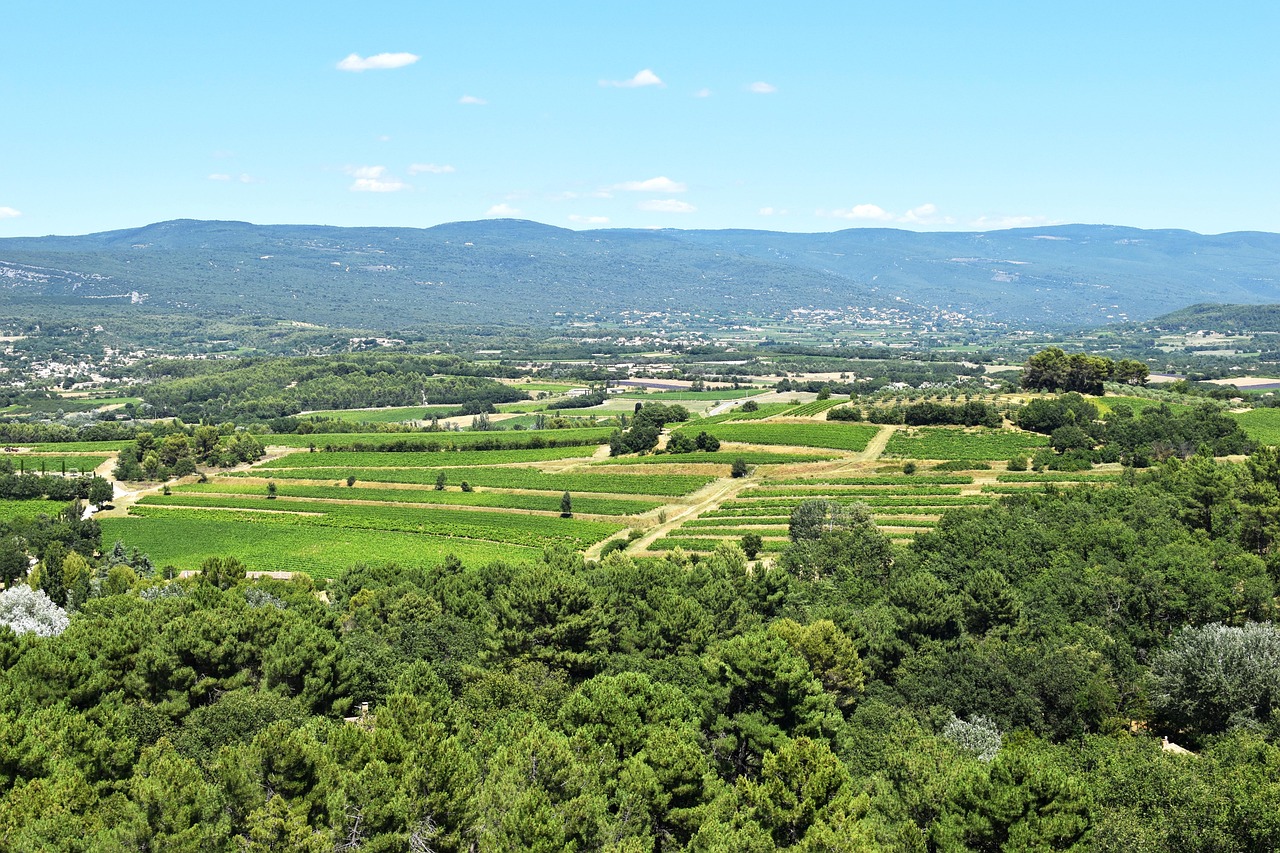
- Walking paths around Roussillon that loop through vineyards and small woods.
My favorite car-free day here was actually a simple one: I rented an e-bike from a local provider, did a gentle loop through vineyards and small roads, stopped for lunch at a roadside café, and rolled back into Roussillon in time for an ice cream and a last stroll.
4 Day Itinerary for Roussillon: Deeper Colors & More Villages
If you have 4 days in Roussillon, you can slow the pace, add a dedicated wine or hiking day, and avoid the feeling of “village fatigue.”
Days 1–3 follow the outline above, but spread out a bit more. For Day 4, choose a theme:
Day 4 Option 1 – Wine & Hilltop Views
- Morning: Visit a nearby cave (wine cellar) for a tasting of Luberon wines. Many are within 20–30 minutes’ drive.
- Lunch: Picnic in the vineyards or at a country restaurant.
- Afternoon: Stop at one more hilltop village – maybe Ménerbes or Oppède-le-Vieux for a quieter atmosphere.
- Evening: Back to Roussillon for a simple dinner and a last-night walk.
Day 4 Option 2 – Hiking & Nature
- Morning: Early start for a hike in the Luberon Regional Park. There are marked trails with varied difficulty, including forested paths and ridge walks.
- Picnic lunch: Pack supplies from Roussillon.
- Afternoon: Maybe a short second walk near another village or a lazy café stop.
- Evening: Relaxed dinner in Roussillon. Your legs will thank you.
With four days, you also have time to simply do nothing for a half-day: read on your terrace, sketch the village roofs, or sit in the square and watch the world stroll by.
5 Day Itinerary for Roussillon: Slow-Travel Base in the Luberon
A 5 day itinerary for Roussillon is perfect if you want to use the village as a cozy base for exploring much of the central Luberon without changing hotels constantly.
For 5 days in Roussillon, I’d structure it like this (adapting for weather and your energy levels):
- Day 1: Arrival, Sentier des Ocres, sunset in the village.
- Day 2: Roussillon deep dive – conservatory, galleries, local walks.
- Day 3: Classic Luberon village circuit (Gordes, Bonnieux, Goult, etc.).
- Day 4: Nature or wine-focused day (hiking, cycling, vineyard visits).
- Day 5: Free day: market in Apt, lavender fields in season, or simply more of whatever you loved most.
On my longest Roussillon stay (6 nights in late September), we ended up revisiting our favorite café every morning, doing a “big” outing every other day, and filling the in-between days with relaxed strolls, writing, and a frankly ridiculous number of photos of ochre doorways.
Neighborhoods & Areas in and around Roussillon
Roussillon is small enough that you’ll quickly understand its layout, but it helps to think of a few distinct zones:
1. Village Core (Historic Center)
The dense cluster of ochre houses, narrow lanes and small squares. This is where most restaurants, galleries and shops are. Staying here means:
- Pros: Walk everywhere; magical early mornings and evenings; great atmosphere.
- Cons: Slightly higher prices; more noise in high season; limited parking.
2. Belvédère & Church Quarter
The upper part of the village, around the Church of Saint-Michel and the main viewing terrace. Quieter once the day-trippers leave, with some accommodations offering panoramic views.
3. Lower Village & Access Roads
Below the historic center, around the main car parks and roads into the village. Here you’ll find:
- Parking areas with paid meters (in season).
- A few hotels and B&Bs with easier car access.
- The starting point for some walking paths around the base of the cliffs.
4. Usine Mathieu / Conservatoire Area
Slightly out of the main village (but walkable), this old industrial site turned art and color center is its own small “quarter,” with creative energy, workshops and sometimes temporary exhibitions.
5. Surrounding Countryside
Within a few kilometers of Roussillon you’ll find:
- Vineyards producing Luberon wines.
- Scattered farmhouses and gîtes (holiday rentals).
- Small roads perfect for cycling and scenic drives, connecting to neighboring villages like Goult, Gargas and Bonnieux.
If you stay in the countryside, you’ll need a car, but you’ll wake up to absolute quiet and starry skies – a very different experience from the village center.
20 Must-See Attractions & Experiences in Roussillon
Below are twenty of the best places to visit in Roussillon and the surrounding area, with history, significance, and personal tips. I’ll start with the icons and move to less obvious hidden gems in Roussillon.
1. Sentier des Ocres (Ochre Trail)
If you only do one thing here, make it this. The Sentier des Ocres is a marked trail through the old ochre quarries at the edge of the village, created after industrial extraction stopped in the mid-20th century. The landscape is almost otherworldly: pillars, cliffs and formations carved by erosion and human activity, glowing in intense reds and oranges.
Historically, this area was heavily mined for ochre, which was cleaned, dried, ground and shipped all over Europe for use in paints, plasters and dyes. Today, the quarries are protected, and the trail exists to let you experience this unique geology without damaging it.
From a practical standpoint:
- Best time: Early morning or late afternoon for softer light and fewer crowds.
- Duration: 30–60 minutes depending on the loop.
- Access: Paid entry, tickets at the entrance near the village edge.
- Tip: Bring water in summer – it can be very hot and exposed.
My most vivid memory here is from a winter visit: a cool, crisp January afternoon when I practically had the trail to myself. The low sun made long shadows of the pine trees, and every footstep sounded louder without the summer crowds. It felt like walking through a private art installation.
2. Roussillon Historic Village Center
The village itself is an “attraction,” but it’s more than a backdrop for photos. The charm lies in wandering:
- Place de la Poste: The informal main square, lined with cafés and small shops. Morning coffee here is a ritual.
- Narrow lanes: Some streets are barely wide enough for two people to pass, with plants spilling from windowsills.
- Hidden corners: Small staircases, passageways, and tiny plazas that don’t appear on any map.
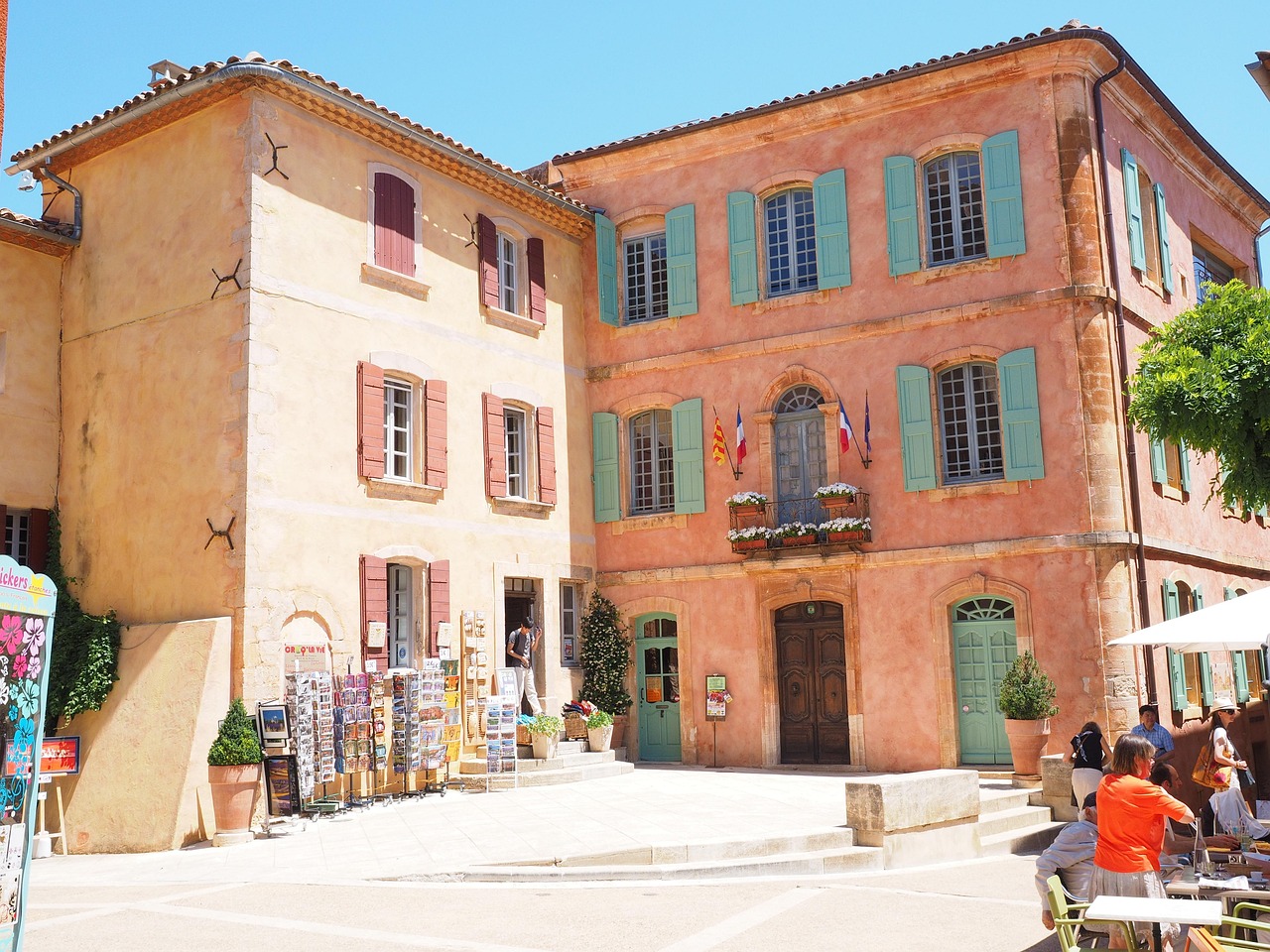
Many houses are centuries old, coated in limewash tinted with local pigments. You’ll notice variations in tone – some facades lean more toward coral, others toward burnt sienna.
I always recommend at least two full “laps” of the village:
- Once in the morning, when delivery vans and locals dominate the streets.
- Once in the evening, when the light is golden and the day-trippers are gone.
3. Belvédère Viewpoint
At the top of the village, near the church, a broad terrace offers wide views over the ochre cliffs, the valley and the distant Luberon mountains. This is often the busiest point at sunset, for good reason.
Historically, this high point was strategic for defense and for monitoring fields and roads below. Today, it’s purely about the view. On clear days, you can distinguish different layers of hills fading into the horizon.
My tip: arrive 20–30 minutes before official sunset, grab a spot along the low wall, and stay 10 minutes after the sun dips. The afterglow can be even prettier than the main event, and most people leave too soon.
4. Église Saint-Michel (Church of Saint-Michel)
The village church, dedicated to Saint Michael, stands near the highest point of Roussillon. It’s modest compared to grand Provençal cathedrals, but its simplicity suits the village.
The building has medieval origins, with later alterations. Inside, you’ll find:
- Simple stone walls and barrel vaults.
- Altarpieces and statues reflecting local devotion.
- A quiet, cool atmosphere that’s a welcome break on hot days.
I like to step in briefly each time I pass, light a candle and enjoy the silence. It’s also a reminder that Roussillon is not just a postcard, but a living community with births, weddings and funerals that all pass through this doorway.
5. Conservatoire des Ocres et de la Couleur
Housed in the former Usine Mathieu factory, this institution is dedicated to preserving and teaching about ochre and natural colors.
Historically, the factory processed tons of raw ochre from surrounding quarries. The conservatory now:
- Explains the geology of ochre deposits.
- Shows the industrial process: washing, decanting, drying, grinding.
- Offers workshops in pigment preparation, fresco technique, and natural paints.
My favorite experience here was a small-group fresco workshop. We applied pigments directly onto fresh lime plaster, learning how the color bonds chemically as the plaster dries. It made every ochre wall in the village feel like a living surface, not just “paint.”
For families, check their 2026 schedule for children’s activities – they sometimes run hands-on classes where kids can mix their own paints.
6. Former Ochre Quarries & Panoramic Paths
Beyond the formal Sentier des Ocres, the hills around Roussillon contain other former quarries and color-streaked cuts in the landscape. Some are accessible via marked footpaths; others are on private land and should be respected as such.
If you’re up for a longer walk, ask the tourist office about current routes (they occasionally change due to erosion or land access). A favorite of mine is a loop that skirts pine forests and opens onto views where you can see both the village and distant Ventoux on a clear day.
7. Local Art Galleries & Ateliers
Scattered through the village are small galleries and studios, often manned by the artists themselves. Expect:
- Landscape paintings capturing the Luberon light.
- Abstract works inspired by color and texture.
- Ceramics, jewelry, and mixed media pieces.
One rainy afternoon, I ducked into a tiny gallery just to escape a passing shower and ended up chatting with the painter for nearly an hour about how the colors change seasonally. I left with a small, ochre-splashed canvas that still hangs by my desk.
Tip: In high season, galleries may stay open later into the evening; in shoulder season, hours can be shorter and more irregular. Don’t assume something is closed forever if the door is shut at lunchtime – try again later.
8. Weekly Markets (Roussillon & Nearby Apt)
Roussillon itself has smaller market activity, while nearby Apt hosts one of the most famous markets in the region.
- Apt Saturday Market: Huge, lively, and full of local produce, cheeses, olives, honey, fabrics and more. It’s about 15–20 minutes by car from Roussillon.
- Roussillon local stalls: Seasonal stands selling fruits, vegetables and artisan items sometimes appear in or near the main square.
Visiting the Apt market from Roussillon is one of my favorite Saturday routines: drive in early, park on the edge of town, wander with a coffee in hand, and pick up supplies for the next couple of days.
9. Local Cafés & Terrace Life
“Terrace time” is an essential cultural experience in Roussillon. Sitting with a drink, watching people come and go, is not laziness – it’s a local art form.
Over multiple visits, I’ve adopted a rotating café schedule:
- Morning: A spot with good coffee and fresh croissants.
- Afternoon: Shade, a cold drink, maybe ice cream.
- Apéro hour: A terrace with sunset views and a decent wine list.
Don’t rush your coffee; savor it, and you’ll start to feel the slower rhythm of the village.
10. Luberon Vineyards Near Roussillon
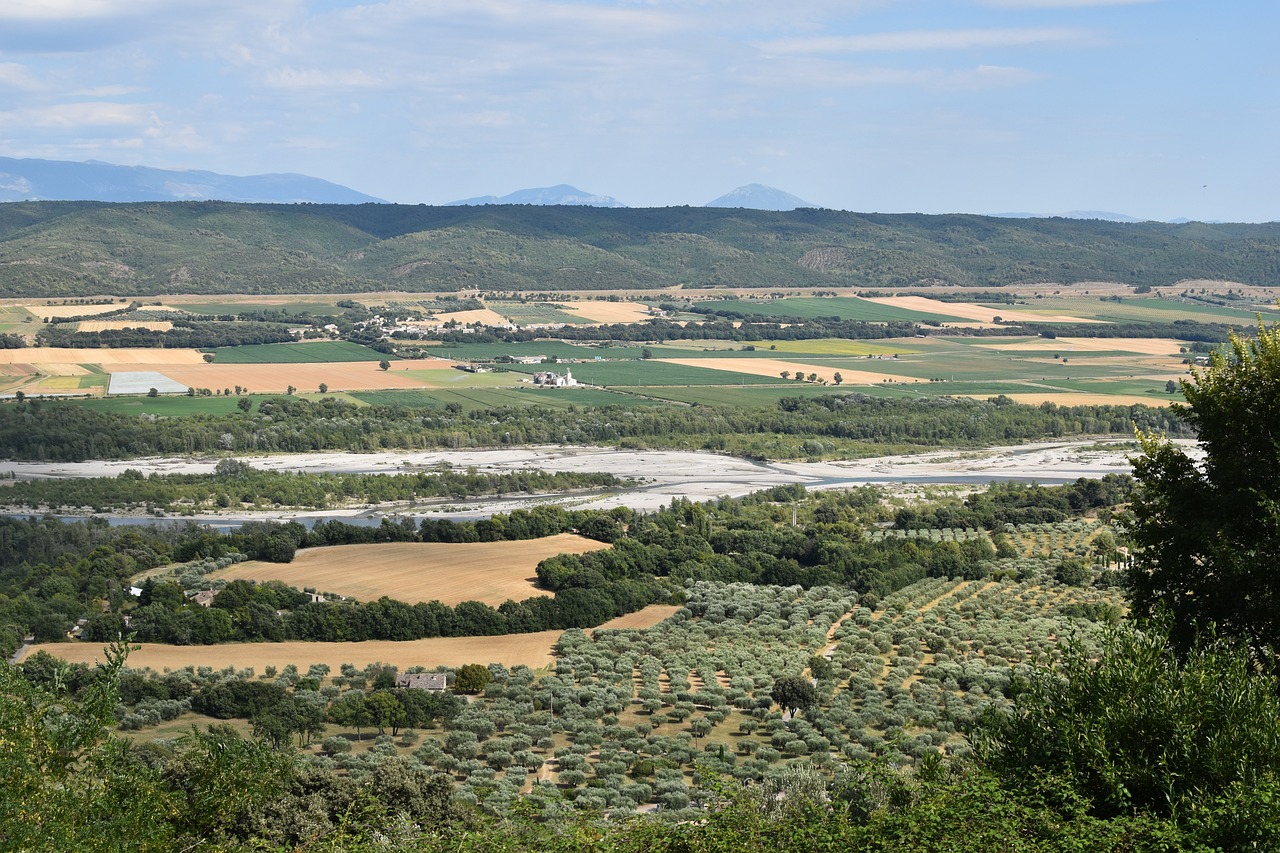
The slopes around Roussillon form part of the Luberon AOC, producing expressive reds, rosés and some whites. Visiting a nearby cave (wine estate) is both a tasting experience and a chance to see the agricultural side of the region.
On one visit, a winemaker walked us through the vines, showing how the mistral wind and rocky soils shape the grapes. We tasted directly from barrels in a cool stone cellar, then bought a couple of bottles to share back at our B&B terrace in Roussillon.
Tips:
- Call or email ahead – many estates prefer appointments, especially outside of peak season.
- Designate a driver or arrange a taxi if you plan to taste generously.
- Ask about shipping if you fall in love with a particular bottle.
11. Sunset & Blue Hour Photography Spots
Roussillon is paradise for photographers. Beyond the belvédère, my favorite spots include:
- A small bend in the entry road where you get a full village profile against the sky.
- Lanes near the outer edges of the village where you can frame doorways and distant hills in one shot.
- Occasional viewpoints along neighboring roads where Roussillon appears perched on its ochre hill.
Try staying out through blue hour (the period just after sunset when the sky deepens to rich blues). The village lights turn on, creating a soft, warm glow against the cliffs.
12. Walking Paths Around the Base of the Village
Several informal paths loop around the base of the village. They’re perfect for:
- Morning jogs with cliff views.
- Afternoon strolls under the pines.
- Dog walks if you’re traveling with a pet (many accommodations here are pet-friendly).
Ask your host or the tourist office for a current map – some sections can be muddy after heavy rain, and occasionally paths are rerouted.
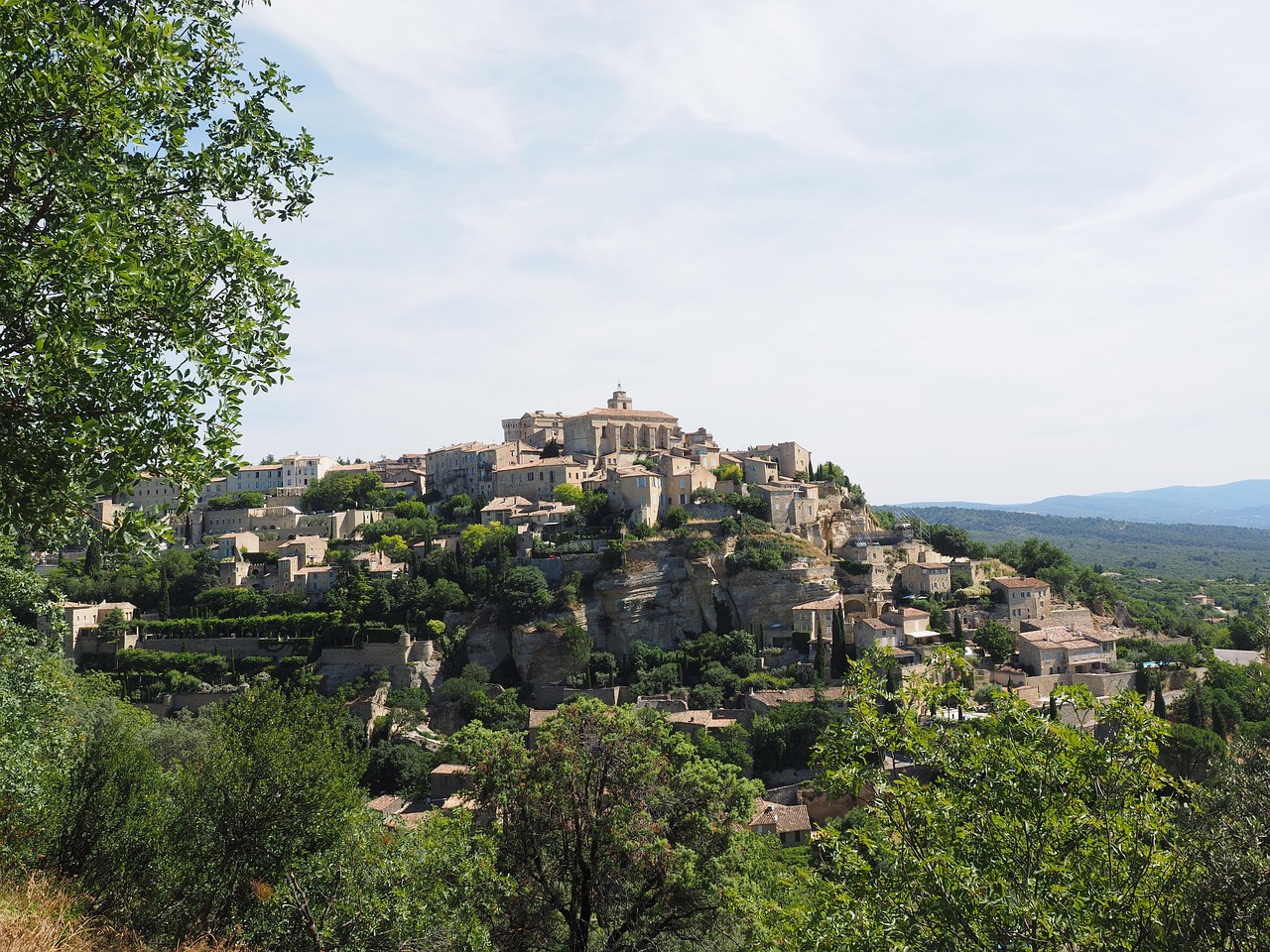
13. Nearby Village of Gordes
A frequent partner in Roussillon itineraries, Gordes is about a 25–30 minute drive away and often appears in lists of the most beautiful villages in France.
The main appeal:
- Dramatic hilltop setting with stone houses cascading down.
- Historic castle in the center.
- Markets, restaurants, and art spaces.
My favorite moment in Gordes is actually from the classic viewpoint on the road approaching from the west, where you can pull over (safely) and see the entire village facing you.
14. Bonnieux & the Luberon Ridge
Bonnieux, another hilltop gem, offers:
- Steep, atmospheric streets climbing toward the old church.
- Views over the valley toward Lacoste and beyond.
- Good restaurants and cafés, slightly less frantic than Gordes in peak season.
On a cool September day, we climbed to the upper church and sat on a low wall, sharing a baguette sandwich and watching clouds drift over the Luberon ridge. It felt like time had slipped a few decades back.
15. Goult – Under-the-Radar Hilltop Village
Goult is a quieter, more lived-in village about 20 minutes from Roussillon. It’s one of my favorite hidden gems near Roussillon:
- Less touristy, with a strong year-round community.
- A central square with a few excellent restaurants and cafés.
- Winding streets leading to a restored windmill and terrace viewpoint.
If you’re feeling overwhelmed by tourist crowds elsewhere, a few hours in Goult are a balm.
16. Ménerbes & Wine Culture
Perched on a narrow ridge, Ménerbes combines village charm with strong wine culture.
The village gained broader fame from Peter Mayle’s book A Year in Provence, and you’ll still feel that expatriate-meets-local vibe in some of its shops and eateries.
Combine Ménerbes with a nearby wine estate visit for a full, satisfying day from Roussillon.
17. Lavender Fields (Seasonal, Late June–July)
While Roussillon itself isn’t surrounded by the densest lavender fields, within 20–40 minutes’ drive you can find stunning purple rows in season, especially near Apt, Gordes, and the road toward Sénanque Abbey.
In 2023 I visited during peak bloom; the combination of lavender scent, gentle hum of bees and distant bells from a village was unforgettable. In 2026, expect similar bloom times, but always check locally – weather can shift peak weeks by a bit.
18. Apt – Market Town & Everyday Life
Apt, about 15–20 minutes from Roussillon, is less picturesque than the hilltop villages but more “real.” It’s where locals go for:
- Big supermarket shops.
- Saturday market (one of Provence’s best).
- Services, banks, pharmacies etc.
I like to visit Apt at least once per longer stay to reset: get practical errands done, buy fresh fruit, and remind myself that Provence is a living region, not just a postcard.
19. Luberon Hiking & Bike Routes
The Parc naturel régional du Luberon is crisscrossed with hiking trails and cycling routes, from easy family-friendly paths to more challenging climbs.
Starting from Roussillon, you can:
- Join longer-distance trails connecting multiple villages.
- Rent a bike (traditional or e-bike) for rolling countryside rides.
- Join guided hikes organized by local associations or guides.
My legs always remember the long, gentle uphill into one particular village more than my head does, but the reward – a cold drink at a shaded café – is always worth it.
20. Night Sky & Seasonal Events in Roussillon
One of Roussillon’s overlooked attractions is the night sky. Away from the biggest urban centers, star visibility is better than many travelers are used to.
In addition, the village and nearby towns host seasonal events, concerts and exhibitions (more details in the Events & Festivals section). Combining a late dinner, a short nighttime walk through quiet streets, and a bit of stargazing is my idea of a perfect Roussillon evening.
Local Food & Drink in Roussillon
One of my main reasons for returning to Roussillon regularly is the food. Not because it’s a “gourmet capital,” but because it’s comforting, seasonal and quietly excellent when you know where to look.
What to Eat: Provençal Specialties
- Aïoli: A garlicky mayonnaise served with fish and steamed vegetables.
- Tapenade: Olive spread (black or green), perfect on bread or with crudités.
- Ratatouille: Slow-cooked vegetable medley – nothing like the rushed versions abroad.
- Daube provençale: Beef stew braised with red wine, olives, and herbs.
- Goat cheese: Fresh and aged versions from nearby farms.
- Seasonal tarts: Tomato tart with mustard, apricot tart in summer, apple in autumn.
What to Drink
- Rosé de Provence: Light, dry, perfect with long lunches.
- Reds from Luberon & Ventoux: Great with heartier dishes.
- Pastis: Anise-flavored aperitif, diluted with water – very local.
- Local syrups & lemonades: For non-drinkers and kids.
Where to Eat in & around Roussillon (2026)
Restaurant scenes change, but as of 2026, Roussillon and its immediate surroundings offer:
- Village bistros: Simple, solid cooking with set menus for lunch and dinner.
- View restaurants: A few places perched near the edges of the village with terraces overlooking the valley.
- Cafés & snack spots: For sandwiches, salads, and ice cream.
I like to vary between a splurge dinner with multiple courses and more casual meals built from market purchases or bakery finds.
Saving Money on Food
- Lunch as main meal: Many restaurants offer more affordable lunch menus than dinner.
- Self-cater breakfasts: Buy croissants and coffee supplies and enjoy them on your terrace instead of at a café every day.
- Picnics: With good bread, cheese, fruit and a bottle of wine, you can have a memorable meal for a fraction of restaurant prices.
Nightlife, Entertainment & Cultural Experiences
Roussillon is not a nightlife hub in the clubbing sense. Its evenings are about:
- Long dinners on terraces under string lights.
- Wine and conversation at café tables.
- Occasional concerts in the church or village squares during summer.
In 2026, expect:
- Summer cultural programs: Outdoor performances, small festivals, art exhibitions (check posters in the village).
- Nearby events: Larger concerts and festivals in Apt, Avignon (famous theater festival) and other Luberon towns, easily reachable by car.
On my last summer visit, we stumbled upon a small jazz trio playing in a corner of the square one evening – completely unadvertised online, just announced on a paper flyer on the tourist office door. That’s very Roussillon.
Events & Festivals in Roussillon (2026–2027)
Exact annual dates vary, but here’s what to look out for in 2026–2027 in and around Roussillon:
- Summer Cultural Evenings in Roussillon (July–August 2026): Small-scale concerts, theater performances and art events, often outdoors. Programs are typically announced in spring 2026.
- Apt Saturday Market (year-round): Bigger and livelier in summer, but worth visiting any time.
- Lavender Season Events (late June–July 2026): Neighboring villages may host lavender festivals, distillery open days and themed markets.
- Harvest Season (September–October 2026): Not a single festival, but a general mood. Grape harvests, wine estate events, and autumn food specials in restaurants.
- Christmas Markets (December 2026): Smaller village markets and decorations, with larger Christmas events in towns like Avignon and Aix-en-Provence.
- Avignon Theatre Festival (July 2026 & 2027): About an hour away, but often combined with a Roussillon stay by culture lovers.
For up-to-date schedules, check:
- The Roussillon tourist office notices (physical board in the village and website).
- Regional tourism sites for the Luberon and Vaucluse.
Day Trips & Nearby Attractions from Roussillon
Roussillon makes an excellent base for exploring much of the Luberon region. With a car, these destinations are easy day trips:
- Gordes & Sénanque Abbey: Village + monastery + (seasonal) lavender fields.
- Bonnieux & Lacoste: Paired hilltop villages with rich history.
- Ménerbes & Oppède-le-Vieux: Less crowded, more contemplative.
- Apt: Market town and practical hub.
- L’Isle-sur-la-Sorgue: Slightly further but famous for antique markets and waterwheels.
- Avignon or Aix-en-Provence: Longer day trips for city culture, museums and larger shopping.
Practical tips:
- Start early to find parking in popular villages by mid-morning, especially in July–August.
- Plan one “heavy driving” day and one “light or no driving” day to avoid burnout.
- Remember that many small villages have steep streets – wear comfortable shoes.
Cultural Etiquette & Local Customs in Roussillon
Provence is relaxed, but there are a few cultural habits worth knowing to make your stay smoother and more respectful.
Greetings & Politeness
- Always say “Bonjour” when entering shops, cafés or speaking to staff. It’s essential politeness in France.
- “Merci, au revoir” when leaving shops is appreciated.
- Even if you don’t speak French, a few words (bonjour, merci, s’il vous plaît) go a long way.
Dining Customs
- Lunch is usually served 12:00–14:00; dinner from around 19:00 or 19:30.
- It’s common to reserve for dinner, especially in high season and weekends.
- Lingering at your table after the meal is normal; no one will rush you.
- Water: You can ask for a carafe d’eau (tap water) instead of bottled.
Quiet Hours & Behavior
- Roussillon is a small village with many residents. Keep noise down late at night, especially near homes.
- Respect church services if visiting the church – dress modestly and stay quiet.
Photography Etiquette
- It’s fine to photograph streets and buildings, but be careful not to intrude on private courtyards or people’s windows.
- Ask permission before photographing someone closely, especially children.
Driving & Parking Customs
- Streets in the village are narrow; drive slowly and yield to pedestrians.
- Use designated parking areas – don’t try to sneak your car into tiny local spots.
Practical Travel Advice for Roussillon (2026)
How to Get to Roussillon
- By Air: Nearest major airports are Marseille Provence (MRS) and Avignon. From there, you’ll likely rent a car or take trains/buses to Apt or nearby towns.
- By Train: High-speed TGV to Avignon or Aix-en-Provence, then regional transport and/or car rental.
- By Car: The most flexible option. Roussillon is well signposted from Apt and other Luberon towns.
Getting Around Roussillon & the Luberon
- On foot: The village itself is entirely walkable.
- By car: Best for exploring multiple villages and countryside.
- By bike/e-bike: Great for shorter distances and mild hills.
- Buses: Limited regional buses connect some towns, but schedules are sparse – check latest timetables if relying on public transport.
Car Rental & Foreign Driver’s Licenses
In 2026, most visitors rent cars from major agencies at Marseille, Avignon or Aix-en-Provence.
- License: Many non-EU licenses are accepted, but some countries require an International Driving Permit (IDP). Check French regulations and your rental agency’s policies before travel.
- Driving style: Roads are generally good but narrow and winding in places. Drive cautiously and avoid rushing.
- Parking: Use official lots in Roussillon; expect to pay in peak season.
SIM Cards & Connectivity
- EU travelers: Most EU mobile plans include roaming in France at domestic rates.
- Non-EU travelers: Consider buying a French or EU SIM (e.g., at airports, major supermarkets, or phone shops in Apt, Avignon or Aix). eSIM options are increasingly common in 2026.
- Signal: 4G coverage is decent in and around Roussillon, but some rural pockets may be weaker.
Money-Saving Tips
- Travel off-peak: May–June and September–October offer lower prices and fewer crowds.
- Self-cater some meals: Breakfasts and picnics can cut costs dramatically.
- Stay slightly outside the village: Countryside gîtes can be better value than central hotels, especially for families or groups.
- Use free experiences: Village walks, countryside hikes, and viewpoints don’t cost anything.
Where to Stay
- Village B&Bs & boutique hotels: Ideal for couples and solo travelers wanting to be in the center of things.
- Self-catering apartments: Great for longer stays and those who enjoy cooking.
- Countryside farm stays & gîtes: Perfect for families, groups, or anyone seeking quiet and space.
On my longest stay, we chose a small apartment just below the village center: close enough to walk everywhere, far enough from the main square to be blissfully quiet at night.
Visa Requirements
Roussillon is in France, part of the Schengen Area. Visa requirements depend on your nationality:
- EU/EEA/Swiss citizens: Can travel freely with a valid ID card or passport.
- Many non-EU nationals: May enter visa-free for short stays (up to 90 days in a 180-day period), but rules vary.
- Always check the latest requirements from the official French consular services or your government’s travel advice before your trip. New electronic pre-travel authorizations for some nationalities are expected around this period – verify before booking.
Health & Safety
- Roussillon is generally very safe. Petty theft is rare but possible – keep an eye on belongings in busy spots.
- Summer heat can be intense; carry water, sunscreen, and a hat, especially on the ochre trail.
- Wear good shoes; cobbles and uneven paths are part of the charm but can trip you up.
Best Seasons & What They’re Good For
- Spring (April–May):
- Mild temperatures, wildflowers, fewer crowds.
- Great for hiking and photography.
- Early Summer (June–early July):
- Lavender fields (depending on year), long days.
- Can be busy, but still magical if you plan mornings and evenings well.
- High Summer (mid-July–August):
- Hot and crowded, especially with French school holidays.
- Best if you love lively terraces and don’t mind the heat.
- Autumn (September–October):
- Harvest vibes, softer light, still-warm days.
- My personal favorite time: fewer crowds, wonderful food, and comfortable weather.
- Winter (November–March):
- Quiet, some businesses may close or reduce hours.
- Atmospheric if you like peaceful villages and don’t need constant buzz.
Hidden Tips from Repeat Visits
- Arrive early on Sundays: Many visitors come for Sunday lunches – parking fills quickly late morning.
- Carry small cash: Some small vendors and older parking meters still prefer coins, though card acceptance is growing.
- Layer your clothing: Evenings can be cool outside high summer, especially with the mistral wind.
- Check local noticeboards: The best little concerts, exhibitions and pop-up events are often advertised only on paper in the village.
- Respect the ochre: Don’t take rocks or sand as souvenirs; preservation ensures this landscape remains for future travelers.
Summary & Final Recommendations
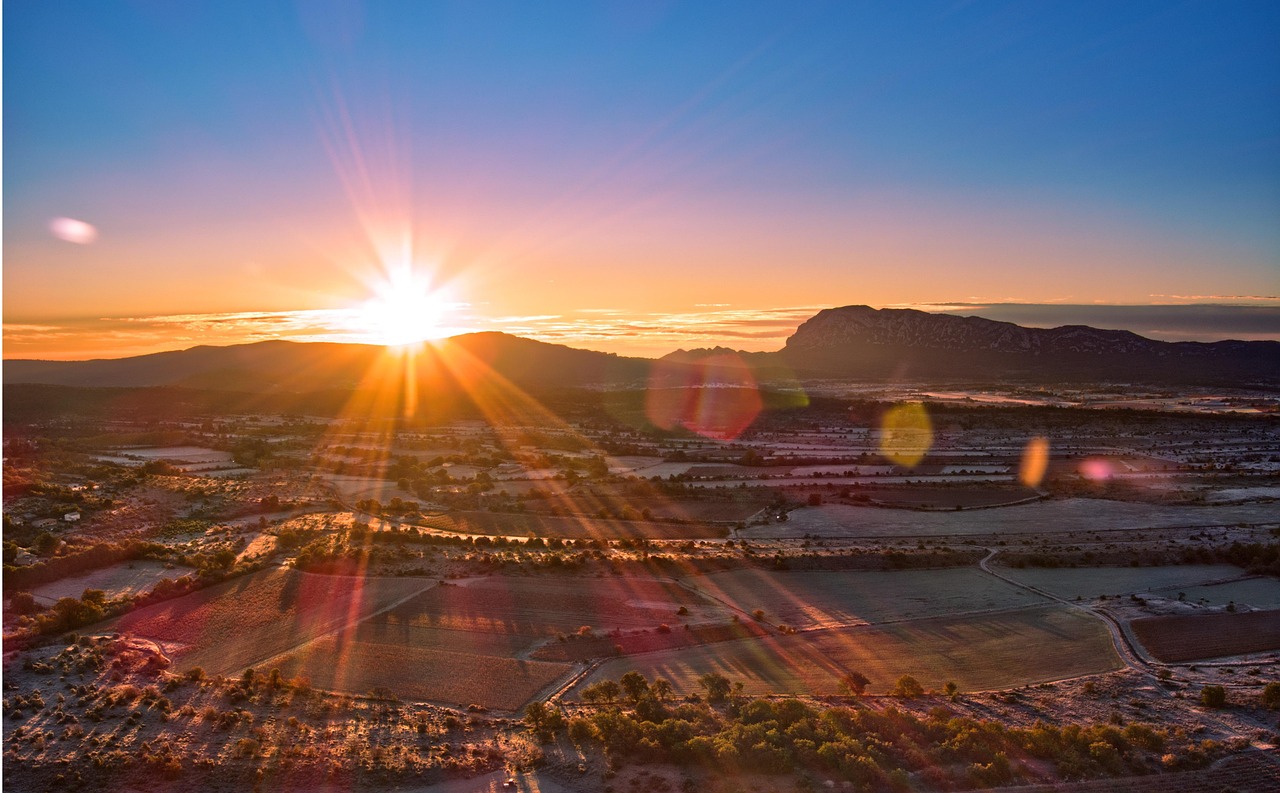
Roussillon is not a place of big-ticket “sights” in the city sense. It’s a village to be lived in for a few days – walked, tasted, photographed and quietly observed. The must-see attractions in Roussillon – the Sentier des Ocres, the belvédère, the conservatory – are anchors, but the real magic lies in:
- Early-morning walks through empty lanes, when shutters are still half-closed.
- Late-afternoon shadows on the ochre cliffs.
- Evening terrace conversations with a glass of local wine.
For most travelers, a 3 day itinerary for Roussillon offers enough time to fall under its spell, while 4 days in Roussillon or a 5 day itinerary for Roussillon lets you explore neighboring villages and the wider Luberon without hurry.
If you’re choosing when to come, my honest recommendation after multiple visits is:
- Best overall: Late May–June and September–early October – balance of weather, crowds and prices.
- For lavender: Late June–early July (check yearly variations).
- For quiet reflection: Late autumn or winter, knowing some venues will be closed but the atmosphere will be uniquely serene.
Come with comfortable shoes, a curious eye for color, and a willingness to slow your pace. Roussillon will do the rest.