Why Visit Saint-Tropez?
Saint-Tropez is a paradox—and that’s exactly why I love it. On one hand, it’s the glamorous playground of artists, actors, and tech billionaires; a place where superyachts glitter in the old port and champagne flows like water at sunset beach clubs. On the other, it’s still very much a Provençal fishing village: pastel facades, old men playing pétanque under plane trees, and the smell of socca and fresh bread drifting through narrow lanes.
What makes Saint-Tropez special is this mix of old-world charm and modern hedonism. You can spend the morning wandering cobbled streets and 17th-century fortifications, the afternoon on soft golden sand at Pampelonne Beach, and the evening sipping rosé in a quiet courtyard where locals argue about football and politics.
In 2026, Saint-Tropez feels more balanced than ever. The town has invested in sustainable tourism, new cycling paths, and better public transport along the bay. Long-standing family-owned places are thriving alongside the flashy newcomers, and there’s a real push to celebrate local culture beyond the clichés.
Whether you’re planning a 3 day itinerary for Saint-Tropez or stretching to 4 or 5 days in Saint-Tropez, this travel guide will help you find the best places to visit, the local food in Saint-Tropez you shouldn’t miss, and the hidden gems that most people walk right past.
Table of Contents
- Why Visit Saint-Tropez?
- Essential Overview of Saint-Tropez
- Neighborhoods & Areas to Explore
- Top 20 Attractions & Experiences
- 3–5 Day Itineraries (Personal Stories & Plans)
- Food & Drink: What and Where to Eat
- Nightlife, Culture & Entertainment
- Major Events in 2026–2027
- Day Trips from Saint-Tropez
- Cultural Etiquette & Local Customs
- Practical Travel Tips & Money Savers
- Summary & Best Time to Visit
Essential Overview of Saint-Tropez
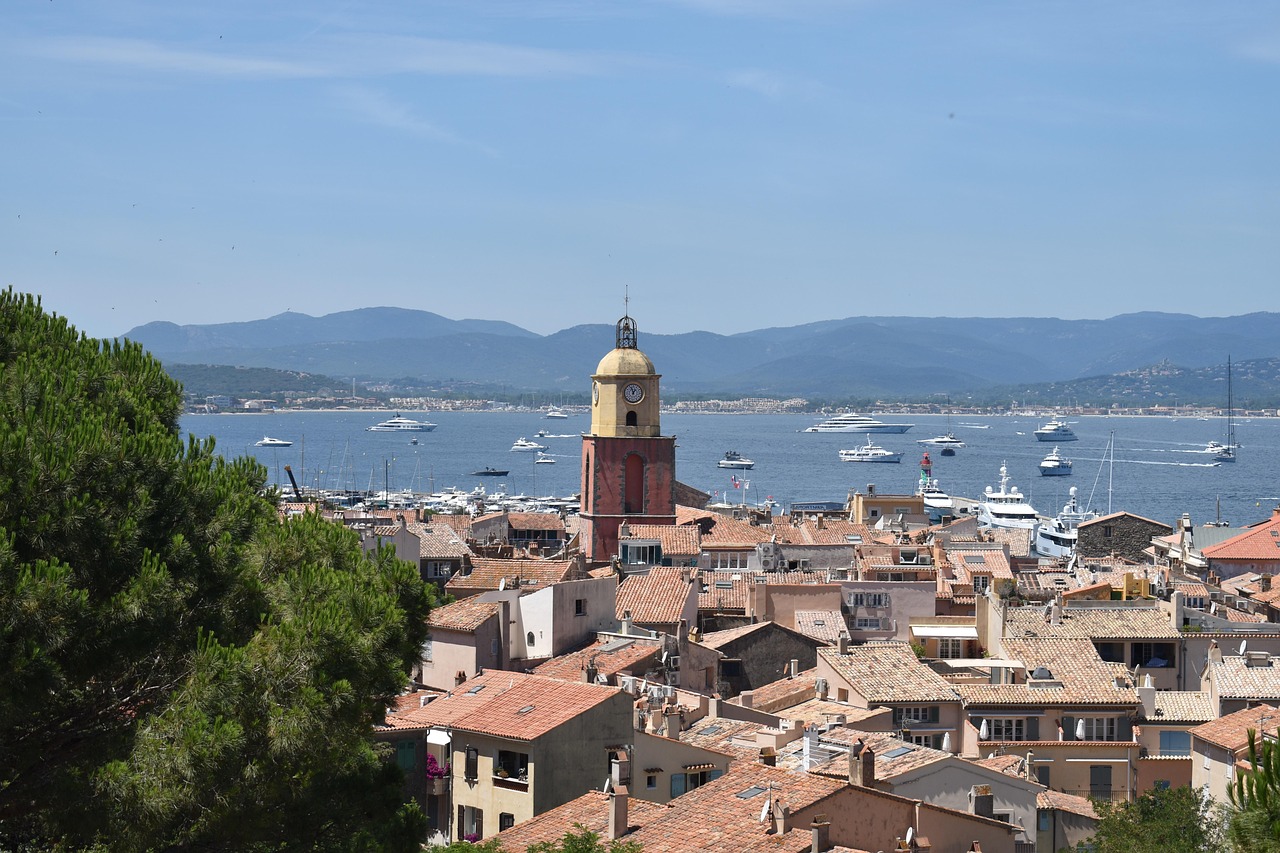
Saint-Tropez sits on the southern coast of France, in the Var department of the Provence-Alpes-Côte d’Azur region. It’s perched on a small peninsula, facing the Gulf of Saint-Tropez, with low, ochre-colored houses clustered around the old port and rising gently toward the Citadel.
Despite its global reputation, the town itself is compact—walkable from end to end in about 20 minutes. The wider “Saint-Tropez experience” stretches along the coast: famous beach clubs at Pampelonne, vineyards in Gassin and Ramatuelle, and forested hills behind.
The high season runs from late June through August: hot, crowded, electric. Shoulder seasons (May–June and September–early October) are my favorite: the water is warm, reservations are easier, and you feel more of the local rhythm. Winter is quiet, surprisingly charming, and far more affordable, but many beach clubs and seasonal restaurants close.
Neighborhoods & Areas to Explore in Saint-Tropez
1. Vieux Port (Old Port)
This is where Saint-Tropez shows off. A sweeping crescent of quays lined with restaurants and art galleries, with traditional fishing boats bobbing in front of mega-yachts. It’s touristy and overpriced in places, but it’s still the beating heart of town.
2. La Ponche (Old Town)
My favorite part of Saint-Tropez. La Ponche is the old fishermen’s quarter: an intimate maze of tiny streets and steps that tumble down to small coves. Stay here if you want to feel like you live in a Provençal village rather than a resort.
3. Citadel & Upper Town
Above La Ponche, the streets climb toward the Citadel and its surrounding ramparts. This area is quieter, with residential lanes, viewpoints, and a sense of space. If you like early-morning walks, this will be your playground.
4. Place des Lices & Town Center
A broad square shaded by plane trees, home to one of the prettiest markets on the Riviera. Around it are boutiques, bakeries, and cafés where locals play pétanque. This is where daily life unfolds.
5. Les Canoubiers & Coastal Path
Just outside the center, Plage des Canoubiers and the coastal path (sentier du littoral) offer a gentler, more natural side of Saint-Tropez. Great for sunrise runs and family-friendly swims away from the crowds.
6. Pampelonne Beach (Technically Ramatuelle, but Part of the Tropezian Myth)
A 5-km-long stretch of sand with a mix of glamorous beach clubs and free public sections. This is where Brigitte Bardot and the 1960s jet set turned Saint-Tropez into a legend.
Top 20 Attractions & Experiences in Saint-Tropez (with Personal Stories)
Below are twenty of the must-see attractions in Saint-Tropez, from the icons you’ve seen on Instagram to the quiet corners most visitors never notice. For each, I’ve added personal anecdotes, tips on when to go, what to eat nearby, and how to make it part of your 3, 4, or 5 day itinerary for Saint-Tropez.
1. Vieux Port (Old Port)
The first time I arrived in Saint-Tropez, it was by ferry from Sainte-Maxime. As the boat approached the Vieux Port, pastel houses rose behind a forest of masts, and the whole quay glowed honey-gold in the late afternoon sun. I’ve repeated that arrival many times since—it never loses its magic.
Why it matters: The Vieux Port is Saint-Tropez’s stage. Originally a simple fishing harbor, it evolved into a hub for artists in the late 19th and early 20th centuries, then the jet set from the 1950s onward. Painters like Signac and Matisse immortalized its colors; later, paparazzi turned the superyachts into global tabloid fodder.
What to do:
- Stroll the entire length of the quay in the early morning when fishermen are unloading and yacht crews are hosing down decks.
- Check out the art galleries tucked into the arcades behind the waterfront cafés; many still focus on marine and impressionist-inspired work.
- Grab a coffee at a café one street back from the port to avoid the “view tax” and still feel the buzz.
Best time: Early morning (7–9 a.m.) for local life; sunset for people-watching and photos; late evening in high summer when the lights reflect off the water.
Food tip: Instead of an expensive port-side lunch, I often pick up a takeaway slice of tarte tropézienne and a coffee from a bakery near Rue Allard, then sit on a bench at the far end of the quay watching boats come and go.
How to get there: It’s the central reference point in town; you can’t miss it. From the bus stop, it’s a 5-minute walk downhill.
2. La Ponche (Old Fishermen’s Quarter)
La Ponche is where I stay when I want to feel like I live in Saint-Tropez rather than visit it. I once rented a tiny attic studio here for two weeks, with sea views squeezed between rooftops and the sound of waves at night. Every morning I’d slip down to the little cove for a swim before the town woke up.
History & significance: This quarter was the heart of the fishing village long before Saint-Tropez became a byword for glamour. Its tightly packed houses, stone steps, and narrow lanes are classic Provençal coastal architecture. It was also a filming location for several French movies, contributing to the town’s cult status.
What to do:
- Wander without a plan. Let yourself get “lost”—you’ll hit the sea again in minutes.
- Swim at Plage de la Ponche, a tiny beach wedged between old houses. Mornings are best.
- Look for old wooden doors, faded pastel shutters, and niche shrines; the small details here are beautiful.
Romantic angle: La Ponche at night is incredibly romantic. Soft lighting, quiet lanes, and the sound of the sea. Perfect for couples staying in town.
Family-friendly? Yes, especially for older kids who can handle steps and love exploring “secret” passages. For toddlers, bring a good stroller or carrier.
3. Citadelle de Saint-Tropez & Maritime Museum
Whenever I need to reset after a crowded afternoon on the port, I head up to the Citadel. The climb itself is half the fun: a winding path lined with pines, glimpses of the sea, and cicadas buzzing in summer. At the top, the view over the Gulf of Saint-Tropez is one of the best in town.
History: Built in the early 17th century to defend the coast from pirates and foreign powers, the Citadel later housed a garrison and a prison. Today, it contains the Maritime History Museum, which tells the story of local sailors, fishermen, and merchant captains—reminding you that Saint-Tropez’s wealth once came from the sea, not just tourism.
What to do:
- Walk the ramparts for panoramic views of the town, bay, and surrounding hills.
- Visit the Maritime Museum inside the keep. It’s well-curated, with models, artifacts, and stories of Tropezian sailors who navigated to the far corners of the world.
- Bring a takeaway picnic and sit on the grassy slopes below the walls (respect posted signs and leave no trace).
Tip: Go in the late afternoon to avoid the heat and to enjoy softer light for photos. In shoulder seasons, I like going up just before closing; it’s often very quiet.
Getting there: From the port, follow signs to “Citadelle” through the old town; it’s a 10–15 minute uphill walk. Wear comfortable shoes.
4. Pampelonne Beach
Pampelonne is where most first-time visitors picture themselves: long sandy beach, turquoise water, loungers under white parasols, and waiters ferrying chilled rosé. I’ve experienced it both ways: at famous, eye-wateringly expensive beach clubs, and on the free public stretches with just a towel and a baguette. Both have their charm.
Why it’s iconic: In the 1950s and ’60s, films like “And God Created Woman” (with Brigitte Bardot) turned Pampelonne into the quintessential glamorous beach. Yet, if you walk far enough from the main access points, you’ll find relatively peaceful spots even in high season.
Beach options:
- Beach clubs: Places like Club 55, Tahiti, Byblos Beach, and newer eco-chic clubs. Great for a splurge day.
- Public sections: Clearly marked plages publiques where you can lay your towel for free.
- Family-friendly zones: Look for gentler slopes into the water and lifeguard stations.
My ritual: On a budget day, I take the morning bus to Pampelonne, walk 10–15 minutes along the sand away from the main entrance, and set up in a quieter patch. Around noon, I’ll treat myself to a coffee or ice cream at a beach bar, then head back to town mid-afternoon before the worst traffic.
How to get there: In summer, shuttle buses run from Saint-Tropez to Pampelonne. Otherwise, drive (parking fees apply) or taxi. Cycling is becoming more popular with new bike lanes, but do it early or late to avoid midday heat.
5. Place des Lices & Market
If you want to understand everyday life here, come to Place des Lices on market day. The square transforms into a riot of colors, smells, and sounds: piles of olives, wheels of cheese, fresh fruit, linen dresses, straw hats, and locals greeting each other over stalls.
Market days: Typically Tuesday and Saturday mornings (check current schedules when you’re here, as they occasionally vary). In peak season, arrive by 9 a.m. to avoid the worst crowds.
What I buy:
- Fresh goat cheese and tapenade from the same elderly couple I’ve been visiting for years.
- Seasonal fruit—figs in late summer are incredible.
- A roast chicken and potatoes for an easy picnic at the Citadel or your apartment.
Outside market days: The square is quieter, with pétanque courts in use and café terraces full of locals. Sit with an espresso and watch intense pétanque matches; it’s better than TV.
Budget tip: If you’re staying somewhere with a kitchenette, doing one big market shop can save you a surprising amount compared to eating out for every meal.
6. Musée de l’Annonciade
This small museum, housed in a former chapel just off the port, is one of the most delightful surprises in town. On a scorching July afternoon, I ducked in mainly for the air conditioning and emerged an hour later in love with its collection.
What’s inside: Works by post-impressionist and modern artists who were drawn to Saint-Tropez in the late 19th and early 20th centuries: Signac, Matisse, Derain, Bonnard, and others. Their depictions of the port and village make you see the town differently when you step back outside.
Why go:
- It’s compact but rich—ideal if you’re not usually a “museum person.”
- Great for a cultural break between beach and port.
- Less crowded than most attractions, even in high season.
Tip: Combine with a morning walk along the port and coffee in the shade nearby. It fits nicely into any 3 day itinerary for Saint-Tropez as your main cultural stop.
7. Sentier du Littoral (Coastal Path)
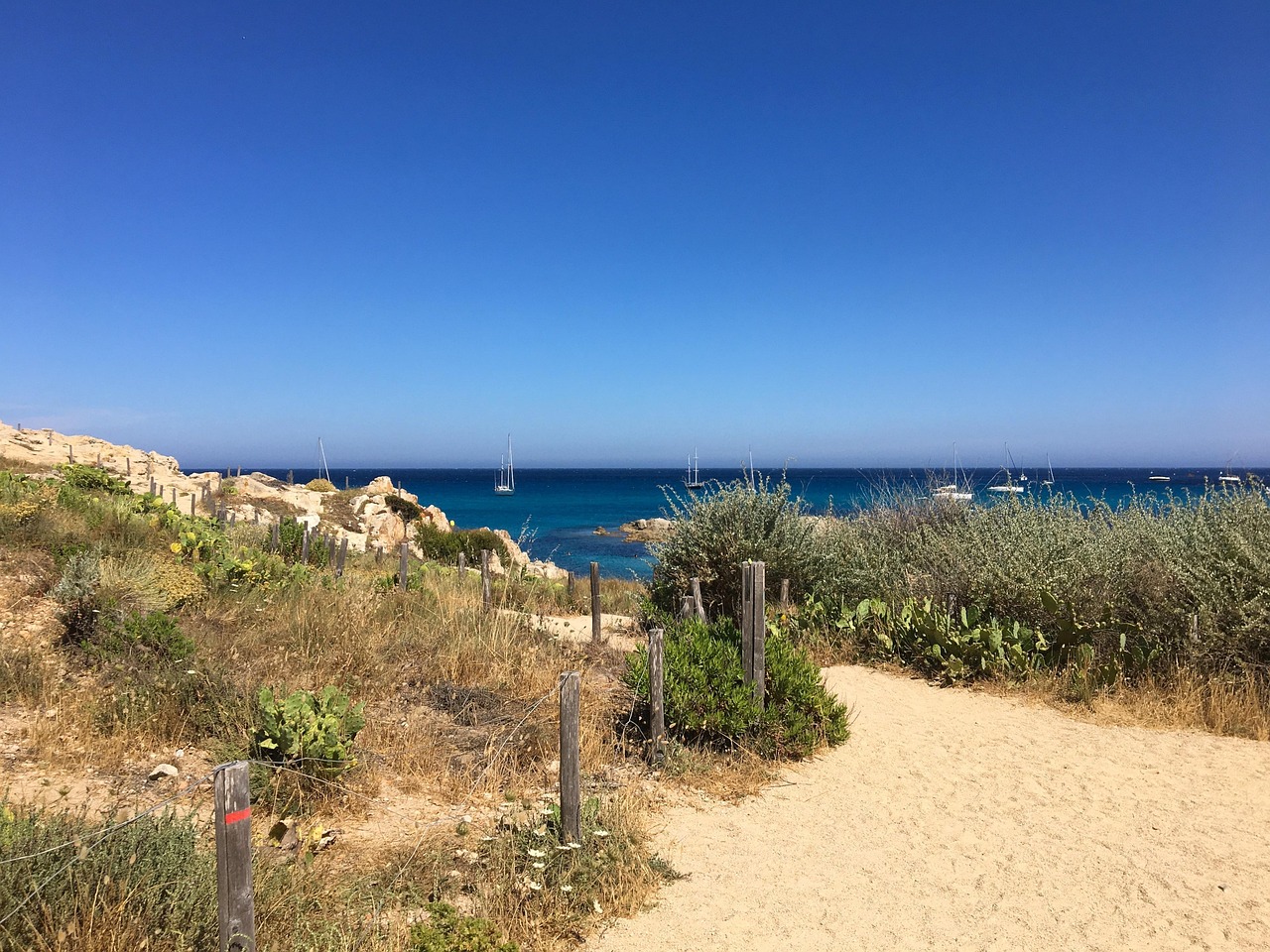
When I want to escape the crowds entirely, I lace up my walking shoes and head for the sentier du littoral. This coastal path winds along rocky coves, pine forests, and hidden beaches, showing you a completely different side of Saint-Tropez.
Sections to try:
- Saint-Tropez to Plage des Canoubiers: Easy, scenic, about an hour one-way at a lazy pace.
- Beyond Canoubiers toward Pampelonne: More rugged in parts but still manageable with good shoes.
What you’ll see: Crystalline coves where locals swim, sea-sculpted rocks, villas hidden behind umbrella pines, and occasional small chapels or shrines. It’s particularly beautiful in early morning or late afternoon.
Bring: Water, hat, sunscreen, and swimwear under your clothes if you want to dip in a cove along the way.
Family-friendly? Short sections near Canoubiers are fine for kids; just keep a close eye near cliffs and rocks.
8. Plage des Canoubiers
Think of Canoubiers as Saint-Tropez’s “local beach.” It doesn’t have Pampelonne’s mythic status, but many residents actually prefer it for everyday swims. I come here when I want an easy, low-key beach day without the pomp.
Why it’s special: Shallow, calm water; a more relaxed, family vibe; and beautiful views back toward the town and the hills. You’ll see kids learning to sail, locals walking their dogs, and multi-generational families under umbrellas.
My routine here: I walk or cycle out from town, arrive around 9:30 a.m., swim, read under a tree, and have a simple snack I brought or pick up something from the small snack stands. By midday when it heats up, I’m usually already walking back along the coastal path.
Getting there: A 30–40 minute walk from town, shorter by bike. There’s also parking for those driving.
9. Gendarmerie & Cinema Museum
This former gendarmerie building became famous thanks to the classic French “Gendarme de Saint-Tropez” films. Today, it’s a museum celebrating both local law enforcement history and the town’s cinematic legacy.
Why visit:
- Fun if you like film history or grew up on French comedies.
- Good for families; kids tend to enjoy the interactive elements.
- A nice way to understand how movies shaped Saint-Tropez’s global image.
Tip: Go in the hottest part of the day as an indoor break. Then wander down to the port for an ice cream.
10. Local Art Galleries & Street Exhibits
Saint-Tropez has long attracted artists. Even now, between luxury boutiques, you’ll find small galleries showing everything from classic marine scenes to bold contemporary pieces.
What I love: In summer, pop-up exhibitions and outdoor displays appear around the port and old town. I like to wander with no specific goal, stepping into any gallery that catches my eye. Many are welcoming even if you’re clearly just browsing.
Tip: Ask the gallery owners where else you should see; they’re often plugged-in to temporary shows and lesser-known spots.
11. Église de Saint-Tropez (Our Lady of the Assumption)
The bright ochre and red bell tower of the main church is one of Saint-Tropez’s most recognizable silhouettes. I often use it as a landmark when winding through the old town.
Inside: Cool, dim light; baroque details; and a serene atmosphere that contrasts sharply with the bustle outside. Look for maritime-themed votive offerings—reminders of the town’s seafaring roots.
Respect: Dress modestly (shoulders covered) and keep voices low. You’re welcome to sit for a moment even if you’re not religious; it’s a good place to pause and reflect.
12. Brigitte Bardot Heritage & 1960s Glamour Trail
Bardot is almost a ghostly presence in Saint-Tropez; you won’t see her around, but her influence is everywhere. From posters in bars to retro photos in hotel lobbies, the 1960s vibe still lingers.
What to do:
- Spot vintage photos and posters in old cafés and bars off the port.
- Take note of references on menus and shop displays; locals still talk about “before Bardot” and “after Bardot.”
- Some local guides offer “cinema & Bardot” walking tours if you’re a real fan.
Tip: Don’t over-romanticize; Bardot’s legacy is complex. But understanding her role helps explain the town’s transformation.
13. Les Voiles de Saint-Tropez & Sailing Scene
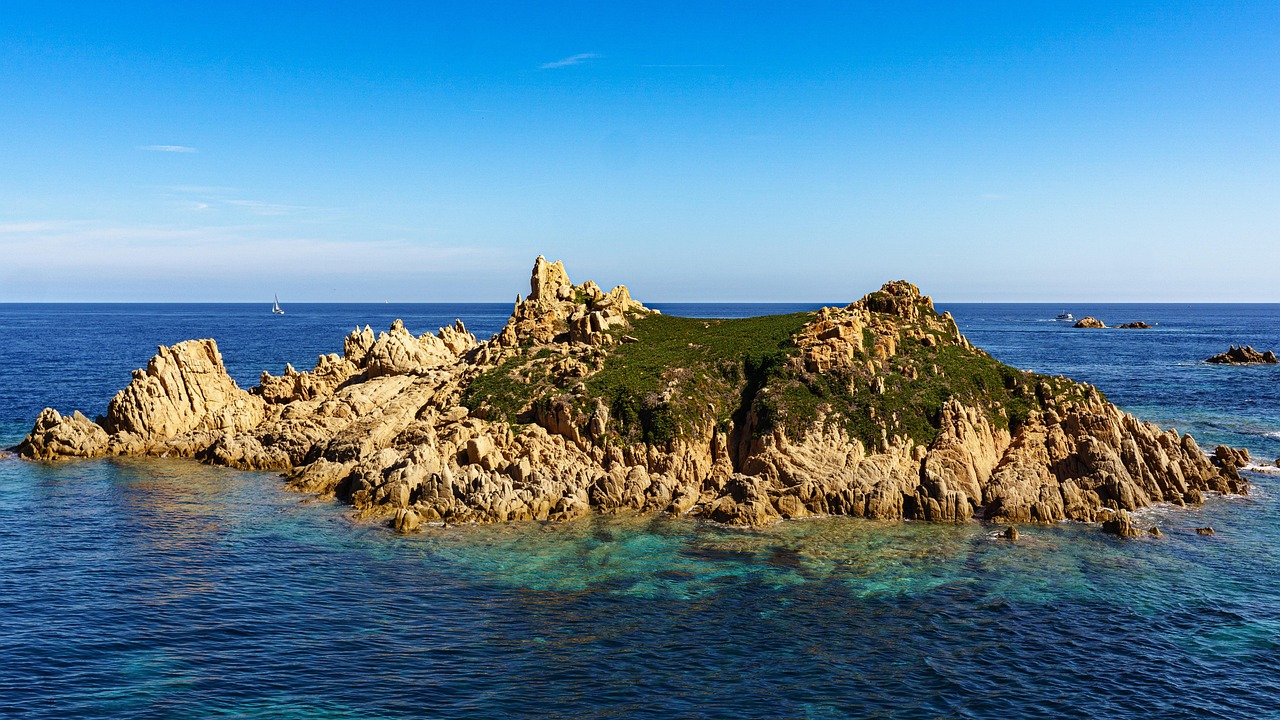
Even if you don’t sail, the regattas in Saint-Tropez are thrilling to watch. Les Voiles de Saint-Tropez (usually late September/early October) is the main event, drawing classic and modern yachts from around the world.
My favorite memory: One autumn, I sat on the rocks near the coastal path with a picnic and watched a forest of sails dance across the bay in perfect light. The town buzzed, but in a more relaxed, end-of-season way.
Why go: The atmosphere is festive but less chaotic than August. Great time for photographers and sailing enthusiasts.
14. Boutique Shopping & Provençal Markets
Yes, there are big-name luxury brands, but Saint-Tropez also has independent boutiques and local designers if you know where to look. I rarely buy much (my suitcase protests), but window-shopping is a sport here.
What to look for:
- Light linen clothing perfect for the Riviera climate.
- Local beauty products made with lavender, olive oil, or marine ingredients.
- Beach accessories, from classic Tropezian sandals to straw baskets.
Budget tip: Instead of big brands, look for small shops on side streets off Rue Gambetta and around Place des Lices for more reasonably priced and unique items.
15. Local Vineyards & Rosé Tasting
The pale pink rosé in your glass likely comes from vineyards within a 20–30-minute drive of town. Spending an afternoon among the vines is one of the most relaxing things you can do here.
Where to go: Around Gassin and Ramatuelle, you’ll find numerous estates offering tastings—some grand and famous, others small and family-run. Many now emphasize organic or sustainable practices.
My routine: I’ll often rent a car for a day, visit two estates (never more—this is about enjoyment, not excess), then end with an early dinner in Gassin village with its sweeping views over the gulf.
Tip: Book tastings ahead in high season. If you don’t have a car, look for small-group tours leaving from Saint-Tropez.
16. Ramatuelle Village
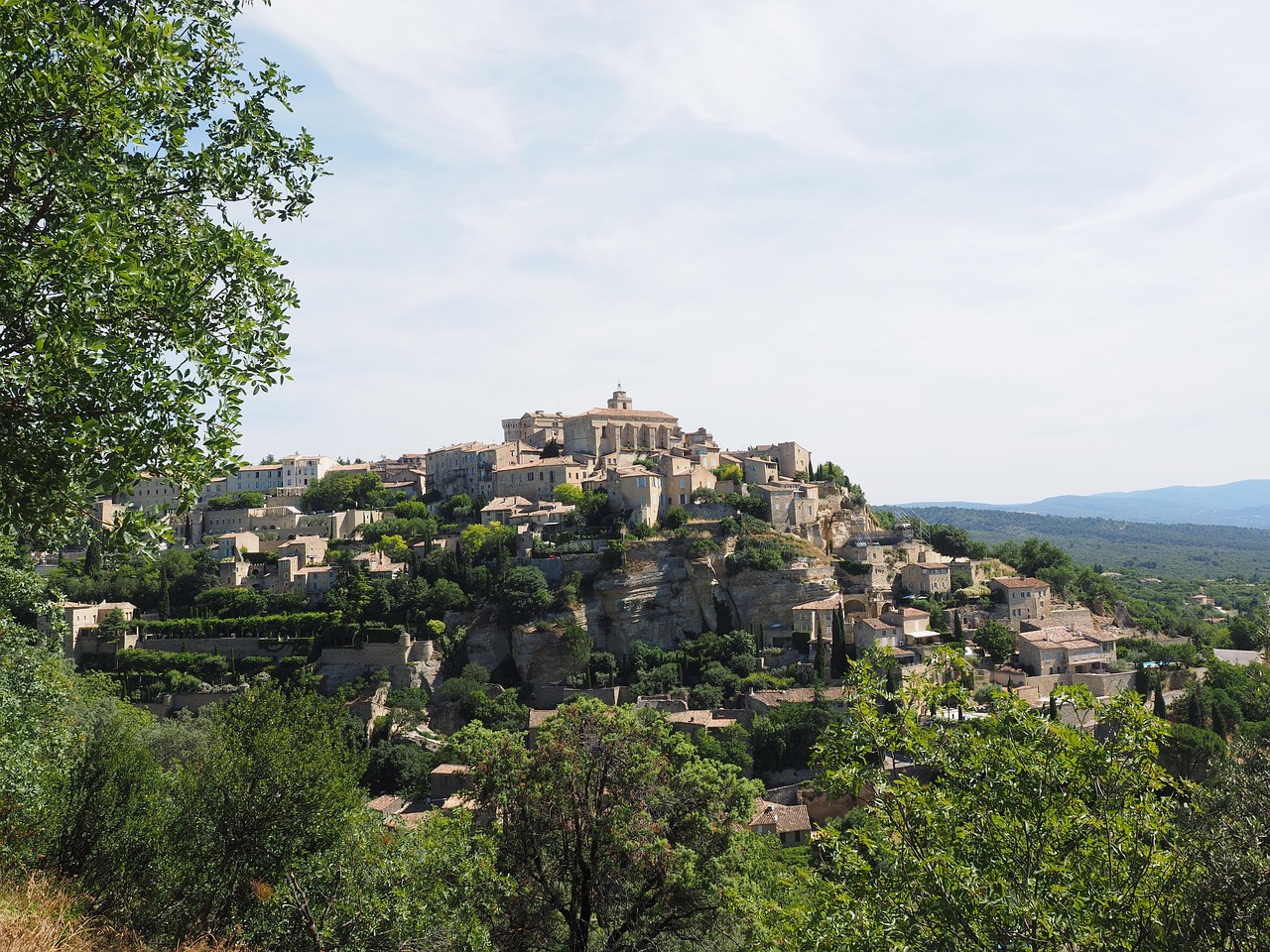
Ramatuelle is the antidote to the port’s flashiness: a quiet hilltop village wrapped in medieval walls, with terracotta roofs and narrow stone lanes. I come here when I’ve had my fill of yachts and want to remember I’m in Provence.
Why go: Lovely views, charming streets, good restaurants, and a calmer, more traditional atmosphere. Great for an evening stroll and dinner after a day at Pampelonne below.
17. Gassin Village
Officially one of “Les Plus Beaux Villages de France,” Gassin perches high above the gulf. On my first visit, I arrived just before sunset and was stunned by the view: vineyards, sea, and distant mountains all glowing in soft light.
What to do: Walk the ramparts, peek into small art galleries, then grab a terrace table facing the view for dinner or just a glass of rosé.
18. Ferry Ride to Sainte-Maxime
Taking the small ferry across the bay is both practical and scenic. Instead of driving around (and sitting in traffic), you glide across the water with great views back toward Saint-Tropez’s skyline.
Why I love it: It’s cheap, breezy, and gives you a different perspective on the town. Sainte-Maxime itself has a more “normal” French seaside feel and is worth a few hours of wandering.
20. Sunset Viewpoints & Rooftop Bars
Sunset in Saint-Tropez can be as simple as sitting on a rock with a takeaway drink or as extravagant as a rooftop bar with a DJ. I’ve done both, and honestly, the rock wins about half the time.
Where to watch:
- Citadel slopes for a wide view over the gulf.
- Harbor end of the port for reflections on the water.
- Some hotel rooftops and beach clubs (reserve ahead in high season).
Tip: Even in summer, bring a light layer; sea breezes can be cool once the sun dips.
3–5 Day Itineraries for Saint-Tropez (With Personal Stories)
Below are adaptable itineraries for 3 days in Saint-Tropez, plus options to extend to 4 or 5 days in Saint-Tropez. I’ll describe them as I actually live them—what time I leave, where I grab coffee, how I dodge crowds—so you can adjust to your own pace.
3 Day Itinerary for Saint-Tropez: Classic Highlights
Day 1: Old Town, Port & Citadel (Getting Your Bearings)
Morning – Coffee on the Port & La Ponche Wander
I like to start my first day early, before the cruise excursions spill into town. Around 8 a.m., I walk down to the Vieux Port, when the light is soft and the air still cool. Instead of sitting at the very front-row cafés, I duck one street back to a smaller spot where the coffee is a bit cheaper and the clientele more local.
After breakfast, I head toward La Ponche. I follow whichever alley looks prettiest, letting the pastel walls and trailing bougainvillea guide me. Eventually, I pop out at Plage de la Ponche, where I often sit on the low wall and watch a few brave locals swim in the still-chilly morning sea (in May and October, they’re in wetsuits; in August, they’re in the water before I’ve had my second coffee).
Late Morning – Church & Annonciade Museum
From La Ponche, I meander up to the church. Stepping inside is always a shock after the bright Mediterranean light—a cool, hushed world where the air smells faintly of candle wax. I sit for a minute, letting my eyes adjust and my mind slow down.
Next, I walk down toward the port to visit the Musée de l’Annonciade. It rarely feels crowded, even in July. I move slowly from painting to painting, recognizing views I just walked past outside—the port, the sea, the tiled roofs—but bathed in a different era’s light.
Lunch – Simple & Local
By now, it’s lunchtime. Instead of a heavy sit-down meal, I often grab a takeaway sandwich or pan bagnat (a Niçoise-style tuna sandwich) from a bakery near Rue Allard, plus a slice of tarte tropézienne. Then I head toward the Citadel to eat in the shade of pine trees on the slope below the walls.
Afternoon – Citadel & Views
The walk up to the Citadel is short but steep. I pause at corners that offer glimpses down to the sea; from above, the town looks like a jumble of terracotta and ochre set in blue velvet. Inside the Maritime Museum, I read about sailors who left this little port and crossed oceans, returning with spices, stories, and fortunes.
After circling the ramparts, I sit on a bench facing the bay. The sea is usually dotted with boats; in high season, it’s more like a floating city. I sip water, nibble my dessert, and feel that pleasant first-day tiredness.
Evening – Apéritif & Old Town Dinner
I like to take an early evening break back at my accommodation, then head out again around 7 p.m. For apéritif, I choose a small bar on a side street near Place des Lices rather than directly on the port; the prices are gentler, and the vibe more local. I order a glass of local rosé and maybe a small plate of olives or charcuterie.
For dinner, I usually stay in the old town or around La Ponche, at a mid-range bistro serving Provençal dishes—think grilled fish, ratatouille, and daube (beef stew) in shoulder seasons. I avoid the latest or trendiest spots on day one; I want something comforting and unhurried.
Day 2: Beach Day at Pampelonne & Coastal Path
Morning – Head to Pampelonne Early
Beach days start early here, partly to beat traffic and partly to enjoy the morning calm. I catch the first or second bus to Pampelonne or drive out before 9 a.m. The light on the sand is beautiful, and the water often at its clearest before the day stirs up waves and sand.
Depending on my budget and mood, I either:
- Book a sunbed at a beach club for a bit of luxury (in which case I stay longer and fully settle in), or
- Head to a public section with just a towel, a big bottle of water, and a bag of market snacks.
I swim, read, and walk along the shoreline. The length of Pampelonne means you can always find a slightly quieter corner if you keep moving.
Lunch – Beachside or Picnic
If I’m at a club, I might splurge on a proper lunch: grilled fish, salads, maybe a glass of rosé. Otherwise, I dig into the picnic I brought: market cheese, bread, olives, fruit. It’s amazing how good a simple tomato tastes when you’re sandy and salty.
Afternoon – Coastal Path Walk
By early afternoon, the sun is fierce. I usually pack up and walk a short section of the sentier du littoral near Pampelonne, staying in the shade where I can. The sea views from slightly higher ground are lovely, and I often find small rocky spots where locals are swimming off the rocks.
Evening – Ramatuelle or Back to Saint-Tropez
Some days, I’ll head up to Ramatuelle village for an early evening stroll and dinner. Other days, I return to Saint-Tropez, shower off the salt, and keep it simple: pizza or a casual brasserie meal, followed by a slow walk around the port to see the boats lit up at night.
Day 3: Market, Local Life & Sea Views
Morning – Market at Place des Lices
If day three falls on a Tuesday or Saturday, I’m at Place des Lices by 9 a.m. The market is my favorite “show” in Saint-Tropez: vendors shouting, locals greeting each other, tourists overwhelmed by the choices.
I wander the aisles slowly, tasting samples: olives stuffed with garlic, slivers of cured ham, tiny squares of nougat. If I’m cooking, I buy ingredients for one last self-catered meal; if not, I still pick up some picnic supplies for later.
Late Morning – Gendarmerie Museum or Ferry to Sainte-Maxime
After the market, I have two favorite options:
- Visit the Gendarmerie & Cinema Museum, which is light, fun, and doesn’t require hours of concentration, or
- Walk down to the port and hop on the ferry to Sainte-Maxime for a change of scenery.
The ferry ride itself is a pleasure; I always sit on the open deck if the weather’s good, camera ready for shots back toward Saint-Tropez’s skyline.
Afternoon – Canoubiers & Coastal Stroll
Back in Saint-Tropez, I spend my final afternoon at Plage des Canoubiers or walking the coastal path. It’s my way of saying goodbye to the sea without the intensity of Pampelonne.
Evening – Farewell Dinner & Sunset
On my last night of a 3 day itinerary, I usually choose one special dinner spot I’ve been saving. Nothing overly flashy, but somewhere with a bit of atmosphere and good Provençal cooking. I book ahead if it’s high season.
After dinner, I head either to the Citadel slopes or to the harbor’s far end to watch the sunset, committing the colors and sounds to memory for next time.
4 Day Itinerary for Saint-Tropez: Adding Villages & Vineyards
If you have 4 days in Saint-Tropez, simply follow the 3-day plan above and add:
Day 4 – Gassin, Vineyards & Rosé
On day four, I rent a car or join a small-group tour into the hills. The morning is for one or two vineyards: wandering among the vines, tasting a flight of rosés (and perhaps a white or red), and learning how the region’s climate shapes its wine.
By late afternoon, I’m in Gassin village, walking its narrow streets and taking in sweeping views over the gulf. Dinner at a terrace restaurant here as the sun sets is one of my favorite experiences in the whole area.
5 Day Itinerary for Saint-Tropez: Hidden Gems & Slow Days
With 5 days in Saint-Tropez, you can go slower and dive deeper. Follow the 4-day plan and add:
Day 5 – Free Exploration & Hidden Coves
I reserve this day for whatever I feel I’ve missed or want to repeat. Sometimes that means another lazy half-day at a favorite beach, sometimes a full morning exploring new corners of the old town, following balconies overflowing with flowers or hidden stairways down to the sea.
I might also dedicate a few hours to truly off-the-radar coves, walking the coastal path with a packed lunch and stopping wherever looks inviting and safe.
In the evening, I often keep it simple: takeaway seafood eaten on a bench by the water, watching boats rock gently under the night sky.
Food & Drink in Saint-Tropez: What to Eat & Where
Food is one of the best ways to experience Saint-Tropez. Yes, you can blow a fortune on celebrity chef spots, but you can also eat well on a modest budget if you know where to look.
Local Dishes to Try
- Tarte Tropézienne: Brioche-style cake filled with cream, invented here in the 1950s. I usually share one… and then order another slice.
- Bouillabaisse: Rich fish stew; best in cooler months or evenings.
- Seafood platters: Oysters, shrimp, clams—ideal with a glass of cold rosé.
- Ratatouille & Provençal veg: Simple, flavorful, using local produce.
- Socca or pissaladière: Nice-origin snacks sometimes found at markets or bakeries.
Eating on a Budget
Saint-Tropez is expensive, but I’ve learned a few tricks:
- Self-cater breakfasts: Buy pastries and fruit from bakeries and markets.
- Lunch as your main meal: Many restaurants offer more affordable lunch menus than at dinner.
- Picnics: Markets + seaside = perfect budget feast.
- Avoid prime port-front for meals: Go one or two streets inland for better value.
Rosé & Drinks
Rosé is the unofficial drink of Saint-Tropez. Order it by the glass or carafe; ask for something local from Côtes de Provence. For non-alcoholic options, try:
- Sirop à l’eau: Flavored syrup with water (mint and grenadine are classics).
- Citron pressé: DIY lemonade; you sweeten it to taste.
Nightlife, Culture & Entertainment in Saint-Tropez
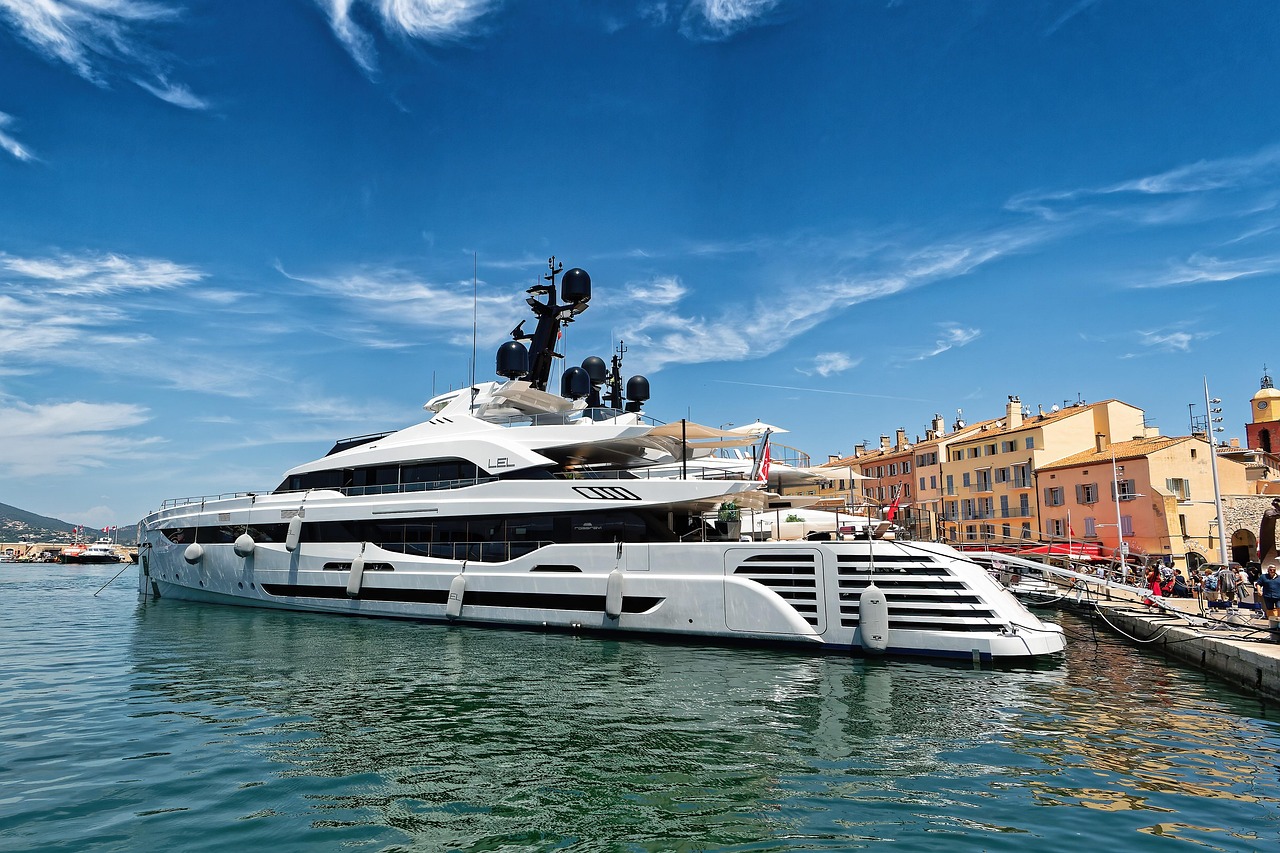
Saint-Tropez’s nightlife reputation is legendary, but you don’t have to be a clubber to enjoy evenings here.
Nightlife Options
- Beach clubs by night: Some Pampelonne spots transform into dinner-and-dancing venues with DJs.
- Port bars: Lively, sometimes loud, especially in July–August.
- Wine bars & lounges: More intimate, ideal for couples or small groups.
- Quiet evenings: Strolls through La Ponche or a late ice cream on the port are just as valid a “night out.”
Cultural Experiences
- Art exhibitions: Check the Annonciade and local galleries for temporary shows.
- Classical or jazz concerts: Summer often brings open-air performances—ask at the tourist office for current listings.
- Village festivals: Nearby Gassin and Ramatuelle host small-scale cultural events with music, dance, and local food.
Major Events in Saint-Tropez (2026–2027)
Dates shift each year, but here are key events expected in 2026–2027 (check closer to travel dates for exact schedules):
- Bravades de Saint-Tropez (May 2026 & 2027): Traditional festival honoring the town’s patron saint with processions, drums, and muskets. Very local, very loud, and unforgettable.
- Les Voiles de Saint-Tropez (Late Sept–Early Oct 2026 & 2027): Major sailing regatta with classic and modern yachts.
- Summer Music & Art Festivals (June–August): Rotating program of concerts, DJ nights, art shows, and outdoor cinema.
- Christmas & New Year Village (Dec 2026–Jan 2027): Winter decorations, small market stalls, and a more intimate, local atmosphere.
Day Trips from Saint-Tropez
Sainte-Maxime
Just across the bay, Sainte-Maxime is an easy half- or full-day trip. Take the ferry from the port (fast, frequent in high season) and enjoy a more relaxed seaside promenade, different shops, and sandy beaches.
Port Grimaud
Known as the “Venice of Provence,” Port Grimaud is a modern canal town with colorful houses, bridges, and small boats at every doorstep. It’s charming in a gentle, planned way, and fun for an afternoon wander and boat tour.
Hilltop Villages: Gassin & Ramatuelle
Mentioned earlier as attractions, they’re also perfect day-trip destinations, especially combined with vineyard visits.
Cultural Etiquette & Local Customs in Saint-Tropez
Saint-Tropez is international, but it’s still a French and Provençal town at heart. A few customs go a long way toward smoother interactions.
Greetings & Politeness
- Always say “Bonjour” (day) or “Bonsoir” (evening) when entering shops, cafés, or starting an interaction.
- “S’il vous plaît” (please) and “Merci, au revoir” (thank you, goodbye) are appreciated.
Dress Code
- Beachwear is for beaches and beach clubs. In town, cover up (shirt, dress, or top over swimsuits).
- Upscale restaurants and bars may expect smart-casual clothing, especially at night.
Dining Customs
- Lunch usually runs 12–2:30 p.m.; dinner 7:30–10:30 p.m. Arriving much earlier, you may find kitchens closed.
- It’s normal to linger over meals; you must usually ask for the bill (“L’addition, s’il vous plaît.”).
Tipping
Service is included in menu prices, but locals often leave a small extra tip if service was good: rounding up or leaving 5–10% at most in restaurants and cafés.
Practical Travel Tips & Money Savers for Saint-Tropez
When to Visit & Seasonal Advice
- May–June: Ideal balance—warm, not too crowded, most places open.
- July–August: Peak season—hot, busy, expensive, party atmosphere. Best for nightlife and people-watching.
- September–early October: Warm sea, softer light, slightly calmer; great for Les Voiles.
- Winter: Quiet, limited openings, but more authentic and affordable.
Getting There
Most visitors arrive via Nice, Marseille, or Toulon airports, then continue by car, bus, or boat. In high season, ferries from points along the coast (like Nice or Cannes to Saint-Tropez via various services) can be a scenic alternative to traffic.
Getting Around
- On foot: The town itself is compact; walking is the best way to explore.
- Local buses: Connect Saint-Tropez with Pampelonne, nearby villages, and sometimes regional hubs in season.
- Boats: Ferries across the bay and coastal boat shuttles can save time and offer great views.
- Car rental: Useful for exploring hinterland villages and vineyards but a hassle in high-season traffic and parking. If you rent, choose the smallest car that fits you.
- Cycling: Increasingly viable with new bike lanes, especially early morning or late afternoon.
SIM Cards & Connectivity
For EU visitors, roaming often works at domestic rates (confirm with your provider). For others:
- Pick up a French prepaid SIM (e.g., Orange, SFR, Bouygues) in larger towns or airports.
- eSIM options with European data are increasingly convenient—set up before arrival.
- Most hotels, cafés, and beach clubs offer Wi-Fi, though speeds vary.
Money-Saving Tips
- Travel in May, early June, or September for lower accommodation costs.
- Stay one or two streets back from the port for better hotel and restaurant value.
- Use markets and bakeries for breakfasts and some lunches.
- Share beach club loungers or alternate club days with public-beach days.
Visa & Entry Requirements
France is part of the Schengen Area. In 2026:
- EU/EEA & many other nationals: Short stays (usually up to 90 days in 180) are visa-free; check your country’s specifics.
- Non-EU visitors: May need a Schengen visa; verify requirements well before travel.
- Always ensure your passport is valid for at least 3–6 months beyond your planned exit date, depending on your nationality’s rules.
Driving & Foreign Licenses
- Most visitors can drive in France with a valid foreign license for short stays; some may need an International Driving Permit (IDP). Check your country’s agreement with France.
- Parking in Saint-Tropez is limited and can be expensive in high season—factor this into your planning.
Safety & Health
- Saint-Tropez is generally safe; standard big-crowd precautions apply (watch your bag in markets and busy nightlife areas).
- In summer, heat and sun are the biggest risks—hydrate, wear sunscreen, and avoid midday exertion.
- Swim only in designated areas and heed lifeguard flags; currents and waves can vary.
Hidden Tips from a Repeat Visitor
- Swim early: A 7–8 a.m. dip at La Ponche or Canoubiers feels like you own the town.
- Two-port strategy: Watch sunrise from the quiet port and sunset from the far end by the lighthouse for different moods.
- “Second-row” rule: For food and drink, go one or two streets behind the port for better value and often better food.
- Plan one “non-plan” day: Leave a full day open in your itinerary to follow your whims—that’s usually when the best memories happen.
Summary: Key Takeaways & Best Time to Visit Saint-Tropez
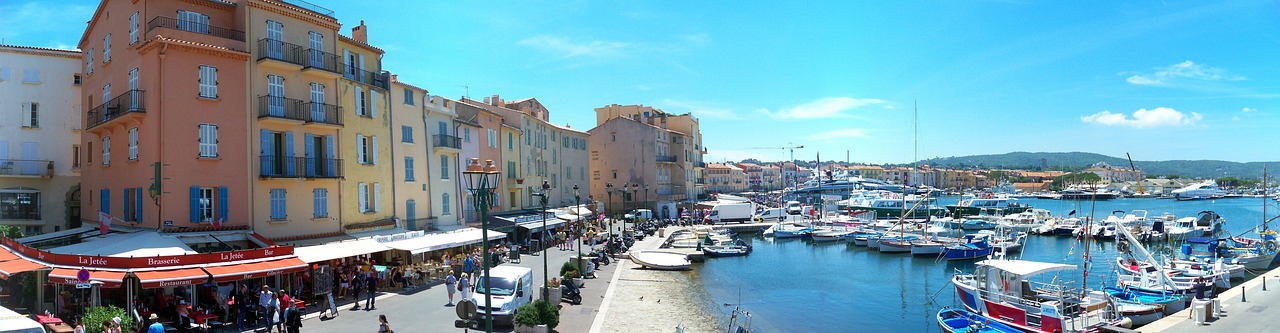
Saint-Tropez is more than just yachts and champagne. It’s a layered place: a Provençal fishing village wrapped inside an international playground. If you plan well and move at your own pace, you can experience both sides.
Key takeaways:
- For a first visit, aim for at least 3 days in Saint-Tropez to see the core highlights: port, old town, Citadel, and at least one beach.
- 4 days lets you add vineyards and a hilltop village; 5 days gives you time for hidden coves and slow, unscripted wandering.
- Eat like a local by using markets and bakeries, and save restaurant splurges for a few carefully chosen meals.
- Respect local customs—simple politeness and slightly covered-up dress in town go a long way.
Best time to visit:
- May–June & September–early October: Best all-round for most travelers—great weather, warm sea (especially from June onward), and reasonable crowds.
- July–August: For party lovers and those who thrive on buzz, but be prepared for heat and high prices.
- Off-season: For quiet charm, local life, and budget-friendlier stays, with limited beach and nightlife options.
If you come with curiosity instead of just a checklist, Saint-Tropez will reward you: in the curve of an old alley, in the laughter around a pétanque game, in the first sip of cold rosé after a hot walk, and in the way the town glows at sunset, as if lit from within.