Why Visit Saintes-Maries-de-la-Mer?
Saintes-Maries-de-la-Mer is where the Mediterranean feels untamed: white horses splashing through the marshes, pink flamingos lifting off at sunrise, and a low, whitewashed village leaning against the sea breeze. It’s small, sometimes chaotic in summer, deeply spiritual, and wildly beautiful.
Every time I arrive, usually driving in from Arles as the road cuts through rice paddies and salt pans, I have the same feeling: the world gets bigger and quieter at the same time. The village itself is compact, but the surroundings are endless – beaches that stretch for kilometers, wetlands full of birds, and flat horizons that feel almost desert-like.
Whether you’re planning a 3 day itinerary for Saintes-Maries-de-la-Mer or settling in for 5 days in Saintes-Maries-de-la-Mer, this guide will walk you through the best places to visit in Saintes-Maries-de-la-Mer, from must-see attractions and hidden gems to local food in Saintes-Maries-de-la-Mer, cultural experiences, and very practical travel tips for Saintes-Maries-de-la-Mer.
Quick Overview of Saintes-Maries-de-la-Mer
Saintes-Maries-de-la-Mer is the unofficial “capital” of the Camargue, in the Bouches-du-Rhône department of southern France. The town sits right on the Mediterranean, surrounded by lagoons, marshes, and salt flats. It’s a place of pilgrimage, especially for the Roma (Gypsy) community, and also a classic French seaside holiday spot with a slightly rugged edge.
- Region: Provence-Alpes-Côte d’Azur (Camargue area)
- Population: Around 2,000 permanent residents (much more in summer)
- Vibe: Spiritual, wild, a bit bohemian, horse- and bull-obsessed, very Mediterranean
- Great for: Families, couples, photographers, birdwatchers, horse lovers, anyone who likes nature with their beach time
Neighborhoods & Areas to Explore
1. Historic Village Center
This is the compact heart of Saintes-Maries-de-la-Mer: whitewashed houses, blue shutters, narrow cobbled lanes, and the Romanesque church rising in the middle like a stone fortress. I usually stay within a 5–10 minute walk of the church because everything is at your doorstep: cafés, boulangeries, the beach, and sunset viewpoints.
2. Seafront & Promenade (Front de Mer)
The promenade curves along the town beaches, with children’s play areas, ice-cream stands, and terraces that fill during golden hour. In summer evenings this is where the whole town walks, talks, and people-watches. It’s very family friendly and almost entirely flat.
3. Marina & Port de Plaisance
To the east side you’ll find the marina: fishing boats, sailing yachts, and the departure point for many boat tours into the Camargue lagoons. Around here are some of my favorite simple seafood spots where you can eat mussels and fries watching the boats sway.
4. Outskirts & Mas (Rural Farmsteads)
Drive just a few minutes out of town and you’re in another world: low white mas (farmhouses), herds of black bulls, white Camargue horses, rice fields and reeds. This is where many riding stables, ranches, and birdwatching hides are located. I love staying in a rural mas for at least one night to wake up with nothing but birds and horses around.
5. Wild Beaches & Dunes (East & West)
To the east you have long, wilder stretches of beach; to the west, in direction of the Gacholle lighthouse and beyond, it becomes even more remote. This is where I go when I want to walk for an hour with barely another soul in sight, especially outside July–August.
Top 20 Must-See Attractions in Saintes-Maries-de-la-Mer
These are the must-see attractions in Saintes-Maries-de-la-Mer, mixed with lesser-known hidden gems in Saintes-Maries-de-la-Mer. I’ve visited each of these over several trips; I’ll share what they are, why they matter, and how to enjoy them with minimal stress.
1. Église Notre-Dame-de-la-Mer (Fortified Church)
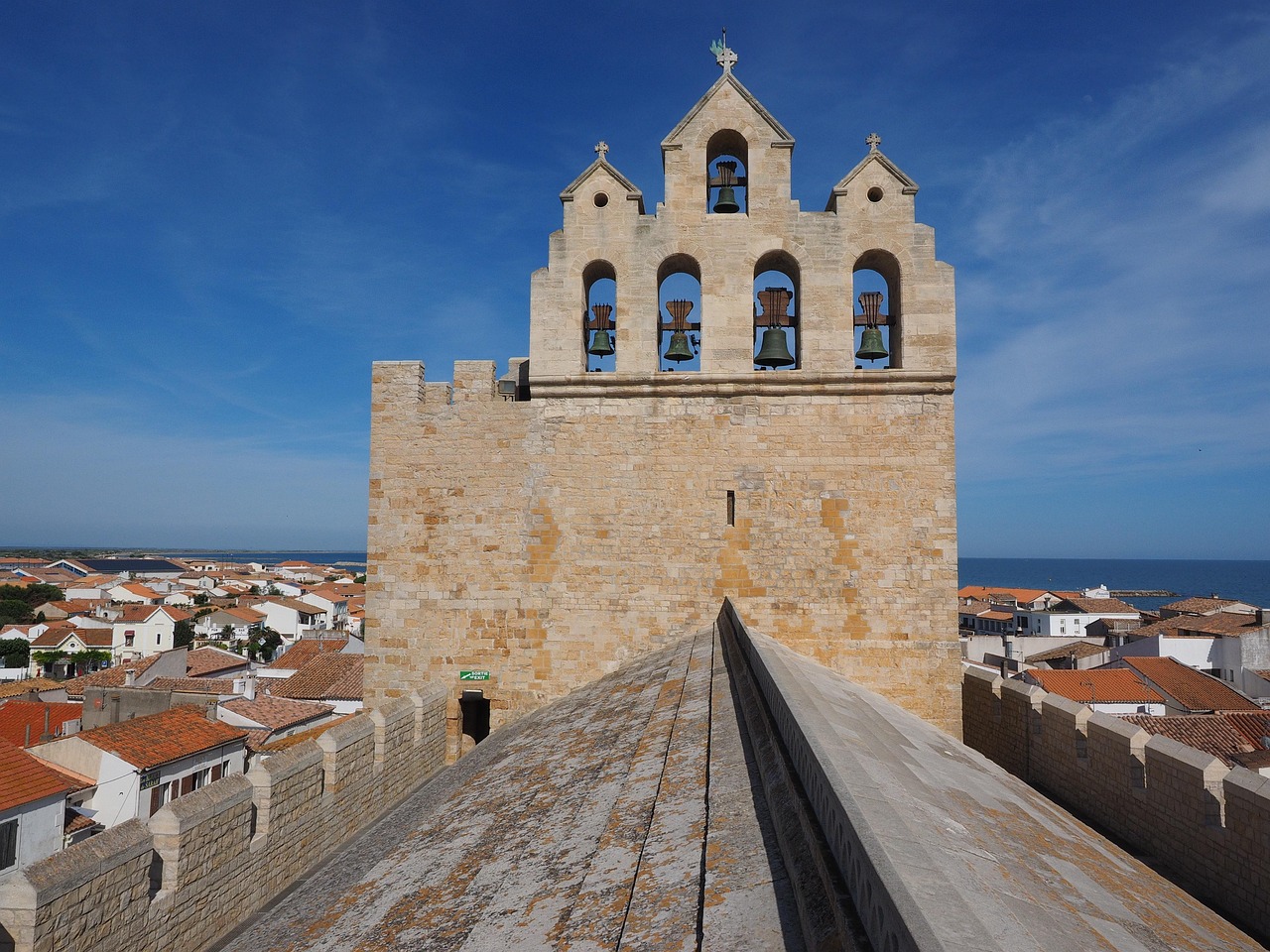
The church is the literal and spiritual heart of Saintes-Maries-de-la-Mer. Built between the 9th and 12th centuries, it looks more like a fortress than a place of worship: thick stone walls, crenelations, and a presence that dominates the low houses around it.
According to tradition, this is where the “Saintes Maries” — Mary Jacobe, Mary Salome, and often Mary Magdalene — landed after fleeing the Holy Land. The church is also home to Saint Sarah (Sara-la-Kali), patron saint of the Roma people, whose crypt is filled with candles, scarves, and handwritten pleas from pilgrims.
My experience: I always go twice: once early morning when the town is quiet, and once near sunset. Climb to the rooftop (there’s a small fee, cash-friendly) and walk the ramparts; from up here you see the sea on one side and the marshes on the other, and the cluster of white roofs around you.
Tips:
- Dress respectfully (shoulders covered) if you plan to spend time in the crypt.
- The rooftop can be windy; bring a light layer even in summer.
- During the May and October pilgrimages it gets extremely crowded inside; visit early or late in the day.
2. Church Rooftop & Village Panorama
This deserves its own mention because the rooftop is one of the best places to visit in Saintes-Maries-de-la-Mer if you want to understand the geography of the Camargue. You can walk all around the top, like on a tiny city wall.
My experience: On one November trip, I climbed up just before a storm rolled in. Clouds darkened the marshes while a thin strip of orange light glowed over the sea. The wind was fierce, but watching the flamingos moving in the distance and the waves pounding the breakwater was unforgettable.
Best time: Late afternoon on clear days, or just after sunrise if you’re a morning person and want soft light for photos.
3. Crypt of Saint Sarah (Sara-la-Kali)
The crypt beneath the church is where the statue of Sara-la-Kali stands, cloaked in colorful fabrics and surrounded by candles. This is the emotional epicenter of the town during the Roma pilgrimage (May 24–25), but it’s moving at any time of year.
My experience: Even as a non-religious visitor, I found the atmosphere unexpectedly intense. People come in quietly, touch the statue, leave notes and photos of loved ones. I usually take a moment here when the town feels hectic; it’s grounding.
Etiquette: Keep voices low, avoid flash photography, and step aside after a few moments to let others approach.
4. Plage des Saintes-Maries & Town Beaches
Right in front of the village lies a string of beaches protected by rock breakwaters. They’re sandy, shallow, and ideal for families. These are the beaches you’ll likely visit first if you’re staying in town and want a swim before dinner.
My experience: My favorite ritual is a late afternoon swim after a long day exploring the marshes, then sitting on the rocks facing the sunset with a takeaway cone of artisan ice cream.
Tips:
- In July–August, go before 10:00 or after 17:00 to avoid the most intense sun and crowds.
- There are freshwater showers along the promenade—handy if you’re traveling with kids.
- For a quieter vibe, walk 10–15 minutes east or west from the main cluster.
5. Wild Beaches of the Camargue
Beyond the town’s central strip, the coastline becomes wilder and more remote. No big resorts, just dunes, sea, and sky. This is where you feel the Camargue’s raw side.
My experience: On a windy October day, I walked west for nearly an hour and passed only three other people. Kitesurfers swooped in the distance, and the foam from the waves blew up the beach like snow. I had packed a simple picnic from the morning market and ate sitting in the dunes, shoes off, sand everywhere.
How to get there: You can walk from town along the coast, or drive/cycle to designated parking areas outside the center. Some sections are accessible only by 4x4 or on foot—check local maps and weather conditions.
6. Camargue Horse Riding Excursions
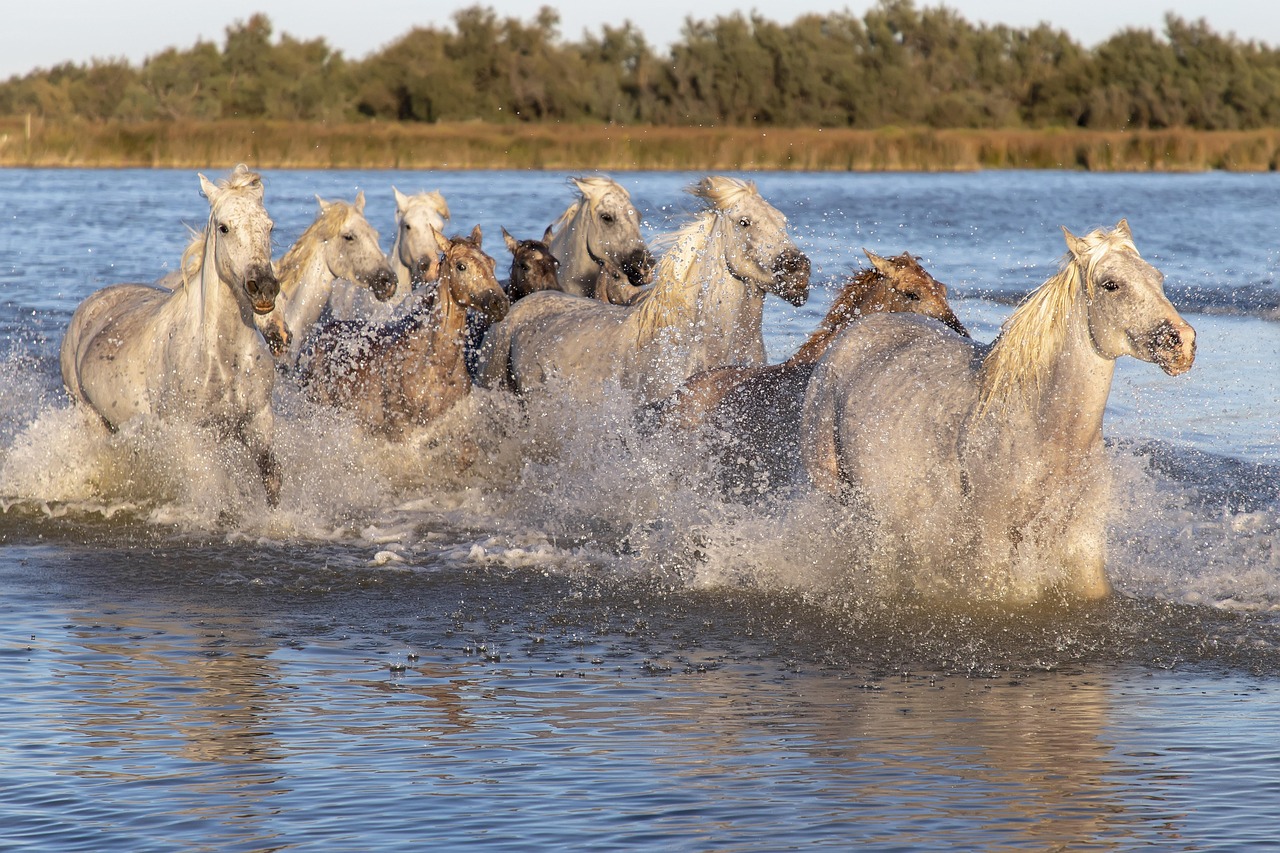
Riding a white Camargue horse through the marshes is one of the classic things to do in Saintes-Maries-de-la-Mer. There are many stables (manades) around town offering 1–3 hour rides for all levels, including beginners and children.
My experience: I’ve ridden with several outfits over the years, but my favorite time was a sunset ride in late September. We trotted along dusty tracks, waded through shallow water with flamingos just ahead of us, and finished on the beach as the sky turned pink. I’m not an advanced rider and felt safe and well looked after.
Tips:
- Book in advance for sunset rides in high season.
- Wear long trousers and closed shoes (sandals are a bad idea; I learned that the hard way).
- Check how the stable treats its horses; choose operations that limit group size and don’t overwork animals.
7. 4x4 Safari in the Camargue
Several local companies run 4x4 “safaris” through private lands, rice fields, salt pans, and bird-rich marshes. It’s a bit touristy but genuinely fun, especially for families and first-timers to the region.
My experience: I joined a morning tour in spring 2025 with a small group of mixed ages. Our guide, born in the Camargue, stopped often to point out birds and explain the bull traditions and rice cultivation. We visited a manade, watched horses at close range, and tasted local rice cakes and wine.
Good for: Families, people without a car, anyone who wants a snapshot overview of the Camargue’s landscapes in half a day.
8. Birdwatching & Flamingo Spotting

The Camargue is one of Europe’s great wetlands and a paradise for birdwatchers: herons, egrets, avocets, and of course the iconic pink flamingos. While the most famous reserve (Pont de Gau) is just outside Saintes-Maries, you’ll see birds almost everywhere.
My experience: I’m not a hardcore birder, but I never get tired of watching flamingos feeding in the shallows. In winter 2024, I spent two hours on a chilly morning just outside town with binoculars and a thermos of coffee, watching them slowly move and occasionally burst into flight.
Tips:
- Bring binoculars or a camera with a zoom lens.
- Early morning and late afternoon are best.
- Stay quiet and keep a respectful distance from wildlife.
9. Parc Ornithologique du Pont de Gau
Located a short drive from town, Pont de Gau is a managed bird park where you walk along paths and boardwalks among lagoons, getting very close to flamingos and other birds. Some purists find it too zoo-like, but it’s actually a fantastic introduction, especially for kids.
My experience: I visited on a slightly drizzly afternoon with a friend and her two young children. The kids were enthralled, and we adults got some of our best flamingo photos ever. It’s one of the most family-friendly things to do in Saintes-Maries-de-la-Mer area.
Practical: Easy parking, small café, toilets, and well-marked trails. Plan 2–3 hours.
10. Camargue Bull Culture & Arenas
The Camargue has its own bull tradition, very different from Spanish bullfighting. In the course camarguaise, the bull is not killed; instead, nimble young men (raseteurs) try to snatch a ribbon from its horns. Saintes-Maries-de-la-Mer has an arena that hosts events throughout the warmer months.
My experience: I went to a small local event rather than a big festival. The atmosphere was more village party than gladiator spectacle. It’s still intense, and not everyone will be comfortable with any form of bull sport, but if you’re curious about local culture, it’s an important piece of it.
Tip: Ask the tourist office for a schedule; many events are tied to local festivals and saints’ days.
11. Port de Plaisance & Fishing Harbor
The harbor area blends working fishing boats with leisure yachts. In the early morning, fishermen unload the catch of the day; by afternoon, it’s a peaceful place to stroll and watch the light on the water.
My experience: One April morning, I bought fresh fish directly from a fisherman on the dock and brought it back to the self-catering apartment I was renting. We grilled it simply with olive oil and Camargue fleur de sel and ate it with local rice. Still one of my favorite meals here.
12. Village Market
The village hosts regular markets (often Wednesday and Friday mornings, with extra dates in high season). Stalls spill through the streets selling fruit, vegetables, cheese, local rice, olives, textiles, and more.
My experience: I always time at least one morning to coincide with market day. It’s one of the best ways to find authentic local food in Saintes-Maries-de-la-Mer without breaking the bank: rotisserie chickens, tapenades, seasonal fruit for beach snacks.
Money-saving tip: Plan market visits early in your stay so you can stock up on picnic supplies and snacks—this can significantly reduce restaurant costs over a 4 or 5 day itinerary for Saintes-Maries-de-la-Mer.
13. Seafront Promenade (Family-Friendly Stroll)
The promenade is simple but charming: low walls to sit on, sandy patches for kids, and uninterrupted sea views. In summer evenings, street musicians sometimes play here, and the whole town comes out for a walk.
My experience: This is where I unwind at the end of the day. I often walk from one end of town to the other and back just before dinner, watching children building sandcastles and couples sharing a bottle of rosé on the rocks.
14. Sunset from the Breakwater Rocks
There’s no single “official” viewpoint, but the rock jetties and breakwaters along the town beach offer wonderful sunset spots. On clear evenings, the sun drops into the sea and the sky goes through every shade of pink and orange.
My experience: One August evening, after an especially hot day, a sea breeze picked up just before sunset. Locals appeared with folding chairs, a few brought guitars, children ran along the rocks, and everyone watched the sky change together. It’s free, simple, and somehow unforgettable.
15. Roma Pilgrimage (Pèlerinage des Gitans)
Every year in late May, thousands of Roma pilgrims and visitors gather to honor Saint Sarah and the Saintes Maries. The statue of Sarah is carried from the church to the sea in an emotionally charged procession. A smaller, quieter pilgrimage takes place in October.
My experience: I attended the October pilgrimage once, which is less crowded than May. The mix of devotion, music, incense, and sea air is intense. I stayed outside the tightest crowds and observed respectfully from a bit of a distance, which I recommend if you’re not personally participating in the religious aspects.
Tips:
- Book accommodation months in advance if you plan to visit during these dates.
- Be extra mindful of respecting people’s privacy when photographing. Ask when in doubt.
16. Local Heritage & Small Museums
Saintes-Maries-de-la-Mer and its surroundings have a few small museums and interpretive centers focusing on Camargue culture, ranching traditions, and local ecology. They’re modest but worthwhile if you want context.
My experience: On a rare rainy day, I ducked into a small museum that focused on bull and horse culture. Old black-and-white photos of raseteurs, tools of the trade, and traditional costumes made me see the seemingly “touristy” shows in a more nuanced light.
17. Salt Flats & Pink Waters
The Camargue’s salt industry creates vast man-made lagoons that sometimes turn a surreal shade of pink due to algae and microorganisms. While the most famous pink salt pans are closer to Aigues-Mortes, you can see similar landscapes not far from Saintes-Maries.
My experience: I joined a guided visit to a salt facility one late afternoon. Standing on a salt “mountain” with the wind whipping around, looking over the shimmering pink pools, felt like standing in another world.
Photo tip: Go when the sun is low for the most intense colors and reflections.
18. Remote Lighthouse & Coastal Walks
West of Saintes-Maries-de-la-Mer, the coastline stretches towards a remote lighthouse (like the Gacholle area). Reaching it usually involves a mix of driving and walking or cycling, but the sense of space and solitude is worth it.
My experience: I rented a bike and followed the coastal track for several kilometers. It’s not a polished, urban bike path; expect gravel, sand, and some effort. But the reward is a feeling that you’ve reached the edge of the world, with only the lighthouse and the sea for company.
19. Boat Trips Along the Petit Rhône & Coast
From the port, you can join various boat excursions: short coastal cruises, rides along the Petit Rhône, or themed nature tours. These are relaxed, seated ways to see the landscape and wildlife.
My experience: One summer, I took a late afternoon cruise on the Petit Rhône. It was very calm, with commentary about the flora, fauna, and ranches along the banks. Children on board loved spotting birds and horses.
Family-friendly: Great for multi-generational groups and anyone who prefers not to walk long distances.
Suggested 3–5 Day Itineraries
Whether you have 3 days in Saintes-Maries-de-la-Mer or a 5 day itinerary for Saintes-Maries-de-la-Mer, here are personal, flexible plans that mix must-see sights with quieter local experiences. I’ll describe them as I usually live them, so you can adjust to your pace.
3 Day Itinerary for Saintes-Maries-de-la-Mer
Day 1 – First Taste of the Village & Sea
I like to arrive by late morning. After dropping bags at my guesthouse near the church, I head straight to the seafront to breathe in the salt air and stretch my legs after the drive or bus ride.
Morning:
- Walk the historic center and get oriented. Pop into the church briefly but save the rooftop for later.
- Grab a simple lunch: maybe a pan bagnat (Niçoise-style sandwich) or a seafood platter on a terrace overlooking the sea.
Afternoon:
- Hit the town beach for a first swim. Keep it easy: read, nap, or just watch families playing.
- Wander the lanes behind the church, noting bakeries and small épiceries for future snacks.
Evening:
- Climb the church rooftop about an hour before sunset for panoramic views.
- Afterwards, stroll the promenade and find dinner—try a local specialty like gardianne de taureau (bull stew) or grilled fish.
On my first evening, I usually sleep early; the sea air and travel catch up quickly, and there’s plenty more to do tomorrow.
Day 2 – Camargue Nature & Horses
This is your nature-immersion day: horses, birds, and wide open space.
Morning:
- After breakfast at a local café (strong coffee and a croissant), head to Pont de Gau or a similar bird reserve. Spend 2–3 hours walking slowly, watching flamingos and other birds.
- Have a picnic lunch or a simple restaurant meal on the way back.
Afternoon:
- Book a horse ride for mid- to late-afternoon, ideally a 2-hour ride that ends near sunset.
- If riding isn’t your thing, opt for a 4x4 safari instead, visiting manades and viewpoints.
Evening:
- Return to town, shower off the dust and salt, and enjoy a relaxed seafood dinner near the harbor.
- Finish the day with a quiet walk along the seafront or a glass of pastis at a bar in the center.
Day 3 – Culture, Hidden Lanes & Wild Beach
This last day mixes culture and solitude.
Morning:
- Visit the crypt of Saint Sarah early, before it gets crowded. Spend a few minutes absorbing the atmosphere.
- Explore any local museum or heritage center that interests you.
- Walk aimlessly through the quieter backstreets, photographing whitewashed houses and tiny shrines.
Afternoon:
- Pack a simple picnic (market-bought if possible) and head to a wilder beach east or west of town.
- Swim, nap, walk along the dunes. I often leave my phone on airplane mode and read a book.
Evening:
- Take a final sunset from the breakwater rocks, soaking up the last view.
- Have a farewell dinner—perhaps trying any dish you haven’t yet, like a fish soup or Camargue rice specialty.
For many travelers, this 3 day itinerary for Saintes-Maries-de-la-Mer is the perfect introduction. If you stay longer, you can slow down and add more off-the-beaten-track experiences.
4 Day Itinerary for Saintes-Maries-de-la-Mer
With 4 days in Saintes-Maries-de-la-Mer, you can keep the first three days as above and add:
Day 4 – Rivers, Salt & Remote Coast
Morning:
- Join a boat trip on the Petit Rhône or a coastal cruise. This is a relaxed day, so don’t rush.
- Enjoy the commentary about local ecology and culture; ask questions—guides often have family roots in the area.
Afternoon:
- Drive or bike towards the salt flats or a remote lighthouse area (depending on conditions and which excursions are running in 2026).
- Stop often to take in the views: rice fields, horses, occasional pink-tinted water.
Evening:
- Back in town, check if there’s any bull-related event or small concert happening. The tourist office usually posts weekly calendars.
- Have a casual dinner—maybe pizza or a simple brasserie meal—to give your budget a break.
With four days, you start to feel like you’re living here rather than just visiting. You recognize faces in the bakery and know your favorite sunset spot.
5 Day Itinerary for Saintes-Maries-de-la-Mer
A 5 day itinerary for Saintes-Maries-de-la-Mer lets you add a proper day trip and more slow time.
Day 5 – Day Trip & Deep-Camargue Feel
Option A – Arles & Roman Heritage
- Drive or bus to Arles for the day (about 1–1.5 hours depending on route).
- Explore the Roman amphitheatre, old town, and Van Gogh spots.
- Return to Saintes-Maries for a late evening walk by the sea, appreciating the contrast between Roman city and wild coast.
Option B – Aigues-Mortes & Salt Mountains
- Head to Aigues-Mortes, a medieval walled town with dramatic ramparts.
- Visit the salt pans, climb the walls for views, and wander the narrow streets.
- Return for a simple dinner in Saintes-Maries, maybe at a place you liked earlier in the week.
Option C – Slow Day in the Marshes
- If day trips don’t appeal, spend the day exploring more remote mas, walking or cycling minor roads among rice fields and ranches.
- Finish with one last horse ride if you’ve fallen in love with the Camargue horses (many people do).
By the end of 5 days in Saintes-Maries-de-la-Mer, you’ll likely have a favorite bakery, a go-to café, and at least one local who recognizes you—and that’s when this place really gets under your skin.
Best Local Foods & Drinks to Try
Food in Saintes-Maries-de-la-Mer is simple, hearty, and deeply tied to the sea and the marshes. Here’s what to look for and where I’ve enjoyed it most.
Signature Dishes
- Gardianne de Taureau: Slow-cooked bull stew in red wine, served with Camargue rice. Rich, comforting, and a must-try at least once.
- Camargue Rice: Often red or black, nutty and flavorful. Served as a side or in salads.
- Bouillabaisse-style Fish Soups: Not always the full Marseille-style bouillabaisse, but hearty fish soups with rouille (garlic-chili mayo) and croutons.
- Grilled Fish & Seafood: Sea bream, sardines, mussels, and shellfish—often simply grilled with olive oil and lemon.
- Tapenade & Olives: Great for apéritif with bread and a glass of local wine.
What to Drink
- Rosé from Provence: Pale, crisp, perfect for sunset.
- Pastis: Anise-flavored apéritif, usually diluted with water and ice.
- Local Wines: Look for Costières de Nîmes or Languedoc labels; good value.
Restaurant & Market Recommendations
Names and ownership can change, but here’s the style of places I return to:
- Harbor-side Seafood Terraces: For grilled fish and mussels with a view of boats.
- Simple Village Bistros: Where locals eat bull stew and rice at lunchtime.
- Crêperies & Pizzerias: Budget-friendly options, especially with kids.
- Boulangeries: Perfect for breakfast and picnic sandwiches. I usually buy a baguette, cheese, fruit, and a few pastries as my “travel picnic kit.”
- Weekly Market: Great for fresh produce, cheeses, saucisson, and ready-to-eat roast chickens.
Money-Saving Food Tips
- Choose lunch as your main restaurant meal; many places offer formulas (set menus) that are cheaper than dinner.
- Self-cater breakfast and some lunches using market and supermarket supplies.
- Order carafes of tap water (une carafe d’eau) instead of bottled.
- Share starters and desserts; portions can be generous.
Nightlife, Entertainment & Cultural Experiences
Saintes-Maries-de-la-Mer is more about sea breezes and evening strolls than wild clubbing, but there’s still plenty to do after dark.
Evening Atmosphere
- Promenade Walks: Families, couples, and solo travelers all mingle along the seafront.
- Terrace Bars: Sip rosé, pastis, or beer while people-watching.
- Live Music: In summer, some bars and restaurants host live music—often guitar, flamenco-inspired, or French pop.
Cultural Experiences
- Religious Festivals & Processions: Especially in May and October, but smaller church events happen throughout the year.
- Bull & Horse Events: Cultural shows, courses camarguaises, and demonstrations in or near the arena.
- Local Fêtes: Summer village fairs with music, dancing, and sometimes fireworks.
Romantic Ideas
- Sunset picnic on the beach with a bottle of rosé and Camargue snacks.
- Evening horse ride or twilight walk along the wild beaches.
- Late dinner in a candlelit restaurant in the old village.
Family-Friendly Evenings
- Ice cream on the promenade while kids play in the sand.
- Short early-evening boat ride (when available).
- Simple pizza or crêpe dinners outdoors so children can move around a bit.
Events & Festivals in 2026–2027
Dates may shift slightly each year; always confirm closer to your travel time, but here’s what to expect in 2026 and into 2027.
Major Annual Events
- Roma Pilgrimage (Pèlerinage des Gitans) – May 24–25, 2026 & 2027: Processions with the statue of Saint Sarah to the sea, masses, music, and large crowds. Intense, moving, and very busy.
- Second Pilgrimage – Mid-October 2026 & 2027: Smaller but still significant religious gatherings honoring the Saintes Maries.
- Summer Festivals (June–September): A rotating program of concerts, bull games, folklore shows, and night markets.
What’s New for 2026–2027
Local authorities have been focusing on sustainable tourism and wetland protection, so expect:
- More signage and marked walking/cycling routes in sensitive natural areas.
- Occasional access restrictions to certain dunes or wetlands to protect bird nesting sites.
- Improved information at the tourist office about eco-friendly tours and guides.
Day Trips & Nearby Attractions
Saintes-Maries-de-la-Mer pairs beautifully with nearby Provençal and Camargue destinations. Here are my favorite day trips.
Arles
Roman amphitheatre, winding streets, Van Gogh history, and excellent markets. Drive or bus from Saintes-Maries; allow a full day if you love history and art.
Aigues-Mortes
A medieval walled town with impressive ramparts you can walk, plus nearby salt pans. Great for architecture and photography lovers. Combine with a salt tour for a varied day.
Salin-de-Giraud & Eastern Camargue
More salt flats, wild beaches, and a less touristy, working-town vibe. You’ll need a car and some patience with rougher roads, but you’re rewarded with quiet horizons.
Avignon or Nîmes
A bit further, but possible if you’re based in Saintes-Maries for a longer stay and crave a full city day with major historic monuments and city life.
Practical Tips for Day Trips
- Car Rental: Easiest way to reach most places; pick up in Arles, Nîmes, or Marseille and drive to Saintes-Maries.
- Public Transport: Limited but workable: buses to Arles and some other towns. Build in extra time and check schedules in advance.
- Parking: Budget for parking fees in larger towns and popular tourist stops.
Cultural Etiquette & Local Customs
Saintes-Maries-de-la-Mer is both a beach resort and a place of deep religious and cultural significance. A bit of awareness goes a long way.
General French Etiquette
- Say Bonjour (daytime) or Bonsoir (evening) when entering shops, cafés, and before asking questions.
- Use “vous” rather than “tu” with strangers or older people.
- Don’t handle produce at markets without permission; point and ask.
Religious & Pilgrimage Etiquette
- Dress modestly in the church (cover shoulders and avoid beachwear).
- Keep voices low, especially in the crypt of Saint Sarah.
- During processions, avoid pushing or blocking paths; be mindful of photographing people in prayer.
Nature & Animal Respect
- Stay on marked paths in wetlands and dunes; these ecosystems are fragile.
- Don’t feed or approach wild animals.
- When choosing horse or 4x4 tours, favor operators who emphasize animal welfare and environmental respect.
Local Rhythm
- Lunch is usually 12:00–14:00; dinner from 19:30–21:30. Some restaurants close between services.
- In low season, the village can feel sleepy; in high season, it’s lively and sometimes chaotic—both are part of its charm.
Practical Travel Advice & Hidden Tips
Getting To & Around Saintes-Maries-de-la-Mer
Nearest transport hubs: Arles, Nîmes, Montpellier, and Marseille.
- By Car: The most flexible option; you’ll drive across flat, scenic roads through rice fields and marshes.
- By Bus: Regional buses connect Saintes-Maries with Arles and sometimes other towns; schedules are limited, especially on Sundays and off-season.
- By Bike: Once in town, you can rent bikes to explore short distances and nearby beaches.
- On Foot: The village is compact; you can walk almost everywhere within the center.
Car Rental & Foreign Licenses
- Most major rental agencies operate in nearby cities; book ahead in summer.
- EU/EEA licenses are widely accepted; many non-EU visitors can use their home license for short stays, but an International Driving Permit (IDP) is recommended—check your country’s agreement with France.
- Drive slowly on small roads; animals and cyclists are common.
SIM Cards & Connectivity
- French providers like Orange, SFR, Bouygues, and Free offer prepaid SIMs with data valid across the EU.
- Buy SIMs at airports, major train stations, or carrier shops in cities like Arles or Nîmes before heading to Saintes-Maries.
- Coverage in the village is good; in remote marshes, data can be patchy.
Visa Requirements (2026)
- France is in the Schengen Area. Many nationalities (including most of Europe, North America, Australia, New Zealand, parts of Asia and Latin America) can visit visa-free for up to 90 days in any 180-day period.
- From 2026, some visitors may need to register via the EU’s ETIAS system (electronic travel authorization); check official EU and French government sites before travel.
- Always verify the latest requirements with your local French consulate or embassy.
Money & Costs
- Currency: Euro (€).
- Cards widely accepted, but small rural places and markets may prefer cash.
- Saintes-Maries can be pricey in peak season; plan a mix of restaurant and picnic meals to balance costs.
Hidden Money-Saving Tips
- Travel in shoulder seasons (May–June, September–early October) for lower accommodation prices and milder weather.
- Stay slightly outside the very center if you have a car; rural mas often have better value, especially for families.
- Use the weekly market for lunches and snacks instead of eating out three times a day.
- Book horse rides and tours directly with local providers when possible, avoiding high middleman markups.
Safety & Health
- Saintes-Maries-de-la-Mer is generally safe; petty theft is rare but can occur—keep an eye on belongings at busy beaches.
- Mosquitoes can be fierce, especially at dusk and near marshes. Bring strong repellent and wear long sleeves/pants in the evenings.
- Sun is intense in summer; use high SPF, hats, and stay hydrated.
Accessibility
- The village center and promenade are mostly flat and relatively accessible.
- Some older buildings and church areas have stairs and uneven surfaces.
- Beaches vary in accessibility; check for ramps and accessible facilities near main town beaches.
Best Time to Visit Saintes-Maries-de-la-Mer
Each season offers a different face of the Camargue, and the “best” time depends on what you want to do.
Spring (March–May)
- Wildflowers, birdlife, and mild temperatures.
- Great for horse riding, birdwatching, and long walks.
- May pilgrimage is fascinating but crowded—book far ahead if you plan to attend.
Summer (June–August)
- Hot, sunny, and buzzing with life.
- Best for swimming and family beach holidays.
- Expect higher prices, more mosquitoes, and busy restaurants; book accommodation and activities in advance.
Autumn (September–November)
- Still-warm sea, fewer tourists, and beautiful light.
- Excellent balance of beach time and active pursuits.
- October pilgrimage is smaller but still important; plan ahead if your dates overlap.
Winter (December–February)
- Quiet, sometimes windy and cool, but atmospheric.
- Fewer restaurants and hotels open, but you’ll share the marshes mostly with birds and locals.
- Best for solitude seekers and photographers who love moody skies and empty beaches.
Summary & Final Recommendations
Saintes-Maries-de-la-Mer is small but layered: a seaside village, a spiritual center, and the doorstep to one of Europe’s most unique wetlands. Plan at least a 3 day itinerary for Saintes-Maries-de-la-Mer to taste its essentials—church, horses, beaches, flamingos. If you can stretch to 4 or 5 days in Saintes-Maries-de-la-Mer, slow down and let the rhythms of the Camargue sink in: long sunsets, early-morning bird calls, and the quiet clink of halters in distant paddocks.
For families, the shallow town beaches, boat trips, and animal encounters make it a memorable holiday. Couples will find romance in wild beach walks and candlelit dinners. Adventurous travelers can ride, cycle, and explore remote corners of the marshes.
If I had to choose one ideal window, I’d pick late May to June or September for warm water, active wildlife, and manageable crowds. But honestly, there’s no bad time—only different moods of this windswept, sun-baked, salt-scented corner of France.
Come with an open schedule, a hat, some mosquito repellent, and a willingness to slow down. Saintes-Maries-de-la-Mer will do the rest.