Why Visit Sarlat-la-Canéda?
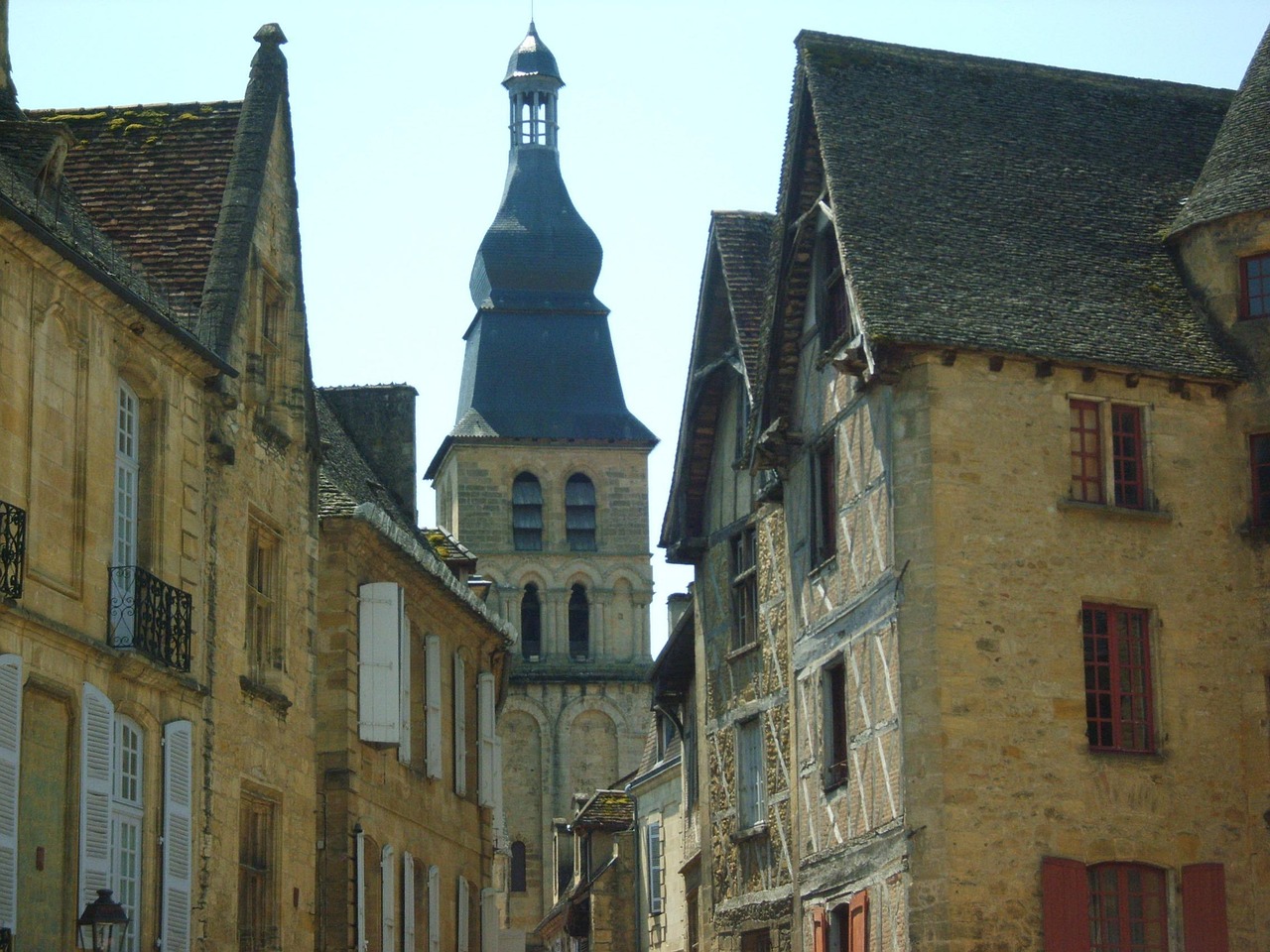
If you’ve ever dreamed of walking through a perfectly preserved medieval town, eating truffle-infused everything, and watching the sunset gild golden stone buildings, Sarlat-la-Canéda is your place. Tucked in France’s Dordogne region, Sarlat feels like a film set — except people actually live here, market vendors shout your name after a few days, and the smell of duck confit and woodsmoke lingers in the narrow lanes.
I’ve been coming to Sarlat since my early twenties, and I still get goosebumps every time I step into the old town at dawn. It’s a compact city, but dense with history, flavors, and experiences: from prehistoric caves nearby to Renaissance mansions, from foie gras shops to quiet walnut groves. Whether you’re planning a 3 day itinerary for Sarlat-la-Canéda, stretching to 4 days in Sarlat-la-Canéda, or indulging in a full 5 day itinerary for Sarlat-la-Canéda, this town makes it easy to slow down and live very, very well.
In this 2026 travel guide for Sarlat-la-Canéda, I’ll walk you through my favorite things to do in Sarlat-la-Canéda, must-see attractions, local food and restaurants, hidden corners the tour groups usually miss, and all the practical travel tips for Sarlat-la-Canéda you need — from SIM cards to driving rules. I’ll also share detailed day-by-day itineraries, based on trips I’ve taken in every season.
Table of Contents
- Why Visit Sarlat-la-Canéda?
- Quick Overview of Sarlat-la-Canéda
- Suggested Itineraries (3–5 Days in Sarlat-la-Canéda)
- 20 Must-See Attractions in Sarlat-la-Canéda (Deep Dive)
- Neighborhoods & Areas to Explore
- Local Food & Drink in Sarlat-la-Canéda
- Nightlife, Entertainment & Cultural Experiences
- Best Day Trips from Sarlat-la-Canéda
- Cultural Etiquette & Local Customs
- Practical Travel Advice & Money-Saving Tips
- What’s New in 2026–2027: Events & Festivals
- Summary & Best Time to Visit Sarlat-la-Canéda
Quick Overview of Sarlat-la-Canéda
Sarlat-la-Canéda sits in the Périgord Noir part of the Dordogne, in south-western France. It’s known for its impeccably preserved medieval and Renaissance center, its gourmet food scene (foie gras, truffles, walnuts, duck), and its proximity to some of France’s most spectacular castles and prehistoric sites.
The historic center is compact and walkable, with stone houses, tiny courtyards, and an almost continuous backdrop of buskers, markets, and café chatter. Most visitors come for 2–4 days, but I’ve stayed a week at a time and never run out of things to do — especially if you factor in day trips along the Dordogne River and into the Vézère Valley.
Unlike big cities with skylines of skyscrapers, Sarlat’s “skyline” is a jumble of slate roofs, church towers, and honey-colored stone. It’s low-rise, intimate, and incredibly photogenic.
Suggested Itineraries: 3–5 Days in Sarlat-la-Canéda
Use these as a framework to build your own perfect trip. I’ll start with a 3 day itinerary for Sarlat-la-Canéda, then expand it to 4 and 5 days.
3 Day Itinerary for Sarlat-la-Canéda (My Classic First-Timer Plan)
This is the route I used when I brought my parents to Sarlat for the first time. It’s a mix of old town wandering, markets, a bit of adventure, and a lot of good eating.
Day 1: First Taste of Medieval Sarlat
On your first day, stay mostly in Sarlat’s historic center. I like to start very early, around 8 a.m., before the day-trippers arrive. One April morning in 2025, I remember stepping out of my rental apartment on Rue Fénelon and hearing only birds and the faint rattling of a delivery cart — it felt like I had the town to myself.
- Morning: Old Town Orientation & Coffee
Grab a coffee and croissant at a café near Place de la Liberté. Sit outside and watch the square wake up. Then do a slow lap of the main lanes: Rue de la Liberté, Rue de la République, and the tiny alleys that fork off them. Don’t stress about a route; Sarlat is made for aimless wandering.
Pop into the Tourist Office on Place de la Liberté to pick up a free town map and the latest schedule for guided walks or events. They often have English-language leaflets about current exhibitions and festivals.
- Late Morning: Sarlat Cathedral & Lantern of the Dead
Head to Cathédrale Saint-Sacerdos. I like to enter from the side street so the interior hits you as a surprise — high ceilings, cool stone, and a hush that’s a relief on hot days. After exploring inside, walk up to the peculiar rounded tower in the small garden above the cathedral: the Lantern of the Dead. Its origins are still debated, and I’ve heard at least three different stories from locals; ask your guide or a shopkeeper which version they believe.
- Lunch: Local Specialties on a Shady Terrace
For a first meal, try a menu featuring duck confit or a salade périgourdine (salad with gizzards, duck breasts, walnuts, and often foie gras). Ask for a carafe of local Bergerac wine. Portions tend to be generous; I rarely manage dessert at lunch here.
- Afternoon: Panoramic View from the Sarlat Glass Elevator
Inside the old covered market (the former church of Sainte-Marie), you’ll find a glass panoramic elevator that takes you up for a bird’s-eye view. The first time I went up at golden hour, the rooftops looked like an ocean of slate and stone. On clear days, you can see far beyond town into the rolling Périgord countryside.
Tip: Go mid-afternoon if you’re visiting in summer; sunset slots get booked up quickly with tour groups.
- Evening: Night Stroll & Dinner in the Old Town
As dusk falls, Sarlat transforms. The warm street lighting gives the stone buildings a soft glow, and street performers set up in corners of Place de la Liberté and nearby lanes. For a romantic evening, book a table on a small square, order a bottle of local red, and linger. If you still have energy, wander the streets afterwards — they’re safe and atmospheric late into the night.
Day 2: Markets, Food & Country Views
If your second day falls on a Wednesday or Saturday, you’re in luck: it’s market day, one of the top things to do in Sarlat-la-Canéda. Plan your itinerary around it.
- Morning: Sarlat Market
Arrive early (by 8:30–9 a.m.) to avoid crowds. Stalls spread through the entire center: fruit and vegetables, cheese, cured meats, foie gras, truffles in season, walnuts, honey, and local crafts. I always buy too much cheese and a bag of walnuts “for later” and end up picnicking with them that very day.
Tip: Many stalls offer free tastings. Don’t be shy, but do buy something small if you enjoy a vendor’s samples; it’s appreciated.
- Lunch: Picnic or Casual Bistro
On sunny days, I like to build a picnic from market purchases and head just outside the busiest streets, or sit on a bench near the cathedral. Otherwise, tuck into a bistro for a simple plat du jour (daily special), which is usually the best value.
- Afternoon: Manor or Gardens Nearby
In the afternoon, get a taste of the surrounding countryside. Two good options:
- Les Jardins d’Eyrignac – About 20 minutes by car. Immaculate topiary gardens, ideal for a romantic stroll or quiet family time. Kids love the maze-like hedges, adults love the photo ops.
- Domme – A hilltop bastide village about 15–20 minutes away, with jaw-dropping views over the Dordogne River. Cobblestone streets, small shops, and caves beneath the main square.
On one late September visit, I rented a car with friends and we drove to Eyrignac for the late afternoon, then back via Domme at sunset. The light over the river was incredible; we pulled over just to watch hot air balloons float past.
- Evening: Wine Bar & Local Music
Back in Sarlat, find a wine bar in the old town. Many places offer local Bergerac, Monbazillac, and Cahors wines by the glass, with small tapas-style plates. In summer and during holidays, you’ll often catch live music in the streets or at small venues — ask around, locals are friendly and happy to recommend something.
Day 3: Dordogne River Castles
For the last day of your 3 days in Sarlat-la-Canéda, leave the town and explore the Dordogne’s legendary castles and river villages. This is a big highlight, especially for families and anyone who loves history or landscapes.
- Morning: Beynac-et-Cazenac
Drive (or join a tour) to Beynac-et-Cazenac, about 15 minutes from Sarlat. Its castle, perched on a cliff over the river, is one of the region’s most iconic sights. The climb up through the village is steep but worth it; wear comfortable shoes.
The first time I brought my nephew here, he walked around whispering “It’s a real castle!” as if we’d stepped into a storybook. The views from the ramparts, across to rival Château de Castelnaud, are unforgettable.
- Midday: Lunch by the River
Have lunch in Beynac or head to nearby La Roque-Gageac, another spectacular village pressed between cliff and river. I like the restaurants with terraces facing the water; they’re not the cheapest, but the setting is pure Dordogne magic.
- Afternoon: Canoeing on the Dordogne
Rent a canoe or kayak (available in Beynac, La Roque-Gageac, or Vitrac) and drift down the Dordogne. It’s a gentle river in summer, suitable for families; most companies offer life jackets and waterproof barrels. You’ll float past castles, limestone cliffs, and pebble beaches.
On my last August trip, we did a 2–3 hour paddle with friends, stopping for a swim on a quiet beach. We finished sun-tired and happy, then drove back to Sarlat in that blissfully drowsy state only a day on the water gives you.
- Evening: Farewell Dinner in Sarlat
For your final night, splurge a little on a special dinner. Look for menus featuring black truffle (in season), magret de canard (duck breast), and walnut tart. Toast the town with a glass of Monbazillac dessert wine if you have a sweet tooth.
4 Day Itinerary for Sarlat-la-Canéda
With 4 days in Sarlat-la-Canéda, you can keep the 3-day plan above and add one full day dedicated to prehistory or deeper countryside exploration.
Day 4 Option 1: Prehistoric Wonders of the Vézère Valley
The Vézère Valley, about 30–45 minutes from Sarlat, is one of the most important prehistoric sites on earth. Even non-history buffs are blown away by the caves and rock shelters.
- Lascaux IV – The high-tech reproduction of the original Lascaux cave, with stunning Paleolithic paintings. Timed entry; book ahead in high season.
- La Roque Saint-Christophe – A massive troglodyte cliff settlement that was inhabited for thousands of years. The scale always impresses my friends who think they’ve “seen caves” elsewhere.
- Saint-Léon-sur-Vézère – A charming riverside village for a late lunch or coffee.
Tip: If you’re driving, start with Lascaux IV (to catch your pre-booked slot), then loop through La Roque Saint-Christophe and end in Saint-Léon-sur-Vézère. It makes a satisfying circuit before returning to Sarlat for the evening.
Day 4 Option 2: Slow Countryside, Farms & Gardens
Alternatively, use your extra day to really slow down:
- Visit a walnut farm or foie gras farm that offers tours and tastings.
- Return to a favorite castle or garden (like Marqueyssac or Eyrignac) and spend longer there.
- Walk or cycle one of the trails leaving from Sarlat into the surrounding hills.
On one spring trip, I spent a whole day just walking country lanes between small hamlets, picnic in backpack, stopping to sketch farmhouses. It was one of the most restorative days I’ve had in the Dordogne.
5 Day Itinerary for Sarlat-la-Canéda
A 5 day itinerary for Sarlat-la-Canéda is ideal if you want to mix sightseeing, food, relaxation, and a couple of ambitious day trips. Build on the 4-day plan and add:
Day 5: “Choose Your Own Adventure”
Use your fifth day for whatever matches your travel style:
- Family-Friendly: More canoeing or a visit to a small animal park or farm; kids also love the caves at Domme and the troglodyte sites.
- Romantic: Sleep in, brunch in Sarlat, then a slow afternoon at a garden (Marqueyssac is perfect at sunset), ending with a candlelit dinner in town.
- Adventurous: Book a hot air balloon ride over the Dordogne Valley (early morning), then hike sections of the GR trails around Sarlat.
On my last 5-day stay, I used the final day to re-visit my favorite Sarlat cafés, buy gifts (walnut oil, honey, and a ceramic piece from a local artisan), and simply sit on Place de la Liberté people-watching for hours. Sometimes, the best travel “activity” is doing almost nothing at all.
20 Must-See Attractions in and around Sarlat-la-Canéda
Here’s a deeper dive into the best places to visit in Sarlat-la-Canéda and its surroundings. For each, I’ll share a bit of history, my personal experience, and tips.
1. Sarlat Medieval Old Town
The medieval old town is the heart of Sarlat and the main reason most people come. Its honey-colored stone houses, slate roofs, and narrow alleys have been carefully restored thanks to ambitious preservation laws introduced in the 1960s. Walking here really does feel like entering a different century.
I like to explore at three different times: early morning (quiet and photogenic), late morning (when shops and markets buzz), and late evening (atmospheric, especially in summer when buskers perform). Each time has a different personality.
Tips: Wear non-slip shoes; the stone paving can be slick, especially after rain. Many lanes are steep or uneven, so allow extra time if you’re with small children or anyone with mobility issues.
2. Place de la Liberté
This central square is Sarlat’s living room. On market days it’s packed with stalls and shoppers; on summer evenings it turns into an open-air theater of café tables and street performers. I’ve lost count of how many hours I’ve spent here over the years, writing in a notebook or just watching the world go by.
Look up at the surrounding buildings: many date back to the medieval and Renaissance periods, with carved stone windows and ornate details. The square’s name, “Liberté”, commemorates the French Revolution, but its spirit is more community and conviviality than politics these days.
Tip: Prices on the square are a bit higher than in side streets. For budget travelers, have one drink or coffee here to soak in the vibe, then eat on a quieter lane nearby.
3. Cathédrale Saint-Sacerdos
Dedicated to Saint Sacerdos, Sarlat’s cathedral is a mix of Romanesque and Gothic styles, reflecting centuries of construction and renovation. It stands on the site of an earlier abbey that played a crucial role in the town’s development during the Middle Ages.
Inside, the cool stone, stained glass, and soaring vaults offer a peaceful contrast to the busy streets outside. I often duck in on hot summer afternoons for a breather — it’s usually quiet, and the light can be beautiful.
History Bite: Sarlat grew up around a Benedictine abbey, and the town’s prosperity came in part from its religious significance and strategic position between rival powers during the Hundred Years’ War.
4. Lantern of the Dead (Lanterne des Morts)
This mysterious, cylindrical stone tower stands in a small green space above the cathedral. Its purpose is still debated: some say it was used to light candles for the dead; others believe it had a more symbolic or commemorative function.
The first time I saw it, I stumbled across it while trying to shortcut back to my guesthouse. It has an oddly solemn aura, especially at dusk. Kids are usually fascinated by it — and by the ghost stories some guides like to tell.
Tip: Combine a stop here with a loop through the quieter back streets around the cathedral. These lanes feel much more “local” and less commercial.
5. Sainte-Marie Church & Covered Market
The former church of Sainte-Marie was converted into a covered market by architect Jean Nouvel. Its massive steel doors and modern interior are a striking contrast to the surrounding medieval stone. Inside, you’ll find stalls selling local products — foie gras, cheese, wine, spices, and more.
I stop here almost every time I’m in town, even if just to browse or buy a small jar of truffle salt. On rainy days, it’s a cozy place to escape the weather and sample treats.
Don’t Miss: The panoramic glass elevator at the back of the market, which takes you up for a rooftop view of Sarlat (see below).
6. Panoramic Glass Elevator
Installed in the bell tower of the former Sainte-Marie church, the glass elevator is one of the best places to admire Sarlat’s skyline — all roofs, chimneys, and towers, framed by green hills beyond.
The ride is short but memorable, especially if you’re not afraid of heights. I’ve gone up at different times of day: morning is crisp and clear; late afternoon wraps everything in golden light that makes the stone glow.
Tip: Capacity is limited, so in July and August it’s wise to ask earlier in the day about the next available time slots.
7. Sarlat Weekly Markets
Sarlat’s markets are legendary among food lovers. They’re also a cornerstone of daily life for locals. There are several types:
- General Market (Wednesdays & Saturdays) – Fruits, vegetables, cheese, meat, clothes, household goods.
- Foie Gras & Truffle Markets (winter) – Specialized markets celebrating regional products.
- Organic Market (often on Thursday evenings in summer) – Smaller, with a focus on organic producers.
I still remember my first winter truffle market here: the scent hit me before I even saw the stalls. Farmers proudly displayed knobbly black jewels on little plates, and negotiations were serious but good-humored.
Tip: Bring cash for smaller vendors, and a reusable bag. Many stalls will vacuum-pack foie gras or cured meats for travel if you ask.
8. Jardins de Marqueyssac
About 20 minutes from Sarlat by car, the Jardins de Marqueyssac are famous for their surreal topiary and breathtaking views over the Dordogne Valley. Boxwood shrubs clipped into rounded shapes create an almost dreamlike landscape, especially in early morning mist or at sunset.
On one summer evening visit, I came for their candlelit night opening (which they often run on Thursdays in high season). Thousands of candles lined the paths, musicians played softly in corners of the garden, and we sat on a cliffside bench watching the lights of La Roque-Gageac and Beynac twinkle below. It felt like stepping into a painting.
Family Tip: There are play areas and even a via ferrata route (secured climbing path) for older kids and teens, making this a great family outing.
9. Château de Beynac
Perched dramatically on a cliff above the Dordogne, Château de Beynac is one of the region’s most impressive fortresses. Once a key stronghold during the Hundred Years’ War, it offers a vivid glimpse into medieval life, with thick stone walls, narrow staircases, and commanding views.
I’ve visited in both summer and a damp November. In summer, crowds give it a bustling energy; in November, mist hangs over the river and the castle feels brooding and atmospheric. Both are wonderful in their own ways.
Fitness Note: The climb up through the village from the river is steep but scenic. If mobility is a concern, there is limited parking closer to the castle at the top.
10. La Roque-Gageac
La Roque-Gageac is a village wedged between a sheer cliff and the river, with ochre houses, palm trees (thanks to a mild microclimate), and a postcard-perfect riverside promenade. It’s one of the best places to visit near Sarlat-la-Canéda for photography, gentle strolls, and river activities.
I like to come here in late afternoon, when the cliff glows in the sun. Grab an ice cream, walk along the river, then climb a little way up into the village’s back lanes to escape the main crowds and see the troglodyte structures in the cliff.
Tip: Boat trips (gabarres) depart from here, offering a relaxed way to see the valley if you’re not keen on paddling yourself.
11. Domme
Domme is a fortified hilltop bastide town with cobbled streets, stone gates, and sweeping views over the Dordogne. Founded in the 13th century, it still wears its medieval structure proudly.
One of my favorite memories here is a simple one: buying a takeaway crêpe and sitting on the town walls, watching paragliders drift over the valley below. Beneath the main square, you can visit caves that were used as shelters — kids tend to love this part.
Parking Tip: There are parking lots just outside the old walls; from there, it’s a short uphill walk into the center.
12. Jardins d’Eyrignac
The Jardins d’Eyrignac are a formal garden estate known for meticulous topiary and a calm, elegant atmosphere. Compared to Marqueyssac, they feel less dramatic but more intimate and refined.
I came here once on a drizzly April morning and had the place almost to myself; wandering the green alleys and geometric hedges with only birds for company was blissfully peaceful. In summer, they sometimes host evening events with music and picnics on the grass.
Romantic Angle: This is one of my top picks for couples who want a tranquil, hand-in-hand stroll away from busier sights.
13. Lascaux IV
While not in Sarlat itself, Lascaux IV near Montignac is a major reason many travelers choose this region. It’s a state-of-the-art reproduction of the original Lascaux cave, whose Paleolithic paintings are too fragile for mass tourism.
Even knowing it’s a replica, I was deeply moved when I visited. The artistry and sophistication of the 20,000-year-old paintings, combined with the immersive design of the museum, create a powerful experience. Guided tours (often with audio support in multiple languages) help you understand the significance of what you’re seeing.
Book Ahead: For 2026–2027, advance booking especially in July–August and school holidays is highly recommended.
14. La Roque Saint-Christophe
This kilometer-long limestone cliff was carved into terraces and inhabited for tens of thousands of years, from prehistoric times through the Middle Ages. Walking along its ledges, you can see reconstructions of medieval winches, kitchens, and defensive structures.
On my first visit, a sudden rain shower swept across the valley while I was halfway along the cliff. We huddled under an overhang, looking out over the Vézère River and imagining people doing the same thousands of years before. It’s a place that shrinks your sense of time in the best way.
Family Tip: Kids tend to be fascinated by the models and demonstrations; it’s a good place to bring school-aged children who like history or “real-life castles”.
15. Manoir de Gisson
Right in the heart of Sarlat, the Manoir de Gisson is a restored noble house that offers a glimpse into the life of wealthy families in centuries past. Inside, rooms are furnished with period pieces, and exhibits explore everything from daily domestic routines to political intrigue.
I popped in one rainy afternoon almost on a whim and ended up spending over an hour. The attic, with its displays on justice and punishment, is a bit macabre but fascinating.
Tip: If you like interiors and social history, pair this with a walk through the old town, imagining who lived behind each carved doorway.
16. Sarlat by Night
Not a single site, but an experience: Sarlat after dark is one of my favorite “attractions”. Warm lighting highlights architectural details, musicians set up in corners, and the air smells of grilled duck and woodsmoke.
On busy summer nights, it can feel almost like a medieval festival, with jugglers, buskers, and families out late. In shoulder seasons, it’s more subdued — perfect for a quiet romantic stroll.
Safety: The historic center feels very safe at night, with a visible mix of locals and visitors. As always, basic precautions apply.
17. Foie Gras & Gourmet Shops
Sarlat is a prime place to explore the controversial but culturally significant world of foie gras. Dozens of shops sell foie gras, confits, rillettes, and related products, often from family-run farms.
Even if you choose not to eat foie gras for ethical reasons, these shops often carry many other local delicacies: walnut cakes, fruit liqueurs, honey, and more. I usually pick up gifts here — the staff are used to explaining products patiently, even with language barriers.
Ethical Note: If animal welfare is a concern, look for producers who emphasize smaller-scale, traditional methods, and consider focusing on non-foie-gras specialties (walnuts, cheeses, wines).
18. Walnut Mills & Farms (Moulins à Huile de Noix)
The Dordogne is walnut country, and traditional mills still press walnuts into fragrant oil. Visiting one is both educational and delicious. You’ll learn how walnuts are dried, stored, and crushed, and you’ll be able to taste different grades of walnut oil.
On a chilly November afternoon, I visited a small mill outside Sarlat. The smell of roasted walnuts filled the air; the owner, an older gentleman, poured us tiny cups of oil to sip like wine, explaining the nuances. I left with a bottle that made my salads back home taste like Périgord for months.
Tip: Ask the Sarlat tourist office for current recommendations and opening hours; many are family-run and may close for lunch or off-season breaks.
19. Canoeing the Dordogne
Canoeing on the Dordogne River is an essential Dordogne experience and one of the top adventurous things to do near Sarlat-la-Canéda. Rental outfits provide boats, paddles, life vests, and waterproof containers, then shuttle you to a starting point so you can float back downstream.
I’ve done routes from Vitrac to Beynac and from La Roque-Gageac to Castelnaud. Both offer castle views, cliffside villages, and chances to stop on gravel banks for a swim or picnic.
Family-Friendly: Routes are usually gentle and well within the capabilities of beginners, including older kids. Check minimum ages with your chosen company.
20. Domme Caves & Lookout
Underneath Domme’s main square lies a network of caves adorned with stalactites and stalagmites. Guided tours (often in French with English leaflets; check current options) lead you through chambers that feel worlds away from the sunny bastide above.
At the end, a funicular brings you back up to the surface with a surprise views. Kids tend to find the whole experience delightfully mysterious.
Weather Tip: The caves are a fantastic option on hot summer afternoons or rainy days; bring a light layer as it’s cooler underground.
Neighborhoods & Areas to Explore in Sarlat-la-Canéda
Historic Center (Cité Médiévale)
This is where you’ll spend most of your time: a maze of pedestrian streets, tiny squares, and stone staircases. It’s the most atmospheric area and the best base for short stays.
Character: Tourist-oriented but still lived-in; packed in summer, calm and romantic in winter. Full of restaurants, cafés, artisan boutiques, and small hotels or apartments.
Modern Town & Boulevard Peripherique
Outside the medieval core, Sarlat spreads into more modern streets with supermarkets, banks, gas stations, and residential neighborhoods. It’s less photogenic but very practical.
Why Go: Stock up at supermarkets if you’re self-catering, find cheaper accommodations, or use public parking lots that are more accessible than the tiny historic lanes.
Surrounding Villages & Countryside
Within a 30-minute radius, dozens of small villages and hamlets dot the landscape. Many travelers choose to stay in a gîte (holiday cottage) in the countryside, using Sarlat as their cultural and shopping hub.
Feel: Quiet, green, and ideal if you want to hear more birds than traffic. Perfect for longer stays, families, and couples seeking privacy.
Local Food & Drink in Sarlat-la-Canéda
What to Eat in Sarlat-la-Canéda
- Foie Gras – Goose or duck liver, served mi-cuit (half-cooked), in terrines, or pan-seared. Signature but rich; share if you’re unsure.
- Magret de Canard – Duck breast, usually grilled or roasted, often served with potatoes cooked in duck fat.
- Confit de Canard – Duck leg slow-cooked in its own fat until tender and crispy.
- Salade Périgourdine – Generous salad with duck gizzards, smoked duck breast, walnuts, sometimes foie gras.
- Pommes de Terre Sarladaises – Sliced potatoes fried in duck fat with garlic and parsley; addictive.
- Truffles – Especially black truffle (tuber melanosporum) in season (roughly Dec–Feb). Used in omelets, sauces, and oils.
- Walnut Tart & Walnut Cake – Sweet, nutty desserts showcasing local noix du Périgord.
- Cabécou – Small local goat cheese, delicious warm on toast with honey.
Where to Eat: Personal Favorites
I won’t name every restaurant (places change, chefs move on), but here’s how I choose where to eat and some general types of spots:
- Traditional Auberges – Rustic, hearty menus with all the classics. Great for your first night to dive into local cuisine.
- Bistros on Side Streets – Often better value and less touristy than prime squares; look for shorter menus that change with the seasons.
- Wine Bars – Perfect for lighter meals: cheese plates, charcuterie, and local wines by the glass.
- Crêperies – Budget-friendly, especially for families; savory galettes and sweet crêpes keep everyone happy.
- Market Stalls – On market days, grab a roast chicken, bread, and fruit for a picnic; it’s my favorite money-saving strategy.
Money-Saving Tip: Look for lunchtime menus du jour (fixed-price menus). They’re usually excellent value and often include a starter and main, or main and dessert, with optional wine at a small supplement.
What to Drink
- Bergerac Wines – Reds, whites, and rosés from nearby Bergerac. Good everyday wines, often house pours in restaurants.
- Cahors – Rich, dark red wines from the Lot area; great with duck and red meats.
- Monbazillac – Sweet white wine from the Bergerac region; lovely with foie gras or desserts.
- Walnut Liqueur – Sweet, nutty, and strong; sip in tiny glasses.
- Local Ciders & Beers – Increasingly common in bars and shops; good for non-wine drinkers.
Note: Tap water is safe to drink; in restaurants you can ask for a carafe d’eau instead of bottled water.
Nightlife, Entertainment & Cultural Experiences
Sarlat is not a clubbing destination, but evenings here have their own charm.
- Cafés & Wine Bars – Open late in summer; perfect for lingering over drinks and people-watching.
- Street Performers – Jugglers, musicians, and acrobats appear on warm evenings, especially July–August.
- Cinemas & Local Theaters – Occasionally show films or host events; check tourist office listings.
- Festivals – The Festival des Jeux du Théâtre (theater festival) and other cultural events bring performances to town; many are in the open air.
My favorite nights in Sarlat are simple: dinner on a terrace, a slow wander through the lit streets with a gelato or crêpe, then a glass of wine at a quiet bar. For couples, it’s incredibly romantic; for families, children love the buskers and the safe, lively streets.
Best Day Trips from Sarlat-la-Canéda
Dordogne River Loop: Beynac, La Roque-Gageac, Domme
This is the classic loop, easily done by car in a day (or via organized tours). It combines castles, river views, and hilltop panoramas. Start early to beat tour buses, and end with a drink somewhere with a view.
Vézère Valley: Prehistory & Riverscapes
Combine Lascaux IV, La Roque Saint-Christophe, and a pretty village like Saint-Léon-sur-Vézère. It’s more spread out than the Dordogne loop but less crowded, with a different, more ancient feel.
Rocamadour (Longer Day Trip)
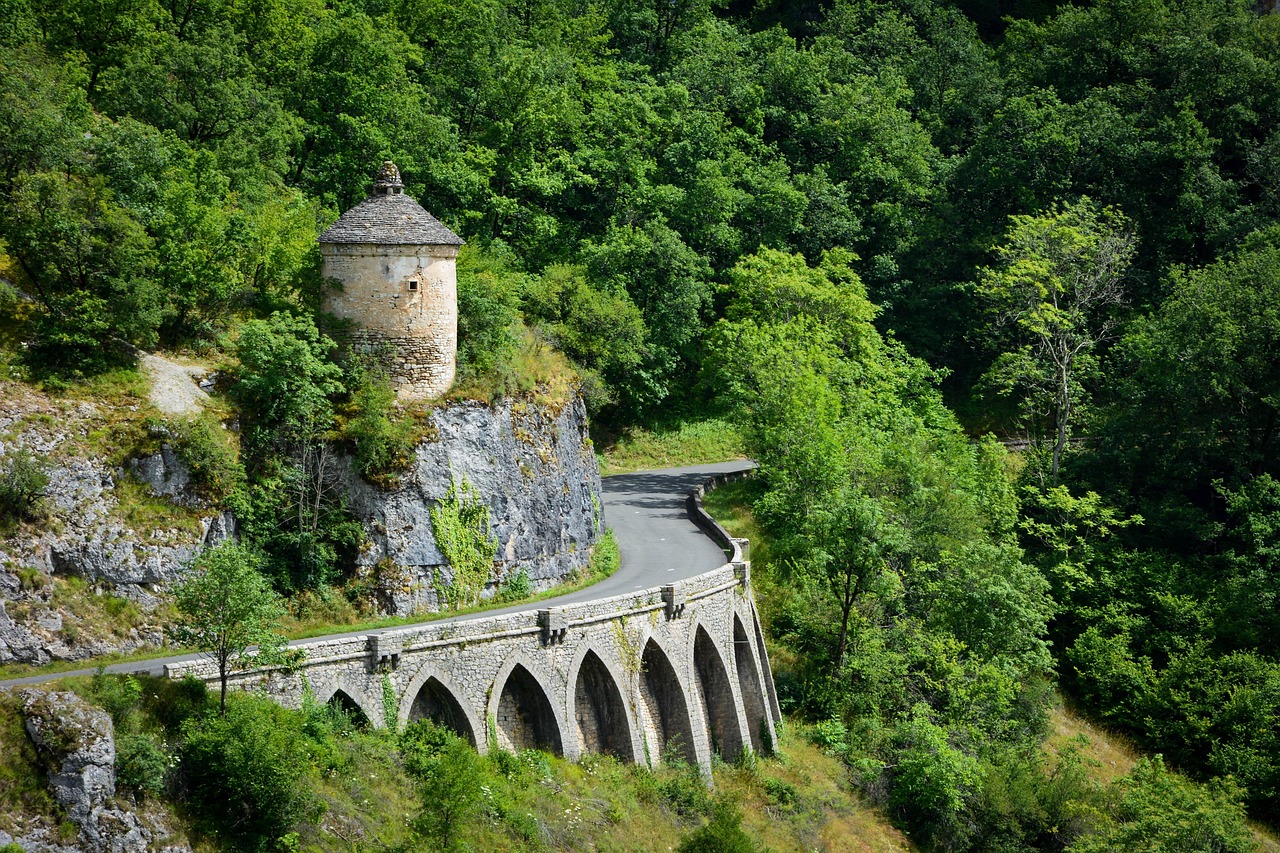
About 1.5 hours from Sarlat by car, Rocamadour is a dramatic pilgrimage village clinging to a cliff. It makes for a long but memorable day trip if you’re happy to drive. Expect steps, viewpoints, and religious sites.
Tip: Leave early and bring water; Rocamadour gets hot and crowded in peak season.
Cultural Etiquette & Local Customs
Understanding a few basics will make your time in Sarlat smoother and more enjoyable.
- Greetings: A simple “Bonjour” (before 6 p.m.) or “Bonsoir” (after) when entering shops, markets, or restaurants is essential. Not greeting can be seen as rude.
- Language: Many people working in tourism speak some English, but starting in French is appreciated. Even “Bonjour, parlez-vous anglais?” goes a long way.
- Meal Times: Lunch service typically runs 12–2 p.m.; dinner 7–9:30 p.m. Don’t expect full meals outside those times, though you may find snacks and drinks.
- Tipping: Service is included in restaurant bills, but rounding up or leaving 5–10% for good service is appreciated. In cafés, leaving small change is normal.
- Dress: Casual but neat is fine almost everywhere. Swimwear is for pools and beaches, not town streets.
- Markets: Ask before touching produce; vendors often prefer to select items for you. Be patient in queues and have small change ready.
- Driving & Noise: Many historic lanes are pedestrian-only or restricted. Keep noise down late at night in the old town, as many buildings are residential.
Practical Travel Advice & Money-Saving Tips
Getting Around Sarlat-la-Canéda
- On Foot: The historic center is entirely walkable; you won’t need a car within the old town.
- By Car: Very useful for exploring the Dordogne and Vézère valleys. Parking near the center is metered or paid lots; free parking is further out.
- Public Transport: Limited. There’s a train station (Sarlat) with connections to Bergerac and Bordeaux via changes, and some local buses, but schedules aren’t always tourist-friendly.
- Cycling: Possible, though hills can be challenging. Some routes follow old railway lines or river valleys and are relatively flat.
How to Save Money in Sarlat-la-Canéda
- Self-Cater a Few Meals: Rent an apartment or gîte and cook with market produce; breakfasts and some dinners at home cut costs dramatically.
- Lunch Menus: Eat your main meal at lunch using menu du jour deals; have a lighter dinner of bread, cheese, and fruit.
- Free Attractions: Wandering the old town, visiting churches, and enjoying viewpoints cost nothing.
- Share Tastings: Split platters or tasting menus so you can try specialties without over-ordering.
- Travel in Shoulder Season: May–June and September–October often have lower prices and fewer crowds than July–August.
SIM Cards & Connectivity
For 2026, mobile coverage in and around Sarlat is generally good, though some rural spots still have weaker signals.
- eSIMs: Many travelers now use international eSIMs; check if your phone is compatible and buy before arrival.
- Local SIMs: Available from major French providers (Orange, SFR, Bouygues) in larger towns; you may need to stop in a bigger city en route to Sarlat for the best deals.
- Wi-Fi: Most hotels, rentals, and many cafés offer free Wi-Fi, though speeds vary.
Car Rental & Driving
- Where to Rent: Many visitors rent cars in Bergerac, Bordeaux, or Toulouse and drive to Sarlat.
- Foreign Licenses: For many nationalities (including most of Europe, UK, US, Canada, Australia), a valid home country license is accepted; an International Driving Permit is recommended and sometimes required by rental companies—check current rules before travel.
- Driving Style: Roads are generally good but can be narrow and winding near villages. Drive slowly through small towns and watch for cyclists and pedestrians.
- Parking: Use designated lots around the old town; avoid trying to drive narrow medieval lanes unless you have very specific permission.
Visa Requirements (2026)
Sarlat is in France, part of the Schengen Area. As of 2026:
- EU/EEA/Swiss Citizens: Can enter and stay freely.
- Many Non-EU Travelers: (including US, UK, Canadian, Australian, New Zealand citizens) can enter visa-free for short stays (typically up to 90 days in a 180-day period), but may need to complete ETIAS authorization when it’s fully implemented; check official sites before travel.
- Other Nationalities: May need a Schengen visa in advance. Always check with your local French consulate or embassy for up-to-date information.
When to Go & Seasonal Considerations
- Spring (March–May): Mild weather, flowers, fewer crowds. Some attractions may have shorter hours in March.
- Summer (June–August): Warm to hot, peak season, all attractions open, vibrant markets and festivals. Expect crowds and higher prices, especially late July–August.
- Autumn (September–November): Beautiful foliage, harvest season, food festivals, and fewer tourists. October and early November are particularly lovely.
- Winter (December–February): Quiet and atmospheric; some restaurants and attractions close or reduce hours. Great for truffle and foie gras markets, and for those who prefer calm over buzz.
Activity Matching: Canoeing and swimming are best from late May to early September; truffle experiences shine in winter; garden visits are lovely from April to October.
What’s New in 2026–2027: Events & Festivals
While exact dates can shift year to year, here are some recurring events and trends to look for in Sarlat and the surrounding region in 2026–2027. Always confirm dates closer to your trip.
- Sarlat Truffle Festival (Fête de la Truffe) – Typically in January. Cooking demonstrations, tastings, truffle markets, and workshops in the old town.
- Fest’oie (Goose Festival) – Usually in March. Celebrates goose products with banquets and street events.
- Sarlat Film or Theater Events – The town has a strong theater tradition, with summer festivals bringing performances to squares and courtyards.
- Summer Night Markets & Concerts – Evening markets with food, crafts, and live music in Sarlat and nearby villages.
- Ongoing – Continued emphasis on sustainable tourism, with more eco-friendly accommodations, farm visits, and outdoor activities being promoted through late 2026 and 2027.
Summary & Final Recommendations
Sarlat-la-Canéda is one of those rare places that lives up to the romantic images in your head: medieval streets, golden stone, markets groaning with produce, and rivers winding past castles. Whether you spend 3 days in Sarlat-la-Canéda focusing on the essentials, stretch to 4 days in Sarlat-la-Canéda to add prehistory or gardens, or indulge in a full 5 days in Sarlat-la-Canéda soaking in the region, you’ll find plenty to fill your time.
Best Time to Visit Sarlat-la-Canéda:
- May–June: Ideal mix of good weather, open attractions, and manageable crowds; perfect for most travelers.
- September–early October: Warm days, cooler nights, harvest season, and beautiful light; my personal favorite time.
- July–August: Best if you love energy, festivals, and don’t mind crowds and higher prices; also prime for river activities.
- Winter: For food lovers chasing truffle and foie gras festivals and those who crave quiet medieval streets without crowds.
Think of Sarlat not just as a checklist of must-see attractions, but as a place to slow down: linger over a glass of Bergerac wine, chat with a cheesemonger at the market, paddle lazily down the Dordogne, or simply sit on Place de la Liberté watching the medieval world go by. That’s when Sarlat really gets under your skin — and why, like me, you may find yourself coming back, again and again.