Why Visit Tarbes? A Gateway Between Plains and Peaks
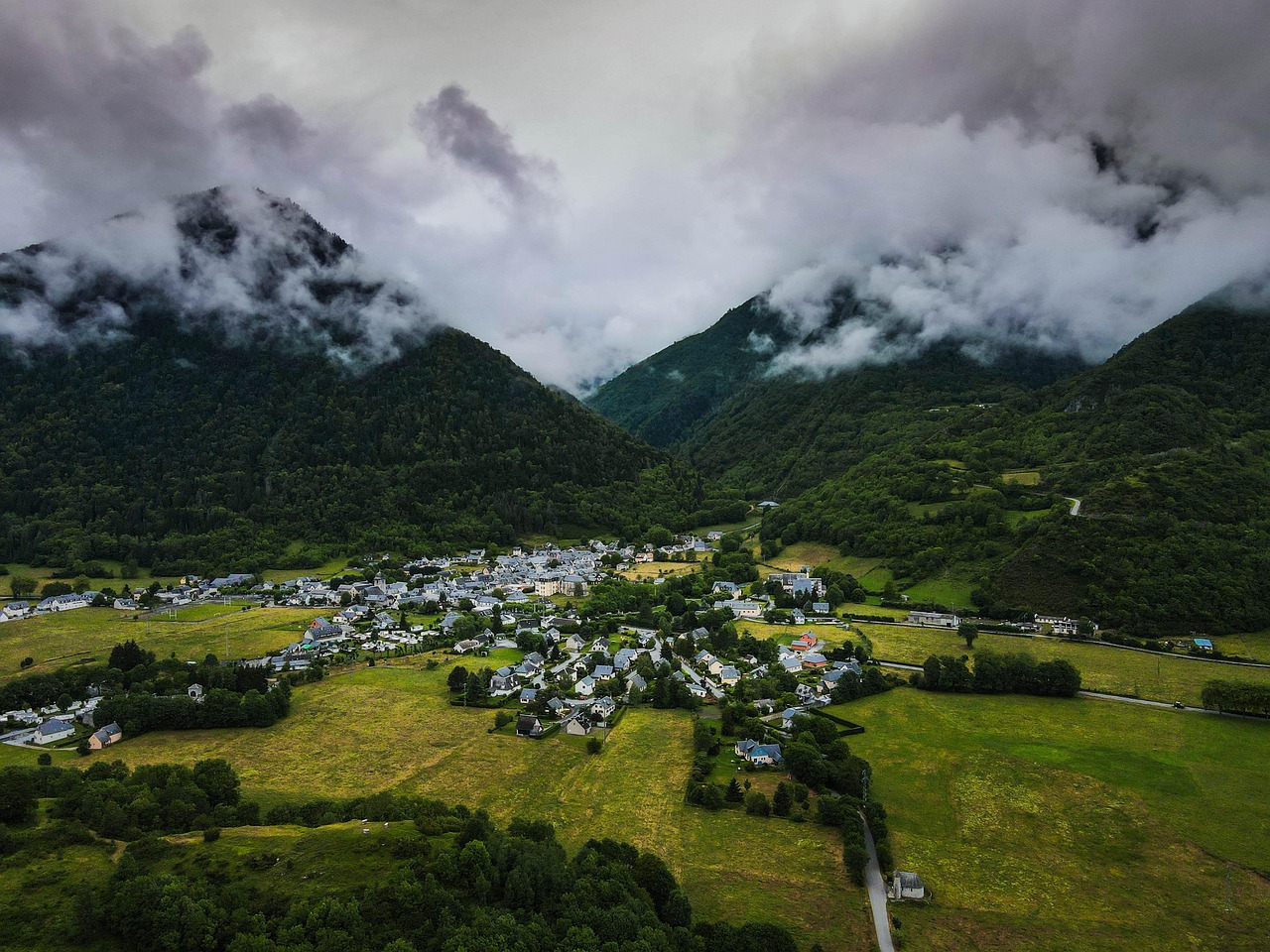
Wedged between the fertile plains of the Adour River and the dramatic silhouettes of the Pyrenees, Tarbes is one of those French cities that most international visitors skip—until they accidentally end up here and immediately wonder why it isn’t on every “must-see” list.
I’ve been coming back to Tarbes for over a decade—first as a broke university student chasing mountain air and cheap wine, later as a travel writer, and now as the friend who keeps insisting, “Forget the big cities, just give Tarbes three to five days and you’ll thank me.”
Tarbes is special because it combines Pyrenean mountain culture with Gascon gastronomy, military history, horse culture, and an almost stubbornly relaxed pace of life. You’re 20 minutes from rolling countryside, 45 minutes from Lourdes, and just over an hour from some of the best hiking and skiing in France—yet you still get a proper French city with cafés, markets, and a solid cultural calendar.
If you’re looking for:
- A base for the Pyrenees without tourist crowds
- Authentic local food (duck, garbure soup, Pyrenean cheese, Madiran wine) at non-Paris prices
- Family‑friendly parks and museums
- Romantic walks under plane trees, with mountain views at sunset
- Adventurous day trips to high passes, lakes, and tiny villages
…then Tarbes is quietly perfect.
Table of Contents
- Why Visit Tarbes?
- Quick Overview of Tarbes in 2026
- Neighborhoods & Areas to Explore
- 20 Must-See Attractions in Tarbes (With Local Insights)
- Suggested Itineraries: 3, 4 & 5 Days in Tarbes
- Local Food in Tarbes: What & Where to Eat
- Nightlife, Entertainment & Cultural Experiences
- Best Day Trips from Tarbes
- Events & Festivals in 2026–2027
- Local Customs & Cultural Etiquette
- Practical Travel Advice for Tarbes
- Summary & Best Time to Visit Tarbes
Tarbes in 2026: What You Need to Know
Tarbes is the capital of the Hautes-Pyrénées department in the Occitanie region of southwest France. With around 40,000 residents, it’s big enough to have everything you need but small enough to feel walkable and human.
In 2026, Tarbes is riding a quiet wave of renewed interest. A few excellent new wine bars have opened around the city center, the historic horse stud (Haras National) has expanded its cultural programming, and the city continues to position itself as a comfortable base for exploring the Pyrenees without the pilgrimage crowds of Lourdes.
You’ll hear both French and traces of Occitan and Gascon in accents and place names. The city’s character is shaped by its military history, its agricultural roots, and its proximity to Spain and the mountains.
Neighborhoods & Areas to Explore in Tarbes
1. Centre-Ville (City Center)
This is where you’ll likely spend most of your time: pedestrian streets, cafés, boutiques, and the beautiful squares.
- Vibe: Lively but not hectic, very local.
- Highlights: Place de Verdun, Rue Brauhauban, the covered market, and most of the best cafés and restaurants.
- Best for: First-time visitors, short stays, and those without a car.
2. Quartier de la Gespe & University Area
North-east of the center, around the university and La Gespe cultural venue.
- Vibe: Younger, more alternative, occasional live music.
- Highlights: La Gespe concerts, smaller bars, and some budget eateries.
- Best for: Nightlife on concert nights and cheaper snacks.
3. Jardin Massey & Haras Area
The green lung of Tarbes. A leafy, refined area that always pulls me back for a quiet walk.
- Vibe: Elegant, relaxed, family-friendly.
- Highlights: Jardin Massey, the Massey Museum, Haras National, and nearby boulevards.
- Best for: Families, runners, picnickers, romantic strolls.
4. Arsenal & Cultural District
A redeveloped area that used to be military/industrial, now combining culture and retail.
- Vibe: Modern, mixed-use, practical.
- Highlights: Théâtre des Nouveautés (for shows), cinema, some chain shops.
- Best for: Rainy days, evening shows, and practical errands.
5. Riverside & Adour Banks
Technically, the Adour flows just outside the densest part of the city, but the river environment is never far.
- Vibe: Natural, quiet, ideal for walks and cycling.
- Highlights: River paths, views to the Pyrenees, occasional fisherman spots.
- Best for: Early-morning runs, sunset walks, and escape from traffic.
20 Must-See Attractions in Tarbes (With Local Stories & Tips)
Instead of just listing places, I’ll walk you through how I personally visit each one: what time to go, what to eat nearby, and how to make the most of it.
1. Jardin Massey
Why it’s special: Jardin Massey is the soul of Tarbes—a 19th‑century landscaped park with exotic trees, peacocks, ponds, and mountain views on clear days. It’s where families stroll on Sundays, teenagers gossip on benches, and joggers trace the same loops every day.
History & background: Created by Placide Massey, a botanist from Tarbes, the garden blends English-style landscaping with French formality. The elegant tower you’ll see was once part of a cloister; now it’s a visual anchor in the park and a symbol of the city.
My experience: I try to arrive around 9:00–9:30 a.m. on my first morning in town. The light filters through the trees, the park is still quiet, and you can hear the bells from the city center. One October morning, mist rose off the pond while a peacock shrieked somewhere in the distance—it felt like walking into a surreal painting.
What to do:
- Stroll the main alleys and look for the tree nameplates—there are species from all over the world.
- Sit by the pond and watch ducks and kids sharing crumbs of baguette.
- Visit the Massey Museum (inside the park) for art, history, and a surprisingly good collection of Hussar uniforms.
- Let kids burn energy on the playground or lawns—this is one of the best family-friendly spots in Tarbes.
Food tip: I usually grab a coffee and croissant at a bakery near Place de Verdun and bring it into the park (discreetly; avoid leaving crumbs everywhere). For a longer lunch, walk back toward the center—there are several brasseries within a 10-minute radius.
How to get there: From Place de Verdun, it’s a 10–12 minute walk north. Follow signs for “Jardin Massey” or simply head toward the tall trees you’ll see looming above the rooftops.
Best time to visit: Early morning or late afternoon for soft light; spring for flowers, autumn for color.
2. Musée Massey (Massey Museum – Hussars & Fine Arts)
Why it’s special: This museum inside Jardin Massey tells the story of Tarbes through art, archaeology, and especially its famous cavalry: the Hussars.
History & significance: Tarbes has long military ties, and the Hussars—light cavalry with flamboyant uniforms—are a point of local pride. The museum’s Hussar collection is one of the most significant in the world, with pieces spanning several countries and centuries.
My experience: On a rainy March afternoon, I ducked into the museum to “kill an hour” and ended up spending nearly three. The uniform displays are done with real care—plumes, sabers, jackets—alongside paintings and personal items that make the soldiers feel human, not just decorative.
What to look for:
- The Hussar uniforms and their evolution over time.
- Views from the upper levels back over Jardin Massey.
- Any temporary exhibitions—sometimes surprisingly contemporary for such a classical setting.
Practical tips: Check current opening hours (they change seasonally). If you’re traveling with kids, keep the visit focused—uniforms and horses usually grab their attention; don’t try to see every plaque.
3. Haras National de Tarbes (National Stud Farm)
Why it’s special: This historic stud farm is where the French state once bred and trained horses for the cavalry and other state needs. Today, it’s part working equestrian site, part cultural venue.
History & background: Founded under Napoleon, the Haras National played a key role in developing French horse breeds. The architecture—long stables, symmetrical courtyards, avenues of trees—still whispers of disciplined 19th-century order.
My experience: I first visited during the annual horse festival, when the normally quiet grounds were alive with riders, demonstrations, and children gawking at glossy coats and flying manes. Another time, I joined a regular guided tour and loved the behind-the-scenes feel—walking through stables that still smell of hay and leather, hearing stories about particular horses.
What to do:
- Join a guided tour (usually in French, but often with a handout in English).
- Time your visit for a show or festival if possible—horse shows, dressage, and even concerts.
- Photograph the architecture: long lines of stalls, stone buildings, and horse busts.
Family & romantic angle: Kids love the horses; couples will enjoy the serene, almost stately atmosphere of the grounds and tree-lined avenues.
Practical tip: Check the events calendar; during major horse events, book accommodation in advance as equestrian fans do travel in for the weekend.
4. Place de Verdun
Why it’s special: Place de Verdun is the central square and heart of daily life in Tarbes. Almost every day in my itineraries starts or ends here.
What it’s like: A large, open square framed by classic French façades, plane trees, and lines of cafés and brasseries. By day: a busy traffic and parking hub with locals running errands. By night: terraces fill, glasses clink, and friends linger late into the evening.
My routine: I tend to use Place de Verdun as an anchor. Morning coffee on a terrace watching the city wake up; evening apéro (pre-dinner drink) as the light fades. In December, when I once stayed in Tarbes over the holidays, the square was lined with Christmas lights and a small seasonal market.
What to do:
- Enjoy a drink on a café terrace and people-watch.
- Use it as your navigation point; most central streets radiate from here.
- Check for occasional markets or events set up in the square.
Food tip: Several brasseries around the square serve hearty, affordable set menus at lunch—perfect for sampling duck or local dishes without spending a fortune.
5. Cathédrale Notre-Dame de la Sède
Why it’s special: Smaller than the grand cathedrals of big French cities, Notre-Dame de la Sède is intimate, atmospheric, and tied to the city’s medieval roots.
History & architecture: The cathedral dates from the 12th century with later additions, blending Romanesque and Gothic elements. Its location slightly away from the busiest streets gives it a tucked-away, contemplative feel.
My experience: On a summer afternoon, after a hot walk across town, I slipped inside mainly for the cool air—and ended up staying nearly an hour. The filtered light through the stained glass, the creak of wooden pews, and the faint smell of incense created a pocket of stillness I didn’t realize I needed.
What to do:
- Walk slowly around the interior, noticing the chapels, stained glass, and older stonework.
- Step outside and wander the surrounding streets; they’re among the oldest in Tarbes.
Tip: Dress modestly (shoulders covered) as a courtesy, especially if services are in progress.
6. Marché Brauhauban (Central Market)
Why it’s special: This is where Tarbes eats. If you want to understand local food in Tarbes, you start at the market.
What it’s like: A covered market and outdoor stalls filled with seasonal produce, cheese, charcuterie, duck products, honey, wine, and more. It’s busy on weekend mornings, but even on quieter weekdays there’s always life.
My experience: I never visit Tarbes without at least one market morning. I pick up a slice of gâteau à la broche (a local cake baked on a spit), sample sheep’s cheese from the Pyrenees, and chat with vendors about weather and recipes. One elderly woman once lectured me (kindly) on the only correct way to prepare garbure soup and insisted I take home a piece of ham bone “for flavor.”
What to buy:
- Duck confit, magret, and foie gras (if you eat meat).
- Cheeses like Ossau-Iraty and local brebis (sheep’s cheese).
- Seasonal fruits and vegetables—perfect if you’re self-catering.
- Local wines (Madiran, Pacherenc, Jurançon, and regional reds).
Tips: Go early (between 8:00 and 10:00 a.m.) for the best selection. Bring cash and your own bag if you have one. Vendors are happy to offer tastings if you show genuine interest.
7. Pyrenees Viewpoints Around Tarbes
Why it’s special: One of the underrated joys of Tarbes is how the Pyrenees suddenly appear on clear days, floating above the city like a painted backdrop.
My routine: On crisp winter mornings, I like to walk along the higher points of the city or head toward the outskirts. From certain spots, the mountain chain stretches from east to west, sometimes snow-capped, sometimes hazy blue, always dramatic.
Where to look:
- Certain stretches of the ring road and higher boulevards.
- Open areas near the fairgrounds and sports complexes.
- Some residential hills just outside the strict center (ask your host for their favorite spot).
Tip: You’ll get the clearest views after rain has washed the air, in winter and early spring mornings, and late afternoon in autumn.
8. Théâtre des Nouveautés
Why it’s special: This theater is one of the cultural hearts of Tarbes, hosting plays, concerts, comedy, and festivals.
My experience: I once booked a last-minute seat for a contemporary dance performance here, on a night when rain was hammering the streets. The theater was packed, the crowd attentive but warm, and by the end of the show, the dancers were taking bows to wild applause. It made me realize how strong the cultural appetite is in such a small city.
What to do: Check the program (often online or at the box office) when you arrive in Tarbes. Even if your French is limited, dance, music, and some comedy can still be enjoyable, and it’s a great way to immerse yourself in local life.
Tip: Book tickets in advance for big-name shows, especially on weekends.
9. L’Arsenal & Cultural Complex
Why it’s special: A redeveloped area that mixes modern architecture with the city’s military past. It’s home to cultural venues, a cinema, and some retail.
My experience: I tend to end up at L’Arsenal on rainy days or when I want to catch a film. The contrast between newer structures and remaining industrial elements makes it interesting for architecture lovers too.
What to do:
- Catch a movie (often in French, but some VO – original version – screenings for English-language films).
- Attend festivals, fairs, or expositions when they’re scheduled here.
- Explore the area to see how Tarbes has repurposed old industrial land.
10. Equestrian Culture & Riding Clubs
Why it’s special: Horses are part of Tarbes’ DNA. Beyond the Haras, there are riding clubs around the city that welcome visitors.
My experience: A friend booked us a trail ride just outside Tarbes on a late summer afternoon. We rode through fields with the Pyrenees in the distance, the sky turning gold and pink. I’m not an expert rider, but the guides were patient and matched horses to our abilities.
What to do: Ask at the tourist office or your accommodation for riding clubs that offer short rides to visitors. It’s a memorable way to experience the landscape and the region’s equestrian heritage.
Tip: Wear long pants and closed shoes, even in summer. Book a day in advance, especially in high season.
11. Architecture Walk in Central Tarbes
Why it’s special: Tarbes isn’t about one iconic building; its charm is in the mix of 19th-century townhouses, Art Deco details, arcades, and quiet side streets.
My experience: I like to wander with no fixed plan: starting near Place de Verdun, slipping into side streets, pausing to admire wrought-iron balconies, carved stone doorways, and occasional modern murals. One morning I stumbled onto an inner courtyard with a vine-covered staircase and a cat sunning itself on a windowsill—no famous name, just everyday beauty.
What to look for:
- Arcades and covered walkways along some commercial streets.
- Balconies and façades around the old center.
- Churches and chapels tucked between houses.
Tip: Early morning or late afternoon is best for photography; midday light can be harsh.
12. Street Art & Murals
Why it’s special: Tarbes has quietly embraced street art, with several large murals brightening up older walls.
My experience: While cutting through residential streets to avoid traffic, I found a massive mural of a horse bursting through geometric patterns—an unexpected flash of color in an otherwise grey corner. Since then, I’ve kept my eyes open; there’s always something new.
What to do: Ask at the tourist office if they have an updated map of murals or simply explore on foot and keep your eyes up. Combine this with an architecture walk.
13. La Gespe (Music & Cultural Venue)
Why it’s special: La Gespe is known locally for live music—rock, world music, jazz, and more. It’s where you’ll bump into students and locals who care about the music scene.
My experience: One autumn evening, a friend dragged me to a concert I knew nothing about. By the second song, everyone was dancing, strangers chatting between sets, and I realized I’d seen a side of Tarbes that never appears in glossy brochures.
What to do: Check the schedule while you’re in town. Even if you don’t recognize the bands, the atmosphere is friendly and tickets are usually affordable.
14. Stade Maurice-Trélut & Local Rugby Culture
Why it’s special: In southwest France, rugby is more than a sport—it’s a regional religion. Tarbes’ stadium hosts local matches that are fun even if you don’t know the rules.
My experience: I once joined friends for a match on a chilly evening. Wrapped in scarves, we cheered with the locals, sipped hot drinks, and shouted at the referee like we’d been lifelong fans. You don’t need deep knowledge to get swept up in the energy.
What to do: If there’s a home game while you’re in town, go. It’s a slice of cultural life you’d never see inside a museum.
15. Petanque & Boules Grounds
Why it’s special: Even if you don’t play, watching a game of pétanque under the trees is a quintessential French experience.
My experience: Near Jardin Massey and along some tree-lined boulevards, I’ve often paused to watch older men (and occasionally women) tossing metal balls with laser focus, while kids ride bikes nearby. Once, after lingering at the edge too long, I was invited to try a throw—my shot was terrible, but the applause was generous.
Tip: If you’re invited to join, accept; it’s a lovely way to meet locals. Don’t step into the playing area uninvited, and avoid walking through games.
16. Local Galleries & Contemporary Art Spaces
Why it’s special: Tarbes has a few small galleries and cultural centers that host temporary exhibitions—often local or regional artists.
My experience: I discovered a tiny gallery off Rue Brauhauban where an artist from a nearby village was showing landscapes of the Pyrenees. The owner poured me a glass of local wine and we spent half an hour talking about favorite hikes and light in the mountains.
What to do: Wander the side streets and glance at posters. When you see an open gallery, don’t be shy about stepping in—visitors are genuinely welcome.
17. Smaller Parks & Green Spaces
Why it’s special: Beyond Jardin Massey, Tarbes is dotted with smaller squares and parks—perfect for catching your breath between sights.
My experience: I often pick up a takeaway sandwich and retreat to a bench in a pocket park, listening to the murmur of conversation and the occasional bark of a dog. It’s the simplest way to feel part of the city’s everyday rhythm.
18. Other Churches & Religious Heritage
Why it’s special: A handful of smaller churches and chapels dot the city, each with its own story and style.
My experience: I once slipped into a modest church while the choir practiced for Sunday mass. Their voices filled the cramped space, and for ten minutes I just sat, eyes closed, letting the sound wash over me.
Tip: If you enter during a service or rehearsal, sit quietly at the back and avoid taking photos.
19. Fairgrounds & Festival Spaces
Why it’s special: Tarbes hosts fairs, agricultural shows, and seasonal events at dedicated grounds—often on the edges of the city.
My experience: During one agricultural fair, I wandered aisles of tractors, cheese stands, farm animals, and local products. Children squealed at the petting zoo, while their grandparents argued about the best ham. It’s a side of France far from Parisian clichés.
20. Hôtel de Ville & Surrounding Streets
Why it’s special: The city hall area showcases the civic pride of Tarbes—grand façades, flower displays, and a sense of order and history.
My experience: I like to pass by in the evening, when the building is lit and the streets are quieter. You can see couples heading to dinner, friends laughing outside bars, and the city gently winding down.
3–5 Day Itineraries for Tarbes: How to Spend 3, 4, or 5 Days
The following itineraries are based on trips I’ve actually taken—tweaked and refined over multiple visits. Whether you have 3 days in Tarbes or a full 5 days in Tarbes, you can adapt these plans to your pace and interests.
3 Day Itinerary for Tarbes: Essentials & Easy Excursions
Day 1 – Getting Oriented: Jardin Massey, City Center & Local Food
Morning: After dropping your bags at your hotel or guesthouse—ideally near Place de Verdun—start your 3 days in Tarbes with a slow breakfast at a café on the square. I usually order a café crème and a croissant and watch the city shake off its sleep.
From there, stroll north to Jardin Massey. Take your time exploring its paths, ponds, and trees. If you’re visiting between spring and autumn, consider ducking into the Musee Massey for a couple of hours.
Lunch: Walk back toward the center and aim for a brasserie near Rue Brauhauban or just off Place de Verdun. This is your chance to try duck confit or a hearty cassoulet. Many places offer a reasonably priced menu du jour at lunch.
Afternoon: Spend the afternoon on a self-guided architecture and street art walk. Wander side streets, peek into small churches and courtyards, and let yourself get gently lost. Stop by the central market area (if it’s a market day) and taste a few cheeses or pastries.
Evening: Circle back to Place de Verdun for an apéro—perhaps a glass of local Madiran red. For dinner, pick a bistro that catches your eye and lean toward regional dishes on the menu.
Day 2 – Horses, History & Neighborhood Explorations
Morning: Start with a quick coffee and pastry near your accommodation, then walk or take a short bus ride to the Haras National de Tarbes for a guided tour. You’ll learn about the stud farm’s Napoleonic origins, walk through historic stables, and—if you’re lucky—see horses being exercised.
Lunch: Pack a picnic from a bakery and a cheese shop or return to the center. I often pick up a simple sandwich and take it to a small park bench.
Afternoon: Head toward the Arsenal cultural district. If the weather is poor, catch a film or check out any exhibitions. On clear days, you can combine this with a longer walk toward the outskirts for better mountain views.
Later, explore the university and Gespe area for a sense of younger Tarbes. If there’s a concert at La Gespe that night, consider grabbing tickets.
Evening: Sample more local food—perhaps garbure (a rustic soup) or grilled duck breast. If you enjoy nightlife, finish the night with a drink at a wine bar or at La Gespe after a show.
Day 3 – Markets, Pyrenean Views & Slow Goodbyes
Morning: Dedicate the morning to Marché Brauhauban. Taste, browse, chat with vendors, and pick up edible souvenirs—cheese, wine, cookies, or jam. This is a highlight of any 3 day itinerary for Tarbes.
Lunch: Eat at or near the market—some stands prepare hot food, or you can build a picnic from your purchases and eat in a nearby park.
Afternoon: Use your final hours for a longer walk: either along a riverside path or toward higher streets for one last look at the Pyrenees. Duck into any churches or galleries you missed, or return to Jardin Massey if it stole your heart (it usually does).
Evening (if staying a third night): Have a farewell dinner centered around local specialties and toast your time in Tarbes with a glass of Armagnac or Madiran.
4 Day Itinerary for Tarbes: Deeper Dives & Nearby Countryside
What Changes With 4 Days in Tarbes?
With 4 days in Tarbes, you can follow the 3-day plan and add a half‑day or full‑day mini excursion into the surrounding countryside without feeling rushed.
Day 4 – Countryside & Equestrian Adventure
Morning: Arrange ahead of time for a horseback ride with a local riding club or a short trip into a nearby village by bus or rental car. I particularly enjoy rides that take you through fields with the Pyrenees in the background; it’s quiet, meditative, and very Gascon.
Lunch: Eat at a countryside inn (auberge) if you can, or return to Tarbes for a relaxed meal.
Afternoon: Use the rest of the day to explore any remaining corners of the city: smaller parks, hidden squares, or just slow café time with a book.
Evening: If the Théâtre des Nouveautés has a show, this is a perfect night to go. Otherwise, linger over a long, multi-course dinner in a restaurant you haven’t tried yet.
5 Day Itinerary for Tarbes: The Ideal Slow Trip
Why 5 Days in Tarbes Is Perfect
Five days in Tarbes allows you to fully settle into the city’s rhythm, take at least one substantial day trip, and still have downtime to simply be. It’s my favorite length of stay.
Day 4 – Lourdes or Mountain Town Day Trip
Option 1: Lourdes (about 20 km away) – Famous as a Catholic pilgrimage site:
- Visit the Sanctuary, Grotto, and basilicas.
- Walk along the Gave de Pau river.
- Explore the fortified Château fort de Lourdes for views.
I’ve done this both as a religious visitor and as a curious traveler. Regardless of belief, the atmosphere of devotion and the scale of the site are striking.
Option 2: Nearby mountain base – Depending on season, visit a nearby Pyrenean town (e.g., Bagnères-de-Bigorre or Argelès-Gazost) for spa time, hiking, or just fresh mountain air.
Day 5 – Free Day & Hidden Corners of Tarbes
Morning: Sleep in, then choose your own adventure:
- Return to your favorite spots (Jardin Massey, markets, or cafés).
- Hunt for souvenirs in small shops—local food products, artisan crafts, or regional books.
- Explore any neighborhoods you haven’t walked through yet.
Afternoon: Sit in a park or café and simply watch Tarbes go about its day. This is when the city stops being “a destination” and feels like a temporary home.
Evening: Have a quiet, lingering dinner with all your favorite flavors from the week: duck, cheese, good bread, and a glass of local wine.
Local Food in Tarbes: What & Where to Eat
Southwest France is a gastronomic powerhouse, and Tarbes is no exception. The food here is rich, comforting, and deeply tied to local agriculture and mountain traditions.
Must-Try Dishes in Tarbes
- Confit de Canard – Duck leg slow-cooked in its own fat until tender. Often served with crispy potatoes. I’ve never had a bad confit in Tarbes.
- Magret de Canard – Grilled duck breast, usually served medium. Ask for “rosé” if you like it pink.
- Garbure – A thick soup of cabbage, beans, and meat. Perfect on cold days.
- Haricots Tarbais – The local white beans, creamy and delicate, often used in cassoulet.
- Fromage de Brebis – Sheep’s milk cheese from the Pyrenees, often served with black cherry jam.
- Gâteau à la Broche – A conical cake cooked on a spit over a fire. Slightly dry but delicious with coffee.
What to Drink
- Madiran – Robust red wine from nearby vineyards.
- Pacherenc du Vic-Bilh – White wine, sometimes sweet, excellent as an aperitif.
- Jurançon – Another regional white, especially good in its sweet version.
- Armagnac – Local brandy, strong and warming; sip at the end of a meal.
Where to Eat: Types of Places
Out of respect for changing businesses in 2026, I’ll focus on types of venues rather than specific names.
- Brasseries on Place de Verdun: Reliable for classic dishes, terrace seating, and set lunch menus.
- Bistros on Rue Brauhauban & Side Streets: Smaller, often more creative menus, good for dinner.
- Market Stalls at Marché Brauhauban: Best for picnic supplies and quick bites.
- Wine Bars in the Center: Perfect for tasting regional wines with small plates.
Money-Saving Food Tips
- Opt for lunch menus (menu du jour); they’re often cheaper than ordering à la carte at dinner.
- Build a picnic from the market and eat in a park for at least one meal a day.
- Skip pricey desserts and instead buy pastries from a boulangerie to enjoy later.
Nightlife, Entertainment & Cultural Experiences in Tarbes
Evening Atmosphere
Tarbes is not a party city—and that’s part of its charm. Nightlife is terrace-based, conversation-focused, and often early by big-city standards.
Where to Go at Night
- Place de Verdun: For drinks on terraces and casual dinners.
- Side streets off the square: For quieter wine bars and more intimate restaurants.
- La Gespe: For live music.
- Théâtre des Nouveautés & Cultural Venues: For theater, dance, and concerts.
- Cinema at L’Arsenal: For films (check for VO screenings if you prefer English).
Cultural Experiences
- Local concerts and festivals—often advertised on posters around town.
- Gallery openings with free entry and sometimes a glass of wine.
- Religious services or choir concerts in churches (if you’re comfortable attending).
Best Day Trips from Tarbes
Tarbes makes an excellent base for exploring the Pyrenees and surrounding towns. Here are a few ideas that I’ve personally enjoyed.
Lourdes
Distance: About 20 km, easily reachable by train or bus.
Why go: To experience one of the world’s most important Catholic pilgrimage sites—and to see how faith shapes a town.
What to do: Visit the Sanctuary and Grotto, attend a mass or procession if you wish, walk along the river, and explore the castle for views over the city and mountains.
Tip: Go early in the morning to avoid crowds and midday heat in summer.
Bagnères-de-Bigorre
Distance: Around 25–30 km.
Why go: A pretty spa town at the foot of the mountains, ideal for thermal baths and gentle hikes.
What to do: Stroll the town center, soak in the thermal baths, and enjoy lunch in a local restaurant.
High Pyrenees (Lakes & Passes)
Distance: 1–1.5 hours by car to many trailheads.
Why go: To hike to glacial lakes, drive scenic passes, or ski in winter.
What to do: Depending on season and ability, choose an easy lake walk or a more demanding hike. Always check weather and trail conditions.
Tip: If you don’t have a car, consider joining an organized excursion or hiring a local guide.
Events & Festivals in Tarbes (2026–2027)
Exact dates change each year, but here are recurring events to watch for in 2026–2027:
- Equestrian Events at Haras National: Horse shows, dressage competitions, and open days throughout the year.
- Music Festivals at La Gespe: Themed weekends (rock, world music, jazz) attracting regional audiences.
- Summer Cultural Program: Open-air concerts, performances, and cinema in parks and public spaces.
- Christmas Markets & Winter Events: Lights and small markets in Place de Verdun and surrounding streets.
- Agricultural Fairs: Livestock shows, regional product markets, and farm equipment exhibits at the fairgrounds.
For up-to-date 2026–2027 dates, check the official Tarbes tourism website or the city’s cultural calendar before your trip.
Local Customs & Cultural Etiquette in Tarbes
Everyday Politeness
- Always greet with a “Bonjour, Madame/Monsieur” when entering shops or cafés.
- Say “Au revoir, merci” when leaving.
- People in Tarbes tend to be polite but reserved; smiling and a few French words go a long way.
Dining Etiquette
- Don’t start eating until everyone is served and someone says “Bon appétit.”
- It’s normal to linger at the table; you won’t be rushed.
- Water is free if you ask for a “carafe d’eau.”
- Tipping is optional but appreciated—round up or leave 5–10% for good service.
Dress & Behavior
- Casual but neat clothing is fine; avoid beachwear in town.
- Lower your voice in churches and residential streets at night.
- Public displays of affection are common but usually discreet.
Language
French is the main language. English is less widely spoken than in big cities, but younger people and those in tourism often know some. Starting in French—even just “Bonjour, parlez-vous anglais ?”—is appreciated.
Practical Travel Advice for Tarbes
Getting To & From Tarbes
- By Air: Tarbes–Lourdes–Pyrénées Airport (LDE) is the closest; otherwise, Toulouse or Pau airports with onward train/bus.
- By Train: Regional trains connect Tarbes with Toulouse, Pau, Bayonne, and other cities.
- By Car: Useful if you plan many mountain day trips.
Getting Around Tarbes
- On Foot: The center is very walkable; most sights are within 10–20 minutes of each other.
- Local Buses: Connect neighborhoods and some nearby towns; tickets are affordable.
- Car Rental: Available in or near the city; ideal for exploring deeper into the Pyrenees.
- Foreign Drivers’ Licenses: Most non-EU licenses are accepted for short stays; consider an International Driving Permit if your license is not in Latin script.
SIM Cards & Connectivity
- Major French carriers (Orange, SFR, Bouygues, Free) offer prepaid SIMs; you can often find them in supermarkets or dedicated shops.
- EU roaming rules allow EU residents to use their existing plans without extra charges.
- Free Wi‑Fi is common in hotels and some cafés, but not universal.
Money & Budget Tips
- Currency: Euro (€).
- Cards are widely accepted, but markets and small cafés may prefer cash.
- To save money, favor lunch menus, picnics, and local transport over taxis.
Visa Requirements (2026 Context)
Tarbes is in France and the Schengen Area. Visa requirements depend on your nationality:
- Citizens of many countries (EU, UK, US, Canada, Australia, etc.) can typically enter for short stays (up to 90 days in 180) without a visa, but may need to complete ETIAS-style pre-travel authorization when it’s fully in place.
- Others require a Schengen short-stay visa obtained before travel.
Always check the latest official French or Schengen guidelines well before your trip; rules can change.
Safety
- Tarbes is generally safe, with lower crime than big cities.
- Normal precautions apply: keep an eye on bags, especially in markets and train stations.
- At night, stick to lit, central streets; avoid poorly lit, isolated areas as you would anywhere.
Best Seasons for Different Activities
- Spring (March–May): Ideal for gardens, mild weather, and early hikes; fewer crowds.
- Summer (June–August): Festivals, outdoor dining, but hotter; great for mountain day trips.
- Autumn (September–November): My favorite—harvest season, markets full of produce, cooler air, and beautiful colors in Jardin Massey.
- Winter (December–February): Quiet, atmospheric, mountain peaks often snow-covered; good for combining Tarbes with skiing or winter hikes (properly equipped).
Accommodation: Where to Stay
- City Center (Place de Verdun & Surroundings): Best for short stays and first-time visitors; you can walk everywhere.
- Near Jardin Massey: Quieter, green, still walkable to the center.
- On the Outskirts: Cheaper hotels or guesthouses, better if you have a car.
Hidden Tips for Travelers
- Ask locals for their favorite Pyrenees viewpoint; everyone has a secret spot.
- Carry a small reusable bag for spontaneous market purchases.
- Plan at least one completely unscheduled afternoon—Tarbes rewards slow wandering.
- Check market days before you plan your days; they’re worth centering around.
Summary: Key Takeaways & Best Time to Visit Tarbes
Tarbes is not the loudest city in France, and that’s exactly why it’s worth your time. It’s a place where you can:
- Spend 3–5 days living at a human pace—walking, eating well, and breathing mountain air.
- Balance must-see attractions in Tarbes—Jardin Massey, the Haras, markets—with small, hidden gems down quiet streets.
- Use it as a base for cultural experiences and day trips into the Pyrenees and nearby towns.
- Immerse yourself in local food, local customs, and low-key but rich everyday life.
Best Time to Visit Tarbes
- Best overall: Late April to June, and September to mid-October—pleasant weather, active cultural calendar, and fewer tourists.
- For mountain activities: Summer for hiking and lakes; winter for skiing with Tarbes as a calm base.
- For markets & gastronomy: Autumn, when harvest season fills the stalls with color and flavor.
If you come to Tarbes expecting the spectacle of a big capital, you might be puzzled. But if you come looking for a relaxed, authentic corner of France where the mountains are never far from view and meals are taken seriously, you’ll likely find yourself—like me—already planning your return before you’ve even left.