Why Visit Tours? Why This Underrated Loire City Should Be Your Next Trip
If you love French food, wine, castles, and that relaxed, lived-in charm that Paris has half-forgotten, Tours will feel like slipping into your favorite sweater. I’ve been coming here on and off for more than a decade—first as a broke language student, then as a weekend escapee from Paris, and now as a kind of honorary local who always finds an excuse to “pass through” for a few days.
Tours is the gateway to the Loire Valley, but it’s much more than a base for château-hopping. It’s a university town with real life happening: students drinking on Place Plumereau’s timber-framed square, older locals fiercely debating politics at cafés, and families picnicking along the Loire on warm evenings. It’s big enough that you won’t get bored, but compact enough that you can actually breathe.
This travel guide for Tours is written exactly as I use the city myself: for 3 days in Tours, 4 days in Tours, or even a full 5 day itinerary for Tours, mixing famous sites with quiet corners, market stalls with wine caves, and family-friendly bike rides with romantic château gardens.
Table of Contents
- Why Visit Tours?
- Quick Overview of Tours
- Neighborhoods & Areas to Explore
- Top 20 Attractions & Experiences in Tours
- Suggested Itineraries: 3–5 Days in Tours
- Best Local Food & Drink in Tours
- Nightlife, Entertainment & Cultural Experiences
- Best Day Trips from Tours
- What’s New: Events & Festivals 2026–2027
- Cultural Etiquette & Local Customs
- Practical Travel Tips for Tours
- Summary & Best Time to Visit Tours
Quick Overview of Tours
Tours sits almost exactly in the middle of France, where the Loire River and the Cher River flirt with each other. It’s the historic capital of the Touraine region, often called the “Garden of France” because everything grows so well here—especially grapes.
The city has two distinct hearts: the medieval streets around Place Plumereau and the grander 19th‑century neighborhoods around the train station and city hall. Between them, you’ll find bustling markets, quiet cloisters, and café terraces that will swallow entire afternoons if you let them.
My favorite thing? Tours is so walkable. You can cover most of the must-see attractions in Tours on foot or via the modern tramway, then hop on a train or bus for quick day trips to Chenonceau, Amboise, Villandry, and more.
Neighborhoods & Districts of Tours
Vieux-Tours (Old Town)
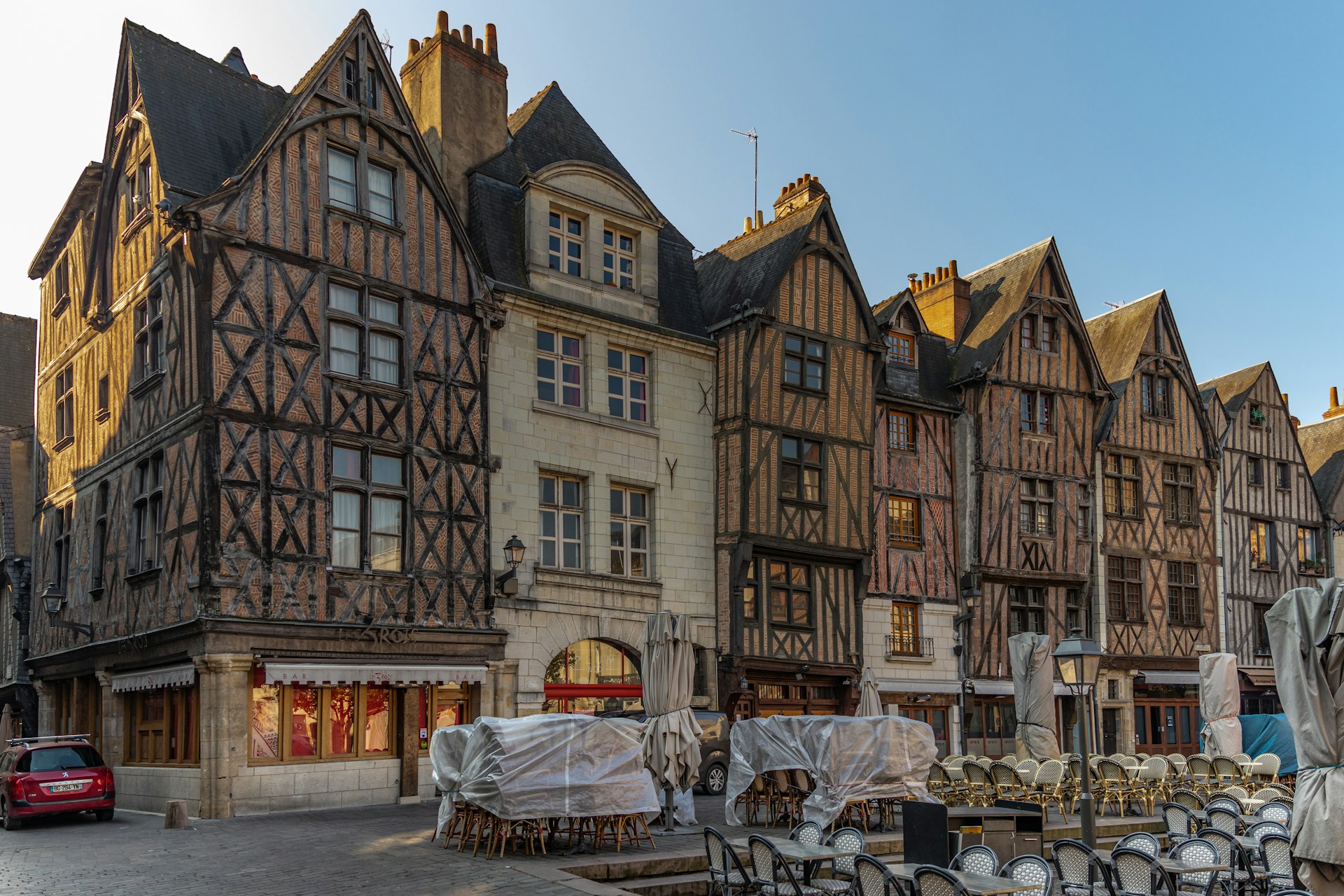
Vieux-Tours is the postcard: narrow cobbled lanes, leaning half-timbered houses, and Place Plumereau, one of the liveliest squares in France on a summer evening. This is where I tend to start every visit, even if it’s just for a quick coffee and people-watching.
You’ll find many of the best bars, small bistros, and student-friendly spots here. It’s great for nightlife, but can be noisy for sleeping, so factor that into where you book.
Cathedral Quarter & Loire Riverfront
Just east of the center, the Cathedral Quarter feels calmer and more monumental, dominated by the soaring Cathédrale Saint-Gatien and the Musée des Beaux-Arts. Walk a little further north and you hit the Loire Riverfront, which is magic at sunset, when the light turns the stone bridges a soft orange.
This area is ideal if you like to walk along the river at night or want to be close to the main cultural institutions.
Les Halles & Central Market Area
Southwest of Place Plumereau is the Les Halles district, a slightly more residential, foodie-oriented area. This is where locals shop for cheese, seafood, and charcuterie at the covered market. I often stay nearby so I can pick up picnic supplies in the morning before heading out on day trips.
Quartier Grammont & Jean Jaurès
This is Tours’ more modern, businesslike side, centered on Place Jean Jaurès, the city hall, and the tram line. You’ll find bigger hotels, some good brasseries, and easy access to transport. It’s not as atmospheric as the Old Town, but if you’re here on business or prefer broader streets and quieter nights, it’s a strong option.
Préfecture, Jardin des Prébendes & Residential Tours
Head south and the vibe shifts to elegant residential streets and neighborhood parks. The Jardin des Prébendes d’Oé is one of my favorite escapes when I need a break from sightseeing—families, joggers, and older couples on benches under the trees.
La Riche & the Western Edge
Just west of Tours proper, the commune of La Riche hosts green spaces, river access, and the poetic Prieuré Saint-Cosme, once home to poet Pierre de Ronsard. It’s where I go when I want to feel like I’ve left the city without actually leaving.
Top 20 Attractions & Experiences in Tours (with Local-Style Insights)
These are the best places to visit in Tours that I return to again and again. Each one includes a bit of my own experience plus history, tips, and how to fit it into your 3, 4, or 5 day itinerary for Tours.
1. Place Plumereau & the Medieval Old Town
The first time I arrived in Tours, I dropped my bag at my guesthouse and walked straight into Place Plumereau. It was early evening in June, the air just warm enough, and every café terrace was packed. Glasses clinked, students laughed loudly in clusters, and the half-timbered houses looked like they were leaning in to eavesdrop.
History & atmosphere: Place Plumereau was once a medieval marketplace. Many of the houses date back to the 15th and 16th centuries, with upper stories that jut out over the street. Today it’s the beating heart of social life, especially from April to October.
What I like to do here:
- Start the morning with a coffee and croissant, watching the square slowly wake up.
- In the afternoon, wander the side streets—Rue du Grand Marché, Rue Colbert—for tiny boutiques and wine bars.
- At night, choose a terrace, order a glass of local Vouvray, and settle in for people-watching.
Tips: If you’re traveling with kids, visit in the morning or early afternoon—late evenings can get loud. For photos, come just after sunrise or at blue hour when the façades are softly lit.
How to get there: It’s a 10–15 minute walk from the main train station or one tram stop (Anatole France) plus a short walk.
2. Cathédrale Saint-Gatien
No matter how many Gothic cathedrals you’ve seen, Saint-Gatien still has that power to make you stop and crane your neck. I like to approach from Rue Lavoisier, where the twin towers suddenly loom above you between the houses.
History: Built over several centuries (from the 13th to the 16th), the cathedral blends Rayonnant and Flamboyant Gothic styles. The stained glass is some of the finest in France, especially the rose window.
My ritual: I always:
- Walk around the exterior first to appreciate the flying buttresses and sculpted portals.
- Step inside and sit quietly for a few minutes just to feel the scale and coolness.
- Admire the light streaming through the stained glass in late afternoon when it’s most colorful.
Family tip: Kids often like counting the gargoyles or spotting animals and strange faces in the carvings.
Nearby: Pair your visit with the Musée des Beaux-Arts just next door and a stroll in its garden.
3. Musée des Beaux-Arts de Tours
For me, this museum is as much about the setting as the art. The former archbishop’s palace has a grand staircase, charming courtyard, and a garden where a giant cedar tree shades a resident peacock that struts like it owns the place (it kind of does).
Collections: Expect Italian and French paintings (Delacroix, Monet, Rubens), sculptures, and decorative arts. It’s compact enough not to be overwhelming, which I really appreciate on slower travel days.
Why I like it:
- It’s rarely crowded—sometimes I’ve had entire galleries to myself.
- The garden is a peaceful spot to sit with a book or picnic snack.
- The peacock, obviously.
Tip: Check opening hours carefully; like many French museums, it closes one day per week (often Tuesday) and for a long lunch break on occasion. It’s a great rainy-day option in your 3 day itinerary for Tours.
4. Basilique Saint-Martin & Rue des Halles
Saint Martin of Tours is one of the city’s patron saints, and his legacy is everywhere. The Basilique Saint-Martin is relatively “new” (late 19th century) but built over older religious sites linked to the saint.
I often wander here after a market run. The basilica’s white domes feel almost Byzantine from certain angles, and the crypt offers a more intimate, spiritual atmosphere—even if you’re not religious.
Don’t miss:
- Walking the length of Rue des Halles, lined with food shops and cafés.
- Noting how the towers of the old medieval church stand separately from the newer basilica—history layered in stone.
Good for: Couples (romantic walks through the surrounding streets), culturally curious travelers, and anyone exploring the story of Saint Martin.
5. Loire Riverfront & Guinguettes
If you visit between late spring and early autumn, the Loire riverfront is where Tours truly feels like a holiday town. Pop-up bars and guinguettes (open-air cafés) appear along the quays, with fairy lights, wooden tables, and impromptu concerts.
I love to grab a drink here after a day of sightseeing, sometimes with a simple plate of charcuterie or goat cheese. Couples dance to live music, kids run around, and the sky slowly turns pink over the water.
Activities:
- Evening drinks at a guinguette in summer.
- Sunset walks across the bridges for views of the city skyline.
- Cycling along the river on the Loire à Vélo path.
Tip: Bring a light sweater—breezes off the river can be cool even in July.
6. Loire à Vélo Cycle Path (Within & Around Tours)
The Loire à Vélo is one of Europe’s great cycling routes, and Tours sits right on it. Even if you’re not a hardcore cyclist, renting a bike for a day and pedaling along the river is one of the most Loire Valley things you can do.
My go-to ride: I often cycle west from Tours toward Savonnières and Villandry, passing fields, little villages, and river views. It’s mostly flat and very family-friendly.
Practical tips:
- Rent a bike in town (many shops near the station and Old Town).
- Pack water, sunscreen, and snacks or buy picnic supplies at Les Halles first.
- Helmet use is recommended, especially for kids.
7. Hôtel de Ville & Place Jean Jaurès
The Hôtel de Ville (city hall) of Tours is a showpiece of Belle Époque civic pride, with ornate sculptures, grand staircases, and a façade that begs for photos—especially at night when it’s illuminated.
I often pass through Place Jean Jaurès when taking the tram, and I still catch myself glancing up to admire the building. The fountains, cafés, and wide sidewalks make it a pleasant place to pause.
Good for: Architecture lovers, easy evening strolls, and those staying in the more modern part of town.
Tip: If you’re coming back late from a day trip, hop off the tram here and walk back to the Old Town via Rue Nationale to enjoy the city lights.
8. Jardin des Prébendes d’Oé
Whenever Tours feels a bit too busy, I head straight to the Jardin des Prébendes. It’s a 19th-century English-style landscaped park with ponds, winding paths, and a bandstand.
My park routine:
- Grab a takeaway sandwich or quiche from a nearby bakery.
- Find a bench under the trees and watch the ducks.
- Read or journal for an hour, pretending I’m a local on a lunch break.
Family friendly: There are playgrounds, and it’s a safe, relaxed environment for kids to burn off energy.
9. Musée du Compagnonnage
This is one of the most uniquely French museums in Tours, and one that surprised me. The Musée du Compagnonnage honors France’s historic guilds of master craftsmen—bakers, carpenters, stonemasons, and more.
Exhibits: You’ll see intricate scale models, tools, and pieces made to demonstrate mastery: spiral staircases in miniature, impossible-looking wooden constructions, elaborate sugar sculptures.
Why it’s worth a stop: It’s a window into the French obsession with craft and excellence. Even if you don’t think you’re “into” this, the skill on display is mind-blowing.
Tip: Combine with a walk along the nearby Loire riverfront. It fits nicely into any 3 day or 4 day itinerary for Tours as a half-day cultural stop.
10. Rue Nationale & Modern Shopping Axis
Rue Nationale is the city’s main north-south spine, linking the Loire bridge to Place Jean Jaurès. Rebuilt in a more modern style after WWII, it’s lined with shops, department stores, and tram tracks.
I don’t come here for charm, but for practicality: buying a forgotten phone charger, picking up clothes, or escaping rain under the arcades. It’s also part of daily life in Tours, so it gives a sense of the city beyond the tourist-friendly Old Town.
Tip: Look up occasionally: you’ll spot some attractive facades and nice perspectives toward the river and city hall.
11. Les Halles de Tours (Covered Market)
If you care at all about food, you cannot skip Les Halles. This is where I fall in love with Tours all over again each trip. The covered market hosts cheesemongers, fishmongers, butchers, bakers, and specialty stalls piled with local produce.
What to try:
- Rillettes de Tours – slow-cooked pork spread, perfect for picnics.
- Sainte-Maure de Touraine – goat cheese with a straw through the center.
- Seasonal fruits: strawberries in spring, peaches and apricots in summer, apples in autumn.
My routine: I walk the aisles once to see what looks best, then circle back for purchases. Many vendors offer small tastes if you ask kindly.
Money-saving tip: Build your own picnic here instead of eating every meal at restaurants. It’s one of the easiest ways to save money in Tours while actually eating better.
12. Prieuré Saint-Cosme – Demeure de Ronsard
A short ride west of Tours, the Prieuré Saint-Cosme feels like a secret garden. Once a monastery, later home to Renaissance poet Pierre de Ronsard, it now combines ruins, reconstructed buildings, and poetic gardens.
I first visited on a whim one cloudy afternoon and ended up staying until closing time, wandering between rose bushes and stone arches, reading snippets of poetry on discreet plaques.
Good for: Romantic couples, quiet contemplation, and anyone interested in French literature or historic gardens.
Getting there: Take a bus toward La Riche or cycle along the Loire à Vélo. It’s an easy half-day outing.
13. Wine Bars & Tasting in Central Tours
Tours is surrounded by wine appellations: Vouvray, Montlouis, Chinon, Bourgueil. You could spend days just tasting and still barely scratch the surface.
In-town experiences:
- Cozy wine bars in Vieux-Tours where staff are happy to guide you through local bottles by the glass.
- Wine shops that offer quick tastings and advice for buying a bottle to take home.
I like to do a simple progression: start with a sparkling Vouvray as an apéritif, move to a dry Chenin, then end with a Cabernet Franc from Chinon.
Tip: Ask for “un vin de la région” and mention you’re curious about Loire wines—most servers love sharing their favorites.
14. Château de Tours
Unlike the grand castles outside the city, the Château de Tours is more of a compact riverside fortress turned exhibition space. It’s easy to overlook, but I recommend a quick visit, especially if there’s an interesting photography or contemporary art show on.
Why visit:
- Learn about the city’s medieval defenses and riverside history.
- Enjoy views over the Loire from the ramparts.
- Combine with a walk along the bridge and riverfront.
Tip: Check the temporary exhibition schedule online before visiting; some shows are excellent.
15. Église & Ancienne Abbaye Saint-Julien
This former abbey-turned-church sits quietly near the river, slightly overshadowed by the cathedral but well worth a stop. The stone interior is serene, and the cloister area retains a monastic feel.
I like to slip in for a few minutes when the outside world feels a bit too much—there’s something grounding about the thick stone walls and filtered light.
Good for: Those who appreciate quieter, less-visited religious sites and a sense of medieval Tours.
16. Jardin Botanique de Tours
On the western edge of Tours, the botanical garden is a lush, educational, and very local-feeling space. There’s a small animal area that’s a hit with kids (goats, ducks), themed plant collections, and shady paths.
I like to come here with a book or when I’m traveling with friends’ children—it’s an easy, low-cost outing that feels like a “real” neighborhood spot rather than a tourist attraction.
Tip: Combine with a short ride (bike or bus) to the Prieuré Saint-Cosme for a full “green day” in Tours.
17. Tours Tramway & Cityscapes
It might sound odd to list the tramway as an attraction, but Tours’ modern tram is a symbol of its recent renewal. Sleek silver-and-black trams glide through the city, reflecting buildings and sky like moving mirrors.
When I’m tired of walking, I love taking the tram from one end of the central section to the other, just to watch daily life through the window: students, families, commuters, all sharing the same rhythm.
Practical note: The tram is your best friend for getting around cheaply and efficiently. More on tickets in the practical tips section.
18. Place de Châteauneuf & Hidden Lanes
Just a few streets away from the busy Old Town, Place de Châteauneuf feels like a secret. A small square with historical façades, it’s the start of several quiet lanes where you’re more likely to pass locals walking dogs than tourists with cameras.
I often wander here after dinner, when the city is winding down and the streetlights cast a soft glow on the stone.
Why go: To see a more residential, authentic side of the historic center—and to get off the beaten track without going far.
19. Street Art & Contemporary Murals
Tours has quietly developed a small but interesting street art scene. You’ll find colorful murals on building sides, under bridges, and in less-touristed neighborhoods.
I like to keep my eyes open as I move between neighborhoods—you’ll often stumble on a striking piece unexpectedly.
Tip: Tourist information sometimes has a small map of notable murals; ask if you’re curious.
20. Tours by Night: Illuminations & Nightlife
After dark, Tours shifts gears. The cathedral and city hall are beautifully lit, bar terraces fill up, and the Old Town hums with energy.
My perfect night in Tours usually looks like this:
- An apéritif at a wine bar near Place Plumereau.
- Dinner at a bistro in the Old Town or near Les Halles.
- A slow walk via the riverfront to watch reflections on the Loire.
For a small city, the variety of nightlife is impressive—everything from low-key jazz bars to student clubs. More on specific venues in the nightlife section below.
Suggested Itineraries: 3–5 Days in Tours
These flexible itineraries weave together the things to do in Tours into realistic days, based on how I actually spend my time when I’m in town. Mix and match depending on whether you have 3 days in Tours, 4 days in Tours, or a full 5 day itinerary for Tours.
3 Day Itinerary for Tours – Classic Highlights & Local Flavor
If it’s your first visit, this 3 day itinerary for Tours hits the essentials: Old Town, cathedral, riverfront, and at least one château day trip.
Day 1 – Old Town, Place Plumereau & Loire Sunset
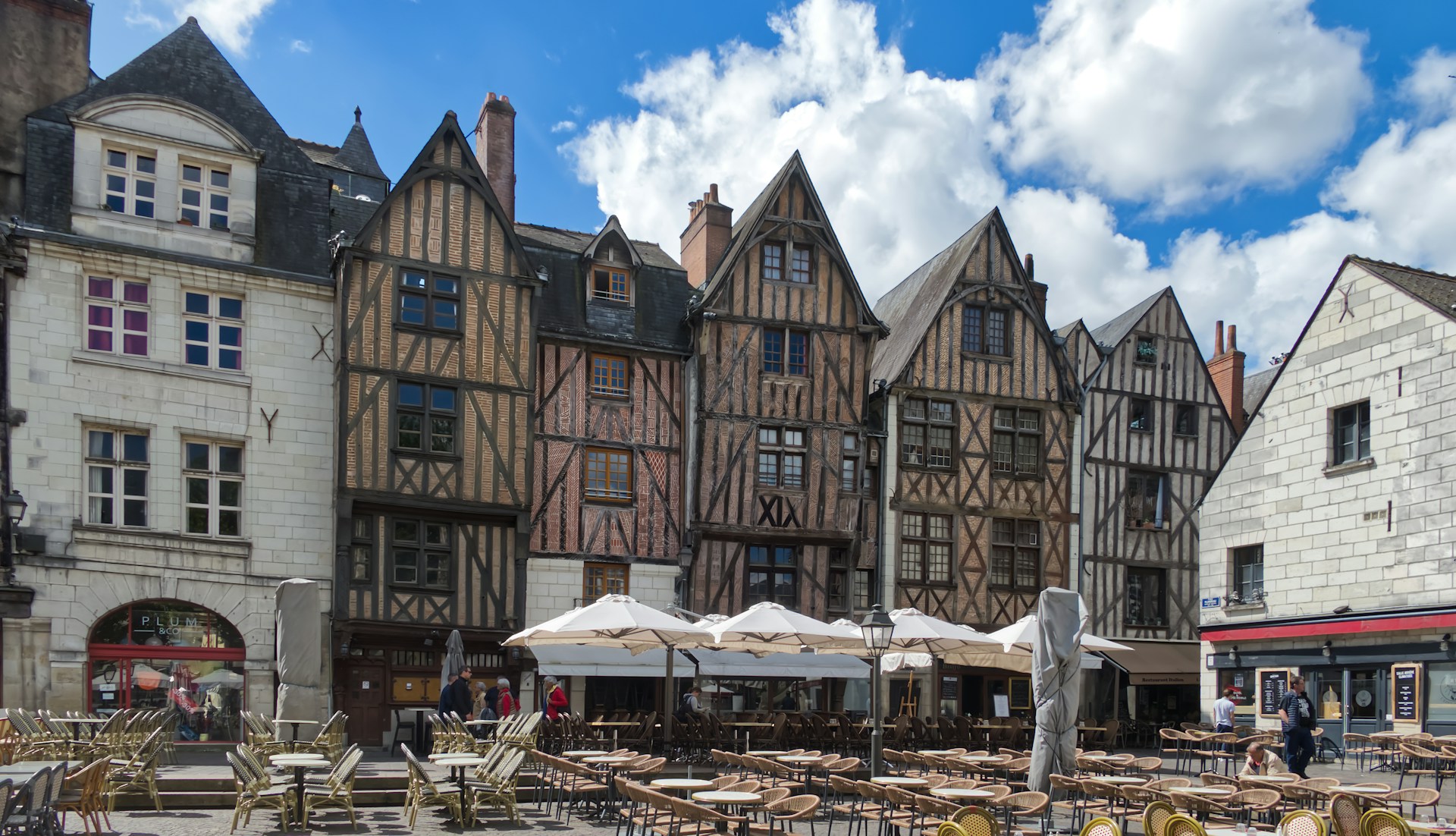
Morning: Start in Vieux-Tours. Grab breakfast at a café on or near Place Plumereau—most offer a simple French formula of coffee, orange juice, and croissant.
Wander the medieval streets: peek into courtyards, admire the timber-framed houses, and duck into any small shops that catch your eye (artisan chocolate, local crafts, second-hand books).
Midday: Walk toward the cathedral via Rue Colbert, which is lined with restaurants and feels like a spine of old Tours. Visit Saint-Gatien Cathedral and then the Musée des Beaux-Arts next door. Eat lunch nearby—there are several bistros offering set menus with local dishes.
Afternoon: Head to the Loire riverfront. Cross the main bridge on foot for views back to the city’s skyline. If the weather is good, linger at a guinguette for a drink.
Evening: Circle back to Place Plumereau for dinner and a nightcap. This is where Tours really comes alive—sit outside if the weather allows.
Personal note: On my last short trip, I spent almost an hour just wandering the lanes around Place Plumereau at dusk, camera in hand, letting myself get a little lost before homing back in on the square by following the sound of chatter.
Day 2 – Market Morning & Château Afternoon (Amboise or Villandry)
Morning: Head to Les Halles or one of the open-air markets (days vary by neighborhood; check with your accommodation). Sample cheeses, buy fruit, and maybe grab a roast chicken or quiche for later.
Have a coffee at a café near the market and watch locals doing their weekend shop—it’s one of the best “cultural experiences in Tours” and a glimpse into daily life.
Midday & afternoon: Take a half-day trip to a nearby château:
- Amboise: 20–25 minutes by train. Visit the Château d’Amboise and possibly Clos Lucé (Leonardo da Vinci’s last residence). Stroll the town and return by early evening.
- Villandry: Bus or bike from Tours, or a short drive. Famous for its magnificent Renaissance gardens—my personal favorite for a half-day outing.
Evening: Back in Tours, have a simple, hearty dinner—perhaps a brasserie near Place Jean Jaurès or a bistro in the Old Town. If you have energy, sample a wine bar afterward.
Day 3 – Culture, Parks & Neighborhood Wandering
Morning: Visit the Musée du Compagnonnage near the river. Even a quick visit will deepen your appreciation for French craftsmanship.
Walk through the Église Saint-Julien and the surrounding streets, then cross back toward the center for lunch.
Afternoon: Choose a park depending on your mood:
- Jardin des Prébendes – for an elegant, central green space.
- Jardin Botanique – if you’re interested in plants and don’t mind going a bit farther.
Use the rest of the afternoon to wander neighborhoods you haven’t seen yet—around the station, Place Jean Jaurès, or the quieter streets south of the center.
Evening: For a last night, pick a restaurant you’ve been eyeing. I like to end with a good Loire wine and a cheese plate, mentally plotting my next visit.
4 Day Itinerary for Tours – Add a Deeper Dive or Extra Château
With 4 days in Tours, you can slow down and add a second château, extra wine tasting, or more neighborhood exploration.
Day 4 – Wine, Poetry & Riverside Calm
Morning: Take a short excursion to a nearby wine village like Vouvray or Montlouis-sur-Loire. Many estates offer tastings by appointment—your hotel or the tourist office can help arrange this. Tasting in the cool stone caves carved into the tuffeau rock is an experience in itself.
Midday: Have lunch in a village restaurant or return to Tours for a market picnic along the Loire.
Afternoon: Visit the Prieuré Saint-Cosme, wandering its gardens and ruins. The blend of history, literature, and nature makes it one of the more quietly moving spots near Tours.
Evening: Back in Tours, take a tram ride from end to end of the central section just to watch the city go by, then hop off where the atmosphere feels right for dinner or a drink.
Personal note: One of my favorite memories is cycling back from a winery near Vouvray, slightly sun-kissed, with a bottle clinking gently in my bag, stopping on the bridge into Tours just as the city lights came on.
5 Day Itinerary for Tours – Slow Travel & Side Roads
With 5 days in Tours, you can balance “must-see attractions in Tours” with proper downtime and spontaneous detours.
Day 5 – Free Day for Hidden Gems & Personal Interests
Use this day to follow your own curiosity:
- Architecture & streetscapes: Wander lesser-known streets south of the center, noting Art Deco façades, elegant townhouses, and quirky details.
- Street art hunt: Ask at the tourist office for any current murals or art events and follow a loose trail.
- Café day: Sometimes I plant myself at a café with a notebook or laptop, living like a local for a few hours.
- Extra château: If you’re still in sightseeing mode, use this day for another major château like Chenonceau or Chinon (see day trips section for details).
Evening: Revisit your favorite restaurant or try something completely new. For your last night, I recommend a slow walk by the Loire and a final drink at a guinguette if it’s the season.
Local Food in Tours – What to Eat & Where
One of the joys of Tours is that you can eat incredibly well without spending a fortune, especially if you mix markets, bakeries, and the occasional splurge meal. Here are the regional specialties and how I work them into my days.
Must-Try Local Specialties
- Rillettes de Tours: A rustic pork spread, slowly cooked until it’s tender and rich. Slather on baguette with cornichons. Best from a good charcutier at Les Halles.
- Sainte-Maure de Touraine: Cylindrical goat cheese with a straw running through the middle. Try young (mild) and aged (stronger) versions.
- Rillons: Caramelized pork belly bites, crispy and decadent. I often buy a small portion at the market for picnic lunches.
- Tarte Tatin: While not exclusive to Tours, this upside-down caramelized apple tart is done very well here.
- Local wines: Vouvray (Chenin Blanc, still or sparkling), Montlouis (also Chenin), Chinon and Bourgueil (Cabernet Franc reds).
Where I Like to Eat in Tours
Specific restaurant scenes shift year to year, but here’s how I approach eating in Tours:
- Breakfast: A bakery near wherever I’m staying—grab a fresh croissant and coffee. I avoid hotel breakfasts unless included, since local bakeries are better and cheaper.
- Lunch: Either a menu du jour (daily set menu) at a bistro—often 2–3 courses for a fair price—or a picnic assembled from Les Halles and eaten by the Loire or in a park.
- Dinner: Reserve at popular spots on weekends and in high season; otherwise, I like to wander Vieux-Tours and choose somewhere that feels inviting and not overly touristy (menus in French first, English second is usually a good sign).
Saving Money on Food
- Prioritize lunch over dinner for restaurant splurges—lunch menus are cheaper.
- Buy wine by the bottle from shops or markets to enjoy in your accommodation instead of always ordering by the glass out.
- Use the market for breakfast and picnic supplies; fruit and cheese go a long way.
Nightlife, Entertainment & Cultural Experiences in Tours
Tours’ nightlife is shaped by its student population and wine culture. It’s lively without being overwhelming, and you can usually find something that suits your mood.
Evening & Nightlife Options
- Place Plumereau & Vieux-Tours: For bar-hopping, terraces, and people-watching. Best for younger crowds and those who like buzzy atmospheres.
- Wine Bars: Scattered across the center; perfect for relaxed conversation and tasting local wines.
- Live Music & Jazz: Check posters and local listings for jazz nights and small concerts—Tours has a decent small-venue scene.
- Clubs: There are a few late-night spots that cater mainly to students; ask locals or your accommodation for current names and nights.
Cultural Experiences in Tours
Beyond museums and churches, look for:
- Theatre & Performances: The opera house and theaters host plays, concerts, and dance. Even if your French is limited, music and dance performances can be very rewarding.
- Festivals: Wine festivals, Loire river events, and cultural weeks pop up throughout the year. More on 2026–2027 events below.
- Markets as culture: Don’t underestimate how much cultural learning happens just by hanging around markets and watching how people interact.
Best Day Trips from Tours
Tours is a perfect base for exploring the Loire Valley. Here are a few classic day trips that I’ve done multiple times and still recommend.
Château de Chenonceau
Arguably the most romantic château in the Loire, Chenonceau spans the Cher River with elegant arches. Its history is shaped by women—Diane de Poitiers, Catherine de’ Medici—which gives it a different feel from many other castles.
Getting there: Train from Tours to Chenonceaux station (about 25–30 minutes), then a short walk.
Good for: Couples, families, photographers. Plan a half or full day including gardens and river views.
Amboise & Clos Lucé
The town of Amboise has a hilltop château with sweeping river views and a charming old center. Clos Lucé, where Leonardo da Vinci spent his final years, features models of his inventions and a pleasant park.
Getting there: Train from Tours (20–25 minutes). Easy and frequent.
Château de Villandry
Villandry is all about the gardens—ornamental vegetable beds, boxwood patterns, water gardens, and flower terraces. I’ve been in both spring and autumn; the colors change but it’s always stunning.
Getting there: Bus from Tours, guided tour, or bicycle (if you’re reasonably fit; it’s a lovely ride).
Chinon
Further out but worth it if you have a full day, Chinon combines a medieval fortress, a charming town, and excellent red wines (Cabernet Franc). The hilltop castle offers views over the Vienne River.
Getting there: Train from Tours (~50–60 minutes).
What’s New: Events, Festivals & Travel Scene in Tours 2026–2027
As of 2026, Tours continues to lean into its strengths: food, wine, and the Loire. Exact dates shift each year, but here’s what to look out for in 2026–2027.
Recurring Festivals & Events
- Loire River Festivals (Spring–Summer): Events celebrating the river, including traditional boat gatherings, music, and food stalls along the quays.
- Wine & Gastronomy Festivals: Seasonal events where local producers showcase wines, cheeses, and charcuterie. Expect tastings, workshops, and sometimes cooking demos.
- Music & Cultural Festivals: Summer evenings often bring open-air concerts, jazz nights, and cultural programming in squares and parks.
- Christmas Markets (late Nov–Dec): Tours sets up festive stalls, lights, and seasonal treats in central squares.
Before your trip in 2026 or 2027, check the official Tours tourism website or local cultural calendars for updated schedules, as dates and lineups change annually.
Cultural Etiquette & Local Customs in Tours
French customs in Tours are similar to those in the rest of the country, but the smaller-city vibe makes politeness and basic French phrases even more appreciated.
Greetings & Politeness
- Always say “Bonjour” (daytime) or “Bonsoir” (evening) when entering shops, cafés, or speaking to staff. It’s not optional; it’s basic respect.
- Use “S’il vous plaît” (please) and “Merci” (thank you) regularly.
- Smiles are more reserved than in some cultures, but a warm greeting goes a long way.
Restaurant & Café Etiquette
- Wait to be seated; don’t just grab a table inside. Terraces are sometimes more flexible but still, a quick eye contact and “Bonjour” with the server helps.
- Meals are slower-paced. Don’t expect the bill immediately; you’ll usually have to ask for it (“L’addition, s’il vous plaît”).
- Tip by rounding up or leaving 5–10% if service was particularly good. Service is officially included, but small tips are appreciated.
Dress & Behavior
- Tours is casual but neat. Smart-casual clothes help you blend in more than sporty or beachwear.
- On church visits, dress modestly (shoulders covered, no very short shorts).
- Keep voices down on public transport and in residential streets at night.
Practical Travel Advice for Tours
Getting To & Around Tours
By train: Tours and the adjacent station Saint-Pierre-des-Corps are major stops on the Paris–Bordeaux line. Many high-speed trains (TGV) stop at Saint-Pierre-des-Corps; from there, it’s a short local train or bus to central Tours.
By car: Tours sits on major motorways. Parking in the center is mostly paid; many hotels offer garage deals.
Public Transport in Tours
The city is served by:
- One main tram line running north-south through the center.
- Several bus lines covering neighborhoods and nearby communes.
Buy tickets at tram stops (machines) or on buses. Consider day passes if you’ll be riding multiple times.
Car Rental & Driving
You do not need a car to enjoy Tours itself. Rent one if you plan extensive château or countryside explorations off the main train lines.
Foreign driver’s licenses: Most non-EU visitors can use their home country license for short stays; an International Driving Permit (IDP) is recommended if your license is not in French or another EU language. Always check current regulations before traveling.
SIM Cards & Connectivity
For data and calls, you can:
- Buy a prepaid SIM from major French providers (Orange, SFR, Bouygues) at shops or kiosks in larger cities, sometimes at train stations.
- Use an eSIM if your phone supports it, purchasing a Europe data plan online before arrival.
- Rely on Wi-Fi in hotels, cafés, and some public spaces if you’re a light user.
Money-Saving Tips in Tours
- Use set menus at lunch and picnics at dinner for budget days.
- Walk or use the tram instead of taxis where possible.
- Visit free attractions: parks, riverfront, Old Town streets, and church interiors.
- Consider combination tickets or passes if you plan multiple museum visits.
Visa Requirements
Tours is in France and part of the Schengen Area. Visa rules vary by nationality:
- Many travelers from the EU, UK, US, Canada, Australia, and others can visit short-term (typically up to 90 days in a 180-day period) without a visa.
- Others will need a Schengen visa obtained before arrival.
Regulations can change, so check your country’s official government or French consulate website for up-to-date requirements for 2026–2027.
Best Seasons & Weather in Tours
- Spring (April–June): Mild temperatures, blooming gardens, and fewer crowds. Excellent for château visits and cycling.
- Summer (July–August): Warm to hot, lively guinguettes, peak tourist season. Great for river activities and nightlife; book accommodation in advance.
- Autumn (September–October): Harvest season in vineyards, beautiful foliage, comfortable weather—my personal favorite time.
- Winter (Nov–March): Quieter, colder, some attractions reduce hours, but city life continues. Christmas markets and lower hotel prices can be appealing.
Hidden Tips from Repeated Visits
- Start your days early to enjoy the Old Town before crowds and to catch morning light on stone façades.
- Use markets not just to buy food but to ask stallholders for local recommendations—many speak at least a little English and are happy to share tips if you’re polite.
- Pack a small picnic kit: reusable cutlery, a corkscrew, and a cloth—perfect for impromptu meals by the Loire.
- When in doubt about where to eat, move one or two streets away from the very busiest squares and look for places with a good mix of locals and visitors.
Summary & Final Recommendations – Planning Your Trip to Tours
Tours is one of those cities that rewards both first-timers rushing through a 3 day itinerary and repeat visitors lingering for a full 5 days in Tours. Its mix of medieval charm, everyday French life, and easy access to the Loire Valley’s castles and vineyards makes it a smart base for almost any type of traveler—families, couples, solo adventurers, and food lovers alike.
If you’re short on time, focus on:
- Vieux-Tours & Place Plumereau
- Saint-Gatien Cathedral & riverfront
- One major château day trip (Chenonceau, Amboise, or Villandry)
With more days, layer in:
- Markets, wine bars, and deeper food experiences
- Quiet parks, the botanical garden, and the Prieuré Saint-Cosme
- Extra château and vineyard visits by train, bike, or car
Best time to visit Tours: For most travelers, late spring (May–June) and early autumn (September–early October) offer the ideal balance of weather, open attractions, and manageable crowds. Summer is vibrant and festive, especially along the Loire, while winter is peaceful and budget-friendly.
However long you stay, leave a little space in your schedule to simply wander: follow the sound of conversation to a busy terrace, detour down an inviting side street, sit by the river watching the light change. That unhurried, quietly joyful rhythm—that’s Tours at its best.