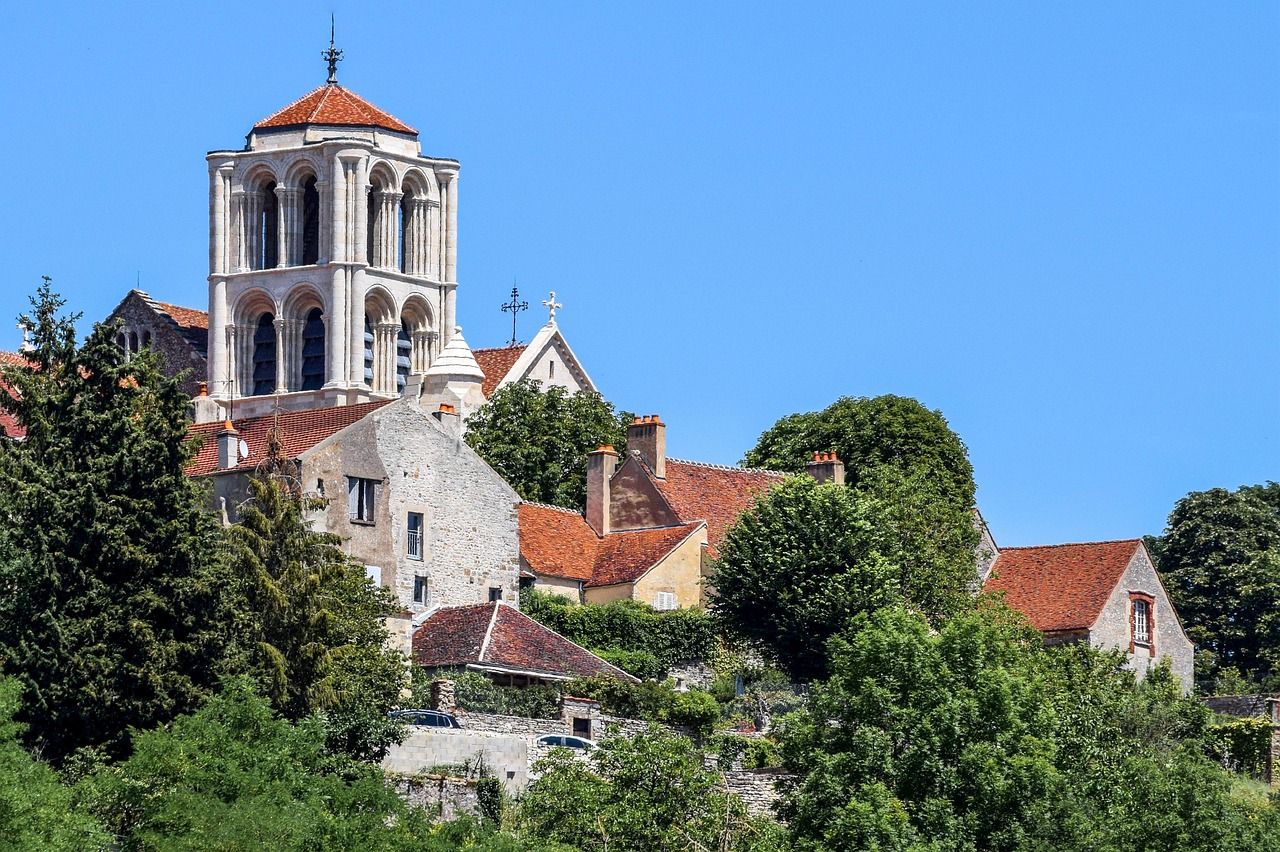
Why Visit Vézelay?
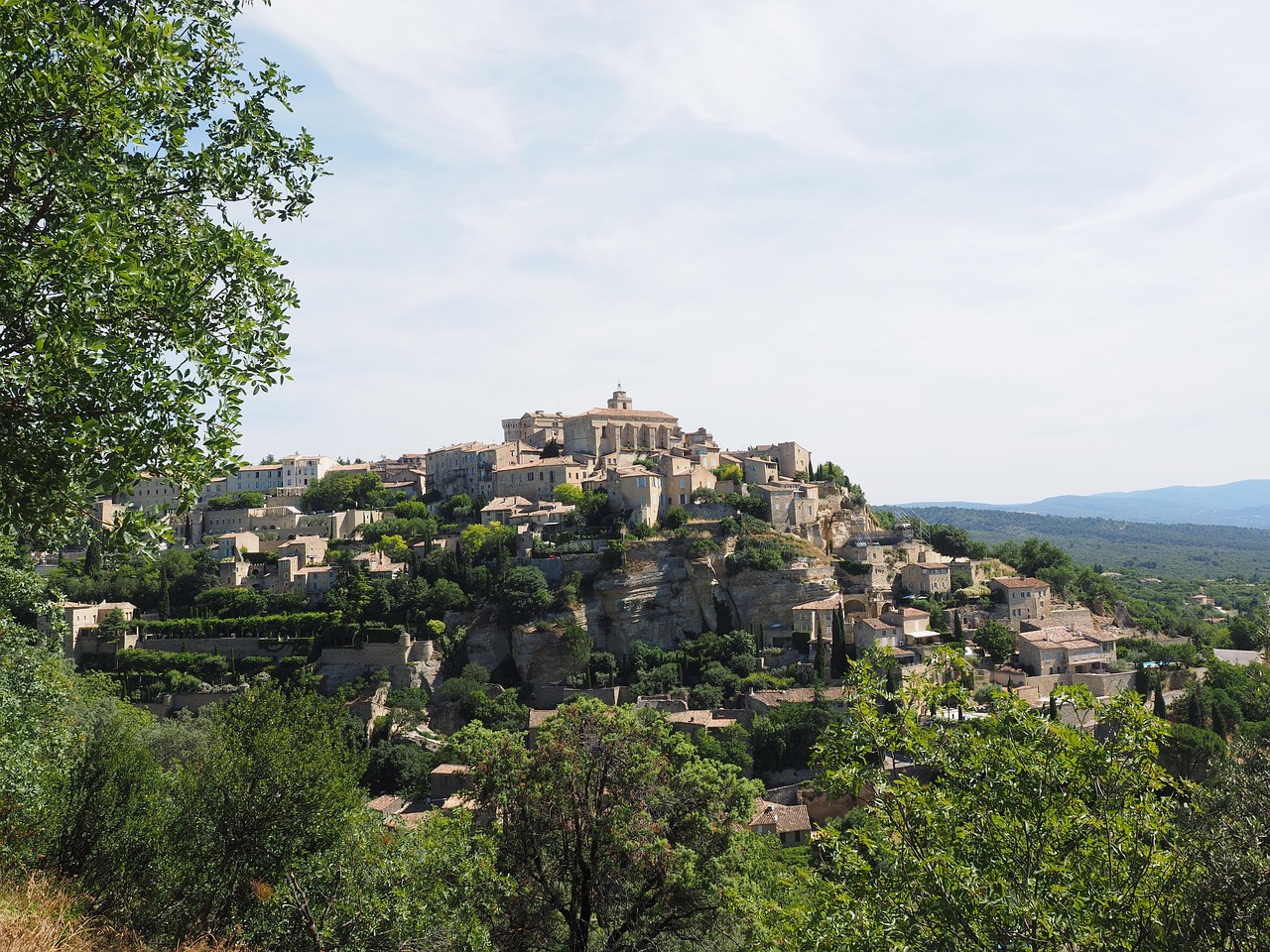
Vézelay is tiny, but it has the kind of presence that big cities spend billions trying to create. This medieval hilltop village in Burgundy rises out of the surrounding vineyards like an island, crowned by the luminous Basilica of Sainte-Marie-Madeleine, one of the great Romanesque churches of Europe and a UNESCO World Heritage Site.
I’ve been coming to Vézelay since my student days, sneaking in weekend trips on slow regional trains. Over the years, I’ve watched mist lift off the valley at sunrise from the ramparts, shared wine with local winemakers in vaulted cellars, and listened to monks’ chants rising into the stone vaults of the basilica at dusk. It’s a place that reveals itself slowly: the longer you stay, the more layers you uncover.
Vézelay is ideal if you’re looking for:
- A peaceful escape from cities like Paris or Lyon, without sacrificing culture or good food.
- Short stays: a perfect 3 day itinerary for Vézelay or stretched to 4 days in Vézelay or even a slow 5 days in Vézelay.
- Pilgrim routes & walking: it’s one of the starting points of the Camino de Santiago (Way of St James).
- Architecture & history: from Romanesque sculpture to 12th-century streets and WWII stories.
- Local food & wine: Burgundy snails, charcuterie, goat cheese, and crisp local white wines.
- Family-friendly calm: safe streets, easy walks, and farm animals just outside the village.
- Romantic stays: stone guesthouses, candlelit dinners, and sunset views over vineyards.
This travel guide for Vézelay is written as I would plan a trip for a close friend: personal, practical, and honest about what’s magical and what’s not worth your precious time. You’ll find must-see attractions in Vézelay, hidden gems in Vézelay, food tips, cultural etiquette, and plenty of travel advice for Vézelay for 2026–2027.
Table of Contents
- Why Visit Vézelay?
- Quick Overview of Vézelay in 2026
- Suggested Itineraries (3–5 Days in Vézelay)
- Neighborhoods & Areas of Vézelay
- Top 20+ Attractions in Vézelay (Deep Dive)
- Local Food in Vézelay & Where to Eat
- Nightlife, Entertainment & Cultural Experiences
- Day Trips from Vézelay
- Cultural Etiquette & Local Customs in Vézelay
- Practical Travel Tips for Vézelay (Transport, SIM, Money)
- When to Visit Vézelay & Seasonal Advice
- Events & Festivals in Vézelay 2026–2027
- Summary & Final Recommendations
Quick Overview of Vézelay in 2026
Vézelay sits in the Yonne department of Burgundy-Franche-Comté, about 2.5 hours southeast of Paris by train and bus. Officially it’s a village, but spiritually it feels like a small citadel of stone and light, perched on a long narrow hill above fields and forests.
In 2026, Vézelay remains refreshingly unchanged, but there are a few updates that are useful for travelers:
- New shuttle connections in summer 2026: an expanded seasonal shuttle between the Sermizelles-Vézelay train station and the village center, making car-free travel easier.
- Renovations at the Basilica of Sainte-Marie-Madeleine: final phases of interior lighting and conservation works are scheduled through early 2027, but the basilica remains fully open, with some side chapels occasionally closed.
- Eco-trails: the Parc naturel régional du Morvan has improved signage on several walking routes linking Vézelay with nearby villages and forests.
- Wine scene: a small but growing number of natural wine producers now offer tastings by appointment around Vézelay’s AOC vineyards.
Vézelay is not the place for big nightlife or shopping sprees. It’s for wandering, looking, listening, and eating well. If that sounds like your idea of a holiday, keep reading.
Suggested Itineraries: 3–5 Days in Vézelay
Below are flexible itineraries you can mix and match. They’re based on how I actually guide visiting friends through Vézelay.
3 Day Itinerary for Vézelay
If you have 3 days in Vézelay, you can see the essentials without rushing. Think of this as the “first taste” itinerary.
Day 1: Arrival, Main Street, and First Encounter with the Basilica
I like to arrive in Vézelay by early afternoon. Whether you come by car or by train-plus-bus, the approach is always the same: suddenly you see the hill, crowned with the basilica at one end, and you know you’re heading somewhere special.
Check-in & first impressions: Drop your bags at your accommodation in the upper village if you can (more on areas later). From there, walk slowly down the Grande Rue (the main street) and let your eye adjust to stone: honey-colored houses, wooden shutters, small signs for artisans and wine bars.
What to do:
- Stroll the Grande Rue from the lower gate up towards the basilica, stopping in small galleries and bookstores.
- Visit the Basilica of Sainte‑Marie‑Madeleine for a first look (full deep-dive later in this guide). Go once in daylight today, and again another day at a different time.
- Walk the ramparts path behind the basilica just before sunset for the best views over the valley and vineyards.
Food & drink: For your first dinner, I usually recommend a classic Burgundian spot in the village center: think œufs en meurette (poached eggs in red wine sauce), snails with garlic-parsley butter, and a glass of local Vézelay white. It’s touristy in high season, but there’s a reason visitors and locals alike end up here.
Personal tip: On my first trip, I made the mistake of trying to “cover” everything on Day 1. Vézelay punishes rushing. Walk slowly, sit on a stone bench, and just look at the basilica façade shifting color as the light changes.
Day 2: History, Art, and Vineyard Walks
Today is your deep-dive into Vézelay’s past and present: pilgrims, sculptures, artists, and wine.
- Morning in the basilica: Join (or eavesdrop on) a guided tour if available, or use a good guidebook to understand the capitals and tympanum. The morning light is especially beautiful between 10:00 and noon.
- Visit the Zervos Museum: A few minutes’ walk from the main street, this small but serious museum holds works by Picasso, Miró, and others collected by Christian Zervos, who used to spend summers here.
- Afternoon vineyard walk: Follow one of the signposted paths down the hill and around the vineyards. It’s an easy walk and one of the best ways to feel the landscape that made this hill so strategic.
In the evening, try a more casual bistro. One of my rituals is to order a simple jambon persillé (parsleyed ham terrine) and a glass of chilled Bourgogne Aligoté, then linger over dessert while the day-trippers trickle away.
Day 3: Pilgrim Paths and Hidden Corners
On your last day, lean into Vézelay’s role as a gateway to the Camino de Santiago and to the Morvan hills.
- Short pilgrim walk: Follow the scallop shell markers from the village down into the valley. Even walking an hour or two out and back gives a taste of the long journey many start here.
- Explore side streets: Zigzag the narrow lanes parallel to the Grande Rue. This is where cats nap in doorways and locals chat in front of their houses.
- Time for one more view: Before you leave, walk once more to the terrace behind the basilica. I’ve done this goodbye ritual every time I leave Vézelay, and it always feels right.
If you’re driving or have a late train, you can fit in a quick side trip to the nearby village of Saint-Père-sous-Vézelay or to a viewpoint in the Morvan. I’ll detail these in the day trips section.
4 Day Itinerary for Vézelay
4 days in Vézelay lets you add a proper countryside day or a longer hike.
Day 1–3: Follow the 3 Day Itinerary
Use the 3 day itinerary above as your base. On Day 3, keep things slightly lighter to save energy for a longer excursion.
Day 4: Into the Morvan & River Valleys
On my fourth day, I love to get properly out into the countryside. The Parc naturel régional du Morvan begins just a short drive from Vézelay; with a car, you can reach lakes, deeper forests, and hamlets that feel frozen in time.
- Option A (Car): Drive a loop: Vézelay → Saint-Père → Pierre-Perthuis (dramatic bridges and river views) → Cure Valley → back to Vézelay. Stop for short walks and riverside picnics.
- Option B (Car-free): Use local taxi or rideshare to reach a trailhead near Pierre-Perthuis or in the lower Cure Valley, then hike back toward Vézelay via marked paths.
Return in the late afternoon, have an early dinner, and spend your last evening walking the village as the lights come on and the basilica glows softly above the roofs.
5 Day Itinerary for Vézelay
With 5 days in Vézelay, you can slow right down, add a full-day hike, and really sink into village life. This is my favorite pace.
Days 1–4: Follow 4 Day Itinerary
Day 5: Slow Village Life & Creative Time
My fifth day in Vézelay is usually my “slow day”: no big goals, just absorbing the rhythm of the village.
- Morning: Coffee on a terrace; browse bookshops and small galleries; visit the basilica one last time if you like.
- Midday: Picnic under the trees below the village or at one of the viewpoints on the way to Saint-Père.
- Afternoon: Sketch, write, or photograph. Vézelay has inspired generations of writers and painters; give yourself permission to just be here.
On my longest stay, I spent an afternoon just listening to the wind move through the cypress and watching swallows loop above the rooftops. It felt like the most productive possible thing to do.
Neighborhoods & Areas of Vézelay
Vézelay is small enough to cross on foot in 10–15 minutes, but each part of the hill has its own personality. Understanding them helps you choose where to stay and what to explore.
The Upper Village (Haute Ville)
This is the crown of the hill, stretching from the basilica down the main street for a few hundred meters. It’s where you’ll spend most of your time.
- Characteristics: Stone houses, small hotels, restaurants, souvenir shops, and the basilica itself.
- Best for: First-time visitors, short stays, people who like to step out of their door and be in the middle of it all.
- Vibe: Lively during the day, peaceful but not deserted at night.
The Lower Village & Southern Gate
At the southern end of the hill, the village tapers off into fields and the road to Saint-Père.
- Characteristics: Fewer shops, more residential houses, some guesthouses with gardens.
- Best for: Travelers wanting quiet nights and easy walking access to the countryside.
- Vibe: Rustic, local, slightly removed from the crowds.
The Slopes & Outskirts
Below the ramparts, narrow roads and paths wind down through small vineyards, orchards, and fields.
- Characteristics: Farmhouses, small vineyards, B&Bs with big views back up to the basilica.
- Best for: Longer stays, travelers with cars, anyone who wants to wake up to birds and cowbells.
Nearby: Saint-Père-sous-Vézelay
Technically not part of Vézelay, but the village of Saint-Père sits directly below and makes a lovely extension to your explorations.
- Characteristics: River, Romanesque church, wine cellars, potters, and quieter streets.
- Best for: Those who want to be near Vézelay but in an even sleepier village setting.
Top Attractions & Things to Do in Vézelay
Below are at least 20 of the best places to visit in Vézelay, with personal notes, history, and tips. These are the core of any good travel guide for Vézelay.
1. Basilica of Sainte‑Marie‑Madeleine
If Vézelay has a heart, this is it. The Basilica of Sainte‑Marie‑Madeleine is one of the masterpieces of Romanesque art, and it utterly dominates the hill. I still remember the first time I stepped inside: the space felt both huge and somehow weightless, flooded with pale light.
History & significance: The basilica was built mainly between the 11th and 12th centuries to house relics of Mary Magdalene, making Vézelay one of medieval Europe’s great pilgrimage centers. It’s also one of the four main French starting points for the Camino de Santiago. The façade and narthex tympanum depict Christ sending the apostles to the world—a powerful image that has inspired travelers for centuries.
What to look for:
- The main tympanum over the portal, with its swirling figures.
- The extraordinary carved capitals inside—each one a little story in stone.
- The play of light on the striped stone vaults, especially late morning.
My routine: I like to come early, around 9:00, when there are fewer visitors. I sit a few rows back, halfway up the nave, and just let my eyes wander over the capitals and arches. On my last visit, there was a gentle humming of pilgrims’ whispers in different languages; it felt like a soft reminder that this is still a living sacred space.
Tips:
- Dress respectfully (shoulders covered, avoid loud talking).
- Check posted times for services and chants by the monastic community; attending one is a memorable cultural experience even if you’re not religious.
- Photography is generally allowed, but avoid flash and be discreet during services.
2. The Basilica Terrace & Ramparts Walk
Just behind the basilica is one of my favorite places in all of Burgundy: a long, slightly sloping terrace and old ramparts with a sweeping view of the valley and Morvan hills. I’ve lost track of how many sunsets I’ve watched from here, each different from the last.
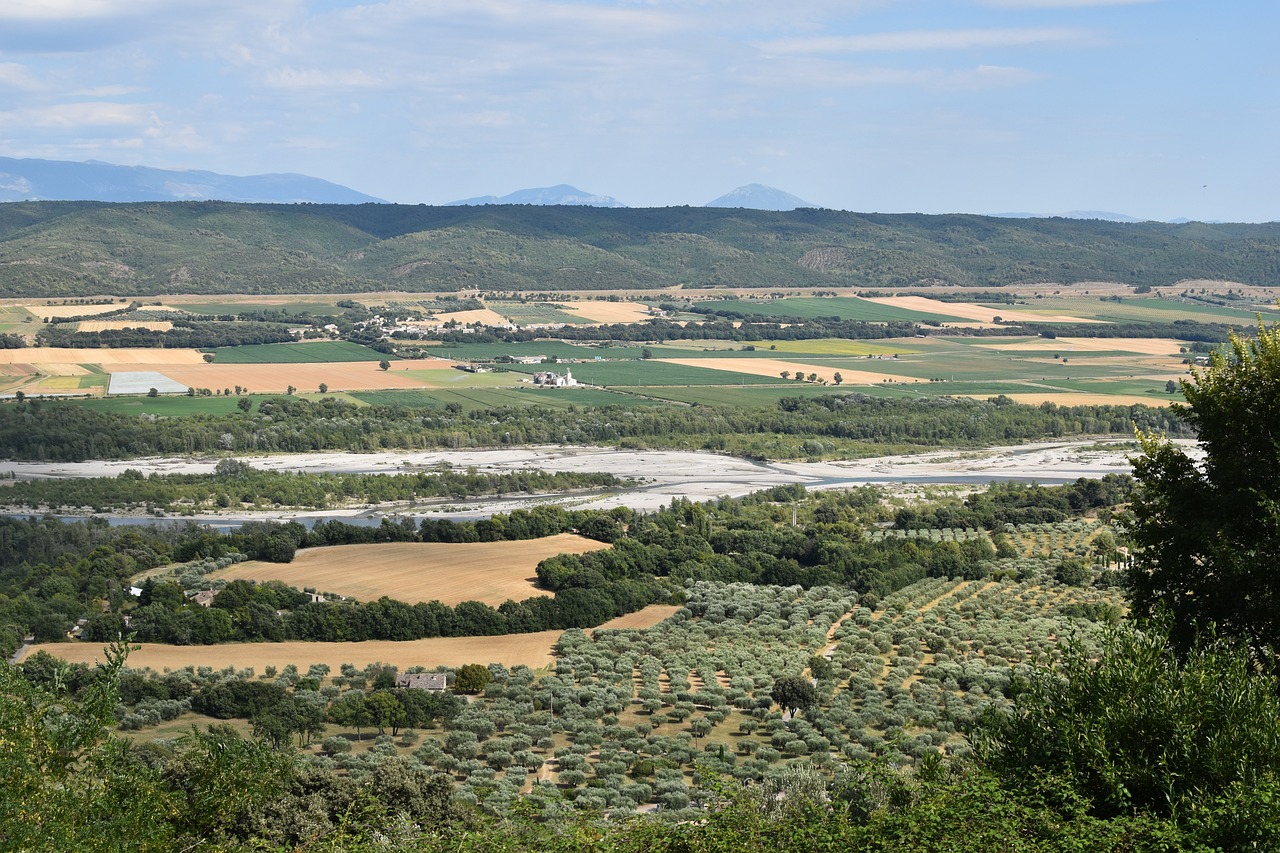
Why it’s special: This is where you understand how strategic Vézelay’s hilltop location is. You can see for kilometers: patchwork fields, dark green forests, and the faint lines of roads and rivers. It’s also where the light does its best tricks—gold evenings, pink clouds, sudden shafts of sun after rain.
Best times: Sunrise for quiet and mist; sunset for drama. If you’re staying in Vézelay, come at both times at least once.
Tip: Bring a light scarf or jacket, even in summer. The wind on the terrace can be surprisingly cool.
3. Grande Rue (Main Street) & Medieval Houses
The Grande Rue runs like a spine along the hill from the southern gate up to the basilica. It’s lined with cafés, hotels, artisan shops, and stone houses that have seen countless pilgrims pass by.
What I love: Early mornings before the shops open, when delivery vans are the only traffic and the street smells like bread and coffee. Also late evenings when the crowds thin and everything feels almost like a stage set waiting for the next act.
Things to notice:
- Carved stone window frames and old wooden doors.
- Small discreet plaques marking historic houses and past residents.
- Shops selling regional products: wine, honey, terrines, ceramics.
Tip: Don’t just walk straight up and down. Duck into every little side lane that catches your eye; many lead to quiet courtyards or viewpoints.
4. Musée Zervos (Zervos Museum)
Housed in the former home of writer Romain Rolland, the Musée Zervos is Vézelay’s small window into modern art. It’s a surprise to find works by Picasso, Miró, Calder, and others in such a quiet village.
History: Christian Zervos, a Greek-French art critic and publisher, collected modern art and spent much of his life in the area. His collection, along with works by friends and contemporaries, forms the basis of the museum.
Why visit: After the medieval basilica, the clean lines and bold colors of modern art act like a reset for your eyes and brain. On my last trip, I spent a good 20 minutes in front of a small Miró, enjoying the contrast between its playful abstraction and the very solid stone walls around it.
Tip: The museum isn’t huge; plan 45–60 minutes. Combine it with a slow wander through the surrounding streets.
5. Porte Saint-Jacques & Pilgrim Gate
At the southern end of the village, the Porte Saint-Jacques (St James’ Gate) marks the traditional departure point for pilgrims heading to Santiago de Compostela. Standing here, looking down the road, it’s easy to imagine the sound of staffs and boots centuries ago.
Why it matters: This gate is a physical symbol of Vézelay’s role on the Camino. Many modern pilgrims stop here for photos, blessings, or a quiet moment before beginning their long walk.
My experience: I’m not a long-distance pilgrim, but I’ve walked the first few kilometers from this gate several times. Each time, there’s a little shiver of excitement as the village slowly falls behind you.
Tip: Come early in the morning to see pilgrims setting out. The atmosphere is quietly emotional.
6. Pilgrim Paths & Camino de Santiago Routes
From Vézelay, the Via Lemovicensis is the main Camino route heading southwest toward Limoges and ultimately Spain. Even if you’re not committing to weeks on the trail, walking a small section is one of the most rewarding things to do in Vézelay.
Short walks I recommend:
- Vézelay → Saint-Père loop (2–3 hours): Down from the gate, through fields and vineyards, into Saint-Père, then back up another path.
- Vézelay → Asquins (1.5–2 hours return): A gentler route through the valley.
My anecdote: One windy spring afternoon, I walked down the Camino route only to be caught in a sudden shower. A local farmer waved me into his barn, poured me a tiny glass of white wine, and pointed proudly at his fields. We spoke a mix of French, gestures, and laughter; it remains one of my favorite Vézelay memories.
Tip: Wear proper walking shoes; paths can be muddy after rain. Bring water and a light snack, especially outside high season when cafés are limited.
7. Saint-Père-sous-Vézelay & Its Romanesque Church
Saint-Père-sous-Vézelay sits at the foot of the hill, an easy walk or short drive away. Its church, Notre-Dame de Saint-Père, is a beautiful Romanesque-Gothic mixture that rewards a closer look.
Why I like it: After the grandeur of Vézelay’s basilica, Saint-Père’s church feels more intimate—less visited, often empty, with a quiet, lived-in air. The village itself has a few wine cellars where you can taste local Vézelay AOC wines and buy directly from producers.
Tip: Walk down from Vézelay, but consider a taxi or bus back up if you’re tired; the hill looks gentle but can feel steep at the end of a long day.
8. Vézelay Vineyards & Wine Tastings
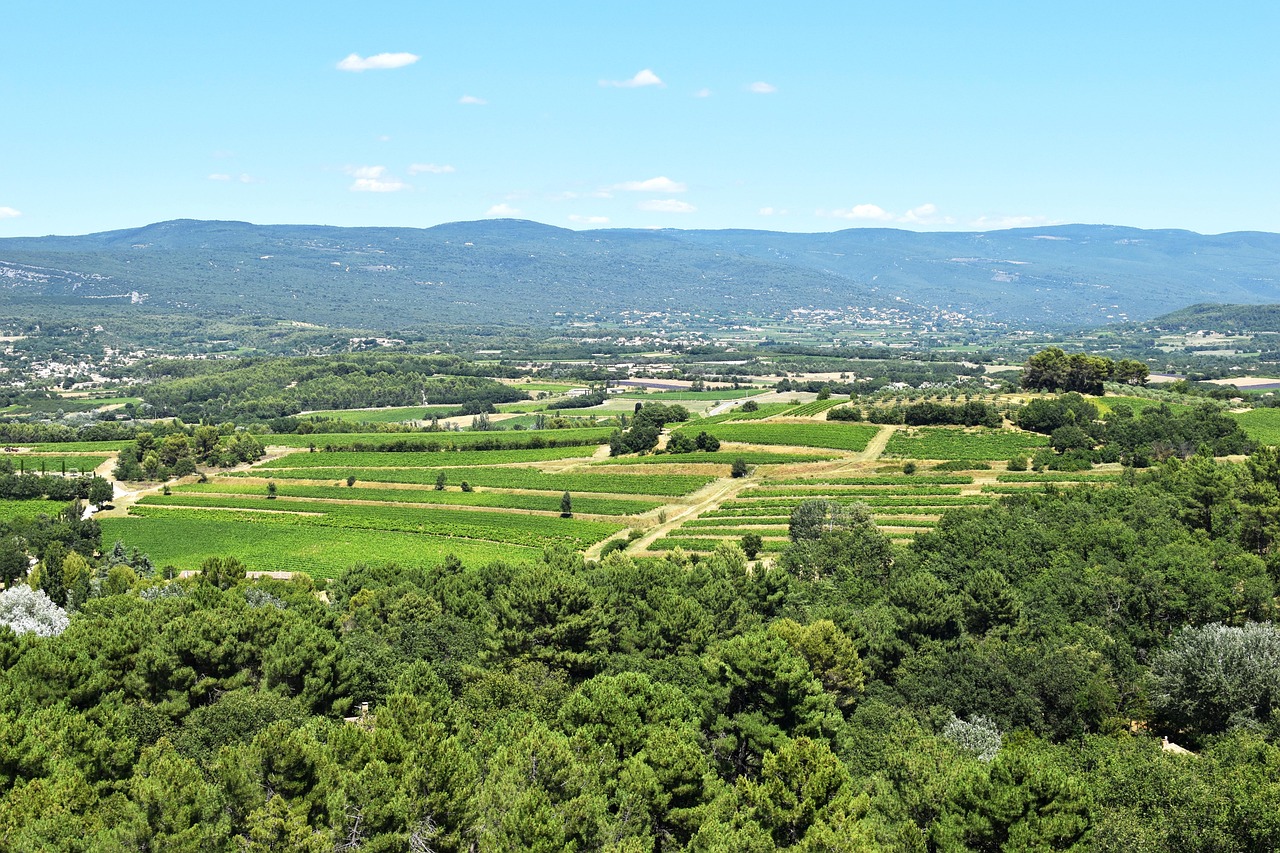
Burgundy is wine country, and Vézelay is no exception. The surrounding hills are dotted with vines producing the Vézelay AOC, mostly crisp, mineral-driven whites made from Chardonnay, along with some reds and rosés.
My experience: I once spent an entire misty afternoon moving between three different small producers, each with their own approach. One winemaker proudly showed me a patch of wildflowers planted between rows to encourage biodiversity; another pointed out tiny differences in soil color that, he insisted, changed the wine’s character.
How to taste:
- Look for signs saying dégustation (tasting) in and around the village.
- Some producers require appointments; ask your hotel or host to call ahead.
- Expect to buy at least a bottle or two if you taste for free.
Tip: If you’re driving, use a spit bucket (crachoir) or limit yourself to small sips. Police checks on rural roads are not unheard of.
9. Ramparts & Defensive Walls
Parts of Vézelay’s old walls and ramparts still encircle the hill, especially around the basilica. Walking along them gives you a sense of the village as a fortified place, not just a pretty postcard.
What to do: Follow small lanes that skirt the edge of the hill, especially to the north and behind the basilica. Look for fragments of towers and walls, now half-absorbed into houses and gardens.
Tip: Some sections can be uneven; wear sensible shoes, especially after rain.
10. Village Cemetery & Quiet Corners
Vézelay’s small cemetery, like many in rural France, is a quiet place of real life rather than morbid tourism. If you visit, do so respectfully: it’s a good reminder that this is a living community, not a museum village.
Why I go: Cemeteries in Burgundy often have beautiful views and a deep sense of continuity. I’ve stopped here a few times to sit on a low wall and think about the layers of history under my feet.
Tip: Avoid taking photos of names and personal details; focus instead on the landscape and overall atmosphere.
11. Artisan Workshops & Galleries
Vézelay has long attracted artists and craftspeople. Scattered along the main street and side lanes you’ll find small workshops producing ceramics, paintings, jewelry, and textiles.
My finds: One of my favorite purchases is a small hand-thrown cup from a ceramist just off the main street; each time I drink coffee from it at home, it brings back the sound of footsteps on Vézelay’s cobblestones.
Tip: Many artisans close for lunch and in low season; if a particular shop looks interesting, note the opening hours posted on the door and plan to return.
12. Bookshops & Literary Traces
For a village of its size, Vézelay has an impressive number of bookshops, often with strong sections on spirituality, art, and local history. Some also host small events or signings.
Why it fits Vézelay: Writers like Romain Rolland and Georges Bataille spent time here, and the village has a quiet, contemplative quality that naturally attracts readers and writers.
Tip: Even if your French is limited, browse the shelves; you’ll often find beautiful art books and photography collections where language matters less.
13. Viewpoints Around the Hill
The classic postcard view of Vézelay is from below, with the whole hill rising in front of you and the basilica crowning it. There are several good spots to capture this perspective.
- Road to Saint-Père: Drive or walk partway down and look back; there are lay-bys perfect for photos.
- Fields south of the village: Small farm tracks allow you to see Vézelay framed by vineyards and fields.
My tip: Aim for late afternoon when the sun hits the western face of the hill, warming the stone colors.
14. Parc Naturel Régional du Morvan (Nearby)
While not technically in Vézelay, the Morvan Regional Natural Park is so close that it feels like the village’s backyard. Think rolling wooded hills, lakes, and quiet villages—a paradise for walkers and cyclists.
Why go: After a couple of days of stone and history, it’s refreshing to sink into greenery. On hot summer days, the lakes are a blessing.
Tip: You’ll need a car or organized transport to explore deeper into the park, though some trails connect from near Vézelay.
15. Local Farms & Goat Cheese Producers
The countryside around Vézelay is dotted with small farms. Several produce goat cheese and other local specialties. Visiting a farm is a wonderful family-friendly activity and a delicious one.
My experience: I once visited a tiny goat farm on a drizzly day. We stood in rubber boots while the farmer’s children showed us how they named each goat. We sampled fresh cheese still warm from the curdling room; it tasted like pure grass and sunshine.
Tip: Ask at the tourist office or your accommodation for current farm visit options; many are by appointment only.
16. Stained Glass & Religious Art
Beyond the basilica’s sculpture, Vézelay and surrounding villages host beautiful stained glass windows and religious art, some medieval, some modern.
Why it’s interesting: In a place so associated with pilgrims and spirituality, the artwork often explores themes of journey, light, and transformation. Even if you’re not religious, it’s compelling cultural material.
Tip: Bring a small pair of binoculars or use your camera zoom to appreciate details high up in windows and vaults.
17. Music & Sacred Music Events
Vézelay hosts several music festivals and concerts throughout the year, especially in summer. Sacred music in the basilica is a highlight, with its acoustics turning even a single voice into something ethereal.
My memory: One August evening, I listened to a small choir perform Renaissance motets under the basilica’s arches. The notes seemed to hang in the air long after the singers closed their mouths. Walking out into the cool night afterward felt like coming back from another world.
Tip: Check the tourist office or the basilica’s notice boards for current events when you arrive; many concerts are reasonably priced or even free.
18. Local Festivals & Pilgrim Celebrations
Several times a year, Vézelay’s streets fill with pilgrims, processions, and special liturgies.
Highlights include:
- Easter & Pentecost: major pilgrim gatherings.
- Feast of Mary Magdalene (22 July): processions and special services at the basilica.
Tip: These are beautiful cultural experiences but can make the village busier and accommodations scarcer. Book well ahead if visiting on these dates.
19. Sunrise & Sunset Spots
Light is one of Vézelay’s main attractions. I consider sunrise and sunset “events” in their own right.
Best spots:
- Sunrise: Lower slopes or fields east of the village looking back at the hill in first light.
- Sunset: Basilica terrace, or any west-facing spot along the ramparts.
My ritual: On my last stay, I set my alarm for 6:00, walked out groggy and wrapped in a scarf, and watched the sky go from silver to pale gold above the basilica. A baker’s van rumbled by; birds started up one by one. It was simple and perfect.
20. Cafés & Terraces for People-Watching
In a village this small, cafés are both refreshment and theater seats. Order a coffee or glass of wine, claim an outside table, and watch the world go by.
What to observe: Pilgrims with backpacks, carefully dressed couples on romantic weekends, locals doing quick errands and stopping for chats. Delivery vans squeezing up the hill, waiters deftly balancing trays on uneven cobblestones.
Tip: Don’t be shy about lingering; café culture in France encourages unhurried sitting. Just order something every so often if you stay a long time.
22. Night Walks Under the Stars
At night, Vézelay becomes almost entirely quiet. Streetlights pool soft light on the cobbles, and the basilica glows. I always recommend at least one slow wander after 22:00.
Why it’s special: With day-trippers gone, you’ll mostly meet locals walking dogs or heading home from dinner. The sky is often dark enough to see a generous scattering of stars.
Tip: The streets are safe, but some sections can be dimly lit and uneven; bring a small flashlight or use your phone’s torch responsibly.
Local Food in Vézelay & Where to Eat
Burgundy is one of France’s great gastronomic regions, and even tiny Vézelay punches above its weight for food. While restaurants change over time, the core of local food in Vézelay remains stable: rich sauces, charcuterie, cheeses, and great bread and wine.
What to Eat in Vézelay
- Œufs en meurette: Poached eggs in a red wine sauce with bacon and onions. Comfort in a bowl.
- Escargots de Bourgogne: Burgundy snails in garlic-parsley butter, served sizzling in small dishes.
- Jambon persillé: Terrine of ham in parsleyed aspic, served cold as a starter.
- Boeuf bourguignon: Beef stewed in red wine with vegetables; ideal on cooler evenings.
- Local goat cheese: Often served with salad or on a cheese plate.
- Gougères: Light cheese puffs, perfect with an aperitif.
- Tarte aux fruits: Simple fruit tarts—apricot, apple, or berries—often available in bakeries.
What to Drink
- Vézelay AOC white wine: Fresh, mineral Chardonnay—excellent with snails and goat cheese.
- Bourgogne Pinot Noir: Light to medium-bodied reds; ask for local producers.
- Crémant de Bourgogne: Local sparkling wine, a great alternative to Champagne at a friendlier price.
Types of Places to Eat
Rather than naming specific restaurants that may change, here’s how to navigate dining in Vézelay:
- Traditional restaurants on the Grande Rue: Great for classic dishes and people-watching; tend to be busier and slightly pricier.
- Hidden bistros on side streets: Often more intimate, sometimes with a creative twist on local cuisine.
- Cafés and wine bars: Perfect for light meals, charcuterie boards, and wine tastings.
- Bakeries: For picnic supplies—baguettes, quiches, pastries.
Saving Money on Food
Vézelay isn’t cheap, but there are ways to eat well without overspending:
- Choose lunch as your main meal: Many restaurants offer a good-value menu du jour at midday.
- Picnics: Buy from bakeries, small groceries, and markets, then picnic on the ramparts or in nearby fields.
- House wine: Vin de la maison is usually local and very drinkable.
My Personal Food Ritual
On nearly every visit, I set aside one night for a “proper” dinner: starter, main, dessert, and a good bottle. Another night I eat simpler—perhaps a salad, goat cheese, and a glass of wine on a terrace. The contrast makes both experiences feel special.
Nightlife, Entertainment & Cultural Experiences in Vézelay
Vézelay is not a nightlife destination in the clubbing sense. Even in summer, the village tends to quiet down by midnight. But there’s plenty of evening life if you know where to look.
Evening Options
- Wine bars & cafés: Enjoy local wines, simple plates of cheese and charcuterie, and conversation.
- Concerts & recitals: Especially in summer, the basilica and local venues host classical and sacred music concerts.
- Night strolls: Perhaps the best “nightlife” in Vézelay—wandering the lit streets and terrace.
Cultural Experiences
Some of the richest cultural experiences in Vézelay involve observing or quietly participating in local rhythms:
- Religious services at the basilica: As a cultural and musical experience, these are extraordinary; just be respectful.
- Festivals & processions: See the events section below for key dates.
- Workshops: Occasionally, art or writing workshops run in or near Vézelay; check local listings.
Day Trips & Nearby Attractions from Vézelay
Even if you’re focused on Vézelay itself, a few nearby places are worth a half or full day, especially with a car.
1. Avallon
A small town about 20–25 minutes’ drive from Vézelay, Avallon is perched on a rocky outcrop with ramparts and old streets.
What to do: Explore the historic center, visit the church of Saint-Lazare, and walk the ramparts for views over the Cousin valley.
Getting there: Car is easiest; occasional buses connect Avallon and Vézelay via regional routes—check current timetables.
2. Noyers-sur-Serein
Often listed among “les plus beaux villages de France”, Noyers-sur-Serein is a beautifully preserved medieval village about an hour’s drive from Vézelay.
Why go: Half-timbered houses, arcaded squares, and slow river views. It’s like stepping onto a film set.
3. Chablis Wine Region
About an hour north by car, Chablis is another white wine capital. Combine Vézelay’s wines with a day of tasting in Chablis for a fuller Burgundian wine experience.
4. Deeper into the Morvan: Lakes & Forests
Lakes like Lac des Settons and Lac de Pannecière offer swimming, boating, and longer forest walks.
Tip: Great for families in summer; bring swimsuits and picnic supplies.
Cultural Etiquette & Local Customs in Vézelay
Vézelay is welcoming, but it’s also a place of pilgrimage and deep local traditions. A bit of cultural awareness goes a long way.
Basic French Politeness
Always start interactions with a greeting:
- “Bonjour, Madame/Monsieur” (before 18:00)
- “Bonsoir, Madame/Monsieur” (after 18:00)
Then continue in French if you can, or politely ask: “Parlez-vous anglais ?”
In the Basilica & Churches
- Dress modestly: shoulders covered, no beachwear or hats inside.
- Keep voices low; avoid phone calls and loud conversations.
- During services, sit quietly; if you’re not participating, stay discreetly at the back.
- Photography: avoid during services; look for posted signs.
In Restaurants & Cafés
- Wait to be seated; don’t assume any table is free.
- In France, lingering over a meal is normal; you won’t be rushed.
- Service is often included in the bill, but rounding up or leaving small change is appreciated.
Local Rhythm
Vézelay has a slow pace. Many shops close for a couple of hours at lunchtime, especially outside high season. Sunday and Monday can be quieter days; plan accordingly.
Practical Travel Tips for Vézelay
Getting To Vézelay
By train + bus:
- From Paris (Gare de Bercy) to Sermizelles-Vézelay station (about 2 hours).
- Then a local bus or shuttle up to Vézelay (around 15–20 minutes). In summer 2026, expanded shuttle services are expected; check current times.
By car: About 2.5–3 hours from Paris via A6 motorway, then local roads. Parking is available at the base of the hill and in designated lots near the village; some areas near the basilica are restricted.
Getting Around Vézelay
Vézelay itself is entirely walkable, but note:
- The hill is steep in places; bring comfortable walking shoes.
- For exploring the wider area (Morvan, other villages), a car rental is very helpful.
- Local taxis and occasional regional buses connect to nearby towns, but schedules can be limited.
Car Rental & Foreign Drivers’ Licenses
Most visitors rent cars in Paris, Dijon, or major towns like Auxerre or Avallon.
- EU licenses are accepted as-is.
- For many non-EU visitors, your home license + International Driving Permit (IDP) is recommended. Check current French regulations before travel.
- Drive carefully on narrow rural roads; watch for cyclists and tractors.
Money & Budget Tips
- Currency: Euro (€).
- Cards are widely accepted in restaurants and shops; small family-run places may have a minimum for card payments.
- ATMs are not numerous; withdraw cash in nearby towns or plan ahead.
- Picnics and set lunches help keep costs down.
SIM Cards & Connectivity
For mobile data and calls in 2026:
- EU travelers generally roam on their home plans (check for any changes to your specific provider’s policies).
- Non-EU travelers can buy a French SIM card from major operators (Orange, SFR, Bouygues) in larger towns before arriving in Vézelay.
- eSIM options now make it easy to activate data plans before arrival; consider this if you’re only passing through rural areas.
- Wi‑Fi is available in most hotels and many cafés, but can be slower than in big cities.
Visa Requirements
France is part of the Schengen Area.
- EU/EEA/Swiss citizens: no visa needed.
- Many other nationalities (including US, UK, Canada, Australia, etc.) can enter visa-free for short stays (usually up to 90 days in any 180-day period). Rules for the EU’s new ETIAS travel authorization may apply; check official sources.
- Always verify current requirements with your local French consulate or government website before travel.
Safety
Vézelay is generally very safe, day and night. Standard precautions apply:
- Watch your step on cobblestones and uneven paths.
- Lock cars and don’t leave valuables on seats.
Language
French is the language of daily life. In tourist-facing businesses, some English is usually spoken, but not always fluently.
Useful phrases:
- “Bonjour, je voudrais…” – Hello, I would like…
- “Merci beaucoup” – Thank you very much
- “S’il vous plaît” – Please
- “Où est la basilique ?” – Where is the basilica?
When to Visit Vézelay & Seasonal Travel Advice
Each season brings a different mood to Vézelay. Choosing when to come depends on what you’re after.
Spring (March–May)
Best for: Walkers, photographers, those wanting fewer crowds.
- March can be chilly, with bare vines and misty mornings.
- April and May bring green hills and wildflowers.
- Weather is changeable; pack layers and a rain jacket.
Summer (June–August)
Best for: Festivals, music events, families, longer days.
- Long daylight hours; beautiful late sunsets.
- Can be hot, especially July–August; stone streets reflect heat.
- Village is busier; book accommodation well in advance.
Autumn (September–November)
Best for: Wine lovers, walkers, romantic trips.
- September and early October: vineyards turn golden, weather often ideal.
- Later autumn can be damp but atmospheric, with morning fog in the valleys.
Winter (December–February)
Best for: Solitude, contemplative stays, budget travelers.
- Some hotels and restaurants close or reduce hours.
- Quiet streets, potential for frost or light snow.
- Short days; evenings are best spent with long dinners and books.
Overall: If you want a balance of pleasant weather and manageable crowds, my favorite times for 3–5 days in Vézelay are late April–June and September–early October.
Events & Festivals in Vézelay 2026–2027
Exact dates vary year to year, but these are typical recurring events to look out for in 2026–2027. Always confirm with official sources closer to your travel dates.
Major Religious & Pilgrim Events
- Easter 2026 & 2027: Liturgies, pilgrim gatherings, and increased activity at the basilica.
- Pentecost: Another key moment for pilgrim communities; expect more visitors.
- Feast of Mary Magdalene (22 July): Processions and special services, central to Vézelay’s identity.
Music & Cultural Festivals
- Summer sacred music festival (usually August): Concerts in the basilica and village—choral, organ, and chamber music.
- Seasonal art exhibitions at the Zervos Museum and local galleries.
Wine & Local Fêtes
- Wine-related events around harvest time (September–October) in Vézelay and surrounding villages.
- Village fêtes: Small-scale local festivals with food, music, and sometimes markets.
Summary & Final Recommendations
Vézelay is a rare kind of destination: small, quiet, and yet vast in what it offers your senses and your imagination. Whether you follow a 3 day itinerary for Vézelay, stretch to a 4 day itinerary for Vézelay, or fully settle in with a 5 day itinerary for Vézelay, the essentials stay the same:
- Give the Basilica of Sainte‑Marie‑Madeleine time—multiple visits, different lights, maybe a service or concert.
- Walk slowly along the Grande Rue and its side streets; let curiosity guide you.
- Get into the vineyards and fields on foot, even just for an hour or two.
- Eat well: try local specialties and Vézelay AOC wines.
- Respect the spiritual and local character of the village; you’re a guest in both senses.
- Leave room for unplanned moments—conversations, a sudden view, a change in the light.
For most travelers, the best seasons to visit Vézelay are late spring (April–June) and early autumn (September–early October), when you can enjoy comfortable weather, open trails, and active vineyards without peak summer crowds.
Each time I leave Vézelay, I do the same thing: one last walk to the terrace behind the basilica, one last look at the valley and the distant hills, and one last promise to myself to come back. I hope this guide helps you shape your own version of that ritual—and that Vézelay stays with you long after you’ve gone.