Why Visit Bad Schandau in 2026?
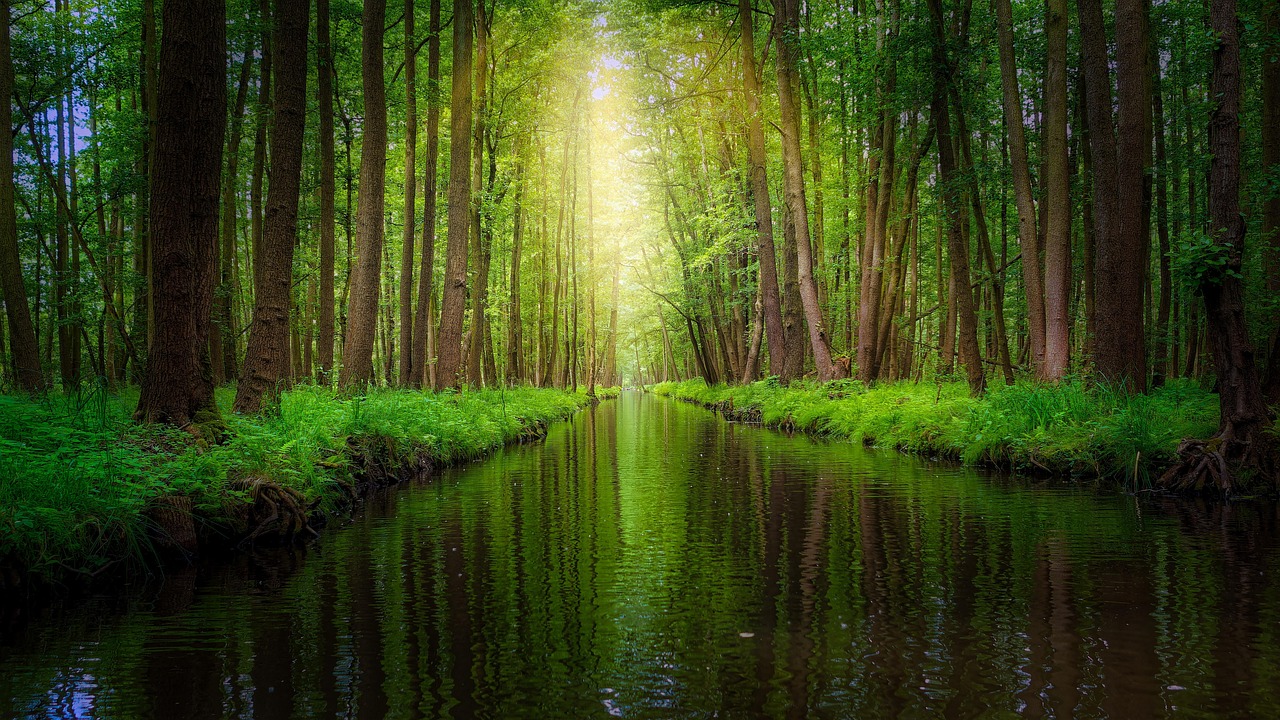
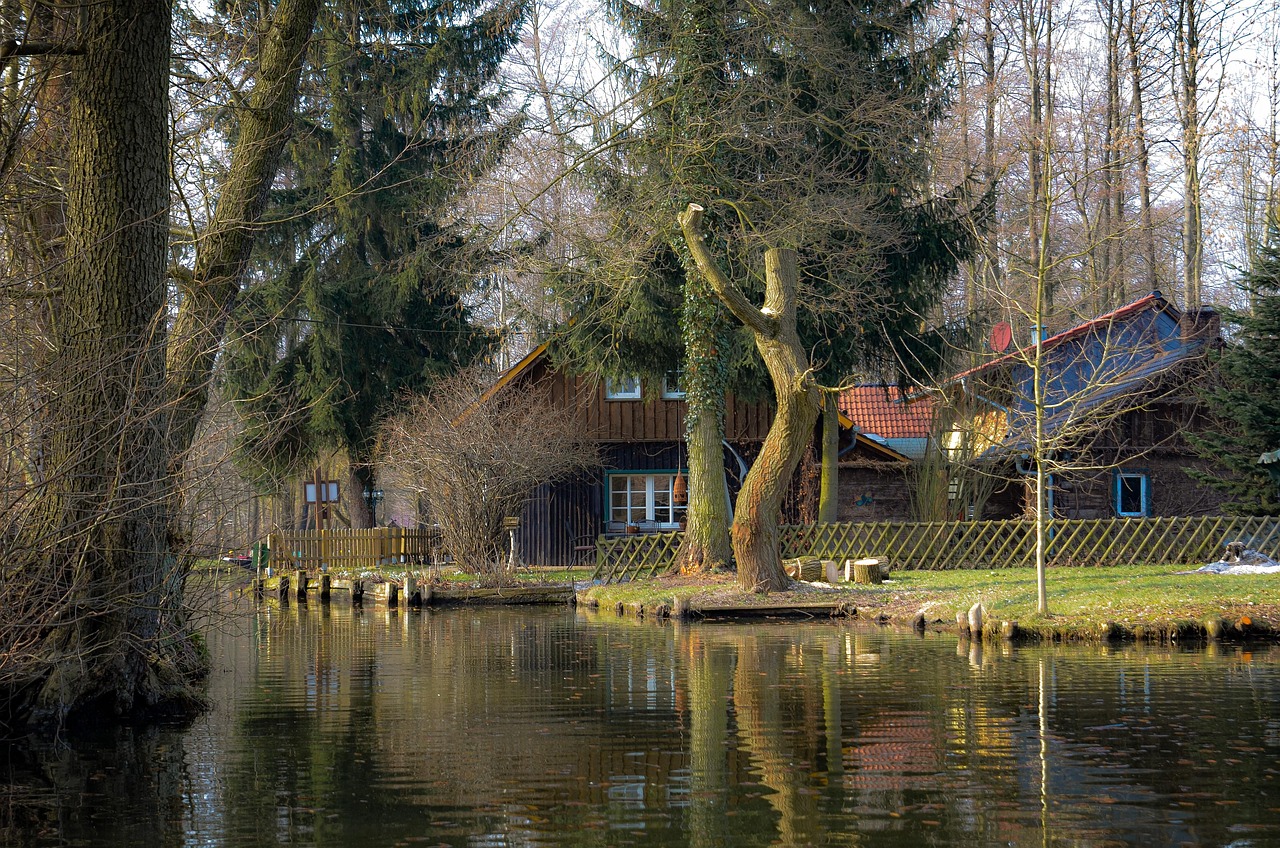
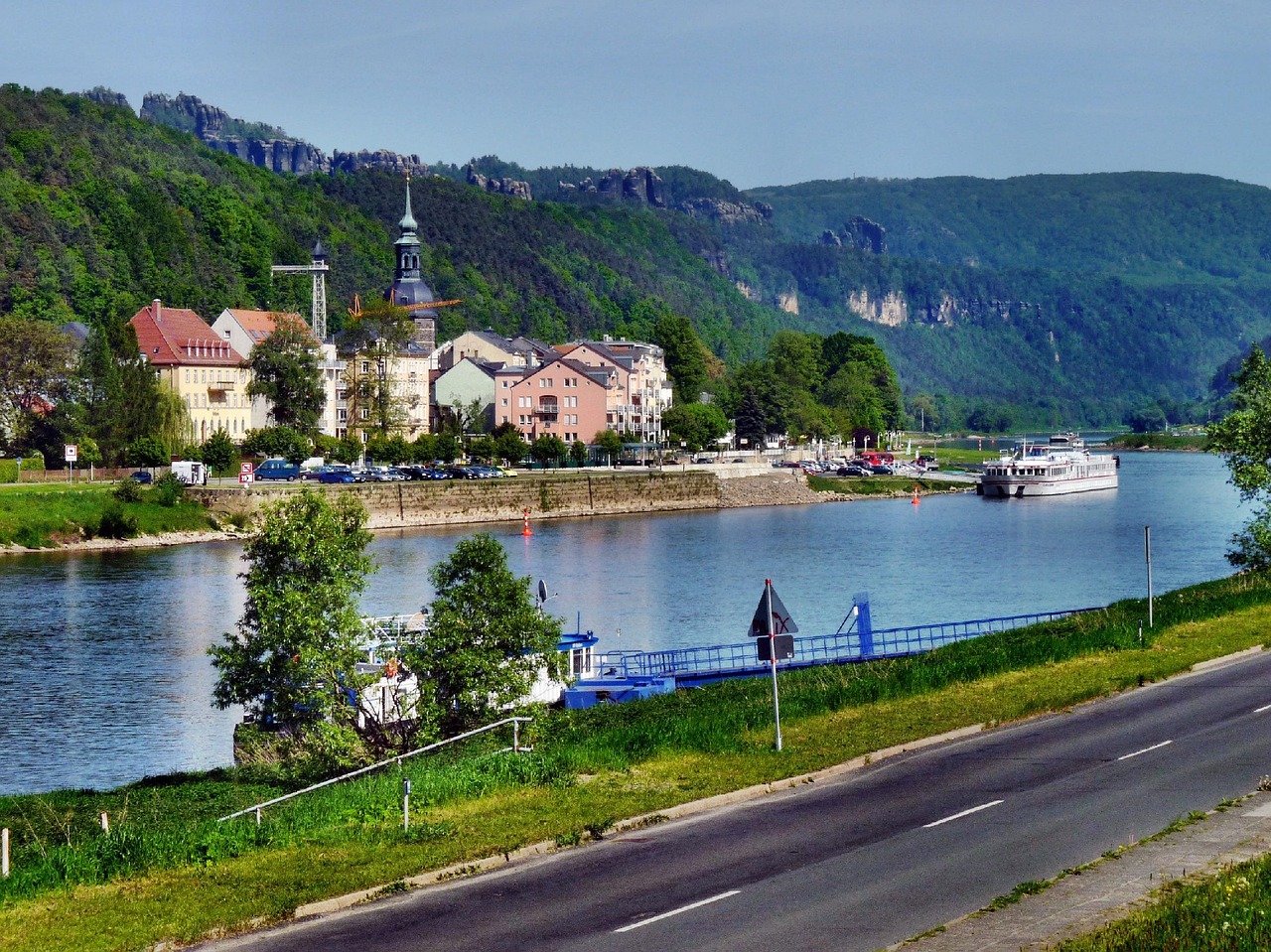
Bad Schandau is where Germany slows down. Tucked into the Elbe Valley on the edge of Saxon Switzerland National Park, it’s a small spa town that feels almost unreal: sandstone cliffs glowing orange at sunset, ferries gliding across the Elbe, and narrow streets where you’ll hear more birds than cars.
I’ve been coming here on and off for more than a decade—first as a broke backpacker hopping off the train from Dresden, later as a hiking-obsessed local guide. Every visit to Bad Schandau has followed the same pattern: I arrive for “just a weekend,” and by day three I’m checking train schedules and calculating how many extra days I can stretch my stay.
In 2026, the town feels especially alive. Trails are better signposted, the historic tram lines have had gentle upgrades, and small family-run guesthouses have leaned into slow, sustainable tourism. Yet the soul of the place—steep sandstone valleys, sleepy spa rituals, and old ferries crossing the river—hasn’t changed.
Bad Schandau is perfect if you’re looking for:
- Outdoor adventure: World-class hiking, climbing, and cycling in Saxon Switzerland National Park.
- Romantic escapes: Riverside sunsets, cozy spa hotels, and candlelit dinners in historic villas.
- Family-friendly fun: Easy trails, vintage trams, river ferries, and a surprisingly good national park center for kids.
- Wellness & slow travel: Thermal baths, spa rituals, and quiet riverfront walks.
- Affordable Europe: Compared to big cities, Bad Schandau remains remarkably budget-friendly.
This 2026 travel guide to Bad Schandau is written as if we’re planning your trip over coffee: lots of detail, candid tips, and honest impressions from many stays in every season.
Table of Contents
- Why Visit Bad Schandau
- Bad Schandau at a Glance
- 3–5 Day Itineraries for Bad Schandau
- Neighborhoods & Areas to Explore
- Top 20+ Attractions in and around Bad Schandau
- Local Food & Drink in Bad Schandau
- Nightlife, Culture & Entertainment
- Day Trips & Nearby Highlights
- Cultural Etiquette & Local Customs
- Practical Travel Tips for Bad Schandau
- Events & What’s New in 2026–2027
- Summary & Best Time to Visit
Bad Schandau at a Glance
Bad Schandau is a small spa town (the “Bad” means it’s officially recognized as a health resort) in eastern Germany, near the Czech border. It sits right on the Elbe River, hemmed in by towering sandstone formations that form Saxon Switzerland National Park.
- Region: Saxony, eastern Germany
- Population: Around 3,500 in town, plus several surrounding villages
- Nearest big city: Dresden (about 45–50 minutes by S-Bahn train)
- Main draws: Hiking, rock formations, spa culture, scenic Elbe Valley, historic tramways
- Best for: Nature lovers, couples, families, hikers, climbers, slow travelers
3–5 Day Itineraries for Bad Schandau
Whether you have 3, 4, or 5 days in Bad Schandau, you can build an unforgettable trip. Below I’ve laid out detailed itineraries based on real trips I’ve done and refined while guiding friends, family, and small groups.
3 Day Itinerary for Bad Schandau
If you only have 3 days in Bad Schandau, focus on iconic viewpoints, one spa afternoon, and at least one classic hike. This is the “first-timer, don’t-miss-anything” plan.
Day 1: Riverfront, Town Center & Toskana Therme
Whenever I arrive in Bad Schandau, I start by doing... very little. This town rewards you if you slow your pace from the moment you step off the train.
Arrive at Bad Schandau (Krippen) or Bad Schandau station, cross the river by little ferry if needed, and check into your guesthouse.
Morning: First Walk Through the Old Town
Drop bags, splash water on your face, and walk straight to the Elbe promenade. The light is usually soft in the morning, and the cliffs on the far side of the river give you a first taste of Saxon Switzerland.
- Start at the Market Square (Marktplatz), with its pastel buildings and church tower.
- Peek into small bakeries—if you see “Bäckerei” and a line of locals, you’re in the right place.
- Follow the river path towards the historic ferry landing and watch the boats.
I like to grab a coffee and a simple breakfast roll, then sit on a bench by the Elbe and just watch the passing barges. It’s a good way to reset your brain from city speed to Elbe speed.
Lunch: Simple Saxon Classics
For lunch on your first day, choose one of the casual spots around the center. Look for menus offering:
- Solyanka (a hearty Eastern European-style soup)
- Bratwurst with mustard and bread
- Kartoffelsuppe (potato soup) on cooler days
Afternoon: Toskana Therme – Floating Away Jet Lag
In the afternoon, walk (or take the local bus) to Toskana Therme Bad Schandau, the town’s modern thermal spa. I’ve soaked here in mid-winter snow and in sticky summer heat; it’s always the right choice on day one.
Inside, you’ll find:
- Warm indoor and outdoor pools with mineral-rich water
- Underwater music and colored lights in the main pool—cheesy in theory, relaxing in practice
- Sauna area (textile-free, clothing not allowed inside saunas – standard German spa culture)
- Quiet relaxation rooms with views of the forested slopes
My tip: Arrive by 14:00–15:00 and stay until early evening. If you’re jet-lagged, resist the urge to nap at your hotel and let the warm water reset your body clock instead.
Evening: Riverside Dinner & Elevator View
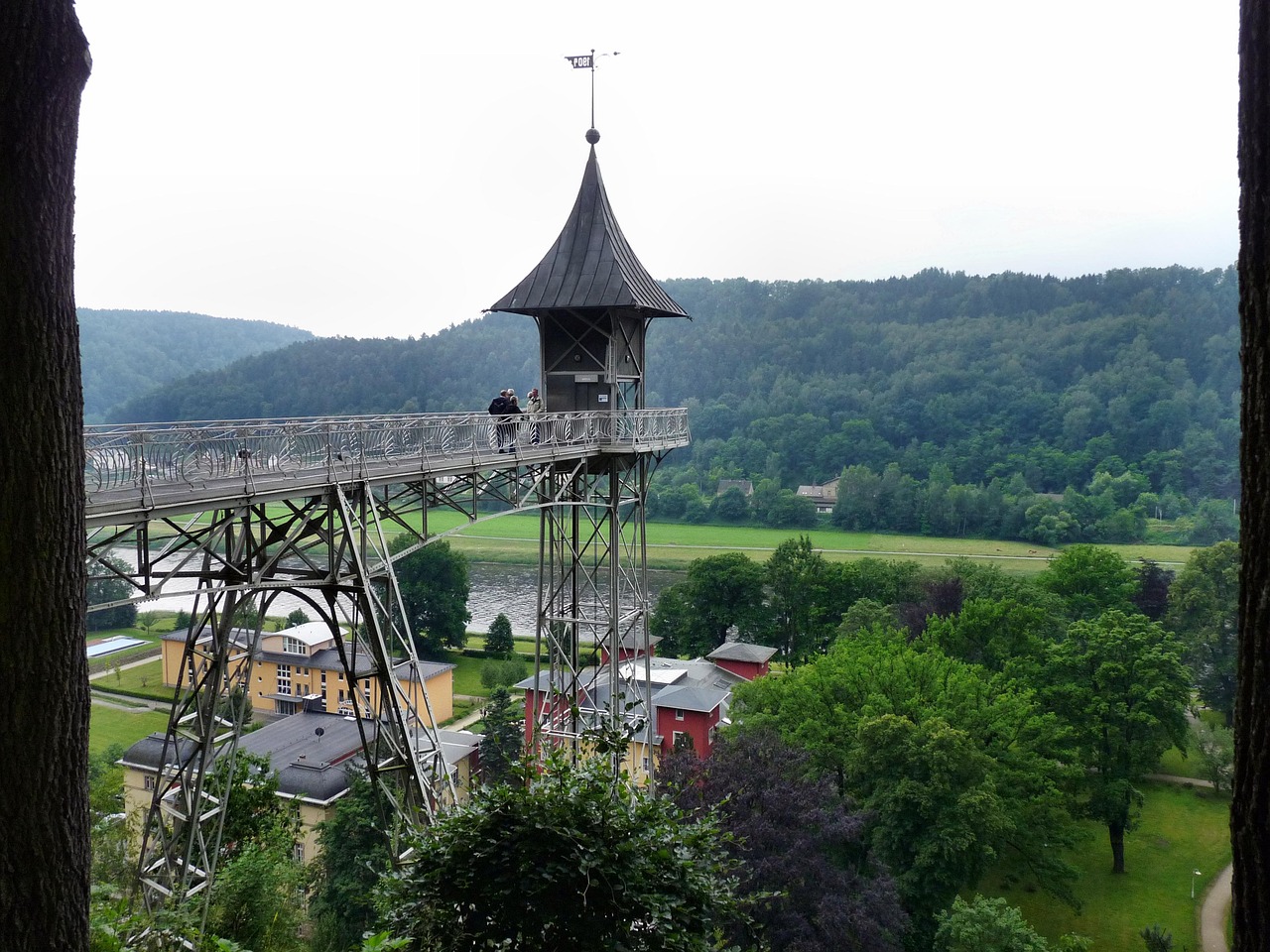
After the spa, head back down to the river. On warmer evenings, I like to walk towards the Historic Passenger Elevator (more on this attraction later) and ride up for a quick sunset view over town.
Finish with dinner at a riverside restaurant—look for local fish dishes or game (venison, wild boar) in autumn. By the end of day one, you’ll already feel like Bad Schandau has shrunk the outside world to a dot.
Day 2: Classic Saxon Switzerland – Bastei & Rathen
Your second day in Bad Schandau should be about the area’s most iconic rock formations. For first-timers, that means a day trip to the Bastei Bridge and Rathen.
Morning: Train to Rathen & Ascent to Bastei
Take the morning S-Bahn from Bad Schandau to Kurort Rathen (around 15–20 minutes). From the station, you’ll walk down to the Elbe and cross by foot ferry—a tiny, charming ride that always makes me feel like the day is starting properly.
On the Rathen side, follow signs uphill to the Bastei. The climb is short but steep, and you’ll pass forest, viewpoints, and occasional snack stands.
At the top, the landscape opens into something that feels like fantasy: needle-like sandstone towers with railings and walkways snaking among them, and the Bastei Bridge itself spanning the gap.
Tips from many visits:
- Arrive early (before 10:00) to avoid crowds, especially from May to October.
- Bring a light jacket; the exposed viewpoints can be windy even on warm days.
- Don’t rush. Walk all the way to the far viewpoints overlooking the Elbe Valley.
Lunch: View with a Plate
There are a couple of restaurants around Bastei itself. They’re not the cheapest, but the view can justify a simple meal or coffee.
My compromise: I usually pack a sandwich from Bad Schandau, then reward myself with a slice of cake and coffee at one of the Bastei cafés.
Afternoon: Amselsee or Extra Hike
On the way down, detour to the Amselsee, a small lake where you can rent paddleboats in season. Kids love this; adults can sit and let their legs recover from the steps.
If you still have energy, extend your hike along one of the marked trails from Rathen, or head back to Bad Schandau mid-afternoon and stroll the riverfront.
Evening: Back in Bad Schandau
By evening, you’ll be pleasantly tired. This is when I like to grab a casual dinner—maybe Schnitzel or a plate of Maultaschen—and an early night. Your legs will thank you on day three.
Day 3: Schrammsteine Hike & Bad Schandau Town Life
On the last of your 3 days in Bad Schandau, get closer to the wild side of Saxon Switzerland with the Schrammsteine—a jagged chain of sandstone peaks visible from much of the area.
Morning: Up to the Schrammsteine
From Bad Schandau, take the local Kirnitzschtalbahn tram or bus into the Kirnitzsch Valley (more about this beautiful historic tram in the attractions section). Get off at one of the stops for the Schrammsteine trailheads—Ostrauer Mühle or Schrammsteine, depending on the route.
The classic circuits involve:
- Forest paths at the start
- Stone steps winding higher into the rocks
- Metal ladders and railings in steeper sections
- Summit plateaus with sweeping views over the Elbe Sandstone Mountains
This is not a flat riverwalk; it’s a real hike. I’ve taken reasonably fit beginners on it with no issues, but if you have vertigo or knee troubles, there are gentler alternatives.
Lunch: Picnic with a View
There are a few huts and small kiosks depending on the route and season, but I always recommend packing a picnic. There’s nothing like eating a simple roll with cheese while looking out over the sea of rocks and forest.
Afternoon: Back via the Kirnitzsch Valley
Loop back down into the Kirnitzsch Valley and reward yourself with a tram ride back to Bad Schandau. The vintage yellow trams rattling beside the small river are part of the magic of this area.
Evening: Last Night in Town
Use your final evening for a slow wander through the lanes you haven’t explored yet. If you haven’t tried it, grab a local beer or a glass of Saxon wine at a small bar or your hotel lounge.
If you’re leaving on an early train next morning, pack tonight; you’ll be surprised how reluctant you are to leave when the alarm goes off.
4 Day Itinerary for Bad Schandau
If you have 4 days in Bad Schandau, keep the 3-day itinerary as your base and add one slower, more exploratory day. This is perfect for couples and families who want a balance of hiking and relaxation.
Day 4: Schmilka, River Ferry & Forest Wellness
On my fourth day, I almost always head towards Schmilka, a tiny riverside village near the Czech border that has reinvented itself as an eco-friendly retreat.
Morning: Boat or Train to Schmilka
You can reach Schmilka from Bad Schandau by local train or by scenic Elbe ferry/boat (in season). I prefer the boat—moving slowly along the river between cliffs feels like gliding through a storybook illustration.
Explore Schmilka’s Eco-Village Charm
Schmilka is small, but packed with character:
- A water-driven mill that still grinds grain
- A bio-bakery with excellent bread and pastries
- Wooden houses restored with bright trims and flower boxes
- Trailheads leading into the surrounding hills
I like to start with a coffee and a warm pastry from the bakery, then wander the lanes before deciding whether I feel like a short hike or a long lunch.
Optional Hike: Schmilka to Schrammsteine or Czech Border Trails
From Schmilka, you can follow various trails, some connecting to the Schrammsteine region, others heading towards the border. If you’ve already done a big hike, choose a shorter loop with river views and forest stretches.
Afternoon: Forest Spa Vibes
Schmilka leans into wellness. Some visitors book treatments or saunas at local guesthouses; others are content to practice the unofficial local lifestyle: slow walking, long meals, and naps by open windows.
Evening: Back to Bad Schandau
Return to Bad Schandau in time for an evening stroll. Four days gives you just enough space to feel you’re living here rather than merely visiting.
5 Day Itinerary for Bad Schandau
With 5 days in Bad Schandau, you can combine the classic sights with real slow-travel days and perhaps one cross-border adventure into the Czech side of the Elbe Sandstone Mountains.
Day 4: Königstein Fortress & Lilienstein Plateau
On my longer stays, I always set aside a full day for the combination of Königstein Fortress and the Lilienstein plateau—a mix of history and wide-open views.
Morning: Train to Königstein & Fortress Visit
Take the S-Bahn from Bad Schandau to Königstein (about 10 minutes). From the station, walk uphill or take the shuttle to the fortress entrance. The climb by foot is steep but atmospheric; the shuttle saves energy for exploring the top.
Inside the fortress, expect:
- Massive medieval and early modern fortifications
- Exhibitions on military history and fortress life
- Panoramic views over the Elbe Valley and surrounding rocks
- Cafés and small snack spots within the walls
Even friends who “aren’t into castles” admit Königstein is impressive. I usually spend 2–3 hours wandering here, especially if the weather is clear.
Afternoon: Hike Up Lilienstein
After lunch, head towards Lilienstein, one of the area’s distinctive table mountains. You can reach the trailhead by bus or on foot from Königstein (allow extra time if walking).
The hike up Lilienstein involves forest paths and stairs, but the summit is relatively flat, with several viewpoints offering 360-degree panoramas. Sunset up here is magical if you’re comfortable descending in fading light (bring a headlamp and watch bus/train times).
Evening: Return to Bad Schandau
Back in town, find an easy dinner and maybe a nightcap. By day four, you’ll know where your favorite table is.
Day 5: Czech Side Adventure – Hrensko & Pravčická Gate (Optional)
For your fifth day, consider a cross-border excursion into the Czech Republic to see the famous Pravčická Gate and Hřensko. This is an international trip—bring your passport and check current border conditions and park regulations before you go.
Morning: Getting to Hřensko
From Bad Schandau, you can reach Hřensko by train plus bus, or via one of the Elbe river boats/buses that connect the border region. Schedules vary by season; check locally or via transit apps.
Pravčická Gate Hike
The hike to Pravčická brána (Pravčická Gate), one of Europe’s largest natural sandstone arches, is moderately demanding but unforgettable. Trails have been adjusted over the last few years due to forest fires and erosion, so follow the current official routes.
At the gateway itself, there’s a historic inn and various viewpoints. On my last visit, we spent almost an hour just circling the area and taking in the perspectives.
Afternoon: Hřensko Village
Back in Hřensko, wander through the small village, grab a Czech lunch (try svíčková or goulash), and maybe pick up a few snacks before heading back to Germany.
Evening: Farewell to Bad Schandau
End your 5 day itinerary for Bad Schandau with the same ritual I often use: a slow walk along the Elbe at dusk, watching the cliffs darken and the town lights flicker on. It’s a gentle goodbye—and usually the start of plotting your return.
Neighborhoods & Areas in and Around Bad Schandau
Bad Schandau is compact, but the town and its surroundings break into distinct pockets, each with a slightly different feel.
1. Bad Schandau Old Town & Riverside
This is where most visitors stay, and where I spend most of my time when I’m not on the trails.
- Vibe: Quiet, charming, walkable, with a mix of spa hotels, guesthouses, and cafés.
- Best for: First-time visitors, couples, those relying on public transport.
- Highlights: Market Square, church, Elbe promenade, historic elevator, Toskana Therme within walking distance.
2. Ostrau Plateau
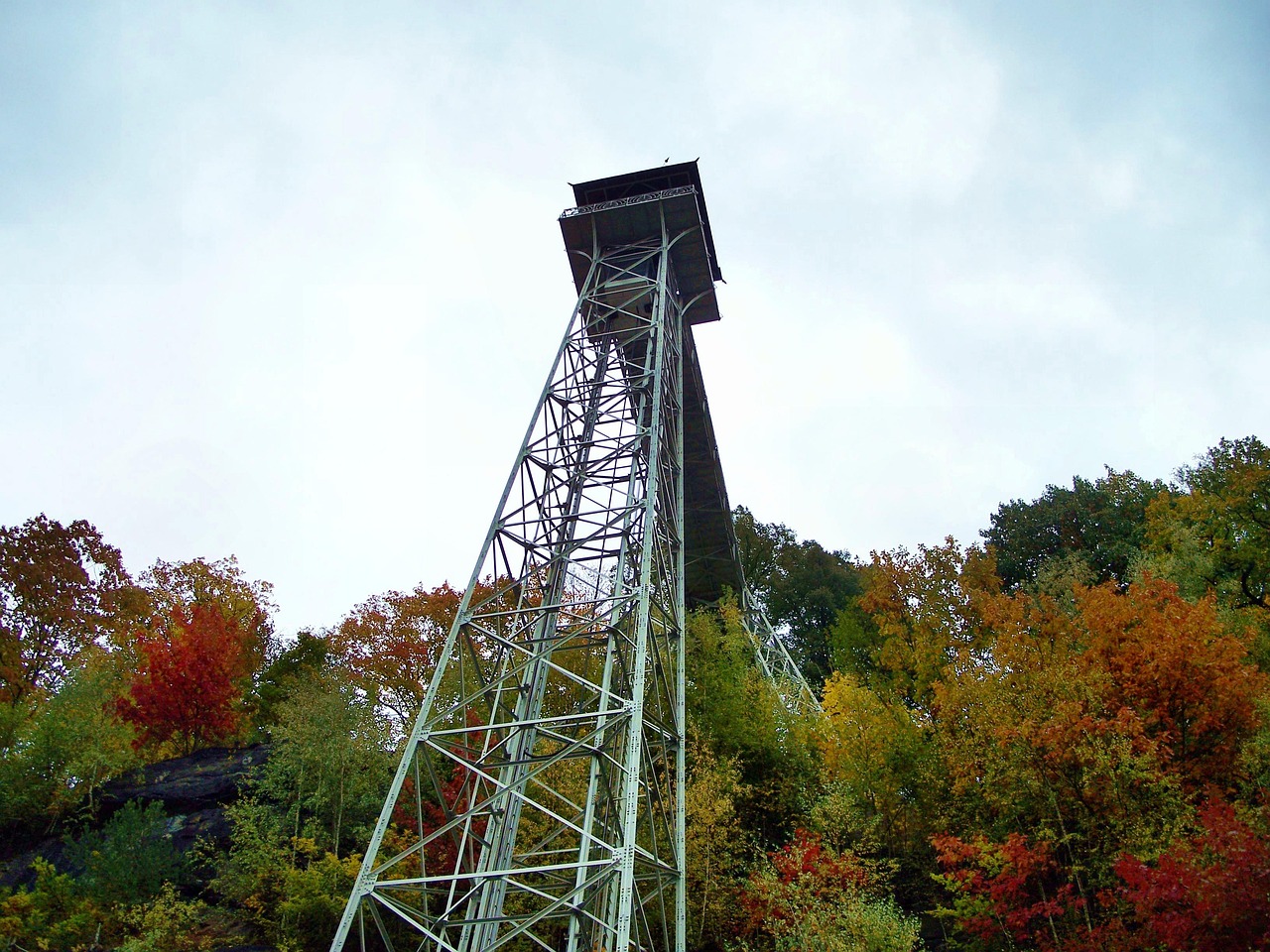
Perched above the town, accessible via road or the historic elevator plus a short walk, Ostrau feels like a village above the valley.
- Vibe: Peaceful, more residential, big views.
- Best for: Longer stays, travelers wanting quieter nights and easy access to hiking trails.
- Highlights: Access to Schrammsteine trails, traditional villas and pensions, forest walks.
3. Kirnitzsch Valley (Kirnitzschtal)
This narrow, wooded valley runs east from Bad Schandau, following the Kirnitzsch River, with the historic Kirnitzschtalbahn tram clattering along beside it.
- Vibe: Fairy-tale forest, trailheads, a few scattered inns and guesthouses.
- Best for: Hikers, nature lovers, those who want to step out of their door straight onto trails.
- Highlights: Lichtenhainer Waterfall, tram ride, access to Schrammsteine & Affensteine.
4. Krippen & Postelwitz
Across the Elbe from Bad Schandau lie Krippen and Postelwitz, quieter riverside villages with lovely river views back to town.
- Vibe: Very quiet, residential with a few guesthouses.
- Best for: Travelers with cars or those who don’t mind ferry schedules.
- Highlights: Riverside walks, traditional houses, slightly lower accommodation prices.
5. Schmilka
Technically a bit outside Bad Schandau, but often grouped with the town’s surroundings. More on Schmilka in the day trip section, but as an area it’s worth understanding if you’re considering a split stay between town and deep nature.
Top Attractions & Hidden Gems around Bad Schandau
Below are over 20 of the best places to visit in Bad Schandau and its surroundings, described the way I talk about them when leading friends around: history, what it feels like, how to get there, and little things that don’t make it into glossy brochures.
1. Bad Schandau Elbe Riverfront & Promenade
The Elbe Riverfront is the town’s living room. It’s where locals stroll after work, kids ride bikes, and visitors fall in love with the place at sunset.
The promenade runs along the river with benches, trees, and clear views of the sandstone cliffs. In high water years, I’ve watched the river swell and surge past; in dry summers, it looks almost lazy.
History & significance: The Elbe has always been Bad Schandau’s lifeline—first as a trade route, now as a scenic artery connecting it with Dresden, Königstein, and the Czech Republic. The levees and promenades were improved after past floods, and you’ll see subtle markers indicating water levels reached in big flood years.
What I love to do:
- Walk it at dawn when mist hangs low over the water.
- Buy an ice cream in summer and sit on the low walls watching trains snake along the far bank.
- In the evening, simply listen: river, faint bells, maybe a distant train—no city roar.
Getting there: From anywhere in the center, just walk downhill until you hit the water; the town is small enough that you can’t miss it.
Family-friendly? Absolutely. Flat, stroller-friendly, and kids love the boats and trains.
2. Bad Schandau Old Town & Market Square
The Marktplatz (Market Square) is the compact heart of town. Pastel façades, a fountain, and the church tower give it a timeless feel.
History: Bad Schandau has been a spa and trade town for centuries, and while it suffered in various conflicts and floods, the center retains its historic structure. The market square has seen farmers’ markets, political rallies, and quiet Christmas markets over time.
My routine here: I usually stop by mid-morning for a second coffee, maybe sit outside under a parasol, and watch the mixture of locals and hikers passing through with poles and backpacks. In December, the small Christmas market here feels like a cozy village gathering rather than a commercial event.
Good to know:
- Tourist information is nearby—handy for trail maps and updated timetables.
- Check the church noticeboard for concerts; occasional organ or chamber music events add a cultural highlight to an evening.
3. Toskana Therme Bad Schandau
Toskana Therme is Bad Schandau’s modern wellness temple. Architecturally, it’s a smooth, curving glass structure that contrasts with the older villas around it but still feels like it belongs in this valley of water and rock.
What makes it special: The spa revolves around thermal pools with underwater music and colored lights. It sounds gimmicky, but lying back, ears submerged, watching the roof while gentle ambient music washes through the water is… unexpectedly therapeutic.
My experiences: I’ve visited in every month. My favorite memories include:
- Floating in the outdoor pool while snowflakes drifted down, steam rising around my face.
- Watching a summer thunderstorm roll down the Elbe Valley from the comfort of warm water.
Practical tips:
- Bring flip-flops and a towel; you can rent towels and robes, but it adds up.
- The sauna area is textile-free and has its own rules; if that’s not your thing, stick to the main pools.
- Weekdays and early mornings tend to be quieter than weekends and evenings.
Romantic factor: High. It’s one of the best date activities in town, especially in shoulder and winter seasons.
4. Bad Schandau Historic Passenger Elevator
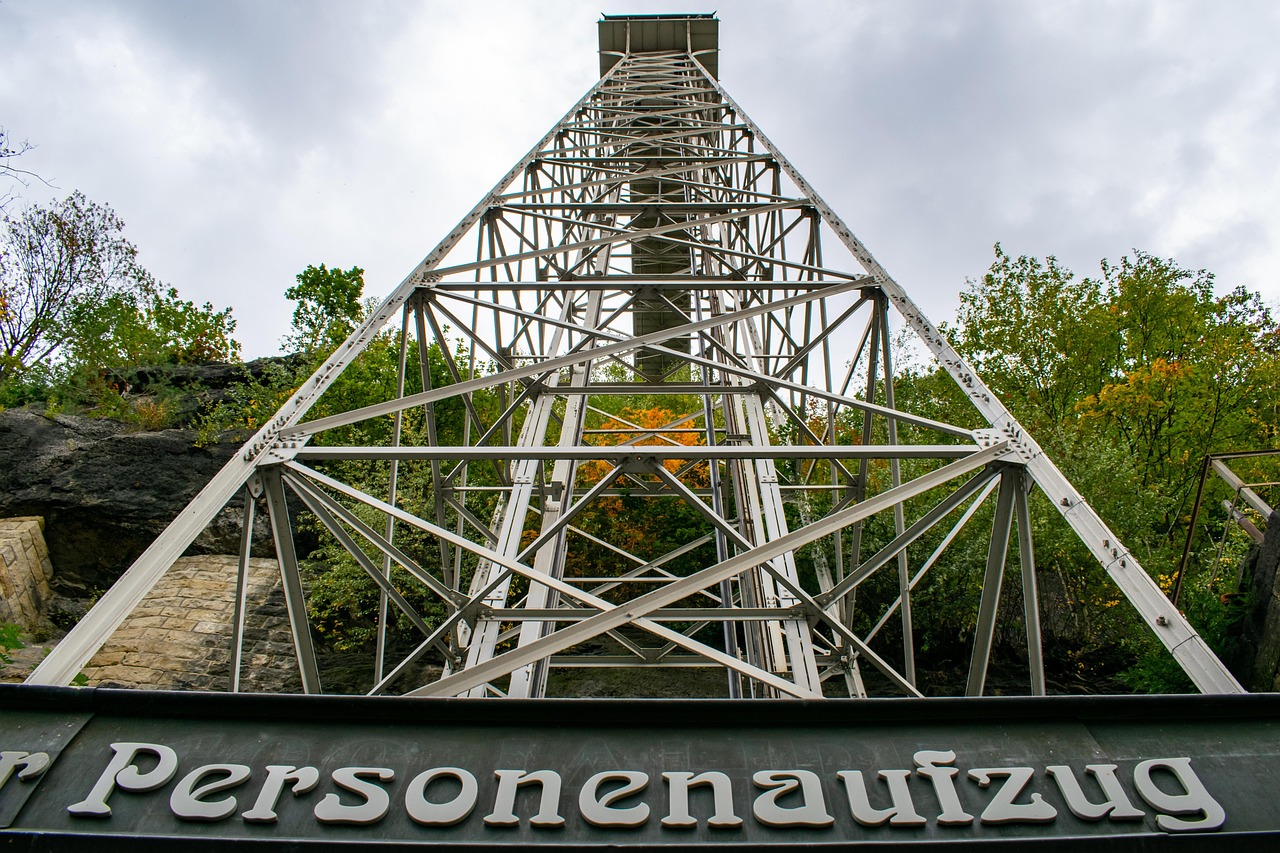
One of Bad Schandau’s quirkiest landmarks is its historic passenger elevator, a slender metal tower that whisks you from the valley floor up to the plateau near Ostrau.
Built in 1905, this Art Nouveau-style elevator was designed to connect spa guests with the airier heights above town. It still does the same job today, creaking and humming in the most charming way.
Why I love it: The ride is short, but the view from the top platform is surprisingly wide. You see the Elbe, the town roofs, and the first wave of sandstone cliffs beyond. I bring almost every first-time visitor up here, usually timing it for late afternoon light.
Family tip: Kids find the elevator delightfully odd and slightly thrilling, especially if they’ve never ridden anything like it. Combine it with a short walk on top for a kid-friendly mini adventure.
5. NationalparkZentrum Sächsische Schweiz (National Park Centre)
The National Park Centre in Bad Schandau is an excellent introduction to Saxon Switzerland. If you’re a family or a new hiker, start here.
What’s inside: Interactive exhibits on geology, flora and fauna, and the history of climbing and conservation in the region. The displays are well-designed, with lots of hands-on elements for kids.
My take: I used to skip visitor centers, but after a rainy afternoon spent here with friends’ children, I’ve become a convert. It deepens your appreciation for the trails you’ll walk the next days.
Tip: Ask staff for current trail conditions; rockfalls, forestry work, or storms can temporarily change routes.
6. Kirnitzschtalbahn Historic Tram
The Kirnitzschtalbahn is a narrow-gauge tram that has been carrying hikers into the Kirnitzsch Valley since the late 19th century. It’s one of the most charming ways to start (or end) a hike.
Route: From Bad Schandau, the tram runs alongside the Kirnitzsch River, deeper into forested terrain, passing trailheads and guesthouses. Wooden benches, old-fashioned fittings, and the gentle sway of the carriages make it feel like time travel.
When to ride: I like to take it out in the morning with a full hiking plan, then hop on again for the ride home when my legs are heavy and my boots are muddy.
Family note: Great with children—riding the tram can be the day’s “activity” for younger kids, even if you only do a short forest walk at the end stop.
7. Lichtenhainer Wasserfall
Lichtenhainer Wasserfall is a small waterfall in the Kirnitzsch Valley, long a destination for gentle excursions.
Reality check: This is not Niagara. The waterfall is modest, and its flow is partially regulated—but the surrounding forest, old inn, and the tram ride to get here make it a classic outing.
My experience: I’ll be honest: I come here less for the waterfall and more for the atmosphere—sitting outside the nearby guesthouse with a drink, listening to the water and tram bells, planning the next trail.
Good for: Families, easy days, combining with short forest walks. If you’re doing a hardcore hiking trip, this is more of a gentle add-on than a must-see highlight.
8. Schrammsteine Rock Massif
The Schrammsteine are a jagged chain of sandstone rocks forming one of the most dramatic parts of Saxon Switzerland. When people ask me for my single favorite hike in the area, I usually send them here.
Geology & history: Eroded sandstone, shaped over millions of years, rising in cliffs and narrow ridges. The area has been a climbing playground since the 19th century, with strict local traditions around clean, rope-only climbing that helped shape modern outdoor ethics.
Hiking here feels like:
- Forest at the base, cool and damp, with mossy rocks.
- Then a progression of steps, ladders, and ledges as you climb.
- Finally, airy views over waves of rock and forest, the Elbe a thin silver line in the distance.
My advice:
- Wear proper hiking shoes with grip; some sections can be slick after rain.
- If you’re scared of heights, check route descriptions carefully; some variants are more exposed than others.
- Start early to enjoy cooler temperatures and fewer people on the ladders.
Who it’s for: Active hikers, adventurous couples, older kids/teens used to hiking. Not ideal for small children or those with mobility issues.
9. Affensteine & Idagrotte Area
Neighboring the Schrammsteine, the Affensteine area offers a labyrinth of rock formations, hidden caves, and slightly wilder-feeling trails. It’s where I go when I want a full, immersive day out.
Idagrotte is one of the most famous features—a large rock overhang/cave reachable via trails and ladders. Standing beneath it, with the forest framed outside, you feel very small and very far from office life.
Trail character: Often narrower, more twisting, with frequent ups and downs. Markings are good, but you need to keep an eye on them at intersections.
Best for: Experienced hikers who’ve already tasted Schrammsteine and want more. If you have only 3 days in Bad Schandau and are not a big hiker, save this for a future visit.
10. Bastei Bridge & Rathen
Though technically a bit west, the Bastei Bridge is part of almost every conversation about things to do in Bad Schandau. It’s the region’s postcard shot: an arching stone bridge connecting towering rock pillars, high above the Elbe.
History: The Bastei has been a tourist destination for over 200 years, with early Romantic-era travelers raving about its sublime scenery. The current stone bridge dates to the 19th century, replacing a wooden predecessor.
My experiences: I’ve been here in mist, in full sunlight, in winter frost. My favorite was a late October visit when clouds drifted below the viewpoints, making the rocks look like islands in a white sea.
Takeaways: Yes, it’s more crowded than many other spots. Yes, it’s still absolutely worth it—especially if you combine it with quieter trails beyond the main viewpoints or time your visit for early morning.
11. Königstein Fortress
Königstein Fortress is a vast mountaintop complex that has never been conquered. Walking its ramparts, you get the sense of how seriously Saxon rulers took their security—and how breathtaking the Elbe valley views are from above.
History in brief: Fortified since at least the 13th century, expanded over centuries into a near-impregnable stronghold. It has served as a state prison, a place of refuge during conflict, and now as a museum and event space.
What to see:
- Deep historic well and waterworks
- Barracks and casemates
- Exhibitions on military history and everyday fortress life
- Panoramic terraces at multiple points around the walls
Family & accessibility: More accessible than many rocky hikes—great for families and older travelers. There’s a lot of walking, but mostly on even surfaces.
12. Lilienstein Table Mountain
Lilienstein is one of the few table mountains east of the Elbe and a symbol of Saxon Switzerland. Its flat summit and distinctive silhouette make it instantly recognizable.
Climbing it: There are marked paths from different sides, involving forest paths and steps. The climb isn’t technical, but it’s uphill enough to get your heart rate up.
At the top: Several viewpoints look out over the Elbe bend, Königstein Fortress, and the rolling sandstone landscape. There’s often a light breeze, and on clear days you can see surprisingly far.
My tip: If you’re staying 5 days in Bad Schandau and the weather forecast shows one especially clear day, reserve Lilienstein and Königstein Fortress for that day—you’ll be glad you did.
13. Schmilka Eco-Village
Schmilka is a tiny riverside village that has rebranded itself around sustainability, organic food, and slow living.
Highlights:
- Working water-driven mill and attached organic bakery
- Historic half-timbered houses lovingly restored
- Sauna and spa offerings in some accommodations
- Immediate access to cross-border hiking trails
Personal note: I come here when I want a break even from Bad Schandau’s gentle bustle. It feels like a village at the world’s edge—in the best way.
14. Ostrau Plateau & Villas
Ostrau sits above Bad Schandau, accessible by road or via the historic elevator. It’s dotted with old villa-style guesthouses and pensions, some from the golden age of spa tourism.
Why visit:
- Quieter than the valley floor.
- Immediate access to upper trail networks.
- Architecture lovers will enjoy the villas’ details and gardens.
I’ve stayed here on trips where the main goal was hiking; rolling out of bed almost directly onto trails is a luxury.
15. Postelwitz & Riverfront Houses
Postelwitz is a narrow riverside stretch just east of Bad Schandau, lined with houses squeezed between cliff and water.
Character: It feels like a ribbon of habitation, with some houses appearing to rest directly at the foot of vertical rock. There’s a sense of being pressed against the landscape in a very tangible way.
Nice activity: Take a leisurely walk from Bad Schandau along the river to Postelwitz and back, especially in the evening light. It’s one of my favorite low-effort, high-pleasure strolls.
16. Krippen Village
Krippen sits across the Elbe from Bad Schandau, connected by road and occasionally by ferries depending on season. It’s quieter, with a more residential feel.
Why go: For an alternative riverfront walk and to look back at Bad Schandau from a different angle. Some guesthouses and holiday rentals here offer excellent value for longer stays.
17. Saxon Switzerland National Park Trail Network
The real “attraction” is the network of hundreds of kilometers of trails that spiderweb through the national park. From easy riverside paths to steep ladder routes, it’s a choose-your-own-adventure landscape.
What I recommend:
- For beginners: Elbe riverside paths, short loops near Lichtenhainer Wasserfall, gentle climbs.
- For intermediates: Schrammsteine, Lilienstein, extended loops around Bastei.
- For experienced hikers: Affensteine maze, long day traverses connecting multiple rock massifs.
Tip: Always carry water, a snack, and a small first-aid kit. Mobile signal can be patchy in some valleys.
18. Elberadweg (Elbe Cycle Path)
The Elberadweg is a famous long-distance cycle route along the Elbe River, and the section around Bad Schandau is especially scenic.
Renting bikes: Several local shops and hotels offer rentals, including e-bikes which make slight gradients and longer distances more approachable.
Routes:
- Bad Schandau to Königstein and back for a half-day ride.
- Bad Schandau towards Schmilka or Pirna for longer day trips.
I love doing a cycling day after a couple of heavy hiking days; it uses different muscles and lets you cover more scenery with less impact on knees.
19. Elbe River Boats & Ferries
Boats are part of the region’s DNA. The Saxon Steamship Company runs historic paddle steamers and modern boats along the river, connecting Bad Schandau with Dresden, Königstein, and other towns.
Experiences:
- Short scenic cruises from Bad Schandau.
- Longer day trips to Dresden with castle and vineyard views en route.
My habit: Use boats not just as “tours” but as transport—take a boat one way and the train back, or vice versa. It makes logistics more fun.
20. Bad Schandau Town Church & Small Chapels
The town church and small chapels scattered in the hills are quiet cultural anchors in a landscape otherwise dominated by rock and forest.
Why pop in:
- To see modest but beautiful interiors and stained glass.
- For the occasional concert, which can be moving in such a small-town setting.
- To sit in silence after days of sensory overload on the trails.
I often slip into the church for 10 minutes when the weather turns or when I have time to kill before a train. It grounds the trip in the lives of the people who actually live here year-round.
Local Food & Drink in Bad Schandau
Bad Schandau’s food scene is small but satisfying, centered on hearty Saxon dishes, simple café fare, and a growing interest in regional and organic ingredients. After a full day on the trails, the portions feel exactly right.
What to Eat: Saxon & Regional Specialties
- Sauerbraten: Marinated pot roast, often served with red cabbage and dumplings. Rich and perfect on cold days.
- Wild game (Wildgerichte): Venison, boar, or other game—especially in autumn. Often locally sourced.
- Quarkkeulchen: Little fried cakes made from potatoes and quark (a soft cheese), usually served sweet with applesauce.
- Bratwurst & Soljanka: Everyday staples that never disappoint after a hike.
- Saxon pastries & cakes: Try Eierschecke, a layered cake with custard and quark, in a local café.
Where to Eat: Personal Favorites
I won’t list every restaurant by name (places do change), but here’s how I choose where to eat in town:
- Riverside restaurants: Ideal for sunset dinners, especially in warm months. Good for fish and regional classics.
- Market Square cafés: Perfect for lunch or afternoon cake. I often sit here with my notebook between hikes.
- Guesthouse dining rooms: Some of the best, most honest cooking I’ve had has been in small, family-run pensions—ask your host if they serve dinner.
Local Drinks
- Saxon wine: Grown mainly downstream near Dresden and Meissen. Light, food-friendly whites and rosés.
- Regional beers: Pilsners and darker lagers from Saxon and Czech breweries are easy to find and generally very good.
- Herbal schnapps: Offered as a digestif in some places—be prepared for a kick.
Saving Money on Food
On longer stays, I mix restaurant meals with self-catering:
- Pick up breakfast supplies at local bakeries and supermarkets.
- Pack lunches for hikes instead of eating exclusively in mountain huts.
- Choose accommodation with kitchenettes if you’re staying a week or more.
Even with one restaurant meal a day, Bad Schandau is generally kinder to your wallet than big European cities.
Nightlife, Culture & Evening Experiences
Bad Schandau is not a nightlife hub—this is not where you come for clubs or all-night parties. Its evenings are quieter, focused on food, conversation, and the occasional cultural event.
Evening Ideas
- Riverside walks: The simplest and best option most nights. The reflections of lights on the Elbe are beautiful, especially after rain.
- Hotel bars & lounges: Many spa hotels have cozy bars where hikers trade trail stories over beer or wine.
- Concerts & events: Check posters and the tourist info office for chamber music, church concerts, and local festivals.
- Thermal spa at night: Toskana Therme sometimes offers evening or late-night sessions with special lighting or music themes.
For Couples
For a romantic night:
- Book a late spa session followed by a light dinner.
- Take the elevator up to Ostrau before sunset, walk the plateau, then come down in the glow.
- Share a bottle of Saxon wine on a balcony or by an open window if your room has a view.
For Families
Families usually wind down earlier. Many guesthouses and apartments have board games; some hotels offer kids’ play corners. A simple evening ritual—ice cream, short river walk, early bed—is often all you need after a full day outside.
Day Trips & Nearby Attractions from Bad Schandau
Bad Schandau is an excellent base for exploring eastern Saxony and the Czech border region. A few standout day trips:
Dresden
Travel time: About 45–50 minutes by S-Bahn from Bad Schandau.
Combine days of hiking with one city day in Dresden to see its reconstructed old town, museums, and riverside. When I do this, I often leave early, return by evening, and sleep even more deeply after the contrast.
Pirna & Elbe Vineyards
Pirna, between Bad Schandau and Dresden, has a lovely old town and access to nearby vineyards. A relaxed half-day outing.
Czech Republic: Hřensko & Pravčická Gate
Covered in the 5-day itinerary, this cross-border trip is a logical extension of your Bad Schandau stay. Check current regulations; as of 2026, both Germany and Czechia are in the Schengen area, but border controls and park access rules can change due to environmental or security reasons.
Bohemian Switzerland Highlights
On the Czech side, the landscape continues in a similar sandstone style. Organized tours from Bad Schandau occasionally cover both national parks in a single long day, but I prefer to focus on one side per day to avoid rushing.
Cultural Etiquette & Local Customs in Bad Schandau
Bad Schandau is relaxed, but it’s still helpful to understand a few local customs and unwritten rules.
General German Etiquette
- Greetings: A simple “Guten Tag” (good day), “Hallo,” or “Guten Morgen/Abend” is appreciated when entering shops or restaurants.
- Punctuality: Trains, tours, and appointments value being on time. If you’re meeting a guide or joining a group hike, aim to be 5–10 minutes early.
- Quiet hours: Residential areas value quiet after around 22:00. Keep noise down when returning late from dinner.
On the Trails
- Stay on marked paths: To protect fragile ecosystems and avoid accidents.
- Pack out trash: Even biodegradable waste; bins are usually at trailheads.
- Yielding: Uphill hikers generally have right of way, especially on narrow stairs or ladders.
- Climbing areas: Respect local climbing rules and do not attempt routes without proper gear or experience.
In Spas & Saunas
- Sauna culture: In Germany, saunas are almost always textile-free. You go in with a towel (to sit on) but without swimwear.
- Showers: Always shower before entering pools or saunas.
- Quiet: Keep voices low; people come to relax, not to listen to phone calls.
Restaurants & Tipping
- Service: It’s normal to seat yourself in many casual places; if unsure, ask “Ist hier frei?” (Is this seat free?).
- Tipping: Around 5–10% is typical if service is good. Say the total you want to pay when handing over cash or card.
Practical Travel Tips for Bad Schandau (2026)
How to Get There
- By train: From Dresden, take the S-Bahn (S1) towards Schöna; Bad Schandau is about 45–50 minutes away. This is my preferred method—scenic, easy, and eco-friendly.
- By car: The A17 motorway from Dresden towards the Czech border, then local roads down to the Elbe valley. Parking in town is limited; some hotels include spaces.
- By boat: Seasonal Elbe river boats connect Dresden and Bad Schandau—slow but beautiful; ideal as part of a round-trip with train one way.
Getting Around
- On foot: The town itself is easily walkable.
- By train: The S-Bahn and regional trains connect to Dresden, Königstein, Pirna, and Schöna.
- By tram: The Kirnitzschtalbahn runs into the Kirnitzsch Valley.
- By bus: Local buses serve villages and trailheads; timetables vary with season.
- By bike: Great for following the Elbe cycle path.
Car Rental & Driving
You don’t need a car for a 3 day itinerary for Bad Schandau, and even for 4 or 5 days it’s optional. Public transport is well set up for the main attractions.
- Foreign driver’s licenses: For short stays, most non-EU licenses are accepted; an International Driving Permit is recommended if your license is not in English or German.
- Parking: Use designated lots; street parking can be restricted or time-limited.
SIM Cards & Connectivity (2026)
Coverage in Bad Schandau town is generally good; in some valleys it can be patchy.
- eSIM & roaming: Many European travelers will have free or low-cost roaming. Check with your provider.
- Local SIM: German prepaid SIMs are available in Dresden or larger towns; options from Telekom, Vodafone, and O2. You’ll need ID to purchase.
- Wi-Fi: Most hotels, guesthouses, and cafés provide free Wi-Fi.
Money & Costs
- Currency: Euro (€).
- Cards vs cash: Cards are widely accepted, but small bakeries and some rural guesthouses may be cash-only. I always carry a modest amount of cash.
- Budgeting: Compared with big cities, Bad Schandau is mid-range to budget-friendly, especially if you cook some meals and use public transport.
Visa Requirements (Check for 2026 Updates)
Germany is part of the Schengen Area. As of 2026:
- EU/EEA and Swiss citizens can enter freely with an ID card or passport.
- Many nationalities (including USA, Canada, UK, Australia, Japan, etc.) can enter visa-free for short stays, but will need to comply with any updated EU travel authorization systems (like ETIAS) when fully implemented.
- Other nationalities may require a Schengen visa; check with your local German embassy or consulate well before travel.
Rules can change; always confirm current requirements for 2026–2027 before you book.
Safety
- Crime: Very low. Standard precautions are sufficient.
- On trails: The bigger risks are weather, slips, and underestimating distances. Check forecasts and trail conditions, and don’t push beyond your comfort zone.
- Ticks: In warmer months, ticks can be present in forests and meadows; consider preventative measures and check yourself after hikes.
Best Seasons & What They’re Good For
- Spring (April–May): Fresh green leaves, fewer crowds, cooler but pleasant hiking weather. Some days can be rainy.
- Summer (June–August): Warm, long days, good for river activities and late sunsets. Busier on main trails; book accommodation ahead.
- Autumn (September–October): My personal favorite—golden forests, crisp air, excellent light for photography, fewer crowds than peak summer.
- Winter (November–March): Quiet, potential snow, magical if you like frosty landscapes and spa days. Some trails and transport options may be limited.
Hidden Tips from Many Visits
- Start early, nap later: Hike in the morning, rest in the late afternoon, and go out again for sunset light.
- Alternate hard and easy days: Especially on 4 or 5 day itineraries, mix big hikes with spa or town days to avoid burnout.
- Use locals’ knowledge: Guesthouse owners and café staff often know which trails are currently best or where it’s muddy or crowded.
- Bring layers: Weather can change quickly in the hills; a light windproof jacket is worth its weight in gold.
Events & What’s New in Bad Schandau (2026–2027)
While Bad Schandau doesn’t have giant international festivals, it does have a steady rhythm of local events and ongoing improvements that shape the travel experience.
Regular & Seasonal Events
- Spring & Summer Hiking Weeks: Guided hikes and themed walks organized with the National Park and local guides—great for solo travelers wanting company.
- Elbe River & Town Festivals: Small festivals with music, food stalls, and sometimes fireworks—ask at tourist info for current dates.
- Advent & Christmas Markets: Cozy, small-scale markets in Bad Schandau and nearby towns like Pirna and Dresden (which has one of Germany’s oldest and most famous Christmas markets).
Travel Scene in 2026–2027
- Sustainability focus: More guesthouses are emphasizing eco-friendly practices—reduced plastic, local sourcing, and public transport partnerships.
- Trail maintenance: Ongoing work to repair paths and ladders, especially after heavy weather and increased visitor numbers; expect some temporary detours but generally improved safety.
- Digital information: Better online and app-based trail maps and real-time transport info compared with a few years ago, making car-free travel easier.
Summary & Final Recommendations
Bad Schandau is the kind of place that sneaks up on you. You arrive thinking of it as a base for things to do in Saxon Switzerland—and leave realizing that the town itself, with its spa rituals, river walks, and gentle pace, is as much the destination as the cliffs and trails.
Key Takeaways
- For 3 days in Bad Schandau: Focus on the town, Toskana Therme, Bastei, and one Schrammsteine hike.
- For 4 days: Add Schmilka or Lilienstein/Königstein for more depth and variety.
- For 5 days: Combine classic German-side highlights with a foray into Czech Bohemian Switzerland.
- Best seasons: Late spring and especially autumn for hiking; winter for a quieter, spa-heavy retreat; summer for long days and river fun.
- Who will love it: Hikers, nature lovers, couples seeking a quiet romantic escape, families wanting safe outdoor adventures, and any traveler ready to trade big-city buzz for sandstone cliffs and slow evenings by the Elbe.
If you’re planning your 3 day itinerary for Bad Schandau—or stretching it to 4 or 5 days—use this guide as a framework, but give yourself room to follow your own rhythm. Some of my best days here came from changing plans mid-morning because the light was too beautiful on the river to rush, or because a local casually suggested a “better” trail over breakfast.
Bad Schandau rewards that kind of flexibility. Come with sturdy shoes, a curious mind, and enough time to let the landscape work its quiet magic.