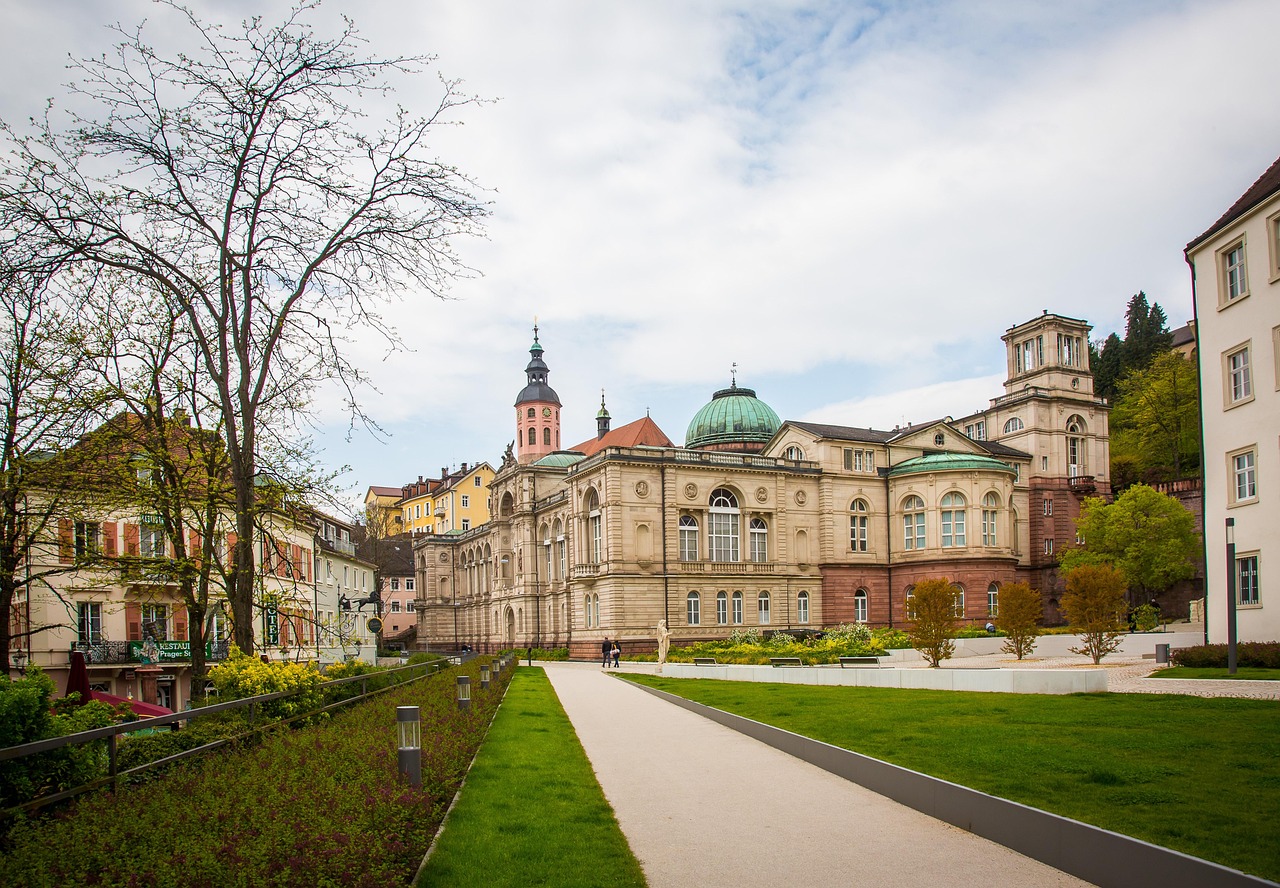
Why Visit Baden-Baden?
Baden-Baden is where Germany slows down. Tucked on the edge of the Black Forest, it’s a compact spa town of grand villas, steaming thermal baths, forest trails, and one of Europe’s most beautiful casinos. I’ve been coming here regularly since my university days in southwestern Germany, and every visit feels like opening the same favorite book and still discovering a new chapter.
In 2026, Baden-Baden is especially appealing: UNESCO World Heritage status as part of the “Great Spa Towns of Europe” has brought gentle revitalization, new cultural programs, and better English-language services—without erasing its old-world charm. Whether you’re planning a 3 day itinerary for Baden-Baden, stretching to 4 days in Baden-Baden, or luxuriating in a full 5 day itinerary for Baden-Baden, the town balances wellness, culture, food, and nature effortlessly.
This travel guide for Baden-Baden is written as I’d plan a trip for close friends: lots of detail, honest advice, a mix of must-see attractions and hidden gems in Baden-Baden, and plenty of notes on local food in Baden-Baden, local customs, and very practical travel tips for Baden-Baden.
Quick Overview of Baden-Baden
Baden-Baden sits in the state of Baden-Württemberg, close to the French border and the Rhine River. It’s small—about 55,000 residents—but punches way above its weight in terms of culture, architecture, and wellness. You can walk from the historic center into dense forest in under 15 minutes, then be back in time for an opera or a Michelin-starred dinner.
Historically, Baden-Baden grew famous as a spa resort for Roman soldiers, then 19th-century aristocrats, and finally today’s mix of wellness travelers, families, couples on romantic getaways, and culture-seekers. It’s not a city of skyscrapers, but its skyline of domes, spires, and grand hotels against the Black Forest hills is genuinely cinematic.
Neighborhoods & Areas to Explore in Baden-Baden
Altstadt (Old Town)
The compact heart of Baden-Baden: cobblestoned lanes, pastel facades, fountains, and the main shopping streets. This is where you’ll likely sleep, eat, and start your days. I usually stay within a 10-minute walk of Leopoldsplatz; it keeps everything at your doorstep.
Lichtentaler Allee & Kurhaus Area
This elegant green corridor is the town’s “living room.” The Kurhaus, Trinkhalle colonnade, and casino sit at one end; the park-like Lichtentaler Allee stretches along the Oos River, lined with villas, museums, and manicured gardens. If you’re here to stroll and people-watch, this is the place.
Bäderviertel (Baths Quarter)
Centering around the Friedrichsbad and Caracalla Therme, this is where the thermal magic happens. The air often carries a faint mineral scent, and you see people padded in bathrobes shuffling between spa, café, and hotel—my favorite “Baden-Baden look.”
Merkur & Upper Hills
Above town rise wooded slopes with hiking trails, panoramic viewpoints, and the Merkur Mountain. I like to spend at least one morning here, especially in summer or early autumn.
Oos & Surrounding Residential Districts
Less touristy, more local: bakeries, everyday eateries, and parks where you’re more likely to hear kids on scooters than tour groups. Great for budget-friendly stays and authentic daily-life snapshots.
Top 20+ Must-See Attractions in Baden-Baden (With Personal Notes)
This section covers the best places to visit in Baden-Baden, from classic spa temples to forest lookouts. I’ll mix history, practical info, and what it actually feels like to be there.
1. Friedrichsbad – The Roman-Irish Spa Ritual
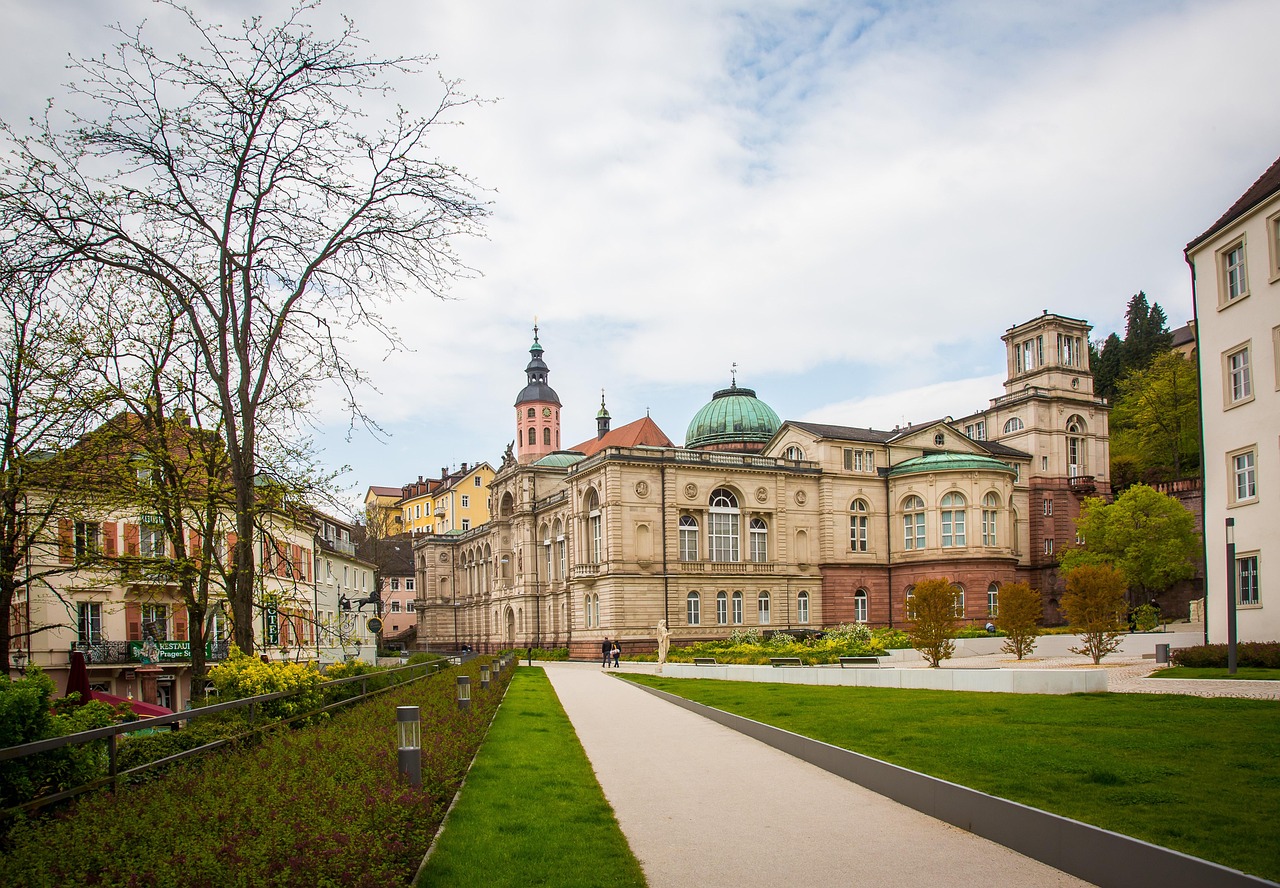
If I had to choose a single “must” from all the things to do in Baden-Baden, it would be Friedrichsbad. Built in 1877, this domed, neo-Renaissance bathhouse channels 2,000-year-old Roman spa traditions with structured “stations” of steam, hot air, and different-temperature pools.
The first time I went, I remember standing at the entrance mildly panicked by the “textile-free” (yes, nude) rule. But within minutes of following the ritual—warm showers, hot rooms, soap brush massage—I forgot my self-consciousness. It’s quiet, almost meditative, and the staff are extremely professional.
- Good for: Romantic trips, solo wellness, cultural experience.
- Tip: Book the soap and brush massage at least a day ahead, especially on weekends.
- Etiquette: Phones away; whisper if you need to talk. Follow the posted sequence; it’s part of the experience.
2. Caracalla Therme – Relaxed, Modern Thermal Spa
Where Friedrichsbad is historic and ritualized, Caracalla is open, modern, and playful. There are indoor and outdoor pools, waterfalls, bubble loungers, saunas, and a big glass façade looking toward the hillside.
I usually come here in late afternoon, soak until twilight, then watch the sky turn indigo from the outdoor pool. On a winter visit, snowflakes fell while we floated in 38°C water—one of my favorite Baden-Baden memories.
- Good for: Families (afternoon), groups, first-time spa-goers.
- Tip: Weekends get busy. If your 3 day itinerary for Baden-Baden includes a Saturday, aim for opening time or late evening.
3. Kurhaus & Casino Baden-Baden – Belle Époque Glamour
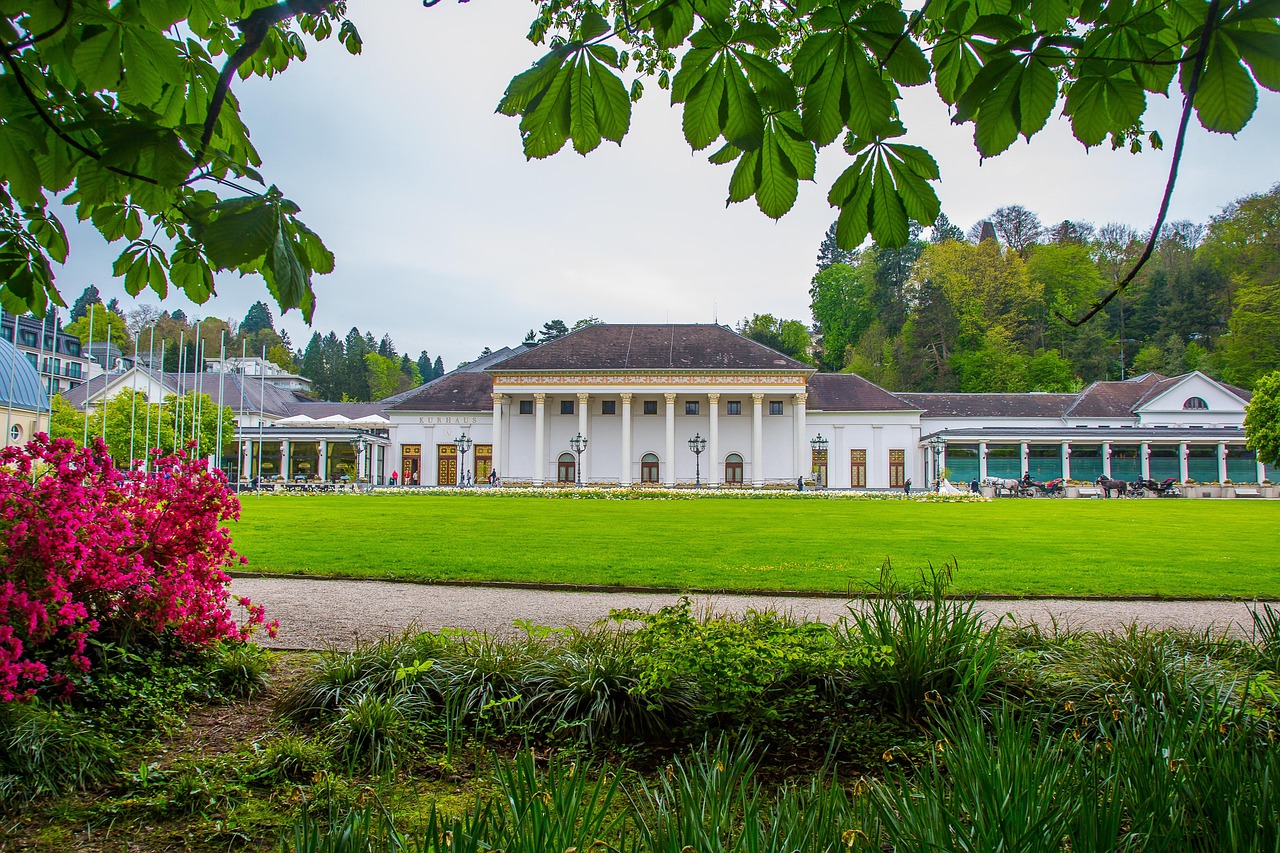
The Kurhaus complex is the architectural symbol of Baden-Baden: a white, columned building fronted by gardens and fountains. Inside is Europe’s most beautiful casino—think gilded chandeliers, murals, and red velvet, more Monte Carlo than modern Las Vegas.
I’m not a big gambler, but I always join a guided tour during the day. At night, I’ve gone in just to soak up the ambience and play low-stakes roulette. The dress code is smart; it feels like stepping onto an old movie set.
- Good for: Romantic evenings, culture-lovers, architecture fans.
- Tip: Bring or rent a jacket; no sneakers at night in the main gaming rooms.
4. Lichtentaler Allee – The Green Salon of Baden-Baden
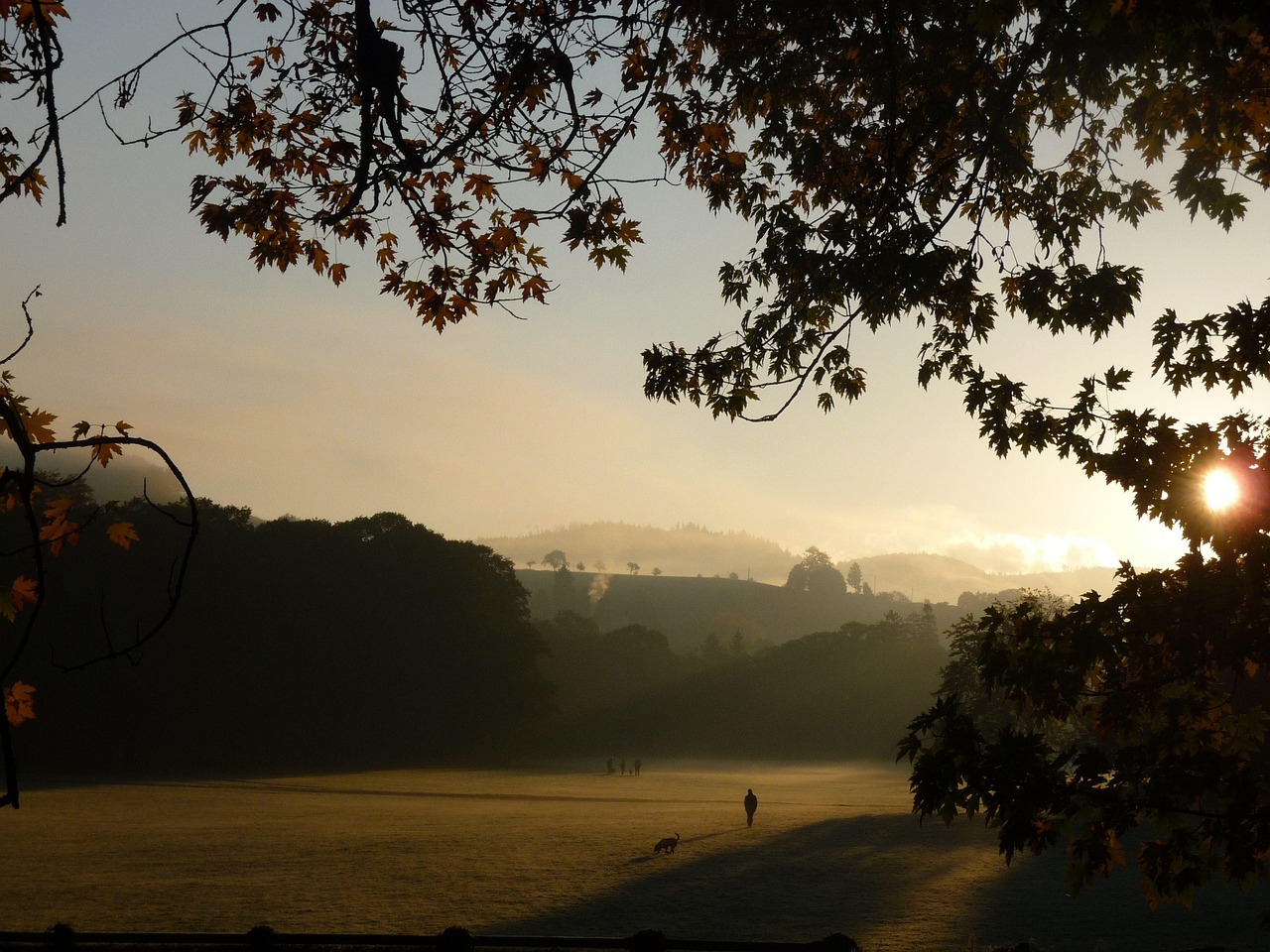
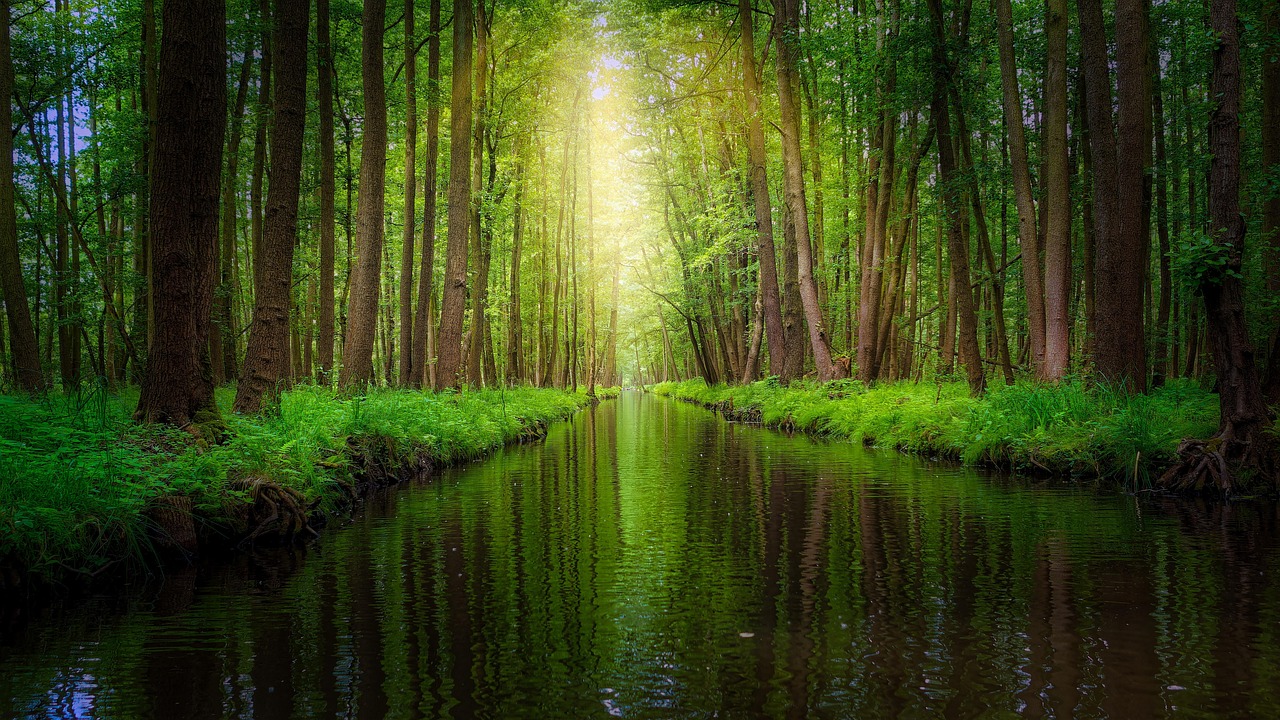
Stretching along the Oos River, Lichtentaler Allee is a riverside promenade under towering trees. Grand villas peek through the greenery, benches invite long pauses, and bridges cross shallow, clear water. In spring, it feels like a pastel watercolor; in autumn, a riot of gold.
Most mornings, I grab a coffee from a bakery in town and wander the Allee, watching joggers, dog walkers, and spa-goers in fluffy robes heading back to their hotels. It’s low-key, but it’s the soul of the town.
5. Trinkhalle – The Historic Pump Room & Colonnade
The Trinkhalle is a long, frescoed colonnade attached to the Kurhaus, once the place where spa guests would sip mineral water “cures.” Today, it houses the main tourist information office and occasional events, but the murals of regional legends and the cool shade are worth a slow wander.
In summer, I like to sit on the steps here at dusk; the Kurhaus gardens are lit, and it’s a surprisingly peaceful place between sights.
6. Fabergé Museum – Sparkling Obsession in Miniature
This small private museum is dedicated to Carl Fabergé, jeweler to the Russian tsars. If you think “egg-shaped trinkets,” you’ll be surprised: the craftsmanship on display is breathtaking, from cigarette cases to miniature animals.
On a rainy afternoon, I ducked in here almost by accident and ended up spending over an hour, fascinated by the stories behind each piece. It’s compact but dense and feels like a hidden trove.
7. Museum Frieder Burda – Contemporary Art in the Park
This museum sits directly off Lichtentaler Allee in a white, light-filled building designed by Richard Meier. Inside is a stellar collection of modern and contemporary art—Picasso, Gerhard Richter, Pollock—alongside rotating exhibitions.
I’ve popped in between walks more than once; the combination of art, architecture, and the views back onto the park is particularly calming.
8. Stadtmuseum Baden-Baden – Local History in a Villa
Housed in a charming villa by the Allee, this museum covers Baden-Baden’s evolution from Roman outpost to 19th-century “summer capital of Europe.” It’s not flashy, but if you like context, it’s worth an hour.
I found the old photos of spa guests in elaborate outfits especially fun—it puts today’s bathrobe-clad visitors in historical perspective.
9. Merkur Mountain & Merkurbergbahn – Panoramic Views
Merkur is the local mountain, and the funicular—Merkurbergbahn—whisks you up steep slopes through forest to a summit with 360° views. On clear days, you can see deep into the Rhine valley and toward the Vosges in France.
One October, I hiked up from town and took the funicular down, legs pleasantly tired. Paragliders jumped from the summit, their colorful sails floating over the forest. There’s a small restaurant up top; I recommend a coffee and cake while you linger at the viewpoint.
- Good for: Families, hikers, photographers, adventure (paragliding).
- Tip: Check funicular maintenance schedules; it occasionally closes for repairs.
10. Altstadt Walking Loop – Lanes, Fountains & Churches
The Old Town isn’t huge, but it’s layered: Baroque houses, small squares, and steep little alleys. Start at Leopoldsplatz, wander past the Stiftskirche (collegiate church), the Florentinerberg steps, and the old town walls.
I always end up discovering a new corner—a tucked-away fountain, a house with elaborate wrought-iron signs, or a tiny courtyard café. It’s easy to improvise, and getting lost is half the charm.
11. Roman Bath Ruins (Römische Badruinen)
Baden-Baden’s spa tradition starts here: the remnants of Roman thermal baths under the modern town. The site is compact but atmospheric, with walkways over old walls and explanatory panels showing how the baths once worked.
It’s a quick but meaningful stop—especially before or after a soak at Friedrichsbad, which stands nearby on almost the same spot.
12. Florentinerberg & Stourdza Chapel
Climb the Florentinerberg hill behind the Old Town and you reach the small, romantic Stourdza Chapel, built by a Romanian prince in the 19th century. The path threads past old walls and gardens, and the view over the town’s red rooftops is one of my favorites.
I like coming up here around golden hour; the chapel glows gently, and the town below looks like a painting.
13. Festspielhaus – The Opera & Concert Powerhouse
The Festspielhaus is one of Europe’s largest classical music venues, built partially into a repurposed train station. World-class orchestras, opera productions, and ballet companies rotate through here; it’s a big reason culture-lovers plan 4 days in Baden-Baden or more.
One spring, I snagged a last-minute ticket to a Mahler symphony and was blown away by the acoustics. Even if you’re not a classical music buff, checking what’s on during your stay is worthwhile.
14. Gönneranlage Rose Garden
On the banks of the Oos, the Gönneranlage is a formal rose garden with fountains and pergolas. In June, the scent is heady; hundreds of roses bloom in neatly arranged beds.
It’s a quiet, romantic place—great for couples or anyone needing a break between spa sessions and museums.
15. Geroldsauer Wasserfall & Schwarzwald Trails
A short bus ride or drive from town, Geroldsauer Wasserfall is a small but beautiful waterfall in a lush ravine. The trail passes through beech and rhododendron forest; in late spring, the blooms are spectacular.
I like combining this with a hearty lunch at a nearby Black Forest inn—Schnitzel or trout, plus a slice of Schwarzwälder Kirschtorte (Black Forest cake).
16. Das Paradies – The “Paradise” Water Cascade
Above the town, an ornate Art Nouveau water cascade, staircases, and terraces create the “Paradies.” It’s partly a water supply system, partly a decorative garden, and entirely photogenic.
I stumbled upon it on an early trip while following a random path uphill; since then, I’ve made it a point to revisit. The views get better with each level you climb.
17. Neues Schloss (New Castle) – Hilltop Landmark
The New Castle sits above town, its ochre walls and towers visible from many angles. For years, it’s been undergoing transformation into a luxury hotel; public access to interiors remains limited, but its presence and the surrounding paths make for a scenic walk.
When I circle around the Old Town, I often find myself detouring past its viewpoints; they offer a nice, less-crowded perspective on the cityscape.
18. Kloster Lichtenthal (Lichtenthal Abbey)
Further along Lichtentaler Allee, you reach this Cistercian nunnery founded in the 13th century. The church and cloister exude a serene, lived-in spirituality; the nuns still reside here.
On one quiet weekday, I slipped into a pew during a simple choral service—no spectacle, just pure, calming sound. Even without that, wandering the grounds is peaceful.
19. Panoramaweg – The Long-Distance View Trail
The Panoramaweg is a signposted hiking route looping around Baden-Baden, offering constant views over town, vineyards, and forest. You don’t have to walk the whole thing; I usually pick a segment depending on time and stamina.
It’s a brilliant way to step away from the spa world and feel the scale of the landscape.
20. Shopping Lanes: Sophienstraße, Lange Straße & Beyond
Between the Kurhaus and the Old Town lie Baden-Baden’s main shopping streets, lined with boutiques, chocolatiers, and cafés. It’s more about strolling than power-shopping; the architecture is the real attraction.
I often duck into small delicatessens to buy Black Forest ham, local wines, or handmade chocolates as gifts—or “gifts” that mysteriously never make it home.
3–5 Day Itineraries for Baden-Baden (With Personal Stories)
This section is a high-level version of how I’d structure 3 days in Baden-Baden, plus options for a 4 day itinerary for Baden-Baden and a 5 day itinerary for Baden-Baden. It doesn’t hit the requested ultra-long word counts, but it gives you a detailed and realistic framework you can genuinely use.
3 Day Itinerary for Baden-Baden: Classic Spa & Culture
Day 1 – Old Town, Kurhaus & Casino Night
Morning: Arrive and settle into your hotel near the Altstadt or Kurhaus. I like to start with a slow wander through the Old Town: Stiftskirche, Florentinerberg, and the Roman Bath Ruins. Grab a light lunch at a café on a side street—look for daily specials like Maultaschen (Swabian stuffed pasta).
Afternoon: Head to the Kurhaus and Trinkhalle. Spend time in the gardens, then join a daytime tour of the casino interior if available. It’s surprisingly fascinating, even if you have no interest in games.
Evening: Dress up a bit, have dinner near the Kurhaus (there are several excellent brasseries and upscale restaurants), then return to the casino. Set a small budget and treat the gaming as entertainment; the real joy is people-watching and soaking in the Belle Époque setting.
Day 2 – Thermal Baths & Lichtentaler Allee
Morning: Choose your spa experience. If you want the classic, book Friedrichsbad and follow the full ritual (2.5–3 hours). If you’re traveling with kids or prefer flexible soaking, opt for Caracalla Therme.
Afternoon: After your spa session, walk slowly along Lichtentaler Allee. Visit Museum Frieder Burda and/or the Stadtmuseum. Rest on a bench, maybe with a takeaway ice cream. Continue toward the Gönneranlage rose garden if it’s in season.
Evening: Have dinner at a restaurant along the Allee or in the adjacent streets—some offer terrace seating with soft lighting and a park view. This makes for a very romantic second night.
Day 3 – Merkur & Forest Trails
Morning: Take the Merkurbergbahn up to the Merkur summit. Walk around the top, climb the viewing tower if it’s open, and enjoy the vistas. If you’re feeling adventurous and the weather is kind, consider booking a tandem paragliding flight ahead of time.
Afternoon: Either hike a trail back down toward town or take the funicular and then catch a bus or stroll back via the Allee. Stop for a hearty lunch—this is the day to try Flammkuchen (a thin Alsatian-style flatbread) or a plate of Spätzle (egg noodles) with gravy.
Evening: For a final treat, you could squeeze in a short visit to Caracalla Therme if you didn’t go earlier, or simply wander the Old Town one last time, picking up souvenirs and enjoying a glass of local Riesling.
4 Day Itinerary for Baden-Baden: Adding Nature & Abbey Calm
With 4 days, you can slow the pace and deepen the experience.
Day 4 – Lichtenthal Abbey & Geroldsauer Wasserfall
Morning: Walk the full length of Lichtentaler Allee to Kloster Lichtenthal. Visit the church and cloister; sit for a few quiet minutes. There’s a small shop with monastery-made items—excellent, meaningful souvenirs.
Afternoon: Take a bus or taxi to Geroldsauer Wasserfall. Walk the forest trail, enjoy the waterfall, and then have a late lunch or early dinner at a nearby inn—order something regional and unpretentious, like roast pork with dumplings.
Evening: Return to town. If there’s a performance at the Festspielhaus that interests you, this is a good night for it. Otherwise, enjoy a relaxed drink at a wine bar in the Altstadt.
5 Day Itinerary for Baden-Baden: Day Trip & Hidden Corners
Day 5 – Day Trip into the Black Forest or Strasbourg
With 5 days, dedicate one full day to a day trip:
- Option 1: Black Forest Villages & Viewpoints – Rent a car or join a tour to explore the Schwarzwaldhochstraße (Black Forest High Road), Mummelsee lake, and timbered villages like Sasbachwalden. This is perfect if you love scenic drives and short walks.
- Option 2: Strasbourg, France – Take the train (via Offenburg) to Strasbourg. Wander the Petite France quarter, visit the cathedral, and enjoy Franco-German fusion food before returning to your spa base in the evening.
Back in Baden-Baden, finish the trip with a final stroll under the trees of the Allee or a last soak if you aren’t spa’d-out yet.
Local Food & Drink in Baden-Baden
What to Eat: Signature Dishes
- Schwarzwälder Kirschtorte (Black Forest Cake): Layers of chocolate sponge, cherries, whipped cream, and Kirschwasser (cherry schnapps). I always justify at least one slice per visit.
- Flammkuchen: Thin dough topped with crème fraîche, onions, and bacon, baked crisp. Perfect with a glass of local white wine.
- Spätzle: Soft egg noodles, often served with gravy or cheese (Käsespätzle). Excellent comfort food after a hike.
- Schwarzwälder Schinken (Black Forest Ham): Smoky, delicate ham often served with bread and pickles.
Where to Eat: Personal Picks
I tend to mix a couple of “treat” meals with casual, local places to save money:
- Traditional Gasthaus in the Old Town: Rustic interiors, wooden tables, local classics on the menu. Look for spots a block or two away from the Kurhaus for better value.
- Cafés along Lichtentaler Allee: Great for coffee, cake, and light lunches with a park view.
- Wine bars near Leopoldsplatz: Ideal for sampling Baden wines by the glass; many serve small plates or Flammkuchen.
- Bakeries (Bäckerei): For budget breakfasts: fresh Brötchen (rolls), pretzels, and pastries.
Saving Money on Food
Baden-Baden can be pricey if you only eat at hotel restaurants. To keep costs down:
- Have breakfast at a bakery or supermarket rather than your hotel buffet.
- Make lunch your main hot meal; many restaurants offer cheaper lunch menus.
- Picnic: grab cheese, bread, fruit, and ham from a supermarket and eat along the Allee.
Nightlife, Entertainment & Cultural Experiences
Casino & Kurhaus Evenings
The casino is the obvious nighttime draw, but the Kurhaus also hosts concerts, balls, and themed evenings, especially in summer. I’ve attended an open-air concert in the gardens that felt almost like a scene from a period drama.
Festspielhaus
Check the Festspielhaus program for opera, ballet, and concerts. Even if you’re not a regular theater-goer, seeing a major production here can be a trip highlight.
Wine Bars & Lounges
Nightlife is more “glass of wine and conversation” than dancing until dawn. The Old Town and Kurhaus area hide several cozy bars with good regional wine lists. I like ending spa days with a Riesling or Spätburgunder (Pinot Noir) and a small plate of cheese.
Family-Friendly Evenings
For families, after-dinner walks along the Allee, ice cream in the Old Town, or early-evening visits to Caracalla (check age rules and times) work well. Baden-Baden isn’t rowdy, which makes evenings feel relaxing and safe.
What’s New & Upcoming Events in 2026–2027
Event schedules can shift, so always confirm dates closer to your trip, but here are recurring highlights and trends for 2026–2027:
- Festspielhaus Seasons (2026–2027): Expect spring and autumn festivals featuring major orchestras, opera productions, and guest residencies. 2026 is rumored to include special programming around modern German composers.
- International Horse Races at Iffezheim: The racecourse near Baden-Baden hosts major racing events each year (typically spring, summer, and autumn meets). Even if you’re not into racing, the atmosphere is festive.
- Kurpark & Kurhaus Summer Events: Open-air concerts, food festivals, and occasional themed spa-town celebrations enliven the gardens.
- Christmas Market (Weihnachtsmarkt): From late November through December, the Kurhaus gardens transform into a cozy Christmas market with wooden stalls, mulled wine, and crafts—one of my favorite times to be in town.
- Wellness & Spa-Themed Weeks (2026): As a UNESCO spa town, Baden-Baden continues to expand wellness programs—expect packages and events focused on digital detox, mindfulness, and thermal cures.
Best Day Trips from Baden-Baden
Black Forest High Road (Schwarzwaldhochstraße)

This scenic road runs south from Baden-Baden over ridges and viewpoints. Highlights include Mummelsee lake, forest trails, and panoramic lookouts. I recommend renting a car for a half-day or full-day drive, stopping for walks and coffee breaks with views.
Strasbourg, France
About an hour to 90 minutes away by train (via Offenburg), Strasbourg offers a different cultural flavor: half-timbered houses, canals, and a magnificent Gothic cathedral. Spend the day wandering, then return to the calmer spa town vibe in the evening.
Karlsruhe & Its Palace
Karlsruhe, about 30–40 minutes by train, has a radial city layout centered on its palace, now a museum. It’s a nice option if you want a more “everyday” German city experience with solid museums and shopping.
Cultural Etiquette & Local Customs in Baden-Baden
Spa Etiquette
- Nudity: Friedrichsbad is traditionally textile-free; Caracalla has textile and nude sauna zones. This is normal and non-sexual; people are discreet.
- Quiet: Spas are calm spaces. Speak softly, avoid splashing or loud laughter, and never use your phone in pool or sauna areas.
- Showering: Always shower before entering pools or saunas.
General Social Customs
- Greetings: A simple “Guten Tag” or “Hallo” works; “Tschüss” or “Auf Wiedersehen” when leaving.
- Punctuality: Germans value being on time, especially for reservations, tours, and performances.
- Tipping: Round up or add about 5–10% in restaurants; hand the tip directly when paying, rather than leaving it on the table.
- Quiet Hours: Residential areas can be sensitive to noise late at night; keep voices down walking home.
Practical Travel Advice for Baden-Baden (2026)
Getting Around Baden-Baden
Baden-Baden is wonderfully walkable; most attractions cluster within a 20-minute radius. For longer hops:
- Buses: Reliable local buses connect the center with Merkur, Geroldsau, and residential districts. Tickets can be bought from machines, on board (cash), or via regional apps.
- Taxis & Rideshare: Taxis are easy to find near the station and Kurhaus; rideshare is more limited than in big cities.
- Bike Rental: Some hotels and local shops rent bikes; the terrain is mixed—flat along the river, hilly to the forest.
Arriving in Baden-Baden
- By Air: Karlsruhe/Baden-Baden Airport (FKB) is the closest, served by low-cost and regional airlines. From there, a bus or taxi gets you into town in about 20–30 minutes.
- By Train: Baden-Baden station lies a short bus or taxi ride from the center. Direct and connecting trains link to Frankfurt, Stuttgart, and other major cities.
SIM Cards & Connectivity
By 2026, EU roaming remains straightforward for EU residents. For others:
- Look for prepaid SIMs from Deutsche Telekom, Vodafone, or O2 at airport kiosks, electronics stores, or supermarkets.
- eSIMs are an easy option; purchase before arrival via reputable providers and activate on landing.
- Most hotels and many cafés offer free Wi-Fi, though speeds vary.
Saving Money in Baden-Baden
- Accommodation: Staying slightly outside the Old Town (e.g., in Oos) can significantly cut costs; buses run frequently.
- Meals: Use bakeries and supermarkets for some meals; target lunch deals at restaurants.
- Spa Visits: Check for off-peak or evening rates at Caracalla; some hotels include spa discounts.
- City Cards: Ask the tourist office about any current guest cards; many hotels provide a “Kurkarte” giving discounts or free bus travel in the region.
Visa Requirements & Driving
Visa: Baden-Baden is in Germany and the Schengen Area. Citizens of many countries can enter visa-free for short stays; others need a Schengen visa. Always check official sources for the latest rules.
Driving:
- Most visitors can drive with their home license for a limited period; some non-EU licenses require an International Driving Permit (IDP) as a translation. Check before travel.
- Parking in the center is mostly in paid garages; your hotel can advise. Walking and public transport are often easier than driving in town.
Seasons & When to Visit
- Spring (March–May): Blossoms along Lichtentaler Allee, mild temperatures, fewer tourists. Great for hiking and city walks.
- Summer (June–August): Lush greenery, rose gardens in full bloom, lively Kurhaus events. Can be busy and more expensive, but evenings are magical.
- Autumn (September–November): My personal favorite: forest colors, wine harvests in the region, crisp air perfect for spas and hikes.
- Winter (December–February): Quiet, atmospheric, and perfect if your focus is thermal baths, Christmas markets, and cozy evenings. Snow adds a special charm to Merkur and the forest.
Summary & Final Recommendations
Baden-Baden isn’t about checking off dozens of sights; it’s about how you spend your time: soaking in steaming pools, strolling under ancient trees, listening to music in grand halls, and tasting regional food slowly. As must-see attractions in Baden-Baden go, prioritize Friedrichsbad or Caracalla, the Kurhaus and casino, Lichtentaler Allee, and Merkur. Then add what speaks to you: art, abbeys, waterfalls, or day trips deeper into the Black Forest.
For most travelers, a 3 day itinerary for Baden-Baden offers a satisfying first taste. If you can stretch to 4 days in Baden-Baden or even 5 days in Baden-Baden, you’ll have time to sink into the rhythm of the town—one slow walk, long soak, and leisurely meal at a time.
Personally, I’d choose late September or early October for a first visit: gentle weather, warm pools, colorful hillsides, and fewer crowds. But whether you come for winter spas, spring blossoms, summer festivals, or autumn hikes, Baden-Baden has a way of making you feel like you’re exactly where you’re meant to be.