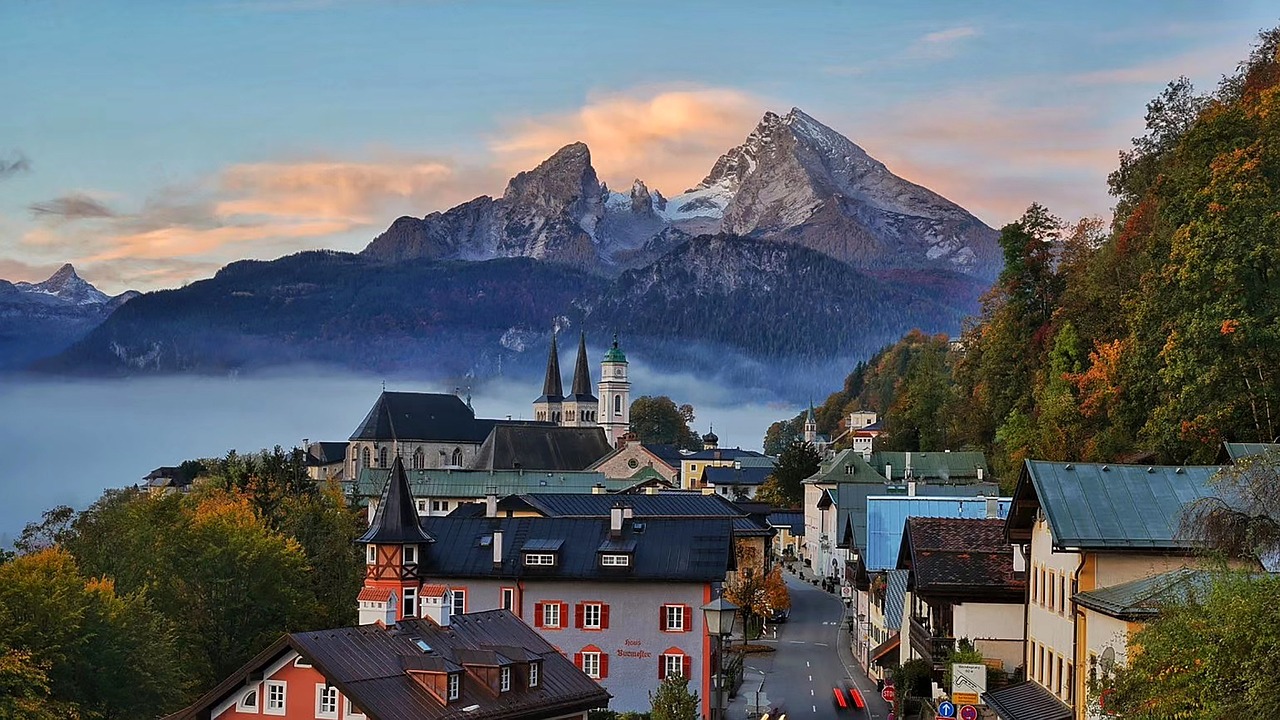
Why Visit Berchtesgaden?
Berchtesgaden is where Germany stops pretending to be gentle and goes fully dramatic. The town is tucked into a southeastern corner of Bavaria, pressed right up against the Austrian border and wrapped by some of the most spectacular Alpine scenery in Europe: the emerald Königssee, the sheer walls of the Watzmann, and high pastures where bells from grazing cows echo off the cliffs.
What makes Berchtesgaden special is the contrast: you can have a quiet morning wandering pastel-colored streets under onion-domed church towers, then an hour later be on a high ridge staring into an ocean of peaks. It’s a place where elderly locals in traditional Tracht shop at the same bakery every day and where serious mountaineers shoulder heavy packs in the same square. It feels lived-in, not staged.
In 2026, Berchtesgaden is also in a sweet spot: well-known, but still far calmer than mega-destinations like Salzburg or Munich. With smart planning, you can enjoy the must-see attractions in Berchtesgaden without the crowds, discover hidden gems, taste honest local food, and still have time for slow walks along rivers and forest paths.
This travel guide for Berchtesgaden focuses on helping you build a 3 day itinerary, a 4 day itinerary, or a 5 day itinerary, depending on how long you stay, with detailed stories, practical tips, and local insight into the best places to visit in Berchtesgaden, local food, cultural experiences, and hidden gems.
Table of Contents
- Why Visit Berchtesgaden?
- Berchtesgaden at a Glance (2026–2027)
- Neighborhoods & Areas to Explore
- 20+ Must-See Attractions in Berchtesgaden
- 3–5 Day Itineraries (With Personal Stories)
- Best Local Food & Drink in Berchtesgaden
- Nightlife, Entertainment & Cultural Experiences
- Day Trips & Nearby Places
- Cultural Etiquette & Local Customs
- Practical Travel Advice & Money-Saving Tips
- Summary & Best Seasons to Visit
Berchtesgaden at a Glance (2026–2027)
Berchtesgaden is a small town (around 7,500 residents) in the Bavarian Alps. Despite its size, it packs in a national park, a famous alpine lake, a notorious chapter of 20th-century history, and enough trails, viewpoints, and alpine huts to fill weeks.
- Country: Germany
- Region: Bavaria (Bayern), near Salzburg, Austria
- Elevation: ~572 m in town; peaks up to 2,713 m (Watzmann)
- Best for: Hiking, nature, families, couples, photographers, WWII history, alpine culture
- Good for: 3–5 day nature-focused trips, plus longer hiking holidays
What’s New or Notable in 2026–2027
While Berchtesgaden doesn’t change fast (that’s part of the charm), there are a few things to note for 2026–2027:
- Berchtesgaden National Park visitor programs continue to expand English-language guided walks in summer (especially July–September 2026).
- Public transport integration with Salzburg and the wider Bavarian network has improved with more frequent buses in high season, making car-free trips easier.
- Ongoing sustainability push: Local authorities are emphasizing “soft tourism” – encouraging hiking, public transport, and off-peak visits.
- Events & festivals (2026–2027):
- Berchtesgadener Advent (Christmas Market): late November–December 2026 & 2027 in the historic center – small but beautifully atmospheric.
- Almabtrieb / Viehscheid: Late September 2026 & 2027 (cows brought down from the high pastures, often decorated; dates vary by Alm).
- Traditional music and Trachten festivals: Several weekends spring–autumn; check local tourist office a few weeks before your trip.
Neighborhoods & Areas to Explore in Berchtesgaden
Berchtesgaden isn’t a big city with dozens of neighborhoods, but each area has its own personality. Understanding these will help you choose where to stay and how to plan your days.
1. Altstadt (Historic Center)
The Altstadt is Berchtesgaden’s photogenic heart: narrow lanes, painted facades, arcades, and the outlines of the Watzmann peeking between roofs. This is where I like to wander on my first afternoon in town, just to reset into “Berchtesgaden mode.”
- Best for: First-time visitors, walkers, café lovers, evening strolls.
- Highlights: Market square, Collegiate Church, Royal Castle (Königliches Schloss), small shops, traditional Gasthäuser.
- Vibe: Lively in daytime, quietly charming at night.
2. Oberau & Surrounding Hillsides
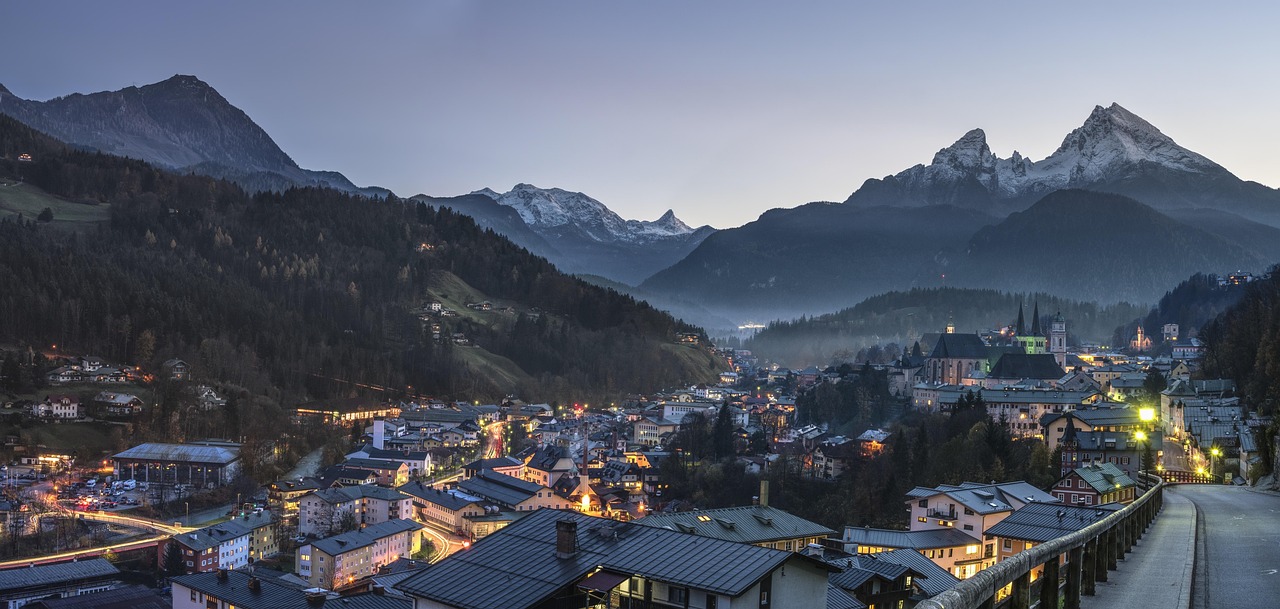
Oberau and similar hillside hamlets give you classic Alpine views and traditional farmhouses. When I stay here, I wake up to cowbells and mist slowly lifting off the valley. It’s peaceful but still only a short bus ride into town.
- Best for: Families, couples, longer stays, nature lovers.
- Highlights: Panorama views, small guesthouses, access to walking paths right from your door.
3. Königssee & Schönau am Königssee
Technically a separate municipality (Schönau am Königssee), this area feels like Berchtesgaden’s waterfront. The lakefront promenade can be busy, but if you walk five minutes away from the main dock, you’re suddenly in quiet lanes with balconies full of geraniums.
- Best for: Lake lovers, families, easy access to boats and hikes.
- Highlights: Königssee boats, Jennerbahn cable car, lakeside cafés, riverside paths.
4. Obersalzberg & High Slopes
Obersalzberg is where history, heavy and complex, intersects with gorgeous mountain scenery. It’s quieter to stay up here and you’ll have green slopes and forest right outside, but you’ll rely on buses or a car.
- Best for: Travelers interested in WWII history, hikers, those wanting seclusion.
- Highlights: Documentation Center Obersalzberg (currently under redevelopment phases), access to Kehlsteinhaus area, forest trails.
5. Bischofswiesen & Ramsau (Nearby Villages)
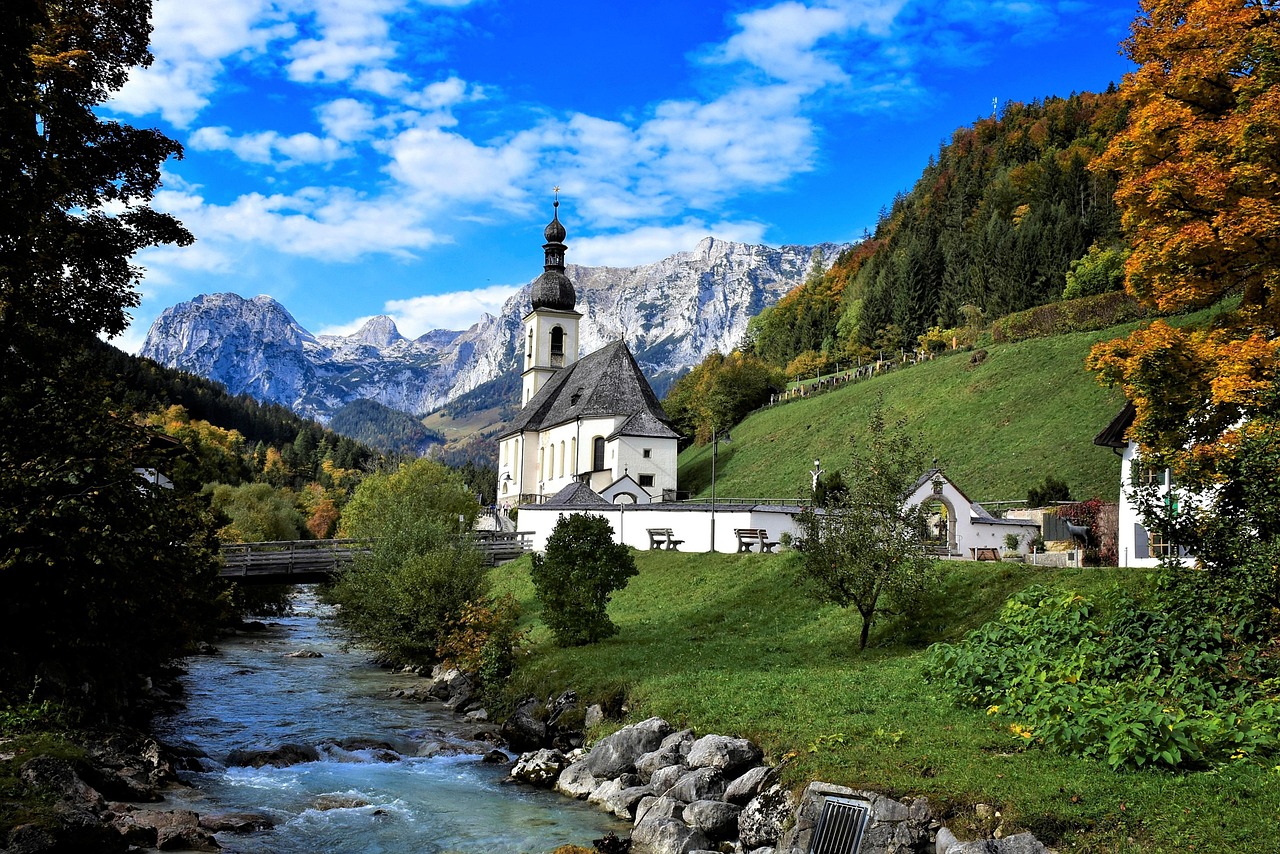
These villages, just a few kilometers away, are classic postcard Bavaria: onion-domed churches, farmhouses, lush meadows. When I want a slower pace and more space, I base myself here and treat Berchtesgaden as the “big town” for evenings out.
- Best for: Longer holidays, self-catering, families, photographers.
- Highlights: Ramsau Church, Hintersee, quiet valley and forest walks.
20+ Must-See Attractions & Experiences in Berchtesgaden
Below are the must-see attractions in Berchtesgaden, each with a personal angle: when I went, what I learned, and tips you won’t find in a brochure. These will form the backbone of any good 3 days in Berchtesgaden, 4 days in Berchtesgaden, or 5 days in Berchtesgaden itinerary.
1. Königssee – The Emerald Heart of Berchtesgaden
The first time I saw Königssee, I arrived early on a misty June morning. The lake looked like liquid glass, a pale green under a low ceiling of clouds, with sheer cliffs rising straight out of the water. It’s one of those places that doesn’t look quite real, even when you’re standing on the shore.
Königssee is a long, fjord-like alpine lake inside Berchtesgaden National Park, famed for its crystal-clear water and dramatic walls of rock. The only way to explore its length is by electric boat, which keeps the atmosphere surprisingly tranquil despite its popularity.
What to Do at Königssee
- Take the boat to St. Bartholomä: The classic route. Mid-lake, the captain will stop and play a trumpet or flugelhorn so you can hear the echo bounce off the rock walls – it’s a bit theatrical, but magical nonetheless.
- Continue to Salet: Fewer people continue to the far end of the lake. From Salet, a 10–15 minute walk brings you to the tiny Obersee, which looks like someone enlarged a postcard.
- Walk the Malerwinkel (Painter’s Corner): A short, easy trail from the main dock with a classic view back over the lake. Great if you have limited time or kids.
Personal Tips
- Go early or late: For peaceful photos and fewer crowds, catch one of the first boats (especially in July–August) or the last boats in the late afternoon.
- Bring snacks: There are restaurants at St. Bartholomä and near Obersee, but they can be busy and pricier. I usually pack a simple picnic and find a quiet spot off the main paths.
- Footwear: Even if you’re mostly on boats, wear comfortable shoes – paths can be damp and uneven, especially around Obersee.
How to Get There
From Berchtesgaden bus station, take the frequent bus to Schönau am Königssee (around 10–15 minutes). From the bus stop, it’s a short walk through a touristy but charming promenade to the lake.
Family-friendly: Very. Boats are safe and kids usually love the echo “concert.”
Romantic: Yes – especially early/late in the day.
Adventurous: Use Königssee as a starting point for longer hikes (e.g., up to the Fischunkelalm or deeper into the park).
2. St. Bartholomä – Chapel, Beer Garden & Mountain Walls
The red onion domes of St. Bartholomä are probably Berchtesgaden’s most iconic image. I still get a little thrill each time the boat curves into view and the chapel appears beneath the towering rock of the Watzmann’s east face.
St. Bartholomä is a former hunting lodge and pilgrimage church dating back centuries. Today, it’s a gentle place to stroll, breathe in fresh air, and watch boats come and go.
What to Do
- Visit the chapel: Step inside the simple but beautiful interior; it’s small and often quiet between boat arrivals.
- Walk the shore: Follow the path along the lakefront for changing views of the cliff walls and water.
- Beer garden: Grab a Radler (beer + lemonade) or a local wheat beer and sit under the chestnut trees. On sunny days, this might be one of the best “offices” I’ve ever worked from.
My Favorite Moment Here
One October afternoon, I lingered after most visitors had left. The sky turned golden, the cliffs’ shadows deepened, and the last boat’s wake lapped softly against the shore. It felt like the lake finally exhaled after a busy day.
Tips
- Timing: Midday is busiest; try first or last boats for a calmer experience.
- Clothing: It can be cooler and windier by the water – bring an extra layer.
3. Obersee & Fischunkelalm – A Perfect Alpine Scene
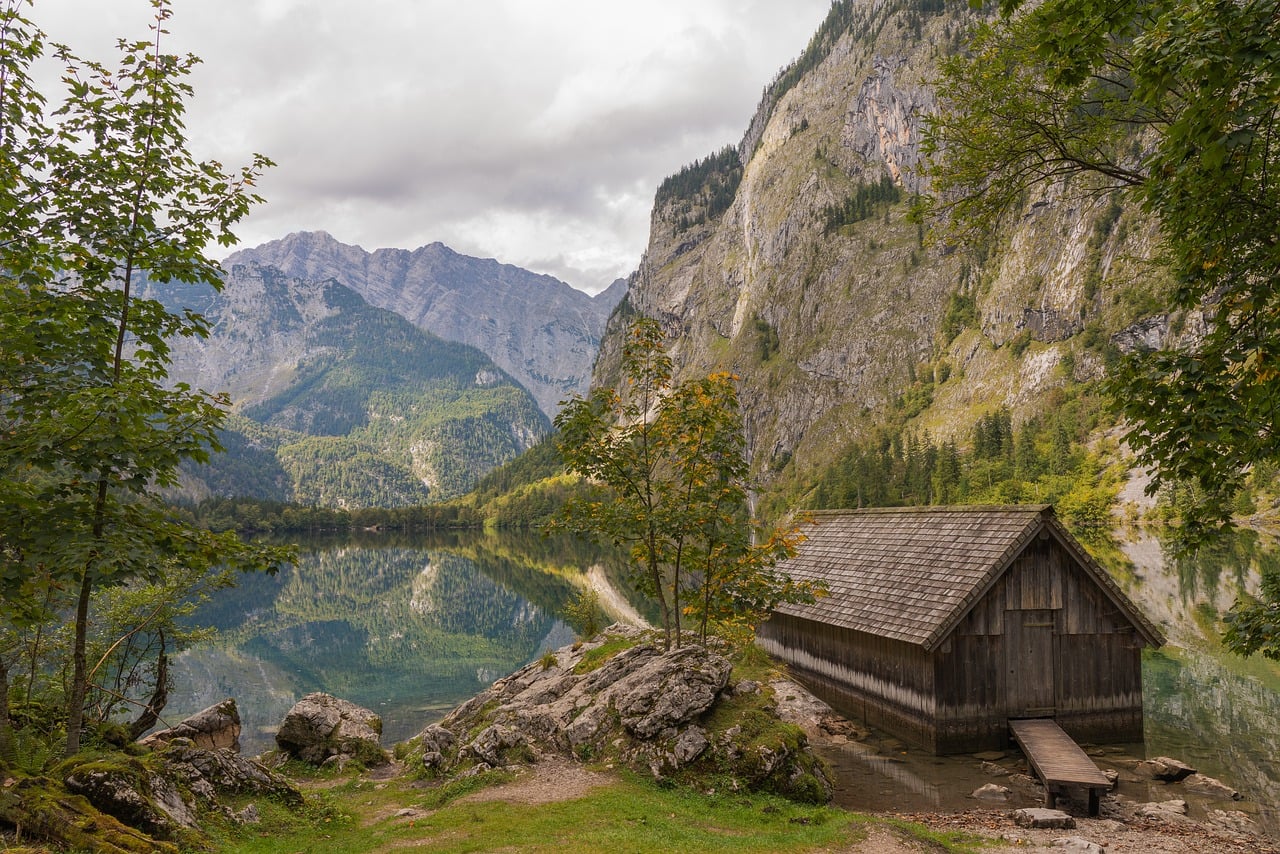
Obersee is the little sister of Königssee, reachable only after a boat ride and a short walk from Salet. The first time I arrived, I actually laughed – it looked too perfect: mirrored mountain reflections, a tiny boathouse, and cows grazing on impossibly green grass.
What to Do
- Walk to the boathouse viewpoint: Only a few minutes from the Salet landing. This is where many famous photos are taken.
- Hike to Fischunkelalm: A mostly gentle path along the lakeshore leads to an alpine pasture (around 30–45 minutes). In summer, you can get fresh buttermilk, simple snacks, and rest in the meadow.
- Optional extension: Continue towards the Röthbachfall waterfall for a longer hike; paths may be rough.
Personal Tips
- Footwear: Not technical, but good walking shoes are essential – roots and stones can be slippery.
- Time budget: If you’re including Obersee and Fischunkelalm, don’t rush. Plan most of a day for Königssee, St. Bartholomä, and Obersee combined.
- Family note: It’s doable with active kids; keep an eye near the lakeshore as some sections drop directly into the water.
4. Watzmann – The Guardian of Berchtesgaden
The Watzmann massif is the mood-setter of Berchtesgaden. On clear days its jagged outline dominates every view; on cloudy ones, you catch glimpses through gaps, like a shy giant.
I’ve never climbed the full Watzmann traverse (that’s a serious mountaineering route best left to experienced climbers or guided tours), but I’ve circled its lower slopes on countless hikes and sat on benches in town watching clouds drift over its peaks.
Ways to Experience Watzmann
- Hikes around the base: Trails from Wimbachbrücke into the Wimbach Valley, or from Ramsau towards Watzmannhaus, give you excellent mountain perspectives.
- Photo spots: From the Berchtesgaden town center, near the castle, you get classic Watzmann skyline views, especially at sunset.
- Ambitious hikers: Hiking up to Watzmannhaus mountain hut is a demanding day but achievable for fit hikers in good weather.
Tip
Even if you’re not hiking, pay attention to the light on Watzmann during your trip. Some of my favorite photos are from ordinary moments: walking back from dinner when the last sun hits its summit in pink.
5. Kehlsteinhaus (Eagle’s Nest) – History on a High Balcony
The Kehlsteinhaus, better known in English as the Eagle’s Nest, sits on a rocky perch high above Berchtesgaden. Its origins are dark – built in the Nazi era as a representative building – but today it’s a mountain restaurant and viewpoint. Visiting is both visually stunning and historically sobering.
I’ve gone up here in both bright sun and moody clouds. Honestly, I prefer a slightly overcast day; the heavy weather suits the history, and the crowds are a bit thinner.
What to Expect
- Bus & elevator: You must take special buses from the Obersalzberg parking area. After a scenic, slightly nerve-wracking bus ride on a narrow mountain road, you walk through a tunnel and ascend in a brass elevator cut into the rock.
- Views: On clear days you see deep into Austria and over the entire Berchtesgaden basin.
- Restaurant & terrace: You can have a meal or drink at the top; prices are higher but paying for the view feels fair.
History & Ethics
It’s crucial to understand the context: this was part of the Obersalzberg complex used by the Nazi leadership. Today, the structure houses no glorification, but the very existence of the building is controversial. I recommend pairing a visit here with the Documentation Center Obersalzberg (when fully open again) to get a grounded historical perspective.
Tips
- Book & go early: Lines can be long mid-day in summer; morning departures are calmer.
- Weather check: If the summit is in thick cloud, you’ll see very little. The tourist office often has live info.
- Not ideal in bad weather for those with vertigo: The bus ride and balcony can feel exposed.
6. Obersalzberg & Documentation Center – Confronting Difficult History
On one of my first trips to Berchtesgaden, I spent a gray, rainy morning at the Obersalzberg Documentation Center. It was one of the quietest museum visits I’ve experienced – everyone moved slowly, spoke softly, and left deep in thought.
The site explores the history of Obersalzberg as a Nazi power center, the propaganda that surrounded it, and the destruction left behind. Parts of the bunker system can also be visited. Over recent years, the center has been undergoing redevelopment to improve and expand the exhibitions; check current status and opening hours for 2026.
Why Visit
- Context: It’s impossible to fully understand Berchtesgaden’s 20th-century history without this visit.
- Respect: Coming here is, in a way, paying respect to the victims by engaging with the past instead of ignoring it.
Tips
- Allow 2–3 hours: Don’t rush; there’s a lot to absorb.
- Combine with: A walk around Obersalzberg’s forest paths afterwards is a good way to decompress.
- Children: Exhibits can be heavy; consider age and sensitivity.
7. Jennerbahn – Effortless Peak Views
When I want big mountain views with minimal effort (and sometimes with visiting relatives who aren’t up for serious hikes), I head to the Jennerbahn. The modern gondola whisks you from the valley near Königssee up to around 1,800 m.
What to Do
- Short walk to the summit: From the top station, a relatively easy path leads to the Jenner summit cross, with sweeping views over Königssee and Watzmann.
- Panorama terrace: Even if you don’t hike, the station terraces offer great photo spots.
- Hikes: Numerous trails start here, including routes to alpine huts and neighboring peaks.
Tips
- Weather rules: If clouds are thick at summit level, save this for another day.
- Sun protection: The high-altitude sun can be intense, even when cool.
8. Berchtesgaden Salt Mine (Salzbergwerk) – Underground Adventure
On one of my rainiest Berchtesgaden trips, I ducked into the Berchtesgaden Salt Mine – and emerged two hours later grinning like a kid. This is one of the best family-friendly attractions, but adults secretly enjoy it just as much.
The mine has been in operation for centuries; today, guided tours take you through tunnels on a small train, down wooden slides, and across an underground salt lake by boat, with dramatic lighting and explanations (audio guides in multiple languages available).
Why I Love It
The combination of real industrial history and playful elements works surprisingly well. The slides are optional, but I recommend them. You only live once – and how often can you say you slid down a salt mine in full overalls?
Tips
- Clothing: You’ll wear protective overalls, but still dress warmly – it’s cool underground.
- Booking: In peak season and on rainy days, tours sell out. Book ahead if possible.
- Family note: Great for kids; the train and slides are usually a highlight.
9. Berchtesgaden Altstadt – Lanes, Frescoes & Quiet Corners
I always dedicate a slow half-day to the Altstadt. It’s not big, but it rewards wandering. Painted house fronts (Lüftlmalerei), arcaded walkways, and small squares appear around each corner.
Highlights
- Marktplatz (Market Square): Colorful facades, fountain, and views up to the Watzmann.
- Collegiate Church (Stiftskirche): A mixture of Romanesque and Gothic elements; step inside for a quiet moment.
- Königliches Schloss (Royal Castle): Former seat of the prince-provosts and later a royal Bavarian castle.
- Small shops: Wood carvings, local clothing, and food products; some are touristy, others genuinely local.
My Routine Here
My ideal morning: espresso and a pastry at a small bakery, a circuit around the church and castle, then a slow drift through side streets, occasionally ducking into a shop. Around lunchtime, I sit at a Gasthaus terrace for a hearty Bavarian dish and some people-watching.
10. Königliches Schloss – The Royal Castle of Berchtesgaden
This castle has seen a lot: it started as a monastery, became a residence for prince-provosts, then transformed into a royal Bavarian hunting lodge. Touring the interior feels like stepping sideways through layers of history.
What to Expect
- Guided tours: Usually required to see inside; check schedules.
- Interiors: Historic rooms, art, and objects reflecting centuries of rule.
- Views: Courtyards and nearby spots offer great frames of the castle with mountain backdrops.
Tip
If you’re short on time, a quick exterior visit is still worthwhile. But if you’re curious about regional history and architecture, the interior is a rewarding hour or two.
11. Ramsau & Hintersee – A Storybook Valley
Ramsau bei Berchtesgaden is the kind of village you see on chocolate-box covers – and yes, it really looks like that. The iconic scene of a small church with a wooden bridge and mountains behind is just off the main road, but the magic deepens when you keep going to Hintersee.
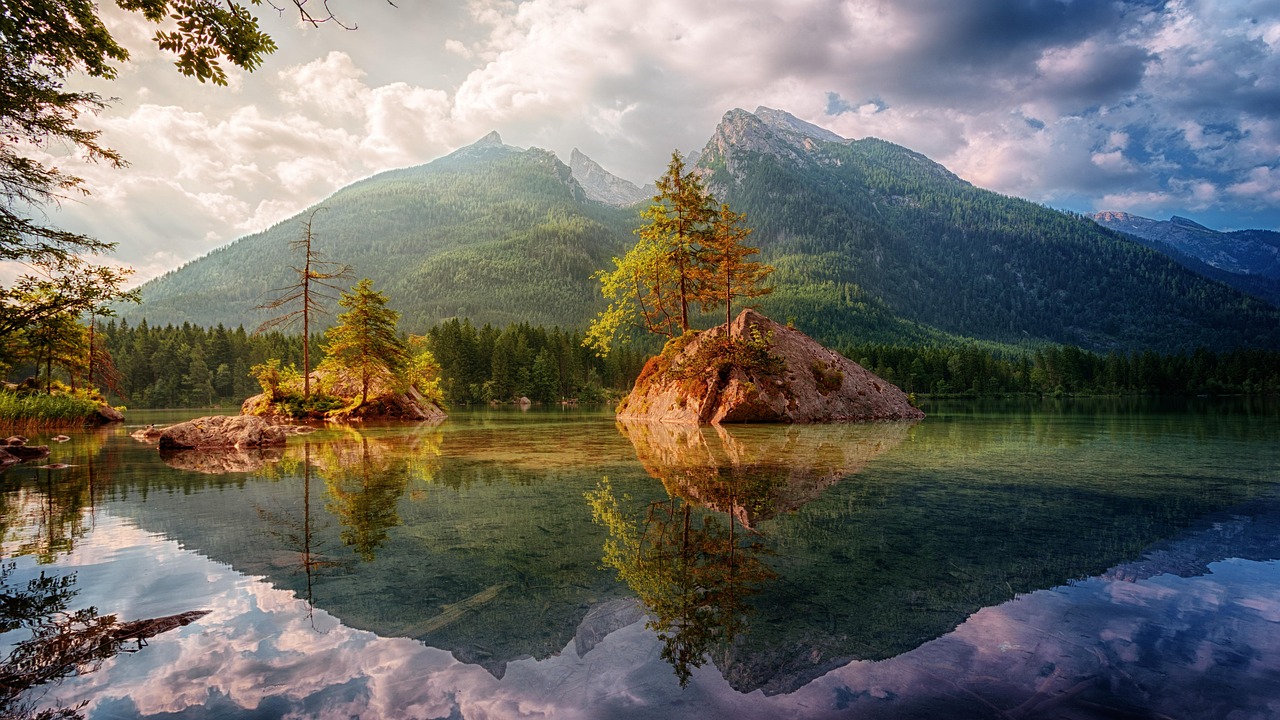
Hintersee is a small lake framed by forest and peaks. Painters and poets have loved this place for centuries; I’m more of a writer than a painter, but I get it. The light can be exquisite, especially in the evening.
Things to Do
- Ramsau Church viewpoint: Quick stop for photos, best early or late to avoid crowds and harsh light.
- Walk around Hintersee: A gentle loop takes about an hour, with benches and photo spots.
- Zauberwald (Enchanted Forest): Trail through mossy boulders and forest between Ramsau and Hintersee, particularly atmospheric after rain.
Personal Tip
On one summer evening, I walked the Hintersee loop as the last light faded, then sat on a bench until the sky turned deep blue. The only sounds were soft waves and distant cowbells. If you can, time your visit for late afternoon into sunset.
12. Wimbachklamm Gorge – Narrow, Loud & Refreshing
When summer heat hits, I escape to Wimbachklamm. This narrow gorge, cut by glacial meltwater and alpine streams, is a cool, roaring corridor of rock and water.
Wooden walkways cling to the rock, and waterfalls pour down from mossy walls. It’s short but intense; you feel the power of water everywhere.
Tips
- Go early: It’s a popular spot; mornings are calmer.
- Combine with: A longer walk up the Wimbach Valley beyond the gorge for a more complete outing.
- Clothing: You may get a light spray – a light jacket is handy.
13. Almbachklamm Gorge – Another Watery Wonderland
Almbachklamm is less famous internationally than Wimbachklamm, but I actually prefer it. The path twists past waterfalls, pools, and rock formations, with occasional bridges and tunnels.
On one quiet weekday in May, I walked almost the whole gorge without seeing another soul – just the sound of water and my footsteps.
Tips
- Not for strollers: Lots of steps and narrow sections.
- Footwear: Good grip is essential; rocks can be slippery.
- Check opening times: Access is typically seasonal and weather-dependent.
14. Berchtesgaden National Park Center – Gateway to the Wilderness
The National Park information center (Haus der Berge) is my go-to stop at the start of a hiking-focused trip. The interactive exhibits make the geology, flora, and fauna of the region come alive – and the staff give excellent, current advice on trails and conditions.
Why Go
- Education: Learn how glaciers shaped the landscape and what wildlife you might spot.
- Trail planning: Ask rangers about current closures, difficulty levels, and lesser-known hikes.
- Family-friendly: Kids usually enjoy the hands-on exhibits.
15. Hintereck Viewpoint – Easy Access, Big View
Hintereck is a simple but rewarding viewpoint above Berchtesgaden, reachable by bus or car. From here, you see the town tucked into the valley with Watzmann rising behind – a classic panorama.
I like to come up here shortly before sunset, watch the light shift on the peaks, then head back down for dinner in the Altstadt.
16. Weinfeldweg – The Everyday Walk with Extraordinary Views
Weinfeldweg is one of those “local” walks: not particularly famous, but cherished by people who live here. It winds around a hillside above town, offering different perspectives on the valley and mountains.
On days when I don’t want a full hike but still want to move, I do a Weinfeldweg loop – often with a coffee stop before or after. It’s easy, peaceful, and surprisingly photogenic.
17. Jenner & Götschen Ski Areas – Winter Fun
In winter, Berchtesgaden turns into a small but varied ski region. Don’t expect mega-resort size, but do expect wonderful views and a relaxed atmosphere.
- Jenner: For intermediate skiers who love long, scenic runs above Königssee.
- Götschen: Family-friendly, good for practice and shorter days.
I like coming here for long weekends: ski until mid-afternoon, then soak in a sauna or stroll the Altstadt under fairy lights.
18. Watzmann Therme & Local Spas – Warmth After Cold Days
After a long hike or a cold ski day, the Watzmann Therme is exactly what my legs ask for: warm pools, saunas, and a relaxed, family-friendly environment. It’s not a luxury spa, but it’s clean, comfortable, and genuinely restorative.
Tips
- German sauna culture: Many sauna areas are textile-free and gender-mixed. If that’s new to you, read the rules beforehand; it’s very normal and non-sexual here.
- Bring flip-flops & towel: Sometimes available for rent, but I prefer my own.
19. Local Churches & Chapels – Small Windows into Local Life
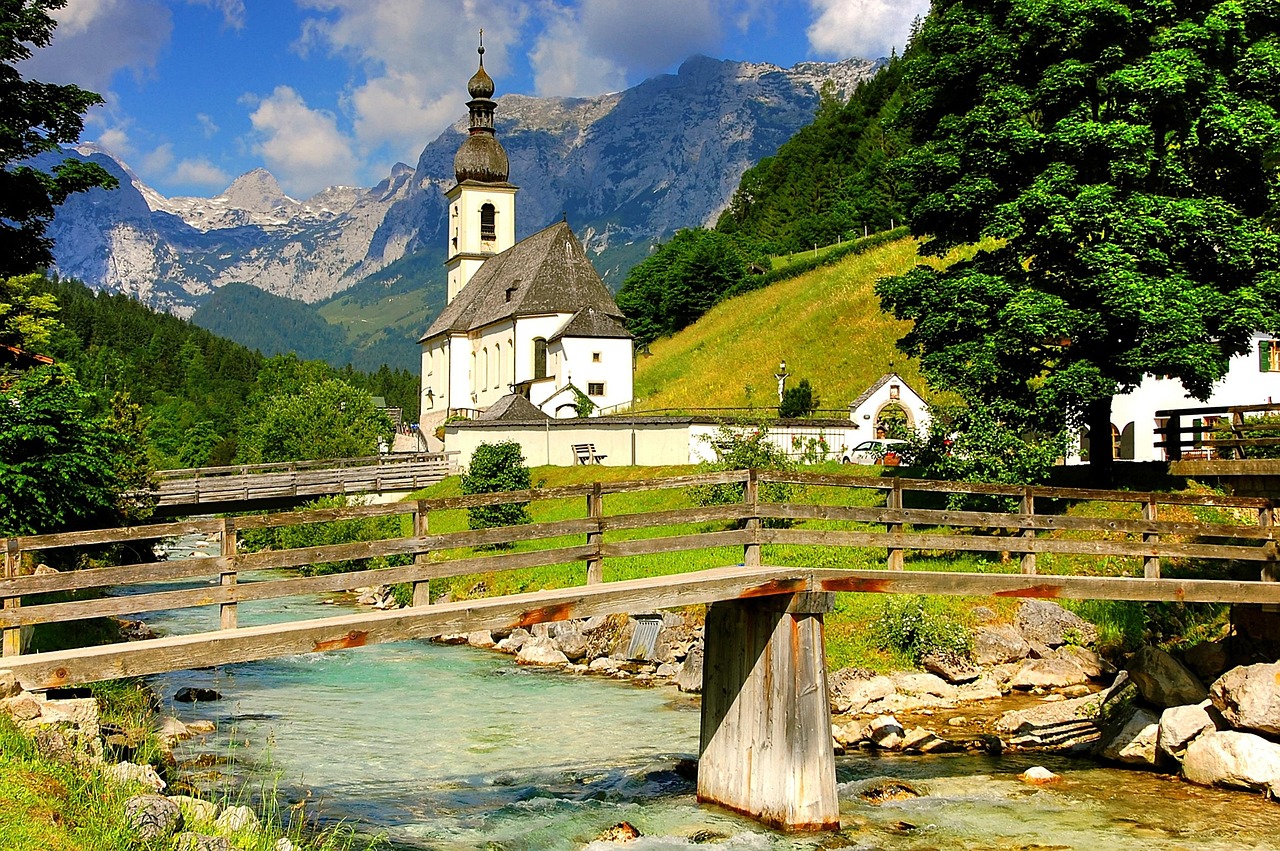
Around Berchtesgaden, countless small churches and chapels dot the hillsides. I often step inside when I pass one open – not just for the artwork, but for the feeling of continuity: these are places where local families mark births, marriages, funerals.
Respectful, quiet visits are welcome. You’ll often find candles you can light for a small donation.
20. Alpine Farms & Cheese Huts – Taste of the High Pastures
Some of my favorite meals in Berchtesgaden haven’t been in restaurants but at rustic alpine huts (Almen) reached on foot. In summer, many farms open simple terraces, serving fresh cheese, buttermilk, bread, and cured meats.
There’s something deeply satisfying about hiking for your lunch and then sitting with it among grazing cows and panoramic views.
Tips
- Cash only: Most huts don’t take cards.
- Seasonal: Usually late spring to early autumn; check locally which huts are open.
21. Markets & Seasonal Festivals
The weekly markets and seasonal events are where Berchtesgaden feels least touristic and most like a town living its own life.
- Weekly market: Fresh produce, cheeses, meats, and crafts. I love grabbing fruit and picnic supplies here.
- Berchtesgadener Advent: The Christmas market lines the historic center with wooden stalls, mulled wine, and crafts – smaller and more intimate than big-city markets.
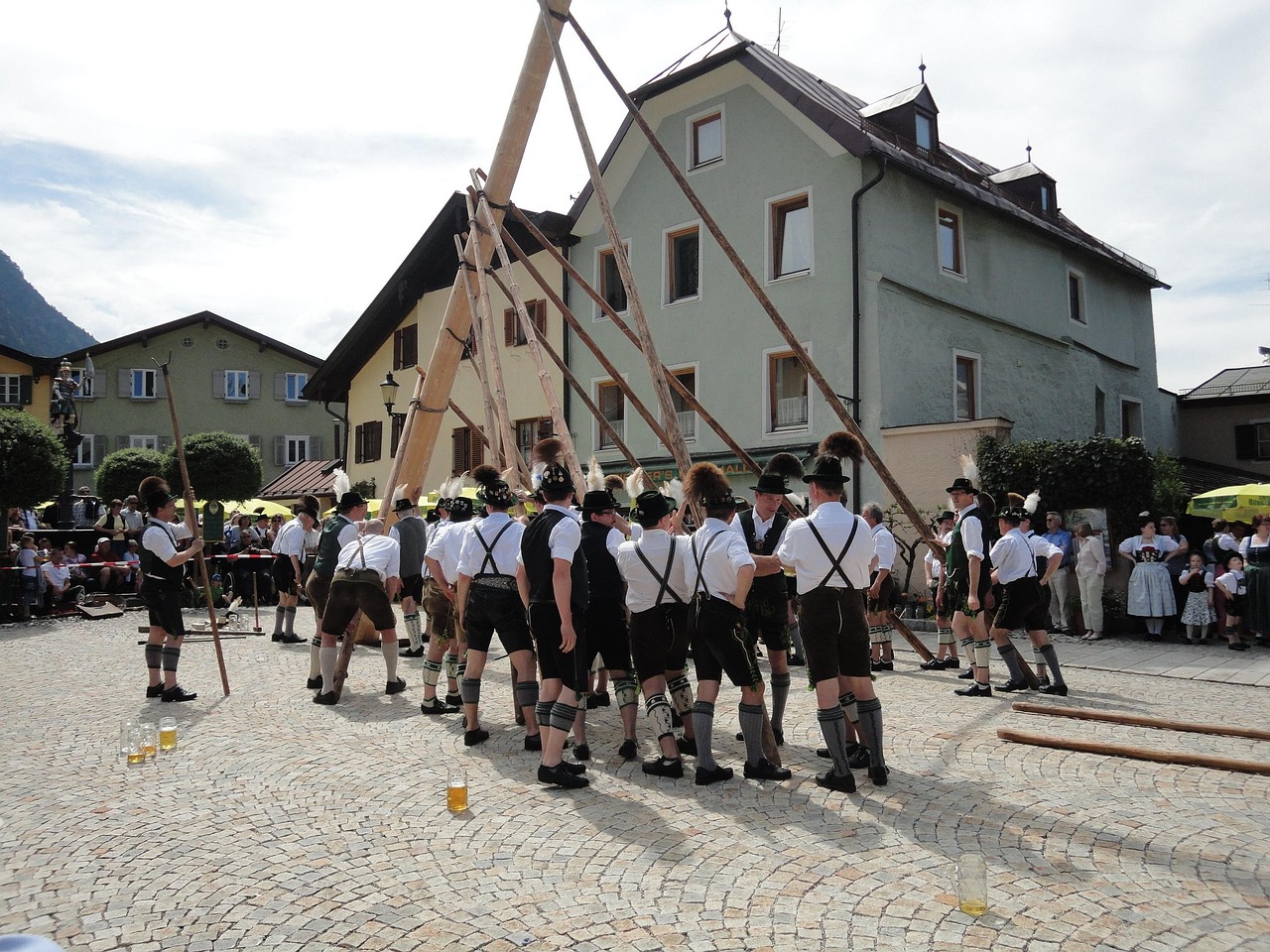
- Traditional music evenings: Locals in Tracht (traditional dress) perform folk music and dances, often in inns or on small stages.
3–5 Day Itineraries for Berchtesgaden (With Personal Stories)
Below are suggested itineraries for 3 days in Berchtesgaden, 4 days in Berchtesgaden, and 5 days in Berchtesgaden. They’re based on how I actually move through the region – a mix of headline sights, quieter corners, and slow moments.
3 Day Itinerary for Berchtesgaden – Essence of the Alps
If you have only three days, focus on the absolute must-see attractions in Berchtesgaden: Königssee, the historic town, and key viewpoints.
Day 1 – Altstadt, Salt Mine & Sunset Views
I like to start my trips gently. On my most recent three-day stay, I arrived late morning, dropped my bag at a small guesthouse near the center, and headed straight for the Marktplatz.
- Morning:
- Stroll the Altstadt: Visit the Collegiate Church, peek into the Royal Castle courtyard, and wander side lanes.
- Coffee break: I usually stop at a café with outdoor seating, order a Cappuccino and a slice of cake, and watch life unfold.
- Afternoon:
- Berchtesgaden Salt Mine tour. On one rainy visit, I joined an early afternoon tour and loved the contrast between the cool depths and the humid world above. It’s a good way to beat jet lag – the movement and novelty keep you awake.
- Evening:
- Walk or bus up to Hintereck for a first panorama of town and Watzmann. If the sky is clear, stay for sunset.
- Dinner at a traditional Gasthaus in town: I often order Schweinsbraten (roast pork) with Knödel (dumplings) or a hearty Käsespätzle (cheesy noodles).
Tip: If you’re tired from travel, skip Hintereck and instead do a gentle Weinfeldweg loop straight from town – you’ll still get lovely views.
Day 2 – Königssee, St. Bartholomä & Obersee
This is your big lake day. I always set an alarm and aim for one of the first boats – it’s worth the effort.
- Early Morning:
- Bus to Schönau am Königssee, short walk to the docks.
- Grab a quick bakery breakfast near the shore (a Butterbreze – buttered pretzel – is my go-to) and coffee.
- Mid-Morning:
- Boat to St. Bartholomä. Enjoy the echo demonstration, then disembark to explore the chapel and shoreline.
- Late Morning – Afternoon:
- Continue by boat to Salet and walk to Obersee. Take your time around the boathouse viewpoint.
- If energy allows, hike to Fischunkelalm for a simple lunch of bread, cheese, and buttermilk.
- Late Afternoon:
- Return by boat to Schönau.
- If you still have strength, ride the Jennerbahn for a short summit walk; otherwise, linger at a lakeside café.
- Evening:
- Back to Berchtesgaden for an easy dinner. I usually crave something warm and carb-heavy after a full lake-and-hike day.
Family-friendly note: You can shorten the day by skipping Obersee and just enjoying St. Bartholomä and the Malerwinkel walk.
Day 3 – Obersalzberg, Eagle’s Nest & Farewell Walk
Your last day combines heavy history and light, airy vistas.
- Morning:
- Head to Obersalzberg. Depending on scheduling in 2026, visit the Documentation Center first to ground yourself in the historical context.
- Midday – Afternoon:
- Bus to the Kehlsteinhaus (Eagle’s Nest), tunnel, and elevator to the top.
- Walk the paths around the summit area and soak in the views.
- Lunch at the mountaintop restaurant or back down in Obersalzberg.
- Late Afternoon:
- Return to town and do a final circuit through the Altstadt, picking up any last gifts or snacks for the road.
- Evening (if staying one more night):
- Try a different restaurant or a small wine bar, and toast the trip with a local beer or Schnaps.
Alternative (in bad weather): Swap the Eagle’s Nest with the Watzmann Therme spa and a longer café-and-museum day in town.
4 Day Itinerary for Berchtesgaden – Adding Valleys & Gorges
With four days, you can keep all of the above and add Ramsau–Hintersee plus a gorge. This makes for a wonderfully balanced trip.
Day 4 – Ramsau, Hintersee & Wimbachklamm
On my favorite four-day itinerary, I dedicate the last full day to the Ramsau valley. It feels like stepping into a painting after the busier lakefront of Königssee.
- Morning:
- Bus to Ramsau. Start with the classic church-and-bridge view, then wander a bit through the village.
- Continue to Hintersee. Walk the full lakeside loop, taking advantage of benches and photo stops.
- Lunch:
- Pack a picnic or eat at a lakeside café. I usually bring simple bread, cheese, and fruit from the market and find a quiet spot by the water.
- Afternoon:
- Return towards Ramsau and visit Wimbachbrücke to enter Wimbachklamm gorge.
- Walk through the gorge, then continue a bit up the Wimbach Valley if you have energy.
- Evening:
- Back to Berchtesgaden for a final “grand” meal: maybe a mixed plate of local specialties and a dessert like Apfelstrudel or Kaiserschmarrn.
Tip: If you’re more of a spa person than a hiker, cut the valley hike short and spend the late afternoon/evening at Watzmann Therme instead.
5 Day Itinerary for Berchtesgaden – Deeper into the Alps
With five days, you’re in luxury territory. You can build in rest time, a longer hike, and perhaps a side trip to Salzburg.
Day 5 – Choose Your Own Adventure: Peak, Spa, or Salzburg
I usually use the fifth day as a “flex day” depending on weather and mood:
- Option A – Hiking Focus:
- Take Jennerbahn up and do a longer loop hike along ridges and pastures. Pack a proper picnic and plenty of water.
- Or hike from Wimbachbrücke up the Wimbach Valley deeper into the National Park.
- Option B – Relaxation Focus:
- Late breakfast in the Altstadt, slow walk on Weinfeldweg, long afternoon at Watzmann Therme, leisurely dinner.
- Option C – City Contrast (Salzburg):
- Train or bus to Salzburg (about 1 hour), explore its baroque old town, fortress, and cafés, then return to Berchtesgaden by evening.
On one spring trip, after several big hiking days, I chose Option B. I spent half the day between steam rooms and warm pools, then sat under a castle-side restaurant’s awning as a light rain fell, sipping a glass of Grüner Veltliner and feeling absolutely no guilt about not climbing anything that day.
Best Local Food & Drink in Berchtesgaden
Bavarian food is not shy: it’s hearty, meaty, and often carb-heavy – perfect after big mountain days. In Berchtesgaden, you’ll find traditional dishes, alpine specialties, and a growing number of lighter, more modern options.
Local Dishes to Try
- Schweinsbraten: Roast pork with crispy crackling and dark beer gravy, usually served with Knödel (dumplings) and cabbage.
- Käsespätzle: Soft egg noodles tossed with mountain cheese and fried onions. A vegetarian favorite and serious comfort food.
- Weißwurst: Traditional white sausages, usually a breakfast/early lunch dish, served with sweet mustard and pretzel.
- Forelle (Trout): Fresh from cold mountain streams, grilled or pan-fried.
- Brettljause/Brotzeit: A wooden board of cheeses, cured meats, pickles, and bread – especially good at alpine huts.
- Kaiserschmarrn & Apfelstrudel: Classic desserts that pair dangerously well with mountain air.
Drinks
- Local beers: Helles (pale lager), Dunkel (dark), and Weizen (wheat beer) from Bavarian breweries.
- Radler: Beer mixed with lemonade – refreshing after hikes.
- Schnaps: Fruit brandies (Obstler), often homemade or from small distilleries.
- Almdudler & Spezi: Popular soft drinks; Almdudler is herbal, Spezi is cola + orange soda.
Where to Eat (Types of Places & Personal Notes)
Specific venues can change, but here’s the kind of places I gravitate towards:
- Traditional Gasthäuser in the Altstadt: Wood-paneled dining rooms, servers in Dirndl or Lederhosen, handwritten specials. I come here for classic plates and regional beers.
- Alpine huts (Almen): Reached on foot, serving simple, ultra-local food. My favorite lunch memory is sitting on a creaky bench with a wooden plate of Bergkäse (mountain cheese), radishes, and thick bread, watching clouds roll up the valley.
- Cafés & Konditoreien: Perfect for coffee and cake breaks. Try seasonal fruit tarts in summer and heavier chocolate or nut cakes when it’s cold.
- Lakefront & mountain restaurants: Near Königssee and at Jenner’s top station – more touristy but unbeatable views.
Money-Saving Food Tips
- Lunch deals: Many places have cheaper lunchtime menus; eat your main meal midday and go lighter in the evening.
- Supermarket picnics: Local supermarkets offer excellent bread, cheese, fruit, and snacks. I often do picnic lunches on hike days.
- Tap water: It’s excellent and safe to drink. In restaurants, bottled water is common; you can ask politely for “Leitungswasser,” but not all places offer it.
Nightlife, Entertainment & Cultural Experiences
Berchtesgaden’s nightlife is low-key. Think cozy pubs, hotel bars, and occasional live music rather than clubs. Evenings tend to start early and end relatively early – especially outside peak season.
Evening Options
- Traditional inns & beer gardens: Relaxed, social, and great for sampling local beers.
- Hotel bars: Some of the larger hotels have pleasant lounges with cocktails and wine lists.
- Live folk music nights: Often held in Gasthäuser or at festivals; check posters or ask your accommodation.
- Night walks: My favorite “nightlife” in Berchtesgaden is actually a walk: through the softly lit Altstadt or along quiet side roads with mountain silhouettes against the sky.
Cultural Experiences
- Traditional music & dance performances: Especially in summer and around festivals, local groups perform Schuhplattler (traditional dances) and brass band sets.
- Church services & concerts: Occasionally, you’ll find organ or choral concerts in local churches – an intimate way to experience the architecture and acoustics.
- Festivals & processions: If your trip coincides with religious holidays or local feasts, you may see processions with people in Tracht, carrying banners and statues.
Day Trips & Nearby Attractions from Berchtesgaden
Berchtesgaden makes a great base for exploring the wider region. Here are some of my favorite day trips:
1. Salzburg, Austria
Just across the border, Salzburg offers baroque architecture, music history, and a more urban contrast to Berchtesgaden’s mountains.
- Travel: About 1 hour by bus or train (sometimes a combo). Check regional tickets which can be very affordable.
- Highlights: Fortress Hohensalzburg, Mirabell Gardens, Mozart-related sites, old town lanes.
2. Bad Reichenhall
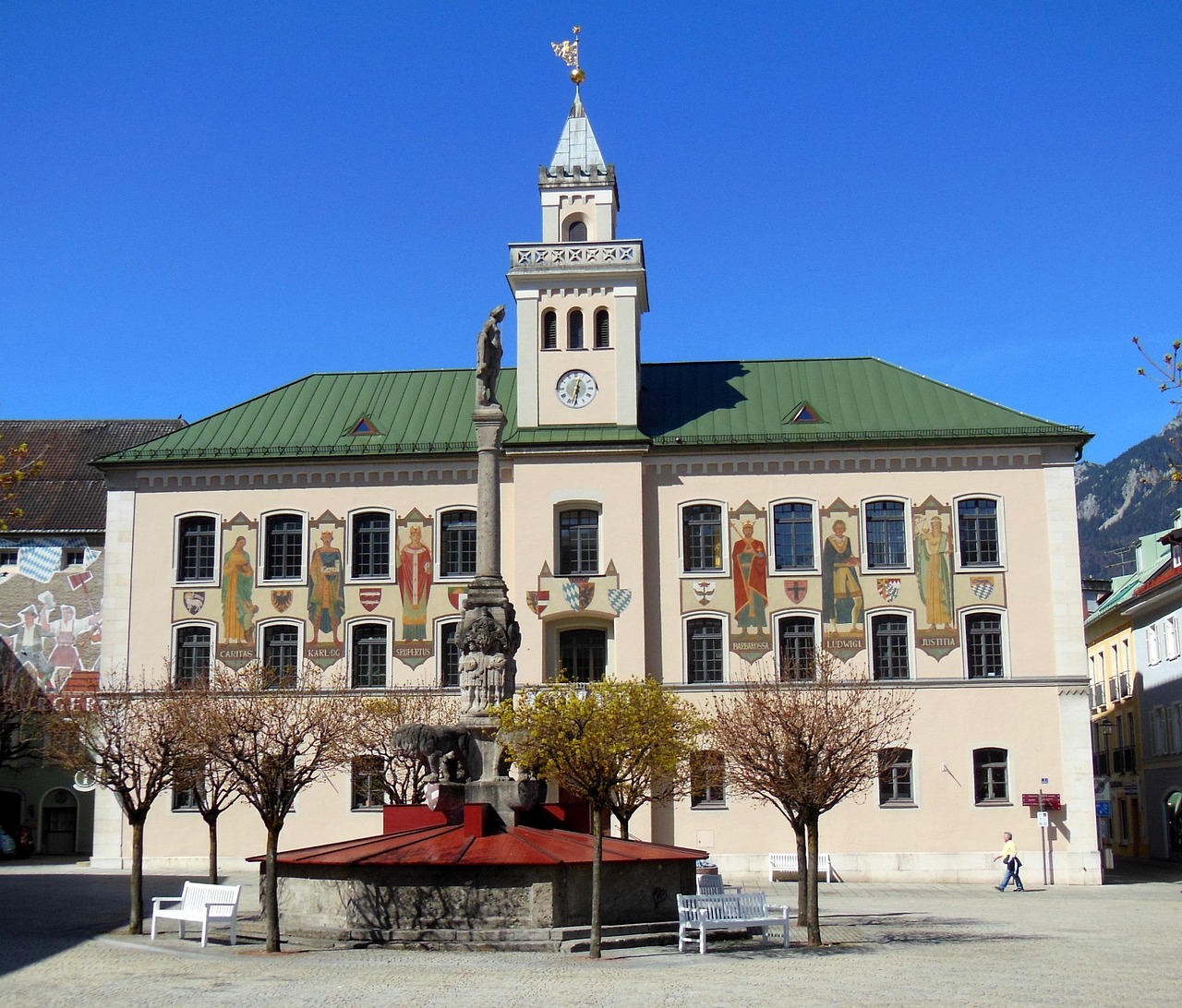
A spa town with elegant architecture, parks, and salt-related history. Quieter than Salzburg, with a gentle, slightly old-fashioned charm.
3. Chiemsee
A larger lake with islands, including Herrenchiemsee with its palace built by King Ludwig II. Farther away but doable as a long day trip by car or a combination of trains and buses.
4. Additional Alpine Valleys & Peaks
Within the Berchtesgaden region itself, you can spend extra days exploring other valleys, lesser-known peaks, or repeating favorite places in different light and weather.
Cultural Etiquette & Local Customs in Berchtesgaden
Bavarians are generally warm but reserved. Politeness, punctuality, and a certain calmness are appreciated.
Greetings & Communication
- Greetings: “Grüß Gott” is common; “Guten Tag” or “Hallo” also work.
- Politeness: Use “Bitte” (please) and “Danke” (thank you) frequently.
- Formal vs. informal: Use “Sie” (formal “you”) with strangers and older people unless invited to use “du.”
- English: Many people in tourism speak some English, but not everyone. A few German phrases go a long way.
In Restaurants & Cafés
- Seating: In busy times, it’s often acceptable to share tables; ask “Ist hier frei?” (Is this seat free?).
- Paying: Ask “Zahlen, bitte” or “Die Rechnung, bitte” to get your bill. Tipping around 5–10% is customary; round up and hand it directly to the server.
In the Mountains & Nature
- Stay on marked paths: Protects fragile alpine ecosystems and keeps you safe.
- Respect quiet: Loud music and shouting are frowned upon in nature areas.
- Alpine hut etiquette: Greet hosts, follow posted rules, and don’t bring outside food into hut dining rooms if you’re not buying anything.
Dress & Behavior
- Churches: Dress modestly; shoulders and knees covered is a good guideline.
- Traditional clothing: Locals may wear Tracht for festivals or even everyday life; it’s not a costume, but part of their identity.
Practical Travel Advice & Money-Saving Tips for Berchtesgaden
When to Visit & Seasonal Highlights
- Spring (April–June): Melting snow, waterfalls at their strongest, wildflowers starting. Some higher trails may still be snow-covered in early spring.
- Summer (July–August): Warm, long days, all facilities open, ideal for hiking and lake trips – but also the busiest.
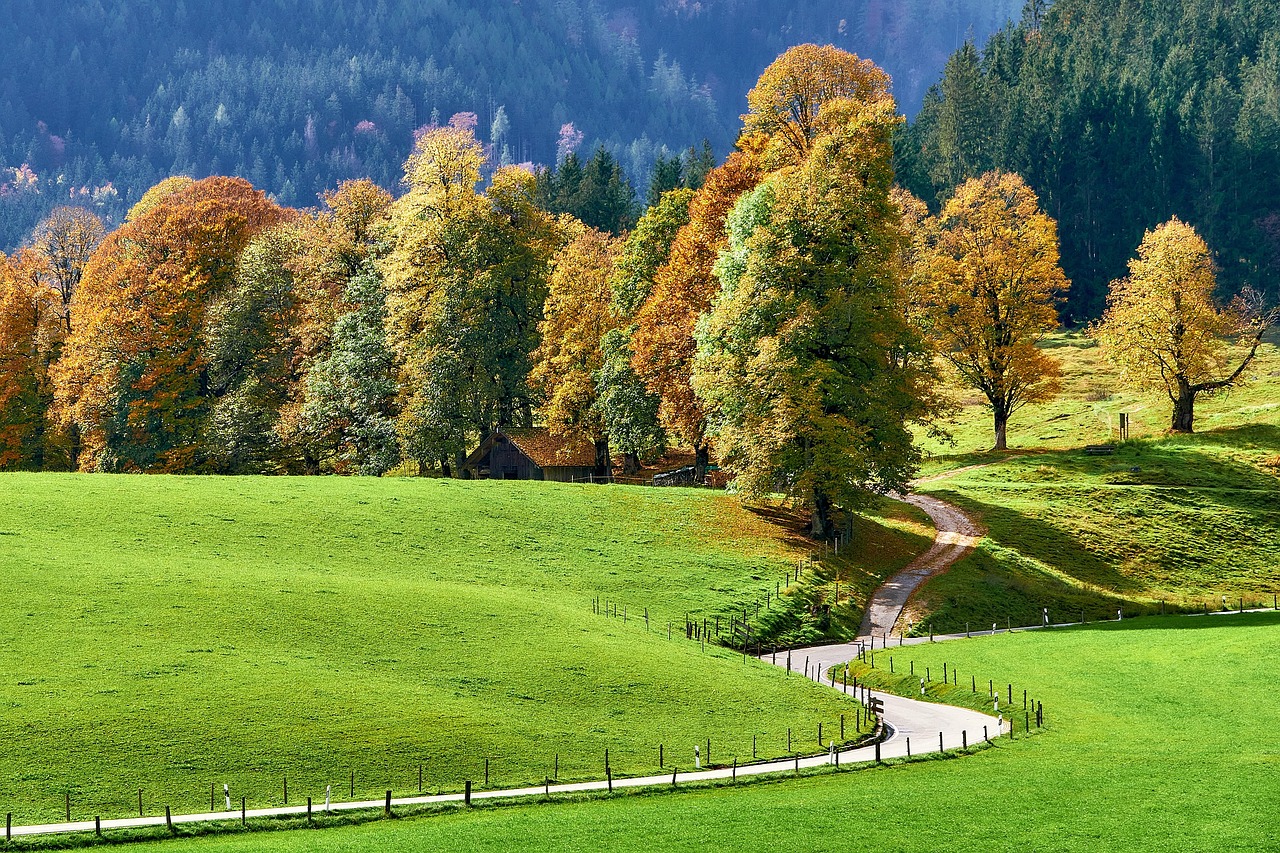
- Autumn (September–October): My personal favorite: crisp air, golden forests, fewer crowds, Almabtrieb events.
- Winter (December–March): Skiing, snowshoeing, Christmas markets, cozy evenings. Some high roads and trails closed.
Getting To & Around Berchtesgaden
Arriving
- Nearest airports: Salzburg (closest), Munich. From either, connect by train/bus.
- Train: Regional trains link Berchtesgaden to Salzburg and the wider German network, often with one change.
Local Transport
- Buses: Efficient network connecting Berchtesgaden with Königssee, Ramsau, Obersalzberg, etc. Many guest cards include local bus discounts or free rides.
- On foot: The town itself is walkable; many viewpoints and easy trails start near the center.
- Car rental: Useful if you want maximum flexibility, especially with children or elderly travelers. Parking can be tight near main attractions in peak season; arrive early.
Driving & Licenses
- Foreign driver’s license: EU licenses are fully accepted. Many other countries’ licenses are accepted if they are in Latin script; an International Driving Permit is recommended if your license is in another script or for car rental companies’ policies.
- Rules: Strict speed limits, mandatory seatbelts, and no tolerance for drinking and driving. In winter, winter tires are required under certain weather conditions.
SIM Cards & Connectivity
- EU visitors: Roaming within the EU is usually included in home plans – check before travel.
- Non-EU visitors: Prepaid SIMs from major German providers (Telekom, Vodafone, O2) are available in supermarkets and electronics shops; activation may require ID.
- Coverage: Generally good in town and valleys; patchy or absent deep in gorges and high mountains.
Money & Costs
- Currency: Euro.
- Cards vs. cash: Cards increasingly accepted, but smaller places and alpine huts may be cash-only – always carry some cash.
- Budget tips:
- Use guest cards for discounted/free transport.
- Plan a mix of restaurant meals and supermarket picnics.
- Take advantage of regional transport day passes.
Accommodation Tips
- Altstadt & town center: Best for first-time stays, easy access to buses and restaurants.
- Schönau am Königssee: Perfect if you want to wake up near the lake.
- Ramsau & Bischofswiesen: Quieter and more rural; great for longer stays and self-catering apartments.
- Booking: For July–August and Christmas/New Year, book well in advance.
Visa Requirements
- Schengen Area: Germany is in the Schengen zone. Many nationalities can enter visa-free for short stays (up to 90 days in 180) – check the latest Schengen rules for your passport.
- Documentation: Ensure your passport is valid for at least three months beyond your planned departure and has sufficient blank pages.
Safety & Health
- General safety: Berchtesgaden is very safe; usual common-sense precautions apply.
- Mountain safety: Weather changes quickly. Always check forecasts, carry layers, and don’t underestimate distances or difficulty ratings.
- Insurance: Travel insurance including mountain rescue is strongly recommended if you plan to hike.
Hidden Tips & Small Tricks
- Start early: For popular sights like Königssee and gorges, 1–2 hours earlier than “normal” makes a huge difference.
- Off-peak travel: Late May–June and September–October often bring better value and fewer crowds than high summer.
- Pack a light daypack: Always carry water, snacks, a light jacket, and sun protection; you’ll use them every day.
- Talk to locals: Ask your guesthouse owner or hut host for their favorite short walks or viewpoints; I’ve discovered some of my best “hidden gems in Berchtesgaden” that way.
Summary & Final Recommendations
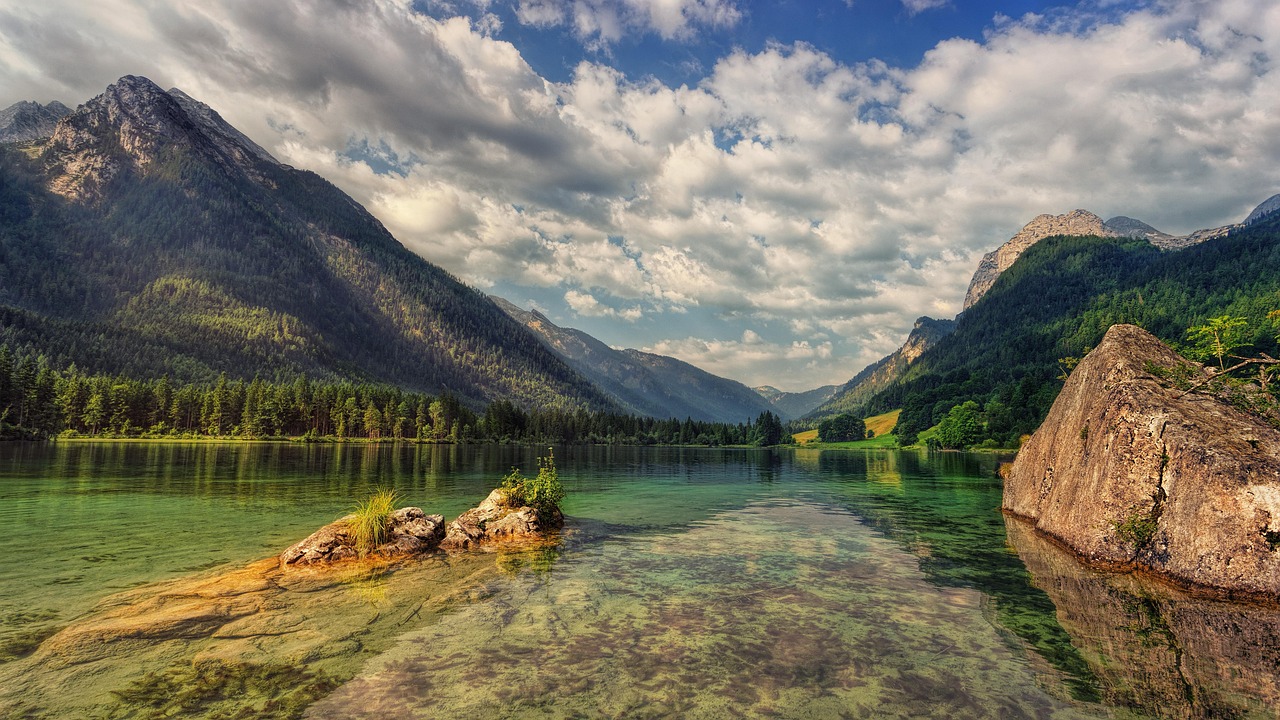
Berchtesgaden is a place where your days can be full of big landscapes and your evenings full of small pleasures – a plate of warm Käsespätzle, a cool beer in a quiet square, the sound of bells echoing off the Watzmann at dusk.
For a first visit, I recommend:
- 3 days in Berchtesgaden: Focus on Königssee, Altstadt, the Salt Mine, and Eagle’s Nest or a major viewpoint.
- 4 days in Berchtesgaden: Add Ramsau, Hintersee, and at least one gorge (Wimbachklamm or Almbachklamm).
- 5 days in Berchtesgaden: Add a longer hike, a spa day, or a Salzburg side trip.
Best seasons to visit Berchtesgaden:
- For hiking & lakes: Late May–October, with September–early October my top pick.
- For snow & Christmas markets: December–March, with Advent period (late November–December) ideal for festive atmospheres.
Whether you’re planning a compact 3 day itinerary for Berchtesgaden or stretching to a full 5 day itinerary for Berchtesgaden, this corner of the Alps rewards every extra day you can give it. Come with sturdy shoes, an open schedule, and a willingness to slow down – the mountains will do the rest.