Why Visit Brandenburg an der Havel?
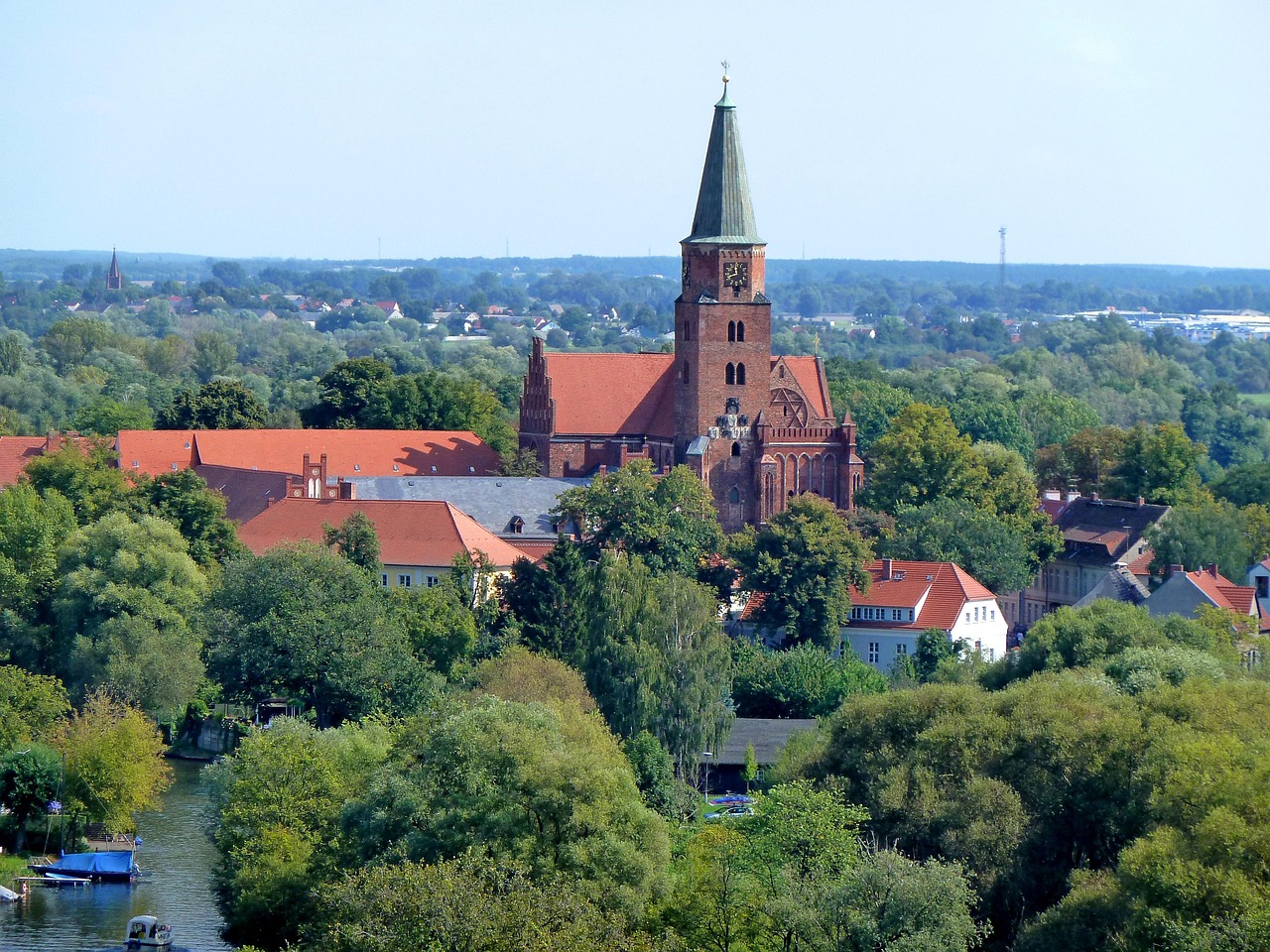
Brandenburg an der Havel is often called the “cradle of the Mark Brandenburg” – the historical core of what later became the state of Brandenburg and eventually Prussia. But that sounds much more solemn than the city actually feels. On the ground, it’s a relaxed water town where you can spend the morning exploring must-see attractions like brick Gothic churches and medieval gates, the afternoon paddling between islands, and the evening on a waterside terrace watching the sun dissolve into the Havel.
What makes Brandenburg an der Havel special in 2026:
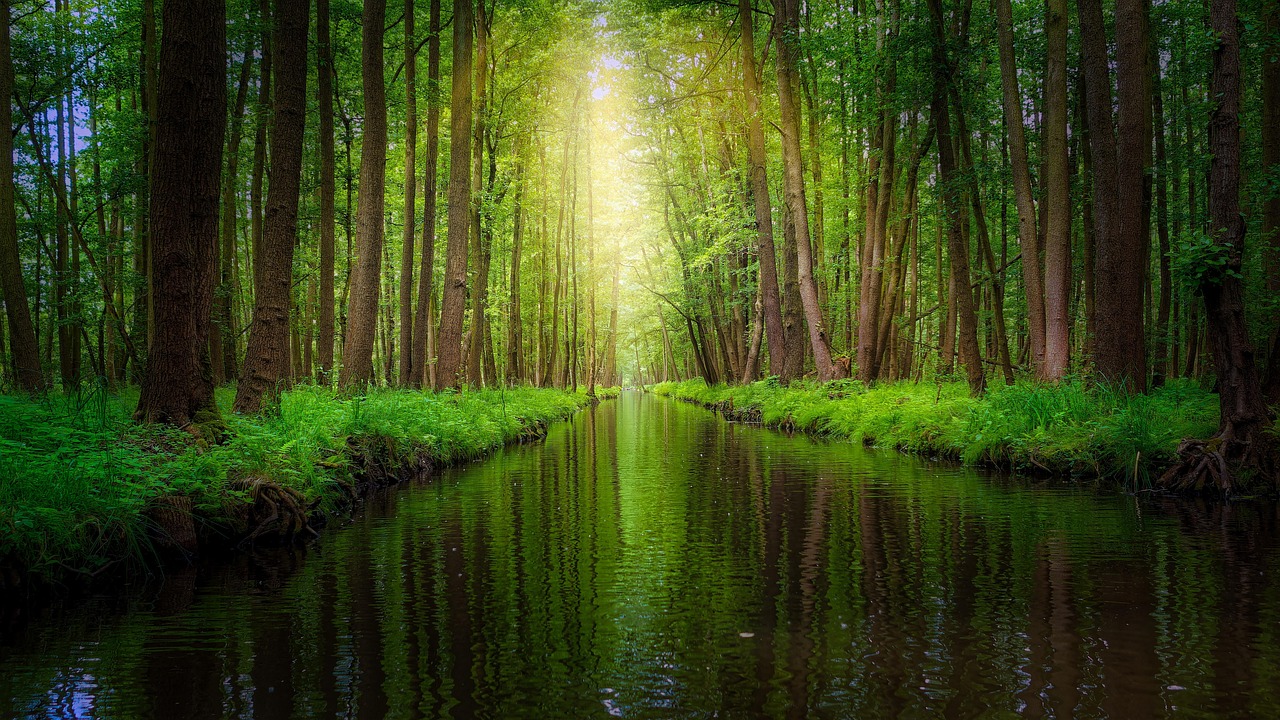
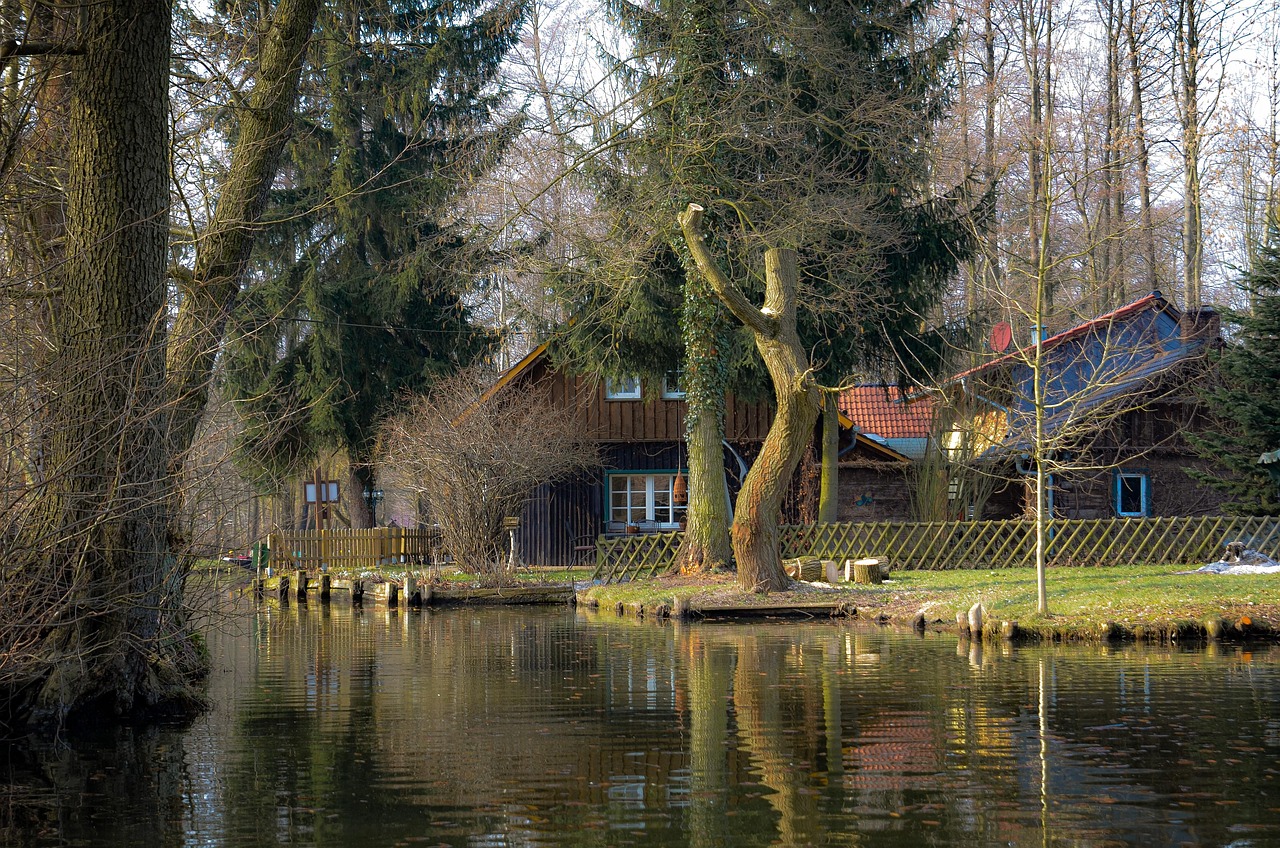
- Water everywhere: The city is spread across several islands and peninsulas along the Havel River and its lakes. It’s heaven if you love boating, SUP, kayaking, or just being near water.
- Gothic brick architecture: Massive red-brick churches, monasteries, and gates dominate the skyline. They’re some of the finest examples of North German brick Gothic you’ll find outside of Lübeck and Stralsund.
- Relaxed, non-touristy atmosphere: This is not a tourist factory. You’ll share streets, cafés, and parks mostly with locals, Berlin weekenders, and a few cyclists on long-distance routes.
- Easy access from Berlin: Direct regional trains (RE1) from Berlin and Potsdam make Brandenburg an der Havel ideal for a 3–5 day stay or even a base for exploring western Brandenburg.
- Affordable and authentic: Compared to Berlin, prices for food, stays, and activities are gentle. And “local food in Brandenburg an der Havel” still means hearty German classics, regional fish, and honest cakes.
- Genuinely family friendly: Traffic is light in the historic core, there are plenty of playgrounds, shallow lakeshores, and kid-friendly museums.
- Perfect for slow travelers: If you like wandering, reading by the water, and exploring side streets instead of checking off big-ticket sights, this city is made for you.
Whether you’re planning a 3 day itinerary for Brandenburg an der Havel, a relaxed 4 day itinerary, or a slow 5 days in Brandenburg an der Havel, you’ll find more than enough things to do, from cultural experiences to outdoor adventures and local food discoveries.
Table of Contents
- Quick Overview & Orientation
- Suggested Itineraries: 3, 4, and 5 Days in Brandenburg an der Havel
- Top 20 Attractions & Experiences (Deep Dive)
- Neighborhoods & Areas to Explore
- Local Food & Drink
- Nightlife, Entertainment & Cultural Experiences
- Day Trips from Brandenburg an der Havel
- What’s New in 2026–2027: Events & Festivals
- Cultural Etiquette & Local Customs
- Practical Travel Tips & Money-Saving Advice
- Summary & Best Time to Visit
Quick Overview & Orientation
Brandenburg an der Havel sits in western Brandenburg state, about 70 km west of Berlin. The city sprawls around the Havel River, which widens into several lakes (Beetzsee, Breitlingsee, Plauer See). The historic core is split mainly into three areas: the old cathedral island (Dominsel), the New Town (Neustadt), and the Old Town (Altstadt).
Mentally, I always divide the city like this:
- Dominsel: Quiet, atmospheric island dominated by the cathedral. Best for history, contemplative walks, and riverside time.
- Altstadt (Old Town): Medieval street grid, old market squares, and many of the main must-see attractions in Brandenburg an der Havel.
- Neustadt (New Town): “New” only in medieval terms—still centuries old. Lively shopping streets, cafés, and more residential feel.
- Western Lakes (Breitlingsee, Plauer See): Water sports, nature, camping, and relaxed summer restaurants.
- Beetzsee & Northern Lakes: Rowing regatta course, tranquil reed-lined shores, and bird life.
In 2026, Brandenburg an der Havel feels well-connected yet pleasantly off-radar. The RE1 train line was upgraded in 2025, making trains more frequent and reliable, and new cycling infrastructure along the Havel has made it easier to explore on two wheels.
Suggested Itineraries: 3, 4, and 5 Days in Brandenburg an der Havel
To help you choose between a 3 day itinerary for Brandenburg an der Havel, a slightly slower 4 day itinerary, or a full 5 day itinerary, here’s how I’d plan the days based on multiple visits. I’ll outline each day concisely here, then we’ll dive into the individual attractions in the next section.
3 Days in Brandenburg an der Havel – Classic Highlights & Water Time
For many visitors, 3 days in Brandenburg an der Havel is the sweet spot: enough time for the major sights, a boat trip, and slow evenings along the Havel.
Day 1 – Old Town, Cathedral Island & Evening by the Havel
- Morning: Arrive by train, check in, stroll through Altstadt, Altstädtischer Markt, and the Old Town Hall with its Roland statue.
- Midday: Walk over to Dominsel, visit Brandenburg Cathedral, and wander the riverside paths.
- Afternoon: Coffee and cake in a Dominsel café, then explore nearby museums (e.g., Cathedral Museum or small local exhibitions).
- Evening: Dinner at a riverside restaurant; sunset walk along the Havel promenade.
Day 2 – Brick Gothic, Museums & a Boat Trip
- Morning: Visit St. Katharinenkirche and St. Gotthardtkirche; climb a tower for views if available.
- Midday: Explore the Brandenburg Industrial Museum (Industriemuseum Brandenburg) or Archaeological State Museum.
- Afternoon: Take a Havel or lake cruise, or rent a small electric boat or SUP.
- Evening: Try local fish dishes, maybe catch a small concert or open-air event (in summer).
Day 3 – Lakes, Nature & Hidden Corners
- Morning: Head to the western lakes (Plauer See, Breitlingsee) for walking, a swim, or a relaxed café visit.
- Midday: Picnic by the water or lunch at a lakeside restaurant.
- Afternoon: Explore quieter neighborhoods, small galleries, or rent a bike to ride along the Havel.
- Evening: Final dinner in the Old Town, night stroll under the brick churches.
4 Days in Brandenburg an der Havel – Slow Travel & Local Life
If you have 4 days in Brandenburg an der Havel, you can stretch everything out a bit and add more hidden gems and local experiences.
- Days 1–3: Follow the 3-day plan, but take your time—maybe spend longer on Dominsel or add a second boat trip.
- Day 4: Dedicated to local life and hidden gems:
- Visit a weekly market for regional products.
- Explore residential streets in Neustadt and find your favorite café.
- Rent a bike and follow the Havelradweg (Havel cycling path) for a few hours.
- In the evening, check out a local bar or small cultural event.
5 Days in Brandenburg an der Havel – Deep Dive, Day Trips & Full Relaxation
A 5 day itinerary for Brandenburg an der Havel lets you really sink into the city’s rhythm and add a day trip or two.
- Days 1–3: Same as 3-day classic route.
- Day 4: Lakes and active day (SUP, kayak, longer hike or bike ride, or a full-day boat rental).
- Day 5: Day trip to a nearby highlight (e.g., Werder (Havel), Kirchmöser, or a nature reserve), then a final slow evening back in Brandenburg.
In the extended sections below, I’ll weave in more detailed, narrative-style day plans and experiences—almost like reading my travel diary—while also giving you practical, SEO-focused tips on things to do in Brandenburg an der Havel and how to structure 3–5 days in Brandenburg an der Havel efficiently.
Top 20 Attractions & Experiences in Brandenburg an der Havel
Here are at least twenty of the best places to visit in Brandenburg an der Havel—the classic highlights and some lesser-known hidden gems in Brandenburg an der Havel. For each, I’ll share what it is, why it matters, and some personal tips from multiple visits.
1. Dominsel & Brandenburg Cathedral (Dom St. Peter und Paul)
Best for: History lovers, photographers, couples, quiet seekers.
Dominsel is the spiritual and historical heart of the region. The cathedral’s first stones date back to the 12th century, making it one of the oldest in northern Germany. Even if you’re not religious, you feel the weight of centuries here: the way the red brick glows in late afternoon, the quiet of the cloister, the faint smell of old wood and stone.
The first time I came, it was a chilly March day. I walked over the bridge from the Altstadt, mist hanging low over the Havel. As I stepped onto the island, the city noise dropped away, replaced by the sound of crows and the soft rush of the river. Inside the cathedral, an organ rehearsal was in progress—those deep notes filling the nave felt like a private concert.
Highlights & what to see:
- The cathedral nave and choir, with impressive Gothic architecture.
- The Romanesque cloister – one of my favorite corners for quiet reflection.
- The Cathedral Museum (Dommuseum), with medieval art, liturgical objects, and archaeological finds.
- The cemetery and small paths around the island’s edges, offering views back toward the city.
Tips:
- Come in the late afternoon for beautiful light on the brick walls and fewer tour groups.
- Check the cathedral website for organ concerts—listening here is a highlight of any cultural trip.
- Combine your visit with a coffee break at a nearby café; in summer I often grab an ice cream and sit by the water watching boats glide past.
Getting there: From the main station, take bus or walk (about 20–25 minutes). From Altstädtischer Markt, it’s about a 10-minute walk across the Jahrtausendbrücke.
2. Altstädtischer Markt & Old Town Hall (Altstädtisches Rathaus)
Best for: First-time orientation, architecture fans, people-watchers.
The Altstädtischer Markt is where I always suggest starting a first walk. The square is framed by pastel facades and anchored by the red-brick Old Town Hall with its ornate Gothic gables and the Roland statue guarding the entrance.
I still remember arriving one sunny June afternoon (I’d rushed here right after work in Berlin). A small farmers’ market was in full swing: stalls selling local honey, fresh strawberries, and white asparagus, kids chasing each other around the fountain, and grandmothers chatting over flower bouquets. It was one of those scenes that instantly told me, “You’re not in Berlin anymore.”
Why it matters: The Roland statue symbolizes city rights and freedom; many German towns have them, but this one stands out sharply against the town hall’s brickwork. The market square is also one of the best spots to feel the city’s scale and rhythm.
Tips:
- Look up: many houses around the square have beautiful stucco details and historic plaques.
- Come during market days (usually certain weekdays and Saturdays; ask your accommodation or tourist info for current times in 2026) to see local life.
- This is a good place to orient yourself: from here you can walk to the Havel, Dominsel, St. Katharinenkirche, and Neustadt.
3. St. Katharinenkirche
Best for: Architecture lovers, music fans, couples.
St. Katharinenkirche is one of those churches that seems to loom over you even from several streets away. Built in the 14th century, it’s a masterpiece of brick Gothic with intricate tracery and tall, narrow windows.
One summer evening, I ducked into the church just as a choir rehearsal was starting. The conductor gave me a small nod as if to say, “Stay, if you’re quiet.” I sat in a pew halfway back and listened as the voices climbed into the vaulted ceiling. Outside, the sky turned pink; inside, the late sun filtered through stained glass. It felt like being wrapped in sound and light.
Highlights:
- The vast interior space and delicate ribbed vaulting.
- The organ and occasional concerts.
- Stone details on the exterior; walk around the building to appreciate its full scale.
Tips: Check for concerts or evening events—it’s one of the most atmospheric cultural experiences in Brandenburg an der Havel. Dress modestly (no problem if you’re in casual clothes, but avoid hats inside).
4. St. Gotthardtkirche
Best for: History buffs, quiet seekers, photographers.
St. Gotthardtkirche stands slightly away from the main tourist flow, which is exactly why I love it. It’s older than St. Katharinenkirche and has a more intimate feel. The streets around it are charming, with old houses and glimpses of the Havel.
I stumbled upon it on my second trip. I’d taken a wrong turn—one of my favorite travel strategies—and suddenly there it was, framed by flowering trees. Inside, a volunteer guide shared stories about the church’s role in the Reformation and the local community. I left with a small leaflet and a sense of having found something quietly important.
Tip: Combine your visit with a walk to the nearby riverside; in the late afternoon, the light on the church tower is fantastic for photos.
5. Slavic Fort (Slawenburg / Archaeological State Museum context)
Best for: History geeks, families, anyone curious about early medieval Europe.
Before there was a German town here, there was a Slavic settlement and fortification on and around what is now Dominsel and neighboring areas. The Archaeological State Museum (Archäologisches Landesmuseum, housed in the former Paulikloster in nearby Brandenburg an der Havel region) tells this story in depth, and some reconstructed or interpreted sites around the city connect you back to that early history.
On a gray November day, I spent hours inside the archaeological exhibits. Outside it was drizzling, but in the museum I wandered through centuries: from Slavic ceramics to medieval tools. When I stepped back out into the streets, the city felt layered—each brick and bend in the river carrying more meaning.
Tip: Even if you’re not a hardcore archaeology fan, spending 1–2 hours here deepens your understanding of the whole region. Kids usually like the models and reconstructions.
6. Brandenburg Industrial Museum (Industriemuseum Brandenburg)
Best for: Industrial history fans, families, bad-weather days.
Brandenburg an der Havel isn’t just medieval churches—it was also an important industrial city, especially for steel and armaments in the 19th and 20th centuries. The Industriemuseum Brandenburg is housed in a former steelworks, with huge machines, casting halls, and exhibits on workers’ lives.
I visited on a freezing January afternoon. Inside, the smell of old oil and metal still hung in the air. Standing under a giant Siemens-Martin open-hearth furnace, I imagined the noise, heat, and constant movement when it was still in operation. A retired engineer who volunteers there gave me an impromptu tour, pointing out details I’d never have noticed alone.
Tips:
- Wear layers; some halls can be chilly.
- Allow at least 1.5–2 hours if you’re interested in the details.
- Great for kids—many exhibits are big, visual, and impressive.
7. Havel River & Lake Cruises
Best for: Everyone – couples, families, groups, solo travelers.
If you only do one “touristy” thing, make it a boat trip. The things to do in Brandenburg an der Havel list always mentions cruises for a reason: seeing the city from the water changes everything.
One July, I joined an afternoon cruise that looped through the city’s waterways and out toward the lakes. We passed under low bridges, along garden plots, and between reed beds buzzing with dragonflies. The captain pointed out small details—an old shipyard here, a former factory there. Children waved from the banks; anglers watched us pass with mild curiosity.
Options:
- Standard 1–2 hour sightseeing cruises (spring to autumn).
- Themed or evening cruises in peak season.
- Rentable electric boats or small motorboats you can pilot yourself (no license needed for the smallest ones).
Tips:
- Book weekend or holiday cruises in advance in high season (June–August).
- For a romantic experience, choose an evening cruise close to sunset.
- For families, early afternoon trips work best—kids usually enjoy spotting birds and boats.
8. Plauer See & Lakes District (Breitlingsee, Möserscher See)
Best for: Swimmers, nature lovers, campers, active travelers.
West of the city center, the Havel widens into a chain of lakes: Plauer See, Breitlingsee, and others. This is where locals escape on hot summer days. There are bathing spots, marinas, camping grounds, and simple lakeside restaurants serving fish and cold beer.
On my last August visit, I rented a bike and cycled out to Breitlingsee. I spent the afternoon swimming, reading in the shade of a tree, and watching windsurfers zip back and forth. Around 5 pm, I ordered a plate of freshly fried fish and a Radler at a simple terrace restaurant—just plastic chairs and a perfect view.
Tips:
- Bring cash; some lakeside kiosks and small restaurants still don’t take cards.
- In summer, pack a swimsuit, towel, and sunscreen—facilities can be basic.
- For families, look for designated “Strandbad” (bathing beach) areas with shallow entry.
9. Beetzsee & Rowing Regatta Course
Best for: Sports fans, walkers, cyclists.
To the north, the Beetzsee stretches out in a long, narrow ribbon. Part of it is home to a well-known rowing and canoe regatta course. On competition days, the grandstands fill with teams and spectators; on quiet days, it’s just you, the water, and perhaps a few training boats slicing through the surface.
One crisp October morning, I walked along the shore path there. Mist hovered over the lake, and each stroke of a single scull left ripples that seemed to stretch forever. It was one of the most peaceful walks I’ve taken in Brandenburg an der Havel.
Tip: Check if a regatta or event is scheduled during your visit (the city’s event calendar lists them). It’s a fun, energetic side of the city that contrasts nicely with the quiet cathedral island.
10. Neustädtischer Markt & Neustadt
Best for: Everyday life, cafés, people-watching.
Neustädtischer Markt is the main square of the “new” town—still centuries old, with its own town hall and church. It feels less postcard-perfect than the Altstadt square, but more lived-in: buses come and go, kids spill out of nearby schools, and locals do their shopping.
I like to get a coffee-to-go here and sit on a bench, watching city life unfold. It’s where you really feel that Brandenburg an der Havel is not a museum, but a small city going about its day.
11. Medieval Streets & City Gates
Best for: Wanderers, photographers, couples.
Brandenburg an der Havel still has remnants of its medieval fortifications: city gates, wall segments, and towers. Some of the most atmospheric walks are just you meandering down cobbled lanes, turning whenever a gate or tower glimpses into view.
On my third visit, I spent an entire morning doing just that—no plan, just a loose goal to find as many gates as possible. I found hidden courtyards, quiet gardens, and streets where laundry hung from lines in old brick alleys. These walks are where you’ll often feel the city most intensely.
Tip: Ask at the tourist info for a small map highlighting the main historical gates; then use it as a rough starting point and improvise.
12. Brandenburger Theater & Cultural Center
Best for: Culture lovers, evening entertainment.
The city’s main theater hosts plays, concerts, dance performances, and guest productions. While the repertoire is mostly in German, the atmosphere is welcoming, and music performances are language-light.
I once spontaneously bought a ticket for a classical concert here instead of going to a bar. The hall was full of locals dressed smartly but not fussily. During intermission, people spilled into the foyer, chatting about the performance and weekend plans. It felt like stepping straight into the city’s cultural heartbeat.
Tip: Check the program online before your trip; if there’s a concert or dance piece that catches your eye, book a ticket—it adds a rich layer to your stay.
13. Old Industrial Quarters & Creative Spaces
Best for: Urban explorers, photographers, creative travelers.
Beyond the postcard centers, Brandenburg an der Havel has old industrial zones—some still rough, others in the process of being repurposed into studios, small businesses, or cultural spaces. I’ve wandered through a few of these on weekends when small design fairs or open-studio events were happening.
There’s a special beauty in these half-transformed spaces: red-brick factories with ivy crawling up the walls, old cranes by the water, graffiti leaning against 19th-century engineering.
Tip: Ask at the tourist info or check local event listings for “Tag des offenen Ateliers” (open studio day) or design markets, often held in such spaces.
14. City Parks & Havel Promenades
Best for: Families, runners, picnickers, readers.
The best free things to do in Brandenburg an der Havel are often the simplest: walking or sitting along the Havel. Green parks and promenades line much of the water, with benches, playgrounds, and lawns.
My personal tradition on arrival days is a slow orientation walk along the water: crossing bridges, watching rowing teams, and mentally exhaling the stress of trains and schedules.
Tip: Bring a book or journal. These promenades are ideal for an hour of doing absolutely nothing.
15. Smaller Local Museums & Galleries
Best for: Curious travelers, culture fans, rainy days.
Beyond the big-name museums, Brandenburg an der Havel has smaller municipal museums and galleries—often housed in historic buildings. I’ve ducked into several on drizzly afternoons and always come out having learned an unexpected detail: about boatbuilding, local crafts, or everyday life in the GDR era.
Tip: Many of these are inexpensive or donation-based. Don’t expect slick, flashy exhibits—expect heart and local perspective.
16. Traditional Cafés & Bakeries
Best for: Everyone – essential to the local experience.
German small-city life runs on coffee and cake. In Brandenburg an der Havel, traditional bakeries and Konditoreien (patisseries) are still thriving. Treat yourself to a big slice of cake—maybe a Käsekuchen (cheesecake), Schwarzwälder Kirschtorte (Black Forest), or seasonal fruit cake—and sit among locals reading newspapers and catching up on gossip.
On almost every trip, I’ve had at least one afternoon that consisted purely of this: a long, lazy cake break, my notebook, and a window seat onto a quiet street.
17. Weekly Markets & Seasonal Fairs
Best for: Foodies, budget travelers, cultural immersion.
Markets are where you see what people actually cook and eat at home. Depending on the day, you’ll find stalls selling local vegetables, cheese, cured meats, bread, flowers, and sometimes street-food stands.
In spring 2024, I picked up strawberries so sweet they barely made it back to my guesthouse. In December, a small Christmas market filled the square with lights, mulled wine, and the smell of grilled sausages. Expect similar or expanded offerings in 2026–2027, as the city continues to invest in seasonal events.
18. Church Music & Organ Concerts
Best for: Music lovers, romantic evenings, cultural travelers.
Between the cathedral and the major churches, there’s usually some form of sacred music happening: organ recitals, choir concerts, or special events. You don’t have to be religious to appreciate the acoustics and atmosphere.
One of my strongest memories is sitting in near-darkness in the cathedral while an organist played Bach. Outside, the city was just finishing a summer day; inside, each note seemed to hang in the air forever.
Tip: Watch for posters on church doors and near the tourist info—many concerts are modestly priced or even free with a suggested donation.
19. Cycling & Hiking Routes Along the Havel
Best for: Active travelers, families, budget explorers.
The Havelradweg (Havel cycling route) passes through Brandenburg an der Havel, and local paths connect city, lakes, and nature. Renting a bike for a day or two is one of the best ways to explore.
On my last spring visit, I followed the river path for a few hours with no particular goal. I passed community gardens, anglers, and quiet marinas. Every so often I’d stop just to listen: ducks, rustling reeds, and the occasional distant train. It’s a gentle adventure that doesn’t require peak fitness—just curiosity.
Neighborhoods & Areas to Explore
Altstadt (Old Town)
The Altstadt is the historical core, centered around Altstädtischer Markt and the Old Town Hall. Here you’ll find narrow cobbled streets, medieval houses, and many of the key must-see attractions in Brandenburg an der Havel.
Character: Historical, compact, very walkable, quieter at night than Neustadt.
Good for: First-time visitors, history lovers, couples, photographers.
Neustadt
“New Town” is relative here—this area is still centuries old. Centered around Neustädtischer Markt, it has a more everyday, residential feel.
Character: Lively but not hectic, more shops, services, and local businesses.
Good for: Experiencing local life, affordable eateries, longer stays.
Dominsel & Surrounding Banks
Dominsel itself is mostly cathedral, museum, and a handful of buildings. The surrounding riverbanks on both sides are scenic, with promenades and quiet residential streets.
Character: Serene, scenic, great water views.
Good for: Peaceful stays, walking, romantic evenings.
Western Lakes District
Areas around Plauer See and Breitlingsee feel almost like a lake resort zone: marinas, campgrounds, forest edges.
Character: Natural, relaxed, outdoorsy.
Good for: Summer stays, families, water sports, camping.
Local Food & Drink in Brandenburg an der Havel
“Local food in Brandenburg an der Havel” is hearty, seasonal, and straightforward—think regional fish, potatoes, cabbage, and cakes rather than fancy tasting menus. That said, the quality has been rising steadily, with more attention to local products and modern twists.
What to Eat
- Freshwater fish: Especially Zander (pike-perch), carp, and other Havel fish, often pan-fried or baked.
- Seasonal asparagus (Spargel): In spring, white asparagus is everywhere, typically served with potatoes, ham, and hollandaise.
- Wild game: In autumn and winter, look for venison or wild boar dishes.
- Traditional German mains: Schnitzel, Sauerbraten, pork roasts—simple but satisfying.
- Cakes: Every café will have a selection; don’t overthink it, just choose what looks best.
Where to Eat (Types of Places)
Rather than listing specific restaurants that may change by 2026, here’s how I usually eat my way through the city:
- Waterfront restaurants: For fish dishes and long dinners at sunset.
- Traditional German Gaststätten: For hearty mains, beer, and a local atmosphere.
- Bakeries and Imbiss stands: For budget-friendly lunches—Brötchen (sandwiches), sausages, etc.
- Cafés: For midday cake and coffee; many serve light lunches as well.
Drinks
- Beer: Regional and national German beers on tap; ask what’s local.
- Wine: Nearby regions in eastern Germany produce good whites; try a Riesling or Müller-Thurgau.
- Non-alcoholic: Apfelschorle (apple juice spritzer), Spezi (cola-orange mix), and local juices.
Money-saving tip: Have your main meal at lunch (many places offer Mittagsmenüs) and a lighter dinner of bakery goods, supermarket snacks, or simple pub fare.
Nightlife, Entertainment & Cultural Experiences
Brandenburg an der Havel is not a party city like Berlin, but there’s enough to keep your evenings interesting—especially if you like culture and low-key bars.
Nightlife
- Bars & pubs: Expect cozy spots with beer, wine, and simple snacks. Many attract a friendly mixed crowd of students, workers, and visitors.
- Summer riverside bars: In good weather, pop-up or seasonal bars along the Havel and lakes offer drinks with a view.
- Quiet evenings: A walk along the illuminated churches and riverbanks can be as satisfying as a night out.
Cultural Experiences
- Theater & concerts: Brandenburger Theater and churches host regular events.
- Festivals: Music, cultural, and lake-related festivals pepper the calendar (see Events section for 2026–2027).
- Local clubs & societies: From rowing clubs to choir concerts, you’ll often stumble upon small events posted on flyers.
Day Trips from Brandenburg an der Havel
Because of its central location and good train connections, Brandenburg an der Havel is a great base for exploring western Brandenburg.
Werder (Havel)
A picturesque island town east along the Havel, famous for its fruit blossoms and wine. In April and May, it’s covered in flowers and hosts blossom festivals.
Getting there: Regional train or boat (in season) in under an hour.
Kirchmöser
Former industrial and railway settlement west of Brandenburg an der Havel, now a quiet village-like area with interesting architecture and lakes.
Getting there: Short regional train ride or bike trip.
Nature Reserves & Havel Landscapes
Various protected areas along the Havel invite for birdwatching, hiking, and peaceful boat tours. Ask at tourist info for up-to-date route suggestions in 2026.
What’s New in 2026–2027: Events & Festivals
Event schedules change year to year, but based on recent patterns and city announcements, here’s what you can expect around 2026–2027 (always double-check closer to your travel dates):
- Spring 2026: Cultural weekends with guided walks, open churches, and special exhibitions tied to the region’s medieval and Slavic history.
- Summer 2026: Open-air concerts by the Havel, rowing and canoe regattas on Beetzsee, and lakeside festivals near Plauer See.
- Autumn 2026: Harvest-themed markets, local food fairs focusing on regional products (pumpkins, game, apples).
- Winter 2026–2027: Christmas markets in Altstadt and Neustadt squares with mulled wine, crafts, and seasonal foods.
2026 is also expected to see further improvements in cycling infrastructure around the lakes and upgraded signage for cultural trails, making it even easier to explore independently.
Cultural Etiquette & Local Customs
Brandenburg an der Havel is relaxed and welcoming, but understanding a few local customs in Brandenburg an der Havel will make your stay smoother.
Basic Etiquette
- Greetings: A simple “Guten Tag” (good day) or “Hallo” is appreciated when entering small shops or cafés.
- Quiet in churches: Speak softly, dress modestly, and avoid phone use inside.
- Punctuality: Trains, tours, and events expect you on time; Germans value punctuality.
- Queueing: Form orderly lines; don’t push ahead.
In Restaurants & Cafés
- Seat yourself or wait? In many casual places, you can choose a free table. If unsure, ask “Ist hier frei?” (Is this free?).
- Paying: Ask for the bill: “Zahlen bitte.” Tipping around 5–10% (rounding up) is standard if you’re happy with service.
- Cash: Still widely used; some small places may be cash-only.
Nature & Lakes
- Respect nature: Stick to paths in reserves, don’t disturb wildlife, and take your trash with you.
- Bathing etiquette: Topless sunbathing is not uncommon; designated FKK (nudist) areas may exist. Follow signs and local norms.
Practical Travel Tips & Money-Saving Advice
How to Get There
- From Berlin: RE1 regional trains run frequently (about 60–70 minutes from Berlin Hbf). In 2026, increased frequency and modernized trains make this commute smoother than ever.
- From Potsdam: Also by RE1, even quicker.
- By car: Motorways and regional roads connect easily, but parking in the historic core can be limited; use designated lots.
Getting Around the City
- On foot: Most central attractions are walkable.
- By bike: Highly recommended; 2026 improvements mean safer lanes and better signage.
- Public transport: Local buses connect the station, center, and outskirts; tickets are reasonably priced.
- Boat rentals: For exploring the Havel and lakes at your own pace.
SIM Cards & Connectivity
- Germany has strong 4G/5G networks; in 2026, coverage around the city and main lakes is generally good.
- Buy a prepaid SIM from major providers (Telekom, Vodafone, O2) at larger shops in town or in Berlin beforehand; bring your passport for registration.
- Most hotels and many cafés offer free Wi-Fi.
Visa Requirements & Driving
- Visas: Brandenburg an der Havel follows German/Schengen rules. EU/EEA citizens can enter freely. Many other nationalities receive short-stay (90-day) visa-free access; others need a Schengen visa. Check current requirements before travel.
- Foreign driver’s licenses: EU licenses are valid. Many non-EU licenses are accepted; an International Driving Permit (IDP) is recommended if your license is not in German or English.
Costs & Money-Saving Tips
- Accommodation: Generally cheaper than Berlin; book early in summer and around big events.
- Food: Use bakeries and supermarkets for some meals; try lunch specials at restaurants.
- Transport: Consider regional day tickets if you’re making side trips; bike rentals are cost-effective.
- Activities: Many attractions (churches, promenades, parks) are free or low-cost; prioritize a few paid museums and a boat trip.
Best Seasons for Activities
- Spring (April–May): Blossoms, comfortable temperatures, good for walking and early-season boating.
- Summer (June–August): Ideal for lakes, swimming, boat trips, outdoor events—also the busiest and warmest.
- Autumn (September–October): Beautiful foliage, calmer atmosphere, great for hiking and culture.
- Winter (November–February): Quiet, atmospheric, especially around Christmas markets; expect cold and shorter days.
Hidden Tips Only Regular Visitors Know
- Arrive the night before your “Day 1” so you can wake up in the city and start fresh.
- Pack both city shoes and something you don’t mind getting a bit muddy for lakeside or forest walks.
- Carry some coins for public toilets and small purchases at markets.
- Learn a few basic German phrases; while many people understand some English, trying German opens doors.
Summary & Final Recommendations
Brandenburg an der Havel is one of those rare places that still feels like a discovery in 2026. It’s close to Berlin yet worlds away: a compact city of water, brick spires, and quiet streets where daily life moves at a human pace.
If you’re planning a 3 day itinerary for Brandenburg an der Havel, focus on the cathedral island, Old Town squares, a boat trip, and at least one lakeside afternoon. With 4 or 5 days in Brandenburg an der Havel, slow down: rent a bike, linger in cafés, explore hidden courtyards, and take a day trip along the Havel.
Best time to visit: For most travelers, May–September is ideal, with June–August best for water activities and outdoor events. Spring and autumn are perfect for culture, walking, and fewer crowds. Winter offers quiet streets, atmospheric churches, and Christmas markets if you enjoy cold-weather charm.
Whether you come for a weekend escape from Berlin or build a longer journey around this small water city, Brandenburg an der Havel rewards those who are willing to slow down, wander, and let the Havel’s gentle current set the pace of their days.