Why Visit Calmont Klettersteig in 2026
Calmont Klettersteig sits between the villages of Bremm, Ediger-Eller, and Neef in the Moselle Valley of Rhineland-Palatinate. The Calmont ridge rises to about 380–400 meters above sea level, but what makes it spectacular is not altitude – it’s steepness. The slopes reach up to 65 degrees, terraced with ancient dry stone walls and vines that blaze gold in autumn. The via ferrata-style trail zigzags through this landscape, offering river panoramas that feel almost alpine even though you’re never far from a glass of Riesling.
In 2026, the region is leaning even more into sustainable, slow travel. Vineyards are expanding organic and biodynamic plots, new small-scale wine bars have opened in Bremm and Ediger, and the local tourism board has improved signage and safety information on the Calmont Klettersteig without turning it into a theme park.
Calmont is special because it suits many types of trips:
- Adventurous travelers get a taste of via ferrata exposure without needing full alpine gear.
- Families can enjoy river walks, easy viewpoints, boat cruises, and short sections of the Calmont trail suitable for older kids.
- Couples find one of the most romantic river landscapes in Germany: twilight walks, candlelit wine tastings, and quiet guesthouses in half-timbered villages.
- Food and wine lovers discover legendary steep-slope Riesling, hearty Moselle cuisine, and laid-back wine taverns where the winemaker often serves you personally.
If you are searching for a 4–7 day itinerary in a place that feels both dramatic and gentle, active and deeply relaxing, the Calmont Klettersteig and its surrounding villages are an ideal base.
Table of Contents
- Why Visit Calmont Klettersteig in 2026
- Understanding the Calmont Region
- Key Peaks, Valleys, Passes & Villages (15 Detailed Sub-Guides)
- 4–7 Day Itineraries Around Calmont Klettersteig
- Mountain & Vineyard Dining
- Evenings in Calmont: Après-Hike, Wine & Stargazing
- Events & Festivals 2026–2027
- Day Trips & Nearby Attractions
- Cultural Etiquette & Local Customs
- Practical Travel Tips & Logistics
- Mountain-Specific Logistics & Safety
- Summary & Final Recommendations
Understanding the Calmont Region
Calmont is part of the Middle Moselle, a deeply incised river valley whose slopes catch sun from morning to evening. Where the Moselle makes a dramatic horseshoe bend near Bremm, the slopes become so steep that for centuries people thought it was madness to grow vines here. Today, these same slopes produce some of the world’s most characterful Rieslings.
Instead of peaks and passes in the classic alpine sense, you have:
- Ridges and viewpoints like the Calmont Gipfelkreuz (summit cross) and Vier-Seen-Blick (Four Lakes View).
- Valleys carved by the Moselle and smaller side ravines, often filled with forest and wildflowers.
- Base villages such as Bremm, Ediger-Eller, and Neef, where you sleep, eat, and catch trains or boats.
- Pass-like crossings – small saddles and cols along the ridge that connect villages and viewpoints.
When I talk about “peaks” and “passes” in this guide, think of them as the high points of the ridge and the natural crossing points that shape how you move along the Calmont.
15 Key Peaks, Viewpoints, Valleys, Passes & Villages Around Calmont
Below are in-depth mini-guides to the main places you’ll explore when planning 4–7 days in Calmont Klettersteig. I’ve ordered them roughly from the most iconic to the more hidden.
1. Calmont Klettersteig Core Section (Bremm–Ediger-Eller)
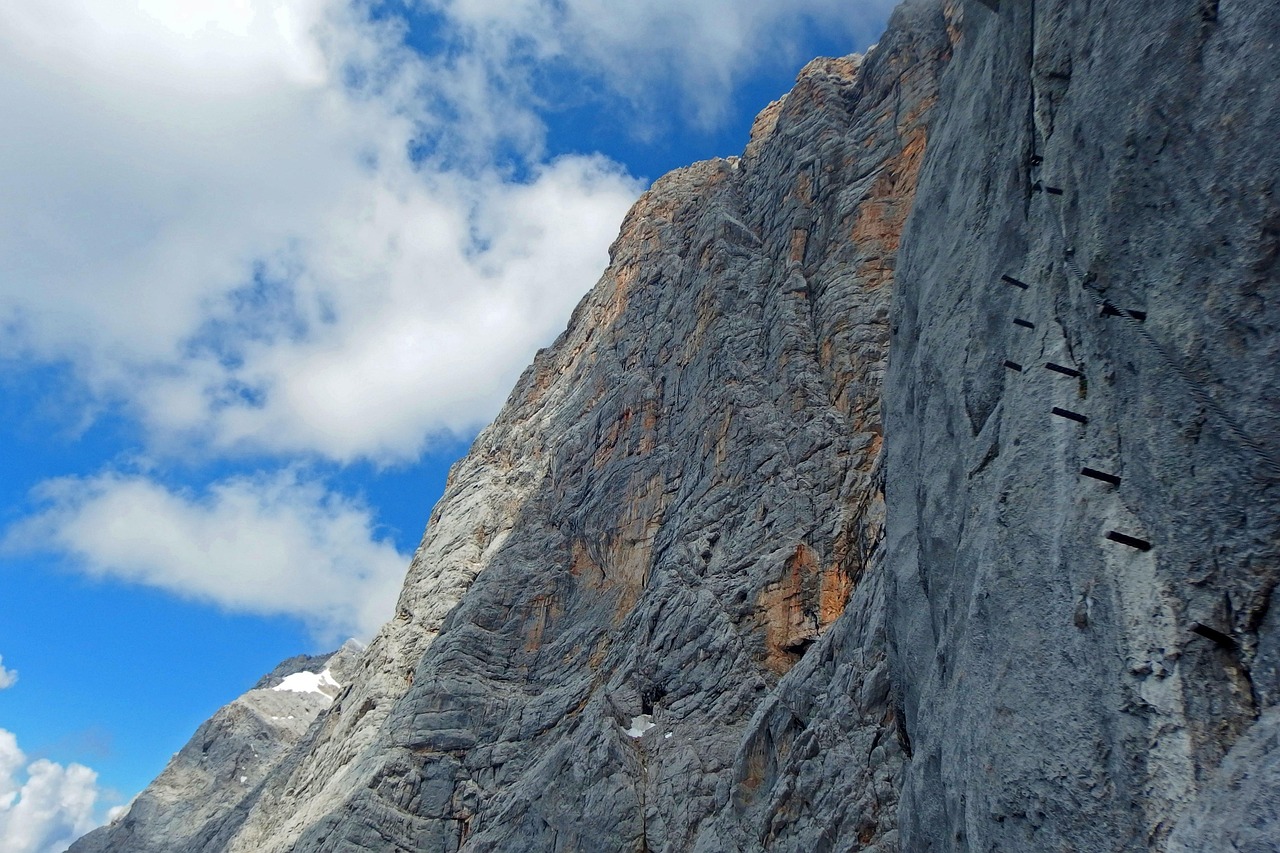
Altitude ranges from about 100 m at the river to roughly 350–380 m along the ridge. The “core” Klettersteig is the secured path that traverses between Bremm and Ediger-Eller, with ladders, iron steps, and steel cables. It’s the headline attraction and the main reason many people search for a 4 day itinerary for Calmont Klettersteig or longer.
I first walked the full Calmont Klettersteig on a bright April day in 2020, when the vines were just budding, and came back in golden October 2024. The contrast struck me: spring feels airy and quiet; autumn is a blaze of color and clinking glasses on every terrace.
The trail is moderately challenging if you’re sure-footed and okay with exposure. It is not suitable for small children or anyone afraid of heights. I usually start in Bremm, tackling the steeper ascent first and then traversing toward Ediger-Eller, allowing the afternoon light to fall on the river bend behind me.
Best for: adventurous hikers, confident families with teens, photographers, and anyone wanting to sample a via ferrata without full alpine gear.
Accessibility: The path is accessible from trailheads in Bremm and Ediger-Eller. The trickiest ladders and traverses can be bypassed via marked alternative paths, but you should still have sturdy hiking shoes and be comfortable with steep, uneven terrain.
Personal tip: Start before 9:00 in high season (May–October) to have the path mostly to yourself. Bring fingerless gloves if you don’t like cold metal on your hands in spring or autumn.
2. Calmont Gipfelkreuz (Summit Cross)
The Calmont Gipfelkreuz sits at about 378 m and is the symbolic high point of the ridge. Compared to the airy ladders of the Klettersteig, the hike to the summit cross is straightforward: a steep but well-built path from Bremm or Ediger-Eller through forest and vineyards.
I like to treat the summit cross as a meditative spot. One August evening in 2023 I hiked up after a thunderstorm; mist rose from the river, and the cross slowly emerged from clouds backlit by the setting sun. Below, Bremm’s church tower rang the hour, almost like a soundtrack.
Best for: families with school-age kids, sunrise and sunset lovers, anyone who wants the view without the ladders.
Accessibility: Steep but non-technical footpath; wear good shoes but no special equipment required.
Tip: If you’re doing a 5 day itinerary for Calmont Klettersteig, dedicate one early morning to watching sunrise here. In summer, bring a light jacket – even July mornings can be surprisingly cool at the top.
3. Vier-Seen-Blick (Four Lakes View)
This viewpoint is named “Four Lakes View” because from the right angle, the Moselle’s bends line up so that the river looks like four separate lakes. At about 365 m, it’s slightly lower than the summit cross but with a even wider sweep of the valley.
I discovered Vier-Seen-Blick by accident on a misty November hike in 2021, following a small side path off the main ridge trail. The sign was modest, but the view was not. It’s now one of my favorite picnic spots, especially in early May when the slopes are fresh green and the tourist numbers lower.
Best for: photographers, couples, anyone building a romantic 4 days in Calmont Klettersteig plan.
Accessibility: Short detour from the main ridge path connecting Bremm and Ediger-Eller; some uneven ground but no exposure.
Tip: Bring a compact picnic – local bread, cheese, and a small bottle of Riesling (or grape juice) from Bremm. Pack out everything; there are no bins here.
4. Bremm – Classic Base Village at the Foot of Calmont
Bremm sits directly under the steepest part of Calmont, making it the quintessential base if your trip revolves around the Klettersteig. Altitude is about 90–100 m, with half-timbered houses lining narrow lanes and the river promenade.
I often choose Bremm when I want to wake, look up from my guesthouse window, and see the ladders and terraces of the Calmont right above me. Mornings are filled with the clink of tools as vineyard workers head up the slopes; evenings smell of grilled meat and wood smoke from riverside barbecues.
Best known for: being the “Calmont village,” steep-slope vineyards, relaxed wine taverns, easy access to the Klettersteig and summit paths.
Where to stay: Family-run guesthouses and Weingüter (wineries) offering rooms. I prefer village stays here – slope-side huts are more rustic and seasonal.
Food & wine: Try Flammkuchen (tarte flambée) with local bacon and onions, and a glass of Bremmer Calmont Riesling. Many wineries offer tasting flights in the late afternoon.
Tip: For a 4 day itinerary for Calmont Klettersteig, I recommend basing all 4 nights in Bremm if you prefer to unpack once and day-trip by train and boat.
5. Ediger-Eller – Twin Villages with Medieval Charm
Ediger and Eller, once separate villages, now form a single municipality. Altitude is around 100 m, and the streets are a maze of half-timbered houses, tiny courtyards, and ornate stone portals carved with vine motifs.
I often stay in Ediger when I want a slightly more atmospheric village base than Bremm, with a few more dining options and a slightly quieter feel. The train station in Eller also makes it an excellent base if you’re traveling the Moselle by rail.
Best known for: well-preserved old town, direct access to the eastern end of the Klettersteig, cozy wine taverns.
Accessibility: The Calmont Klettersteig trailhead is about 20–30 minutes’ walk from the center, ascending through vineyards.
Tip for couples: Plan at least one candlelit dinner here during a 5 days in Calmont Klettersteig trip. Book ahead on weekends and during wine festivals, when locals and visitors fill every terrace.
6. Neef – Quiet Base for Walkers & Wine Lovers
Neef lies across the river from Bremm and feels slightly more off the beaten track. It’s a favorite among travelers who’ve already done the main Klettersteig and want a calmer base with direct access to other viewpoints like Petersberg and the Neefer Frauenberg vineyards.
I once spent a rainy November weekend in Neef, walking muddy vineyard roads under a big umbrella and warming up in my guesthouse with homemade soup and freshly baked bread. It’s not flashy – and that’s exactly the point.
Best for: slow travelers, budget-conscious visitors (rooms are often a bit cheaper than in Bremm or Cochem), and those building a 6 day itinerary for Calmont Klettersteig that includes quieter days.
Tip: Neef has a train station, making it an excellent base if you’re exploring multiple Moselle towns without a car.
7. Petersberg (Neef) – Chapel & Panoramic Ridge
Petersberg is a ridge and chapel above Neef, about 250–270 m high. The little church sits on an open knoll with panoramic views over the Moselle loop and the Calmont opposite.
On my last visit in spring 2025, I watched a small local wedding party arrive at the chapel. The couple had hiked up in light walking shoes, with the bride’s skirt tucked into her belt for the steeper bits. After the ceremony, they opened a bottle of Riesling on the lawn – no limousines, no fuss, just family and that vast view.
Best for: family-friendly hikes, sunset picnics, and those who prefer gentler trails than the Klettersteig.
Accessibility: Well-marked paths from Neef; mostly non-exposed, some short steeper sections.
Tip: If you’re planning 7 days in Calmont Klettersteig, add a full Neef–Petersberg–Bremm loop to see the ridge from the “other side.”
8. Ellertal & Side Valleys Behind Calmont
Behind the Calmont ridge, small side valleys like the Ellertal cut into the hills. They are often forested, cooler, and far less visited than the sun-baked vineyard slopes above the river.
I escape into these valleys on scorching July afternoons when the reflective heat from the slate makes the Klettersteig feel like an oven. A short walk takes you into beech forest, with mossy stones, trickling streams, and birdsong instead of clattering hiking poles.
Best for: shade walks, birdwatchers, anyone needing a rest day during a longer itinerary.
Accessibility: Mix of forest tracks and narrow trails. Sturdy shoes recommended; some paths can be muddy after rain.
Tip: Download offline maps for side-valley hikes; signage is more sparse here than on the Calmont itself.
9. Cochem – The Region’s Lively Hub
Cochem sits a short train or boat ride from Calmont and serves as the local urban hub: more hotels, restaurants, and shops – and the iconic Reichsburg castle on the hill above town. Altitude is about 85 m at the river; the castle sits around 100 m higher.
I like to think of Cochem as the “big city” of a Calmont trip, even though it’s still very much a small town. When I’ve spent a few quiet nights in Bremm or Neef, a day in Cochem – coffee on the market square, a castle tour, some people-watching – feels almost cosmopolitan.
Best for: families, first-time visitors to the Moselle, rainy-day excursions, travelers who want more nightlife than the villages offer.
Accessibility: Direct trains from Neef, Ediger-Eller, and other Moselle stations. Boats connect Cochem with many river villages in season.
Tip: Cochem can get crowded in high summer and on holiday weekends. Visit early morning or late afternoon as part of a 5 day itinerary for Calmont Klettersteig, using midday for quieter hikes elsewhere.
10. Reichenberg & Hinterland Plateaus
Above the steep Moselle slopes, the land flattens into rolling plateaus of fields and forest. Small settlements like Reichenberg (and similar hamlets) feel a world away from the vineyards below: tractors, wide horizons, and big skies.
I often drive or cycle up here on longer stays. In late June the fields glow with wheat and rye; in September, lines of tractors haul crates of grapes down toward the river. It’s an excellent way to understand how the Moselle fits into the larger Eifel region.
Best for: cycling, long-distance walks, perspective on the landscape beyond the tourist postcard views.
Accessibility: Car or e-bike recommended; bus connections exist but are infrequent.
Tip: If you’re on a 6 day itinerary for Calmont Klettersteig and have a car, dedicate one day to the plateau villages to escape the summer heat and crowds.
11. The Moselle River Itself – Ferries, Cruises & Riverbanks
Altitude is around 90 m, but the river is the psychological “valley floor” that shapes everything here. Boat cruises, paddleboarding, riverside camping, and long flat walks on the towpaths balance the steep climbs to the ridge.
My favorite ritual after a hot Klettersteig hike is to kick off my boots on the grassy riverbank near Bremm, soak my feet in the Moselle, and watch freight barges slide silently by. The contrast – adrenaline on the slope, deep calm by the water – is one of this region’s great joys.
Best for: families with strollers, cyclists, anyone wanting a rest day.
Accessibility: Flat, easy paths along much of the riverbank; boats operate from spring to late autumn.
Tip: Include at least one river cruise segment in your 4 days in Calmont Klettersteig plan – for example, Bremm to Cochem one way by boat, back by train.
12. Local Climbing Crags & Klettergärten
While the Calmont Klettersteig is the main fixed-route draw, there are also smaller climbing gardens and natural crags in the broader Moselle–Eifel region. They’re not world-famous like the Frankenjura, but they’re a fun add-on if you climb.
I travel with a lightweight harness and via ferrata set; occasionally I join local climbing meetups for half-day sessions on nearby crags. It’s a good way to meet locals – the Moselle climbing community is small but welcoming.
Best for: experienced climbers who want to combine wine country with vertical days.
Accessibility: Most require a car and a local topo; ask at outdoor shops in Cochem or Koblenz.
Tip: Respect seasonal closures for nesting birds and always check local access rules; some cliffs are on private land.
13. Weinbergswege – Vineyard Track Labyrinths
The vineyard roads and tracks – Weinbergswege – are the unglamorous but essential infrastructure of the region. Many are paved or gravel roads just wide enough for a small tractor, weaving between terraces.
I love wandering these in the late afternoon, when vineyard workers are finishing for the day. You’ll see monorack railways (steep single-rail systems used to haul crates up and down), small stone huts, and hand-lettered signs pointing to tiny family wineries.
Best for: casual walkers, photographers, anyone who wants to understand how heroic viticulture really works here.
Accessibility: Generally easy gradients except where they cut straight up the slope; mind tractor traffic during harvest.
Tip: Use these tracks as connectors in your own custom hikes during a 7 days in Calmont Klettersteig stay – you’re not limited to the marked tourist routes.
14. Vineyard Huts & Simple Refuges
Instead of alpine refuges with dorm rooms, Calmont has small vineyard huts and simple shelters – some open, some lockable and privately owned, others public picnic shelters with tables and benches.
On one blustery March day in 2025, I took shelter in a tiny open hut above Bremm as sleet rattled on the roof. I brewed tea on a small gas stove and watched the clouds race along the ridge. There’s a kind of intimacy to these huts; you share them briefly with whoever else ducks in from the weather.
Best for: picnic stops, weather breaks, impromptu social encounters with other walkers.
Tip: Don’t assume you can sleep in these unless it’s explicitly allowed; most are day-use only and often tied to specific vineyards.
15. Lesser-Known Side Villages (e.g., Senheim, Beilstein)
Villages like Senheim and picture-perfect Beilstein lie within easy reach of Calmont and make excellent half-day visits. Beilstein, with its ruined castle and almost film-set-like streets, is busier; Senheim tends to be quieter.
I like to stitch these into river days. In 2024 I spent a full day cruising from Bremm down to Beilstein, wandering its alleys, then catching a late boat back as the sunset lit up the ruins above town.
Best for: couples, photographers, those wanting variety during a 6 day itinerary for Calmont Klettersteig.
Tip: Beilstein is best early or late in the day; midday in high season can feel crowded with coach groups.
4–7 Day Itineraries for Calmont Klettersteig
These itineraries are based on trips I’ve actually taken or led between 2021 and 2025. Think of them as flexible frameworks rather than rigid schedules. Distances are modest, but the steepness can be surprising, so build in rest.
4 Day Itinerary for Calmont Klettersteig
This plan suits a long weekend: arrive by train or car, base yourself in Bremm or Ediger-Eller, and focus on the main highlights. It’s the most popular way to spend 4 days in Calmont Klettersteig.
Day 1 – Arrival, First Taste of the Moselle & Sunset Above Bremm
I like to arrive by early afternoon, drop my bag in a guesthouse in Bremm, and immediately get my bearings with a slow wander along the riverfront. For a 4 day itinerary for Calmont Klettersteig, resisting the temptation to rush straight onto the Klettersteig is key – give your body and mind a few hours to shift gears.
After checking in, stroll through Bremm’s narrow lanes. You’ll pass small Weingüter with chalkboards announcing tasting hours. Pick one that feels relaxed – I’ve had good experiences at family-run places where the tasting room doubles as a living room. Ask for a dry Riesling (“trocken”) to start, then experiment with off-dry (“feinherb”) or sweet (“lieblich”) if you like.
As the afternoon cools, walk up the lower vineyard path toward the Calmont. You don’t need to tackle ladders today; instead, climb to a mid-level bench or small hut with a view back over the Bremm river loop. In late spring the slopes are dotted with wildflowers; in October, everything glows yellow and orange.
Dinner: Choose a traditional gasthaus in Bremm. I often order Sauerbraten (marinated roast beef) with red cabbage, or Spießbraten (spit-roasted pork) if it’s on the menu. Veggie options are improving – look for seasonal dishes with mushrooms or pumpkin in autumn.
Personal tip: Go to bed relatively early. Day 2 is your main Klettersteig day, and starting fresh makes a huge difference.
Day 2 – Full Calmont Klettersteig Traverse
Wake early, have a hearty breakfast (most guesthouses offer good bread, cold cuts, cheese, jam, and boiled eggs), and pack a light but energy-dense lunch. I usually aim to be on the trail by 8:30–9:00.
From Bremm, follow signs up through the vineyards to the Klettersteig. The initial ascent can feel brutal if you’ve just had a big breakfast, but soon you’re clipping into cables and stepping onto iron rungs, with the Moselle far below. It’s not technically hard, but it is exposed; move at your own pace and let faster groups pass at wider spots.
There are a few key features:
- Ladder sections where you climb straight up rock faces reinforced with steel.
- Traverse ledges with cables at hand height – don’t look down too often if you’re prone to vertigo.
- Bypass paths that allow you to skip the most exposed parts; keep an eye on the signage.
I like to break at a mid-route bench under a lone tree, where the river bend opens up beneath you. In high season you’ll share it with others, but there’s a camaraderie among people who’ve just navigated the same ladders.
By early afternoon, you reach the Ediger-Eller side. If you still have energy, continue up to the Calmont Gipfelkreuz, then descend to Ediger for a late lunch or early cake and coffee. The train or boat back to Bremm makes for a gentle return.
Dinner: Back in Bremm, celebrate with grilled fish from the Moselle or a vegetarian Käsespätzle (cheesy noodles), and a slightly sweeter Riesling to reward your efforts.
Safety note: Avoid this full traverse in heavy rain or thunderstorms; the slate gets slick quickly.
Day 3 – Summit Sunrise & Moselle River Day
On my 2024 autumn trip, Day 3 was my favorite: a sunrise hike to the Calmont summit cross followed by an indolent boat trip. Start in the dark with a headlamp, climbing the forested path above Bremm. The air smells of damp earth and wood smoke from village chimneys. As you break out onto the ridge, the sky softens from deep blue to pink, and the river begins to catch the light.
After sunrise, descend leisurely, perhaps via a different path that drops you into the vineyards. Back in Bremm, treat yourself to a second breakfast at your guesthouse or a café if available.
Midday is perfect for the river. Take a boat from Bremm or a nearby landing to Cochem. The trip is slow – barges, villages, and castle silhouettes slide by. In Cochem, wander the old town, climb or bus up to Reichsburg castle, and sample Apfelstrudel with vanilla sauce at a café overlooking the river.
Evening: Return to Bremm by boat or train. If the weather’s clear, bring a light jacket and sit a while by the riverbank. The illuminated church towers and reflections in the water are quietly magical.
Day 4 – Vineyards, Tastings & Departure
Your final day is for lingering. Many guesthouses will store your bag after checkout, leaving you free to roam. I like to spend this day exploring the vineyard roads at mid-level, visiting one or two wineries by appointment.
If you’re heading north or south along the Moselle by train, you might also stop for a few hours in a side village like Beilstein on your way out. Just be mindful of drink-and-drive or drink-and-train timing; keep tastings moderate if you have to navigate connections.
Tip: Buy a couple of bottles directly from small producers – it supports families who work some of Europe’s toughest vineyard slopes. Many will pack them safely for travel.
5 Day Itinerary for Calmont Klettersteig
Five days allows you to slow down: repeat your favorite parts of the Klettersteig, explore side valleys, and add another village base if you like. This is my preferred length for first-time visitors who want both action and rest.
Use the 4-day outline above and add:
Day 5 – Neef & Petersberg Ridge
Transfer to Neef in the morning (10–20 minutes by train or car). Drop your bag at a guesthouse and head up toward Petersberg. The path winds through vineyards and then into mixed forest before emerging at the chapel and viewpoint.
From here you can:
- Return the same way for a short, family-friendly outing.
- Continue along the ridge to link back toward Bremm in a long loop if you’re feeling strong.
I like to bring a thermos and some local pastries (Streuselkuchen, crumble cake, travels well) and linger near the chapel. It’s quieter than the Calmont summit cross but equally impressive.
Evening: Dinner in Neef at a small Weinstube. The vibe here is even more local than in Bremm; you’ll likely be one of only a few visitors in the room outside peak summer weekends.
6 Day Itinerary for Calmont Klettersteig
A 6 days in Calmont Klettersteig plan is ideal if you want a full rest day and a deeper dive into side valleys or plateau villages.
Add the following to the 5-day outline:
Day 6 – Side Valleys & Forest Retreat
From Neef or Ediger-Eller, head away from the river into the side valleys – Ellertal or similar forested ravines. Trailheads are often unassuming; use a good hiking app or ask your host for their favorite local loop.
On my last 6 day itinerary for Calmont Klettersteig, this was my “mental reset” day. I barely saw another person for hours, just mossy stones, fallen leaves, and the occasional deer bounding away through the undergrowth.
Tip: Bring a picnic and enough water; you won’t find huts or cafes out here. It’s a good day to break out that book you’ve been meaning to read, under a beech tree with birdsong for company.
7 Day Itinerary for Calmont Klettersteig
With a full week, you can treat the Calmont region as a base for exploring up and down the Moselle, plus a day trip into the Eifel or Hunsrück hills.
Building on the 6-day plan, add:
Day 7 – Beilstein & Optional Eifel Excursion
Start with a boat or train to Beilstein. Wander its cobbled streets and climb to the castle ruins for a different kind of Moselle view – less steep than Calmont but no less atmospheric.
If you have a car and energy after lunch, drive up into the Eifel to visit one of the volcanic lakes (Maare) around Daun. Swimming in a clear, round crater lake after a week in the vineyards feels like plunging into another world.
Evening: Return to your base village for a final glass of Riesling. I like to revisit my favorite spot from earlier in the week – maybe a bench above Bremm or Petersberg – to say a quiet goodbye to the landscape.
Mountain & Vineyard Dining Around Calmont
While Calmont isn’t an alpine ski resort, it has its own version of mountain dining: vineyard huts, riverside terraces, and rustic inns that fuel long days outdoors.
Hearty Regional Dishes
- Winzersteak: Marinated pork steak often served with onions and potatoes – perfect after the Klettersteig.
- Forelle Müllerin: Trout from local streams or the Moselle, fried in butter with lemon.
- Flammkuchen: Thin, crisp flatbread with cream, onions, and bacon – easy to share, and a staple of wine gardens.
- Spundekäs: Creamy cheese spread with paprika, served with pretzels – great with a glass of Riesling.
Wine, Coffee & Pastries
Moselle villages are surprisingly good for coffee and cake. Look for:
- Streuselkuchen: Yeast cake with buttery crumble topping.
- Apfelkuchen: Apple cake, often with a shortcrust base.
- Apfelstrudel: Less common than in Austria, but you’ll find it in Cochem and larger towns.
Pair these with a Milchkaffee or Schokolade (hot chocolate) on cooler days. I often schedule a cake stop mid-afternoon as a psychological “anchor” in a long hike.
Where to Stay: Village vs. Slope-Side vs. Huts
For most travelers, village guesthouses in Bremm, Ediger-Eller, or Neef are ideal – you’re close to trailheads, restaurants, and public transport. A few slope-side huts and simple lodgings exist but tend to be seasonal and basic, more for hikers who don’t mind rustic conditions.
I usually base in a village for comfort and flexibility, then use huts purely as rest stops. Unlike the Alps, you rarely need to overnight on the ridge to complete routes here.
Saving Money on Food & Drink
- Lunch picnics: Buy bread, cheese, fruit, and pastries at village bakeries and small supermarkets. Eat with a view instead of in a restaurant every day.
- Wine by the bottle: In Weinstuben, a bottle split between two or three people is often better value than repeated small glasses.
- Menu of the day: Look for Tagesgericht or Mittagsmenü signs – lunch specials that are cheaper than evening plates.
Evenings in Calmont: Après-Hike, Wine & Stargazing
Evenings along the Moselle are gentle. There’s no raucous après-ski scene, but there are plenty of ways to wind down after a day on the ridge.
Après-Hike Traditions
Locals don’t call it “après-hike,” but the ritual is the same: you come down off the slope, shower, then sit in a courtyard or on a village square with a glass of wine and a small snack. In Bremm and Ediger, many wineries open cozy courtyards from late afternoon.
Village Bars & Fondue Nights
A few restaurants offer seasonal cheese fondues or raclette-style evenings in autumn and winter, especially as the weather cools and the vines lose their leaves. These are perfect for couples on a romantic 4 days in Calmont Klettersteig trip.
Stargazing
Away from big cities, the Moselle skies can be surprisingly dark. On clear nights, I like to walk a short way up into the vineyards above Bremm or Neef with a headlamp (switched off once I’m away from the village lights) and lie back on a bench to watch the stars. Just bring a warm layer; even summer nights can feel chilly when you’re not moving.
Seasonal Festivals
Throughout summer and autumn, villages host wine festivals with live music, food stalls, and tastings. They’re friendly, unpretentious affairs – more locals than influencers. In 2026–2027, expect:
- Wine festivals in Bremm and Ediger-Eller (typically August–September weekends).
- Advent and Christmas markets in Cochem, with mulled wine and local crafts (late November–December).
Events & Changes in 2026–2027
As of 2026, several developments and recurring events shape the travel scene around Calmont Klettersteig:
- Enhanced Trail Signage (2025–2026): New bilingual (German/English) signs and info boards on the Calmont Klettersteig and summit paths, including clearer difficulty ratings and escape routes.
- Organic & Biodynamic Vineyard Expansions: More estates around Bremm and Neef are converting plots, offering dedicated organic tastings and vineyard tours.
- Annual Calmont Hike Day (usually May): A community event with guided tours, food stands, and wine stalls at key viewpoints.
- Moselle Music Series (Summer 2026–2027): Small classical and jazz concerts in churches and courtyards from Cochem to Ediger-Eller, some with shuttle boats.
Dates can shift slightly each year; check local tourism websites closer to your trip.
Day Trips & Nearby Attractions
One of the strengths of Calmont as a base is how much lies within 60–90 minutes.
Cochem & Reichsburg Castle
A classic day or half-day trip by boat or train. Ideal for families and those seeking more “must-see attractions in Calmont Klettersteig region” beyond the ridge itself.
Eifel Maars (Volcanic Lakes)
Around Daun, you’ll find round volcanic lakes perfect for swimming and walking. Best reached by car in 45–60 minutes from the Moselle. Bring swimwear in summer and a towel; facilities vary by lake.
Trier
Germany’s oldest city, with Roman ruins and a lively student atmosphere, about 1.5 hours by train from Cochem or Ediger-Eller. Combine with a longer stay or treat it as a final stop on your way out of the region.
Castles & Ruins up and down the Moselle
Beyond Reichsburg and Beilstein’s ruins, there are many smaller castles and fortifications along the Moselle that can be woven into a 6–7 day itinerary for Calmont Klettersteig – ask locals for lesser-known favorites; they’ll often suggest a ruin or chapel you won’t find in English guidebooks.
Cultural Etiquette & Local Customs
In the Villages
- Greetings: A simple “Guten Tag” (good day) or “Hallo” is appreciated when entering shops or passing people on quiet paths.
- Quiet hours: Many guesthouses observe Ruhezeit (quiet time) after 22:00–23:00. Keep noise down in streets and courtyards late at night.
- Cash culture: Cards are more widely accepted than a decade ago, but small wineries and bakeries may still prefer cash.
In Vineyards & on Trails
- Respect private property: Stick to marked paths; don’t wander between rows of vines without permission, especially during harvest.
- Gates & barriers: If you pass through a gate, leave it as you found it (open or closed).
- Trash: Carry everything out. Bins are scarce on the ridge.
At Wine Tastings
- It’s fine to spit during tastings; professionals and many locals do, especially when driving.
- Ask about the vineyard story; most winemakers are proud to explain their steep-slope work.
- Tipping is appreciated in wine bars and restaurants – around 5–10% is typical.
Practical Travel Tips & Logistics
Getting There & Around
The Moselle rail line connects major hubs like Koblenz and Trier with villages such as Neef and Ediger-Eller. Trains are usually hourly, more frequent between larger towns.
Public Transport
- Trains: Regional trains (RB/RE) run along the river; check Deutsche Bahn (DB) apps for schedules.
- Buses: Supplement trains, especially to plateau villages, but can be infrequent.
- Boats: Seasonal passenger boats between Cochem, Beilstein, Bremm, and other villages – scenic but slower.
Car Rental & Driving
A car gives flexibility for day trips but isn’t essential if you stick to the river and main villages. Roads are narrow and winding; drive cautiously, especially where vineyard tracks join the main road.
Foreign driver’s licenses: Most non-EU licenses are accepted for short tourist stays; check your country’s specific rules. An International Driving Permit is recommended but not always required.
Money-Saving Tips
- Use regional day tickets on trains for unlimited travel in a zone; excellent value for pairs or small groups.
- Self-cater breakfast or lunch from supermarkets for some days; eat out mainly in the evenings.
- Travel shoulder seasons (April–early June, late September–October) for lower accommodation prices.
SIM Cards & Connectivity
In 2026, eSIM options from major German providers (Telekom, Vodafone, O2) are common. You can also buy prepaid SIMs at supermarkets, electronics stores, and some petrol stations in larger towns like Cochem or Koblenz. Coverage is generally good along the river; expect occasional dead spots in side valleys.
Visa Requirements
Germany is part of the Schengen Area. Many nationalities can enter visa-free for short stays (up to 90 days in 180). Others require a Schengen visa obtained in advance. Check current rules for your passport; they can change by 2026–2027.
Best Seasons & What They’re Good For
- March–April: Early wildflowers, quiet trails, variable weather. Good for hikers who don’t mind some mud.
- May–June: Lush green vineyards, comfortable temperatures, good for all activities.
- July–August: Warm to hot, busiest time, excellent river swimming and boating.
- September–October: Harvest season, golden vineyards, many festivals – arguably the best time for a 4–7 day itinerary for Calmont Klettersteig.
- November–February: Quiet, some services reduced, atmospheric mists, good for contemplative walks and Christmas markets in Cochem and Trier. The Klettersteig may be slippery or partially closed in icy conditions.
Mountain-Specific Logistics & Safety
Altitude & Acclimatization
Altitudes around Calmont are low (under 400 m), so altitude sickness isn’t an issue. However, the steepness can surprise you; treat the first day as a warm-up if you’re not used to hill walking.
Weather, Storms & Closures
- Storm windows: Thunderstorms can build quickly in warm months; avoid ridge sections if lightning is forecast.
- Winter & ice: The Klettersteig can become dangerously slippery; local authorities sometimes advise against use in icy conditions.
- Heat: In July–August, the dark slate radiates heat; carry more water than you think you need and wear a hat.
Gear Recommendations
- Footwear: Sturdy hiking shoes or light boots with good grip.
- Clothing: Layering system (base layer, fleece, windproof/waterproof shell). Even in summer, mornings and evenings can be cool.
- Optional via ferrata set: Not mandatory on Calmont, but some cautious hikers use a harness and lanyard on cable sections.
- Poles: Helpful for steep descents but stow them during ladder/traverse sections.
Mountain Rescue & Insurance
Dial 112 Europe-wide for emergencies. Rescue services are professional and well-equipped. Consider travel insurance that covers hiking and via ferrata-style activities; read the fine print to ensure Calmont-type routes are included.
Cable Cars & Lift Passes
Unlike alpine ski areas, Calmont has no major cable cars or ski lifts. Access is on foot, sometimes supplemented by boat or train. That keeps costs down: no expensive lift passes to budget for.
Best Seasons for Specific Activities
- Hiking & Klettersteig: April–June, September–October.
- Wildflowers: April–May in meadows and forest edges.
- Fall color: Late September–October, when vineyards turn gold.
- River swimming & SUP: June–August (check current and water quality conditions).
Summary & Final Recommendations
Calmont Klettersteig is a place where big landscapes meet small-scale hospitality: the steepest vineyards in Europe, a ridge path that feels daring but accessible, and villages where you’ll quickly recognize faces in the bakery each morning. Whether you have 4 days in Calmont Klettersteig or a full 7 days to explore, you can craft a trip that balances adrenaline, quiet walks, cultural experiences, and excellent local food.
For most travelers, the sweet spot is a 5 day itinerary for Calmont Klettersteig: enough time to traverse the Klettersteig, savor the summit views, drift along the Moselle by boat, and wander side valleys without rushing. If you crave more variety and day trips, stretch to 6 or 7 days in Calmont Klettersteig and add Beilstein, the Eifel maars, or even Trier to your plan.
The best seasons are late spring (May–June) and autumn (September–October), when temperatures are pleasant and the vineyards either burst into green or glow gold. Come with good shoes, curiosity, and respect for the land and the people who farm it, and Calmont will reward you with views and memories that linger long after the last sip of Riesling.