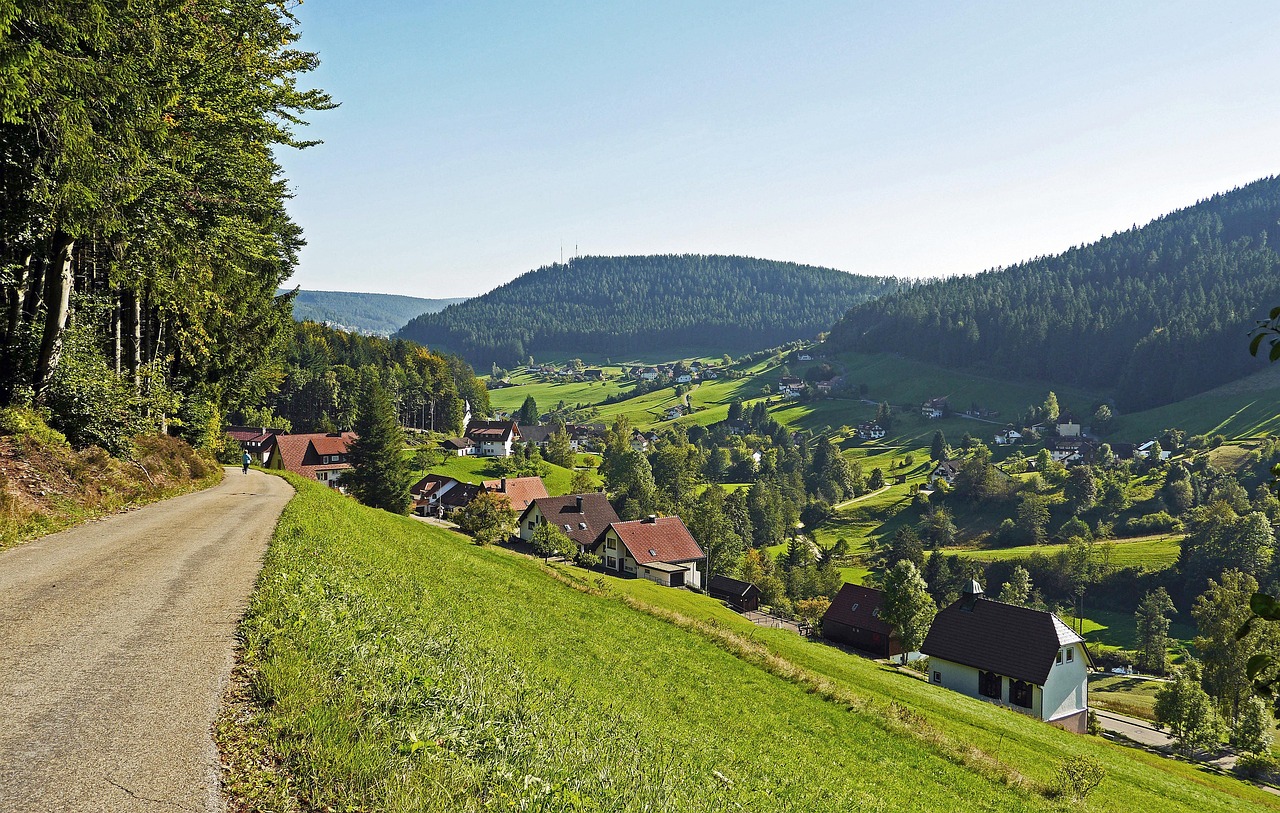
Why Visit Freudenstadt?
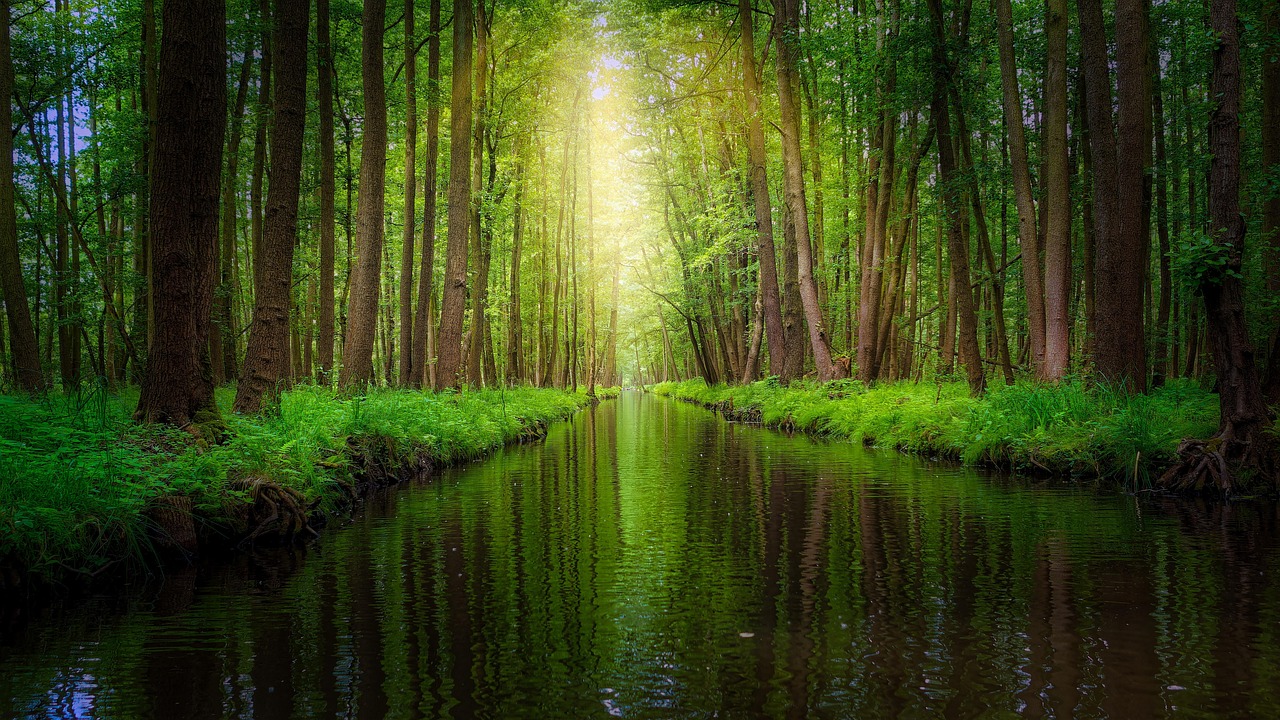
Freudenstadt is not a “checklist city” with a million museums and skyscrapers. It’s a place where you slow down, breathe in pine-scented air, and watch the evening light fall over the largest market square in Germany while church bells echo across half-timbered facades.
Set on a high plateau in the northern Black Forest, Freudenstadt is perfectly placed: close enough to Baden-Baden, Strasbourg, and Stuttgart for easy day trips, yet surrounded by deep forest, panoramic viewpoints, and classic Schwarzwald farmhouses. It’s where spa culture, hiking, hearty food, and small-town friendliness all meet.
I’ve visited Freudenstadt many times since my first stay in 2014—winter weekend getaways, long summer hiking trips, rainy shoulder-season escapes. Every time, I end up lingering longer than planned. In this 2026 travel guide for Freudenstadt, I’ll walk you through detailed 3 day itinerary for Freudenstadt, 4 day itinerary for Freudenstadt, and 5 day itinerary for Freudenstadt options, plus the best places to visit in Freudenstadt, local food in Freudenstadt, and the kind of hidden gems in Freudenstadt that don’t always show up in glossy brochures.
Whether you’re traveling as a couple, a family, or a solo adventurer, Freudenstadt offers:
- One of Germany’s largest and most atmospheric town squares, ringed with arcades and cafés.
- Immediate access to Black Forest hiking and biking trails, from stroller-friendly paths to full-day treks.
- Classic spa and wellness facilities, from historic Kurhaus culture to modern saunas.
- Family-friendly attractions like climbing parks, forest playgrounds, and lakes.
- Romantic viewpoints, candlelit restaurants, and quiet forest chapels.
- Authentic cultural experiences in Freudenstadt with locals, festivals, and regional food.
Table of Contents
- Why Visit Freudenstadt?
- Freudenstadt Neighborhoods & Areas
- 20 Must-See Attractions & Experiences
- 3–5 Day Itineraries in Freudenstadt (With Personal Stories)
- Local Food & Drink in Freudenstadt
- Nightlife, Entertainment & Cultural Experiences
- What’s New in 2026–2027: Events & Updates
- Best Day Trips from Freudenstadt
- Practical Travel Tips for Freudenstadt
- Summary & Best Time to Visit Freudenstadt
Freudenstadt Neighborhoods & Areas to Explore
1. Altstadt & Marktplatz (Old Town & Market Square)
This is Freudenstadt’s beating heart and where I always book my first night if I’m showing friends the town. The streets radiate out from the iconic square, with arcaded walkways sheltering cafés, bakeries, and small boutiques. Most must-see attractions in Freudenstadt are walkable from here.
Stay here if you want to roll out of bed straight into morning markets, grab an espresso under the arcades, and watch the square slowly fill with life.
2. Kurviertel (Spa Quarter)
Just a short walk south of the Marktplatz, the Kurviertel is where you’ll find parkland, wellness hotels, and the Kurhaus. Paths wind through manicured lawns and tall trees, with benches perfect for people-watching and lazy afternoons.
If your Freudenstadt trip is about recharging—think saunas, massages, and gentle walks—base yourself here.
3. Kniebis & Surrounding Villages
Technically part of the municipality, Kniebis feels like its own mountain village, perched higher in the forest. I love coming up here when Freudenstadt is foggy—Kniebis is often basking in sun above the mist. It’s the perfect base if you’re planning a very outdoorsy stay with hiking, cross-country skiing, and forest walks.
4. Industrial & Residential Belt (North & East)
North and east of the center you’ll find quieter residential streets, small local restaurants, and everyday shops. You’re unlikely to stay here as a tourist, but I often wander through for a more local feel, especially on weekday mornings when the bakeries are busy with regulars.
5. Surrounding Black Forest Plateau
Drive or cycle five minutes out of Freudenstadt in almost any direction and you’re in open countryside. Farm tracks, panoramic viewpoints, and traditional inns (Gasthöfe) turn this into one big playground for outdoor lovers.
20 Must-See Attractions & Experiences in Freudenstadt
Below are 20 of the best places to visit in Freudenstadt. I’ll pair the “headline” attractions with smaller, more personal experiences, so you get both the big sights and the hidden corners.
1. Freudenstadt Marktplatz (Market Square)
Freudenstadt’s Marktplatz isn’t just large; it’s cleverly designed. Laid out in the early 17th century by architect Heinrich Schickhardt, it forms a near-perfect square framed by arcades. The first time I stepped onto it on a crisp autumn afternoon, I actually stopped walking and just stared—there’s so much space, and yet it feels cozy.
History & significance: The square was part of Duke Friedrich I’s vision for a grand, model town. Much of it was destroyed in WWII, but painstakingly rebuilt, preserving the original grid and character. Today, it’s one of the must-see attractions in Freudenstadt, hosting markets, concerts, and festivals.
What I like to do here: Mornings are calm and perfect for photos. I often grab a butterbrezel (buttered pretzel) from a bakery under the arcades and sit by one of the fountains watching the town wake up. In summer, kids splash in the water features while older locals claim their favorite benches.
Food tip: Arcaded cafés around the square are ideal for people-watching. For a more budget-friendly option, pick up takeaway snacks from a bakery and picnic on a bench.
How to get there: It’s the central hub—any bus or walk into town leads here. If you’re driving, follow signs to “Stadtmitte / Marktplatz” and park in one of the nearby garages.
When to go: Sunsets are magical when the facades glow warm. In winter, the Christmas market makes evenings especially atmospheric.
2. Stadtkirche Freudenstadt (Town Church)
The Stadtkirche is impossible to miss—its L-shaped layout anchors one corner of the Marktplatz. Built between 1601 and 1608, it served both Protestants and, for a time, Catholics, reflecting the complex religious landscape of the region.
What makes it special: The L-shape is rare. Step inside and you’ll notice that the congregation sits at a kind of right angle, symbolizing a sense of community. I remember slipping into a pew late one rainy afternoon; the organist was practicing, and the sound filled the wooden interior in a way that gave me goosebumps.
Practical tips: The church is usually open during the day, but check posted signs for visiting hours. Dress modestly and keep voices low; it’s not just a sight but an active place of worship.
3. Kurhaus & Kurpark Freudenstadt
Just a short stroll from the Marktplatz, the Kurhaus and surrounding Kurpark form Freudenstadt’s green, genteel side—perfect for a slow afternoon.
My routine here: On sunny days, I like to grab a scoop of ice cream in town and wander down into the park. Locals walk dogs, kids play on the lawns, and elderly couples do slow laps on the paths. The Kurhaus itself hosts concerts, events, and sometimes exhibitions.
Family-friendly: There are playgrounds, gentle paths for strollers, and lots of open space.
Romantic: In the evening, the park quiets down and becomes one of the nicest places in Freudenstadt for a peaceful walk.
4. Panorama-Bad Freudenstadt (Panorama Pool & Spa)
When the weather turns or your legs are tired from hiking, the Panorama-Bad is where locals and visitors alike escape. It’s part family water park, part grown-up spa.
What to expect: Several indoor and outdoor pools, slides for kids, and a sauna area for adults (textile-free, as is the norm in Germany). One winter evening, after a snowy hike, I spent hours drifting between hot pools and steam rooms while snowflakes melted on the windows—pure bliss.
Tips:
- Bring your own towel and flip-flops to save rental fees.
- The sauna area usually has an extra surcharge but is worth it if you enjoy wellness culture.
- Arrive earlier on weekends; it fills up quickly.
5. Freudenstadt Castle Ruins & History Spots
Freudenstadt doesn’t have a towering castle like some other German towns, but if you wander the streets behind the Marktplatz, you’ll find remnants of older structures, plaques, and viewpoints that tell the story of its founding and destruction in WWII.
I like to do a self-guided “history loop” using the information boards scattered around town—each one gives you another layer of context that transforms otherwise ordinary corners into living history.
6. Kienberg & Friedrichsturm (Friedrich Tower Viewpoint)
For the classic “best view of Freudenstadt”, head up Kienberg hill to the Friedrichsturm. On a clear day, you can see across the Black Forest and over the town’s neatly organized grid.
My experience: I’ve walked up in every season, but autumn is my favorite—the forest glows in gold and red, and the air smells of damp leaves. Climb the tower’s spiral staircase (it’s free), and you’re rewarded with a full panorama.
Getting there: It’s a 30–45-minute walk from the Marktplatz, mostly through forest paths. Wear proper shoes, especially after rain. You can also drive part-way and park near the trailhead.
7. Kniebis Plateau & Lotharpfad
The Kniebis plateau, about 10–15 minutes by car from Freudenstadt, is one of my go-to escapes. The air feels even fresher up here, and the views stretch for miles. The Lotharpfad, a nature trail built through a forest area hit by the 1999 storm “Lothar,” is especially memorable.
On the trail: Wooden walkways, steps, and platforms lead you through a “wild” forest in various stages of regrowth. I first walked it on a foggy morning; the mist clinging to fallen trees and moss gave it a fairy-tale atmosphere.
Family & adventure: Kids love the elevated walkways and the feeling of exploring a “jungle.” Wear sturdy shoes; some sections can be slippery.
8. Ellbachseeblick & Ellbachsee
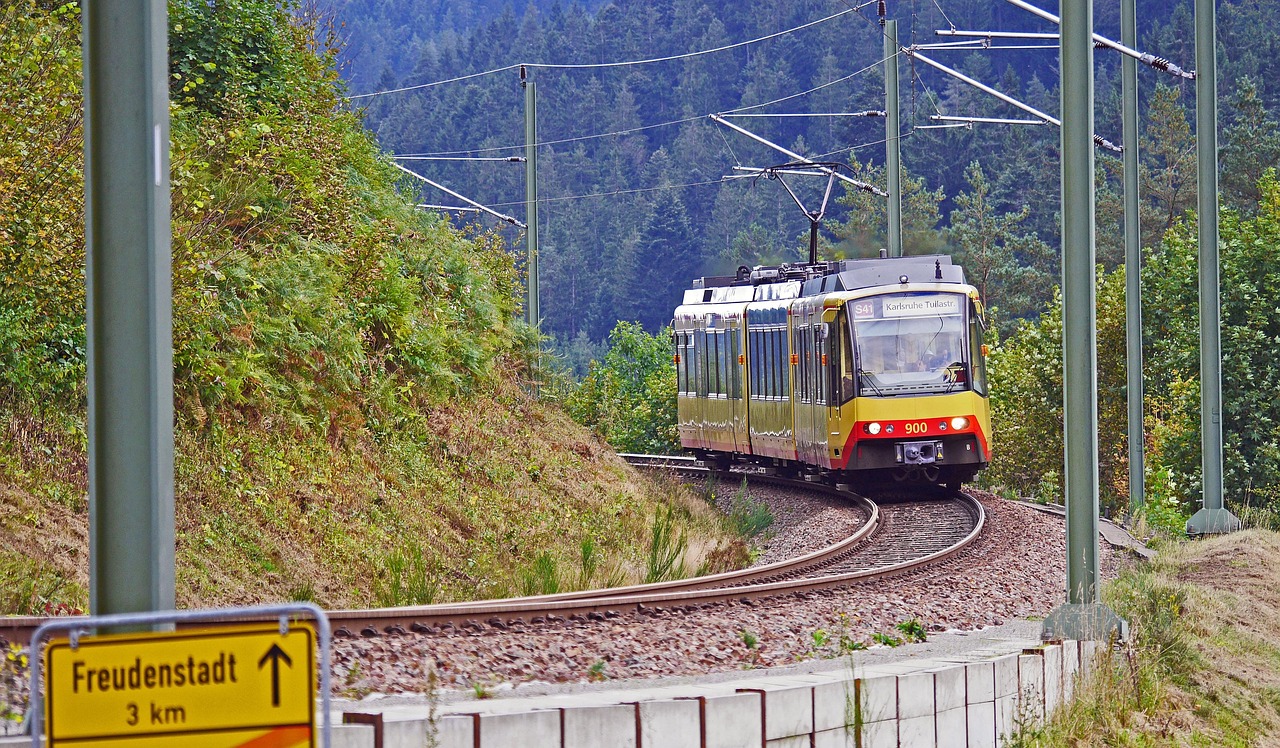
One of the most stunning viewpoints near Freudenstadt is the Ellbachseeblick platform, looking down over the small Ellbachsee nestled in the forested valley.
Why I love it: It’s the kind of place where you instinctively lower your voice. The platform juts out over the valley, and the stillness is only broken by wind in the trees. I usually pack a thermos of coffee and sit on the bench nearby, watching the clouds move.
Access: Several hiking routes lead here. There’s also a nearby parking area with a shorter walk to the platform, making it accessible to most visitors.
9. Sankenbachsee & Sankenbach Waterfall
Technically closer to Baiersbronn, but easily reached from Freudenstadt, Sankenbachsee and its waterfall are among my favorite half-day trips.
What to do: A gentle walk leads to the lake, which sits in a bowl of forested slopes. From there, a steeper path climbs to the waterfall, where adventurous souls can use the little chain to pull a lever that briefly increases the water flow (kids adore this).
Seasonal tip: In summer, bring swimwear—locals sometimes take a dip in the lake. In winter, the frozen waterfall can be magical, but paths may be icy—check conditions.
10. Black Forest High Road (Schwarzwaldhochstraße)
One of Germany’s most scenic drives runs not far from Freudenstadt. The Schwarzwaldhochstraße (B500) connects Freudenstadt’s region with Baden-Baden along a ridge, passing lakes, viewpoints, and ski areas.
My ideal day: Start in Freudenstadt, drive up to the Hochstraße, and stop at lakes like Mummelsee, viewpoints, and short trails. I’ve done this in summer with the windows down and in winter where everything was sugar-coated in snow—it’s equally beautiful in both seasons.
Driving tip: In winter, check road conditions and be comfortable driving in snow; the road is well-maintained but can be slippery.
11. Local Museums & Heimatgeschichte (Local History)
Freudenstadt has a small but informative local museum that offers insights into the town’s founding, trades, and wartime destruction. I like starting here on a first visit—it adds layers to everything else you’ll see.
Good to know: Opening hours are typically limited and may change seasonally. Check ahead or ask at the tourist information on the Marktplatz.
12. Stadtwald Freudenstadt (City Forest)
One of the joys of Freudenstadt is that you can walk straight from town into the forest. The Stadtwald has a network of well-signed paths for walking, jogging, and Nordic walking.
On my longer stays, I develop a little routine: morning coffee, then a 60–90-minute loop through the forest. I’ve bumped into deer at dawn, watched woodpeckers, and once even saw a fox trotting along the path ahead of me.
13. Adventure & Climbing Parks
For families and adventure seekers, the region offers several climbing and rope parks, including a forest ropes course not far from town.
Personal note: I’m not a huge fan of heights, but I was coaxed into trying one of the easier courses one summer. Once I trusted the harness, it turned into an afternoon of adrenaline and laughter. It’s a great way to break up a series of quieter, more cultural days.
14. Local Breweries & Beer Gardens
While Freudenstadt isn’t as beer-famous as other German regions, there are still local brews to sample and cozy spots to enjoy them, especially in summer when beer gardens open up.
One of my favorite evenings last July was spent under chestnut trees, sharing a wooden table with a couple from Stuttgart and an older local man who told us stories about how much the town has changed since the 1960s.
15. Traditional Black Forest Farm Inns (Höfe & Gasthöfe)
Head just outside Freudenstadt and you’ll find traditional farm inns serving hearty regional food. Think wood-paneled dining rooms, tiled stoves, and red geraniums in the windows.
These are some of the best places to sample truly local food in Freudenstadt’s region: Maultaschen (Swabian ravioli), Spätzle, roast meats, and of course Black Forest cake.
16. Freudenstadt Festivals & Marktplatz Events
From spring to early autumn, the Marktplatz hosts regular events: open-air concerts, artisan markets, and regional food festivals. One year I stumbled upon a local wine festival entirely by accident and ended up spending the whole evening at a long communal table sipping Baden wines.
More on specific events in 2026–2027 below.
17. Winter Sports: Cross-Country Skiing & Snowshoeing
In winter, the plateau around Kniebis turns into a cross-country skiing paradise, with well-groomed trails and even some lit night loops.
My experience: I’m far from an expert skier, but renting gear and gliding along easy trails one sunny January afternoon remains one of my favorite memories of the area. The quiet of the snowy forest is something you don’t forget.
18. Freudenstadt’s Arcades & Shopping Streets
The arcades around the Marktplatz are not just picturesque; they’re practical, giving you covered walkways through rain or snow. Under them you’ll find bakeries, small clothing shops, bookstores, and specialty stores.
I’ve spent many a rainy afternoon ducking in and out of these shops, emerging with local honey, postcards, or yet another scarf I didn’t strictly need.
19. Forest Playgrounds & Family Corners
Families with kids will appreciate how many playgrounds and forest activity areas there are in and around Freudenstadt. Climbing structures, water play areas, and nature-themed installations turn hikes into adventures.
Bring a small picnic, and you have an easy, low-cost family outing.
20. Small Chapels & Quiet Corners
One of the most “Freudenstadt” things you can do is simply wander a bit off the main paths and stumble upon a tiny chapel, a wooden bench at a viewpoint, or a lone tree marking a field edge.
On a solo trip a few years ago, I ended up at a small hillside chapel just as the sun set behind layers of distant hills. No other people, just the sound of cowbells and the occasional bird. That, more than any big “sight,” is why I keep coming back.
3–5 Day Itineraries in Freudenstadt (With Personal Stories)
The beauty of Freudenstadt is that it works just as well for a quick 3 days in Freudenstadt escape as it does for a slower 5 days in Freudenstadt stay. Below are sample itineraries based on trips I’ve actually taken, blending major sights, hidden corners, and practical pacing.
3 Day Itinerary for Freudenstadt
Day 1: Marktplatz Magic & Forest First Impressions
On my most recent “first timer” 3-day trip with friends, we arrived in Freudenstadt by late morning and headed straight for the Marktplatz. I always recommend staying within a 5–10-minute walk of the square on your first visit; it makes everything easy.
Morning: Check in, drop bags, and make your way to the Marktplatz. Start at the Stadtkirche—walk around the outside to appreciate its L-shape, then go inside if it’s open. Afterward, do a slow loop around the arcades, noting bakeries, cafés, and shops you want to revisit.
We stopped for lunch at a simple, traditional restaurant under the arcades: käsespätzle for me (cheesy noodles with crispy onions), Flammkuchen for my friends. Portions are generous; sharing dishes is a good way to sample more without over-ordering.
Afternoon: After lunch, we visited the local museum to get an overview of Freudenstadt’s history, then wandered down to the Kurpark. It was early summer—kids chasing bubbles, teenagers stretched out on the grass, older couples sharing ice cream. We walked a lazy loop through the park and sat by a fountain for a while, just soaking in the atmosphere.
Late afternoon forest loop: To fight off the post-lunch slump, we did an easy forest walk from town. There are several signed routes (ask at the tourist office for a simple map). We chose a 60–90-minute loop that started just beyond the Kurpark and dipped into the Stadtwald. The moment you step onto the forest path, you feel the temperature drop and the air change.
Evening: Back in town, we grabbed a seat at one of the Marktplatz cafés and watched twilight fall over the square. For dinner, we chose a slightly more upscale restaurant known for regional cuisine—venison, seasonal mushrooms, and local wine. If you’re on a budget, you can do a more casual option or even self-cater from a supermarket and just treat yourself to a dessert out.
Day 2: Hiking Kienberg & Town Life
Morning on Kienberg: We started Day 2 with a hearty breakfast (hotel buffets in this region are usually excellent—lots of bread, cheese, cold cuts, and muesli). Then we walked toward Kienberg, following signs from the edge of town. The path climbs gently through forest, with occasional clearings offering teasing views.
Reaching the Friedrichsturm, we climbed the tower. One friend is afraid of heights, so she stayed a couple of levels below the top, but even there the views were spectacular: the grid of Freudenstadt’s streets mirrored perfectly against surrounding green hills.
Picnic lunch: We’d picked up supplies from a local bakery and supermarket the day before: bread rolls, cheese, sliced ham, fruit, and chocolate. There are benches near the tower and along the trails where you can spread out a simple picnic—cheaper than eating out every meal.
Afternoon relaxation: Back in town, we spent a couple of hours at the Panorama-Bad. The others headed for the slides while I made a beeline for the saunas. Nothing like alternating hot, steamy rooms with cold plunge pools to reset the body after hiking.
Evening: After showers and a quick rest at our guesthouse, we went out for a low-key dinner—pizza for them, salad and soup for me. We finished the night with a gentle walk around the illuminated Marktplatz. If you’re into nightlife, there are a few bars and pubs within walking distance, but Freudenstadt’s evenings are more about relaxed drinks than wild clubbing.
Day 3: Knee-Deep in the Black Forest
For the final day of our 3 day itinerary for Freudenstadt, we wanted a deeper dive into the forest. Depending on your interests and the season, you can either:
- Head up to Kniebis and walk part of the Lotharpfad or one of the panoramic loops.
- Drive to Sankenbachsee and the waterfall for a lake-and-falls combo.
- Do a longer circular hike from Freudenstadt itself.
We chose Kniebis, driving up mid-morning and parking near the visitor center. The air felt cooler and crisper than in town. We followed a signed path to a viewpoint overlooking rolling hills, then looped back through mossy forest. It was easy enough for casual hikers but still felt like a proper outing.
Lunch & departure: On the way back to Freudenstadt, we stopped at a traditional inn for late lunch: roast pork with dumplings for my friend, a vegetarian mushroom dish for me, and of course, a shared slice of Schwarzwälder Kirschtorte (Black Forest cake). Driving away that evening, we all agreed that three days had been just enough to fall in love with the town—and not nearly enough to see it all.
4 Day Itinerary for Freudenstadt
If you have 4 days in Freudenstadt, you can slow the pace, add a day trip, or spend more time on wellness.
Day 1–2: Same as 3-Day Itinerary
Follow the Day 1 and Day 2 suggestions above: get to know the Marktplatz, Kurpark, Kienberg, and Panorama-Bad.
Day 3: Schwarzwaldhochstraße & Lakes
Morning drive: On my favorite 4-day trip, Day 3 was devoted to the Schwarzwaldhochstraße. We left Freudenstadt after breakfast and drove up to the high road, stopping at scenic pullouts and short trails along the way.
We visited a small mountain lake, walked part of a ridge path, and had coffee and cake at a roadside café with sweeping views. The road feels like a greatest-hits album of Black Forest scenery.
Afternoon flexibility: Depending on energy levels, you can either continue all the way toward Baden-Baden (and perhaps do a quick walk around that spa town) or loop back earlier to Freudenstadt for more relaxed time in town.
Evening: Back in Freudenstadt, I like to keep dinner casual this night—something simple and comforting. If there’s an event or concert at the Kurhaus or on the Marktplatz (in season), this is a great evening to join in.
Day 4: Hidden Corners & Shopping
On your final day, lean into slower pleasures:
- Browse the arcaded shops for local products: honey, jams, wood carvings, regional spirits.
- Do another forest walk, perhaps exploring a different direction from town.
- Visit a café you’ve been eyeing and linger over coffee and cake.
I often use this day to revisit a favorite spot (sometimes just sitting on the Marktplatz, watching life go by) and to have a last proper Black Forest meal before leaving.
5 Day Itinerary for Freudenstadt
With 5 days in Freudenstadt, you can combine all of the above with a proper day trip and deeper local experiences.
Day 1–3: As in the 3-Day Itinerary
Day 4: Day Trip to Baiersbronn & Sankenbachsee
Baiersbronn, just a short drive or train ride away, is known for its gourmet restaurants and extensive hiking network.
Morning: Take the train or drive to Baiersbronn, then head straight to Sankenbachsee and the waterfall. Spend the morning walking, relaxing by the lake, and maybe taking a quick swim if it’s warm.
Afternoon: Back in Baiersbronn village, have lunch at a regional restaurant or café. If you’re into high-end dining and have the budget, this region is famous for its Michelin-starred kitchens (book well ahead).
Return to Freudenstadt by late afternoon for a quiet evening.
Day 5: Wellness, Chapels & Goodbyes
On the last day of a 5 day itinerary for Freudenstadt, I like to blend wellness and reflection:
- Spend a few final hours at Panorama-Bad or in your hotel’s spa area.
- Take a gentle walk to a small chapel or viewpoint you haven’t visited yet.
- Have a farewell meal at your favorite restaurant of the trip.
By this point, you’ll likely find that you’ve settled into the town’s rhythm. Leaving always feels a little bittersweet—and that’s how you know you’ve found a place worth returning to.
Local Food & Drink in Freudenstadt
Eating well is one of the best things to do in Freudenstadt. The food here is hearty, regional, and comforting—perfect after a day outdoors.
What to Eat: Black Forest & Swabian Classics
- Schwarzwälder Kirschtorte (Black Forest Cake): Chocolate sponge, cream, cherries, and a hit of Kirsch (cherry schnapps). I always order it at least once per trip, ideally in a café with a view.
- Spätzle: Soft egg noodles, often served with gravy or cheese (Käsespätzle). Great vegetarian option.
- Maultaschen: Swabian ravioli, filled with meat or spinach and cheese, served in broth or pan-fried with onions.
- Bratwurst & regional sausages: Especially good from market stalls or simple Gaststätten.
- Game dishes: Venison or wild boar in season (autumn/winter), usually with rich sauces and red cabbage.
Where to Eat: My Personal Picks
Because places change, I won’t list names that might be outdated by late 2026, but here’s how I choose:
- Marktplatz arcades: Great for classic German dishes, coffee, and cake. Look for daily specials (Tagesgerichte) for good value.
- Side streets off the square: Often where you’ll find smaller, family-run spots with slightly lower prices and more locals.
- Farm inns outside town: For truly local food, drive or bus out to a Gasthof in the countryside.
Saving Money on Food
- Bakeries for breakfast & lunch: A filled roll and coffee make a cheap and filling breakfast; grab extra for a picnic lunch.
- Lunch deals: Many restaurants have cheaper lunch menus than dinner.
- Self-catering: If your accommodation has a kitchenette, get supplies at supermarkets and cook some meals.
What to Drink
- Local beers: Try regional lagers and wheat beers.
- Baden wines: Whites (Riesling, Grauburgunder) and light reds from nearby wine regions.
- Kirschwasser: Clear cherry schnapps, often used in desserts and sometimes offered as a digestif. Sip slowly; it’s strong.
Nightlife, Entertainment & Cultural Experiences in Freudenstadt
Freudenstadt is more “evening stroll and a glass of wine” than “all-night party city.” That said, there’s still plenty to do after dark.
Evening Options
- Marktplatz cafés & bars: Sit under the arcades with a drink and watch the square wind down.
- Pubs & small bars: A handful of spots offer beer, cocktails, and sometimes live music, especially on weekends.
- Kurhaus events: Check listings for concerts, theater, and special events.
- Cinema: There’s usually at least one small cinema showing a mix of international and German films (often dubbed; original-language screenings are less frequent).
Cultural Experiences
- Church concerts: The Stadtkirche occasionally hosts organ or choral performances—these can be magical.
- Local festivals: Food, wine, and seasonal festivals on the Marktplatz (see Events section) offer authentic cultural experiences in Freudenstadt.
- Guided town walks: In high season, guided history or night walks may be offered; check with tourist information.
What’s New in 2026–2027: Events & Travel Scene
Freudenstadt’s event calendar can shift year to year, but based on recent patterns and announcements up to 2024, here’s what to expect for 2026–2027. Always confirm dates closer to your travel time.
Annual Events Likely in 2026–2027
- Freudenstadt Spring Market (Frühlingsmarkt): Late March or April – local crafts, produce, and food on the Marktplatz.
- Open-Air Summer Concerts: June–August – regular music events in the Kurpark or on the Marktplatz, often free or low-cost.
- Regional Food & Wine Festivals: Summer weekends – stalls showcasing local specialties, wines, and beers.
- Autumn Harvest Market (Herbstmarkt): Late September or October – celebrating harvest season with produce, decorations, and hearty food.
- Christmas Market (Weihnachtsmarkt): Advent season – stalls, Glühwein, lights, and music on the Marktplatz. Freudenstadt’s square was practically built for this.
Travel Scene Trends in 2026
- More sustainable tourism: Expect continued emphasis on public transport connections, hiking, and cycling infrastructure.
- Expanded e-bike rentals: By 2026, more hotels and local rental shops are likely to offer e-bikes, making it easier to explore the plateau without a car.
- Wellness focus: Spa and wellness packages remain popular; look for combined offers from hotels and Panorama-Bad.
Best Day Trips from Freudenstadt
Freudenstadt works beautifully as a base. Here are a few of my favorite day trips:
Baiersbronn
Known for gourmet restaurants and hiking. Combine Sankenbachsee, the waterfall, and a good meal.
Getting there: 10–15 minutes by train or car.
Baden-Baden
Spa town with grand architecture, thermal baths, and a famous casino. Pair it with a drive along the Schwarzwaldhochstraße.
Getting there: 1–1.5 hours by car (via Schwarzwaldhochstraße) or train/bus combinations.
Strasbourg (France)
If you’re up for a bigger outing, Strasbourg’s historic center and cathedral make for a wonderful contrast to Freudenstadt’s small-town calm.
Getting there: Around 1.5–2 hours by car; public transport is possible but slower and requires changes.
Nationalpark Schwarzwald (Black Forest National Park)
Protected areas with well-marked trails, educational centers, and some of the region’s most pristine forest landscapes.
Getting there: Various entry points reachable by car or bus; check current routes.
Practical Travel Tips for Freudenstadt
How to Get There
- By train: Freudenstadt is connected by regional trains to Karlsruhe, Stuttgart, and other hubs. Often you’ll change at places like Offenburg or Eutingen im Gäu.
- By car: Easy access via well-maintained roads. A car offers maximum flexibility for day trips and remote trailheads.
- By bus: Regional buses connect Freudenstadt with nearby villages and hiking areas, including Kniebis.
Getting Around Freudenstadt
- On foot: The town center is compact; most things to do in Freudenstadt are walkable.
- Public transport: Regional buses and trains are reliable; check current timetables and consider regional day passes.
- Car rental: Available in larger nearby cities; useful if you’re planning extensive day trips.
- Bike & e-bike: Increasingly common; ask at your accommodation or tourist office about rental options.
Money-Saving Tips
- Choose guesthouses or apartments slightly outside the absolute center for better rates.
- Use bakeries and supermarkets for some meals; dine out once per day instead of every meal.
- Look for regional transport passes and guest cards that include free or discounted bus/train rides.
- Hiking, forest walks, and viewpoints are free—and they’re the highlights anyway.
SIM Cards & Connectivity
- SIM options: Major providers (Telekom, Vodafone, O2) and various MVNOs offer prepaid SIMs; you can buy them at electronics stores, supermarkets, or kiosks in larger towns and cities before reaching Freudenstadt.
- eSIM: Many travelers now use eSIMs purchased online before arrival; Germany is generally well-covered.
- Coverage: In Freudenstadt and along main roads, 4G/5G is common. In deep valleys or remote forest areas, expect patchy service.
Visa Requirements & Entry
Freudenstadt is in Germany, part of the Schengen Area.
- EU/EEA/Swiss citizens: Can enter with a valid ID card or passport.
- Many non-EU nationals: Need a Schengen visa unless visa-exempt. Check official sources (German embassy/consulate) well before travel.
- Passports should generally be valid for at least 3–6 months beyond your intended stay, depending on your nationality.
Driving & Foreign Licenses
- Most visitors can drive in Germany using their home country license for short stays; some may need an International Driving Permit (IDP) in addition to their license. Check your specific country’s agreement with Germany.
- Roads are well-maintained but can be winding in the mountains; drive carefully, especially in winter.
- Winter tires are required in winter conditions; rental cars in season should be equipped.
Cultural Etiquette & Local Customs
Understanding local customs in Freudenstadt will make your trip smoother and more enjoyable.
- Greetings: A simple “Guten Tag” (good day) or “Hallo” when entering shops or restaurants is appreciated.
- Punctuality: Germans value punctuality. Be on time for reservations, tours, and appointments.
- Quiet hours: Residential areas often observe Ruhezeiten (quiet times), especially at night. Keep noise down in accommodations and on late walks.
- Cash vs. card: Card payments are widely accepted, but some smaller places prefer cash. Carry some euros.
- Tipping: Rounding up the bill or adding about 5–10% in restaurants is common. Hand the tip directly to the server when paying.
- Sauna culture: In German saunas, nudity is the norm and swimsuits are not worn. Towels are used to sit or lie on. Mixed-gender areas are common; if you’re uncomfortable, look for women-only times or areas.
Best Seasons to Visit & What They’re Good For
- Spring (April–June): Blossoms in the Kurpark, pleasant temperatures, ideal for hiking without summer crowds.
- Summer (July–August): Warm, lively Marktplatz, long days, best for lake trips and high-road drives.
- Autumn (September–October): Stunning foliage, harvest markets, mushroom dishes, and often crisp, clear days—my personal favorite.
- Winter (December–February): Christmas market, snow in higher areas, cross-country skiing and cozy evenings. Perfect if you love winter landscapes and saunas.
Hidden Tips from Repeat Visits
- Bring layers: Weather can change quickly on the plateau. Even in summer, evenings can be cool.
- Ask locals for “their” walk: Almost everyone has a favorite short walk or viewpoint—asking for it is a great conversation starter.
- Buy picnic supplies: Some of my best meals here have been simple picnics at viewpoints or forest clearings.
- Check Sunday opening times: Many shops close on Sundays; plan supermarket runs accordingly.
Summary & Final Recommendations
Freudenstadt may not have the instant name recognition of bigger cities, but that’s exactly its charm. It’s a place where you can breathe, move at your own pace, and balance active days outdoors with slow evenings under arcades and trees.
If you’re planning 3 days in Freudenstadt, focus on the Marktplatz, Kurpark, Kienberg, and one forest or Kniebis outing. With 4 days in Freudenstadt, add a Schwarzwaldhochstraße drive and more time for wellness. In 5 days in Freudenstadt, fold in a proper day trip to Baiersbronn, the Black Forest National Park, or even Baden-Baden or Strasbourg.
For most travelers, the best time to visit Freudenstadt is late spring to early autumn (May–October) for hiking and outdoor life, or December if you want Christmas markets and a good chance of snow in the higher areas. But if you love winter sports and quiet, January and February have their own magic.
What keeps me coming back is not one single attraction, but the combination: the geometry of the square, the scent of the forest, the slice of Black Forest cake after a hike, the feeling of sitting on a bench at a viewpoint with nothing but hills and trees ahead. If that sounds like your kind of trip, Freudenstadt will fit you perfectly.