Why Visit Füssen? What Makes It Special
Every time I step off the train at Füssen’s tiny station and see the Alps rising up behind the red roofs of the old town, I have the same thought: “This is exactly what people dream of when they picture Bavaria.” Yet most visitors treat Füssen as a quick pit stop on the way to Neuschwanstein Castle—two hours, a few photos, and they’re gone.
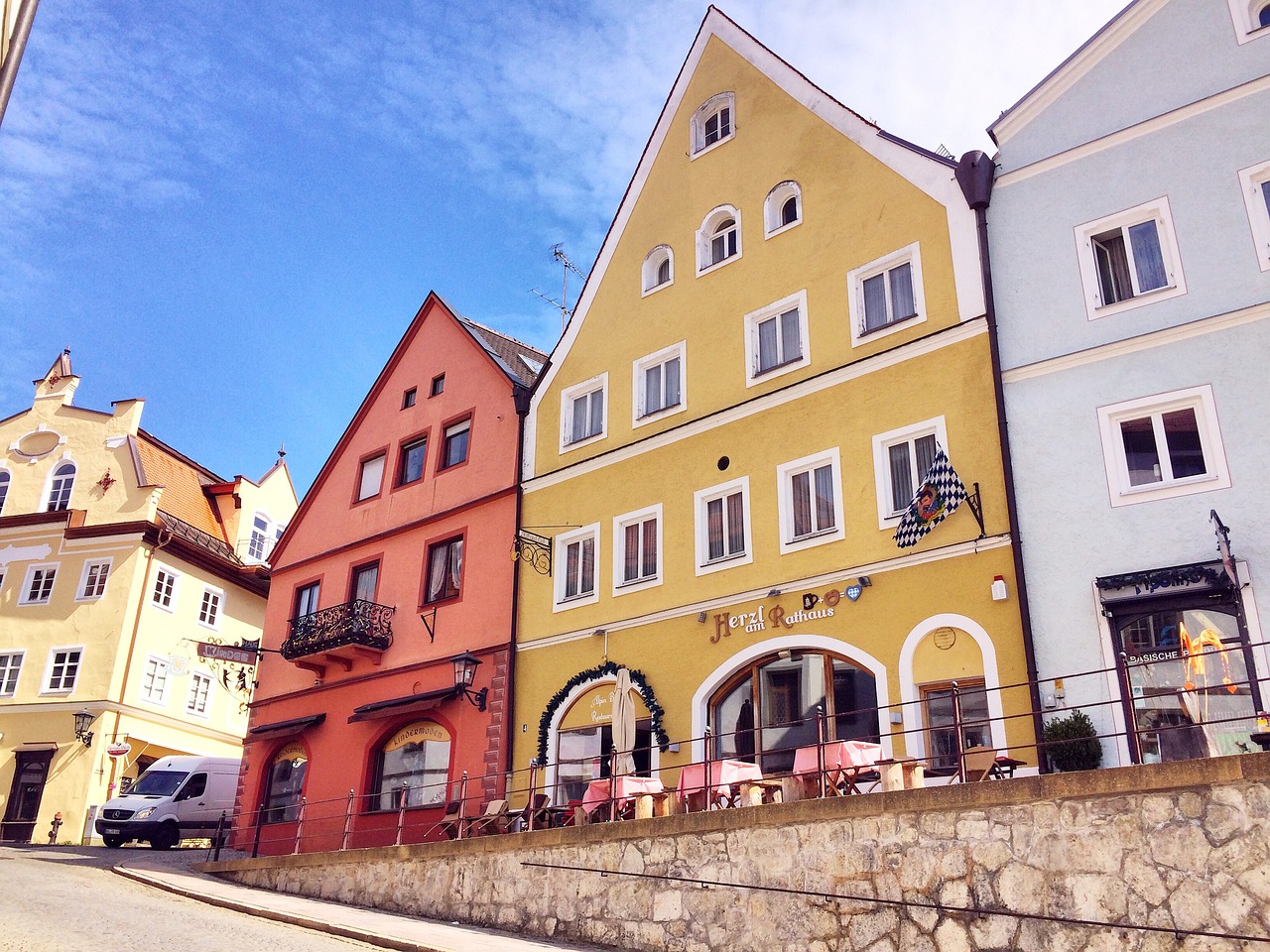
That’s a shame, because Füssen rewards those who linger. This compact town at the end of the Romantic Road is a blend of lakes, mountains, pastel medieval streets, baroque churches, and the kind of cozy beer gardens where the staff will remember your order by your second night. It’s walkable, surprisingly affordable if you know where to look, and full of hidden gems in Füssen beyond the famous castles.
Over several trips—summer lake swims, autumn hikes, and one unforgettable week in January when the town was muffled under deep snow—I’ve built up favorite corners, family-friendly spots, and romantic hideaways. This travel guide for Füssen pulls those together into detailed 3, 4 and 5 day itineraries, plus deep dives into at least 20 of the must-see attractions in Füssen, local food, customs, and practical travel tips for Füssen for 2026–2027.
If you’re wondering whether 3 days in Füssen is enough (it is, with focus) or planning a more leisurely 5 day itinerary for Füssen, this guide will walk you through how to make the most of every hour—without feeling rushed.
Table of Contents
- Why Visit Füssen?
- Overview of Füssen’s Neighborhoods & Areas
- 20+ Must-See Attractions in and around Füssen
- Suggested 3, 4 & 5 Day Itineraries (Story-Style)
- Local Food & Drink in Füssen
- Nightlife, Entertainment & Cultural Experiences
- What’s New in 2026–2027: Events & Changes
- Best Day Trips from Füssen
- Cultural Etiquette & Local Customs
- Practical Travel Advice for Füssen (Money, SIM, Transport, Visas)
- When to Visit Füssen & Seasonal Highlights
- Summary & Final Recommendations
Füssen’s Neighborhoods & Areas to Explore
Füssen is small enough that you can cross the core on foot in 15 minutes, but each area has its own flavor. Here’s how I mentally map the town when I plan days:
Altstadt (Old Town)
This is the postcard-heart of Füssen: cobblestones, pastel townhouses, wrought-iron signs, and the Hohes Schloss looming overhead. It’s where you’ll likely stay, eat, and wander in the evenings.
- Best for: First-time visitors, evening strolls, café-hopping, people-watching.
- Highlights: Reichenstraße (the main pedestrian street), the Franciscan monastery, Stadtbrunnen (town fountain), small independent shops.
Lech Riverside & Bridges
Walk downhill from the Altstadt and you hit the Lech river—glacier-blue, fast-flowing, and photogenic in every season. Paths run along both banks with benches where I’ve happily lost hours just watching the water.
- Best for: Easy walks, sunrise/sunset photos, quiet reading spots.
- Highlights: Lechbrücke bridge viewpoints, riverside paths towards the Lechfall.
Forggensee & Lakes District
North of town lies a necklace of lakes—Forggensee, Hopfensee, Weissensee—each with its own character. In summer, this is where half of Füssen disappears to swim, sail, or laze on the shore with ice cream in hand.
- Best for: Families, summer swimming, cycling, easy scenic walks.
- Highlights: Boat cruises on Forggensee, sunset promenade at Hopfen am See.
Schwangau & Castles Area
A short bus ride away, Schwangau is technically a different municipality but feels like Füssen’s backyard. This is castle country: Neuschwanstein, Hohenschwangau, Alpsee, and rolling green hills dotted with cows.
- Best for: First-time visitors, couples, photographers, hikers.
- Highlights: Neuschwanstein and Hohenschwangau castles, Alpsee lakeside paths, Tegelberg cable car.
Outskirts & Villages
Beyond the immediate town are small villages and farm-dotted plains that feel frozen in time. I like to rent a bike and simply ride until I spot a church tower or a gasthof that looks inviting.
- Best for: Cycling, slow travel, escaping the crowds.
- Highlights: Hopfen am See, Schwangau village, rural chapels, country inns.
20+ Must-See Attractions in and around Füssen
Below are detailed, story-style looks at more than 20 of the best places to visit in Füssen. These are the building blocks for any 3 day itinerary for Füssen or longer stay.
1. Neuschwanstein Castle
I’ve visited Neuschwanstein in blazing August sun, in October fog, and once in February when the turrets rose out of a snowstorm like a mirage. Each time, despite the crowds and the selfie sticks, it has still felt otherworldly.
Commissioned by “Mad King” Ludwig II in the 19th century as a romantic medieval fantasy, Neuschwanstein never fully reached completion. Ironically, the unfinished project became one of the most photographed castles in the world and a model for Disney’s Sleeping Beauty castle.
Getting there: From Füssen station, take bus 73 or 78 to Hohenschwangau (around 10–15 minutes). I prefer catching the first bus around 8:00–8:30 in high season to beat the worst crowds.
Tickets & timing (2026 update): As of 2026, you still need to pre-book a timed entry slot via the official website, especially in summer and during Christmas holidays. Allow at least half a day including the hike up, tour, and viewpoints.
The climb: From the ticket center in Hohenschwangau, it’s a 30–40 minute uphill walk. There are also horse-drawn carriages (more for the experience than speed) and a shuttle bus (depending on season and weather). I usually walk up through the forest path—it’s shaded, peaceful, and gives you several preview glimpses of the castle through the trees.
Inside the castle: The guided tour (mandatory) takes about 30 minutes. It whisks you through the Throne Room, the King’s bedroom, and the Singers’ Hall, all dripping in ornate murals and gilding. It’s beautiful, but also crowded and tightly scheduled. My tip: don’t rush your photos inside; the groups move fast, but a quick pause here and there doesn’t break the flow.
Best viewpoints:
- Marienbrücke (Mary’s Bridge): The classic postcard angle. From the castle entrance, follow signs uphill for 15–20 minutes. In peak season, it can be shoulder-to-shoulder, but if you go early or late, you can actually pause and savor the view. In winter, the bridge sometimes closes for safety—check locally.
- Lower trails: On the way down, I like to cut onto the forest paths rather than the main road. Little clearings give unique angles with fewer people in the frame.
Family-friendly? Yes, with caveats. Kids often love the fairy-tale setting but may get restless during the guided tour. Bring snacks and plan time for free roaming afterward by the lake.
What to eat nearby: I usually grab a late lunch at a small gasthof in Hohenschwangau rather than the crowded snack stands. Look for seasonal dishes—Käsespätzle (cheesy noodles) or a hearty Suppe in winter. If you want to picnic, there are benches around Alpsee (more on that below).
Local tip: For photographers, consider visiting twice: once in the morning for the tour, and once around sunset just for the views from below and from Marienbrücke. Even if you don’t go inside again, the changing light is worth it.
2. Hohenschwangau Castle
Hohenschwangau is Neuschwanstein’s underrated neighbor—a mustard-yellow castle where Ludwig II spent much of his childhood. While Neuschwanstein grabs all the headlines, Hohenschwangau quietly offers richer historical context and more intimate interiors.
On one autumn visit, I booked both castles back-to-back. By the time I stepped into Hohenschwangau’s softly lit rooms, the crowds had thinned, and I remember standing in the King’s study, looking out over Alpsee, imagining what these hills looked like to Ludwig as a child.
Why visit: It’s less crowded, more authentic (actually lived in), and gives you the “before” picture to Neuschwanstein’s fantasy “after.” If you have only one day in the castles area, I still recommend trying to see both.
Getting there: Same bus as Neuschwanstein, but Hohenschwangau is closer to the ticket center and lower down the hill. It’s a short 15–20 minute walk up a gentler slope.
Inside: The guided tour (about 30–35 minutes) leads through rooms full of murals depicting German legends, family portraits, and surprisingly cozy living spaces. Audio guides are available in multiple languages and are easier for kids to follow.
Tip: Book a combined ticket with Neuschwanstein and check the scheduled times: leave at least an hour between the end of one tour and the start of the next to account for walking and photos.
3. Alpsee Lake
Just below the two castles sits Alpsee, a clear, deep-blue lake ringed by forested hills. The first time I walked here, it was early morning with a faint mist over the water and only the sound of cowbells from the slopes.
Things to do:
- Lake circuit walk: A relatively easy, mostly flat loop around the lake (roughly 1.5–2 hours at a relaxed pace). There are little jetties and viewpoints along the way, some with benches perfect for a picnic.
- Swimming: In high summer, locals come here to swim. The water is cold but refreshing. There are no big beaches, but plenty of access points along the path.
- Boat rentals: Pedal boats and small rowboats are usually available in season near the main access area.
Romantic angle: I like to circle halfway around the lake in the late afternoon, find a quiet bench, and watch the light change on the castle silhouettes above. It’s one of the more romantic things to do near Füssen without spending any money.
4. Hohes Schloss (High Castle of Füssen)
Back in Füssen proper, the Hohes Schloss towers above the old town, its white and red walls and trompe-l’œil (optical illusion) painted windows making it look like a storybook fortress. For some reason, many visitors never climb up here, which is baffling: it’s right there, and the courtyard alone is worth it.
I like to head up in the late afternoon, when the sun slants across the rooftops and the bells start chiming below. The walk is short but steep, winding through quiet lanes away from the main drag.
History: The castle was once the summer residence of the Prince-Bishops of Augsburg. Today, parts of it house a branch of the Bavarian State Collections of Paintings, displaying late Gothic works.
Highlights:
- Court yard: Enclosed, peaceful, and photogenic, with the painted facades that make the windows appear deeper than they are.
- Viewpoints: From various corners of the complex, you can look out over the old town’s red roofs to the mountains beyond.
- Art collection: If you’re into medieval and early Renaissance art, the small gallery is a lovely, uncrowded stop.
Tip: Combine a visit here with a wander through the Franciscan monastery below; it’s a calming contrast to the castle’s grandeur.
5. Basilica of St. Mang & Former Monastery
St. Mang’s Basilica sits right below the Hohes Schloss, its white and yellow facade anchoring one side of a quiet square. It’s easy to pass by on your way to the river, but stepping inside always feels like walking into a cool, baroque pocket of calm.
What to see:
- Interior: Stucco, frescoes, and a bright, airy nave that contrasts with the more somber Gothic churches elsewhere in Bavaria.
- Monastery courtyard: A peaceful space where I’ve often sat with a takeaway coffee, listening to distant traffic and church bells.
- Museum: The attached museum (Stadtmuseum Füssen) covers local history, including the town’s legacy as a center for lute and violin making.
Personal anecdote: On one winter visit, I ducked into St. Mang during a snow flurry. A small choir was rehearsing, and for half an hour, the world narrowed to candlelight and polyphony. Füssen does these unplanned moments very well.
6. Lechfall & Lech Gorge
Follow the Lech river out of town for about 20–25 minutes and you’ll reach the Lechfall, where the river tumbles over a stepped weir into a narrow gorge. It’s not a huge natural waterfall, but the color of the water—milky turquoise—is striking.
Walk details: From the old town, head south following signs for Lechfall. The path is mostly flat and suitable for families. There’s a small bridge at the falls where you can look down into the gorge and along the river’s course.
Hidden gem aspect: While Lechfall itself gets visitors, the trails extending beyond it along the gorge are often quiet. I like to extend the walk further, following the path into woodland and away from the road noise.
Tip: This is a nice short excursion on your arrival day if you reach Füssen in the afternoon and don’t want anything too demanding.
7. Forggensee
Forggensee is a large, man-made lake north of Füssen, filled in summer and lowered in winter. When it’s full, its glassy surface reflects the Alps and castles; when drained, you can even see remnants of the old Roman road.
Summer activities:
- Boat cruises: Round-trip cruises leave from Füssen and other points around the lake. I once did an evening cruise in July and watched the sky turn pink behind Neuschwanstein’s silhouette.
- Swimming & sunbathing: Several designated bathing areas with lawns and basic facilities make this a family-friendly spot.
- Cycling: A bike path runs around large parts of the lake, connecting small hamlets and viewpoints.
Budget tip: Instead of a full cruise, you can ride the local bus or cycle to one of the quieter shore sections and enjoy essentially the same views for free.
8. Hopfensee & Hopfen am See
Hopfen am See calls itself the “Riviera of the Allgäu,” and on a summer evening you’ll see why. A palm-lined (yes, really) lakeside promenade runs along Hopfensee, dotted with cafes and ice cream stands facing the mountains.
Why I love it: After a busy day with castles and museums, this is where I go to unwind. There’s a slightly holiday-resort vibe, but also a laid-back locals’ feel—families strolling, kids on scooters, retirees with gelato.
Things to do:
- Sunset walk: The promenade is ideal for a golden-hour stroll. On clear evenings, the mountain reflections are spectacular.
- Swimming: There’s a lakeside lido with a small entrance fee and grass for sunbathing.
- Dining: Several restaurants with outdoor terraces serve Bavarian classics and fish dishes.
Getting there: Local buses run from Füssen in around 10 minutes. I often take the bus out, then walk or bike back if the weather is good.
9. Weissensee
Weissensee is my go-to when I want lake time without the crowds. Smaller than Forggensee and Hopfensee, it’s tucked among forests and hills, with a more low-key, local vibe.
Activities:
- Lake loop walk: An easy path circles the lake, with sections right at the water’s edge and others through shady forest.
- Swimming: Several access points and a small official bathing area.
- Winter: In colder winters (check locally), parts of the lake sometimes freeze enough for ice skating.
Tip: Bring snacks or a picnic; facilities are more limited than at Hopfensee. This is also a nice spot if you’re staying in Füssen for 4 or 5 days and want to slow your pace.
10. Füssen Altstadt (Old Town) Walk
One of the simple joys of 3 days in Füssen is that you can actually get to know the old town, not just rush through it. I like to start at Reichenstraße, Füssen’s main pedestrian street, and then deliberately get “lost” in the side alleys.
Key stops:
- Reichenstraße: Lined with pastel facades, shops, bakeries, and small hotels. Look up to see painted details and old house signs.
- Stadtbrunnen (Town Fountain): A good meeting point and people-watching spot.
- Hidden courtyards: Several archways lead into small inner courtyards with cafes or galleries—don’t hesitate to wander in if they’re open.
Personal habit: On my first morning in Füssen, I always do an unstructured Altstadt stroll with a coffee in hand, just to reset my travel brain to “slow” mode.
11. Museum of Füssen (Stadtmuseum)
Housed in the former Benedictine monastery of St. Mang, Füssen’s city museum is one of those places that far exceeds expectations if you take the time to visit.
Why go: It’s an excellent rainy-day option and gives a deeper sense of the town’s history, especially its role as a center of lute and violin making. There are beautiful vaulted rooms, historic instruments, religious art, and rotating temporary exhibitions.
Tip: If you’re interested in music, ask about any concerts or recitals in the monastery spaces; occasionally there are small-scale events with wonderful acoustics.
12. Kalvarienberg (Calvary Hill)
Kalvarienberg is a small hill topped with chapels and crosses, offering superb views over Füssen, the Lech, and the Alps. It’s one of my favorite short hikes straight from town.
Route: From the old town, cross the Lech and follow signs to Kalvarienberg. The path zigzags up through woodland, passing small stations of the cross. It’s steep in places but not long; allow 30–40 minutes up at a leisurely pace.
View: At the top, you’ll find a small chapel and several vantage points. It’s particularly lovely in late afternoon when the town glows in warm light.
Romantic / reflective: This is where I come when I need perspective—literal and figurative. It’s quieter than many viewpoints near the castles and feels more “local.”
13. Tegelberg Cable Car & Hiking
Tegelberg is a mountain near Schwangau with a cable car that whisks you up to panoramic views over the lakes and castles. If you’re building a 4 day itinerary for Füssen, this is a strong candidate for your “mountain day.”
Activities:
- Cable car ride: The ascent is scenic, with Neuschwanstein popping into view behind you. At the top, there’s a restaurant and viewing platforms.
- Hikes: Various trails start from the cable car station, from short loops to more ambitious ridge walks. In summer, bring layers; weather can change quickly.
- Paragliding: For the adventurous, tandem paragliding flights launch from here (book ahead). Watching the paragliders float off the cliff edge is an attraction in itself.
Family note: Kids usually love the cable car. Combine with a gentle walk and maybe the summer toboggan run at the base for a full day out.
14. Königliche Kristall-Therme Schwangau (Thermal Spa)
On my second winter trip to Füssen, after a long, icy walk around Alpsee, I treated myself to an evening at the Königliche Kristall-Therme. Soaking in warm mineral pools while watching snow fall on the mountains is an experience I still daydream about.
What to expect: A variety of indoor and outdoor pools, saunas, steam rooms, and relaxation areas, many with castle-themed decor. Some areas are textile-free (nude), in keeping with German spa culture (more on etiquette later).
Best times: Weekday evenings are quieter. In peak season, weekends can be busy but still enjoyable.
Tip: Bring your own towel and sandals to save on rental fees, and plan at least 3–4 hours to fully relax.
15. Festspielhaus Füssen (Musical Theatre by the Lake)
On the shore of Forggensee stands the Festspielhaus, a modern theater that hosts musicals, concerts, and events, often with Neuschwanstein as a distant backdrop. It’s an impressive sight when lit up at night.
Cultural experiences: Check the 2026–2027 program; there are regularly productions related to King Ludwig II, as well as touring musicals and classical concerts.
Personal note: One summer, I attended an open-air concert here; during the intermission, everyone stepped outside to watch the last light fade over the lake. It felt like a mini-festival.
16. St. Coloman Church
St. Coloman is a small, white church standing alone in the fields near Schwangau, with the Alps rising behind it. You’ve probably seen it in photos without even realizing where it is.
Why visit: It’s a classic Bavarian countryside scene—lone church, green fields, cows, peaks. The interior is simple but charming.
How to get there: Reachable by bike from Füssen in about 30–40 minutes, or by bus to Schwangau and a short walk.
Photography tip: Early morning or late afternoon gives the best light and fewer cars on the nearby road.
17. Ruins of Burg Vilsegg & Vils Valley
Just across the border in Austria but very close to Füssen lies Burg Vilsegg, a ruined castle perched above the Vils valley. If you’re keen on a slightly more off-the-beaten-path outing, this is a good choice.
Hike details: From the small village of Vils, trails lead up to the ruins in around 30–45 minutes. The path can be steep and uneven in places but is manageable for reasonably fit walkers.
View: From the ruins, you get sweeping views over the valley, forest, and surrounding peaks. It feels far more “wild” than the manicured castle surroundings in Schwangau.
Tip: Combine with a visit to the nearby Vilsalpsee area if you have a car or are comfortable with local buses into Austria.
18. Pfronten & Allgäu Villages
Pfronten is a nearby village surrounded by gentle mountains and meadows, with traditional houses and a slower rhythm. I spent a night here on one trip and loved waking up to cowbells and the smell of cut grass.
Things to do: Short hikes, local cheese shops, small churches, and a different angle on the region than Füssen’s more touristed center.
Getting there: Regional trains and buses connect Füssen and Pfronten in under 30 minutes.
19. Pilgrimage Trails & Walking Routes
Füssen sits on sections of old pilgrimage routes, including the Via Claudia Augusta and the Jakobsweg (St. James’ Way) variations. Even if you’re not doing a long-distance walk, you can sample parts of these routes on day hikes.
Experience: Waymarked paths lead through fields, villages, and forested hills, often passing small chapels and shrines. There’s a contemplative feel, especially in shoulder seasons when trails are quieter.
Tip: Ask at the tourist office for current walking maps and suggested day routes; they’re very helpful and up-to-date.
20. Füssen Christmas Market (Seasonal)
If you’re visiting in late November or December, Füssen’s Christmas market transforms the Altstadt into a twinkling, mulled-wine-scented maze of stalls. It’s smaller than the big-city markets, which is exactly its charm.
What to expect: Stalls selling handmade crafts, ornaments, local produce, and plenty of food: sausages, crepes, roasted nuts, and Glühwein (mulled wine). Choir performances and small concerts often round out the program.
Personal note: I once spent an evening here during light snowfall, bouncing between a mug of hot cherry Glühwein and a paper cone of roasted chestnuts. It felt like stepping into a snow globe.
More Notable Spots
- Franciscan Monastery Gardens: Quiet green space just below the Hohes Schloss, good for a breather.
- Local Luthier Workshops: Occasionally open to visitors; ask the tourist office for current options.
- Small Chapels around Füssen: Dotting nearby hills and fields; great photographic subjects on bike rides.
3, 4 & 5 Day Itineraries for Füssen (Story-Style)
Below are narrative-style itineraries based on trips I’ve actually taken (and tweaked) over the years. Adapt them to your own pace, but they’ll give you a clear sense of how to structure 3, 4 or 5 days in Füssen.
3 Day Itinerary for Füssen: Castles, Town & Lakes
This 3 day itinerary for Füssen is ideal for first-time visitors who want the big sights plus a feel for local life.
Day 1: Arrival, Altstadt & Lech Riverside
I like to arrive in Füssen around midday, drop my bag at a guesthouse in the old town (many will hold luggage if the room isn’t ready), and start gently.
Afternoon: Wander Reichenstraße, grab a coffee and a slice of cake at a bakery, and orient yourself. Duck into St. Mang’s Basilica and the monastery courtyard, then continue down to the Lech river. Walk along the riverside path; if you have the energy, extend to Lechfall and back.
Evening: For your first dinner, pick a traditional Bavarian restaurant in the Altstadt. I usually order Käsespätzle or Schnitzel with a local beer. Afterward, stroll the quiet streets as the day-trippers depart and the town softens into lamplight.
Personal tip: On my last visit, I ended Day 1 on a bench above the river, watching the castle glow orange in the sunset. It’s a good moment to mentally slow down and commit to not rushing Füssen.
Day 2: Neuschwanstein, Hohenschwangau & Alpsee
Morning: This is your big castle day. With pre-booked tickets, catch an early bus to Hohenschwangau. Pick up your tickets at least an hour before the first tour to allow for lines. I like to tour Hohenschwangau first, then Neuschwanstein, with some breathing space in between.
Walk up to Hohenschwangau, do the tour, then descend, grab a quick snack or early lunch, and tackle the uphill walk to Neuschwanstein. After your tour, continue up to Marienbrücke for the classic view (if open).
Afternoon: Instead of heading straight back, drop down to Alpsee. Walk part of the lakeside path, find a quiet spot, and decompress. If it’s warm, dip your feet in the water or rent a small boat.
Evening: Back in Füssen, opt for a lighter dinner (a soup, salad, or shared plate) and perhaps a drink at a cozy bar. You’ll sleep well after the hills and castle stairs.
Day 3: Hohes Schloss, Museum & Hopfensee
Morning: Head up to the Hohes Schloss for courtyard photos and town views, then spend a couple of hours in the Museum of Füssen at St. Mang. This rounds out the historical side of your visit.
Afternoon: After lunch in the old town, catch a bus to Hopfen am See. Walk the lakeside promenade, swim if the weather permits, and lounge at a café with a view.
Evening: Time your lakeside visit for sunset; on clear evenings, the mountains light up behind the lake. Have dinner at one of the restaurants along the promenade before heading back to Füssen for your last night.
3 Day Takeaway: This itinerary hits the headliners while still leaving you breathing space—perfect if you’re continuing along the Romantic Road or into Austria afterward.
4 Day Itinerary for Füssen: Adding Mountains & More Lakes
If you have 4 days in Füssen, keep the 3-day structure, then add one of my favorite “elevated” days.
Day 4: Tegelberg & Schwangau Countryside
Morning: Take the bus to the Tegelberg cable car base. Ride up, enjoy the panoramic views, and, if you’re comfortable, do a short hike along one of the marked trails. Drink a coffee or hot chocolate on the terrace with Neuschwanstein visible far below.
Afternoon: Descend by cable car and, if open, ride the summer toboggan run. Then either walk or bus into Schwangau village. Visit St. Coloman church, wander the fields, and soak up the rural calm.
Evening: Finish the day at the Königliche Kristall-Therme in Schwangau. Soak in warm pools as the light fades, then take a bus or taxi back to Füssen. Sleep comes easily after a spa evening.
Alternate Day 4 (for bad weather): Skip the cable car and do more indoor activities—longer museum time, a leisurely café afternoon, or even a side trip by train to Kempten or Reutte.
5 Day Itinerary for Füssen: Slow Travel & Hidden Corners
With 5 days in Füssen, you can shift fully into slow-travel mode, adding quieter hikes, lesser-known lakes, and even a cross-border stroll.
Day 5: Weissensee, Kalvarienberg & Hidden Spots
Morning: Start with a short hike up Kalvarienberg for morning views over Füssen. It’s a good way to say hello to the town from above one last time.
Then catch a bus to Weissensee. Walk the lakeside trail, find a quiet patch of shore, and just exist for a while—read, nap, or simply listen to the water.
Afternoon: Return to Füssen and spend some time revisiting favorites: a particular café, a shop where you wanted to buy a small souvenir, or just wandering the back lanes of the Altstadt.
Evening: For your final night, consider a more special dinner—perhaps at a slightly higher-end restaurant or a wine bar. Raise a glass to the fact that you really know Füssen now, not just its most famous façade.
Optional Side Trip for Day 5: If you’re restless, swap Weissensee for a half-day excursion to Pfronten or the Burg Vilsegg ruins across the Austrian border.
Local Food & Drink in Füssen
Bavarian cuisine is hearty, comforting, and perfect after a day of hiking or castle-climbing. Füssen delivers the classics, plus some Allgäu specialties and lighter options if you need a break from meat and potatoes.
Must-Try Local Dishes
- Käsespätzle: Soft egg noodles baked with mountain cheese and topped with crispy onions. The Allgäu region is known for its cheese, so this dish is especially good here.
- Schweinshaxe: Roast pork knuckle with crackling skin; enormous and best shared unless you’re genuinely ravenous.
- Weisswurst: Traditional white sausages eaten before noon with sweet mustard and pretzels.
- Forelle / Saibling: Local trout or char from alpine lakes, often grilled or pan-fried.
- Apfelstrudel & Kaiserschmarrn: Apple strudel and fluffy shredded pancakes, both excellent dessert or afternoon fuel.
What to Drink
- Local beer: Try regional lagers and wheat beers; most restaurants proudly list their brewery.
- Radler: Half beer, half lemonade; perfect on a hot hiking day.
- Schnapps: Fruit brandies (pear, plum, apricot) often offered as a digestif.
- Non-alcoholic: Apfelschorle (apple juice with sparkling water) is my go-to daytime drink.
Budget-Friendly Eating
On one longer stay, I tried to keep food costs modest without living on supermarket sandwiches. These tricks helped:
- Bakeries for breakfast: Grab a pastry and coffee instead of a hotel buffet.
- Lunch as main meal: Some places offer cheaper Mittagsmenü (lunch menus); eat your big meal then and go lighter in the evening.
- Supermarket picnics: Stock up on bread, cheese, fruit, and snacks for lakeside picnics—delicious and cheap.
- Share large dishes: Portions are often generous. Splitting a main and a side is socially normal if you’re not very hungry.
Where to Eat (Types of Places)
Rather than list specific places that might change by 2026, here’s how I choose:
- Altstadt Gasthöfe: Traditional inns with wood-paneled interiors—great for classic Bavarian dishes.
- Cafés on side streets: Quieter and often cheaper than prime locations on Reichenstraße.
- Lakeside restaurants: At Hopfensee and Forggensee, pick spots with locals, not just tour groups.
- Ice cream stands: In summer, gelato becomes an essential food group; try fruit flavors after hikes.
Nightlife, Entertainment & Cultural Experiences in Füssen
Füssen is not a party town, but it has a cozy, low-key nightlife centered around pubs, wine bars, and cultural events.
Evening Options
- Beer & wine bars: Enjoy local beers or a glass of German wine in small, atmospheric spaces. Many have outdoor seating in summer.
- Live music: Some bars host acoustic sets, especially on weekends. Ask your accommodation for current favorites.
- Festspielhaus Füssen: Check for evening performances—musicals, concerts, or special events.
Cultural Experiences
- Church concerts: Look for posters advertising organ concerts or choral performances in St. Mang or other churches.
- Local festivals: Seasonal markets, village fairs, and beer festivals in nearby towns, especially during summer and early autumn.
- Traditional costume events: Occasionally, you’ll see locals in Trachten (dirndls and lederhosen) at festivals or special Sundays.
Romantic evenings: My ideal Füssen night is simple: dinner in the Altstadt, a slow walk through quiet lanes, and perhaps a final drink at a small bar or on a bench overlooking the river.
What’s New in 2026–2027: Events & Changes
Tourism in Füssen evolves gently rather than radically, but there are always updates worth knowing. For 2026–2027:
- Castle ticketing: Online pre-booking remains essential for Neuschwanstein and strongly recommended for Hohenschwangau, especially between May and October and around Christmas.
- Infrastructure upgrades: Ongoing improvements to walking and cycling paths around Forggensee and Hopfensee; check locally for any temporary closures.
- Festivals: Expect the usual annual events—summer music programs at Festspielhaus, local folk festivals, and the Advent / Christmas markets—roughly on the same calendar as previous years (late November–December for markets, various weekends in summer for village fairs).
For precise 2026–2027 dates, check Füssen’s official tourism site a couple of months before your trip; they maintain an up-to-date events calendar.
Best Day Trips from Füssen
If you’re using Füssen as a base for 4 or 5 days, consider these nearby excursions.
Reutte & Highline179 (Austria)
A short hop across the border, Reutte offers a dramatic suspension bridge—Highline179—spanning a deep valley between castle ruins.
- Getting there: Train from Füssen to Reutte in Tirol (around 30–40 minutes), then a local bus or walk to the bridge area.
- Activities: Walk the bridge (if you’re not afraid of heights), explore the Ehrenberg castle ruins, and enjoy mountain views.
Kempten
Kempten, one of the oldest towns in Germany, makes for a relaxed urban day with Roman history, a pleasant old town, and good shopping.
- Getting there: Regional trains connect Füssen and Kempten in about an hour.
- Highlights: Basilica of St. Lorenz, the Archaeological Park Cambodunum, and a livelier restaurant and café scene than tiny Füssen.
More Alpine Lakes & Valleys
With a car (or careful planning with buses), you can reach additional lakes and valleys in both Germany and Austria, each offering hiking, swimming, or just stunning scenery. Ask at the tourist office for current suggestions based on your interests and the season.
Cultural Etiquette & Local Customs in Füssen
Füssen is friendly and used to visitors, but a few cultural notes will help you blend in and avoid awkward moments.
Greetings & Politeness
- Say “Grüß Gott” (a common Bavarian greeting) or “Guten Tag” when entering small shops or restaurants.
- Use “Bitte” (please) and “Danke” (thank you) liberally.
- Handshakes are common in more formal settings; otherwise, a simple verbal greeting is fine.
In Restaurants & Cafés
- Wait to be seated, especially in more formal places. In casual beer gardens, it’s often acceptable to seat yourself—look for signs.
- Tipping: Round up or add about 5–10% depending on service. Hand the tip directly to the server when paying; don’t leave it on the table.
- It’s normal to linger over a drink; you won’t be rushed out.
At the Spa (Therme) & Saunas
- Textile-free (nude) areas are standard in saunas in Germany. Swimsuits are often not allowed in sauna cabins; check signs.
- Shower before entering pools or saunas.
- Use a towel to sit/lie on in saunas for hygiene.
Nature & Hiking Etiquette
- Stay on marked trails to protect vegetation and avoid private land.
- Take your trash with you; bins may be sparse in remote areas.
- Respect quiet in churches, chapels, and cemeteries, even if you’re just popping in for photos.
Practical Travel Advice for Füssen
A few nuts-and-bolts details to make your trip smoother, cheaper, and less stressful.
How to Get to Füssen
- By train: Regular regional trains connect Füssen with Munich (via Buchloe or Kaufbeuren), taking about 2–2.5 hours.
- By car: Well-maintained roads from Munich, Augsburg, and Innsbruck. Parking in Füssen can be limited in peak season; many hotels offer guest parking.
- By bus: Füssen is the terminus of the Romantic Road bus route from Würzburg (seasonal schedules).
Getting Around Füssen
- On foot: The old town and riverfront are easily walkable.
- Local buses: Connect Füssen with Schwangau, the lakes, and nearby villages. Ask your accommodation about guest cards that include free or discounted bus travel.
- Bike rental: Highly recommended for exploring lakes and countryside. Several rental shops in town.
- Car rental: Useful if you’re planning many day trips or traveling in a group, but not essential for a Füssen-focused stay.
SIM Cards & Connectivity
- Germany has good mobile coverage in and around Füssen, though some valleys may have weak spots.
- Prepaid SIMs from major providers (Telekom, Vodafone, O2) are available in larger supermarkets, electronics stores, or at airports. Data-only eSIMs are an easy option if your phone supports them.
- Most hotels and many cafés offer free Wi-Fi, though speeds vary.
Money & Costs
- Currency: Euro (€).
- Cards vs. cash: Cards are increasingly accepted, but small bakeries, kiosks, or rural spots may still prefer cash. I always carry some euros.
- Budget tips: Use regional day passes for trains, eat main meals at lunch, and mix restaurant meals with picnics.
Visas & Entry Requirements (2026)
- Germany is in the Schengen Area. Many nationalities (e.g., EU, UK, US, Canada, Australia, New Zealand, parts of Asia and Latin America) can enter visa-free for short stays—check official sources for your specific passport.
- From 2025–2026 onward, some travelers may need to complete ETIAS (an online travel authorization) before arrival; confirm current rules well before your trip.
Driving, Foreign Licenses & Road Rules
- Most visitors with a valid license from their home country can drive in Germany for short stays; an International Driving Permit (IDP) is recommended and required for some nationalities—check your country’s agreement.
- Drive on the right, obey speed limits strictly, and never drink and drive—enforcement is strict.
- Winter tires are mandatory in winter conditions; rental cars in the Alps typically come equipped, but verify when booking in 2026–2027.
Saving Money in Füssen
- Stay in guesthouses or apartments slightly outside the strict old town; still walkable, but often cheaper.
- Use included guest cards (often provided by accommodations) for free local bus travel and discounts.
- Prioritize which paid attractions matter most to you—castles, museum, cable car—and enjoy free hikes and lake walks to balance costs.
When to Visit Füssen & Seasonal Highlights
Füssen changes character dramatically with the seasons, and each has its strengths depending on what you want from your trip.
Spring (April–June)
- Best for: Quieter hiking, blossoming meadows, cooler temperatures.
- Some mountain routes and lake facilities may still be ramping up, but most main attractions are open.
Summer (July–August)
- Best for: Swimming, long days, lakeside life, outdoor dining.
- Also the busiest and priciest time; book accommodation and castle tickets early.
Autumn (September–October)
- Best for: Fewer crowds, warm colors, clear hiking days.
- My personal favorite: you can still have lake walks, but with a calmer atmosphere.
Winter (November–March)
- Best for: Snowy fairy-tale castle views, Christmas markets (late Nov–Dec), spa days.
- Some cable cars and lake services may run on limited schedules; check ahead.
For castles & classic sights: Late spring to early autumn.
For hiking & photography: September and early October are ideal.
For cozy, quiet romance & Christmas markets: Early December or January.
Summary & Final Recommendations
Füssen is far more than a gateway to Neuschwanstein. Give it 3 days and you’ll experience castles, lakes, and a charming old town. Stay 4 or 5 days and you’ll begin to feel the rhythm of local life—morning bread runs, quiet riverside walks, sunset at Hopfensee, and slow evenings in small gasthofs.
Build your trip around what excites you most: fairy-tale castles, alpine hikes, family-friendly lake days, or romantic spa evenings. Use the detailed attraction sections and 3–5 day itineraries in this guide as a framework, then leave a little room for serendipity—because Füssen’s magic often shows up in the unscheduled hour on a bench by the Lech or a conversation with a café owner about the best nearby trail.
Whether you come in the soft light of autumn, the bright buzz of summer, or the snowy hush of winter, Füssen has a way of feeling both cinematic and personal at the same time. Let it be more than a day trip; it deserves it—and so do you.