Why Visit Hiddensee: The Baltic’s Quiet, Car‑Free Soul
I keep a list in my notebook titled “Places I go to reset my compass.” Hiddensee is always near the top. A slender, dune-fringed island off Germany’s Baltic coast, it squeezes an astonishing variety of landscapes into just 17 kilometers: wild cliffs, wind‑shaped pines, reed-fringed lagoons, and long, pale-sand beaches where the sea shifts from slate grey to unexpected turquoise when the sun decides to show off.
Hiddensee is car‑free, which changes everything. You arrive by ferry, your pace immediately drops, and you find yourself walking, cycling, or trundling around in horse‑drawn carriages. At night the island goes dark in the best possible way: stars above, waves in your ears, and the occasional creak of a bike rolling home late from a beach bar.
It’s also quietly cultural. In the early 20th century, poets, painters, and Berlin’s bohemia fled here for summer light and solitude. You still feel that spirit in the thatched cottages of Vitte, the dunes around Kloster, and the near-silent western beaches where mobile reception gives up and your own thoughts get loud again.
Across several recent stays – a blustery October writing retreat, a bright June family trip with sand‑castle‑obsessed nieces, and a romantic shoulder‑season week in April 2025 – I’ve biked, walked, eaten, and read my way along this ribbon of sand. This 2026 travel guide for Hiddensee pulls all of that together: practical itineraries for 3–7 days, deep dives into beaches and villages, and honest tips on food, logistics, and how to sync with the island’s rhythm.
Island Overview: The Shape and Soul of Hiddensee
Hiddensee runs roughly north–south along the western edge of Rügen, separated from the mainland by the shallow waters of the Schaproder Bodden. Think of it as four distinct characters stitched together:
- Neuendorf (South) – A traditional fishing village with thatched cottages and broad, quiet beaches. Best for calm retreats, families with small children, and bird‑watchers.
- Vitte (Central) – The island’s practical “capital” with shops, cafés, and the main harbor. Best for first‑time visitors, food options, and being in the middle of everything.
- Kloster & Dornbusch (North) – Cliffs, lighthouse, sweeping views, and cultural history. Best for romantic getaways, walkers, photographers, and Hiddensee’s must‑see attractions.
- Gellen & the Southern Spit (Far South) – Protected nature, wide empty sands, and shifting dunes. Best for long, contemplative walks and birdlife.
The west coast faces the open Baltic with proper sandy beaches and gentle waves – this is where you’ll swim, sun, and watch sunsets. The east side looks onto the Bodden: reeds, shallow waters, fishing boats. It’s calmer, better for kayaking, birding, and quiet strolls, but not really for swimming.
There are no cars (aside from a few service vehicles). You get around by bicycle, on foot, or via horse‑drawn carriage. Distances are modest: Vitte to Kloster is about 3–4 km, Neuendorf to Vitte around 4–5 km, and Vitte to the Dornbusch lighthouse roughly 6–7 km by the coastal path.
3–7 Day Itineraries for Hiddensee (2026)
Whether you’re planning a 3 day itinerary for Hiddensee or a 7 day itinerary for Hiddensee, the island rewards a slow, layered approach. Below I outline a flexible 7‑day plan based on my own recent trips. Shorter visits (3–6 days) can simply pick the days that resonate most.
How to Use These Itineraries
Each “Day” is written as a self‑contained story and plan. For:
- 3 days in Hiddensee – Focus on Days 1–3.
- 4 days in Hiddensee – Do Days 1–3 plus either Day 4 (if you love nature) or Day 5 (if you love culture and cafés).
- 5 days in Hiddensee – Days 1–5.
- 6 days in Hiddensee – Days 1–6.
- 7 days in Hiddensee – Enjoy the full rhythm of Days 1–7.
For each, I’ve included what I personally did on my last visit, plus suggestions to adjust if you’re traveling with kids, as a couple, or in a more adventurous mood.
Day 1 – Arrival, First Swim & Sunset in Vitte
Best for: First‑time orientation, easy walking, family‑friendly beach time, gentle romance.
Where to base: Vitte – central, practical, and atmospheric.
I usually arrive on the midday ferry from Schaprode, salt already in the air by the time we pass the southern tip of Hiddensee. The boat curves in toward Vitte’s harbor past moored fishing boats and the odd sailboat, and the island’s low silhouette comes into focus: dunes, thatched roofs, the gentle rise of Dornbusch further north.
Arrival & Check‑In
Because Hiddensee is car‑free, your first small adventure is figuring out your luggage:
- If you’re staying in Vitte, most guesthouses are 5–15 minutes on foot from the harbor. I like to walk – it’s the moment the island really begins.
- Otherwise, you can rent a handcart (Bollerwagen) right at the harbor, which children inexplicably love to ride in, or arrange with your accommodation for a luggage transfer by electric cart.
My usual base is a simple thatched guesthouse on a sandy lane behind the dune. Nothing fancy: creaky wooden floors, a balcony just big enough for a chair, and that faint sea-mist smell in the morning. If you’re debating where to stay, Vitte works well for 3–5 day itineraries for Hiddensee. You’re close to shops, bike rentals, and both the beach and Bodden side.
First Walk: Vitte’s Bodden Promenade
Once I’ve dropped my bag, I head for the Bodden shore. From the harbor, a path runs south along the lagoon. It’s not dramatic – reeds, wooden jetties, quietly rocking boats – but it sets the tone. On my last visit, a grey heron stalked the shallows while a local fisherman untangled nets on the pier, humming to himself.
For families, this is a perfect low‑stakes first walk: flat, stroller‑friendly, with benches and the occasional playground nearby. For couples, it’s a quietly romantic place to shake off city stress and simply watch light on water.
First Swim: Vitte West Beach
By mid‑afternoon, I usually can’t resist the pull of the west coast beach. From Vitte, you cross the sandy track over the dunes and suddenly the world opens: a wide arc of pale sand, dunes behind you, the Baltic in front.
- Swimming: The water is typically shallow and calm in summer, ideal for kids. In June 2025 the sea was clear enough to see small fish flitting around my ankles.
- Facilities: Expect basic beach access paths, some toilets near main entries, and occasional beach kiosks in high season, but no massed sun‑lounger rows or loud bars.
- Quiet corners: If you walk 10–15 minutes north or south from Vitte’s main access, you’ll easily find quieter stretches even in July.
On my latest trip, I arrived in early May; the water was bracing but irresistible after the ferry. I watched a father teaching his daughter to skim stones while a group of teenagers half‑heartedly practiced beach volleyball. It was one of those perfectly ordinary, perfectly right travel moments.
Early Dinner: Harbor‑Side Fish & First Taste of Local Food
Vitte’s small restaurant row near the harbor is where I almost always have my first island meal. Menus lean heavily into fresh Baltic fish: smoked flounder, herring, sometimes zander or cod, with potatoes and simple salads.
In 2025 I ordered a plate of Matjes herring with fried potatoes and house‑made remoulade, plus a glass of crisp white wine from the Mosel. My nieces opted for fish fingers and fries, of course, and the waitress brought them crayons unprompted – families are very welcome on Hiddensee, but things stay low‑key, not rowdy.
Sunset Ritual: Dune Walk Above Vitte
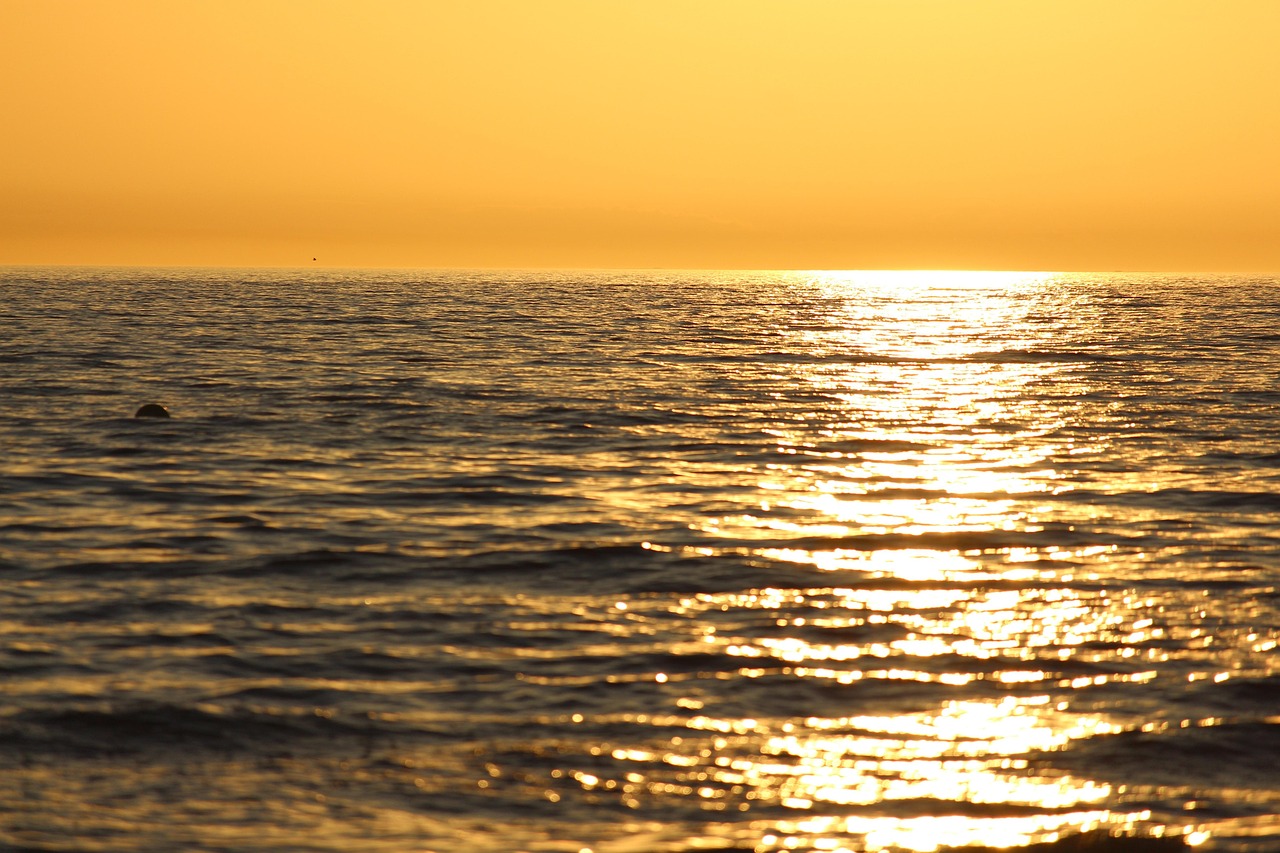
For your first evening on any 3 day itinerary for Hiddensee, prioritize a good sunset. From Vitte, I like to walk north along the beach for 20–30 minutes until the crowds thin, then scramble up one of the smaller dune paths (staying on marked routes to protect fragile vegetation).
The western horizon is wide open. On my last trip, clouds stacked up like pink and orange mountains while a lone kite-surfer chased the final wind. Behind me, the dune grass hissed quietly. It’s the moment the island’s slower pulse really kicks in.
Practical Tips for Day 1
- Cash: Withdraw before you arrive; while card acceptance is improving, some smaller spots and kiosks are still cash‑only.
- Groceries: Vitte has a small supermarket. If you’re staying in an apartment, stock up this evening – things close early compared to mainland cities.
- Bike rental: If you’re here in high season (July–August), consider reserving bikes in advance for the next morning.
Day 2 – Kloster, Dornbusch Lighthouse & Northern Cliffs
Best for: Must‑see attractions, classic views, culture, light hiking, couples, and photography.
Key sights: Kloster village, Gerhart Hauptmann House, Dornbusch Lighthouse, Swantevitblick viewpoint.
Morning: Cycling Vitte to Kloster
On my second morning, I always wake up with the quiet excitement of knowing I’ll see the Dornbusch cliffs again. After breakfast – usually bread rolls with local jam and coffee on a balcony visited by curious sparrows – I pick up my rented bike and roll north.
The path from Vitte to Kloster runs behind dunes and fields. You pass scattered cottages, occasional horse paddocks, and glimpses of the Bodden. It’s about 15–20 minutes of easy cycling; with kids, allow 30 and plan a snack stop.
Kloster Village: Art, History & Café Terraces
Kloster is my favorite village on Hiddensee: cobbled lanes, a small harbor, and an almost Mediterranean sense of light in summer. Yet even in October drizzle, it clings to a quiet charm.
- Gerhart Hauptmann House: The Nobel Prize‑winning writer spent his summers here. His villa is now a small museum set among trees, with a garden that feels almost suspended between sea and sky. On my last visit, I spent a rainy hour leafing through old photos and letters, listening to a storm drum on the windows.
- Village Church & Cemetery: The small church on the hill has a view over the Bodden that always stops me. The cemetery holds graves of artists and locals; it’s a good place to feel the island’s deeper layers.
- Cafés: Kloster’s cafés do excellent cakes. I’m partial to a slice of Sanddorntorte (sea buckthorn cake) and a strong coffee before tackling the climb to the lighthouse.
Midday: Hike to Dornbusch Lighthouse
From Kloster, several marked footpaths lead uphill through light woodland toward the Dornbusch lighthouse. Bikes must be left below; this is a walk, not a ride.
The climb is moderate – expect some stairs and sandy paths – but the payoff is immense. As the trees thin, you start to see glimpses of the cliff line and the Baltic below. On my last sunny day up here, the water was a patchwork of deep blue and unexpected turquoise, whitecaps flicking at the base of chalky slopes.
Dornbusch Lighthouse: The Iconic View
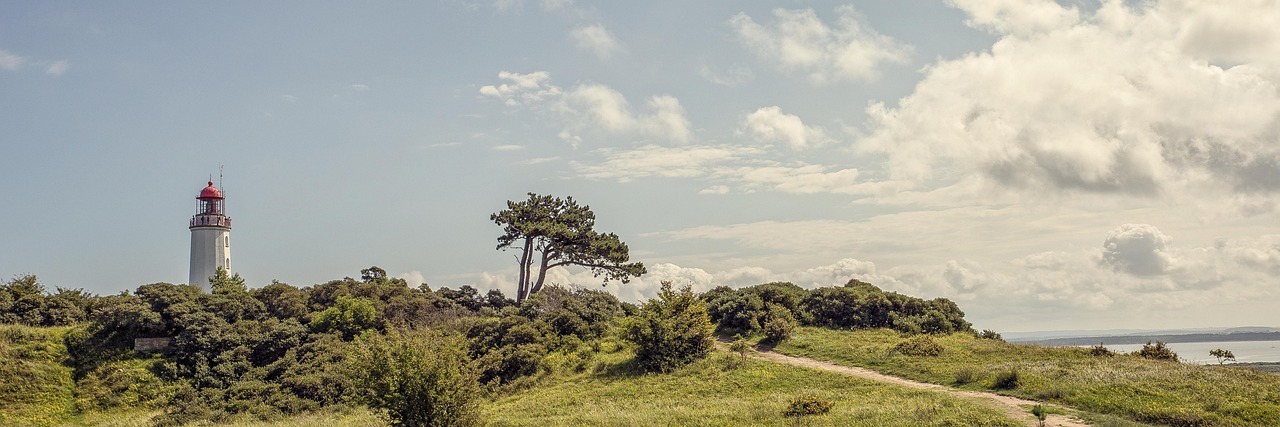
The lighthouse itself is a white tower perched on the island’s highest point, framed by low pines. In 2025, a modest entry fee let you climb the internal spiral staircase to a viewing platform. Check current 2026 hours, but it’s almost always worth it.
From the top, you see nearly the entire island: the southern spit reaching into the Bodden, Vitte’s ribbon of roofs, Kloster nestling between green and sea, and far beyond, the outlines of Rügen. It’s the shot that will anchor any travel guide for Hiddensee, but in person it feels broader, quieter, and more humbling than photos suggest.
Families: younger children may find the climb a bit daunting, but I watched several manage it with careful adult hands. The surrounding meadows are ideal for a picnic if the weather plays along.
Afternoon: Cliff Path & Swantevitblick
From the lighthouse, a coastal path runs along the Dornbusch cliffs. This is the stretch I return to every trip: wind in your ears, the constant presence of sea to your left, and gnarled pines to your right. The path undulates but is straightforward; sturdy shoes are recommended, especially after rain when it can be slippery.
One of the best viewpoints is Swantevitblick, named after a Slavic deity once worshipped in the region. From here, the curve of the coast and the contrast between pale cliffs, dark forest, and sea is particularly striking. I once sat here alone for half an hour in October, watching clouds race each other across the Baltic, not another person in sight.
Return & Dinner in Kloster
After the cliffs, I usually wind back down into Kloster for a late afternoon drink. A terrace overlooking the Bodden is ideal – order a local beer or a non‑alcoholic Apfelschorle and let your legs recover.
For dinner, Kloster’s small restaurants offer slightly more atmospheric settings than Vitte’s practical harbor eateries. On my last stay, I had a plate of pan‑fried pike‑perch with dill potatoes, eaten at an outdoor table as swallows chased insects in the fading light.
Practical Tips for Day 2
- Weather: Bring a windproof layer; the cliffs are exposed even on warm days.
- Footwear: Trainers are fine in dry weather, but avoid flip‑flops for the cliff path.
- Photos: For aerial‑style shots without a drone, use viewpoints near the lighthouse; they exaggerate the sense of height over the sea.
Day 3 – Southern Calm: Neuendorf & Gellen
Best for: A quieter day, broad beaches, traditional fishing village charm, families, and bird‑watchers.
Morning: Cycle or Walk to Neuendorf
For those doing a 3 day itinerary for Hiddensee, this is your “exhale” day – a chance to feel the island’s less‑visited southern character.
From Vitte, a flat, easy path runs south toward Neuendorf, passing dunes, meadows, and occasional holiday cottages. It’s roughly 4–5 km: about 20–30 minutes by bike or an unhurried hour and a half on foot. I like to bike down and plan to walk long stretches of beach later.
Neuendorf: Time Capsule Village
Neuendorf feels older than the rest of the island. Low, whitewashed fishermen’s cottages with thatched roofs cluster around sandy lanes, some still decorated with nets and buoys. It’s a protected ensemble, meaning development has been limited – you feel, more than anywhere else on Hiddensee, that you’ve stepped into a living maritime museum.
On my last autumn visit, morning mist clung to the reeds as I walked through the village. A local woman was hanging washing on a line between two apple trees, nodding a greeting as I passed. There’s a small harbor with a few boats and often a sense that everyone knows everyone else.
Neuendorf Beach: Space & Shallow Waters
The west beach here is particularly wide and gently shelving, making it ideal for children, paddlers, and anyone who likes a bit more personal space. In summer, you’ll see families spread out with windbreaks and picnic blankets, but never a solid wall of umbrellas.
When I came with my nieces, we spent an entire afternoon building intricate sand forts while my sister read under a wide‑brimmed hat. The water was only up to my knees for a good distance out, and the girls happily splashed without big waves knocking them over.
Gellen & the Southern Spit: Into the Quiet
South of Neuendorf lies the Gellen and the southern spit, a protected nature area. Some sections may be off‑limits during bird nesting seasons, but where access is allowed, you’ll find some of the emptiest stretches of sand on Hiddensee.
I like to walk here in the late afternoon, when the sun slants low and turns the dunes honey‑colored. One October evening, I walked for nearly an hour without seeing another person, just flocks of migratory birds shifting directions in the sky.
For photographers, this area offers some of the most evocative aerial‑style coastal panoramas – endless sandbar curves, sea on one side, Bodden on the other, and a feeling that the island might just continue into infinity.
Lunch & Simple Snacks
Neuendorf doesn’t have the restaurant density of Vitte, but you’ll find a couple of relaxed spots serving fish sandwiches, smoked fish plates, and simple warm dishes. I’m especially partial to a freshly made Fischbrötchen eaten on a bench overlooking the harbor.
Return North: Evening in Vitte or Neuendorf Overnight
By late afternoon, you can either:
- Cycle back to Vitte for dinner and sunset on “your” beach.
- Or, if you’re on a longer 5–7 day itinerary for Hiddensee, consider spending a night or two in Neuendorf for a deeper sense of the island’s southern calm.
Practical Tips for Day 3
- Protection: This stretch is particularly exposed – bring sunscreen and a hat even on seemingly mild days.
- Respect nature zones: Stay on marked paths and respect seasonal closures for bird protection.
- Food: Options are limited; bring snacks or a picnic if you’re picky or traveling with kids.
Day 4 – Hidden Corners, Dunes & the East‑Side Bodden
Best for: Repeat visitors, those on a 4 day itinerary for Hiddensee or longer, and travelers who like wandering off the main routes.
By Day 4, I find I’ve settled into the island’s way of moving – slower, more attentive. This is when I start exploring the less obvious corners: small paths between Bodden and dunes, quiet inland meadows, and tiny harbors.
Morning: East‑Side Bodden Paths
From Vitte or Kloster, head toward the eastern Bodden shore. Here the world softens: reeds, shallow waters, and wooden jetties where boats sit low in the water. The path is ideal for slow cycling or strolling; you’ll share it with birds, not cars.
On my last April trip, I set out with a thermos of coffee and no particular plan. I ended up watching a fisherman mend nets in silence while geese called across the water. It’s not spectacular in the way cliffs and lighthouses are, but it’s deeply soothing.
Midday: Inland Meadows & Horse Paddocks
The island’s interior is a patchwork of meadows, small patches of woodland, and horse paddocks. Several tracks cross from Bodden to dune side; follow whichever one calls to you, keeping gates closed behind you and respecting private property.
Along one such track near Vitte, I once met a local woman on horseback who stopped to chat about the weather, the late arrival of spring that year, and how the island had changed in her lifetime. It’s a reminder that Hiddensee isn’t just a scenic backdrop – it’s home to a small, tight community.
Afternoon: Quiet Beach Sections & Reading Time
Pick a lesser‑used beach access between Vitte and Kloster – I often choose one without signage, just a sandy track through the dunes – and claim your patch of sand. This is your afternoon for doing very little: reading, napping, or simply watching the changing texture of waves.
On a warm July day in 2024, I spent three hours under a light travel umbrella, slowly making my way through a novel while occasionally wading into the sea to cool off. No beach vendors, no loud music. Just the occasional dog chasing a ball and children’s laughter drifting from some unseen family further down.
Evening: Casual Dinner & Low‑Key Drinks
By now you’ll have identified your favorite spots in Vitte or Kloster for dinner. I like a simple fish stew or grilled fillet followed by a long, slow walk back along whichever shore the wind favors that night.
Those looking for “nightlife” in the conventional sense won’t find much – more on that later – but you can usually track down a beach bar or harbor kiosk offering a glass of wine or local beer under the stars.
Day 5 – Culture, Art & Rainy‑Day Rescue Plan
Best for: 5 days in Hiddensee or more, art and literature lovers, or anyone facing a grey, windy forecast.
Morning: Museums & Literary Traces
Hiddensee has long drawn writers and artists seeking light and isolation. Beyond the Gerhart Hauptmann House in Kloster, keep an eye out for smaller local exhibitions and galleries. In 2026, the island continues hosting rotating art shows in community spaces, often featuring Baltic sea themes.
On a blustery day in 2025, I took refuge in a small gallery near Vitte’s harbor, looking at paintings of the very dunes that were being lashed by rain outside. It felt like being inside a layered memory of the place.
Midday: Long Café Lunch & People Watching
Rainy or not, Day 5 is your permission slip for a long, indulgent café lunch. Order soup (fish or vegetable), a hearty slice of rye bread, and then something sweet – Hiddensee does excellent cakes, often featuring sea buckthorn, apple, or plum.
Use this time to watch ferry passengers come and go, locals doing errands by bike, and holidaymakers negotiating maps. If you’re working remotely, some cafés now offer reasonably stable Wi‑Fi – though don’t expect city speeds.
Afternoon: Bookstores, Local Crafts & Slow Wandering
Both Vitte and Kloster have small shops selling books, postcards, and local crafts. I make a ritual of buying one island‑related book each stay – sometimes in German, sometimes a photo book or a history of the Bodden. It’s a way to carry Hiddensee back home.
Pottery and textile crafts often draw on maritime motifs – stylized waves, boats, or dune grasses. Prices are not bargain‑basement (remember: everything is shipped in), but you’re supporting a local economy that’s trying to remain year‑round viable.
Evening: Film Screenings or Readings (Seasonal)
In high season and some shoulder weeks, keep an eye on notice boards for small cultural events: film screenings, readings, or music evenings. I once stumbled into a poetry reading in a repurposed boathouse; half the audience seemed to be locals, the other half curious visitors like me.
These nights are not slick or highly produced, but they’re a window into the island’s ongoing creative life.
Day 6 – Active Day: Kayaking, Sailing & Long‑Distance Walks
Best for: 6 days in Hiddensee or more, active travelers, older kids and teens, and anyone restless for more movement.
Morning: Kayaking or SUP on the Bodden
The Schaproder Bodden is shallow and relatively sheltered, making it ideal for kayaking or stand‑up paddleboarding on calmer days. Several providers in Vitte and sometimes Kloster rent equipment and offer basic instruction.
On my latest summer visit, I joined a small guided kayak group for a two‑hour paddle along the east coast. We glided past reed beds, watched cormorants dry their wings, and saw the island from a completely different angle. The guide shared stories of winter storms and ice that occasionally still grips the Bodden.
Midday: Beach Picnic & Nap
After exertion, reward yourself with a picnic on the west beach. On an active day, I often forgo restaurants and instead assemble a spread from the supermarket: bread, cheese, cured meats or smoked fish, fruit, and something sweet.
There’s nothing like dozing off with the sound of waves after a morning on the water, the sand warm under your back.
Afternoon: Long Coastal Walk (Vitte–Kloster–Dornbusch or Beyond)
If you still have energy, this is the day for a long coastal walk. One of my favorite routes is to start in Vitte, walk the beach to Kloster, then continue up toward the Dornbusch area, returning by an inland path.
It’s an excellent way to knit together the island’s different textures in a single day: wet sand, dry dunes, shady woods, cliff edge, and finally meadows. For a 6 day itinerary for Hiddensee, this creates a satisfying sense of having truly “traversed” the island.
Day 7 – Farewells, Favorite Places & Last Dips
Best for: Anyone fortunate enough to have 7 days in Hiddensee; also a good template for a final day on shorter trips.
Morning: One Last Swim or Walk
My last morning ritual is always the same: coffee, then a final visit to the west beach. Sometimes it’s a brisk swim in cool water; sometimes just a barefoot walk along the shore, picking up shells and smoothing out the rough edges of departure anxiety.
Midday: Packing, Souvenirs & Goodbyes
Leave time to pack slowly. Sand has a way of infiltrating everything. I usually take a last loop through the village to pick up any gifts I’ve been debating – a small print, a jar of sea buckthorn jam – and to mentally bookmark spots for “next time.”
Afternoon: Ferry Back & Watching Hiddensee Recede
There’s something quietly cinematic about watching Hiddensee shrink from the ferry deck: dunes becoming a thin line, the lighthouse a tiny spike, until finally the island is just a memory and a feeling in your chest.
For many, that’s when plans for the next 3–7 day itinerary for Hiddensee begin to form.
14 Essential Beaches, Villages & Viewpoints on Hiddensee
Below are deeper dives into at least 14 key places – beaches, coves, villages, and viewpoints – that shape the island’s character. Each could anchor a half‑day or more in your own plan.
1. Vitte – The Practical Heart with Sandy Toes
Vitte is where most visitors land and where the island’s modest infrastructure clusters: ferry pier, supermarket, bike rentals, and a sprinkling of cafés, restaurants, and galleries. It’s not the prettiest village – that honor goes to Kloster or Neuendorf – but it’s the most convenient base, especially for first‑timers.
Historically, Vitte evolved from a fishing and pilot’s settlement into the island’s “capital.” In the 20th century, summer visitors from Berlin brought a touch of bohemia. Today you’ll see everything from solo walkers with notebooks to families towing handcarts full of beach gear.
My Vitte days usually follow a rhythm: morning coffee on a guesthouse balcony, a slowly filling harbor below; midday swims off the west beach; errands at the supermarket; and an evening drink at a harbor‑side table watching ferries depart. It’s a place of routines, which is precisely why it’s such a comfortable base for 3–5 day itineraries for Hiddensee.
Tip: If you’re sensitive to noise, avoid rooms directly on the main harbor front in peak season; choose a thatched cottage a block or two inland for more quiet nights.
2. Kloster – Artists’ Light & Cliff‑Edge Drama
Kloster – named after a former monastery – has long been the island’s cultural heart. Writers and artists made their homes or summer retreats here, drawn by the interplay of light on Bodden and sea, and the relative seclusion of the northern cliffs.
The village itself is a gentle maze of sandy lanes, thatched houses, and cottage gardens overflowing with roses in June. The hilltop church offers a soul‑stirring view over the Bodden, and the Gerhart Hauptmann House anchors the village’s literary history.
On my last stay, I spent three nights in a small Kloster guesthouse. Mornings began with church bells and swallows; afternoons were spent wandering between gallery, café, and cliff paths; evenings often ended with a glass of wine on a bench overlooking the Bodden, watching the sky move through shades of copper and blue.
Tip: If you’re planning a romantic 4 day itinerary for Hiddensee, base yourselves in Kloster. You’ll be within walking distance of the island’s most evocative views.
3. Neuendorf – Thatched Calm & Time‑Warp Lanes
Neuendorf feels remarkably untouched. Its cluster of whitewashed, low fishermen’s houses with thick thatch and tiny windows is so well‑preserved that the entire village is listed as a protected monument. You won’t find big hotels here, only small guesthouses and simple apartments, many run by families who have been here for generations.
The sandy lanes double as playgrounds for neighborhood children. Chickens sometimes wander in yards; boats sit pulled up on the Bodden side. In the evenings, the village goes very quiet – if you’re craving bars or late‑night cafés, this isn’t your place. If, however, you dream of falling asleep to nothing but the sound of wind and distant waves, Neuendorf is ideal.
On a shoulder‑season stay, I spent an afternoon simply wandering these lanes, camera down, noticing details: a ship’s rope repurposed as a garden border, a carved wooden fish above a doorway, laundry snapping on a line. It’s a place that rewards unhurried looking.
Tip: Book early for summer; accommodations in Neuendorf are fewer and fill quickly with repeat visitors.
4. Dornbusch Lighthouse & Cliffs – Hiddensee’s Iconic North
The Dornbusch lighthouse and its surrounding cliffs are Hiddensee’s emblem, appearing on countless postcards and travel posters. Built in the late 19th century and modernized over time, the white tower stands on the island’s highest point, overseeing both open sea and Bodden.
In person, the area feels both expansive and intimate. The cliffs drop toward the sea in irregular, chalky steps; pines cling to edges; paths wend precariously close to drop‑offs in places (stay well back, especially after heavy rains). On bright days, the Baltic here can shift into amazingly turquoise hues, more reminiscent of the south than the north.
My most vivid memory is of a windy April afternoon, the sun in and out behind fast‑moving clouds. Each break of light transformed the water from steel to aqua, the cliffs casting sharp shadows. The lighthouse itself felt almost modest against that drama.
Tip: Come early morning or late afternoon to avoid tour groups arriving on horse‑carriage excursions from Vitte in high season.
5. Swantevitblick – A Cliff‑Top Balcony to the Baltic
Named after the Slavic god Swantevit, this viewpoint along the northern cliffs is one of the most quietly spectacular on the island. It’s less crowded than the immediate lighthouse area, yet offers similarly wide horizons.
From here, the sweeping curve of the coast is particularly clear. On clear days, you can pick out details on Rügen across the water; on misty days, the world seems to dissolve into gradients of blue and grey.
I once brought a thermos of tea and a small notebook here, planning to stay 20 minutes, and instead sat for over an hour watching light change and ships crawl along the horizon. It’s that kind of spot.
Tip: Bring binoculars – both for distant ship‑spotting and for scanning the sea for porpoises, which occasionally show themselves.
6. Vitte West Beach – Everyday Magic
This is the beach most visitors will know first: a wide, sandy stretch just over the dune from the village. It’s rarely truly crowded, but it has the most “buzzy” feel of any beach on Hiddensee: kids building sand castles, people reading under umbrellas, swimmers in and out of the shallows.
The sand is fine and pale; the water typically shallow near shore, making it reassuring for families. Lifeguards may be present at designated bathing sections in high season – check local signage.
What I like most about Vitte’s beach is its flexibility. In the morning, it’s great for a wake‑up swim. Midday, it’s social and lively. In the evening, it transforms into a broad, low‑lit amphitheater for some of the best sunsets on the island.
Tip: Walk 10–15 minutes north or south to quickly find more personal space, especially in July and August.
7. Kloster Beach – Between Cliffs & Culture
The west beach below Kloster feels slightly more dramatic and enclosed than Vitte’s stretch. Here the coastline subtly begins its transition toward the higher northern cliffs, and you can often see the lighthouse in the distance.
It’s my favorite place for a post‑museum swim – wander down after visiting the Hauptmann House and church, and suddenly you’re swapping literary history for cool water on your skin.
The backdrop of low, wooded slopes and distant cliffs adds a touch of grandeur. On clear days, the water here can glow unexpectedly bright – those coveted turquoise streaks that surprise first‑time Baltic visitors.
Tip: Because of its slightly narrower profile and cliff backdrop, this beach can feel windier; pack a light windbreaker even in summer.
8. Neuendorf Beach – Space to Breathe
If you like beaches where you can spread out without hearing your neighbor’s playlist, Neuendorf is for you. The combination of wide sands, gentle gradient into the sea, and relatively fewer day‑trippers makes it ideal for families and solitude seekers alike.
On a warm afternoon in June 2025, I watched a trio of kids invent a complex game involving driftwood, shells, and a pretend sea monster while their parents actually managed to read. That’s the gift of space.
Tip: There’s less natural shade here; bring your own sun protection if you plan to stay all day.
9. Gellen & Southern Spit – Wild Edge of the Island
Gellen and the southern spit feel like the island exhaling into open water. This is Hiddensee at its most elemental: wind, sand, sea, birds. Human traces are minimal, and protected zones underscore that you’re a guest in a sensitive ecosystem.
Historically, the shifting sands and currents here made navigation tricky; lighthouses and beacons dot the broader region. Today, it’s a haven for migratory birds and for people who love walking in landscapes that feel almost outside time.
I like to come here when my mind is busy. After half an hour of steady walking with nothing but waves and wind for company, even stubborn worries tend to shrink.
Tip: Check access restrictions in 2026–2027; certain areas may be seasonally closed for bird protection or dune regeneration.
10. Bodden Shores – Reeds, Reflections & Quiet Boats
While the west coast gets the glamour shots, the eastern Bodden side is where I go to decompress. The shallow, often mirror‑like waters reflect clouds; reeds whisper in the breeze; small jetties stretch out into quiet.
This is where you’ll see working boats up close, locals heading out to fish, and kids crabbing off the side of a dock. The smells are different too: more earthy, vegetal, with the occasional whiff of tarred wood.
On still evenings, the Bodden can deliver some of the island’s most subtle, beautiful light – not the fiery drama of the west coast, but pastel layers of pink, blue, and gold.
Tip: Perfect for bird‑watching at dawn or dusk; bring binoculars and a light jacket against Bodden chill.
11. Inland Meadows & Pine Groves – The Island’s Quiet Spine
Between Bodden and dunes lies an often overlooked world of meadows, pine groves, and sandy tracks. Here you’ll find grazing horses, fluttering butterflies, and the occasional deer if you’re out early or late enough.
I like to take “aimless” walks here on my second or third visit of a trip, letting minor paths lead me. Once, I stumbled upon a tiny clearing carpeted in wildflowers, the sea audible but not visible – one of those small, secret places you feel protective of.
Tip: Wear closed shoes; sandy tracks can hide roots, and ticks are a reality in many rural parts of Germany – check yourself after long grass walks.
12. Harbors of Hiddensee – Gateways & Gathering Points
Each village’s harbor has its own character:
- Vitte’s harbor is the busiest, with ferries, supply boats, and small yachts.
- Kloster’s harbor feels more like a tucked‑away cove, good for evening strolls.
- Neuendorf’s harbor is tiny and workmanlike, anchored in fishing tradition.
I like to visit all three over the course of a week. They’re great places for casual people‑watching, photography, and understanding just how crucial the water is to island life.
Tip: If you’re prone to seasickness, watch the ferries and boats here on a windy day – it’ll give you an honest preview of conditions.
14. Village Squares & Lanes at Dusk – Everyday Island Life
It might seem odd to list “village lanes at dusk” as an attraction, but some of my strongest Hiddensee memories are of evening walks: the smell of dinners cooking behind half‑open windows, the crunch of bike tyres on sand, the murmur of conversations drifting from garden tables.
In Vitte, you’ll see kids playing a last game in the lane. In Kloster, a couple might stroll back from the harbor hand in hand. In Neuendorf, the lanes can go almost completely silent, save for the wind in the reeds.
Tip: Bring a small flashlight or use your phone – street lighting is limited, which is part of the island’s charm but can be disorienting after dark.
Island Eating: Local Food in Hiddensee
Food on Hiddensee is shaped by sea, season, and logistics. Everything that isn’t grown or caught locally has to come by boat, which keeps menus relatively simple and prices a bit higher than mainland averages. But when it’s good, it’s very good – understated, fresh, and honest.
What to Eat
- Fresh & smoked fish: Flounder, herring, pike‑perch, and cod, either freshly pan‑fried or smoked and served with bread and horseradish.
- Fischbrötchen: The classic fish sandwich – Matjes (young herring), Bismarck herring, or fish cakes in a crusty roll. Essential harbor snack.
- Potatoes, cabbage & seasonal vegetables: Side dishes tend to be traditional and hearty, often with dill and butter.
- Sea buckthorn (Sanddorn): Tart orange berries appear in juices, cakes, jams, and even liqueurs.
- Cakes & pastries: Expect excellent homemade cakes in village cafés, especially in Kloster.
Where to Eat: Styles & Settings
- Harbor‑side restaurants (Vitte, Kloster): Best for watching boats and sampling classic fish dishes. I had one of my favorite smoked fish platters at a simple Vitte harbor place: nothing fancy, just good bread, three types of fish, and a cold beer.
- Beach kiosks: Seasonal stalls near main beach entrances, perfect for ice cream, fries, and quick snacks between swims.
- Cafés in Kloster: My go‑to for cake, coffee, and the occasional light lunch on grey days. Some have sheltered terraces with Bodden views.
- Village pubs: Neuendorf and Vitte both have cozy spots where locals gather; menus are shorter but more atmospheric.
Self‑Catering & Saving Money
Because restaurant meals are relatively pricey, many visitors – myself included – mix eating out with self‑catering:
- Supermarket in Vitte: Decent selection of basics, including fresh produce, dairy, and some local products.
- Bakery stops: Fresh rolls in the morning are an island ritual; lines can form in high season, but they move fast.
- Picnics: Assemble simple lunches and eat them on the beach or at viewpoints; this keeps costs down and locations unbeatable.
On my last week‑long stay, I aimed for one restaurant meal per day (often lunch), one café stop, and otherwise cooked or picnicked. It struck a good balance between budget and enjoyment.
Island Evenings & Nightlife
Hiddensee is not a nightlife destination in the clubbing sense. Evenings are about sunsets, quiet drinks, and long conversations, not thumping bass and neon.
Sunset Spots
- Vitte west beach: Wide views, easy access, ideal if you want to stroll back to your room afterward.
- Kloster cliffs: More dramatic but also more exposed; bring a layer and perhaps a thermos for comfort.
- Neuendorf beach: Quieter, perfect for couples or solo travelers who prefer less company.
Beach Bars & Low‑Key Drinks
Seasonal beach bars and kiosks pop up near main access points, especially around Vitte and Kloster. Think wooden decks, deckchairs, lanterns, and a small menu of drinks and snacks. Some evenings you might find acoustic live music or a DJ playing laid‑back tunes.
My favorite evenings are those when a bar strings up fairy lights, locals and visitors mix at picnic tables, and the soundtrack is more waves than speakers.
Full‑Moon & Seasonal Events
Hiddensee occasionally hosts full‑moon gatherings or seasonal bonfires, especially around midsummer or local festivals. These are typically family‑friendly, low‑key affairs rather than wild parties. Check village notice boards for 2026 dates.
Quiet Villages After Dark
Once the last ferries have left, villages settle into a deep quiet. Street lighting is minimal; stars can be astonishingly bright on clear nights. I like to stand on the beach at midnight, listening to the sea and feeling the island’s outline more than seeing it.
If you need nightlife in the bar‑hopping sense, you’ll likely feel restless here. But if your ideal evening involves a glass of wine, a book, and the sound of waves, Hiddensee is a perfect fit.
Cultural Etiquette & Local Customs in Hiddensee
Hiddensee may be small, but it has a strong sense of identity and community. A few cultural notes will help you blend in and show respect.
General Island Manners
- Greet people: A simple “Moin” or “Guten Tag” when passing on narrow paths or entering small shops is appreciated.
- Quiet at night: Villages are residential; keep voices low after about 22:00, especially on balconies or in gardens.
- Respect private property: Many thatched cottages are lived‑in homes, not photo props. Avoid peering into windows or entering yards for pictures.
Nature & Beach Etiquette
- Stay on marked paths in dunes: The dune system is fragile and crucial for coastal protection.
- Observe bird protection zones: Especially around Gellen and certain Bodden areas; obey seasonal closures.
- Nudist sections: FKK (clothing‑optional) bathing has a long tradition on the Baltic. These sections are usually signed; if you prefer to stay dressed, just choose another stretch without fuss.
- Dogs: Welcome in many places but must be kept on leash in certain zones; always pick up after them.
Dining & Tipping
- Reservations: Recommended for popular restaurants in July–August, especially for dinner.
- Tipping: Round up or leave about 5–10% in restaurants and cafés. Tell the server the total you wish to pay when handing over cash or card.
- Lingering: It’s normal to linger after a meal; you may need to actively ask for the bill (“Zahlen, bitte”) when ready.
Photography & Drones
- People: Ask before taking close‑up photos of locals, especially children.
- Drones: Strict regulations apply, especially over nature reserves and villages. Many areas are effectively off‑limits; check current German and local rules before flying anything.
Events & Festivals on Hiddensee (2026–2027)
Hiddensee’s event calendar is modest but meaningful, focusing on culture, nature, and seasonal rhythms. Exact dates can shift slightly year to year; confirm closer to travel.
Likely Highlights for 2026–2027
- Summer Cultural Weeks (June–August 2026 & 2027): A rolling program of concerts, readings, and small theater performances in Vitte and Kloster. Expect outdoor shows when weather permits.
- Sea Buckthorn Harvest Season (Late August–October): Cafés and shops highlight Sanddorn products; some places offer special menus or tastings.
- Autumn Bird Migration Events (September–October): Guided walks and talks focused on migratory birds across the Bodden and southern spit.
- Advent & Winter Quiet (December–February): Tourist numbers drop sharply. Some guesthouses and restaurants close, but those that remain open may host small Christmas or New Year gatherings. It’s the time for those who crave near‑solitude.
- Maritime & Fishermen’s Days (Occasional, summer): Small harbor festivals with music, food stalls, and traditional boats on display.
Unlike larger Baltic resorts, Hiddensee doesn’t chase big crowds with mega‑festivals. Its events remain appropriately scaled to the island – more village fair than festival circuit.
Practical Travel Advice & Island Logistics (2026)
How to Get to Hiddensee
There are no airports on Hiddensee. You reach the island by ferry, usually via Rügen.
Nearest Major Gateways
- By air: Fly to Rostock–Laage or Berlin, then continue by train and bus to Rügen.
- By train: Travel to Stralsund or Bergen auf Rügen (Deutsche Bahn). From there, buses or taxis connect to Schaprode ferry port.
- By car: Drive to Schaprode on Rügen and park in designated lots; your car stays on the mainland.
Ferries to Hiddensee
Main routes (as of 2026):
- Schaprode–Vitte/Kloster/Neuendorf: Frequent in high season; reduced but regular off‑season. Crossing ~30–60 minutes depending on route.
- Seasonal direct ferries from Stralsund: Often to Vitte or Kloster in summer; check current timetables.
Tip: In peak summer and on holiday weekends, pre‑book ferries, especially if you’re bringing bikes or traveling in a group.
Getting Around Hiddensee
- Bicycle: The primary mode of transport. Rental shops in Vitte and Kloster; options include standard bikes, e‑bikes, children’s bikes, and trailers. Reserve in July–August.
- On foot: Distances between villages are walkable; pack comfortable shoes.
- Horse‑drawn carriages: A scenic option between villages or to the Dornbusch area, popular with families and day‑trippers.
- Electric service carts: Used for deliveries and some luggage transfers; not for general tourist use.
Where to Stay: Beachfront, Village, or Eco‑Retreat?
- Vitte: Best for first‑timers and short stays (3–4 days). Close to ferry, shops, and central to everything.
- Kloster: Ideal for couples and culture lovers. Near cliffs, lighthouse access, and more atmospheric evenings.
- Neuendorf: For quiet seekers and families wanting a village‑and‑beach bubble.
- Scattered cottages: Some more remote rentals offer near‑total seclusion; great for writers, artists, or those planning a “do nothing” retreat.
Accommodation types range from simple pensions and guesthouses to self‑catering apartments and a few eco‑oriented lodgings with solar power, rainwater systems, and minimal footprint designs.
Costs & Saving Money
Hiddensee isn’t cheap, but it needn’t be ruinous. To keep your budget in check:
- Visit in shoulder seasons: May–June and September often offer better deals than July–August.
- Self‑cater some meals: Especially breakfast and lunch; dine out selectively.
- Stay longer in one place: Weekly apartment rentals sometimes cost less per night than short hotel stays.
- Use bikes, not carriages: Cheaper and more flexible once you’ve rented a bike.
Connectivity: SIM Cards, Signal & ATMs
- SIM cards: Germany has several providers (Telekom, Vodafone, O2). Buy a prepaid SIM on the mainland; options on Hiddensee itself are limited.
- Signal: Mobile coverage is generally decent in villages, patchy along some coastal stretches and inland dips.
- Wi‑Fi: Available in many guesthouses and some cafés; speeds vary.
- ATMs: At least one in Vitte; possibly additional options in Kloster. Still, bring backup cash in case of outages or queues.
Seasons & Weather: When to Go & What to Expect
- Spring (April–May): Unpredictable but beautiful; fewer visitors, cooler water. Great for walkers, writers, and those who don’t mind a jacket.
- Summer (June–August): Warmest water, busiest season, best for swimming, families, and first‑time 3–7 day itineraries for Hiddensee.
- Autumn (September–October): Softer light, migratory birds, cooler water but often still swimmable early on. My personal favorite time.
- Winter (November–March): Many places close; ferries less frequent; wild, quiet beauty. Not for everyone, but unforgettable if you like stormy walks and solitude.
There’s no monsoon or hurricane season in the Baltic, but storms do occur, especially in autumn and winter. Always check forecasts and heed local warnings for coastal paths and ferry crossings.
Water Safety & Beach Rules
- Currents & depth: Generally benign, especially near main beaches, but always pay attention to local signage and conditions.
- Jellyfish: Occasionally present in warmer months, usually not dangerous; ask locals about current conditions if concerned.
- Lifeguards: Seasonal presence on main bathing beaches; swim near flagged areas with kids.
- Waste: Take everything you bring to the beach back with you; bins are at main access points, not scattered all along.
Visas, Entry & Driving Licenses
- Visas: Hiddensee is part of Germany and the Schengen Area. EU/EEA/Swiss citizens can enter freely. Many other nationalities (e.g., UK, US, Canada, Australia, New Zealand) can enter visa‑free for short stays; others require a Schengen visa. Check current 2026 rules for your passport.
- Arrival formalities: No special island entry taxes or forms; you’re traveling domestically within Germany once you’re in the country.
- Driving licenses: If you rent a car on the mainland to reach Schaprode, most foreign licenses in Roman script are accepted; some non‑EU visitors may need an International Driving Permit alongside their license.
Day Trips & Nearby Attractions
While many people are happy to spend their entire time on Hiddensee itself, it’s easy to combine the island with nearby Rügen and the Baltic coast.
Rügen Island
- Jasmund National Park: Famous chalk cliffs like the Königsstuhl; dramatic and more towering than Hiddensee’s.
- Baltic resorts (Binz, Sellin): Historic piers, promenade architecture, and livelier restaurant and bar scenes.
- Putbus & Lauterbach: Parks, villas, and a quieter harbor atmosphere.
How to get there: Take a ferry from Hiddensee to Schaprode, then drive or use buses/trains across Rügen. Allow for ferry schedules when planning a full day.
Stralsund
On the mainland, Stralsund is a UNESCO‑listed Hanseatic city with brick Gothic architecture and an excellent Ozeaneum (aquarium and maritime museum) that’s a hit with families.
How to get there: Ferry or ferry+bus to the mainland, then regional trains or buses to Stralsund. It works best as a stop on your way to or from Hiddensee rather than a pure day trip.
Summary & Best Time to Visit Hiddensee
Hiddensee is the rare kind of place that rewards both first‑time curiosity and repeat devotion. Its car‑free lanes, long beaches, and modest villages encourage you to slow down, pay attention, and recalibrate your sense of what a “beach holiday” can be.
If you’re planning a 3 day itinerary for Hiddensee, you’ll leave with a strong impression of Vitte, Kloster, and the island’s basic rhythm. With 4–5 days, you can add Neuendorf, Gellen, and inland wanderings. At 6–7 days, you’re no longer just visiting; you’re living, briefly, on island time – with favorite cafés, habitual paths, and “your” stretch of beach.
Best Seasons by Traveler Type
- Families: Late June to early September – warmest water, lifeguards on main beaches, and more open restaurants.
- Couples: May–June and September–early October – softer light, fewer crowds, more romantic quiet.
- Walkers & writers: April–May and late September–October – changeable weather but rewarding solitude and atmosphere.
- Solitude seekers: Winter – many closures, challenging logistics, but near‑total quiet and wild beauty.
Across my own stays – sunny Julys, misty Octobers, and everything in between – Hiddensee has been a place that gently insists you be present. There’s not much to “do” in the checklist sense beyond the lighthouse, the villages, and the beaches. But there is a lot to experience: tide and light, wind and path, the small cadences of island life.
If you come with that in mind, this narrow strip of sand off the German Baltic coast may well become, as it has for me, one of those rare places you carry with you long after the ferry has pulled away and the island has slipped below the horizon.