Why Visit Koblenz?
Koblenz is one of those places that doesn’t shout for your attention – it wins you over slowly. It’s compact but layered with 2,000 years of history, wrapped in vineyards and castles, and relaxed in a way that bigger German cities rarely are.
I’ve come back to Koblenz half a dozen times over the past decade, in every season: sticky summer evenings with wine by the river, misty autumn walks through vineyards, and quiet winter days when you can have an entire castle courtyard almost to yourself. Each time, I end up lingering longer than planned.
What makes Koblenz special?
- The location: It sits exactly at the Deutsches Eck, the “German Corner,” where the Rhine and Moselle meet. From here, you’re in striking distance of some of Germany’s most famous castles and wine villages.
- Walkable, human-sized city: The Old Town is compact, easy to explore on foot, and full of small lanes, fountains, and squares that still feel lived-in, not just curated for tourists.
- Castles & cable cars: Few cities can match Koblenz’s combo of a massive hilltop fortress (Ehrenbreitstein), a river cable car, and UNESCO-protected scenery all around.
- Wine culture without snobbery: Riesling is a way of life here, but wine bars are friendly and informal. You can order a glass without knowing anything about vintages and walk away with new favorites.
- Easy base for 3–5 day trips: It’s perfectly positioned for day trips up and down the Rhine and Moselle, making it ideal for a 3, 4, or 5 day itinerary in Koblenz.
If you’re looking for a place that’s scenic, relaxed, and very German without being overwhelming, Koblenz is worth more than just a quick stop. This travel guide for Koblenz will help you plan 3 days in Koblenz, 4 days, or even a full 5 day itinerary, whether you’re traveling solo, as a couple, with friends, or as a family.
Table of Contents
- Why Visit Koblenz?
- Koblenz at a Glance (2026 Overview)
- Suggested 3–5 Day Itineraries for Koblenz
- Top 20+ Must-See Attractions in Koblenz
- Neighborhoods & Areas to Explore
- Local Food & Drink in Koblenz
- Nightlife, Entertainment & Cultural Experiences
- Events & Festivals in 2026–2027
- Best Day Trips from Koblenz
- Cultural Etiquette & Local Customs
- Practical Travel Tips for Koblenz
- Summary & Best Time to Visit Koblenz
Koblenz at a Glance (2026 Overview)
Koblenz is one of Germany’s oldest cities, founded by the Romans around 9 BC. Today it has around 115,000 inhabitants and is the third-largest city in Rhineland-Palatinate. It sits in the romantic Middle Rhine Valley, a UNESCO World Heritage Site, surrounded by terraced vineyards and ruined castles.
In 2026, Koblenz feels quietly confident: some new boutique hotels have opened along the Rhine, the riverside promenades have been further improved, and the Ehrenbreitstein fortress complex continues to host rotating art and cultural exhibitions. The city is also leaning more into sustainable tourism: better bike routes, riverfront green spaces, and improved signage in English.
For travelers, this means:
- Easy arrival: Direct trains from Frankfurt, Cologne, and Bonn, plus regional trains along the Rhine and Moselle valleys.
- Good base: One of the best bases for exploring both the Middle Rhine and the Moselle in a single trip.
- Great for 3–5 days: Enough things to do in Koblenz itself for 2–3 full days, plus day trips to castles, vineyards, and small towns.
Suggested 3–5 Day Itineraries for Koblenz
Below are flexible outlines for 3, 4, and 5 days in Koblenz. After the itineraries, you’ll find detailed write-ups of each attraction.
3 Day Itinerary for Koblenz
If you only have 3 days in Koblenz, focus on the essentials: the rivers, the fortress, the Old Town, and one castle cruise. This 3 day itinerary is a blend of must-see attractions in Koblenz and relaxed riverside time.
Day 1 – Old Town, Deutsches Eck & Cable Car
- Morning: Explore the Altstadt (Old Town) – Jesuitenplatz, Görresplatz, Liebfrauenkirche, the quirky Schängelbrunnen, and the Four Towers.
- Lunch: Traditional German lunch at a cozy tavern near Münzplatz.
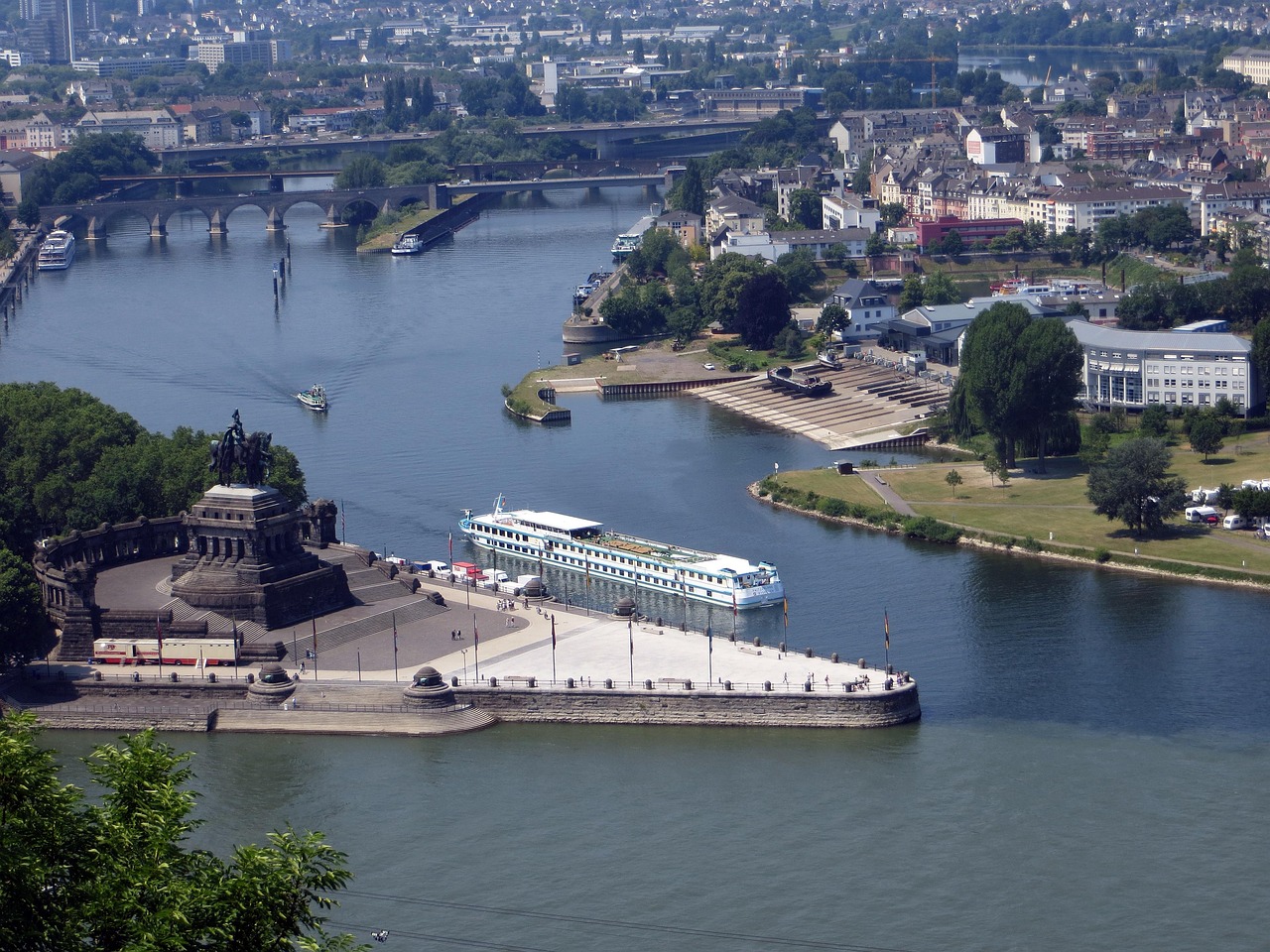
- Afternoon: Walk to Deutsches Eck and ride the Rheinseilbahn cable car up to Ehrenbreitstein Fortress.
- Evening: Sunset views from the fortress, then dinner at a wine tavern back in the Old Town.
Day 2 – Rhine Castles & River Cruise
- Morning: Take a Rhine cruise (direction Boppard, St. Goar, or Braubach).
- Midday: Visit Marksburg Castle above Braubach – one of the best-preserved castles on the Rhine.
- Afternoon: Stroll through a Rhine village, taste wine, and cruise or train back.
- Evening: Relax at the Rhine promenade in Koblenz, gelato in hand, watching ships slide past.
Day 3 – Moselle Charm & Ehrenbreitstein Quarter
- Morning: Explore the Moselufer (Moselle riverside), and the Balduin Bridge.
- Midday: Optional quick hop to a Moselle village like Winningen (train) or Güls (local bus).
- Afternoon: Visit the Ehrenbreitstein district below the fortress for cafés and creative spaces.
- Evening: Try a modern restaurant or wine bar, then a final riverside walk.
This 3 day itinerary for Koblenz covers the essential things to do in Koblenz without feeling rushed, while still leaving space for a coffee break or spontaneous detour.
4 Day Itinerary for Koblenz
With 4 days in Koblenz, you can slow the pace and weave in more hidden gems.
- Day 1: Old Town, Deutsches Eck, cable car & Ehrenbreitstein Fortress.
- Day 2: Full Rhine day – Marksburg Castle + Boppard chairlift or St. Goar and the Loreley area.
- Day 3: Moselle side – Koblenz Moselle quarter + short trip to Winningen or Cochem (if you leave early).
- Day 4: Koblenz museums (Romanticum, Middle Rhine Museum), Stolzenfels Castle, and a slow evening with wine tasting.
This 4 day itinerary for Koblenz balances famous sights with quieter corners and is great for couples or culture-focused travelers.
5 Day Itinerary for Koblenz
If you have 5 days in Koblenz, you can treat the city as a true base for exploring both river valleys. This 5 day itinerary is ideal for families or anyone who wants to mix city, nature, and wine.
- Day 1: Old Town, cable car, Ehrenbreitstein Fortress.
- Day 2: Rhine castles – Marksburg plus one or two villages.
- Day 3: Moselle day trip – Cochem or Bernkastel-Kues (longer but beautiful), or closer Winningen + vineyard walk.
- Day 4: Koblenz neighborhoods – Ehrenbreitstein district, Lützel, Pfaffendorf, Stolzenfels Castle.
- Day 5: Museums, shopping, river biking, or a second mini-cruise depending on your mood.
Further down, I’ll break down detailed daily narratives and personal experiences, but first let’s get to know Koblenz’s main attractions.
Top 20+ Must-See Attractions in Koblenz
These are the best places to visit in Koblenz, from big-ticket sights to smaller spots that locals love. For each, I’ll describe what it’s like, share some history and personal tips, and mention whether it’s better for families, couples, or adventurous travelers.
1. Deutsches Eck (German Corner)
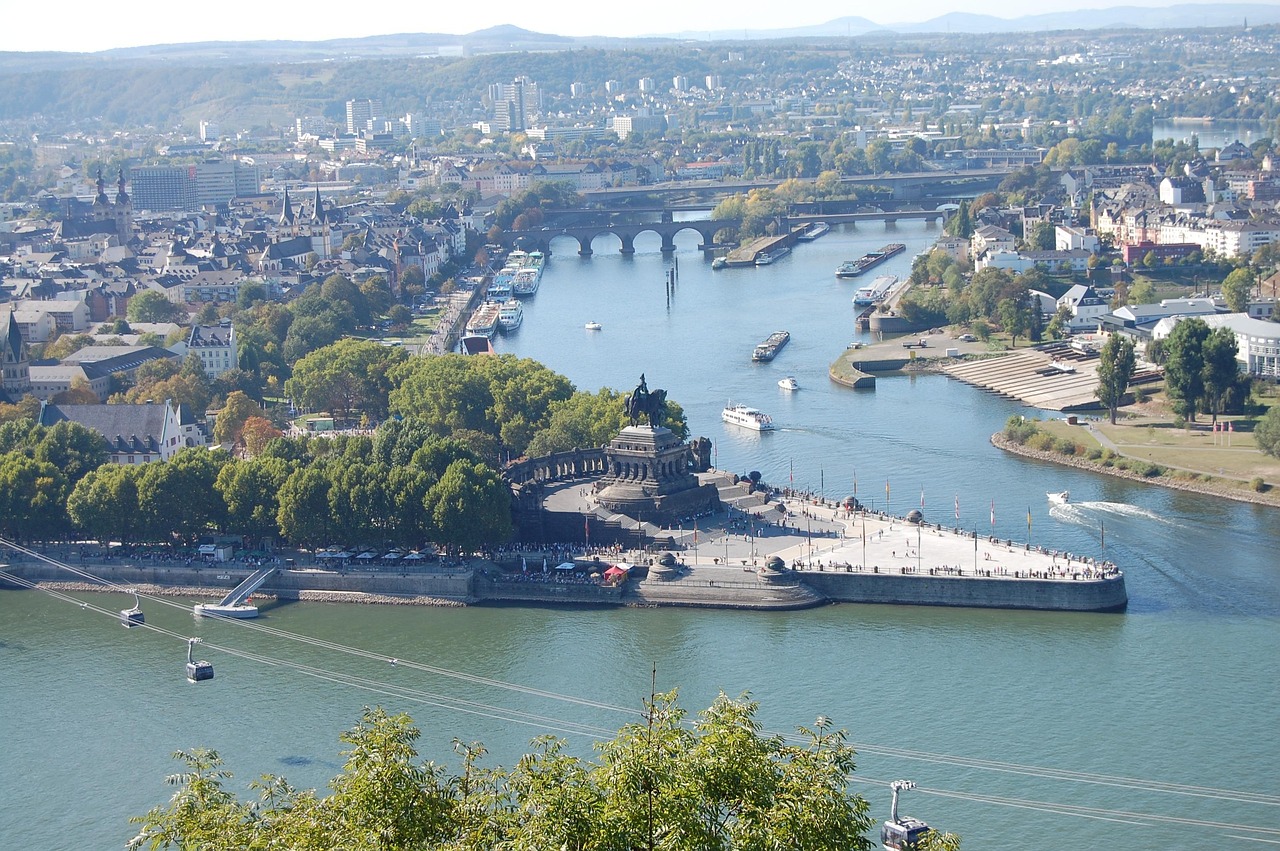
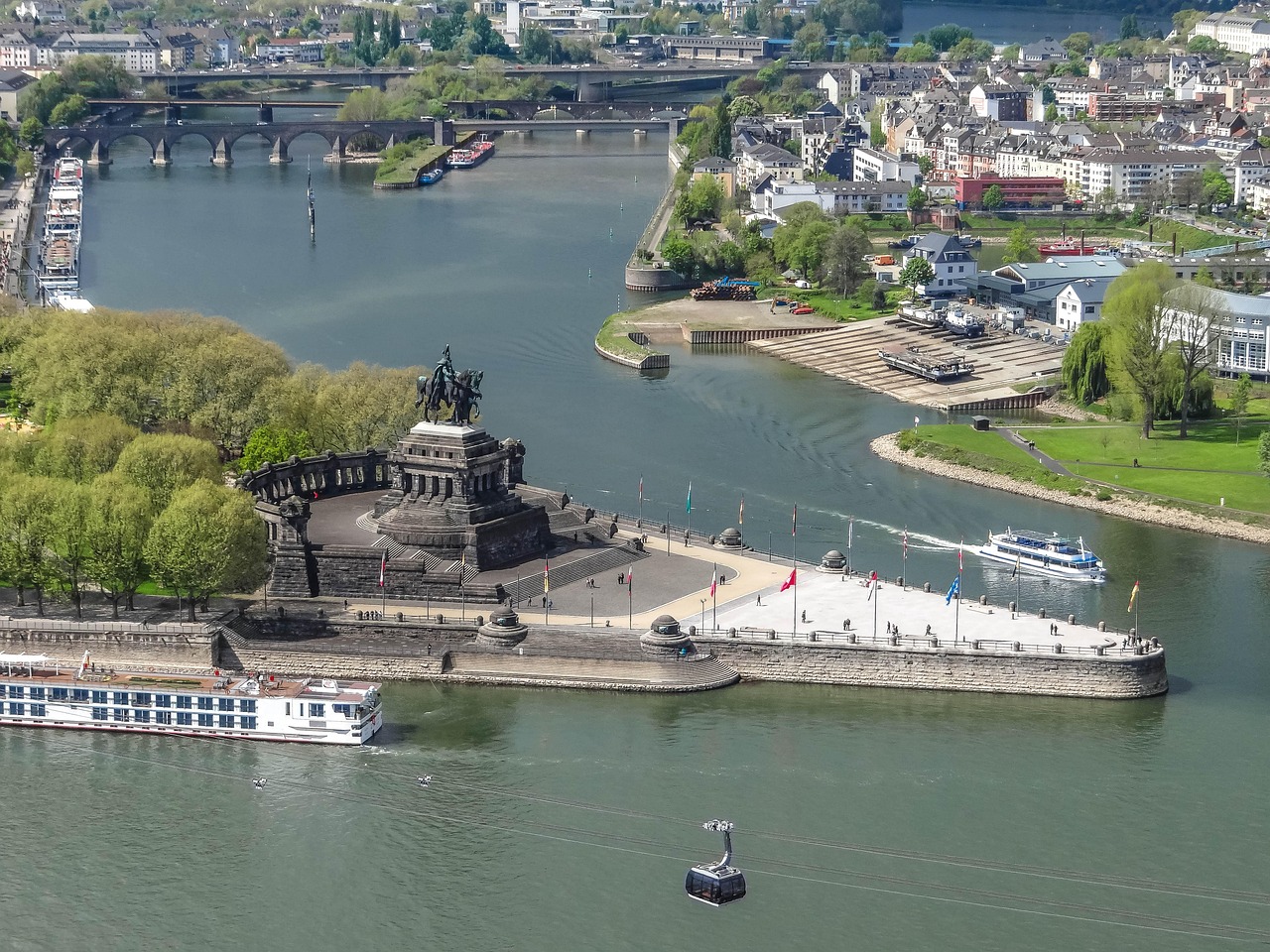
The Deutsches Eck is the symbolic heart of Koblenz and the first place I always walk to after dropping my bag at the hotel. It’s where the Moselle flows into the Rhine, and where a massive equestrian statue of Emperor Wilhelm I looks out over the rivers.
The first time I arrived in Koblenz, it was a humid June evening in 2017. I walked down the Rhine promenade and suddenly the view opened up: river barges sliding past, the cable car gliding silently across the sky, Ehrenbreitstein Fortress glowing orange in the late sun. I stood at the very tip of the wedge of land at Deutsches Eck and watched the color of the water change where the two rivers meet. It’s a simple thing, but it gets me every time.
Why go: It’s the best orientation point in the city, and a must-see attraction in Koblenz. You get 360° views of both rivers, the fortress, and the riverfront architecture.
What to do:
- Walk up the base of the monument for elevated views (it’s free).
- Circle around the flags of the German states along the promenade.
- Come at sunset for a romantic atmosphere, or early morning for peaceful photos.
Good for: Everyone – families (kids love the steps and open space), couples, solo travelers, photographers.
How to get there: From the Old Town, it’s a 5–10 minute walk following signs to “Deutsches Eck.” You’ll see the statue well before you reach it.
Tip: In peak summer, it can get busy. If you want a quieter time, come around 9–10 pm when the sky is still light but the day-trippers are gone.
2. Ehrenbreitstein Fortress & Rheinseilbahn Cable Car
Hovering above the Rhine on the opposite bank from the Old Town, Ehrenbreitstein Fortress is impossible to miss. It’s one of Europe’s largest preserved fortresses and an anchor of Koblenz’s skyline.
The first time I went up, I took the Rheinseilbahn cable car from near Deutsches Eck. The cabin opened up over the Rhine and the whole city unfolded below: church spires, red-roofed houses, cruise ships, and the dark ribbon of the Moselle. In about five minutes you’re up on the fortress plateau, and the air somehow feels different – breezier and more open.
History in brief: The site has been fortified since the 10th century, but most of what you see today is from the early 19th century, when Prussia rebuilt it as a massive defensive structure. It’s part of the Upper Middle Rhine Valley UNESCO site.
What to do:
- Walk along the walls for sweeping views down the Rhine and over Koblenz.
- Visit the exhibition spaces (they rotate; often contemporary art, regional history, and photography).
- Relax at the fortress café with coffee or a glass of Riesling.
- Check out the interactive exhibits – kids usually enjoy the tunnels and open courtyards.
How to get there:
- Cable car: The most scenic option. Combined tickets with fortress entry are available and worth it.
- On foot/car: You can also drive or hike up from the Ehrenbreitstein district on that side of the river.
Best time: Late afternoon into sunset is magical. In summer, the fortress sometimes hosts concerts and special events in the evening – check the 2026 schedule when you plan your trip.
Tip: If you’re planning 3 days in Koblenz or more, try to time your fortress visit for a clear day. The experience is much better when you can see up and down the Rhine.
3. Koblenz Altstadt (Old Town)
The Altstadt is where I spend most of my time in Koblenz. It’s not huge, but it’s full of small surprises: pseudo-random fountains, tiny cobbled courtyards, houses leaning into each other as if mid-conversation.
Most visitors see the highlights in an hour; I’ve wandered these streets for days and still find new angles. I like to start at Jesuitenplatz, then drift towards Münzplatz, past the Four Towers at the intersection of Löhrstrasse and Altengraben, and then to Görresplatz with its distinctive Historiensäule (History Column).
Highlights:
- Jesuitenplatz: A graceful square ringed by pastel buildings and the town hall.
- Münzplatz: Once a minting site, now a lively square with cafés and restaurants.
- Schängelbrunnen: A cheeky fountain behind the town hall featuring a boy who “spits” water – kids love it.
- Historiensäule: An elaborate column that tells Koblenz’s history with scenes stacked on top of each other.
Good for: Slow exploration, café-hopping, people-watching. The Old Town is flat and walkable, ideal for families with strollers and older travelers.
Tip: For photos of half-timbered houses without crowds, get out around 8–9 am. In December, this area becomes especially charming with the Christmas market lights, though it’s busier.
4. Schloss Stolzenfels (Stolzenfels Castle)
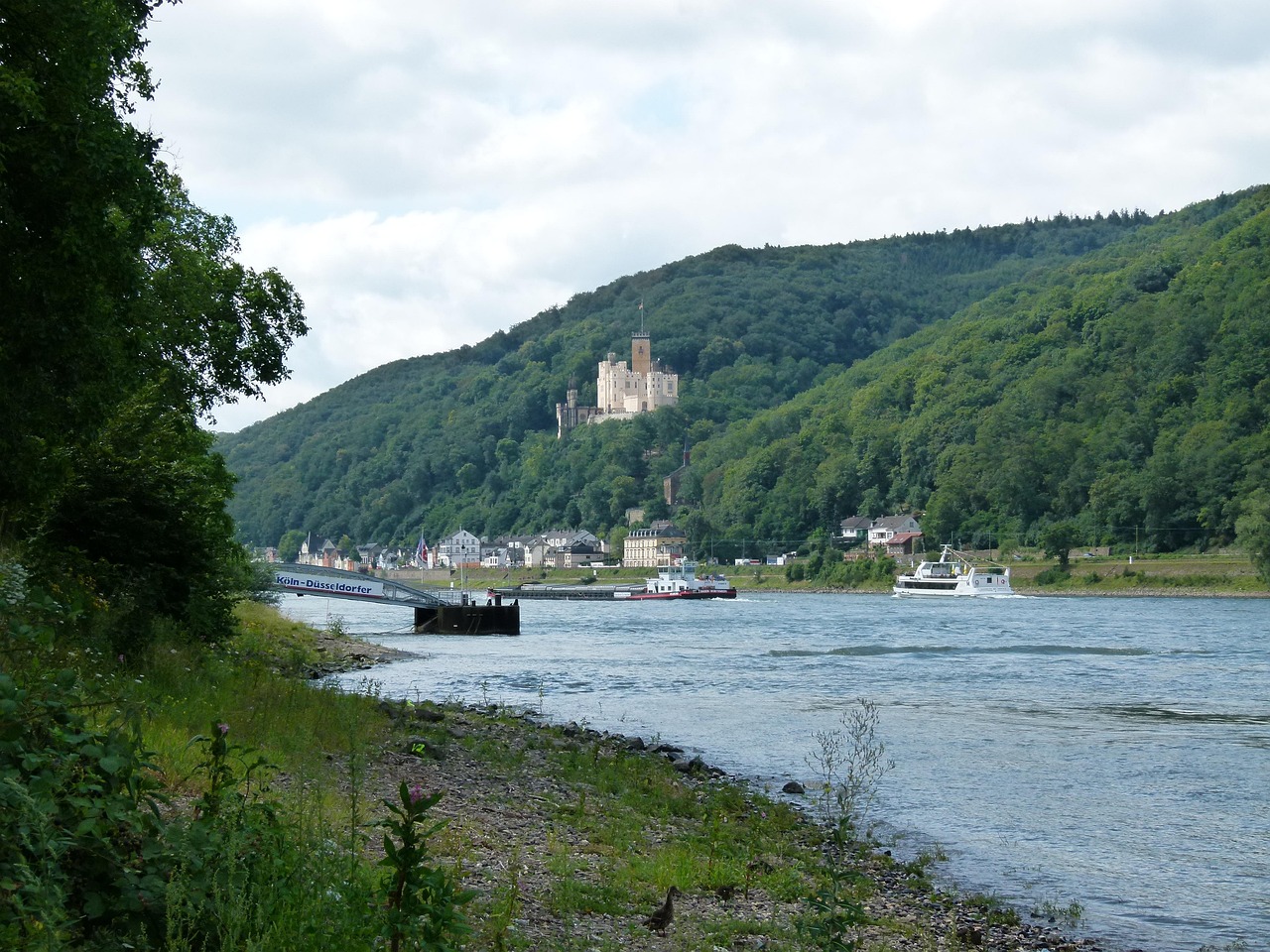
Schloss Stolzenfels is a short hop south of Koblenz, but it’s often less crowded than the castles further down the Rhine. I’ve visited three times now, always approaching on foot from the small village of Stolzenfels and climbing up through forest to the castle gates.
The castle is a 19th-century reconstruction in neo-Gothic style, built on medieval ruins. It looks almost like a fairytale fortress, perched above the river, pale stone and turrets framed by trees.
What to expect:
- The walk up is about 20–30 minutes with some incline – wear proper shoes.
- The interior is furnished with period rooms, giving you a sense of romantic 19th-century castle culture.
- The views from the terraces over the Rhine are worth the climb.
How to get there: Take bus or regional train to Stolzenfels or a short taxi/drive from central Koblenz. You can also cycle along the Rhine and lock your bike in the village.
Good for: Couples (romantic feel), history buffs, and moderately active travelers. Families can do it too, but be mindful of the uphill walk.
Tip: Combine Stolzenfels with a lazy afternoon on the Rhine promenade back in Koblenz for a balanced day.
5. Marksburg Castle (Day Trip from Koblenz)
Technically in Braubach, a short ride from Koblenz, Marksburg Castle is one of the few Rhine castles that was never destroyed. That alone makes it special; inside, it still feels like a fortress rather than a palace.
The first time I went, I took a Rhine cruise from Koblenz and got off in Braubach. The village is pretty but quiet; I followed the signs uphill and arrived at the castle slightly out of breath. Tours are guided (in German, with English materials usually available) and take you through kitchens, armory, and thick-walled rooms that smell faintly of stone and time.
Why it’s worth it:
- Best preserved medieval hilltop castle on this stretch of the Rhine.
- Views from the ramparts are spectacular in clear weather.
- Great for families – kids enjoy the “real castle” feel.
How to get there: From Koblenz, either:
- Take a Rhine cruise downstream and disembark at Braubach, or
- Use a regional train (about 15–20 minutes) and walk up from the station.
Tip: Wear good shoes. The paths and castle grounds are uneven. In high season, join an earlier tour in the day to avoid crowds.
6. Rhine Promenade (Kaiserin-Augusta-Anlagen)
The Kaiserin-Augusta-Anlagen, the landscaped Rhine promenade south of the main city center, is one of my favorite walks in Koblenz. It’s a long, leafy stretch along the river, dotted with sculptures, benches, and flowerbeds.
I like to start near the Pfaffendorf Bridge and wander south, watching cyclists, dog walkers, and river traffic. It’s especially beautiful in late afternoon when the light softens and the river takes on a silver sheen.
Good for: Relaxed walks, jogging, picnics, and family strolls. Couples will find it romantic in the evening.
Tip: Bring a simple picnic – bread, cheese, fruit, and a bottle of local Riesling (if you’re allowed to drink where you sit). It’s one of the cheapest and most enjoyable “meals with a view” you can have in Koblenz.
7. Moselle Riverfront & Balduin Bridge
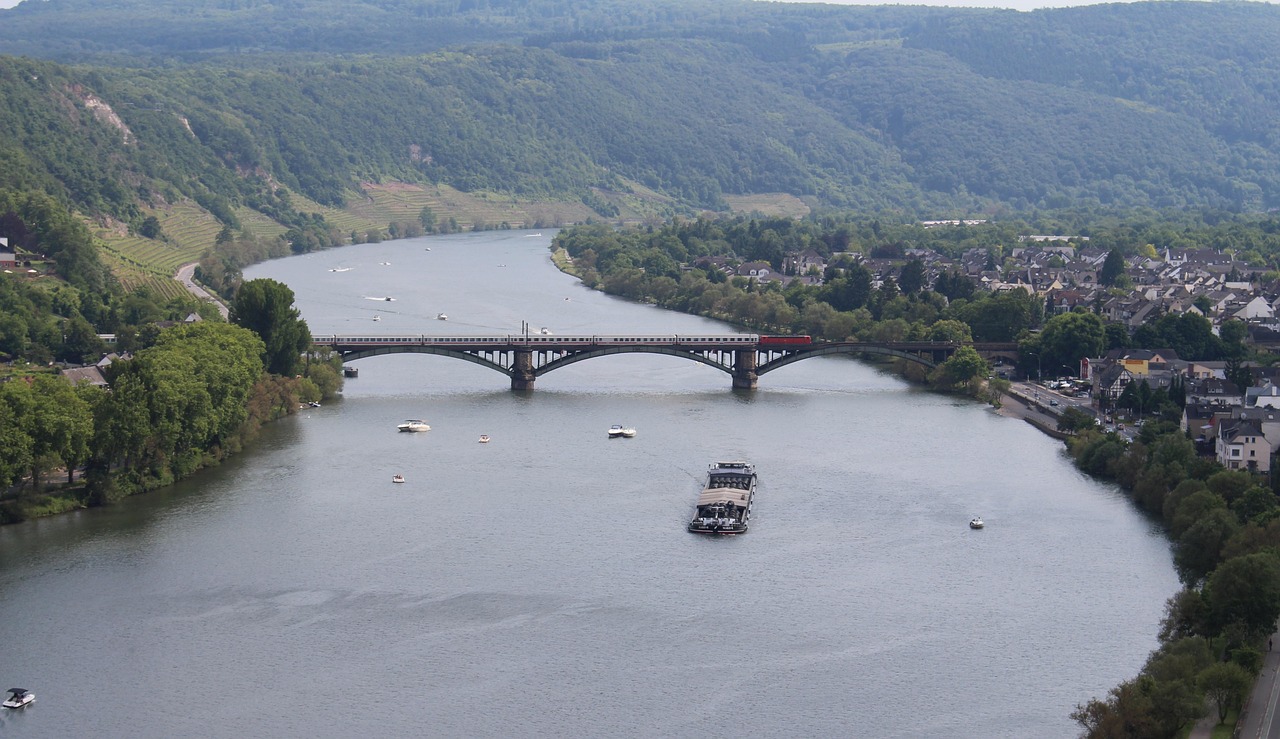
The Moselle side of Koblenz is quieter than the Rhine, but in some ways more atmospheric. The medieval Balduin Bridge arches across the river, one of the oldest bridges in the region.
On my last visit, I grabbed a coffee near the Old Town and crossed Balduin Bridge just for the views: the clustered roofs of Koblenz, the Moselle’s gentle curve, and the distant outlines of hills. Locals fish along the riverbanks, and there are fewer tourists here.
What to do:
- Walk across the bridge for views back toward the Old Town.
- Explore the small parks and paths along the Moselle embankment.
- Use this area as a starting point for a Moselle day trip.
Tip: Early morning light on the Moselle is beautiful for photography, especially in spring and autumn when there’s mist hanging over the water.
8. Romanticum Koblenz
The Romanticum is an interactive museum dedicated to the history and mythology of the Rhine Gorge. It’s ideal if you’re traveling with kids or if you want to understand the region more deeply than just “pretty castles on hills.”
Inside, you board a “fantasy steamship” and move through multimedia exhibits that cover everything from river legends to the geology of the valley. The design is modern, playful, and surprisingly immersive.
Good for: Families (kids 6–14 especially), rainy days, or those planning a deeper exploration of the Middle Rhine.
Where: Near the riverfront, within easy walking distance of the Old Town.
Tip: Consider pairing the Romanticum with a real boat trip on another day – it makes the on-the-water experience richer.
9. Basilica of St. Castor (Basilika St. Kastor)
The Basilica of St. Castor is one of the oldest churches in Koblenz, dating back to the 9th century. It’s located just behind Deutsches Eck, but many visitors walk past without going in. I did the same on my first trip; on the second, I stepped inside and was struck by how peaceful it felt.
The interior is Romanesque and relatively simple compared to some German churches, but that’s part of its charm. The cloister garden outside is a quiet green pocket, perfect for a short rest on busy days.
Good for: History lovers, architecture fans, and anyone in need of a moment of calm.
Tip: If you visit early in the morning, you might have the church almost to yourself. Check if any organ concerts or special services are happening during your stay.
10. Liebfrauenkirche (Church of Our Lady)
With its twin onion domes rising above the Old Town roofs, Liebfrauenkirche is one of Koblenz’s signature silhouettes. The church dates from the late Romanesque and Gothic periods and has been rebuilt multiple times due to war damage.
I often use its towers as my navigational anchor when I get lost in the narrow streets. Inside, you’ll find a mix of historical and more modern elements, the result of post-war reconstruction.
Good for: A quick visit while exploring the Old Town; architecture and photography buffs.
Tip: Step outside and look up at the towers from different angles in the surrounding lanes – they make for nice framing in photos of the Altstadt.
11. Görresplatz & Historiensäule (History Column)
Görresplatz is one of the most atmospheric squares in Koblenz, anchored by the elaborate Historiensäule, a sculpted column that narrates the city’s history in stacked scenes.
On sunny days, I like to grab a coffee or ice cream and sit on the edge of the fountain, picking out details on the column – Roman soldiers, medieval scenes, modern industry. It’s like a comic strip carved in stone.
Good for: People-watching, casual photos, and a mid-walk rest. Family friendly – kids often enjoy the fountain and sculptures.
12. Schängelbrunnen
The Schängelbrunnen is a small fountain tucked in a courtyard behind the town hall, but it’s one of Koblenz’s most beloved symbols. The bronze boy periodically “spits” a jet of water out of his mouth – often catching unsuspecting passersby off guard.
“Schängel” is a local nickname for a boy from Koblenz, and there’s a whole local song about the mischievous “Schängelche.” It’s a good example of Koblenz’s sense of humor about itself.
Good for: Families and anyone who enjoys quirky local touches. Don’t stand too close if you want to stay dry.
13. The Four Towers (Vier Türme)
The Four Towers are actually four historic house corners at the intersection of Löhrstrasse and Altengraben/Am Plan, each with ornate oriel windows. They survived wartime destruction better than many buildings and now form one of the most photogenic corners of Koblenz.
When I first read about the “Four Towers,” I expected a fortress; instead I found an intersection. But once you stand there, look up, and spin slowly, you see how the overhanging corners define the space.
Good for: Architecture lovers and photographers. It’s a quick stop but a memorable one.
14. Mittelrhein-Museum (Middle Rhine Museum)
The Middle Rhine Museum traces the art and cultural history of the region, from medieval religious art to 19th-century Rhine Romanticism. If you’re into painting and sculpture, or want context for the castles and landscapes you’ll see, it’s worth a few hours.
On my third visit to Koblenz, a rainy day pushed me indoors, and I ended up here almost by accident. I left with a deeper understanding of why the Rhine captivated so many poets and painters in the 1800s.
Good for: Culture-oriented travelers, rainy days, and anyone crafting a slower 4 or 5 day itinerary in Koblenz.
15. DB Museum Koblenz-Lützel (Railway Museum)
In the district of Lützel, the DB Museum Koblenz-Lützel is a treat for train enthusiasts. It houses historic locomotives and carriages from Germany’s railway history, some of which you can climb into.
I visited with a friend who is obsessed with trains; I expected to be bored and ended up fascinated by the engineering and design changes across decades.
Good for: Families (kids love the big trains), train fans, and anyone who likes industrial history.
Tip: Check opening days and hours in advance; it’s not always open daily.
16. Ehrenbreitstein District (Below the Fortress)
Across the Rhine from the Old Town, directly under the fortress, lies the Ehrenbreitstein district. It’s one of my favorite “local” areas to wander when I need a break from the main tourist routes.
Here you’ll find narrow residential streets, small galleries, a few cozy cafés, and an almost village-like feel. There’s a gentle creative energy; you can sense that artists and students live here.
What to do:
- Stroll the side streets and look for small studios and shops.
- Stop for coffee or a glass of wine at a neighborhood café.
- Use this area as a starting or ending point for a fortress visit if you come on foot.
Good for: Travelers who like to get off the main trail, slow travel, and couples looking for a quieter evening walk.
17. Löhr-Center & Shopping District
Behind the Old Town, the Löhr-Center and surrounding streets form Koblenz’s main modern shopping area. It’s not “historic,” but it’s practical and gives you a glimpse of everyday city life.
I usually swing through to pick up snacks, a local SIM card, or last-minute clothing. The contrast between the glassy mall and the cobbled Altstadt just a few minutes away is striking.
Good for: Practical errands, rainy-day browsing, and anyone needing modern conveniences.
18. Pfaffendorf & Pfaffendorfer Bridge Views
Pfaffendorf is a district on the eastern bank of the Rhine, connected to central Koblenz by the Pfaffendorfer Bridge. The area is mostly residential, but the walk across the bridge offers a less-seen angle on the city’s skyline.
One autumn evening, I crossed just as the streetlights started reflected in the river. The view back toward the city, with church towers and fortress lights, felt quietly cinematic.
Good for: Travelers who enjoy walking and different perspectives for photography. Not a must-see, but a pleasant addition if you have extra time.
19. Koblenz Wine Taverns & Weinstuben
It’s not a single attraction, but Koblenz’s many wine taverns are essential to experiencing the city. These are typically wood-paneled, slightly dim, and deeply cozy places where locals gather over Riesling and hearty food.
I’ve lost track of how many evenings I’ve spent in these weinstuben, trying different local wines by the glass, chatting (in a mix of German and English) with regulars, and ordering one too many plates of Spundekäs and pretzels.
Good for: Couples, solo travelers, and small groups. Many are family-friendly earlier in the evening.
Tip: Ask for a Probierglas (small tasting glass) if you want to sample different wines without overdoing it.
20. Theater Koblenz & Cultural Venues
Theater Koblenz is a handsome 18th-century building facing the river, home to opera, drama, and ballet. Even if you don’t catch a performance, the exterior is worth a look, especially lit up at night.
One winter, I booked a last-minute ticket to a small concert there. I understood only half the German, but the experience of sitting in the ornate hall, among locals in their winter coats and scarves, felt like a cultural immersion.
Good for: Culture lovers, couples, and anyone staying 4–5 days in Koblenz who wants an evening activity beyond bars and restaurants.
21. Seasonal Markets & Koblenz Christmas Market
Depending on when you visit, seasonal markets transform the city. The Koblenz Christmas Market spreads through the Old Town squares in late November and December, filling the air with the smell of Glühwein, roasted nuts, and grilled sausages.
I spent three chilly December days here in 2023, wrapped in a scarf and fingerless gloves, hopping from stall to stall. The Old Town feels like a labyrinth of lights, and every corner reveals another stand selling handcrafted ornaments or local specialties.
Good for: Families, couples, photographers, and anyone who loves festive atmospheres. It’s one of the most atmospheric times to spend 3 days in Koblenz.
Neighborhoods & Areas to Explore in Koblenz
Koblenz doesn’t have huge, sprawling districts like Berlin, but its neighborhoods each have a distinct flavor. When you’re planning things to do in Koblenz beyond the main sights, exploring these areas gives you a more local feel.
- Altstadt (Old Town): Medieval lanes, main squares, churches, and most tourist sights. Stay here if it’s your first visit and you want everything walkable.
- Neustadt: 19th-century expansion with wider boulevards, shops, and cafés. Good for everyday life and less touristy restaurants.
- Ehrenbreitstein: Across the Rhine under the fortress, with a small-town atmosphere, creative spaces, and local bars.
- Lützel: North of the Moselle, historically more industrial and working-class, home to the railway museum and some affordable stays.
- Pfaffendorf: Residential, calmer, and a good place to imagine living in Koblenz rather than just visiting.
- Stolzenfels: Technically a bit south, but often thought of as a Koblenz “suburb” due to the castle and riverside feel.
If you have 4 or 5 days in Koblenz, I recommend at least one afternoon simply wandering through Ehrenbreitstein or Neustadt with no agenda beyond coffee, people-watching, and peeking into local shops.
Local Food & Drink in Koblenz
Eating and drinking in Koblenz is a big part of the experience. The city sits between two wine regions (Middle Rhine and Moselle), and its food leans hearty, with a mix of Rhineland specialties and broader German classics.
What to Eat in Koblenz
- Sauerbraten: Marinated pot roast, usually served with red cabbage and dumplings. Rich, comforting, and ideal on cool days.
- Bratwurst & Currywurst: Simple but satisfying, especially from market stalls or at festivals.
- Spundekäs: A creamy cheese spread with paprika, typically served with pretzels – more common along the Rhine and a perfect wine snack.
- Flammkuchen: Thin, crispy “German pizza” with crème fraîche, onions, and bacon or veggies.
- Rheinischer Sauerbraten & local stews: Slow-cooked dishes that pair well with red or full-bodied white wines.
- Apfelstrudel & cakes: Perfect afternoon treats in cafés.
What to Drink
- Riesling: The queen of local wines. Try dry (“trocken”), off-dry (“feinherb” or “halbtrocken”), and sweeter styles.
- Federweißer (in autumn): Cloudy, partially fermented new wine – slightly fizzy and dangerously easy to drink.
- Regional beers: Pilsners and wheat beers from local breweries.
- Apfelschorle: Sparkling apple juice, a non-alcoholic staple and my go-to daytime drink.
Personal Restaurant & Café Suggestions
Names and exact places change, but here’s what I tend to look for:
- Old Town weinstuben: Look for traditional wood-paneled interiors and chalkboards listing local wines by the glass.
- Riverside cafés: Great for coffee and cake in the afternoon, especially along the Rhine promenade.
- Neustadt bistros: Slightly more modern menus – good for lighter or vegetarian-friendly options.
Saving Money on Food
- Have your big meal at lunch – many places offer cheaper lunch menus.
- Use bakeries for breakfast and picnic supplies (sandwiches, pastries).
- Buy wine by the bottle from supermarkets or wine shops for riverside picnics instead of always drinking by the glass in bars.
- Check for daily specials (Tagesgericht) on blackboards outside restaurants.
Nightlife, Entertainment & Cultural Experiences in Koblenz
Koblenz’s nightlife is more relaxed than wild. Think wine bars, a handful of pubs and clubs, and seasonal events rather than huge, roaring party streets.
Evening Ideas
- Riverside evening walk: My go-to first night: stroll along the Rhine, maybe up to Deutsches Eck, then find a wine tavern in the Old Town.
- Wine bar hopping: Sample different Rieslings and regional wines; ask for local recommendations.
- Théâtre & concerts: Check Theater Koblenz and local venues for performances (opera, plays, classical music).
- Pubs and bars: There are small clusters of bars in and around the Old Town where students and younger locals gather.
Cultural Experiences
- Fortress events: Ehrenbreitstein often hosts exhibitions, open-air concerts, and festivals in summer.
- Guided city walks: Themed tours (e.g., “Dark Side of Koblenz,” wine-focused walks) add depth to what you see.
- Wine tastings: Many wine bars and vinotheks offer structured tastings – a must if you’re into wine.
For couples, Koblenz is especially romantic in the evenings: softly lit squares, river reflections, and quiet side streets. For families, early dinners followed by a short riverside walk work well; the city feels safe and manageable at night.
Events & Festivals in Koblenz (2026–2027)
Exact dates change yearly, but these are recurring events to look out for when planning your trip in 2026–2027:
- Rhein in Flammen (Rhine in Flames): A series of summer fireworks and illuminated ship parades along the Rhine. Koblenz usually hosts one of the events – an unforgettable night if you can time your visit.
- Weinfeste (Wine Festivals): Late summer and early autumn bring wine festivals in Koblenz and nearby villages (Boppard, Winningen, etc.), with music, food stalls, and endless wine tasting.
- Koblenz Summer Festival: Outdoor concerts, cultural events, and family activities along the river and in city squares.
- Christmas Market: Late November to late December throughout the Old Town.
- Local city and river festivals: Smaller events across 2026–2027, often focused on music, food, or regional traditions.
Before you lock in dates for your 3 day itinerary for Koblenz or longer trips, check the city’s official tourism site for the latest event calendar. Planning around a wine festival or Rhein in Flammen can turn a good trip into a fantastic one.
Day Trips from Koblenz
One of the best reasons to spend 4 or 5 days in Koblenz is how many excellent day trips you can do without changing hotels. Here are some favorites:
Rhine Valley Day Trips
- Boppard: Pretty town with a riverside promenade and a chairlift up to a viewpoint. Easy train ride from Koblenz.
- St. Goar & Loreley: Visit Rheinfels Castle ruins and the famous Loreley rock; combine with a boat ride.
- Braubach & Marksburg Castle: As described earlier – classic castle day out.
Moselle Valley Day Trips
- Winningen: Close to Koblenz, lovely for short vineyard walks and wine tasting.
- Cochem: A bit further, but very picturesque, with Reichsburg castle and old town streets.
- Bernkastel-Kues: Longer day trip better suited to a 5 day itinerary, but incredibly charming if you’re ready for a full-day excursion.
Getting around: Use regional trains, boats (in season), or a combination. For the most scenic experience, take a boat one way and train back.
Cultural Etiquette & Local Customs in Koblenz
Koblenz is friendly and laid-back, but it still follows typical German social norms.
Basic Etiquette
- Greetings: A simple “Guten Tag” (good day) or “Hallo” is appreciated when entering shops and cafés.
- Punctuality: Trains, tours, and reservations are expected to run on time. Arrive a bit early.
- Quiet in residential areas: Keep noise down at night, especially after 10 pm.
- Cash vs. card: Cards are widely accepted, but some small places still prefer cash. It’s good to carry some euros.
In Restaurants & Bars
- Wait to be seated in many sit-down restaurants, especially in the evening.
- Service can be less intrusive than in some countries; wave discreetly or say “Entschuldigung” to get the server’s attention.
- Tipping: Round up or add about 5–10% for good service. Say the total when you hand over cash or card (e.g., “Zwanzig, bitte” for a bill of €18.50 if you want to pay €20).
Local Drinking Culture
- Raising a glass? Say “Prost!” and make eye contact with people at your table.
- Public drinking is generally allowed and common at festivals and by the rivers, but drunken behavior is frowned upon.
Practical Travel Tips for Koblenz
Getting To Koblenz
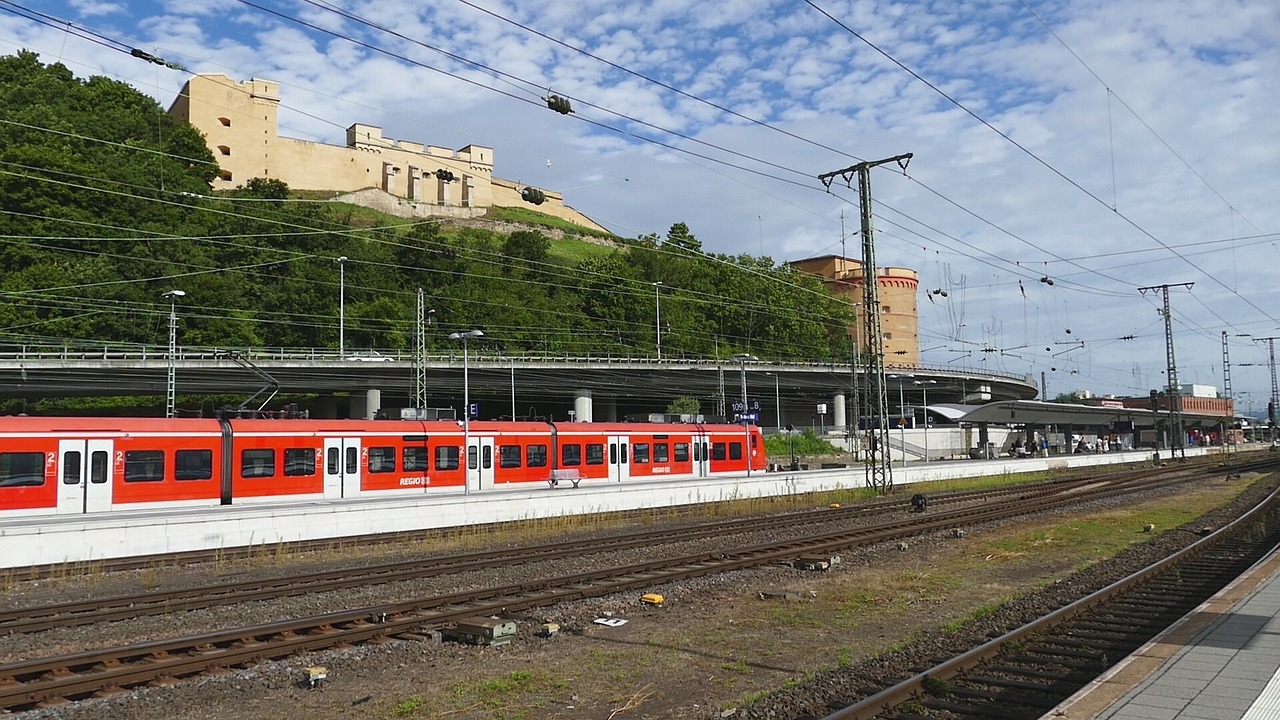
- By train: Direct connections from Frankfurt (about 1.5 hours), Cologne (1–1.5 hours), Bonn, and Mainz. This is the easiest option for most travelers.
- By car: Handy if you want flexibility in the Rhine and Moselle valleys, but you won’t need a car in the city itself.
- By boat: In season, you can arrive via river cruise – scenic but slower.
Getting Around Koblenz
- On foot: The Old Town and main riverfront areas are very walkable.
- Public transport: Buses connect districts; regional trains and boats serve nearby towns.
- Bike: Great river bike paths along both Rhine and Moselle; many hotels arrange rentals.
- Car rental: Useful for exploring more remote villages, but parking in the center can be expensive. Consider renting only for specific days.
SIM Cards & Connectivity
- In 2026, eSIMs and physical SIMs from major German providers (Telekom, Vodafone, O2) are easy to get at electronics shops or supermarkets.
- EU visitors typically roam without extra fees; non-EU visitors may find local prepaid plans more economical.
Budgeting & Saving Money
- Use regional day passes for trains and buses when doing multiple trips in a day.
- Stay slightly outside the Old Town (Neustadt, Ehrenbreitstein, or Lützel) for cheaper accommodation.
- Self-cater some meals with supermarket picnics; splurge on a few key dinners or wine tastings.
Visa Requirements & Driver’s License
- Germany is in the Schengen Area. Many nationalities can enter visa-free for short stays (up to 90 days), but always check the latest requirements before traveling in 2026.
- If you plan to drive, an EU license is fine; many non-EU licenses are accepted, but an International Driving Permit is recommended to avoid issues with rentals or police checks.
Best Seasons for Different Activities
- Spring (April–June): Ideal for walks, river cruises, and moderate temperatures. Great time for a 3 or 4 day itinerary in Koblenz.
- Summer (July–August): Warm, lively, and best for outdoor dining, festivals, and late sunsets. Also the busiest period.
- Autumn (September–October): Wine harvest season, golden vineyards, slightly fewer crowds – my personal favorite time for 5 days in Koblenz including day trips.
- Winter (November–March): Quiet, with the exception of December Christmas markets. Not all boat services run, but city sights and cozy taverns are open.
Hidden Tips from Repeated Visits
- Start your day early – Koblenz mornings are peaceful, and you’ll have major spots almost to yourself.
- Alternate busy days with quiet ones: if you do a full Rhine castle day trip, spend the next day mostly in Koblenz cafés and along the river.
- Look up: Many of the city’s best architectural details are above street level – carved facades, oriels, and rooftop details.
- Always carry a light layer: Weather along the rivers can change quickly, especially in spring and autumn.
Summary: Planning Your Koblenz Trip
Koblenz is one of those places that rewards you for slowing down. It’s not a box-ticking city; it’s a place to wander, to watch the rivers, to linger over a glass of Riesling as the light fades behind the fortress.
Key takeaways:
- 3 days in Koblenz: Perfect for first-timers – focus on the Old Town, Ehrenbreitstein Fortress, Deutsches Eck, and a Rhine castle cruise.
- 4 days in Koblenz: Add Moselle-side explorations, Stolzenfels Castle, and more time in local neighborhoods.
- 5 days in Koblenz: Use the city as a relaxed base for deeper day trips into the Rhine and Moselle valleys, wine festivals, and slow travel days.
- Best time to visit: Late spring and early autumn for balance of weather, crowds, and wine; December if you love Christmas markets.
Whether you come for a compact 3 day itinerary for Koblenz or a lingering 5 day stay, you’ll leave with mental snapshots: the hush of the Basilica of St. Castor, the thrill of the cable car, the taste of cold Riesling on a hot evening, and the sight of two rivers meeting at the Deutsches Eck. And like me, you may find yourself quietly plotting your return before you’ve even left.