Why Visit Königstein, Germany?
When people talk about Saxon Switzerland, they usually mention Dresden or the Bastei Bridge first. But quietly overlooking the Elbe River, the little town of Königstein (often written “Konigstein” in English without the umlaut) has one of the most dramatic fortress skylines in Europe, a surprisingly rich food scene, and some of the best hiking and rock formations in Germany.
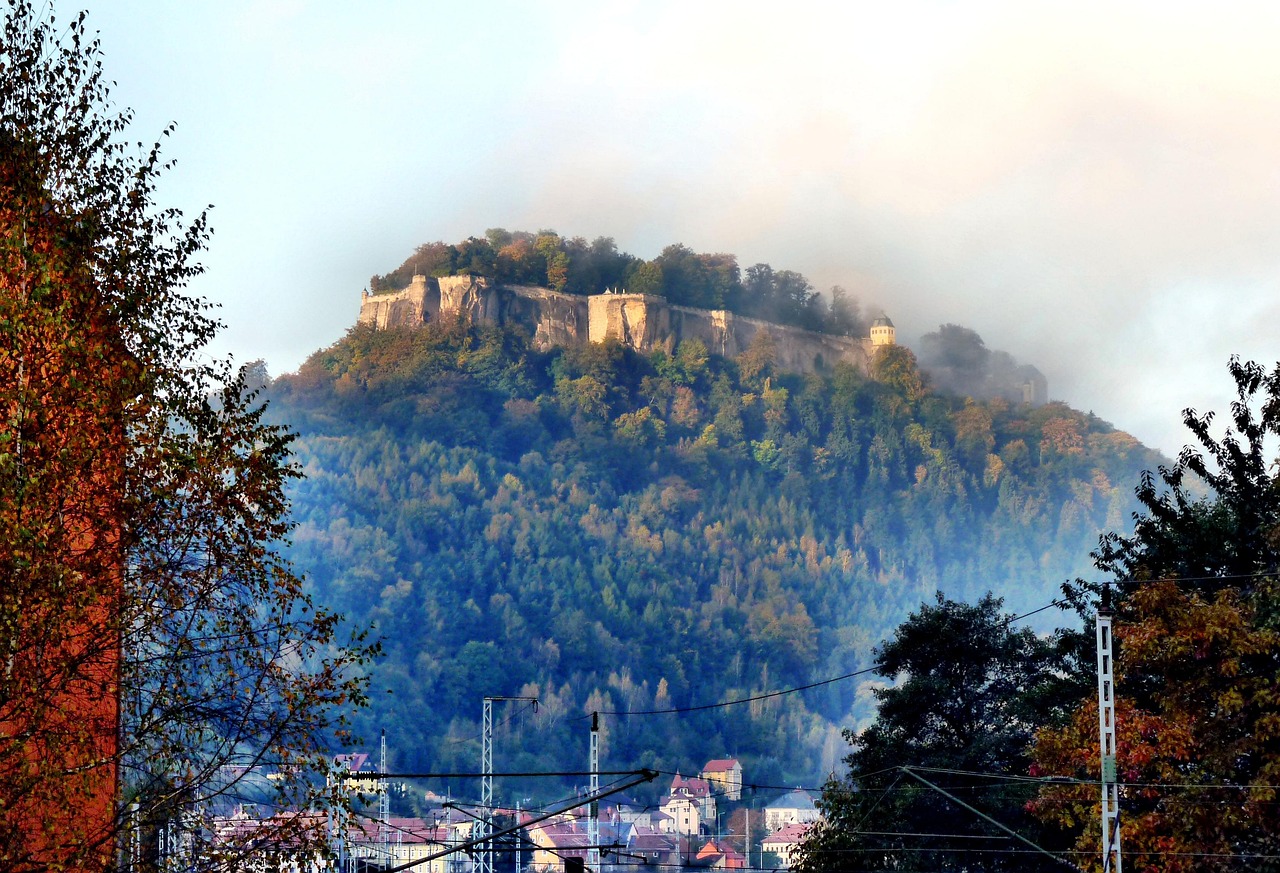
I’ve been coming to Königstein for years—sometimes for a quick day trip from Dresden, sometimes for long weekends when I need to reset. Every time I arrive by train and the fortress appears on the cliff above the town, I get that same “wow” feeling. It looks like a film set: sandstone cliffs, forests, red-tiled roofs, and the Elbe curling below.
This travel guide for Königstein is written as if I’m walking you through my favorite routes: what to see first, where to get the best views, where locals actually eat, and how to plan a 3 day itinerary for Konigstein, or even a 4 or 5 day itinerary for Konigstein if you want to dive deeper into the region.
Königstein is perfect if you:
- Love hiking, climbing, and nature, but still want cozy cafés and comfortable beds at night.
- Want a romantic weekend with castle views and riverside walks.
- Are traveling with kids or older relatives and need accessible yet exciting sights.
- Prefer small-town charm over big-city chaos, but still want easy public transport.
In 2026–2027, Königstein and the wider Saxon Switzerland region are doubling down on sustainable tourism, new walking routes, and cultural events, so it’s an excellent time to come—before everyone else realizes how good it is.
Quick Overview of Königstein
Königstein is a small town in the Saxon Switzerland National Park (Nationalpark Sächsische Schweiz) in eastern Germany, about 30–40 minutes by train from Dresden. It sits right on the Elbe River and is dominated by the looming Festung Königstein—one of Europe’s largest hilltop fortresses.
Despite its size, Königstein punches way above its weight in terms of things to do: fortress tours, river cruises, scenic rail rides, hiking, climbing, charming old streets, and excellent access to nearby highlights like the Bastei Bridge, Bad Schandau, and Pirna.
You’ll often see the name written in different ways: “Königstein,” “Koenigstein,” or “Konigstein.” They’re all the same place; I’ll mostly use Königstein here but keep the English keywords like “3 days in Konigstein” for search clarity.
Neighborhoods & Areas in and Around Königstein
Altstadt (Old Town Königstein)
This is where you’ll probably spend most of your time in town: narrow streets, pastel houses, and views up to the fortress. It’s compact—you can cross it in 10–15 minutes—but there’s a surprising density of guesthouses, cafés, and beer gardens.
I like to stay here when I want to roll out of my pension and be on the fortress path or at the ferry landing within minutes.
Elbe Riverside Promenade
Running along the river on the town side, this is where you go for sunset walks, boat watching, and summer ice cream. On warm evenings, the promenade feels almost Mediterranean with people sitting on benches, kids biking, and the hills glowing across the water.
Leupoldishain & Surrounding Villages
Above Königstein, villages like Leupoldishain and Pfaffendorf offer farm stays, small pensions, and closer access to hiking trails. When I’m here longer than 3 days, I often book one or two nights up in the hills for some real quiet and starry skies.
Nearby Towns: Bad Schandau, Rathen & Pirna
Even though this is a guide centered on Königstein, you’ll almost certainly spend time in:
- Bad Schandau – Spa town with a nice riverfront, thermal baths, and the Kirnitzschtalbahn tram.
- Rathen – Fairy-tale village beneath the Bastei Bridge, reachable by ferry; car-free and very scenic.
- Pirna – A larger, beautifully preserved town with a charming market square and more dining options.
20 Must-See Attractions in and around Königstein
These are the best places to visit in Königstein and the surrounding Saxon Switzerland area. I’ll start with the icons and move toward more local, “hidden gem” spots. For each, I’ll include history, why it matters, and some personal tips.
1. Festung Königstein (Königstein Fortress)
Let’s be honest: this is the reason most people first hear about Königstein. Festung Königstein is a massive, hilltop fortress perched on a 240-meter-high table mountain, with sheer sandstone cliffs on all sides. It’s one of the largest and most impressive fortresses in Europe.
The complex has over 50 buildings from different centuries—barracks, armories, a 152.5-meter-deep well, churches, and bastions with panoramic viewpoints in every direction. It was practically unconquerable and served as a state prison and secure refuge for Saxon rulers.
My first time up here, I arrived via the glass elevator (Panoramalift) from Königstein town just as morning fog clung to the Elbe valley; by the time I reached the ramparts, the sun was burning through and the river appeared like a silver ribbon below. Since then, I always recommend going early for the light and the relative quiet.
How to get there: From Königstein train station, walk about 10–15 minutes through town, then either:
- Take the Panoramalift (small fee, great views, family-friendly), or
- Hike up via the marked footpath (20–30 minutes, moderately steep, more atmospheric).
Tips:
- Plan at least 3–4 hours if you like history; 2 hours if you mainly want the views.
- In 2026, they’re expanding interactive exhibitions on the fortress’s role in both World Wars—check the schedule for English tours.
- The small bakery café inside does decent coffee and cake; I usually bring a sandwich from town for a cheaper picnic on the walls.
2. Elbe Riverfront & Boat Cruises
The Elbe gives Königstein its soul. It’s not just pretty—it’s how people, goods, and ideas have moved through this region for centuries. Today, it’s also how visitors drift between towns while watching cliffs slide by.
My favorite way to arrive in Königstein is actually by historic paddle steamer from Dresden. The steam engines chug, the decks creak, and the views get progressively wilder as you enter Saxon Switzerland.
Things to do:
- Take a round-trip cruise from Königstein to Bad Schandau or Rathen.
- Use the boats as “floating buses” to connect hikes and towns.
- Walk the riverfront promenade at sunset—especially romantic in summer.
Family tip: Kids love watching the paddle wheels and visiting the little onboard cafeterias. Bring binoculars to spot climbers on the cliffs.
3. Malerweg (Painter’s Way) Trail Sections
The Malerweg is a 116 km long-distance hiking trail through Saxon Switzerland, named after the romantic-era painters who were inspired by these landscapes. Königstein sits right along the route, making it a perfect base even if you only want to sample a section.
On one trip, I based myself in Königstein for 4 days and did different Malerweg segments each day—no heavy backpack, just a daypack and the luxury of coming “home” each night.
Best sections near Königstein:
- Königstein – Rathen: Cliffside paths, fortress views, and ending at the Bastei area.
- Königstein – Bad Schandau: Forested stretches, quiet viewpoints, and spa town finish.
Tip: In 2026, some sections are being rerouted slightly for erosion control; pick up a current map from the Königstein tourist office or download the official Malerweg GPX files.
4. Bastei Bridge & Rathen
Technically not in Königstein, but so close and so iconic it would be criminal to skip. The Bastei Bridge is the postcard of Saxon Switzerland: a stone bridge connecting towering sandstone rock pinnacles high above the Elbe.
I’ve visited in all seasons. My most magical visit was a frosty January morning: the rocks dusted with snow, almost no people, and a faint pink sunrise over the valley. But even in summer, if you go early (before 8:30 am), you can beat the tour buses.
How to get there from Königstein:
- Train (or boat) to Kurort Rathen, then cross the river by small ferry and hike up (~30–45 minutes, steep but well-marked).
- Or drive to the Bastei car park above and walk from there (~15 minutes, easier, but busier).
Tip: Combine Bastei with a boat ride or hike back to Königstein for a full-day loop.
5. Lilienstein Table Mountain
The Lilienstein is the emblem of Saxon Switzerland—a solitary table mountain rising above the Elbe, visible from almost everywhere in Königstein.
Climbing it is one of my absolute favorite things to do in the region. The hike is steep in places but not technical, and the summit plateau offers 360° views: fortress, river, forests, and the distant Czech border.
My routine: I usually take a mid-morning train or bus toward Bad Schandau, hop off at the Lilienstein stop, hike up, have lunch at the summit restaurant (simple but satisfying), then slowly descend and either walk or train back to Königstein.
6. Kirnitzschtalbahn Historic Tram
From nearby Bad Schandau, the Kirnitzschtalbahn is a delightful tram line that runs along a forested valley into the national park. It’s over 100 years old and feels like stepping back in time.
I like to ride it all the way to the end, hop off at one of the trailheads, do a loop hike (some lead to rock arches and quiet gorges), then catch a tram back. It’s a relaxing, family-friendly outing with a sense of nostalgia.
7. Elbe Sandstone Climbing Areas
The region is a world-class destination for traditional sandstone climbing. The rules are strict (no metal protection, no chalk, soft shoes), but even if you don’t climb, watching tiny silhouettes on the rock towers is fascinating.
On one trip, I went out with a local guide who specializes in beginner-friendly routes. Topping out on a slender tower, with the Elbe below and the fortress in the distance, was one of the most exhilarating moments I’ve had in Germany.
Tip: If you’re new to the area, book a guided day; the ethics and route-finding are very specific here.
8. Elberadweg (Elbe Cycle Path) near Königstein
The Elberadweg is one of Europe’s most popular cycling routes, and the segment passing Königstein is especially scenic. You can rent bikes locally and ride in either direction—toward Dresden or deeper into the national park.
I often recommend a half-day ride to Bad Schandau or Rathen, with frequent stops for photos and riverside cafés.
9. Bad Schandau Spa & Toskana Therme
After a day of hiking, the thermal baths in Bad Schandau are a dream. The Toskana Therme has warm pools, saunas, and relaxation areas with river views.
On wet autumn days, I’ve happily spent entire evenings here, soaking my tired legs and watching the rain streak down the windows.
10. Pirna Old Town
Often overlooked, Pirna is a small town with a beautifully preserved center and a more “lived-in” feel than the tourist villages. It’s a good place to experience everyday Saxon life, do some shopping, and enjoy a meal on a historic square.
I like to combine Pirna with my arrival or departure day—stop here for lunch when coming from or going to Dresden.
11. Königstein Market Square & Local Church
The small market square in Königstein isn’t grand, but it’s the heart of the town: a fountain, a handful of cafés, the town hall, and the local church behind.
On one December visit, I stumbled upon a tiny Advent market here—locals selling homemade Stollen, mulled wine, and crafts. It felt like stepping into a community gathering rather than a tourist event.
12. Pfaffenstein & Barbarine Rock
Pfaffenstein is another plateau with striking rock formations, including the famous Barbarine rock spire. It’s a bit less crowded than the Bastei but just as dramatic.
The hike up passes through forest and narrow rock passages. On top, you’re rewarded with sweeping views and the surreal sight of sandstone towers jutting out of the plateau.
13. Königstein Ferry & Quay Area
The little ferry crossing opposite Königstein connects to quiet walking and cycling routes on the far side of the Elbe. The quay area on the town side is also a pleasant spot just to sit and watch boats.
I often grab an ice cream or beer from a kiosk and sit here at golden hour, fortress glowing above, trains rattling by the river, and the slow rhythm of ferries shuttling across.
14. Königstein Forest Trails & Viewpoints
Directly behind the town, a network of forest trails leads to lesser-known viewpoints over the Elbe valley and fortress. These are my go-to walks when I don’t want a full-day hike but still crave fresh air and views.
I especially like the late-afternoon light filtering through the trees, with glimpses of the fortress walls between trunks.
15. Obervogelgesang & Scenic Riverside Walk
With a name that literally evokes “upper bird song,” Obervogelgesang is a small settlement upstream with a peaceful riverside path. It’s an easy, flat walk or cycle from Königstein and feels satisfyingly off the main tourist radar.
16. Kleiner & Großer Zschirnstein
These twin table mountains are further out but offer some of the best wilderness views in the region. The hikes are longer and quieter—perfect if you’ve already done the “big name” sights and want something more remote.
17. Falkenstein Rock Tower
Falkenstein is one of the legendary climbing towers of Saxon Switzerland. Even viewing it from the ground is impressive: a slender, vertical column of rock rising out of the forest.
If you’re into photography, the approach trails offer excellent compositions, especially in late afternoon light.
18. Local Heimat & Nature Exhibitions
Small Heimatmuseen (local heritage museums) in Königstein and nearby towns offer insight into traditional life: how people farmed terraced slopes, transported logs on the Elbe, and developed tourism in the 19th and 20th centuries.
They’re modest but charming, often staffed by volunteers who are delighted to explain things if you show interest (even with limited English).
19. Old Quarries & Adit Caves
The whole region was shaped by sandstone quarrying. Some old quarries and adits are now accessible on guided tours, showing how stone blocks were cut and transported. In 2026, there are new interpretive panels being added to some of these sites around Königstein.
20. Amselsee (Amsel Lake) near Rathen
Just above Rathen, Amselsee is a small lake nestled among cliffs and forest. You can rent rowboats in season and drift around, with rock faces rising above you.
It’s a classic family outing: easy walking, ducks to feed, and plenty of photo ops.
3–5 Day Itineraries for Königstein (2026)
Here’s how I’d structure 3 days in Königstein, plus options to extend to a 4 day itinerary for Königstein or a full 5 day itinerary for Königstein. I’ll share them as personal “story days,” but you can mix and match.
3 Day Itinerary for Königstein
Day 1 – Fortress, Town & River (Iconic Königstein)
On my last 3-day trip, I arrived in Königstein on a clear spring morning. I dropped my bag at a small guesthouse in the Altstadt, grabbed a quick coffee, and headed straight for the fortress. If it’s your first time, this is the perfect opening chapter.
Morning: Königstein Fortress
- Walk through the old town to the Panoramalift (or take the hiking path up).
- Buy a combined ticket that includes exhibitions and access to the walls.
- Follow the suggested circuit: well house, casemates, viewpoints, chapel.
I like to pause at the bastion overlooking the Elbe and identify landmarks: Lilienstein across the valley, ships moving along the river, and the toy-like houses of Königstein below.
Lunch: Either the on-site café (more convenient) or a simple picnic you brought up. There are plenty of benches with views.
Afternoon: Old Town & Riverside
- Descend via the footpath, wander the Altstadt, and pop into the church if open.
- Walk along the riverfront promenade, maybe cross on the ferry just for the view back.
On my last visit, I ended up chatting with an elderly local sitting on a bench who told me stories about the Elbe freezing in harsh winters and children skating across to school. It was a reminder that these postcard-perfect landscapes are also living places.
Evening: Dinner & Fortress by Night
Many evenings, the fortress is gorgeously lit. Grab dinner at a local restaurant (see food section below) and then take a short post-dinner stroll for night-time photos of the illuminated walls.
Tip for families: If kids are tired, the fortress alone is enough for the day—add a playground stop in town instead of longer walks.
Day 2 – Bastei Bridge & Rathen (Classic Saxon Switzerland)
Day 2 is about the most famous rock formations in the region. I usually try to beat the crowds at the Bastei and then slow down later in Rathen and Amselsee.
Morning: Early Start to Bastei
- Take the early train to Kurort Rathen (or a boat if timings align).
- Cross the river by ferry and follow signs up to the Bastei (~30–45 minutes hike).
Arriving before the tour buses, you can enjoy the bridge and viewpoints in relative quiet. The views over the Elbe, with rock towers emerging from the forest, never get old.
Late Morning: Rock Viewpoints & Café
Explore the network of viewpoints, then take a break at one of the cafés on the plateau. On hotter days, I linger in the shade with an Apfelschorle (apple spritzer) before heading down.
Afternoon: Rathen & Amselsee
- Walk back down to Rathen; grab lunch at a riverside restaurant.
- Head up the short path to Amselsee, rent a rowboat if you like, and soak in the calm.
Return to Königstein: Either train, boat, or even walk part of the way along the river if you still have energy.
Evening: Back in Königstein, I often opt for a simple dinner and an early night after this fairly full day.
Day 3 – Lilienstein Hike & Spa Time
For your third day in Königstein, combine an iconic hike with some well-deserved relaxation.
Morning: Hike up Lilienstein
- Take a morning train/bus to the Lilienstein stop or nearby village.
- Follow the marked trail up (there are a few ascent routes; pick one up and another down if you like loops).
The summit plateau offers multiple viewpoints—wander around and find your favorite. On clear days, you can see deep into the national park and spot the fortress opposite.
Lunch: Either at the summit restaurant or packed picnic.
Afternoon: Bad Schandau & Toskana Therme
- Continue by train/bus to Bad Schandau.
- Spend a few hours at the Toskana Therme, soaking and steaming away any muscle soreness.
I usually emerge from the spa in a dreamy state, grab something quick to eat in Bad Schandau, and then head back to Königstein for the night.
4 Day Itinerary for Königstein
If you have 4 days in Königstein, keep the 3-day plan and add:
Day 4 – Malerweg Section & Local Villages
On my longer stays, I love devoting a day to a quieter Malerweg section plus some village wandering.
Option A: Hike Königstein – Rathen on the Malerweg, then boat/train back.
Option B: Hike Königstein – Bad Schandau, with scenic detours to viewpoints.
Either way, pack a picnic, start mid-morning, and treat it like a “moving balcony” day—walking above the river with castle and cliff views.
In the late afternoon, stop in a small village café for cake (look for “Kaffee & Kuchen” signs) before returning to Königstein.
5 Day Itinerary for Königstein
With 5 days in Königstein, you can slow down and sample some real hidden gems.
Day 5 – Pfaffenstein or Zschirnstein & Local Life
Option 1: Pfaffenstein & Barbarine
- Take bus/train to the nearest trailhead.
- Hike up to Pfaffenstein, circle the plateau, and admire Barbarine.
Option 2: Großer Zschirnstein
- Longer hike, quieter paths, big views toward the Czech border.
Return to Königstein for a final evening spent doing something simple and local—maybe a beer garden visit, maybe just a riverside walk with ice cream. By day 5, you’ll likely recognize a few local faces, which is always my sign that I’ve “settled in” somewhere.
Best Local Food & Drink in Königstein
For a small town, Königstein has a satisfying range of places to eat, from traditional Saxon fare to more modern cafés. Here’s how I approach local food in Königstein when I’m here for a few days.
What to Eat
- Saxon potato dishes – Think hearty potatoes with quark, onions, or bacon.
- Braten & Gulasch – Roasts and goulash with generous gravy and dumplings.
- Forelle (trout) – Freshwater fish from local streams, often pan-fried.
- Eierschecke – A regional cake with a layered custard-cheesecake topping.
- Seasonal wild game – In autumn, venison and wild boar dishes appear on menus.
Where to Eat (Representative Types)
Names and ownerships can change, but you’ll typically find:
- Traditional Gasthäuser in the Altstadt – Rustic interiors, local beer on tap, family recipes. I usually eat here after long hikes.
- Riverside cafés – Lighter dishes, salads, and cakes with Elbe views. Great for lunch or afternoon breaks.
- Bakery-cafés – Perfect for budget breakfasts: fresh rolls, coffee, and pastries.
Drinks to Try
- Local beers from Saxon breweries – Pils, Kellerbier, and seasonal brews.
- Saxon wines – Especially whites from the Elbe valley around Meissen and Dresden.
- Apfelschorle – Apple juice mixed with sparkling water, a German classic.
Money-Saving Eating Tips
- Have your main hot meal at lunch—many places have cheaper lunch menus.
- Use supermarkets and bakeries for picnic supplies; then eat them on fortress walls or viewpoints.
- Tap water is drinkable; bring a bottle and refill—bottled drinks at tourist spots add up quickly.
Nightlife, Entertainment & Cultural Experiences
Königstein is not a nightlife hub like Berlin or Dresden, but there’s still plenty to do after dark if you adjust expectations toward quiet, cozy evenings.
Evening Atmosphere
Most evenings revolve around:
- Beer gardens and terraces in summer.
- Stove-warmed pub interiors in winter.
- Riverside walks at sunset, with the fortress illuminated above.
Cultural Experiences
- Fortress concerts and events – In 2026, the Festung Königstein is hosting a series of open-air concerts and historical reenactments during summer weekends. Check the official events calendar.
- Classical concerts in local churches – Organ or chamber music evenings with intimate atmospheres.
- Local festivals – Small fairs, craft markets, and seasonal events (see events section).
For More Nightlife
If you want bars and clubs, you’re better off basing in Dresden and doing Königstein as a side trip. However, for a nature-focused trip, the calm evenings here feel perfectly fitting.
Events & Festivals in Königstein (2026–2027)
Event schedules can shift, but based on typical patterns and 2026 announcements so far:
- Spring 2026 – Königstein Hiking Days: Guided walks, Malerweg taster hikes, and workshops on navigation and outdoor skills.
- Summer 2026 – Fortress Nights: Open-air concerts, historical performances, and special late openings at Festung Königstein.
- Autumn 2026 – Elbe Wine & Harvest Weekends: Tastings of regional wines, seasonal food specials, and small markets in nearby towns like Pirna and Bad Schandau.
- Advent 2026 – Christmas Markets: Small Advent markets in Königstein and traditional Christmas markets in Dresden (easy day trip).
- 2027 – Expanded Cultural Trail Network: The region is investing in more interpretive signage and digital guides for historical sites and old quarries around Königstein.
Always check the Königstein tourist office website closer to your travel dates for specific schedules.
Day Trips from Königstein
One of Königstein’s strengths is how well-connected it is by train and boat. You can easily base yourself here and explore a wider area.
Dresden
Travel time: ~30–40 minutes by S-Bahn.
Spend a day exploring the Frauenkirche, Zwinger, Semperoper, and the riverside Neustadt. It’s a striking contrast to the natural landscapes around Königstein and a great city for art and architecture lovers.
Meissen
Known for porcelain and wine, Meissen makes a rewarding longer day trip: castle hill, old town, and vineyard visits.
Bohemian Switzerland (Czech Republic)
Cross the border into the Czech side of the national park for hikes like the Pravčická brána rock arch. Be sure to carry your passport and check transport links; there are cross-border buses and trains but schedules vary.
Cultural Etiquette & Local Customs in Königstein
Germany is generally straightforward, but Saxon Switzerland has a slightly more traditional rural character than big cities. A few points of local customs in Königstein to keep in mind:
General Behavior
- Greetings: A simple “Guten Morgen”/“Guten Tag”/“Guten Abend” goes a long way, especially in small shops and on hiking trails.
- Punctuality: Trains, tours, and restaurant reservations expect you to be on time.
- Quiet hours: Residential areas are generally quiet at night; keep noise down after 10 pm.
On Trails & in Nature
- Stay on marked paths, especially in the national park.
- Don’t pick plants or disturb wildlife; carry your trash out.
- Let faster hikers pass; a quick “Hallo” and stepping aside is appreciated.
In Restaurants
- Wait to be seated or ask, “Ist hier frei?” before taking a table.
- Service is not as constantly present as in some countries; signal politely if you need something.
- Tips of 5–10% are customary; you usually hand the total amount (with tip included) to the server when you pay.
Practical Travel Tips for Königstein
Getting To & Around Königstein
By Train: The easiest way. The S-Bahn line connects Dresden–Pirna–Königstein–Bad Schandau regularly (usually every 30 minutes). The station is a short walk from town.
By Car: You can drive, but parking is limited and sometimes paid. Once there, you won’t need a car daily—trains, boats, and buses are very effective.
Public Transport vs. Car Rental
- Public transport: Great for most visitors; day passes cover trains, buses, and sometimes ferries within the regional network.
- Car rental: Useful only if you’re exploring more remote Czech-side areas or multiple rural villages in a single day.
Money-Saving Tips
- Look into regional
- Stay in guesthouses or Ferienwohnungen (holiday apartments) with kitchens to save on some meals.
- Use picnics and bakery lunches combined with one restaurant meal per day.
SIM Cards & Connectivity
For 2026, eSIMs and prepaid SIMs from major German providers (Telekom, Vodafone, O2) are widely available in Dresden. Coverage in Königstein town is good; in deep valleys, you may have weaker reception, but it usually returns on higher ground.
If you’re from the EU, your home plan often works without extra roaming charges; check with your provider.
Visa Requirements & Driver’s Licenses
Königstein is in Germany, part of the Schengen Area. Depending on your nationality:
- EU/EEA/Swiss citizens don’t need a visa.
- Many other nationalities can enter visa-free for short stays; others require a Schengen visa. Check official sources before traveling.
For driving, most visitors can use their home license; some non-EU licenses require an International Driving Permit in addition. Always check current regulations.
Best Seasons to Visit Königstein
- Spring (April–June): Ideal for hiking—fresh green forests, wildflowers, pleasant temperatures, fewer crowds than summer.
- Summer (July–August): Long days, warm weather, all services running at full capacity; also the busiest and priciest period.
- Autumn (September–October): My personal favorite: autumn colors, crisp air, harvest season foods, and quieter trails.
- Winter (November–March): Quiet, atmospheric, sometimes snowy. Shorter days, some services reduced, but fortress views in snow are special, and Dresden’s Christmas markets are nearby.
Safety & Health
Königstein is generally very safe. Usual precautions apply—watch your footing on trails, stay behind barriers at viewpoints, and respect any weather-related trail closures.
There are pharmacies in larger nearby towns and clinics/hospitals within reach (Bad Schandau, Pirna, Dresden).
Summary & Final Recommendations
If you’re looking for a place where castle walls meet forest trails and river views, Königstein is one of the best-kept secrets in Germany. It’s compact yet packed with things to do in Königstein and the surrounding Saxon Switzerland: fortress exploration, boat cruises, legendary hikes, climbing, spa days, and quiet old towns.
For a first visit in 2026, I’d suggest:
- 3 days in Königstein if you want the highlights: fortress, Bastei, Lilienstein, and a taste of the river.
- 4–5 days in Königstein if you’re a hiker or nature lover and want to add Malerweg sections, Pfaffenstein, and more relaxed local time.
Best time to come: Late spring and early autumn offer the perfect balance of weather, scenery, and manageable crowds, but each season has its charm.
Come for the fortress, stay for the hikes, the river, the quiet evenings, and the feeling of being in a place where grand landscapes and everyday village life blend seamlessly. Königstein may not be a big city with skyscrapers, but its sandstone skyline and fortress silhouette are every bit as unforgettable.