Why Visit Kurort Rathen in 2026?
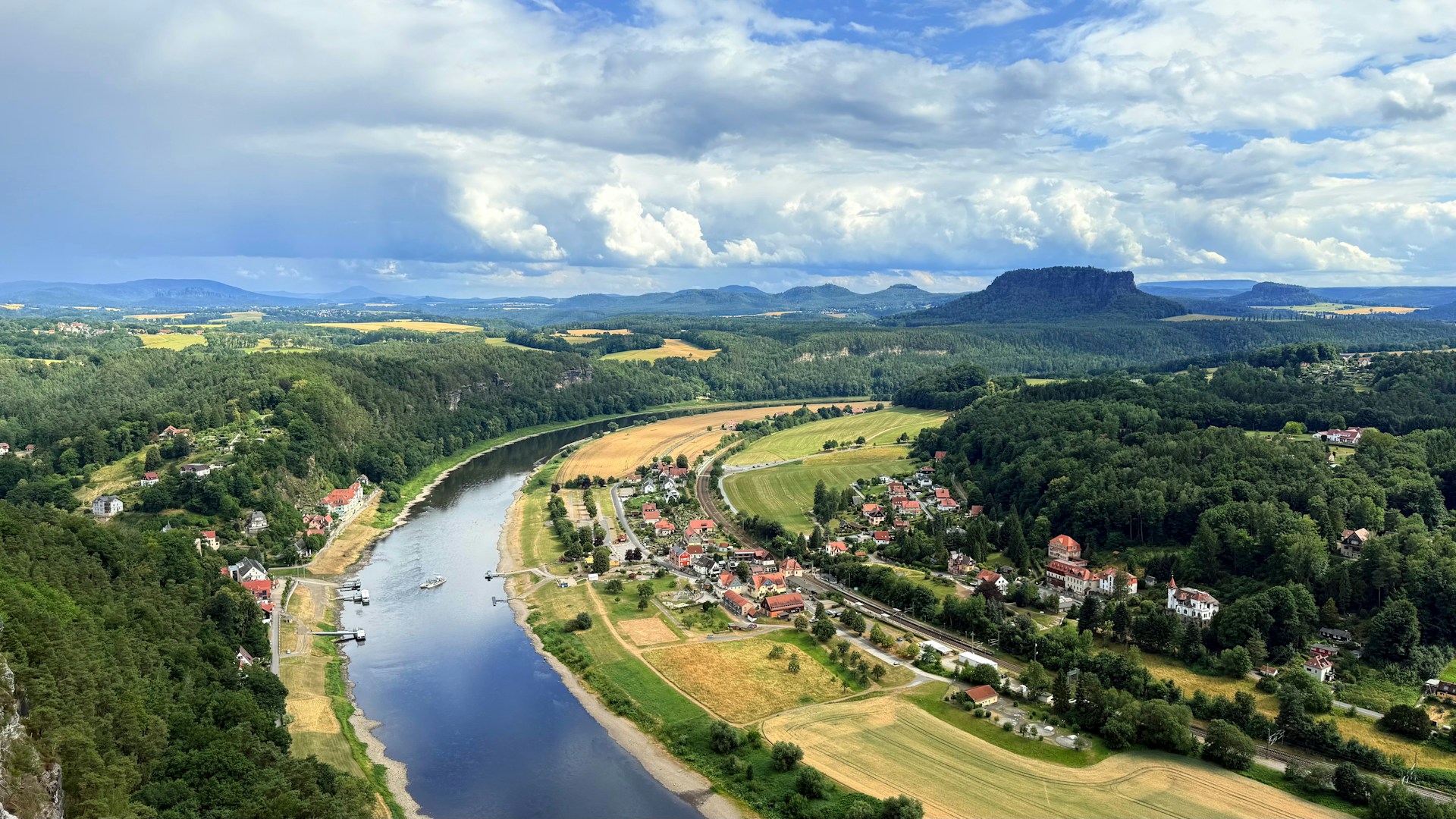
Kurort Rathen is the tiny village that somehow holds the entire magic of Saxon Switzerland in its pocket. Wedged dramatically between the Elbe River and the sheer sandstone cliffs of the Elbe Sandstone Mountains, this car‑free spa town feels like a movie set that forgot to switch off the scenery.
I’ve been returning to Kurort Rathen almost every year since 2014—sometimes for a full week of hiking, sometimes just for a quiet overnight after a hectic stint in Dresden. Every time, it strikes me how different it feels from more famous destinations: here, you wake to church bells, river fog, and the soft clank of the Elbe ferry instead of city traffic.
In 2026, Kurort Rathen is especially appealing: new trail signage, upgraded riverfront promenades, and several small guesthouses renovated with modern comforts while keeping their half‑timbered charm. Add in the Elbe Cycle Route, the legendary Bastei Bridge just above the village, and easy train access from Dresden, and you have one of the most rewarding places in Germany for hikers, couples, families, and anyone who craves a slower pace.
This travel guide for Kurort Rathen is built like a personal field notebook: long, detailed days; honest tips; and plenty of little stories picked up over a decade of visits. You’ll find:
- Rich 3, 4, and 5 day itineraries for Kurort Rathen (with practical variants)
- In‑depth profiles of 20+ attractions, from the Bastei Bridge to secret viewpoints
- Suggestions for family‑friendly, romantic, and adventurous things to do
- Advice on local food in Kurort Rathen, where to eat, and how to save money
- Hidden gems in and around the village you won’t stumble upon by accident
- Cultural experiences and local customs in Kurort Rathen you should know
- Travel tips for Kurort Rathen in 2026–2027, including events, transport, and etiquette
Table of Contents
- Why Visit Kurort Rathen
- Quick Overview & Orientation
- Suggested Itineraries (3–5 Days in Kurort Rathen)
- Areas & Districts of Kurort Rathen
- 20 Must‑See Attractions in and around Kurort Rathen
- Local Food & Drink
- Nightlife & Cultural Experiences
- Day Trips from Kurort Rathen
- Cultural Etiquette & Local Customs
- Practical Travel Tips & Money‑Saving Advice
- Summary & Best Time to Visit Kurort Rathen
Kurort Rathen at a Glance
Kurort Rathen is a small spa village (population: around 500) in Saxony, on the left and right banks of the Elbe River, about 35 km east of Dresden. It’s part of the Saxon Switzerland National Park, one of Germany’s most dramatic landscapes, known for its sandstone towers, deep ravines, and forested plateaus.
The village is split into two parts:
- Oberrathen (Right Bank): Where the train station is, plus a few guesthouses and parking.
- Niederrathen (Left Bank): The main village, accessible via the small passenger ferry, and completely car‑free for visitors.
What makes Kurort Rathen stand out among things to do in Saxon Switzerland is the combination of wild rock scenery and cozy spa life. In a single day you can hike through narrow, mossy gorges in the morning, eat cake on a riverside terrace for lunch, and catch an open‑air opera in a natural rock amphitheatre at night.
For travelers comparing options, think of Kurort Rathen as:
- Best for: Hikers, couples, photographers, families with school‑age kids, anyone who loves nature.
- Good with planning: You must consider train times, ferry crossings, and limited late‑night services.
- Less ideal for: Hardcore nightlife, shopping sprees, or those who dislike hills and stairs.
Suggested Itineraries: 3–5 Days in Kurort Rathen
Below are flexible outlines for a 3 day itinerary for Kurort Rathen, plus expanded 4 and 5 day itineraries. I’ll walk you through my personal routines, walking paths, and the little decisions that make or break a day in the Elbe Sandstone Mountains.
3 Day Itinerary for Kurort Rathen
If you have 3 days in Kurort Rathen, you can see the big highlights—Bastei Bridge, Rathen village, a slice of the National Park—and still leave time for riverfront coffees and slow evenings.
Day 1: Arrival, Ferry Crossing & Bastei Bridge at Golden Hour
I usually arrive from Dresden around late morning. The S‑Bahn S1 glides along the Elbe, and from the right side of the train you’ll suddenly see the jagged sandstone towers rise above the river—that’s your first glimpse of the Bastei.
Step off at Kurort Rathen (Sachs) station on the right bank (Oberrathen). You’ll notice how quiet it is: just a few houses, the station building, maybe a small kiosk if it’s high season.
Walk down the short lane toward the river (3–5 minutes). The path leads straight to the Elbe ferry, a flat green boat gliding back and forth over the current. This ferry is your lifeline: it runs year‑round, roughly every 10–20 minutes during the day, and costs only a few euros. It’s for pedestrians and cyclists only; remember, the main village is car‑free.
Crossing the Elbe is my favorite arrival ritual. The cliffs loom larger, the village of Niederrathen appears—half‑timbered houses, slate roofs, all tucked between forested hills and rock walls.
Once on the left bank, drop your bags at your guesthouse or pension. Popular spots include:
- Hotel Elbschlösschen: Classic riverside hotel with a spa area and balconies overlooking the Elbe.
- Pension Villa Marie: Small, friendly guesthouse tucked up a side lane, quieter and more personal.
- Privatzimmer & Ferienwohnungen: Many families rent rooms or apartments; look for house names on the main lane.
After check‑in, I like to ease into the village with a walk along the riverfront promenade, then an early afternoon coffee at Café & Bistro “Rosengarten” or a similar terrace. Try a slice of Eierschecke, Saxony’s layered custard cake—sweet but not overly heavy, perfect energy for the afternoon climb.
Afternoon: Climb to Bastei via the Classic Path
From the center of Niederrathen, follow the signs for Bastei. The path starts as a gentle lane, then turns into a forest trail that climbs steadily. It’s not technically difficult, but there are many steps and it gains height quickly. Take it slow; you’ll want to stop for photos anyway.
On my last visit in 2025, the trail was well maintained with new signage installed—by 2026, that’s even better. You’ll pass under the railway line, then enter the forest. Birdsong, the occasional shout from distant climbers, and that cool, resinous smell of pine and damp rock: this is what Kurort Rathen is all about.
After about 30–45 minutes (depending on your pace), the trees thin out and you’ll hit the first viewpoints. Don’t rush straight to the Bastei Bridge; the best way to enjoy this place is to pause at the side platforms and let your eyes adjust to the scale: the Elbe curling below, tiny trains sliding along the opposite bank, villages like toys, and the mountains stretching to the Czech border.
Eventually, you reach the Bastei Bridge itself—a stone arch bridge connecting several rock towers, originally built in wood in the early 19th century and later reconstructed in sandstone. This is one of the absolute must‑see attractions in Kurort Rathen, and it can be crowded.
My tip: For a more peaceful experience, plan your visit for late afternoon or golden hour, especially if you’re here between May and September. Day trippers from Dresden thin out after 16:00, and the light softens beautifully over the Elbe valley.
Wander across the bridge, explore the viewpoints, and if it’s your first time, visit the Felsenburg Neurathen open‑air museum (more on this in the attractions section). I still remember the first time I walked along those narrow iron bridges between the rock towers—it felt like stepping into a fantasy novel.
Evening: Dinner in the Village & Quiet River Stroll
Head back down via the same trail or take a slightly longer forest loop if you still have energy. Back in the village, grab dinner at one of the local restaurants:
- Hotel Elbschlösschen Restaurant: Classic German and Saxon dishes; I like their Sauerbraten (marinated roast) and seasonal fish from the Elbe region.
- Gasthof Sonniges Eck: More rustic, with hearty portions and a friendly, unhurried vibe.
After dinner, walk along the riverfront again. Kurort Rathen goes quiet early. Often by 22:00, all you hear are the river and insects. It’s a wonderful contrast if you’ve just come from a big city.
Day 2: Höllengrund Gorge, Amselsee & Felsenbühne Rathen
On your second day of a 3 day itinerary for Kurort Rathen, you’ll explore the magical gorge behind the village and the fairytale Amselsee lake.
Morning: Up the Höllengrund to Amselsee
After breakfast (many pensions serve homemade jams and fresh rolls—don’t skip them), walk to the upper end of the village, where the road narrows and the rock walls rise. Here you enter the Höllengrund, a narrow valley that funnels you deeper into the sandstone landscape.
The path is easy, almost flat at first, following a small stream. Families love this stretch; kids can run ahead safely, and the rock formations on either side look like giants frozen mid‑stride.
In about 20 minutes, you’ll reach Amselsee, a small, dammed lake surrounded by cliffs and forest. It’s incredibly picturesque, especially in autumn when the foliage glows orange and gold.
My ritual here: I always rent a little rowing boat for half an hour. It’s not a big lake, but drifting under the rock walls with nothing but the plunk of your oars and the occasional duck is one of the most peaceful experiences in Kurort Rathen.
Nearby, you can also take short detours to rock viewpoints like the Amselfall waterfall (small but atmospheric) and some family‑friendly climbing rocks. There’s usually a kiosk open in high season selling ice cream, snacks, and drinks—great for a mid‑morning break.
Midday: Picnic & Optional Short Hike
For lunch, you have two good options:
- Bring a picnic (many guesthouses are happy to pack sandwiches if you ask).
- Head back toward the village for lunch at a café or garden terrace.
When I’m doing 3 days in Kurort Rathen, I usually grab a simple lunch in town—something like Bratwurst with potato salad or a big salad with local cheese—then take a slower walk in the afternoon.
Afternoon: Felsenbühne Rathen (Open‑Air Stage)
One of the most unique cultural experiences in Kurort Rathen is the Felsenbühne Rathen, an open‑air theatre set in a natural rock amphitheatre above Amselsee. It hosts operas, plays, and concerts from spring through early autumn.
In 2026, the schedule includes a mix of classic operas (often by Wagner or Weber), family productions (Karl May stories are a big thing here), and orchestral concerts. Performances are typically in the late afternoon or evening, but plan ahead: tickets can sell out, especially on weekends.
I still remember a 2019 performance of Weber’s Der Freischütz here: the fog rolled in between the rock towers as the orchestra played, and the whole stage looked like it had been conjured out of the mountains themselves.
Tips for Felsenbühne Rathen:
- Bring a light jacket, even in summer—temperatures drop quickly once the sun slips behind the cliffs.
- Arrive early to pick good seats and soak up the atmosphere.
- Check the Sächsische Staatsoper or local tourism websites for the 2026–2027 program.
Evening: Quiet Night & Stargazing
After the performance, stroll back down through the forest (paths are lit but bring a small torch or phone light). The village is usually quiet by this time; sometimes you’ll hear only the gentle clank of the ferry chains and the soft rush of the river.
If the sky is clear, walk to the open meadow beyond the village lights and look up. Kurort Rathen doesn’t have deep wilderness darkness, but compared to major cities, the stars are strikingly bright.
Day 3: Longer Hike or Konigstein Fortress & Departure
On your final day, you have a choice, depending on fitness and interests:
- A longer circular hike through the national park (for hikers and photographers).
- A day trip to Königstein Fortress, one of Europe’s largest hilltop fortresses (for history lovers and families).
Option A: Longer Hike – Schwedenlöcher & Hohnstein Loop
If you want one last big scenic day, start early and head up again past Amselsee, then follow signs for Schwedenlöcher, a spectacular narrow gorge with steep stairs, ladders, and twisting rock passages. It’s not dangerous if you’re reasonably fit and careful, but it is steep and can be slippery after rain.
The name “Schwedenlöcher” (Swedish Holes) comes from the Thirty Years’ War, when locals supposedly hid from Swedish troops in these ravines. Whether the stories are fully accurate or not, the place feels like a natural fortress.
From the top of Schwedenlöcher, you can loop via the forested plateau toward Hohnstein, a cliff‑top town with a ruined castle and classic Saxon houses. Have lunch there—try a local Quarkkeulchen (curd cheese pancakes) or Solyanka (a spicy East German soup with sausage and pickles, a remnant of GDR times).
Then return along a different route, descending back toward Rathen in the late afternoon. This makes for a full day of 12–18 km depending on the loop—but the variety of forest, rock, and village scenery is superb.
Option B: Königstein Fortress
If hiking is less your thing, or if you’re traveling with kids, I strongly recommend a visit to Königstein Fortress, just one train stop away from Kurort Rathen.
Take the S1 toward Bad Schandau and get off at Königstein (Sächs Schweiz). From there, a shuttle bus or a steep walk leads up to the fortress gates.
Königstein is a vast complex: walls, bastions, barracks, churches, and viewpoints that look out over the Elbe valley and the surrounding mountains. It was never conquered in war, and walking its ramparts gives you a sense of why.
I like to spend 3–4 hours here, including a simple lunch at the fortress restaurant and plenty of time on the outer walls. Kids love the cannons and the scale; adults appreciate the history and the huge sky.
Return to Kurort Rathen in the afternoon, pick up your bags, and catch your onward train. If you can, aim for a slightly later departure just to squeeze in one last coffee by the river.
4 Day Itinerary for Kurort Rathen
If you have 4 days in Kurort Rathen, you can keep the 3 day itinerary as a base and add a slower day focused on hidden gems and more relaxed cultural experiences.
Day 4: Hidden Viewpoints, Spa Time & Elbe Cycle Path
On my longer stays, I dedicate a day to “soft exploration”—short local walks, spontaneous café stops, and whatever the sky suggests.
Morning: Lesser‑Known Viewpoints above Rathen
From the village, instead of heading directly to the Bastei, follow side trails marked on local maps (your guesthouse will usually have one) toward smaller rock outlooks. Spots like Gamrig or minor unnamed viewpoints reward you with beautiful vistas but far fewer people.
On a misty May morning in 2022, I watched fog drift up from the Elbe, revealing and hiding the Bastei towers like a slow curtain. I was completely alone on that little rock, just above the rooftops of Rathen.
Midday: Spa or Wellness Break
As a spa town (“Kurort” literally means “spa resort”), Rathen has a low‑key wellness culture. Some hotels offer small saunas, pools, and massage services. Book a few hours in the afternoon to rest your legs after previous hikes.
If you prefer a more extensive spa experience, consider a late‑morning trip to Bad Schandau (two stops by train) and its Toskana Therme, a modern thermal spa with pools, saunas, and quiet areas. Then return to Rathen in the late afternoon.
Afternoon: Elbe Cycle Path & Riverside Villages
Rent a bike (ask your guesthouse or the tourist info; in 2026 more e‑bikes are available) and ride along the Elbe Cycle Path (Elberadweg). You can head toward Wehlen or Königstein, stop for coffee or ice cream, and take in the ever‑changing angles of the cliffs and river.
One of my favorite short rides is from Rathen toward Stadt Wehlen, a photogenic town with colorful houses right on the riverfront. It’s an easy, mostly flat ride of around 7 km one way.
Evening: Sunset from the Riverbank
For your last evening, stay low. Find a bench by the river, watch the last trains slide by on the opposite bank, and see the Bastei silhouette darken against the sky. If you time it right on a clear evening, the cliffs glow faintly pink just before the light fades.
5 Day Itinerary for Kurort Rathen
A 5 day itinerary for Kurort Rathen is ideal if you’re a hiker or photographer—or simply want to slow travel. Add these days on top of the 3 or 4 day plan.
Day 5: Schrammsteine or Affensteine (Advanced Hiking Day Trip)
By day five, your legs are warmed up. Take the S‑Bahn to Bad Schandau or Krippen and explore the more rugged sectors of the Saxon Switzerland National Park: Schrammsteine or Affensteine.
These are classic ridge and tower formations with ladders, metal steps, and airy views. Routes are well marked but can be steep and exposed in places—better suited to experienced hikers without a strong fear of heights.
I often pack a full picnic and a thermos of tea for this day, starting early and not rushing. The light changes constantly on the sandstone, and it’s worth sitting on a sun‑warmed rock slab for half an hour just to watch it.
Return tired and happy to Kurort Rathen in the evening for a simple dinner and an early night. You’ve earned it.
Alternate Day 5: Dresden City Day
If you’d like to mix in some urban culture, take a full‑day trip to Dresden. The S1 train connects Kurort Rathen and Dresden in about 45–50 minutes, hugging the river the whole way.
Spend the day in Dresden’s old town—the Frauenkirche, Zwinger, Semperoper—then return to the tranquility of Rathen for the night. It’s the perfect combination of baroque city and sandstone wilderness.
Areas & Micro‑Districts of Kurort Rathen
Kurort Rathen is tiny, but it still helps to understand its small sub‑areas when choosing where to stay and what to explore.
Oberrathen (Right Bank)
Oberrathen is the right‑bank side with the railway station and main car park. It’s quieter in terms of tourism infrastructure but convenient if you want easy access to the train without ferry schedules.
- Vibe: Residential, practical, quiet evenings.
- Best for: Budget travelers, those arriving late or leaving early by train.
- Downside: You’ll use the ferry to reach most attractions and restaurants in Niederrathen.
Niederrathen (Left Bank)
Niederrathen is the “postcard” side: the car‑free main village nestled between the Elbe and the cliffs. This is where most pensions, hotels, restaurants, and attractions are.
- Vibe: Cozy, scenic, lightly touristy in summer.
- Best for: First‑time visitors, couples, families, anyone wanting to step out the door into scenery.
- Downside: You’ll need to plan around the ferry for train connections, especially late at night.
Upper Valley & Amselgrund
Up the valley behind the village, toward Amselsee and Höllengrund, there are scattered houses, forest paths, and trailheads. A few guesthouses tucked up here feel like they’re in a different world once the day trippers leave.
- Vibe: Very quiet, close to nature.
- Best for: Hikers, those who don’t mind a walk back from restaurants at night.
- Downside: Slightly more uphill walking; fewer immediate services.
20 Must‑See Attractions in and around Kurort Rathen
Below are the main attractions and hidden gems in and around Kurort Rathen, each with history, significance, and my personal notes. You won’t necessarily visit all of them in one trip, but this list gives you plenty of options to build your own things to do in Kurort Rathen.
1. Bastei Bridge (Die Basteibrücke)
The Bastei Bridge is the undisputed star among the best places to visit in Kurort Rathen. Perched about 194 meters above the Elbe, the stone bridge connects several sandstone towers, giving you wild views without technical climbing.
History: The area became famous in the early 19th century, inspiring Romantic painters like Caspar David Friedrich. A wooden bridge was first built in 1824 to allow easier access for visitors. In 1851 it was replaced by today’s sandstone bridge, which instantly became an icon of the region.
My experience: I’ve seen the Bastei in blazing summer sun, snow, autumn mist, and under a thunderstorm. The most memorable was a late October afternoon when the clouds parted right as the sun set, lighting up the autumn forest below like a painting.
Tips:
- Go early (before 9:00) or late (after 16:00) in high season to avoid crowds.
- Wear proper shoes; some viewpoints have uneven rock steps.
- In 2026, certain viewing platforms may have updated safety railings—respect any closure signs, especially near cliff edges.
2. Felsenburg Neurathen
Hidden among the rock towers adjacent to the Bastei Bridge, Felsenburg Neurathen is the largest rock castle in Saxon Switzerland, with origins going back to the Middle Ages.
What to see: Narrow iron bridges, carved cisterns, remnants of rooms cut into the rock, and interpretive panels showing how people once lived and defended this aerial fortress.
Why I love it: It makes the landscape feel inhabited across centuries. When you stand on one of the narrow rock plateaus and imagine hauling up supplies by rope, the Bastei’s cliffs stop being just pretty scenery and become part of a lived story.
3. Felsenbühne Rathen (Rock Stage)
The Felsenbühne Rathen is one of Europe’s most magical open‑air stages, tucked into a natural rock amphitheatre above Amselsee. Since 1936 it has hosted operas, plays, and concerts, often produced by the Dresden State Theatre.
Family‑friendly? Absolutely. Many performances in 2026–2027 are tailored to families, including fairy tales and Karl May adventure stories.
Personal note: Bring a cushion if you’re sensitive to hard seating, and pack a light blanket or jacket even on warm days. I’ve shivered through a gorgeous performance by underestimating how quickly the forest cools at night.
4. Amselsee
Amselsee is a small, artificial lake created in the 1930s for flood control and now a beloved recreation spot for locals and visitors. Ringed by forest and cliffs, it mirrors the rock walls in calm weather.
Things to do:
- Rent a rowing boat (seasonal; usually spring–autumn).
- Walk the lakeside path, good even with strollers.
- Visit nearby Amselfall, a small waterfall that’s particularly pretty in spring snowmelt.
Why it matters: For families, this is one of the top things to do in Kurort Rathen: safe, scenic, and easy. For photographers, it’s an excellent early‑morning reflection spot.
5. Höllengrund & Amselgrund Gorge
The Höllengrund (literally “Hell’s Ground”) and Amselgrund are the forested gorges leading from the village up toward Amselsee and the high plateau. Don’t be put off by the name; the walk is peaceful and atmospheric, not infernal.
My favorite memory: One drizzly morning in April, the gorge was wrapped in mist, and every mossy rock seemed to glow. I barely met another person for an hour, even though I was just a short walk from the village.
6. Schwedenlöcher
Schwedenlöcher is a dramatic ravine carved into the sandstone, laced with steep stairs, ladders, and narrow passages. It’s one of the most adventurous short hikes near Kurort Rathen.
Level: Intermediate. No technical climbing, but many steps and some exposed sections; avoid in icy conditions.
Tip: Go uphill rather than down if you have knee issues. The scenery feels more rewarding when it opens up above you as you climb.
7. Gamrig Viewpoint
Gamrig is a relatively small rock outcrop not far from Rathen, but its panoramic views over the Elbe valley and the Bastei area make it a fantastic sunrise or sunset spot.
Why I recommend it: It’s less known among international visitors, so you often share it only with a few locals or climbers. Bring a headlamp if you’re up for a dawn visit.
8. Königstein Fortress
One of the most imposing fortresses in Europe, Königstein sits on a table mountain high above the Elbe, about 10–15 minutes by train from Kurort Rathen. It has over 50 buildings from different eras and a complete wall encircling the plateau.
Highlights: Deep well (one of the deepest in Europe), panoramic walls, small exhibitions on military and everyday fortress life, and temporary art displays in 2026–2027.
Memory: The first time I walked the entire perimeter wall, the wind was so strong it felt like the fortress was a ship at sea. The Elbe looked like a ribbon far below, and the Bastei and other sandstone peaks were little islands on the horizon.
9. Stadt Wehlen
Stadt Wehlen is a small, colorful town upriver from Kurort Rathen. It’s reachable by train, ferry, or bike along the Elbe Cycle Path.
Why visit: Pretty riverside square, church, and a more “lived‑in” local feel compared to Rathen, which is more overtly tourist‑oriented. Great for a half‑day wander and coffee stop.
10. Bad Schandau
Bad Schandau is the main spa town of Saxon Switzerland, a short train ride from Kurort Rathen. It’s larger, with more restaurants, shops, and wellness facilities, including the Toskana Therme spa.
My routine: On longer stays in Rathen, I often spend one rainy afternoon in Bad Schandau’s spa: thermal pools, saunas, and a river view. Then back to the quieter nights in Rathen.
11. Hohnstein & Hohnstein Castle
Hohnstein is a cliff‑top town with a castle that has served many roles—fortress, prison, youth hostel. Today, it combines history with viewpoints and walking routes.
Why go: It feels more off the beaten path. The climb or bus ride up rewards you with classic Saxon rooftops and big sky views.
12. Elbe Cycle Path (Elberadweg) Segment around Rathen
The Elberadweg is one of Europe’s best‑known long‑distance cycle paths, running along the Elbe River. The segment around Kurort Rathen is particularly scenic, with cliffs and villages on both sides.
Good for: Casual cyclists, families, and anyone who wants a different angle on the landscape without hiking.
13. Kurort Rathen Church (Evangelische Kirche Rathen)
The small village church in Rathen is easy to overlook, but it’s worth a quiet visit. Simple, light‑filled, and usually open during the day, it reflects the modest, grounded spirituality of the region.
I sometimes step in for a few minutes before or after a hike—it’s a good place to gather your thoughts, and the cool interior is welcome on hot summer days.
14. Local Heritage & Information Points
Rathen’s small tourist information center (seasonal hours) and local heritage displays help you understand how this sleepy riverside village became a renowned spa and hiking hub.
Tip: Drop in early in your visit to pick up updated trail maps, event leaflets for 2026–2027, and ask about any temporary closures or detours in the national park.
15. Local Climbing Areas (for Spectators and Climbers)
The sandstone towers around Rathen are a historic center of German climbing, with strict local ethics (no metal protection, use of soft rope slings, etc.). Even if you don’t climb, it’s fascinating to watch locals and visiting climbers inch up the walls.
Important: If you’re a climber new to the region, study the local rules carefully or go with a guide; Saxon sandstone has unique protections and a strong tradition of minimal impact.
16. Schrammsteine Ridge
Though not in Rathen itself, the Schrammsteine are an essential part of the wider Kurort Rathen travel experience if you have time. They’re a jagged ridge of sandstone towers offering some of the best views in Saxon Switzerland.
My memory: On a clear September afternoon, I stood on a narrow metal stairway between rock walls, with ravens circling below and the entire Elbe sandstone panorama stretched out. It felt like standing on the spine of a sleeping stone dragon.
17. Affensteine & Idagrotte
The Affensteine are another cluster of rock towers, with hidden caves like the Idagrotte. They’re more remote from Rathen but reachable as a long day trip using train and bus combinations.
Why it’s special: Fewer crowds, wilder feeling, and a sense of being deep in a stone labyrinth.
18. Kurort Rathen Elbe Ferry
It might sound silly to call a ferry an attraction, but the small Elbe ferry is the heartbeat of Rathen. Watching it shuttle back and forth is strangely hypnotic, and being onboard for those short crossings is part of everyday life here.
Tip: Keep some small change or a contactless card handy; in 2026, the ferry still charges a small fee per crossing, and tickets are typically bought on board.
19. Sunrise & Sunset Spots around Rathen
For photographers, Kurort Rathen is a dream. Some of my favorite times are at the bookends of the day:
- Sunrise: Gamrig, Bastei (if open early), or the riverfront in Oberrathen for fog.
- Sunset: Bastei, small side viewpoints above Rathen, or Königstein fortress walls.
Check seasonal sunrise/sunset times; in mid‑summer, sunrise is very early, while in winter, you can shoot both golden hours without sacrificing sleep.
20. Winter Kurort Rathen
Winter gets far fewer visitors, but Rathen in snow is enchanting: frosted trees, quiet paths, and a stillness that’s hard to find in busier seasons.
Note for 2026–2027: Some services (boats, Amselsee rowing, Felsenbühne performances) are seasonal, so winter stays are more about solitude, crisp walks, and cozy evenings than full tourist offerings.
Local Food & Drink in Kurort Rathen
Kurort Rathen isn’t a foodie capital, but it has honest, hearty Saxon cooking and a few pleasant surprises. Many visitors eat half‑board at their pensions, but you can also mix and match restaurant dinners and café lunches.
What to Eat: Saxon Specialties
- Sächsischer Sauerbraten: Marinated beef roast, often with red cabbage and dumplings. I’ve had excellent versions at hotel restaurants in Rathen after long hiking days.
- Quarkkeulchen: Small fried pancakes made with potatoes and quark (fresh cheese), usually served with apple compote—comfort food at its best.
- Sächsische Eierschecke: A layered cake with yeast dough, quark, and custard topping. Perfect with coffee in the afternoon.
- Forelle “Blau” or “Müllerin”: Trout from local waters, poached or pan‑fried. A good lighter option after heavy hiking.
- Solyanka: A spicy, sour soup with sausage and pickles, a legacy of East German times; surprisingly addictive.
Where to Eat & Drink
- Riverside Hotel Restaurants (e.g., Elbschlösschen): Higher price point but great Elbe views; nice for a romantic dinner.
- Gasthöfe & Pensions: Many pensions open their dining rooms to non‑guests; ask locally. Portions tend to be generous and prices fair.
- Cafés in the Village: Good for coffee, cake, and light lunches. Outdoor terraces are lovely in summer.
- Imbiss Stands: In high season, you’ll find kiosk stalls selling Bratwurst, fries, and simple snacks—budget‑friendly and quick.
Drinks to Try
- Local Beer: Regional lagers and wheat beers from Saxon breweries—crisp and refreshing after a hike.
- Saxon Wine: The Elbe valley near Dresden is a small but historic wine region; try a local white (Riesling or Müller‑Thurgau).
- Apfelschorle: Apple juice mixed with sparkling water, Germany’s favorite hiking drink.
Money‑Saving Food Tips
To save money on food in Kurort Rathen:
- Book a guesthouse with a good breakfast; German breakfasts are substantial and can carry you until mid‑afternoon.
- Use nearby supermarkets (in Wehlen or Königstein) to stock up on snacks and picnic supplies; Rathen itself has very limited grocery options.
- Have your main hot meal at lunch in nearby towns where there’s more competition and lunch specials, then eat lighter in the evening in Rathen.
Nightlife & Cultural Experiences
If you’re imagining clubs and bars, adjust expectations: nightlife in Kurort Rathen is about twilight walks, theatre, and long dinners, not dancing until dawn.
Evening Activities
- Felsenbühne Performances: The number one cultural experience; check schedules for 2026–2027 in advance.
- Evening Walks: Along the Elbe promenade or up short village paths to catch last light on the cliffs.
- Hotel Bars: Some hotels have small bars where you can enjoy a drink, read, or chat with other travelers.
Seasonal Events (2026–2027)
Exact dates change yearly, but you can generally expect:
- Spring–Autumn 2026: Full season at Felsenbühne Rathen with opera, theatre, and concerts.
- Summer 2026 & 2027: Local village festivals in nearby towns (Wehlen, Königstein, Bad Schandau) with music, food stalls, and sometimes fireworks.
- Advent Season: Small Christmas markets in nearby cities (especially Dresden’s famous Striezelmarkt), reachable as day trips.
Ask at the tourist information office in Rathen or check the Saxon Switzerland tourism website for the latest event calendar when you plan your trip.
Day Trips from Kurort Rathen
Kurort Rathen is a perfect base for several rewarding day trips:
Dresden
Baroque architecture, world‑class museums, and vibrant café culture. Easily reached in under an hour by the S‑Bahn S1, with frequent trains until late evening.
Pirna
A charming town between Dresden and Rathen with a beautifully preserved old town. Fewer tourists than Dresden but plenty of atmosphere.
Czech Switzerland National Park (Bohemian Switzerland)
Across the Czech border, the same sandstone landscape continues with sights like the Pravčická brána (Pravčice Gate). You’ll need a combination of train and bus or a guided tour; don’t forget your passport and check Schengen/visa rules if you’re from outside the EU.
Bad Schandau & Kirnitzschtalbahn
From Bad Schandau, ride the historic Kirnitzschtalbahn tram into the forested Kirnitzsch valley, hopping off at trailheads for short walks and waterfalls.
Cultural Etiquette & Local Customs in Kurort Rathen
Germany in general, and Saxony in particular, values order, respect, and understated friendliness. Kurort Rathen adds a rural, nature‑focused twist to that.
On the Trails
- Stay on marked paths: The sandstone ecosystem is fragile; shortcuts cause erosion.
- Greet others: A simple “Guten Tag” or “Hallo” to fellow hikers is common.
- Keep noise down: Locals cherish the quiet of the forest.
In the Village
- Quiet Hours: Many guesthouses and the village itself observe quiet evenings; loud outdoor noise after 22:00 is frowned upon.
- Cash Culture: Card payments are increasingly accepted in 2026, but small businesses may still prefer cash—carry some euros.
- Shoes & Cleanliness: Remove muddy shoes in pensions if asked; Germans are particular about floors.
Restaurant Etiquette
- Wait to be seated or ask politely, “Ist hier frei?” before taking a table.
- Tipping: Round up or add about 5–10% and hand it directly to the server when paying, saying the total (e.g., “Machen wir 20 Euro, bitte”).
- Water is usually bottled and not free; ask for “Leitungswasser” (tap water) if you prefer, but some places may not offer it.
Practical Travel Tips for Kurort Rathen in 2026–2027
Getting To Kurort Rathen
- By Train: S‑Bahn line S1 from Dresden toward Schöna. Get off at Kurort Rathen (Sachs). Trains run roughly every 30 minutes during the day.
- By Car: Park on the right bank (Oberrathen) in designated parking lots; the main village (left bank) is car‑free for non‑residents.
- By Bike: Follow the Elbe Cycle Path; ferries connect both banks.
Getting Around Kurort Rathen
- On Foot: The village is small; you’ll walk almost everywhere.
- Elbe Ferry: Essential link between Oberrathen and Niederrathen; check last crossing times, especially in off‑season.
- Public Transport: S‑Bahn connects to Dresden, Bad Schandau, Königstein, and Wehlen. Regional buses reach higher villages and trailheads.
- Car Rental: Not needed if you’re focusing on Rathen and main national park sights. If you do rent a car, pick it up in Dresden and park in Oberrathen.
SIM Cards & Connectivity
Germany has good mobile coverage, but gorges sometimes block signals:
- Buy a prepaid SIM from major providers (Telekom, Vodafone, O2) in Dresden or other cities before arriving.
- Many guesthouses offer Wi‑Fi, but speeds can be moderate; don’t expect city‑level bandwidth.
Visa Requirements & Driver’s Licenses
- Visas: Kurort Rathen is in Germany’s Schengen area. EU/EEA/Swiss citizens travel freely. Many other nationalities can enter visa‑free for short stays; always check the latest Schengen rules for 2026 before travel.
- Driver’s License: EU licenses are valid. Non‑EU visitors should carry both their home license and an International Driving Permit (IDP) if they plan to rent a car.
Best Seasons & Weather
- Spring (April–June): Fresh green, wildflowers, fewer crowds. Great for hiking; weather can be mixed.
- Summer (July–August): Warm, long days, peak season. Best for Felsenbühne and rowing on Amselsee; expect more people on the Bastei.
- Autumn (September–October): My favorite: colorful foliage, clear air, less busy than summer.
- Winter (November–March): Quiet, sometimes snowy. Limited services, but magical if you like solitude.
Safety & Health
- Trails are generally well marked, but always carry a map or offline app.
- Stay back from cliff edges—sandstone can be crumbly.
- Tick awareness in warmer months: check for ticks after hikes, especially in tall grass.
- Kurort Rathen has basic emergency services nearby via Königstein/Bad Schandau; major hospitals are in Dresden.
Money‑Saving Tips
- Use regional day passes on trains if you’re making multiple trips in one day (e.g., Dresden + Rathen + Königstein).
- Stay in pensions or Ferienwohnungen (holiday apartments) and self‑cater some meals.
- Bring a reusable bottle and refill with tap water; it’s safe and good.
- Travel shoulder seasons (May–June, September–early October) for better prices and fewer crowds.
Summary: Key Takeaways & Best Time to Visit Kurort Rathen
Kurort Rathen is small, but it offers an outsized experience: towering sandstone cliffs, a storybook river village, and enough trails and viewpoints to keep you busy for a week. Whether you’re planning a 3 day itinerary for Kurort Rathen, stretching to 4 days, or settling in for 5 days in Kurort Rathen, you’ll find a balance of adventure and calm.
For hikers and photographers: Prioritize late spring and autumn (May–June, September–October) for comfortable temps and beautiful light.
For families: Summer school holidays offer the widest range of boat rentals, theatre performances, and ice‑cream stops, though you’ll share the Bastei with more people.
For couples and slow travelers: Shoulder seasons and even winter weekdays give you quiet paths, cozy evenings, and plenty of time to just sit by the Elbe and watch the ferry slide back and forth.
If you let the rhythm of the village guide you—trains and ferries, hikes and coffee breaks—you’ll understand why so many of us keep coming back. Kurort Rathen may be tiny, but it lingers in your memory like a landscape you feel you’ve dreamt about long before you saw it.