Why Visit the Malerweg Trail?
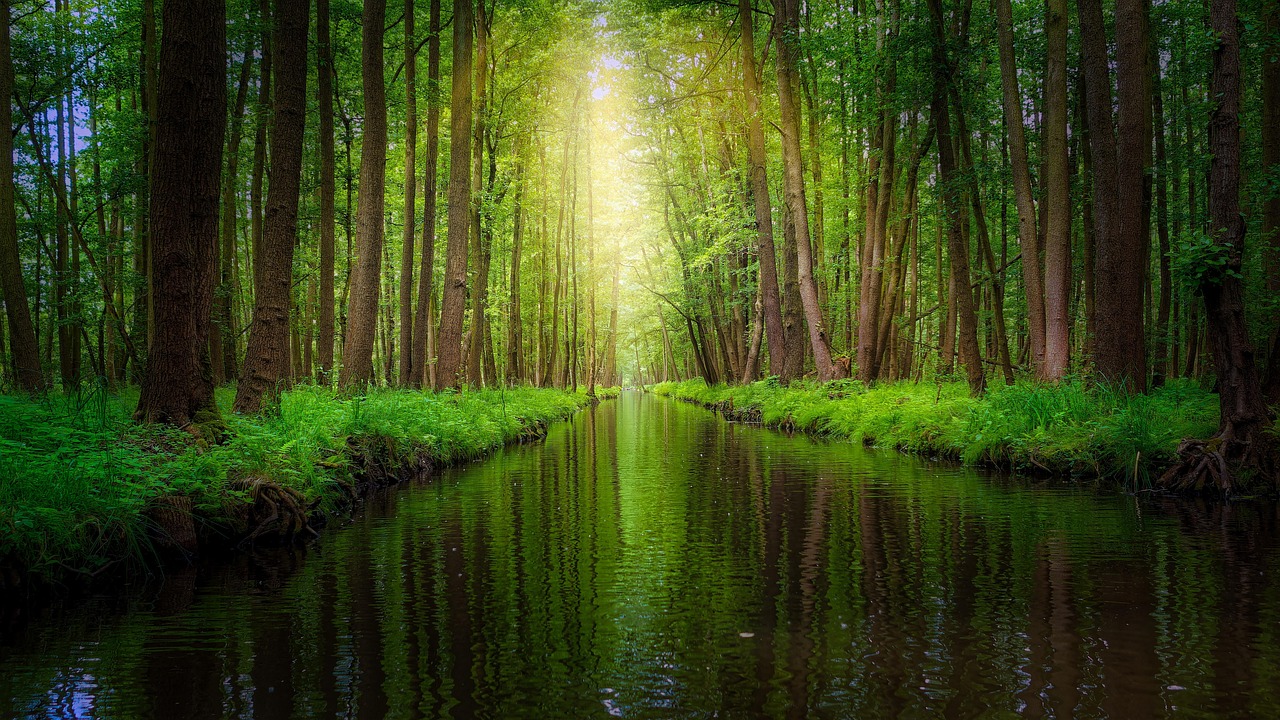
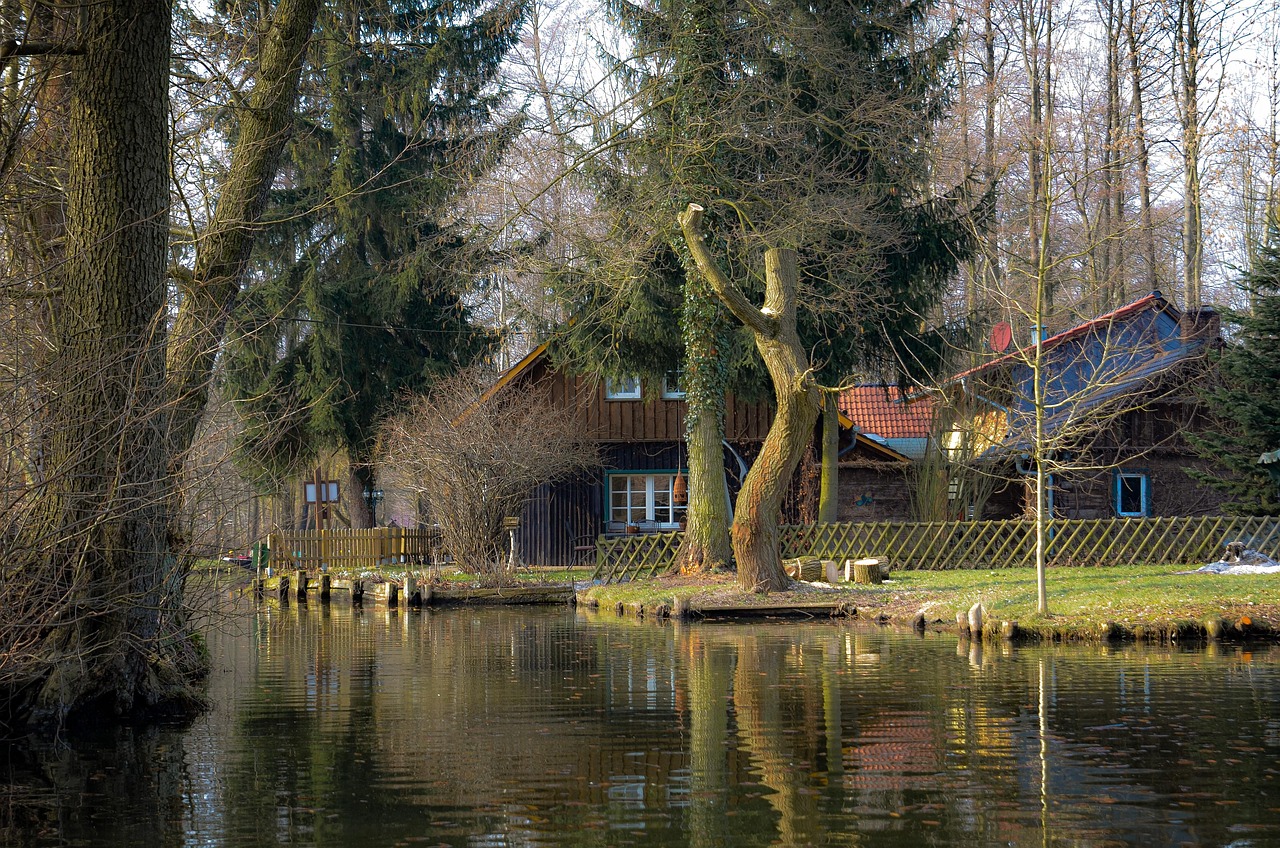
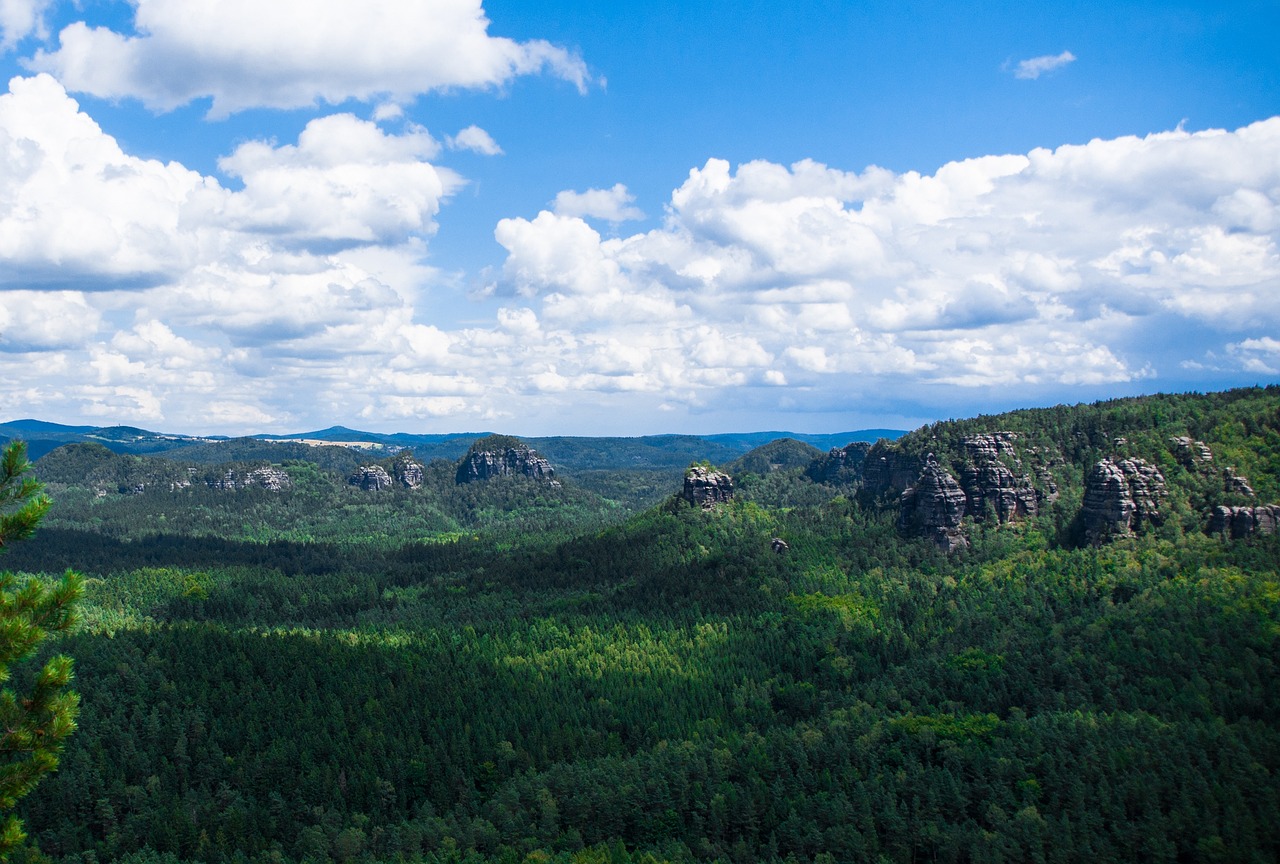
The Malerweg is where Central Europe pretends to be a fantasy novel. Sandstone towers erupt from forests, the Elbe River snakes below, and villages with red-tiled roofs cling to the slopes like they’ve grown there. The name “Malerweg” literally means “Painters’ Way” – in the 18th and 19th centuries this region seduced Romantic painters and writers (Caspar David Friedrich, Carl Gustav Carus, and many others) who came searching for the sublime. Today it does the same to hikers, families, rock climbers, and couples.
What makes it special in 2026 is how well it balances wild, almost otherworldly landscapes with ultra-practical German organization. The trail is:
- Beautiful but accessible: Dramatic views without Himalayan altitudes. Good for reasonably fit beginners, older travelers, and active families.
- Compact yet varied: Deep gorges, airy ridgelines, stone bridges, quiet meadows, and river ferries – all within a week or two.
- Connected: Trains and buses shadow much of the route. You can hike it as a continuous 7–14 leg itinerary, or cherry-pick day hikes from Dresden.
- Quietly atmospheric: No neon party strips or mega-resorts. Instead: village guesthouses, beer gardens, and trailheads that empty at dusk.
If you’re torn between a city break in Dresden, a nature escape, and a cultural trip through small-town Germany, the Malerweg Trail ties them into one itinerary.
Table of Contents
- 1. Overview of the Malerweg Trail
- 2. Recommended 7–14 Leg Itinerary for Malerweg Trail
- 3. Detailed Legs & Personal Stories (18+ Key Stops)
- 4. Eating & Sleeping Along the Malerweg
- 5. Evenings on the Trail: Nightlife, Quiet Towns, and Starry Skies
- 6. Day Trips & Nearby Attractions
- 7. Cultural Etiquette & Local Customs
- 8. Practical Logistics & Travel Advice
- 9. Events & What’s New in 2026–2027
- 10. Summary & Best Seasons to Visit
Overview of the Malerweg Trail
The classic Malerweg is an 8-stage circular hiking route of roughly 116 km. It starts in Pirna-Liebethal, follows the Elbe valley east to Bad Schandau and Schmilka, crosses near the Czech border, then loops back on the north side of the river via Hohnstein and the Brand viewpoint.
For this travel guide – and to help with SEO phrases like 7 leg itinerary for Malerweg Trail or 10 legs of Malerweg Trail – I’ll describe the route in a flexible modular way. You can compress it into 7 long legs, expand it to 14 gentler stages, or use it as modules for 9-, 11-, 12-, or 13-leg itineraries. Think of them as “road trip days” along a walking route.
The main Malerweg sequence runs (simplified):
- Start: Pirna-Liebethal
- Major stops (in order): Liebethaler Grund – Wehlen – Bastei – Hohnstein – Brand Viewpoint – Waitzdorf – Rathen – Königstein – Gohrisch – Papststein – Pfaffenstein – Königstein Fortress – Bad Schandau – Schrammsteine – Affensteine – Lichtenhain Waterfall – Kuhstall – Neumannmühle – Großer Winterberg – Schmilka – Elbe north side via Schöna – back towards Pirna via villages and forest ridges.
- End: Return loop to Pirna (different path than the outward leg)
You don’t have to walk every meter. In 2023 and again in 2025 I did “partial Malerweg road trips” by using regional trains and the Elbe ferries to skip or repeat sections, based in Bad Schandau. For first-timers in 2026, I suggest a full traverse – but this guide will give options for all time frames and fitness levels.
Recommended 7–14 Leg Itineraries for the Malerweg Trail
Officially, Malerweg is divided into eight standard stages. In practice, travelers often reconfigure it into 7, 8, 9, 10, 11, 12, 13, or 14 legs depending on pace, side trips, family needs, and how many long-lunch beer gardens they plan to enjoy.
Below is a flexible structure I’ve road-tested in different ways over the years:
- Leg 1: Pirna-Liebethal – Liebethaler Grund – Wehlen
- Leg 2: Wehlen – Bastei – Rathen – Hohnstein
- Leg 3: Hohnstein – Brand Viewpoint – Waitzdorf – Rathmannsdorf/Bad Schandau
- Leg 4: Bad Schandau – Schrammsteine – Affensteine
- Leg 5: Affensteine – Lichtenhain Waterfall – Kuhstall – Neumannmühle
- Leg 6: Neumannmühle – Großer Winterberg – Schmilka
- Leg 7: Schmilka – Elbe North Side Trails – Gohrisch – Papststein – Pfaffenstein – Königstein
- Leg 8: Königstein Fortress – Rauenstein – return via Obervogelgesang – Pirna
For a 7 leg itinerary, I usually merge Legs 1 & 2 into one big opening day. For a 9–10 leg itinerary, I recommend splitting Legs 4 and 6 to allow a more leisurely pace on the rockiest terrain. To stretch to 11–14 legs, you can add overnights in places like Rathen, Schöna, and Waitzdorf, or insert “rest days” in Bad Schandau with short local walks.
The key is to think of Malerweg like a road trip: each leg is a scenic drive/day, your feet are the car, and the villages and viewpoints are your fuel stops and lookouts.
Detailed Legs & Stories: Walking the 7–14 Legs of Malerweg Trail
In this section I’ll walk you through each leg in depth, weaving in at least 18 of the best places to visit in Malerweg Trail, with personal anecdotes, food recommendations, and practical travel tips for Malerweg Trail. Assume each leg is 1–2 actual hiking days – you can compress or expand depending on your preferred 7-, 8-, 9-, 10-, 11-, 12-, 13-, or 14-leg itinerary.
Leg 1 – Pirna-Liebethal to Wehlen: Into the Sandstone
I always start my Malerweg journeys with a coffee in Pirna’s market square. Pirna is your gentle on-ramp to the wildness ahead: cobbled streets, pastel Renaissance facades, and the feeling that the Elbe is quietly waiting around the corner.
In 2025 I arrived on a misty September morning, the kind where the church spires fade into a watercolor sky. After dropping a small bag at my guesthouse (I often base here if I’m not thru-hiking) I took the bus up to Liebethal, the official Malerweg trailhead.
Liebethal & the Liebethaler Grund
The Liebethaler Grund is a shady sandstone gorge where the Wesenitz River has carved its way through rock – a whispering prelude before the grand Elbe vistas. It’s also your first encounter with the region’s Romantic history: huge boulders, moss-draped walls, and a giant Richard Wagner monument that always takes newcomers by surprise.
This first valley is ideal if you’re hiking with kids or less experienced walkers. The path is gentle, and there are frequent spots to sit on a log and listen to the river. One July afternoon I watched a family from Hamburg coax their reluctant teenager into the Malerweg with the promise of ice cream in Wehlen; by the second day he was the one walking ahead, hunting for the next viewpoint.
Food tip: Pack a simple picnic – bread, local cheese, apples – from Pirna. There’s something deeply right about eating on a riverside boulder here.
Approaching Wehlen: First Elbe Views
The Malerweg climbs out of the gorge and undulates through forest and fields before dipping towards the Elbe. The first time I saw Wehlen from above, the sunlight broke through just as the church tower came into view – a postcard moment that felt almost staged.
Wehlen itself is tiny: a riverside promenade, a few cafes, an ice cream stand that seems permanently queued in summer, and the river ferry. It’s an ideal first overnight if you’re following a 10- to 14-leg itinerary, keeping opening distances short.
My ritual is a late-afternoon coffee and cake at a riverside café, boots off, toes quietly rejoicing. Try the Eierschecke (a layered Saxon cheesecake) or a simple slice of Apfelkuchen. For dinner, gasthofs here usually offer solid classics: schnitzel, trout from the Elbe, and vegetarian options like Käsespätzle.
Family-friendly: Easy day, lots of water, short ferry rides – perfect for kids’ first “big hike.”
Romantic: The Elbe at dusk, when the day-trippers have gone, is quietly magical.
Leg 2 – Wehlen to Hohnstein via the Bastei: The Iconic Crown of Malerweg
If you’ve seen one photo of Saxon Switzerland, it’s almost certainly of the Bastei Bridge: a stone causeway leaping between sandstone pinnacles high above the Elbe. Leg 2 is where the Malerweg shows you why painters went wild here in the 18th century – and why Instagrammers do the same now.
Climbing from Rathen to Bastei
From Wehlen you follow the river, often hopping a short train or ferry section depending on your itinerary, to Rathen. This village is one of the must-see attractions in Malerweg Trail: half fairytale, half base camp. Timbered houses cluster around a small lake, and on summer evenings locals and hikers drift towards the outdoor Felsenbühne Rathen (rock stage), where operas and plays are performed against a backdrop of lit sandstone cliffs.
The climb to Bastei from Rathen is short but steep – carved rock stairs, railings, and views that widen with every switchback. On my last visit in 2025, I started pre-dawn with a headlamp and a thermos of coffee; arriving at the top as the first light spilled into the Elbe valley was one of those rare moments where your careful planning actually pays off.
Tip: Bastei is popular. To avoid crowds, aim to arrive before 9:00 in peak season (May–September) or late in the afternoon. Early mornings are best for photography and quiet.
Bastei Bridge & Viewpoints
The Bastei complex now includes managed viewpoints, safety railings, and some sections with small entrance fees – changes that have been expanding gradually through 2024–2026 to protect the fragile rock. Don’t let the infrastructure put you off: the views are still utterly wild.
From the main viewpoints, you’ll see:
- The Elbe snaking between Rathen and Wehlen
- The table mountains of Lilienstein and Königstein in the distance
- Sheer sandstone towers dropping away below your feet
On a clear day you can spot climbers inching up narrow spires. Locals call them Felsensportler with a mixture of admiration and bewilderment.
Across the Woods to Hohnstein
Leaving Bastei, the trail dives into forests and quieter side valleys – a welcome reset after the crowds. The path to Hohnstein rolls over ridges and dips into mossy gullies, with occasional sandstone outcrops acting as unadvertised viewpoints.
Hohnstein itself is a small town perched on a rocky spur, dominated by its castle. In 2023 I stayed at a guesthouse just below the fortress and woke to fog spilling through the valley like a slow river. Hohnstein makes a good overnight for any version of a 7 leg itinerary for Malerweg Trail or a slower 10- to 14-leg plan: there are a couple of good restaurants, a bakery, and a sense of being properly in the hills now.
Food: Try Sauerbraten (marinated roast) or local game dishes in autumn. Vegetarians can usually count on hearty soups, potato dishes, and salads.
Leg 3 – Hohnstein to Bad Schandau via Brand Viewpoint & Waitzdorf
This leg feels like driving a scenic ridge road: long views, occasional plunges into side valleys, and cafés right at the edge of the drop. The Brand viewpoint – sometimes called the “balcony of Saxon Switzerland” – is one of my non-negotiables whenever I’m guiding friends here.
Brand Viewpoint: Balcony of Saxon Switzerland
The forest path from Hohnstein gradually narrows and brightens until, suddenly, the trees open and there’s nothing in front of you but air. The Brand terrace juts out over a deep valley, with the Elbe valley and table mountains layered beyond like cardboard cutouts.
There’s a restaurant right on the edge; in 2025 they were still doing a reliable mix of Saxon classics and lighter dishes, plus good cake. I love coming here in shoulder seasons, when you can sit outside without the midsummer crush and watch ravens ride the thermals.
Tip: This is a perfect mid-morning or early-afternoon “fuel stop.” On very hot days, linger until the worst heat passes.
Waitzdorf & the Quiet Villages
Beyond Brand, the Malerweg meanders through fields and small villages like Waitzdorf, where farmhouses sit in wide meadows. It’s not dramatic in the way of Bastei or Schrammsteine, but it’s the kind of landscape you remember on winter days: the sound of cowbells, the smell of cut hay, the church tower on the horizon.
I once took a detour here with an older couple from Berlin who preferred gentle walking. We followed a side loop that added only a few kilometers but gave us long, lazy views over the Elbe sandstone plateau – a great option for a 12 or 13 leg itinerary for Malerweg Trail when you can afford slower days.
Descent to Bad Schandau
Eventually the trail drops back towards the Elbe, emerging above Bad Schandau, the de facto capital of Saxon Switzerland. I treat Bad Schandau like a road-tripper treats a reliable highway town: a place to rest, resupply, soak, and perhaps, for a day, do absolutely nothing ambitious.
The town has:
- A proper supermarket and outdoor shops (useful for resupplying if you underestimated your appetite).
- Thermal baths (Toskana Therme) where hikers float like happy starfishes under soft lights.
- A riverside promenade and several hotels and guesthouses in all price ranges.
If you’re traveling with kids or anyone who needs a break, I strongly recommend building a rest night here into any 8, 9, 10 or 11 legs of Malerweg Trail plan. One of my favorite Malerweg days in 2022 involved nothing but a slow breakfast, laundry, a few hours at the spa, and a gentle evening walk along the river.
Leg 4 – Bad Schandau to Schrammsteine & Affensteine: The Wild Heart
This is the day that turns Malerweg from “pretty river walk” into “serious adventure.” The Schrammsteine and Affensteine massifs are intricate tangles of rock towers, ladders, narrow ridges, and secret passages. Think of it as driving a mountain pass with hairpin bends, except your car is your balance and your knees.
Schrammsteine: Ladders and Ridges
The climb from Bad Schandau via the Schrammsteinweg is a steady ascent through forest until the first metal staircases appear, clinging to the rock. The first time I led friends up here, there was a quiet gasp as we emerged onto a narrow ridge with sheer drops on both sides and a sea of sandstone towers spreading out beneath us.
If you’re not comfortable with heights, you can choose the slightly less airy variant routes; signposts are good, and in 2025 the national park authority added clearer warning signs on the more exposed ladders. That said, for those who enjoy some adrenaline, this is the highlight of the entire Malerweg.
Tip: Gloves with some grip can be nice for the metal railings in colder months. Pack ample water; refills are limited on the ridges.
Affensteine & Idagrotte
The trail then threads into the Affensteine, with options to detour to caves and vantage points like the Idagrotte. In summer 2024, smoky afternoon thunderstorms rolled past as I sat on a ledge here, watching shafts of light punch through onto the Elbe plains – one of those scenes that explain why this is called the Painters’ Way.
This area is a magnet for adventurous hikers and climbers. Families with sure-footed teens often love it; younger kids may find the ladders intimidating. For a 14 leg itinerary for Malerweg Trail, I sometimes break this into two shorter days, overnighting at a hut or guesthouse near the ridges to soak up the atmosphere.
Safety: In wet weather, the rocks and wooden steps can be slick. Take your time; this is not a place to rush just to “make distance.”
Leg 5 – Affensteine to Lichtenhain Waterfall & Kuhstall: Fairy Tale Gorges
After the vertiginous drama of the Schrammsteine, Leg 5 feels more intimate and storybook-like: Lichtenhainer Wasserfall, narrow forest lanes, and the famous Kuhstall rock arch.
Lichtenhain Waterfall
The Lichtenhain waterfall is small by world standards, but it has a quirky charm. Historically, innkeepers controlled its flow with a gate and would “switch it on” for tourists in the 19th century. This ritual continues at set times in high season, and yes, it’s touristy – but watching kids’ faces light up as the water suddenly roars a bit louder is part of the fun.
There’s a gaststätte right next to the falls, and I’ve lost count of how many bowls of soup I’ve eaten on its terrace during rainy hikes. In 2025 they were doing a very decent lentil soup and a good Bockwurst with potato salad.
Kuhstall Rock Arch & Himmelsleiter
A short but steep climb leads to the Kuhstall, one of the largest rock arches in the region. Legend says locals once hid their cattle here during wartime; today it’s a playground for children and adults who like feeling small under giant stone ceilings.
Don’t miss the Himmelsleiter (“stairway to heaven”), a narrow rock chimney with steps chiseled inside, leading to a tight opening and a ledge above the arch. It’s slightly claustrophobic but worth it for the view – and the sense of emerging into another world.
Family-friendly: This leg is fantastic with kids: short distances between “wow” moments, caves to explore, and lots of legends to tell.
Leg 6 – Neumannmühle to Großer Winterberg & Schmilka: Forest Highways
This stretch feels like cruising along a forested mountain road: long, steady gradients, deep spruce and beech woods, occasional wide views. It’s less obviously spectacular than Bastei or Schrammsteine, but it gives the Malerweg its rhythm.
Neumannmühle & Kirnitzschtal
Neumannmühle is a historic mill in the Kirnitzschtal valley, where a vintage yellow tram trundles along the road – one of the most charming pieces of local infrastructure. I’ve often used the tram to skip or repeat sections when guiding mixed-ability groups, turning this leg into an easy day or a longer push depending on energy levels.
There’s a small visitor center and a simple inn here; it’s a great coffee stop or an overnight if you’re stretching the route to 12–14 legs.
Großer Winterberg Summit
The climb to Großer Winterberg (556 m) is steady rather than brutal. At the top you’ll find an inn and a terrace with views reaching into the Czech Republic. In autumn 2023, I sat here with a dark local beer watching a band of mist sit stubbornly in the Elbe valley while the ridges basked in sun – a textbook Inversionswetter moment.
Descent to Schmilka
The descent to Schmilka is one of my favorite “approach shots” on the trail. The forest opens up, the Elbe appears far below, and the red roofs of the village peek through the trees.
Schmilka is a tiny, eco-minded riverside village near the Czech border. Over the past decade it’s become a kind of bohemian base camp: organic bakery, craft brewery, vegetarian-friendly restaurants, and a general sense that everyone here has recently been in the forest or on the rocks.
Romantic: Schmilka after dark feels like the set of a small European indie film: candlelit terraces, the river sliding by in the shadows, the murmur of hikers swapping stories.
Leg 7 – Schmilka to Gohrisch, Papststein & Pfaffenstein: Table Mountain Trio
Crossing to the north side of the Elbe, the Malerweg begins to loop homeward. This leg is all about the table mountains – flat-topped sandstone mesas that dominate the skyline. The trio of Gohrisch, Papststein, and Pfaffenstein offers some of the most rewarding short climbs on the entire route.
Schöna & Elbe Ferry
From Schmilka you take a ferry or train across/along the Elbe, often via Schöna, then pick up the Malerweg as it heads towards the table mountains. The ferries, in my mind, are part of the romance of Malerweg – like short river crossings on a long driving route, they break the rhythm and reset your sense of scale.
Gohrisch & Papststein
Gohrisch and Papststein are modest climbs (with some steps and railings) that reward you with sweeping 360° views. I like to tackle them in late afternoon, when the light is warm and the distant Bastei and Lilienstein glow. In 2022 I watched a family from Prague celebrate a grandmother’s 80th birthday on Papststein – she’d climbed slowly but steadily, leaning on a stick, and when she reached the top her grandchildren produced a thermos of hot chocolate and a tiny cake.
Pfaffenstein & Barbarine Rock Needle
Pfaffenstein is perhaps my favorite of the three. The ascent is varied – forest paths, steps, narrow rock lanes – and at the top you’ll find the Barbarine, a solitary rock needle that has inspired legends and paintings for centuries. Climbing on the Barbarine is now restricted to protect it, but you can walk right up to its base and feel its strange, almost human presence.
Tip: If you’re designing a 7 or 8 leg Malerweg itinerary, you can combine these three peaks into one big day. For 11–14 legs, give yourself time to linger on each summit.
Leg 8 – Königstein Fortress, Rauenstein & Return to Pirna: History & Home Stretch
The final leg of Malerweg feels like gliding down from the highlands into civilization, with one last major highlight: the massive Königstein Fortress. It’s as if someone parked a stone aircraft carrier high above the Elbe.
Königstein Fortress
You can approach Festung Königstein directly from the Malerweg or via a short local bus. However you get there, allow at least 2–3 hours. The fortress is huge – ramparts, casemates, museums, chapels – and the views from its walls are among the best panoramas in the region.
In 2025, the fortress had expanded its exhibitions on its role in various wars and as a state prison. For families, there are interactive displays and open spaces where children can burn off leftover energy. For history buffs, it’s a feast.
Rauenstein & Obervogelgesang
The Malerweg then veers via Rauenstein, a low but rewarding ridge with classic views back towards the table mountains. It’s the equivalent of a final scenic overlook on a big road trip – a place to lean on the railing and mentally replay the journey.
From here you descend towards Obervogelgesang (yes, it really means “Upper Birdsong”), then follow riverside paths and minor roads towards Pirna. The Elbe cycle path parallels you much of the way; sometimes I envy the cyclists’ speed, but mostly I appreciate the slower pace that hiking enforces.
Back to Pirna
Finishing in Pirna feels satisfyingly circular. I usually book the same guesthouse I started in, leaving a small bag there so I can shower, change, and head straight to the square for a celebratory dinner.
On my 2025 completion, I ordered a plate of Quarkkeulchen (Saxon curd pancakes) and a glass of Riesling, then sat watching local teenagers practice skateboard tricks by the fountain while a string of hikers, dusty and tired, wandered through the streets. Each of them was somewhere between stages, physically and metaphorically.
More Notable Stops & Hidden Gems Along Malerweg
Beyond the big-ticket attractions already mentioned, there are several smaller places that continually pull me back. They’re perfect if you’re on a 10–14 legs of Malerweg Trail plan and want extra side trips.
1. Lilienstein
The Lilienstein is a distinctive table mountain rising solitary above the Elbe near Königstein. It’s technically just off the main Malerweg, but easy to add as a half-day detour. The summit plateau has several viewpoints laid out like balconies, each framing the Elbe differently.
2. Rathen’s Felsenbühne (Rock Stage)
The Felsenbühne Rathen is one of the most atmospheric open-air theatres in Europe, with the rock walls of the Wehlgrund as a natural stage set. Performances run spring to autumn; in 2026 there are several family-friendly shows (including adaptations of Karl May’s adventure novels) plus operas and concerts. Arrive by late afternoon, eat early in Rathen, and walk back under the stars.
3. Brand’s Night Sky
Staying overnight near the Brand viewpoint once in 2021, I walked out onto the terrace just before midnight. The valley was a black sea, the villages a scattering of warm dots, and above: a shockingly rich lattice of stars. Light pollution is low here; if you’re camping or staying nearby, bring a warm layer and go out late.
4. Schöna & Czech Border Feel
The village of Schöna has a faintly liminal feel, hovering near the Czech border. It’s a quiet base if you want to dip into both Saxon and Bohemian Switzerland, and it tends to be cheaper than the big-name towns. I’ve spent low-key evenings here with Czech and German hikers trading routes over beers.
5. Quiet Plateaus Above Waitzdorf
Between Waitzdorf and the Brand area are several unsigned side tracks that locals use as dog-walking and jogging routes. They’re not official Malerweg segments but give you big-sky views over rolling fields and distant rocks. Perfect for a gentle sunset stroll after a shorter hiking day.
Eating & Sleeping Along the Malerweg Trail
Think of food and lodging on the Malerweg as your roadside diners and inns, just for hikers instead of drivers. One of the joys of this trail is how often a gasthof or bakery appears exactly when you need it.
Where to Eat: Local Food in Malerweg Trail Region
Traditional Saxon cuisine is hearty: roasts, dumplings, thick soups, and cakes that could reasonably be called meals. Fortunately, the hiking justifies it.
- Pirna: Several good restaurants around the Marktplatz; look for daily specials like Schweinebraten (pork roast) or seasonal asparagus in spring.
- Wehlen & Rathen: Riverside cafes serving Eierschecke, apple cake, and ice cream. Decent fish dishes, too.
- Hohnstein: Cozy inns with game dishes in autumn and winter; try Rehragout (venison ragout) if you eat meat.
- Bad Schandau: Widest choice. Pizzerias, traditional Saxon restaurants, and some vegetarian/vegan-friendly spots. Good for rest-day indulgence.
- Schmilka: A highlight for foodies. Organic bakery, wholegrain breads, craft beer, and plenty of vegetarian/vegan options.
- Table mountain areas (Gohrisch, Papststein, Pfaffenstein): Summit inns or kiosks with simple, satisfying fare – soups, sausages, potato salads, and cake.
Budget tip: Daily lunch at a bakery plus a hot restaurant dinner is usually cheaper than eating every meal at a sit-down place. Many guesthouses offer generous breakfasts that can double as picnic supplies later.
Where to Sleep: Guesthouses, Inns & B&Bs
Along the Malerweg you’ll find:
- Family-run guesthouses (Pension): My favorite option. Typically 30–80 € per person per night including breakfast.
- Hotels: In Pirna, Bad Schandau, and occasionally Rathen or Königstein. Expect 80–150 € per room.
- Hostels & hikers’ lodges: Scattered but useful for budget travelers and solo hikers wanting company.
- Camping: Official campgrounds exist in the wider region, but wild camping is restricted in the national park. Always check current rules (enforcement has tightened slightly since 2024).
I like to structure a 10 leg itinerary for Malerweg Trail around a few “anchor nights” in bigger towns (Pirna, Bad Schandau, occasionally Schmilka), using smaller villages for in-between overnights. This makes booking easier and gives you resupply points.
Planning Fuel Stops (for You, Not a Car)
On a driving road trip, you plan around gas stations; on the Malerweg, plan around:
- Breakfast: Fill up at your guesthouse; most include bread, cheese, cold cuts, yogurt, eggs.
- Mid-morning coffee & cake: Often possible at major viewpoints (Brand, Bastei, table mountains).
- Lunch: Either bakeries in villages or packed picnics from supermarkets. Many Germans hike with a thermos of tea and simple sandwiches.
- Dinner: Book ahead in smaller villages, especially on weekends, as kitchens may close early.
Hydration: Carry at least 1.5–2 liters of water per day. Streams exist but aren’t always reliable; in high season, some huts offer refills.
Evenings on the Malerweg Trail
Evenings on Malerweg feel like pulling into small towns after a long day’s drive: you’re dusty, satisfied, and pleasantly tired, looking for a meal, a drink, and a bit of atmosphere.
Small-Town Main Streets After Dark
In Pirna, the old town hums gently: wine bars spilling onto the cobbles, students and locals mixing, occasional street music. In Bad Schandau, the Elbe promenade glows with hotel lights; you’ll hear a mix of German, Czech, and increasingly English in 2026.
Villages like Wehlen, Rathen, Hohnstein, Schmilka quieten early. Dinner is typically between 18:00 and 20:00; after that, conversations migrate to guesthouse lounges or riverside benches. Don’t expect wild nightlife – expect serenity.
Route-Side Bars & Live Music
The region isn’t a bar-hopping destination, but:
- Bad Schandau: A couple of hotel bars and beer gardens sometimes host live music on summer weekends.
- Schmilka: Occasional live or DJ sets in peak season, with a laid-back, bohemian vibe.
- Pirna: More options for wine bars and pubs, especially Friday/Saturday.
Star-Camping & Night Views
Even if you’re not camping, there are a few spots worth an after-dark stroll:
- Brand viewpoint: If staying nearby, walk out to the terrace late for Milky Way views.
- Rathen: After evening performances at the Felsenbühne, the walk back under the cliffs is unforgettable.
- Schmilka & Pirna promenades: Stroll along the Elbe, listening to the river and distant train horns.
Note: Respect national park rules about night access and closed paths; some areas are off-limits after dark to protect wildlife and for safety.
Day Trips & Nearby Attractions from the Malerweg
One of the advantages of Malerweg is how well it connects to other destinations. If you have extra days, consider:
Dresden
Only about 30–40 minutes by train from Pirna or Bad Schandau, Dresden makes a perfect pre- or post-hike city break. Baroque architecture, excellent museums (the Green Vault, Albertinum), and a vibrant food scene contrast beautifully with the quiet of the trail.
Bohemian Switzerland (Czech Republic)
From Schmilka or Schöna, it’s easy to hop into the Czech side of the sandstone region, known as Bohemian Switzerland. Highlights include the Pravčická brána rock arch (check up-to-date access rules; restrictions have fluctuated after recent forest fires) and riverboat trips in Kamenice gorge.
Tip: Carry your passport/ID; even though Schengen borders are open, occasional checks happen. Czech trains and buses are affordable and relatively frequent.
Meißen
West of Dresden, the town of Meißen is known for porcelain and a hilltop cathedral. It’s a good wine-tasting stop if you’re extending your Saxony trip, reachable by Elbe riverboat or train.
Cultural Etiquette & Local Customs
Saxon Switzerland is firmly German yet tinged with borderland influences from Czechia. People are generally friendly but reserved until you break the ice – which is surprisingly easy if you share a trail, a dog, or a beer garden table.
On the Trail
- Greetings: It’s customary to say a brief “Hallo,” “Guten Tag,” or “Grüß dich” when passing other hikers, especially on quieter paths.
- Right of way: Uphill hikers generally have priority, though most people negotiate with smiles and gestures.
- Noise: Keep voices low in gorges and forests; locals value the quiet. Bluetooth speakers are deeply frowned upon.
- Leave no trace: Take rubbish with you; bins are common at huts and trailheads, not along the paths.
In Guesthouses & Restaurants
- Reservations: In small villages, it’s polite (and wise) to reserve a dinner table if your guesthouse doesn’t have its own restaurant.
- Payment: Many places still prefer cash, though card acceptance has improved since 2020. Always carry some euros.
- Tipping: 5–10% is standard; round up or say “Stimmt so” when handing cash to indicate the waiter can keep the change.
- Shoes: In some smaller pensions, you may be asked to leave hiking boots in the entrance and use indoor slippers.
Language
German is the main language; English is widely understood in tourist hubs (Pirna, Bad Schandau, Schmilka), less so in small villages. A few basic phrases – “Bitte” (please), “Danke” (thank you), “Entschuldigung” (excuse me) – go a long way.
Practical Logistics & Travel Advice for Malerweg Trail
How to Get There
- By train: Dresden is the main gateway. From there, local trains run frequently to Pirna, Wehlen, Rathen, Königstein, and Bad Schandau.
- By air: Fly into Dresden, Berlin, Prague, or Leipzig, then continue by train.
- By car: You can drive to Pirna or Bad Schandau and leave your car while you hike (use paid long-term parking). Once on the Malerweg, you rarely need a vehicle.
How to “Drive” the Malerweg – Direction & Daily Distance
Malerweg is traditionally hiked clockwise starting from Pirna-Liebethal. I strongly recommend this direction; signage and services are optimized for it, and the narrative arc (gentle start, dramatic middle, historic finale) feels right.
Realistic daily distances:
- Fast/fit hikers: 15–25 km per day → 7–8 legs itinerary.
- Moderate pace: 10–18 km per day → 9–11 legs itinerary.
- Leisurely/family pace: 8–14 km per day → 12–14 legs itinerary.
Elevation gain matters more than kilometers here. Stages with Schrammsteine, Affensteine, and table mountains feel longer than the map suggests.
Public Transport vs Car Rental
For most travelers, public transport is best:
- Trains along the Elbe (S-Bahn S1) connect Dresden with Pirna, Rathen, Königstein, Bad Schandau, and Schöna.
- Buses and the Kirnitzschtal tram supplement access to valleys and trailheads.
- Ferries cross the Elbe at key villages.
A car can be useful for day-trippers or those with mobility issues, but parking near popular trailheads can be tight in summer, and you’ll still be doing out-and-back walks rather than a clean thru-hike.
Fuel & Charging Stations (If You Do Drive)
Gas stations are available in Pirna, Königstein area, and Bad Schandau. EV charging points have increased significantly since 2022, especially in Pirna and Bad Schandau. Check apps like Plugsurfing or EnBW mobility+ for the latest map; rural chargers can be in hotel car parks – call ahead to confirm.
Seasonal Closures & Weather
There’s no monsoon or major washouts here, but:
- Winter (Dec–Feb): Snow and ice possible. Some ladders and exposed paths may be closed; check the Saxon Switzerland National Park website. Lovely if you’re prepared (microspikes recommended), but daylight is short.
- Spring (Mar–May): Muddy early on; wildflowers appear. Great for fewer crowds.
- Summer (Jun–Aug): Warm to hot; thunderstorms possible. Most services open; also the busiest season.
- Autumn (Sep–Nov): My favorite: crisp air, colored forests, fewer people. Early November can feel wintry but still magical.
Vehicle Suitability & Breakdowns
If you’re combining Malerweg with a driving tour:
- Vehicle type: Any regular car is fine. No need for 4x4; roads are good.
- RVs/campervans: Some designated spots exist, but don’t expect wild camping tolerance; follow posted rules.
- Motorcycles: The Elbe valley roads are pleasant; parking is easier than for cars.
- Breakdowns: ADAC (German automobile club) coverage is excellent along main roads. Villages like Bad Schandau and Pirna have garages.
Permits, Visas & Driving Licenses
- Visas: Germany is in the Schengen Area. Check current visa rules for your nationality; many visitors (EU, UK, US, Canada, etc.) get visa-free stays up to 90 days.
- Permits: No special hiking permits required for Malerweg as of 2026. Certain climbing and camping activities may need permissions; check with the national park.
- Driving licenses: EU/EEA licenses are valid. Many non-EU licenses are accepted; an International Driving Permit is recommended if your license is not in Latin script.
SIM Cards & Connectivity
Mobile coverage is generally good in towns and on higher ridges, weaker in deep gorges. For 2026:
- eSIMs: Many international eSIM providers include Germany; great for short stays.
- Local SIMs: Telekom, Vodafone, and O2 have shops in Dresden and larger towns.
- Wi-Fi: Most guesthouses and hotels offer free Wi-Fi; speeds vary in rural areas.
Money-Saving Tips
- Travel off-peak (April–May or late September–October) for lower accommodation prices.
- Use regional train day passes in Saxony if you’re mixing hikes and rail travel.
- Self-cater lunches from supermarkets; eat main meals at midday when some restaurants offer lunch deals.
- Consider staying in smaller villages rather than the big-name hubs.
Events & What’s New in 2026–2027 on the Malerweg
The Malerweg region doesn’t have sprawling mega-festivals, but a handful of annual events and developments in 2026–2027 are worth noting:
- Malerweg-Themed Hiking Weeks (Spring & Autumn 2026–2027): Local tourism boards in Pirna and Bad Schandau plan guided hikes, cultural evenings, and photography workshops. Check their official websites for exact dates.
- Open-Air Season at Felsenbühne Rathen (May–September): Expanded family programming and some English-language info materials from 2026 onward.
- Trail Maintenance & Reroutes: After the forest fires and bark beetle issues of early 2020s, some sections around Schrammsteine and Affensteine are periodically rerouted to protect regenerating woods. Updated maps are posted at major trailheads; always glance at these before starting your day.
- Eco-Initiatives: More accommodations (especially in Schmilka and around Hohnstein) are adopting eco-labels, with better waste separation and local-sourcing information.
For up-to-date information in 2026–2027, check:
- Saxon Switzerland National Park official site
- Pirna and Bad Schandau tourist office websites
- Deutsche Bahn for any rail maintenance affecting access
Summary & Final Recommendations
The Malerweg Trail is less a single path than a week- or two-week relationship with a landscape – a slow-motion road trip on foot through sandstone canyons, forest plateaus, river towns, and quiet villages. It rewards planners and wanderers alike: you can design a 7 leg itinerary that treats it as a physical challenge, or a 12–14 leg itinerary that lingers over every viewpoint and café.
My distilled recommendations after years on this trail:
- Best seasons: Late April–June and September–October. July–August for families who don’t mind crowds and heat; winter only if you’re prepared for ice and occasional closures.
- Don’t skip: Bastei, Brand viewpoint, Schrammsteine/Affensteine, Kuhstall, Großer Winterberg, Schmilka, the table mountains, and Königstein Fortress.
- Allow flexibility: Build at least one “rest or weather” day into your plan, especially in a 9–11 legs itinerary.
- Stay curious: Talk to guesthouse owners, ask about their favorite viewpoints, and follow a side path or two. Many of my best Malerweg memories live on unsigned ridges and in unplanned café stops.
Above all, give yourself time. Like a good long drive, the Malerweg is not about how quickly you can cover the distance, but how deeply you can inhabit the journey between Pirna and your own sense of elsewhere.