Why Visit Mittenwald?
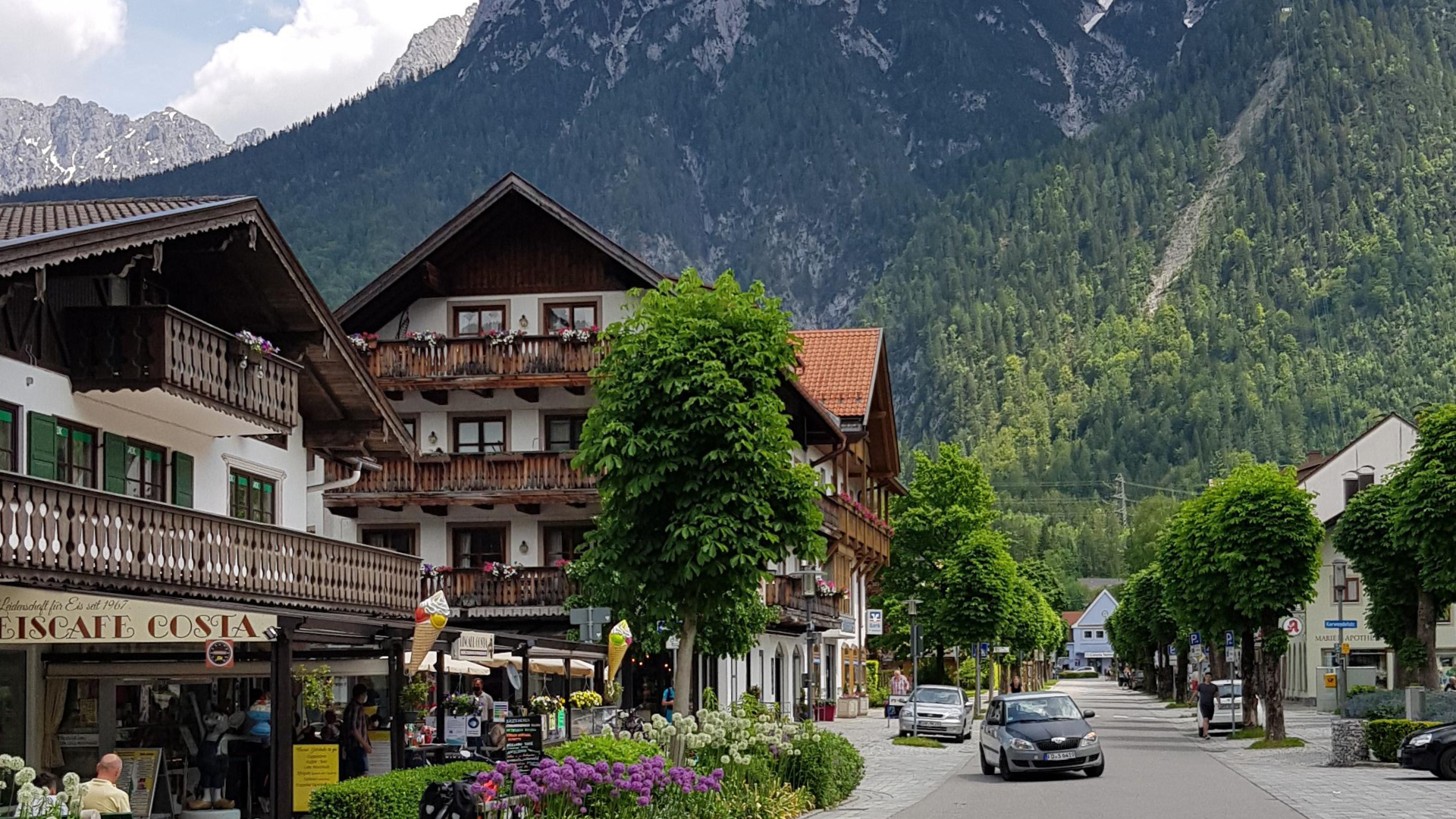
Mittenwald is one of those places that feels almost too perfect to be real. Tucked into a narrow valley at the foot of the Karwendel mountains, it has hand‑painted houses, a violin‑making tradition that once rivaled Cremona, and a backdrop of jagged limestone peaks that look like they’ve been sharpened with a knife. Every time I arrive by train and the mountains suddenly open up, I remember why I keep coming back.
Unlike more famous Bavarian spots like Garmisch or Neuschwanstein, Mittenwald still feels intimate and lived‑in. Locals chat in front of frescoed houses, hikers clomp through the cobbled lanes in muddy boots, and in the evenings the church bells from Pfarrkirche St. Peter und Paul roll across the valley like a gentle reminder that time is slower here.
If you’re looking for a compact Alpine base for 3–5 days with world‑class hiking, family‑friendly walks, romantic viewpoints, cozy mountain huts, and a real sense of Bavarian culture, Mittenwald is one of the best places you can choose in Germany.
- For nature lovers: Easy lakeside walks around Lautersee and Ferchensee, dramatic gondola rides up the Karwendelbahn, and panoramas over both Germany and Austria.
- For culture seekers: Violin‑making workshops, Lüftlmalerei (ornate frescoes on houses), local brass bands, and centuries‑old churches.
- For families: Gentle trails, playgrounds with mountain views, kid‑friendly mountain huts, and short day trips by easy train connections.
- For couples: Lakeside sunsets, quiet forest paths, candlelit dinners in wood‑paneled Stuben, and stargazing from balcony guesthouses.
This 2026 travel guide for Mittenwald is written from the perspective of someone who has stayed here multiple times in all seasons—sometimes solo with a backpack, sometimes with friends, once with my parents who insisted on stopping for cake every two hours (no regrets). I’ll walk you through what I actually did, what I’d do differently, and how to shape a 3, 4, or 5 day itinerary in Mittenwald that really fits you.
Table of Contents
- Why Visit Mittenwald?
- Mittenwald’s Areas & Neighborhoods
- Top 20+ Must-See Attractions & Hidden Gems
- 3–5 Day Itineraries in Mittenwald (With Personal Stories)
- Best Local Food & Drink in Mittenwald
- Nightlife, Entertainment & Cultural Experiences
- What’s New in 2026–2027: Events & Festivals
- Best Day Trips from Mittenwald
- Practical Travel Tips & Local Customs
- Summary & Best Time to Visit Mittenwald
Mittenwald’s Neighborhoods & Areas
Mittenwald is small enough to cross on foot in 20–25 minutes, but each part of town has its own mood. When I book accommodation, I think in terms of these mini “districts.”
Altstadt (Old Town Center)
This is the postcard Mittenwald: cobbled lanes, painted facades, and the onion‑domed tower of St. Peter und Paul popping up everywhere you look. The main street, Obermarkt, is where you’ll spend a lot of time—lingering over coffee, gelato, or just people‑watching. In the mornings, delivery vans squeeze through the narrow lanes; by late afternoon, hikers trickle back into town with sunburned noses and full memory cards.
Best for: First‑time visitors, short stays (3 days in Mittenwald), travelers without a car, anyone who wants to step out the door and be in the middle of everything.
Bahnhofsviertel (Around the Train Station)
This isn’t a formal “district,” but the cluster of streets around the train station is handy if you’re arriving by rail and planning a lot of day trips. It’s quieter than the Old Town and usually a bit cheaper. I often stay here when I know I’ll be hopping on early trains to Garmisch or Innsbruck.
Best for: Budget travelers, rail travelers, people planning multiple day trips.
Karwendelbahn Area
At the far edge of town, near the Karwendel cable car base station, you feel already halfway into the mountains. Guesthouses here tend to have big views, and you can be on a hiking trail within minutes. I love staying here in autumn when the evenings are cooler and I want quiet nights.
Best for: Hikers, couples looking for calm, photographers chasing sunrise and sunset over the peaks.
Lautersee / Ferchensee Road
The road that winds from Mittenwald up to Lautersee and Ferchensee has a few scattered pensions and holiday apartments. You’re slightly removed from town (20–30 minutes’ walk or a short bus ride), but surrounded by forest and meadows. One of my favorite stays was in a small apartment here where I could hear cowbells in the morning.
Best for: Longer stays (4 or 5 days in Mittenwald), families wanting space, travelers with a car.
Riedboden & Isar Meadows
Down by the turquoise Isar river, the atmosphere is wide‑open and peaceful. You’re close to walking and cycling paths and a short stroll from town. In summer, it feels like a resort area without the crowds.
Best for: Cyclists, runners, families with kids who want space to play.
Top 20+ Must-See Attractions & Hidden Gems in Mittenwald
Below are over 20 of the best places to visit in Mittenwald, each with history, what to expect, and small personal tips. You won’t do all of these in 3 days, but for 4 or 5 days in Mittenwald, you can weave many of them into your itinerary.
1. Obermarkt & The Painted Houses
Why go: This is the heart of Mittenwald and your orientation point. The Obermarkt is a gently curving street framed by houses painted with Lüftlmalerei—a traditional Alpine style of fresco that turns facades into storybooks.
What it’s like: My first morning ritual in Mittenwald is always the same: walk the length of Obermarkt before breakfast. The cobbles are still damp from the night air, the mountains behind town glow pink, and bakers put out trays of still‑warm pretzels. Each house has a different scene—religious motifs, guild symbols, floral patterns. If you look closely, some include date stones and the names of the original owners.
History bit: The paintings date mostly from the 18th and 19th centuries, when Mittenwald prospered from trade routes and violin making. The frescoes were not just decoration—they were a statement of identity and sometimes even a bit of social competition.
Tips:
- Walk Obermarkt once in the morning and once at blue hour (just after sunset) when the warm lights in the windows contrast with the shadowy mountains.
- Look for small plaques explaining the history of certain houses—especially around the violin maker’s house and old inns.
- For photography, stand halfway up the street near the little fountain and shoot toward the church tower.
2. Pfarrkirche St. Peter und Paul
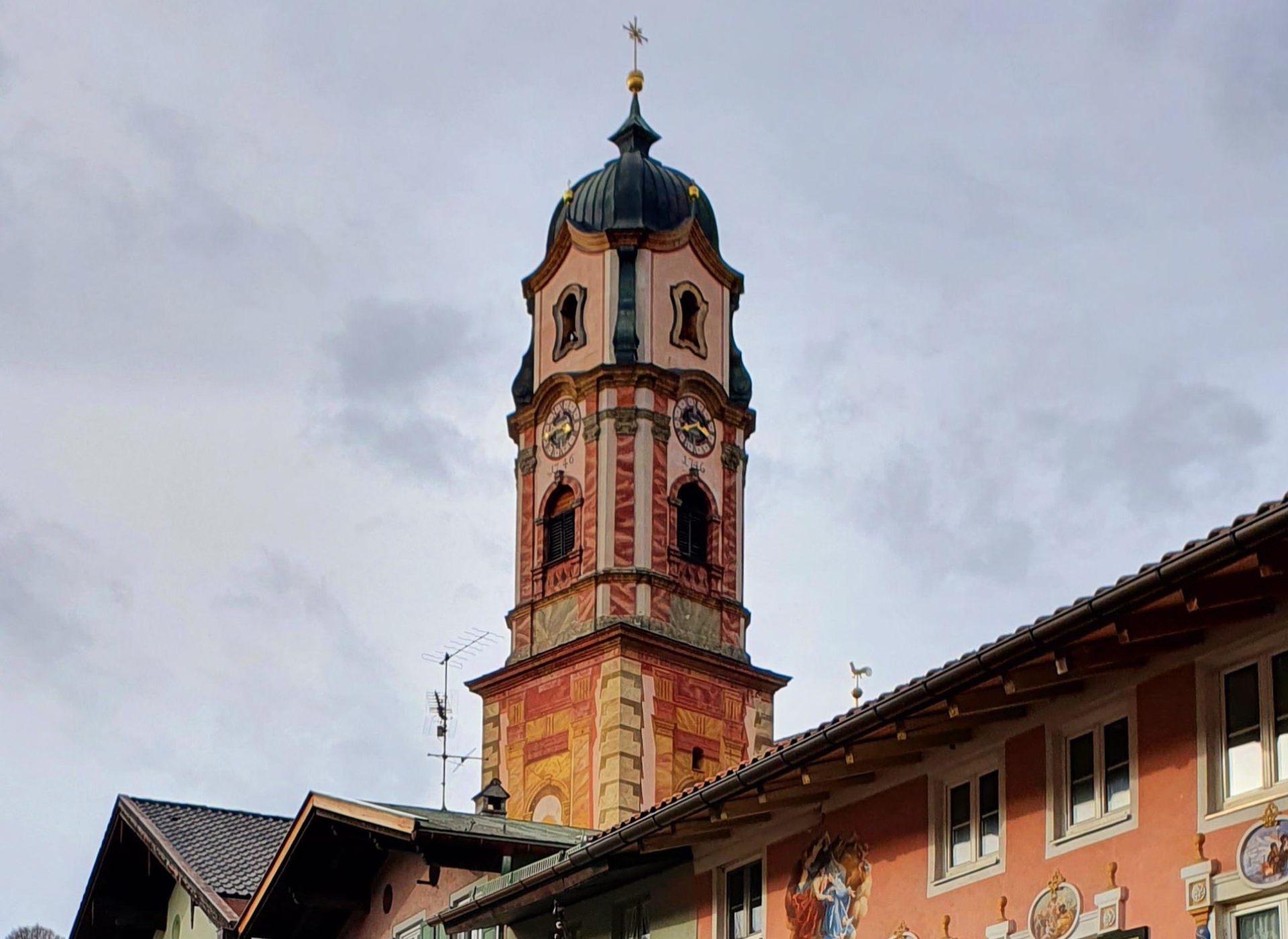
Why go: The pastel‑colored parish church with its onion dome is the visual anchor of Mittenwald and one of the most beautiful baroque churches in the region.
Inside experience: On a hot July afternoon, I slipped inside mostly to cool down. The temperature dropped instantly, and the sound of the town faded to a muffled hum. The interior is full of soft light, stucco work, and ceiling frescoes so detailed you could spend an hour tracing them. A local woman was quietly arranging flowers near the altar; the smell of candles and old wood filled the air.
History bit: The church in its present form dates to the 18th century, when Mittenwald’s prosperity allowed for a lavish baroque makeover. Many of the interior artworks were commissioned from Tyrolean and Bavarian artists.
Tips:
- Visit between services (usually mid‑day); a sign at the entrance lists mass times.
- Dress modestly (shoulders and knees covered) as it’s an active parish church.
- Step outside to the small churchyard for one of the best framed views of the Karwendel peaks.
3. Geigenbaumuseum (Violin Making Museum)
Why go: Mittenwald is famously a town of violin makers, and this small museum is the key to understanding that side of its identity.
What it’s like: The museum is tucked into a traditional house just off Obermarkt. Inside, you walk through a series of creaky‑floored rooms filled with instruments, tools, and old photographs. When I visited in autumn, an elderly gentleman (a retired luthier) was explaining to a group how the wood is selected and aged. Even if you don’t play an instrument, watching the precision that goes into shaping a violin is hypnotic.
History bit: Violin making took off in Mittenwald in the 17th century, influenced by Italian luthiers. By the 18th and 19th centuries, Mittenwald was one of Europe’s major centers of string instrument production, exporting instruments across the continent.
Tips:
- Allow at least 60–90 minutes; there are English explanations and interactive displays.
- Ask at the desk about current violin‑making workshops or demonstrations in town; they often know who’s happy to show their workshop to visitors.
- This is a great rainy‑day activity or a cultural stop on a 3 day itinerary for Mittenwald when you want a break from hiking.
4. Karwendelbahn & Karwendelspitze
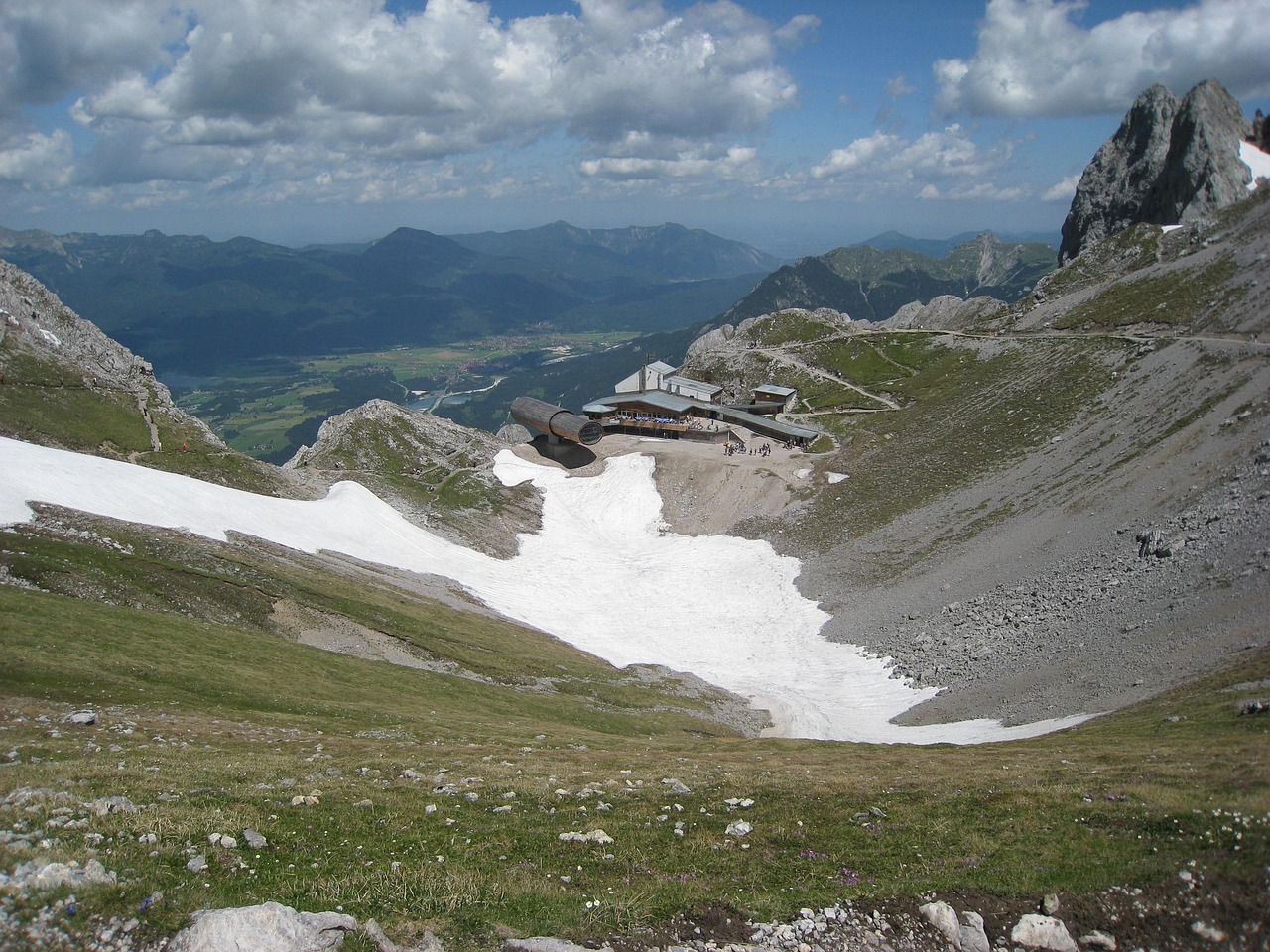
Why go: If you only do one “big” excursion, make it this. The Karwendelbahn cable car whisks you from valley to high alpine in minutes, with astonishing views over Mittenwald, the Isar valley, and deep into Austria.
My experience: The first time I took the Karwendelbahn, clouds were swirling around the peaks and I almost skipped it, worried about visibility. I’m glad I didn’t: as the gondola rose, we burst through the cloud layer into brilliant sunshine. Below us, Mittenwald was just a cluster of colored dots. At the top, the air felt thinner and colder, and a series of terraces and viewing platforms opened to every direction. I spent an hour just walking slowly from one viewpoint to another, trying to reconcile how small everything looked below.
What to do up there:
- Walk the short interpretive trail through the “Bergwelt Karwendel” exhibit inside the summit station, which explains the local geology and wildlife.
- Step out onto the main terrace with a coffee and watch paragliders take off below.
- For hikers: continue along marked trails (only if you’re prepared; conditions can change quickly).
Tips:
- Check the live webcam before going; it’s linked from the official Karwendelbahn site and shows current visibility.
- Bring a light jacket even in summer—the temperature at the top can be 10°C lower than in Mittenwald.
- Go early on clear days to avoid queues, especially in July–August and during autumn foliage season.
5. Lautersee
Why go: A small, emerald lake nestled above town, perfect for an easy walk, a swim, or a lazy afternoon at a lakeside café.
My routine: On summer visits, I like to hike up to Lautersee in the late afternoon. The path starts near the cemetery behind the church and winds through shady forest. About 45 minutes later, the trees open and the lake appears—a still mirror with mountains behind it. I’ll swim if it’s warm enough (the water is refreshing, to put it kindly), then sit with a beer or Apfelschorle at one of the lakeside hotels, watching rowboats drift by.
Tips:
- Walk up one way and take the shuttle bus back if you’re tired; or rent a bike in town.
- Bring cash for lakeside cafés; some still don’t take cards.
- Families: the path is manageable with sturdy strollers, but the climb is steady; allow extra time.
6. Ferchensee
Why go: Lautersee’s quieter sibling, Ferchensee, sits a bit higher and feels more remote. On calm days, the mountain reflections are almost too perfect.
Personal note: One misty October morning, I left Mittenwald in a low fog, wondering if it was worth hiking. By the time I reached Ferchensee, the mist had lifted just enough to reveal the ridgelines above, while the lake stayed glassy and still. I had the shore almost to myself, just the muffled clink of cowbells from the surrounding meadows.
Tips:
- Continue from Lautersee (a gentle extra 30–40 minutes) to make a beautiful half‑day loop.
- There’s a simple guesthouse/restaurant at the lake; try their homemade cakes.
- In high summer, go early in the day to enjoy relative quiet before crowds arrive.
7. Leutaschklamm (Leutasch Gorge)
Why go: A dramatic gorge carved by turquoise water, crisscrossed by metal walkways and bridges that cling to the cliffs. It’s slightly theatrical in the best way.
What it’s like: The path starts gently, then suddenly you’re on a narrow metal walkway above churning water, with sheer rock walls on either side. Families love the “spirit of the gorge” themed signage (it’s cute rather than cheesy), and kids seem to gain courage quickly as they realize the walkways are safe.
Tips:
- Wear proper shoes—paths can be damp and slippery.
- There are a few different routes and entrances, including one from the Austrian side; choose based on your fitness and time.
- This is a great outing for a 4 day itinerary for Mittenwald when you’ve already done the main lakes and town walks.
8. Isarwiesen & Isar River Promenade
Why go: For an easy, flat walk or bike ride along turquoise water, with open views of the Karwendel chain.
My favorite time: Evening, when the sun dips behind the peaks and the river turns a deeper blue. Locals walk their dogs here, kids ride bikes, and you feel a more everyday side of Mittenwald. One summer, I brought a simple picnic from a local bakery and ate it sitting on the riverbank watching swallows swoop over the water.
Tips:
- Rent a bike in town and follow the signposted paths along the Isar; you can go as far as you feel like.
- Pack a light jacket—the river valley can feel cooler, especially after sunset.
9. Kranzberg (Mittenwald’s “Local Mountain”)
Why go: The Kranzberg is lower and more gentle than the Karwendel, which makes it ideal for families and anyone wanting rewarding views without extreme effort.
My hike: I usually take the chairlift up at least once each trip, especially if I’m doing a relaxed 3 day itinerary for Mittenwald. From the top station, there are multiple looping paths with panoramic benches that almost demand you sit and stay too long. One bench even has a sign encouraging you to count the peaks you can see. On my last visit, I lay there watching clouds slide past for so long I almost missed the last chair down.
Tips:
- You can hike up or down instead of using the lift, but check opening times for the last descent if you plan to ride.
- The Kranzberg hut near the top is great for lunch: order Käsespätzle or a Brotzeitbrettl (cold cuts and cheese board).
- This area is especially beautiful in autumn when the larches turn gold.
10. Alter Friedhof (Old Cemetery)
Why go: It might sound odd to list a cemetery among must‑see attractions in Mittenwald, but this one, behind the parish church, is a moving window into local history.
What it’s like: The graves are adorned with wrought‑iron crosses, hand‑painted plaques, and bright flowers. Many family names repeat, showing how deeply rooted certain clans are here. I often pass through on my way up toward Lautersee; it’s a quiet, reflective space where you also get a great angle on the church and mountains.
Tips:
- Be respectful; keep voices low and avoid photographing people.
- Look at the dates—some graves go back centuries, which gives a sense of Mittenwald’s continuity.
11. Active Violin Workshops ("Geigenbauer")
Why go: Beyond the museum, there are still active violin makers in town. With a bit of polite curiosity, you can sometimes peek into a living tradition.
My encounter: One rainy afternoon, I noticed a small sign for a violin workshop down a side lane. The door was half open, so I peeked in and quickly asked, in German, if I might look around. The luthier smiled, switched to perfect English, and showed me the stages of a violin he was building. The smell of wood shavings and varnish was intoxicating. He explained how different woods affect the tone; I nodded, pretending I understood more than I did.
Tips:
- Always ask politely before entering; many workshops are businesses, not tourist attractions.
- Some makers sell small souvenirs like wooden mutes or rosin blocks—unique gifts to bring home.
12. Wayside Shrines & Bildstöcke
Why notice them: As you walk around Mittenwald and its surroundings, you’ll see small painted or carved shrines at crossroads and in meadows. These Bildstöcke are part of the local Catholic tradition, often dedicated to saints or in memory of events.
Personal note: On the trail between Mittenwald and Lautersee, there’s one shrine I always stop at. It’s nothing grand—a simple wooden roof, a faded painting of Mary—but flowers are always fresh, even in winter. It’s these small signs of quiet devotion that make the area feel deeply lived‑in, not just a pretty backdrop.
13. Kalvarienberg Chapel & Stations of the Cross
Why go: A short uphill walk from the Old Town leads to a small chapel and series of Stations of the Cross, with lovely views back over Mittenwald.
My evening walk: After dinner one spring evening, I followed the path almost by accident, drawn by the sound of distant singing. It was a small group finishing a May devotion at the chapel, candles in hand. By the time they left, the town below was lit, and the last light lingered on the snowy peaks. It felt like a scene from another century.
Tips:
- The path is short but steep; wear decent shoes.
- Great spot for sunset photos of the town and church tower.
14. Kranzberg Ski Area (Winter)
Why go: In winter, Kranzberg transforms into a small, friendly ski area—perfect for beginners, families, and those who prefer relaxed runs over extreme terrain.
My winter day: On a clear January day, I spent the morning doing lazy laps on the blue and red slopes. There were no crowds, no stress, just the satisfying swoosh of skis on fresh corduroy. At midday, I had a bowl of goulash soup and a wheat beer on a sunny terrace, watching kids take their first wobbly turns in the ski school area.
Tips:
- Rent gear in Mittenwald; several shops near the center and Kranzberg base offer full packages.
- For advanced skiers, combine a few easy hours here with a day trip to Garmisch‑Classic or the Zugspitze.
15. Winter Walking & Tobogganing
Why go: Even if you don’t ski, winter in Mittenwald is wonderful. Groomed winter hiking trails and toboggan runs make the snow accessible to everyone.
Personal favorite: The toboggan run from Kranzberg down to Mittenwald is pure joy. One February, I rented a wooden sledge at the base, took the lift up, and spent the afternoon laughing my way down the track, then riding back up for another go. Families, couples, and solo travelers all shared the path, with plenty of room to pass and no pressure to go fast.
Tips:
- Wear waterproof pants if you plan to sledge—you will end up in the snow at some point.
- Check with the tourist office for current winter hiking trail conditions.
16. Heimatmuseum & Local History Corners
Why go: Small local museums and curated corners in public buildings present Mittenwald’s past: trade routes, folk costumes, and daily life in the mountains.
My take: I like to pop into these places on my first or second day. Learning how tough the winters used to be, how isolated the valley often was, changes how you see the cozy guesthouses and polished streets today. These exhibits are usually in German but often have English summaries; even without language, the artifacts tell the story.
17. Seasonal Markets & Farmers’ Stands
Why go: Mittenwald’s weekly and seasonal markets are the best place to meet locals, sample regional products, and feel the pulse of town life.
My finds: One September, I stumbled on a small farmers’ market in the square: stands piled with apples, cheeses from nearby Alpine pastures, jars of honey, and fresh bread. I ended up assembling an impromptu picnic and eating it on a bench in the Isar meadows.
Tips:
- Ask at the tourist information office for current market days and times.
- Bring your own small bag and cash; many small producers don’t take cards.
18. Chapel Circuit Walks
Why go: A network of short walks connects small chapels, shrines, and viewpoints around Mittenwald. These are ideal for gentle exploration and cultural experiences in Mittenwald without committing to a full mountain hike.
My tip: The tourist office has a brochure with suggested routes; grab one and build a relaxed morning or afternoon around visiting two or three chapels.
19. Family Playgrounds with Mountain Views
Why go: If you’re visiting with kids, you’ll quickly appreciate Mittenwald’s well‑designed playgrounds, often with incredible mountain backdrops.
Personal note: I don’t have kids, but I’ve ended up sitting on a swing more than once while waiting for friends, taking in the view and wondering why adults don’t get more swings in life.
20. Architectural Details Walk
Why go: Beyond the famous frescoes, Mittenwald’s buildings hide carved balconies, painted shutters, and ornate ironwork worth slowing down for.
What to do: Take a slow hour wandering back lanes off Obermarkt—especially Gries and the streets toward the Karwendelbahn—looking up at balconies and door surrounds. I like to imagine the stories of the families that lived behind each door a century ago.
21. Sunset Spots Around Mittenwald
Why go: The way the last light hits the Karwendel cliffs is reason enough to spend at least 3 days in Mittenwald instead of rushing through on a day trip.
Favorite spots:
- Small hill near the Kalvarienberg chapel.
- Benches along the Isar river facing the mountains.
- Balcony of a south‑facing guesthouse—if you’re lucky enough to book one.
3–5 Day Itineraries for Mittenwald (With Personal Stories)
Mittenwald is ideal for short Alpine escapes. Below are flexible outlines for a 3 day itinerary for Mittenwald, plus ways to extend to 4 or 5 days in Mittenwald. I’ll describe them as I actually experienced them, so you can adjust to your pace and interests.
3 Day Itinerary for Mittenwald: Classic Highlights
Day 1: Painted Lanes, Violin Makers & Evening by the Isar
Morning: Arrival & First Walk Through Obermarkt
I usually arrive by train from Munich or Innsbruck. As the train pulls into Mittenwald, the Karwendel wall fills the window, and I feel my shoulders drop. From the station, it’s a 5–10 minute walk to most guesthouses. If I arrive before check‑in, I leave my bag at the accommodation and head straight for Obermarkt.
Start at one end and stroll slowly. Look up at the frescoes, step into small shops, and let your first hour be unplanned. I like to grab a coffee and a slice of plum cake at a café on Obermarkt (ask what’s homemade that day) and sit outside if the weather allows.
Late Morning: Violin Making Museum (Geigenbaumuseum)
Once I’ve had my caffeine and sugar, I walk to the Geigenbaumuseum. Spending 60–90 minutes here on your first day gives context to everything else you’ll see. You’ll start noticing violin motifs all over town afterward.
Lunch: Choose a traditional Bavarian restaurant in the Old Town. I’m partial to ordering Schweinshaxe (roasted pork knuckle) or a lighter Obazda cheese spread with pretzel if I know I’ll be walking the rest of the day.
Afternoon: St. Peter & Paul and Kalvarienberg
After lunch, visit the parish church. Spend a quiet 15–20 minutes inside, then walk around to the cemetery behind. From there, pick up the path to the Kalvarienberg chapel. It’s not a long climb, but it gives you your first panoramic view over Mittenwald.
Evening: Isar Promenade & Dinner
As light softens, head down to the Isar river. Walk along the paths, breathe in the cool air off the water, and watch the mountains change color. For dinner, choose a simple Gasthof back in town—some have seasonal specials like chanterelles in late summer or venison in autumn.
My tip: On my first evenings, I keep plans light. Jetlag plus mountain air can be surprisingly tiring; allow yourself to just wander after dinner and maybe have a small schnapps in a cozy bar if you’re up for it.
Day 2: Karwendelbahn & Lakes (Lautersee & Ferchensee)
Morning: Karwendelbahn Summit
Check the webcam and weather at breakfast. If the summit looks clear, this is a perfect day for the Karwendelbahn. I like to walk to the base station from town (20–25 minutes) rather than take a bus—it warms up your legs and gives more views.
Ride the cable car up and give yourself time at the top. Don’t rush: wander the viewing platforms, read the interpretive signs in the “Bergwelt Karwendel” exhibit, sit with a coffee or hot chocolate and just stare at the ridge lines.
If you’re an experienced hiker with proper gear, you can add a short alpine trail, but for most visitors, the viewpoints and short marked walks near the station are more than enough.
Lunch: Have a simple meal at the summit restaurant or descend and eat in town. I often snack lightly at the top (soup or a sandwich) and plan for a more substantial late lunch down by the lakes.
Afternoon: Lautersee & Ferchensee
From town, pick up the path toward Lautersee. It’s well‑marked and mostly through forest. Take it easy; you’re at altitude, and there’s no rush. At Lautersee, circle part of the shore and decide whether to continue to Ferchensee (highly recommended if you have the energy).
I like to swim at Lautersee when it’s warm (there are designated areas) and then have cake and coffee at Ferchensee, where the atmosphere is quieter. On one particularly warm June day, I spent an indulgent two hours on the terrace at Ferchensee, reading and occasionally looking up to remind myself that the mountains were, in fact, real.
Return: Either walk back the way you came or take a different forest path down. In high season, there’s often a shuttle bus at least part of the way.
Evening: Back in Mittenwald, shower off the trail dust and have a relaxed dinner. If you still have energy, a nightcap in the Old Town is a nice way to end a big day.
Day 3: Leutaschklamm or Kranzberg & Slow Town Afternoon
Option A: Leutaschklamm Gorge
After two days of mixed culture and mountain views, the gorge offers a different kind of drama. Start mid‑morning to let any early moisture on the walkways dry a bit. Follow the signed paths and allow a few hours, including photo stops.
Option B: Kranzberg Chairlift & Gentle Hikes
If you’d rather aim for wider views than narrow rock walls, spend the morning on Kranzberg. Take the chairlift up and do one of the loop trails. I particularly like the circuit that hits several “panorama benches”—bring a snack and sit as long as you like.
Lunch: Eat at a mountain hut (if on Kranzberg) or pack a simple picnic if you’re at Leutaschklamm and want flexibility.
Afternoon: Shopping, Coffee & Violin Workshop Peek
Use your last afternoon for slow pleasures: browsing local shops (for wood carvings, small violins, or regional foods), lingering at a café, or politely visiting a violin workshop if you passed one that looked welcoming earlier in your stay.
Evening: Farewell Walk & Dinner
For your final evening of 3 days in Mittenwald, repeat your favorite sunset spot—maybe the Isar meadows or the small hill near Kalvarienberg. For dinner, you might splurge on a dish you’ve been eyeing or try a restaurant you haven’t yet visited.
4 Day Itinerary for Mittenwald: Add a Day Trip or Deepen the Hiking
With 4 days in Mittenwald, you can either add a full day trip or give yourself a “flex day” to deepen hiking or rest.
Option 1: Day Trip to Garmisch-Partenkirchen
Take a morning train (about 20–30 minutes) to Garmisch-Partenkirchen. Explore the historic Ludwigstraße in Partenkirchen, visit the Partnachklamm gorge, or take a cable car up to the Alpspitze or Zugspitze. Return to Mittenwald for a quieter evening.
Option 2: Longer Hike Around Kranzberg
Use the extra day to do a full Kranzberg circuit, linking mountain huts and lakes. One of my favorite “long but not extreme” days was taking the chairlift up, hiking a wide loop that included a hut lunch, then descending on foot via Lautersee back into town.
Option 3: Slow Cultural Day
If you’re tired or traveling with family, your 4 day itinerary for Mittenwald can include a slow day: markets, local museums, chapel walks, playground time for kids, and simply being in the Old Town without big objectives.
5 Day Itinerary for Mittenwald: Fully Settling In
With 5 days in Mittenwald, the village becomes a temporary home. You can balance active days with slow ones and explore both German and Austrian sides of the border.
Suggested structure for 5 days in Mittenwald:
- Day 1: Town, Obermarkt, church, cemetery, Isar promenade.
- Day 2: Karwendelbahn and lakes.
- Day 3: Kranzberg hiking and hut lunch.
- Day 4: Day trip (Garmisch, Innsbruck, or Seefeld in Austria).
- Day 5: Leutaschklamm, chapels, markets, and last‑minute favorites.
On my longest stay (a full week), I found that the extra time let me experience small local rituals: watching schoolkids walk home in the afternoon, noticing which mountains caught the first sunlight, learning which bakery sold out of pretzels earliest (vital knowledge).
Best Local Food & Drink in Mittenwald
Bavarian mountain food is hearty, comforting, and perfect after a day outdoors. In Mittenwald, you’ll find both classic dishes and a few lighter, modern twists. Below are some must‑try local foods in Mittenwald and how I like to enjoy them.
Traditional Dishes to Try
- Käsespätzle: Soft egg noodles with melted cheese and fried onions. Order it on a cool day or at a mountain hut—ideally with a view.
- Schweinshaxe: Crispy roasted pork knuckle with crackling skin, often served with dumplings and sauerkraut. Share if you’re not very hungry; portions are large.
- Wiener Schnitzel: Thin breaded veal or pork cutlet, crisp on the outside, tender inside. A good “safe” choice for picky eaters.
- Knödel Variations: Bread or potato dumplings, sometimes with bacon or spinach, in gravy or with mushrooms.
- Forelle (Trout): Fresh trout from local waters, grilled or pan‑fried, often served with potatoes and salad.
Snacks, Sweets & Bakeries
- Brezn (Pretzels): Soft, salty, and perfect any time of day. I grab one most mornings.
- Apfelstrudel: Classic apple strudel, best with vanilla sauce or ice cream. Try it in a café or hut.
- Seasonal Cakes: Plum cake in late summer, berry cakes in early summer, rich tortes year‑round.
Money‑saving tip: For lunch on hiking days, I often assemble a picnic from a bakery (rolls, pretzels, pastries) and a supermarket (cheese, fruit). It’s cheaper and more flexible than relying only on hut meals.
Drinks
- Weißbier (Wheat Beer): Light, cloudy, and perfect after a hike.
- Helles: Classic pale lager, smooth and easy‑drinking.
- Radler: Beer mixed with lemonade—refreshing and lower in alcohol.
- Apfelschorle: Apple juice with sparkling water, my go‑to non‑alcoholic drink.
- Schnapps: Fruit brandies (pear, plum, apricot) often sipped after dinner.
Where to Eat (Types of Places)
Since restaurant ownership and names can change, I’ll focus on types of venues and how I use them during a 3–5 day itinerary for Mittenwald:
- Traditional Gasthöfe: Wood‑paneled, cozy, serving classic Bavarian dishes. Good for hearty dinners and romantic evenings.
- Cafés on Obermarkt: Perfect for coffee, cake, and people‑watching. I often use them as “base camps” between walks.
- Mountain Huts: On Kranzberg, near Lautersee/Ferchensee, and in other hiking areas. Great for simple, filling meals with views.
- Ice Cream Shops: Seasonal, but excellent on hot days. I’ve been known to justify two cones in one day when temperatures rise.
- Supermarkets & Bakeries: For budget‑friendly breakfasts, trail snacks, and picnic lunches.
Saving Money on Food
- Book accommodation with breakfast included; Bavarian breakfasts are generous and can keep you full for hours.
- Make lunch your main hot meal (lunch specials are often cheaper) and eat a lighter dinner of bread, cheese, and salad from the supermarket.
- Share large dishes like pork knuckle or mixed platters; portions are often enough for two.
Nightlife, Entertainment & Cultural Experiences in Mittenwald
Mittenwald is not a party town, and that’s part of its charm. Evenings are about slow dinners, local music, and the quiet sound of the church bells marking the hours. Still, there are ways to experience the local culture after dark.
Evening Atmosphere
After about 10 p.m., streets are mostly quiet, especially outside high season. Bars and hotel lounges stay open a bit later, but don’t expect clubs or big crowds. I usually spend evenings lingering over dessert, sipping a beer or schnapps, and then taking a last short walk under the stars.
Live Music & Folk Events
In summer and around festivals, look for:
- Brass band concerts in the town square or at local halls.
- Folklore evenings with traditional dress, dances, and music.
- Church concerts with organ or chamber music, often advertised on notice boards.
I once stumbled upon a small outdoor concert near Obermarkt: locals in Trachten (traditional dress) playing brass instruments while children ran around the square. It felt like being invited to someone’s family gathering.
Cultural Experiences Not to Miss
- Violin‑related events: Occasionally, there are small concerts or open workshops linked to the violin‑making school. Ask at the tourist office.
- Church services: Attending a regular mass can be a powerful cultural experience, even if you’re not religious. Just be respectful and follow local customs.
- Seasonal festivals: See the events section below for 2026–2027 highlights.
Mittenwald in 2026–2027: Events, Festivals & What’s New
While Mittenwald doesn’t have the massive festivals of Munich, its local events offer intimate, authentic cultural experiences. Exact dates can shift annually, so always confirm closer to your trip, but here’s what to look for in 2026–2027.
Annual & Recurring Events
- Almabtrieb (Cattle Drive), September: Cows return from high pastures, often decorated with flowers and bells. Nearby villages sometimes host larger events; Mittenwald sees smaller but charming versions.
- Advent & Christmas Markets, late November–December: Small but atmospheric markets with mulled wine, crafts, and music. Snow, if it comes, makes it magical.
- Sommerkonzerte (Summer Concerts), June–September: Outdoor and indoor concerts featuring brass bands, folk groups, and classical ensembles.
- Church & Patron Saint Festivals: Local religious feast days often bring processions with people in traditional dress.
What to Expect in 2026–2027
As of 2026, Mittenwald continues to focus on sustainable tourism and preserving its cultural heritage. You’ll likely see:
- More emphasis on public transport connections and encouragement to hike and bike rather than drive everywhere.
- Expanded information on nature protection in the Karwendel area, especially around sensitive habitats.
- Occasional special exhibitions at the violin museum or local galleries highlighting the town’s craftsmanship.
Best Day Trips from Mittenwald
Mittenwald sits on a scenic rail line and near the Austrian border, making day trips easy. Here are a few of my favorites.
Garmisch-Partenkirchen
Travel time: ~20–30 minutes by train.
Why go: Larger town with more shops, the historic Partenkirchen quarter, and access to famous sights like Partnachklamm and Zugspitze.
What to do: Stroll Ludwigstraße, visit the gorge, or take a cable car. Then retreat back to Mittenwald’s calmer atmosphere in the evening.
Innsbruck (Austria)
Travel time: ~40–60 minutes by train.
Why go: A small city with colorful buildings along the Inn river, the famous Golden Roof, and a striking mountain backdrop.
What to do: Wander the Old Town, possibly take the funicular and cable car up the Nordkette, then be back in Mittenwald by dinner.
Seefeld in Tirol (Austria)
Travel time: ~20 minutes by train.
Why go: Plateau town known for cross‑country skiing and easy walking paths, with a pleasant pedestrian center.
What to do: Stroll, enjoy cafés, and explore walking routes on the plateau.
Walchensee & Kochelsee
Travel time: About 45–60 minutes by bus or combination of train and bus.
Why go: Two stunning lakes with options for swimming, walking, or taking a cable car up Herzogstand for sweeping views.
Practical Travel Tips & Local Customs for Mittenwald
Getting There & Getting Around
Arriving in Mittenwald
- By Train: Direct regional trains from Munich and Innsbruck connect to Mittenwald. This is my preferred method—scenic and stress‑free.
- By Car: Good roads from Munich and Garmisch; parking exists at guesthouses and designated lots. Streets in the Old Town are narrow; you won’t need the car much once here.
Getting Around
- On Foot: The village is compact; almost everything is walkable.
- Local Buses: Connect to Karwendelbahn, Lautersee, Ferchensee, and nearby villages. Timetables are posted at stops and at the tourist office.
- Bikes: Rent bikes for Isar valley rides and gentle routes; avoid steep mountain roads unless you’re experienced.
Best Seasons & What They’re Good For
- Spring (April–May): Melting snow, wildflowers, quieter trails lower down. Some higher paths and lifts may still be closed.
- Summer (June–August): Peak hiking season, warm lakes, longest days. Also the busiest and priciest period.
- Autumn (September–October): My personal favorite. Golden larches, cooler air, fewer crowds, and still good hiking conditions if weather cooperates.
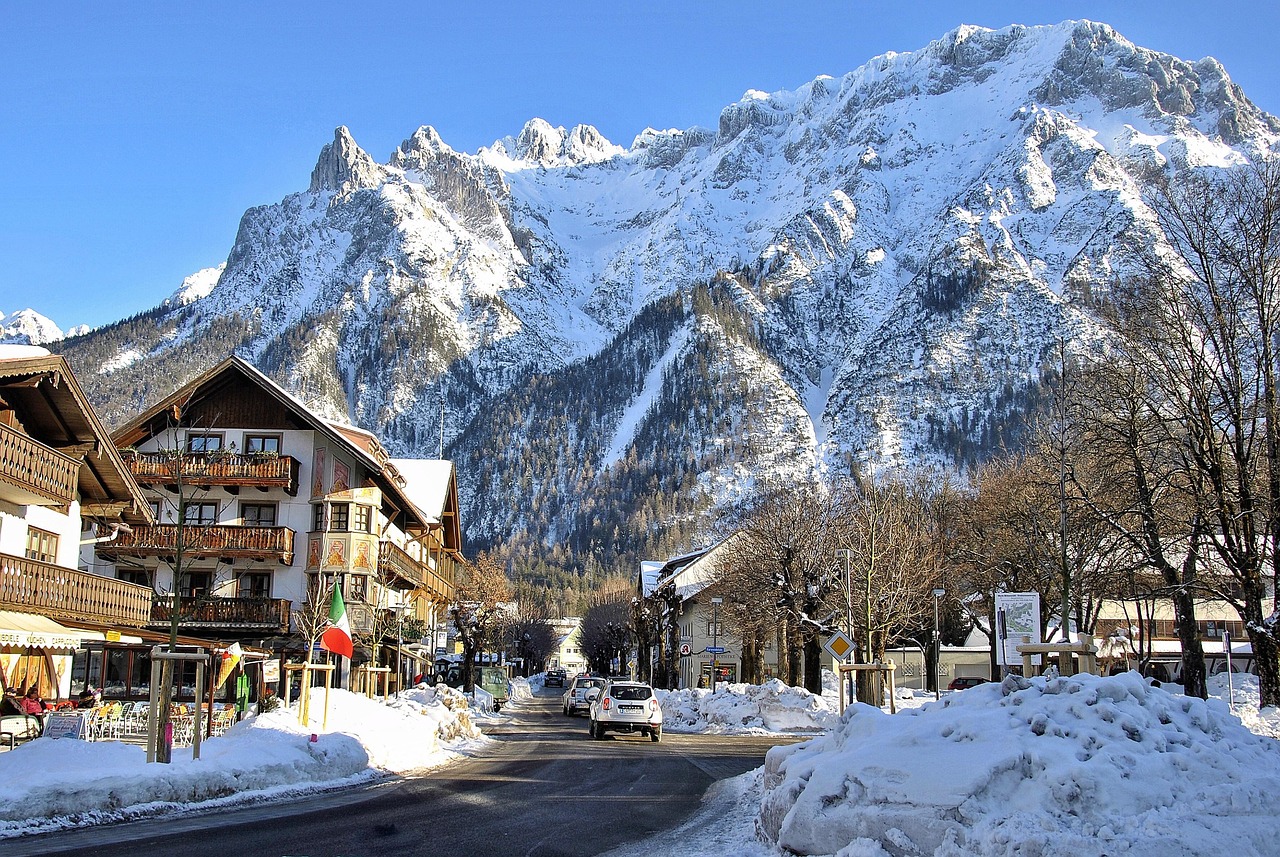
- Winter (December–March): Skiing on Kranzberg, cross‑country trails, winter hiking, and Christmas markets in December.
Saving Money in Mittenwald
- Stay in guesthouses or apartments slightly outside Obermarkt for better value.
- Use regional train passes (Bayern Ticket, etc.) if you plan multiple rail trips; they can significantly cut costs.
- Eat breakfast big, lunch picnic‑style, and a modest dinner to trim food expenses.
- Take advantage of guest cards from accommodations, which often give discounts on lifts or attractions and free local buses.
SIM Cards & Connectivity
- EU visitors: Usually roam at domestic rates; check your plan.
- Non‑EU visitors: Pick up a prepaid SIM in Munich or another city before arriving; selection in Mittenwald is limited.
- Coverage in town is good; in gorges or deep valleys it can be patchy—download offline maps in advance.
Visa Requirements & Driving
- Visas: Mittenwald is in Germany (Schengen Area). Check up‑to‑date Schengen visa rules for your nationality before travel.
- Driving Licenses: EU licenses are valid. Many non‑EU licenses are accepted; an International Driving Permit (IDP) is advisable if your license is not in German or another EU language.
- Road tips: Observe speed limits, watch for wildlife at dawn/dusk, and be prepared for snow regulations (winter tires) in colder months.
Cultural Etiquette & Local Customs in Mittenwald
- Greetings: A simple “Grüß Gott” or “Guten Tag” is appreciated when entering shops or passing people on quiet trails.
- Punctuality: Trains, buses, and tours run on time; arrive a few minutes early.
- Churches & Cemeteries: Dress modestly, speak softly, and avoid disruptive photography.
- Tipping: Round up or add about 5–10% in restaurants; hand it to the server directly when paying.
- Nature respect: Stay on marked trails, carry out your trash, and respect signage about protected areas and wildlife.
- Quiet hours: Residential areas expect quiet late at night; keep noise down after about 10 p.m.
Summary: Key Takeaways & Best Time to Visit Mittenwald
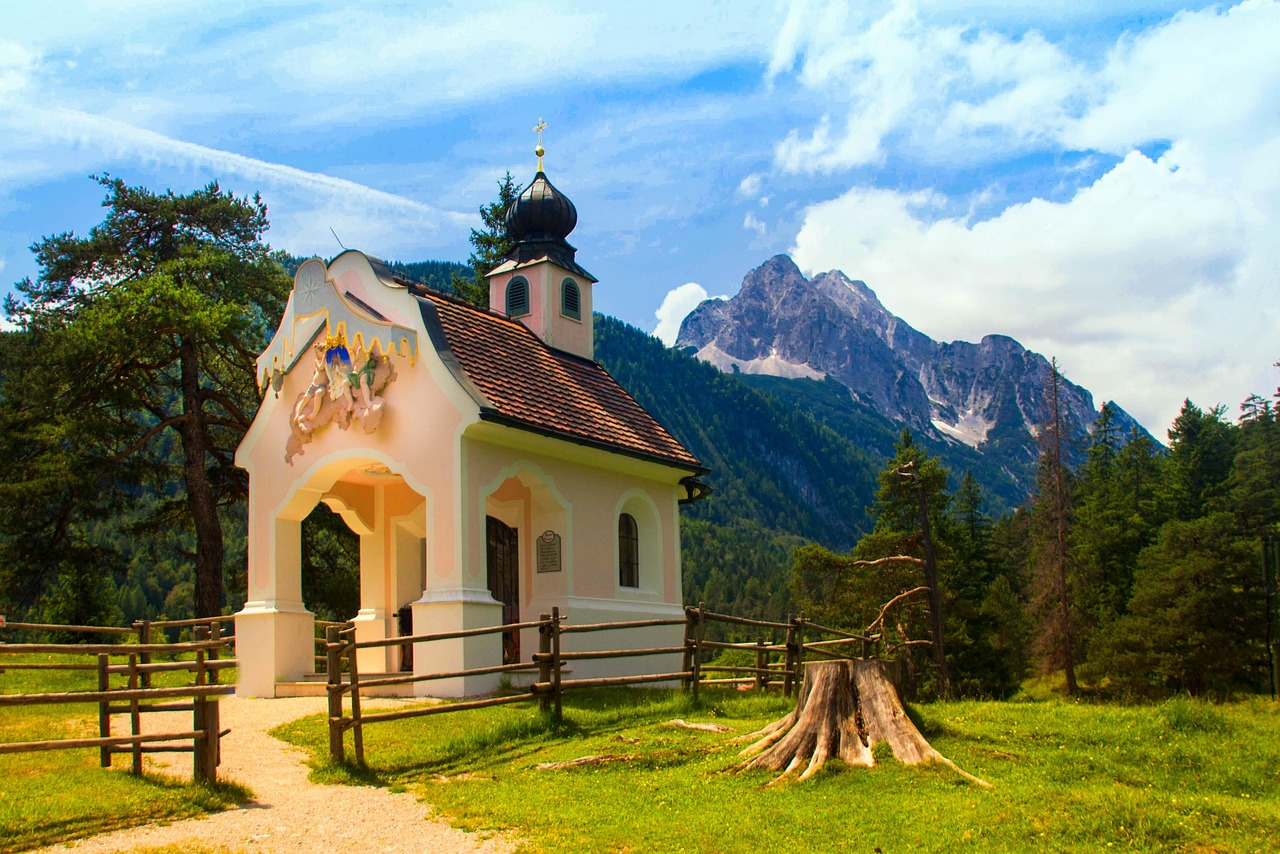
Mittenwald may be small, but it’s layered: painted houses, centuries of violin making, deep gorges, gentle meadows, and huge mountains all packed into one walkable village. It’s ideal for a 3 day itinerary if you want the highlights—Obermarkt, Karwendelbahn, Lautersee/Ferchensee, and a taste of local culture—or for 4–5 days in Mittenwald if you want to slow down, hike more, and use it as a base for day trips.
Best seasons:
- For hiking & lakes: June–September (with September–early October my top choice for fewer crowds and rich colors).
- For snow & winter magic: December–March, with Advent markets in December adding extra charm.
- For quiet reflection & budget‑friendliness: Shoulder seasons (April–May and late October–November), understanding that some lifts and huts may be closed.
If you’re looking for things to do in Mittenwald that combine nature, history, and everyday Bavarian life, this painted village is hard to beat. Come with comfortable shoes, an appetite for hearty food, and enough time—at least 3 days—to let the rhythm of the mountains sink in. Chances are, like me, you’ll find yourself planning your return before you’ve even left.