Why Visit Mummelsee? What Makes This Black Forest Lake Special
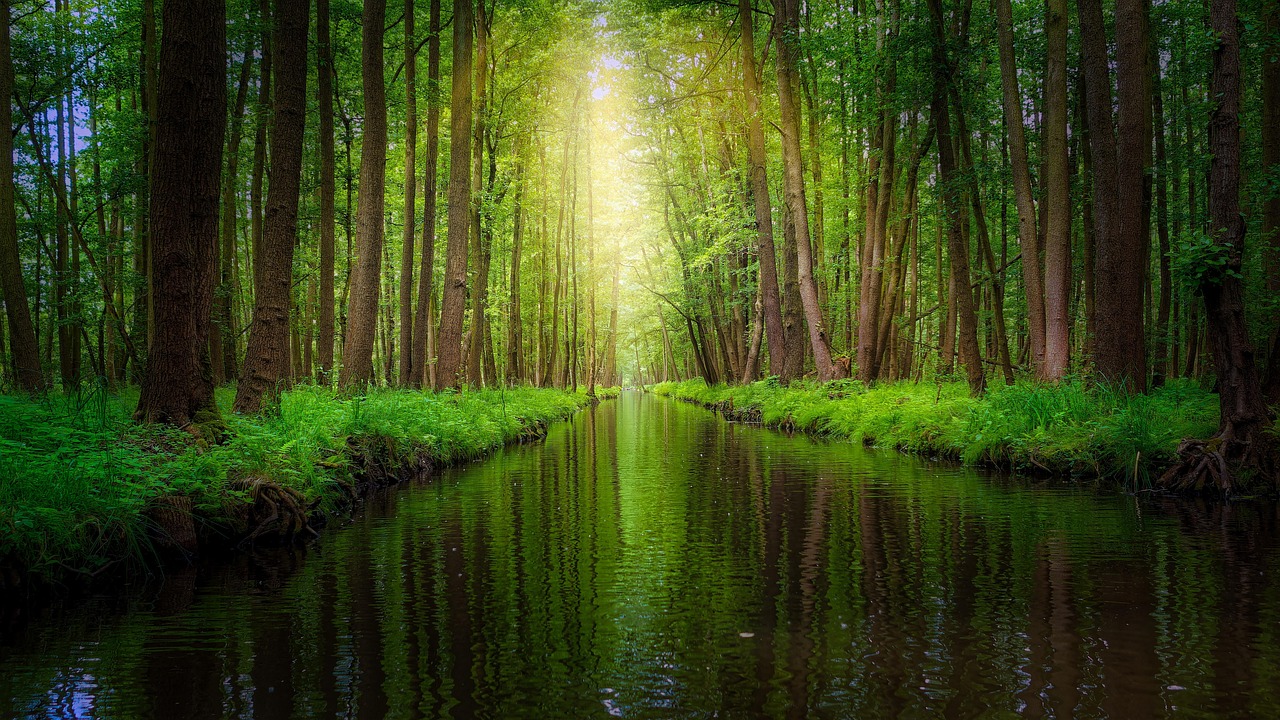
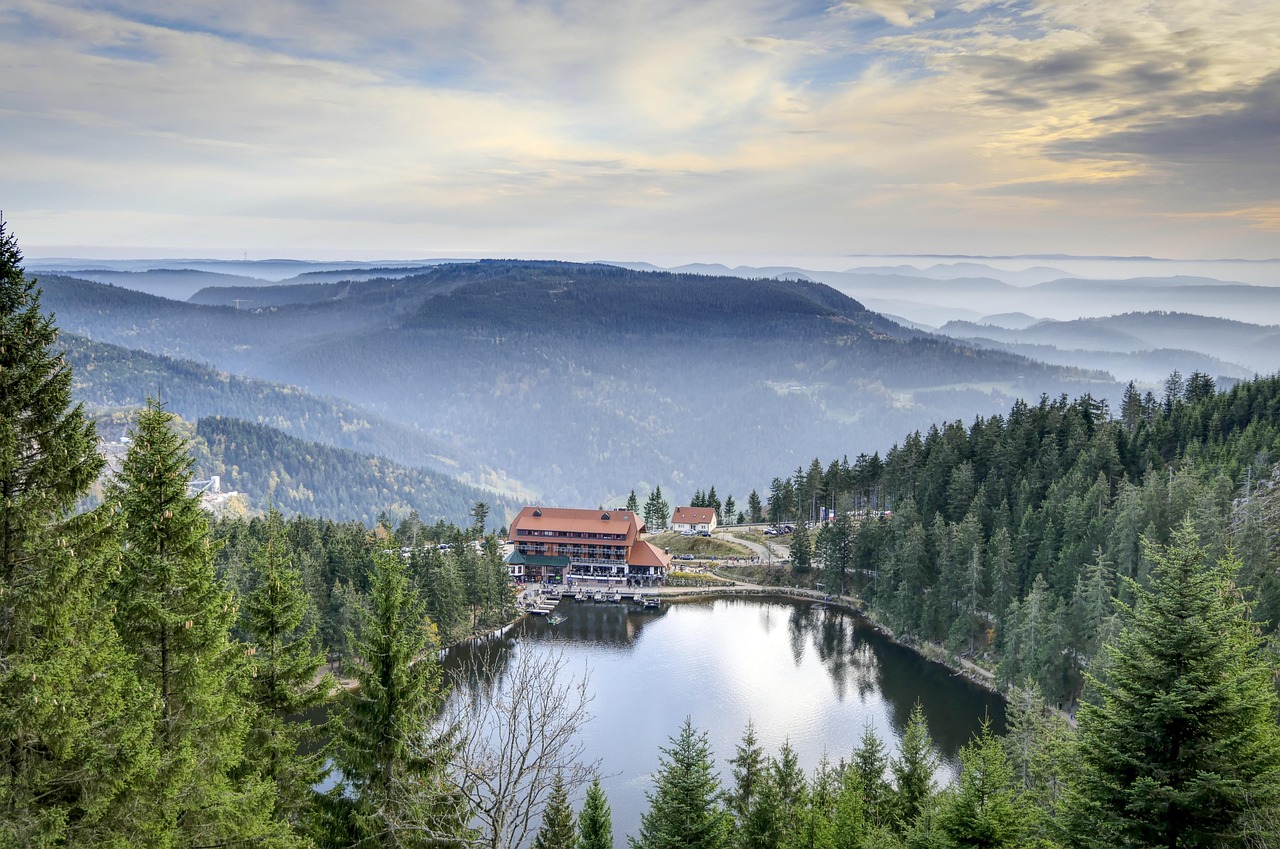
Mummelsee is one of those places that looks almost too perfectly “Black Forest” to be real: a dark, glassy mountain lake ringed by spruce forest, with half-timbered buildings, cuckoo clocks, and slabs of Schwarzwälder Kirschtorte (Black Forest cake) never far away. It sits right on the Schwarzwaldhochstraße (B500) scenic road, at about 1,036 meters altitude, a natural pause point between the Rhine valley and the high forest ridges.
I’ve been coming here on and off for over a decade, and in the last couple of years (2024–2026) I’ve visited in all four seasons: trudged around the frozen lake in January fog, watched paragliders ride the late-summer thermals from Hornisgrinde, and done the full family circuit with kids, grandparents, pushchairs and all. It’s touristy at first glance, yes—but give it a little time and it reveals a quieter, stranger, more timeless side.
What sets Mummelsee apart from other Black Forest lakes is the mix of easy access and story-filled landscape in a very compact area. Within a short walk of the parking lot you can:
- Stroll a flat, stroller-friendly path around the lake in 20–40 minutes.
- Hike straight up to Hornisgrinde, the highest peak in the northern Black Forest, for big views and moorland trails.
- Follow short family-adventure trails with carved wooden trolls, dwarves, and of course the watery “Mummelsee king”.
- Dip into surprisingly good local food, from hearty soups to artisan bread and legit Black Forest cake.
- Stay overnight right by the lake and watch it empty out after the tour buses leave.
Because everything is so close together, Mummelsee works brilliantly as a 1 day itinerary stop on a Black Forest road trip, but it also rewards 2 days in Mummelsee or even 3 days in Mummelsee if you combine the lake with surrounding villages, valleys, and viewpoints.
This travel guide for Mummelsee is written with 2026–2027 in mind, with up-to-date travel tips, must-see attractions, cultural experiences, and the kind of small, local details you normally only learn after a few repeat visits.
Table of Contents
- Why Visit Mummelsee
- Mummelsee Overview & First Impressions
- 1. The Iconic Lake Loop & Lakeshore
- 2. Hornisgrinde Summit & Moorland Trails
- 3. Seebach Village & Local Life
- 4. Schwarzwaldhochstraße Scenic Road & Viewpoints
- 5. Adventure & Family Activities around Mummelsee
- 6. Culture, Legends & Local Customs
- 7. Eating & Drinking around Mummelsee
- 8. Where to Stay near Mummelsee
- 1–3 Day Itineraries
- Mummelsee After Dark & Off-Hours
- Day Trips & Nearby Attractions
- Events & What’s New in 2026–2027
- Practical Travel Tips for Mummelsee
- Tickets, Opening Hours & Logistics
- Best Time to Visit Mummelsee
- Summary & Final Recommendations
Mummelsee Overview & First Impressions
Mummelsee is a small, glacial cirque lake about 800 meters in circumference and up to 17 meters deep, perched just below the Hornisgrinde ridge in Baden-Württemberg. The name probably comes from “Mummel” (water lilies) or from the legendary “Mummeln” – water sprites said to live in its depths.
The practical bit: you reach it directly by car or bus via the B500 Schwarzwaldhochstraße, which makes it one of the most accessible “high mountain” spots in the northern Black Forest. That ease of access has a double edge: in high summer, holiday weekends, and during the Advent season, it can be busy. But step away from the main terrace, or stay overnight, and you’ll suddenly have long moments where it’s just you, the forest, and the dark water.
On my most recent visit in autumn 2025, I arrived late on a Tuesday afternoon. The last coaches were just leaving; shop shutters rattled closed one by one. By the time I’d dropped my bag in the lakeside hotel and walked out again, the lake was almost empty. A thin mist was drifting over the surface, and from the far shore you could hear the dull clank of cowbells somewhere up the slope. That’s the Mummelsee I keep coming back for.
1. The Iconic Lake Loop & Lakeshore
Walking the Circuit: First Contact with Mummelsee
If you only do one thing here, make it the loop trail around the lake. It’s flat, about 800–900 meters, and takes 20–40 minutes depending on how often you stop to take photos or let kids explore the carved wooden figures along the way. This is the heart of most 1 day itinerary for Mummelsee plans, and it works equally well as a dawn stroll or an evening unwind.
From the main parking lot you’ll probably first pass through the cluster of buildings: the large Berghotel Mummelsee, the shops selling local foods and crafts, and the outdoor terraces. It can feel like a carnival mid-morning in August; don’t judge the lake by this first impression. Slip down to the water’s edge and find the obvious path that rings the lake.
What to Look For Along the Path
- The Mummelsee King & Water Sprites – About halfway around, on the far side from the hotel, you’ll come to wooden sculptures of the lake king and his watery attendants. They’re delightfully eerie, especially in fog. Kids love them, but I’ve watched more than one adult stop and read the local legend posted nearby.
- Best Reflection Spot – On still mornings, the eastern shore (the hotel behind you, looking west) gives the finest mirror views, with the forested slope duplicated perfectly in the water. I’ve made a habit of coming here just after sunrise when the air is cold and still; it’s almost impossible to take a bad photo.
- Small Piers & Benches – A series of tiny wooden jetties let you step off the path and look back to the hotel. In autumn 2025, I spent a quiet half-hour on one of these, alone with a thermos of coffee while a lone paddleboat crossed the far side.
- Forest Details – Look for the contrast between the darker spruce and lighter beech, especially in October. On one of my visits I watched a jay hop between branches, dropping beech nuts into the undergrowth; these tiny scenes are what stay with you after the big panoramas fade.
Family-Friendly, Romantic, or Solo?
This short circuit is good for everyone:
- Families – Completely stroller-friendly, with plenty of benches. The carved figures, ducks, and short distance make it ideal for small children.
- Couples – Come at blue hour (the half-light after sunset) when the hotel lights are reflected on the water; it becomes a surprisingly romantic spot once the day-trippers vanish.
- Solo travelers – If you’re doing a 1 day itinerary for Mummelsee, this loop is the best way to ground yourself quickly in the place and shake off the drive.
Boats & Lakeside Activities
From late spring to early autumn (roughly May–October, weather-dependent), you can rent pedal boats from the kiosk near the hotel. I usually skip them when it’s crowded, but on a quiet weekday morning the experience is different. One September, my partner and I paddled slowly towards the center of the lake and just drifted. The forest’s reflection wobbled with every ripple. It’s not “adventurous” in the adrenaline sense, but it’s a peaceful way to see the shore from a different angle.
How Long to Spend & When to Come
- Time – Minimum 30–45 minutes; ideally an hour so you can stop often.
- Best Time of Day – Early morning (before 9:30) or late afternoon/evening (after 17:00), especially in summer. Midday is busiest.
- Seasons – In winter, the path is often snowy but usually passable; in deep snow, wear boots with some grip. The lake sometimes freezes, but walking onto the ice is not recommended.
Personal Tip
Pack a simple picnic—local cheese, bread from a village bakery, and fruit—and do the loop counterclockwise. Stop at one of the smaller piers on the far side for your snack. You’ll be away from the bulk of the crowd, and the view back to the hotel is classic “postcard Mummelsee.”
2. Hornisgrinde Summit & Moorland Trails
The High Ridge Above Mummelsee
Hornisgrinde, at 1,164 meters, is the highest mountain in the northern Black Forest and looms directly over Mummelsee. If the lake is your serene foreground, Hornisgrinde is the big, weather-beaten backdrop. Climbing up here turns a simple lakeside stop into a full-bodied mountain experience.
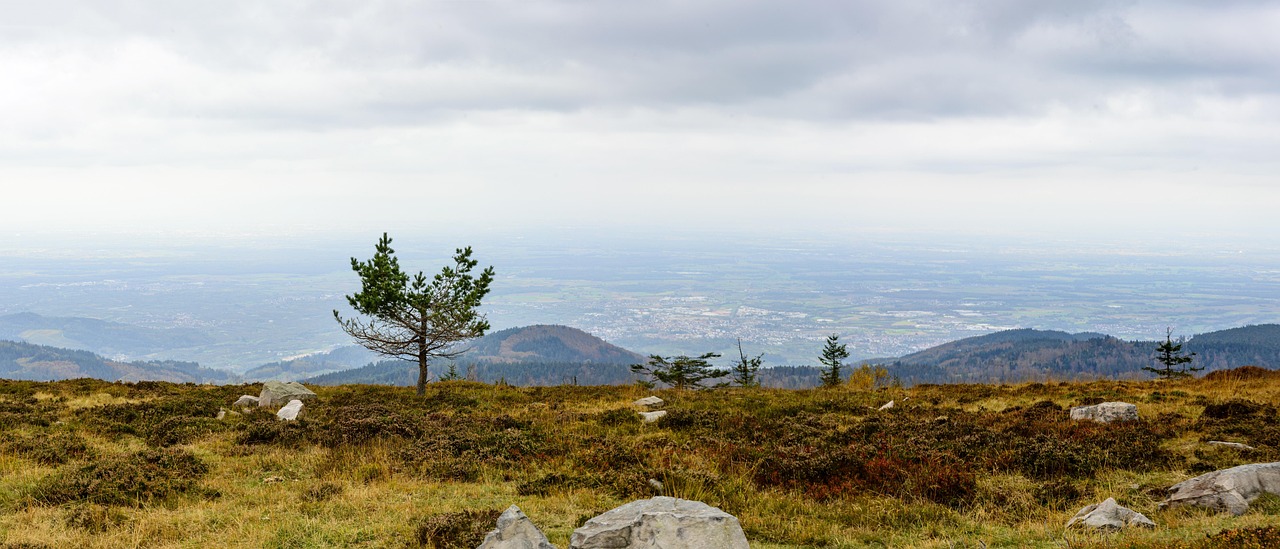
I’ve hiked the Hornisgrinde route in mist, snow, high summer heat, and on one unforgettable October afternoon when the Rhine valley below was completely filled with cloud, like a white sea, while we stood on the ridge in full sun. It’s these inversions and contrasts that make this one of the must-see attractions in Mummelsee region.
How to Get There: Trails from Mummelsee
There are a couple of main ways to reach Hornisgrinde from Mummelsee:
- Direct Steep Path – From the eastern side of the lake, a steeper forest path heads straight up. Expect about 45–60 minutes for a fit adult, more with kids. It’s well-marked but can be rooty and muddy after rain.
- More Gradual Route via Schwarzwaldhochstraße – Some people start from a slightly higher lay-by along the B500 and join the ridge from there, which shaves off some elevation gain. If you’re doing a 2 day itinerary for Mummelsee with grandparents or less experienced hikers, this can be a good compromise.
- Winter Access – In winter, sections may be icy. I’ve used light crampons a few times in January and February; they’re not essential, but they make the descent much more relaxed.
The Hornisgrinde Ridge Walk
The real joy of Hornisgrinde isn’t just “getting to the top”; it’s walking the ridge path with its mix of views and moorland. Much of the plateau is protected as a nature reserve, with wooden boardwalks across sensitive high moors. Information panels (mostly in German, some bilingual) explain the unique flora and the history of the area.
As you walk, you’ll pass:
- The Hornisgrinde Tower – A stone lookout tower you can usually climb for an even higher vantage point. On one clear July day, I could see as far as the Vosges mountains in France.
- Wind Turbines – Visible and a bit controversial, but they add a contemporary layer to the landscape. I actually enjoy the juxtaposition of old legends and modern energy infrastructure.
- Paraglider Take-Off Spots – In summer 2025, I spent a happy hour watching paragliders launch in slow motion, then arc away over the valley. It’s mesmerizing, and a gentle reminder that while the lake feels enclosed, the wider world spreads out in all directions.
Who This Is For
- Adventurous travelers – Not extreme, but a satisfying half-day hike with real elevation gain.
- Couples – Combine the climb with a late afternoon drink back at the lake; the shared sense of effort makes the evening feel richer.
- Families with older kids – Kids 8+ who like to move will enjoy the variety of forest, moor, and views. Bring snacks—it’s remarkable how much “I’m tired” can be solved with a chocolate bar on the ridge.
Time & Tips
- Time – From lake to ridge and back: 2.5–4 hours depending on fitness and photo/coffee stops.
- Footwear – Sturdy walking shoes at minimum; hiking boots if it’s wet or snowy.
- Weather – Check the forecast. Hornisgrinde can be windy and cold even when the lake feels mild. I’ve been caught in sudden cloud banks where visibility dropped to a few meters.
- Best Time – Morning for calmer air and clearer views; late afternoon for golden light, but be sure to leave enough time to get down safely before dark.
Personal Anecdote
One March morning in 2024, I started up from Mummelsee in light drizzle, half-expecting a dull, grey tramp. Halfway up, the drizzle turned to wet snow, and by the time I reached the ridge, everything was coated in fresh white. The moor was silent, the wind dropped, and the boardwalk stretched out like a path to nowhere across a blank world. I didn’t meet another person for nearly an hour. Back down at the lake, it was raining again and the terraces were busy with umbrellas and steaming coffee cups. Same day, two entirely different worlds.
3. Seebach Village & Local Life
Beyond the Lake: The Valley Below
Most visitors treat Mummelsee as a quick scenic stop on the Schwarzwaldhochstraße and never drop down into the Seebach valley below. That’s a mistake if you’re interested in cultural experiences in Mummelsee region and want to see where people actually live, work, and bake the bread you’re eating at the lake.
Seebach is a scattered village of farmhouses, guesthouses, and small workshops. It has that classic Black Forest feel without being overly staged. On my 2025 autumn trip, I based myself for two nights in a family-run guesthouse here and drove up to Mummelsee early and late, avoiding the crowds while enjoying the quieter rhythm of the valley.
What to Do in Seebach
- Walk the Village Trails – Short, signed circular trails start near the center, passing meadows, orchards, and timber-framed farmhouses. In late spring, the slopes are loud with birds and the smell of cut grass.
- Local Bakeries & Butchers – This is where you pick up picnic supplies for your lake day. I still remember the taste of a still-warm seeded loaf from a Seebach bakery on a crisp October morning.
- Small Museums & Craft Workshops – Depending on the season, you might find open workshops for woodcarving, clockmaking, or schnapps distilling. These aren’t always polished for tourists, which is precisely why they’re interesting.
Eating & Staying in Seebach
Some of my best Black Forest meals have been in valley guesthouses rather than at the lake itself. Expect:
- Hearty regional dishes – Maultaschen (Swabian stuffed pasta), Schäufele (smoked pork shoulder), potato salads made properly with vinegar and broth, and seasonal specials like Pfifferlinge (chanterelle mushrooms) in late summer.
- Breakfast spreads – In 2025, my Seebach guesthouse breakfast included homemade jams, farm yogurts, and still-warm rolls. Ideal fuel for a full day itinerary for Mummelsee & Hornisgrinde.
Why Include Seebach in Your Itinerary?
If you’re doing a 2 day itinerary for Mummelsee or a 3 day itinerary for Mummelsee, staying in Seebach gives you:
- Quieter evenings away from the tour-bus bustle.
- Better value accommodation than right at the lake.
- A sense of “real life” in the Black Forest – kids walking home from school, farmers tending fields at dusk, the smell of woodsmoke in colder months.
Logistics
- Distance – Seebach is about a 10–15 minute drive below Mummelsee.
- Public Transport – Buses run between Seebach, Mummelsee, and nearby towns like Achern. With the Konus card (often included when you stay in local accommodation), regional buses and trains are free.
- Time – Allow at least half a day to wander Seebach, have a meal, and explore a short valley walk.
4. Schwarzwaldhochstraße Scenic Road & Viewpoints
The Classic Black Forest Drive
Mummelsee sits on one of Germany’s oldest and most famous tourist roads: the Schwarzwaldhochstraße (B500). Driving this route is a must-do in itself, and if you plan your 1 day itinerary for Mummelsee right, you can combine lake time with a string of viewpoints and short walks that stitch together into a perfect scenic day.
Key Viewpoints Near Mummelsee
- Schwarzkopf & Alexanderschanze – Forested ridges with historic significance (old fortifications, WWI and WWII history); good short strolls if you like mixing landscape with history.
- Hochkopf – Offers broad views over the Rhine valley. I’ve stopped here multiple times just to sit on a log and watch the light change over the fields far below.
- Lotharpfad (Lothar Trail) – A fascinating nature trail through a storm-damaged forest area, left semi-wild to show natural regeneration after the 1999 storm “Lothar.” This is slightly further north but fits well into a 2 day itinerary for Mummelsee if you’re driving the whole Hochstraße.
Driving vs. Public Transport
By car, you have maximum flexibility to stop wherever a view catches your eye. In summer 2025, I drove the road twice in opposite directions, once at dawn and once late in the day; both times I found myself pulling into random lay-bys just to stand and breathe the cool air.
Without a car, buses along the B500 are reasonably frequent by German rural standards, especially in high season. They make the main stops, including Mummelsee, but you’ll have less ability to spontaneously pull over for a photo.
Tips for the Schwarzwaldhochstraße
- Avoid Peak Weekend Midday – Motorbike groups, classic car tours, and tour buses all converge. Early or late is quieter.
- Watch for Weather – The road often sits right at cloud level. On one June day in 2024, I drove from bright sun in the Rhine plain into thick, shifting fog along the ridge. Atmospheric, but slow driving.
- Combine with Mummelsee – Think of Mummelsee as your coffee stop, lunch base, or overnight anchor on a longer Black Forest drive.
5. Adventure & Family Activities around Mummelsee
Beyond the Quiet Stroll
Although the lake itself is gentle, the area around Mummelsee offers a satisfying selection of family-friendly, romantic, and adventurous activities within a short radius. Over several visits, I’ve mixed and matched these to keep days varied, especially when traveling with kids and friends with different energy levels.
Short Adventure & Theme Trails
Several short, signed trails branch off from the lake or nearby parking areas, often featuring playful elements:
- Legend & Nature Trails – Trails with information boards about local legends (like the Mummelsee king) and the forest ecosystem. Kids enjoy “collecting” stories as they go.
- Art & Sculpture Spots – Carved figures, wooden animals, and occasional land-art pieces. It’s not an open-air museum in a formal sense, but in 2025 a new series of sculptures appeared near one of the side paths, adding a nice surprise element.
Cycling & E-Biking
The steep gradients around Mummelsee can be challenging on a regular bike, but with the growth of e-bikes, more visitors are exploring the wider network of forest tracks and ridge roads on two wheels. If you’re staying in Seebach or another valley town, check with your guesthouse; several now offer e-bike rentals and suggested routes.
- For Adventurous Cyclists – Climb up from the valley to Mummelsee, circle the lake, then continue along the ridge before dropping down by a different route.
- For Casual Riders – Stick to less steep valley routes and use the bus to reach the lake; then do only short out-and-back rides on the ridge.
Winter: Sledding & Snow Fun
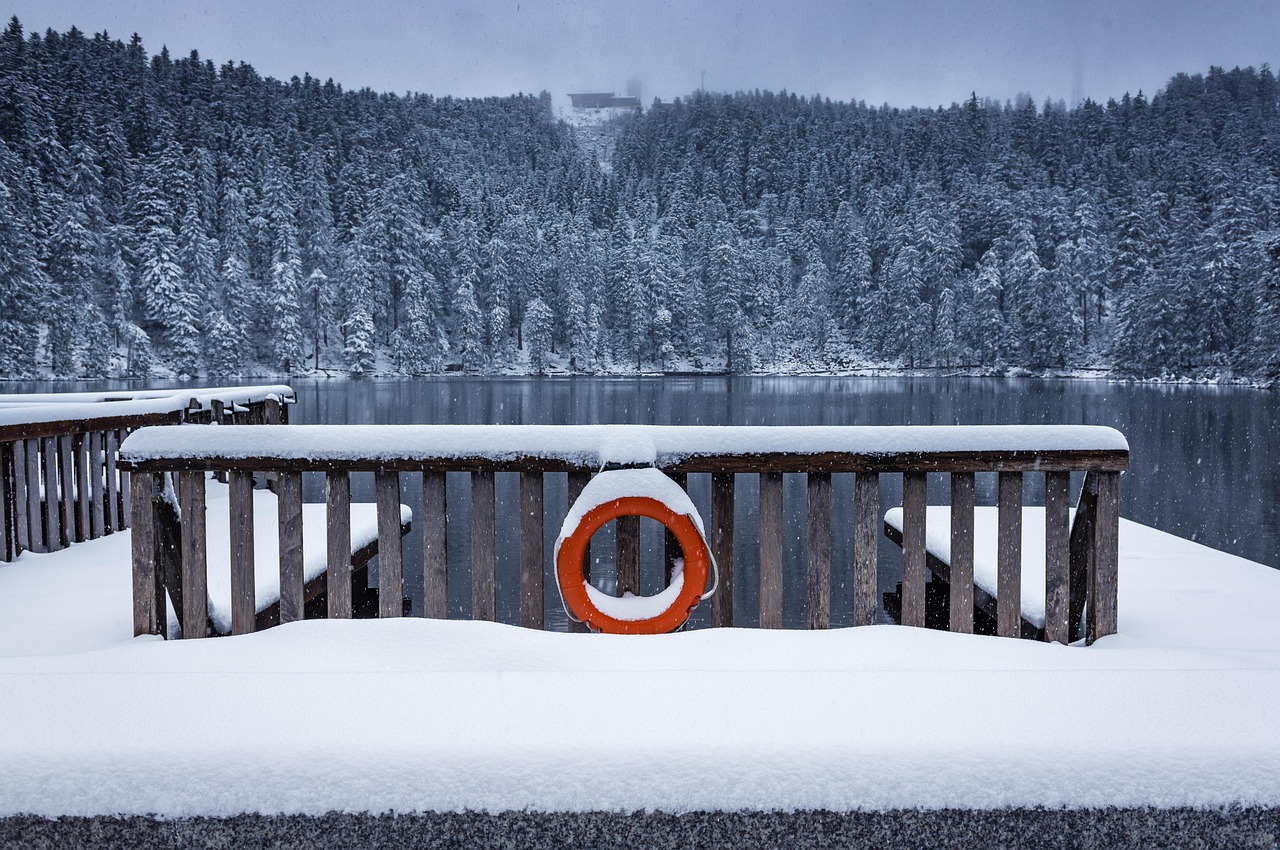
In winter, Mummelsee often turns into a small snow playground. Conditions vary year to year, but when the snow comes:
- Short Sled Runs – Families bring sleds and toboggans to nearby slopes. I’ve watched delighted kids squeal down gentle hills while parents fortified themselves with hot chocolate.
- Snowshoeing – Local guesthouses sometimes organize snowshoe hikes on the Hornisgrinde plateau. I joined one in February 2025; walking through the muffled, white forest by headlamp was otherworldly.
Romantic Touches
If you’re here as a couple, consider:
- Sunset Picnic – Pack a simple picnic for the Hornisgrinde ridge (check weather and daylight!) or one of the quieter benches around the lake.
- Spa & Sauna – Several hotels in the area (including at the lake) have small wellness areas. After a cold hike or a damp autumn day, there’s nothing like warming up in a sauna with forest views.
6. Culture, Legends & Local Customs
The Soul of Mummelsee: Myths, Manners & Everyday Rituals
What elevates Mummelsee from a pretty mountain lake to a place with real character is its blend of folklore, religion, and rural everyday life. Understanding a few local customs and cultural details will deepen your experience and help you move through the area respectfully.
The Legend of the Mummelsee King
According to local legend, Mummelsee is home to a king and his water sprites (Nixen or Mummeln). Stories vary, but themes include:
- A human falling in love with a water maiden and being pulled into the depths.
- Sprites dancing on the surface at night or dragging the unwary down.
- The lake as a portal to another world.
These tales once served as warnings to children not to swim or play too close to the dark, deep water. Today, they’re part of the playful story layer you’ll encounter in carvings and on information panels. When you walk around the lake at dusk, it’s not hard to imagine why the legends took root.
Religious & Seasonal Traditions
The surrounding region is culturally mixed but with strong Catholic pockets, and the church calendar still shapes the year. You might encounter:
- Processions & Fest Days – Villages like Seebach host processions on Corpus Christi and other feast days, with flower-decked streets and traditional dress.
- Advent & Christmas – The Black Forest is magical in Advent, and Mummelsee usually hosts a small but atmospheric Advent market on selected weekends, with lights reflecting on the water.
- Fasnacht (Carnival) – In February/March, masked “witches” and other characters appear in local parades; it’s one of the liveliest cultural experiences in the region.
Local Etiquette & Customs for Travelers
Germans in the Black Forest can seem reserved at first, but there’s a quiet warmth once you tune in. A few basic points of etiquette:
- Greetings – In small shops, bakeries, and on trails, a simple “Guten Tag” (or “Hallo”) goes a long way. On narrow forest paths, people often greet each other with a nod or brief hello.
- Quiet in Nature – Locals value the forest as a place of calm. Loud music from phones, shouting, or drones buzzing over the lake are frowned upon. Keep voices moderate, especially at dawn and dusk.
- Cash & Tipping – Cards are widely accepted at hotels and bigger restaurants, but small kiosks and some valley guesthouses still prefer cash. Tipping is usually 5–10% in restaurants; round up small bills.
- Respect for Private Land – Much of the valley land is private pasture or forest; stick to marked trails and paths. Gates that appear “closed” may still be passable on foot—look for signs indicating if walking is allowed.
Language
Standard German is widely spoken, but locals also use the Alemannic dialect. You may hear words or phrases that sound very different from textbook German. Don’t worry; if you respond in Hochdeutsch (standard German) or English in tourist settings, people will usually switch for you. A few useful phrases:
- “Danke schön” – Thank you very much.
- “Entschuldigung” – Excuse me / Sorry.
- “Können wir bitte zahlen?” – Can we pay, please? (ask for the bill).
7. Eating & Drinking around Mummelsee
Beyond the Tourist Terrace: Where to Find Real Flavor
The immediate lakeside area at Mummelsee has cafés and restaurants geared to the steady flow of visitors: not bad, but busy, and sometimes a bit generic. For truly memorable meals, I usually eat one course at the lake and another in the valley.
What to Eat at or near the Lake
- Black Forest Cake – Yes, it’s a cliché, but done right it’s sublime: multiple sponge layers, sour cherries, Kirsch (cherry brandy), and whipped cream. Ask staff if it’s house-made; some places source from local bakeries.
- Flammkuchen – A thin, crisp “tarte flambée” with crème fraîche, onions, and bacon; easy to share and not too heavy before or after a hike.
- Soups & Stews – In colder months, look for lentil soup, goulash, or potato soup with sausage. In January 2025, a steaming bowl of potato soup on the terrace warmed me from the inside after a frosty lake circuit.
Valley & Village Favorites
Drop down to Seebach, Ottenhöfen or other nearby villages and the food often steps up a level while prices drop slightly.
- Gasthaus Classics – Roast pork with dumplings, game dishes in autumn (venison, boar), and Käsespätzle (cheesy noodles). Portions are generous; sharing side dishes is common.
- Seasonal Specialties – Asparagus in spring (Spargelzeit), mushrooms in late summer, chestnut dishes in autumn. Menus change with the seasons; ask what’s “hausgemacht” (homemade).
- Bakeries & Metzgerei – Wonderful for picnic supplies: crusty rolls, cured meats, local cheeses, and pastries to carry to the lake or a viewpoint.
Drinks
- Beer – Regional lagers and wheat beers; light and very drinkable after a hike.
- Wine – The nearby Ortenau and Kaiserstuhl regions produce excellent Rieslings and Spätburgunders (Pinot Noir). You’ll often see local labels on menus.
- Schnapps – Obstbrände (fruit brandies) from cherries, plums, or pears. Sip slowly; they’re strong. I like to end a heavy Black Forest dinner with a tiny glass of Kirsch.
Personal Tip: Avoiding the Tourist Trap Radius
Within about 200–300 meters of the main lakefront, menus can tilt towards “safe for everyone” options. If you have a car or don’t mind a short bus ride, I strongly recommend:
- Lunch at the lake for convenience (soup, salad, or Flammkuchen).
- Dinner in a valley guesthouse restaurant, where locals eat. Ask your host or check which places are busy with German-speaking diners; it’s a good sign.
8. Where to Stay near Mummelsee
Lakeside vs. Valley: Choosing Your Base
Over the years I’ve tried both: staying right at Mummelsee and staying in the valley villages below. Both have advantages, and your choice will shape your experience.
Staying at the Lake
Pros:
- First & Last Light – You can walk the lake at sunrise and after dark when most visitors are gone. These are the best times for photography and for feeling the “soul” of the place.
- Convenience – No need to drive up in the morning; you’re already there to start hikes to Hornisgrinde or gentle strolls.
- Wellness Facilities – Lakeside hotels often have small spas or saunas, particularly welcome in shoulder seasons and winter.
Cons:
- Price – Generally higher than valley guesthouses.
- Daytime Crowds – You’ll be in the middle of the action midday; if you want quiet, plan to be out on trails or in nearby villages.
Staying in Seebach or Nearby Villages
Pros:
- Authentic Atmosphere – Farm guesthouses with barns, orchards, and valley views.
- Better Value – More budget-friendly options and apartments for families.
- Local Interaction – Hosts often live on-site and are happy to share tips, weather updates, and hiking suggestions.
Cons:
- Short Drive or Bus Ride – You’ll need to factor in 10–20 minutes each way to the lake.
- Limited Evening Options – Smaller villages have early-closing restaurants; plan meals accordingly.
Personal Recommendation
If you’re doing a 2 days in Mummelsee or 3 days in Mummelsee trip, my favorite pattern is:
- Night 1 in a lakeside hotel (to fully soak up the after-dark and dawn atmosphere).
- Night 2 (and 3, if you stay longer) in a Seebach or valley guesthouse, using the car or bus to access the lake and other hikes.
1–3 Day Itineraries for Mummelsee
Here’s how I would structure 1 day, 2 days, or 3 days in Mummelsee based on multiple recent trips. These aren’t rigid schedules but story-based outlines you can adapt to your pace and interests.
1 Day Itinerary for Mummelsee: The Essential Highlights
If you only have one day, focus on the lake loop, a Hornisgrinde hike, and a scenic Schwarzwaldhochstraße drive, with strategic food stops. Here’s how I did one of my favorite 1 day itineraries in June 2025.
08:30 – Arrival & Quiet Lake Loop
I drove up from Seebach after an early breakfast, arriving around 8:30. The parking lot was still half-empty, and the air smelled of damp forest and coffee from the hotel kitchen. I went straight to the lake path, walking clockwise.
The light was low and soft, with a faint mist touching the water. I passed a couple of early-rising photographers setting up tripods on the eastern shore. At the far side, I stopped at a small pier, poured a bit of coffee from my thermos (a habit on every trip now), and just watched the reflections. It’s a good moment to orient yourself—to feel that you’ve “arrived” before the day gets busy.
10:00 – Coffee & Black Forest Cake
Back at the main terrace, I claimed a table with a partial lake view and ordered a slice of Schwarzwälder Kirschtorte and a cappuccino. Yes, cake at 10:00. You’re on holiday; besides, it gives you energy for the hike to Hornisgrinde. I try not to overthink health when I’m in the Black Forest; the hiking will balance the cream.
11:00 – Hike to Hornisgrinde
By 11:00, I was on the trail, taking the steeper path up from the eastern side of the lake. The first 20 minutes were a sustained climb through spruce forest, the lake occasionally flashing through the trees below. I passed a family with older kids, everyone in varying shades of red cheeks. We traded a jovial “Grüß Gott” as I went by.
Breaking out onto the upper slopes, the forest thinned and a cool wind picked up. I joined the ridge path and followed the boardwalk across the moor, detouring to the Hornisgrinde tower for the full panoramic payoff. From up there, the lake is a small, dark coin in the forest, and the Rhine plain unfolds in patchwork fields.
13:30 – Ridge Picnic & Descent
I’d packed a simple lunch from a Seebach bakery—rolls, cheese, a hard-boiled egg, and an apple—and ate on a sheltered bench just off the ridge trail. Even in June, a light jacket was welcome. After half an hour of lazy gazing and people-watching (paragliders preparing their gear, trail runners bouncing by), I headed back down a slightly different route to the lake, returning around 15:00.
15:00 – Pedal Boat or Second Lake Loop
By mid-afternoon the lakefront was at its busiest, but I still wanted a bit more time with the water. On that day I skipped the pedal boats—they were in constant circulation—and instead walked the lake loop again, this time counterclockwise. It’s remarkable how different it feels in brighter light, with more voices and movement. I stopped to read the Mummelsee king legend at the carved figures; nearby, a group of schoolchildren debated whether he was friendly or not.
16:30 – Schwarzwaldhochstraße Scenic Drive
With the essential Mummelsee experiences under my belt, I got back in the car and continued along the Schwarzwaldhochstraße, stopping at two viewpoints to watch clouds casting shadows over the Rhine plain. If you’re heading north, this is a good time to visit the Lotharpfad nature trail; if you’re heading south, you might aim for Baden-Baden by evening.
19:00 – Dinner in the Valley
I finished my 1 day itinerary for Mummelsee with dinner at a small gasthaus in Seebach: pumpkin soup, pork with mushroom sauce, and a glass of local red wine. By 21:30 I was back at my guesthouse, pleasantly tired with that particular Black Forest tiredness you only get after a mix of mountain air, sugar, and long views.
1 Day Itinerary Summary
- Lake loop (early, before crowds).
- Coffee and cake by the lake.
- Hike to Hornisgrinde and ridge walk.
- Optional pedal boat or second loop.
- Scenic drive along Schwarzwaldhochstraße.
- Dinner in Seebach or another valley village.
2 Day Itinerary for Mummelsee: Lakeside Nights & Valley Days
With two days in Mummelsee, you can slow down, mix in more cultural experiences, and see the lake at its best times: dawn and after dark. Here’s how I structured a late-September 2 day itinerary in 2024.
Day 1 – Arrival, Lake, & After-Dark Magic
Afternoon Arrival: I arrived mid-afternoon and checked straight into a lakeside hotel. Instead of rushing to do everything at once, I sat on my balcony with a cup of tea, watching the shifting pattern of visitors along the shore. The late-September light was golden, with a touch of coolness.
Late Afternoon Lake Loop: Around 17:00, I headed out for the lake loop. Many day-trippers were already gone, and those who remained were in a quiet, end-of-day mood. I took my time with the carved figures and read each of the information boards about the lake’s formation and legends.
Dinner & Blue Hour Stroll: After a simple lakefront dinner (soup and Flammkuchen), I waited for blue hour. Around 19:30, with the last light draining from the sky, I did a second half-loop of the lake. Lights from the hotel and terrace reflected on the water like smudged candles. A light mist rose in patches. I barely passed another person. This is the moment when Mummelsee feels like it belongs to you alone.
Day 2 – Hornisgrinde, Seebach, & Village Life
Sunrise at the Lake: I set my alarm for 06:30. The room was still dark, but outside a faint line of light touched the treetops. I brewed a quick coffee in the room, pulled on a fleece, and walked the lake loop as the day began. Birds were louder than humans; the only other figure I saw was an older man in a flat cap, walking slowly with hands behind his back. We nodded to each other without breaking the quiet.
Breakfast & Check-Out: Back at the hotel, breakfast was an abundant spread. I lingered over fresh bread, cheeses, and local honey, then checked out around 09:30.
Hornisgrinde Hike (Shorter Variation): This time I chose a shorter partial ascent, turning back before the full ridge to keep the day more relaxed. The forest smelled of damp earth and mushrooms. On the way down, I passed a group of hikers with Nordic walking poles, chatting about the weather and the apple harvest.
Drive Down to Seebach & Lunch: Around noon I drove down to Seebach, checked into a guesthouse, and then walked into the village center for lunch: Maultaschen with potato salad and a local beer. The pace of life felt palpably slower than up at the lake.
Afternoon Village Walk: I spent the afternoon exploring a short signed village trail, passing orchards heavy with apples and pears. A farmer waved from his tractor; kids were playing in a small playground near the school.
Evening at a Local Gasthaus: Dinner was at a family-run restaurant with wood-paneled walls and checked curtains. Around me, conversations were in the local dialect; I picked out words here and there. I ended the night with a glass of Kirsch and a slice of apple cake, content in that deep, simple way you only find in countryside places that run on their own time.
2 Day Itinerary Summary
- Night 1 at the lake: afternoon loop, dinner, blue-hour stroll.
- Sunrise lake walk on Day 2.
- Short or full Hornisgrinde hike.
- Drive to Seebach, lunch, and village walk.
- Night 2 in valley guesthouse with local dinner.
3 Day Itinerary for Mummelsee: Deep Dive into Lake, Ridge & Valleys
With three days in Mummelsee, you can weave together all the key elements: multiple moods of the lake, longer hikes, more cultural experiences, and at least one day trip to a nearby town or gorge. Here’s a condensed version of how I spent three days in October 2023 and refined again in 2025.
Day 1 – Arrival & Lake Immersion
- Arrive around midday, check into lakeside hotel.
- First lake loop to get oriented.
- Afternoon rest or short forest stroll from the lake.
- Dinner at the lake, then a slow circuit at dusk.
Day 2 – Ridge Adventure & Scenic Road
- Early breakfast, then a full Hornisgrinde hike and ridge walk.
- Picnic lunch on the ridge or back at the lake.
- Afternoon Schwarzwaldhochstraße drive with stops at 2–3 viewpoints.
- Option: visit Lotharpfad or another short thematic trail.
- Evening descent to Seebach, check into guesthouse, dinner in the village.
Day 3 – Valley Culture & Side Trip
On my last trip, I used Day 3 to explore a nearby gorge and a small town in the Rhine plain (see the Day Trips section below), returning to the valley by late afternoon for a final, gentle walk through meadows as the sun set behind the ridge where Mummelsee sits hidden.
By the end of three days, the place had settled into me: I could picture the shape of the ridge without looking, smell the wet wood of the lakeside benches, and recall the exact point on the path where the Mummelsee king’s gaze feels most intense. That’s the beauty of giving a seemingly “small” destination more time than the guidebooks suggest.
Mummelsee After Dark & Off-Hours
Twilight, Blue Hour & Night Silence
Mummelsee transforms between day and night. In full daylight, it’s an accessible, family-friendly spot humming with activity. After dark, it becomes intimate, slightly uncanny, and deeply peaceful.
Sunset & Golden Hour
While the sun itself sets behind the surrounding ridges, the golden hour bathes the western slopes in warm light and turns the lake’s surface a deep bronze. My favorite routine is:
- Start a loop 45 minutes before sunset.
- Reach the far side as the light peaks, watching the hotel and terraces glow.
- Head back as the first lights come on along the shore.
Blue Hour & Night Walks
Blue hour, the period just after sunset, is when the lake feels most like the stories: reflections of lights stretch across the water, and the forest looms darker. If you walk quietly, you may hear the faint sounds of animals in the undergrowth or owls calling.
Bring a small flashlight, but keep it pointed down to preserve your and others’ night vision. The main path is easy to follow, and the sense of being in a bowl of darkness with one bright rim of human light is unforgettable.
Seasonal Evening Programs
Depending on the year, there are sometimes evening events at Mummelsee:
- Advent & Christmas – On select weekends, an Advent market lights up the lakeshore with stands selling Glühwein (mulled wine), crafts, and snacks. In December 2025, a short musical performance at dusk turned the terrace into an impromptu concert hall.
- Summer Music or Folklore Nights – Occasionally, live music or folklore evenings are hosted at the lake hotel. Check current schedules as you plan your trip.
Day Trips & Nearby Attractions from Mummelsee
Expanding Your Black Forest Map
Mummelsee is an excellent base or stop within a wider northern Black Forest trip. With a car (or a mix of bus and train), you can reach several rewarding nearby sites.
Ottenhöfen & the “Mühlenweg” (Mill Trail)
A short drive from Seebach, Ottenhöfen is known for its half-timbered houses and the Mühlenweg, a trail linking historic watermills along a stream. It’s a family-friendly walk that adds a different flavor to your trip: more open valley, less high forest.
Allerheiligen Waterfalls & Monastery Ruins
A classic northern Black Forest excursion: a series of waterfalls in a steep, lush gorge, coupled with the atmospheric ruins of the Allerheiligen monastery. Wooden steps and paths lead up the gorge; it’s not technically difficult but can be slippery when wet. Combine it with Mummelsee in a 3 day itinerary for Mummelsee and surroundings.
Baden-Baden
About 45–60 minutes’ drive from Mummelsee, Baden-Baden offers thermal baths, grand 19th-century architecture, and a different kind of cultural experience. After a couple of days of forest and lake, a few hours in a thermal spa followed by a café in town feels wonderfully indulgent.
Ortenau Wine Villages
Drop down into the Rhine plain and you’re in wine country. Towns like Oberkirch or Durbach make easy day trips: stroll vineyards, taste local Rieslings and Pinots, and enjoy a different landscape before winding back up to the ridge.
Practical Day Trip Tips
- Car Rental – Renting a car in Baden-Baden, Offenburg, or Strasbourg and driving up is the most flexible way to combine Mummelsee with these side trips.
- Public Transport – Buses along the B500 link to valley towns with train stations (e.g., Achern), from which you can reach Baden-Baden, Offenburg, and beyond.
- Time Management – Don’t over-stack your days. One major outing plus some lake or valley time is usually enough to avoid rushing.
Events & What’s New in 2026–2027
Planning Ahead for the 2026–2027 Seasons
As of 2026, several trends and events are shaping the travel scene around Mummelsee:
Seasonal Highlights 2026–2027
- Expanded Nature Interpretation – The Hornisgrinde and Mummelsee area has been gradually adding and updating information panels about ecology and climate change. In 2026, a new series focuses on high-moor conservation and storm impacts.
- Advent at Mummelsee – Expect Advent markets on selected weekends leading up to Christmas, with additional attention to regional crafts and local foods. Check local tourism websites closer to your trip for exact dates and any special evening programs.
- Regional Festivals – Nearby villages like Seebach and Ottenhöfen host wine, harvest, and music festivals mainly from late spring through autumn (2026–2027). If your dates are flexible, syncing your visit with a local festival can add a rich cultural layer.
Sustainability & Visitor Management
There’s a growing emphasis on sustainable tourism in the Black Forest. In practical terms for Mummelsee visitors in 2026–2027, that means:
- Encouragement to use public transport where possible (Konus card for guests).
- Improved signage for less-trodden trails to spread foot traffic.
- Occasional pilot projects limiting vehicle access on peak days (watch local announcements).
Practical Travel Tips for Mummelsee
How to Visit Mummelsee Without Wasting Time or Money
Getting There
By Car: The most straightforward way. Follow the B500 Schwarzwaldhochstraße; Mummelsee is well signposted. In peak summer and during Advent weekends, consider arriving early to secure parking.
By Public Transport: Regional trains to Achern or Offenburg, then buses up to Seebach and Mummelsee. With the Konus card (often included in your accommodation), you can ride many regional buses and trains for free.
Getting Around
- On Foot – Around the lake and nearby paths, walking is the primary mode. Trails vary in difficulty; always check distances and elevation before heading out.
- By Bus – Useful for linking the lake with valley towns if you don’t have a car.
- By Car – Best for exploring multiple viewpoints, side valleys, and day trips.
Saving Money
- Stay in valley guesthouses rather than lakeside hotels if budget is tight.
- Use bakery lunches and picnics instead of restaurant lunches every day.
- Leverage the Konus card for free public transport if your accommodation offers it.
SIM Cards & Connectivity
Germany has good mobile coverage, but in the forest and on certain slopes, signal can be patchy. For visitors:
- EU Travelers – Roaming is usually included in your home plan.
- Non-EU Travelers – Consider a German prepaid SIM (e.g., Telekom, Vodafone, or O2) purchased in a larger town before heading up. E-SIM options are increasingly available in 2026.
- Wi-Fi is available in most hotels and guesthouses, though speeds vary.
Visa & Driving Requirements
- Visa – Mummelsee is in Germany, part of the Schengen Area. Many nationalities can visit visa-free for short stays; check current regulations for your passport.
- Driving License – EU licenses are accepted without issue. Many non-EU licenses are also accepted; for others, an International Driving Permit (IDP) plus your home license is recommended. Check before travel.
- Driving Style – Roads are well maintained but can be narrow and winding. Respect speed limits; watch for sudden fog.
Seasons & What They’re Best For
- Spring (April–June) – Fresh greens, wildflowers, fewer crowds. Great for hiking and quieter lake loops.
- Summer (July–August) – Warm weather, longest days, but also busiest. Come early and late in the day; use midday for drives or valley explorations.
- Autumn (September–October) – My personal favorite: color in the forest, clear views, harvest foods. Ideal for photography and a 2 or 3 day itinerary for Mummelsee.
- Winter (November–March) – Variable snow, atmospheric fog, Advent markets. Great if you like quiet and don’t mind cold; bring proper clothing and check trail conditions.
Mummelsee Tickets, Opening Hours & Logistics
What You Need to Know Before You Go
Tickets & Entry
The lake itself is free to access. There is no admission fee to walk around Mummelsee or hike to Hornisgrinde. You may pay for:
- Parking (depending on current municipal arrangements).
- Pedal boat rental.
- Food, drinks, and any special events or museum entries elsewhere.
Opening Hours
The lake and surrounding paths are always accessible, but facilities have specific opening hours:
- Shops and cafés typically open mid-morning and close by early evening.
- Restaurant hours vary; in low season, kitchens may close earlier. Always check if you plan a late dinner.
Peak Times & How to Avoid Crowds
- Peak Hours – 10:30 to 16:00, particularly in July–August and on sunny weekends.
- Best Windows – Before 9:30 and after 17:00 for a quieter experience.
- Weather Strategy – Overcast or slightly drizzly days often have fewer visitors and can be more atmospheric.
Dress Code & Behavior
- No formal dress code, but sturdy shoes are wise for trails.
- In restaurants, casual but neat is standard; outdoor gear is fine in touristy spots.
- Respect nature: stay on paths in moorland areas, pack out trash, keep noise moderate.
Photography & Drones
- Photography for personal use is welcome; the lake is photogenic from multiple angles.
- Drones may be restricted or banned; check current regulations. In any case, flying a drone over a busy lakeshore or sensitive nature area is considered poor etiquette.
Accessibility
- The main lake loop path is relatively flat and generally suitable for wheelchairs and strollers, though surface quality can vary in spots.
- Access to some viewpoints and Hornisgrinde requires steeper, uneven paths not suitable for all mobility levels.
- Check with your accommodation or local tourist information for the latest details on accessible routes.
Security & Safety
- Crime rates are low; normal common sense with valuables applies.
- In winter and shoulder seasons, watch for icy patches on paths and steps.
- Weather can change quickly; carry a light waterproof layer and an extra warm layer, even in summer.
Best Time to Visit Mummelsee
Matching Season to Your Travel Style
The best time to visit Mummelsee depends on what you want most: quiet, color, warmth, or festive atmosphere.
Best for Hiking & Long Views
Late spring (May–June) and early autumn (September–early October) strike the best balance: stable weather, clear air, and manageable crowds. These are ideal months for combining lake loops with Hornisgrinde hikes and Schwarzwaldhochstraße drives.
Best for Family Holidays
July–August offer warm weather and the widest range of open facilities and activities. If you visit then, lean into early mornings and evenings at the lake, and use midday for valley explorations or shaded forest walks.
Best for Atmosphere & Photography
October wins for color: the forest shifts through yellows and oranges, and fog often creates dramatic layers. Photographers will find endless compositions along the lake and on the ridge.
Best for Quiet & Advent Magic
Late November to December can be enchanting, especially on Advent weekends. Expect shorter days, probable fog, and possible snow. Plan for more indoor time (spas, cafés, guesthouse firesides) and savor the moody side of the lake.
Summary & Final Recommendations
Key Takeaways for Your Mummelsee Trip
Mummelsee is small enough to see in a few hours but rich enough to reward multiple days. Think of it not just as a single attraction, but as the nexus of a landscape: the lake, the Hornisgrinde ridge, the Schwarzwaldhochstraße, and the valleys like Seebach below.
- For a 1 day itinerary for Mummelsee, focus on the lake loop, a Hornisgrinde hike, and a scenic drive, with at least one meal in a valley guesthouse.
- For a 2 day itinerary for Mummelsee, stay one night at the lake for dawn and dusk magic, and one in the valley for local life.
- For a 3 day itinerary for Mummelsee, add a gorge or waterfall hike and a cultural town or wine village in the Rhine plain.
- Time your visit for late spring or early autumn if you can, but know that every season offers its own charm.
Come with sturdy shoes, a light jacket, and an openness to slow down. Walk the lake at off-hours, climb at least partway up to Hornisgrinde, eat where locals eat, and listen for the subtle creaks and sighs of the forest at night. If you do, Mummelsee will stay with you long after you’ve left its dark, reflective surface behind.