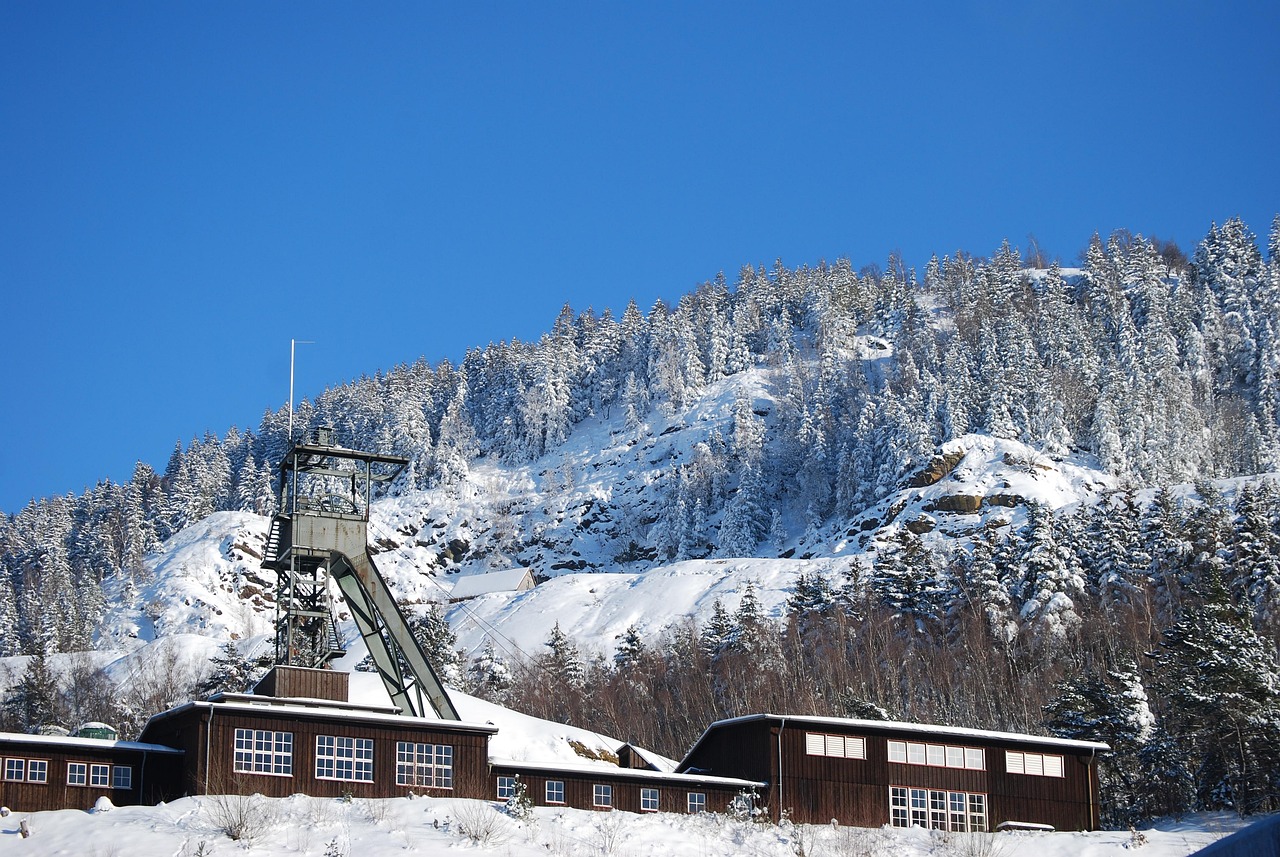
Why Visit Rammelsberg Mine? What Makes It Special
Every time I step out of the bus at Goslar and see the dark flank of the Rammelsberg rising above the red roofs, I get the same feeling: you’re not just visiting a “mine museum”, you’re walking into a 1,000‑year story of Europe itself. Rammelsberg Mine, on the edge of the medieval town of Goslar in the Harz Mountains, is where geology, industry, and human stubbornness collide in the most atmospheric way.
For over a millennium, people pulled silver, lead, copper, and zinc out of this mountain. Kings and emperors funded wars with Rammelsberg ore. Entire neighborhoods grew, suffered, and prospered in its shadow. Today the mine is a UNESCO World Heritage Site (together with Goslar’s Old Town and the Upper Harz Water Management System) and one of the most immersive, hands‑on industrial heritage sites in Europe.
What I love about Rammelsberg Mine is the contrast: cold dripping tunnels against half‑timbered houses glowing in late‑afternoon light; the thud of old water wheels versus the hum of electric pumps; brutal 1930s mining architecture perched above medieval shafts. It’s romantic in an unexpected way, deeply family‑friendly if you pace it right, and adventurous enough that you’ll actually feel like you’ve “done something” with your day.
If you’re weighing up where to spend 2–4 days in northern Germany, a stay in Goslar with focused time at Rammelsberg Mine is far richer than yet another big city. This travel guide for Rammelsberg Mine (2026 edition) is written from several visits across all seasons – most recently in April and September 2026 – and it’s designed to give you concrete, time‑tested itineraries, nuanced cultural tips, and a sense of the place beyond the brochure.
Table of Contents
- Why Visit Rammelsberg Mine in 2026
- Understanding Rammelsberg: Layout, History & How It All Fits Together
- 12 Key Quarters, Monuments & Sites in and around Rammelsberg Mine
- 1. Röderstollen (Röder Gallery) & Water Management Quarter
- 2. Grube Drei Kaiserstände & Medieval Mining Zone
- 3. Bewetterungsstrecke (Ventilation Galleries) & Deep Tunnels
- 4. Ore Processing Plant & 20th‑Century Industrial Facades
- 5. Maltermeisterturm & Hillside Viewpoint
- 6. Visitor Center & Museum Quarter
- 7. Goslar Old Town Lanes & Market Square
- 8. Kaiserpfalz (Imperial Palace) & Royal Layer of the Story
- 9. Upper Harz Water Management Trails
- 10. Lit‑Up Mine Facades & Evening Atmosphere
- 11. Slag Heaps, Overburden Terraces & Rewilded Edges
- 12. Crafts & Miners’ Housing Quarter in Goslar
- Recommended Itineraries: 2–4 Days in Rammelsberg Mine & Goslar
- Traditional Cuisine & Local Food in and around Rammelsberg Mine
- Evenings in Rammelsberg Mine & Goslar
- Events, Festivals & What’s New in 2026–2027
- Cultural Etiquette & Local Customs
- Day Trips & Nearby Attractions
- Practical Travel Tips for Rammelsberg Mine
- Summary & Final Recommendations
Understanding Rammelsberg: Layout, History & How It All Fits Together
To really make sense of the things to do in Rammelsberg Mine and choose the best places to visit, it helps to picture the mountain like a layer cake built over a thousand years.
On the lower slopes: the visitor center, museum buildings, and the massive ore processing plant from the early 20th century, all steel, concrete, and brick. Above that, clinging to the hillside, are older shaft heads, timber structures, and the Maltermeisterturm lookout. Inside the mountain, stacked at different levels, are galleries and adits from different centuries: medieval hand‑hewn tunnels, 18th‑century water‑powered systems, 20th‑century mechanized workings.
Over time, the mine spread horizontally and vertically. Early miners followed rich veins from the surface, creating narrow, irregular tunnels. Later engineers realized the power of water and carved out the Röderstollen and other galleries to drive huge water wheels. In the 1930s, Nazi‑era planners rationalized the site into a modern industrial complex, adding the processing plant that still dominates the view. The mine only stopped operating in 1988; many locals who guide you today actually worked underground.
In practical visitor terms:
- Surface level – museum exhibitions, processing plant, changing rooms, locomotive hall, gift shop, café.
- Mid‑level hillside – historic shaft buildings, Maltermeisterturm, short walks to viewpoints over Goslar.
- Underground layers – four main visitor routes (with some variations): the Röder Gallery water management tour, the mine railway tour, medieval gallery tours, and special thematic tours (ventilation, geology, or family tours).
My own preferred way to introduce first‑time visitors is to start with the surface industrial architecture, then go underground for one classic tour, then connect the dots with Goslar’s Old Town and the Upper Harz water system. The layout of this travel guide follows that logic.
12 Key Quarters, Monuments & Sites in and around Rammelsberg Mine
Below are the core places I return to almost every trip, each with its own character and layer of history. Think of them as the chapters of the Rammelsberg story.
1. Röderstollen (Röder Gallery) & Water Management Quarter
The Röderstollen is the heart of Rammelsberg’s water magic: a series of 18th‑ and 19th‑century galleries built primarily for managing water, powering gigantic wooden wheels that moved ore and pumped out groundwater.
My first time on the Röder Gallery tour, our guide Erik – who worked underground until the closure in ’88 – killed his headlamp for a minute. The silence, the darkness, and the faint smell of wet rock made it suddenly clear what it meant to spend your life here. Then he switched on the floodlights and the massive pit wheel began to turn, creaking and dripping, and everyone in the group unconsciously stepped back. That moment alone is worth the ticket price.
History & Significance
Constructed from the late 1700s, the Röderstollen made Rammelsberg one of the most advanced mines in Europe. Water from the Upper Harz reservoirs was guided here to drive up to a dozen large wheels – the mine’s beating mechanical heart. This network allowed ore to be moved from deeper levels and made mining profitable again after earlier methods had reached their limits.
Visiting Tips
- Book ahead in high season. In July–August or during Advent weekends, the classic Röder tour can sell out by mid‑morning.
- Dress warmly. Underground temperatures hover around 12°C year‑round. In April 2026, I was grateful for my wool hat.
- For families: Children around 6+ usually cope well; there are some stairs and narrow spots, but nothing truly claustrophobic on the standard route.
How to Get There
The tour departs from the main visitor center; staff will direct you to the helmet‑fitting area. From Goslar Old Town, it’s a 25–30‑minute uphill walk or a short bus / taxi ride.
2. Grube Drei Kaiserstände & Medieval Mining Zone
If the Röder Gallery shows Rammelsberg at its technical peak, the Grube Drei Kaiserstände gives you its raw medieval beginnings: narrow, irregular, hand‑cut passages where miners worked by flickering oil lamps with simple tools and huge courage.
I finally managed to join the medieval tour here on a frosty January morning, when only four people had signed up. The guide took advantage of the small group to linger in side pockets, pointing out pick marks from the 12th century and explaining how miners read the rock like a book. You can still see soot traces on the ceiling where lamps once burned.
History & Significance
Drei Kaiserstände (“Three Emperors’ Stands”) is named for the Holy Roman Emperors who enriched themselves from Rammelsberg’s silver. These galleries date from around the 11th–13th centuries and are a rare surviving example of high medieval deep mining in Europe. They show how ore was followed along veins with almost no thought for comfort – or safety.
Visiting Tips
- More demanding than other tours. Low ceilings, slightly awkward footing, and occasional stooping; not ideal if you’re very tall or have mobility issues.
- Photography rules: No flash underground; bring a fast lens or accept grainy photos. Honestly, it’s better to just experience it.
- Language: In 2026, English‑language medieval tours are usually offered on weekends and German holidays; check the current schedule.
3. Bewetterungsstrecke (Ventilation Galleries) & Deep Tunnels
This is one for engineering nerds and repeat visitors. The Bewetterungsstrecke tours are special, often limited‑season offerings that dive into the mine’s ventilation systems – how fresh air was brought in, and deadly gases taken out.
I joined one in autumn 2025 with a group of mining students from Clausthal University. The guide, a retired ventilation engineer, was visibly delighted to have a technical audience and launched into pressure differentials, cross‑cuts, and measuring devices. Even if you don’t catch every detail, walking through these “lungs” of the mountain gives a different sense of scale.
History & Significance
As the mine deepened, ventilation became the limiting factor. Rammelsberg’s engineers built a labyrinth of shafts and drifts to keep air moving; without them, no amount of water power or explosives would have mattered. These galleries show the transition from natural draft systems to fan‑powered modern ventilation.
Visiting Tips
- Check seasonal availability. In 2026 these tours are typically offered on select weekends and themed event days.
- Not essential for first‑timers. Do Röder or the mine railway first; save this for a second or third visit.
4. Ore Processing Plant & 20th‑Century Industrial Facades
The ore processing plant is the brooding giant of Rammelsberg – a terraced complex of steel and concrete that tumbles down the hillside like a frozen waterfall of machinery. It dates mostly from the 1930s and 1950s, when the mine was entirely re‑equipped for modern mass production.
The first time I visited, I made the rookie mistake of rushing through this building to “get to the real mine”. Now, I often spend an hour or more here. Walking along the conveyors and flotation cells, you can trace ore’s journey from raw rock to concentrate, all in situ. The audio installations, added in 2024 and updated in 2026, layer in the voices of former workers explaining each stage.
Architecture & Atmosphere
The facades themselves are a must‑see attraction in Rammelsberg Mine: broad stepped volumes, strip windows, and a slightly austere functionalism that photographs beautifully in late‑afternoon side light. On misty days the whole complex feels almost cinematic, like a backdrop for some 1930s industrial drama.
Visiting Tips
- Do this between underground tours. It’s mostly self‑guided, so you can wander at your own pace.
- Families: Kids love the big machines and the reconstructed control room; there are also tactile exhibits about ore types.
- Accessibility: Lifts and ramps cover much of the route, but some upper catwalks are reached only by stairs; staff can advise on the best path.
5. Maltermeisterturm & Hillside Viewpoint
Perched just above the mine, the Maltermeisterturm is one of the oldest existing pithead buildings in the world and now a small guesthouse and restaurant. The timbered tower looks out over Goslar’s red roofs to the north and the wooded Harz ridges to the south.
I like to walk up here in the golden hour, usually after my last underground tour of the day. On a clear evening in September 2026, I sat at an outside table with a beer and a plate of Sauerfleisch (a tangy, jellied pork specialty), watching the sun slip behind the Brocken. Below, the ore processing plant glowed faintly in the last light. It’s one of the most quietly romantic spots near Rammelsberg Mine.
History & Significance
The tower once served as a measuring and inspection point for ore deliveries – hence “Maltermeister”, the official who checked quantities and quality. Today it anchors the hillside landscape and is an important architectural link between older timbered structures and 20th‑century industrial buildings.
Visiting Tips
- Reachable by car or on foot. From the mine, it’s a steep 15–20‑minute walk on a paved road or forest path; there’s also a small parking area nearby.
- Food: Simple, hearty Harz dishes, good cakes in the afternoon; locals often come here for Sunday coffee.
- Stay overnight: If you want to literally sleep above Rammelsberg, this is your chance; book early for weekends and Advent.
6. Visitor Center & Museum Quarter
The visitor center is your launch pad: ticket desks, shop, café, introductory exhibits, and the starting points of all underground tours. It’s also where you get a feel for the human side of the mine before going into the mountain.
I always recommend arriving here early, especially if you’re planning a 2 day itinerary for Rammelsberg Mine and Goslar and want to maximize underground time. In April 2026, I showed up just after opening on a Saturday; by 10:30, the later mine railway tour was already full.
What to See
- Intro film: A short multilingual overview that’s surprisingly well done – worth 20 minutes for first‑timers.
- Object galleries: Tools, lamps, personal objects – look for lunch boxes decorated with pin‑up girls from the 1960s; they say as much about daily life as any document.
- Changing rooms: Rows of hanging work clothes and baskets where miners kept their belongings; the smell of old oil and soap lingers.
7. Goslar Old Town Lanes & Market Square
Though technically “outside” the mine, Goslar’s Old Town is inseparable from Rammelsberg. The wealth of the ore built these houses; the rhythm of mining shaped its streets. For a travel guide for Rammelsberg Mine to ignore Goslar would be like explaining a book without its epilogue.
The first time I stayed here, I booked a half‑timbered guesthouse just off Petersilienstraße – a narrow lane where the upper stories almost kiss overhead. Every morning I’d walk toward the Marktplatz, catching a distant glimpse of the mine buildings on the hillside, a reminder of why this town exists.
Layout & Highlights
- Marktplatz: Central square with the Rathaus (town hall), fountain, and cafés; a good starting point for wandering.
- Petersilienstraße & Schuhhof: Some of the most atmospheric half‑timbered alleys; look for carved faces and inscriptions over doorways.
- Brusttuch House: A richly decorated façade, now a restaurant; its name (“breast cloth”) refers to a merchant’s cloth marker.
In the evenings, when day‑trippers leave, the Old Town relaxes. This is when you’ll find locals chatting outside wine bars and children playing quietly in the side streets. It’s also the best time for atmospheric photos – lit windows, cobbles gleaming after a drizzle, the silhouette of Rammelsberg in the dusk.
8. Kaiserpfalz (Imperial Palace) & Royal Layer of the Story
The Kaiserpfalz in Goslar is the political face of Rammelsberg’s riches – a massive 11th‑century complex where emperors convened diets and displayed their power, funded by the silver streaming out of the nearby mountain.
On my second visit, I timed a tour here between two mine visits, and it completely changed how I saw the site. Standing in the great hall with frescoes of medieval rulers, you realize that Rammelsberg wasn’t just an industrial site, it was a geopolitical engine.
Why It Matters for Rammelsberg
Without Rammelsberg, Goslar would never have become a favorite residence of the Holy Roman Emperors. The mine’s profitability underwrote royal campaigns, church construction, and administrative expansion. The Kaiserpfalz is essentially the “front office” of the mine’s medieval operation.
Visiting Tips
- Combine tickets. The joint UNESCO ticket (Rammelsberg–Goslar–Upper Harz) offers savings if you plan multiple sites.
- Short but impactful. A 60–90‑minute visit fits nicely into even a tight 2 days in Rammelsberg Mine and Goslar.
9. Upper Harz Water Management Trails
High in the woods above Rammelsberg and across the Upper Harz, you’ll find a spiderweb of ponds, ditches, and channels – the Upper Harz Water Management System. It’s the silent partner in everything you see underground.
One crisp October day, I followed the trail from the mine up to a small pond, its surface perfectly still, banks covered in moss and blueberries. Interpretive panels explained how miners diverted streams to create a vast “battery” of stored water. Standing there in the quiet forest, it’s astonishing to think that this tranquil pond once powered roaring wheels deep inside the mountain.
Why It’s Important
This system is part of the same UNESCO listing as Rammelsberg and Goslar. It’s one of the most sophisticated pre‑industrial industrial landscapes in the world, allowing energy to be stored and released on demand.
Visiting Tips
- Hiking options: From gentle 1–2‑hour loops to full‑day hikes; waymarked routes start near the mine and in Clausthal‑Zellerfeld.
- Family‑friendly: Short loops around ponds work well with children; pack a picnic.
10. Lit‑Up Mine Facades & Evening Atmosphere
Most visitors leave the mine area in the late afternoon, but if you stay in Goslar, come back up after dusk at least once. The ore processing plant and shaft buildings are softly lit, the bulk of the mountain behind them silhouetted against the sky. It’s eerily peaceful.
One November evening, after an Advent market visit, I walked up with a thermos of mulled wine. There was no one else around; just the distant hum of the town and the occasional bark of a dog. Seeing the mine at night, empty and quiet, sharpens the contrast with the roaring, grinding place it must once have been.
Evening Tours & Events
Several times a year – particularly during the “Nacht der Industriekultur” and special anniversaries – the mine hosts evening tours and sound‑and‑light installations. In 2026, these are scheduled for late May and early September; check the official calendar as dates can shift.
11. Slag Heaps, Overburden Terraces & Rewilded Edges
Not glamorous, but quietly fascinating: the grey and ochre slopes of waste rock and tailings that wrap around parts of Rammelsberg. Over the decades since closure, nature has been reclaiming them – pioneer plants, birches, and grasses creeping over once‑toxic ground.
On my last trip, I joined a small guided walk focused on environmental recovery. Our guide, a biologist, pointed out rare mosses and lichens that actually thrive in metal‑rich soils. From certain vantage points on these terraces, you get stark, almost lunar views of the mine buildings with Goslar in the distance.
Visiting Tips
- Stay on paths. Some areas remain fragile or contaminated; guided walks are the best way to explore safely.
- Photography: Great for textural shots, especially in low, raking light.
12. Crafts & Miners’ Housing Quarter in Goslar
South‑east of the Marktplatz, in streets like Bergstraße and Okerstraße, you’ll find plainer, narrower houses that once belonged to miners and craftsmen. This is where the human story of Rammelsberg’s workforce played out: cramped rooms, shared courtyards, small workshops.
I often wander here in the late afternoon, when washing lines flap and the smell of someone’s dinner drifts from a window. A few buildings host small galleries or artisan workshops in 2026 – a ceramicist using local clay, a metal worker creating jewelry inspired by ore veins. It’s less polished than the postcard lanes, and that’s exactly its charm.
Visiting Tips
- Be discreet. This is a lived‑in neighborhood; keep noise down, especially in the evenings.
- Look for details. House marks carved into beams, dates over doors, modest religious niches – they tell stories if you look closely.
Recommended Itineraries: 2–4 Days in Rammelsberg Mine & Goslar
Below are flexible itineraries based on trips I’ve actually done, adjusted for 2026 opening times. They’re designed so you can mix iconic must‑see attractions in Rammelsberg Mine with quieter, hidden gems and local experiences.
2 Day Itinerary for Rammelsberg Mine & Goslar
If you have just 2 days in Rammelsberg Mine and Goslar, you’ll want to focus on the essentials: one or two underground tours, a deep dive into the ore processing plant, and enough Old Town wandering to feel the connection between mine and city.
Day 1 – First Descent & Industrial Facades
Morning: Arrive in Goslar, drop your bags at your accommodation, and head straight up to the mine by around 9:30. I like to walk from the Old Town – it’s a steady uphill but gives you shifting views of the mine as you approach.
At the visitor center, buy a combined ticket that includes at least one underground tour plus the surface exhibitions. In 2026, there’s a “Bergwerk Kompakt” ticket that’s ideal for a short stay.
- 10:00 – Röder Gallery tour: Start with the classic water management route so you see the heart of the operation right away. Pay attention to how the guide explains the connection between outside ponds and inside wheels – it will make your Upper Harz wanderings more meaningful later.
When I did this with friends in spring 2026, we emerged just before lunchtime, slightly damp and exhilarated, helmets askew and phones full of blurry tunnel photos.
Lunch: Have a simple, hearty meal at the mine café (soups, sausages, cakes). It’s not fancy, but the terrace looks directly onto the processing plant. I like to sit facing the building and trace the path ore would have taken down through the various levels.
Afternoon: Dedicate the next few hours to the ore processing plant and surface museum.
- Ore processing plant walkthrough: Follow the signposted route; don’t rush the control rooms and the flotation hall – they’re central to understanding the 20th‑century mine.
- Changing rooms & baths: These are often quieter mid‑afternoon and give a poignant insight into daily routines.
By around 16:00, you’ll likely be ready for fresh air. If you still have energy, walk or drive up to Maltermeisterturm for a coffee or early drink and panoramic views.
Evening in Goslar: Head back down into the Old Town. Wander the Marktplatz and surrounding alleys until you feel like you’ve “earned” your dinner.
Dine at a family‑run restaurant – I’ve had consistently good, unfussy meals at small places just off the square. Look for menus with seasonal Harz dishes like Wildragout (game stew) in autumn or asparagus specials in spring.
Day 2 – Medieval Tunnels & Old Town Stories
Morning: After breakfast in Goslar (many guesthouses do excellent bread spreads), return to the mine for a second underground perspective.
- Medieval gallery tour (Drei Kaiserstände): If available in your language, this is the perfect contrast to yesterday’s 18th‑ and 20th‑century engineering. Otherwise, consider the mine railway tour, which takes you deeper into later working levels.
Allow time to browse any sections of the museum you missed on Day 1. In 2026, there’s a temporary exhibit on “Women at Rammelsberg” that’s especially worth 30–40 minutes, covering not only miners’ wives but also women in technical and administrative roles during the 20th century.
Lunch: Either snack at the mine or head back down into Goslar for a more leisurely meal – I like a simple plate of Bratkartoffeln (fried potatoes with onions and bacon) at a small tavern, followed by a walk to fight off the carb coma.
Afternoon: Shift focus to Goslar’s urban heritage.
- Kaiserpfalz visit: Give it at least an hour; audio guides in English are good, and guided tours in German run regularly.
- Old Town wander: Follow your nose through back lanes, especially toward the former miners’ quarter. Try to spot architectural clues of wealth vs. poverty – carved decoration, window sizes, plot widths.
Evening: If you’re not too tired, walk or take a quick taxi back up to near the mine to see it lit at night, then return for a late drink in Goslar. Alternatively, find a wine bar or quiet pub in the Old Town and toast your two days in Rammelsberg Mine with a local beer or Riesling from nearby vineyards.
3 Day Itinerary for Rammelsberg Mine & Goslar
With 3 days in Rammelsberg Mine and Goslar, you can slow down a touch, add the Upper Harz water landscape, and dig deeper into local food and evening atmospheres.
Day 1 – Classic Rammelsberg (As Above, with More Breathing Room)
Follow the Day 1 plan from the 2‑day itinerary but stretch it slightly:
- Arrive earlier, linger longer in the processing plant.
- Spend more time in the changing rooms and social history exhibits.
- Consider a late‑afternoon guided slag heap / rewilding walk if offered (often in summer).
Day 2 – Underground Focus & Hidden Corners
Morning: Book the mine railway tour – you’ll sit in small carriages and rattle along Dark Age levels into deeper workings. It’s atmospheric, and the moment the underground lights flick on in a wide chamber is one of those unforgettable snapshots.
On my 2025 visit, a retired electrician on our tour pointed out exactly where he used to service cables; his stories about improvised fixes during snowstorms were more gripping than any museum text panel.
Late Morning / Early Afternoon: Choose one of the more specialized tours (ventilation, geology, or a thematic family tour) depending on your interests and what’s running in 2026.
- Geology‑focused tours: Great if you’re curious about ore formation and mineralogy; guides often bring hand samples to handle.
- Family tours: More storytelling, fewer technical details; perfect if attention spans are short.
Lunch: Eat up at the mine or pack a picnic to enjoy on a bench overlooking the Harz; in good weather this is one of my favorite simple pleasures.
Afternoon: Walk down into Goslar via a slightly different route, perhaps detouring through wooded paths. Spend the rest of the day exploring less‑visited corners – small churches, side streets, artists’ studios.
In 2026, there’s a small gallery near the Brusttuch house specializing in mining‑inspired art and photography. It’s a nice cultural counterpoint to the technical focus of the mine.
Evening: Reserve dinner at a traditional restaurant that locals recommend rather than one directly on the Marktplatz. I’ve had excellent venison and seasonal mushroom dishes in a small spot tucked into a back lane; ask your host or the tourist office for current favorites, as chefs change.
Day 3 – Upper Harz Water Trails & Kaiserpfalz
Morning: Take a bus or drive up into the upper Harz for a half‑day hike around one or two reservoirs of the water system. A favorite route of mine starts near Clausthal‑Zellerfeld and loops past several ponds connected by narrow ditches under spruce trees.
Alternatively, follow one of the shorter waymarked routes starting closer to Rammelsberg. In 2026, new QR‑code panels link to animations showing how water was moved, which are surprisingly engaging.
Afternoon: Return to Goslar for lunch, then visit the Kaiserpfalz if you haven’t yet. Afterward, continue rambling through the Old Town, perhaps taking a short guided walking tour that focuses on miners’ housing and guild structures.
Evening: For a romantic last night, book a window table overlooking a quiet square or choose a tavern with candlelight and low timbered ceilings. Walk one last loop through the alleys before bed; the echoes of your footsteps on the cobbles linger a long time here.
4 Day Itinerary for Rammelsberg Mine & Harz Region
With 4 days in Rammelsberg Mine and the wider Harz, you can go beyond the core and really settle into the rhythm of the region. This 4 day itinerary for Rammelsberg Mine balances mining heritage, nature, and a couple of classic Harz side trips.
Day 1 – Orientation & First Descent
Mirror the first day of the 2‑day plan, but build in more lingering: extra time in the visitor center exhibits, a slow coffee at the Maltermeisterturm, and a leisurely evening stroll around Goslar.
Day 2 – Deep Dives & Specialized Tours
Dedicate Day 2 almost entirely to Rammelsberg: mine railway + one specialized tour + any temporary exhibitions that catch your eye. Take breaks outside between tours instead of racing from one helmet fitting to the next.
In April 2026, I spent part of an afternoon sketching the industrial facades from a bench, and a former miner sat down to chat. He pointed out which windows belonged to certain departments and how the sound of different machines carried across the hillside. Those unscripted conversations are the soul of slow travel.
Day 3 – Upper Harz & Brocken (Optional Adventure)
Option A – Hiking & Upper Harz focus: Spend the day doing a longer hike that connects multiple water system features, perhaps with a picnic by a pond. This is great for families who like walking and couples who enjoy quiet nature.
Option B – Brocken excursion: Take the Harz Narrow Gauge Railway from Wernigerode or Drei Annen Hohne up to the Brocken, the highest peak in the Harz, famous from German folklore. It’s a full‑day trip, but standing on the summit with views across the region gives you a sense of the larger landscape Rammelsberg belongs to.
Day 4 – Goslar Depth & Free Exploration
Use your final day to soak up Goslar itself:
- Visit any museums you’ve missed (e.g., town museum in the former guild hall).
- Join a themed walking tour (in 2026 there’s one focused on “Women of Goslar and Rammelsberg”).
- Revisit your favorite corners at different times of day: the Marktplatz at dawn, the miners’ quarter at dusk.
In the late afternoon, sit in a café with a slice of Harzer cheese cake or a plate of Pflaumenkuchen (plum tart in season) and watch the town go about its business. That mix of everyday life and deep history is what makes this place special.
Traditional Cuisine & Local Food in and around Rammelsberg Mine
Mining is hungry work, and while you’re only touring the galleries, you’ll still want to eat like someone who’s swung a pick all day. The local food in Rammelsberg Mine’s orbit is hearty, rustic, and deeply satisfying.
What to Eat
- Harzer Käse: A strong, sour, low‑fat cheese served with bread and onions. You either love it or you don’t; I’ve grown to crave it with a beer.
- Bratkartoffeln: Fried potatoes with bacon and onions – a miner’s classic. Try them as a side with almost anything.
- Wildgerichte: Game dishes (venison, boar) in autumn and winter; think rich sauces and red cabbage.
- Sauerfleisch: Pork in aspic, served cold with fried potatoes; much better than it sounds when done well.
- Forelle (trout): Fresh from cold Harz streams, often pan‑fried with herbs.
Where to Eat
I avoid the most tourist‑oriented places directly on the Marktplatz for main meals; they’re fine for a drink but not always where locals go. Instead, I gravitate to family‑run spots in the side streets.
In 2026, a few reliable patterns have held:
- Old Town timber taverns: Dark beams, candlelight, menus scribbled on chalkboards. Staff are used to explaining dishes to visitors; ask what’s seasonal.
- Cafés in quiet alleys: Great for afternoon cake. In miners’ families, coffee and cake were (and are) important rituals on Sundays.
- Maltermeisterturm restaurant: Not haute cuisine, but the views and setting make simple dishes taste better.
Eating Like a Local
Locals tend to eat their main hot meal at lunchtime or early evening, especially older generations. Kitchens in smaller places may close by 21:00, even earlier mid‑week outside peak season. It’s wise to reserve on Friday and Saturday nights, especially in Advent when Goslar’s Christmas market draws crowds.
Evenings in Rammelsberg Mine & Goslar
Evenings here are about atmosphere rather than spectacle. There’s no thumping nightlife, but that’s precisely the charm: you can hear your own footsteps on the cobbles and the faint hum of conversations drifting from open windows.
Lit‑Up Monuments & Night Walks
Start with a twilight loop around the Marktplatz, Brusttuch, and the narrow lanes beyond. Many half‑timbered façades are subtly lit; in wet weather, the reflections on the cobblestones add a layer of texture that’s a photographer’s dream.
On some weekends in 2026, the Kaiserpfalz offers evening openings with special lighting and occasional short musical performances; it’s worth aligning your schedule if you enjoy classical or choral music in historic spaces.
Evening Tours & Performances
- Night tours at Rammelsberg: A few times a year, guided torchlight or lamp‑lit tours go underground after dark. They’re atmospheric and popular; book early.
- Traditional music: Local clubs and brass ensembles sometimes perform in churches or on the Marktplatz during festivals and Advent; check posters and the tourist office.
Quiet Corners for a Drink
For a romantic drink, I like tucked‑away wine bars rather than big pubs: small places with a short wine list (including Rieslings from the nearby Saale‑Unstrut or Mosel regions) and maybe a plate of cheese or cured meats. If you prefer beer, look for regional brews from the Harz and Lower Saxony rather than international brands.
Events, Festivals & What’s New in 2026–2027
Major Events Related to Rammelsberg Mine
- 2026 – “1,038 Years of Rammelsberg” Thematic Program: While not a round number, 2026 continues the multi‑year cycle of special exhibitions started for the 1,000‑year anniversary. Expect a focus on migrant labor in the 19th and 20th centuries and women’s roles underground.
- Industrial Heritage Nights (2026 & 2027): Usually one night in late May or June when the mine stays open late, with light installations, live music, and special short tours.
- Advent at Rammelsberg: Weekends in December feature Christmas‑themed tours, crafts markets in some of the industrial halls, and seasonal food.
In Goslar & the Harz
- Goslar Christmas Market (Annually late Nov–Dec): One of northern Germany’s most atmospheric, spilling from the Marktplatz into side lanes. Combine with a winter mine visit for a powerful contrast.
- Harz Music Festivals: Summer concerts, some held in churches or open‑air stages near Goslar; occasionally programs tie in with mining themes.
What’s New in 2026
In 2026, the mine has expanded its digital interpretation with more QR‑linked stories and a refreshed app offering audio walks that connect Rammelsberg to specific spots in the Old Town. There are also improved accessibility routes and more multilingual signage, making it easier for independent visitors to navigate without a guidebook.
Cultural Etiquette & Local Customs
Goslar and Rammelsberg sit in Lower Saxony, where people tend to be straightforward, reserved at first, but helpful once engaged. A few small gestures go a long way.
Basic Etiquette
- Greetings: A simple “Guten Tag” when entering shops, restaurants, or small museums is appreciated. Say “Tschüss” or “Auf Wiedersehen” when leaving.
- Punctuality: Tours start on time. If your ticket says 10:00, be helmet‑ready by 9:50.
- Quiet in tours: Underground guides take safety and storytelling seriously; keep side conversations low.
Respecting the Mining Heritage
For many locals, Rammelsberg is not just “heritage” but part of living memory. Grandparents and parents worked underground; closures and environmental debates are still within living experience.
- Be sensitive: Avoid glib jokes about accidents or exploitation; if topics come up, listen more than you speak.
- Photography of people: Ask before photographing staff or locals, especially ex‑miners in uniform during special events.
Dress & Sacred Sites
While there are no religious sites inside the mine, Goslar’s churches are active congregations. Dress modestly (shoulders covered, hats off) and keep voices low. Photography is usually allowed but sometimes restricted during services.
Day Trips & Nearby Attractions from Rammelsberg Mine
1. Clausthal‑Zellerfeld & Upper Harz Mining Landscape
A half‑hour drive or bus ride from Goslar, Clausthal‑Zellerfeld is another historic mining town with a more spread‑out, forested feel. It’s an excellent base for longer hikes among the water reservoirs.
2. Wernigerode & Harz Narrow Gauge Railway
A colorful half‑timbered town with a fairy‑tale castle and the departure point for steam trains to the Brocken. It makes for a full but rewarding day: morning train, midday summit, afternoon castle or town stroll, evening return to Goslar.
3. Quedlinburg
A bit further (around 1.5 hours by car), Quedlinburg is another UNESCO‑listed medieval town with stunning half‑timbered architecture. If you’re exploring the Harz more broadly, it’s a logical partner to Goslar.
Practical Travel Tips for Rammelsberg Mine
Getting There & Around
- By train: Goslar is well‑connected to Hanover and other regional hubs. From the station, it’s a 15–20‑minute walk to the Old Town.
- To the mine: Local buses run between Goslar center and Rammelsberg; taxis are easy and not expensive for the short hop. Walking takes 25–30 minutes uphill.
- Car rental: Useful if you plan multiple Harz day trips, but not essential for a pure Goslar–Rammelsberg stay. Parking is available at the mine and around the Old Town (watch for resident zones).
Tickets & Money‑Saving Strategies
- Combined tickets: Look for UNESCO combo tickets covering Rammelsberg, Kaiserpfalz, and selected Upper Harz sites; they usually offer modest savings.
- Plan tours together: Book your underground tours upon arrival to avoid awkward gaps that waste time.
- Shoulder season savings: Accommodation prices dip in March–April and October–November (outside Advent), yet the mine experience is just as rich.
SIM Cards & Connectivity
Germany has solid 4G/5G coverage in Goslar, though reception inside the mine is naturally nonexistent.
- eSIMs: Easy, especially for EU visitors; look for regional data plans if you’re traveling beyond Germany.
- Physical SIMs: Available at electronics stores and some supermarkets in Goslar; bring an ID for registration.
Visa Requirements & Driving Licenses
- Visas: Germany is in the Schengen Area. EU/EEA/Swiss citizens can enter freely. Many other nationalities (e.g., US, UK, Canada, Australia) can enter visa‑free for short stays; always check current requirements for 2026 before traveling.
- Driving: Most foreign licenses are accepted for short stays; an International Driving Permit is recommended if your license is not in Roman script.
Accessibility & Walking Conditions
Goslar’s Old Town has many cobbled streets and some slopes. Underground tours involve stairs, sometimes damp or uneven surfaces. That said, the mine and town have made real efforts to accommodate diverse needs:
- Ask in advance: Contact the mine to discuss accessible tour options in 2026; some routes and exhibits are wheelchair‑friendly.
- Footwear: Wear sturdy shoes with good grip; this is non‑negotiable for comfort and safety.
Seasonality: When to Go & What to Expect
- Spring (March–May): Excellent for fewer crowds, fresh forest greens, and clear air. Underground temperatures are constant, so layer up.
- Summer (June–August): Warm, lively, and ideal for hiking, but busier – book mine tours ahead and start early to avoid peak hours.
- Autumn (September–November): My personal favorite: golden forests, game dishes in restaurants, and a slightly melancholic beauty that suits the mine.
- Winter (December–February): Combines beautifully with Goslar’s Christmas market. Snow adds magic but also slipperiness; dress warmly and watch your footing.
Safety, Dress & Photography Rules
- Dress code underground: Closed shoes, warm layers. Helmets and sometimes raincoats are provided.
- Photography: No flash underground; respect signs where photography is restricted. Tripods are usually not allowed on tours.
- Heat & rain: Above ground, weather can change quickly in the Harz; carry a light waterproof layer in shoulder seasons.
Money‑Saving & Hidden Tips
- Pack snacks & water: Especially if you’re doing back‑to‑back tours; café queues can coincide with tour departures.
- Early or late visits: First and last tours of the day are often quieter, giving you more space underground.
- Talk to former miners: Many guides and volunteers are ex‑workers. A simple question – “Did you work here before it closed?” – often unlocks unforgettable stories.
Summary & Final Recommendations
Rammelsberg Mine is not a place you “do” in an hour; it’s a layered landscape that rewards curiosity and time. Its tunnels and terraces tell of geology, labor, technology, and power, while Goslar’s lanes show how ore was translated into houses, churches, and lives.
If you can, give yourself at least 2 days in Rammelsberg Mine and Goslar, ideally 3 or 4. Start with the classic underground tours and the ore processing plant, then branch out to the medieval galleries, the Upper Harz water trails, and the quieter miners’ quarters in town. Eat simple, hearty local food, walk the alleys at dusk, and try to see the mine once in full daylight and once under lights after dark.
As for timing, the best seasons for visiting Rammelsberg Mine are spring and autumn: fewer crowds, comfortable temperatures above ground, and a mood that suits the mine’s introspective character. Summer is perfect if you want long hiking days, while winter wraps everything in a crisp, almost fairy‑tale atmosphere – especially when paired with Goslar’s Christmas market.
Whatever your season, come with good shoes, open ears, and a bit of time. Rammelsberg is one of those rare places where the past still feels close enough to touch.