Why Visit Reichsburg Cochem – And Why I Keep Returning
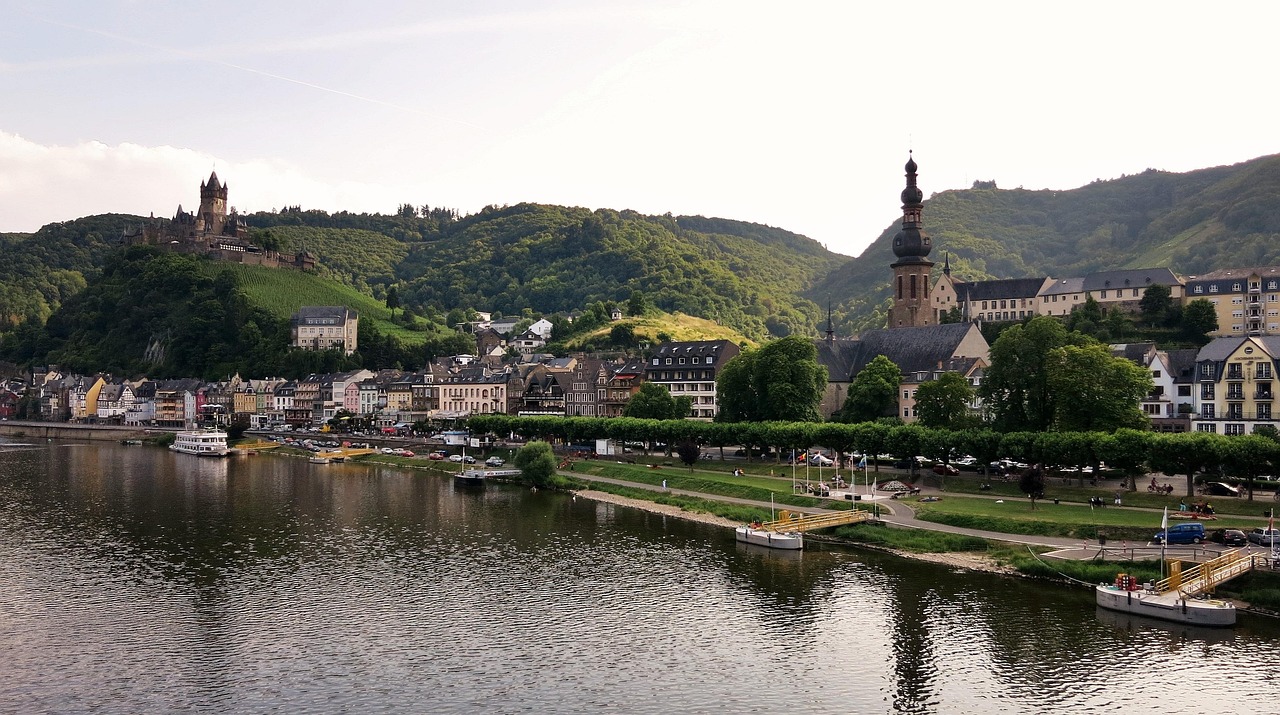
Reichsburg Cochem is one of those places that looks almost too perfect in photographs: a storybook castle perched above a bend in the Moselle River, vineyards climbing the hillsides, timbered houses huddled along cobbled lanes. The surprise, when you finally stand beneath its towers, is that the reality is even better.
I’ve been coming to Cochem since my early twenties, usually in shoulder seasons when the vines are either just budding or blazing with autumn color. Over the years I’ve visited Reichsburg Cochem in every mood: on hazy August afternoons when the castle is swarmed by day-trippers, in drizzly March mornings when mist coils around the turrets and you have entire ramparts nearly to yourself, and during December’s Advent weekends when the town below glows with Christmas lights. Each time I find a new angle, a quieter path, a better bench for watching the river traffic below.
This travel guide for Reichsburg Cochem is written not as a quick “top 10 things to do” list, but as something closer to a field guide from a slightly obsessed repeat visitor. You’ll find detailed 1 day, 2 day, and 3 day itineraries for Reichsburg Cochem, practical travel tips, nuances of local customs, and a careful walk-through of the castle itself—where to stand, what to look for, and how to avoid the worst of the queues.
Whether you have just 1 day in Reichsburg Cochem or are planning a more leisurely 3 day itinerary for Reichsburg Cochem, this guide aims to help you experience the place as more than a photo stop: as a living, layered corner of the Moselle with its own rhythms, stories, and flavors.
Table of Contents
- Why Visit Reichsburg Cochem
- Overview & Orientation
- A Short History of Reichsburg Cochem
- Inside Reichsburg Cochem: Rooms, Views & Secret Corners
- Approach Routes & Best Viewpoints
- 1–3 Day Itineraries for Reichsburg Cochem
- Adjacent Sites & Prominent Sections Around the Castle
- Eating & Drinking Around Reichsburg Cochem
- Where to Stay Near Reichsburg Cochem
- Reichsburg Cochem After Dark & Off-Hours Magic
- Cultural Experiences, Etiquette & Local Customs
- What’s New: Events & Festivals 2026–2027
- Day Trips & Nearby Attractions
- Practical Travel Tips & Logistics
- Reichsburg Cochem Tickets, Opening Hours & On-Site Logistics
- Best Time to Visit Reichsburg Cochem
- Summary & Final Recommendations
Overview & Orientation: Getting Your Bearings
Reichsburg Cochem crowns a steep hill on the right bank of the Moselle River, above the compact town of Cochem. The castle isn’t massive by European standards; what makes it unforgettable is the way it commands the bend in the river, framed by terraced vineyards and forested ridges.
Think of the area in three layers:
- The riverside town – train station, promenade, half-timbered streets, restaurants and wine bars.
- The castle hill – a network of paved paths and staircases winding up through houses, gardens, and forest to Reichsburg Cochem.
- The surrounding hills and vineyards – quiet walking paths, panoramic viewpoints, and small wine-growing hamlets.
Most visitors arrive by train from Koblenz or Trier, or by car along the Moselle. The castle rises into view long before you reach the station—your constant orientation point, a stone compass needle above the town’s red roofs.
A Short History of Reichsburg Cochem
The first documented mention of a castle on this hill dates to the 11th century. For centuries Reichsburg Cochem served as a toll castle, controlling trade along the Moselle. It passed between noble families, was expanded, fortified, besieged, and—like so many German castles—eventually destroyed.
In 1689, during the Nine Years’ War, French troops under Louis XIV effectively obliterated the medieval fortress. For almost 200 years the ruins brooded over Cochem, picked over for stones and left largely to the ivy and ravens.
The castle you visit today is a 19th-century Romantic reconstruction, built after a Berlin businessman, Louis Fréderic Jacques Ravené, bought the ruins and surrounding land in 1868. He commissioned a neo-Gothic revival that combined historical fragments with then-fashionable fantasies of what a medieval castle should look like: soaring turrets, crenellated walls, richly carved interiors.
As a result, Reichsburg Cochem is less a pure medieval relic and more a physical manifesto of 19th-century nostalgia. That might sound disappointing until you’re standing in the Knight’s Hall, sunlight slanting through stained glass, or leaning over the battlements while a barge inches along the river below. The romanticism works. And because the castle was spared heavy damage in the World Wars, many 19th-century interiors survive remarkably intact.
Today Reichsburg Cochem is owned by the town and run as a museum and event space. Weddings, medieval banquets, and seasonal festivals keep the building very much alive—sometimes to the joy, sometimes to the exasperation, of locals trying to weave through wedding photography to get to their usual walking routes.
Inside Reichsburg Cochem: What You Actually Walk Through
A visit to Reichsburg Cochem typically follows a structured sequence. You approach via a path or shuttle bus, enter through the outer gate, gather in the courtyard, and then join a guided tour through several key rooms. Here’s how that experience actually feels, and what to watch for along the way.
The Approach: Winding Up Through Town
I usually start from the old bridge across the Moselle. From here you get that famous postcard view: the castle centered on its hill, the town’s waterfront houses like a painted frieze below. If you only have a 1 day itinerary for Reichsburg Cochem, this is where I’d begin your climb.
Follow the brown “Reichsburg” signs uphill through narrow alleys. There are several parallel routes; my favorite threads past small gardens and a line of houses where residents sit out with morning coffee. In grape harvest season you’ll often smell crushed fruit; in spring, lilacs and wisteria drape over walls.
The walk from town center to the castle gate takes about 15–20 minutes at a moderate pace. It’s steep enough to raise your heart rate, but paved and suitable for reasonably fit visitors. If mobility is an issue or you’re traveling with small children, the shuttle bus (more on that in the logistics section) is worth the small fee.
The Outer Gate & Drawbridge
The first threshold is a classic fairy-tale moment: you pass under a robust gate tower and over what was once a defensive ditch, now a picturesque depression bristling with greenery. The coats of arms and carved details above the entrance reflect the 19th-century Ravené family and earlier rulers of the region.
I like to pause just inside the gate and look back through it toward the river. On clear days, the Moselle flashes between stone and timber as if framed deliberately by an architect—which, in the 19th-century reconstruction, it was.
The Courtyard: Your First Viewpoint
The courtyard is where guided tours start and finish. It’s also one of the best vantage points, with layered roofs, turrets, and the main keep crowding your field of vision. Look for the carved stone balcony where guides often pause to speak, and the decorative well.
Before joining your tour group, walk to the outer edge of the courtyard for a broad view over Cochem and the Moselle. On my most recent visit in late September 2025, a barge was gliding upriver, sun catching its wake. The vineyards on the opposite hillside were just beginning to show orange at the edges. Even if you never went inside, this view alone would justify the climb.
The Knight’s Hall
Almost every tour begins with the Knight’s Hall, a grand room lined with dark wood paneling, hunting trophies, and stained glass. It’s here that you fully feel the 19th-century fantasy of chivalry: ornate fireplace, heavy chandeliers, and portraits of figures gazing down with studied sternness.
I’ve stood here with groups from half a dozen countries; the guides switch fluidly between German and English, with printed sheets in French, Dutch, and occasionally other languages. Listen for the story of how the castle was rebuilt, and the explanation of which elements are genuinely medieval (or at least older) and which are 19th-century inventions. Once you know, it’s fun to trace the join lines between authentic and reconstructed.
The Dining Room & Kitchen
The dining room, with its heavy table and richly carved chairs, always makes me absurdly hungry. You can almost hear the clatter of cutlery and murmur of a 19th-century dinner party. The guide will usually point out details such as original tiles, carved initials, and the huge tiled stove that would have warmed the space in winter.
Nearby, the historic kitchen—with its collection of copper pots and enormous hearth—gives a sense of the labor required to keep such a residence running. Kids tend to love this part; it feels tangible and a bit like stepping into a storybook illustration.
Bedrooms & Private Rooms
Not all tours include the same set of rooms (this can vary with season and restoration work), but typically you’ll see at least one of the furnished bedrooms. Expect heavy carved beds, patterned wallpaper, ornate wardrobes, and an almost over-the-top sense of historic staging.
What I like to watch here are the small details: the view from the windows (imagine waking up to that river each morning), the thickness of the walls, the way light falls across the textiles at different times of day. If you can, position yourself near a window as your guide speaks; you get both the commentary and your own quiet visual moment.
The Chapel
The tiny chapel is one of my favorite spaces in the castle. It’s easy to rush through it on the tour, but linger if you can. The stained glass, though modest, throws jewel-like colors on the stone when the sun is at the right angle (mid-morning on clear days is particularly beautiful).
The Battlements & Outer Walls
Not every tour allows access to the highest parts of the castle, but most include at least one walkway along the outer walls. This is where the sense of scale hits hardest: the drop to the town, the sinuous curve of the river, the geometric patchwork of vines.
On a still autumn morning in 2024, I leaned against the stone and listened to faint sounds from below: a church bell, laughter from a riverside café, the muffled announcement of a river cruise boat. The castle, for all its history and drama, is intimately tied to the everyday life of Cochem. Up here, you feel that connection.
How Long to Spend Inside
The guided tour itself lasts around 40–50 minutes. I recommend allowing at least 2–3 hours total for the castle: time to walk up, do the tour, wander the courtyard and viewpoints, browse the small shop, and, if weather cooperates, sit for a drink or snack at the on-site café terrace.
Approach Routes & Best Viewpoints Around Reichsburg Cochem
Some of the best places to visit in Reichsburg Cochem aren’t inside the castle at all—they’re the spots where you can see the castle in context: above the river, framed by hills, glowing at sunset. These viewpoints form the backbone of any good 1 day, 2 day, or 3 day itinerary for Reichsburg Cochem.
1. The Old Bridge (Skagerrak-Brücke)
This is the classic shot: stand on the town side of the bridge, facing upstream. The Moselle curves right-to-left, the castle rises on its tree-clad hill, and the riverfront houses stack up in pastel shades. Early morning, just after sunrise on a clear day, gives mirror-like water and almost no pedestrians.
2. The Moselle Promenade
Stroll along the promenade on the town side of the Moselle. Benches offer relaxed castle views; it’s where I often sit with a takeaway coffee or ice cream. In summer evenings, street musicians and the soft hum of conversation create a relaxed, romantic mood.
3. Sehler Höhe Viewpoint
For a broader, more panoramic perspective, cross the bridge and climb up through the Sehl side of town. Waymarked paths zigzag through vineyards to a series of viewpoints known locally as Sehler Höhe. From here, Reichsburg Cochem floats above the river in a sweep of green and slate.
4. Pinnerkreuz (Cross on the Hill)
One of the top must-see attractions in Reichsburg Cochem’s surroundings, Pinnerkreuz is a cross-topped viewpoint reached either by a steep walking trail or the chairlift (Sesselbahn). The angle here puts the castle, town, and river in a single sweeping panorama. It’s especially striking at golden hour when the sun drops behind the hills opposite.
1–3 Day Itineraries for Reichsburg Cochem
The question I’m asked constantly is: “How many days in Reichsburg Cochem do I need?” You can technically dash through in half a day, but you’ll miss the river’s rhythm and the quiet paths. My honest recommendation: 2 days in Reichsburg Cochem is ideal; 3 days in Reichsburg Cochem if you enjoy walking, wine, or just lingering by the river. If you only have 1 day in Reichsburg Cochem, this guide will help you make it count.
1 Day Itinerary for Reichsburg Cochem: Castle, River, and Vineyards
This 1 day itinerary for Reichsburg Cochem is designed for first-time visitors who want to hit the highlights without feeling rushed. It’s the plan I followed when introducing a friend to Cochem in September 2025—a full, satisfying day that still left room for spontaneous detours.
Morning: Riversides & The Climb to the Castle
Start around 9:00 a.m. at the Moselle promenade. Light here is soft and forgiving, perfect for photography before the crowds gather. Grab a coffee and a simple breakfast pastry from a bakery near the market square (Bäckerei chains are fine, but if you can find a small family-run place, even better) and wander to the old bridge for the archetypal castle shot.
Around 9:30–9:45 a.m., begin your walk uphill to the castle. Follow signs from the center—there are several routes, but if you’re unsure, ask a local for the “Fußweg zur Burg” (footpath to the castle). I prefer the path that starts near the Enderttor gate; it feels slightly less crowded in peak season and threads through quieter residential lanes.
Aim to reach the castle by 10:00–10:15 a.m. This is early enough to dodge the bulk of coach tours that tend to arrive late morning. Pick up your Reichsburg Cochem tickets at the entrance if you haven’t booked online (see logistics later for the latest on timed entries).
Late Morning: Guided Tour & Courtyard Time
Join the next available tour in your language. As you move through the Knight’s Hall, dining room, bedroom, and chapel, don’t be shy about drifting to the back or edge of the group to snag window positions. The commentary is still audible, and you gain a bit of breathing space.
After the tour, give yourself at least 30 minutes just to be in the courtyard and along the walls. Sit on a bench, watch the boats on the Moselle below, and, if the weather is pleasant, have a drink on the small café terrace. On one visit, I nursed a glass of local Riesling while a pair of red kites circled lazily above the vineyards—a perfect “we actually made it” moment.
Lunch: Downhill Detour
Walk back down to town by a different route than you came up. Follow signs toward the “Weinbergspfad” if you see them; some paths skirt right along the vineyards, with the castle at your back and the river ahead. This is one of those classic Moselle walks that feels much farther from civilization than it actually is.
For lunch, skip any place directly on the busiest stretch of the riverfront promenade where menus are heavily translated and photos dominate. Walk a block or two into the old town lanes and look for smaller wine taverns. I often end up in a place with slate floors, wooden tables, and a short chalkboard menu: Flammkuchen (a thin Alsatian-style pizza), seasonal soups, or a plate of local cheeses and sausages.
Afternoon: Chairlift & Pinnerkreuz Viewpoint
In the early afternoon, when the castle path is busiest, shift your focus to a higher vantage point. Walk upstream along the river promenade to the Cochem Sesselbahn (chairlift). The ride is gently thrilling, especially for kids: you’re suspended above gardens and vineyards with the castle steadily revealing itself at a new angle.
At the top, follow signs for Pinnerkreuz. The walk is short and mostly flat; within 10 minutes you’re at one of the most rewarding viewpoints in the region. The entire amphitheater of river, town, and castle opens beneath you. On my 2025 visit, we spread out a small picnic—bread, cheese, and a bottle of apple spritzer—and spent nearly an hour watching clouds drift across the hills.
Late Afternoon: Old Town Wandering & Wine
Ride or walk back down into town and lose yourself in the back streets. Seek out the Marktplatz with its ornate fountain and half-timbered facades, and the Enderttor, a surviving town gate that gives a sense of medieval Cochem. Pop into a wine shop for a brief Moselle Riesling tasting; many will pour three or four small samples for a few euros.
Evening: Riverfront Dinner & Castle Lights
For dinner, return to the riverfront—but again, be selective. Choose a place with a view of the castle and a menu that changes seasonally; ask for recommendations of local specialties such as Zwiebelkuchen (onion tart in autumn) or dishes featuring Federweißer (partly fermented new wine) during harvest.
As dusk deepens, the castle lights flick on, and Reichsburg Cochem glows against the dark hillside. If you still have energy, cross the bridge after dinner for night-time photographs. The river reflects both town and castle in a long, shimmering band of gold.
For many visitors, this single full day is their entire experience of Cochem. It’s a good one—but if you can, stay the night. The town is quieter after the day-trippers depart, and the soundscape shifts to clinking glasses, low conversation, and the dull thrum of passing trains on the opposite bank.
2 Day Itinerary for Reichsburg Cochem: Castles, Cellars & Quiet Paths
With 2 days in Reichsburg Cochem, you can deepen what was a highlight reel into something more textured. I’ll outline a second day that assumes you followed the 1 day itinerary above, then stayed overnight.
Day 2 Morning: Slower Start & River Cruise
After a leisurely breakfast (most guesthouses and hotels include an impressive spread of breads, cold cuts, cheeses, yogurt, and fruit), head to the docks for a Moselle river cruise. Even a short 1–2 hour loop offers a completely different perspective on the castle and surrounding hills.
I’m not normally a big boat-tour person, but the Moselle is made for this. You’ll glide past vineyards with improbable inclines—workers often rely on monorail-like tracks to access the steepest slopes—and see smaller villages tucked into side valleys. Look back frequently: the view returning toward Cochem, with the castle perched above, is especially striking.
Midday: Vineyards & Wine Tasting
Back on land, devote the middle of your second day to the cultural experience that truly defines this region: wine. The Moselle is one of the world’s great Riesling-growing valleys, and Cochem makes a good base for tasting.
Many wineries (Weingüter) lie within a short drive or even a reasonable walk of town. If you’re without a car, look for ones with tasting rooms in Cochem or consider a short train or bus ride to nearby villages. Book ahead for more in-depth tastings, especially on weekends between May and October.
On a memorable visit in 2023, I joined a small-group tasting focused on different Moselle slopes. We compared Rieslings from high, cool sites to those from warmer, lower vineyards. The differences—citrus and green apple in one, stone fruit and honey in another—felt like a drinkable map of the valley.
Afternoon: Hiking Above the Castle
To walk off the wine (or simply to balance indoor time with fresh air), spend your afternoon on one of the trails that run along the ridges above Cochem. The Apolloweg and sections of the Moselsteig long-distance trail are particularly rewarding.
From various points you’ll get oblique, crowd-free views of Reichsburg Cochem, often framed by trees or vineyard rows. These are the angles that almost never appear on postcards but lodge in your memory: a turret glimpsed through beech leaves, the keep rising above a sea of vines.
Evening: Candlelit Cochem & Quiet Corners
For your second evening, skip the most prominent riverfront restaurants and eat in the old town’s interior lanes. Look for places with small blackboards outside and a more local feel. Try dishes like Spundekäs (creamy cheese dip, more common up the Rhine but appearing here too) or hearty schnitzels paired with crisp Riesling.
After dinner, walk without a map. Turn where the streets look interesting, follow the sound of church bells, and let yourself get a little lost (you truly can’t, Cochem is compact). You’ll eventually emerge at the river or market square, with the castle always looming above as your north star.
3 Day Itinerary for Reichsburg Cochem: Deeper Dives & Day Trips
Three days in Reichsburg Cochem allow you to treat the castle as your anchor while exploring the broader Moselle region. This is the rhythm I follow on my own repeat visits: one core “castle day,” one “river and wine day,” and one “outward exploration day.”
Day 3 Option 1: Castle-Centric – Themed Tours & Family Fun
If you’re traveling with children or are a castle obsessive, devote your third day to Reichsburg Cochem’s themed programs. In high season (and increasingly in shoulder seasons), the castle runs special tours: medieval-themed banquets, children’s tours with simplified storytelling, and sometimes costumed events.
Plan your day around one such program, leaving time before or after to revisit favorite viewpoints, sketch in the courtyard, or simply sit with a book facing the river. I’ve done this on a drizzly day, bringing a notebook and alternating between writing in the café and walking the walls whenever the rain eased.
Day 3 Option 2: Day Trip to Beilstein
One of the most rewarding day trips from Reichsburg Cochem is to Beilstein, a tiny village further along the Moselle often called the “Sleeping Beauty of the Moselle.” Reachable by boat, bus, or car, it combines a riverside setting with its own ruined castle (Burg Metternich) and an even quieter atmosphere than Cochem.
Spend a few hours wandering Beilstein’s stepped lanes, perhaps hiking up to its castle ruins for a crumbly, more “authentically ruined” contrast to Reichsburg Cochem’s careful reconstruction. Return to Cochem by late afternoon, ideally by boat if schedules allow; the approach with Reichsburg Cochem rising into view feels like a gentle homecoming.
Day 3 Option 3: Eltz Castle Excursion
If your heart belongs to castles, consider using your third day for a trip to Burg Eltz, one of Germany’s most famous and authentically medieval castles. While not in Cochem itself, it’s reachable by train and bus or car within a reasonable time frame.
The contrast is instructive: Reichsburg Cochem as 19th-century romantic vision, Burg Eltz as a largely untouched medieval stronghold in a forested valley. Returning to Cochem afterward, you’ll likely appreciate Reichsburg’s theatricality even more.
Prominent Sections & Adjacent Sites Around Reichsburg Cochem
Beyond the castle itself, several nearby spots form part of the broader “Reichsburg Cochem experience.” Here are eight key sections, each deserving at least an hour—and often more—on a thoughtful itinerary.
1. The Castle Courtyard & Terrace
The courtyard is both literal and metaphorical heart of the castle. I’ve spent silly amounts of time here, well beyond the typical tour overflow, simply watching light move across the stone. The asymmetrical jumble of roofs and gables reads differently in morning shadow, noon glare, and late-afternoon warmth.
Look for:
- The carved coats of arms above doorways—miniature heraldic histories.
- The contrast between rougher outer walls and more refined inner facades.
- The way sound echoes: children’s voices, guide’s patter, the scrape of chairs from the café.
On quiet days, I like to sit on a low wall and imagine the centuries between the castle’s 17th-century destruction and 19th-century rebirth: goats grazing among tumbled stones, townsfolk eyeing the ruins as a quarry, ravens nesting in roofless towers.
2. The Castle Vineyards
The steep vineyards that cloak the slopes below the castle are as much a cultural monument as the fortress itself. Some of these parcels have been cultivated for centuries, their stone retaining walls a testament to generations of labor.
Walking paths thread between vine rows, often signposted with small panels explaining grape varieties and soil types. Riesling dominates, but you’ll also see Müller-Thurgau and other white grapes, plus the occasional red experiment. In late summer and early autumn, the air smells faintly of ripening fruit; by October, you may catch harvest in progress—workers picking, bins stacked, the soft murmur of conversation in dialect.
Tip: Stay on marked paths and respect signs; vineyards are working agricultural sites, not just scenic backdrops.
3. Enderttor & The Old Town Gates
Enderttor, one of Cochem’s surviving town gates, stands as a reminder that the castle was once part of a larger defensive system. Pass under its arch and you move from more modern streets back into the denser fabric of the old town.
I usually time a pass through Enderttor on my way up or down from Reichsburg Cochem. The juxtaposition—a fortified gateway below, a fantastical castle above—captures Cochem’s layered history: real medieval bones, romantic 19th-century flesh.
4. Marktplatz & St. Martin’s Church
The market square, with its fountain and half-timbered facades, is Cochem’s social living room. St. Martin’s Church, just around the corner, adds architectural gravitas. Together they form a natural pause point on any route between river and castle.
I tend to stop here for coffee on my way down from the castle, sitting outside when weather allows. From certain tables you can see both the church tower and, if you lean a bit, a sliver of the castle above the roofs—a reminder of the constant visual interplay between sacred, civic, and feudal power.
5. Moselle Promenade & Boat Landings
The promenade is where Cochem faces its river and the world. River cruise ships dock here, local excursion boats depart, and townspeople stroll in the evenings. The soundscape—slapping water, the hum of engines, the soft thud of mooring ropes—becomes part of your memory of the castle, even though it’s up on the hill.
In summer 2025, I watched a thunderstorm roll in from a bench here. As clouds massed, Reichsburg Cochem darkened to a brooding silhouette; when lightning flickered behind it, the castle looked briefly like an illustration from some gothic novel. Ten minutes later, a rainbow arched across the valley.
6. Pinnerkreuz & Chairlift Station
The chairlift station at the top of the hill and the short path to Pinnerkreuz form a self-contained half-day excursion from Cochem. The restaurant here is simple, the views extraordinary. You see Reichsburg Cochem from above, the Moselle looping through the valley like a ribbon.
On a clear evening, I once lingered here until just before the last chairlift down. The castle lights came on while there was still a smear of pink in the western sky—a classic Moselle twilight. If you’re comfortable walking downhill, consider descending on foot instead, via forest paths that reconnect with town streets.
7. Local Brewery & Wine Taverns
While wine dominates the Moselle, Cochem also has a small but lively beer and spirits scene. A handful of craft brewers and distillers operate in and around town, offering tastings of everything from pale ales to fruit brandies (Obstler).
I like to visit a local wine tavern in the late afternoon, when locals gather for a pre-dinner glass. Sit at the bar, ask for a recommendation (“Was trinken Sie selbst?”—what do you drink yourself?), and you may end up with a deeply personal introduction to a particular vineyard or winemaker.
8. Forest Trails Behind the Castle
Behind Reichsburg Cochem, paths slip into dense forest. These aren’t dramatic alpine trails; instead, they’re gentle, contemplative walks where you occasionally glimpse the castle through branches. On quieter days I’ve met more dogs than people here.
Family-friendly, shaded in summer, and atmospheric in mist, these trails remind you that castles were once islands in a sea of woodland. Bring a light jacket even in warm weather; temperatures can drop quickly under the canopy.
Eating & Drinking Around Reichsburg Cochem
One of the joys of spending more than a few hours in Cochem is discovering that it’s not all schnitzels and tourist menus. Step just beyond the most obvious spots and you’ll find wine taverns with thoughtful seasonal dishes, bakeries that locals actually use, and cafés where laptops and gossip coexist.
Where to Eat Near Reichsburg Cochem (Without Falling into Tourist Traps)
Immediately around the castle entrance there’s just the on-site café. It’s convenient and has a killer view, but prices and quality reflect its captive audience. I treat it as a scenic drink stop rather than a main meal destination.
For proper meals:
- Riverside, but selective: Look for restaurants that clearly post daily specials and mention local producers. If the menu is a laminated booklet in five languages with photos of every dish, you’re probably paying for the view more than the food.
- Back-street taverns: Some of the best meals I’ve had in Cochem were in small wine taverns two or three streets back from the river. Look for slate floors, wood paneling, and shelves of dusty bottles. Menu highlights often include seasonal soups, Flammkuchen, and hearty meat dishes.
- Market square cafés: Good for coffee, cake, and people-watching. Try classic German cakes like Apfelstrudel or Käsekuchen with a dollop of whipped cream.
What to Eat: Local Flavors
Typical dishes and specialties you’ll encounter include:
- Riesling everything: From dry, mineral-laced wines to sweeter dessert styles and even Riesling sorbet or sauces.
- Federweißer & Zwiebelkuchen: In early autumn, partly fermented new wine (Federweißer) paired with onion tart is a local obsession.
- Fish from the Moselle: Trout, pike-perch, and other freshwater fish appear frequently on menus.
- Sausage & cold plates: Great for a light lunch with wine: regional sausages, ham, cheeses, and pickles.
What to Bring with You to the Castle
I usually pack:
- A refillable water bottle (there’s potable tap water in Cochem; fill up before you climb).
- A small snack—nuts, fruit, or a bakery item—especially if visiting with kids.
- Layered clothing; the hilltop can be windier and cooler than town.
There’s no need to lug a full picnic; better to eat in town before or after and treat anything at the castle café as a bonus.
Where to Stay Near Reichsburg Cochem
Cochem’s accommodation options divide neatly into three categories: riverfront hotels, old-town guesthouses, and hillside or vineyard stays. I’ve tried all three over the years, and each has its own appeal.
Riverfront Hotels
These are the places where you wake up, open your curtains, and see the Moselle flowing past with Reichsburg Cochem perched above. They’re unbeatable for views and convenience—especially if you’re only staying 1–2 nights and want minimal logistics.
Pros: easy access to train station, boat landings, and restaurants; romantic views; great for first-time visitors. Cons: more noise from river traffic and promenade, slightly higher prices for the view.
Old-Town Guesthouses (Pensionen)
My personal favorite category. Tucked into narrow lanes, these family-run guesthouses often occupy centuries-old buildings with creaky stairs and cozy rooms. Breakfast is typically simple but generous, and hosts are a goldmine of local tips—especially about restaurants and walking routes.
If you’re sensitive to noise, ask for a room away from the street. In peak season, the murmur of evening conversation can drift up late into the night.
Hillside & Vineyard Stays
If you have a car or don’t mind walking, consider staying slightly above town or in a nearby wine village. The trade-off is more effort getting to and from central Cochem; the reward is deep quiet, expansive views, and often a more local atmosphere.
I once stayed in a vineyard guesthouse a short drive away, where breakfast included homemade jams and the owner’s own Riesling. Evenings ended with a glass of wine on a terrace watching Reichsburg Cochem’s lights flicker in the distance—a perfect blend of distance and connection.
Reichsburg Cochem After Dark & Off-Hours
The castle’s personality shifts dramatically with the light. If your schedule allows, see it at three key moments: early morning, golden hour, and after dark.
Golden Hour & Sunset
In summer, golden hour stretches lazily across the late afternoon. Stand on the old bridge or Pinnerkreuz as the sun sinks behind the hills; the castle’s stone glows warm amber, and the vineyards ripple with green and gold.
In autumn and winter, sunset comes earlier, compressing daytime sightseeing but rewarding those who stay out. One November evening, I watched low clouds shred themselves against the hilltops as the castle hovered in and out of mist—a moody, almost cinematic scene.
Blue Hour & Night Illumination
About 20–40 minutes after sunset, the sky deepens to velvety blue while the castle is brightly lit. This is arguably the most photogenic moment of the day. The best vantage points are:
- The old bridge, looking upstream.
- The opposite riverbank, a short walk from the bridge.
- Higher viewpoints like Pinnerkreuz if you’re comfortable descending afterward.
Evening Tours & Special Programs
Reichsburg Cochem sometimes offers special evening tours, torchlit walks, or medieval-themed banquets. These can be theatrical—think costumed staff, hearty multi-course meals, and lively storytelling. They’re particularly fun for families or groups of friends, less ideal if you prefer quiet contemplation.
For 2026, check the castle’s official website a few months in advance; popular banquet nights and special events can sell out, especially in summer and around Christmas.
Cultural Experiences, Etiquette & Local Customs
Cochem is not a big city; it’s a working small town that happens to be incredibly scenic. Understanding a few local customs will make your visit smoother and more rewarding.
Everyday Etiquette
- Greetings: A simple “Guten Tag” (good day) or “Hallo” when entering shops or cafés is appreciated. Don’t worry about perfect pronunciation; the effort counts.
- Quiet in churches: St. Martin’s and other churches are active worship spaces. Keep voices low, avoid flash photography during services, and dress respectfully.
- Punctuality: Tours and transport run on time. Arrive 10–15 minutes early for guided tours at Reichsburg Cochem, especially in peak season.
Dining & Tipping
In restaurants, service is usually slower and less intrusive than in some other countries. Once you’ve eaten, you’ll often need to ask for the bill (“Zahlen bitte”). Tipping around 5–10% is customary if service was decent; round up for small amounts.
When clinking glasses, look people in the eye and say “Prost” (cheers). With wine, you may also hear “Zum Wohl” (to your health).
Wine Culture
Wine is woven into daily life here. Harvest is a communal event; many locals have some connection to vineyards or wineries. When you’re offered a taste, treat it with the same respect as a small gift. Even if you don’t love it, show appreciation and, if you can, buy at least a bottle or two if you’ve taken up a lot of someone’s time.
What’s New: Events & Festivals 2026–2027
As of 2026, Cochem and Reichsburg Cochem continue to lean into their strengths: wine, heritage, and atmospheric seasonal events. Exact dates vary year to year, but here’s what to expect in 2026–2027:
Wine Festivals (Weinfeste)
Late summer and early autumn bring a flurry of wine festivals across the Moselle. Cochem’s own wine festival typically includes:
- Open-air wine stands from local vintners.
- Live music ranging from brass bands to cover groups.
- Evening fireworks over the river, with the castle illuminated.
Castle-Themed Events
Reichsburg Cochem often hosts:
- Medieval markets with costumed vendors.
- Themed tours focusing on ghosts, legends, or specific historical eras.
- Special Christmas-season programs if weather and staffing allow.
Advent & Christmas Markets
In late November and December, Cochem’s old town hosts an Advent market with stalls selling crafts, mulled wine (Glühwein), and seasonal foods. Reichsburg Cochem sometimes participates with special illuminations or thematic weekends—check closer to the season for 2026 details.
Day Trips & Nearby Attractions from Reichsburg Cochem
If you’re basing yourself in Cochem for several days, you’re well-positioned to explore the wider Moselle and even parts of the Rhine.
Beilstein
As mentioned earlier, Beilstein is a tiny, picturesque village a short boat or bus ride away. Its narrow lanes, vine-draped facades, and hillside castle ruins make it an ideal half-day excursion.
Burg Eltz
Burg Eltz, hidden in a forested valley, offers one of Germany’s most iconic castle silhouettes. Combine a visit here with a hike; the approach trails through the woods are part of the experience. From Cochem, you can reach it by train plus shuttle bus or by car in around an hour.
Koblenz & Deutsches Eck
Downriver, Koblenz marks the confluence of the Rhine and Moselle at Deutsches Eck. A day trip here gives you a taste of a larger city with cable cars, a fortress (Ehrenbreitstein), and straightforward train links back to Cochem.
Practical Travel Tips & Logistics for Reichsburg Cochem
How to Get to Cochem & Reichsburg Cochem
By Train: Cochem (Mosel) is on the main rail line between Koblenz and Trier. Trains are frequent, and the journey along the river is scenic. From the station, it’s a 10–15 minute walk to the old town and 20–25 minutes uphill to the castle on foot.
By Car: The B49/B53 road follows the Moselle; parking in Cochem can be tight in high season, but there are several signed car parks within walking distance of the center. From town, you still reach the castle on foot or via shuttle; cars do not drive up to the main entrance for regular visits.
Getting Around Locally
Cochem itself is best explored on foot. For nearby villages, boats, buses, and trains form a workable network, though schedules thin out in evenings and off-season. If you plan multiple day trips, a car offers flexibility—but factor in parking costs and Germany’s strict drink-driving laws if you’re wine tasting.
Saving Money
- Visit in shoulder season (April–May, late September–October) for lower accommodation prices.
- Look into regional train day passes if you’re doing several rail trips.
- Buy wine at local shops rather than only at tourist-facing stands; prices can be friendlier and selection better.
SIM Cards & Connectivity
In 2026, EU roaming rules still make it easy for EU residents to use their home mobile plans without extra fees. For visitors from outside the EU, consider:
- Buying a local prepaid SIM from major providers (Telekom, Vodafone, O2) in larger cities before arriving; Cochem has limited telecom shops.
- Using an eSIM from international providers that cover Germany.
Most hotels and many cafés offer Wi-Fi; speeds are generally adequate for maps and basic browsing.
Visa Requirements & Driving Licenses
Germany is part of the Schengen Area. Depending on your nationality, you may be able to enter visa-free for short stays or require a Schengen visa—check current requirements before travel. As of 2026, many non-EU visitors will also need to register via the EU’s ETIAS system; confirm latest rules well ahead of your trip.
Foreign driver’s licenses from many countries are accepted; some nationalities also require an International Driving Permit (IDP) alongside their domestic license. If in doubt, obtain an IDP—it’s inexpensive and widely recognized.
Seasons & Weather
Spring (March–May): Vineyards green up, crowds are lighter, but weather is changeable. Great for walkers who don’t mind layering.
Summer (June–August): Warm, busy, lively. Long days, many festivals, but higher prices and more queues at Reichsburg Cochem.
Autumn (September–October): My favorite time. Harvest, color in the vineyards, wine festivals, and cooler but still pleasant temperatures.
Winter (November–February): Quiet, sometimes very atmospheric with mist or snow. Some services reduce hours; check Reichsburg Cochem opening hours in advance, as winter schedules can differ.
Reichsburg Cochem Tickets, Opening Hours & On-Site Logistics
While specifics can shift year to year, here’s how visiting typically works as of 2026. Always double-check the official site shortly before your trip for any last-minute changes.
Opening Hours
High Season (roughly April–early November): Daily opening, generally from late morning to late afternoon. First and last tour times vary by month; aim for mid-morning or mid-afternoon to avoid the heaviest midday rush.
Low Season (late autumn–winter): Reduced hours; some weekdays may be closed, and tours less frequent. Good for quiet visits but requires more planning.
Ticket Types & Timed Entry
Standard tickets include access to the courtyard and a guided tour of the main rooms. Occasionally, special tours with narrower focus (e.g. architectural, children’s, evening) cost more or require advance booking.
In busier months, timed entry helps regulate visitor flow. Online booking is increasingly recommended and sometimes required for peak days. Tickets can sell out for the most popular time slots—especially late mornings on sunny weekends in summer—so book a few days ahead if you can.
Peak Hours to Avoid
The castle sees its highest visitor numbers between about 11:00 a.m. and 2:00 p.m., when tour buses and river-cruise groups arrive. If you value a quieter experience, aim for:
- The first tours of the day.
- Later afternoon, particularly outside peak holiday periods.
Dress Code & Behavior
There’s no strict dress code, but remember you’re in a historic building and sometimes passing through small chapel spaces. Comfortable walking shoes are essential; floors can be uneven, and stairs frequent. Backpacks may need to be worn on the front or left at designated areas to avoid brushing against furnishings.
Photography Restrictions
Photography policies inside the castle rooms can change, but typically:
- No flash inside historic interiors.
- Tripods and large camera rigs are discouraged or forbidden on tours.
- Drone use is generally prohibited around the castle without special permission.
The courtyard and exterior viewpoints are usually fair game; always respect posted signs and guide instructions.
Accessibility
The castle’s hilltop location and historic architecture mean full accessibility is challenging. The path up from town is steep; a shuttle bus offers an alternative, but there are still uneven surfaces and stairs within the castle.
If you or a traveling companion has mobility issues, contact the castle in advance for the latest information on accessible routes and any accommodations. Even without entering every room, the courtyard and terrace views can still make a visit worthwhile.
Security & Queues
Security is generally low-key: staff at the entrance, ticket checks, and gentle crowd management. On very busy days, queues can form for both tickets and tours. Buying tickets online and arriving outside peak hours are the best ways to minimize waiting.
Best Time to Visit Reichsburg Cochem
Choosing the best time to visit Reichsburg Cochem depends on your priorities.
For Castle Interiors & Town Atmosphere
April–June and September–October are ideal. You’ll find comfortable temperatures, active but not overwhelming tourism, and the full range of castle tours and town services in operation.
For Wine & Vineyards
Late September to mid-October is peak harvest, with festivals, Federweißer, and vivid vineyard colors. Book accommodation early for weekends in this period.
For Quiet Reflection & Moody Landscapes
Late autumn and winter offer misty hills, fewer crowds, and potential snow-dusted scenes. Check Reichsburg Cochem opening hours carefully; you may find reduced schedules but also wonderfully peaceful visits.
Summary & Final Recommendations
Reichsburg Cochem may be a 19th-century reconstruction, but its impact is utterly real. The interplay of castle, river, town, and vineyards creates a setting that rewards more than a quick photo stop. Whether you follow a tight 1 day itinerary for Reichsburg Cochem or stretch to a 2 or 3 day itinerary, approaching the castle with a little context and curiosity transforms the experience.
My distilled advice:
- Give yourself at least 2 days in Reichsburg Cochem if you can; 3 days let you explore the valley more deeply.
- Climb to the castle on foot at least once; the approach is part of the story.
- See the castle from multiple angles: bridge, promenade, vineyards, Pinnerkreuz, and boat.
- Eat and drink where locals do—just off the main drag, in taverns with slate floors and short menus.
- Visit in shoulder seasons for a balance of liveliness and breathing space; autumn, with its golden vineyards, is hard to beat.
Above all, give yourself time. Sit on a bench in the castle courtyard or by the river, watch the light on the Moselle, and let Reichsburg Cochem settle into you—not just as a backdrop, but as a place with its own slow, enduring rhythm.