Why Visit Schiltach?
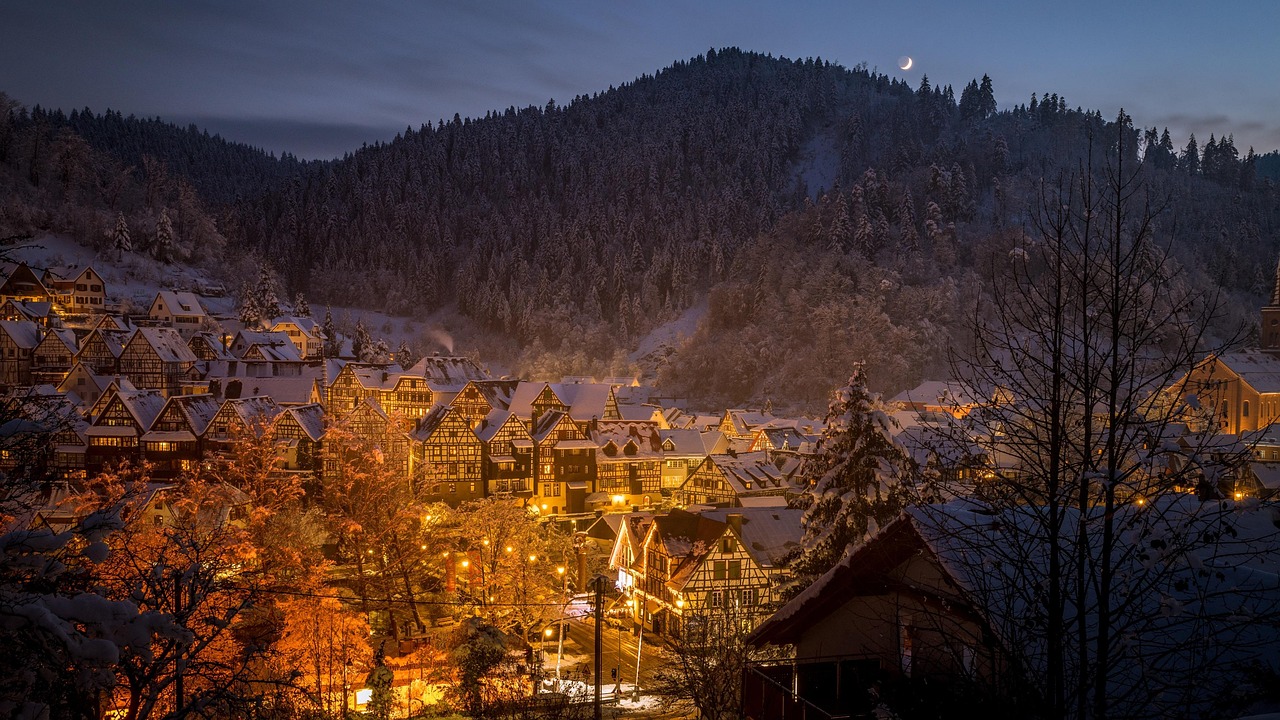
Schiltach is the Black Forest town people imagine when they close their eyes and picture “storybook Germany”: steep half-timbered houses stacked along cobbled lanes, a river curling through the valley, wooded hills rising in every direction, and church bells echoing at dusk. Yet it’s still small and quiet enough that you can wander its medieval streets and hear more birds than cars.
I’ve been coming to Schiltach for years—first as a day-tripper from Freiburg, then for long weekends, and recently for a full week to research this 2026 travel guide. Each time, I find myself slowing down: lingering a little longer on the Rathausplatz, taking one more loop along the Schiltach river, and ordering “just one more” slice of Black Forest cake.
What makes Schiltach special isn’t a single blockbuster sight, but the gentle layering of experiences:
- Perfectly preserved half-timbered architecture and one of the most photogenic town squares in the Black Forest.
- A dramatic setting at the confluence of the Schiltach and Kinzig rivers, surrounded by forested hills laced with hiking and cycling trails.
- A long history as a raft town and timber hub, with fascinating small museums that are much better than you’d expect for a village of this size.
- Easy access to nearby Black Forest highlights like Wolfach, Haslach, Triberg, and Freudenstadt, while still feeling genuinely local.
- Comforting, hearty local food in Schiltach: Schäufele, Maultaschen, Black Forest ham, and Torte—all at prices kinder than the big-name resort towns.
Whether you’re planning a 3 day itinerary for Schiltach, stretching it to 4 days in Schiltach, or settling in for a slow-paced 5 day itinerary for Schiltach, this guide will walk you through the best places to visit in Schiltach, the must-see attractions in Schiltach, and the hidden gems in Schiltach that most people miss.
Table of Contents
- Why Visit Schiltach?
- Schiltach at a Glance (2026 Overview)
- Neighborhoods & Areas of Schiltach
- Top 20 Attractions & Hidden Gems in Schiltach
- Suggested Itineraries: 3, 4 & 5 Days in Schiltach
- Local Food & Drink in Schiltach
- Nightlife, Entertainment & Cultural Experiences
- What’s New: Events & Festivals 2026–2027
- Day Trips from Schiltach
- Cultural Etiquette & Local Customs in Schiltach
- Practical Travel Tips for Schiltach
- Summary & Best Time to Visit Schiltach
Schiltach at a Glance (2026 Overview)
Schiltach sits in the middle Kinzig valley in Baden-Württemberg, in the western foothills of the Black Forest. The “skyline” here is not skyscrapers, but steep gabled roofs, a church tower, and the forested ridgeline that forms a natural backdrop to town.
- Region: Black Forest (Schwarzwald), Baden-Württemberg, Germany
- Population: Around 4,000
- Vibe: Half-timbered medieval town meets riverside outdoor base camp
- Best for: Couples, families, hikers, photographers, slow travelers
- Good trip length: 3–5 days in Schiltach (plus day trips)
Despite its size, Schiltach has a surprisingly rich set of things to do: rafting history, timber trade, small design-forward industry (Hansgrohe is headquartered here), plus classic Black Forest hiking and cycling. It’s also wonderfully walkable—once you arrive, you can explore almost everything on foot.
Neighborhoods & Areas to Explore in Schiltach
1. Altstadt (Old Town)
The Altstadt is the heart of Schiltach: tightly packed half-timbered houses clinging to a steep slope above the river. This is where you’ll spend most of your time, especially if you only have a 3 day itinerary for Schiltach.
Key features include the Rathausplatz (town hall square), narrow lanes like Kirchstraße, and multiple stairways that connect the upper and lower parts of town. The best photos I’ve taken here were early in the morning, when the rising sun hits the pastel facades.
2. Vorstadt & Riverside Promenades
Below the old town, the riverbanks of the Schiltach and Kinzig offer peaceful walks, playgrounds, and picnic spots. This area feels more residential, but it’s the place to breathe between bouts of sightseeing.
3. Industrial Heritage & Hansgrohe Quarter
On the edge of town, the Hansgrohe facilities and the associated Hansgrohe Aquademie add a modern contrast to medieval Schiltach. The architecture here is contemporary but still nestled into the valley, and the design showroom is honestly more fun than a “tap and shower museum” sounds.
4. Hillside & Forest Trails
Above the Altstadt, a network of trails leads to viewpoints, chapels, and old castle ruins. These hills define the town’s silhouette and are key to any active 4 or 5 day itinerary for Schiltach.
Top 20 Attractions & Hidden Gems in Schiltach
Below are 20 of the best places to visit in Schiltach. I’ve visited each of these at least twice over the years. For each, I’ll share what it is, why it matters, my personal experience, and some specific travel tips for Schiltach.
1. Rathausplatz & Historic Town Hall
The RathausplatzRathaus (town hall) anchoring the square, and cobblestones that have seen centuries of markets, celebrations, and gossip.
The first time I stepped into the square, it was late afternoon in early autumn. The sun was low, the shadows long, and a few locals were sitting outside with coffee and cake despite the crisp air. Bells chimed from the church above, and I remember thinking: this is almost too perfectly “Germany” to be real.
The town hall itself dates back to the 16th century, rebuilt after fires and lovingly restored. The painted facade tells part of Schiltach’s story—if you look closely, you’ll see references to the town’s coat of arms and its former allegiance to different ruling houses.
- Why go: It’s the visual centerpiece of Schiltach; perfect for photos and people-watching.
- Best time: Early morning for empty streets and soft light, or early evening when the square comes alive.
- Tip: If you’re in town during Advent, the square hosts a small but atmospheric Christmas market with local crafts and Glühwein.
2. Schiltach Altstadt Lanes & Viewpoints
Beyond the square, Schiltach’s charm lies in its verticality: narrow lanes that zigzag up the hillside, staircases squeezed between houses, and sudden openings that reveal sweeping views over rooftops and rivers.
On my second visit, I set aside an entire morning just to get lost here. I followed any staircase that looked intriguing, turned down alleys that didn’t show up on my map, and discovered tiny details—hand-carved door lintels, flower boxes overflowing with geraniums, and small religious plaques embedded in walls.
The best viewpoints are often unmarked. A favorite of mine is a small landing halfway up a staircase off Kirchstraße, where you can look straight down into the square with the forest rising behind it.
- Why go: This is where Schiltach feels most lived-in and intimate.
- Family-friendly: Kids love the “maze” of steps and alleys—just keep an eye on little ones on steeper sections.
- Tip: Wear good shoes; the cobbles can be slippery when wet, especially in autumn and winter.
3. Church of St. John the Baptist & Church Hill
Perched above the old town, the parish church (often simply called Stadtkirche) is visible from almost everywhere in Schiltach. The climb up to the church is short but steep, winding past terraced gardens and small residences.
I like to come up here just before dusk. From the low stone wall surrounding the churchyard, you get a lovely view over the town’s rooftops, the rivers, and the hills beyond. Inside, the church is relatively simple but serene—whitewashed walls, clean lines, and quiet, cool air, a contrast to the busy half-timbered facades below.
- Why go: One of the best free viewpoints in town and a peaceful break from sightseeing.
- Romantic: The churchyard at sunset is one of the most quietly romantic spots in Schiltach.
- Tip: Out of respect, avoid loud conversations during services; check the noticeboard for times.
4. Schüttesäge Museum (Historic Sawmill & Rafting Museum)
The Schüttesäge Museum is my favorite museum in Schiltach and one of the best cultural experiences in Schiltach. Housed in a historic water-powered sawmill at the confluence of the Schiltach and Kinzig, it brings the town’s timber and rafting heritage to life.
The first time I visited, I expected a quick half-hour wander. I spent nearly two hours instead, moving between the open timber-framed halls, watching the old saw mechanisms, and reading about how rafts of logs once floated down the Kinzig toward the Rhine. There’s something satisfying about hearing the creak of wood and the soft sound of water beneath the building.
- Highlights: Working waterwheels (in season), historic tools, models of timber rafts, and temporary exhibitions.
- Family-friendly: Kids usually love the moving parts and the idea of traveling by giant timber raft.
- Tip: Combine a visit here with a stroll along the riverside paths; the museum sits at a scenic bend in the river.
5. Museum am Markt (Local History Museum)
On the market square, the Museum am Markt is a compact but dense introduction to Schiltach’s past: from medieval times through its timber trade heyday to more recent industrial development.
On a rainy November afternoon, I found myself almost alone inside, slowly working through the displays. What I appreciated most was the focus on everyday life—old photographs of local families, traditional clothing, and household items that make history feel close and personal.
- Why go: Context. It deepens your appreciation for everything you see in town.
- Tip: Check opening hours in advance; like many small-town museums, they can be limited outside peak season.
6. Hansgrohe Aquademie & Showerworld
Schiltach is home to Hansgrohe, one of Germany’s best-known bathroom and water fixture brands. Their Aquademie is part design museum, part showroom, and part playful water experience.
When I first heard about it, I was skeptical: “A shower museum?” But it turned out to be unexpectedly fun. The exhibits explain water usage, design evolution, and sustainable technology. In the “Showerworld”, you can (with prior booking) actually test different shower systems—something that feels delightfully indulgent after a long hike.
- Why go: Unique industrial heritage and design experience; a modern counterpoint to the medieval town.
- Family tip: Teens and older kids often find the tech and design side engaging.
- Budget-friendly: Entry is typically free; check current conditions in 2026.
7. Ruins of Schiltach Castle (Burg Schiltach)
Above town, the modest ruins of Burg Schiltach sit on a forested knoll. There isn’t a lot of structure left—low stone walls, foundations, and a few traces of fortification—but the atmosphere is wonderful.
I’ve hiked up here in every season: on a misty spring morning when the forest smelled of wet earth, on a hot summer afternoon with cicadas buzzing, and on a crisp winter day with frost crunching underfoot. Each time, the reward was the same: a quiet clearing with partial views over the town and the valley.
- Why go: Light hike, history, and a sense of discovering something off the main tourist trail.
- Adventure-friendly: Combine with longer hikes along the surrounding ridge trails.
- Tip: Wear sturdy shoes; the path can be muddy. Bring a snack or thermos and make it a mini-picnic.
8. Schiltach Riverside Promenade & Footbridges
Two rivers meet in Schiltach, and following their banks is one of the simplest pleasures here. A network of paths and footbridges lets you wander along the water, cross from side to side, and look back at the town’s houses reflected in the current.
On one summer trip, I made it a ritual to walk the riverbanks every evening after dinner. Families were out with strollers, couples sat on benches, and children played near the water’s edge under watchful eyes. The light on the half-timbered facades just before sunset is stunning.
- Why go: Easy, flat walk; relaxing; great for photos of Schiltach’s architecture from below.
- Family-friendly: Several small playgrounds along the way; ideal for letting kids burn off energy.
- Tip: In warmer months, bring a light picnic and sit by the river; just remember to pack out all rubbish.
9. Kinzig Valley Cycle Route (Kinzigtalradweg)
The Kinzigtalradweg is a long-distance cycle route that passes right through Schiltach, following the Kinzig river valley. Even if you’re not a hardcore cyclist, it’s worth renting a bike for a half-day and riding a section toward Wolfach or Schenkenzell.
My favorite stretch is the gentle route from Schiltach to Wolfach: mostly flat, on separated paths or small roads, with views of meadows, farmhouses, and forested hills. I once did this ride on an unusually warm March day, and the first signs of spring—buds on trees, distant cowbells—felt like a quiet celebration.
- Why go: Accessible cycling in classic Black Forest scenery.
- Adventure: Great way to add some active exploration to a 3–5 day itinerary for Schiltach.
- Tip: Ask your accommodation or the tourist office about local bike rental; e-bikes are increasingly available in 2026.
10. Schiltach Forest Trails & Panoramic Hikes
The forests rising around Schiltach are part of the Black Forest’s magic. Well-marked trails fan out in all directions, offering everything from 30-minute loops to day hikes that connect with neighboring towns and ridgelines.
On one visit, I followed a circular hike recommended by my guesthouse host: up through beech and fir forest to a ridge, then back down via meadow paths dotted with farmhouses. At the highest point, there was a simple wooden bench with a sweeping view of the Kinzig valley. I sat there alone for nearly half an hour, just listening to the wind.
- Why go: Classic Black Forest hiking without the crowds of the bigger resort towns.
- Best seasons: Late spring through autumn; winter can be beautiful but trails may be icy.
- Tip: Pick up a local hiking map from the tourist office; look for routes marked by the Schwarzwaldverein.
11. Schiltach Market Days & Seasonal Fairs
Schiltach doesn’t have a daily market, but when market days or seasonal fairs roll around, the town square fills with stalls selling regional cheeses, sausages, honey, handicrafts, and plants.
During one autumn farmers’ market, I tasted my way through half the stalls: smoked Black Forest ham, fresh bread, local apples, and a stand selling still-warm Flammkuchen. Conversations with the vendors, many from nearby villages, gave me a deeper sense of the region’s rhythms and pride.
- Why go: Taste local products and see Schiltach at its most communal.
- Tip: Ask at the tourist office or check the town website for 2026–2027 market dates during your stay.
12. Traditional Guesthouses & Timber-Framed Inns
Some of Schiltach’s most atmospheric “sights” are places you can actually stay in. Several guesthouses occupy centuries-old timber-framed buildings with creaky floors, low ceilings, and window views that look straight onto the town’s rooftops or the river.
I once spent four nights in a small room under the eaves of such a house. Every morning, I woke up to the sound of church bells and the faint smell of bread from the bakery down the street. It felt less like being in a hotel and more like temporarily inhabiting Schiltach’s history.
- Why go: Accommodation as cultural experience; deep dive into the town’s architectural character.
- Tip: Book early for summer and Advent weekends; these places are small and fill quickly.
13. Local Bakeries & Conditorei Culture
In Germany, bakeries and pastry shops are community hubs, and Schiltach is no exception. The smell of fresh bread and gâteau often drifts down the lanes from early morning.
On a chilly February morning, I ducked into a small bakery-café, cheeks red from the cold, and ordered a simple breakfast: fresh Brötchen with jam and cheese, and a strong coffee. Later that afternoon, I returned for a slice of Schwarzwälder Kirschtorte (Black Forest cake). Dense chocolate, real cream, sour cherries, and a hint of Kirsch—it was one of the best I’ve had in the region.
- Why go: Taste quintessential local food in Schiltach and join the daily rhythm of town life.
- Money-saving: Bakery breakfasts are cheaper than hotel buffets and often more charming.
14. Schiltach’s Wooden Bridges & River Crossings
Several small bridges span Schiltach’s rivers, including charming wooden footbridges that feel straight out of a children’s storybook. They’re perfect spots for pausing, looking back at the town, and taking photos of the reflections in the water.
One rainy day, I watched as a light mist rose from the river while people with umbrellas crossed back and forth. The scene, with the timber houses above and the soft drum of rain on wood, is etched in my memory.
- Why go: Simple, atmospheric photo opportunities and quiet contemplative moments.
- Tip: Evening walks over the bridges offer lovely views of lit-up facades in winter.
15. Small Chapels & Wayside Shrines
On the edges of town and along nearby trails, you’ll come across tiny chapels and wayside shrines. They’re easily overlooked but give a quiet insight into the region’s spiritual history.
On one hike, I stumbled upon a small whitewashed chapel with a bench outside, perfectly placed to catch the afternoon sun. Inside, simple wooden pews and a faded painting created an atmosphere of modest devotion. I sat outside for a while, listening to the wind in the trees and distant cowbells.
- Why go: Small but meaningful cultural details that many tourists miss.
- Tip: Be respectful: keep voices low, and don’t treat these as “props” for loud photoshoots.
16. Local Breweries & Rustic Pubs
While Schiltach itself is small, the wider Kinzig valley has a proud beer tradition, and you’ll find local brews on tap in town. Several rustic pubs and Gasthäuser serve regional beers alongside hearty Black Forest dishes.
One rainy evening, I ducked into a wood-paneled pub where the regulars were already settled at the Stammtisch (the local table). I ordered a local Märzen and a plate of Bratwurst with sauerkraut. The beer was malty and comforting, the conversation around me a low, warm murmur in Swabian dialect.
- Why go: Authentic nightlife in Schiltach—more about conversation and coziness than loud music.
- Tip: If you sit at a table with a “Stammtisch” sign, be aware that it’s reserved for regulars; ask the staff where to sit.
17. River Swimming & Paddling Spots (Summer)
In summer, sections of the river near Schiltach become informal swimming and paddling spots. Don’t expect a full-blown lido; think more along the lines of locals wading in, kids splashing near the edge, and people sunbathing on grassy banks.
On a hot July day, I followed some local teenagers down a path to a shallow stretch of river. I rolled up my trousers and waded in—the water was cold but wonderfully refreshing after a morning hike.
- Why go: Simple summer pleasure; a great break for families.
- Tip: Always check the current and depth, and obey any posted signs. River swimming is at your own risk.
18. Evening Illumination of the Old Town
After dark, the old town takes on a different character. Soft, warm lighting highlights the half-timbered facades, and the streets grow quiet. In winter, with a light dusting of snow, it feels almost like a movie set.
One December evening, I walked the entire loop from the square to the church, down to the river, and back across the bridges. I think I encountered fewer than ten people in an hour. The reflections in the river and the glow from windows created a cozy, almost timeless scene.
- Why go: Romantic stroll and an essential part of experiencing Schiltach’s atmosphere.
- Tip: Bring a tripod if you’re into night photography; the low light can be tricky otherwise.
19. Local Craft Shops & Woodworking Traditions
Schiltach’s timber heritage continues in small woodworking shops and craft stores. You’ll find carved items, kitchen boards, toys, and tasteful souvenirs that feel far removed from mass-produced plastic trinkets.
On one visit, I spent half an hour chatting with a woodworker about the different local woods he uses. I left with a small, beautifully made cutting board that now sits in my kitchen—a daily reminder of Schiltach.
- Why go: Support local artisans and bring home meaningful souvenirs.
- Tip: Ask if items are made locally; many shopkeepers are happy to explain the origin.
20. Seasonal Events & Festivals in Schiltach
Schiltach’s calendar includes small but lively events: local music performances, church festivals, an Advent market, and occasional open-air concerts on the square or by the river. In 2026, there’s a particular focus on sustainable tourism and regional culture, with thematic weekends planned in summer and autumn.
On a summer evening festival during one of my stays, the square filled with long tables, live folk music, and locals of all ages. I ended up sharing a bench with a family from a neighboring village and spent half the night listening to stories about the valley’s past.
- Why go: See Schiltach at its most festive and connected.
- Tip: Check the 2026–2027 event schedule at the tourist office on arrival; dates shift slightly each year.
Suggested Itineraries: 3, 4 & 5 Days in Schiltach
Below are flexible itineraries you can adapt. Each blends must-see attractions in Schiltach, hidden gems, and authentic cultural experiences in Schiltach, based on how I’ve actually structured my own trips here.
3 Day Itinerary for Schiltach
If you only have 3 days in Schiltach, focus on the old town, riverside, and one deeper dive into history or hiking.
Day 1: Old Town Immersion
Arrive by train or car and settle into your guesthouse. I like to drop my bags and head straight for the Rathausplatz to get my bearings.
- Morning: Slow wander through the Altstadt, exploring side lanes and climbing up to the church hill for views.
- Lunch: Simple meal at a traditional Gasthaus—try Maultaschen or Bratwurst.
- Afternoon: Visit the Museum am Markt and then follow the stairways and alleys behind it to quiet upper streets.
- Evening: Dinner on or near the square, followed by an evening illumination stroll through the old town and across the bridges.
Day 2: Rivers, Timber & Industrial Heritage
This day is about understanding Schiltach’s relationship with water and wood.
- Morning: Walk to the Schüttesäge Museum. Take your time exploring inside and along the riverbank.
- Lunch: Picnic by the river (pick up supplies from a bakery and small supermarket).
- Afternoon: Visit the Hansgrohe Aquademie. If you’ve booked ahead, enjoy the Showerworld experience; otherwise, focus on the design and sustainability exhibits.
- Evening: Dinner at a rustic pub with local beer; try Schäufele or a seasonal special.
Day 3: Forest Trails & Panoramic Views
Your last day is for the hills around town.
- Morning: Choose a circular hike to the castle ruins and beyond. Pack water and a snack.
- Lunch: Back in town—refuel at a café with soup or salad and a slice of Black Forest cake.
- Afternoon: Relaxing walk along the riverside promenades; if it’s hot, dip your feet in the water at a shallow spot.
- Evening: Final stroll through the old town and a quiet farewell drink at a bar or café.
4 Day Itinerary for Schiltach
With 4 days in Schiltach, you can add more depth—a longer hike or a bike ride in the Kinzig valley.
Day 1: As Above – Old Town Orientation
Follow Day 1 of the 3-day itinerary.
Day 2: Rivers & Museums
Follow Day 2 of the 3-day itinerary, but consider adding:
- An extra hour at the Schüttesäge to walk a short riverside loop.
- A detour to a nearby wayside chapel on your way back into town.
Day 3: Kinzig Valley Cycling Adventure
Rent bikes and follow a section of the Kinzigtalradweg toward Wolfach or Schenkenzell.
- Morning: Cycle out of Schiltach along the river, stopping at viewpoints and small villages.
- Lunch: In a neighboring town—look for a Gasthaus with a terrace.
- Afternoon: Cycle back at an easy pace. Stop to watch the river and snap photos of meadows and farmhouses.
- Evening: Relaxed dinner back in Schiltach; you’ll sleep well after the ride.
Day 4: Forest Hike & Hidden Corners
Use this day for a longer hike or to revisit your favorite spots at a slower pace.
- Morning: Longer forest hike to a panoramic viewpoint above town. Bring a light picnic.
- Afternoon: Explore remaining hidden lanes in the Altstadt or browse local craft shops.
- Evening: Final evening walk at dusk and farewell drink at a pub or wine bar.
5 Day Itinerary for Schiltach
A 5 day itinerary for Schiltach lets you combine all of the above with a full day trip, turning the town into your Black Forest base.
Days 1–3: Core Schiltach Experiences
Follow the 3-day itinerary for Days 1–3, taking your time and adjusting based on weather.
Day 4: Full-Day Trip (Triberg or Freudenstadt)
Use Schiltach as a base for a day trip (see Day Trips below):
- Triberg: Waterfalls, cuckoo clocks, and forest walks. Great if you want a “classic” Black Forest day.
- Freudenstadt: Large market square, shopping, and cafes; a pleasant contrast to small-town Schiltach.
Day 5: Free Day, Spa, or Second Short Trip
Keep your last day flexible:
- Return to a favorite hike or riverside spot.
- Book a spa afternoon in a nearby town (many Black Forest towns have thermal facilities).
- Take a short train ride to Wolfach or Haslach for a half-day wander.
Having 5 days in Schiltach allows you to slip into the town’s rhythm rather than racing through checklists.
Local Food & Drink in Schiltach
The local food in Schiltach is hearty, comforting, and rooted in the Black Forest’s traditions. Portions tend to be generous, prices moderate compared to larger cities, and the atmosphere relaxed.
What to Eat in Schiltach
- Schwarzwälder Kirschtorte (Black Forest Cake): Layers of chocolate sponge, cherries, cream, and Kirsch. Best enjoyed mid-afternoon with coffee.
- Schwarzwälder Schinken (Black Forest Ham): Smoky, thinly sliced, often served with bread and pickles.
- Maultaschen: Swabian stuffed pasta, sometimes called “German ravioli”, served in broth or pan-fried with onions.
- Bratwurst & Sausages: You’ll find regional varieties on many menus.
- Rostbraten & Schäufele: Roast beef or shoulder, often with spätzle and rich gravy.
- Flammkuchen: Thin, crisp flatbread topped with crème fraîche, onions, and bacon; great for sharing.
Where to Eat & Drink (General Types)
Because specific restaurant names and ownership can change by 2026, focus on these types of places, which Schiltach reliably offers:
- Traditional Gasthäuser: Wood-paneled interiors, handwritten menus, local beers.
- Cafés & Conditoreien: Cakes, pastries, coffee, light lunches; usually along or just off the main square.
- Riverside Spots: A few casual places near the water, especially lively in summer.
- Bakeries: Ideal for budget-friendly breakfasts and picnic supplies.
Money-Saving Food Tips
- Breakfast: Skip hotel buffets and grab fresh rolls and coffee from a bakery.
- Lunch: Opt for the Tagesteller (daily special) at Gasthäuser—it’s often cheaper.
- Picnics: Markets and small supermarkets let you assemble riverside picnics for a fraction of restaurant prices.
- Tap Water: Safe to drink; asking for tap water in restaurants is increasingly accepted but not always standard. If the staff hesitates, don’t push.
Nightlife, Entertainment & Cultural Experiences in Schiltach
Schiltach’s nightlife is low-key. Think cozy pubs, candlelit dinners, and evening walks rather than clubs or big concerts.
Evening & Nightlife Options
- Rustic Pubs: Enjoy a regional beer or glass of wine, chat with locals, and sample bar snacks.
- Restaurant Dinners: Many kitchens close around 9–9:30 pm, so plan to eat a bit earlier than in Mediterranean countries.
- Seasonal Events: Open-air concerts, small festivals, and Advent markets (see below).
- Starlit Walks: My favorite “nightlife” in Schiltach is simply walking the old town after dark.
Cultural Experiences
- Museums: Schüttesäge and Museum am Markt offer deep dives into local history and crafts.
- Local Music: Brass bands, choirs, and folk ensembles often perform at festivals and church events.
- Church Services: Attending a Sunday service (quietly, as an observer) can be a meaningful cultural window, even if you don’t speak German.
Events, Festivals & What’s New in 2026–2027
While exact dates can shift year to year, here are typical events and trends to look out for in 2026–2027:
- Spring 2026: Local Easter markets and church concerts; hiking season gradually opens up from April onward.
- Summer 2026: Outdoor music evenings on the square or by the river; family-friendly events focusing on nature and regional products.
- Autumn 2026: Harvest and farmers’ markets, wine and game-season menus in local restaurants.
- Advent & Christmas 2026: Small Advent market on the Rathausplatz, with crafts, food stalls, and Glühwein.
- 2027 Trends: Continued emphasis on sustainable tourism: marked eco-friendly hiking routes, regional food partnerships, and cultural weekends focused on timber and rafting heritage.
For exact 2026–2027 dates, check the official Schiltach website or visit the tourist office on arrival—they’ll have brochures and up-to-date calendars.
Day Trips from Schiltach
One of Schiltach’s strengths is its position: you can reach several classic Black Forest destinations as easy day trips.
Triberg
Why go: Famous waterfalls, cuckoo clocks, and forest walks.
- Getting there: Train via Offenburg/Wolfach or regional bus combinations; check current 2026 timetables.
- What to do: Visit the waterfalls, stroll the town center, shop for clocks (or just admire them), and hike one of the marked forest trails.
Freudenstadt
Why go: Large market square, shopping, and varied dining.
- Getting there: Regional train via Alpirsbach or bus/train combos.
- What to do: Explore the enormous arcaded square, visit churches and small museums, and enjoy café-hopping.
Wolfach & Haslach
Why go: More half-timbered towns with their own character, glassworks in Wolfach, and markets in Haslach.
- Getting there: Direct regional trains along the Kinzig valley.
- What to do: Half-day wanders through historic centers, glass or craft visits, and riverside walks.
Black Forest Scenic Drives & Rides
If you have a car, use Schiltach as a base for circular drives through the Black Forest’s smaller roads, stopping at viewpoints, lakes, and farm cafés. Without a car, many of these are still reachable via a combination of local trains and buses using regional day tickets.
Cultural Etiquette & Local Customs in Schiltach
Understanding local customs in Schiltach helps you blend in and build friendly connections.
Greetings & Politeness
- Use “Guten Tag” (good day) or “Hallo” when entering shops or cafés; say “Tschüss” when leaving.
- A simple “Danke” (thank you) and “Bitte” (please/you’re welcome) go a long way.
- Locals may be a bit reserved at first but are generally helpful if approached politely.
Dining Etiquette
- Wait to be seated in restaurants unless it’s clearly self-service.
- It’s common to pay at the table; say “Zahlen, bitte” when you’re ready.
- Service is included, but rounding up or leaving 5–10% tip in cash is appreciated.
Quiet Hours & Sundays
- Residential areas observe quiet hours, especially at night; avoid loud conversations outdoors late.
- Many shops are closed on Sundays; cafés and restaurants often remain open.
Nature & Trails
- Stay on marked paths to protect forest and meadow ecosystems.
- Carry out your rubbish; use designated bins in town and at trailheads.
- Respect private property; many meadows and farm roads are not open for free roaming.
Practical Travel Advice for Schiltach (2026)
How to Get to Schiltach
- By Train: Regular regional trains connect Schiltach with Offenburg, Freudenstadt, and other Black Forest towns. From major hubs like Stuttgart or Freiburg, you’ll typically change trains once or twice.
- By Car: Good road connections via B294 and other regional roads; parking is available on the edges of the old town.
- By Air: Nearest major airports: Stuttgart, Baden-Baden/Karlsruhe, Basel-Mulhouse-Freiburg. Combine with train or rental car.
Getting Around Schiltach
- On Foot: The old town and riverside are easily walkable; expect some steep streets and stairs.
- Public Transport: Regional trains and buses connect to nearby towns; check current 2026 timetables and consider a regional day pass.
- Car Rental: Useful if you plan multiple day trips or want to explore smaller roads; parking near the center is usually manageable but can be tight during events.
- Cycling: Great for exploring valley routes like the Kinzig; e-bikes increasingly available.
SIM Cards & Connectivity
- SIM Options: In 2026, eSIMs and prepaid physical SIMs from major German carriers are easy to obtain in larger towns and cities; Schiltach itself may have limited options, so consider arranging this before arrival.
- Coverage: Generally good in town and valley; some forested or high areas may have patchy data.
- Wi-Fi: Available in most hotels, guesthouses, and many cafés.
Money, Costs & Saving Tips
- Currency: Euro (€).
- Cards: Debit and credit cards widely accepted; some small places still prefer cash.
- Budget Tips: Use bakeries and supermarkets for some meals; take advantage of regional train/bus day tickets; choose guesthouses over upscale hotels.
Visa Requirements & Entry
- Schiltach is in Germany, part of the Schengen Area. Visa requirements depend on your nationality.
- Many visitors from the EU, UK, US, Canada, Australia, and some other countries can enter visa-free for short stays; always check the latest official information before travel.
Driving & Foreign Licences
- Visitors from the EU/EEA can generally drive with their home licence.
- Many non-EU visitors can drive with their licence plus an International Driving Permit (IDP). Check current German regulations for 2026.
- Roads around Schiltach can be narrow, winding, and steep; drive carefully, especially in winter.
Best Seasons for Different Activities
- Spring (April–June): Ideal for hiking and cycling; blooming forests and milder temperatures.
- Summer (July–August): Warmest weather, riverside lounging, outdoor events; also the busiest time.
- Autumn (September–October): Beautiful foliage, harvest festivals, quieter trails.
- Winter (November–March): Quiet, atmospheric old town; possible snow; Christmas market and Advent events. Some trails can be icy or snowy.
Hidden Tips from Repeated Visits
- Arrive with cash: Not everywhere takes cards, especially smaller, older establishments.
- Ask locals for trail ideas: Guesthouse owners and café staff often suggest lesser-known loops that don’t show up in guidebooks.
- Photograph early and late: The old town is most photogenic in the first and last hours of daylight.
- Stay at least 3 nights: To really feel the rhythm of Schiltach, think in terms of days, not hours.
Summary & Final Recommendations
Schiltach is one of those places that doesn’t try to impress you with spectacle; it wins you over slowly—with the angle of sunlight on half-timbered facades, the sound of the river, the warmth of a Gasthaus after a chilly hike, and the feeling of walking the same cobbles generations have walked before.
For most travelers, a 3 day itinerary for Schiltach is enough to cover the core things to do in Schiltach: the old town, riverside, key museums, and a short hike. If you’re drawn to slow travel, hiking, or photography, 4 days in Schiltach or even a full 5 days in Schiltach make sense, especially when combined with nearby Black Forest day trips.
In terms of timing, the best time to visit Schiltach depends on what you’re after:
- For hiking & cycling: Late spring and early autumn.
- For riverside relaxation & long evenings: Summer.
- For cozy, romantic atmosphere & Christmas markets: Advent and winter.
However you structure your stay, let Schiltach set the pace. Wander the lanes without a plan, sit by the river a little longer than you intended, and say yes to that extra slice of cake. That’s where the town really reveals itself.