Why Visit Schrammsteine?
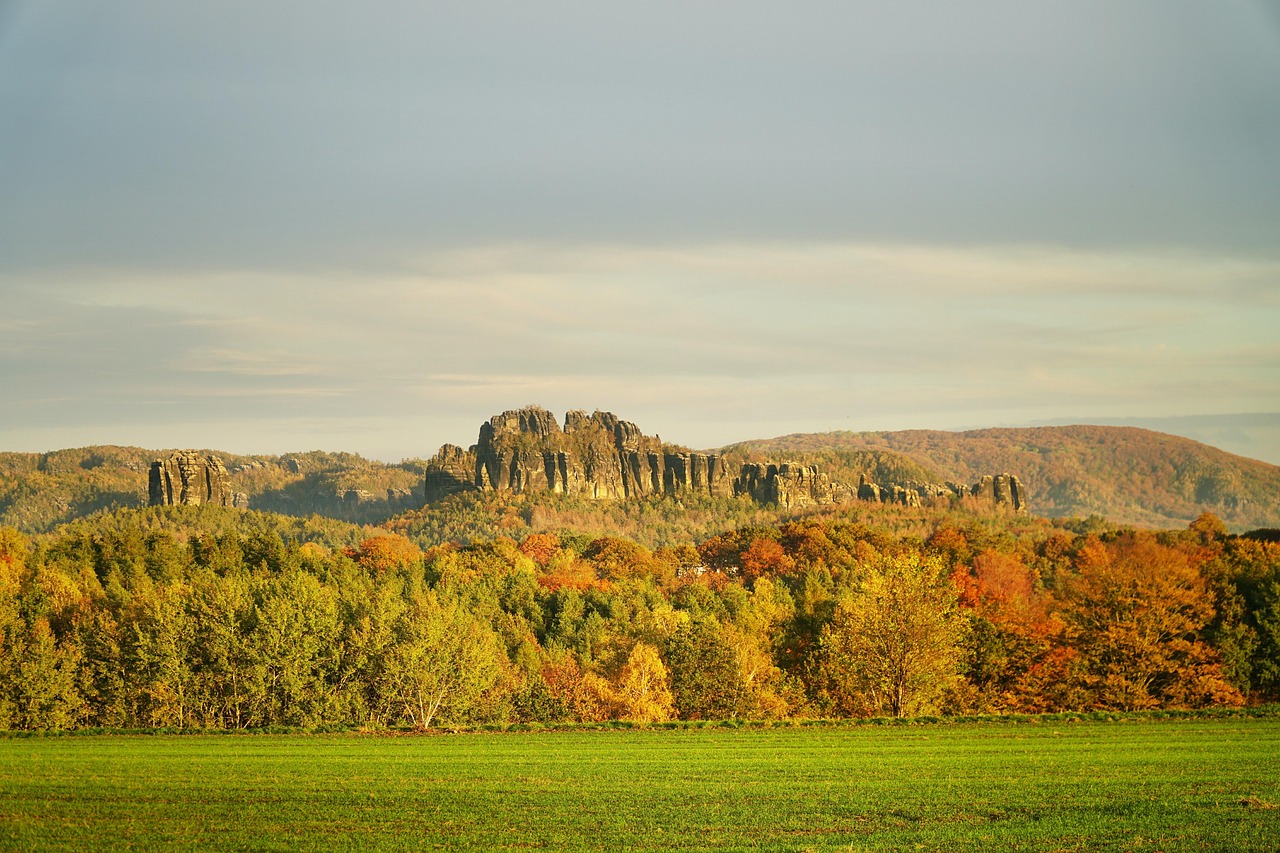
Every time I return to the Schrammsteine massif, I’m struck by the same thought: this is what fantasy illustrators try to paint when they imagine a rugged, mist-draped kingdom of rock. Schrammsteine—part of Saxon Switzerland National Park in eastern Germany—looks unreal, like a storm of sandstone frozen mid-crash above the Elbe River. Sheer stone towers, crooked spires, iron staircases bolted into cliffs, and narrow crevices you squeeze through sideways: it’s a landscape that demands to be walked, climbed, and felt, not just photographed.
Locals in Bad Schandau roll their eyes a little when outsiders say they’re “doing Saxon Switzerland” in a day, because the area is a web of gorges and plateaus. But the Schrammsteine ridge is the beating heart of it all. It offers some of the best views in the entire national park, and—if you know how to plan it—remarkably quiet corners even in high summer.
I’ve hiked Schrammsteine in every season since 2016, including several long weekends in 2024 and 2025 to research routes, crowd patterns, and new regulations. In 2026, with travel back at full strength and the park tightening rules to protect the fragile sandstone, it’s more important than ever to arrive prepared: know your paths, bring the right shoes, and understand that this is a natural playground, not a theme park with guardrails at every step.
Whether you’re looking for a 1 day itinerary for Schrammsteine, a leisurely 2 day itinerary for Schrammsteine, or a rewarding 3 day itinerary for Schrammsteine, this guide will walk you through exactly how to do it—where to go, what to eat, how to avoid the worst crowds, and how to be a respectful guest in this fragile, beloved landscape.
Schrammsteine in Context: What You’re Actually Visiting
Schrammsteine is not a single peak but a jagged chain of sandstone towers and ridges running roughly east–west along the south side of the Elbe, just above Bad Schandau. When people search for “things to do in Schrammsteine” or “must-see attractions in Schrammsteine,” they’re usually talking about:
- The main ascent from Schrammsteinbaude (the forest restaurant and trailhead above Ostrau)
- The iron staircases and ladders that climb to the ridge
- Iconic viewpoints like Schrammsteinaussicht, Breite Kluft, and Heilige Stiege approaches
- Adjacent rock groups like Falkenstein and the Affensteine
In practical terms, you’ll spend most of your time on well-marked hiking trails (often rocky and steep), metal stairways, and narrow ridge paths. There are no cable cars or chairlifts here—just your legs and a good pair of shoes. You can combine Schrammsteine with nearby highlights like Kuhstall (a massive rock arch), the whimsical Kirnitzschtalbahn tram, or a sunset stroll along the Elbe.
Unlike some heavily regulated national parks, access to Schrammsteine is free. There are no turnstiles or “Schrammsteine tickets” to buy, but there are rules: stick to marked paths, no wild camping, and an increasing number of seasonal closures to protect nesting birds and eroding rock. More on that in the logistics section.
1–3 Day Itineraries for Schrammsteine (with Personal Stories)
This section is for planners: if you’re wondering how to visit Schrammsteine efficiently, these itineraries distill years of repeat visits into three flexible days. They’re built around realistic hiking times, actual opening hours, and the way light moves across the rocks.
Day 1: Classic Schrammsteinaussicht – The Essential Ridge Experience
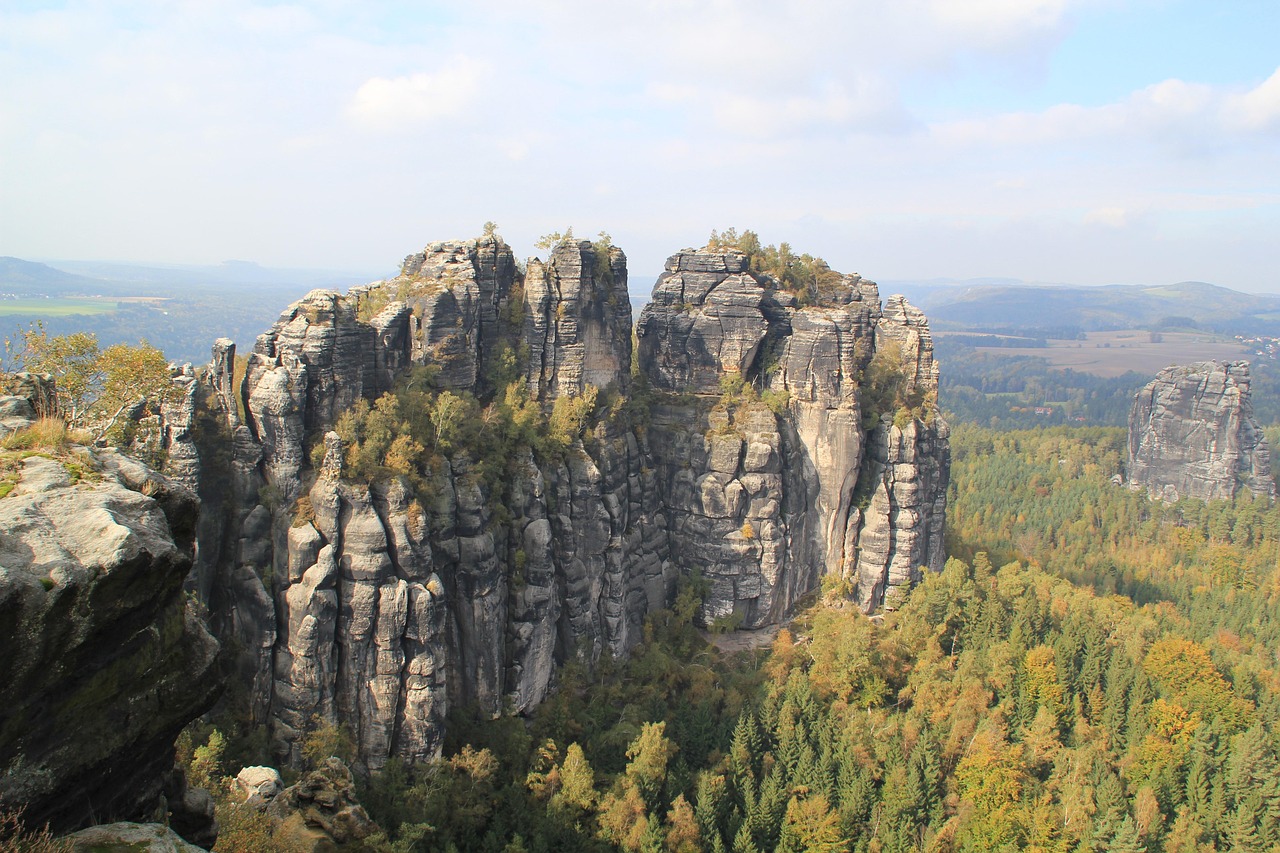
If you only have 1 day in Schrammsteine, this is the route I insist friends do. It’s the classic loop: steep forest, iron staircases, an airy ridge walk, and the postcard-perfect view from Schrammsteinaussicht itself.
Morning: Bad Schandau to Schrammsteinbaude – Easing into the Day
I usually start from Bad Schandau, where I tend to stay. In 2025 I spent a week based near the river, and my Day 1 ritual hasn’t changed much:
- Wake around 7:00, grab a simple breakfast (Brötchen, cheese, coffee) at your guesthouse or a bakery like Bäckerei Schurz.
- Walk or bus up to the village of Ostrau (local buses run this route; check the RVSOE app for current times).
- From Ostrau, follow signs to Schrammsteinbaude, a forest inn that marks the main western approach to the massif.
The stroll from Ostrau introduces the characteristic sandstone cliffs peeking through the trees. On misty mornings, the rock towers appear and disappear like ships. I like to start between 8:30 and 9:00 to reach the ridge before the late-morning rush from day-trippers.
The Main Approach: Forest Trails to Iron Ladders
From Schrammsteinbaude, the route is clearly marked with colored stripes and signposts. The first hour is a steady climb through mixed forest—roots, rock steps, and occasional glimpses of the cliffs above. This is a good time to settle into a rhythm and test your layers: it’s often cooler in the shade than you expect, even in summer.
Eventually, the trail steepens and begins to wrap around the base of the rock walls. You’ll encounter your first iron staircases—narrow but solid, bolted into the stone. This is where people with a serious fear of heights might reconsider, although most find it exhilarating rather than terrifying. I still remember my first ascent here in 2017: palms slightly sweaty, heart racing, but unable to stop grinning at the view unfolding behind me each time I turned around.
Schrammsteinaussicht: The Iconic Viewpoint
After about 1.5–2 hours from Schrammsteinbaude (depending on your pace and photo stops), you’ll reach the signed spur trail to Schrammsteinaussicht. Don’t skip it; this is one of the best places to visit in Schrammsteine.
The viewpoint itself is a fenced rocky promontory reached by more stairs and a narrow passage. On one side, the Elbe River curves lazily through the valley, with the town of Schmilka faintly visible upstream. On the other, the serrated line of the Schrammsteine towers march toward the horizon, backed by the darker bulk of the Bohemian hills.
I like to linger here at least 30–40 minutes. In autumn 2024, I arrived around 10:30 and watched low fog burning away from the Kirnitzsch valley, revealing the rock towers like stage sets. If you’re into photography, this is a dream location: bring a mid-range zoom for compressing the layers of rock and forest, and a wider lens for the “I was here” shot that will make everyone ask, “Where is that?”
Midday: Ridge Walk – Breite Kluft and Beyond
After Schrammsteinaussicht, continue along the ridge trail. This section is the essence of Schrammsteine: narrow paths along the crest, sometimes with handrails, sometimes just rock underfoot and a drop on one side. It’s not a via ferrata, but you do need to watch your footing, especially in wet or icy conditions.
You’ll pass viewpoints like Breite Kluft, where a deep cleft splits the ridge, and a series of smaller platforms with wooden benches—perfect for a picnic. This is where I like to break out the lunch I’ve packed: thick slices of local bread, smoked cheese, apples, and a thermos of tea if it’s cold. There are no food stalls up here, so bring everything you need, and pack out all trash.
Plan approximately 2 hours for the ridge section if you stop often for photos and short rests. With kids who are confident hikers (10+), this can be a highlight of a family trip, but keep them close at the exposed sections. For couples, the quieter viewpoints just off the main path can feel surprisingly intimate, especially on weekdays.
Afternoon Descent: Schießgrund or Alternative Routes
At the eastern end of the main ridge, you’ll see signposts for several descent options. A popular one is via the Schießgrund, a rocky valley that leads down toward the Kirnitzsch valley road and tram line. Another option is to loop toward the Heilige Stiege (“Holy Stair”)—a steep, iron-ladder staircase descending through a narrow chimney—but this can be physically demanding and is not ideal for anyone uncomfortable with heights.
In 2023, I descended via Schießgrund on a drizzly afternoon. The wet sandstone gleamed orange and ochre under the mossy pines, and the sound of water trickling over rock accompanied us most of the way down. It took about 1.5 hours from the ridge to the Kirnitzschtal road, at a relaxed pace with plenty of photo stops.
Late Afternoon: Kirnitzschtalbahn & Back to Bad Schandau
Reaching the Kirnitzschtal road, you’re just steps from one of my favorite pieces of local heritage: the Kirnitzschtalbahn, a historic tram that runs along the valley from Bad Schandau to the Lichtenhainer Wasserfall.
Catching this tram back toward Bad Schandau is both practical and charming. The ride takes about 30 minutes, and in summer, sunlight flickers through the trees as you rattle past trailheads and guesthouses. Kids love it; so do train enthusiasts and anyone with a soft spot for old-world transport.
Evening: Riverfront Dinner & Elbe Stroll
Back in Bad Schandau by 17:00–18:00, you’ll be ready for a hearty meal. I often gravitate to places slightly away from the busiest squares:
- Elbhotel’s Restaurant – Classic Saxon dishes with river views; try the Sauerbraten (marinated roast) or trout from local streams.
- Café & Restaurant Tillmann’s – More contemporary plates; good vegetarian options and local wines.
Walk off dinner with a slow stroll along the Elbe promenade. On clear evenings, the light fades behind the dark silhouette of the Schrammsteine ridge you just walked across—a perfect visual bookend to your 1 day itinerary for Schrammsteine.
Day 2: Falkenstein, Affensteine & Wild Canyon Loops
If you have 2 days in Schrammsteine, your 2 day itinerary for Schrammsteine should use Day 2 to go a bit deeper—literally and figuratively. This day is about exploring adjacent rock groups that feel wilder and less linear than the main ridge.
Morning: Falkenstein – The Climbers’ Cathedral
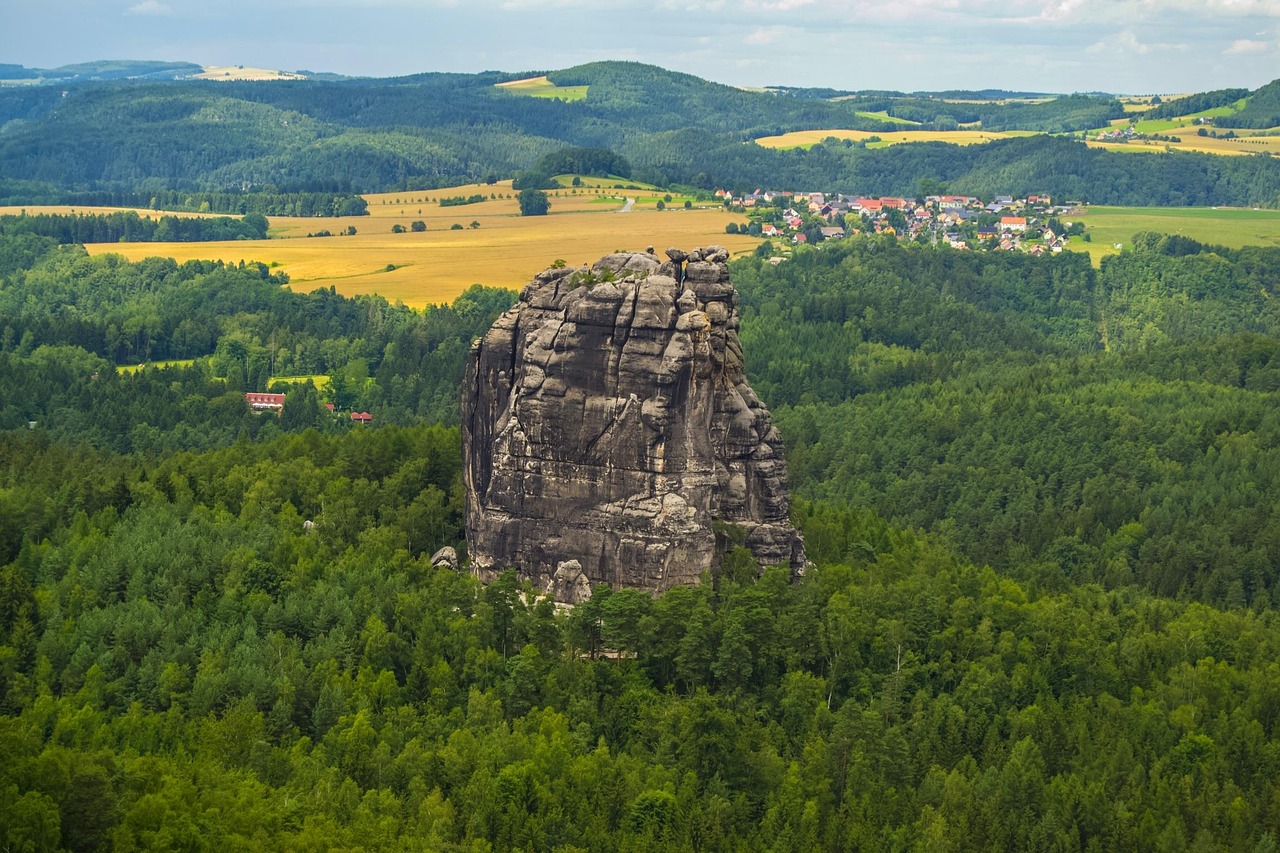
Start again from the Ostrau/Schrammsteinbaude area, but this time angle toward Falkenstein. This freestanding rock tower has been a magnet for climbers since the 19th century. Historically, it’s one of the birthplaces of modern free climbing, with strict local ethics: no metal protection, no chalk, no bolted ladders, just knotted ropes and sand in your shoes.
As a hiker, you can’t climb Falkenstein without proper training and gear (and you shouldn’t try), but you can circle its base on narrow trails that occasionally open onto stunning viewpoints.
In June 2024, I spent a misty morning here watching climbers inch their way up classic routes. It’s a humbling sight: specks of color against the vertical sandstone, moving slowly and deliberately. Bring binoculars if you’re curious about the climbing scene; it’s a cultural experience in its own right.
Midday: Across to the Affensteine
From Falkenstein, a network of trails leads southeast toward the Affensteine, another dramatic rock group overlooking the Kirnitzsch valley. The name literally means “monkey stones,” and the cliffs do have a slightly mischievous air, with overhangs and hidden clefts.
This crossing takes about 2–3 hours with moderate ups and downs. You’ll walk through quiet beech forest, pass occasional waymarkers carved into the rock, and emerge at viewpoints like Carolafelsen, which offers panoramas rivaling Schrammsteinaussicht but tends to be less crowded.
Here, you really feel the scale of the region: ridges upon ridges, the Elbe valley in the distance, and tiny red roofs of hamlets tucked between hills. On a clear day in autumn 2025, I could see all the way to the table mountains on the Czech border, their flat tops catching the afternoon light.
Idagrotte & the Hidden Corners of Affensteine
One of the more atmospheric spots in the Affensteine is the Idagrotte, a large cave-like overhang that has long attracted hikers and climbers. To reach it, follow marked trails (routes and access can change seasonally; always respect closures).
The Idagrotte feels like a natural cathedral: a high, dark vault of rock, with patches of light filtering in. It’s a great place to pause and appreciate the geology up close. You can trace layers of sandstone with your fingers, feel how soft and granular it is, and understand why the national park is so strict about erosion and off-trail walking.
Bring a small headlamp if you like poking into corners (within marked areas). In summer, this is a cool, shady retreat in the heat of the day.
Afternoon: Descent to Kirnitzschtal & Café Stop
From the Affensteine, choose a descent route toward the Kirnitzschtal. There are several options; I often time my descent to land near one of the valley guesthouses or café stops:
- Gaststätte Lichtenhainer Wasserfall – Near the end of the tram line; decent cakes and coffee; touristy but convenient.
- Beuthenfall area – A quieter stretch of the valley with smaller guesthouses.
In September 2024, after a long loop through the Affensteine, I reached the valley just as a drizzle started. I ducked into a café, ordered a huge slice of Eierschecke (a local layered cake) and a pot of tea, and watched hikers appear out of the woods, shaking water off their jackets like dogs.
Evening: Spa Time in Bad Schandau
After two big hiking days, your legs will be complaining. If you’re staying in Bad Schandau, reward them at the Toskana Therme, the town’s modern spa complex. Float in warm saltwater pools, watch clouds drift by through huge windows, and if you time it right, catch one of the “liquid sound” sessions (music and colored lights underwater).
It’s a different kind of cultural experience in Schrammsteine: locals here take their sauna and spa time seriously. Follow etiquette (sit on a towel in the saunas, stay quiet in the rest areas) and you’ll blend in just fine.
Day 3: Quiet Corners, Kuhstall & River Perspectives
With 3 days in Schrammsteine, your 3 day itinerary for Schrammsteine can slow down. Day 3 is about gentler walks, family-friendly attractions, and different vantage points on the same landscape.
Morning: Kuhstall & the Himmelsleiter – A Natural Arch with a Story
Start from the Kirnitzschtal again, this time aiming for the Kuhstall, one of the largest natural rock arches in Germany. Historically, it’s said to have sheltered cattle (hence the name) during wartime raids. Today, it’s a popular family hike, accessible via a well-maintained trail from the Lichtenhainer Wasserfall tram stop.
The walk up takes about 45–60 minutes at a steady pace. It’s steep in places but not technically difficult, making it perfect for families with school-age kids. At the top, the huge arch opens onto sweeping views of the valley.
Don’t miss the Himmelsleiter (“stairway to heaven”), a narrow staircase carved into a crack in the rock, leading to a higher viewpoint above the arch. It’s a fun, slightly thrilling squeeze, but short; most people with mild claustrophobia manage it fine.
Midday: Forest Picnic & Short Loops
There’s a small mountain inn near Kuhstall where you can get simple meals (sausages, soups, beer). Personally, I prefer to bring a picnic and find a quieter rock ledge slightly off the main flow of traffic (always within marked areas). In 2025, I spent a long lunch break here watching clouds dapple the forest with light.
If you’re feeling energetic, you can add short loops to nearby viewpoints like Waitzdorfer Höhe or meander through forest trails that connect to the wider Schrammsteine network. These are less dramatic than the main ridge but calmer—a good counterbalance to the intensity of Days 1 and 2.
Afternoon: Elbe River Perspective – Ferries & Promenades
To round out your understanding of the landscape, spend your last afternoon down by the Elbe. From Bad Schandau, you can:
- Take a historic paddle steamer upriver toward Schmilka, watching the Schrammsteine ridge slide by from below.
- Use the small foot ferry to Krippen or Postelwitz and walk riverside paths with changing angles on the cliffs.
On a calm evening in May 2024, I took the last boat back to Bad Schandau as the ridge glowed orange in the low sun. It’s hard to believe that the same rocks you see from the river are the ones you scrambled over the day before—it gives a lovely sense of scale and accomplishment.
Evening: Farewell Dinner & Blue Hour
For a final dinner, consider venturing slightly outside the town center to one of the guesthouse restaurants that locals actually frequent:
- Gasthaus Ostrauer Scheibe – Reliable regional cooking above Bad Schandau; check opening days.
- Schrammsteinbaude itself – Rustic, forest-side meals if you’re still up on the plateau or have a car.
Afterward, walk down to the river for blue hour. In that brief window after sunset, lights from the town reflect in the water while the outlines of the rocks remain visible—a gentle, contemplative end to three packed days.
Main Sections, Viewpoints & Adjacent Sites in Detail
Here are eight of the most important areas in and around Schrammsteine, with history, significance, and on-the-ground details about what you actually see and do there.
1. Schrammsteinaussicht: The Classic Postcard View
What it is: A fenced rock platform on the western part of the Schrammsteine ridge, offering a 270° panorama over the Elbe valley and inland rock formations. This is arguably the single most famous viewpoint in the region.
History & context: Schrammsteinaussicht has been a destination for hikers since at least the late 19th century, when early nature tourists from Dresden would take steamers up the Elbe and then hike into the hills. Many of the current iron railings date from early 20th-century safety improvements.
Approach & walking experience: From Schrammsteinbaude, expect about 1.5–2 hours of steady ascent: forest paths, rock steps, and several staircases. The final approach to the viewpoint involves narrow paths with railings and small rock “rooms” where people often pause to catch their breath.
On a sunny Saturday in August 2023, I reached the platform around 11:00 and found it busy but not unbearable—maybe 20–30 people rotating through. On a cold weekday morning in November 2024, I had it entirely to myself for nearly an hour, watching layers of mist drift in the valley below.
What to look for:
- Westward: The Elbe winding toward Königstein and the distant table mountains.
- South: The jagged line of the Schrammsteine towers themselves, rising from the forest like broken teeth.
- North & east: The smoother plateau of the Großer Winterberg and the Czech border hills.
How long to spend: Minimum 30 minutes; 45–60 if you’re a photographer or just want to soak it in. This is a place to sit quietly and let your senses catch up with the scale of what you’re seeing.
Tips: Early morning (before 9:30) or late afternoon (after 16:00 in summer) offers the best light and fewer crowds. In winter, mind icy patches—sandstone can be treacherous when frozen.
2. The Schrammsteine Ridge Traverse
What it is: A series of connected paths, stairs, and ladders that follow the main crest of the Schrammsteine from west to east (or vice versa). This is the core “adventure” component of most routes.
Experience on the ground: After reaching the ridge, you’ll move through a sequence of “rooms” and “corridors” in the rock: narrow slots where you can touch both walls at once, tiny balconies jutting out into space, and short but steep iron staircases. Some sections have handrails; others are just worn sandstone steps.
I’ve walked this ridge in blazing August sun, in March snow flurries, and in the golden haze of October. Each time, it feels new, partly because the light changes everything and partly because the line of people changes the social atmosphere. On a busy day, you move in fits and starts as people take photos and let others pass. On a quiet day, you may hear only wind and the croak of ravens.
Difficulty & time: The full ridge traverse from Schrammsteinbaude area to the eastern descent options usually takes 2–3 hours, not counting breaks. It’s moderate in pure hiking terms but can feel strenuous if you’re not used to stairs or if you’re sensitive to exposure.
What to look for:
- Breite Kluft: A dramatic chasm splitting the ridge, spanned by a narrow path and stairs.
- Small unnamed viewpoints: Often the best spots for quiet contemplation, just a few meters off the main flow.
- Rock details: Weathered grooves, honeycomb patterns, and names scratched into the stone by 19th-century visitors (sad but historically telling).
Safety note: The park authority emphasizes that this is not an amusement park trail. Keep children close, avoid risky selfies on fences or edges, and respect one-way systems when indicated (in high season, some segments may be signed as “Aufstieg/Abstieg” to manage crowds).
3. Falkenstein: Where Saxon Climbing Culture Was Forged
What it is: A tall, isolated sandstone tower just north of the Schrammsteine ridge, famous in the climbing world as one of the birthplaces of free climbing ethics.
Historical significance: In 1864, climber and teacher Oliver Perry-Smith and companions established one of the early modern routes here, and over the following decades, locals developed a rigorous code: no metal protection like pitons, no excessive cleaning of holds, and no aid climbing. These “Saxon rules” influenced climbing ethics worldwide.
For non-climbers: The footpaths around Falkenstein are accessible, though sometimes narrow and rocky. You can circle the base, watching climbers on classic lines like the Schusterweg, and enjoy several viewpoints that look back toward the Schrammsteine ridge.
On a crisp October day in 2022, I sat on a ledge opposite the tower with a thermos of coffee, listening to climbers call directions in Saxon dialect. It felt like watching a slow ballet—tiny figures moving with careful grace against the huge wall.
How long to spend: 2–3 hours if combined with other viewpoints; 1 hour if you’re just doing a quick loop from the main trail.
Tip: Bring binoculars if you’re interested in climbing, and avoid shouting or playing music—sound travels surprisingly far in these rock amphitheaters.
4. Affensteine & Idagrotte: The Wilder Cousins
What they are: A rock group southeast of Schrammsteine, with its own network of ridges, caves, and viewpoints. Often combined with Schrammsteine on longer hikes, or explored as a separate day.
Character: While Schrammsteine feels like a single, serrated wall, the Affensteine are more labyrinthine: deep gullies, unexpected arches, and pockets of forest clinging to impossible slopes. The Idagrotte is one of the largest cave-like overhangs in the area, a natural shelter long used by shepherds and hikers.
Walking experience: Trails here vary from broad forest paths to narrow, rooty climbs. Some popular routes involve ladders and steps, but overall, the feel is slightly less exposed than the Schrammsteine ridge, making it a good choice if you prefer drama without as much air under your feet.
In May 2025, I spent a day weaving through the Affensteine without a fixed agenda—just following trail markers and my curiosity. I ended up at a small unnamed ledge looking straight across at the Schrammsteine ridge, amazed at how different it looked from this angle: less sharp, more layered, almost like a city skyline.
How long to spend: An entire day if you include several viewpoints and the Idagrotte; half a day for a focused loop.
Tip: Cell reception can be patchy. Bring a paper map (the yellow “Saxon Switzerland” Kompass map is excellent) or preload offline GPS maps.
5. Kuhstall & the Himmelsleiter: Family-Friendly Drama
What it is: A huge rock arch sitting on a forested hill above the Kirnitzsch valley, accessible via a well-built hiking trail from the Lichtenhainer Wasserfall tram stop. The Himmelsleiter is a narrow rock staircase that leads from inside the arch to a higher viewpoint.
History: The Kuhstall has long been part of the local tourist circuit. In the 19th century, visitors from Dresden would take charabancs and later motorcars to see this “natural wonder.” Its name reflects its rumored use as a hiding place for livestock during the Thirty Years’ War.
Experience: As you approach, the arch suddenly appears through the trees—massive and unexpectedly architectural, like the remains of a colossal bridge. Inside, children tend to run around, testing echoes and inventing stories. Adults usually gravitate to the viewpoints at the edges.
The Himmelsleiter is hidden in a crack on one side. It’s steep and narrow, with rock walls close on both sides and metal handrails. Emerging at the top, you’re rewarded with a small platform perched above the arch, with wide views over the Kirnitzsch valley and distant table mountains.
How long to spend: 2–3 hours for the hike up, exploration, and a relaxed return; longer if you combine with nearby trails.
Tip: Because the Kuhstall is relatively accessible, it can be busy, especially during school holidays. Early morning or late afternoon are quieter, and the light is better for photography anyway.
6. Kirnitzschtalbahn: A Moving Piece of History
What it is: A narrow-gauge tram line running from Bad Schandau into the Kirnitzsch valley, operating since 1898. It serves both as public transport and as a living museum of early electrified tramways.
Significance: For locals, the Kirnitzschtalbahn is part of everyday life and identity—a reminder that this has long been a region where nature and tourism intersect. Many German visitors have childhood memories of riding it with grandparents; for international visitors, it’s a charming surprise in the middle of a national park.
Experience: The trams are bright yellow, with wooden interiors in some historic cars. As you ride, you’re never far from the river on one side and sheer rock walls or forest on the other. Stops are placed at trailheads and inns, making it an ideal way to connect hikes without a car.
On a soft summer evening in 2023, I rode the tram back to Bad Schandau after a long day in the Affensteine. The windows were open, pine scent drifted in, and hikers dozed in their seats with muddy boots and contented expressions. It felt like a communal exhale.
How long to spend: A full round trip takes about an hour; use it strategically to shorten hiking approaches and save energy.
Tip: The tram is included in some local guest cards (Gästekarte); check with your accommodation. Otherwise, tickets can be bought on board—cash is handy, though card acceptance has improved by 2025.
7. Ostelbhang & River Viewpoints: Seeing Schrammsteine from Below
What it is: The north side of the Elbe valley opposite the Schrammsteine ridge, including villages like Krippen and Postelwitz. From here, you get the classic establishing shot of the entire massif.
Experience: An easy, mostly flat riverside path runs along this side of the Elbe, accessible via small ferries from Bad Schandau. This is ideal for rest days, families with strollers, or anyone wanting grand views without big climbs.
On a foggy morning in November 2022, I crossed to Krippen and walked east as the mist slowly lifted, revealing the Schrammsteine towers one by one. It felt like watching a curtain rise on a familiar but still surprising stage set.
How long to spend: 1–3 hours depending on how far you walk; easy to combine with café stops in riverside villages.
Tip: Late afternoon and sunset are particularly beautiful from this side, as the rocks catch the low sun.
8. Winter Sunrise & Off-Season Routes
What it is: Routes and experiences optimized for the quieter months (November–March), when snow and frost transform the landscape and crowds thin dramatically.
Experience: In winter 2024, I did a sunrise hike to a low, easily accessed viewpoint near the Ostrau plateau. Starting in the dark with a headlamp, I arrived just as the horizon glowed pale orange. The Schrammsteine towers, dusted with snow, looked sharper and more sculptural than in summer, and the air was so clear that distant hills appeared closer.
Trails can be icy; metal steps especially so. Microspikes and trekking poles make a huge difference. Some ladders and exposed paths may be officially discouraged or closed; always check current conditions on the Saxon Switzerland National Park website or at visitor centers.
How long to spend: Shorter days in winter mean shorter hikes—plan 3–5 hours active time and leave margin to be off the ridge well before dark.
Tip: Winter is an excellent time for photography and for seeing the rock structures more clearly through leafless trees. Dress in layers and bring a thermos; cafés and mountain inns may have reduced hours.
Eating Around Schrammsteine: Where I Actually Go
Food options directly on the Schrammsteine ridge are essentially nonexistent, which is part of its charm. You’re in a national park, not a ski resort. That said, the surrounding villages and valleys are well-supplied with hearty Saxon fare and increasingly good vegetarian options.
Near Trailheads (But Avoiding the Worst Tourist Traps)
- Schrammsteinbaude (near Ostrau) – Rustic, wood-paneled, with regional classics: Sauerbraten, Wildgulasch (game stew), and simple but satisfying soups. I’ve thawed out here many times after winter hikes.
- Gaststätte Waldhäus’l (Kirnitzschtal) – On the Kirnitzsch valley road; popular with locals for generous portions and reasonable prices. Good for post-hike beer and hot meals.
- Cafés at Lichtenhainer Wasserfall & Beuthenfall – Decent for cakes and coffee; a bit touristy but convenient.
In Bad Schandau
- Elbhotel Restaurant – My go-to for a sit-down dinner with a view. Try river fish or seasonal game; book in advance on weekends.
- Tillmann’s – More modern and creative; better vegetarian choices than many traditional Gasthäuser.
- Ice cream kiosks & bakeries – Perfect for quick pre-hike calories. I rarely start a big hike without a fresh pretzel and pastry in my backpack.
What to Bring Onto the Trails
- Water: 1.5–2 liters per person for a full day; there are very few refill options.
- Snacks: Nuts, dried fruit, chocolate, sandwiches on sturdy bread. Avoid crumbly pastries that disintegrate in your pack.
- Thermos: In cooler months, hot tea or coffee is worth its weight.
Trash cans are sparse; pack out everything. It’s disheartening to see plastic wrappers in such a pristine place, and locals feel this keenly.
Where to Stay & How to Reach Schrammsteine Efficiently
Best Bases
- Bad Schandau: The most practical base, with frequent trains to Dresden, bus connections to trailheads, the Kirnitzschtalbahn, and plenty of accommodation. I usually stay here.
- Ostrau: Quieter village above Bad Schandau, directly on the plateau. Ideal if you want to walk out your door and be on the trail in minutes.
- Schmilka: Charming riverside hamlet further up the Elbe with eco-focused guesthouses; great for a more secluded, romantic feel.
Getting There
By train: Bad Schandau is on the main Dresden–Prague line, with regular regional and international trains. From Dresden, it’s 40–50 minutes. From Prague, around 2–2.5 hours.
By car: A17 motorway from Dresden toward the Czech border, then local roads. Parking near trailheads can fill quickly in peak season; use P+R in Bad Schandau and public transport where possible.
Reaching the Trails Without Wasting Time
- Use the Ostrau lift (a historic elevator) or local buses to quickly gain elevation from Bad Schandau to Ostrau.
- Combine bus + Kirnitzschtalbahn to reach valley trailheads without lengthy road walks.
- Check timetables in the VVO/RVSOE apps; services are good but less frequent in the evening.
Schrammsteine After Dark & Off-Hours
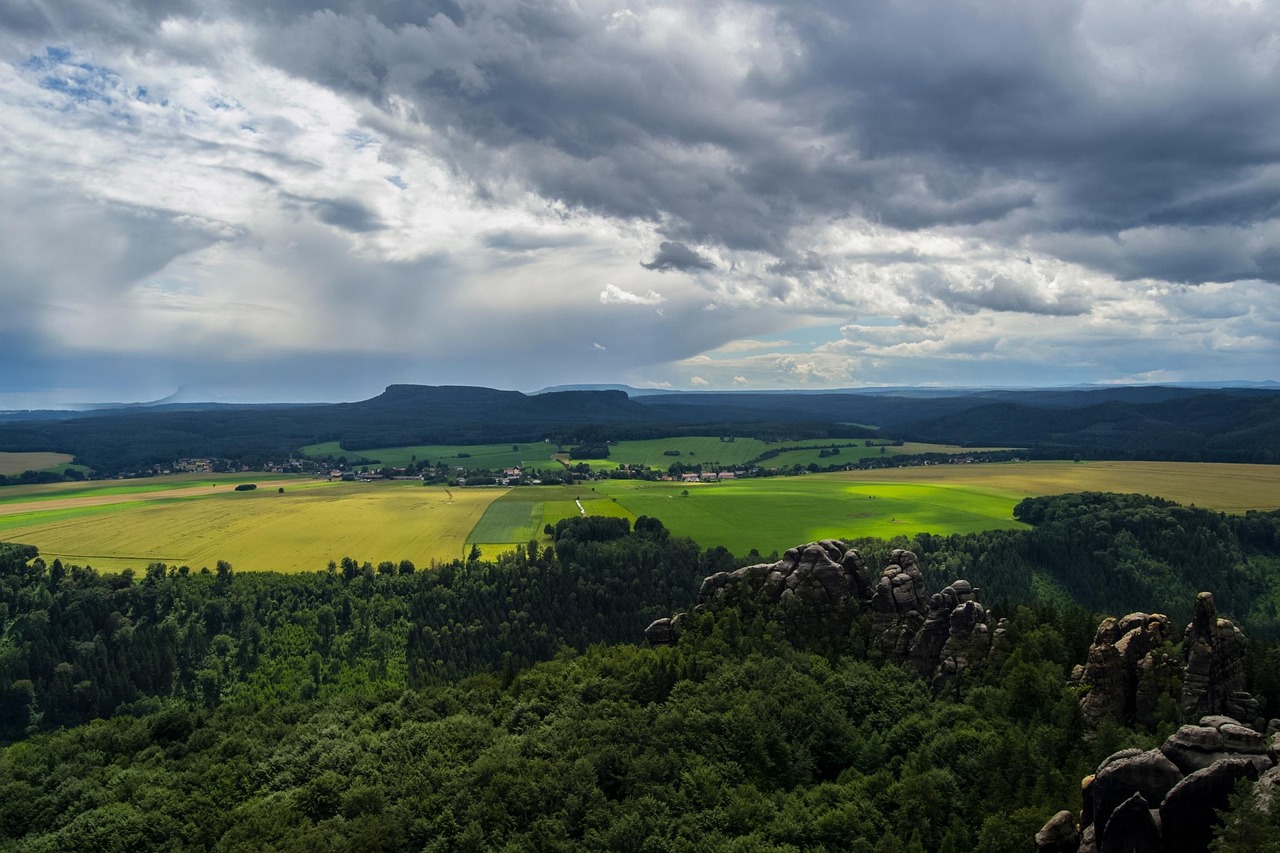
You won’t find floodlit cliffs or nightly sound-and-light shows here; the magic of Schrammsteine after dark is subtle: the way the last sun catches the tops of the towers, the silence of the forest, the reflection of lights in the Elbe.
Sunset Viewpoints
- Schrammsteinaussicht: Spectacular at sunset, but factor in enough time to descend to safer, wider paths before full dark. Bring headlamps.
- Lower viewpoints near Ostrau: Offer great views with less risky descents; ask locals or your guesthouse for current recommendations.
- Elbe Promenade in Bad Schandau: For an easy, accessible sunset; the ridge glows orange-pink in clear weather.
Blue Hour & Night
True night hikes on the ridge are not recommended unless you’re very familiar with the terrain and well-equipped. Instead, enjoy blue hour from safe vantage points or riverside paths. In winter, dusk comes early; plan accordingly.
Evening Programs
As of 2026, the national park occasionally offers guided evening walks focusing on nocturnal wildlife and star gazing in darker corners of the park (not usually on the most exposed ridges). Check with the National Park Center in Bad Schandau for current offerings.
Events & What’s New in 2026–2027
While Schrammsteine itself doesn’t host big festivals (it’s protected nature, after all), nearby towns do—and they shape the rhythm of the travel season.
Key Events (2026–2027)
- Elbsandstein Climbing Festival (Annual, early September) – Based in various villages around Bad Schandau and Hohnstein, celebrating the region’s climbing heritage with workshops, talks, and film nights.
- Bad Schandau River Festival (Sommerfest, July) – Live music, food stalls, and fireworks over the Elbe. Expect fuller trains and buses.
- Advent & Christmas Markets (late November–December) – Dresden steals the show regionally, but Bad Schandau’s smaller markets offer a quieter, more local feel.
Changes in the Travel Scene for 2026
- Stricter trail enforcement: Increased ranger presence on popular routes like Schrammsteinaussicht and Affensteine, with fines for off-trail walking to combat erosion.
- Improved digital ticketing: More integration of public transport tickets (rail + tram + bus) via VVO apps, making it easier to go car-free.
- Expanded multilingual signage: More English and Czech information boards at major trailheads and viewpoints.
Day Trips & Nearby Attractions from Schrammsteine
If you’re based in Bad Schandau for several days, you’re perfectly positioned for other highlights of Saxon Switzerland.
Bastei & Rathen
The Bastei Bridge is the region’s most famous man-made structure, spanning sandstone cliffs above the Elbe near Rathen. It’s busier and more developed than Schrammsteine but still worth a half-day.
How to get there: Train from Bad Schandau to Rathen (10–15 minutes), then ferry across the Elbe and hike up (30–45 minutes).
Königstein Fortress
A vast hilltop fortress overlooking the Elbe, with centuries of military history and extensive exhibits.
How to get there: Train to Königstein (10 minutes), then bus or 30–45 minute uphill walk.
Bohemian Switzerland (Czech Side)
Across the border in the Czech Republic, the landscape continues. Highlights include Pravčická brána (a huge rock arch) and the Kamenice Gorge boat rides.
How to get there: Local trains or buses via Schmilka/ Hřensko; carry your passport and check current cross-border transport schedules and park regulations.
Cultural Etiquette & Local Customs in Schrammsteine
On the Trail
- Greet fellow hikers: A simple “Hallo” or “Guten Tag” is standard when passing on narrower paths.
- Keep noise down: Germans generally value quiet in nature. Avoid loud music or shouting.
- Respect trail rules: Leaving marked paths is frowned upon and increasingly fined; locals see it as disrespectful to both nature and community.
In Restaurants & Inns
- Cash is still common: Many smaller places prefer or only take cash, though card acceptance improves each year.
- Service: Tipping 5–10% is appreciated; round up the bill in smaller cafés.
- Shared tables: In busy Gasthäuser, you may be seated at a table with strangers. A brief greeting and small talk are polite.
Climbing Culture
Saxon Switzerland has a strong, proud climbing tradition. If you’re not a climber, it’s fine to watch, but avoid blocking access to routes, touching equipment, or shouting unsolicited advice. If you’re a climber from elsewhere, learn and respect local ethics: no metal protection, no chalk, no climbing on wet rock.
Practical Travel Advice for Schrammsteine (2026 Edition)
Money, SIM Cards & Connectivity
- Currency: Euro (€).
- ATMs: Available in Bad Schandau; scarce in smaller villages.
- SIM options: EU visitors roam as at home. Non-EU visitors can pick up eSIMs (e.g., Airalo, Holafly) or physical SIMs from major German providers (Telekom, Vodafone, O2) in Dresden before arriving; there are limited phone shops in the immediate area.
- Coverage: Generally good in towns, patchy in deep valleys and gorges.
Transport: Public & Car Rental
- Public transport: Trains, buses, and trams are integrated under the VVO network. Day tickets are good value if you plan multiple rides.
- Car rental: Best arranged in Dresden; parking near popular trailheads can be competitive on summer weekends.
- Bikes: Wonderful along the Elbe cycle path; less practical for reaching high trailheads.
Visas & Driving Licenses
- Visas: Germany is in the Schengen Area. Many nationalities have 90-day visa-free access; others require a Schengen visa. Check current rules well before travel.
- Driving licenses: EU/EEA licenses are valid. Many other foreign licenses are accepted; an International Driving Permit is recommended if your license is not in Latin script or to avoid rental desk hassles.
Seasons & Best Time to Visit Schrammsteine
- Spring (April–May): Fresh green, moderate temperatures, some muddy trails. Great for hiking and photography.
- Summer (June–August): Long days, warm weather, but busiest. Start early to avoid crowds and heat.
- Autumn (September–October): My personal favorite: colorful forests, stable weather, and softer light.
- Winter (November–March): Quiet, atmospheric, potential snow and ice. Short days and some closures; best for experienced hikers who enjoy cold-weather walking.
Logistics: Tickets, Rules, Safety & Accessibility
Tickets & Entry
- Entry fee: None. The Schrammsteine area is free to access.
- Tickets: Only for associated services: public transport (train/bus/tram), spa entry, and museums or castles on day trips.
- Reservations: Not required for trails, but highly recommended for accommodation in high season and for some guided tours.
Opening Hours
Nature doesn’t close, but daylight is your practical constraint. Plan to be off the ridge well before dark. Visitor centers, trams, and lifts have specific hours; check online or locally.
Rules & Behavior
- Stay on marked trails; off-trail walking damages fragile sandstone and vegetation.
- No wild camping; use official campsites or accommodation.
- Fires and grills are prohibited in the national park.
- Dogs must be on leash.
Photography & Drones
- Photography: Allowed for personal use; tripods are fine if they don’t block paths.
- Drones: Generally prohibited in national parks without special permission; assume you cannot fly.
Safety & Queue Times
On popular trails, you may encounter small queues at narrow ladders or stairways, especially in mid-morning and early afternoon in summer. Be patient, keep to the right where possible, and avoid rushing or crowding others.
Carry basic first aid, enough water, and weather-appropriate clothing. In case of emergency, the European emergency number 112 works from mobile phones; know your approximate location (trail names, nearest signpost numbers).
Accessibility
Most of the Schrammsteine ridge and adjacent rock routes are not accessible to those with mobility impairments due to stairs, ladders, and uneven terrain. However, the Elbe promenade in Bad Schandau, parts of the Kirnitzschtal, and viewpoints reachable by car offer more accessible experiences of the landscape.
Summary: Key Takeaways & Final Recommendations
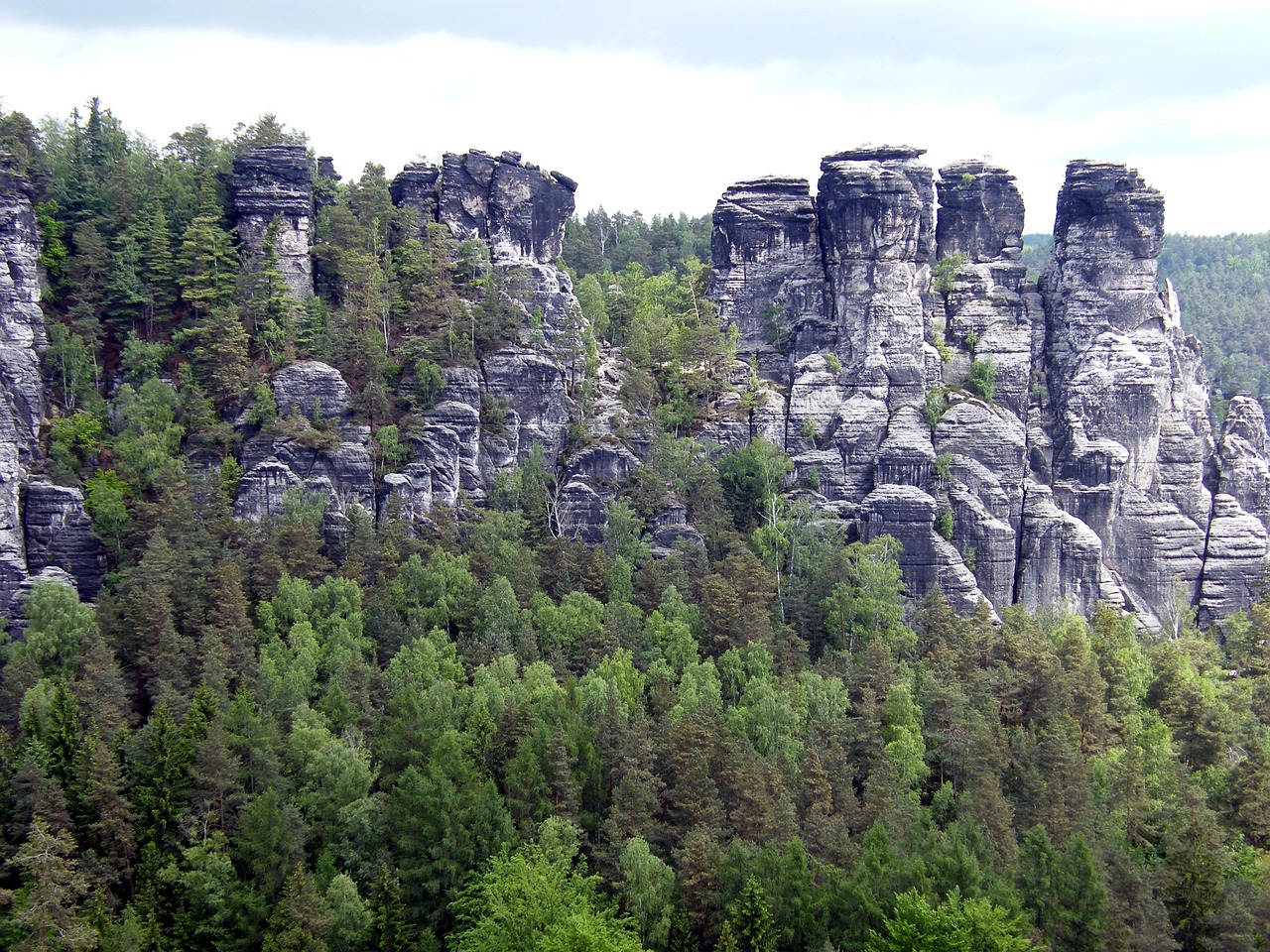
Schrammsteine is not a place you “do” in an hour. It’s a ridge to be walked, a network of ladders to be climbed, a series of viewpoints to be savored. Whether you choose a 1 day itinerary for Schrammsteine, stretch to a 2 day itinerary for Schrammsteine, or immerse yourself with a 3 day itinerary for Schrammsteine, the core advice remains the same:
- Base yourself in or near Bad Schandau for easy access.
- Prioritize the Schrammsteinaussicht ridge loop as your must-see.
- Add Falkenstein, the Affensteine, and Kuhstall if you have extra days.
- Use public transport and the Kirnitzschtalbahn to save energy and cut car dependence.
- Respect local customs and park rules; this landscape is both fragile and dearly loved.
Best time to visit Schrammsteine? For most travelers, I recommend late September to mid-October or May–June: stable weather, manageable crowds, and beautiful light. Summer is vibrant but busy; winter is magical but demands more preparation.
Above all, give yourself time. The Schrammsteine towers have stood here for millions of years; they can certainly wait an extra hour while you sit quietly on a rock, breathing in pine-scented air and letting the Elbe valley unfurl below you.