Why Visit Southern Black Forest Nature Park?
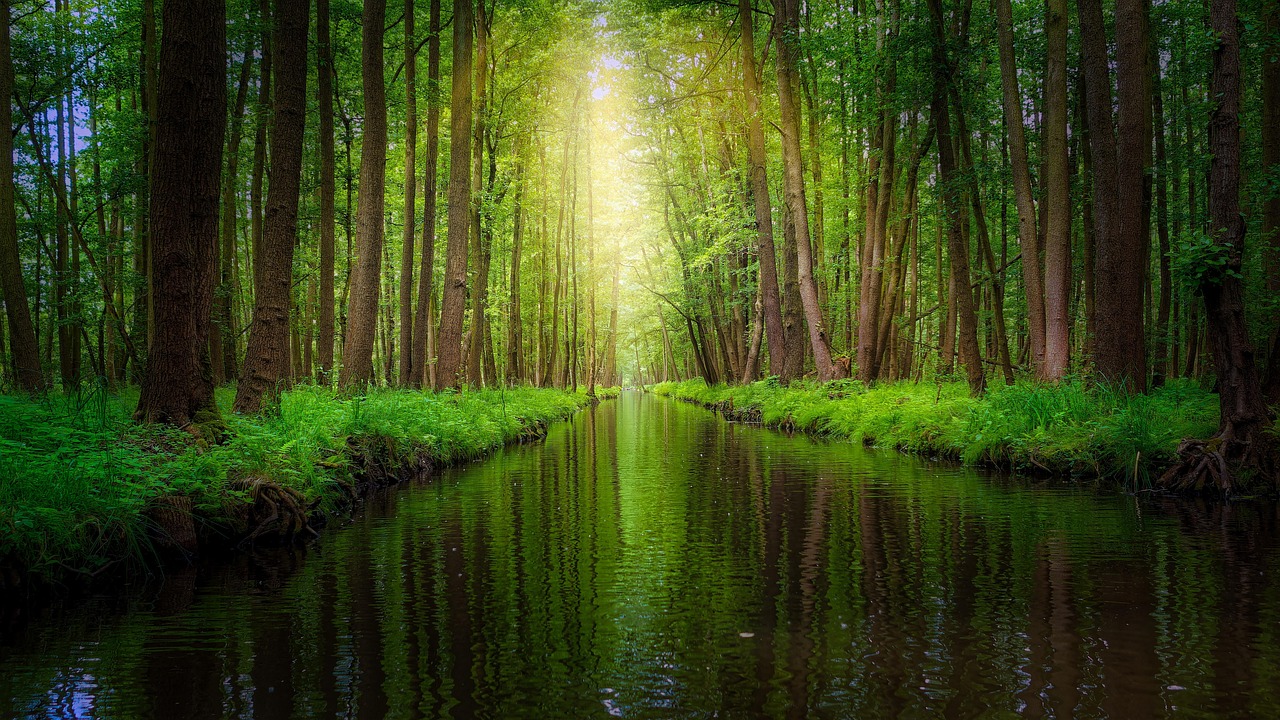
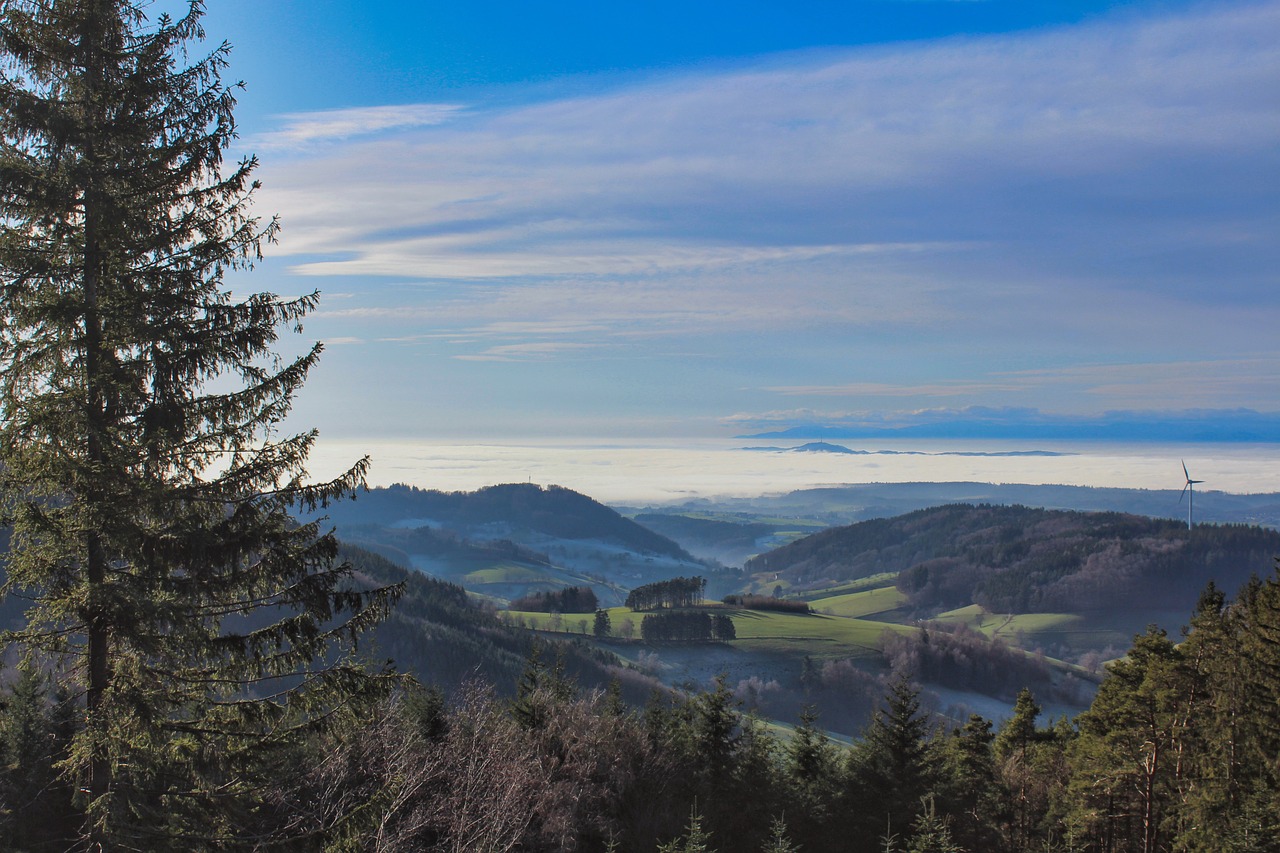
I’ve been hiking, eating, and occasionally getting lost in the Southern Black Forest Nature Park (Naturpark Südschwarzwald) for more than a decade, and it still surprises me. This is not a “one big attraction and go home” kind of place. It’s a layered landscape of deep spruce forests, high open plateaus, glassy lakes, and half-timbered villages where life still moves by the church bells.
The Southern Black Forest Nature Park is one of Germany’s largest protected areas, spreading from Freiburg in the west to the Swiss border in the south and the Hotzenwald and Hochrhein (Upper Rhine) in the east. It folds in the famous Feldberg massif (the highest peak in the Black Forest), the Todtnau waterfalls, glacial cirque lakes like Feldsee, and a network of trails so dense that locals still discover “new” paths every year.
What makes it special for travelers?
- Variety in a tight radius: In a single day you can hike an alpine-style ridge, soak in thermal spas, ride a mountain coaster, and end with farm-to-table dinner in a Schwarzwaldhof farmhouse.
- Authentic culture: This is the realm of Bollenhut hats, Schwarzwälder Kirschtorte (Black Forest cake with real kirsch brandy), Alemannic dialects, and village festivals that outsiders rarely stumble into by accident.
- Accessible wilderness: Well-signed routes, frequent trains and buses, and family-friendly infrastructure make serious landscapes feel approachable.
- Year-round appeal: Hiking, biking, and wildflower meadows in summer; blazing foliage in autumn; serious skiing and snowshoeing in winter; misty, moody forests in spring.
If you’re plotting a 3 day itinerary for Southern Black Forest Nature Park or stretching it to 4 or 5 days in Southern Black Forest Nature Park, this long-form travel guide for Southern Black Forest Nature Park is written to feel like you’ve borrowed a local friend – opinionated, practical, and honest about what’s worth your time.
Table of Contents
- 1. Overview: Key Zones, Scenic Drives & Gateway Towns
- 2. Must-See Attractions & Best Places to Visit
- 3. 3–5 Day Itineraries (With Personal Stories)
- 4. Deep-Dive: 15 Signature Trails, Viewpoints & Zones
- 5. Where to Eat & Drink: Local Food in Southern Black Forest Nature Park
- 6. Where to Stay & How to Get Around
- 7. After-Dark & Quiet Experiences
- 8. Events, Festivals & What’s New in 2026–2027
- 9. Day Trips & Nearby Attractions
- 10. Cultural Experiences, Local Customs & Etiquette
- 11. Practical Travel Advice & Money-Saving Tips
- 12. Park-Specific Logistics & Safety
- 13. Summary & Final Recommendations
1. Overview: Key Zones, Scenic Drives & Gateway Towns
Gateway Towns
Most visitors base themselves in or around three main hubs:
- Freiburg im Breisgau – The sunniest city in Germany and the western gateway. Great for car-free travelers, food lovers, and those who want city energy with quick access to the park.
- Titisee-Neustadt – Lakeside resort town with a touristy core but unbeatable access to swimming, boating, and family activities.
- Todtnau / Feldberg Villages (Feldberg-Ort, Altglashütten, Bärental) – Perfect for hikers and skiers wanting to wake up right in the middle of the highlands.
Key Regions Inside the Southern Black Forest Nature Park
- Feldberg & High Black Forest (Hochschwarzwald): Alpine-style ridges, glacial cirques, Germany’s highest non-Alpine peak. Best known for hiking, snow sports, and big vistas.
- Wutach Gorge (Wutachschlucht): Germany’s answer to a mini-Grand Canyon – a wild river gorge with narrow paths and suspension bridges.
- Schluchsee & Titisee: Glacial lakes turned reservoirs, now beloved for water sports, lakeside promenades, and family cycling.
- Hotzenwald & Upper Rhine (Hochrhein): Less-visited southeast corner, rolling hills, deep valleys, and border views into Switzerland.
- Markgräflerland Fringe: Wine hills southwest of Freiburg, technically partly outside the strict park heart but culturally intertwined – ideal for combining hikes with wine tasting.
Signature Scenic Drives
Two drives form the backbone of most itineraries:
- B500 Schwarzwaldhochstraße (Southern Segment): Running near the Feldberg area, this high road threads together viewpoints, trailheads, and ski areas.
- Panoramastraßen around Schluchsee & Bernau: Narrow, winding roads linking farm hamlets and giving you that “postcard Black Forest” feel.
2. Must-See Attractions & Best Places to Visit
These are the must-see attractions in Southern Black Forest Nature Park that I return to almost every season:
Feldberg Summit & Feldsee Cirque
The high, open dome of Feldberg (1,493 m) is where I send first-timers. On a clear day you can see all the way to the Swiss Alps. Drop down from the ridge into Feldsee’s glacial cirque, and you’re suddenly in a green amphitheater of cliffs and water.
Schluchsee
The largest lake in the Black Forest, ringed by spruce and beech, with an easy lakeside path and quiet coves if you wander away from the main town. My favorite place for a summer swim at sunset.
Titisee
Titisee is busier and more commercial than Schluchsee, but the promenade and boat rides are a hit with families. If you walk 15–20 minutes along the shore away from the center, it quiets down fast.
Todtnau Waterfalls (Todtnauer Wasserfälle)
A dramatic cascade dropping over 97 m. Wooden bridges and paths let you get close to the spray. Combine with the nearby Hasenhorn mountain coaster for a perfect family adventure day.
Wutach Gorge (Wutachschlucht)
My personal favorite hiking area – wild, slightly untamed, and very different in character from the open ridges. Expect narrow paths, cliffy sections, and hanging bridges.
Schauinsland
Freiburg’s house mountain. A cable car whisks you from vineyards to high meadows, with sweeping views over the Rhine Valley and Vogesen (Vosges) mountains in France.
3. 3–5 Day Itineraries for Southern Black Forest Nature Park
These itineraries are built from my own repeated visits – I’ve tested every connection, every bakery, and far too many slices of cake. They’re flexible: you can compress, extend, or swap days depending on weather and interests. Each day blends iconic sights with a couple of hidden gems in Southern Black Forest Nature Park.
3 Days in Southern Black Forest Nature Park – “Highlights with Heart”
Day 1 – Freiburg & Schauinsland: City Culture Meets High Meadows
I like to ease into the Black Forest by starting in Freiburg, especially if you’ve just flown into Basel or Frankfurt. On my last spring visit in 2026, I landed on a Friday morning, dropped my bag at a guesthouse near Freiburg’s Wiehre district, and headed straight for the old town.
Spend your morning wandering the Münsterplatz and its farmers’ market. Grab a Lange Rote (long red sausage in a bun) from one of the stands – it’s cheap, filling, and my go-to budget lunch. This is also a gentle intro to local food in Southern Black Forest Nature Park: regional cheeses, cured meats, and Bauernbrot (farmhouse bread) are everywhere.
By early afternoon, catch tram line 2 to Freiburg Günterstal, then the bus to the base station of the Schauinslandbahn cable car. The ride up is a gorgeous 20 minutes, lifting you from vineyards into dark forest and out into open pasture. Listen for cowbells as you approach the top station.
At the summit, I usually follow the short circular trail to the Schauinsland Tower. On a clear evening, you get a golden light over the Rhine Plain, and if you’re lucky, a hazy silhouette of the Alps. This is a wonderful, low-effort stop for a romantic sunset if you’re traveling as a couple.
For dinner, there are a couple of rustic inns on the mountain itself, serving hearty plates like Brägele (fried potatoes) with fried eggs and bacon. In 2025 I paid under €15 for a plate so big I could barely move afterwards – still one of the best value meals I’ve had in the area.
Family Tip: Kids love peering into the old mining tunnels (part of the Schauinsland mining museum) if you have time earlier in the day. The guided tours are surprisingly engaging, even for non-history buffs.
Day 2 – Feldberg Summit & Feldsee: The High Black Forest Classic
From Freiburg, I caught an early morning train on the Höllentalbahn – a spectacular route that winds through a narrow gorge and climbs past Hirschsprung and Hinterzarten. If you’re planning a 3 day itinerary for Southern Black Forest Nature Park without a car, this is how you do the Feldberg day.
Get off at Bärental or Feldberg-Bärental station and hop on the dedicated bus up to the Feldberg ski area. From the main parking area, the signed path climbs gently through open ski runs towards the summit ridge. Even in summer, bring a windproof layer – I’ve been caught in sudden cold gusts in July.
From the summit area, I like to follow the ridge towards Seebuck for the full panorama: Schluchsee shimmering in the distance, sometimes a white line of Alps on the horizon. On my 2024 autumn hike, red blueberry bushes carpeted the ridge – one of the most photogenic moments I’ve had in the region.
After soaking in the view, I drop down towards Feldsee. The descent is steep but manageable for most hikers with good shoes. Suddenly you’re ringed by cliffs and forest, the mood completely different from the open top. I usually picnic here: bread, mountain cheese from the Freiburg market, and apples. There is a small hut open in high season, but I like the flexibility of bringing my own food.
In the afternoon, you can either hike back up (short but steep) or continue a longer loop towards Caritas-Haus and catch a bus from there. Families with younger kids might prefer to shorten the route and spend extra time at one of the Feldberg visitor centers instead.
Back in Freiburg or in a Feldberg village, celebrate with Schwarzwälder Kirschtorte. Ask if they use real Kirschwasser (cherry brandy) – some touristy places skip it or use very little. My favorite slices come from smaller village bakeries rather than the big promenades.
Day 3 – Schluchsee & Titisee: Lakeside Leisure
Your final day in this compressed 3 days in Southern Black Forest Nature Park deserves a slower pace. I usually start at Schluchsee. Take the train from Freiburg via Titisee; it’s a scenic ride in itself.
From Schluchsee station, walk down to the lake and follow the marked lakeside path. You don’t need to do the whole loop (over 18 km) to get the magic. I often walk 1–2 hours along the quieter south shore, then back. In 2023, I found a tiny rocky cove near Aha where I had an entire section of lake to myself for a swim – even in August.
Rent a paddleboard or pedal boat if you’re feeling playful; it’s very family friendly, and the water quality is excellent. For lunch, lakeside kiosks sell simple fare, but I prefer ducking into a guesthouse slightly off the shore to avoid the crowds.
In the later afternoon, ride the train back one stop to Titisee. Yes, it’s busy. Yes, there are a lot of souvenir shops. But it’s also undeniably pretty in the golden hour. If you keep walking past the main promenade along the north shore path, the crowds thin dramatically.
End your day (and your trip) with a last boat ride or just sit on a bench with a scoop of ice cream, watching the paddleboats drift. The light here just before sunset can be ridiculously beautiful – soft, pastel reflections on the water.
4 Days in Southern Black Forest Nature Park – “Add a Gorge & a Waterfall”
If you can stretch to a 4 day itinerary for Southern Black Forest Nature Park, keep the first three days as above and add:
Day 4 – Todtnau Waterfalls & Hasenhorn Coaster
Base yourself in Todtnau or a nearby valley like Bernau for this day. My go-to route is to hike a loop that connects the Todtnauer Wasserfälle with forest paths above Todtnau village.
Start early at the lower falls parking to beat bus groups. The path climbs past viewpoints and wooden bridges; you get progressively better angles of the cascade. On a cool autumn morning in 2025, I had the rising mist all to myself – pure magic.
After your waterfall loop, head back into Todtnau and take the chairlift up to Hasenhorn. The mountain coaster down is fast but controllable – I’ve seen cautious grandparents and fearless teenagers both come off grinning. It’s one of the best family-friendly things to do in Southern Black Forest Nature Park.
For a late lunch, try one of the simple inns in Todtnau serving Flammkuchen (Alsatian-style flatbread) or a bowl of Flädlesuppe (broth with pancake strips). You’re only 20–30 minutes by bus or car from the Feldberg area, so you can easily combine Todtnau with an extra short hike or viewpoint if you still have energy.
5 Days in Southern Black Forest Nature Park – “Gorges, Villages & Deep Forest”
For a 5 day itinerary for Southern Black Forest Nature Park, keep the first four days and add:
Day 5 – Wutach Gorge Adventure
The Wutachschlucht is where you really feel the “wild” of the park. This day is more adventurous and best for reasonably fit hikers; I wouldn’t recommend it with very small children or anyone with serious vertigo.
I usually base the day around a point-to-point hike using the seasonal Wutach buses that shuttle between trailheads. In 2024 I started at Wutachmühle and hiked to Grimmelshofen, about 13 km of riverside path, narrow ledges, and suspension bridges. Along the way, you pass mossy rock walls, tiny side waterfalls, and pocket beaches where the river slows.
Pack a full picnic and enough water – there are very few facilities in the gorge itself, which is part of its charm. In wet weather, the path can be muddy and slippery; poles help. Check current conditions at a tourist office or on local hiking apps before you go; sections occasionally close due to rockfall.
After emerging from the gorge, I love collapsing into a village Gasthaus for a plate of Spätzle and a local beer or apple spritzer. It’s a satisfying, full-body-tired way to end a longer trip.
4. Deep-Dive: 15 Signature Trails, Viewpoints & Zones
This is the heart of this travel guide for Southern Black Forest Nature Park: 15 of the most prominent trails, viewpoints, and zones, each with history, significance, and the kind of personal detail you only get after many visits. I’ll keep each sub-article focused but rich in practical tips.
1. Feldberg Summit & Seebuck Ridge
Landscape & significance: Feldberg is the highest point in the Black Forest and a symbol of the entire region. Long before ski lifts, shepherds used these high meadows in summer; today it’s a mosaic of ski slopes, protected nature zones, and hiking trails. The summit plateau and Seebuck ridge offer quintessential Southern Black Forest views – open, treeless tops dropping into dark conifer forests and distant lakes.
Trail basics: The classic loop from the Feldberg parking area to the summit, along the ridge, and back via the Bismarckdenkmal takes 2–3 hours. Difficulty is moderate: steady climbs, some rocky bits, but well-marked. In winter it’s a different beast: icy, often windy, and best done with winter gear or on snowshoes.
My experiences: I’ve hiked this in blazing August sun, October fog, and a freak May snowstorm. The most memorable was a late September evening in 2022: I started up around 3 pm, expecting an ordinary ridge walk, and ended up in an ocean of golden light as the sun sank behind a bank of clouds over France. Only two other hikers were up there, and we exchanged that quiet, conspiratorial “we got lucky today” look.
Tips for visitors:
- Arrive early in peak season (July–August) to secure parking and avoid crowds.
- Respect the fenced-off nature protection zones; they’re crucial for ground-nesting birds and fragile alpine flora.
- Combine with the visitor center near the parking area if you’re interested in geology and ecology – the exhibits are surprisingly good and kid-friendly.
2. Feldsee Cirque Trail
Why it matters: Feldsee is a textbook glacial cirque – a bowl carved by ancient ice. It’s both a scenic highlight and an ecological hotspot, with cold, deep waters and rare plant species clinging to its steep surroundings.
Trail details: You can reach Feldsee either from the Feldberg summit route or from lower trailheads near Caritas-Haus. The approach from above gives you the drama of descending into the cirque; from below, you gradually build anticipation as the forest darkens and the lake suddenly appears through the trees.
Personal note: In early June 2023, I came down from the summit into Feldsee with patches of snow still lingering in the shadows. The lake was a perfect mirror; the only sounds were a distant woodpecker and the drip of snowmelt. I sat on a rock for almost an hour, doing nothing, which is rare for me on a hike.
Visitor tips: Swimming is technically discouraged here to protect the fragile ecosystem. If you want a proper dip, save it for Schluchsee. Pack out every crumb and wrapper; the cirque acts like an amphitheater for any litter you leave behind.
3. Schluchsee Lake Loop
Landscape: Schluchsee is an artificial reservoir built in the early 20th century, but it feels natural thanks to careful shoreline management. Spruce and beech forests press close to the water, with pockets of reed and rocky beaches.
Trail basics: The full lakeside loop is roughly 18 km and fairly flat, making it popular with casual hikers and cyclists. You can shorten it by using the train (stations at Schluchsee, Aha, Seebrugg) or by doing an out-and-back on your favorite segment.
My preferred segment: I love the stretch from Schluchsee town towards Aha on the southern shore. On a misty morning in October 2024, the lake was blanketed in low fog, and the path felt wonderfully secluded – just me, a few Nordic walkers, and the occasional fisherman’s boat cutting through the silence.
Activities: This is where you mix hiking with water sports: swimming, stand-up paddleboarding, sailing. There are also several designated grill spots and picnic areas – pick up supplies from the village supermarket to save money.
4. Titisee Promenade & Lakeside Paths
Why it’s famous: Titisee is one of the best places to visit in Southern Black Forest Nature Park for first-timers, but also one of the most commercial. It’s the place people imagine when they think “Black Forest lake, cuckoo clocks, and cake.”
Beyond the crowds: Once you’ve had your stroll along the promenade and maybe a boat ride, keep walking along the north shore. Within 15–20 minutes, the souvenir shops are out of sight, and you’re back in quiet forest with lakeside views.
Personal rituals: I have a slightly guilty pleasure here: grabbing a coffee-to-go and a small piece of Streuselkuchen (crumb cake) from one of the bakeries, then walking until I find an empty bench away from the main drag. In 2025 I watched a sudden summer storm roll across the lake, then clear into a blazing orange sunset – all within an hour.
5. Wutach Gorge (Wutachschlucht)
History & geology: The Wutach river has carved a deep, winding gorge through layers of limestone and sandstone. Once threatened by hydroelectric dam projects, it was saved by conservation campaigns and is now a key protected area within the nature park.
Trail systems: Multiple entry and exit points (Wutachmühle, Schattenmühle, Ewattingen, etc.) let you tailor your hike. The classic Wutachmühle–Schattenmühle section is about 13 km and takes 4–5 hours, with some narrow exposed paths that can be challenging in wet conditions.
My first time: I underestimated it. On a humid August day, I started late, didn’t bring enough water, and found myself trudging along in the mid-afternoon heat, feeling more in a jungle than in Germany. Luckily, there are several springs and side streams, but now I always treat it as a “real” hike: early start, plenty of water, and a packed lunch.
For adventurous travelers: This is one of the top adventurous things to do in Southern Black Forest Nature Park. It’s safe if you’re prepared, but it’s not a casual flip-flop stroll. Rockfall occasionally closes sections; check conditions locally.
6. Todtnau Waterfalls (Todtnauer Wasserfälle)
Natural spectacle: Fed by snowmelt and rainfall from the surrounding highlands, the Todtnau falls tumble in a series of drops, framed by steep, forested slopes. They’ve been a tourist draw since the 19th century, when early hikers in wool coats and leather boots clambered up the muddy paths.
Trail options: A simple up-and-back route from the lower parking is manageable for most fitness levels; add side loops to meadows above Todtnau if you want more of a workout. Wooden stairs and railings help in steeper spots, but the spray can make them slippery.
Personal anecdote: I once visited in January during a cold snap. The falls were half-frozen – a towering sculpture of ice with water rushing behind it. It was eerily quiet, just the muffled sound of water trapped in crystal. If you’re here in winter, ask locals about conditions; access can be icy but unforgettable.
7. Hasenhorn & Mountain Coaster
What it is: Hasenhorn is a forested peak above Todtnau, topped with a hut and observation tower. The star attraction, though, is the steel mountain coaster snaking down its slopes.
Who it’s for: If you’re traveling with kids, teens, or anyone who thinks too many hikes are “boring,” this is your secret weapon. Even my usually serious hiking friends turned into giggling kids on the descent.
Insider tip: Ride up by chairlift, walk a short loop to enjoy the views, then take the coaster down. In high season, go early or late to avoid queues. The track is long enough to feel worth the ticket, and you control your speed with a hand brake – I usually do one cautious run, then a second, slightly more daring one.
8. Schauinsland Trails & Tower
Landscape: Schauinsland is a broad, gently undulating summit with a mix of open pasture and forest. Its name literally means “look into the land,” and that’s exactly what it offers: long views over Freiburg, the Rhine plain, and beyond.
History: The area has a mining heritage; silver and lead were extracted here for centuries. The modern cable car, opened in 1930, was a technical marvel of its time and still feels pleasantly old-school.
My favorite loop: From the top station, I walk to the tower, then follow a circular route that dips into forest before emerging onto meadow again. On a June evening in 2025, the slopes were dotted with wildflowers and the occasional grazing cow – a pastoral counterpoint to the wilder Feldberg region.
9. Belchen – The Quiet Panorama Peak
Why I love it: Belchen is my personal favorite Black Forest summit. It’s lower than Feldberg but more isolated, with a perfectly rounded, almost mystical summit. On clear days, the Alps line the southern horizon like a jagged toothy grin.
Access: A cable car (Belchenbahn) brings you close to the top, making this a fantastic option for those with limited mobility or families. From the top station, it’s a short but steep walk to the summit cross.
Personal story: I first came to Belchen on a stormy October day when clouds were racing across the sky. We almost turned back, but in a gap between squalls the light broke through and lit the bordering hills in bands of gold and shadow. I’ve returned every year since, in every season, and never had the same view twice.
10. Schluchtensteig Long-Distance Trail (Southern Segments)
What it is: A 119 km long-distance path from Stühlingen to Wehr, threading together gorges, forests, and open highland. Several stages pass through or near the Southern Black Forest Nature Park.
Why include it: Even if you don’t walk the whole trail, cherry-picking a stage is a wonderful way to experience wilder corners. I particularly like the segments near the Wutach and the Hotzenwald, where you’re more likely to meet serious hikers than day-trippers.
My experience: In 2024, I walked two consecutive days, staying in simple guesthouses along the way. That “carry everything on your back” rhythm – starting in the cool morning, eating bread and cheese on a rock at noon, collapsing into a tiny village inn at night – is a very satisfying way to inhabit this landscape.
11. Bernau Valley & Herzogenhorn
Landscape: Bernau is a wide, high valley ringed by forested ridges. Traditional farmhouses with deep roofs dot the meadows. Above it rises Herzogenhorn, a 1,415 m peak with superb 360° views.
Trail options: From Bernau, you can hike up to Herzogenhorn via forest tracks and mountain pastures. It’s a bit less busy than Feldberg and feels more “pastoral” than “alpine.”
Personal anecdotes: This is where I first saw a proper Black Forest thunderstorm roll through from a safe vantage point. In July 2023, I watched dark clouds gather over Feldberg, then march across the valley like a grey army, lightning flickering. The air afterwards smelled of wet grass and fir needles – unforgettable.
12. Hotzenwald High Plateau
Off-the-radar charm: The Hotzenwald, towards the Upper Rhine and Swiss border, is where I go when I want solitude. Rolling hills, scattered farms, deep side valleys – fewer tourists, more locals walking their dogs.
Trails: Countless local routes connect hamlets, ridge viewpoints, and small chapels. Waymarking is good, but you’ll want a map or app. This is less about one iconic trail and more about wandering a living rural landscape.
Why go: If you’re curious about cultural experiences in Southern Black Forest Nature Park, this is a good area to see every day, unpolished life: farmers working fields, small Gasthäuser with handwritten menus, dialect heavy enough that even Germans from the north might struggle.
13. Schluchsee–Äule–Menzenschwand Ridge Paths
Landscape: The ridges between Schluchsee and the spa village of Menzenschwand offer some of my favorite mid-level hikes: mixed forest, occasional broad views, and that gentle up-and-down that feels like you could walk forever.
Personal itinerary: In autumn 2024, I walked from Schluchsee up through Äule into the high forest, then down to Menzenschwand, where I ended the day at the thermal baths, soaking my tired legs under the open sky.
Tip: Use the regional buses or trains to create one-way hikes between villages. The KONUS guest card (given by many accommodations) covers regional public transport, making this an excellent way to do car-free ridge walks.
14. Menzenschwand & Radon Revital Bad
Why include a spa: Because part of the Southern Black Forest experience is hot water after a long hike. Menzenschwand’s Radon Revital Bad is smaller and more intimate than the big spas in Badenweiler or Bad Krozingen, but that’s exactly why I like it.
My routine: I usually time a ridge or valley hike to end here. A couple of hours moving between indoor and outdoor pools, saunas, and relaxation rooms does wonders for sore legs. In winter, soaking outside while snow falls around you is almost surreal.
Note: Some sauna areas in Germany are textile-free (nude) and mixed-gender; this is normal etiquette. Check rules and decide if you’re comfortable; there are always textile-only pool zones as well.
15. Markgräflerland Wine Trails (Park Fringe)
Why it belongs here: Technically, much of Markgräflerland lies just outside the core nature park, but for travelers, it’s part of the same trip. Gentle vineyard hills, fruit orchards, and wine villages make a wonderful contrast to the dark forest.
Trails: Waymarked vineyard routes around towns like Staufen, Müllheim, and Badenweiler offer easy half-day walks with frequent opportunities to taste Gutedel (Chasselas) and other local wines.
Personal highlight: One evening in late September 2022, I walked a short loop above Staufen, then sat on a terrace with a glass of crisp white, watching the Black Forest ridge turn purple in the distance. It’s an ideal “soft landing” day at the start or end of a more rugged hiking trip.
5. Where to Eat & Drink – Local Food in Southern Black Forest Nature Park
Food here is hearty, seasonal, and rooted in farm traditions. Portions tend to be generous; I often split a main dish and dessert rather than ordering two big mains.
What to Eat
- Schwarzwälder Kirschtorte: Black Forest cake with real cherry brandy; best in village bakeries and farmhouse cafés.
- Vesperplatte: A cold plate of cured meats, cheeses, pickles, and bread – ideal for lunch after a hike.
- Brägele: Pan-fried potatoes, usually with onions and bacon, sometimes topped with fried eggs.
- Forelle Müllerin: Pan-fried local trout, often served whole with lemon and parsley.
- Flammkuchen: Thin flatbread with crème fraîche, onions, and bacon – great for sharing.
In-Park & Village Options
You won’t find big chains in the heart of the park. Instead, look for:
- Berggasthöfe (mountain inns): Around Feldberg, Belchen, and Schauinsland – great for hot lunches mid-hike.
- Hofcafés (farm cafés): In valleys like Bernau, Hotzenwald, and around Schluchsee – cake, coffee, sometimes simple meals, often with farm products.
- Imbiss stands: At major trailheads and lake promenades – sausages, fries, basic snacks.
Gateway Town Highlights
- Freiburg: Fantastic for variety – from traditional Baden cuisine to creative vegetarian and international food. I often eat at small spots around the Wiehre and Stühlinger districts rather than right on Münsterplatz to save money and avoid tourist markups.
- Titisee & Schluchsee: Promenade restaurants are convenient but can be pricey; step one or two streets back for better value.
- Todtnau & Feldberg villages: Solid, old-school German fare – schnitzels, roasts, Spätzle. Portions are large; sharing is acceptable if you say so when ordering.
Money-Saving Food Tips
- Use supermarkets (Edeka, Rewe, Aldi, Lidl) for picnic supplies – bread, cheese, fruit, nuts.
- Lunch deals are often cheaper than dinner; consider making lunch your main hot meal.
- Tap water is safe and excellent; refill bottles rather than buying new ones.
6. Where to Stay & How to Get Around
Accommodation Types
- Guesthouses & Inns (Gasthof, Pension): My favorite option – family-run, often with breakfast included. Good value in smaller villages.
- Apartments (Ferienwohnung): Great for families or longer stays. Having a kitchen saves money on meals.
- Campgrounds: Around Schluchsee, Titisee, and in some valleys. Well-equipped with showers and often lake access.
- Spa Hotels: In places like Menzenschwand, Badenweiler (fringe), and Bad Krozingen (fringe) – perfect for a romantic or recovery-focused stay.
Money-Saving Stay Tips
- Many accommodations offer the KONUS card, giving you free regional public transport. Ask when booking.
- Staying just outside the biggest tourist hubs (e.g., a village near Titisee rather than in Titisee) can be significantly cheaper.
- Book early for peak seasons (July–August, Christmas–New Year, and October weekends); shoulder seasons offer better deals.
Getting Around – Public Transport vs Car
Public transport: Trains and buses are excellent for major routes:
- Freiburg – Titisee – Schluchsee – Seebrugg (Höllental & Dreiseenbahn lines)
- Freiburg – Kirchzarten – Hinterzarten – Bärental
- Seasonal hiking buses to Feldberg lifts, Wutach Gorge trailheads, etc.
Car rental: Handy if you want to reach remote valleys, start early, or hop between trailheads quickly. Parking at major sites is paid (machines usually take coins and cards). In high season, lots can fill by late morning at Feldberg, Titisee, and Schluchsee.
Parking Strategy
- Arrive before 9:00 for popular spots in summer weekends.
- Carry some coins just in case machines don’t accept your card.
- In smaller villages, ask your host about guest parking permits or local free spots.
7. After-Dark & Quiet Experiences
Nights in the Southern Black Forest Nature Park are surprisingly dark once you step away from the main towns. That’s good news for stargazers and anyone craving quiet.
Stargazing
- Feldberg & Herzogenhorn ridges: On clear summer nights, the Milky Way is often visible. Bring warm layers; it gets cold quickly.
- Schluchsee & small lakes: Reflections of the stars on calm water are beautiful; pick a cove away from village lights.
- Hotzenwald clearings: Minimal light pollution; locals often know the best spots – ask your host.
Ranger Talks & Programs
Nature park centers and some municipalities host evening talks, slide shows, and occasional full-moon hikes, especially in summer. As of 2026, Freiburg’s environmental education centers and Feldberg’s visitor center regularly publish schedules (usually in German, increasingly with English summaries).
Sunrise & Sunset Viewpoints
- Sunrise: Herzogenhorn and Feldberg ridges – watch the first light hit the Alps in the distance.
- Sunset: Schauinsland and Belchen – ideal for end-of-day color over the Rhine valley.
8. Events, Festivals & What’s New in 2026–2027
Note: Event dates can shift slightly each year; always confirm closer to your trip.
Major Events 2026–2027
- Schwarzwald Music Summer (various venues, June–August 2026): Classical and jazz concerts in churches, spa halls, and open-air stages across the Southern Black Forest, including Schluchsee and Menzenschwand.
- Feldberg Mountain Festival (late July 2026): Local music, food stands, and guided walks celebrating the highlands; family-friendly.
- Wutach Gorge Nature Days (select weekends May–September 2026): Guided hikes, geology tours, and kids’ programs focusing on the gorge’s ecosystem.
- Freiburg Wine Festival (late July–early August 2026): Technically in the city, but a perfect addition to a nature park trip; all the Markgräflerland and Kaiserstuhl wineries show up.
- Christmas Markets (late November–December 2026): Freiburg’s is atmospheric and easy to combine with snowy forest days; smaller markets in Titisee and Hinterzarten are charming.
Changes in the Travel Scene for 2026
- Improved bus connections to Feldberg and Wutach Gorge on peak weekends to reduce car traffic.
- Expanded English-language info at main visitor centers due to growing international visitation.
- New themed trails (family-friendly nature discovery paths) around Schluchsee and Todtnau, combining simple hikes with educational stations.
9. Day Trips & Nearby Attractions
If you base yourself for 5+ days, these make rewarding side excursions:
- Freiburg Old Town: Even if you’re staying in the mountains, spend at least half a day exploring its medieval lanes, Bächle water channels, and cathedral tower views.
- Staufen im Breisgau: Half-timbered wine town with a ruined castle above the vineyards. Reachable by train and bus from Freiburg.
- Rhine Falls (Schaffhausen, Switzerland): Europe’s largest waterfall; about 1.5–2 hours by car from parts of the park. Passport/ID required, Swiss francs helpful but cards widely accepted.
- Basel (Switzerland): Art, architecture, and riverfront life; easy train ride from Freiburg or Bad Krozingen.
- Colmar & Alsace (France): Storybook towns and vineyards; about 1–1.5 hours’ drive, best with a car.
10. Cultural Experiences, Local Customs & Etiquette
Southern Black Forest culture is a mix of Alemannic traditions, rural pragmatism, and a growing eco-consciousness.
Local Customs
- Greetings: A simple “Guten Tag” or “Hallo” when entering shops, cafés, or passing hikers on quieter trails is appreciated.
- Quiet hours: Many villages observe unofficial quiet hours (roughly 22:00–7:00); keep noise down at night.
- Cash vs card: Cards are widely accepted, but smaller cafés and huts may be cash-only. Having some euros on hand is wise.
- Sunday: A rest day; most shops are closed, but restaurants, bakeries (morning), and tourist services usually operate.
Cultural Experiences
- Village Festivals: Dorffeste with brass bands, grilled sausages, beer, and sometimes traditional costumes. Ask at tourist offices for dates.
- Fasnacht (Carnival): In February or March, wild wooden masks and costumed parades take over towns – especially in smaller communities.
- Farm Visits: Some farms welcome visitors to see animals or buy cheese and milk directly – look for signs like “Hofverkauf.”
Hiking Etiquette
- Stay on marked trails, especially in sensitive highland and gorge areas.
- Close gates behind you in pasture areas; don’t disturb livestock.
- A simple nod or “Hallo” to fellow hikers is normal, especially on quieter trails.
11. Practical Travel Advice & Money-Saving Tips
SIM Cards & Connectivity
Coverage is good in towns and along major roads, patchy in deep valleys and gorges.
- eSIMs: Easy option for most travelers; several Europe-wide plans work well in Germany.
- Local SIM: Providers like Telekom, Vodafone, and O2 sell prepaid SIMs in city shops (Freiburg). Telekom usually has the strongest rural coverage.
- Download offline maps (e.g., Maps.me, Komoot) before hiking.
Visa Requirements & Driving Licenses
- Germany is in the Schengen Area. Many nationalities (US, Canada, UK, Australia, Japan, etc.) can enter visa-free for short stays; check current rules for your passport.
- Non-EU visitors often can drive with their home license for short stays; some rental agencies require an International Driving Permit (IDP) in addition. Check with your rental company before arrival.
Best Seasons for Activities
- Spring (April–May): Unpredictable weather; lower trails good, high areas can be muddy or snowy. Waterfalls strong.
- Summer (June–August): Prime hiking, lakes warm enough for swimming, long days. Also the busiest period; book ahead.
- Autumn (September–October): My favorite: stable weather, fall colors, fewer crowds. Great for photography and wine region visits.
- Winter (December–March): Skiing and snowshoeing around Feldberg, Belchen, and Herzogenhorn; Christmas markets in towns.
Money-Saving Strategies
- Use the KONUS guest card for free local transport where available.
- Stay in apartments and cook some meals.
- Picnic for lunch, eat main hot meal at lunch rather than dinner.
- Travel in shoulder seasons (May–June, September) for lower accommodation rates.
12. Park-Specific Logistics & Safety
Entrance Fees & Permits
The Southern Black Forest Nature Park itself has no general entrance fee; it’s a mosaic of public and private land. You pay for:
- Parking at major trailheads and attractions
- Cable cars, lifts, mountain coasters, and spas
- Organized tours or guided walks (optional)
No timed-entry system is in place as of 2026, but some gorge sections (e.g., Wutach) may have limited access during restoration works; check local information.
Seasonal Closures
- High trails (Feldberg, Belchen) may be snow-covered from November to April; some paths close for wildlife protection or avalanche risk.
- Wutach Gorge sections can close due to rockfall or high water, especially in spring.
- Check official nature park websites, local tourist offices, or signage at trailheads.
Weather & Altitude
- Altitude is moderate (up to ~1,500 m) – no altitude sickness, but weather changes fast.
- Always carry a light rain jacket and an extra warm layer, even in summer.
- Thunderstorms are common on hot summer afternoons; start long hikes early.
Wildlife & Safety
No bears or large predators to worry about; occasional wild boar are shy and avoid humans.
- Ticks are the main concern in warm months. Use repellent, wear long pants, and check your body after hikes.
- Snakes are rare and usually harmless; watch your step in rocky, sunny areas.
- In pastures, give cows and especially calves space; do not approach or feed.
Leave No Trace Basics
- Pack out all trash; bins are not always available on trails.
- Stay on paths to avoid erosion and protect plant life.
- Respect quiet in forests and near wildlife areas, especially at dawn and dusk.
What to Pack
- Sturdy walking shoes or light hiking boots
- Rain jacket and warm layer, even in summer
- Reusable water bottle, snacks
- Hat, sunscreen, sunglasses
- Offline maps and/or hiking app
- Small first-aid kit and tick remover
Front-Country vs Backcountry Experiences
Front-country: Lakes, promenades, short signed trails from big parking lots and cable cars – easy access, services nearby. Ideal for families, casual walkers, and those with limited time or mobility.
Backcountry: Longer ridge traverses, gorge sections, and Hotzenwald or Schluchtensteig stages – fewer people, more commitment. You need to be more self-reliant with navigation, water, and timing.
13. Summary & Final Recommendations
The Southern Black Forest Nature Park is not about ticking off one big landmark; it’s about slipping into a slower rhythm of forests, lakes, and farm valleys. Over the years, the moments I remember most are small: a fog clearing over Schluchsee at dawn, the first bite of still-warm plum cake in a Hofcafé, a quiet ridge walk above Bernau with only cowbells for company.
Key Takeaways
- Best seasons: June–September for hiking and lakes; September–October for colors and fewer crowds; December–March for snow sports and Christmas markets.
- Ideal trip length: A well-planned 3 days in Southern Black Forest Nature Park covers highlights; 4 days adds waterfalls or gorges; 5 days lets you slow down, add spas and wine hills, and feel the region’s rhythm.
- Must-see attractions: Feldberg & Feldsee, Schluchsee, Titisee, Todtnau waterfalls, Wutach Gorge, and at least one “house mountain” like Schauinsland or Belchen.
- Don’t skip: Local food, a village festival or market if you catch one, and at least one evening under a proper starry sky.
Whether you come with kids, as a couple, or solo with a backpack, the Southern Black Forest has a way of getting under your skin. Plan the essentials – then leave plenty of space for unplanned detours, extra slices of cake, and paths that look too inviting not to follow.