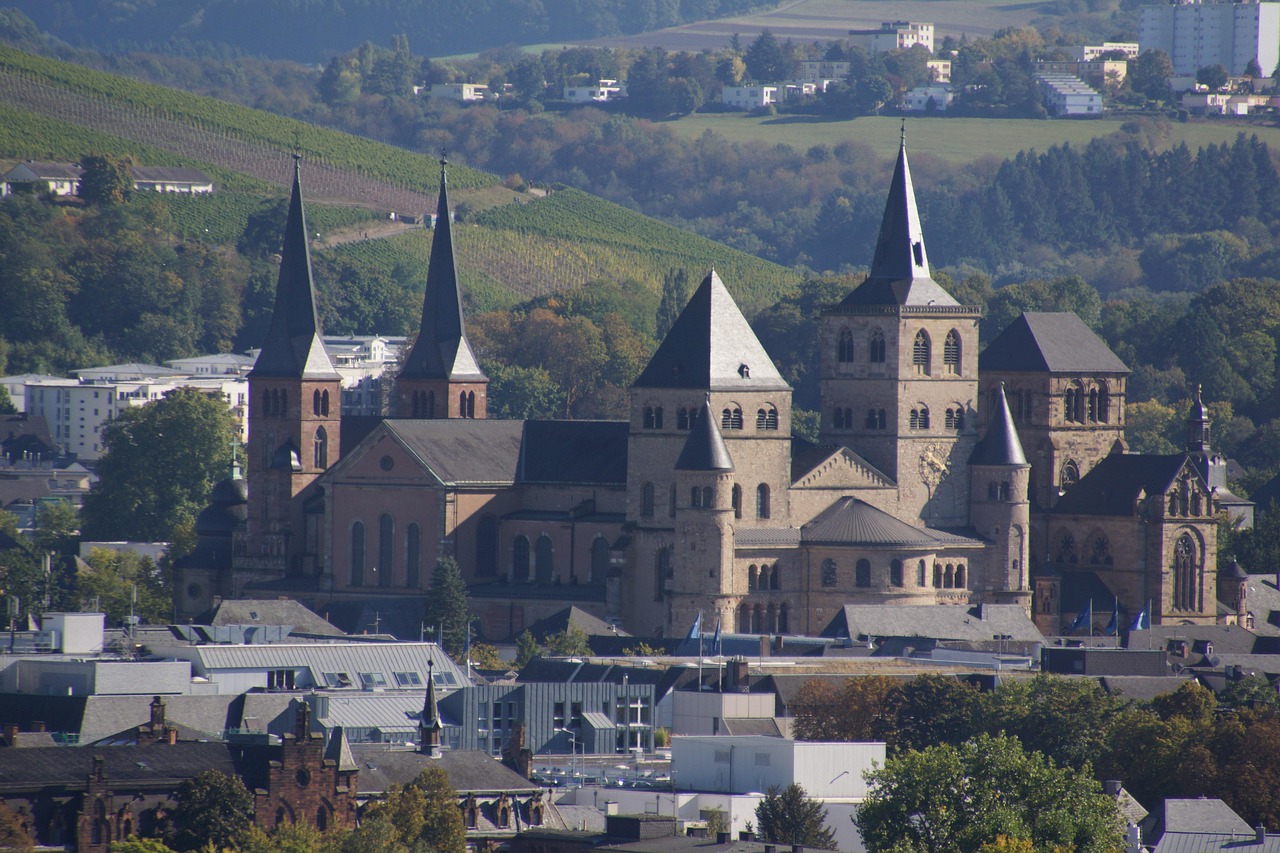
Why Visit Trier in 2026?
If you’ve ever wanted to walk through 2,000 years of European history in a single afternoon, Trier is your city.
Tucked into a bend of the Moselle River, a short hop from Luxembourg, Trier is officially Germany’s oldest city. Here, Roman gates loom over cobbled squares, medieval churches sit on top of Roman foundations, and students sip local Riesling beside ancient baths once used by emperors. It feels intimate and walkable, yet historically overwhelming in the best way.
I first came to Trier on a drizzly autumn day, intending to stay one night. I ended up staying four. Since then I’ve returned every couple of years, sometimes with friends, sometimes solo, once with my parents in tow. Each visit has been different: one focused on Roman ruins and museums, another on wine and hiking through vineyards, and the latest on slow mornings in cafés and long evenings along the Moselle.
In 2026–2027, Trier is especially worth your time: updated exhibitions at the Rheinisches Landesmuseum, new Moselle wine experiences, and a packed calendar of festivals mean you’ll never be short of things to do. Whether you’re planning a 3 day itinerary for Trier, a longer 4 days in Trier or even 5 days in Trier, this travel guide for Trier will help you build a trip that balances must-see attractions with local life and hidden corners.
Table of Contents
- Why Visit Trier
- Trier at a Glance
- Neighborhoods & Areas to Explore
- 20+ Must-See Attractions in Trier
- Suggested Itineraries (3–5 Days in Trier)
- Local Food & Drink in Trier
- Culture, Nightlife & Entertainment
- Events & Festivals 2026–2027
- Day Trips from Trier
- Local Customs & Cultural Etiquette
- Practical Travel Tips for Trier
- Summary & Best Time to Visit Trier
Trier at a Glance
Trier is a small city (around 110,000 people) in the state of Rhineland-Palatinate, close to Luxembourg and France. It’s compact, walkable, and ideal for a long weekend or as part of a Moselle or western Germany road trip.
- Country: Germany
- Region: Rhineland-Palatinate (Rheinland-Pfalz)
- Population: ~110,000
- Known for: Roman ruins, Moselle wine, medieval churches, Karl Marx, beautiful river valley
- Ideal trip length: 3–5 days in Trier to see the main sights and nearby vineyards
- Best for: History nerds, wine lovers, couples, culture travelers, families who like walkable cities
Neighborhoods & Areas to Explore in Trier
Trier isn’t a city of towering skyscrapers, but of church spires, Roman stone, and pastel townhouses. Here’s how I break it down when I show friends around:
Altstadt (Old Town)
The Altstadt is where you’ll spend most of your time, especially if you only have a 3 day itinerary for Trier. It’s compact: you can walk from the Porta Nigra to the Cathedral in 10 minutes, from there to the Roman Imperial Baths in another 10.
- Vibe: Lively, touristy but still local, full of cafés, bakeries, and small shops.
- Highlights: Porta Nigra, Hauptmarkt, Dom, Liebfrauenkirche, Karl Marx House, Hauptmarkt food stalls.
- Stay here if: You want to walk everywhere and feel in the middle of things.
Moselufer (Moselle Riverside)
Follow any side street downhill and you’ll hit the Moselle. On sunny days, this is Trier’s living room: joggers, cyclists, people with wine glasses and picnic blankets.
- Vibe: Relaxed, scenic, great for sunset walks and boat rides.
- Highlights: River promenade, boat piers, views of vineyards and bridges.
- Stay here if: You like a quieter base but still be 10–15 minutes from the Altstadt.
Petrisberg & Olewig (Hill & Vineyard Area)
Above the city, Petrisberg gives one of the best views of Trier and the Moselle valley. Olewig, just below, is a wine-growing quarter with traditional Straußwirtschaften (seasonal wine taverns).
- Vibe: Residential, green, wine-scented in summer.
- Highlights: Panorama walk, vineyard hikes, wine taverns.
- Stay here if: You prefer peaceful evenings and don’t mind a short bus ride or steep walk.
Palastviertel & Südallee
South of the Altstadt, around the Electoral Palace, you find graceful 19th-century villas, leafy streets, and the university campus.
- Vibe: Elegant, studenty near campus, relaxed cafés.
- Highlights: Palastgarten, Constantine Basilica, Kurfürstliches Palais.
- Stay here if: You like park walks and being right between Roman history and residential calm.
Nordstadt & Porta Nigra Area
North of Porta Nigra feels a bit more everyday-local: grocery stores, kebab shops, bakeries, and some budget-friendly stays.
- Vibe: Practical, non-touristy, convenient transport connections.
- Highlights: Porta Nigra, cheap eateries, quick escape towards Eifel region.
20+ Must-See Attractions in Trier (With Personal Notes)
These are the best places to visit in Trier, arranged roughly from “iconic” to “under-the-radar.” I’ve been to all of them, often more than once; where it helps, I’ve added small anecdotes and honest tips so you can decide what to prioritize for your own 3, 4 or 5 day itinerary for Trier.
1. Porta Nigra – The Black Gate
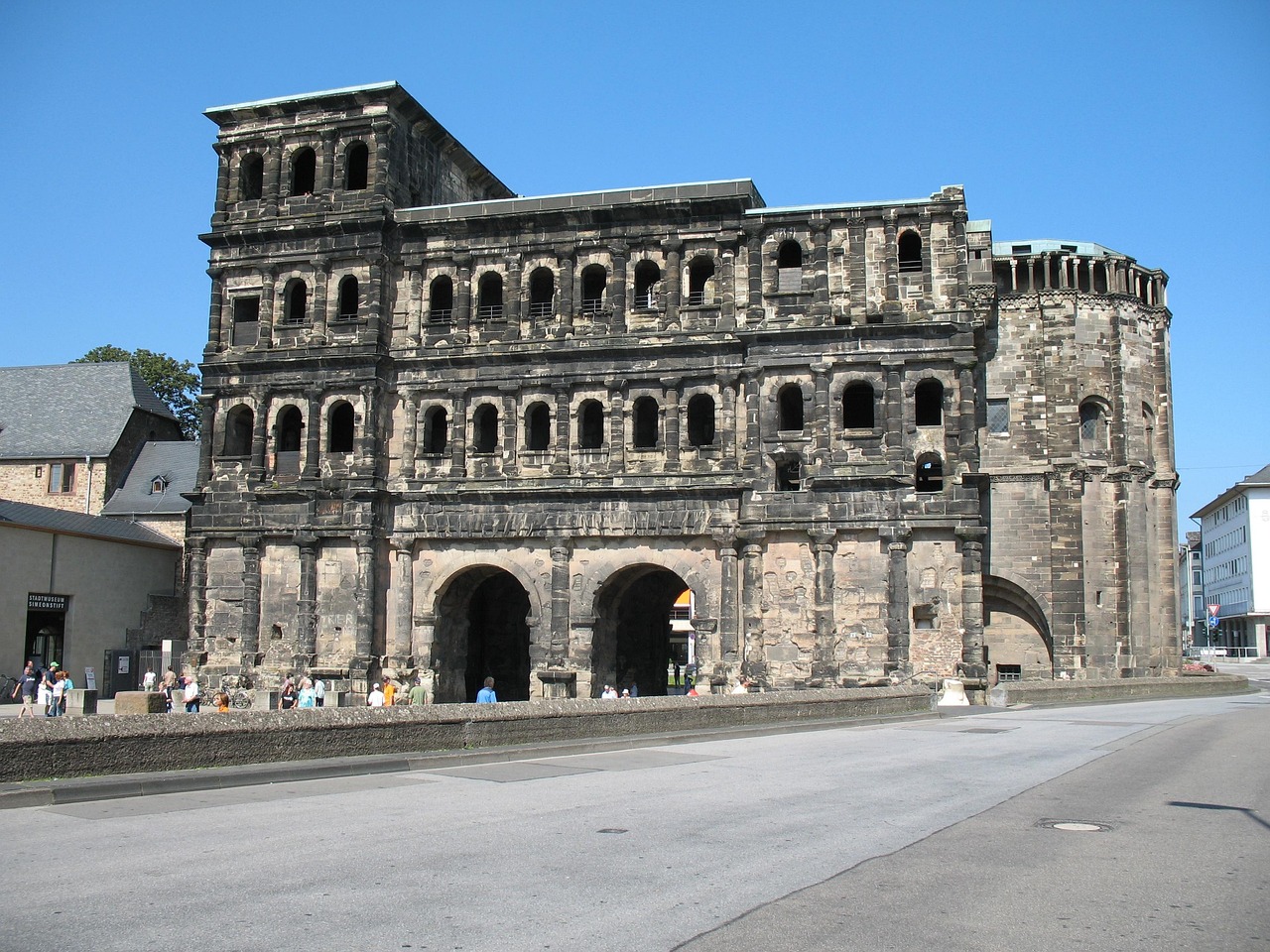
If Trier has a face, it’s the Porta Nigra. This hulking Roman city gate from around 180 AD is the city’s main landmark and the perfect way to start your visit.
The first time I saw it, I’d just stepped off the train, dropped my bag, and walked straight up Simeonstraße. Suddenly the shopping street ended and there it was: massive, dark sandstone blocks towering above the square. It’s one of those structures that looks fake in photos and then surprisingly raw and imposing in real life.
Why it’s special: It’s the best-preserved Roman city gate north of the Alps and a UNESCO-listed monument. Over the centuries it served as a fortress, a church, and now a climbable viewpoint.
What to do:
- Go inside and climb up – The interior passageways and staircases feel like a Roman playground. At the top, you’ll get your first panorama over Trier’s rooftops and church spires.
- Join a costumed tour (when running) – In high season, there are theatrical tours led by a “Roman centurion” that are surprisingly informative and not just gimmicky.
- Come back at dusk – The gate is beautifully lit in the evening, and the square is lively but not too crowded.
Practical tips:
- Getting there: 10–12 minutes’ walk from Trier Hbf (main station) straight down Nordallee/Simeonstraße.
- When to go: Right when it opens or late afternoon for thinner crowds.
- Tickets: Often included in combination tickets with other Roman sites; ask at the entrance or tourist info.
2. Hauptmarkt – Trier’s Historic Market Square
The Hauptmarkt is the heart of Trier’s Old Town: a cobbled square surrounded by colorful gabled houses, with a 16th-century fountain at its center. It’s where I always end up, whether I intend to or not.
I have memories here of warming my hands on a mug of Glühwein at the Christmas market, grabbing strawberries from the market stalls in June, and simply sitting on the fountain edge watching people drift between bakeries and ice cream stands.
What to do:
- Browse the morning market (most days) for seasonal fruit, flowers, and local cheeses.
- Climb the nearby church towers (Dom/Liebfrauenkirche) for views over the rooftops.
- Try local pastries at one of the bakeries lining the square.
Tip: For photos, come early when delivery vans have left and umbrellas aren’t yet cluttering the square.
3. Trierer Dom (St. Peter’s Cathedral)
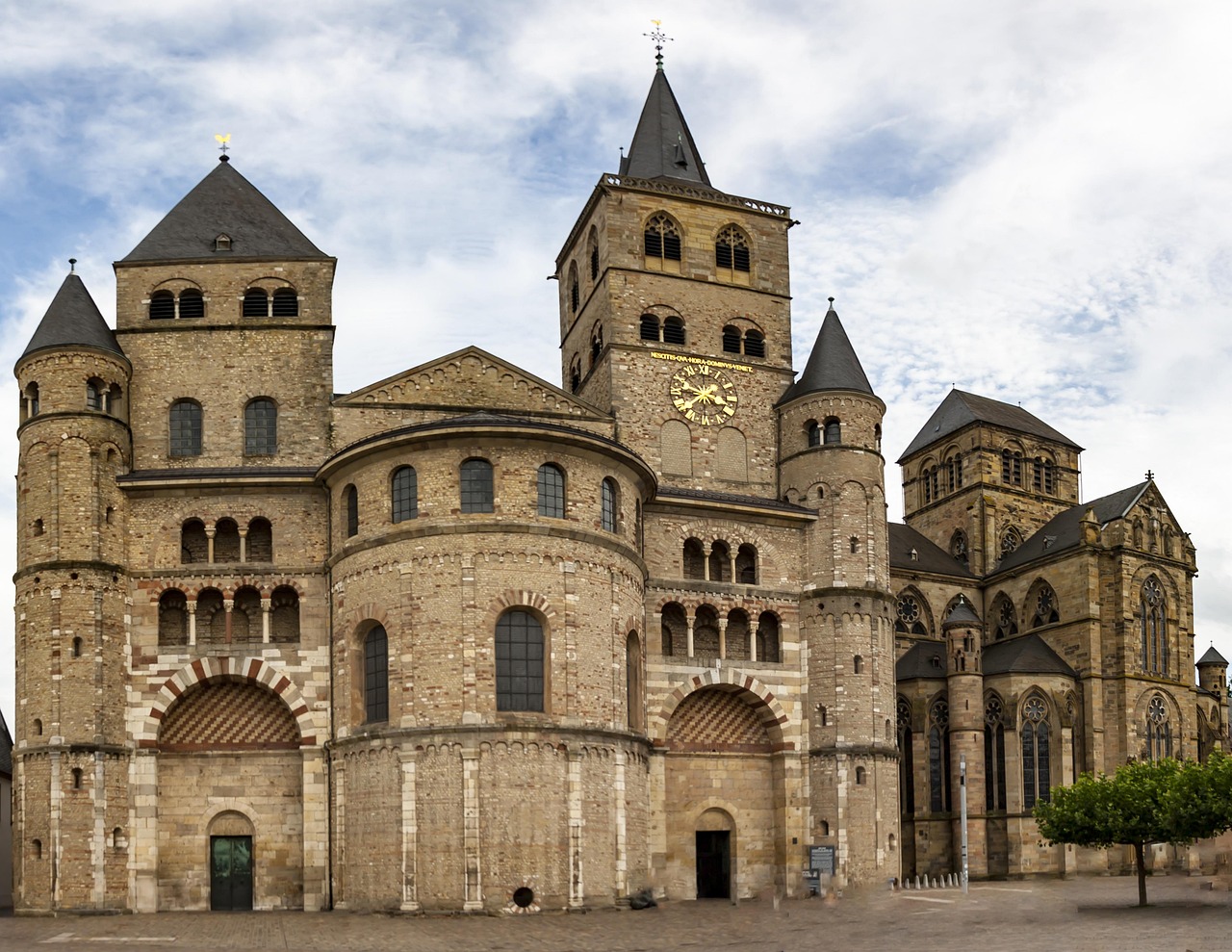
The Trier Cathedral is the oldest bishop’s church in Germany, with roots going back to a Roman palace church. Inside, it’s a layered history lesson in stone: Roman, Romanesque, Gothic, Baroque additions all in one.
On my second visit to Trier, I ducked into the Dom mainly to escape a sudden downpour. I ended up staying nearly an hour, just wandering between side chapels, listening to the echo of footsteps and the occasional organ practice.
Highlights:
- Cloister – A beautiful, peaceful courtyard that feels miles away from the busy Hauptmarkt.
- Relics & Treasury – For those interested in religious history, the Dom is a major pilgrimage site.
- Domplatz – The square in front is lovely for sitting with an ice cream or coffee.
Tip: Pair your visit with the neighboring Liebfrauenkirche – the contrast in architecture is stunning.
4. Liebfrauenkirche – Church of Our Lady
Right next to the Dom, the Liebfrauenkirche is one of the oldest Gothic churches in Germany. Where the Dom feels heavy and ancient, Liebfrauenkirche feels light and almost delicate, with an unusual cloverleaf floor plan.
I like to sit quietly on a pew here for a few minutes in the middle of a busy sightseeing day. The stained glass, the stone tracery, and the soft light all have a calming effect.
Tip: Look up at the vaulting and the symmetry: it’s one of the most unique church interiors you’ll see in Germany.
5. Constantine Basilica (Konstantinbasilika)
The Konstantinbasilika, or Basilica of Constantine, is a vast Roman throne hall built in the 4th century. From the outside, it’s a huge brick rectangle. Inside, the sheer volume of space hits you.
The first time I stepped into the basilica, a choir was rehearsing. Their voices filled the hall and made the history feel almost physical. It’s easy to imagine Roman emperors receiving guests here.
Why go: It’s one of the best-preserved examples of a Roman imperial audience hall and gives you a sense of the scale of Roman Trier.
Tip: Combine it with a stroll through the Palastgarten just behind it for photos of the basilica’s exterior and the pink Elector’s Palace.
6. Kurfürstliches Palais & Palastgarten
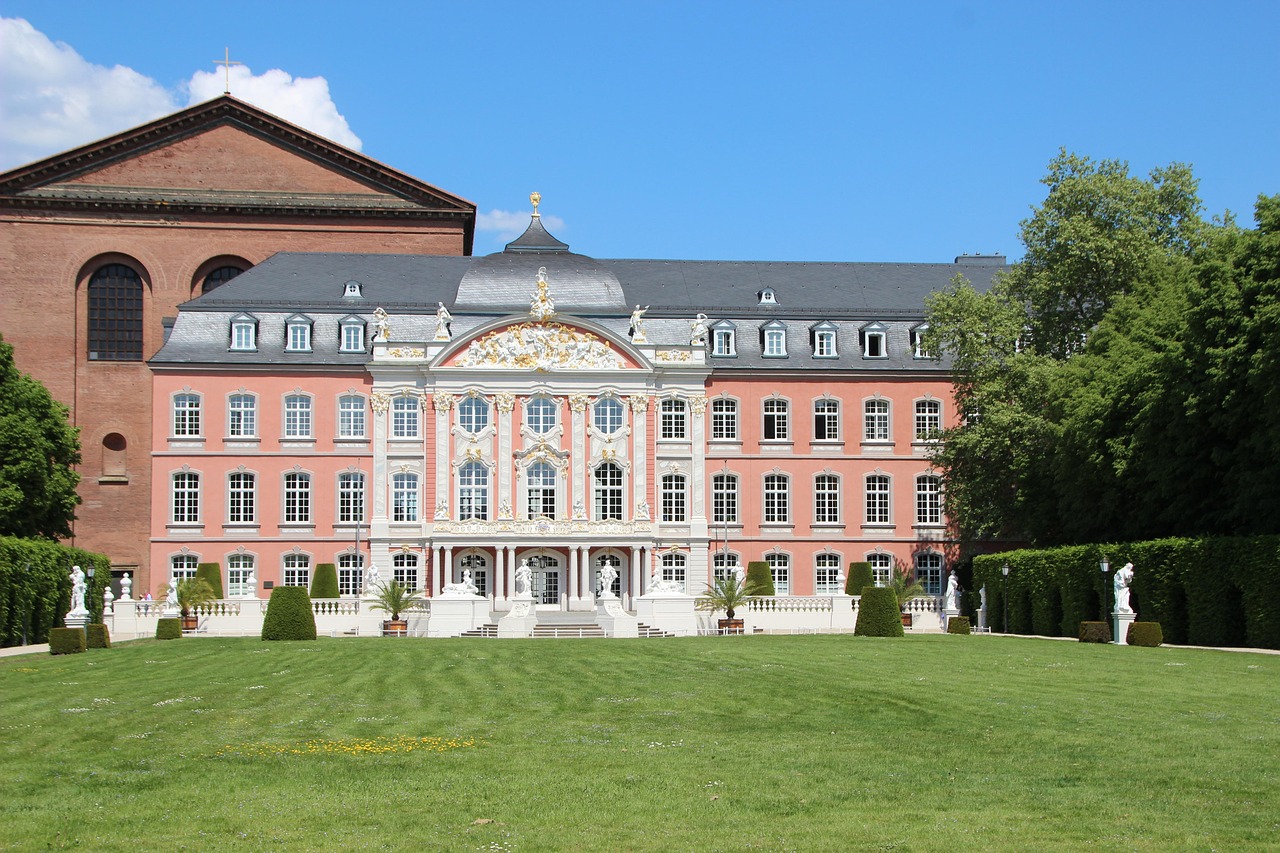
The Electoral Palace (Kurfürstliches Palais) is a candy-pink Rococo palace built against the side of the ancient basilica. The Palastgarten in front is one of Trier’s loveliest green spaces.
I’ve spent several sunny afternoons here, sprawled on the grass with a takeaway coffee, watching kids chase pigeons around the fountains. It’s also a great spot for photos: Baroque statues, manicured lawns, and the brick bulk of the basilica behind.
What to do:
- Walk the central axis from the palace façade down to the fountains.
- Bring a book or picnic; this is where students and locals hang out in good weather.
7. Kaiserthermen – Imperial Roman Baths
The Imperial Baths are the most atmospheric of Trier’s Roman ruins. The surface ruins are impressive enough, but the real magic is underground.
On my last trip, I arrived just as a school group left, and for 15 minutes I had the underground corridors almost to myself. Walking through the dimly lit service tunnels, with old heating channels and arches all around, felt like slipping behind the scenes of ancient Rome.
Why visit: To understand how sophisticated Roman bath engineering was and to get a sense of the scale of Roman Trier.
Tip: Wear good shoes; the ground is uneven in places. If you’re short on time, prioritize these baths over the Barbara Baths for the underground experience.
8. Roman Amphitheatre
Built into a natural slope just outside the city walls, the amphitheatre could once hold around 20,000 spectators. Today it’s a mostly grassy oval, but you can still sense the drama that once unfolded here.
I like coming here in the morning, when mist still hangs in the lower levels and birds hop along the stone tiers. The underground chambers, where animals and gladiators were once kept, are haunting.
Family-friendly: Kids love running around the arena and exploring the tunnels. Bring a small snack and water; there’s not much shade inside on sunny days.
9. Barbara Baths (Barbarathermen)
The Barbara Baths are the remains of what were once among the largest Roman baths in the empire. Today, they’re more of an archaeological site than a “reconstructed ruin,” with walkways and interpretive signs.
If you love ancient engineering and can’t get enough of Roman ruins, this is for you. If you’re short on time in a 3 day itinerary for Trier, you might prioritize the Imperial Baths instead.
Tip: Visit as part of a longer riverside walk towards the Moselle, combining history with scenery.
10. Römerbrücke – Roman Bridge
The Roman Bridge over the Moselle looks fairly ordinary at road level, but its foundations are 2,000 years old. Massive stone piers from the 2nd century still hold up modern traffic.
I like to walk across at sunset: the view back towards the city, with church spires silhouetted against the sky and boats gliding under the arches, is one of Trier’s quiet highlights.
Tip: For the best photo angle, walk along the riverbank path downstream and look back at the bridge.
11. Rheinisches Landesmuseum Trier
The Rheinisches Landesmuseum is Trier’s main archaeological museum and absolutely worth at least 2–3 hours, especially if you’re into Roman history.
On a rainy January day, I spent almost an entire afternoon here, moving slowly through mosaics, statues, coins, and everyday objects from Roman life. The multimedia show about Roman Trier (check current schedule for 2026) is surprisingly well-done and brings the ruins you’ve seen outside into context.
Don’t miss:
- The “Neumagen Wine Ship” relief – a fantastic piece of Roman stone carving.
- The mosaics – some are huge and beautifully preserved.
Tip: This museum is a great anchor on a day when you want to slow down or escape bad weather. Consider a combination ticket with other Roman sites.
12. Karl Marx House (Karl-Marx-Haus)
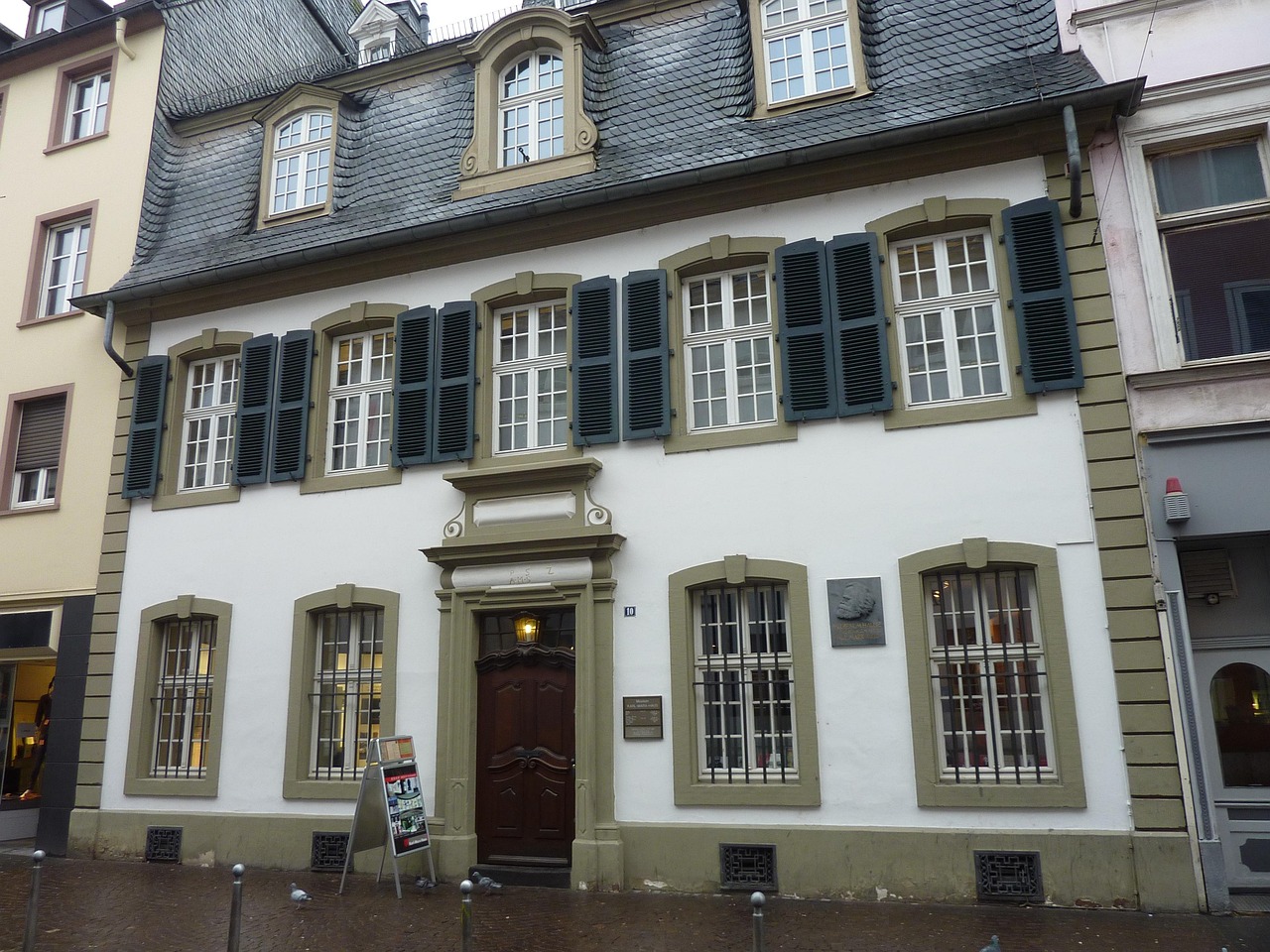
Trier is the birthplace of Karl Marx, and the Karl-Marx-Haus is a museum in the house where he was born. Whether you love, dislike, or are just curious about Marx, this is an interesting stop.
I visited with a friend who’s a political science nerd, and we ended up spending longer than expected, not only on Marx’s life and ideas but also on how they’ve been interpreted across history.
Good to know: The museum is modern and doesn’t feel dusty or ideological; it’s more about understanding a historical figure and his impact.
13. Viehmarkt Baths (Viehmarkthermen)
Beneath a modern glass and steel structure in the city center lie the remains of the Viehmarkt Baths. It’s a nice example of how Trier layers the present on top of the past.
If your 3 days in Trier are packed, you can skip this; if you’re here for 4 or 5 days in Trier, it’s a worthwhile addition, especially combined with nearby cafés and shops.
14. St. Gangolf Church
Hidden behind houses on the Hauptmarkt, the St. Gangolf Church is easy to miss if you don’t know to duck under the little gateway. Inside, it’s a charming Gothic church with a surprisingly spacious interior.
I like slipping in here for a quiet moment when the main squares feel too busy. It’s one of those hidden gems in Trier that’s technically right in front of you.
15. Former Jewish Quarter & Judengasse
Trier’s medieval Jewish community lived around what is now Judenstraße and Jesuitenstraße. Today, signage and small markers remember that history.
On a quiet evening walk, I followed a self-guided route downloaded from the city website, learning about the community that once lived here. It’s sobering and important, and a reminder that history is not only Roman and medieval splendor.
16. Olewig Wine Quarter
Just beyond the city center, Olewig feels like a wine village grafted onto a small city. Narrow streets, vine-covered houses, and several families running small wineries and seasonal wine taverns.
One September evening, I ended up in a Straußwirtschaft (a seasonal wine tavern with simple homemade food) run by a local family. We ordered a carafe of off-dry Riesling and a platter of Brotzeit (cold cuts, cheese, bread), and I remember thinking how perfectly this matched my picture of the Moselle region.
Tip: Come here in late summer/early autumn for harvest season; check which taverns are open (they’re often only seasonal).
17. Petrisberg Viewpoint & Trails
If you want a sweeping skyline view of Trier (church spires, Roman ruins, river curve, vineyards), head up to Petrisberg. It’s my top recommendation for a sunset walk.
Last summer, I hiked up from the city in the late afternoon. By the time I reached the viewpoints, the light was turning golden and the Moselle valley looked like something out of a painting. On the way down, city lights began to flicker on, and the Porta Nigra glowed below like a warm ember.
Tip: Wear comfy shoes; parts of the path are steep. Alternatively, take a bus up and walk down through the vineyards.
18. Zurlaubener Ufer – Moselle Riverside Promenade
Across the river from the city center lies Zurlauben, a strip of old fishermen’s houses turned into restaurants and beer gardens along the Moselle.
I love coming here on warm evenings, grabbing a table by the water, and watching riverboats and swans drift past. It’s a great place to try local fish dishes and, of course, more Moselle wine.
Family-friendly: Kids can run along the promenade; there’s usually an ice cream stand somewhere in sight.
19. Weinkulturpfad & Nearby Vineyards
While not a single “attraction,” the Weinkulturpfad (wine culture trail) and other vineyard paths around Trier are some of my favorite places to be on a sunny day. These marked trails wind through vines, with educational signs about grape varieties and wine production.
On one visit, I spent half a day strolling a wine trail near Trier, stopping at a small estate for a tasting and leaving with a bottle wrapped carefully in my backpack. It turned a standard “sightseeing” day into something slower and more memorable.
20. Nells Park & Green Spaces
If you’re in Trier for 4 or 5 days, you’ll appreciate a slower day. Nells Park, just north of the center, is a landscaped 19th-century park with a small lake, rose garden, and a hotel café terrace.
I once spent a lazy Sunday morning here with a book and a coffee, listening to ducks on the pond and cyclists whizzing past on nearby paths. It’s a good spot when you’ve overdosed on ruins and crowds.
More Interesting Spots (If You Have Time)
- St. Mattheis Abbey – A bit out of the center, peaceful and historic.
- Trier City Museum Simeonstift – Local history, art, and city development.
- Weinstuben & Wine Bars – Not “attractions,” but essential to experiencing Trier’s wine culture.
Suggested Itineraries: 3–5 Days in Trier
Below are flexible outlines for a 3 day itinerary for Trier, plus suggestions for extending to a 4 day itinerary for Trier and a 5 day itinerary for Trier. You won’t hit 80,000 words reading these, but you’ll get enough detail to actually use them.
3 Day Itinerary for Trier
Day 1 – Roman Gateways & Old Town Charm
Morning: Start at Porta Nigra. Climb to the top, explore the interior, and take your first photos of the Old Town from above. Afterward, stroll down Simeonstraße into the heart of the Altstadt.
Grab a late breakfast or early coffee at a café on or near the Hauptmarkt. I like small side-street spots over the main-square terraces, which can be pricier.
Late Morning: Visit Trier Cathedral (Dom) and the Liebfrauenkirche. Take time in the cloister and don’t rush—these are among the city’s most beautiful and historic sites.
Lunch: Eat near the Hauptmarkt. Look for places serving local specialties like Sauerbraten or lighter fare if it’s warm. If it’s market day, you can assemble a picnic from stalls and sit on a bench in Domfreihof.
Afternoon: Explore more of the Old Town: wander through St. Gangolf, then continue to Viehmarkt Baths if you’re curious. Otherwise, duck into small boutiques and chocolate shops, or visit the Karl Marx House.
Evening: Walk down to the Moselle riverbank near Zurlauben. Have dinner at a riverside restaurant with a glass (or two) of local Riesling. If boats are running with evening cruises, take a short one to see Trier from the water.
Personal tip: My favorite first-day ritual is a slow walk back through the Old Town after dark. The Porta Nigra and Dom lit up at night are magical.
Day 2 – Deep Dive into Roman Trier
Morning: Head to the Rheinisches Landesmuseum right when it opens. Spend 2–3 hours immersing yourself in Roman Trier: mosaics, statues, the multimedia show. This sets the stage for the ruins you’ll see later.
Lunch: Have lunch at a nearby café or grab a quick bite to maximize your afternoon.
Afternoon: Walk to the Imperial Baths (Kaiserthermen). Explore the above-ground ruins, then head into the underground corridors. From there, either walk or take a bus to the Roman Amphitheatre.
Climb the amphitheatre tiers, peek into the underground chambers, and imagine the roar of 20,000 people.
Late Afternoon: If you still have energy, swing by the Barbara Baths or wander back through the Palastgarten for a rest on the grass.
Evening: Dinner somewhere in the Altstadt. If you enjoy wine, ask specifically for regional Moselle bottles by the glass to compare styles. After dinner, grab a nightcap at a wine bar or casual pub.
Day 3 – Moselle, Vineyards & Views
Morning: Start with a leisurely breakfast, then walk or bus up to Petrisberg for panoramic views over Trier and the Moselle valley. Spend time on vineyard trails if weather allows.
Lunch: Either bring a picnic (my preferred approach on nice days) or head down to Olewig and eat at a small restaurant or wine tavern.
Afternoon: Explore Olewig, tasting local wines if you’re into that. Alternatively, head to the Roman Bridge (Römerbrücke) and walk along the riverside path, maybe crossing to Zurlauben if you didn’t already.
Evening: For your final night, pick a cozy restaurant in the Old Town or a romantic spot by the river. If you’re with a partner, a sunset walk followed by a quiet wine bar is hard to beat.
4 Day Itinerary for Trier
If you have 4 days in Trier, keep the 3-day plan and add:
Day 4 – Slow Culture & Local Life
- Sleep in a bit, then have a long brunch in a café favored by locals (ask your accommodation for a current favorite).
- Visit the City Museum Simeonstift to learn more about Trier’s development beyond Roman times.
- Stroll to Nells Park or another green space for a relaxed afternoon.
- Do some shopping: local wines, regional mustard, or crafts make good souvenirs.
- In the evening, check what’s on: a concert in a church, a performance at the theatre, or a wine tasting event.
By spreading your sightseeing, you’ll experience Trier not just as a checklist of things to do in Trier, but as a place people actually live.
5 Day Itinerary for Trier
With 5 days in Trier, you can comfortably see the city and add a day trip.
Day 5 – Day Trip Along the Moselle or to Luxembourg
- Moselle Wine Villages: Take a train or boat to Bernkastel-Kues, Neumagen-Dhron, or another nearby village. Wander timber-framed streets, taste wine, and walk vineyard paths.
- Luxembourg City: 45–60 minutes by train from Trier. Explore the UNESCO-listed casemates and dramatic valley views, then return to Trier for dinner.
Tip: For budget-conscious travelers, buses can be cheaper than trains to some Moselle destinations; check regional day tickets.
Local Food & Drink in Trier
Trier’s cuisine reflects both its German roots and its position near Luxembourg and France. You’ll find hearty Rhineland dishes, light river fish, and an almost endless supply of Riesling.
Must-Try Local Foods
- Riesling & Elbling Wines: The Moselle is white-wine country. Try dry (trocken), off-dry (feinherb), and sweeter styles.
- Federweißer (in autumn): Partially fermented new wine, cloudy and slightly fizzy, best enjoyed with onion tart.
- Zwiebelkuchen: Savory onion tart, often served with Federweißer.
- Sauerbraten: Marinated roast, usually beef, often served with red cabbage and dumplings.
- Flammkuchen: Thin, crispy flatbread with crème fraîche, onions, and bacon (Alsatian origin but very popular here).
- Mosel fish dishes: Trout and other river fish, often simply prepared.
Where to Eat (Personal Favorites)
Names and menus change, but here are the types of places I gravitate to:
- Old Town taverns: Rustic interiors, local dishes, and house wines. Great for a first dinner.
- Wine taverns in Olewig: Seasonal, homey, and full of locals. Perfect for a long evening.
- Riverside restaurants at Zurlauben: Best for atmosphere and fish dishes.
- Cafés off the Hauptmarkt: For breakfast, cake, and people-watching without main-square prices.
Saving Money on Food
- Eat your main meal at lunch; many restaurants offer cheaper lunch menus.
- Use bakeries for breakfast and simple lunches (sandwiches, pretzels, pastries).
- Buy picnic supplies from supermarkets or the market and eat in parks or by the river.
- Order house wine (Hauswein) by the carafe; it’s often excellent value.
Culture, Nightlife & Entertainment in Trier
Trier isn’t Berlin, but it has a lively, student-fueled nightlife and rich cultural calendar.
Cultural Experiences
- Classical concerts in churches like the Dom or Basilika.
- Theatre performances at the city theatre (check schedules; some productions in German only).
- Temporary exhibitions at the Landesmuseum or City Museum.
Nightlife
- Wine bars in the Old Town – my preferred way to spend a Trier evening.
- Pubs and student bars near the university and around the Altstadt.
- Riverside beer gardens at Zurlauben in summer.
Family-Friendly Evenings
- Evening walks by the Moselle, possibly with ice cream.
- Early dinners in casual taverns (Germans are used to children in restaurants).
- Occasional open-air concerts or festivals in warmer months.
Events & Festivals in Trier (2026–2027)
Exact dates change year to year, but in 2026–2027 you can expect:
- Altstadtfest (Old Town Festival) – Early summer: live music, food, wine stalls across the Old Town.
- Moselwein Festival – Various wine festivals along the Moselle, often with shuttle connections from Trier.
- Christmas Market – Late November to just before Christmas: Trier’s Christmas market sprawls across the Hauptmarkt and Domfreihof, with crafts, food, and mulled wine.
- Roman-Themed Events – Seasonal events at the amphitheatre, Porta Nigra, or baths (reenactments, night tours).
- Marx and History Conferences/Exhibitions – Check the Karl Marx House and city calendar for special events.
In 2026, look out for enhanced programming around Roman heritage and wine tourism; the city has been investing in updated exhibitions and themed tours.
Day Trips from Trier
If you’re in Trier for 4–5 days, these make easy and rewarding side trips.
1. Luxembourg City
Travel time: ~45–60 minutes by train.
Explore dramatic gorge views, old fortifications, and a very different city vibe. Wander the old town, the Grund quarter, and take the glass elevator between levels.
2. Bernkastel-Kues
Travel time: ~1–1.5 hours by bus or boat (seasonal).
Classic Moselle wine town with timbered houses, steep vineyards, and a ruined castle above. Great for wine tastings and slow walks.
3. Saarburg
Travel time: ~45 minutes by train or bus.
Pretty town with a waterfall in the center, a castle ruin, and vineyards around. Feels like a small fairytale version of Trier.
4. Eifel Region
Travel time: 1–2 hours depending on destination.
Volcanic lakes (Maare), hiking trails, and small towns. Best with a car.
Local Customs & Cultural Etiquette in Trier
Germans in Trier are generally friendly but reserved. You’ll find a relaxed Moselle vibe but also some typical German habits.
Greetings & Manners
- Say “Guten Tag” or “Hallo” when entering small shops or cafés.
- Use “Bitte” (please) and “Danke” (thank you) liberally.
- In more formal situations, use last names with Herr/Frau until invited to switch to first names.
In Restaurants
- It’s normal to seat yourself if there’s no host stand; ask “Ist hier frei?” if unsure.
- Tipping: 5–10% is standard if service was good. Round up the bill and tell the server the total you want to pay.
- Service can feel slow; it’s not rude, it’s just relaxed. Ask for the bill: “Zahlen, bitte.”
Quiet Hours & Public Behavior
- Residential areas observe Ruhezeiten (quiet hours), especially late at night.
- On public transport, keep noise modest; loud phone calls are frowned upon.
- Recycling is taken seriously; use bins correctly where possible.
Wine Culture
- Wine is respected but not snobby; locals are happy to explain styles.
- Don’t chug wine like beer; sip and enjoy with food.
- In tastings, it’s fine to spit if you’re trying multiple wines, especially if driving.
Practical Travel Tips for Trier
Getting There & Around
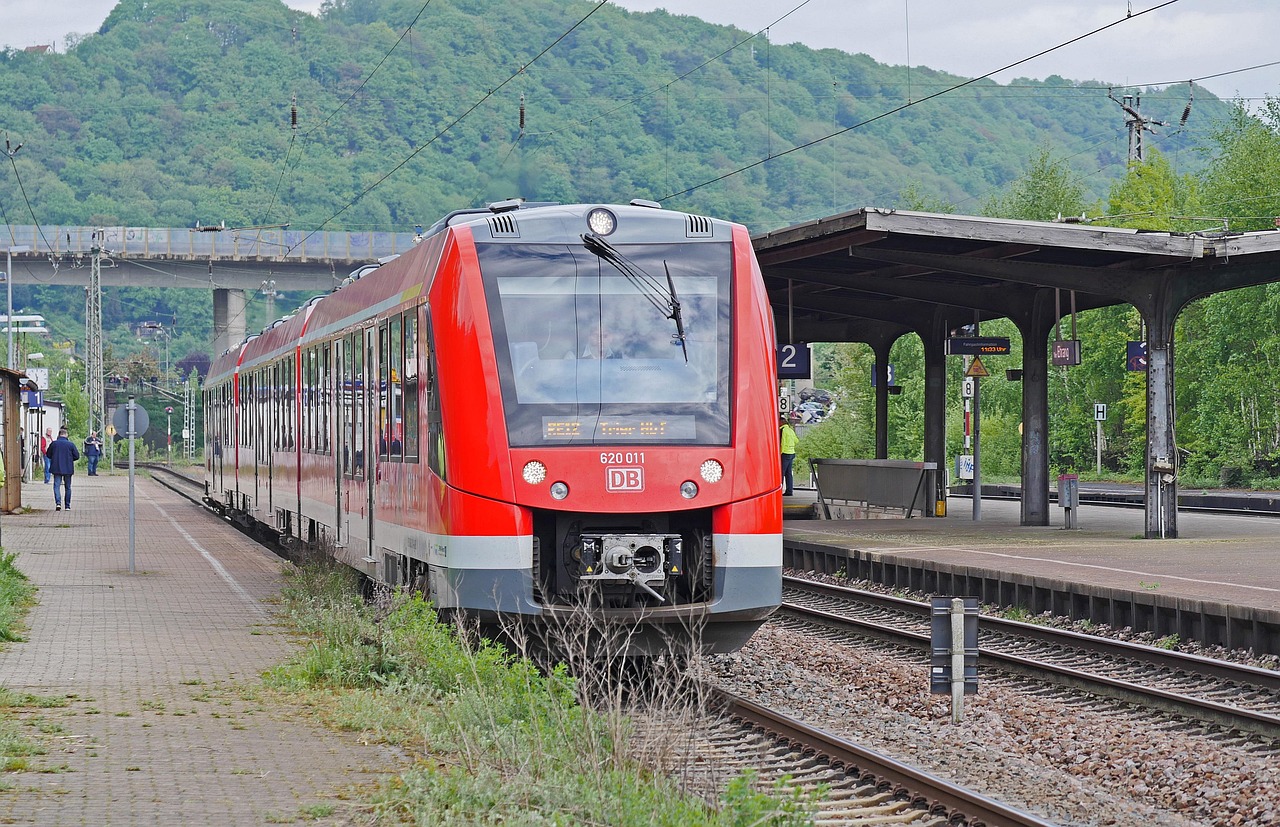
By Train: Trier is well-connected to Luxembourg, Koblenz, and other German cities. From Frankfurt or Cologne, you’ll usually change once.
By Car: Handy if you plan day trips to small villages or the Eifel. Parking in the center is mostly paid; look for park-and-ride or edge-of-center garages.
By Bus: Local buses are frequent and useful for Petrisberg, Olewig, and some Roman sites if you don’t want to walk.
On Foot: The Old Town is very walkable; most must-see attractions in Trier are within 10–20 minutes of each other.
SIM Cards & Connectivity
In 2026, you have several options:
- EU Roaming: If you’re from another EU country, your usual plan likely works at home rates.
- Local SIMs: Available from chains like Deutsche Telekom, Vodafone, or O2 shops in Trier. Bring your passport for registration.
- eSIMs: Many travelers now use eSIM data packages bought online before arrival.
Wi-Fi is common in hotels and many cafés, but not ubiquitous on the streets.
Saving Money in Trier
- Use regional day tickets on trains/buses for cheaper travel within the area.
- Stay slightly outside the absolute center for better hotel/apartment prices.
- Self-cater breakfasts or some dinners if you have a kitchenette.
- Take advantage of free sites: churches, parks, river walks, Old Town wandering.
Where to Stay (Area Overview)
- Altstadt: Best if you want to be close to everything. Perfect for a 3 day itinerary for Trier.
- Moselufer/Zurlauben: Great for riverside walks and a quieter feel.
- Petrisberg/Olewig: Best if you like views, vineyards, and don’t mind using buses.
- Near Trier Hbf: Convenient for trains and budget stays.
Public Transport & Car Rental
Public Transport: Buses cover the city and nearby suburbs; tickets can be bought on board or via apps. A day ticket can be worthwhile if you’re crisscrossing town.
Car Rental: Available at Trier or nearby larger cities. Useful for exploring the Eifel, multiple Moselle villages in one day, or off-the-beaten-path spots.
Foreign Driver’s License: Most non-EU licenses are accepted for short stays; check if you need an International Driving Permit depending on your home country.
Visa Requirements
Trier follows Schengen Area rules:
- EU/EEA/Swiss citizens: No visa needed; travel with ID/passport.
- Many non-EU countries: Can enter visa-free for short stays (up to 90 days in 180). Check if ETIAS or similar electronic pre-clearance is required by 2026 for your nationality.
- Others: May need a Schengen visa issued before travel. Always check current requirements with official sources prior to your trip.
Weather & Best Seasons
Spring (March–May): Mild, blossoms in parks, fewer tourists. Great for sightseeing and early vineyard walks.
Summer (June–August): Warm to hot, festivals, wine events, long evenings by the river. Can be busier, especially during school holidays.
Autumn (September–November): My personal favorite: grape harvest, golden vineyards, Federweißer and onion tart, crisp air.
Winter (December–February): Cold, shorter days, but magical Christmas markets and cozy taverns. Outside Christmas market season, things are quiet but atmospheric.
For a 3–5 day itinerary for Trier, I’d aim for late April–June or September–early October.
Summary: Key Takeaways & Best Time to Visit Trier
Trier is small enough to feel intimate but rich enough in history and wine to keep you busy for days. Whether you’re planning a brisk 3 day itinerary for Trier focused on the must-see attractions in Trier, or a slower 4–5 day itinerary for Trier that folds in vineyard walks and day trips, you’ll find a city that rewards both curiosity and lingering.
Best seasons:
- Spring: Ideal for sightseeing with comfortable temperatures and blooming parks.
- Summer: Perfect for river life, festivals, and long evenings outside.
- Autumn: Best for wine lovers, with harvest events and colorful vineyards.
- Winter: Come mainly for the Christmas market and cozy, crowd-free museums.
What makes Trier special isn’t just its Roman stones, but the way everyday life flows around them: kids skateboarding under ancient walls, students reading in palace gardens, couples sharing a bottle of Riesling beside a river the Romans once sailed. Give yourself a few days here, slow down between the big sights, and you’ll see why so many of us keep coming back.