Why Visit Wernigerode?
If you’ve ever dreamed of walking through a real-life storybook town, Wernigerode is it. Tucked against the northern slopes of the Harz Mountains in Saxony-Anhalt, this small town combines half-timbered houses, a hilltop fairy-tale castle, steam trains puffing through the forest, and cobbled lanes lined with cozy cafés.
I’ve visited Wernigerode several times over the last decade, and each time I find another reason to stay longer — whether it’s hiking up to Brocken in morning mist, sipping a local beer on the Marktplatz as the Rathaus turns golden at sunset, or wandering quiet backstreets where the only sound is your footsteps on centuries-old stones.
Wernigerode is compact enough for a relaxed 3 day itinerary, but rich enough in things to do that you can easily fill 4 days in Wernigerode or even a 5 day itinerary with hikes, castles, narrow-gauge railways, and day trips into the Harz. It’s family-friendly, romantic, and adventurous all at once.
- For couples: Sunset views from Wernigerode Castle, spa time, candlelit dinners in timbered wine cellars.
- For families: Steam train rides, a wildlife park, kid-friendly museums, and gentle forest walks.
- For adventurers: Brocken hikes, mountain biking, winter snowshoeing, and exploring hidden valleys.
In this 2026 travel guide for Wernigerode, I’ll walk you through must-see attractions, hidden gems, local customs, the best local food in Wernigerode, and step-by-step 3–5 day itineraries based on my own trips.
Quick Overview of Wernigerode
Wernigerode sits on the northern edge of the Harz Mountains, roughly halfway between Hanover and Leipzig. With just over 30,000 residents, it has the infrastructure of a small city but the charm of a village. Trains connect it easily to major cities, and the Harzer Schmalspurbahnen narrow-gauge network turns the whole Harz into your playground.
The town is famous for its:
- Rathaus (Town Hall): A stunning half-timbered building on the Marktplatz.
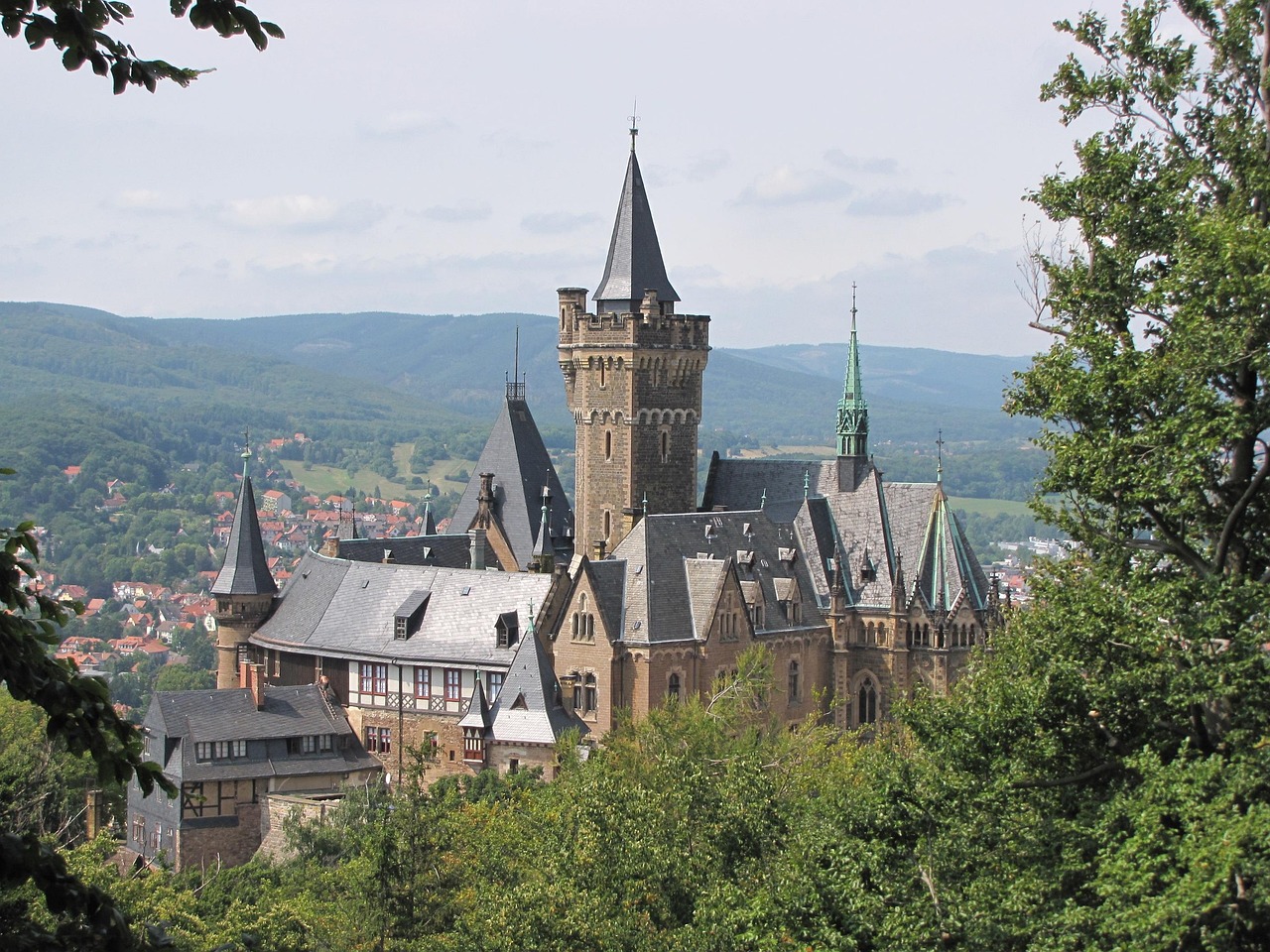
- Schloss Wernigerode (Castle): A hilltop castle with sweeping views.
- Harzer Schmalspurbahnen: Steam trains to Brocken and beyond.
- Half-timbered old town: Lanes of colorful Fachwerkhäuser.
- Gateway to Harz nature: Trails, forests, and mountain peaks.
3–5 Day Itineraries for Wernigerode
These are the itineraries I actually follow when friends visit. Use them as a framework and adjust based on your pace.
3 Day Itinerary for Wernigerode
If you only have 3 days in Wernigerode, this plan focuses on the absolute must-see attractions in Wernigerode: the castle, old town, Brocken, and a taste of local food and culture.
Day 1 – Old Town & Castle Magic
On my most recent spring trip, I arrived on a Friday around 10:00 a.m. and headed straight to my guesthouse near the Marktplatz. I always start my first day with the old town — it’s the heart of Wernigerode and orients you for the rest of your stay.
- Morning: Marktplatz, Rathaus, and half-timbered lanes
- Lunch: Traditional Harz dishes near the main square
- Afternoon: Schloss Wernigerode & castle gardens
- Evening: Sunset viewpoint and dinner with local beer
Start at the Marktplatz, where the Rathaus dominates the square. I recommend grabbing a coffee from a café with outdoor seating, then just sitting for 15–20 minutes to soak up the view. On my first visit, I spent a full hour people-watching here and never regretted it.
After exploring the lanes (don’t miss Breite Straße and Kochstraße), walk uphill to Schloss Wernigerode. You can take the Bimmelbahn tourist train, but if you’re able, I prefer the 20–30 minute walk — it winds through residential streets and forested paths, giving you glimpses of the castle between trees.
Spend a couple of hours touring the castle interiors and terraces. I like timing my visit to be on the viewing terrace about an hour before sunset, when the town below slowly lights up. For dinner, head back down into town and try a rustic restaurant serving Sauerbraten or Harzer Käse.
Day 2 – Brocken & Steam Trains
Day 2 of your 3 day itinerary for Wernigerode is all about the Harz Mountains and the legendary Brocken peak.
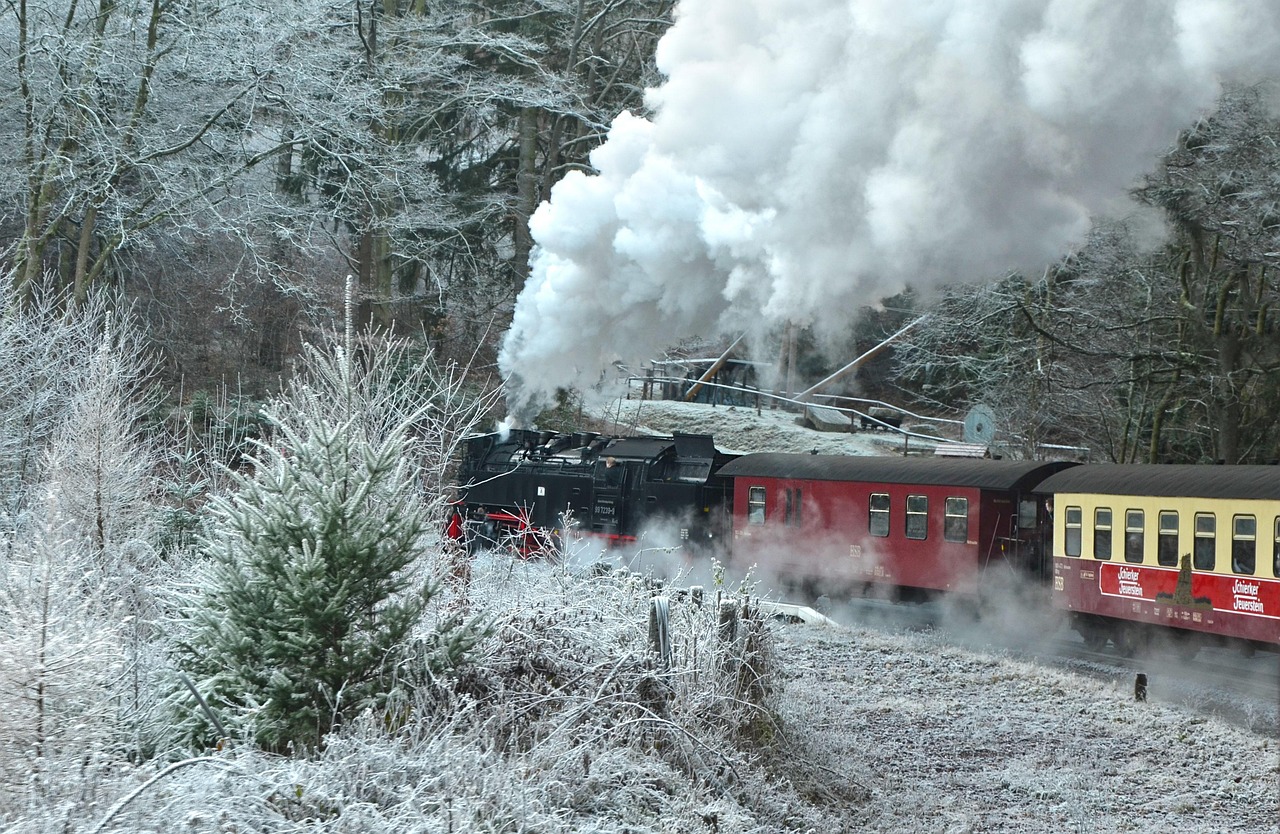
- Morning: Narrow-gauge steam train (or hike) to Brocken
- Midday: Brocken summit, museum & viewpoints
- Afternoon: Return to Wernigerode, café break
- Evening: Stroll through quieter neighborhoods, casual dinner
Reserve your Harzer Schmalspurbahn ticket in advance in high season. I usually catch a morning train so I have flexibility at the top. The rhythmic chug of the engine and the smell of coal smoke as you climb through the forest is a highlight in itself — especially if you nab a window seat.
At the summit, explore the Brocken Museum, walk the loop around the plateau for views (on clear days you can see far into the plains), then warm up with soup or cake in the summit restaurant. Return by train or, if you’re fit and the weather is good, hike down partway and rejoin the train at a lower station.
Day 3 – Museums, Gardens & Hidden Corners
Your final of 3 days in Wernigerode is for slower exploring, museums, and a few hidden gems.
- Morning: Museum of Aviation and Technology, or Harzmuseum
- Lunch: Local snack stands or a simple Imbiss
- Afternoon: Lustgarten, Bürgerpark, or mini hike to a viewpoint
- Evening: Last-minute shopping, relaxed dinner, night walk
If you love engineering or you’re traveling with kids, the Museum für Luftfahrt und Technik is a must. On another trip I spent three hours there losing track of time among old planes and engines. Otherwise, choose a smaller museum and then unwind in green spaces like Bürgerpark or the Lustgarten, where locals walk their dogs and children play.
4 Day Itinerary for Wernigerode
With 4 days in Wernigerode, you can keep the 3 day itinerary above and add a deeper Harz experience or an extra day trip.
Day 4 – Quedlinburg or Goslar Side Trip
On my second visit, I used my extra day for a train trip to Quedlinburg, another UNESCO-listed half-timbered town. Alternatively, Goslar on the western side of the Harz is also a great choice.
Both towns are easily reached by regional trains in about an hour or so. Wander their old towns, visit a local castle or museum, and compare the feel to Wernigerode — each Harz town has its own personality. Return to Wernigerode for dinner and a final nightcap on the Marktplatz.
5 Day Itinerary for Wernigerode
A 5 day itinerary for Wernigerode is ideal if you want a mix of sightseeing, hiking, and pure downtime. Keep the 4 days in Wernigerode plan, then add one more flexible day based on your interests.
Day 5 – Choose Your Adventure
- Adventure option: Full-day hike in the Harz National Park or mountain biking.
- Relaxation option: Spa day in nearby Bad Harzburg or Thale thermal baths.
- Cultural option: Visit more local museums, churches, and art exhibitions.
On my last 5 day stay, I split the day: a morning hike to a quiet viewpoint above town and an afternoon in a spa in Bad Harzburg. It felt like the perfect way to end an active trip.
Top 20+ Must-See Attractions in Wernigerode (with Personal Notes)
Below are the best places to visit in Wernigerode, each with a deeper dive: history, significance, and the practical details I wish I’d known before my first trip.
1. Wernigerode Rathaus & Marktplatz
The Rathaus is Wernigerode’s iconic postcard view — a half-timbered jewel with twin spires, bright colors, and intricate woodwork. The building’s origins go back to the 13th century, when it was a medieval Spielhaus (playhouse) before becoming the town hall.
I still remember my first evening here in 2016: light rain had just stopped, the cobbles were wet and reflective, and the Rathaus glowed in the soft orange streetlight. A violinist started playing under the arcades, and even the locals paused to listen. That was the moment I fell in love with Wernigerode.
What to do:
- Walk around the Marktplatz and admire the façades from different angles.
- Join a guided town tour (often starting at the square) to learn about Wernigerode’s history.
- Visit the tourist information office nearby for maps and event info.
Tips: Come early in the morning for photos with fewer people, and again around sunset when the light is warmest. In December, the Marktplatz becomes the heart of the Christmas market — it’s busy, but magical.
2. Schloss Wernigerode (Wernigerode Castle)
Perched on a forested hill above town, Schloss Wernigerode looks like it belongs in an illustrated fairy tale. The current castle is a 19th-century neo-Gothic reconstruction of a much older fortress, transformed into a romantic residence for the Counts of Stolberg-Wernigerode.
Inside, rooms are preserved in late 19th-century style: carved wood, heavy drapes, hunting trophies, and ornate salons. On my second visit, I took the audio guide and was surprised by how much it added — especially stories about the family who actually lived here, making the castle feel more like a home than a museum.
Highlights:
- The Grand Hall and staircase with its woodwork and chandeliers.
- Views from the terraces over Wernigerode and the Harz.
- The castle gardens and walking paths around the hill.
Getting there: Walk up from the old town (20–30 minutes, some steep sections), take the Schlossbahn/Bimmelbahn tourist train, or drive up and use the parking area below the castle.
Tip: Plan at least 2–3 hours. If you’re short on time, focus on the outer terraces and gardens — they’re free and still offer fantastic views.
3. Half-Timbered Old Town & Breite Straße
The old town is the soul of Wernigerode: a maze of Fachwerkhäuser in pastel colors, each with its own story. Some buildings tilt slightly, others are decorated with carved sayings or floral motifs. The main pedestrian street, Breite Straße, is lined with shops, bakeries, and cafés.
On one autumn trip, I spent a whole afternoon just wandering without a map, ducking into side alleys whenever a doorway or balcony caught my eye. I discovered a tiny antique shop where the owner happily told me stories about the town’s past while I browsed old postcards.
Don’t miss:
- Kräuterhof and other small courtyards hidden behind gateways.
- The narrow lanes off Breite Straße, especially toward the castle hill.
- Local bakeries selling Streuselkuchen and seasonal pastries.
Tip: Look up at the upper floors; many houses have carved beams with dates and inscriptions, offering a peek into centuries of history.
4. Breite Straße & Shopping District
Breite Straße is where everyday life in Wernigerode hums along. Here you’ll find a mix of chain stores, independent boutiques, bookstores, bakeries, and ice cream parlors. It’s not just for tourists — locals shop here too, especially on Saturdays.
I like to use this street as my “reset” between sightseeing. When my feet are tired from walking up to the castle or down from Brocken, I stroll Breite Straße slowly, grab an ice cream, and watch kids chase pigeons while their parents chat on benches.
What to buy:
- Local Harz honey and herbal products.
- Handmade wooden toys and Christmas decorations.
- Regional specialties like Harzer Käse to take back (if your luggage and nose can handle it).
5. Brocken (The Witches’ Mountain)
Brocken is the highest peak in northern Germany (1,141 meters) and steeped in folklore. Goethe wrote about it in Faust, and legends say witches gather here on Walpurgis Night. Today, it’s a mix of natural beauty, Cold War history, and tourist amenities.
My first ascent was by steam train; the second, on a long summer hike from Schierke. Both felt completely different: the train ride was nostalgic and leisurely, the hike more immersive and rewarding. At the top, the landscape is almost tundra-like, with low vegetation and wide horizons.
On the summit:
- The Brockenhaus museum about the mountain’s natural and political history.
- Walking trails with interpretive signs (in German, often with English summaries).
- A restaurant and snack kiosks — useful in cold or windy weather.
Tip: Weather can change quickly; even in summer it can be chilly and windy on top. Bring layers and check the forecast.
6. Harzer Schmalspurbahnen (Narrow-Gauge Steam Trains)
The Harzer Schmalspurbahnen (HSB) is a network of narrow-gauge railways crisscrossing the Harz. The most famous route is Wernigerode–Brocken, but the lines to Nordhausen and Harzgerode are equally scenic.
Every time I board one of these trains, I feel like I’ve stepped back a century. The hiss of steam, the clank of couplings, the conductor leaning out to check the platform — it’s all wonderfully old-fashioned. In winter, with snow on the ground and warm air billowing from the locomotive, it’s especially atmospheric.
How to ride:
- Buy tickets at Wernigerode station or online (check schedules in advance).
- Arrive early in high season to find good seats, especially if you want a window.
- Consider a day pass if you plan to ride multiple routes.
7. Bürgerpark & Miniature Park
Bürgerpark is a landscaped park on the edge of town with themed gardens, ponds, and a small Miniaturenpark featuring scale models of regional buildings and landmarks. It’s perfect for families or anyone wanting a quiet, green break from sightseeing.
On a warm June afternoon, I spread out a picnic blanket by one of the ponds here and watched ducks waddle between groups of locals grilling and kids playing. It felt very “everyday Germany,” in the best possible way.
Good for:
- Families with small children (plenty of space to run).
- Casual strolls and picnics.
- A gentle activity on your last day when your energy is lower.
8. Museum für Luftfahrt und Technik (Aviation & Technology Museum)
This is one of those places you might almost skip — and then end up loving. The Museum für Luftfahrt und Technik is housed in several hangar-like buildings and showcases aircraft, helicopters, engines, and other technical exhibits.
I visited on a drizzly afternoon when outdoor plans fell through, and it turned into a highlight. The volunteers are passionate and happy to explain how specific engines work or tell stories about the aircraft on display. If you’re traveling with teens or engineering enthusiasts, budget a solid 2–3 hours.
9. Harzmuseum Wernigerode
The Harzmuseum is the place to understand the region beyond the pretty façades: its geology, mining heritage, flora and fauna, and cultural history. It’s not a flashy museum, but it’s thoughtfully curated.
On my second visit, I went back specifically to revisit the sections on mining and forest ecology. Suddenly the hiking trails and old mine entrances scattered around the Harz made more sense — they’re part of a much larger story of human and natural interaction.
Tip: Many labels are in German; if you don’t speak the language, focus on the visual displays and ask staff for a brief overview — they’re usually glad to help.
10. Lustgarten & Castle Park
The Lustgarten is a formal park at the foot of the castle hill, once part of the noble estate. Today it’s a peaceful public space with old trees, winding paths, and lawns where locals sunbathe or read.
I like to come here with a takeaway coffee after visiting the castle, letting my legs recover while enjoying a very different perspective of the same hill. In autumn, the colors are spectacular.
11. Hylige Born & Forest Chapel Trails
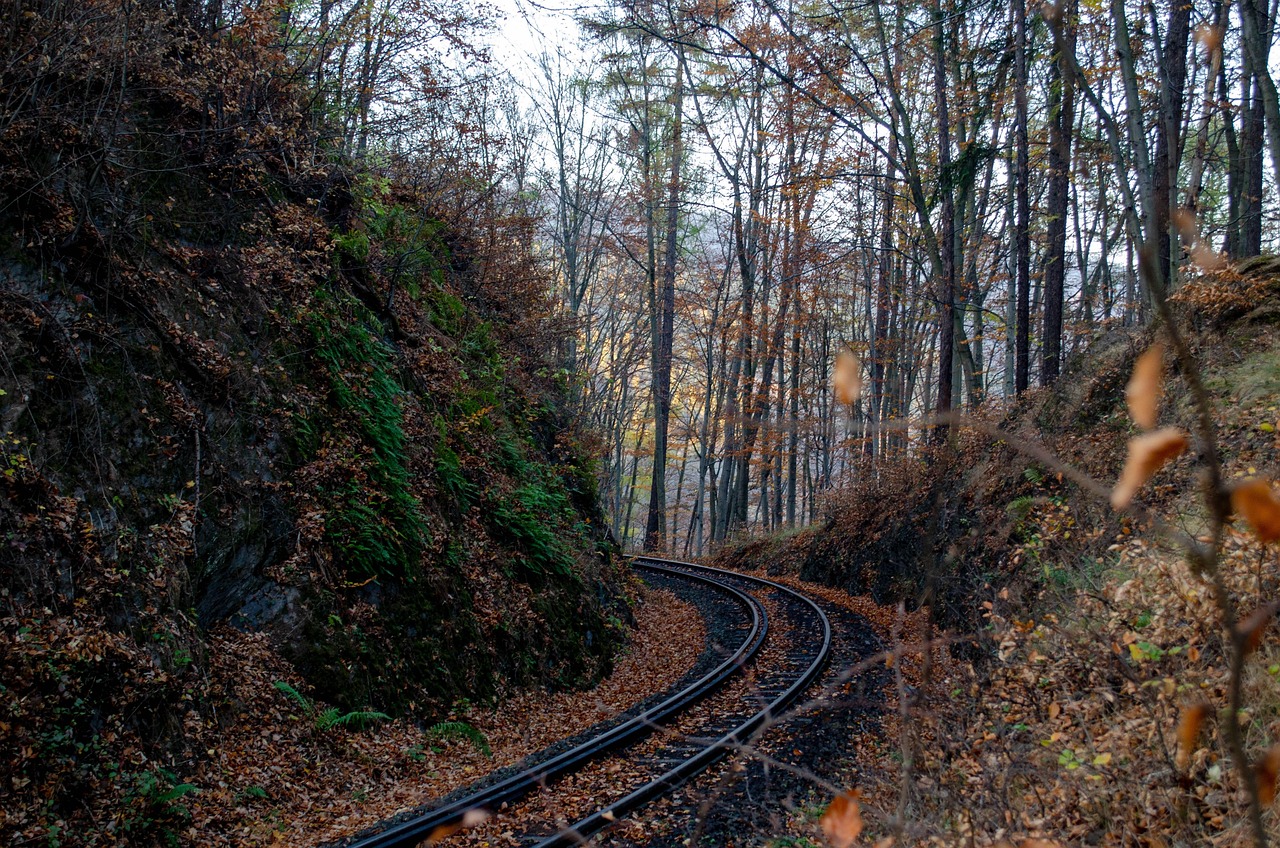
A short walk from town takes you into quiet forest trails leading to springs and small chapels. One of my favorite short outings is to the Hylige Born, a historic spring, combined with nearby woodland paths.
On an early-morning walk one summer, I met only a couple of dog walkers and heard more birds than people. It’s a reminder that Wernigerode isn’t just a pretty town — it’s a proper gateway to nature.
12. Steinerne Renne Waterfall & Hike
Steinerne Renne is a rocky gorge and waterfall a few kilometers from Wernigerode, reachable on foot or by a combination of train and hiking. The trail can be uneven and steep in parts, so wear proper shoes.
My first attempt to reach it was cut short by a thunderstorm — I turned back soaked but oddly exhilarated. The next year, on a clear day, I finally made it all the way and sat on a rock listening to the water. It felt far from any town, yet it was only a short journey from Wernigerode.
13. Wildpark Christianental (Wildlife Park)
Wildpark Christianental is a small wildlife park in a wooded valley just outside town. It focuses on native species like deer, wild boar, and birds of prey. It’s low-key, affordable, and very popular with local families.
I came here with friends and their two young kids, and it was ideal: short walking distances, animals to spot, and a restaurant nearby for snacks. It’s not a big zoo; think of it instead as an educational walk in a forested setting.
14. Christianental Valley & Chapel
The Christianental is a picturesque side valley with walking paths, the wildlife park, and a small chapel. It’s one of those places that feels like a secret, even though it’s well-known locally.
I like to pair a visit here with a late lunch or early dinner at one of the valley’s restaurants, sitting on the terrace and watching hikers drift by. In winter, it can be particularly atmospheric with snow-covered trees.
15. Liebfrauenkirche & St. Sylvestri Church
Wernigerode’s skyline isn’t just about the castle; church towers also punctuate the view. Liebfrauenkirche and St. Sylvestri are two of the main churches in town, each with its own character.
On a quiet weekday afternoon, I stepped into St. Sylvestri to find a single organist rehearsing. The notes filled the simple, cool space, and for ten minutes I just sat and listened — one of those unscheduled, serendipitous moments that stick with you.
16. Krummelsches Haus
Krummelsches Haus is one of Wernigerode’s most ornate half-timbered houses, built in the 17th century. Its façade is covered in elaborate wood carvings, making it a must-see for architecture lovers.
I stumbled on it by accident on my first trip, rounding a corner and suddenly seeing this riot of carved figures and patterns. Since then, I always make a point of walking past it at least once each visit.
Tip: Bring a camera and zoom in on the details; there’s more to see the longer you look.
17. Unterpfarrkirchhof & Historic Alleyways
Behind the main streets are quiet lanes like Unterpfarrkirchhof, where the past feels close. These alleys often escaped later redevelopment, preserving their narrow proportions and older houses.
On a misty morning, I walked here almost alone and imagined the centuries of footsteps before mine. If you’re into photography, come early for soft light and undisturbed shots.
18. Das Kleinste Haus (The Smallest House)
Das Kleinste Haus is exactly what it sounds like: the smallest house in Wernigerode, with an incredibly narrow façade. It’s a quirky stop that kids in particular get a kick out of.
On one trip, I watched a line of schoolchildren file past, each trying to stretch their arms and “hug” the entire building. Most could almost do it — that’s how small it is.
19. Remnants of the Town Wall & Gates
Scattered around the edge of the old town are remnants of Wernigerode’s medieval town walls and former gate locations. While not as complete as in some other German towns, they still offer a sense of the town’s defensive past.
If you like to piece together history, it’s fun to trace where the gates once stood and imagine caravans arriving with goods centuries ago.
20. Night Watchman Tour
On some evenings, especially in high season, Wernigerode offers a Night Watchman Tour, where a guide dressed in historical costume leads you through the old town with lantern and halberd, telling stories and legends.
I joined one on a crisp October evening; it was part theater, part history class, and part gentle walk. The kids in the group were spellbound by tales of thieves, witches, and old-town gossip. Even if your German is limited, the atmosphere alone is worth it.
21. Walpurgis-Themed Decorations & Events
Around late April, Wernigerode and other Harz towns start to sprout witches and devils — not literally, but as decorations. This is tied to Walpurgisnacht (April 30), when, according to legend, witches gather on Brocken.
I once visited in late April and watched children paint wooden witch figures at a small workshop near the Marktplatz. It’s a playful, slightly spooky side of local culture that you won’t see at other times of the year.
22. Wernigerode Christmas Market
If you visit in late November or December, the Wernigerode Christmas Market transforms the town into a winter fairy tale. Stalls cluster around the Rathaus and along nearby streets, selling mulled wine, roasted nuts, and crafts.
I came once in mid-December and honestly had trouble leaving. Snowflakes fell as I sipped Glühwein under twinkling lights, and the castle glowed on the hill. It might be one of my favorite Christmas markets in Germany precisely because it’s not as overwhelming as the big-city ones.
Neighborhoods & Areas in Wernigerode
Altstadt (Old Town)
The Altstadt is where you’ll probably spend most of your time: Marktplatz, Rathaus, Breite Straße, and the lower slopes of the castle hill. It’s dense with attractions, restaurants, and shops.
Stay here if: You want to walk everywhere and don’t mind paying a bit more for central accommodation.
Neustadt & Residential Areas
Just beyond the old town are quieter residential quarters, sometimes called Neustadt. You’ll find supermarkets, local bakeries, and more affordable guesthouses here.
I often stay in these neighborhoods when I plan longer visits; they feel more “local,” and morning walks to the bakery become part of the routine.
Hasserode & Western Outskirts
To the west lies Hasserode, closer to forested hills and some trailheads. It’s also where you’ll find certain family-friendly attractions and holiday parks.
Stay here if: You want quick access to nature and don’t mind a short bus ride or walk into the old town.
Station Area & Light Industrial Zone
Around the main train station are some light industrial and commercial areas: car dealerships, supermarkets, a few hotels. It’s practical if you’re arriving late or leaving early, but less atmospheric than the old town.
For many visitors, this area is mainly a transit hub: where you catch regional trains, the Harzer Schmalspurbahn, or buses into the wider Harz.
Local Food & Drink in Wernigerode
Harz cuisine is hearty: think meats, potatoes, cabbage, and cheese, often perfect after a long hike or a chilly day. In Wernigerode, you’ll also find lighter and modern options, but I always recommend trying at least a few traditional dishes.
What to Eat
- Harzer Käse: A pungent, low-fat regional cheese — often an acquired taste. Try it once; you might be surprised.
- Sauerbraten: Marinated pot roast, typically served with red cabbage and dumplings.
- Wildgerichte: Game dishes (venison, wild boar) are common in the Harz, especially in autumn and winter.
- Bratwurst & Schnitzel: Classic German comfort food you’ll see on many menus.
- Streuselkuchen & Blechkuchen: Sheet cakes topped with crumble; perfect with afternoon coffee.
What to Drink
- Harzer beer: Several regional breweries supply the town; ask for something on tap.
- Fruit schnapps (Obstler): Local distilleries make apple, pear, and other spirits — sip, don’t chug.
- Apfelschorle: Sparkling apple juice, my go-to non-alcoholic drink after hikes.
Saving Money on Food
On one longer stay, I kept my food budget reasonable by mixing restaurant meals with:
- Breakfast from backeries (bakeries) — fresh rolls and pastries are cheap and delicious.
- Picnic lunches from supermarkets like REWE or Lidl.
- Choosing lunch specials (Mittagstisch) at restaurants, which are often cheaper than dinner.
Nightlife, Entertainment & Cultural Experiences
Wernigerode is not a party town — think cozy instead of wild. Nightlife centers on pubs, wine bars, and hotel lounges rather than clubs.
Evening Options
- Pubs & Bars: You’ll find several pubs in and around the Marktplatz serving local beers and simple snacks.
- Wine Bars: Some restaurants double as wine bars; look for places with candlelit cellars or terraces.
- Hotel Bars: Even if you’re not staying there, some hotel bars are open to the public and can be atmospheric spots for a nightcap.
Cultural Experiences
- Concerts: Check church notice boards and the tourist office for organ recitals or classical concerts.
- Festivals: Seasonal markets, Walpurgis events, and local fairs add color to the calendar (see events section).
- Guided Tours: The night watchman tour or themed town walks offer cultural insights in story form.
What’s New in 2026–2027: Events & Festivals
While exact event details can shift, here’s what to look out for in 2026–2027 in and around Wernigerode:
Annual Highlights
- Walpurgisnacht (April 30): Witch-themed festivities, costumes, and events across the Harz, with Wernigerode joining the celebrations.
- Summer Festivals (June–August): Open-air concerts, town fairs, and occasional castle events.
- Autumn Harvest & Wine Events: Smaller markets celebrating harvest season, with regional food and drink.
- Christmas Market (late Nov–Dec): The big seasonal attraction in Wernigerode, centered on the Marktplatz.
Travel Scene in 2026
For 2026–2027, expect continued investment in sustainable tourism around the Harz: improved hiking trail signage, more e-bike rental options, and ongoing restoration work on historic buildings in Wernigerode’s old town. Check locally for up-to-date information on any special exhibitions at the castle or Harzmuseum.
Best Day Trips from Wernigerode
One of the best things about basing yourself in Wernigerode is how many Harz highlights you can reach in a day.
Quedlinburg
A UNESCO-listed town east of Wernigerode, Quedlinburg is a half-timbered paradise with over 1,000 historic houses.
Getting there: Regional trains take roughly an hour, sometimes with a change in Halberstadt. Check current timetables.
What to do: Wander the old town, visit the castle and collegiate church, and sample local pastries in a square-side café.
Goslar
Goslar, southwest of Wernigerode, is another UNESCO town with a rich mining history and a beautiful old town.
Getting there: Regional trains typically involve at least one change (often in Vienenburg or Halberstadt) and take around 1.5–2 hours.
What to do: Visit the Imperial Palace, stroll the market square, and explore the Rammelsberg mining museum.
Bad Harzburg
Bad Harzburg is a spa town with thermal baths and a cable car to Burgberg, offering views over the northern Harz edge.
Getting there: Regional trains connect Wernigerode and Bad Harzburg with one or more transfers, typically under 1.5 hours.
What to do: Ride the cable car, walk the treetop path, relax in the thermal baths, or enjoy a spa treatment.
Thale & Hexentanzplatz
Thale offers dramatic cliffs and viewpoints like Hexentanzplatz, tied to witch legends similar to Brocken.
Getting there: Train to Thale, then cable car or bus to viewpoints.
What to do: Soak up the views, hike down into the Bode valley, and explore local myth-themed attractions.
Practical Travel Tips for Wernigerode
Getting To & Around Wernigerode
By Train
Wernigerode is easily reached by Deutsche Bahn regional trains, usually with a change in Halberstadt. From major cities like Berlin, Hanover, or Leipzig, expect around 2.5–3.5 hours of travel.
By Car
Driving gives flexibility for wider Harz exploration. Highways (Autobahnen) and good roads lead to Wernigerode; parking is available in public lots and some hotels, though it can be tight in the old town.
Local Transport
- On foot: The old town is compact; most central sights are walkable.
- Buses: Connect residential areas and nearby villages.
- Harzer Schmalspurbahnen: For Brocken and other Harz destinations.
- Taxi: Available but less common; useful late at night or with luggage.
How to Save Money in Wernigerode
- Use regional train tickets: Day passes like the Sachsen-Anhalt ticket can be great value if you’re doing multiple journeys.
- Mix restaurant meals with supermarket food: Picnics for lunch, sit-down meals for dinner.
- Stay slightly outside the old town: Guesthouses in residential areas can be cheaper than hotels on the Marktplatz.
- Choose free activities: Old town walks, Lustgarten, Bürgerpark, and nearby forest trails.
SIM Cards & Connectivity
In 2026, mobile coverage in and around Wernigerode is generally good, though some forested valleys may have weaker signals.
- EU visitors: Most EU plans include roaming in Germany at domestic rates — check with your provider.
- Non-EU visitors: You can buy prepaid SIMs from major providers (Telekom, Vodafone, O2) at electronics stores or some supermarkets in nearby larger towns. Activate with your passport.
- Wi-Fi: Most hotels and many cafés offer free Wi-Fi; the speed is usually sufficient for normal use.
Car Rental & Driver’s License Requirements
To rent a car in Germany in 2026, you typically need:
- A valid driver’s license from your home country.
- International Driving Permit (IDP): Recommended if your license is not in German or English; some rental agencies require it.
- A credit card in the driver’s name.
Germany recognizes many foreign licenses for short-term visitors (up to six months), but requirements can vary slightly by rental company. Check in advance with your chosen provider.
Visa Requirements (2026)
Wernigerode is in Germany, part of the Schengen Area. General rules:
- EU/EEA/Swiss citizens: No visa needed, just a valid ID.
- Many non-EU countries (e.g., US, Canada, UK, Australia, Japan): Visa-free short stays up to 90 days in 180 days for tourism — but a travel authorization (like ETIAS) may be required; check up-to-date regulations.
- Other nationalities: May need a Schengen visa obtained before travel.
Always verify current requirements with your local German embassy or consulate before traveling, as rules can change.
Cultural Etiquette & Local Customs
Wernigerode is relaxed, but a few German customs are worth noting:
- Greetings: A simple “Guten Tag” or “Hallo” goes a long way when entering shops or restaurants.
- Punctuality: Germans value being on time, especially for tours and reservations.
- Quiet hours: Residential areas observe Ruhezeiten (quiet times), particularly at night; keep noise down.
- Cash vs. Card: Cards are widely accepted, but small shops and some older establishments may prefer cash — carry some euros.
- Tipping: Rounding up or adding around 5–10% in restaurants is customary; hand it directly to the server when paying.
Best Seasons & What They’re Good For
- Spring (April–May): Blossoms, mild temperatures, fewer crowds. Great for hiking and old-town strolling. Walpurgis events at the end of April add a folkloric touch.
- Summer (June–August): Warmest weather, long days, busiest season. Ideal for Brocken trips, outdoor dining, and families following a 4 day itinerary for Wernigerode with plenty of nature time.
- Autumn (September–October): Colorful forests, cooler air, a bit quieter than summer. My personal favorite: perfect for hikers, photographers, and anyone planning 3 days in Wernigerode with leaf-peeping.
- Winter (November–March): Snowy landscapes (especially in higher elevations), Christmas market magic, fewer tourists outside holiday peaks. Good for a cozy 3 day itinerary for Wernigerode focused on markets, museums, and short walks.
Summary: Key Takeaways & Best Time to Visit Wernigerode
Wernigerode is one of those places that quietly captivates you: you come for the castle and the half-timbered houses, and stay for the steam trains, forest walks, and gentle rhythm of life.
- Must-see attractions in Wernigerode: Rathaus and Marktplatz, Schloss Wernigerode, half-timbered old town, Brocken via steam train, and at least one local museum.
- Ideal trip length: A 3 day itinerary for Wernigerode covers the essentials; 4 days in Wernigerode let you add a nearby town; 5 days in Wernigerode give space for both adventure and relaxation.
- Best seasons: Spring and autumn for balanced weather and fewer crowds; summer for maximum outdoor activity; winter for Christmas markets and snowy landscapes.
- Who it’s for: Couples seeking romance, families wanting manageable adventures, and solo travelers who like a mix of culture, nature, and comfort.
After multiple trips over the years, I still find excuses to return — another trail to walk, another café to linger in, another view of the castle in different light. Whether you follow a packed 5 day itinerary for Wernigerode or a slow 3 days in Wernigerode with long coffee breaks and short walks, this small Harz town has a way of making you feel at home in the middle of a fairy tale.