Why Visit Alberobello?
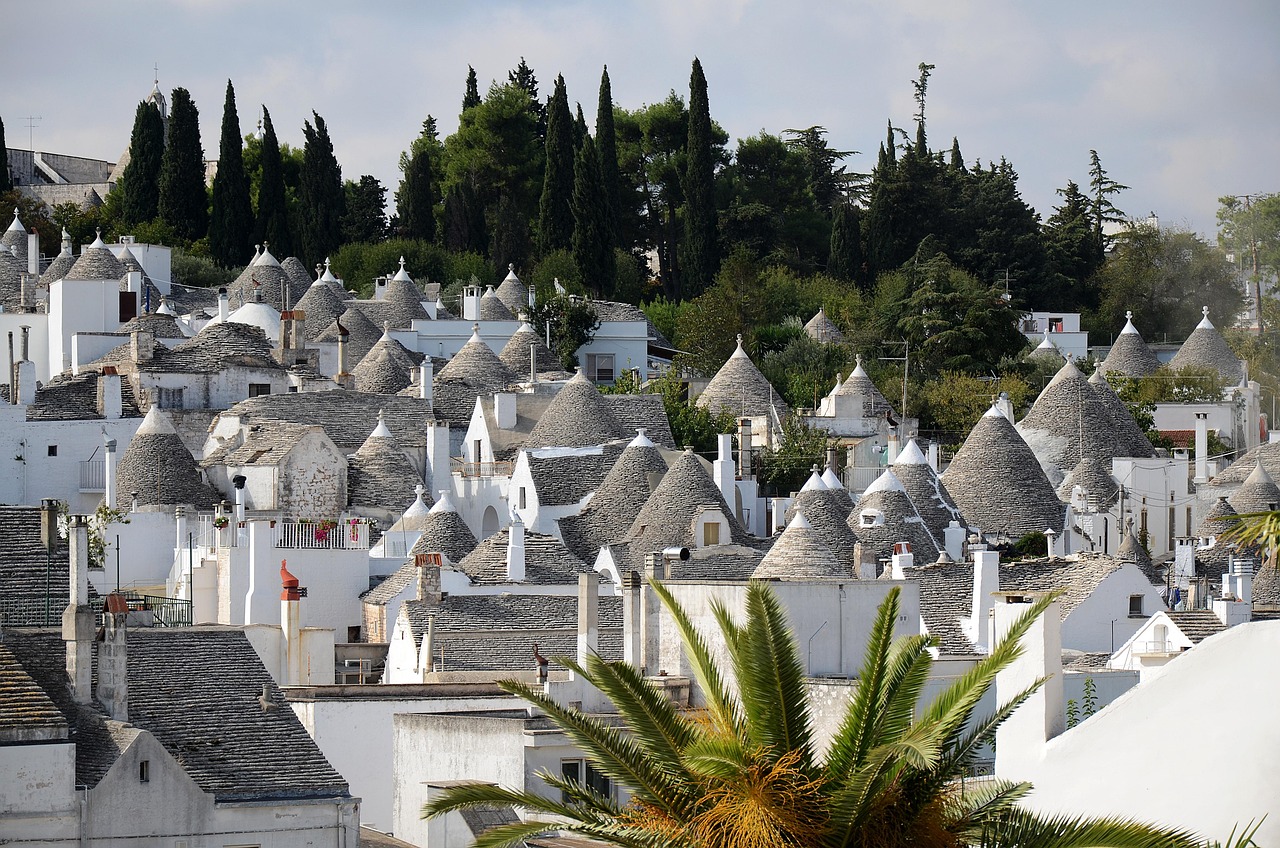
Alberobello is one of those places that feels like it shouldn’t exist in real life. The first time I arrived—late afternoon, golden sun hitting the limestone roofs—I honestly thought I’d walked onto a movie set. Hundreds of whitewashed cone-roofed houses, called trulli, tumble down the hill like something out of a fairytale.
On paper, Alberobello is a small town in Puglia, southern Italy. In reality, it’s a living open‑air museum, a UNESCO World Heritage site, and one of the most photogenic towns in the country. But if you only come for a quick bus stop, you’ll miss its soul: the quiet early mornings, the grandmothers chatting in dialect at doorways, the smell of baking focaccia drifting from hidden ovens.
Over several trips—spring shoulder seasons, a blazing August, and a crisp November—I’ve slowly pieced together the Alberobello you don’t always see from a tour bus window. This guide is everything I wish I’d had on my first visit: deep dives into the main attractions, a realistic 3–5 day itinerary for Alberobello, food recommendations from actual repeat visits, and the tiny details that make the difference between “nice day trip” and “I’m already planning my return.”
Table of Contents
- Why Visit Alberobello
- Alberobello at a Glance (2026)
- Neighborhoods & Districts
- 20 Must-See Attractions in Alberobello
- 3–5 Day Itineraries for Alberobello
- Local Food & Drink in Alberobello
- Nightlife, Entertainment & Cultural Experiences
- Best Day Trips from Alberobello
- Cultural Etiquette & Local Customs
- Practical Travel Tips for Alberobello (2026–2027)
- Summary & Best Time to Visit Alberobello
Alberobello at a Glance (2026)
Alberobello sits in the Valle d’Itria, a gently rolling landscape of olive groves, vineyards, and stone walls between Bari and Taranto. It’s small enough to walk across in 20 minutes, but dense with history and atmosphere.
- Region: Puglia (Apulia), Southern Italy
- Population: Around 10,000 residents
- Known for: Trulli houses, UNESCO World Heritage site, slow-paced southern Italian life
- Best for: Couples, families, photographers, food lovers, architecture buffs
- Good base for: Exploring Valle d’Itria (Locorotondo, Martina Franca, Cisternino, Ostuni)
In 2026, Alberobello is anticipating a continued post‑pandemic tourism boom, but local authorities are trying to spread visitors across the year and encourage longer stays rather than quick-hit visits. That’s good news if you’re planning 3 days in Alberobello or more—more services, better preservation, and more experiences geared towards travelers who want to linger.
Upcoming Events & Changes (2026–2027)
- Lumi di Trulli Festival 2026: Expanded light installations in Rione Monti and Aia Piccola (expected January–February 2026).
- Trulli Heritage Pass: A new combined ticket (piloted in late 2025, expected to be fully rolled out in 2026) giving discounted access to several paid attractions plus guided walks.
- Improved rail connections: Ferrovie del Sud Est is upgrading some regional trains and schedules between Bari–Alberobello–Martina Franca (staggered throughout 2026–2027).
Neighborhoods & Areas of Alberobello
Rione Monti
This is the iconic postcard view: over 1,000 trulli tumbling down the hillside. It’s the most touristy area, but also where I still find myself wandering aimlessly at sunset, camera in hand.
- Vibe: Lively, crowded midday, magical early morning and evening.
- Best for: First-time visitors, photography, souvenir shopping, rooftop terraces.
- Tip: Come at sunrise at least once. You’ll share the streets with cats, locals, and maybe one or two other early risers.
Aia Piccola
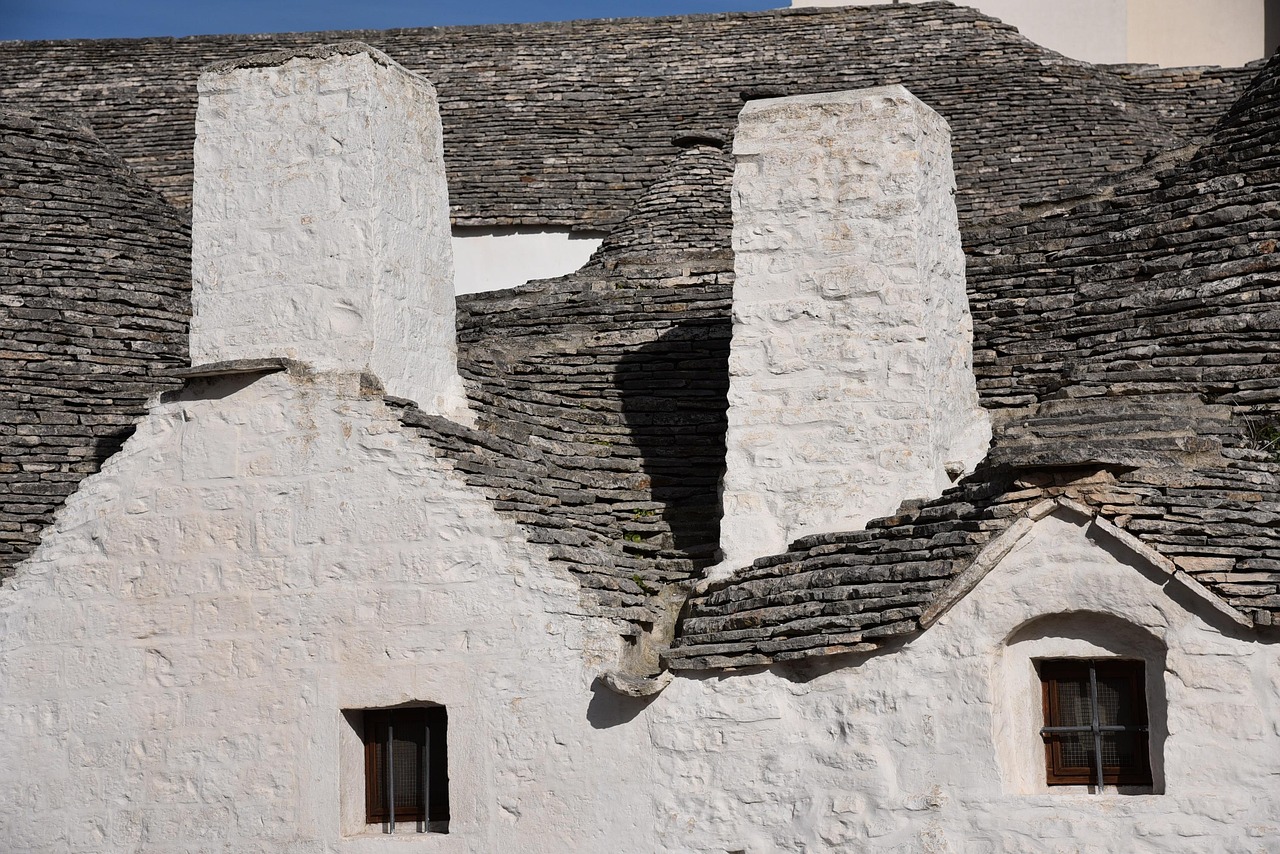
A quieter, more residential trulli quarter. When I need to remember that people actually live in these fairytale houses, I head here.
- Vibe: Authentic, hushed, residential.
- Best for: Peaceful wandering, photography without crowds.
- Tip: Respect privacy—many trulli here are private homes, not shops.
Modern Town Center
Between and around the trulli districts is “normal” Alberobello: 19th–20th century buildings, cafes, banks, and everyday life.
- Vibe: Local, practical, less staged.
- Best for: Groceries, budget eats, watching local life from a café terrace.
- Tip: Prices here are often lower than in the trulli zones.
Rural Surroundings
A short walk or bike ride out of town and you’re in classic Valle d’Itria countryside: olive trees, vineyards, dry stone walls, and occasional lone trulli in fields.
- Vibe: Slow, pastoral, meditative.
- Best for: Walks, cycling, sunrise/sunset views, photography.
20 Must-See Attractions in Alberobello (With Local Insights)
These are the best places to visit in Alberobello if you want more than a quick checklist. I’ve included the “headline” sights plus some quieter gems, all from multiple visits over different seasons.
1. Rione Monti Trulli District
Why it’s special: This is the iconic slope of cone-roofed houses you’ve seen on every Instagram feed—and it’s still jaw-dropping in real life.
The first time I walked into Rione Monti, I made the rookie mistake of arriving at 11 a.m. in August. It was beautiful, but jammed with groups, selfie sticks, and flag-waving guides. On my second trip, I came back in April and again in November, always just after sunrise. The difference was night and day: shutters still closed, the sound of brooms sweeping stone steps, and the low murmur of locals greeting each other.
Rione Monti is best experienced by wandering up and down the steep lanes—Via Monte Nero, Via Monte San Michele, and the little alleys between them. Most trulli here are souvenir shops, artisan workshops, or small bars, but you’ll also find some private homes tucked in between.
Family-friendly: Kids love the “hobbit houses” feel, but watch the slopes—they’re smooth stone and can be slippery.
Romantic: Come at blue hour (just after sunset) when the string lights come on and the crowds thin.
How to get there: From the town center, cross Piazza del Popolo and follow the signs down into Rione Monti.
Tips:
- Visit twice: once at sunrise or early morning, once at night.
- Support at least one local artisan shop (look for handmade ceramics, linen, or olive wood).
- In high season, avoid the 11 a.m.–3 p.m. peak if you can.
2. Aia Piccola Trulli District
Why it’s special: The quieter, more authentic sister to Rione Monti—fewer shops, more residents.
On my third trip, when Rione Monti felt a little much one hot afternoon, I slipped over to Aia Piccola and saw maybe five other visitors in an hour. This is where you’ll hear dialect, see laundry strung between trulli, and catch glimpses of everyday life.
Unlike Rione Monti, there are almost no commercial signs here. You simply wander—up stone steps, around curves, sometimes dead-ending at someone’s front door.
How to get there: From Piazza del Popolo, instead of going down to Rione Monti, look for signs uphill and east towards Aia Piccola.
Tip: Keep voices low, don’t peer through windows, and skip taking photos if someone clearly wants privacy. Alberobello is a town, not a theme park.
3. Trullo Sovrano
Why it’s special: The only two-storey trullo in town, turned into a small but fascinating museum.
Trullo Sovrano was where I finally understood how trulli work beyond “cute cones.” Built in the 18th century and once home to a wealthy family, it shows how people cooked, slept, and stored food inside these thick stone walls.
As you wander through, notice the alcoves branching off the main room, the ingenious use of space, and the cool temperature even on hot days. Climbing up to the upper floor feels surreal—after hours of seeing single-storey trulli, suddenly you’re inside one that’s stacked.
Good for: Families (kids love the “secret rooms”), history buffs, architecture lovers.
How to get there: It’s in the modern town, a short walk north of the trulli districts, well signposted.
Tip: Come in the mid-afternoon heat; it’s naturally cooler inside.
4. Basilica dei Santi Medici Cosma e Damiano
Why it’s special: The town’s main church, a neo-classical counterpoint to the trulli.
Whenever I need a break from the trulli’s visual overload, I duck into this basilica. The interior is calm, light, and surprisingly elegant for such a small town.
Romantic/quiet moment: Slip in during the late afternoon when the sun slants through the high windows.
Tip: Dress modestly (shoulders covered) and keep voices low—this is an active place of worship.
5. Church of Saint Anthony of Padua (Chiesa di Sant'Antonio)
Why it’s special: A trullo-shaped church at the top of Rione Monti, built in the early 20th century.
I still remember the first time I turned a corner at the top of Rione Monti and saw this church: a trullo on steroids, complete with a bell tower and rose window.
Family-friendly: Kids get a kick out of realizing “even the church is a trullo!”
Tip: Combine with a sunset stroll along the ridge above Rione Monti for panoramic views.
6. Belvedere Santa Lucia Viewpoint
Why it’s special: The classic panoramic viewpoint over Rione Monti.
Every trip, I end up here multiple times: sunrise, midday, sunset, even in the rain once (the wet stones glow). It’s a small terrace with a big view—hundreds of overlapping cones, chimneys, and whitewashed walls.
Romantic: Swing by just before dinner; the last light is magical.
Tip: Best light is early morning (soft side light) or about 30–45 minutes before sunset.
7. Trullo Siamese
Why it’s special: A double-cone trullo with a romantic/tragic backstory.
Legend has it two brothers lived here, fell in love with the same woman, and literally split the house in two. Whether you believe the story or not, the architecture is unique and easy to spot along one of the main lanes in Rione Monti.
Tip: Step inside if it’s open; there are usually historical notes plus small artisan goods for sale.
8. Museo del Territorio Casa Pezzolla
Why it’s special: A cluster of connected trulli turned into a museum about local history and culture.
On a drizzly November day, I spent almost two hours here, drifting through room after room: agricultural tools, old photos, period furnishings, and explanations (in Italian and usually English) about the evolution of trulli construction.
Good for: Anyone who wants context beyond pretty photos.
Tip: Check if it’s included in any combo/heritage passes in 2026; the town has been expanding bundled tickets.
9. Via Monte San Michele & Artisan Shops
Why it’s special: One of the main sloping streets through Rione Monti, lined with shops, rooftop terraces, and tasting rooms.
Yes, it’s touristy. But tucked between fridge magnets and mass-produced ceramics, there are some genuinely talented artisans. I’ve bought hand-painted ceramics from a workshop here that I still use daily.
Tip: Look for the sound of a wheel or brush and for signatures on ceramics—those are the real makers.
10. Local Wine Bars & Cantinas
Why it’s special: Puglia produces excellent wine, and Alberobello is a lovely place to taste it.
On one sultry June evening, I ducked into a tiny enoteca off Rione Monti and ended up staying until closing, tasting primitivo, negroamaro, and a surprisingly crisp local rosato while chatting with the owner about harvests and weather.
Good for: Couples, small groups of friends, early-evening aperitivo.
Tip: Ask for a flight of local wines (degustazione) and some taralli or olives on the side.
11. Casa d’Amore
Why it’s special: One of the first houses built in Alberobello with mortar (not dry stone), symbolizing the end of feudal constraints on building.
You won’t spend long here, but it matters: this 18th-century building marks Alberobello’s transition from tax-dodging temporary dwellings to a “proper” town.
Tip: Combine with a little self-guided “historic center” loop through the non-trulli streets to understand the full town, not just the cones.
12. Rooftop Terraces & Panoramic Cafés
Why it’s special: Drinking coffee or wine with a sea of trulli around you is one of those “is this my life?” moments.
Several cafés and bars in Rione Monti have rooftop terraces. Some are free with a drink; others charge a small fee. On my last trip, I spent an hour nursing an espresso macchiato on a tiny roof, sketching the skyline and listening to the sound of clinking cups.
Romantic: Absolutely—come at sunset.
Tip: Always check if there’s a minimum spend or cover charge before you climb the stairs.
13. Countryside Walks & Cycling Routes
Why it’s special: Just beyond town, quiet lanes wind through olive groves and vineyards, dotted with lone trulli and masserie (farmhouses).
On my most recent spring visit, I rented a bike from a local shop and spent a half-day cycling between Alberobello, Locorotondo, and random country chapels. The scent of wild fennel and the sound of cicadas are now permanently associated with this landscape in my mind.
Adventurous: Light adventure, but bring water and sun protection—shade is sparse.
Tip: Ask your accommodation for recommended loops; many have hand-drawn maps.
14. Staying in a Trullo
Why it’s special: Sleeping inside a trullo is as much an attraction as any church or museum.
I’ve stayed in three different trulli over the years—one basic but charming, one ultra-modern inside, and one family-run with homemade cakes for breakfast. Waking up to the sound of swallows darting around the cones outside never gets old.
Family-friendly: Kids love the “stone igloo” vibe, but check bed configurations; some trulli are best for couples.
Tip: For quieter nights, pick a trullo on the edge of Rione Monti or in Aia Piccola rather than directly on a main tourist lane.
15. Piazza del Popolo & Public Life
Why it’s special: The town’s main square and social hub—where trulli meet “normal” buildings.
This is where I grab my first coffee when I arrive in town and where I often end the evening with a gelato. It’s not dramatic, but it’s where Alberobello feels like a functioning town, not just a postcard.
Tip: Sit at a café, order a coffee or spritz, and just people-watch. In the evenings, kids play, teenagers flirt, and older couples stroll arm in arm.
16. Alberobello by Night & Light Installations
Why it’s special: At night, many trulli are lit with soft white or colored lights; during the Lumi di Trulli festival, projections turn the cones into canvases.
During my winter visit, the town hosted a light festival: snowflakes and stars projected onto trulli, gentle music in the background. It was busy but magical, particularly for families and couples.
Tip: Check 2026–2027 dates for “Lumi di Trulli” or other light events; they usually run in the cooler months and around Christmas/New Year.
17. Local Markets & Food Shops
Why it’s special: Markets are where you feel the rhythm of local life—and source picnic ingredients.
Alberobello’s weekly market (typically mid-week; check locally for current day) sprawls just outside the historic center with stalls piled high with fruit, vegetables, cheese, and clothing. I once assembled a full picnic here—olives, cherry tomatoes, fresh bread, and caciocavallo cheese—for under €10.
Tip: Bring a cloth bag, small change, and a few basic Italian phrases (“mezzo chilo di…” goes a long way).
18. Puglian Cooking Classes
Why it’s special: Learn to make orecchiette, focaccia, or panzerotti in a local kitchen, often inside a trullo.
One of my favorite afternoons in Alberobello was spent with a local nonna who taught us how to shape orecchiette pasta by hand. We flour-dusted the trullo kitchen, laughed at our lopsided pasta “ears,” and then ate our handiwork with a simple tomato sauce and local wine.
Family-friendly: Kids love the hands-on aspect (and the eating part).
Tip: Book in advance for high season (June–September) and ask if recipes are provided in English to take home.
19. Trulli Roof Symbols & Workshops
Why it’s special: Many trulli have white-painted symbols on their roofs—crosses, hearts, astrological signs—each with meanings.
I once joined a short walking tour with a local guide who explained these symbols, some religious, some protective, some purely decorative. It completely changed how I saw the roofs; suddenly they felt like messages rather than mere patterns.
Tip: If you see a small sign advertising a short “symbology” tour or workshop about trulli construction, take it. It’s usually inexpensive and gives a lot of context.
20. Festivals & Religious Processions
Why it’s special: Local festivals turn the town into a living stage—lights, processions, food stands, and music echoing between trulli.
During one late-September stay, I stumbled across a procession for the town’s patron saints: candles, brass bands, and a steady flow of people moving between the basilica and the trulli. It felt intimate and deeply rooted in place.
Upcoming (2026–2027): Check local tourism sites for precise dates, but expect:
- Festa dei Santi Medici Cosma e Damiano: Late September, with processions and fireworks.
- Summer music events: Small concerts and performances in and around the historic center.
How Many Days in Alberobello? 3–5 Day Itineraries
Most people try to squeeze Alberobello into a rushed half-day. It’s possible—but you’ll miss the best part: when the buses leave and the town exhales.
Here’s how I’d structure 3 days in Alberobello, plus ideas to stretch to a 4 day itinerary for Alberobello or even 5 days in Alberobello if you want a slower, more immersive stay.
3 Day Itinerary for Alberobello
Day 1: First Glimpse of the Trulli
Morning: Arrival & Check-in
Arrive by train or car, drop bags at your accommodation (ideally a trullo), and take a moment just to absorb where you’re sleeping. On my first stay, I spent a good 15 minutes just running my hands along the stone walls and peeking into every alcove.
Grab a light lunch in the modern center—maybe a slice of focaccia or a simple panino—and a strong espresso to shake off travel fatigue.
Afternoon: Rione Monti Orientation
Head straight into Rione Monti. For a first pass, I like to walk a rough loop: down Via Monte Nero, across towards Trullo Siamese, up Via Monte San Michele, and then back towards the Church of Saint Anthony at the top.
- Pop into Trullo Siamese and a couple of artisan shops.
- Try your first gelato from a trulli-front gelateria.
- Climb up to a rooftop terrace café for an overview of the district.
Allow yourself to be a little aimless. This day is about getting your bearings and seeing the “headline” views without pressure.
Evening: Belvedere & Trulli by Night
As the sun starts to drop, walk up to Belvedere Santa Lucia for sweeping views. This is the moment the whole 3 day itinerary for Alberobello snaps into focus—you’re really here.
Dinner: Choose a trattoria in or near the historic center. Order:
- Orecchiette alle cime di rapa (ear-shaped pasta with turnip tops)
- Local house wine (it’s usually very drinkable and cheaper than bottled)
- A shared antipasto di terra (mixed local starters)
End with a slow stroll through softly lit trulli. If you’re up for it, a glass of amaro or limoncello at a wine bar is a lovely nightcap.
Day 2: History, Culture & Countryside
Morning: Trullo Sovrano & Casa Pezzolla Museum
Start with Trullo Sovrano. Spend time in each room, reading the panels and imagining daily life here centuries ago. Then walk over to the Museo del Territorio Casa Pezzolla to fill in the historical gaps. Together, they give you a solid foundation on why Alberobello exists and how it evolved.
Late Morning: Basilica & Town Center
Stroll through the modern town center, stopping by the Basilica dei Santi Medici. Grab a coffee in Piazza del Popolo and do some people-watching.
Afternoon: Countryside Walk or Bike Ride
After lunch (try a simple plate of braciole—meat rolls in tomato sauce—or a vegetarian panzerotto), pick up a rental bike or set out on foot along one of the country lanes leading out of town.
On one spring trip, I followed a roughly circular 10 km loop through olive groves, past a small country chapel, and alongside low stone walls. I saw exactly two cars in two hours—and three curious cats.
Evening: Cooking Class or Wine Tasting
For your second night, book a Puglian cooking class or a structured wine tasting. You’ll not only eat well but also understand the region through its flavors.
Dinner might be what you cook in class, or, if you go the wine route, pick a casual trattoria afterward for a lighter meal—maybe tiella (baked rice with potatoes and mussels) or grilled vegetables with local cheese.
Day 3: Aia Piccola & Last Wanders
Morning: Aia Piccola
Dedicate your last morning to Aia Piccola. This is when a 3 days in Alberobello plan really feels justified—you’re not rushing; you’re savoring.
Wander slowly, taking photos of details: door knockers, potted geraniums, cats sunning on steps. Resist the urge to “collect” houses; instead, focus on the atmosphere.
Midday: Market & Souvenirs
If it’s market day, head there for snacks or picnic supplies. Otherwise, use this time to pick up any last souvenirs: olive oil, taralli, a small ceramic piece you’ll actually use at home.
Afternoon: Free Time & Departure
Depending on your onward travel, you may have a few more hours. This is your chance to revisit your favorite spot—Belvedere, that one café with perfect cappuccino foam, or the quiet bench you found on day one.
If you’re heading out, grab a final coffee or gelato, say a quiet goodbye to the trulli, and promise yourself you’ll be back—maybe for that 4 or 5 day itinerary next time.
4 Day Itinerary for Alberobello
If you have 4 days in Alberobello, follow the 3-day plan above, then add:
Day 4: Day Trip to Locorotondo & Martina Franca
Morning: Locorotondo
Take a short train (or drive) to Locorotondo, one of Italy’s prettiest villages. Its circular old town, whitewashed houses, and balcony flowers feel like a cousin to Alberobello, minus the cones.
Wander the lanes, have a coffee in the main piazza, and enjoy the sweeping views over Valle d’Itria.
Afternoon: Martina Franca
Continue to Martina Franca, known for its Baroque architecture and elegant old town. Visit the basilica, stroll under the old city gates, and enjoy a long lunch.
Evening: Back to Alberobello
Return to Alberobello in time to catch the trulli at dusk one last time. This combination of trulli, white towns, and Baroque facades gives you a wider sense of Puglia’s variety.
5 Day Itinerary for Alberobello
With 5 days in Alberobello, you can really slow down. Follow the 4-day itinerary, then add:
Day 5: Polignano a Mare or Matera
Option 1: Polignano a Mare (Sea & Cliffs)
Head to the Adriatic coast to Polignano a Mare, a spectacular cliffside town about an hour away. Swim in the famous cove (in warmer months), wander the old town, and savor fresh seafood for lunch.
Option 2: Matera (Cave City)
Or, venture inland to Matera, the UNESCO-listed cave city. It’s a longer day but a stunning complement to Alberobello: ancient cave dwellings instead of trulli, but the same sense of deep-rooted history.
Evening: Return to Alberobello for a farewell dinner. By this point, you’ll likely have a favorite restaurant or bar that feels almost “yours.”
Local Food & Drink in Alberobello
Puglian cuisine is simple, seasonal, and deeply satisfying. In Alberobello, you’ll find most local classics, often with a slightly rustic, homey twist.
Must-Try Dishes
- Orecchiette alle cime di rapa: Ear-shaped pasta with bitter turnip tops, garlic, chili, and anchovy.
- Focaccia barese: Thick, chewy focaccia topped with cherry tomatoes, olives, and oregano.
- Panzerotti: Fried dough pockets filled with mozzarella and tomato (and sometimes other fillings).
- Burrata & local cheeses: Soft, creamy burrata; caciocavallo; ricotta forte.
- Grilled meats: Especially bombette (meat rolls) in nearby towns, but you’ll find them here too.
- Seafood dishes: Less central than on the coast, but still present—look for mussel-based tiella and simple fish dishes.
Local Drinks
- Primitivo & Negroamaro wines: Full-bodied reds from Puglia.
- Rosato (rosé): Often dry, perfect for warm evenings.
- Limoncello & local liqueurs: Sipped after dinner.
Where I Like to Eat (Types, Not Just Names)
Because places change, I’ll describe the types of spots I keep returning to in Alberobello:
- Trattorie in the modern center: Slightly away from the trulli, where locals eat. Look for handwritten menus and clusters of Italian voices.
- Trulli restaurants: Yes, some are touristy, but a few have genuinely good food. Check online reviews and peek at plates before sitting.
- Bakery-cafés: Perfect for a budget breakfast (espresso + cornetto) or a focaccia lunch.
- Wine bars/enoteche: For aperitivo plates and tastings of local wines.
Saving Money on Food
- Have at least one picnic: buy bread, cheese, tomatoes, and fruit from the market.
- Opt for pranzo di lavoro (workers’ lunch) menus when you see them—fixed-price, generous mid-day meals.
- Drink house wine and tap water (acqua del rubinetto) instead of bottled if you’re watching your budget.
Nightlife, Entertainment & Cultural Experiences
Alberobello isn’t a clubbing destination, but evenings here have a gentle charm: lights glinting off stone, couples strolling, and bars buzzing just enough.
Evenings in Alberobello
- Aperitivo hour: Between about 6:30–8 p.m., locals gather for drinks and snacks. Order a spritz or glass of wine; small plates often come included.
- Gelato walks: A nightly ritual—grab a cone and wander between Rione Monti and Aia Piccola.
- Live music: In summer, look for small concerts in piazzas or bars; schedules are usually posted outside venues.
Cultural Experiences
- Cooking classes: As mentioned earlier, these double as cultural immersion.
- Guided historical walks: In 2026, more English-language guided tours are available, often in late afternoon when it’s cooler.
- Festival nights: If your visit coincides with a religious festival or the Lumi di Trulli, plan to be out late soaking up the atmosphere.
Day Trips & Nearby Attractions
Alberobello makes a great base for exploring the Valle d’Itria and beyond.
Locorotondo
A whitewashed hilltop town with circular layout, stunning views, and flower-covered balconies. Easy half-day trip by train or car.
Martina Franca
Baroque squares, elegant streets, and a slightly more urban feel. Combine with Locorotondo in one full day.
Cisternino
Known for its “fornelli pronti”—butcher shops that grill your chosen meat to eat on the spot. A carnivore’s delight.
Ostuni
The famous “White City” perched on a hill, with medieval streets and Adriatic views.
Polignano a Mare & Monopoli
Coastal towns with beaches, harbors, and excellent seafood—perfect in warmer months.
Matera
Further afield but unforgettable, Matera’s cave dwellings make a powerful contrast to Alberobello’s trulli. Best as a long day trip or overnight.
Practical Tips for Day Trips
- By car: Most flexible option; roads are generally good but narrow in old towns.
- By train: Ferrovie del Sud Est connects several Valle d’Itria towns; services can be infrequent, so check current timetables.
- By tour: In peak season, small-group tours leave from Alberobello covering multiple towns in a day.
Cultural Etiquette & Local Customs in Alberobello
Alberobello is touristy, but it’s also a small southern town with its own rhythms and expectations.
General Etiquette
- Greetings: A simple “Buongiorno” (morning/day) or “Buonasera” (evening) goes a long way, especially when entering shops.
- Dress: Casual but neat. Cover shoulders and knees in churches.
- Volume: Keep voices moderate, especially in Aia Piccola and at night.
Photography
- Ask before photographing people, especially older residents and children.
- Don’t block doorways or sit on steps that clearly belong to private homes.
Dining Customs
- Table service is the norm for sit-down meals; tipping is modest (round up, or leave 5–10% for excellent service).
- Coffee culture: cappuccino is mostly a morning drink; after meals, locals take espresso.
Religious Events
If you come across a procession, step aside respectfully, avoid intrusive photos, and enjoy the experience quietly.
Practical Travel Tips for Alberobello (2026–2027)
Getting There
- By air: Nearest airports are Bari (BRI) and Brindisi (BDS).
- By train: Regional trains (Ferrovie del Sud Est) connect Bari and other towns to Alberobello; expect changes and modest speeds.
- By car: Very convenient for exploring Valle d’Itria; parking is available outside the historic center.
Getting Around Alberobello
- On foot: The town is small; you’ll walk everywhere.
- By bike: Great for countryside; rent from local shops.
- Car rental: Best for broader day trips; avoid driving into narrow historic streets.
Money-Saving Tips
- Stay a few minutes’ walk outside the main trulli districts for better value accommodation.
- Have your main meal at lunchtime; some restaurants offer cheaper lunch menus.
- Use supermarkets and bakeries for breakfasts and picnic lunches.
SIM Cards & Connectivity
- Main Italian providers (TIM, Vodafone, WindTre, Iliad) all have coverage in Alberobello.
- In 2026, eSIMs and EU roaming (for EU visitors) make staying online easier; non-EU visitors can buy a tourist SIM at airports or in larger towns.
Visa Requirements & Driving
- Visas: Italy is in the Schengen Area. Many nationalities can enter visa-free for short stays; always check current rules for 2026–2027.
- Driving licenses: EU licenses are valid. Non-EU visitors often need an International Driving Permit plus their national license—check before travel.
Best Seasons & Weather
- Spring (April–June): My favorite—mild temperatures, green countryside, fewer crowds.
- Summer (July–August): Hot, busy, lively evenings. Book early and plan for siestas.
- Autumn (September–October): Warm days, harvest season, good light for photography.
- Winter (November–March): Quiet, some closures, but magical during festivals and light events.
Hidden Tips Only Frequent Visitors Learn
- Visit Rione Monti at sunrise at least once; you’ll see a completely different town.
- Carry a light scarf—useful for sun, churches, and sudden breezes.
- Ask your host for their “non-touristy” restaurant; locals often know family-run gems not visible online.
- Always have some cash; many places take cards now, but small shops and markets sometimes prefer cash.
Summary & Final Recommendations
Alberobello may be small, but it rewards those who linger. A 3 day itinerary for Alberobello lets you see the must-see attractions without rushing; 4 days in Alberobello adds a rich day trip; and 5 days in Alberobello turns a charming stop into a full, layered experience of Puglia’s heart.
Best time to visit: For most travelers, April–June and September–October hit the sweet spot of good weather, open services, and manageable crowds. Summer is great if you love heat and late-night buzz; winter is for those who prefer quiet streets and don’t mind some chill in the air.
However long you stay, try to experience Alberobello at three key times: the blue hush of early morning, the golden drift of late afternoon, and the soft glow of night. Between those moments, eat well, walk slowly, and remember that behind every perfect trullo photo is a living, breathing town that’s been here long before Instagram—and will be here long after.