Why Visit Alghero, Italy?
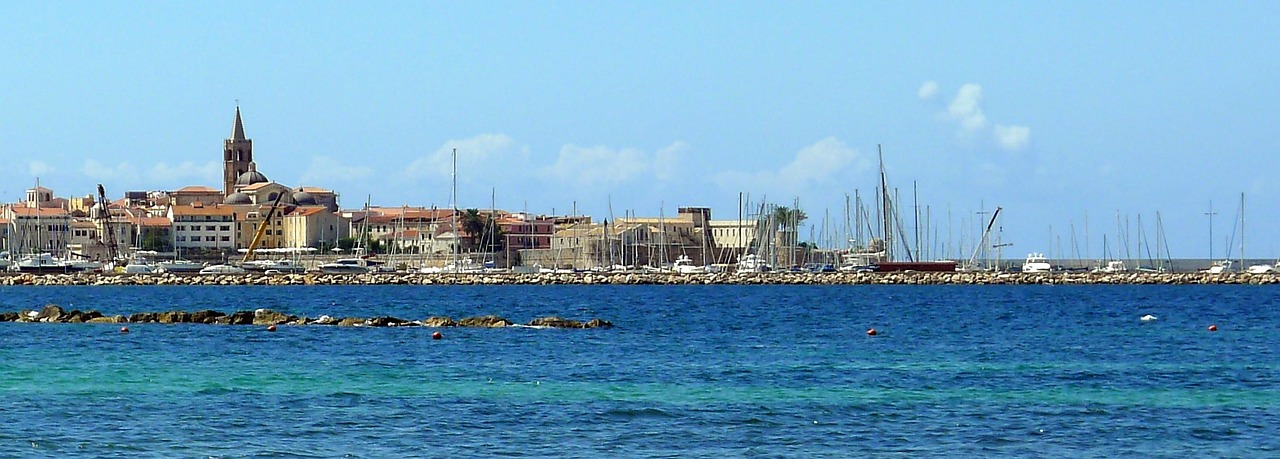
If you love charming old towns, coastal sunsets, and cities that still feel genuinely lived-in, Alghero will get under your skin in the best possible way. I’ve been coming here on and off for over a decade, and every time I arrive, the salty air, the Catalan street names, and that first glimpse of the honey-colored walls glowing at sunset remind me why I keep returning.
Alghero sits on the northwest coast of Sardinia, facing the open Mediterranean. It’s a place where people speak Italian with a Sardinian lilt, where older locals still use a Catalan dialect at home, and where fishermen unload their catch a few meters from where you’ll later eat it grilled with a squeeze of lemon. It’s small enough to feel intimate, yet large enough to keep you busy for days with beaches, caves, boat trips, wine tasting, and leisurely strolls along the bastions.
In this comprehensive travel guide for Alghero 2026, I’ll walk you through everything: detailed 3 day, 4 day, and 5 day itineraries, neighborhood breakdowns, the best places to visit in Alghero, where to find local food in Alghero, hidden gems I’ve discovered over multiple trips, and all the practical travel tips for Alghero you need—transport, SIM cards, driving, seasons, and local customs.
Whether you’re planning 3 days in Alghero for a quick escape or a slower 5 days in Alghero with day trips, this guide will help you make the most of every hour.
Table of Contents
- Why Visit Alghero?
- Alghero at a Glance
- Neighborhoods & Areas of Alghero
- 20+ Must-See Attractions & Hidden Gems in Alghero
- 3–5 Day Itineraries for Alghero
- Local Food & Drink in Alghero
- Nightlife, Entertainment & Cultural Experiences
- Day Trips from Alghero
- Events & Festivals 2026–2027
- Local Customs & Cultural Etiquette
- Practical Travel Advice for Alghero
- Summary & Best Time to Visit
Alghero at a Glance
Alghero is a mid-sized city of around 40,000 people on Sardinia’s northwest coast. Thanks to centuries of Catalan rule, it’s nicknamed “Barceloneta” (little Barcelona). You’ll notice this in the architecture, the bastion names, and the bilingual street signs in Italian and Algherese Catalan.
What I love about Alghero is the balance: in summer it’s lively and full of energy, but step a few streets back from the waterfront and you’re in a quiet neighborhood where grandmothers chat from balconies and kids kick footballs in tiny piazzas.
Neighborhoods & Areas of Alghero
Centro Storico (Old Town)
This is the heart of Alghero: narrow cobbled lanes, stone archways, and churches that glow gold at dusk. I usually stay as close to the old town as possible—it means I can wander out for an evening gelato and watch the sunset over the bastions without worrying about buses or parking.
Lungomare Valencia & Bastioni
The promenade and sea walls on the western side of the old town are where everyone gathers at sunset. Families with strollers, couples hand-in-hand, street performers, and the occasional busker—it’s people-watching heaven.
Lido & Maria Pia
East of the old town, Lido and Maria Pia form the main beach strip. If you want to wake up and roll straight onto the sand, base yourself here. It’s more modern and less atmospheric than the old town, but convenient and family-friendly.
Pivarada & Carrabuffas
Just inland from the old town, these residential districts are where many locals actually live. I’ve stayed here a few times in apartments; you trade sea views for quieter evenings and better prices, plus proper local bakeries and produce shops.
Fertilia & Porto Conte
A short drive or bus ride northwest, Fertilia and the Porto Conte area are perfect if you prefer nature and space: pine forests, calm bays, and hiking trails. I often rent a bike and spend a full day exploring this side of the coast.
20+ Must-See Attractions & Hidden Gems in Alghero
Below are the must-see attractions in Alghero, in the rough order I recommend visiting them if it’s your first time. For each one, I’ve added my own experiences, practical info, and tips.
1. Bastioni Marco Polo & the Old City Walls
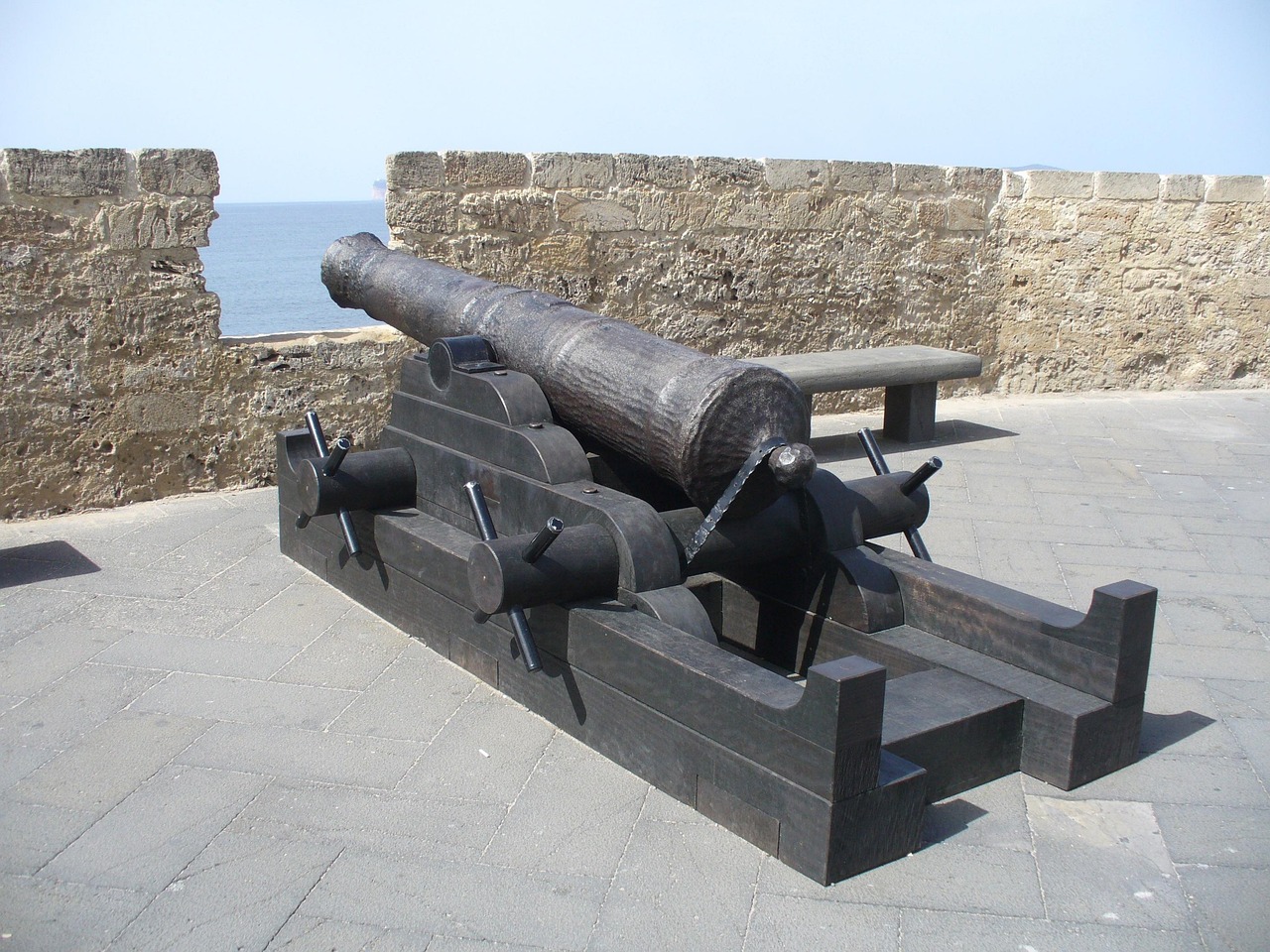
If I had to pick a single image to define Alghero, it would be standing on Bastioni Marco Polo at golden hour, looking out over the sea while the old town behind you glows in warm light. These defensive walls date back to the Aragonese and Spanish periods, and you can still feel that maritime history in the cannons and watchtowers dotting the ramparts.
I like to come here twice a day: in the early morning when it’s mostly locals walking dogs or jogging, and again just before sunset when everyone comes out. Grab a gelato or an aperitivo at one of the bars facing the sea—yes, they’re a bit pricier, but that view is worth every cent.
Tips: The walls are flat and stroller-friendly, making this an easy family-friendly walk. It’s also romantic in the evening—great for couples. If you’re into photography, arrive 45 minutes before sunset for the best light.
2. Cattedrale di Santa Maria (Alghero Cathedral)
The Cathedral of Santa Maria sits quietly just off the main streets, but step inside and you’re wrapped in cool stone and an air of solemnity that contrasts with the bustle outside. Built between the 16th and 18th centuries, it mixes Gothic, Catalan, and Renaissance styles in a way that feels very “Alghero”—a city with layers of identity.
The first time I climbed the bell tower, the stairs felt endless, but the view over the terracotta rooftops to the sea is magical. Bells ring out over the old town at regular intervals, and if you catch a wedding or a festival mass, it’s a beautiful slice of local life.
Tips: Shoulders and knees should be covered when entering (carry a light scarf in summer). The tower climb is optional but worth it for the skyline photos. Go in the late afternoon when the interior is softly lit.
3. Torre di Sulcis & Coastal Towers
All along the coastline you’ll spot squat stone towers—remnants of a defensive network built to spot pirate and enemy ships. Torre di Sulcis, a short walk from the center, is one of my favorites. It’s less crowded than the central towers and comes with sweeping sea views.
I like to walk here in the late afternoon, bringing a takeaway coffee or a small picnic. Often, you’ll find locals fishing from the nearby rocks, and on calm days the water is crystal clear and tempting for a quick dip.
Tips: Wear solid shoes; the rocks can be uneven. Great stop if you’re doing a longer coastal walk toward Maria Pia.
4. Grotta di Nettuno (Neptune’s Grotto)
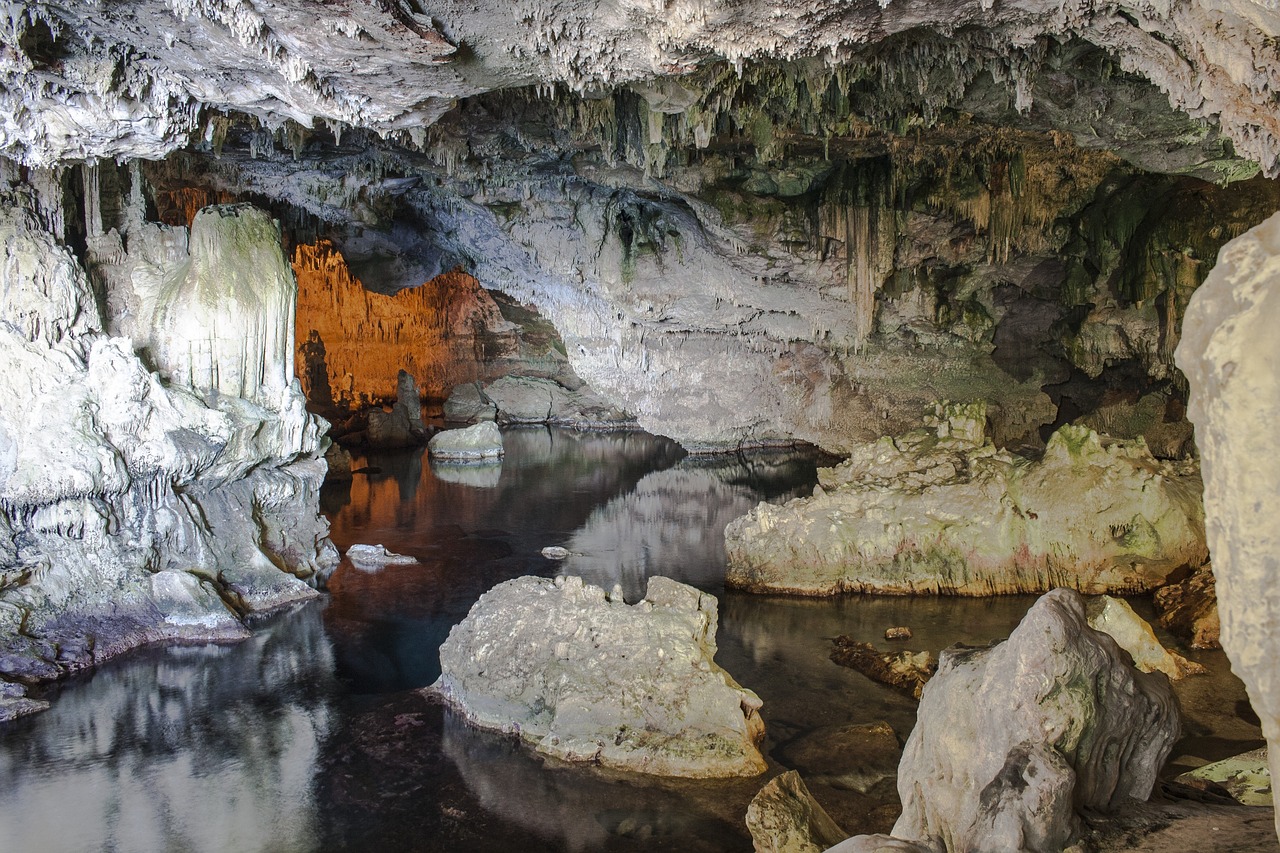
Neptune’s Grotto is one of those places that looks almost unreal in photos, and in person it’s even more dramatic. Carved into the cliffs of Capo Caccia, this limestone cave is filled with stalactites, stalagmites, and a still underground lake that mirrors the formations above.
I’ve visited both by boat and via the famous Escala del Cabirol (Goat’s Staircase). The staircase is 654 steps zigzagging down the cliff—on a windy day you’ll feel the sea spray and hear waves smashing into the rock below. It’s unforgettable, but you’ll need a moderate level of fitness and good shoes. The boat trip, leaving from Alghero’s harbor, is easier and also gives you that classic coastline view.
Family-friendly? Yes by boat, more challenging with young kids via the staircase. Romantic? Definitely—especially the boat ride. Adventurous? Do the staircase both ways and then hike a bit around Capo Caccia.
Tips: In summer, book morning tickets to avoid crowds and heat. Bring a light jacket; the cave is cool and damp year-round.
5. Capo Caccia & Lighthouse Viewpoint
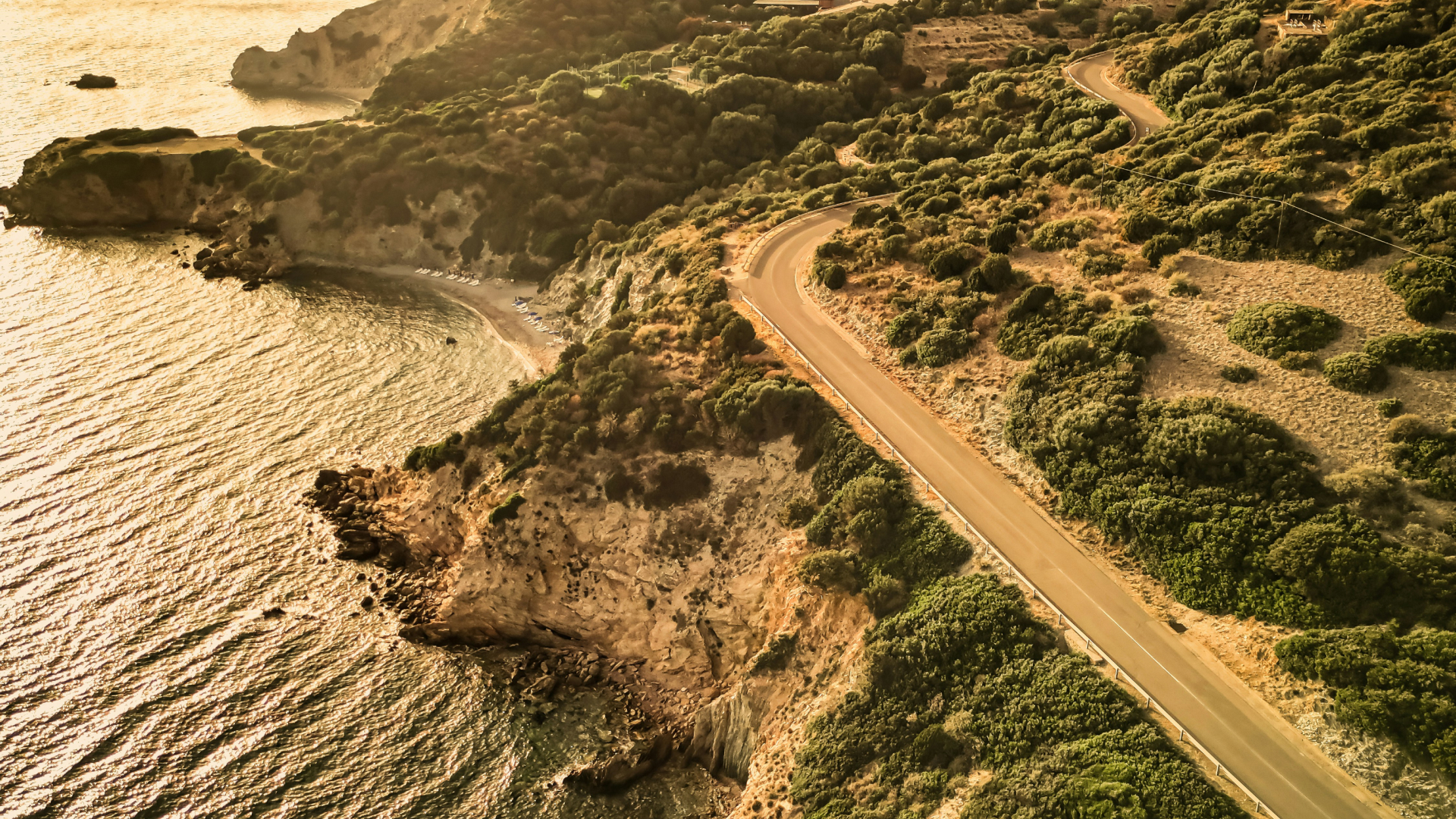
Capo Caccia is the dramatic white headland you see in all the postcards. I’ve driven up here at least half a dozen times, and every single visit feels different depending on the light and the sea conditions. On calm days, the water is a deep sapphire; on stormy days, waves explode against the cliffs in a raw display of nature’s power.
There are several viewpoints along the road, and I recommend stopping at a couple just to take it in. Around sunset, couples line the guardrails, and photographers set up tripods. If you have time, pair this with a hike in the nearby Porto Conte park.
Tips: You’ll need a car or organized excursion. Bring water and a windbreaker; it can be blustery even in summer.
6. Spiaggia di Maria Pia
Maria Pia is my go-to beach when I want that “holiday postcard” feeling without going too far from town. White sand, shallow turquoise water, and a backdrop of pine trees that smell amazing in the heat—it’s ideal for families and lazy beach days.
I usually walk here from the old town (about 30–40 minutes along the promenade) in the morning, claim a spot under the pines if I’m feeling thrifty, or rent a couple of sunbeds if I want to splurge. There are a few beach bars where you can grab a spritz, coffee, or simple lunch.
Tips: In July–August, arrive before 10:00 to avoid the worst crowds. In shoulder season (May–June, September), it’s blissfully calm. The shallow water is perfect for kids.
7. Spiaggia del Lido San Giovanni
Closer to the center than Maria Pia, Lido is where you’ll find rows of colorful umbrellas, water sports rentals, and families spending entire days rotating between the sea and the bar for snacks. It’s not the wildest or prettiest beach on the coast, but it’s the most practical if you’re short on time or traveling with kids.
I like Lido for late-afternoon swims when I don’t want to wander far. There’s a nice view back to the old town, and the beachfront bars are good for a casual drink.
Tips: Easy to reach by foot or bike. Budget-minded travelers can sit in the free zones between beach clubs.
8. Parco Naturale Regionale di Porto Conte
Porto Conte is where you go when you want to stretch your legs and escape the crowds. This protected area encompasses forests, cliffs, and quiet coves. I’ve done several hikes here over the years, from gentle coastal walks to more rugged trails with serious elevation.
One of my favorite circuits starts near Mugoni beach, winds through the pines, and gives glimpses of Capo Caccia in the distance. In spring, the wildflowers are incredible, and even in high summer you can find pockets of shade.
Tips: Wear proper shoes, bring plenty of water, and check trail maps before you go. Great for adventurous travelers and nature lovers.
9. Nuraghe Palmavera
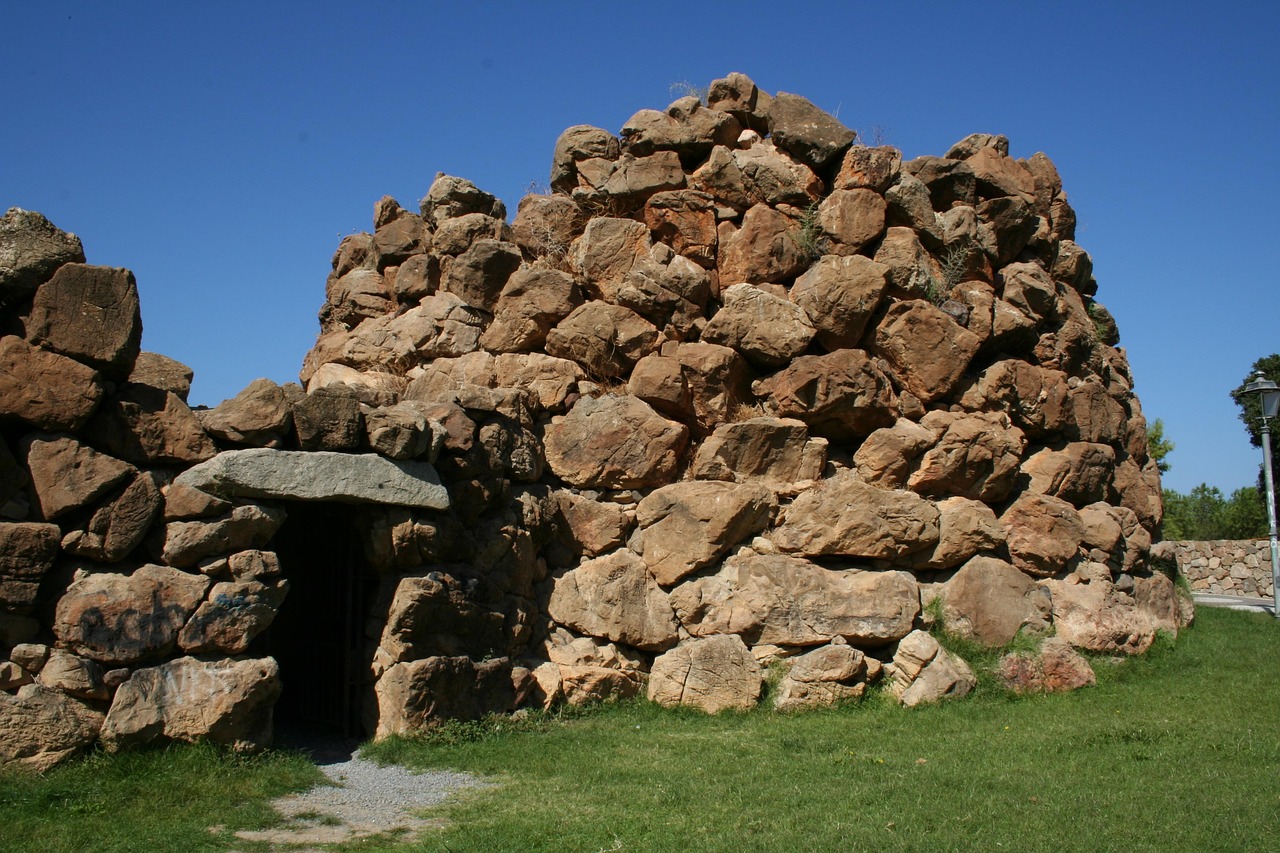
Nuraghe Palmavera is one of the most important archaeological sites near Alghero and a direct connection to Sardinia’s mysterious Nuragic civilization (around 1600–1000 BC). The first time I visited, I expected a single tower; instead, I found an entire complex of stone structures, passageways, and circular meeting huts.
Walking through the narrow tower interior, touching stones set in place thousands of years ago, you realize how deep Sardinia’s history runs beneath the surface of its resort image. The site is well-signed, and even without a guide, you’ll get a good sense of how life might have looked here.
Tips: Combine with a day in Porto Conte or Capo Caccia. Go early or late to avoid the midday heat; there’s limited shade.
10. The Alleys of the Old Town & Piazza Civica
Some of my best memories in Alghero are not about specific sights but about aimless wandering. The old town’s narrow alleys twist and turn, opening onto tiny squares where kids play football under laundry lines. Piazza Civica is the social hub, lined with cafes and often buzzing until late.
On my last trip, I spent an entire rainy afternoon ducking into small artisan shops, chatting with owners about coral jewelry (a local specialty) and ceramics. It felt more like visiting old friends than shopping.
Tips: Explore in the early morning for quiet photos, then come back in the evening when the energy rises. Wear flat shoes; the cobbles can be slippery.
11. Torre di Porta Terra
This tower once guarded the main entrance to the old city. Today, it houses a small museum and viewing platform. I like starting my first full day in Alghero with a visit here—there’s something grounding about seeing the city’s layout from above before diving into the streets.
The interior displays give a quick overview of Alghero’s history from Catalan rule to modern times. It’s compact but informative.
Tips: Good rainy-day option. Not as high as the Cathedral tower, but less crowded and more accessible.
12. Chiesa & Chiostro di San Francesco
San Francesco is my favorite church complex in Alghero, mostly because of its peaceful cloister. Built in the 14th century and later modified, it’s a blend of Gothic and Catalan styles. Step inside and the noise from the streets fades into an almost monastic calm.
I once attended a small classical concert here during a summer festival—the acoustics, the stone arches, and the twilight filtering in created a kind of magic that stayed with me for weeks.
Tips: Check local listings; there are often concerts or events in the cloister, especially in summer. Dress modestly.
13. Museo del Corallo (Coral Museum)
Red coral is one of Alghero’s symbols, and this small museum is the best place to learn about it before you buy any jewelry. Exhibits explain how coral is formed, its cultural significance, and modern sustainability practices.
After visiting the museum on my second trip, I felt much better equipped to shop for pieces that were both authentic and responsibly sourced.
Tips: Budget 45–60 minutes. Afterwards, browse coral shops in the surrounding streets—but don’t be afraid to ask questions about origin and certification.
14. Museo Diocesano d’Arte Sacra
Housed in a former church, this museum holds religious art and artifacts from Alghero and the surrounding region. Even if you’re not typically into sacred art, some of the gold and silverwork pieces are stunning, and the building itself is worth seeing.
I popped in one hot afternoon when I needed a break from the sun and ended up staying far longer than planned, reading the bilingual descriptions and tracing the evolution of local religious art.
Tips: Nice for culture lovers and a good option during the hottest part of the day.
15. Lungomare Barcellona Promenade
The seaside promenade connecting the old town with Lido and Maria Pia is one of the easiest and most pleasant walks in Alghero. In the morning, locals power-walk or jog; in the evening, it becomes a casual parade of families, couples, and groups of friends.
My routine often includes a morning coffee near the harbor, followed by a long walk along the promenade, stopping at a bench to watch the fishing boats and, occasionally, the ferries and yachts offshore.
Tips: Great for strollers and bikes. Perfect if you’re crafting your own relaxed 3 or 4 day itinerary for Alghero and want time built in just to “be.”
16. Mercato Civico (Central Market)
The central market is where Alghero’s food story really comes alive. Stalls overflow with tomatoes that smell like sunshine, piles of local pecorino cheese, shiny fish on ice, and baskets of clams and mussels straight from the sea.
On one trip, I stayed in an apartment with a kitchen and made it a ritual to walk through the market every morning: buying fruit for breakfast, some olives and cheese for aperitivo, and chatting (in my broken Italian) with the fishmonger about what was best that day.
Tips: Go early (before 10:00) for the full experience. Even if you’re not cooking, you can buy picnic supplies. Prices here are better than in tourist-oriented shops.
17. Spiaggia di Mugoni
About 15–20 minutes by car from Alghero, Mugoni beach sits within the Porto Conte bay, sheltered from wind and waves. The water is usually calmer and warmer than the open-sea beaches closer to town, making it ideal for families or nervous swimmers.
I usually come here on days when the mistral wind is too strong at Maria Pia. Under the pines it feels like a little world of its own, with simple beach bars and a relaxed, local vibe.
Tips: Easier with a car, though some seasonal buses run. Good alternative when other beaches are windy.
18. Le Bombarde & Lazzaretto Beaches
These twin beaches, a short drive from Alghero, offer a slightly wilder feel than Lido but with enough facilities to be comfortable. Clear water, rocky headlands, and small coves make them fun for snorkeling and exploring.
I’ve had some of my best swims here in late September, when the crowds thin out but the water is still warm. There’s something about the combination of rocks and sand that makes the sea here particularly beautiful.
Tips: Ideal for a half-day trip—pair with Nuraghe Palmavera or Porto Conte. Bring a mask and snorkel if you have one.
19. Sella & Mosca Winery
Sella & Mosca is one of Sardinia’s oldest and most famous wineries, set in sprawling vineyards just outside Alghero. I’ve visited three times now—once on a guided tour, once just for the tasting room, and once for a long, lazy afternoon in the garden with a glass of Torbato in hand.
The tours walk you through the cellars and the history of the estate, from its 19th-century origins to its current production. Even if you’re not a wine nerd, it’s a lovely, peaceful place to spend a few hours.
Tips: Book tours in advance, especially in summer. If you’re driving, agree on a designated driver or spit instead of swallow during tastings.
20. Coral & Artisan Shopping Streets
Alghero is famous for red coral, but you’ll also find ceramics, textiles, and other crafts. The streets around Via Roma, Via Carlo Alberto, and Via Gilbert Ferret are lined with small boutiques and workshops.
On my last visit, I spent an evening wandering from shop to shop, talking with an older artisan who explained how his family had been working coral for generations. I ended up buying a small, simple pendant that still reminds me of that conversation.
Tips: Beware of very cheap coral—it’s often dyed or imitation. Look for shops that can explain their sourcing and show certificates.
Itineraries: 3–5 Days in Alghero
Below I’ll outline how I usually structure 3 day, 4 day, and 5 day itineraries for Alghero. I’ll keep it reasonably concise here so you can adapt it to your own pace, but you’ll still get a solid, story-like sense of how days unfold.
3 Day Itinerary for Alghero
If you only have 3 days in Alghero, focus on the essentials: the old town, key coastal sights, and at least one proper beach day.
Day 1 – Old Town, Bastions & First Sunset
I like to start gently. After arriving and dropping bags, I head straight for the old town. Walk through Torre di Porta Terra to get that first “wow” of stepping into the walled city. Spend an hour or two just wandering: peek into Cattedrale di Santa Maria, stop for a coffee in Piazza Civica, and let the streets lead you.
In the late afternoon, I recommend climbing either the Cathedral tower or Torre di Porta Terra for a first look over the city. Then, as the light softens, make your way to Bastioni Marco Polo. Find a spot on the wall, maybe with a cone of gelato, and watch as the sky turns pink and orange over the sea. It’s the perfect way to slide into Alghero time.
For dinner, choose a trattoria in the old town and try your first frutti di mare pasta or aragosta alla catalana (Catalan-style lobster) if you’re splurging.
Day 2 – Neptune’s Grotto & Capo Caccia
On my second day with first-timers, I almost always plan a half- or full-day trip to Grotta di Nettuno and Capo Caccia. Book a morning boat tour if the sea is calm; otherwise, take the bus or drive to the Capo Caccia parking area and tackle the Escala del Cabirol stairs.
After exploring the cave, linger around Capo Caccia for cliff views and photos, then either:
- Head back to Alghero for a late lunch and a swim at Lido, or
- Continue to Mugoni beach or Le Bombarde for an afternoon by the sea.
Evening: back in Alghero, stroll the Lungomare, have an aperitivo facing the harbor, and try a different local restaurant—perhaps one focusing on Catalan influences or traditional Sardinian dishes like malloreddus alla campidanese.
Day 3 – Beach Morning & Culture Afternoon
For your final day, I like to keep things flexible. Start with a relaxed morning at Maria Pia beach, swimming and dozing under the pines. Around early afternoon, wander back toward the center for a late lunch.
When the sun is strongest, dive into Alghero’s cultural side: visit the Coral Museum, Museo Diocesano, or the cloister of San Francesco. Do some coral and artisan shopping, then treat yourself to a last, slow sunset on the bastions.
If you’re flying out late or the next morning, this is a nice way to close the loop: from first sunset to last, with a deep sense of how Alghero feels at different times of day.
4 Day Itinerary for Alghero
With 4 days in Alghero, you can add either more beach time, a bit of hiking, or a winery visit. I’d do Days 1–3 as above, then:
Day 4 – Porto Conte & Nuraghe Palmavera
Rent a car or join a small-group tour and head toward Porto Conte. Start with a morning hike or gentle walk in the park—nothing too ambitious if it’s hot, just enough to appreciate the landscape and views of Capo Caccia.
Then move on to Nuraghe Palmavera for your history fix. Take your time walking the site; it’s more atmospheric if you don’t rush. Afterward, reward yourself with a late lunch and swim at Mugoni beach.
On the way back, if you still have energy, stop at Sella & Mosca for a late-afternoon wine tasting. It’s a full but very satisfying day that rounds out your understanding of Alghero’s nature, history, and wine.
5 Day Itinerary for Alghero
With 5 days in Alghero, you can slow down even more and add a proper day trip. I’d keep the structure of the 4-day plan and then:
Day 5 – Flexible Day Trip or “Live Like a Local” Day
You have two good options:
- Option A – Day Trip: Explore Bosa (a colorful riverside town about an hour away) or dedicate the day entirely to the northern beaches and small coastal villages accessible by car.
- Option B – Stay Local: Sleep in, visit the Mercato Civico, cook a meal if you have a kitchen, wander residential neighborhoods, and spend long, lazy hours at your favorite beach. Treat it as a “live like a local” day, with no pressure to tick off sights.
Personally, after a few intense sightseeing days, I often choose Option B. Some of my best memories are from unstructured days: chatting with cafe owners, reading on the bastions, and losing track of time on Maria Pia’s sand.
Local Food & Drink in Alghero
If you’re a foodie, Alghero is going to make you very happy. The city combines Sardinian and Catalan influences, all built on a foundation of ultra-fresh seafood and simple, honest ingredients.
Must-Try Dishes in Alghero
- Aragosta alla Catalana: Lobster served cold with tomato and onion, dressed simply with olive oil and lemon. Best saved for a special meal.
- Fregola ai frutti di mare: Toasted pasta pearls cooked like risotto with clams, mussels, and other shellfish.
- Bottarga: Cured mullet roe, shaved over pasta or salads. Salty, rich, and very Sardinian.
- Pane carasau: Paper-thin crispy bread, sometimes served warm with oil and herbs.
- Seadas: Fried pastry filled with fresh cheese and drizzled with honey—a must for dessert.
- Porceddu: Roast suckling pig. Usually a countryside dish, but some Alghero restaurants serve excellent versions.
What to Drink
- Vermentino di Sardegna: Crisp white, perfect with seafood.
- Cannonau: Local red with a reputation for contributing to Sardinia’s longevity.
- Torbato: A white grape particularly associated with the Alghero area—try it at Sella & Mosca.
- Mirto: Myrtle liqueur, usually served as a digestivo after meals.
Personal Favorite Spots (as of 2026)
Names change and new places open every year, but there are a few types of places I always look for:
- Harbor-side seafood trattoria: Slightly away from the main tourist drag, where you see locals eating, chalkboard menus, and simple grilled fish.
- Old town wine bar: With stools spilling into a lane, offering local bottles by the glass and small plates of cheese and cured meats.
- Neighborhood bakery in Pivarada: Perfect for budget-friendly breakfasts—espresso and a pastry for a couple of euros.
Money-saving tip: Have your biggest meal at lunch. Many places offer more affordable menus or daily specials. In the evening, you can share a few plates or opt for aperitivo with substantial snacks.
Nightlife, Entertainment & Cultural Experiences
Alghero’s nightlife is more about atmosphere than wild partying. Think long dinners, sunset drinks, street music, and the occasional late-night bar rather than mega-clubs (though in high summer there are a few beach clubs that go late).
Evening & Nightlife Ideas
- Sunset on the Bastions: The nightly ritual. Families, couples, and solo travelers all join the flow.
- Wine bars in the old town: Great for a relaxed drink and people-watching.
- Summer concerts: Look for events in the cloister of San Francesco or open-air stages near the harbor.
- Beach clubs (summer): On Lido or nearby beaches, with DJs and cocktails—more for younger or party-oriented travelers.
Cultural Experiences
- Religious festivals: Processions, especially around Easter and local saints’ days, give a glimpse into Alghero’s spiritual life.
- Local language & Catalan heritage: Listen for Algherese Catalan being spoken by older locals; some events celebrate this unique identity.
- Food & wine tastings: Several small businesses organize evenings focused on Sardinian products—cheese, salumi, olive oil, and wine.
Day Trips from Alghero
If you’re in town for more than 3–4 days, consider a day trip or two:
- Bosa: A pastel-colored town about an hour south along a spectacular coastal road. Wander the riverside, climb to the castle, and enjoy long lunches.
- Stintino & La Pelosa (with caution): Famous for its stunning beach, but heavily regulated and crowded in high season; book access in advance and respect local rules.
- Inland villages: Explore smaller Sardinian towns, where life moves slowly and traditions run deep.
Getting there: A rental car gives the most flexibility; there are also buses to Bosa and some northern towns, though schedules can be limited outside summer.
Events & Festivals in Alghero (2026–2027)
Dates shift slightly each year, but here are recurring events to watch for in 2026–2027:
- Setmana Santa (Holy Week): Traditional processions and religious events in the old town (March/April).
- Summer music festivals: A mix of jazz, classical, and contemporary performances, often in historic venues and open-air stages (June–August).
- Ferragosto (15 August): Peak summer celebrations—beach gatherings, fireworks, and late-night parties.
- Cap d’Any a l’Alguer (New Year’s Eve): Concerts, fireworks, and festivities along the waterfront and in the old town.
Check the 2026 city calendar closer to your trip for exact dates and new additions—Alghero’s cultural scene has been growing steadily, with more events added each year.
Local Customs & Cultural Etiquette in Alghero
Alghero is welcoming, but understanding a few local customs will make your stay smoother and more respectful.
Daily Rhythm
- Siesta hours: Many shops close in the afternoon (roughly 13:00–16:00). Plan errands for morning or early evening.
- Late dinners: Locals rarely eat before 20:00, and in summer, 21:00–22:00 is normal.
Behavior & Dress
- Dress modestly in churches (covered shoulders, no very short shorts).
- Swimwear is for the beach—cover up when walking through town.
- Keep voices moderate in residential streets at night; sound carries in the narrow alleys.
Language & Interaction
- Italian is the main language; older locals may speak Algherese Catalan at home.
- A few Italian phrases (“buongiorno,” “per favore,” “grazie”) go a long way.
- It’s common to greet shopkeepers when you enter and leave.
Tipping
Tipping is not as mandatory as in some countries, but it’s appreciated: round up the bill or leave 5–10% in restaurants if service was good; leave small change at cafes.
Practical Travel Advice for Alghero (2026)
How to Get To Alghero
- By air: Alghero-Fertilia Airport (AHO) has seasonal flights from many European cities and year-round connections via mainland Italy.
- By ferry: Arrive by ferry to Porto Torres or Olbia, then drive or bus to Alghero.
Getting Around Alghero
- On foot: The old town and seafront are compact and walkable.
- Bike: Great for the promenade and shorter distances to beaches.
- Bus: Local buses connect the center with Lido, Maria Pia, Fertilia, and the airport. Buy tickets at kiosks or tobacco shops.
- Car rental: Ideal if you plan day trips or want to explore Porto Conte and more remote beaches. Parking near the old town can be tricky in peak season—look for paid lots slightly further out and walk in.
SIM Cards & Connectivity (2026)
- Major providers: TIM, Vodafone, WindTre, Iliad.
- Pick up a tourist SIM at the airport or in town; packages usually include generous data for 1–4 weeks.
- EU visitors can often use roaming; check with your provider before travel.
Money-Saving Tips
- Travel in May–June or September–October for lower prices and fewer crowds.
- Eat where locals eat: look for Italian-only menus and fewer tourist signs.
- Use the Mercato Civico for fruit, snacks, and picnic supplies.
- Stay a short walk outside the old town (Pivarada, Carrabuffas) for better-value accommodation.
Visa & Entry Requirements
- Alghero is in Italy, part of the Schengen Area. EU/EEA/Swiss citizens can enter with a valid ID.
- Many non-EU visitors (e.g., US, UK, Canada, Australia) can enter visa-free for up to 90 days in 180; check current rules for your nationality.
- From 2025–2026, some nationalities may need to complete ETIAS authorization before arrival; verify closer to your trip.
Driving & Foreign Licenses
- Visitors from the EU can use their home license. Non-EU travelers often need both a national license and an International Driving Permit (IDP).
- Drive on the right; seatbelts are mandatory. Watch for speed limits and ZTL (limited traffic zones) near old towns.
- Rural roads can be narrow and winding; take your time and enjoy the scenery.
Best Seasons for Different Activities
- April–May: Mild weather, wildflowers, great for hiking and sightseeing. Sea still cool for some.
- June: Warm, less crowded than July–August, ideal balance for beaches and city strolling.
- July–August: Hot, busy, lively nightlife and events. Best for dedicated beach holidays, but book well ahead.
- September: My favorite—warm sea, slightly cooler evenings, fewer crowds, still vibrant.
- October: Quieter, cooler, great for walkers and culture-focused trips; some seasonal services close.
- Winter: Very quiet; good if you want a peaceful, local-feeling city break and don’t mind limited beach time.
Safety & Health
- Alghero is generally safe; use normal city precautions against petty theft.
- Summer sun is strong—use sunscreen, hats, and stay hydrated.
- Tap water is generally safe to drink unless otherwise indicated.
Hidden Practical Tips
- Carry some cash; small shops and markets may prefer it, though cards are widely accepted.
- Book popular restaurants and Neptune’s Grotto in advance during high season.
- Always check the weather and sea conditions before booking boat trips; operators may cancel for safety if the mistral wind is strong.
- If you’re sensitive to noise, bring earplugs—old town streets can echo at night in summer.
Summary & Final Recommendations
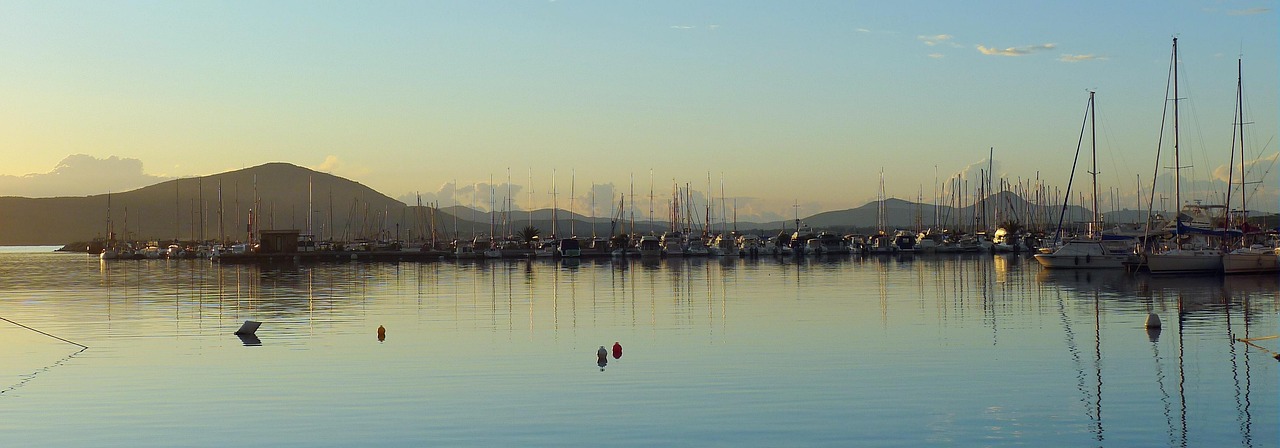
Alghero is one of those rare places that manages to be both deeply local and easily lovable as a visitor. Over multiple trips, I’ve watched mornings unfold on the bastions, swum off Maria Pia’s soft sand, descended the steps to Neptune’s Grotto, sipped Torbato among vineyards, and wandered quiet alleys where everyday life hums along behind half-open doors.
For most travelers, 3 days in Alghero is enough to fall in love; 4 days lets you add Porto Conte and a nuraghe; 5 days gives you the luxury of day trips and slow mornings. However long you stay, try to balance “must-see attractions in Alghero” with simple pleasures: long walks, unhurried meals, and time to watch the light change on the old stone walls.
Best time to visit: For a mix of beach and exploration, aim for late May–June or September. If you love heat and nightlife, July–August are your months (just book everything early). For hiking, photography, and a quieter, more local vibe, consider April, early May, or October.
Come with curiosity, a bit of flexibility in your plans, and a willingness to slow down. Alghero rewards travelers who don’t just rush from sight to sight but allow themselves to sink into its rhythm—one sunset, one plate of fregola, and one stone alley at a time.