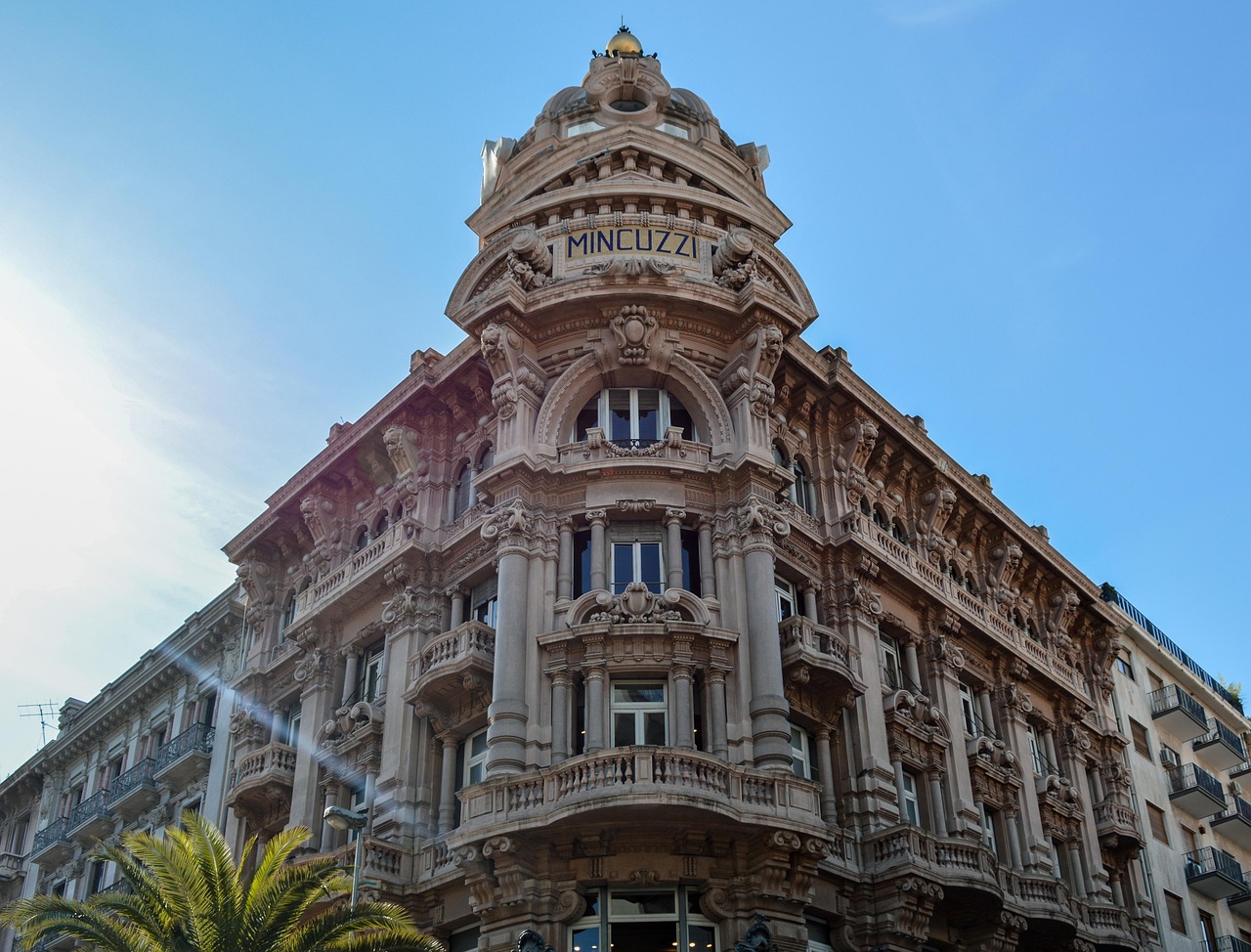
Why Visit Bari in 2026
Bari is one of those cities that Italians love quietly and foreigners discover slowly. It’s where grandmothers still make fresh orecchiette in the streets of Bari Vecchia, university students spill out of wine bars near the port, and ferries glide in and out toward Greece and Albania. I’ve been coming back to Bari regularly for over a decade, and every visit feels like returning to a city that’s both seaside village and thriving southern capital.
In 2026, Bari is particularly exciting: the renovated waterfront promenade is buzzing, art spaces in old warehouses around the port are hosting new exhibitions, and the food scene has never been better. It’s still much cheaper than Rome, Florence, or Venice, and you’ll hear more Italian than English in most neighborhoods.
This comprehensive travel guide for Bari is written from the perspective of someone who walks its lungomare at sunrise, gets stuck in its summer festivals, and has made every possible mistake with buses and train schedules so that you don’t have to. Whether you have 3 days in Bari, are planning a 4 day itinerary for Bari, or stretching to a luxurious 5 days in Bari, you’ll find detailed, story-driven advice here.
Table of Contents
- Why Visit Bari in 2026
- Bari’s Neighborhoods & How the City Fits Together
- Perfect 3–5 Day Itineraries for Bari
- 20 Must-See Attractions in Bari (Deep Dive)
- Local Food in Bari: What & Where to Eat
- Nightlife, Entertainment & Cultural Experiences
- Best Day Trips from Bari
- Cultural Etiquette & Local Customs in Bari
- Practical Travel Advice for Bari
- When to Visit Bari & Final Takeaways
Bari’s Neighborhoods: Where to Wander & Stay
Bari is compact but layered. The neighborhoods are distinct, and choosing where to base yourself can shape your experience dramatically.
Bari Vecchia (Old Town)
This is the soul of Bari: a maze of narrow alleys, white stone buildings, and shrines to the Virgin Mary tucked into corners. I still get lost here, but that’s half the fun. In the morning, it’s quiet except for church bells and the clatter of dishes; by night, it transforms into an open-air living room where families chat, children play, and bars spill onto tiny piazzas.
- Best for: Atmosphere, first-timers, photographers, couples.
- Vibe: Lived-in, historic, deeply local.
- Stay here if: You don’t mind some night noise and love being in the middle of it all.
Murat District (Centro Moderno)
Just outside the old walls, Murat is Bari’s 19th-century grid: wide streets, elegant facades, and the city’s main shopping arteries. This is where you’ll find most chain hotels, fashion boutiques, and busy squares like Piazza Ferrarese and Piazza del Ferrarese.
- Best for: Shoppers, convenience, short stays.
- Vibe: Lively, commercial, easy to navigate.
- Stay here if: You want walking distance to everything but prefer modern buildings and bigger rooms.
Lungomare Nazario Sauro & Seafront
Running along the Adriatic, the lungomare is Bari’s elegant seafront promenade. Early mornings here are my favorite time in the city: fishermen arranging their catch, joggers pacing along the water, the sky shifting colors above the domes of the old town.
- Best for: Sea views, runners, families with strollers.
- Vibe: Breezy, open, romantic at sunset.
- Stay here if: You want a quieter base still close to Bari Vecchia.
Madonnella, Carrassi & Residential Bari
Walk 15–20 minutes from the center and you’ll find yourself in more residential areas like Madonnella and Carrassi. This is where I usually stay on longer trips—cheaper guesthouses, local bakeries where the staff start recognizing you, and almost no tourists.
- Best for: Longer stays, budget travelers, slow travel.
- Vibe: Authentic, everyday Bari.
- Stay here if: You don’t mind a short walk or bus ride into the center and want to save money.
Perfect 3–5 Day Itineraries for Bari
Whether you’re doing 3 days in Bari, a 4 day itinerary for Bari, or stretching to a full 5 days in Bari, I’ve structured these plans as I actually do them when friends visit. Feel free to mix and match based on your interests.
3 Day Itinerary for Bari: Essentials & Iconic Highlights
Day 1: Bari Vecchia, Seafront & Street Food
I always start visiting friends in Bari Vecchia. It’s the best way to understand the city’s heart before branching out.
Morning – Basilica di San Nicola & Old Town Wander
Start around 9:00 at the Basilica di San Nicola, Bari’s most important religious site and one of the must-see attractions in Bari.
- What to do: Visit the crypt where Saint Nicholas’ relics are kept; look up at the Romanesque facade and the intricate stonework inside.
- Personal tip: I like to arrive right after opening (usually 7:00–8:00) when the basilica is almost empty; the light slanting in is magical and it’s much more serene.
- Family-friendly: Kids often recognize Saint Nicholas as the inspiration for Santa Claus; the connection makes the visit engaging.
After the basilica, let yourself get lost in Bari Vecchia’s alleys. You’ll probably pass Arco Basso, the famous “orecchiette street,” where local women make fresh pasta outside their doors.
- What I do: I usually buy a small bag of fresh orecchiette to cook later and chat briefly—“Che bello!” and a smile go a long way.
- Etiquette: Ask before taking photos; many women are used to it but appreciate being treated with respect.
Lunch – Focaccia Barese & Panzerotti
For your first meal, go for Bari’s essential street food.
- Focaccia Barese: Thick, olive-oil-rich bread topped with tomatoes and olives. I often grab a slice from a bakery near Piazza del Ferrarese.
- Panzerotti: Fried dough pockets stuffed with mozzarella and tomato. They’re hot, messy, and addictive.
- Money-saving tip: Bakeries and small takeaway spots are cheaper than sit-down restaurants, and the quality is often excellent.
Afternoon – Castello Normanno-Svevo & Seafront Walk
Head to the Norman–Swabian Castle, another must-see attraction in Bari.
- What to do: Explore the ramparts, see the exhibitions (they often host archaeological and historical displays), and enjoy the contrast between the heavy stone walls and the bright Adriatic light.
- Personal note: I like visiting around 15:00–16:00; the crowds thin out and the afternoon light is gorgeous on the stone.
From the castle, walk toward the sea and join the Lungomare Nazario Sauro. This promenade is perfect for leisurely strolling, people-watching, and getting those skyline photos with domes and towers in the distance.
Evening – Aperitivo & Dinner in Bari Vecchia
- Aperitivo: Try an outdoor bar near Piazza Mercantile. I usually order a spritz or local wine; snacks (olives, chips, small bites) are often included.
- Dinner: Go for seafood pasta or tiella (rice, potatoes, and mussels) at a trattoria in the old town.
- Romantic touch: After dinner, stroll through the softly lit alleys and along the small harbor of N’derr la Lanz, where fishing boats bob gently. It’s one of my favorite nighttime walks in Bari.
Day 2: Culture, Shopping & Modern Bari
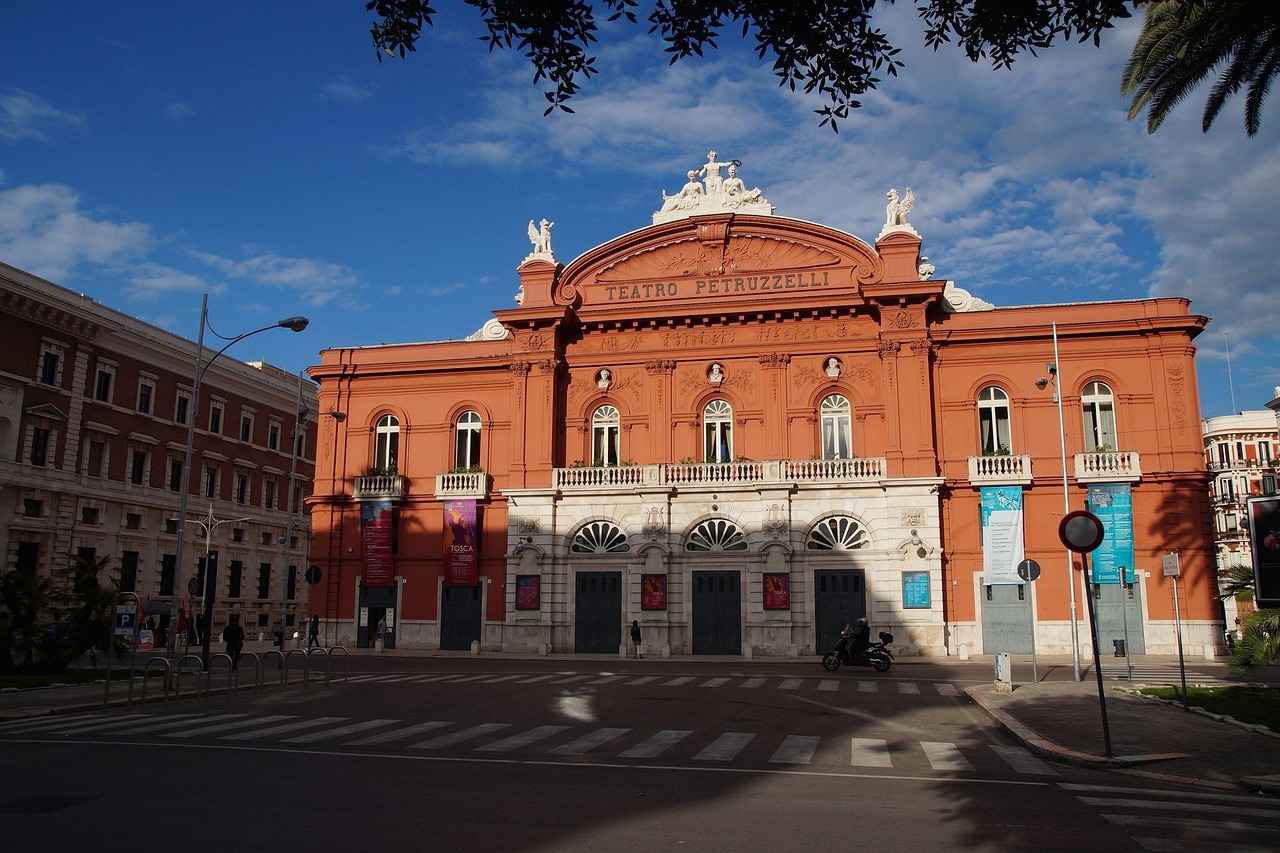
Morning – Teatro Petruzzelli & Murat District
Start in the Murat district, Bari’s “new” center. The Teatro Petruzzelli, one of Italy’s most beautiful opera houses, is a highlight.
- What to do: Check if there are guided tours inside; if you’re lucky, you’ll catch rehearsals or glimpse the lavish interior.
- Personal memory: I once stumbled into an open rehearsal of an opera here; sitting quietly in the back, watching the stage come to life, was magical and free.
Afterwards, walk down Via Sparano, Bari’s main shopping street. Even if you’re not buying, the people-watching is top-notch: chic locals, students, and families all weaving around the boutiques.
Lunch – Modern Cafés & Quick Bites
This area is packed with cafés serving sandwiches, salads, and pastries. I often duck into a bar for an espresso and a pasticciotto (custard-filled pastry popular in Puglia).
Afternoon – Museo Archeologico di Santa Scolastica or Pinacoteca
For cultural experiences in Bari, you can’t skip its museums. Two great options:
- Museo Archeologico di Santa Scolastica: Located in a former convent with beautiful sea views, this museum covers the region’s ancient history. I love the combination of coastal breeze and ancient artifacts.
- Pinacoteca Metropolitana di Bari: An art museum focused on Apulian and southern Italian works, with some surprising masterpieces.
- Tip: Museums are usually quieter in the afternoon; good for families needing a calmer activity or for escaping the heat in summer.
Evening – Gelato & Nightlife
- Gelato stop: Grab a cone near Piazza del Ferrarese and stroll the square; it’s a lively gathering spot at night.
- Nightlife: For bars, Murat and the edge of Bari Vecchia are your best bets—wine bars, craft beer places, and cozy pubs. I often end up in a wine bar near the port, sipping local Primitivo or Negroamaro.
- For early sleepers: Choose accommodation a bit away from Bari Vecchia’s busiest streets; the nightlife can be loud.
Day 3: Beaches, Markets & Local Life
Morning – Pane e Pomodoro Beach
Your third day in this 3 day itinerary for Bari should be slower. Head to Pane e Pomodoro, Bari’s main urban beach.
- What to do: Swim, sunbathe, or just walk along the sand and rock sections. There are usually families, teenagers playing soccer, and older locals chatting in groups.
- Tip: Go early in summer to grab a good spot; by late morning it can be packed, especially on weekends.
- Family-friendly: Shallow areas and a casual vibe make it great for kids.
Lunch – Simple Seaside Eats
Nearby kiosks and bars serve sandwiches, fried seafood cones, and drinks. I usually grab a cone of fried anchovies and calamari—it’s cheap, filling, and very Bari.
Afternoon – Fish Market & Bari’s Everyday Life
Walk or bus back toward the harbor and explore the fish market near N’derr la Lanz.
- What to expect: Rows of stalls with fresh fish, octopus, and sea urchins. You’ll see locals eating raw seafood with lemon and salt.
- Personal note: The first time I tried raw sea urchin here, a fisherman insisted on preparing it for me. It was briny, intense, and unforgettable.
- Etiquette: If you’re not used to raw seafood, don’t feel pressured—just watch and soak in the atmosphere.
Evening – Last Walk Through Bari Vecchia
For your final night, revisit any favorite spot: a particular piazza, a quiet side street, or the lungomare at dusk. This is usually when my guests say, “I could stay longer,” which is exactly why the next sections cover 4 days in Bari and a full 5 day itinerary for Bari.
4 Day Itinerary for Bari: Add Day Trips & Hidden Corners
If you have 4 days in Bari, you can slow down and add a short day trip or dive deeper into local neighborhoods.
Day 4 Option A: Polignano a Mare Day Trip
Just 30 minutes by train from Bari, Polignano a Mare is a spectacular seaside town perched on cliffs.
- What to do: Wander the old town, take photos of the famous cove beach Lama Monachile, and sip coffee overlooking the sea.
- Adventurous activity: In summer, try a coastal boat tour or even cliff-jumping (with guides and caution).
- Tip: Trains run frequently from Bari Centrale; buy tickets at the machine and validate before boarding.
Day 4 Option B: Hidden Bari – Madonnella & Local Parks
If you prefer to stay in Bari, use your extra day to explore residential areas and parks.
- Madonnella: Walk its quieter streets, drop into neighborhood bakeries, and see a very non-touristy side of the city.
- Parco 2 Giugno: Bari’s main park, popular with joggers and families. I often come here with a book and a takeaway coffee.
- Money-saving tip: Supermarkets and small groceries here are cheaper than central ones; good for self-caterers.
5 Day Itinerary for Bari: Deep Dive into Puglia’s Capital
With 5 days in Bari, you can combine the essential things to do in Bari with truly local experiences and a couple of excellent day trips.
Day 4 – Alberobello & Trulli (Day Trip)
Alberobello, with its UNESCO-listed trulli houses, is an easy and unforgettable day trip from Bari.
- Getting there: 1–1.5 hours by train from Bari Centrale (Ferrovie del Sud Est line), or by organized tour/car rental.
- What to do: Wander the trulli districts, visit the trullo church, and climb viewpoints for panoramic photos.
- Family-friendly: Kids love the fairytale-like houses; it’s an easy, walkable village.
Day 5 – Slow Bari & Favorite Repeats
Use your final day to revisit what you loved most or what you missed:
- Return to the fish market for a last dose of local color.
- Spend another lazy morning at Pane e Pomodoro or find a smaller local beach further out.
- Shop for local specialties (olive oil, taralli, pasta) before you leave.
In these longer stays, you’ll find the city’s rhythm seeping into you—a slow breakfast at a local bar, recognizing the same dog walkers on the lungomare, and greeting the baker with a casual “Buongiorno!”
20 Must-See Attractions in Bari (Deep Dive with Personal Notes)
Below are twenty of the best places to visit in Bari, each with context, history, and my own experiences and tips. You won’t do all of these in a 3 day itinerary for Bari, but they’re useful for picking what suits your style.
1. Basilica di San Nicola
The Basilica di San Nicola is the spiritual heart of Bari and one of the most important pilgrimage sites in Europe. Built in the 11th–12th centuries, it houses the relics of Saint Nicholas, patron saint of sailors, children, and Bari itself.
History aside, the basilica is a fascinating blend of Latin and Eastern Christian traditions. I’ve attended vespers here, where Catholic and Orthodox faithful share the space—candles flickering, incense in the air, a murmur of different languages.
- Don’t miss: The crypt, with its low vaulted ceilings and the ornate tomb of Saint Nicholas.
- Cultural insight: The feast of Saint Nicholas in May is one of Bari’s biggest festivals, drawing pilgrims and creating a multi-day celebration in the streets.
- Dress code: Shoulders and knees covered; bring a light scarf or shawl.
2. Cattedrale di San Sabino
Often overshadowed by San Nicola, the Cathedral of San Sabino is Bari’s main cathedral and a gem of Apulian Romanesque architecture. I like it for its quieter, more contemplative atmosphere.
The interior is bright and airy, with a beautiful rose window and impressive crypt. On certain days in June, a beam of sunlight passes precisely through the rose window, illuminating a specific mosaic—an event that draws locals and architecture enthusiasts alike.
- Tip: Combine a visit here with a walk across the old town’s rooftops if open (check local information; sometimes there are special events or tours).
- Photography: Late afternoon light is especially good on the facade.
3. Castello Normanno–Svevo
Bari’s Norman–Swabian Castle has guarded the city since the 12th century, rebuilt and expanded over the centuries by various rulers. The thick walls and moat once defended against invasions; today, they protect a quiet inner world of exhibitions and courtyards.
My favorite way to experience the castle is to walk its perimeter first, imagining the sea lapping right up to its walls as it once did, then step inside to cool off from the summer heat.
- Good for: History buffs, families (kids love exploring the ramparts), photographers.
- Time needed: 1–2 hours.
4. Bari Vecchia (Historic Center)
More than a single attraction, Bari Vecchia is a living, breathing organism. It’s where you’ll see religious shrines with candles lit at night, kids kicking soccer balls against ancient walls, and older women chatting from their doorsteps.
I’ve walked these alleys at dawn, when only the bread vans and church bells break the silence, and at midnight, when the air is thick with conversation and laughter. Both times feel deeply, authentically Bari.
- Highlights inside Bari Vecchia: San Nicola, San Sabino, Piazza Mercantile, Piazza del Ferrarese, Arco Basso (orecchiette street).
- Tip: Don’t cling too tightly to your map—let yourself wander. The area is small; you’ll find your way back to the sea or a main piazza.
5. Lungomare Nazario Sauro
The lungomare is Bari’s living room by the sea. This long promenade is lined with ornate lampposts and looks out over the Adriatic. It’s popular with joggers in the morning, families in the afternoon, and couples at sunset.
I try to walk a stretch of it every day when I’m in Bari, especially in the golden hour before sunset. The light hits the old town’s skyline beautifully, and the air smells faintly of salt and coffee drifting from seaside bars.
- Best time: Sunrise for solitude, sunset for atmosphere.
- Family-friendly: Wide walkway, good for strollers and scooters.
6. Piazza Mercantile & Piazza del Ferrarese
These two connected squares form the hinge between Bari Vecchia and the Murat district. They’re always buzzing—kids chasing pigeons, people sipping coffee, waiters weaving between tables.
I like to sit here with a cappuccino in the late morning and just watch the city go by. It’s also a great place to orient yourself: from here you can head into the old town, down to the sea, or up into the modern center.
- Note: Prices are a bit higher here than in side streets, but the atmosphere is worth it.
7. Pane e Pomodoro Beach
Named after the simplest Italian dish (“bread and tomato”), Pane e Pomodoro is Bari’s main in-town beach. It’s not the most glamorous beach in Puglia, but it’s the most Bari: locals of all ages, small snack bars, and a relaxed, unpretentious vibe.
I’ve spent entire afternoons here, alternating between reading under an umbrella and dipping into the warm Adriatic. It’s particularly charming in early summer, before the peak crowds arrive.
- Facilities: Showers, some changing areas, kiosks.
- Best for: Easy beach time without leaving the city.
8. Bari Fish Market (N’derr la Lanz)
Down by the small harbor of N’derr la Lanz, the morning fish market is one of the most vivid cultural experiences in Bari. Fishermen lay out their catch: octopus, sea urchin, mussels, and fish still glistening from the sea.
The first time I came, I was overwhelmed by the shouting, the bargaining, the rhythmic banging of octopus on the stone to tenderize them. Now, it’s one of my favorite rituals. I don’t always buy—often I just watch.
- Best time: Early morning (7:00–9:00).
- Tip: Wear shoes you don’t mind getting splashed; the ground is often wet.
- Photography: Ask before taking close-up photos of people; wide shots are usually fine.
9. Teatro Petruzzelli
Teatro Petruzzelli is Bari’s grand opera house, a symbol of the city’s cultural life. Destroyed by fire in 1991, it was painstakingly rebuilt and reopened in 2009. Today it hosts opera, ballet, concerts, and theatre.
I always check the program when I’m in town. I’ve seen everything from classical concerts to contemporary dance here, and tickets are often reasonably priced by European standards.
- Dress code: Smart-casual is fine; locals do dress up a bit for evening performances.
- Booking: For big events, book in advance online, especially on weekends.
10. Museo Archeologico di Santa Scolastica
Housed in a former convent overlooking the sea, the Santa Scolastica Archaeological Museum offers an engaging look at the region’s ancient past—from prehistoric finds to Roman artifacts.
I particularly enjoy the peaceful cloister and the way the exhibits integrate with the building’s architecture. It’s an excellent escape on hot afternoons or rare rainy days.
- Good for: History lovers, families (there are often interactive elements).
- Time needed: 1–2 hours.
11. Pinacoteca Metropolitana di Bari
The Pinacoteca is Bari’s main art gallery, focusing on southern Italian and Apulian artists from medieval to modern times. It’s less visited than it deserves, which means you often have rooms nearly to yourself.
I like coming here when I need a quiet, reflective afternoon. Standing in front of a luminous altarpiece or a moody 19th-century seascape while the city buzzes outside is a special kind of luxury.
12. Corso Vittorio Emanuele II & Via Sparano (Shopping & Strolling)
These streets form the backbone of modern Bari’s pedestrian life: Via Sparano for boutiques and big brands, Corso Vittorio Emanuele II for a broad, tree-lined avenue leading toward the sea.
Even if you’re not shopping, strolling here is a great way to soak up the city’s everyday energy. I often pop into bookstores and cafés along the way; it’s a good “buffer zone” between the old town and residential neighborhoods.
13. Parco 2 Giugno
Parco 2 Giugno is Bari’s main city park, a large green space in the Carrassi area. It’s not a must-see on a tight schedule, but if you have more time or are traveling with kids, it’s a welcome slice of nature.
I’ve come here for jogs, picnics, and simply to escape the summer crowds near the center. On weekends, you’ll see families, couples, and groups of friends scattered across the lawns.
14. San Girolamo Waterfront
Northwest of the center, the redeveloped San Girolamo waterfront offers a more modern promenade, popular with locals and still off most tourist radars.
I like biking here when I borrow a bike in Bari. The path is wide, the sea breeze is strong, and you get a glimpse of another side of the city—more residential, more relaxed.
15. N’derr la Lanz Harbor
This small port, whose name in dialect means “down at the boats,” is one of my favorite corners of Bari. The fishing boats, the morning fish market, the view back toward the skyline—it all feels like a painting come to life.
In the evening, it’s quieter but still atmospheric, with the sound of water lapping against the hulls and the glow of the city in the background.
16. Waterfront Walk from Pane e Pomodoro
From Pane e Pomodoro, you can walk or bike further along the coast, discovering smaller rocky coves and viewpoints. It’s not a formal “attraction,” but it’s one of the best ways to feel Bari’s relationship with the sea.
17. Museo Diocesano di Bari
The Diocesan Museum houses religious art and artifacts from Bari’s churches. It’s small but interesting, especially if you’re already visiting San Sabino and want deeper context.
I once ducked in here during an unexpected rain shower and ended up staying an hour, fascinated by the illuminated manuscripts and old reliquaries.
18. Fiera del Levante Grounds
Fiera del Levante is Bari’s historic trade fair complex and the site of major events and exhibitions. While the big annual trade fair has changed over time, the grounds are still used for concerts, shows, and cultural happenings.
In 2026–2027, expect more events here linked to design, food, and Mediterranean culture as Bari continues to expand its role as a regional hub.
19. Bari Street Art & Creative Spaces
Outside the tourist core, Bari has a growing street art scene. Large murals decorate building sides in some residential districts, and former warehouses near the port host pop-up galleries and music events.
I’ve spent afternoons wandering these areas with local friends who point out new pieces. Street art tours are becoming more common, and they’re a great way to see another layer of the city.
20. Local Food Markets
Beyond the fish market, Bari has neighborhood fruit and vegetable markets where locals shop daily. Stalls overflow with tomatoes, olives, artichokes, fennel, and seasonal specialties.
Shopping here is one of my favorite rituals: practicing my Italian, asking what’s best that day, and then turning it into a simple meal back at my apartment. It’s one of the easiest ways to save money and feel like you’re living in Bari, not just visiting.
Local Food in Bari: What & Where to Eat
Bari’s cuisine is simple, vegetable-forward, and deeply tied to the sea. Here are the must-try dishes and some thoughts on where to find them, based on many happy (and occasionally overstuffed) meals.
Signature Dishes
- Orecchiette con cime di rapa: Ear-shaped pasta with bitter turnip tops, garlic, anchovies, and chili. This is the Bari dish. I’ve had it countless times and still crave it as soon as I arrive.
- Focaccia Barese: Thick focaccia topped with tomatoes, olives, and plenty of olive oil. Perfect for breakfast, snacks, or beach days.
- Panzerotti: Fried dough pockets, usually stuffed with mozzarella and tomato, sometimes other fillings. Eat them hot and be ready for molten cheese.
- Tiella Barese: A baked dish of rice, potatoes, and mussels with tomatoes and breadcrumbs. Comforting and very local.
- Raw seafood: For the brave and the initiated—mussels, clams, sea urchin, and raw octopus at the fish market or specialized spots.
- Taralli: Crunchy ring-shaped snacks flavored with fennel seeds, pepper, or onions. I always bring a bag home.
Where to Eat (General Suggestions)
Instead of naming specific businesses that might change, here’s how I choose where to eat:
- In Bari Vecchia, look for small trattorias filled with locals, simple menus, and handwritten specials.
- Avoid places with aggressive hosts trying to pull you in; the best spots usually don’t need to.
- Ask your accommodation host or a barista where they eat seafood—they’ll usually point you somewhere reliable.
Saving Money on Food
- Breakfast at the bar: Coffee and a pastry are cheap and delicious. Standing at the bar is cheaper than table service.
- Self-catering: Use local markets and small supermarkets for picnic supplies and simple dinners.
- Lunch deals: Look for fixed-price lunch menus; they’re often good value.
Nightlife, Entertainment & Cultural Experiences in Bari
Bari’s nightlife is lively but more about conviviality than massive clubs. You’ll find:
- Wine bars: Especially around Bari Vecchia and Murat, serving Puglian wines by the glass.
- Craft beer bars: A growing scene, popular with younger locals.
- Seafront bars: Relaxed spots along the lungomare, great for late-night conversations.
Cultural Experiences
- Teatro Petruzzelli: Opera, concerts, and performances.
- Smaller theatres & cinemas: Often show Italian films without subtitles, but some events are international or music-focused.
- Festivals: From religious processions to food festivals, there’s often something happening, especially between May and September.
Major Events in 2026–2027
Exact dates shift, but you can expect:
- Festa di San Nicola (May 2026 & 2027): Multi-day celebration with religious processions, fireworks, and street stalls.
- Summer music festivals: Concerts at Fiera del Levante and open-air venues around the city.
- Food & wine fairs: Showcasing Apulian products—olive oil, wine, cheeses, and more.
Check the city’s official tourism website closer to your trip for 2026–2027 schedules; they’re usually published early in the year.
Day Trips & Nearby Hidden Gems from Bari
One of Bari’s biggest advantages is its position as a gateway to Puglia. Even if you’re focused on the city, you should consider at least one day trip.
Polignano a Mare
As described earlier, cliffside views, sea caves, and a charming historic center. Great for couples and photographers.
Alberobello
UNESCO-protected trulli, a must-see if you’ve never experienced this unique architecture.
Monopoli
Less famous than Polignano but just as charming, with a beautiful harbor, old town, and beaches. I sometimes prefer Monopoli for a slower, more local feel.
Trani
Northwest of Bari, Trani has a stunning cathedral right on the sea and a lovely marina. It’s an easy and very rewarding half- or full-day trip.
Getting Around for Day Trips
- Trains: Bari Centrale is well connected; regional trains are cheap and reasonably frequent.
- Buses: Fill in gaps where trains don’t go or schedules are sparse.
- Car rental: Best if you want to explore rural areas or several towns in one day; parking can be tricky in historic centers—use designated lots just outside.
Cultural Etiquette & Local Customs in Bari
Bari is friendly and informal, but a few cultural notes will help you blend in and show respect.
Greetings & Communication
- Use “Buongiorno” (good morning) and “Buonasera” (good evening) when entering shops or cafés.
- People appreciate attempts at Italian, even simple phrases.
- Personal space is smaller than in some countries; conversations can be animated and close.
Dress & Behavior
- Churches: Cover shoulders and knees; speak softly.
- Beachwear: Swimsuits are for the beach, not for walking in town.
- Nightlife: Casual but neat; locals take pride in appearance.
Dining Customs
- Lunch is usually 13:00–15:00; dinner 20:00 onward.
- Coffee with milk (like cappuccino) is generally a morning thing, but tourists are increasingly indulged at other times.
- It’s fine to ask for tap water, but most places will serve bottled.
Practical Travel Advice for Bari (2026–2027)
How to Get Around Bari
- Walking: The historic center and Murat district are very walkable.
- Buses: Local buses connect outlying neighborhoods and beaches. Buy tickets at kiosks or some bars and validate when boarding.
- Bikes & scooters: Bike-sharing and e-scooter services are expanding; useful along the seafront.
- Taxis & ride-hailing: Official taxis from stands; ride-hailing is limited and varies by year—check current options when you arrive.
Arriving & Leaving: Airport & Train Station
- Bari Karol Wojtyła Airport: Linked to the city by train and bus; the train is slightly more expensive but faster and more comfortable.
- Bari Centrale: Main train station with connections across Puglia and to other Italian cities.
SIM Cards & Connectivity
- Major providers: TIM, Vodafone, WindTre, Iliad.
- Buy SIMs at official shops in the center or at the airport; bring your passport.
- EU travelers often can use their existing plans without roaming charges—confirm with your provider.
Money & Costs
- Currency: Euro.
- ATMs: Widely available; avoid ones with high fees.
- Daily budget (rough estimate in 2026):
- Budget: €50–€80 (hostel or simple room, street food, self-catering).
- Mid-range: €80–€150 (nice guesthouse, daily meals out, some activities).
- Comfort: €150+ (central hotel, more taxis, fine dining).
Accommodation: Where to Stay & Save
- Bari Vecchia: Best for atmosphere; check reviews for noise.
- Murat: Convenient and central, with many hotels.
- Madonnella/Carrassi: Cheaper, more residential, good for longer stays.
- Money-saving tip: Apartments with kitchens let you enjoy market produce and save on dinners.
Car Rental & Foreign Driver’s Licenses
- Car rental: Best if you plan multiple day trips or rural explorations.
- Foreign licenses: EU licenses are accepted. Non-EU visitors often need an International Driving Permit alongside their home license; check the latest Italian regulations before 2026 travel.
- Driving tips: Historic centers often have ZTL (restricted traffic zones); don’t drive into them without permission or you’ll get fined.
Visa Requirements (Overview)
- Italy is in the Schengen Area. Many nationalities can enter visa-free for short stays (up to 90 days in 180), but rules vary.
- From 2025–2026, the EU is rolling out ETIAS authorization for some visa-exempt travelers—check official EU sources before traveling.
- Always check your country’s embassy and official Italian consular websites for up-to-date requirements before booking.
Safety & Common Sense
- Bari is generally safe; I feel comfortable walking in the center at night, but I stick to well-lit streets.
- Pickpocketing can occur in crowded areas and on public transport; use a money belt or crossbody bag.
- At the beach, don’t leave valuables unattended.
Hidden Tips for Travelers
- Early morning walks: See Bari Vecchia before it wakes up; it feels like a movie set.
- Coffee at the bar: Stand at the counter for cheaper coffee and a local experience.
- Off-peak visits: April–early June and late September–October have great weather and fewer crowds.
- Language: Learn a few dialect words if you can; locals love it and it breaks the ice.
When to Visit Bari & Final Takeaways
Bari is a year-round city, but each season offers something different.
Best Seasons for Different Activities
- Spring (April–June): Ideal for sightseeing, cultural experiences, and light beach time. Flowers bloom, temperatures are pleasant, and events like the Festa di San Nicola light up the city.
- Summer (July–August): Best for beaches and nightlife. Hot and more crowded; locals often escape to the coast, but evenings along the lungomare are unforgettable.
- Autumn (September–October): My favorite time. The sea is still warm, crowds thin out, and it’s perfect for a 3–5 day itinerary for Bari plus day trips.
- Winter (November–March): Quiet, cooler, with fewer tourists and lower prices. Good for food, culture, and feeling the city without its summer coat.
Key Takeaways
- 3 days in Bari: Enough for the old town, seafront, a beach morning, and core cultural sites.
- 4 days in Bari: Add a day trip (Polignano, Monopoli, or Trani) or deeper neighborhood explorations.
- 5 day itinerary for Bari: Combine city immersion with multiple nearby towns and a slower, more local rhythm.
Bari is not a city of checklists; it’s a city of routines: morning coffee at the bar, an aimless stroll through Bari Vecchia, a chat with the baker, a glass of local wine at sunset by the sea. If this travel guide for Bari helps you slip into that rhythm—even for a few days—then you’ll have experienced the real heart of Puglia’s capital.