Why Visit Bolzano?
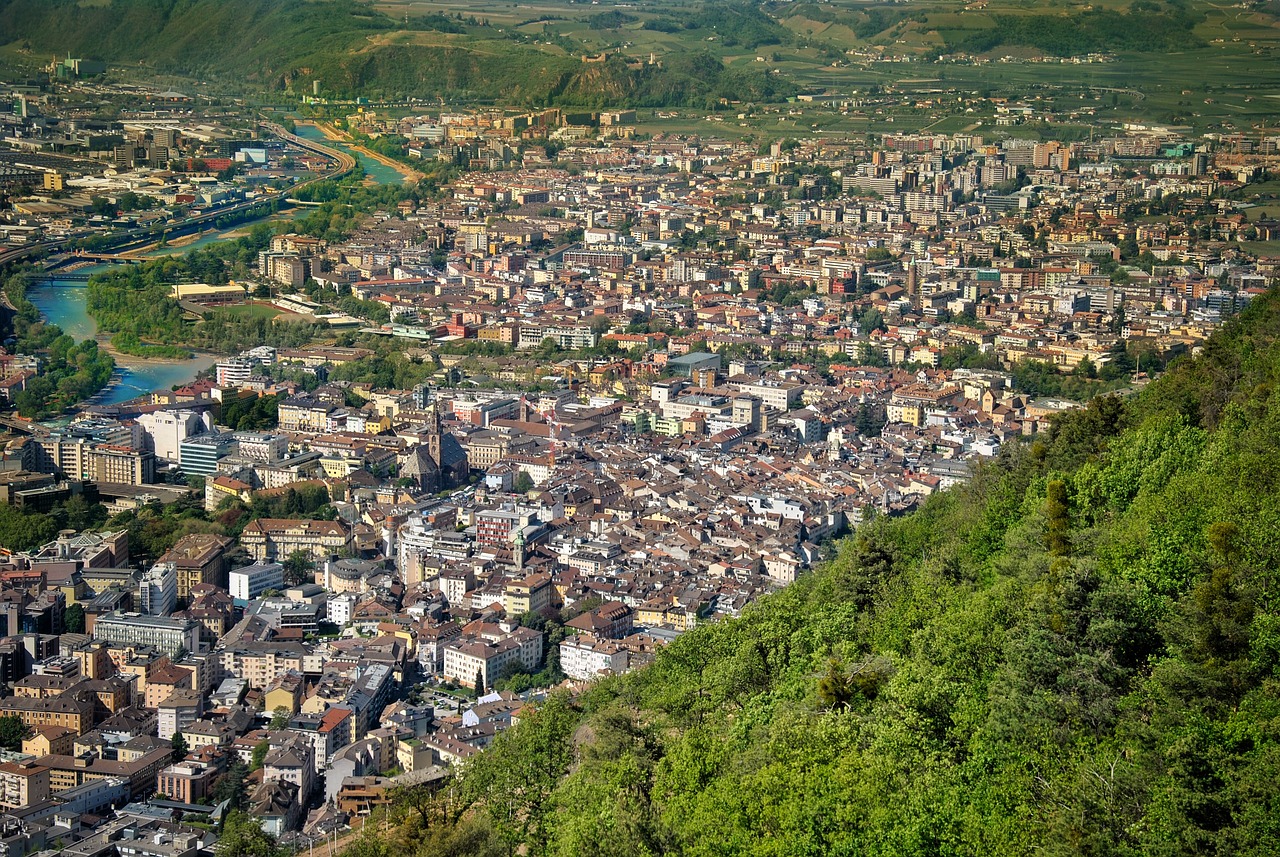
Bolzano (Bozen in German) sits where the Italian Dolomites meet Alpine Austria. The first time I arrived by train, the doors opened to mountain air that smelled of pine and espresso at the same time. Church bells rang from the Gothic cathedral, but the people around me were switching effortlessly between Italian and German. It felt like I’d stepped into a border city that never quite chose a side—and that’s exactly what makes Bolzano special.
This compact city of around 100,000 residents is the capital of South Tyrol and a perfect base for exploring the Dolomites without giving up urban comforts. Think: medieval arcades, stylish cafés, mountain cable cars leaving directly from town, and some of the best wine and food in northern Italy. Whether you’re planning a 3 day itinerary for Bolzano focused on highlights, or 4–5 days in Bolzano to mix city life with hiking and day trips, the city rewards you with an easy pace and surprising depth.
What keeps pulling me back—I've visited almost every year since 2015—is the contrast: Germanic order with Italian spontaneity, mountain peaks with palm trees, refined museums standing beside rustic alpine huts serving dumplings and local Lagrein wine. Bolzano is small enough to feel intimate, but layered enough that you’ll always find a new corner on your next visit.
Table of Contents
- Why Visit Bolzano?
- Quick Overview & When to Visit
- Suggested 3, 4 & 5 Day Itineraries
- 20 Must-See Attractions in Bolzano (In-Depth)
- Neighborhoods & Areas to Explore
- Local Food in Bolzano: What & Where to Eat
- Nightlife, Entertainment & Cultural Experiences
- Day Trips & Nearby Highlights
- Cultural Etiquette & Local Customs
- Practical Travel Tips for Bolzano (Money, SIM, Transport, Visas)
- Summary & Best Seasons to Visit Bolzano
Quick Overview & When to Visit
Bolzano is a bilingual city in Italy’s autonomous region of Trentino–Alto Adige/Südtirol. Street signs are in Italian and German, and you’ll hear both languages in daily life (plus Ladin in some valleys). It’s one of the safest and most prosperous regions in Italy, with excellent public transport and infrastructure—great news for travelers.
Best Time to Visit Bolzano
Every season offers a different personality. Across my visits, here’s how I’d break it down:
- Spring (April–June): Mild weather, apple blossoms in the valleys, fewer crowds. Ideal for hiking the low-altitude trails and exploring vineyards. May and early June are my favorite months for a 3 day itinerary for Bolzano if you want a bit of everything.
- Summer (July–August): Warm in the city but cooler in the mountains. Long evenings in piazzas, outdoor concerts, and perfect conditions for Dolomite hikes. Expect more visitors and higher prices, but it’s still calmer than Venice or Florence.
- Autumn (September–October): Wine harvest, golden vineyards, and “Törggelen” (traditional chestnut & new wine feasts). This is prime time for food-lovers and one of the best periods for a 4 day itinerary for Bolzano mixing city and countryside.
- Winter (December–March): Christmas markets, snow in nearby ski resorts, and cozy taverns. The Bolzano Christmas Market (late November through early January) is one of Italy’s most atmospheric—excellent for a short romantic winter break.
What’s New in 2026–2027
- 2026 Winter & Spring Cultural Season: The city is expanding its “Dolomiti Cultura” program, with more outdoor concerts and bilingual performances around Piazza Walther and the Talvera Park.
- 2026–2027 Ötzi Special Exhibitions: The South Tyrol Museum of Archaeology is marking the 35th anniversary of the Iceman’s discovery with new rotating exhibits and augmented reality experiences.
- Transit & Green Mobility: The city continues expanding its cycling network and e-bike rental options; by 2026, most of the central area is comfortably reachable by separated bike paths.
- Major Events (2026–2027):
- Bolzano Festival Bozen (July–August 2026 & 2027): Classical music festival with international orchestras and masterclasses.
- Bolzano Jazz Festival (late June–early July, annually): Jazz performances in historic venues and open-air stages.
- Bolzano Film Festival Bozen (April 2026 & 2027): Focus on Alpine and Central European cinema.
- Alto Adige Wine Events (September–October): Various harvest and tasting events across the region, with Bolzano as a hub.
Suggested 3, 4 & 5 Day Itineraries for Bolzano
The beauty of Bolzano is that you can see its core in 3 days, but you’ll want more time for hikes, wine roads, and day trips. Below are flexible outlines—think of them as templates you can expand or simplify. I’ll keep each relatively concise here, then go into deeper detail on each attraction in the next section.
3 Day Itinerary for Bolzano: Classic Highlights
Day 1: Old Town, Ötzi & City Views
Focus: Historic center, must-see attractions in Bolzano, easy walking.
- Morning: Start in Piazza Walther (the city’s living room), then wander under the medieval Via dei Portici/Laubengasse arcades. Stop for a cappuccino and a krapfen (doughnut) at a pastry shop.
- Late Morning: Visit Bolzano Cathedral (Duomo di Bolzano) and climb up to the Dominikanerplatz area to peek into the Dominican Church frescoes.
- Lunch: At the Old Town market on Via Argentieri or a traditional tavern serving canederli (bread dumplings) and Schlutzkrapfen (spinach-filled pasta).
- Afternoon: Dive into the South Tyrol Museum of Archaeology (Ötzi Museum)—plan at least 2–3 hours. It’s one of the top things to do in Bolzano.
- Late Afternoon: Take the Funivia del Renon/Rittner Seilbahn cable car for sweeping views and a short walk on the plateau.
- Evening: Back in town for aperitivo in Piazza delle Erbe and dinner at a local restaurant featuring both Italian and Tyrolean dishes.
Day 2: Castles & Wine
Focus: Castles, vineyards, and local food in Bolzano.
- Morning: Hike or take a bus/taxi up to Castel Roncolo/Runkelstein Castle to see its famous medieval frescoes.
- Late Morning: Walk along the Talvera riverside promenade and cross to the leafy Gries district.
- Lunch: Enjoy a hearty lunch in Gries or at a vineyard tavern just outside the city.
- Afternoon: Visit Messner Mountain Museum Firmian at Sigmundskron Castle—a must for mountain lovers and one of the best places to visit in Bolzano’s surroundings.
- Evening: Wine tasting at a city winery or enoteca, then dinner in the Old Town.
Day 3: Mountains & Villages
Focus: Easy mountains and hidden gems in Bolzano’s surroundings.
- Morning: Take the Colle/Kohlern cable car for forest walks and panoramic views over the city.
- Lunch: At a mountain hut (Gasthof) near Colle or back in town for lighter fare.
- Afternoon: Explore Renon/Ritten plateau more deeply (Soprabolzano/Oberbozen, the earth pyramids, or the narrow-gauge train) or head to Lago di Caldaro/Kalterer See for a lakeside stroll and wine in Caldaro village.
- Evening: Final stroll through the Old Town, gelato in hand, and a last glass of Lagrein or Gewürztraminer.
4 Day Itinerary for Bolzano: City + Dolomites
With 4 days in Bolzano, you can keep the above 3-day structure and add a dedicated Dolomites day trip.
- Day 1: Old Town & Ötzi Museum.
- Day 2: Castles & wine (Messner Museum, Runkelstein, vineyards).
- Day 3: Full-day Dolomites excursion—either Alpe di Siusi/Seiser Alm (gentle meadows, great for families and romantic walks) or Val di Funes/Villnöss for the iconic church-with-peaks backdrop (more scenic photography, light hiking).
- Day 4: Renon plateau, Colle cable car, and neighborhoods like Gries, plus last-minute shopping under the portici.
5 Day Itinerary for Bolzano: Slow Travel & Side Valleys
A 5 day itinerary for Bolzano lets you slow down and live like a local.
- Days 1–3: Follow the 3-day itinerary above.
- Day 4: Full-day Dolomites (Alpe di Siusi or Val di Funes, or a guided Dolomites loop).
- Day 5: Explore the South Tyrolean Wine Road (Caldaro/Kaltern, Appiano/Eppan) or take a day trip by train to Merano/Meran for spa culture and gardens. This is where the region’s slower, wine-soaked rhythm really reveals itself.
Below, I’ll dive into individual attractions and experiences in more depth, with personal notes and tips from multiple trips.
20 Must-See Attractions in Bolzano (Deep Dive)
These are the core places I return to again and again—some famous, some quietly local. I’ll start with the icons and gradually move to the hidden gems.
1. Piazza Walther (Waltherplatz)
Piazza Walther is the heart of Bolzano, and if you’re staying anywhere near the center, you’ll cross it several times a day. The first time I walked into the square, it was early May and café terraces had just spilled out into the sunshine. Locals lingered with tiny cups of espresso, and the Dolomites framed the backdrop like a painted stage set.
The square is named after the medieval troubadour Walther von der Vogelweide, whose statue stands in the middle. Around him, the scene changes with the seasons: in winter, it becomes a glowing Christmas market village, and in summer, it hosts open-air concerts and cultural events.
What to do: Start or end your day here. Order a coffee or aperitivo in one of the cafés (yes, it’s a bit pricier than side streets, but you’re paying for the view) and just watch life go by. Families love it because kids can run around safely; couples love it for the romantic evening glow; solo travelers love it because you’ll never feel out of place.
Tips: For budget-conscious travelers, have your coffee at the bar inside rather than sitting outside—it’s a common Italian money-saver. In December, come right as the Christmas market opens in the morning (around 10 a.m.) to enjoy the stalls before the crowds.
2. Via dei Portici / Laubengasse
This long, elegant arcade street is Bolzano’s medieval shopping spine. The first time I walked its length, I kept stopping to look up: pastel façades, oriel windows, and centuries-old painted signs above shop doors. Under the arches, you’ll find everything from traditional bakeries and delicatessens to fashion boutiques and bookshops.
Historically, this was the main trading lane for merchants moving goods between north and south. You can still feel that mercantile heritage in the narrow alleys branching off the portici, some barely wider than outstretched arms.
What to do: Wander slowly, duck into courtyards, and sample local specialties like speck (smoked ham), Schüttelbrot (crunchy flatbread), and krapfen. I like to pick up picnic supplies here, especially from small delis that pile their windows with cheeses and cured meats.
Best time: Mornings on weekdays are quieter, while Saturdays are lively and great for people-watching. In the early evening, the shops glow warmly under the arches—perfect for photos.
Money-saving tip: Away from the square, prices drop noticeably. Look for bakeries a little further down the arcades for better deals on pastries and sandwiches.
3. Bolzano Cathedral (Duomo di Bolzano)
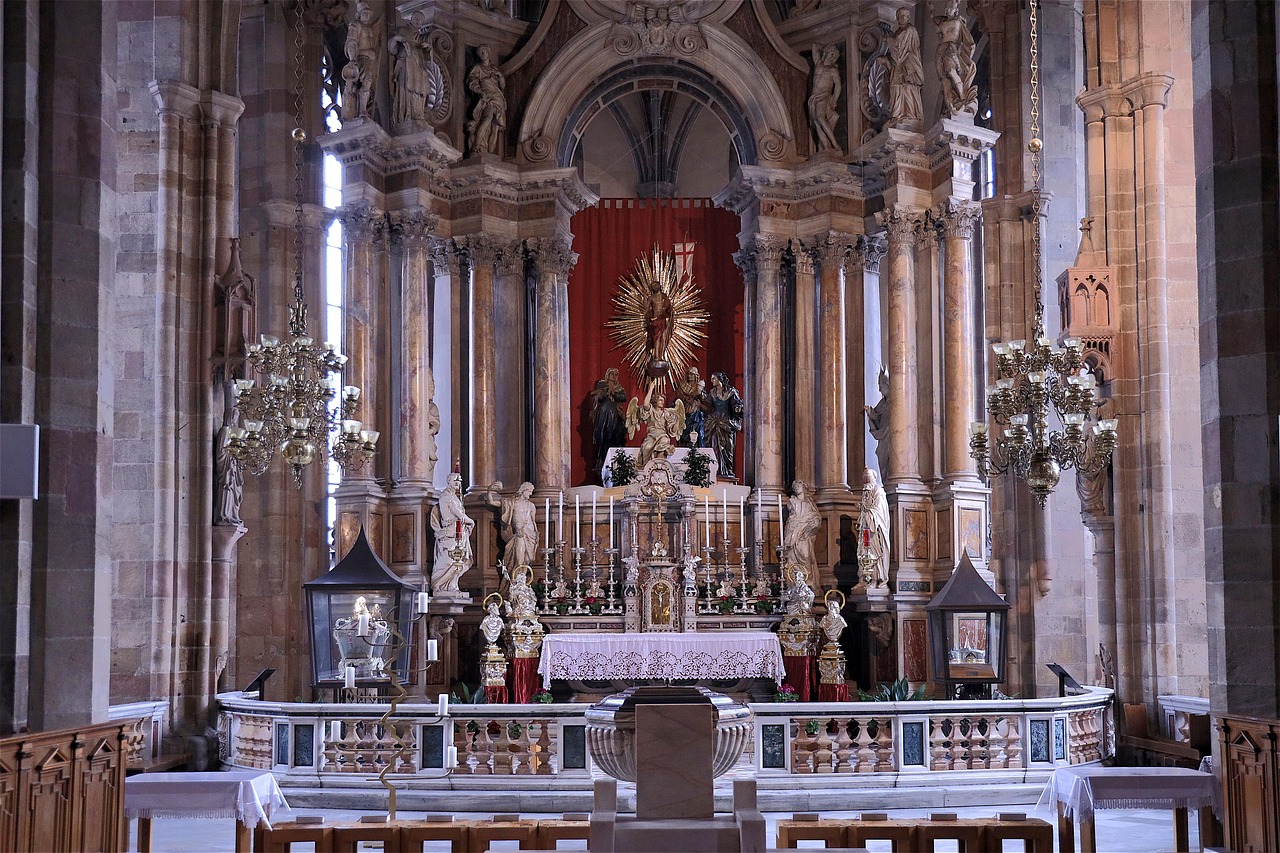
Bolzano’s cathedral, dedicated to Santa Maria Assunta, is a fusion of Romanesque and Gothic styles with a delicate patterned roof that always reminds me of Vienna or Prague. Step inside and the city’s hum fades into thick stone pillars and filtered light.
I like to come here mid-morning, when the market on Piazza delle Erbe is in full swing, and then slip into the Duomo for a brief pause. Sometimes you’ll catch the soft murmur of a Mass; other times, just the echo of footsteps and a few candle flames.
Highlights: The richly carved Gothic portal, the interior frescoes, and the small adjoining square where locals cut through on their way to the market. If you’re into religious art, linger by the side chapels and notice how Italian and Germanic influences mingle.
Etiquette: Dress modestly (shoulders covered, no very short shorts), keep voices low, and avoid photos during services. A quick, respectful visit is welcome even if you’re not religious.
4. Piazza delle Erbe Market
This narrow, bustling square has been Bolzano’s food market since medieval times. On my second trip, I stayed in an apartment just above it, and woke each morning to the sounds of stallholders setting up, the clink of crates, and the smell of fresh herbs.
Stalls overflow with apples (South Tyrol is one of Europe’s major producers), berries, cheeses, cured meats, bread, and flowers. It’s a brilliant place to taste local food in Bolzano on a budget.
What to buy: Seasonal fruit, local cheese (try Graukäse or Bergkäse), speck, Schüttelbrot, and freshly squeezed juices. For lunch, I often grab a simple sandwich from one of the stands and eat it in a nearby park.
Tips: The market runs Monday–Saturday, generally from morning until early afternoon. Prices are fair and quality is high; you don’t really bargain here—this is Italy, but with a strong Austrian sense of order and fixed prices.
5. South Tyrol Museum of Archaeology (Ötzi Museum)
Ötzi the Iceman is Bolzano’s most famous resident—he just happens to be 5,300 years old. Found in the Ötztal Alps in 1991, his naturally mummified body and belongings have been studied in extraordinary detail, and the museum housing him is a must-see attraction in Bolzano.
On my first visit, I expected something morbid. Instead, it felt deeply human. The museum does a brilliant job of telling the story of this Copper Age man’s life, diet, tools, clothing, and mysterious death. The actual mummy is kept in a climate-controlled chamber behind a small window; you see him briefly, then spend most of your time among exhibits that bring his world to life.
Allow: 2–3 hours minimum. The exhibits are dense but fascinating.
Good for: Families (kids love the reconstructed clothing and weapons), history buffs, and anyone curious about human stories. All texts are in German, Italian, and English.
2026–2027 update: Special exhibits around the 35th anniversary of Ötzi’s discovery feature new forensic reconstructions and interactive displays.
Tips: Reserve tickets online in high season or weekends. If you’re planning just 3 days in Bolzano, make sure this museum is on your list; it’s fully indoors, so perfect for a rainy or hot afternoon.
6. Talvera Promenade & Park
Running along the Talvera (Talfer) River, this green corridor is where Bolzano comes to breathe. In the evenings, I like to walk from the Old Town across one of the bridges and follow the riverside paths as locals jog, walk dogs, and push strollers.
The lawns are ideal for picnics with market-bought food, and there are playgrounds for kids and views up to the castles on surrounding hills. Street performers sometimes set up here in summer, and you’ll often see impromptu football games or slackliners practicing between trees.
Why go: It’s the easiest place to feel local life beyond the tourist core and a perfect way to unwind after a museum-heavy morning.
7. Castel Roncolo / Runkelstein Castle
Perched dramatically on a rocky outcrop above the Talvera, Runkelstein looks like something out of a storybook, but its real treasure is inside: some of the best-preserved medieval secular frescoes in Europe, full of knights, courtly love, and hunting scenes.
Getting there is half the fun. I usually walk from the center along the Talvera promenade (about 45 minutes at a leisurely pace), but you can also hop on a bus or taxi. The approach through vineyards and under cliffs is incredibly scenic.
Inside, the audio guide (available in English) brings the frescoes to life. I remember standing in one hall, surrounded by painted figures in colorful costumes, feeling as if I’d crashed a 14th-century banquet.
Good for: Families (there’s a slight “castle adventure” vibe), couples, and anyone into art history or medieval life.
Tip: Combine Runkelstein with a walk or picnic along the Talvera. Wear comfortable shoes—the paths and castle steps are uneven.
8. Funivia del Renon / Rittner Seilbahn & Renon Plateau
This modern cable car leaves almost directly from Bolzano’s edge and whisks you up to the Renon/Ritten plateau in about 12 minutes. The first time I boarded it, late afternoon, the city shrank below and the vineyards and mountains unfolded like a map.
At the top station (Soprabolzano/Oberbozen), the air feels fresher and the mood more rural. From here, you can take the charming Renon narrow-gauge railway between villages, walk to viewpoints, and visit the famous earth pyramids, bizarre cone-shaped formations that kids find especially fascinating.
Why go: It’s one of the easiest ways to get genuine mountain scenery without a car, suitable for all fitness levels. In winter, it can be snowy and magical; in summer, it’s 5–10°C cooler than Bolzano—ideal for escaping heat.
Tips: Bring a light jacket even in summer; weather can change quickly. For a half-day, ride up, stroll to a nearby Gasthof for lunch with a view, then return. For a full day, add hikes or multiple village stops.
9. Colle / Kohlern Cable Car
The Colle cable car is one of Europe’s oldest, dating back to 1908 (modernized, of course). It’s less famous than the Renon line, which makes it feel more like a hidden gem in Bolzano.
The ride is short but steep, rising over forest and vineyards to the tiny hamlet of Colle/Kohlern. Up top, there are forest paths, viewpoints over Bolzano, and a traditional inn where I’ve spent lazy afternoons over Knödel (dumplings) and local beer.
Good for: Quiet nature walks, families, and anyone seeking a peaceful alternative to busier mountain spots.
Tip: Check operating hours—they can be more limited than the Renon cable car, especially outside peak season.
10. Messner Mountain Museum Firmian (Sigmundskron Castle)
Built within the ruins of Sigmundskron Castle, this museum is mountaineer Reinhold Messner’s “heart” of his mountain museum network. It’s not just about climbing; it’s a poetic, sometimes philosophical exploration of how humans relate to mountains across cultures.
I remember arriving on a hazy afternoon, the castle walls glowing ochre, and wandering through courtyards filled with Tibetan prayer flags, Alpine equipment, and sculptures. As you climb the paths and stairways, new vistas of the Dolomites and the Adige valley open up at every turn.
Why go: It’s one of the most unique cultural experiences near Bolzano, mixing architecture, landscape, art, and history. Even if you’re not a hardcore hiker, it’s inspiring.
Getting there: A short train or bus ride from Bolzano towards Appiano/Eppan, plus a 15–20 minute walk. You can also reach it by bike along the river and vineyard paths if you’re feeling active.
11. Gries District & Monastery
Once a separate village, Gries is now a leafy district just west of the center, known for its wine, churches, and slightly slower pace. When I need a break from the busier Old Town, I walk 15–20 minutes to Gries and feel like I’ve stepped into a quieter, more residential Bolzano.
The Abbazia di Gries (Benedictine monastery) has a beautiful church and cloister, and the area around Grieser Platz is full of cafés and bakeries where you’re more likely to hear German than Italian.
Why go: To see everyday life beyond the tourist core, taste local Lagrein wine (the vineyards around Gries are famous for it), and enjoy leafy streets and parks.
Tip: Come in late afternoon, when school is out and the neighborhood buzzes softly. Grab a slice of cake at a Konditorei (pastry café) and linger.
12. Dominican Church & Frescoes
A short walk from Piazza Walther, the Dominican Church is easy to overlook—but its St. John’s Chapel holds remarkable Gothic frescoes, including works by the Giotto school. It’s one of those places I didn’t visit until my third trip, and it felt like discovering a secret side of the city.
The frescoes depict scenes from the life of Christ and saints, with expressive faces and rich colors that have survived centuries. Because it’s less famous than the Ötzi Museum or castle, you may share the chapel with just a handful of visitors.
Good for: Art and history lovers, or anyone wanting a quiet, contemplative stop in the city center.
Tip: Check opening times; parts of the complex are not always open all day. Combine with a stroll through the adjacent square and nearby cafés.
13. Museion – Museum of Modern and Contemporary Art
Museion is a glass-and-steel contrast to Bolzano’s medieval core, standing by the river with clean lines and rotating exhibitions. I’ve had wildly different experiences here depending on the exhibit: one visit featured immersive installations with sound and light; another focused on conceptual photography.
Even if contemporary art is not your main draw, the building itself is worth a look, and the riverfront setting is lovely. In the evening, the illuminated façade reflects on the water.
Why go: To see Bolzano’s modern, forward-looking side and to balance the historical attractions with something more experimental.
Tip: Free or reduced entry days sometimes apply; check the museum’s schedule. Combine with a walk along the Talvera and a drink at a nearby bar.
14. Bolzano Christmas Market (Mercatino di Natale / Christkindlmarkt)
If you visit between late November and early January, the Christmas market dominates Piazza Walther. Wooden stalls sell ornaments, candles, woolens, toys, and endless food: hot apple juice, mulled wine (Glühwein/vin brulé), sausages, fried pastries.
I’ve been twice in December, and both times the atmosphere felt like a fusion of Tyrolean coziness and Italian festivity. The smell of cinnamon and woodsmoke, the sound of choirs, the twinkling lights against snowy mountains—it’s genuinely magical, especially in the early evening.
Good for: Families, couples, and anyone who loves Christmas. It can get crowded, but it’s well organized.
Tips: Come on weekdays and earlier in the day to avoid peak crowds. Bring cash for small purchases. Dress warm—standing outside with a drink is delightful but chilly.
15. Alpe di Siusi / Seiser Alm (Day Trip)
About an hour from Bolzano by train and bus (or car), Alpe di Siusi is Europe’s largest high alpine meadow—a rolling plateau of grass and flowers framed by Dolomite peaks. It’s one of the most photogenic and accessible mountain landscapes in the region.
On my last trip, I spent a full day there in late September. We took the early train to Siusi/Seis, then the cable car up, and spent hours wandering well-marked paths between wooden huts, cows with bells, and panoramic viewpoints. The terrain is gentle, making it perfect for families and those not keen on steep hikes.
Why go: For iconic Dolomites scenery without technical hiking. It’s a highlight for any 4 day itinerary for Bolzano or longer.
Tips: Go early, especially in July–August. Wear layers; weather changes quickly. In winter, there are cross-country ski trails and sledging.
16. Val di Funes / Villnöss Valley (Day Trip)
Another unforgettable valley within day-trip range, Val di Funes is famous for the small church of Santa Maddalena with the jagged Geisler/Odle peaks behind it. I visited on a crisp October day when larches were turning gold and the air smelled of woodsmoke.
There are easy walking paths along the valley floor, more challenging hikes up towards the peaks, and several cozy huts serving hearty food. Photographers will be in heaven here.
Good for: Adventurous couples, families who enjoy walking, and anyone chasing “postcard” Dolomites views.
Getting there: Buses run from Bolzano with a change in Bressanone/Brixen; a rental car makes it more flexible but isn’t essential.
17. South Tyrolean Wine Road & Caldaro/Kaltern
South of Bolzano, a chain of wine villages lines the Adige valley, producing reds like Lagrein and St. Magdalener, and whites like Gewürztraminer and Pinot Bianco. Caldaro/Kaltern is one of the prettiest, perched above a small lake and surrounded by vineyards.
On sunny days, I love renting a bike in Bolzano and following the riverside and vineyard paths to these villages. You pass apple orchards, castles, and little chapels, with plenty of chances to stop at wineries or Buschenschänke (farm taverns) for tastings and simple local food.
Why go: For wine lovers, this is non-negotiable. For others, it’s still a wonderful, easy countryside escape.
Tip: If you plan to drink, use public transport or e-bikes and take it slow. In autumn, book tastings ahead as harvest season is busy.
18. Lago di Caldaro / Kalterer See
Near Caldaro, this lake is one of the warmest in the Alps and a beloved summer hangout for swimming, paddleboarding, and lakeside lounging. The atmosphere is relaxed and a bit nostalgic, with old-school bathing establishments and terraces.
On a hot July afternoon, I spent a few hours here between winery visits, swimming and then dozing in the shade. It felt worlds away from the busier Dolomite lakes, and the combination of vineyards, water, and mountains was perfect.
Good for: Families, couples, and anyone wanting a low-key summer day with water access.
Tip: Bring a towel and swimsuit, and some cash for entry to designated bathing areas.
19. Merano/Meran (Day Trip)
A 30–40 minute train ride from Bolzano, Merano is a spa town with a slightly milder climate and palm trees along its river promenade. It feels a bit more “Austro-Hungarian Riviera,” with elegant villas and the famous Therme Meran thermal baths.
I often recommend Bolzano as your base and Merano as a day trip: wander the old town, visit the Trauttmansdorff Castle Gardens (especially beautiful in spring and summer), and soak in the thermal pools with mountain views.
Good for: Relaxation, gardens, and a change of scene without much travel time.
Tip: If you’re building a 5 days in Bolzano itinerary, Merano is an ideal final-day excursion.
Neighborhoods & Areas to Explore in Bolzano
Old Town (Centro Storico / Altstadt)
The medieval core: arcades, squares, the cathedral, and most central attractions. Ideal for first-time visitors and short stays. It’s busy but not overwhelming, and evenings feel lively yet safe.
Gries
Leafy, residential, and wine-scented. Great for a quieter base, especially if you find a guesthouse or apartment here. It has its own small center and easy tram/bus connections to the Old Town.
Rencio/Rentsch & St. Magdalena
On the slopes above the city, these areas are surrounded by vineyards and small lanes. They’re wonderful for walks with city-and-mountain views and are home to several wineries—perfect for those focused on wine tourism.
Industrial & New Town (South Bolzano)
Less scenic, but where you’ll find some newer hotels, the fair grounds, and modern shopping centers. Not my first choice for atmosphere, but practical if you’re here for business or driving.
Local Food in Bolzano: What & Where to Eat
Bolzano’s food is a delicious mix of Alpine hearty and Italian refined. After years of visits, these are the staples I always seek out:
Must-Try Dishes
- Canederli/Knödel: Bread dumplings with speck, cheese, or spinach, served in broth or with melted butter.
- Schlutzkrapfen: Half-moon pasta filled with spinach and ricotta, topped with brown butter and parmesan.
- Speck: Lightly smoked cured ham, often served with bread and cheese.
- Gulasch & Polenta: Hungarian-influenced stew with Italian polenta, a perfect cold-weather dish.
- Apfelstrudel & Kaiserschmarrn: Strudel and shredded pancake desserts for your sweet tooth.
- Gelato: Don’t forget you’re still in Italy—Bolzano has excellent gelaterie.
Wine & Drinks
- Lagrein: Local red, velvety and deep, perfect with meat and game.
- St. Magdalener: Lighter red from vineyards just above the city.
- Gewürztraminer: Aromatic white with lychee and floral notes.
- Aperitivo: Spritz and local sparkling wines are everywhere from 5–8 p.m.
Where to Eat (Indicative Types of Places)
Instead of naming specific businesses that may change, here’s how I usually structure my eating in Bolzano:
- Breakfast: Local bakeries under the arcades or in Gries for pastries and cappuccino. Standing at the bar is cheapest.
- Lunch: Market snacks from Piazza delle Erbe, or traditional taverns in the Old Town and Gries offering daily menus (often good value).
- Aperitivo: Bars around Piazza delle Erbe, Piazza Walther, and side streets—look where locals are standing outdoors.
- Dinner: Mix traditional Gasthaus-style places (dumplings, gulasch) with one or two more contemporary restaurants that play with local ingredients in modern ways.
Money-Saving Food Tips
- Eat your main meal at lunch; many restaurants have cheaper set menus.
- Buy picnic supplies at supermarkets and the open-air market.
- Stand at the bar for coffee; table service costs extra.
- Tap water is safe to drink; refill bottles at fountains.
Nightlife, Entertainment & Cultural Experiences in Bolzano
Bolzano isn’t a wild party city; its nightlife is more about good wine, conversation, and occasional live music. That said, there’s enough variety for different moods.
Evening Aperitivo & Wine Bars
From around 5 p.m., bars in the Old Town fill with people sipping spritz, wine, or beer and nibbling on small snacks. I love standing at a high table outside, watching the light fade on the mountains. For more serious wine tasting, head to enoteche and wine bars that feature South Tyrolean labels by the glass.
Live Music & Events
- Bolzano Festival Bozen: Classical concerts in historic venues (summer).
- Jazz Festival: Jazz performances around town (early summer).
- Open-air events: In Talvera Park and Piazza Walther during warmer months.
Family-Friendly Evenings
Take a riverside walk, ride the Renon cable car for sunset, or linger at the Christmas market in winter. Many restaurants welcome children; just aim for earlier dinners (around 7 p.m.).
Romantic Bolzano
For couples, I recommend a late-afternoon trip up to Renon or Colle for views, then a leisurely dinner in a candlelit tavern, followed by a stroll under the arcades. In winter, share a mug of mulled wine at the Christmas market under the lights.
More Adventurous Evenings
In peak season, some bars and clubs on the edges of the center host DJ sets and dancing, especially weekends. Ask locals or your accommodation for current recommendations; places do come and go.
Day Trips & Nearby Attractions
Bolzano’s position makes it ideal for exploring the Dolomites and surrounding valleys. In addition to Alpe di Siusi, Val di Funes, the Wine Road, and Merano (covered above), consider:
Lake Carezza / Karersee
About 40 minutes by bus or car from Bolzano, this small emerald lake reflects the Latemar peaks and is especially stunning at dawn or late afternoon. The loop path is easy and family-friendly.
Trento
South by train, Trento offers Renaissance squares, a castle, and a more Italian feel. It’s a great contrast day trip if you’re curious how culture shifts just an hour down the line.
Bressanone/Brixen
A pretty town north of Bolzano with a baroque cathedral, cloister, and riverside walks. Combine with Val di Funes or visit on its own; trains run frequently.
Practical Tips for Day Trips
- Use the regional Mobilcard or similar passes for unlimited public transport on buses and regional trains.
- Start early to avoid afternoon storms in the mountains in summer.
- Always check last bus/train times back to Bolzano.
Cultural Etiquette & Local Customs in Bolzano
Because Bolzano straddles Italian and Austrian traditions, etiquette is a blend of both.
Language
- Both Italian and German are official. In the city, many people speak both plus English.
- Simple greetings go a long way: “Buongiorno” or “Guten Tag” during the day, “Buonasera” or “Guten Abend” in the evening.
- It’s polite to start with a greeting before asking questions or ordering.
Dining Customs
- Table service is relaxed; meals are meant to be enjoyed slowly. Don’t expect the bill until you ask for it (“Il conto, per favore.”).
- Tipping: Not mandatory; rounding up or leaving 5–10% for good service is appreciated but not required.
- Coffee with milk (cappuccino, latte) is usually a morning thing; locals tend to drink espresso after meals.
Personal Space & Noise
- South Tyroleans are generally polite and a bit reserved compared to southern Italians. Loud behavior on public transport is frowned upon.
- Quiet hours are taken seriously in residential areas, especially at night.
Outdoor & Nature Etiquette
- On hiking trails, greet passing walkers with a simple “Ciao,” “Hallo,” or “Servus.”
- Respect private property and stay on marked paths.
- Carry out your trash; Alpine environments are fragile.
Local Customs & Festivals
Look out for:
- Törggelen (Autumn): Rustic feasts with roasted chestnuts, new wine, and hearty dishes. Book ahead.
- Religious processions: Occasionally you’ll see processions or festivals tied to Catholic holidays; observe respectfully and step aside if needed.
Practical Travel Tips for Bolzano
Getting To & Around Bolzano
By Train: Bolzano is on the main line between Verona and Innsbruck/Munich, with frequent regional and some long-distance trains. From Verona, it’s about 1.5 hours; from Innsbruck, about 2 hours.
By Air: The nearest major airports are Verona, Innsbruck, Venice, and Munich. From there, take a train or shuttle.
Public Transport
- The city has efficient buses, plus cable cars to Renon and Colle.
- Regional passes like the Mobilcard, Museumobil, or Bozen Card (if provided by your accommodation) offer unlimited travel and museum entry.
- Tickets are usually validated on board or on platforms; always validate to avoid fines.
Car Rental & Driving
- You don’t need a car for a 3 day itinerary for Bolzano. Public transport covers most highlights.
- A car helps for more remote day trips or off-season travel, but parking in the center is limited and often paid.
- Most foreign driving licenses are accepted for visitors; if you’re from outside the EU, an International Driving Permit is recommended.
- Winter tires or chains are mandatory in winter months on many roads—check regulations if driving into the mountains.
SIM Cards & Connectivity
- Italy has several providers (e.g., TIM, Vodafone, WindTre) with tourist-friendly data plans.
- Bring your passport to buy a SIM; activation is usually quick.
- Wi-Fi is common in hotels and many cafés, though speeds vary.
Money & Costs
- Currency: Euro (€). Cards widely accepted, but carry some cash for markets and smaller places.
- Bolzano is not cheap by Italian standards but offers good value compared to big cities in northern Europe.
- Budget travelers can manage with supermarket meals, self-catering, and passes for transport/museums.
Accommodation Tips
- Old Town: Best for short stays and first-timers; walkable to everything.
- Gries or Rencio: Quieter, often better value, still close by bus or foot.
- Book early for Christmas market season and peak summer (July–August).
Visa & Entry Requirements
- Bolzano is in Italy, part of the Schengen Area.
- EU/EEA/Swiss citizens can enter with ID; many other nationalities (e.g., US, Canada, UK, Australia) can visit visa-free for short stays—always check current rules for 2026 as they can change.
- From 2025–2026 onward, some non-EU visitors may need to complete an ETIAS authorization before travel; verify this before your trip.
Safety & Health
- Bolzano is generally very safe. Normal city awareness (watch wallets in markets) is enough.
- Tap water is drinkable and often excellent.
- In summer and at altitude, sun can be strong—use sunscreen and carry water.
Seasonal Advice
- Spring: Pack layers and a light rain jacket.
- Summer: Light clothing for the valley, but a fleece for mountain trips.
- Autumn: Great for hiking and wine; bring warm evenings layers.
- Winter: Warm coat, hat, gloves, and good shoes, especially if visiting markets or ski areas.
Hidden Money-Saving Tips
- Use regional transport passes if you plan multiple trips.
- Stay just outside the very center for cheaper accommodation.
- Self-cater breakfast or a few meals if you have a kitchen—local produce is excellent.
- Combine free or low-cost attractions (parks, promenades, churches) with 1–2 paid sights per day.
Summary & Best Seasons to Visit Bolzano
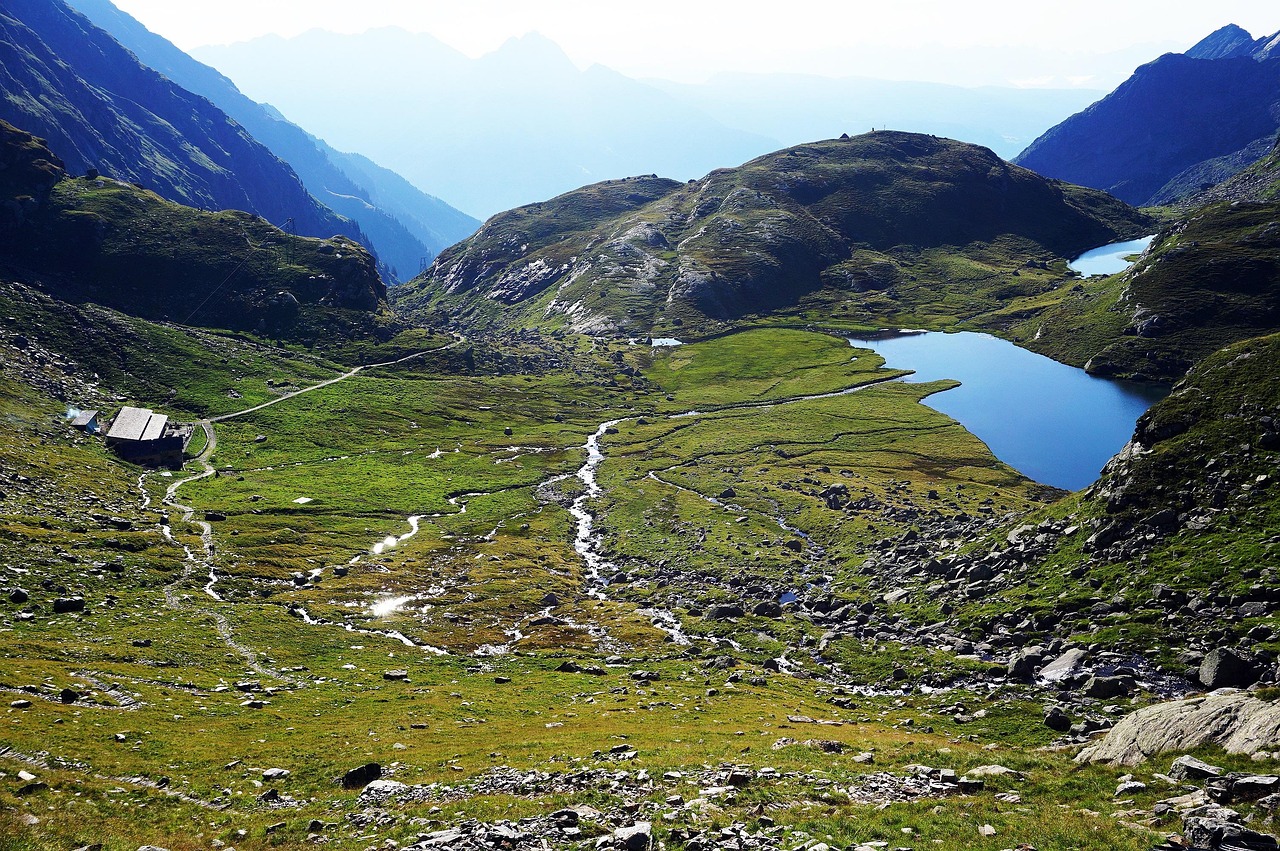
Bolzano is where Alpine calm meets Italian charm—a place where you can spend the morning with a 5,300-year-old mummy, lunch on dumplings and wine, and be on a Dolomite plateau by afternoon. Whether you choose a 3 days in Bolzano city break, a 4 day itinerary for Bolzano that adds a Dolomites excursion, or a 5 day itinerary for Bolzano that lets you settle into the rhythm of wine roads and side valleys, the city adapts to your pace.
Best seasons overall:
- Late May–June & September–early October: Ideal mix of weather, fewer crowds, and good hiking/wine experiences.
- December: For Christmas markets, snow-capped peaks, and cozy evenings—perfect for romantic and family trips.
If you love mountains, good food, and layered cultures, Bolzano is more than a gateway to the Dolomites—it’s a destination worth savoring in its own right. Come with comfortable shoes, an appetite, and a bit of curiosity, and the city will reward you with views, flavors, and small everyday moments that linger long after you’ve left.