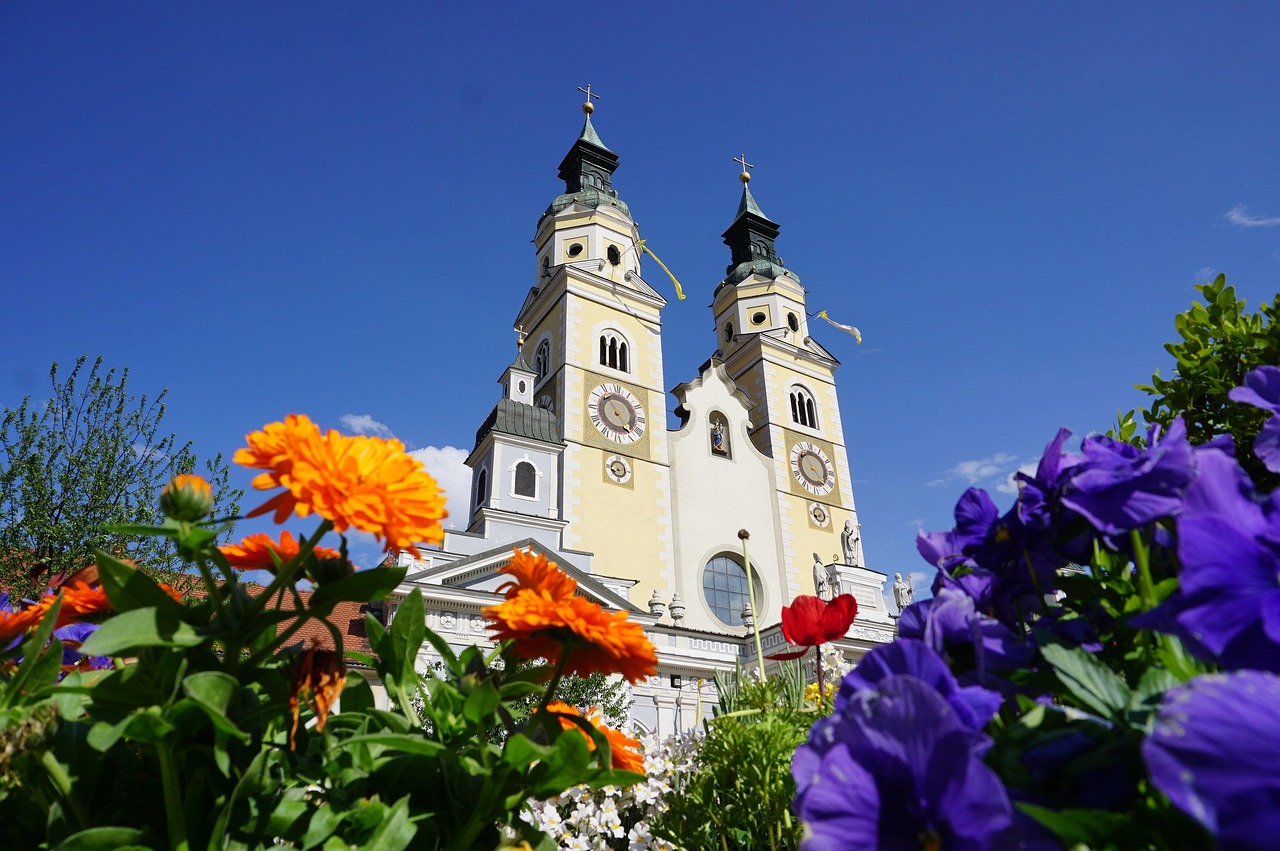
Why Visit Bressanone in 2026?
If you’re trying to decide between the big Italian icons (Florence, Venice, Rome) and the dramatic landscapes of the Dolomites, Bressanone quietly offers a bit of both. It’s one of the oldest towns in Tyrol, with over 1,000 years of history as a bishop’s seat, yet it sits right at the mouth of the Isarco Valley leading into some of Italy’s most spectacular mountains.
- Perfect base for 3–5 days: The town is compact, walkable, and incredibly well-connected by train and bus. It’s ideal for a 3 day itinerary for Bressanone or stretching to 4–5 days in Bressanone with day trips.
- Two cultures in one town: Everything is in both Italian and German. You’ll hear Tyrolean dialect at the bakery, order your coffee in Italian, and drink Austrian-style wheat beer at night.
- Architecture & atmosphere: Gothic and baroque churches, pastel arcades, medieval alleys, and a river that feels like a spine running through town. At blue hour, the skyline of towers and domes is pure magic.
- Food heaven: Speck and dumplings, but also espresso and gelato. Think Alpine comfort food meets Italian finesse.
- Year-round destination: Hiking and biking in summer, skiing and Christmas markets in winter, golden vineyards in autumn, and wildflower meadows in spring.
In 2026, Bressanone is leaning even more into slow, sustainable travel. New bike paths, improved connections to the Plose mountain cable car, and a growing number of family-run guesthouses make it one of my favorite “base camp” towns in the Dolomites.
Table of Contents
- Why Visit Bressanone
- Quick Overview & How Long to Stay
- 20 Must-See Attractions in Bressanone
- 3–5 Day Itineraries for Bressanone
- Neighborhoods & Districts
- Best Local Food & Drink in Bressanone
- Nightlife, Entertainment & Cultural Experiences
- Day Trips from Bressanone
- Local Customs & Cultural Etiquette
- Practical Travel Advice for Bressanone
- Major Events & Festivals 2026–2027
- Final Summary & Best Time to Visit
Quick Overview: What to Expect in Bressanone
Bressanone sits in northern Italy’s South Tyrol region, about 40 minutes by train from Bolzano and 2.5–3 hours from Verona or Innsbruck. The historic center is where you’ll spend most of your time: around the cathedral square, along the arcaded streets, and on the river promenades.
How long to stay? In my experience:
- 3 days in Bressanone – Enough for the historic center, the cathedral and cloisters, one full day on Plose mountain, and an evening at the Acquarena pools.
- 4 days in Bressanone – Adds a day trip into the Dolomites (Val di Funes or Alpe di Siusi) or more time for wineries and monasteries.
- 5 days in Bressanone – Ideal if you want a slower pace, multiple hikes, or are traveling with family and prefer downtime.
20 Must-See Attractions in Bressanone (With Local Tips)
These are the must-see attractions in Bressanone that I return to again and again. I’ll weave most of them into the itineraries later, but here’s a deep dive into each place first.
1. Bressanone Cathedral (Duomo di Bressanone)
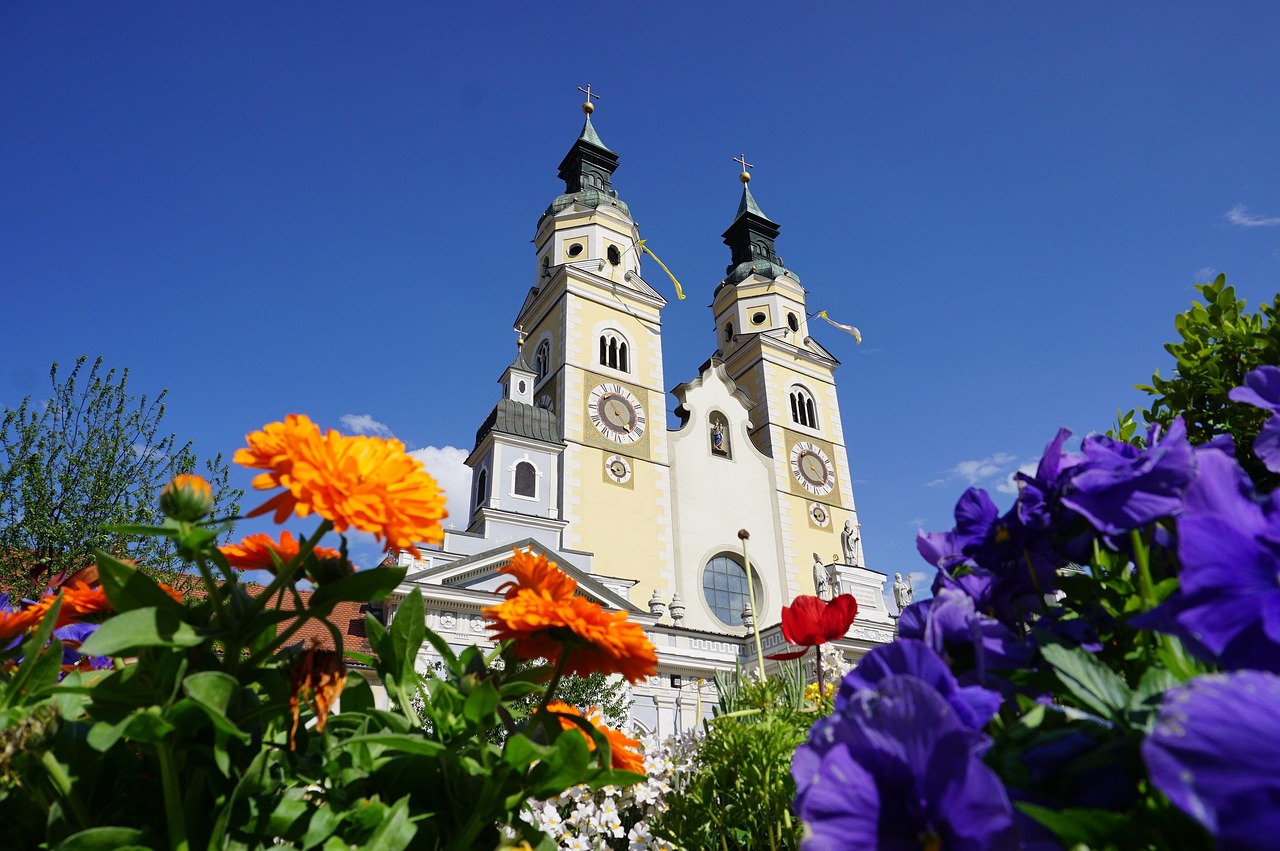
The cathedral is the heart of Bressanone – literally and emotionally. Every time I arrive in town, I drop my bags, head straight to Piazza Duomo, and just sit on the edge of the fountain facing the twin-towered façade.
The current baroque structure dates from the 18th century, built on earlier medieval foundations. Inside, it’s all light and frescoes: high vaulted ceilings painted with scenes from the Bible, gilded altars, and a quiet, cool hush that feels especially welcome on hot summer afternoons.
My routine: I like to visit right after the morning rush, around 10:30–11:00. Earlier, the square is filled with delivery vans, and later it’s peak coffee time. At mid-morning, sunlight slides into the nave through the high windows, catching the dust in the air and making the entire space glow.
Tips for visitors:
- Dress modestly (shoulders covered, no very short shorts) – it’s an active place of worship.
- Check for organ recitals: the Duomo sometimes hosts evening concerts; posters are usually on the noticeboard outside.
- Combine with the cathedral cloisters – they share the same complex.
2. Cathedral Cloisters (Chiostro del Duomo)
If the cathedral is where Bressanone shows off, the cloisters are where it whispers. Tucked just behind the Duomo, the cloister arcades are lined with some of the most beautiful Gothic frescoes in the Alps.
The first time I came, it was snowing lightly. I remember the muffled sound of my boots on the stone and the smell of damp old plaster. The paintings – scenes from the life of Christ, saints, and fantastical creatures – are faded but still vibrant enough to draw you into their world.
Why it’s special: You’re essentially walking through a 14th–15th-century picture book. Look closely at the faces: they’re surprisingly expressive, sometimes even humorous.
Visiting tips:
- There’s a small entrance fee; bring cash just in case.
- Come early or just before closing for maximum quiet.
- Photographs are usually allowed without flash, but always double-check posted signs.
3. Piazza Duomo & Historic Center
Piazza Duomo is the living room of Bressanone. It’s where markets set up, festivals unfold, kids chase pigeons, and everyone else seems to be permanently nursing an espresso, a spritz, or a glass of white wine from the surrounding hills.
Architecturally, it’s a treat: the twin towers of the cathedral, the austere Bishop’s Palace on one side, pastel facades with flower boxes, and cobblestones that have seen processions for centuries.
My favorite moments here: Watching the square wake up from a café terrace in the morning, and then again at blue hour in winter, when the Christmas lights reflect off the wet stones.
Family-friendly: Kids can run around while adults keep an eye on them from the café tables. There’s little to no traffic crossing the square.
4. Bishop’s Palace (Hofburg & Diocesan Museum)
Just off Piazza Duomo, the Bishop’s Palace – the Hofburg – is a baroque palace that once housed the prince-bishops who ruled this valley. Today it’s a museum complex with art, nativity scenes, and historic rooms.
I’ll be honest: the first time I went, it was mostly because it started raining. I ended up staying for hours. The grand staircase and painted ceilings are pure theatrical baroque, but my favorite part has always been the collection of hand-crafted nativity scenes (cribs). Some are tiny, others almost room-sized, with miniature alpine villages, moving parts, and figures that look like they walked out of a Tyrolean fairy tale.
Tips:
- Perfect for a rainy or hot afternoon; the thick walls keep it cool.
- Allow 1.5–2 hours if you like art history; 1 hour if you’re more casual.
- Audio guides are very helpful for understanding the religious art.
5. Arcaded Streets: Via dei Portici Maggiori & Minori
The twin arcaded streets – Großer Graben/Kräutergasse and Portici – are where Bressanone feels most like a small city. Under the arches you’ll find everything from bakeries and wine shops to local fashion boutiques and old family-run stores that seem to have changed little in 50 years.
I love wandering here in late afternoon. The sun hits the pastel facades at a low angle, and the arcades fill with locals doing errands. You quickly realize that in Bressanone, people still actually use their town center – it’s not a stage set for tourists.
What to look for:
- Old painted shop signs and wrought-iron brackets overhead.
- Side passages that lead back to the river or hidden courtyards.
- Small bakeries selling krapfen (filled donuts) and strudel.
6. Plose Mountain (Monte Plose)
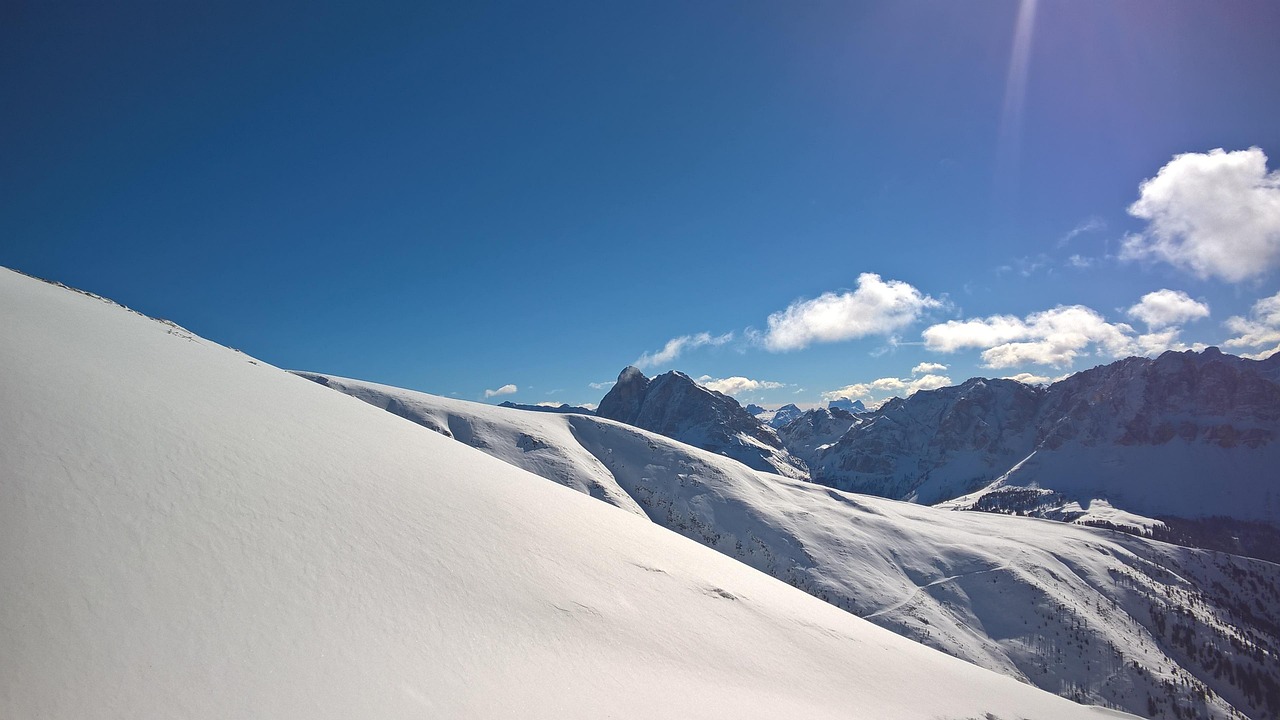
If you’re looking for the classic “Dolomite view” without moving hotels, Plose is your best friend. This mountain rises directly above Bressanone and is reachable in about 25–30 minutes by bus plus cable car from the center.
In summer, I come up here to hike the WoodyWalk (a family-friendly trail with playful installations) or the slightly more demanding loop to the Pfannspitze for wide-open views. In winter, Plose transforms into a ski area with intermediate slopes, a long toboggan run, and cozy mountain huts.
My favorite memory: One October afternoon, I took the last cable car up, walked a short way from the station, and watched the sun sink behind the Dolomites while the valley turned layers of purple and blue. Then I headed into a hut for a steaming bowl of barley soup and a glass of local red wine before catching the last ride down.
Tips:
- Use the BrixenCard (often included with accommodation) for free transport and cable car rides – huge money saver.
- Weather changes fast; bring a light jacket even in summer.
- For families, the WoodyWalk is a must – kids love the water play area and wooden sculptures.
7. Isarco River Promenade
The Isarco (Eisack) River runs along the edge of the historic center, and its tree-lined promenades are my preferred way to reset between sightseeing stops. They’re where locals jog, walk dogs, push strollers, and meet friends for a bench-side chat.
In summer, the weeping willows dip their branches into the water; in autumn, the leaves turn a brilliant gold. I like to grab a gelato from a place near the bridge and stroll without much of a plan, crossing from one bank to the other and watching the play of light on the water.
Romantic: Come at sunset, especially in late spring or early autumn, when the sky turns pastel above the town’s towers.
8. Acquarena Wellness & Swimming Complex
Acquarena is where Bressanone unwinds. This large complex just a short walk from the center has indoor and outdoor pools, saunas, and a wellness area. It’s great for families (there are kids’ pools and slides) but also for couples or solo travelers who want a relaxing evening.
I usually come after a long hike or bike ride. There’s something blissful about floating in a warm pool while your legs forgive you for all the stairs and uphill climbs you made them do.
Tips:
- Bring flip-flops and a towel; rental options exist but are pricey.
- Sauna area in this region is often textile-free; check rules and go with what you’re comfortable with.
- Good rainy-day option with kids – it can get busy on weekends.
9. St. Michael’s Parish Church & White Tower
Next to the cathedral, St. Michael’s is slightly overshadowed by its bigger sibling, but its distinctive “White Tower” is one of the key shapes on the Bressanone skyline.
The interior is a mix of Gothic and baroque, with pointed arches and ornate altars. I often duck in for a few minutes of quiet between errands; it feels more intimate than the Duomo.
Look for: The Gothic vaulting, the side chapels, and if it’s open, the chance to climb (occasionally possible for events) for a city view.
10. Church of St. Ermete
A tiny, often-overlooked church just off the main routes, St. Ermete is one of my favorite hidden gems in Bressanone. It’s simple, with a small nave and a quiet, contemplative atmosphere.
On one autumn visit, I stumbled inside while a handful of locals were saying the rosary. The soft murmur of voices, the candlelight, and the faint scent of incense made it feel like stepping back in time.
Tip: Check opening hours – smaller churches sometimes close midday. Even seeing it from outside, though, adds another layer to your mental map of the historic center.
11. Pharmacy Museum (Museo della Farmacia)
This small, quirky museum tucked into an old pharmacy building is surprisingly fascinating. It traces the history of medicine and pharmacy in the region, with wooden cabinets, glass jars, and strange implements that look half-scientific, half-magical.
I popped in once because I had 45 minutes before my train – and ended up barely making it to the platform. It’s that type of place where you keep saying “just one more room.”
Good for: Curious minds, rainy days, and anyone traveling with science-loving kids or teens.
12. Bressanone Vineyards & Hillside Walks
Look up from almost anywhere in town and you’ll see patterned stripes of vineyards climbing the hillsides. The wine-growing tradition here is ancient, and some of the best white wines in Italy – especially Sylvaner and Kerner – come from these slopes.
On sunny afternoons, I like to follow small footpaths up into the vineyards. The views over the valley and the old town skyline are wonderful, and you often pass tiny chapels and farmhouses on the way.
Tip: Ask at the tourist office for the most up-to-date local walking maps. Many of the vineyard paths are well-marked and suitable for a leisurely stroll rather than a serious hike.
13. Novacella Abbey (Abbazia di Novacella/Neustift)
Just a short bus ride or bike ride north of town, Novacella Abbey is a still-active monastery and winery that feels like its own little world. Founded in the 12th century, it boasts a beautiful baroque church, cloisters, a library, gardens, and vineyards spreading around it.
I’ve visited Novacella in every season. In spring, the gardens are full of blossoms; in autumn, the vines are heavy with grapes and the leaves turn burnished gold. The abbey’s own wines are excellent – sampling them in the courtyard tavern, with the bell tower above you, is one of the most quietly luxurious experiences you can have here.
Tips:
- Don’t miss the guided tour if you’re even mildly interested in history or architecture.
- Plan to eat at the monastery tavern: try the cheese plate, speck, and a glass (or two) of their white wines.
- Family-friendly: kids can roam the gardens; the history might be more for adults.
14. St. Cassian Church & Hill
Perched slightly above town, St. Cassian is a small church with a big view. The walk up takes you along residential streets and then a short path; it’s not strenuous, but it’s enough to give you a pleasant sense of having earned the panorama.
From the little plateau in front of the church, the whole of Bressanone spreads out below you: the cathedral towers, the river, and the ring of mountains. I’ve watched both sunrises and sunsets from here – both are spectacular in different ways.
Romantic: Bring a thermos of coffee in the morning or a small picnic in the evening (and always carry your trash back down).
15. Rodengo Castle (Castel Rodengo/Rodenegg)
About 20–25 minutes by car or bus from Bressanone, Rodengo Castle sits dramatically above a gorge. It’s one of the region’s most impressive fortresses, with thick walls, a drawbridge, and frescoed halls that tell tales of medieval chivalry.
I visited on a blustery spring day, and the wind funneling up from the ravine made the whole place feel even more like a stronghold at the edge of the world. Inside, the richly painted “Iwein frescoes” – scenes from a medieval knightly romance – are a highlight.
Tips:
- Check opening times carefully; it’s not open year-round every day.
- Combine with a short walk along the gorge for some fresh air.
- Great for kids who love castles and stories of knights.
16. Val di Funes (Villnöss Valley) – Iconic Dolomite View
While not within the town itself, Val di Funes is one of the best places to visit from Bressanone and deserves a spot in any 3–5 day itinerary for Bressanone. Those postcard shots of a tiny church in a green meadow with jagged peaks behind? That’s likely Val di Funes.
From Bressanone, buses run into the valley, or you can drive. The Church of St. Magdalena and the small St. Johann in Ranui chapel are the stars, but the entire valley is threaded with hiking paths and farm guesthouses where you can stop for lunch.
My tip: Go early or late in the day to avoid crowds, and treat the trip as a full-day excursion so you can linger on the trails and maybe sample a farm-made cheese plate.
17. Brixen Christmas Market (Mercatino di Natale)
If you visit between late November and early January, the Bressanone Christmas market turns Piazza Duomo into a winter fairy tale. Wooden stalls sell ornaments, local crafts, gingerbread, and steaming cups of mulled wine (Glühwein).
I’ve been twice in Advent, and each time I’ve been struck by how local it still feels compared to some of the busier markets in larger cities. You’ll see school groups singing, families meeting up after work, and neighbors catching up over hot drinks.
Family-friendly & romantic: Little kids love the carousel; couples can wander under the lights with a shared cup of punch.
18. Light and Music Shows at the Hofburg
In recent years, Bressanone has become known for its winter light and music shows projected onto the Hofburg during Advent. By 2026, these immersive shows have become an annual tradition, with changing themes and stories.
I attended one where the palace façade became a moving canvas of forests, stars, and mythical creatures, all choreographed to music. People of all ages stood in the square, faces upturned, completely absorbed.
Tip: Tickets often sell out, especially on weekends. Book ahead once dates are announced (usually by early autumn).
19. Traditional Mountain Huts (Rifugi & Almhütten)
The network of mountain huts around Bressanone and Plose is as much a cultural attraction as an outdoor one. These huts serve hearty food, drinks, and often offer simple lodging. They’re where you taste true local food in Bressanone’s surroundings: dumplings, polenta, venison, strudel, and homemade juices.
One summer, caught in an unexpected thunderstorm, I ducked into a hut with a terrace overlooking the valley. The storm raged while I savored a bowl of Kasnocken (cheese dumplings) and watched curtains of rain sweep across the landscape. By the time I left, the air was washed clean and the mountains gleamed.
20. Weekly Farmers’ & Produce Markets
Bressanone’s weekly markets are where you feel the town’s pulse. Stalls sell local cheeses, cured meats, fruits, vegetables, honey, and sometimes clothing and household items. Times and exact days can vary, but Wednesday and Saturday mornings are usually a good bet.
I love picking up picnic supplies here: fresh bread, speck, a wedge of mountain cheese, and some apples. Even if you’re not cooking, wandering the stalls is a simple cultural experience – you’ll hear a mix of Italian, German, and dialect, and see how locals actually eat.
Money-saving tip: Buying picnic lunches at the market is one of the easiest ways to save money in Bressanone while still eating incredibly well.
3–5 Day Itineraries for Bressanone (With Personal Stories)
These itineraries are based on actual trips I’ve taken, tweaked and refined over multiple visits. You can mix and match days to build your own 3, 4, or 5 day itinerary for Bressanone depending on your interests and pace.
3 Day Itinerary for Bressanone: Classic Highlights
This plan is ideal if it’s your first time and you want the core things to do in Bressanone without rushing. Expect a mix of architecture, gentle walks, and one big mountain day.
Day 1: Old Town, Churches & River Walk
I still remember my very first Day 1 in Bressanone: arriving on a mid-morning train from Bolzano, stepping out of the station into crisp mountain air, and wheeling my small suitcase down the tree-lined avenue towards the historic center. The moment you pass under the first arch into the old town, the noise of traffic drops and the soundscape changes to footsteps, bike bells, and café chatter.
Morning:
- Check into your accommodation (I like staying within the old town walls so I can do everything on foot).
- Head straight to Piazza Duomo and orient yourself. Spend time at the Cathedral and Cloisters – linger, don’t rush.
- Grab a late-morning coffee at a café on the square. Order a cappuccino and watch life unfold.
Lunch: Choose a simple trattoria or tavern in the old town. My typical first lunch is a plate of Schlutzkrapfen (Tyrolean ravioli) and a salad – hearty but not nap-inducing.
Afternoon:
- Wander the arcaded streets, ducking into any shop that catches your eye.
- Visit the Hofburg (Bishop’s Palace) and Diocesan Museum.
- Take a gentle stroll along the Isarco River Promenade to stretch your legs and fight jet lag.
On my last summer trip, I ended this first afternoon by sitting on a bench by the river, watching children race leaves under the bridge and listening to the church bells ring out across town.
Evening: Have dinner at a traditional restaurant – try a trio of dumplings (Canederli/Knödel) and a glass of local wine. If you have energy, take a short post-dinner loop through the illuminated old town. Bressanone after dark feels safe and serene.
Day 2: Plose Mountain Adventure
Day 2 in my ideal 3 days in Bressanone is always for Plose. It’s the quickest way to understand why this town is such a fantastic base – you get city comforts at night and mountain drama by day.
Morning:
- Have a good breakfast – most local guesthouses lay out a generous spread of breads, jams, cheese, and cold cuts.
- Take the bus from Bressanone to the Plose cable car station (about 20–25 min).
- Ride the cable car up and step out into a different world: crisp air, wide views, and the Dolomites marching across the horizon.
On my most recent trip, I chose the WoodyWalk trail because I wanted something relaxed and playful. Even as an adult, I loved the little wooden installations – balance beams, water wheels, and climbing structures. Families with kids were everywhere, but there was enough space that it never felt crowded.
If you’re more active, head further afield along the ridge to a panoramic summit like the Pfannspitze. The trail isn’t technically difficult in good weather, but it does require decent shoes and a basic level of fitness.
Lunch: Eat at a mountain hut. My go-to order is a bowl of Gerstensuppe (barley soup) with smoked meat, followed by a slice of apple strudel. Yes, you earned it.
Afternoon: Continue your hike, then take the cable car back down in late afternoon. I like catching a bus that gets me back to town with enough time for a slow shower and a pre-dinner drink.
Evening: For something different, have a pizza and beer at a more casual spot. South Tyrol does excellent thin-crust pizza thanks to its Italian heritage, and the local craft beers are getting better every year.
Day 3: Museums, Monastery & Markets
On your last day, put together a mix of culture, countryside, and local flavor. This is also a good day for souvenir hunting and just soaking up the town’s rhythm.
Morning:
- Check the schedule for the weekly market and wander the stalls if it’s running.
- Visit the Pharmacy Museum or any church you missed on Day 1.
- Pick up picnic items at the market or a deli.
Midday & Afternoon:
- Head to Novacella Abbey by bus, foot, or rented bike.
- Join a guided tour of the abbey and church.
- Have your picnic in the gardens or order a meal at the abbey tavern, paired with their wines.
On one May visit, I spent almost an entire afternoon under a chestnut tree at Novacella, reading and sipping a cold glass of Sylvaner while the bells marked the passing hours. It felt like a perfect note to end the trip on.
Evening: Back in Bressanone, enjoy a final walk along the river and a last gelato. If you’re leaving early the next day, pack up and savor the sense of having discovered a town that most Italy itineraries still inexplicably skip.
4 Day Itinerary for Bressanone: Add a Dolomite Day Trip
With 4 days in Bressanone, you can follow the 3-day plan and add a full Dolomite valley day trip. My top pick is Val di Funes, but Alpe di Siusi or even a deeper Dolomite excursion also work.
Day 4: Val di Funes – Iconic Dolomite Postcard
On my first 4-day stay, I almost skipped Val di Funes because it seemed “too famous.” I’m glad I didn’t. The real valley is even more beautiful than the photos – and if you walk just a little beyond the popular viewpoints, it becomes quiet and contemplative.
Morning:
- Catch an early bus or drive from Bressanone to Val di Funes.
- Start near the St. Magdalena church and follow signposted paths up and along the slope.
The trail winds between farmhouses, meadows, and small patches of forest. The Odle/Geisler peaks rise like stone teeth in front of you, changing color with the sun. Occasionally you’ll pass a bench perfectly placed for a break; don’t rush this day.
Lunch: Eat at a farmhouse inn (Berggasthof) or bring your own picnic and choose a meadow (respect signs and private property, of course).
Afternoon: Continue exploring the valley or move to the St. Johann in Ranui chapel area for another perspective. Later, return to Bressanone pleasantly tired, with your camera or phone full of proof that yes, the Dolomites really do look like that.
Evening: Celebrate with a slightly more upscale dinner in town – maybe tasting menu style or a wine bar with small plates – if your budget allows. You’ve earned it.
5 Day Itinerary for Bressanone: Slow Travel & Side Trips
With 5 days in Bressanone, you can embrace slow travel fully. Use the 4-day structure and add one more day of deeper exploration or pure relaxation.
Day 5 Option A: Castle & Gorge – Rodengo
I like to dedicate this day to a slightly off-the-beaten-path adventure. Rodengo Castle and the surrounding gorge offer a dose of medieval history and landscape drama without the Dolomite crowds.
Morning:
- Take a bus or drive to Rodengo Castle.
- Tour the castle, focusing on the frescoed halls and defensive architecture.
Afternoon: Follow local walking paths along the gorge (check conditions and difficulty beforehand) or simply wander nearby villages. Back in Bressanone, treat yourself to an afternoon coffee and cake under the arcades.
Day 5 Option B: Pure Relaxation – Acquarena & Vineyards
On one long stay, I used my extra day as a “no big plans” day. It ended up being one of my favorites.
Suggested flow:
- Sleep in and have a slow breakfast.
- Walk gentle paths through the vineyards above town.
- Have a long lunch at a tavern with a terrace.
- Spend the late afternoon at Acquarena, moving between pools and saunas.
By the time I left, I felt less like a tourist and more like I’d borrowed a week of someone’s everyday life in Bressanone.
Neighborhoods & Areas of Bressanone to Explore
Bressanone is compact, but each area has its own character. These are the main zones I find myself returning to.
Historic Center (Città Vecchia/Altstadt)
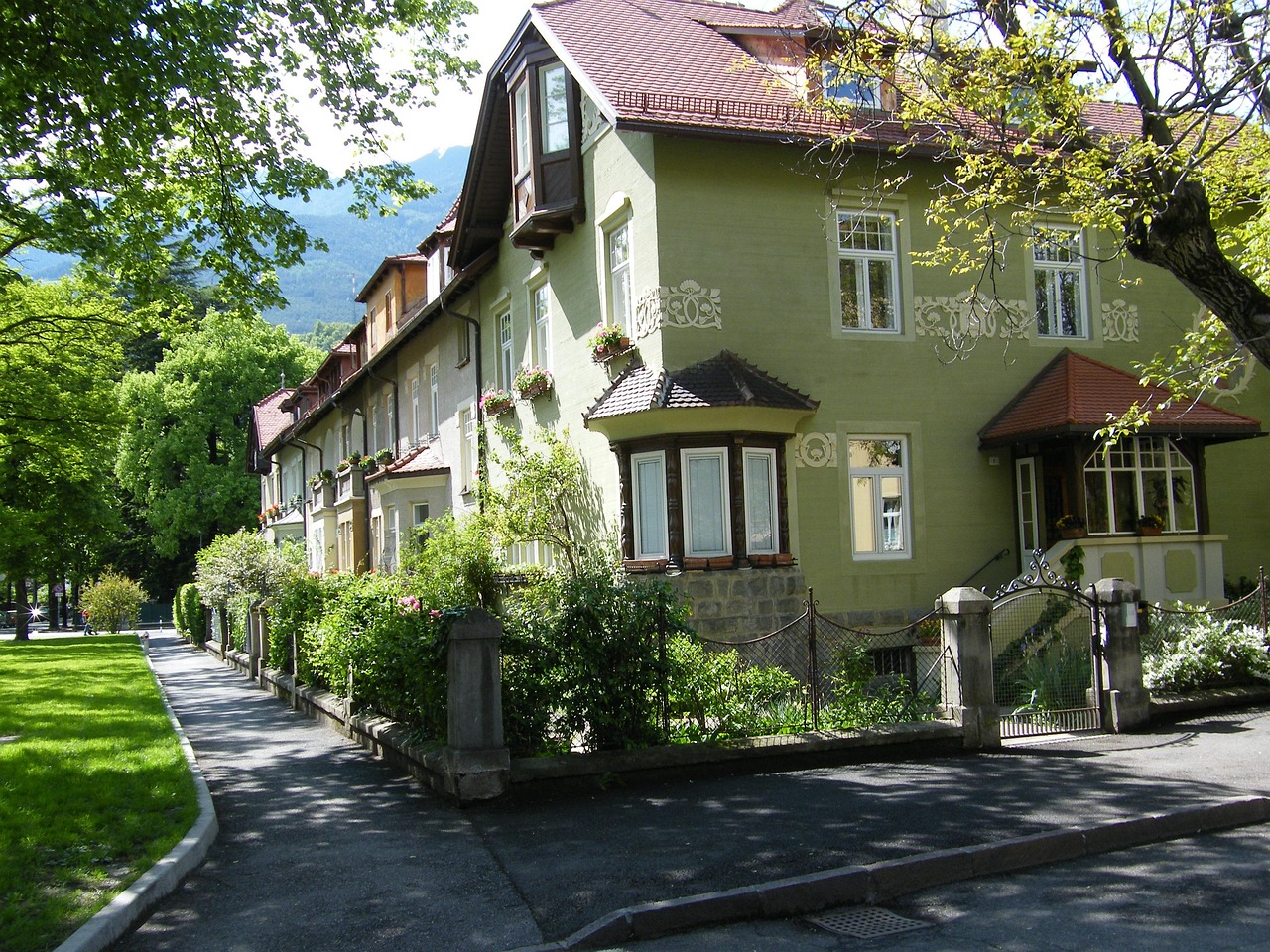
This is where you’ll likely stay and spend most of your time: the cathedral, Hofburg, arcades, and narrow lanes. It’s pedestrian-friendly, atmospheric, and full of small discoveries – from niches with statues to inner courtyards revealed through open doors.
Riverfront & Promenades
Running along the Isarco, this area is all about greenery, benches, and paths. It’s ideal for morning jogs, evening strolls, and letting kids burn off energy.
Residential Hillsides (South & East)
The quiet residential neighborhoods climbing up from the center offer local life glimpses: small gardens, dogs barking, neighbors chatting on balconies. Walking here gives you different angles on the skyline and an everyday feel for the town.
Plose Base Area
Technically outside the central core, this is where you catch the cable car. There are a few guesthouses and restaurants here too, good if you want to be closer to the slopes in winter while still popping into Bressanone for evenings.
Best Local Food & Drink in Bressanone
The food scene in Bressanone is a highlight in its own right. It’s where Italian and Tyrolean cuisines meet: pasta and speck, espresso and dumplings, gelato and apple strudel.
Must-Try Dishes
- Speck: Lightly smoked, cured ham. Eat it on a platter with cheese and bread.
- Knödel/Canederli: Bread dumplings, often served in broth or with goulash.
- Schlutzkrapfen: Half-moon ravioli filled with spinach and ricotta.
- Gersten/Gerstensuppe: Barley soup with vegetables and sometimes smoked meat.
- Apple Strudel & Krapfen: Classic desserts that never get old.
- Local cheeses: From mild to funky, often from nearby Alpine farms.
Local Drinks
- White wines: Sylvaner, Kerner, Müller-Thurgau – crisp and aromatic.
- Red wines: Schiava/Vernatsch and Lagrein for lighter, food-friendly reds.
- Craft beers: Several microbreweries in South Tyrol; look for local taps.
- Digestifs: Grappa and herbal liqueurs made from mountain herbs.
Saving Money on Food
On longer trips, I often balance restaurant meals with:
- Picnics from markets and supermarkets.
- Lunch specials (Mittagsmenü) in local restaurants.
- Simple “bakeries + coffee” breakfasts instead of always eating at your hotel.
Portions are generous; sharing a starter and main is common and perfectly acceptable.
Nightlife, Entertainment & Cultural Experiences
Bressanone isn’t a clubbing city, but it has a quietly vibrant evening scene.
Evening Atmosphere
- Wine bars & enotecas: Ideal for tasting local wines by the glass with small plates.
- Beer gardens & pubs: Casual places for a beer and simple food.
- Cafés: Many stay open into the evening for coffee, dessert, or aperitifs.
Cultural Experiences
- Concerts in the Cathedral or Hofburg: Check posters and the tourist office.
- Seasonal festivals: Wine festivals, harvest celebrations, and Advent events.
- Local theater & cinema: Occasionally offer films and performances in multiple languages.
Day Trips from Bressanone
Bressanone’s train and bus connections make it ideal for exploring the wider region.
Bolzano (Bozen)
About 40 minutes by train. Visit the Ötzi the Iceman museum, wander the arcades, and ride a cable car up to Renon for panoramic views.
Chiusa/Klausen
A tiny medieval town south of Bressanone, perfect for a half-day visit. Narrow streets, art studios, and a monastery on the hill above.
Alpe di Siusi (Seiser Alm)
The largest Alpine meadow in Europe, reachable by train + bus + cable car. Endless walking paths and gentle slopes, ideal for families and couples.
Local Customs & Cultural Etiquette in Bressanone
Bressanone’s culture is a blend of Italian and Tyrolean influences. Knowing a few basics makes interactions smoother.
Language
- Most locals are bilingual (German and Italian). Many speak some English, especially in tourism.
- Simple greetings go a long way: “Grüß Gott” or “Guten Tag” in German; “Buongiorno” in Italian.
Dining Etiquette
- Table service is the norm; wait to be seated unless it’s clearly self-service.
- It’s common to linger over meals; you often need to ask for the bill (Il conto, per favore).
- Tip by rounding up or leaving 5–10% if service was excellent; it’s appreciated but not mandatory.
General Behavior
- Churches are active places of worship – keep voices low, dress modestly, and avoid visiting during services unless you’re participating.
- Recycling and environmental awareness are strong; use designated bins.
- On hiking trails, greet people you pass and keep dogs leashed where indicated.
Practical Travel Advice for Bressanone (2026–2027)
Getting To & Around Bressanone
By train: Bressanone is on the main north–south rail line between Verona and Innsbruck/Munich. Trains are frequent and efficient.
By car: The A22 motorway runs nearby. Parking in or near the center is usually in paid garages or lots; your accommodation can advise.
Within town:
- The historic center is walkable; you won’t need a car once here.
- Buses connect to Plose, Novacella, and nearby villages.
- Rental bikes and e-bikes are available and useful for exploring the valley and abbey.
BrixenCard – Your Secret Weapon
Many accommodations include the BrixenCard in the room rate. It typically offers:
- Free use of local public transport.
- Free or discounted entry to museums.
- Free rides on the Plose cable car (check current details).
This card has saved me a significant amount on every visit; it’s worth choosing lodging that includes it.
SIM Cards & Connectivity
For 2026, Italy’s main providers (TIM, Vodafone, WindTre, Iliad) all offer prepaid tourist SIMs with ample data. Expect:
- Good 4G/5G coverage in town and on main roads.
- Spotty connectivity on some mountain trails – download maps offline.
Money-Saving Tips
- Stay in guesthouses or apartments with kitchenettes for occasional self-catering.
- Use the BrixenCard for transport and attractions.
- Eat your main meal at lunch when some restaurants offer deals.
- Buy water in large bottles from supermarkets and refill a reusable bottle.
Car Rental & Driving
Driving can be useful if you want maximum flexibility for remote hikes, but it’s not essential for a classic Bressanone stay.
- Foreign driver’s licenses: EU licenses are accepted. Non-EU visitors often need an International Driving Permit alongside their home license – check current rules before arrival.
- Mountain roads: Can be narrow and winding. Drive cautiously, especially in winter.
Visa Requirements
Italy is part of the Schengen Area. In 2026:
- EU/EEA and Swiss citizens can enter with an ID card or passport.
- Many other nationalities can visit for up to 90 days within 180 days without a visa, but must respect Schengen rules.
- Always check the latest requirements for your passport before traveling, as regulations can change.
Best Seasons & What They’re Good For
- Spring (April–June): Blossoms, mild temps, fewer crowds. Great for walking, early hiking, and city exploration.
- Summer (July–August): Warm, sometimes hot in town but cool on the mountains. Best for high-altitude hikes and long days outside; also the busiest season.
- Autumn (September–October): My personal favorite: golden vineyards, harvest festivals, crisp air, great for photography and food lovers.
- Winter (December–March): Christmas markets, light shows, skiing on Plose and nearby areas. Magical if you like snow and festive vibes.
Major Events & Festivals in Bressanone (2026–2027)
Exact dates can shift year to year, but typically you can expect:
- Spring 2026: Wine and food events celebrating new vintages in the Isarco Valley; smaller cultural festivals and concerts.
- Summer 2026: Outdoor concerts, local village festivals (Dorf- & Stadtfeste), and sports events on Plose.
- Autumn 2026: Harvest and chestnut festivals (Törggelen season), with farm taverns offering special menus.
- Advent 2026–January 2027: Brixen Christmas Market and the Hofburg light show series.
For 2026–2027, Bressanone is also expected to continue expanding its cultural calendar with more open-air art installations and sustainability-focused events; check the official tourism website closer to your travel dates for specifics.
Summary: Key Takeaways & When to Visit Bressanone
Bressanone is one of those places that feels both deeply rooted and quietly dynamic. Over multiple trips, I’ve come to appreciate it not just as a beautiful stopover, but as a destination in its own right – a town where you can easily spend 3, 4, or 5 days without ever being bored.
- Use a 3 day itinerary for Bressanone if you want a compact mix of city, culture, and mountains.
- Opt for 4 days in Bressanone to add a Dolomite valley like Val di Funes.
- Choose a 5 day itinerary for Bressanone if you favor slow mornings, extra hikes, wellness time, and day trips.
- Don’t miss the Duomo and cloisters, Plose Mountain, the Hofburg, and at least one vineyard or monastery visit.
- Eat generously: local dumplings, speck, cheeses, and wines are integral to the experience.
As for the best time to visit Bressanone:
- September–October for food, wine, hiking, and golden landscapes.
- June for long daylight, wildflowers, and milder temperatures.
- December if you’re drawn to Christmas markets, lights, and snowy mountain days.
However you structure your days, leave a little unplanned time. Sit in Piazza Duomo with a coffee, wander a side street just because it looks nice, follow a path into the vineyards. Bressanone rewards anyone who slows down enough to notice its details – and that, in the end, is why I keep coming back.