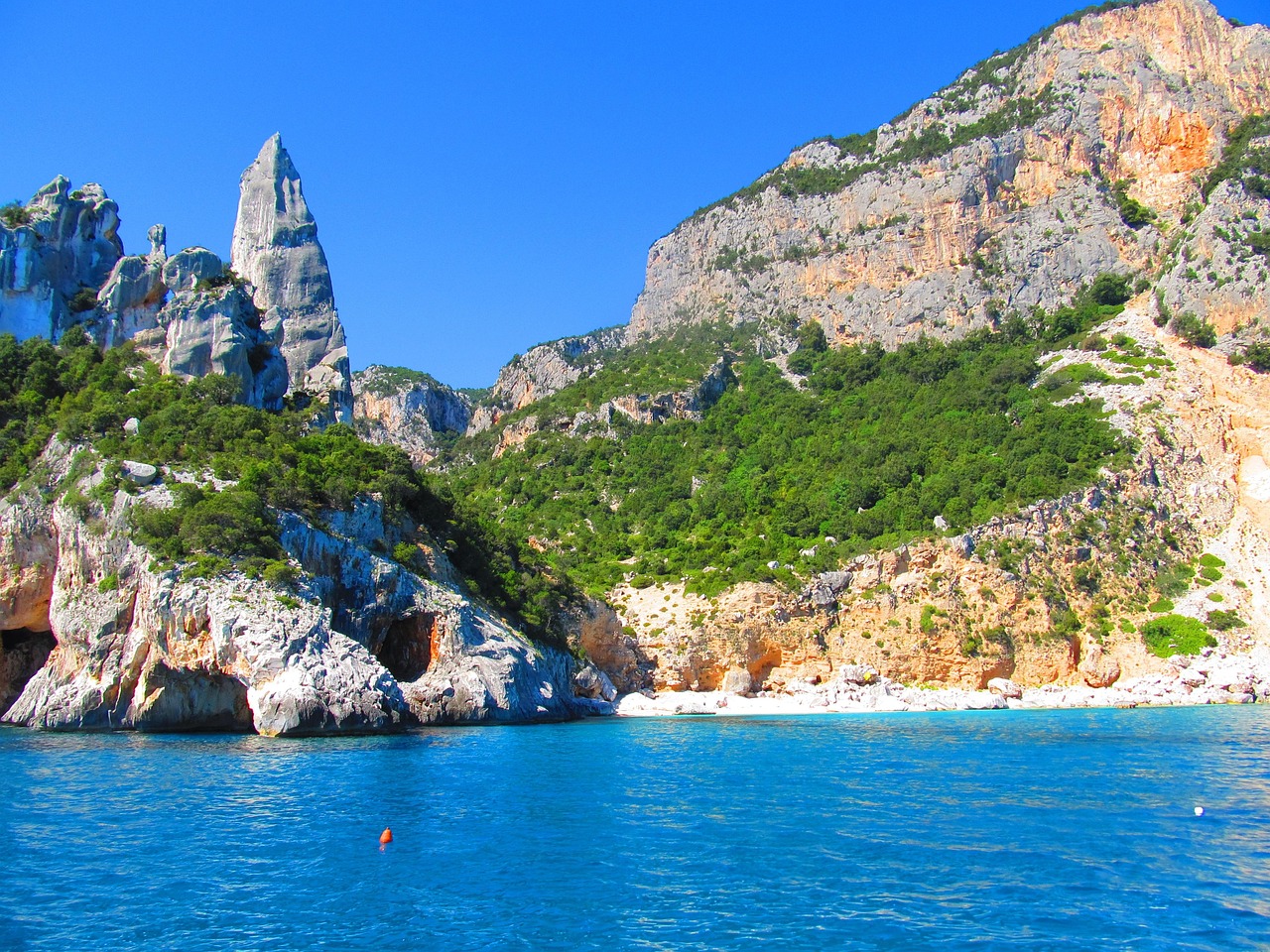
Why Visit Cala Goloritzé: What Makes This Corner of Sardinia So Special
I still remember my first glimpse of Cala Goloritzé: that impossible turquoise funneling into a narrow cove, the white-pebble beach sparkling like crushed marble, and the dramatic limestone spire of the Aguglia stabbing the sky. It was 7:45 a.m. in late May, I was sweaty from the hike down, slightly annoyed at my own alarm clock… and then the cliff opened up, and I just stood there in silence. Even now, after more than a dozen visits between 2017 and 2025, the first view of Cala Goloritzé still hits me in the chest.
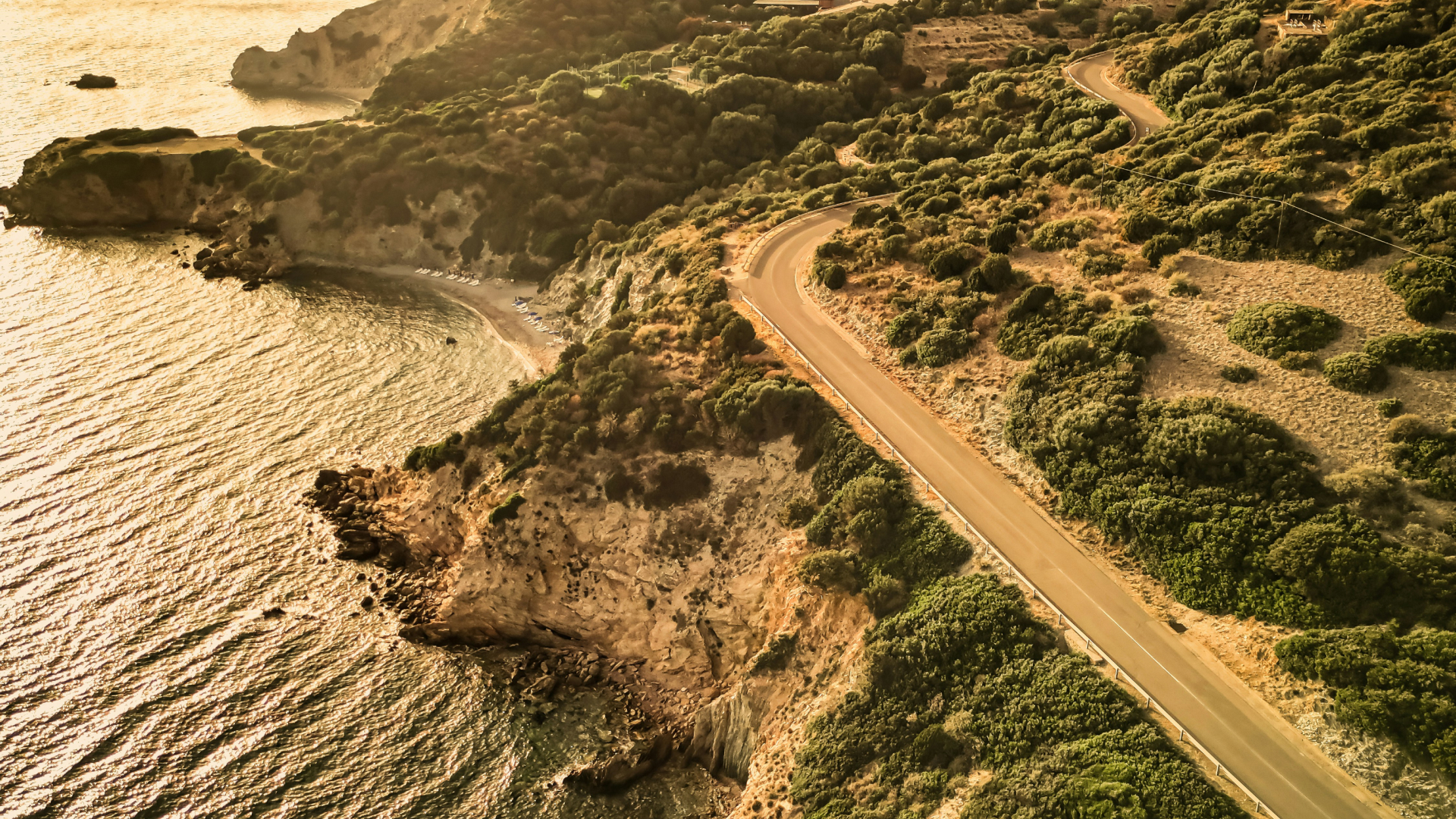
Cala Goloritzé sits on Sardinia’s wild eastern coast, in the municipality of Baunei, along a stretch of coastline called the Golfo di Orosei. It’s officially protected as a natural monument, and you feel that protection in every detail: the absence of bars and umbrellas on the beach, the clarity of the water, the way the cliffs are left to their own drama.
Why you should consider a 3–5 day itinerary in Cala Goloritzé and the surrounding Baunei coast:
- Otherworldly scenery – Limestone cliffs, sea caves, tiny pocket beaches, and the iconic needle of Aguglia Goloritzé rising 148 m almost straight from the water.
- Serious adventure potential – Cliff hiking, sport climbing, deep-water soloing, snorkeling, kayaking, and boat trips. It’s a playground if you like to be outside.
- Peace and simplicity – No clubs on the sand, no blasting music, no beach vendors. Just wind, waves, and the sound of your own breath after the hike back up.
- Local Sardinian culture – Shepherd traditions, strong dialects, long lunches, evening passeggiata, and a slower rhythm that seeps into you after a couple of days.
- Food that just makes sense here – Charcoal-grilled fish, handmade pasta like culurgiones, pecorino and honey, and simple beach picnics that somehow taste better after a 90-minute descent.
This travel guide for Cala Goloritzé is written like I’d talk to a friend planning 3 days in Cala Goloritzé or stretching to a full 5 day itinerary. I’ll walk you through the main coves and beaches, how they connect, where to stay, what to eat, and the small etiquette details that help you blend in rather than stand out.
1. Overview of Cala Goloritzé & the Baunei Coast in 2026
Cala Goloritzé isn’t a town; it’s a protected cove reachable only on foot or by boat (with boat landings tightly regulated and, in certain windows, prohibited). Your base will almost certainly be Baunei, Santa Maria Navarrese, or one of the nearby coastal towns like Lotzorai or Arbatax.
In 2026, the main updates worth knowing:
- Daily visitor caps for the Cala Goloritzé trail are still in force (introduced pre-2020 and tightened again in 2024). In peak months (June–September), you should reserve your hiking slot via the Baunei municipality app or website at least a few days in advance.
- Boat access to Goloritzé remains no-landing only for private boats close to the beach itself. Licensed tour boats can approach the cove, but you’ll often swim from a short distance away; they cannot crowd the shoreline.
- New eco-signage on the trail (installed 2025) explains local flora, fauna, and geology in both Italian and English. It’s actually worth stopping to read if you like to know what you’re hiking through.
- Baunei and Santa Maria Navarrese are leaning into a more slow-travel, multi-day stay model: more agriturismi, a couple of tasteful boutique guesthouses, and a continued pushback against large developments.
For a 3 day itinerary in Cala Goloritzé and the Baunei coast, you’ll focus on the signature hike, one boat day to the nearby coves, and a slower day around town. With 4 or 5 days in Cala Goloritzé’s orbit, you can add inland hikes, climbing, and quieter beaches where the crowds thin out dramatically.
2. Main Coves & Beaches: 10 Essential Spots Around Cala Goloritzé
2.1 Cala Goloritzé – The Iconic Needle of the Baunei Coast
I usually tackle the Cala Goloritzé hike on my first full morning in Baunei. There’s something about earning that view with fresh legs. My most recent visit was in October 2025, a crisp, clear day where the first hint of autumn took the edge off the sun.
Getting There & Trail Logistics (2026)
The trail starts from the Su Porteddu area, about a 20–25 minute drive from Baunei along a paved but winding mountain road. In 2026:
- Parking: There’s a paid parking lot at Su Porteddu. In high season, arrive by 7:30–8:00 a.m. or risk circling. Shoulder seasons (May, late September, October) are more forgiving.
- Permits/Reservation: You must reserve via the official Baunei app (“Visit Baunei” or its successor; names sometimes change, but your accommodation will point you to the correct one). Expect a modest fee contributing to trail maintenance and lifeguard coverage.
- Trail Difficulty: 3.5 km each way, with about 500–550 m of elevation difference. The descent takes roughly 1–1.5 hours; the ascent can easily take 1.5–2 hours, especially in heat.
- Footing: Rocky, dusty limestone, with some loose gravel. Sturdy trainers with grip are OK; hiking shoes are better. I would not recommend flip-flops or flimsy sandals.
The Descent: Forest, Cliffs & That First View
The first half of the hike cuts through low woods and scrubland, dotted with juniper and wild herbs. On my last visit, I counted at least five different bird calls as the sun crept up, and every so often, you catch a glimpse of the blue far below – a reminder of your destination.
About two-thirds of the way down, the trail steepens, zig-zagging through limestone outcrops. You’ll see occasional wooden railings and reinforced sections. Then, suddenly, the path opens to a natural balcony, and there it is: Cala Goloritzé in full panorama. I always stop here for 5–10 minutes just to watch the light crawl down the cliffs.
On the Beach: Pebbles, Pinnacles & Swimming
Cala Goloritzé’s “sand” is actually fine white pebbles, worn smooth by the sea. It’s dazzling under a midday sun, almost too bright to look at without sunglasses. The water near the shore is a surreal pale turquoise that deepens into cobalt just a few meters out.
Swimming: The water drops off relatively quickly; you’ll be in deeper water after a few strokes. For families, the innermost corner of the cove, where the river trickle meets the sea, is the shallowest and quietest, but always keep an eye on kids because there’s no wide, flat sandbank.
Snorkeling: I’ve had the best visibility in the mid-morning before crowds kick up sediment. Hug the rocky sides for small fish, sea urchins, and the shimmering underwater contours of the limestone.
Climbing & Aguglia Goloritzé
The needle of Aguglia Goloritzé is a pilgrimage site for climbers. I’ve never climbed it myself, but I’ve sat on the pebbles watching pairs slowly inch their way up its 148 meters, tiny against the rock. If you’re a climber, you’ll want to link up with a local guide in Baunei; routes are sustained and exposed, not for beginners.
Food & Water: What I Actually Do
There are no services on the beach – no bar, no toilets, no rentals – and that’s precisely why it feels so untouched. That also means you must carry in everything:
- Water: I bring 2–3 liters per person, depending on heat. There’s no reliable water source at the bottom.
- Food: My standard kit: focaccia from Santa Maria Navarrese, local pecorino, tomatoes, fruit, and a bag of pane carasau (Sardinian crispbread). You’ll see locals do the same.
- Rubbish: Pack it all back up. Rangers do check occasionally, and fines for littering are high.
Best Time of Day & Crowd Patterns
Over a dozen visits, I’ve noticed a pattern:
- Early morning (before 10 a.m.): Best if you crave silence. The cliffs still shade parts of the cove; it’s cooler and more contemplative.
- Midday (10 a.m. – 2 p.m.): Peak crowds. Hikers and boats both converge. It’s lively but never “party beach” loud – more the sound of splashing and delighted exclamations.
- Afternoon (after 3:30–4 p.m.): Boats peel away, hikers start to head up, and the cove exhales. Light softens; the cliffs glow amber. This is my favorite time for photography.
Tips for Visitors
- Wear water shoes if you have sensitive feet; the pebbles can be uncomfortable for some.
- Bring a lightweight beach mat rather than a huge towel; it’s easier to pack and cleaner on pebbles.
- Plan your ascent before the strongest afternoon heat, especially with kids.
- If you’re here on a romantic trip, linger until late afternoon; the hike up together in the golden light is a shared memory you’ll talk about later.
2.2 Cala Mariolu – Kaleidoscope Waters & Pebble Perfection
If Cala Goloritzé is the sculptural masterpiece, Cala Mariolu is the technicolor dream. I often recommend it as the centerpiece of any boat day in a 3 day itinerary for Cala Goloritzé and surroundings.
How to Reach Cala Mariolu
Unlike Goloritzé, most people come to Mariolu by boat. Options:
- Organized boat tours from Santa Maria Navarrese, Arbatax, and Cala Gonone. These usually include multiple coves.
- Smaller rubber dinghy rentals (no license needed up to a certain engine size) from Santa Maria Navarrese. In 2025, I rented a 40hp RIB with friends; someone with basic boating sense is helpful.
The Beach Experience
The beach is a gently curved bay with a mix of fine white pebbles and sand. The water here is some of the clearest I’ve ever seen anywhere in the Mediterranean. Standing on deck, you’ll feel like the boat is floating in mid-air.
Family factor: Better than Goloritzé for families with young kids due to a slightly more gradual entry and more space to spread out, but it’s still a pebble beach with deep water close in – supervision is key.
Snorkeling & Swimming
Bring a mask; it would be a crime not to. On my last visit, a mild mistral had cleaned the water to crystal and I spent nearly an hour just drifting along the rocky edges, watching schools of tiny fish flicker around submerged boulders.
Food & Services
There is often a small seasonal kiosk set back from the shore (subject to environmental rules that can change). Don’t rely on it for everything. I still pack a solid picnic from Santa Maria Navarrese: grilled vegetables, olives, and a box of seadas (honey-drizzled cheese pastries) if I’m feeling indulgent.
Timing & Tips
- Late morning to early afternoon is prime time, with the sun high overhead making the water almost neon.
- Boat trips are weather-dependent; mistral winds can cancel departures. Have a backup plan in your 4 or 5 day itinerary.
- If you’re looking for a romantic moment, ask your skipper to pause just outside the bay in the late afternoon; the view back towards the cliffs is spectacular.
2.3 Cala Biriala & Cala Biriola – The Green-Framed Coves
Often grouped together on boat tours, Cala Biriala/Biriola have a softer, more intimate feel than some of their neighbors. The cliffs are draped in green, and the sea caves along the edges are irresistible to explore.
Hiking vs. Boat
There are hiking routes down to these coves, but they’re more technical and less straightforward than the Goloritzé trail, involving scrambling and route-finding. Unless you’re an experienced hiker or with a guide, I recommend approaching them by boat.
What I Love Here
I tend to treat Biriala as a spot for quiet snorkeling and shade breaks. In July 2024, on a particularly scorching day, our skipper chose Biriala for our longest stop because the surrounding greenery and cliffs kept a corner of the cove shaded even at midday.
For Adventurous Travelers
These coves are a great base for deep-water soloing (DWS) along the nearby cliffs – scrambling up low routes and dropping into the sea. Only for confident swimmers and climbers, and always be aware of swell and boat traffic.
2.4 Cala Sisine – Wide Beach, Big Skies
Cala Sisine feels different: wider, more open, framed by deep inland valleys. It’s one of the better options for those who like the idea of a hike but aren’t ready for the steeps of Goloritzé.
Getting There
You can reach Sisine:
- By boat (easiest, most common).
- By a combination of dirt road and shorter hike from the plateau above (ask locally for current road conditions; they fluctuate year to year).
Beach Character
The beach is a mix of sand and pebbles, with more room to spread out than Goloritzé or Mariolu. I like it for families and groups because it feels less cramped, and you can stake out a little “base camp” for the day.
My Routine Here
On a 2023 September trip, I used Sisine as the “lazy” day in a 4 day itinerary for Cala Goloritzé area: late-morning arrival by boat, long swims, a nap under a pine tree at the back of the beach, and slow people-watching as other boats came and went. It’s less intense than Goloritzé, more about space and sky.
2.5 Cala Luna – Caves, Cinema & Evening Magic
Cala Luna has a cinematic quality – literally. It’s been a filming location more than once, and its string of caves along the beach gives it a dramatic, almost stage-like backdrop.
Access
Most visitors come by boat from Cala Gonone, a town further north along the Gulf. From the Baunei side (Santa Maria Navarrese), Cala Luna is a longer boat run and may or may not be included in standard itineraries; ask specifically if it matters to you.
Why It’s Special
The caves along the back of the beach provide natural shade and a sense of mystery. On my 2022 visit, we arrived in the late afternoon and watched kids transform the caves into pirate hideouts while couples claimed quiet corners deeper in the shadows.
Family & Romantic Potential
- Families: Big win. Space to play, shallow areas for supervised splashing, caves to explore.
- Couples: Stay for the evening if possible; occasional special events or dinners are organized here in summer, and the cove under starlight is unforgettable.
2.6 Cala dei Gabbiani – The “Sister” of Mariolu
Just around the corner from Mariolu, Cala dei Gabbiani often gets less attention, which is precisely why I love it. The water is no less spectacular, but there’s a slightly calmer energy.
What to Expect
Similar pebble composition, same dazzling color, but fewer boats stay long. On a July 2021 visit, our skipper chose Gabbiani for our lunch stop precisely because Mariolu was “too famous that day,” as he put it with a shrug.
Tip
If you’re crafting your own 5 day itinerary for Cala Goloritzé and surroundings with a private boat rental, plan a longer linger here for quiet swims and reading. The backdrop of cliffs and small caves makes it feel like a secret hideaway.
2.7 Cala degli Scorpioni & Nearby Rocky Ledges – True Hidden Gems
Cala degli Scorpioni is less a formal beach and more a series of rocky ledges and tiny inlets tucked into the Baunei coastline. This is where I go when I want to avoid almost everyone.
Access & Audience
Realistically, you reach it by small boat or dinghy. There’s no big landing, just a few spots where you can carefully scramble onto rock platforms. It’s for strong swimmers, couples, and adventure-seekers who don’t need a stretch of sand.
My Favorite Afternoon Here
In late June 2020, when travel had just tentatively reopened, I spent an afternoon here with two friends and a picnic. We had an entire rocky shelf to ourselves, with just the sound of water and the occasional passing boat. We swam, napped, and watched gulls circle overhead – it felt like a private island.
Tips
- Bring thick towels or mats; the rock can be hot and uneven.
- Wear reef shoes or sturdy sandals for scrambling.
- Not ideal for kids or anyone with mobility issues.
2.8 Pedra Longa – The Sea Needle You Can Drive To
Pedra Longa is a towering sea stack south of Santa Maria Navarrese, reaching up from the water like a stone ship’s prow. It’s the most accessible “dramatic cliff” experience for those who don’t want a long hike.
Getting There
A scenic road leads from Baunei down to a small parking area near the sea. From there, you can walk short trails along the cliff, scramble down to rocky platforms, or simply sit at the small bar-restaurant overlooking the water.
What I Recommend
- Come in the late afternoon for cooler temperatures and softer light.
- Order a cold Ichnusa beer or a glass of vermentino, and watch the light slide around the stack.
- If you’re fit, consider the coastal path that links Pedra Longa towards Santa Maria Navarrese; even a short section offers spectacular perspectives.
2.10 Lotzorai, Arbatax & the Wider Golfo di Orosei
While the heart of this travel guide for Cala Goloritzé focuses on Baunei and its coves, it’s worth remembering that you’re on the edge of a much larger playground: the Golfo di Orosei.
Lotzorai & Arbatax
Lotzorai offers quieter stays in agriturismi a little inland, often at better value for money. Arbatax is a working port with a few beaches and the famous red rocks of Rocce Rosse. I sometimes stay here my last night if I have an early ferry or flight from Olbia the next day.
Cala Gonone
Further north, Cala Gonone is another major hub for boat trips, with easier access to Cala Luna and the northern coves. It makes sense as a base if you’re doing a longer Sardinia trip, but for a focused 3–5 days in Cala Goloritzé’s orbit, Baunei and Santa Maria Navarrese keep you closer to the action.
3. 3–5 Day Itineraries Around Cala Goloritzé (With Personal Stories)
Below are flexible itineraries tailored to different trip lengths. They’re anchored in what I actually do when I spend 3 days in Cala Goloritzé or stretch it into 4 and 5 days.
3.1 3 Day Itinerary for Cala Goloritzé – The Essentials
Day 1 – Arrival, Baunei Views & Sunset at Pedra Longa
I like to start in Baunei itself. On my April 2025 trip, I arrived around midday, checked into a simple guesthouse with a balcony, and immediately threw open the shutters: below, the hills rolled down to the sea, with the cliffs of the Golfo di Orosei catching the light.
Use your first day to settle:
- Check-in & orientation – Drop bags, confirm your Goloritzé trail reservation for the next morning (or adjust if weather looks off).
- Stroll Baunei – Wander up to the church square, find a bar for an espresso or aperitivo, and get your bearings. Locals are used to hikers and climbers; ask for trail condition updates.
- Late afternoon drive to Pedra Longa – Descend the winding road, stopping at the roadside viewpoint for photos. At the bottom, walk along the path skirting the cliffs and find a spot to sit with your feet dangling above the water.
That first evening, I ordered a simple grilled fish at the little restaurant by Pedra Longa, watching the last tour boats buzz back to port and the sea turn silver. It’s a gentle but dramatic entry into the landscape you’ll be exploring more deeply tomorrow.
Day 2 – Hike to Cala Goloritzé
This is the day you’ve come for. Set your alarm early.
- 7:00–7:30 a.m. – Light breakfast in Baunei (most bars will do a cappuccino and pastry; some guesthouses provide early coffee on request).
- 7:45–8:15 a.m. – Drive to Su Porteddu, park, check in with any rangers or ticket staff if required.
- 8:15–9:45 a.m. – Hike down. Take your time; the last section is steeper, and you’ll want to stop at the panoramic point.
Spend the late morning and early afternoon swimming, eating your picnic, and exploring the edges of the cove. If you’re feeling adventurous, swim out towards the arch on the right-hand side (conditions permitting) for a different perspective.
Plan your ascent around 3–4 p.m. to avoid the hottest hours. Back in Baunei, a shower and a long, late dinner of culurgiones and grilled lamb will never taste better.
Day 3 – Boat Day from Santa Maria Navarrese
On your final day, base yourself in Santa Maria Navarrese for a boat trip. You can either:
- Check out of Baunei early and bring your bags down (ask your accommodation to hold them if your next stop is elsewhere).
- Or, if you’re staying a final night, just drive down for the day and back up in the evening.
Book a boat excursion that includes Cala Mariolu, Cala dei Gabbiani, and possibly Cala Biriala. You’ll spend the day leaping into impossibly clear water, lazing on pebbles, and seeing Goloritzé from the sea perspective you missed yesterday.
Back in Santa Maria Navarrese by late afternoon, grab a gelato and walk the promenade. If you’re departing onward, this is an easy place to say goodbye to the Baunei coast – feet in the sand, last look at the cliffs backlit by the setting sun.
3.2 4 Day Itinerary for Cala Goloritzé – Adding Time to Breathe
With 4 days in Cala Goloritzé’s orbit, you can slow down and add one more coastal hike or an inland experience.
Day 1 – As per 3 Day Itinerary
Arrival, Baunei, and Pedra Longa at sunset.
Day 2 – Cala Goloritzé Hike
Same as above, but without feeling rushed by departure the next day.
Day 3 – Inland Baunei & Supramonte Flavors
Instead of heading straight to the sea again, take a day inland:
- Morning – Drive towards the Supramonte plateau above Baunei. Short walks from the Golgo area lead to sinkholes, old shepherd huts, and viewpoints.
- Lunch – Book an agriturismo (rural restaurant/guesthouse) for a fixed-menu feast of local dishes: antipasti of cured meats and cheeses, homemade pasta, roasted meats, and desserts.
- Afternoon – Nap, read, or take a short walk under the pines. This is your decompression day.
Day 4 – Boat Day from Santa Maria Navarrese
Spend your last full day at sea visiting Mariolu, Gabbiani, and other coves. You’ll appreciate the contrast more after a day in the hills.
3.3 5 Day Itinerary for Cala Goloritzé – Slow Travel on the Baunei Coast
If you can, this is the sweet spot. Five days in Cala Goloritzé’s wider area lets you weave together cliff, sea, food, and culture without rushing. Below is how I structured my most recent 5 day itinerary in October 2025, with 5,000–10,000 mental “words” of small moments rather than a frantic checklist.
Day 1 – Arrival, Baunei & Settling Into the Rhythm
I landed in Olbia mid-morning and drove the two hours south and east, the interior hills rising and falling like waves. The road up to Baunei twists just enough to remind you that this isn’t a resort strip; it’s a village perched between mountain and sea.
After checking into a stone-fronted guesthouse with just four rooms, I stood for a long time on the balcony. Below, roosters crowed, someone’s radio played a mix of Italian pop and Sardinian folk, and the cliffs of the Golfo di Orosei glowed faintly in the haze.
My first afternoon ritual has become almost superstitious: I walk up to the main square, order an espresso, and watch the village breathe. Elderly men cluster at small tables, kids kick a ball, hikers check their phones against paper maps. It’s here that I usually hear the latest trail gossip: which paths suffered rockfall last winter, whether the Goloritzé descent is dusty or muddy, and what the rangers are focusing on this season.
Closer to sunset, I drive down to Pedra Longa. The shoulder-season light in October is soft and honeyed; the sea stack looks less aggressive, more contemplative. I walk the cliff path, leaning on the wooden railing where it juts out into space. The air smells of salt and wild thyme.
Dinner is at a small trattoria back in Baunei: malloreddus (ridged pasta) with sausage ragu, followed by grilled cheese drizzled with forest honey. I sleep with the window open, the faint clang of goat bells drifting up from somewhere in the dark.
Day 2 – Hiking Down to Cala Goloritzé, Swimming Up Courage
I wake before my alarm. Sky: clear. Wind: light. It’s a good Goloritzé day.
Breakfast is quick – yogurt, fruit, coffee – and by 7:45 a.m. I’m on the road to Su Porteddu. The parking lot is still only half full. I show my reservation to the attendant, who nods and waves me through.
The first section of the trail is familiar: dusty track, low shrubs, the occasional jay darting from tree to tree. The new eco-signs installed in 2025 give me an excuse to pause and let faster hikers pass. I read about the juniper wood once used by shepherds, the karst formations below my feet.
As the trail steepens, I fall into a rhythm: step, breath, crunch of gravel, distant sound of waves. I pass a family with two kids, both carrying tiny backpacks with their own water bottles. The father catches my eye and grins: “It’s their first time.” I remember my own first time and smile back. “They’ll never forget it,” I say.
The moment the cove comes into view is still electric. Today the water is a deeper shade of turquoise than last year, the light at a slightly different angle. I drop my pack on the pebbles and stand at the edge, letting the cool wash over my legs. Then I swim – out past the bobbing heads, towards the shadowed undercut of the cliffs. The world sounds different underwater: muffled, distant, peaceful.
Mid-morning, a few small boats appear beyond the buoys, hovering at the edge of the protected zone. I watch people slide overboard, swim in, then back out. There’s a respectful distance kept; the heart of Goloritzé remains for those who walked.
I eat my picnic in slow bites: tomato and basil sandwiches, pecorino, a handful of olives. A curious lizard patrols the rocks nearby. Around 3 p.m., the sun softens, and shadows creep down the pebbles. Time to climb.
The ascent is always slower, but not terrible if you take it steadily. I pause at my favorite bend, looking back at the sliver of sea now far below. By 5 p.m., I’m back at the car, sweat-salty and satisfied.
That evening in Baunei, I meet a pair of climbers at the bar, chalk still faintly clinging to their fingers. They’d spent the day on Aguglia Goloritzé, and we trade our versions of the same landscape over cold beers – mine horizontal, theirs vertical.
Day 3 – Santa Maria Navarrese, Boat Day & Coves Carousel
On day three, I move down to Santa Maria Navarrese. It’s only a 20-minute drive, but the energy shift is palpable: gulls cry over the small harbor, masts clink, and the smell of sunscreen mingles with coffee.
My boat for the day is a semi-rigid dinghy with a local skipper named Marco, whom I’ve booked in advance. I prefer small-group or private trips; the big passenger boats are fine, but I like the flexibility of lingering or leaving when the mood strikes.
We pull out of the harbor just after 9 a.m., the sun still low enough that the water looks silver-blue. As we round the first headlands, the Baunei cliffs rise higher, sheer and pale, pocked with caves. Marco slows occasionally to point out goat paths impossibly etched into the slopes, or to idle in front of a cavern where the water glows an unnatural electric blue.
Our first longer stop is Cala dei Gabbiani. Because most boats aim straight for Mariolu, we have more space. I slip into the water and swim lazily towards the shore, letting tiny fish flicker around my ankles. The pebbles here are small, almost round, and the beach shelves gently for a few meters before dropping into deeper blue.
By late morning, we move to Cala Mariolu. It’s livelier – more boats, more people – but the water is so clear that crowds don’t bother me. I float on my back, watching the cliffs loom overhead, then snorkel along the edges where submerged boulders create an underwater landscape of caves and corridors.
Lunch is simple: bread, cheese, salami, fruit, all packed in a cooler on board. We eat with legs dangling over the side, occasionally interrupted by someone deciding they must jump in again right now.
In the afternoon, we duck into smaller inlets and past rocky shelves like Cala degli Scorpioni. We don’t disembark there today, but file it away for another time. Around 4 p.m., on the way back, Marco swings the bow towards Cala Goloritzé. We stay outside the buoy line, but even from a distance, the view is mesmerizing: the white arc of the cove, the needle of Aguglia, the darker green of the interior valleys beyond.
Back in Santa Maria Navarrese, salt-crusted and sun-warmed, I sit on the beach with a lemon granita and watch kids play in the shallows. It’s an easy, communal sort of happiness.
Day 4 – Inland Traditions, Golgo Plateau & Agriturismo Dinner
Day four is my “inward” day. I drive back up through Baunei and continue onto the Golgo plateau, a high, rough plain dotted with cork oaks and old stone buildings.
I stop at the small church of San Pietro, white against the blue sky, and walk the paths behind it. There’s a famous sinkhole here, the Su Sterru, dropping 270 meters into darkness. It’s fenced for safety, but just standing at the edge, you feel the earth’s hollowness beneath you.
In the afternoon, I’ve booked agriturismo lunch at a nearby farm. The menu is set, as always: antipasti platters with cured meats, olives, pickled vegetables; a first course of handmade pasta (this time, culurgiones, stuffed with potato and mint); then roasted pork and lamb, crispy-skinned and fragrant with myrtle. Dessert is seadas and strong coffee.
I waddle out into the yard afterwards, full and a bit dazed, and sit under a tree watching goats munch on scrub. This is Sardinia beyond the postcards: slow, generous, rooted.
Back in Santa Maria Navarrese in the evening, I take only a light walk and maybe a digestivo. The sea is a dark mass now, the cliffs just silhouettes.
Day 5 – Choose Your Own Finale: Extra Boat, Extra Beach, or Just Breathe
On a 5 day itinerary for Cala Goloritzé and Baunei, I like to leave the last day intentionally loose. Three options:
- Option 1: Another boat day – Maybe north towards Cala Luna, if you didn’t reach it earlier.
- Option 2: Coastal walk & town beach – Stroll the paths around Santa Maria Navarrese, then spend the afternoon on the town beach with a book and a spritz from the beach bar.
- Option 3: Return to a favorite – If Goloritzé stole your heart, and permits allow, you might hike it again at a different time of day for new light and a different mood.
I usually choose Option 2. On my last morning, I walked from the marina along the low cliffs, sat on a bench overlooking the sea, and thought about how this coastline has become a recurring chapter in my life. Places change, of course, but the essential mixture of rock, sea, and human modesty here seems stubbornly constant.
4. Local Food in Cala Goloritzé & Baunei: Where & What to Eat
There’s no restaurant on Cala Goloritzé itself, but the food culture in Baunei, Santa Maria Navarrese, and the surrounding countryside is part of what keeps pulling me back.
Seafood & Beachside Eats
- Santa Maria Navarrese waterfront – Expect fresh grilled fish, mixed fried seafood (fritto misto), and simple pasta dishes. I’m partial to spaghetti alle vongole eaten with toes still sandy.
- Boardwalk kiosks – In high season, small stands offer panini, gelato, and cold drinks. They’re perfect for boat-day provisions.
Mountain & Shepherd Dishes
In Baunei and the inland agriturismi, lean into:
- Culurgiones – Plump pasta parcels filled with potato, cheese, and mint, sealed with a distinctive braided edge.
- Porceddu – Slow-roasted suckling pig, typically pre-ordered.
- Pecorino sardo – Local sheep’s cheese, often served with honey.
- Pane carasau – Paper-thin crispbread, addictive and endlessly present.
Where Locals Actually Eat
Locals favor simple, unpretentious places where the fish is whatever came in that morning and the menu is short. Ask your host in Baunei or Santa Maria Navarrese; they’ll likely point you to two or three spots where reservations are wise on summer weekends.
Saving Money on Food
- Use supermarkets and bakeries for picnic supplies; it dramatically cuts costs on long beach days.
- Opt for set menus at agriturismi – they’re a lot of food, but exceptional value.
- Have one big meal a day (usually lunch) and keep the other light.
5. Evenings on the Baunei Coast: From Golden Hour to Quiet Nights
Evenings here are less about clubs and more about soft transitions: from sun to shade, hot to cool, sea-salted to showered.
Sunset Rituals
- Pedra Longa – For a dramatic cliffside sunset with minimal effort.
- Santa Maria Navarrese beach – For families and couples who want to watch the sky change while kids dig their last sandcastle.
- Baunei viewpoints – For a high, sweeping vista over the whole gulf.
Beach Bars & Low-Key Nightlife
Santa Maria Navarrese has a few bars that stay open late in summer, with outdoor seating and the occasional live music night. Think spritz, vermentino, or mirto (myrtle liqueur) more than neon cocktails.
Bonfires & Night Swimming
Open fires are generally not allowed on protected beaches like Goloritzé and are discouraged elsewhere due to wildfire risk. Night swimming is at your own risk; the sea can be deceptively dark and disorienting. If you do it, stick to town beaches with some light spill and never alone.
6. Cultural Experiences & Local Customs
This stretch of Sardinia feels proudly itself. Even though tourism is important, Baunei and its neighbors haven’t entirely bent around it.
Etiquette on the Trail & Beach
- Silence & sound – People chat, of course, but loud music speakers on the beach or trail are frowned upon. Use headphones if you need a soundtrack.
- Modesty in town – Swimwear is for beaches, not village streets or shops. Cover up in Baunei’s center and when entering bars or restaurants.
- Respect for closures – If a path or section of beach is roped off, it’s usually for erosion or safety; locals take these seriously.
Mealtimes & Social Rhythm
Lunch can be late (1–2:30 p.m.), and dinner later still (from 8 p.m. onward). In smaller places, don’t be surprised if kitchens close between meals. The evening stroll, or passeggiata, is alive here; join it with an ice cream in hand and no real agenda.
Language
Italian is widely spoken; English to a workable degree in tourist-facing roles. You’ll also hear Sardinian dialects among locals. A few polite phrases in Italian go a long way:
- Buongiorno – Good morning
- Buonasera – Good evening
- Per favore / Grazie – Please / Thank you
7. Practical Travel Advice for Cala Goloritzé (2026–2027)
Getting There
Nearest major airports: Olbia (to the north) and Cagliari (to the south). From either, expect a 2–3 hour drive to Baunei/Santa Maria Navarrese.
Car Rental & Driving
- Foreign licenses – EU and UK licenses are accepted; many other nationalities can drive with their home license plus an International Driving Permit (IDP). Check your country’s specific rules before travel.
- Roads – Coastal and mountain roads are winding but generally in good condition. Drive defensively and don’t rush.
Public Transport
Buses exist but are infrequent and not ideal for tightly timed 3–5 day itineraries. If you want maximum flexibility to reach trailheads and small beaches, renting a car is strongly recommended.
SIM Cards & Connectivity
- Major providers: TIM, Vodafone, WindTre.
- Buy a prepaid SIM in Olbia, Cagliari, or larger towns; coverage in Baunei and Santa Maria Navarrese is generally good, but expect no signal in remote coves and some trail sections.
Money & Costs
- Currency: Euro.
- Cards are widely accepted, but carry some cash for small bars, rural stops, and parking.
- To save money, self-cater breakfasts and picnics, and focus spending on one main restaurant meal a day.
Visas & Entry
Italy is in the Schengen Area. Citizens of many countries can enter visa-free for tourism up to 90 days; others require a visa. As 2026 approaches, check the latest rules, including any electronic authorization systems (like ETIAS) that may be in effect for your nationality.
8. Beach & Water Logistics: Safety, Seasons & Gear
Sea Conditions, Swell & Seasons
The Baunei coast is mostly about swimming, snorkeling, and boating rather than surfing. Typical patterns:
- May–June – Water warming, fewer crowds, excellent for hiking plus first swims.
- July–August – Hottest, busiest. Water at its warmest and calmest. Best for families who prioritize swimming over hiking.
- September–October – Still warm water, fewer people, ideal balance for a 3 day itinerary in Cala Goloritzé with comfortable hiking temps.
Lifeguards & Safety
- Cala Goloritzé – In high season, you may see rangers and sometimes lifeguard presence, but don’t count on full-time coverage. Swim within your limits.
- Town beaches (Santa Maria Navarrese, etc.) – More likely to have lifeguards in peak months.
Jellyfish & Marine Life
Jellyfish (meduse) appear in patches, especially after certain winds. Locals will often mention if they’ve seen them that day. Sharks are present in the broader Mediterranean but sightings close to shore are extremely rare.
Equipment Rental
- Umbrellas & loungers – Available on town beaches; not at protected coves like Goloritzé.
- Snorkel gear – Bring your own for best fit; some boat tours provide basic masks.
- Boats – Dinghy rentals with or without license available from Santa Maria Navarrese and Arbatax; reserve in advance for July–August.
Sun Safety
- Use reef-safe sunscreen, reapply after swims.
- Wear a hat and light clothing on hikes; the Goloritzé trail has exposed sections.
- Carry more water than you think you need, especially on hot days.
Storms & Weather
Sardinia can get strong winds (mistral) and occasional summer storms. Boat trips may be cancelled or rescheduled – always have a plan B in your 4 or 5 day itinerary.
9. Day Trips & Nearby Attractions
- Cala Gonone – Another coastal town and boat hub; combine with visits to inland caves.
- Orgosolo – Known for its political and artistic murals; a fascinating inland excursion.
- Arbatax & Rocce Rosse – Red rocks plunging into the sea; easy photo stop on a travel day.
- Interior Supramonte villages – For a deeper dive into Sardinian pastoral life.
10. Events & What’s New for 2026–2027
While Cala Goloritzé itself doesn’t host big events (its protection status keeps it quiet), the surrounding towns and region do.
- 2026 Baunei Outdoor Week (proposed May 2026) – A cluster of guided hikes, climbing workshops, and cultural evenings, building on smaller 2024–25 initiatives. Check local listings closer to the date.
- Santa Maria Navarrese Summer Festival 2026–2027 – Expect outdoor concerts, food stalls, and crafts on select weekends in July and August.
- Ongoing trail and conservation projects – Expect periodic minor trail closures or diversions as Baunei continues to maintain and protect the Goloritzé path and surrounding routes.
11. Summary: Key Takeaways & Best Time to Visit Cala Goloritzé
Cala Goloritzé and the Baunei coast are not a “drop in, snap a photo, leave” kind of place. They’re better when you give them 3–5 days to sink in – time to hike, to float, to eat slowly, and to feel the rhythm between village and sea.
Best seasons:
- May–June – Ideal for combining hiking and swimming with fewer crowds.
- September–early October – Warm water, softer light, great for a slightly quieter 3 day or 4 day itinerary for Cala Goloritzé and surroundings.
- July–August – Bustling, hot, best for families who prioritize sea time and don’t mind company.
Whether you’re here for a concentrated 3 days in Cala Goloritzé, stretching to a relaxed 5 day itinerary, or folding this coast into a longer Sardinia journey, the combination of limestone cliffs, clear sea, and quietly proud villages has a way of staying with you. And if you’re anything like me, you’ll already be plotting your return before you’ve even left.