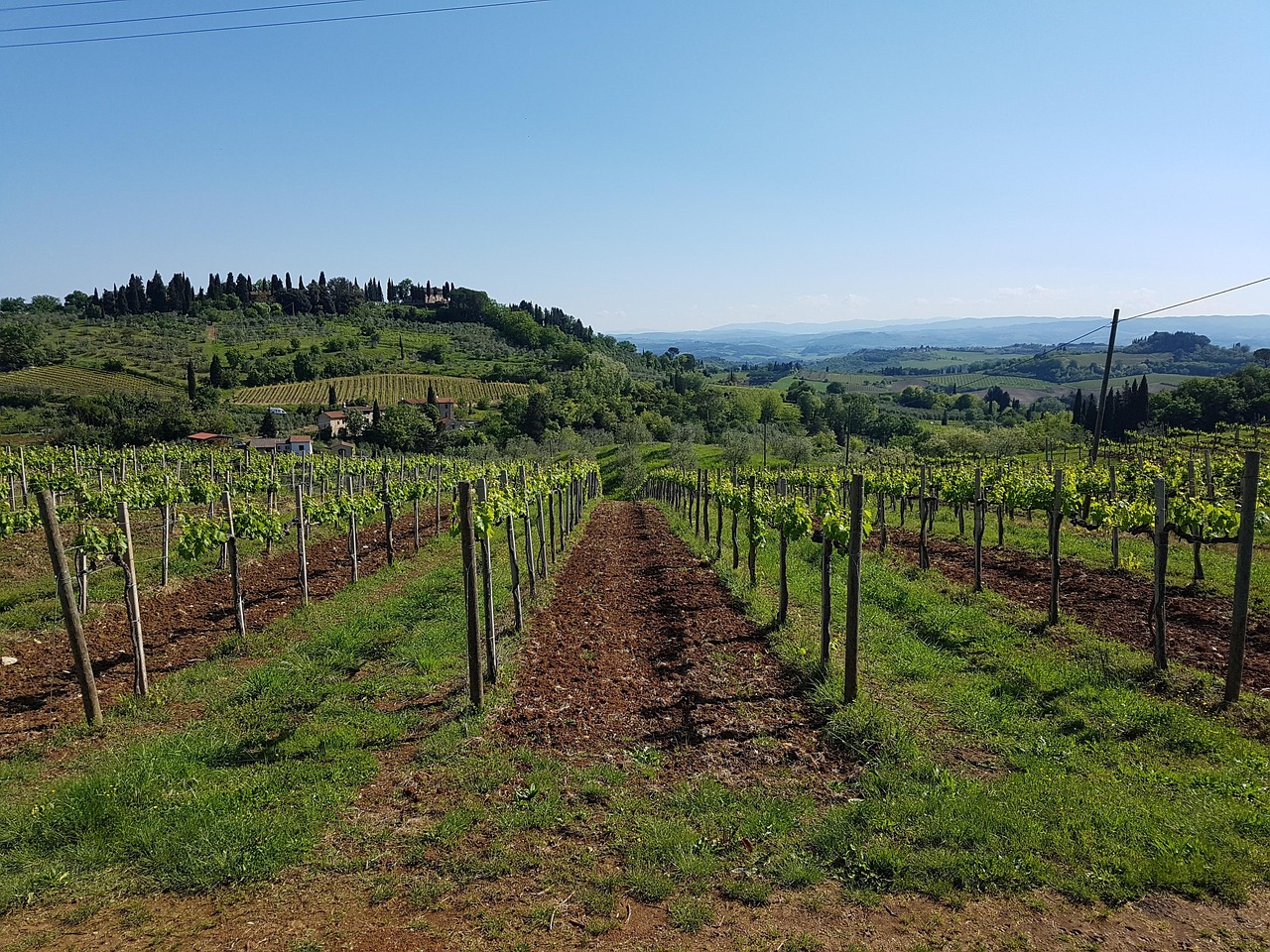
Why Visit Chianti? What Makes It So Special
Chianti isn’t just “the wine region between Florence and Siena.” It’s a patchwork of vine-covered hills, stone villages, and cypress-lined lanes where time really does slow down. It’s where you can finish a long lunch in a family-run trattoria, step outside, and find yourself alone on a country lane with only the sound of cicadas and distant church bells.
Over the past decade I’ve kept coming back to Chianti, usually for “just a few days,” which somehow always turns into a week. I’ve stayed in agriturismi (working farms), medieval hamlets, and tiny villages where the barista knew my order by day two. In 2026, Chianti is better than ever: more sustainable wine tourism, more food-focused events, and still, mercifully, no giant tour buses clogging every street.
If you’re dreaming of a 4–7 day itinerary for Chianti, whether romantic, family-friendly, or slightly adventurous, this travel guide for Chianti will walk you through everything: the best places to visit in Chianti, must-see attractions, local food, hidden gems, and practical travel advice for Chianti that actually works on the ground.
Table of Contents
- Why Visit Chianti?
- Understanding Chianti: Towns, Landscapes & Wine Zones
- 20 Must-See Attractions & Towns in Chianti
- Suggested Itineraries: 4–7 Days in Chianti
- Regional Cuisine & Where to Eat
- Evenings in Chianti: Life After Dark
- What’s New: Chianti Events 2026–2027
- Best Day Trips from Chianti
- Cultural Etiquette & Local Customs
- Practical Travel Tips for Chianti
- Final Thoughts & Best Time to Visit
Understanding Chianti: Towns, Landscapes & Wine Zones
Chianti is not one single place but a whole region of central Tuscany between Florence and Siena, stretching out in rolling green-gold hills, olive groves, forests, and stone villages. It’s defined as much by its wine as by its winding roads and long views.
The Main Sub-Areas of Chianti
- Chianti Classico: The historical heart (look for the black rooster on the bottle). Key towns: Greve in Chianti, Panzano, Castellina, Radda, Gaiole. Best for wine tasting, classic landscapes, and hilltop villages.
- Colli Fiorentini & Rufina (north): Closer to Florence, with gentler hills and fewer tourists. Great base if you want easy access to Florence plus countryside calm.
- Colli Senesi (south): Rolling landscapes drifting toward Siena and the Crete Senesi. Atmospheric, slightly wilder, perfect for longer hikes and quieter villages.
Which Towns Make the Best Base?
Greve in Chianti is the most practical base for first-timers: good bus connections to Florence, lots of wineries nearby, plenty of restaurants and shops. Castellina is a personal favourite for its views and evening passeggiata. Radda feels the most “perched” and medieval. Gaiole is perfect if you’re keen on castles and cycling. For a more rural stay, a countryside agriturismo between villages gives you space, views, and the feeling of living among the vines.
20 Must-See Attractions & Towns in Chianti (With Personal Notes)
Below you’ll find deep dives into 20 of the best places to visit in Chianti. I’ve grouped them roughly from most iconic to more hidden gems, but every one is worth your time if you have 5–7 days in Chianti.
1. Greve in Chianti: The Gateway to Chianti Classico
Greve was my first Chianti base years ago, and it’s still where I send people who are nervous about renting a car. It’s a small town, but in Chianti terms it feels almost cosmopolitan: a proper main square, multiple wine shops, and a Saturday market that overflows with local food in Chianti.
The heart of Greve is Piazza Matteotti, a long, slightly triangular piazza with arcades on both sides. In 2026, there are still the same old-school butchers, wine bars, and gelaterie that I first fell for. I like to start my Greve days at the far end of the piazza with a cappuccino, watching delivery vans weave around locals doing their errands.
What to Do in Greve
- Browse the Saturday Market: Every Saturday morning, farmers set up stalls loaded with pecorino, seasonal fruit, honey, and cured meats. I once spent a whole morning here tasting olive oils from one producer who insisted I pair each oil with a different bread.
- Visit the Wine Museum & Enotecas: Pop into one of the enotecas where you can load a tasting card and self-pour small samplings of dozens of Chianti Classico labels. It’s a great, low-pressure way to figure out your favourite style before visiting wineries.
- Walk up to Montefioralle: From the piazza, a 30–40 minute uphill walk (or a short drive) takes you to the tiny medieval village of Montefioralle (more on it later). I’ve done this in both blazing August sun and crisp October air; the view at the top is always worth it.
Food & Drink in Greve
Greve has some of the best casual eating in Chianti. Look for salumerie (cured meat shops) that prepare simple panini with finocchiona (fennel salami) and pecorino. In the evenings, take a table outside on the piazza, order a carafe of the house Chianti, and watch families stroll. It’s family friendly, relaxed, and very local.
Getting There & Tips
From Florence, buses run regularly to Greve (around 1 hour), making it an ideal base for 4 days in Chianti without a car. If you’re driving, parking is signed as you approach the centre; leave the car and walk into the piazza. In peak season (June–September), book accommodation at least 3–4 months ahead.
2. Panzano in Chianti: Views & Steak in the Middle of the Vines
Panzano might be small, but it punches way above its weight. Nestled roughly halfway between Florence and Siena, it’s surrounded by some of the most photogenic vineyards in Chianti. I’ve lost count of how many evenings I’ve spent here, watching the sky turn pink from the terrace of a wine bar.
Why Panzano is Special
The old town crowns a hill, with the “Conca d’Oro” (Golden Basin) of vineyards spilling out below. This natural amphitheatre is one of the most celebrated landscapes in the region. It’s also home to some iconic wineries, making Panzano a fantastic base for a 4 or 5 day itinerary for Chianti focused on wine.
Don’t Miss
- Sunday Organic Market: On the first Sunday of the month (check local listings, as dates can shift), local producers gather in town. One September, I bought a jar of chestnut honey that I still dream about.
- Steak Experience: Panzano is famous for its butchers and bistecca alla fiorentina. Even if you’re not a big meat eater, visiting the butcheries is a cultural experience: lots of singing, chatting, and theatrical flair.
- Sunset Aperitivo: Grab a glass of Chianti Classico on a terrace overlooking the Conca d’Oro. This is peak romantic Chianti—great for couples and dreamy photos.
Getting There & Tips
Panzano is easiest by car (about 15 minutes from Greve; 40–50 minutes from Florence). Parking just below the old centre is straightforward outside of major holidays. In high season, arrive by late afternoon if you want a good sunset spot and dinner table.
3. Castellina in Chianti: Stone Streets & Big Horizons
Castellina is where Chianti starts to feel a bit wilder and more elevated. The town sits on a ridge with long, sweeping views on both sides. I often base myself here for 6 or 7 days in Chianti because it’s central yet never feels crowded.
Highlights
- Via delle Volte: A covered medieval walkway running along the old walls. Today it’s dotted with little shops and windows overlooking vineyards. On hot summer days, this cool stone passage is a lifesaver.
- Rocca & Archaeological Museum: The old fortress houses a small museum with Etruscan artifacts. Climb to the top of the tower for one of the best town views in Chianti.
- Evening Passeggiata: Around 6–8 pm, locals stroll up and down the main street, gelato in hand. Join them—this is pure Tuscan daily life.
My Favourite Memory Here
One October, I rented a small apartment just off the main street. Every morning I’d buy still-warm bread from the bakery, then sit on my little terrace with a view that seemed painted: thin mists in the valleys, vineyards turning orange and red, the sound of church bells from some unseen village. If you’re after that slower rhythm, Castellina is ideal.
Practicalities
By car, Castellina is about 30 minutes from Siena, 45–60 from Florence. Buses exist but are infrequent, so a car is almost essential if you stay here. Parking rings the historic centre; some lots are paid during the day but free at night.
4. Radda in Chianti: Perched Medieval Beauty
Radda feels like a medieval ship anchored on a hilltop, its stone houses and narrow lanes hugging the contours of the ridge. It’s one of the most atmospheric towns in Chianti and a great base for hikers and wine enthusiasts.
Why I Love Radda
On my second trip, I stayed in a small guesthouse just inside the city walls. Each night I’d lean on the parapet and look at the stars, with almost no light pollution. In the mornings, I’d walk the short loop around the walls before breakfast, greeted by the same cat snoozing in a doorway.
Things to Do
- Walk the Walls: Follow the perimeter paths and side streets to discover tiny viewpoints and quiet corners.
- Wine Tasting in Town: Several enotecas represent local producers. It’s an easy way to line up which wineries you’d like to visit.
- Nearby Wineries: Within a 10–15 minute drive are some of Chianti Classico’s most famous estates. Many now require advance booking, especially in 2026, as they’ve shifted to smaller, more curated tastings.
Family, Couples, or Adventure?
Radda works for all three. Families will appreciate the contained size (kids can’t get far), couples will love the romantic views, and hikers/cyclists will enjoy the access to quieter, scenic roads and trails.
5. Gaiole in Chianti: Castles, Cycling & Countryside
Gaiole is castle country. The town itself is small and low-key, but the surrounding hills hide fortified estates, storybook castles, and some of the most scenic cycling routes in Italy.
Castles Around Gaiole
- Castello di Brolio: A grand castle and winery with gardens and a chapel. The views over the vineyards are legendary. I still remember a misty November afternoon here, where the vines faded into the fog like a painting.
- Castello di Meleto: Another picture-perfect castle offering tours and tastings, with a more intimate feel.
Cycling & L’Eroica
Gaiole is the heart of L’Eroica, a famous vintage cycling event held each autumn that celebrates “heroic” cycling on gravel roads. Even if you’re not a cyclist, the festival atmosphere in town—old bikes, wool jerseys, live music—is infectious. In non-event times, bike rentals and guided rides are available. The undulating “white roads” are a dream for moderate-level riders.
Tips
A car is helpful here, especially if you want to visit multiple castles in a day. Gaiole is quieter at night than Greve or Castellina, so it suits those who like early evenings and dark, starry skies.
6. Montefioralle: Tiny Hilltop Time Capsule
Montefioralle is one of those places that seems too perfect to be real: a small, oval-shaped medieval village perched above Greve, ringed by stone walls and olive trees. It’s so compact you can walk every lane in 15 minutes, but I always end up staying much longer.
My First Visit
I first arrived on foot from Greve, slightly out of breath from the uphill trail. I remember turning a corner, seeing the first stone archway, and hearing nothing but the rustle of leaves and distant voices. No traffic, no shops competing for attention—just a handful of houses, a church, and an atmosphere that feels centuries old.
What to Do
- Stroll the Ring Road: There’s a narrow lane that more or less circles the village, with views over the valley and vines.
- Long Lunch with a View: A couple of small restaurants serve seasonal Tuscan dishes with terraces facing the vineyards. It’s a romantic, slow experience—perfect for couples or peaceful family lunches.
- Spring & Autumn Festivals: Check for small local events, like the spring wine festival where local producers open their cellar doors. It’s intimate and truly local.
Getting There
From Greve, drive (5–10 minutes) or walk (30–40 minutes uphill; 20–30 down). Parking is just below the village; the centre is car-free.
7. Volpaia: Wine Village in the Clouds
Volpaia feels like a secret outpost at the edge of the world. Perched high above Radda, this fortified village is almost entirely devoted to wine and olive oil production, but in the most understated way.
Why It’s Worth the Detour
On a clear day, the views from Volpaia stretch all the way to the distant Apennines. I once drove up in late May, when the roses climbing the stone walls were in full bloom. The whole village smelled faintly of flowers and wine barrels.
Activities
- Winery Tours Through the Village: Here, the winery’s cellars and production spaces are tucked into various buildings throughout the hamlet. A guided tour feels like a walk through living history.
- Lunch or Dinner in the Square: A couple of restaurants set tables in the central square. This is one of my favourite romantic dinners in Chianti—simple, seasonal dishes, candlelight, and that high-country quiet.
Practical Tips
The road to Volpaia is narrow and winding but paved and manageable; just drive slowly. Booking ahead for meals and tastings is wise, especially in summer weekends and during harvest (September–October).
8. Pieve di Spaltenna & Surroundings: Churches, Trails & Tranquility
Just outside Gaiole, the Pieve di Spaltenna is a Romanesque church surrounded by vineyards and forested hills. Over the years I’ve come here to walk, to attend a small summer concert, and once, to shelter from a sudden storm.
What Makes It Special
Unlike the busier hilltop towns, this area feels immersed in nature. Trails lead into the woods and along ridgelines; in spring, wildflowers line the paths. For a 6 day itinerary for Chianti that balances wine with walking, this corner is perfect.
Activities
- Church Visit: Step inside the plain, beautiful interior and notice how cool and quiet it is, even on a hot day.
- Hiking: Ask your accommodation or local tourist office for route maps. Some trails loop to nearby hamlets and vineyards.
- Evening Drinks: Nearby estates often have terraces where you can sip a glass of Chianti Classico while looking across the vines.
9. Castello di Brolio: The Grand Castle of Chianti
If there’s one castle you should not miss in Chianti, it’s Castello di Brolio. Perched on a hilltop near Gaiole, it’s surrounded by a sea of vines and has been in the same noble family for centuries.
History & Significance
The castle’s owners played a key role in defining what Chianti wine is today. Walking the grounds, you’re literally within the history of the region’s most famous export. In 2026, the estate continues to refine its visitor experience, focusing on smaller group tours and more in-depth tastings.
My Favourite Way to Visit
I like to book an early afternoon tour that includes both the castle grounds and the vineyards. After the tour, I linger in the gardens and then drive to a nearby viewpoint for sunset. On one autumn visit, the vines were turning golden and red; the whole landscape glowed in the late light.
Tips
- Book Ahead: Especially from May–October.
- Wear Comfortable Shoes: There’s a bit of walking on gravel paths.
- Combine with Gaiole: Visit the castle, then have dinner in Gaiole or vice versa.
10. Castello di Vertine: Quiet Medieval Hamlet
Not far from Gaiole, Vertine is a minute fortified village that feels almost like a stage set—except people actually live here. It’s a beautiful stop if you like places with no shops, no bustle, just stone walls, flowers in window boxes, and long views.
What to Expect
I usually stop here on a driving day when I’m linking Gaiole with other towns. I park outside the walls, walk through the gate, loop around the main lane, and find a sunny spot to sit for a while. It’s a lovely break for kids too: they can safely explore the small lanes while you sit on a bench.
11. Badia a Coltibuono: Abbey, Gardens & Wine
Set in the forested hills above Gaiole, Badia a Coltibuono is an old abbey turned winery and agriturismo. The name means “Abbey of Good Harvest,” and that’s exactly what it feels like: a place surrounded by abundance.
Why Visit
- Historic Abbey: Guided tours explain the site’s monastic past and its role in Chianti’s agricultural history.
- Gardens: Terraced gardens full of herbs, roses, and old trees. In late spring, they’re glorious.
- Cooking Classes & Tastings: They often host cooking lessons focusing on Tuscan home cooking—perfect if you’re interested in local food in Chianti beyond restaurants.
On a long summer stay, I joined a half-day cooking class here and still use their recipe for chickpeas with sage and garlic. Simple, but perfect.
12. Castelnuovo Berardenga: Southern Gateway & Gentle Hills
At the southern edge of Chianti, near Siena, Castelnuovo Berardenga marks the transition from vine-covered hills to the more open, lunar landscapes of the Crete Senesi.
Why It’s Interesting
This area is less visited than central Chianti, but it’s wonderful if you’re planning 6 or 7 days in Chianti and want a base for both wine country and Siena day trips. The hills here are softer, and there are several historic villas and gardens open to visitors (check opening times locally).
My Tip
Spend a day here if you’re driving between Chianti and Siena. Stop for lunch in town, then continue on to Siena in the afternoon, arriving when many day-trippers are leaving.
13. The Conca d’Oro Vineyards of Panzano
The Conca d’Oro (Golden Basin) is the amphitheatre of vineyards below Panzano. It’s one of the classic Chianti landscapes you see on postcards.
How to Experience It
Drive the small roads that loop around the basin, stopping at viewpoints and wineries. One evening, I parked on a lay-by and just sat on the car’s hood for 30 minutes, watching the sun sink behind the opposite ridge while tractors slowly moved through the vines.
14. Chianti Sculpture Park: Art in the Woods
Near Pievasciata, south of Radda, the Chianti Sculpture Park is one of the region’s most unusual attractions. Contemporary sculptures by international artists are scattered through a wooded valley, creating a constantly surprising walk.
Why I Keep Going Back
This is a brilliant change of pace if you’re traveling with kids or teens who are “over” churches and wine. The artworks are interactive, colourful, strange, and often playful. I’ve visited in both summer and autumn; in fall, the leaves add another layer of colour and texture.
Practical Notes
Wear sturdy shoes (paths can be uneven) and allow 1.5–2 hours. There’s a small admission fee. It’s easiest reached by car.
15. Castello di Ama: Wine Meets Contemporary Art
Castello di Ama, near Gaiole, is both a winery and an open-air contemporary art gallery. Installations by well-known artists are integrated into the old village buildings and cellars.
Why It’s Memorable
On my most recent visit, I joined a small group tour that moved from artwork to artwork, then down into the cellars for a tasting. Standing in an old stone room with modern neon art glowing above rows of barrels is a striking contrast that sums up modern Chianti: deeply rooted, but open to new ideas.
16. Lamole: Terrace Vineyards & Big-Sky Views
High above Greve, the hamlet of Lamole is surrounded by steep, terraced vineyards. It feels like a balcony over Chianti, with cooler air and panoramic vistas.
What to Do
- Scenic Drive: The road up is narrow and curvy, but the views are your reward.
- Wine Tasting: Several small producers make elegant, high-altitude Chianti Classico.
- Lunch with a View: A couple of restaurants have terraces that seem to hover above the valley. In summer, book ahead.
If you’re piecing together a 4 day itinerary for Chianti based in Greve, Lamole makes a perfect half-day outing.
17. Barberino Tavarnelle: Northern Hills & Olive Groves
In the northern part of Chianti, closer to Florence, Barberino Tavarnelle and nearby villages like Barberino Val d’Elsa offer gentler hills and olive groves, with fewer international visitors.
Why Visit
This is a great area if you want to combine a few days in Florence with 4 or 5 days in Chianti without driving too far. The villages are small but charming, with pretty churches and family-run trattorie.
18. Monteriggioni: Perfect Walled Crown (Chianti’s Edge)
Strictly speaking, Monteriggioni sits just outside classic Chianti, but it’s so close—and so perfect—that it belongs in any list of things to do in Chianti.
What to See
This tiny, circular walled town looks almost unchanged since medieval times. Walk the walls (some sections are accessible for a small fee), explore the central piazza, and imagine the days when this was a defensive outpost.
My Advice
Visit early or late in the day. In high season, midday sees tour bus crowds, but by evening it’s quieter and more atmospheric. Combine with a Siena day trip if you’re based in southern Chianti.
19. San Gusmè: Tiny Jewel on a Hill
San Gusmè is one of my favourite hidden gems in Chianti. This small, walled village near Castelnuovo Berardenga has barely changed in decades.
Why I Love It
I stumbled on San Gusmè while chasing a viewpoint I’d seen in a photography book. The village was quiet; a few locals chatted in the square, and the bar served simple panini and perfect espresso. The view from just outside the walls is one of the best in southern Chianti.
20. Vagliagli & Surrounding Vineyards
Near Siena, the village of Vagliagli sits among rolling vineyards and olive groves. It’s not a major tourist centre, which is exactly its charm.
What to Expect
Sleepy streets, a couple of restaurants, and numerous wine estates in the surrounding hills. If you’re planning 6 or 7 days in Chianti and want a serene base close to Siena, put this area on your radar.
Suggested Itineraries: 4–7 Days in Chianti
Below are flexible outlines for 4, 5, 6, and 7 days in Chianti. They mix must-see attractions in Chianti with hidden gems and local experiences. Distances are short, but roads are winding—plan less, savour more.
4 Day Itinerary for Chianti: First-Timer’s Highlights
If you have 4 days in Chianti, base yourself in or near Greve or Castellina. You’ll get a taste of classic villages, wine, and countryside without rushing too much.
Day 1 – Arrival & Greve in Chianti
Arrive, settle into your accommodation, and spend the afternoon wandering Greve’s Piazza Matteotti. Visit an enoteca for your first Chianti Classico tasting, then stroll up side streets. If it’s Saturday, dive into the weekly market.
My ritual: a late-afternoon gelato under the porticos, then a simple dinner of ribollita (Tuscan bread and vegetable soup) and grilled vegetables with a glass of house wine.
Day 2 – Montefioralle & Lamole
Morning hike or drive up to Montefioralle, explore the tiny lanes, and have coffee in the sun. Late morning, drive up to Lamole for lunch with a view and a winery visit.
Return via scenic backroads in time for an aperitivo in Greve. Families can keep the day gentle with short walks; couples might linger over a long lunch in Lamole.
Day 3 – Panzano & the Conca d’Oro
Head to Panzano mid-morning. Explore the old town, then drive or walk out to a couple of wineries in the Conca d’Oro. In the evening, enjoy a bistecca alla fiorentina in Panzano or back in Greve.
Day 4 – Castellina in Chianti & Departure
On your final day, drive to Castellina. Walk Via delle Volte, visit the Rocca, and enjoy a leisurely lunch overlooking the hills. If you’re heading toward Siena or Florence, time your departure so you arrive in the late afternoon.
5 Day Itinerary for Chianti: Add Castles & a Sculpture Park
With 5 days in Chianti, follow the 4 day itinerary above and add a castle-and-art day.
Day 5 – Gaiole, Castello di Brolio & Chianti Sculpture Park
Drive to Gaiole in the morning and stroll the town. Late morning or early afternoon, visit Castello di Brolio (book ahead). Enjoy the gardens and tasting.
In the late afternoon, detour to the Chianti Sculpture Park for a walk through the woods among contemporary artworks. Return to your base for a quiet evening.
6 Day Itinerary for Chianti: North & South
For 6 days in Chianti, I recommend splitting your stay: 3 nights in the Greve/Panzano area and 3 nights around Castellina, Radda, or Gaiole.
Days 1–3 – As per 4 Day Itinerary
Spend your first three days based near Greve, exploring Greve, Montefioralle, Panzano, and Lamole.
Day 4 – Transfer via Castellina to Radda/Gaiole
Check out and drive towards Castellina. Enjoy a full lunch and sightseeing there, then continue to your new base in Radda or Gaiole.
Day 5 – Radda & Volpaia
Spend the morning in Radda, walking the walls and tasting wine. In the afternoon, head up to Volpaia for a winery tour and dinner in the square.
Day 6 – Castles & Abbeys
Use your last day to visit Castello di Brolio, Badia a Coltibuono, or Castello di Meleto, depending on your interests. If you’re into cycling, consider a half-day guided ride around Gaiole; if not, enjoy slow winery visits and a final sunset over the vines.
7 Day Itinerary for Chianti: Slow Travel Week
With 7 days in Chianti, you can really slow down. Think long lunches, pool time, market visits, and spontaneous detours.
Days 1–3 – Greve Area
As per earlier itineraries: Greve, Montefioralle, Panzano, and Lamole, with time built in for rest at your agriturismo or pool.
Day 4 – Transfer to Southern Chianti via Barberino Tavarnelle
Drive the northern hills, stopping in Barberino Val d’Elsa or Barberino Tavarnelle for a coffee and stroll, then continue towards Castellina/Radda/Gaiole. Arrive mid-afternoon and settle into your new base.
Day 5 – Castellina & Surrounds
Enjoy Castellina at a relaxed pace. Consider a nearby winery visit or a gentle walk through the countryside.
Day 6 – Radda, Volpaia & Chianti Sculpture Park
Split your day between Radda and Volpaia, then visit the Chianti Sculpture Park in the late afternoon.
Day 7 – Castles, Abbeys & Farewell Dinner
Visit Gaiole, Castello di Brolio, and maybe Badia a Coltibuono. End with a special farewell dinner—ideally at an agriturismo or winery restaurant with vineyard views. This is your moment to toast a perfect week.
Regional Cuisine: Where & What to Eat in Chianti
Food in Chianti is simple, seasonal, and deeply satisfying. Expect grilled meats, bean stews, handmade pasta, and vegetables that actually taste like something.
Signature Dishes
- Bistecca alla Fiorentina: Thick-cut T-bone grilled rare over wood coals. Best shared.
- Ribollita: Hearty vegetable and bread soup, perfect in cooler months.
- Pappa al Pomodoro: Tomato and bread stew; richer than it sounds.
- Crostini Toscani: Toasts topped with chicken liver pâté, often served as an antipasto.
- Cinghiale: Wild boar, often slow-cooked in red wine and served with pappardelle pasta.
- Cantucci & Vin Santo: Almond biscuits dipped in sweet dessert wine.
Where to Eat
- Agriturismi: Farm-stays that serve dinners featuring their own produce, olive oil, and sometimes wine. I’ve had some of my most memorable meals at long wooden tables here, chatting with fellow guests late into the night.
- Trattorie & Osterie: Family-run spots in towns like Greve, Castellina, and Radda. Menus are short and seasonal.
- Enotecas: Wine bars that also serve small plates. Great for lighter meals and tasting different wines by the glass.
- Local Markets: In Greve, Castellina, and villages across Chianti, markets are a fun way to assemble your own picnic: bread, cheese, cured meats, fruit, and a bottle of wine.
My Personal Food Tips
- Order the house wine at least once—it’s often excellent and cheaper.
- Ask about daily specials; they’re usually what’s freshest or most seasonal.
- In summer, book dinner for 8–8:30 pm to enjoy cooler air and sunset light.
- Don’t over-plan every meal; leave space for spontaneous finds.
Evenings in Chianti: Slow, Social, and Starry
Nights in Chianti are quieter than in cities, but that’s part of the charm. The rhythm shifts from sightseeing to strolling, sipping, and star-gazing.
Typical Evening Patterns
- Aperitivo: Around 6:30–8 pm, locals gather in piazzas for a glass of wine or a spritz.
- Dinner: Most restaurants serve from 7:30–10:30 pm. In high season, book ahead.
- Piazza Time: After dinner, families and couples stroll, kids play, and gelato is almost mandatory.
- Quiet Nights: Away from the main towns, nights can be very still—perfect for sitting outside and listening to the countryside.
Seasonal Evening Events
- Summer Concerts: Many towns host small open-air concerts. I’ve listened to classical quartets in old churches and jazz in village squares.
- Harvest Festivals (September–October): Expect grape harvest celebrations, new wine tastings, and food events.
- Village Festivals: Look for posters advertising sagre (food festivals) and local saints’ days.
What’s New: Chianti Events & Travel Scene 2026–2027
For 2026–2027, Chianti continues to lean into sustainable, high-quality experiences rather than mass tourism. Expect more small-group tastings, expanded cycling routes, and food-focused events.
Major Recurring Events (Check Exact 2026–2027 Dates Locally)
- Chianti Classico Collection (February) – Trade-focused tastings in Florence, but many wineries in Chianti offer special events and preview tastings around this time.
- Radda nel Bicchiere (late May/early June) – Wine festival in Radda where the streets fill with tasting stands.
- Expo del Chianti Classico in Greve (early September) – Multi-day wine fair with producers from across the region, live music, and food stalls.
- L’Eroica (early October) – The vintage cycling event based in Gaiole, with routes through the countryside and a lively festival atmosphere.
- Local Sagre – Food festivals celebrating everything from porcini mushrooms to chestnuts and new olive oil, especially in autumn.
In 2026 and 2027, several communes are also expanding signposted walking and cycling routes and enhancing electric vehicle charging infrastructure, making car travel a bit greener and easier.
Best Day Trips from Chianti
If you’re based in Chianti for 5–7 days, it’s easy to add a couple of classic Tuscan destinations as day trips.
1. Florence
From Greve or the northern hills, Florence is about an hour by bus or car. Spend the day at the Duomo, Uffizi, and Oltrarno neighbourhood, then retreat to the quiet of the vines.
2. Siena
From Castellina, Radda, or Gaiole, Siena is 30–45 minutes by car. Explore Piazza del Campo, the Duomo, and medieval streets. Return to Chianti for a sunset dinner.
3. San Gimignano
Known for its towers, San Gimignano is reachable in 60–90 minutes, depending on your base. Go early or late to avoid crowds.
4. Monteriggioni & the Crete Senesi
Combine Monteriggioni with a drive through the Crete Senesi, the stark, beautiful clay hills south of Siena. This makes a stunning day out if you love landscapes.
Cultural Etiquette & Local Customs in Chianti
Chianti is relaxed, but it’s still traditional Tuscan countryside. A few cultural notes will make your stay smoother—and more appreciated by locals.
Greetings & Interaction
- Say “buongiorno” (good morning) or “buonasera” (good evening) when entering shops or cafes.
- In small villages, greeting people you pass on the street is normal and appreciated.
In Restaurants & Bars
- Table service is relaxed; don’t expect speedy turnover. Ask for the bill: “Il conto, per favore.”
- Leaving a small tip (rounding up, or a few euros) is appreciated but not obligatory.
- It’s normal to linger over meals—especially dinner.
Dress & Behaviour
- In churches, cover shoulders and avoid very short shorts.
- Noise carries in stone villages; keep late-night noise down, especially in small hamlets.
- On vineyards and farms, stay on marked paths and follow staff instructions.
Driving & Parking Etiquette
- Don’t block narrow lanes or private driveways, even “just for a minute.”
- In historic centres, many zones are restricted (ZTL). Park in signed lots outside and walk in.
Practical Travel Tips for Chianti (2026–2027)
Getting Around: Car vs Public Transport
Is a Car Essential? For a 4 day itinerary for Chianti based in Greve, you can manage with buses and the occasional taxi. For 5–7 days in Chianti covering multiple towns and rural stays, a car makes life much easier.
Driving Distances (Approximate)
- Florence – Greve: 30–35 km (50–60 minutes)
- Greve – Panzano: 9 km (15 minutes)
- Greve – Castellina: 25–30 km (40–50 minutes)
- Castellina – Radda: 12 km (20 minutes)
- Radda – Gaiole: 11 km (20 minutes)
- Castellina – Siena: 20–25 km (30 minutes)
Car Rental Tips
- Pick up in Florence or Siena to avoid driving into historic centres.
- Book automatic transmission early if you need it; they’re fewer and pricier.
- Check for full insurance, especially if you’ll use gravel “white roads.”
Public Transport
- Buses connect Florence with Greve, Panzano, and some larger towns but are limited in evenings and on Sundays.
- Trains don’t run deep into Chianti; the nearest main stations are Florence and Siena.
- For flexible exploring without driving, consider private drivers for a day of wine touring.
Money-Saving Tips
- Travel in shoulder seasons (April–May, late September–October) for lower prices and fewer crowds.
- Stay in an apartment or agriturismo with a kitchen; breakfasts and some dinners at home add up to big savings.
- Buy wine at cooperatives or supermarkets for everyday drinking; save winery purchases for special bottles.
- Use lunch as your main meal at restaurants; set menus can be good value.
SIM Cards & Connectivity
In 2026, coverage is generally good in and around towns but can be patchy in remote valleys.
- Buy an Italian SIM from providers like TIM, Vodafone, or WindTre in Florence or Siena.
- EU visitors can usually use roaming under EU rules, but check your plan.
- Most accommodations offer Wi-Fi, though speeds vary.
Visa Requirements & Driving Licenses
- Schengen Area: Italy is part of Schengen. Many nationalities can stay up to 90 days without a visa; others require a visa. Check the latest rules for your passport well before travel.
- Driving License: EU/EEA licenses are valid. Visitors from many other countries are advised (and sometimes required) to carry an International Driving Permit (IDP) alongside their home license.
Best Seasons for Different Activities
- Spring (April–June): Wildflowers, mild temperatures, good for hiking and cycling. Vineyards are lush green.
- Summer (July–August): Hot and busier; great pool weather and long evenings. Book wineries and restaurants ahead.
- Autumn (September–October): Harvest season, rich colours, food and wine festivals, new olive oil. My favourite time for 5–7 days in Chianti.
- Winter (November–March): Quiet, some smaller places close, but prices are lower and cities are calmer. Good for cosy stays and food-focused trips.
Other Useful Advice
- Pack layers: Evenings can be cool, especially in spring and autumn.
- Bring comfortable shoes: Cobblestones and uneven country paths are everywhere.
- Book key experiences (cooking classes, special wineries, sought-after restaurants) several weeks ahead in high season.
Summary: Key Takeaways & Best Time to Visit Chianti
Chianti is a region to savour slowly: stone villages, world-class wines, simple but unforgettable food, and landscapes that shift subtly with every bend in the road. Whether you’re piecing together a 4 day itinerary for Chianti or settling in for 7 days in Chianti, the magic lies in balancing must-see attractions with unplanned moments—an extra glass of wine at sunset, a detour down a gravel lane, a chance conversation with a vineyard owner.
Best seasons: For most travellers, late April–June and September–October offer the ideal combination of weather, scenery, and events. Summer is perfect if you love heat and pool time; winter is for those who prefer quiet villages and cosy meals.
If you plan thoughtfully—choosing a good base, renting a car when needed, and leaving space in your schedule—you’ll quickly understand why so many of us keep coming back to Chianti year after year. It’s not just a destination; it’s a way of living, briefly, at a gentler pace.