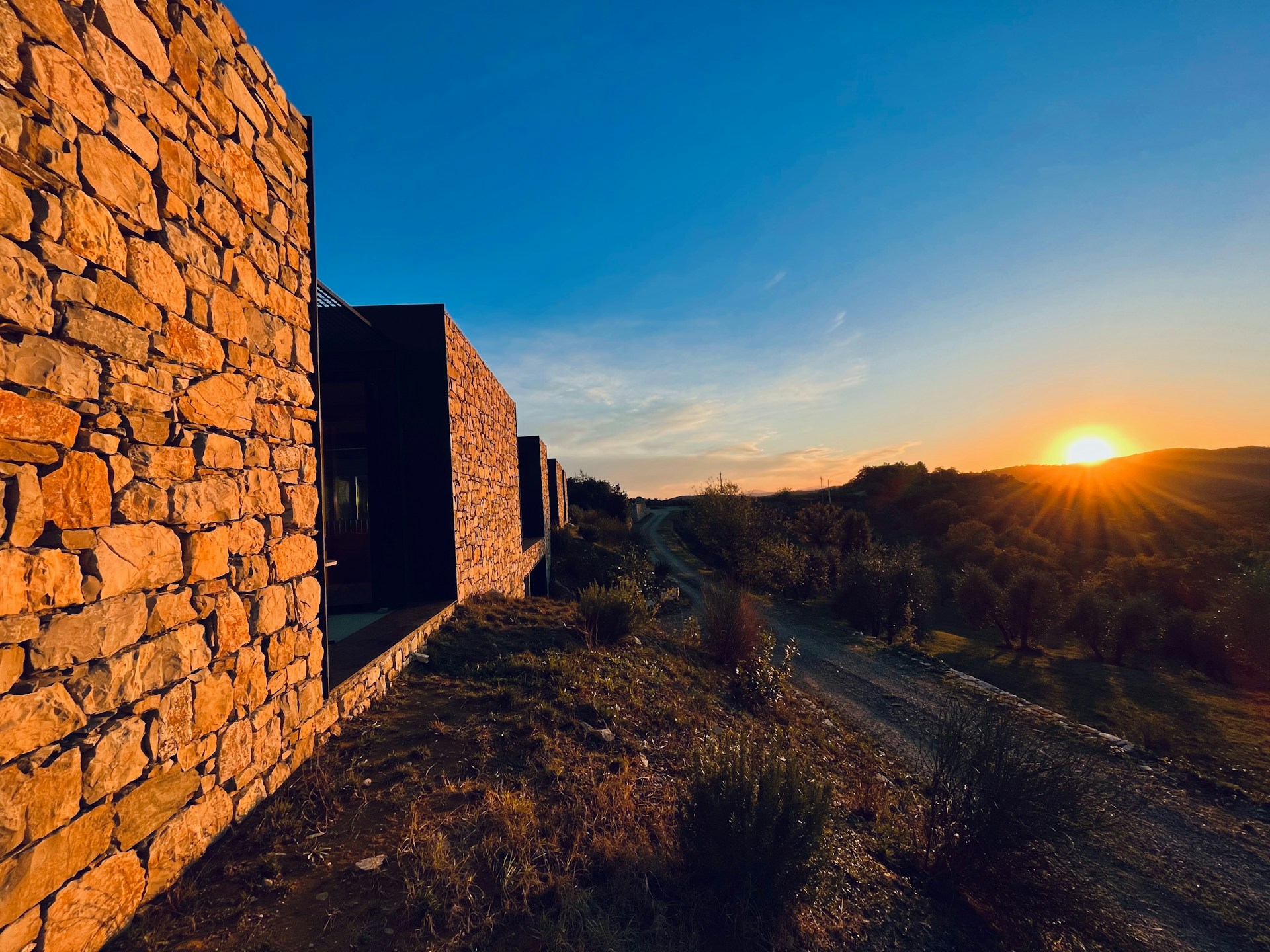
Why Visit Gaiole in Chianti?
Gaiole in Chianti is where “postcard Tuscany” quietly goes about its daily life. Nestled in the heart of the Chianti Classico wine region between Florence and Siena, this small village feels like a crossroads of vineyards, stone castles, cypress-lined roads, and tiny hamlets where everyone still knows everyone else.
It’s less polished than neighboring towns like Radda or Castellina — and that’s exactly its charm. Gaiole is a working countryside, not a stage set. You’ll see farmers chatting at the bar at 7am, cyclists in vintage jerseys training for the legendary L’Eroica ride, and families out for a gelato after dinner.
I’ve been coming back to Gaiole in Chianti for over a decade, at different times of year and in different ways: backpacking by bus, road tripping by car, cycling the white gravel roads, and once even house-sitting a stone farmhouse outside town. Each visit has felt both familiar and new.
If you’re looking for:
- a 3–5 day itinerary for Gaiole in Chianti focused on wine, castles, and countryside walks
- hidden gems in Gaiole in Chianti beyond the classic wineries
- local food in Gaiole in Chianti and family-run trattorie
- travel tips for Gaiole in Chianti (car rental, SIM cards, budget tricks, etiquette)
…this travel guide will walk you through everything, with the kind of detail you’d get if you were staying with a local friend.
Table of Contents
- Quick Overview of Gaiole in Chianti
- Neighborhoods & Areas to Explore
- Top 20 Attractions & Experiences (In-Depth)
- 3, 4 & 5 Day Itineraries
- Best Local Food & Wine
- Nightlife & Cultural Experiences
- Events & Festivals 2026–2027
- Day Trips from Gaiole in Chianti
- Cultural Etiquette & Local Customs
- Practical Travel Tips & Money-Saving Advice
- Summary & Best Time to Visit
Quick Overview of Gaiole in Chianti
Gaiole in Chianti sits in the province of Siena, about 1 hour by car from Florence and 35–45 minutes from Siena. It’s the kind of place where your days are filled with vineyard views, wine tastings, long lunches, and slow drives along winding roads.
- Region: Tuscany, Chianti Classico zone
- Population: Around 2,700 (including surrounding hamlets)
- Best for: Wine lovers, couples, families seeking calm countryside, cyclists, hikers, photographers
- Not ideal if: You want big-city nightlife or don’t like driving on country roads
Unlike larger Tuscan towns, Gaiole feels genuinely lived-in. There’s a main piazza, a church, a couple of bars, shops, and then radiating outwards, vineyards and castles. It’s a wonderful base for 3 days in Gaiole in Chianti or up to 5 days if you love slow travel.
Neighborhoods & Areas in and around Gaiole in Chianti
Gaiole Village Center
This is the heart of daily life: a compact area around the main square Piazza Ricasoli, the church, and Via Roma. It’s where you’ll find bars, bakeries, small groceries, a few restaurants, and the weekly market.
I like to stay either in a small B&B right in the village or at a farmhouse within a 5–10 minute drive, then come here in the morning for coffee. It’s perfect for people who want to walk to dinner and not worry about driving at night.
Castello di Brolio Surroundings
South of Gaiole, the landscape opens onto the vast vineyards of the Ricasoli estate. Here you’ll find scattered farmhouses, vineyard apartments, and some of the most iconic “Chianti postcard” views: cypress alleys, rolling hills, and the silhouette of Castello di Brolio.
Vertine
Vertine is a tiny walled hamlet on a hilltop just a few minutes from Gaiole. With its cobbled lanes, stone houses, and panoramic views, it’s one of my favorite places to come at sunset. There are a couple of accommodations and, depending on the year, a small bar or seasonal restaurant.
Montegrossi & Monti in Chianti
These are quieter rural areas with a mix of vineyards, olive groves, and forest. If you’re dreaming of a stone farmhouse with a pool and nothing but birds and church bells for neighbors, you’ll likely end up around here.
Spaltenna & Surrounding Hills
Just above Gaiole lies the former monastery complex of Spaltenna, now a beautiful hotel, along with a cluster of country houses and trails. The area feels secluded but is only a few minutes from the village by car (or a steep walk).
Top 20 Attractions & Experiences in Gaiole in Chianti
These are the must-see attractions in Gaiole in Chianti and its immediate surroundings. I’ll start with the big, iconic places, then move into quieter, lesser-known spots. Each section includes history, what to do, how to visit, and some personal tips.
1. Castello di Brolio
If I had to pick just one place that captures the soul of this area, it would be Castello di Brolio. This hilltop castle, seat of the Ricasoli family for nearly a thousand years, looks out over a sea of vineyards and oak forests. It’s one of the oldest wineries in Italy and a cornerstone of Chianti Classico history.
The first time I visited, I drove up just before sunset. The road winds through vineyards, then climbs into shady woods before you reach the castle parking lot. When I walked up to the ramparts and looked out, the light was golden and the hills seemed to stretch forever. It was one of those “Oh, this is why people fall in love with Tuscany” moments.
History & Significance
Castello di Brolio has been in the Ricasoli family since the 12th century. Baron Bettino Ricasoli, a 19th-century statesman and winemaker, is credited with formalizing the original “recipe” for Chianti wine. The castle itself has medieval origins but was heavily restored in neo-Gothic style in the 19th century after damage during wars.
What to Do
- Walk the ramparts: A ticket gives you access to the castle gardens and bastions, with wide views over the estate.
- Visit the chapel: Small but atmospheric, often used for intimate weddings.
- Wine tasting: The tasting room at the base of the hill offers flights of Ricasoli wines; you can also book more in-depth cellar tours.
- Lunch at the Osteria: There’s a casual but refined restaurant on the estate. I still remember a plate of pici pasta with wild boar ragù paired with their Chianti Classico — textbook perfect.
Practical Tips
- Getting there: 10–15 minutes by car from Gaiole. You can cycle, but the climb is demanding.
- Booking: In high season (May–October), book tastings and lunch in advance, especially on weekends.
- Timing: Late afternoon is magical for photos; mornings are quieter and cooler in summer.
2. Castello di Meleto
Castello di Meleto is the castle that feels like a countryside fantasy: round defensive towers, vineyards right up to the walls, and a mix of historic interiors and modern hospitality. I’ve visited three times — once for a tour and tasting, once for a summer concert, and once to stay overnight in one of the rooms inside the castle.
History & Character
Meleto dates back to the 11th century and was part of the defensive system between Florence and Siena. Over time it softened from fortress to noble residence, but you can still see its military origins in the round bastions.
Highlights
- Guided castle tour: You’ll see historic rooms, a lovely small theater, and the old kitchens.
- Wine & olive oil tasting: Their Chianti Classico and Super Tuscans are solid; I particularly liked their extra-virgin olive oil.
- Outdoor events: In summer, they host concerts and food events in the courtyard — sitting there at night under string lights feels timeless.
- Staying in the castle: Sleeping behind those thick stone walls, with a view over the vineyards, was one of my favorite romantic stays in the area.
Tips
- Family-friendly: Kids usually enjoy the castle feel and spacious grounds.
- Romantic: Ideal for couples looking for a special night or two in a castle setting.
- Getting there: 5–10 minutes by car from Gaiole; you can also walk via country roads if you don’t mind hills (around 1 hour each way).
3. Vertine Medieval Hamlet
Vertine is one of those places where time seems to have stopped. A small fortified hamlet on a hill, with narrow stone alleys, panoramic views, and a complete absence of tourist trinket shops. I often bring friends here on their first afternoon to give them a feel for Chianti beyond the wineries.
What Makes Vertine Special
There’s not a long checklist of “things to do” — the magic is in just wandering. I like to circle the outer walls, then duck into the quiet lanes. Old stone houses are draped with jasmine and roses, and cats sun themselves on doorsteps.
On my last visit, I sat on the low wall at the edge of the village with a takeaway panino from Gaiole and just watched the light shift across the hills. No crowds, no noise, just the occasional local walking a dog.
Tips
- Best time: Late afternoon for soft light, or early morning when the valley is often filled with mist.
- Parking: Free parking just outside the walled village; the hamlet itself is pedestrian-only.
- Combine with: A wine tasting at a nearby winery (there are several within a short drive) or a countryside walk.
4. Badia a Coltibuono
Badia a Coltibuono is a former Benedictine abbey turned winery, cooking school, and charming agriturismo. It’s one of my favorite places around Gaiole to slow down, learn, and eat very well.
History & Atmosphere
The abbey dates back to the 11th century. Monks tended vineyards and olive groves here for centuries before the property passed into private hands. Today, it retains a serene, almost monastic calm. Tall trees, herb gardens, a cloister, and thick stone walls all contribute to a feeling of peaceful seclusion.
Experiences
- Guided abbey visit: Learn about the monastic history, see the old cellars, and stroll the gardens.
- Cooking class: They offer Tuscan cooking classes (half-day or full-day). The last time I joined, we made ribollita, fresh pasta, and cantucci — then ate it all with their wines on a terrace overlooking the woods.
- Restaurant: Elegant but not stuffy, with a focus on seasonal, organic ingredients.
- Stay overnight: Rooms in the old abbey are simple-elegant, with thick walls and views of the forest.
Tips
- Book ahead: For cooking classes and the restaurant, especially in May–October.
- Best for: Couples, food lovers, and anyone interested in history and slow travel.
5. Gaiole Village Center & Piazza Ricasoli
The village center may not have a single “wow” monument, but it’s where you’ll feel the everyday rhythm of Gaiole. Piazza Ricasoli is the main square, framed by bars, small shops, and the parish church.
I like to start my day here with a cappuccino and brioche (or in autumn, a slice of castagnaccio chestnut cake), watching locals chat at the bar. In the evening, families gather for a stroll, kids ride scooters around the square, and cyclists in dusty jerseys decompress with beers after long rides.
Things to Do
- Market day: Once a week (typically Tuesday), a small market sets up with produce, cheese, clothes, and household bits. It’s not touristy, but it’s a great window into local life.
- Church visit: The parish church of San Sigismondo is modest but worth a quick look.
- Shop for picnic supplies: Grab local cheese, salumi, bread, and wine from the small food shops.
- People-watching: The real highlight — sit with a coffee or an aperitivo and soak it all in.
6. Pieve di Spaltenna & Surroundings
Just up the hill from Gaiole lies Pieve di Santa Maria a Spaltenna, a Romanesque parish church flanked by a former monastery, now a hotel. The stone bell tower rising above vineyards is one of my favorite silhouettes in the area.
I’ve walked up here on misty mornings when the valley is a sea of clouds and you can only see the tops of cypress trees poking through. It’s like standing on an island in the sky.
What to See & Do
- Visit the church: Simple, ancient, with a quiet, contemplative vibe.
- Photograph the bell tower: Especially beautiful in early or late light.
- Dine at the hotel restaurant: A splurge, but the terrace view and refined Tuscan dishes make it worthwhile for a special evening.
- Walk the trails: There are small paths leading through the woods and vineyards around Spaltenna — ask your accommodation for a local map.
7. Castello di Montegrossi & Surroundings
Castello di Montegrossi is a winery rather than a fully intact castle, but the site has ancient roots and a powerful atmosphere. It’s also home to some of my favorite Chianti Classico wines — elegant, deep, and very expressive of the local terroir.
The drive up takes you through forests and vineyards, then the landscape opens to views across the valley. I remember one visit in late October: the vines were blazing red and gold, and there was a cold nip in the air that made the tasting room feel especially cozy.
Experience
- Wine tasting: Focus on Chianti Classico and IGT reds. The staff are passionate and happy to dig into technical details if you’re interested.
- Olive oil: Their extra-virgin olive oil is excellent; if you’re traveling by car, it’s worth bringing a can home.
- Views: Simple but lovely views across the vineyards and woods.
Tips
- Appointments: Usually required — email or book online, especially in high season.
- Best for: Wine enthusiasts who appreciate smaller, quality-focused producers.
8. Countryside Hiking: Monte Luco & Chianti Trails
If you like walking, Gaiole in Chianti is a quiet paradise. While not as famous as some Tuscan hiking areas, there’s a network of trails through woods, vineyards, and hilltop hamlets. One of my favorites runs toward Monte Luco, offering long views of the Chianti hills.
On a spring hike, I set out from Gaiole with a packed lunch and followed a marked path up into the woods. I passed old stone farmhouses, olive groves, and at one point, a herd of curious sheep who insisted on watching me eat my sandwich. The only sounds were birds and the occasional distant tractor.
What to Know
- Trail options: Ask at your accommodation or the tourist office for current maps; routes change with forestry work.
- Difficulty: Mostly moderate — rolling hills, some steeper sections, uneven surfaces.
- Season: Best in spring (April–June) and autumn (late September–November). Summer can be hot; start early.
- Gear: Sturdy shoes, water, sun protection, and a paper map or offline GPS app.
9. L’Eroica & the White Roads (Strade Bianche)
L’Eroica is the event that put Gaiole on the global cycling map. Every October, thousands of cyclists from around the world gather here to ride vintage bikes over the white gravel roads of Chianti, dressed in wool jerseys and leather shoes. It’s part race, part costume party, part love letter to the golden age of cycling.
Even if you’re not here during the event, the strade bianche (white roads) are a joy to explore by bike. I’ve ridden sections both during an organized tour and on my own with a rented gravel bike. The mix of vineyards, forests, and hilltop views makes every climb worth it.
Experiences
- Ride the routes: Several signposted Eroica routes start from Gaiole, ranging from short loops to epic all-day rides.
- Visit during L’Eroica (October): The village becomes a festival of bikes, food stalls, and music. Even as a non-rider, it’s a fun weekend.
- Strade Bianche Pro Race (March): The professional race “Strade Bianche” passes not far from Gaiole; some years, you can catch riders on nearby sectors.
Practical Cycling Tips
- Bike hire: Arrange in advance via shops in Siena or specialized tour operators who can deliver bikes to Gaiole.
- Skill level: Gravel roads can be rough and hilly; basic fitness and bike handling skills are helpful.
- Season: Spring and autumn are ideal; summer heat and winter mud can be challenging.
10. Boutique Wineries around Gaiole
Beyond the famous names, some of the best places to visit in Gaiole in Chianti are its smaller, family-run wineries. Over multiple trips, I’ve slowly built a mental map of favorite spots where the welcome is warm and the wines are full of personality.
Rather than list dozens, here’s how I like to approach winery visits:
- Choose 2–3 per day: More than that and your palate, and brain, will be overwhelmed.
- Mix styles: Combine one historic estate with one smaller, newer producer.
- Ask locals: Your host or a restaurant sommelier will often point you to gems that don’t advertise widely.
Some wineries offer light lunches or picnic options — a fantastic way to extend your visit and keep your day relaxed.
11. Art & Sculpture in the Landscape
While not as packed with contemporary art as some parts of Tuscany, the Gaiole area still offers interesting artistic surprises: small sculpture installations, local artisans’ studios, and occasional exhibits in historic spaces.
One year, I stumbled onto a temporary sculpture trail near a winery, with modern pieces placed among the vines. It was a lovely, unexpected dialogue between old and new.
Tips
- Ask around: Exhibits and events change year to year; check with the tourist office or your hosts for what’s happening in 2026–2027.
- Look for artisan workshops: Pottery, textiles, and woodwork are common crafts in the area.
12. Scenic Drives: The Chianti Roads
Even if you did nothing but drive around and stop for photos, Gaiole in Chianti would still be worth the trip. The roads between Gaiole, Radda, Castellina, and Siena are among the most beautiful in Tuscany.
My favorite loop goes: Gaiole → Brolio → Castelnuovo Berardenga → Siena (or back via different backroads). Another beautiful route: Gaiole → Vertine → Radda → Volpaia → Panzano → back via Greve and the Chiantigiana.
Driving Tips
- Take it slow: Roads are narrow, winding, and shared with cyclists.
- Plan photo stops: There are frequent lay-bys and small gravel pullouts — never stop in the middle of the road.
- Sunset: Try to be on a ridge road during golden hour; the light over the vines is unforgettable.
13. Local Markets & Food Shops
For me, food shopping is one of the best cultural experiences in Gaiole in Chianti. The weekly market, small alimentari, and specialty shops give you a taste of how people actually eat here.
On one trip, I rented a farmhouse and cooked most evenings. My daily ritual became: coffee in the piazza, then a circuit of the butcher, bakery, and small grocery. By the end of the week, the butcher knew how thick I liked my bistecca and the baker saved me a loaf of pane toscano when I was running late.
Don’t Miss
- Local cheese & salumi: Pecorino, finocchiona, prosciutto, and sometimes wild boar salami.
- Fresh bread: Tuscan bread is unsalted — perfect with olive oil, cheese, and cured meats.
- Seasonal produce: Wild asparagus in spring, tomatoes and stone fruit in summer, porcini and chestnuts in autumn.
14. Olive Oil Tasting & Harvest
Chianti isn’t just about wine; it’s also home to outstanding extra-virgin olive oil. If you’re here in late October or November, you may see nets spread under olive trees and hear the rhythmic clatter of olives being harvested.
I once joined a local family for a morning of picking — tiring but strangely meditative work. That evening, we tasted the first press of the season on grilled bread rubbed with garlic and sprinkled with salt. The oil was electric green, peppery, almost spicy. I’ll never forget it.
How to Experience It
- Olive mill visits: Some local frantoi (mills) offer visits and tastings — ask around in October/November.
- Restaurant tastings: Many restaurants will happily bring different oils to the table if you show interest.
- Buying oil: If you’re flying, consider a metal can (less fragile) and pack it in checked luggage.
15. Country Churches & Tiny Hamlets
Some of the most memorable moments in Gaiole in Chianti happen in places that don’t have names in guidebooks: a tiny stone church on a ridge, a handful of houses clustered around a fountain, an abandoned chapel half-hidden by trees.
On a misty winter afternoon, I once followed a narrow lane up from the main road just because it looked pretty. It ended in a small church with peeling frescoes and a view down a long valley. There was no one around, just the smell of damp stone and woodsmoke from a distant house.
How to Explore
- Get lost (a little): With offline maps on your phone, wander smaller roads by car or foot.
- Respect privacy: Many pretty buildings are private homes; admire from outside unless signs indicate otherwise.
- Listen: On Sundays, you might hear bells and snippets of mass drifting from open church doors.
16. Pool & Vineyard Views at Agriturismi
One of the classic Chianti experiences is staying at an agriturismo — a working farm offering accommodation — with a pool overlooking vineyards. Gaiole’s countryside is full of them, from simple family places to more upscale retreats.
On a hot July afternoon, after a morning of driving and wine tasting, there is nothing better than floating in a pool while looking at rows of vines below. I’ve written half of this guide sitting by such a pool, laptop balanced on a table, with swallows swooping overhead.
Choosing an Agriturismo
- Location: Decide if you want to be walking distance to Gaiole or deep in the countryside.
- Style: Rustic and simple vs. polished and design-forward.
- On-site meals: Some offer dinners a few nights a week — a great way to eat local without driving.
17. Tuscan Cooking Classes
Learning to cook local dishes is one of the most satisfying cultural experiences in Gaiole in Chianti. From rustic farmhouse kitchens to professional school setups, there are options for all levels.
My favorite class took place in a restored stone house where the grandmother still came in to show us how she rolls pici by hand. We made crostini, pappa al pomodoro, pici, and tiramisù, then ate it all with generous pours of house wine. It felt like being adopted by a Tuscan family for the day.
Typical Dishes You Might Learn
- Pappa al pomodoro (tomato and bread soup)
- Ribollita (hearty vegetable and bread soup)
- Pici all’aglione (thick hand-rolled pasta with garlic tomato sauce)
- Cantucci & Vin Santo (almond biscuits with dessert wine)
18. Sunrise & Sunset Viewpoints
Light is everything in Chianti. The way it rakes across the vines at dawn, bathes stone houses in gold at sunset, and fades into deep blue over the forests — these are the moments that stay with you.
My go-to spots:
- Sunrise: The road just above Gaiole heading toward Spaltenna — the village lights wink out as the sky brightens.
- Sunset: Vertine’s outer wall, or a lay-by on the ridge road between Gaiole and Radda.
Bring a light jacket even in summer; hilltop evenings can be breezy.
19. Winter Quiet & Fireplace Evenings
Most people picture Chianti in summer, but winter has its own magic. Mornings can be misty, afternoons clear and crisp, and evenings made for fireplaces and hearty food.
I once spent a week here in January, working remotely. The village was quiet, but the bar was still open, and locals still gathered to chat. I’d go for a walk in the late morning, then settle in by a fireplace with a glass of red wine. It felt like having the hills almost to myself.
Pros & Cons
- Pros: Very few tourists, lower prices, cozy atmosphere.
- Cons: Some agriturismi and restaurants close; shorter days; need a car and warm clothes.
20. Local Festivals & Sagre
From food festivals (sagre) to wine events and cycling races, Gaiole in Chianti has a lively calendar for such a small place. These events are some of the best cultural experiences in Gaiole in Chianti because they’re still mostly by locals, for locals — with visitors warmly welcomed.
At a chestnut festival a few years back, I ended up at a long communal table eating roasted chestnuts and drinking new wine next to a retired winemaker who told me stories of hand-harvesting grapes in the 1960s. We talked in a mix of Italian and gestures; it remains one of my fondest memories here.
See the Events & Festivals 2026–2027 section below for specific dates and details.
3, 4 & 5 Day Itineraries for Gaiole in Chianti
Here’s how I’d structure 3 days in Gaiole in Chianti, plus how to expand to a 4 day itinerary or a 5 day itinerary if you have more time. These are written like personal stories because they’re close to how I actually travel here.
3 Day Itinerary for Gaiole in Chianti
Day 1: Settling In, Gaiole Village & Castello di Brolio
Morning – Arrival & First Coffee in the Piazza
I like to arrive in Gaiole by late morning. After checking into my B&B or agriturismo, I always make a beeline for the village center. Park just outside the main square, then walk into Piazza Ricasoli and choose a bar for your first cappuccino and pastry. This is where your trip really starts.
Sit outside if the weather allows and watch village life unfold: kids on bikes, a delivery van trying to squeeze past parked cars, an older couple greeting everyone by name. Grab some water and snacks from the small grocery store for later.
Midday – Lunch & Stroll around Gaiole
For lunch, choose a casual trattoria in or near the piazza. Order something simple: perhaps pici all’aglione and a glass of house Chianti. Don’t rush. You’re in Chianti now; speed is optional.
After lunch, take a slow stroll around the village:
- Walk up to the church and peek inside.
- Cross the small bridge over the stream and look back at the village.
- Duck into any food or wine shops that catch your eye.
Afternoon – Castello di Brolio
In early afternoon, drive to Castello di Brolio (about 15 minutes). I recommend booking a time slot in advance if you want a guided tour or structured tasting; otherwise, you can buy a ticket just for the gardens and ramparts.
Walk the path to the castle, explore the bastions, and soak up the views. Take your time with photos — the perspective over the vineyards is one of the best in the region. Visit the small chapel, then head back down to the estate’s wine bar or osteria for a tasting.
If you’re hungry, share a plate of charcuterie and cheese. If not, just enjoy a tasting flight. I like to try a Chianti Classico, a Riserva, and maybe a single-vineyard wine to see how the expressions differ.
Evening – Dinner & Early Night
Head back to Gaiole before dark. Freshen up, then walk into the village for dinner if you’re staying nearby, or drive carefully if your agriturismo is further out.
Choose a trattoria or osteria focused on local food: think crostini, soups like ribollita, grilled meats, and seasonal vegetables. Order a bottle of local Chianti Classico (ask for something from Gaiole producers if you want to keep it hyper-local).
After dinner, take a short walk through the quiet streets. The stars can be surprisingly bright if you’re staying outside the village. Go to bed early; tomorrow is a full day of castles and hamlets.
Day 2: Castello di Meleto, Vertine & Countryside Roads
Morning – Castello di Meleto
Have breakfast at your accommodation, then drive to Castello di Meleto in the late morning. Give yourself time for a castle tour and tasting; booking ahead is smart, especially from May to October.
Explore the castle interiors, look out from the terrace, and imagine life here centuries ago. The mix of fortress and noble residence is fascinating. During the tasting, ask about their olive oil as well as their wines.
Lunch – Vineyard Lunch or Picnic
Depending on your budget and mood:
- Splurge: Have lunch at the estate’s restaurant, focusing on seasonal dishes.
- Simple: Pack a picnic from Gaiole and find a scenic spot (always leave no trace and respect private property).
Afternoon – Vertine & Scenic Driving
After lunch, drive to Vertine (about 10 minutes). Park outside the walls and wander this tiny medieval hamlet. Spend an hour or two taking photos, admiring stone houses, and enjoying the views from the outer walls.
From Vertine, continue along scenic roads. You can do a loop toward Radda and back, stopping at viewpoints and maybe a small winery if you want another tasting (just keep an eye on how much you’re drinking if you’re driving).
Evening – Sunset & Dinner
Plan to be somewhere pretty for sunset — either back at Vertine, on a ridge road, or by the pool at your agriturismo. The light at the end of the day is Chianti at its most cinematic.
For dinner, try a different restaurant in Gaiole or nearby. Ask your host for their current favorite; things change year to year, and locals always know who’s cooking well this season.
Day 3: Badia a Coltibuono, Hiking or Cycling & Relaxed Evening
Morning – Badia a Coltibuono
Drive to Badia a Coltibuono in the morning. Join a guided tour of the abbey and cellars if available, or simply stroll the gardens and visit the shop. The atmosphere is serene, and the history stretches back almost a thousand years.
If you’re interested in cooking, you could book a half-day class here instead and make this your main activity.
Lunch – Abbey Restaurant or Picnic
If your budget allows, have lunch at the abbey’s restaurant: refined Tuscan dishes, artfully presented. Otherwise, pack a picnic to enjoy at a designated area or on your next hike (always follow local rules about where picnicking is allowed).
Afternoon – Hike or Gentle Bike Ride
After lunch, choose your level of activity:
- Hike: Ask your host for a recommended loop from Gaiole or nearby, perhaps toward Monte Luco or through vineyards and woods.
- Bike: Rent bikes (gravel or e-bikes) and ride a short section of the Eroica routes or quieter backroads.
Take it at your own pace. Stop often for photos and water. If you’re with kids, choose shorter, flatter stretches or stick to farm roads and around your agriturismo.
Evening – Aperitivo & Farewell Dinner
On your last evening, I like to do a classic Italian aperitivo in the piazza: a spritz or glass of wine with small snacks, watching the village wind down.
For dinner, go back to your favorite spot from the trip or try one last new restaurant. Order dishes you haven’t tried yet — maybe bistecca alla fiorentina to share, or grilled vegetables and beans if you’re keeping it lighter.
Walk through the quiet streets one last time after dinner, and promise yourself you’ll be back. Most people do.
4 Day Itinerary for Gaiole in Chianti
If you have 4 days in Gaiole in Chianti, follow the 3-day itinerary above and add:
Day 4: Radda, Volpaia & Extra Winery Time
Morning – Radda in Chianti
Drive to nearby Radda in Chianti (about 20 minutes). It’s a slightly larger hilltop town with a lovely historic center. Stroll the narrow streets, enjoy the views from the walls, and maybe visit the local wine shop (Enoteca) for a broader overview of Chianti Classico producers.
Lunch – Radda or Countryside
Have lunch in Radda or at a countryside osteria on the way to your next stop. Try something regional you haven’t yet: maybe pappardelle al cinghiale (pasta with wild boar) or roasted rabbit.
Afternoon – Volpaia or Another Winery
Drive to Volpaia, a tiny hamlet that’s essentially a living winery. Explore the stone lanes and do a tasting if you’re so inclined. Alternatively, schedule an in-depth visit at another winery near Gaiole that caught your eye.
Evening – Back to Gaiole
Return to Gaiole for a relaxed evening, perhaps with a simple dinner of local salumi, cheese, bread, and a bottle of wine you picked up during the day. Enjoy it on your terrace or by the pool if your accommodation allows.
5 Day Itinerary for Gaiole in Chianti
With 5 days in Gaiole in Chianti, you can slow down even more and add a proper day trip plus a totally relaxed day.
Day 5: Siena Day Trip or Pure Relaxation
Option A – Siena Day Trip
Drive to Siena (about 45 minutes) for a day of urban Tuscan beauty. Explore Piazza del Campo, the Duomo, and winding medieval streets. Have a city lunch, then head back to Gaiole by late afternoon for sunset in the countryside.
This combo — a day in Siena, nights in Gaiole — is one of my favorite ways to balance city and countryside.
Option B – Full Rest & Slow Day in Gaiole
If you’re traveling as a couple or family and feeling pleasantly tired, dedicate a day to doing almost nothing:
- Sleep in, have a long breakfast.
- Read by the pool or in the garden.
- Walk into the village for a simple lunch and gelato.
- Take a short evening drive just for sunset photos.
Sometimes, these days end up as the most memorable: unplanned, unhurried, just being here.
Best Local Food & Wine in Gaiole in Chianti
Eating and drinking well is non-negotiable in Chianti. Gaiole may be small, but the surrounding area is rich in traditional dishes and excellent wines.
What to Eat: Classic Dishes
- Crostini toscani: Toasted bread with chicken liver pâté or other toppings.
- Pappa al pomodoro: Thick tomato and bread soup — simple, comforting, and very Tuscan.
- Ribollita: Hearty vegetable and bread stew, ideal in cooler months.
- Pici: Hand-rolled thick spaghetti, often served with aglione (garlic-tomato) sauce or ragù.
- Bistecca alla fiorentina: Large T-bone steak, grilled rare and shared.
- Cinghiale in umido: Wild boar stew, rich and flavorful.
- Cantucci & Vin Santo: Almond biscuits dipped in sweet dessert wine.
What to Drink: Wine & More
- Chianti Classico: The region’s flagship red wine, based primarily on Sangiovese grapes.
- Chianti Classico Riserva & Gran Selezione: Longer-aged, more complex expressions.
- Super Tuscans: IGT wines blending Sangiovese with international varieties like Cabernet or Merlot.
- Vinsanto: Sweet dessert wine, often paired with cantucci.
- Grappa: A strong digestivo — sip slowly after dinner.
Saving Money on Food & Drink
- Pranzo di lavoro: Look for lunch “workers’ menus” on weekdays — fixed-price meals that are excellent value.
- House wine: At simple trattorie, vino della casa can be very good and cheaper than bottled.
- Cook some meals: If you have a kitchen, buy from markets and shops and make your own feasts.
- Aperitivo: An evening drink often comes with free snacks — enough to tide you over until a later dinner.
Nightlife, Entertainment & Cultural Experiences
Gaiole in Chianti is not a party town. Nightlife here is about slow evenings, good wine, and conversation, not clubs and loud music. But that doesn’t mean there’s nothing to do after dark.
Evenings in the Village
- Bars in the piazza: Open into the evening for drinks, gelato, and people-watching.
- Wine bars: Some restaurants or enotecas function as relaxed wine bars where you can sample different labels.
- Summer events: Occasional open-air concerts or film screenings in or near the village.
Cultural Experiences
- Church services: Attending mass (respectfully) can give insight into local religious life.
- Local festivals: Food fairs, wine events, and cycling races — see below for 2026–2027 details.
- Concerts at castles and abbeys: Look for seasonal classical or jazz concerts at venues like Castello di Meleto or Badia a Coltibuono.
Events & Festivals in Gaiole in Chianti (2026–2027)
Exact dates can shift slightly each year, but here are key events typically happening in or around Gaiole in Chianti. Always confirm closer to your travel date.
Annual Highlights
- L’Eroica (October 2026 & 2027): The vintage cycling event based in Gaiole, usually the first weekend of October. Expect thousands of cyclists, a bustling expo, and live music and food in the village.
- Chianti Classico Events (Spring–Autumn): Various tastings, open cellar days, and wine-related events in the broader Chianti Classico region.
- Local Sagre (Summer–Autumn): Food festivals dedicated to products like porcini mushrooms, chestnuts, or new wine (vino novello). Often on weekends in nearby villages.
- Christmas Markets (December 2026 & 2027): Small but atmospheric festive markets in surrounding towns like Siena, plus simple decorations in Gaiole itself.
For 2026–2027, watch local tourism websites and social media for any special anniversaries or new cultural initiatives — Chianti is increasingly investing in small-scale art and food events.
Day Trips from Gaiole in Chianti
Gaiole makes an excellent base for exploring central Tuscany. Here are some worthwhile excursions within easy reach.
Siena
Distance: ~45 minutes by car
Explore the stunning Piazza del Campo, climb the Torre del Mangia, visit the Duomo, and wander medieval streets. Ideal as a full-day trip from Gaiole.
Florence
Distance: ~1–1.5 hours by car
Best as a long day or overnight. See the Duomo, Uffizi, Ponte Vecchio, and Oltrarno neighborhood. You can also drive to a nearby train station (like Montevarchi) and take the train into Florence to avoid city driving.
Other Chianti Towns
- Radda in Chianti: Hilltop charm and nice views.
- Castellina in Chianti: Historic center with underground tunnel and views.
- Greve in Chianti: Larger town with arcaded main square and more shops.
Monteriggioni & San Gimignano
Further afield but doable if you start early:
- Monteriggioni: Tiny walled village, picture-perfect and easy to explore in a couple of hours.
- San Gimignano: Famous for its medieval towers and gelato; more crowded but spectacular.
Cultural Etiquette & Local Customs in Gaiole in Chianti
Understanding a few local customs will make your time in Gaiole smoother and help you connect with people.
Greetings & Politeness
- Always start with “Buongiorno” (morning/early afternoon) or “Buonasera” (later afternoon/evening) when entering shops, bars, or restaurants.
- “Per favore” (please) and “Grazie” (thank you) go a long way.
- Among friends, cheek kisses (usually two) are common, but as a visitor, a friendly handshake or nod is fine unless the other person initiates.
Restaurant Customs
- Meals are generally slower-paced; you’re not expected to rush.
- The server won’t usually bring the bill until you ask: say “Il conto, per favore.”
- Tipping is modest: rounding up or leaving 5–10% for good service is appreciated but not mandatory.
- Sharing dishes is fine; just indicate you’re splitting when ordering.
Dress & Behavior
- Casual but neat clothing is standard. For churches, cover shoulders and avoid very short shorts.
- In small villages, loud behavior late at night is frowned upon — keep voices down when walking home.
- Respect private property: many pretty vineyards and farmhouses are not open to the public unless signed as such.
Driving & Parking Etiquette
- On narrow roads, slow down near cyclists and give them as much room as possible.
- Don’t block access to fields, driveways, or farm roads when you pull over for photos.
- Blue-lined parking spaces are usually paid; white lines are generally free; yellow is reserved.
Practical Travel Tips & Money-Saving Advice
How to Get to Gaiole in Chianti
- By car: The most flexible option. From Florence, follow the A1 toward Rome, exit at Valdarno or Firenze Impruneta, then follow signs through Chianti. From Siena, take regional roads through Castelnuovo Berardenga or Radda.
- By public transport: Limited. You can take a train to Montevarchi or Siena, then a regional bus to Gaiole, but schedules are sparse, especially on weekends.
- Transfers: Private transfers can be arranged from Florence, Siena, or nearby train stations — ideal if you prefer not to drive.
Getting Around: Car Rental, Public Transport & Bikes
- Car rental: Recommended for exploring vineyards, hamlets, and viewpoints. Rent from Florence, Siena, or major airports.
- Foreign driver’s license: EU licenses are accepted. Non-EU visitors often need an International Driving Permit (IDP) alongside their home license — check current Italian regulations before travel.
- Public buses: Useful mainly for school and commuter routes; not ideal for flexible sightseeing.
- Bikes: Great for shorter rides and Eroica routes; e-bikes can flatten the hills.
SIM Cards & Connectivity
- Italian SIMs from providers like TIM, Vodafone, or WindTre are easy to buy in cities and larger towns; smaller villages may not have phone shops.
- Bring your passport to purchase a SIM.
- Coverage around Gaiole is generally good but can dip in deep valleys; Wi-Fi in agriturismi varies from excellent to patchy.
Money & Costs
- Currency: Euro (€).
- Cards vs. cash: Cards widely accepted, but keep some cash for small bars, markets, and rural spots.
- Saving money: Travel in shoulder seasons, self-cater some meals, choose house wine, and focus on a few key paid experiences rather than many small ones.
Visa Requirements (2026 Outlook)
- Italy is in the Schengen Zone. EU/EEA and many other nationalities can enter visa-free for short stays (usually up to 90 days in 180) — but always check the latest rules for your passport.
- From 2025–2026, some non-EU travelers may need to complete ETIAS pre-travel authorization for Schengen visits; verify this before your trip.
Health & Safety
- Tap water is generally safe to drink unless otherwise indicated.
- Pharmacies (farmacia) are well stocked; for serious issues, head to Siena’s hospital.
- Gaiole is very safe; standard common-sense precautions are enough.
Best Seasons & What They’re Good For
- Spring (April–June): Ideal for hiking, cycling, and wildflowers. Mild temperatures, lengthening days. Great for a 3–5 day itinerary if you like active travel.
- Summer (July–August): Hot, especially midday, but evenings are lovely. Perfect for pool time, late dinners outdoors, and festivals. Book early.
- Autumn (September–November): Harvest time, vivid vineyard colors, truffle and mushroom season. L’Eroica happens in October. Excellent for wine-focused trips.
- Winter (December–March): Quiet, cozy, and budget-friendly, but some places close. Best if you want peace, fireplaces, and occasional day trips to cities.
Summary: Key Takeaways & Final Recommendations
Gaiole in Chianti isn’t about ticking off famous monuments; it’s about landscapes, flavors, and slow days strung together like beads on a necklace of hills and vineyards. It’s one of the best places to visit in Chianti if you want authenticity without crowds.
- Use Gaiole as a base for 3–5 days to explore castles like Castello di Brolio and Castello di Meleto, visit abbeys like Badia a Coltibuono, and wander hamlets like Vertine.
- Balance winery visits with hikes or bike rides on the strade bianche and scenic drives along Chianti’s winding roads.
- Dive into local food — from simple trattorie to cooking classes — and don’t leave without tasting both wine and olive oil.
- Respect the local rhythm: greet people, eat when they eat, slow down when the afternoon heat rises.
- For most travelers, the best time to visit Gaiole in Chianti is spring (April–June) or autumn (September–October), when the weather is pleasant and the countryside is at its most beautiful.
Come for a carefully planned 3 day itinerary for Gaiole in Chianti or stretch it into 4 or 5 days; either way, you’ll likely find yourself plotting your return before you’ve even left. Chianti has a way of getting under your skin — and Gaiole, with its quiet charm and deep roots, is where that love story often begins.