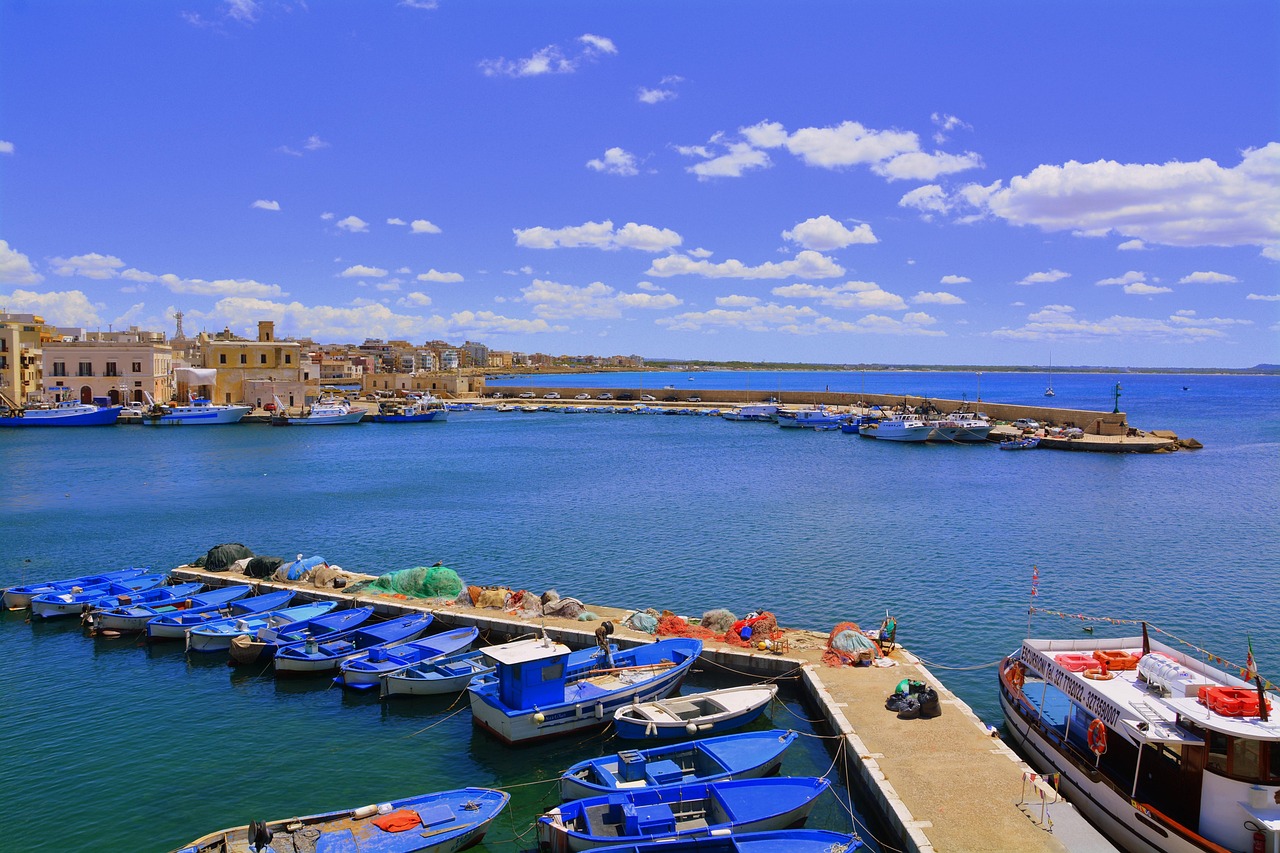
Why Visit Gallipoli, Italy?
If you love the idea of a sun-drenched seaside town with layers of history, food that tastes like it was cooked by someone’s nonna just for you, and water so clear you’ll question your city life choices, Gallipoli belongs at the top of your list.
Gallipoli sits on the Ionian coast of Salento, in southern Puglia. Part of the town is on the mainland; the older, more atmospheric part rests on a small island wrapped in golden walls and connected by a 17th-century bridge. Over the last decade I’ve returned to Gallipoli again and again—sometimes with friends, sometimes alone with a notebook, once for a whole summer. Each time, I end up staying longer than planned.
What makes it special?
- Perfect size: Big enough to keep you entertained for days, small enough to feel intimate and walkable.
- Historic old town on the sea: Think winding alleys, whitewashed houses, baroque churches, and a fortress at the water’s edge.
- Beaches minutes away: From in-town coves to long sandy stretches like Baia Verde that feel almost Caribbean in summer.
- Real Salento culture: This isn’t a polished resort bubble; it’s a working town with fishermen, grandmothers gossiping on doorsteps, and late-night passeggiata.
- Food, food, food: Fresh seafood, rustic Pugliese dishes, street snacks, and gelato that will ruin you for anywhere else.
- Flexible vibes: Family-friendly by day, romantic at sunset, and lively (even wild) in high-summer nights around Baia Verde.
Whether you’re planning a 3 day itinerary for Gallipoli as part of a Puglia road trip, or staying 5 days in Gallipoli as your main base, this travel guide for Gallipoli is designed to feel like having a friend on the ground—one who has already made the mistakes so you don’t have to.
Quick Overview of Gallipoli
Region: Puglia (Apulia), Province of Lecce, Salento Peninsula
Population: ~20,000 (swells dramatically in July–August)
Best for: Beach lovers, foodies, couples, families, slow travelers, and road-trippers exploring Salento.
Gallipoli is split into two main parts:
- Gallipoli Vecchia (Old Town): On an island, encircled by walls, filled with churches and narrow streets. This is where you’ll stroll, eat, and watch the sunset.
- Borgo (New Town): On the mainland, with the train station, modern shops, residential streets, and most practical services.
Historically a Greek colony (its name comes from the Greek “Kallipolis” meaning “beautiful city”), Gallipoli has seen Romans, Byzantines, Normans, Angevins, and Spanish—each leaving traces in its architecture and culture. Fishing and olive oil once defined its economy; today tourism plays a huge role, but locals still fish, repair nets by the harbor, and gather at the market at dawn.
3–5 Day Itineraries for Gallipoli (With Personal Stories)
These itineraries are based on trips I’ve done between 2018 and 2025, updated with travel tips for Gallipoli in 2026. Mix and match depending on how long you’re staying.
3 Day Itinerary for Gallipoli: First-Timer Essentials
If you only have 3 days in Gallipoli, focus on the old town, the sea, and food. I usually suggest staying in the historic center so you can wander everywhere on foot.
Day 1: First Taste of Gallipoli – Old Town & Sunset Walls
I still remember arriving one April afternoon, rolling my small suitcase over the stone bridge into the old town, and catching my first glimpse of the castle rising out of the water. The air smelled of salt and fried seafood.
- Morning: Arrival & Orientation Walk
Drop your bags at your accommodation in the old town (I like small B&Bs tucked into historic houses). Walk the loop around the bastioni—the seaside walls that encircle Gallipoli Vecchia. This is the best way to understand the shape of the island and see the changing colors of the sea. - Lunch at the Fish Market
Just by the bridge sits the Mercato del Pesce, a small but lively fish market. Local men shout prices over crates of shrimp, octopus, and gleaming fish. Sometimes I buy freshly shucked sea urchins (in season) and eat them right there with bread. If you’re not into raw seafood, small stands and nearby trattorie will grill or fry fish for you on the spot. - Afternoon: Castello Angioino
Visit the Castello Angioino, the fortress that guards the entrance to the old town. Explore the ramparts, look at the cannons, and imagine pirates approaching over the horizon. There’s usually a small exhibition inside (sometimes on local history or photography). - Late Afternoon: Old Town Alleys
Dive into the narrow streets: white facades, small shrines, doors left open to let the breeze through. Stop by Cattedrale di Sant’Agata to admire its baroque façade and richly decorated interior. I like to light a candle here; it’s a moment of quiet before the evening buzz. - Sunset on the Walls & Dinner
For your first sunset, sit on the Bastione San Francesco or near Spiaggia della Purità, watching kids play soccer and teenagers gather in small groups. When the sky goes pink and orange, it feels like the entire town pauses. Dinner-wise, choose a simple trattoria with outdoor tables (I’ll give specific recommendations in the food section below).
Day 2: Sea & Sand – Beaches and Slow Living
On my “beach day” in Gallipoli, I always wake up early, grab a cornetto and coffee at the nearest bar, and head straight for the water.
- Morning: Spiaggia della Purità
Start with the in-town beach, Spiaggia della Purità, beloved by locals. In shoulder seasons (May–June, September), it can be blissfully uncrowded. Swim, read, or just soak in the sight of the old town rising behind you. - Late Morning to Afternoon: Baia Verde
After a couple of hours, hop on a local bus, taxi, or drive to Baia Verde, the long sandy strip south of town. In summer, beach clubs line the shore with loungers, umbrellas, and DJs. Off-season, it’s quieter, perfect for long walks. I like to rent a sunbed at a low-key lido and alternate between reading and swimming. - Lunch by the Beach
Most lidos serve lunch: grilled fish, salads, panini, and cold beers. It’s not the cheapest option, but it’s relaxing to stay put. To save money, grab focaccia, fruit, and water in town before heading out. - Late Afternoon: Back to the Old Town
Head back before the sun becomes too intense if you’re here in July–August. Shower, change, and go for a slow stroll. I like to sit on the steps of a small church and just people-watch. - Evening: Aperitivo & Gelato
Find a bar with a sea view for aperitivo—a spritz or local wine plus snacks. Then roam through the old town for gelato; I’ll share my favorite gelateria later.
Day 3: Churches, Hidden Corners & Deeper Dive into History
Your last day in a 3 day itinerary for Gallipoli is about filling in gaps and seeing more than just the postcard views.
- Morning: Churches & Underground Oil Mill
Visit a few of the lesser-known churches, like Chiesa di San Francesco d’Assisi and Chiesa di Santa Maria della Purità. Then take a tour of an underground olive oil mill (frantoio ipogeo) to learn how Gallipoli once exported lamp oil across Europe. - Lunch: Street Food & Simple Plates
Try local street food: rustico leccese (a flaky pastry filled with mozzarella and tomato), pucce (sandwiches in local bread), or fresh fried seafood cones. - Afternoon: New Town & Shopping
Walk across to the Borgo. Stroll along Corso Roma, the main artery, for shops, gelaterie, and cafés. This is where locals run errands and teens hang out. It’s not as picturesque as the old town, but it’s a glimpse into everyday life. - Evening: Final Sunset Walk
Use your last evening to circle the walls again. It’s a ritual I never skip, no matter how many times I return.
If you follow this 3 day itinerary for Gallipoli, you’ll have covered the must-see attractions in Gallipoli while still leaving room to simply be here—a key part of the experience.
4 Day Itinerary for Gallipoli: Add a Day Trip or Deeper Exploration
With 4 days in Gallipoli, you can slow down and add a day trip or explore more hidden gems in Gallipoli itself.
Day 4 Option A: Coastal Day Trip to Santa Maria di Leuca
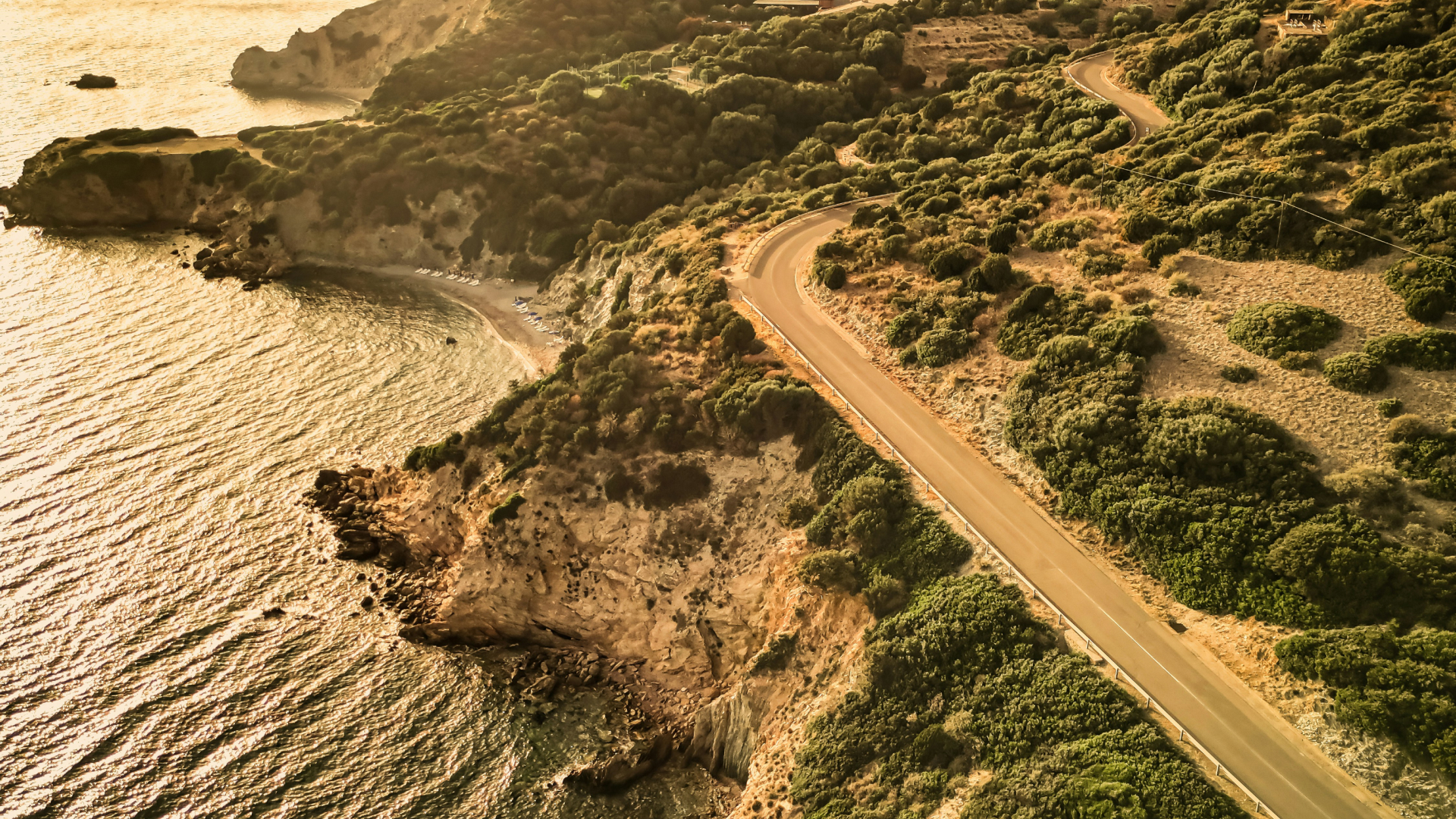
One of my favorite days was renting a small car with friends and driving the coastal road from Gallipoli to Santa Maria di Leuca, the “end of the heel” of Italy.
- Morning: Drive Along the Coast
Head south, following the coastline. Stop at small coves like Punta Pizzo or rocky outcrops where locals dive from the rocks. Bring towels and swimwear in the car; you’ll want to jump in. - Lunch: Seafront Trattoria
Eat in a low-key seaside town along the way—often the best seafood is in places you’d never find on Instagram. - Afternoon: Santa Maria di Leuca
Explore the lighthouse, church, and marina. The meeting of the Adriatic and Ionian seas is more poetic than literal, but the cliffs and water are stunning. Book a short boat tour of the caves if you can. - Evening: Return to Gallipoli
Drive back as the sky turns golden. The approach to Gallipoli from the north at dusk is one of my favorite views of the city.
Day 4 Option B: Deep Dive into Gallipoli’s Hidden Corners
If you’d rather stay local, devote a full day to Gallipoli’s less obvious corners:
- Visit smaller oratories and confraternity chapels.
- Talk to artisans making ceramics or weaving nets.
- Sit for long, slow coffees and watch the rhythm of life.
- Join a cooking class or wine tasting in or near town.
This slower pace is especially good if you’re traveling with kids or older family members who need downtime.
5 Day Itinerary for Gallipoli: Complete Experience
5 days in Gallipoli is, in my opinion, the sweet spot. Your 5 day itinerary for Gallipoli can combine everything above plus extra beach time, more food explorations, and another day trip.
Day 5: Inland Salento Villages & Wine
On my last extended stay, I devoted a day to exploring the inland villages around Gallipoli, and it changed how I saw the region.
- Morning: Drive or Tour to Inland Towns
Visit small towns like Tuglie, Alezio, or Galatone. You’ll see baroque churches, quiet piazzas, and old men playing cards in the shade. - Lunch in a Masseria
Book lunch at a masseria (traditional farmhouse estate) that offers farm-to-table meals. Expect dishes like orecchiette with turnip tops, baked vegetables, and local cheeses. - Afternoon: Winery Visit
Salento is known for Primitivo and Negroamaro wines. Visit a local cantina for a tour and tasting; many offer small-group experiences in English. - Evening: Back to Gallipoli for a Farewell Dinner
Use your last night to revisit your favorite restaurant or try that place you’ve been eyeing all week.
By the end of 5 days, you’ll have experienced the best places to visit in Gallipoli, plus a sense of the wider Salento area.
Neighborhoods & Areas of Gallipoli
Gallipoli Vecchia (Old Town)
This is where most visitors spend their time—and for good reason. The island old town is a maze of alleys, small squares, and arches, ringed by the sea. In summer, laundry flutters from balconies; in winter, it’s so quiet you can hear the waves even in the center.
Highlights: Cattedrale di Sant’Agata, Spiaggia della Purità, the bastioni (walls), Castello Angioino, small churches, fish market.
Best for: First-time visitors, couples, photographers, foodies.
Accommodation vibe: Charming B&Bs, boutique hotels, historic houses with balconies over the sea.
Borgo (New Town)
On the mainland, the Borgo is where you’ll find the train and bus stations, supermarkets, and most local services. Architecturally it’s more modern, with some 20th-century seaside apartment blocks and a few older streets heading towards the bridge.
Highlights: Corso Roma (shopping and cafés), local bars, everyday life.
Best for: Budget travelers, those who want easier parking or quick access to transport.
Baia Verde & Southern Beaches
Stretching south from Gallipoli, Baia Verde is a long sandy beach that becomes party central in July–August, with beach clubs, music, and crowds. Outside peak season, it’s surprisingly calm and family-friendly.
Highlights: Sandy shores, sunsets, lidos (beach clubs).
Best for: Beach lovers, nightlife in high season, families wanting sandy, shallow water.
Port & Industrial Area
North of the old town, you’ll find the working port and some more industrial areas. It’s not scenic in the conventional sense, but I love walking here early morning to watch fishermen return with their catch.
20 Must-See Attractions in Gallipoli (With Local Insight)
Below are the must-see attractions in Gallipoli, based on multiple visits over the years. For each, I’ll share history, what to expect, and a few personal tips.
1. Gallipoli Old Town Walls (Bastioni)
The bastioni are the stone walls that wrap around the old town, originally built for defense. Today, they form one of the most beautiful seaside promenades in southern Italy.
I walk this loop at least twice a day when I’m in Gallipoli: early morning, when it’s just joggers and fishermen, and at sunset, when families and couples come out for the passeggiata.
Tips:
- Walk the full loop: the light changes constantly, and each side has a different mood.
- Look for small staircases leading down to the rocks where locals sunbathe.
- Bring a light jacket in spring/autumn; the wind can be strong.
2. Castello Angioino di Gallipoli
The Angioino Castle is your dramatic welcome to the island. Built in the Middle Ages and modified over centuries, it protected Gallipoli from sea attacks.
Inside, I love walking the exposed ramparts and imagining the town centuries ago. Exhibitions vary—sometimes local art, sometimes history or photography. Even if you’re not a “castle person,” the views alone are worth the ticket.
Practical: Buy tickets at the entrance. In high season, visit early to avoid crowds and heat.
3. Cattedrale di Sant’Agata
The Cathedral of Saint Agatha dominates a small square in the heart of the old town. Its ornate baroque façade is covered in carved stone; step inside for a richly decorated interior with paintings, marble, and quiet corners for reflection.
On my last visit, I slipped in during a weekday afternoon and found just a handful of people, the air cool and scented with incense. It’s a powerful contrast to the bright, sunlit streets outside.
4. Spiaggia della Purità
Spiaggia della Purità is the old town’s golden-sand beach, named after the nearby church. It may not be the biggest beach in Salento, but the setting—old town walls above, clear water below—is iconic.
I love early mornings here, when locals swim laps and older ladies chat waist-deep in the water. In summer afternoons it fills with families, teenagers, and colorful umbrellas.
Family tip: The water is usually shallow near the shore, making it suitable for kids. Bring reef shoes if you have sensitive feet; some areas have rocks.
5. Mercato del Pesce (Fish Market)
Right by the old bridge, the fish market is small but atmospheric. Crates of fish, squid, and shellfish line the stalls; the smell of the sea is strong and honest.
I like to visit early in the morning. Once, a fisherman insisted I try a just-opened raw oyster with a squeeze of lemon. It was briny, cold, and perfect.
Tip: If you’re staying somewhere with a kitchen, buy fish here and cook it yourself. Otherwise, look for stands that will fry or grill seafood for you on the spot.
6. Chiesa di Santa Maria della Purità
This seaside church, with its simple exterior, hides one of the most richly decorated interiors in town, filled with paintings and wooden ceilings.
I discovered it on a windy day, ducking in for shelter and staying for nearly an hour just staring at the artwork. It feels like a treasure box.
7. Chiesa di San Francesco d’Assisi
Dedicated to Saint Francis of Assisi, this church is known for its mix of styles and its dramatic wooden statues. It’s a little off the main tourist flow, which I appreciate.
Come for a quiet moment; you’ll often have it nearly to yourself outside of mass times.
8. Frantoi Ipogei (Underground Olive Oil Mills)
Beneath Gallipoli’s streets lie underground olive oil mills where, for centuries, workers pressed olives into lamp oil for export. Tours take you down into cool, dim spaces with stone presses and carved basins.
On my first visit, I was shocked at how hard the conditions must have been for workers who lived and slept down here in winter. It gives a different dimension to the pretty town above.
Tip: Join a guided tour (often available in English) to understand the full history.
9. Corso Roma
Corso Roma is the main street in the new town, lined with shops, cafés, and gelaterie. Architecturally it’s more functional than romantic, but it’s where local teenagers stroll at night and families do their evening walk.
I like grabbing an ice cream here and people-watching from a bench. It’s also good for practical shopping (pharmacies, supermarkets, clothing stores).
10. Porto Vecchio (Old Port)
The Old Port lies at the foot of the old town walls, filled with small fishing boats. Early morning, you’ll see fishermen mending nets and unloading crates; late afternoon, the light turns the whole scene golden.
I like walking here with a takeaway coffee, greeting the same faces each morning when I stay for a week or more.
11. Baia Verde
Baia Verde is the main beach area south of Gallipoli, known for its sandy shore and summer beach clubs. In July–August, it’s lively and loud; in May–June or September, it’s much more relaxed.
I’ve done both: once a mellow September sunbathing day with families and older couples, once a mid-August afternoon with DJs, dancing, and groups of friends in the water. Choose your season according to your tastes.
12. Punta Pizzo & Parco Naturale Regionale
South of Baia Verde lies Punta Pizzo, part of a protected nature reserve. The coastline here is wilder, with pine trees, rocky outcrops, and small coves.
On one of my favorite afternoons, I brought a picnic and found a quiet spot under the pines, swimming in the clear water between reading chapters of a book.
Tip: Bring everything you need (water, snacks, umbrella) as services are limited compared to Baia Verde.
13. Fontana Greca
The Fontana Greca, near the bridge between the old and new town, is a decorated stone fountain once thought to be ancient Greek. Scholars now debate its exact age, but it remains a beautiful piece of sculpture and a classic meeting point.
I often use it as a landmark when giving friends directions: “We’ll meet by the fountain and walk into the old town together.”
14. Chiesa del Sacro Cuore (New Town)
In the Borgo, the Church of the Sacred Heart is a relatively modern parish church that serves the local community. Architecturally simpler than old town churches, it’s part of everyday life.
Drop by if you’re curious about how faith is practiced here beyond the tourist zones.
15. Local Confraternities & Oratories
Gallipoli has several confraternities (religious brotherhoods) with their own chapels and traditions, especially visible around Easter. Even outside Holy Week, some oratories are open and worth a peek for their art and atmosphere.
Once, I stumbled into a rehearsal for a religious procession—men in white robes practicing their route, children curious but solemn. It was a reminder that beneath the tourist layer, this is a deeply rooted community.
16. Small Local Beaches & Rock Platforms
Beyond Purità and Baia Verde, there are small coves and rocky platforms where locals swim. They’re often unmarked; you just see people’s towels spread on the rocks and ladders bolted into the stone.
Ask your host or a friendly barista for their favorite spot. On my last trip, a local pointed me to a tiny access path between two buildings that opened onto a gorgeous, nearly empty swimming spot.
17. Artisan Shops & Ceramics
In the old town, look for small artisan workshops selling ceramics, textiles, and handmade jewelry. Not all are equal; some are more touristy, others produce genuinely unique pieces.
I love watching ceramic painters at work, turning plain white shapes into colorful plates and mugs. If you’re looking for a meaningful souvenir, this is where to find it.
18. Sunset Viewpoints Around the Island
Gallipoli faces west, which means sunsets over the sea. There are multiple viewpoints along the walls; over the years I’ve tried them all.
My favorite is a stretch of wall between Purità beach and the castle, where you can sit with your legs dangling over the side and watch the sun sink behind small fishing boats.
Tip: Arrive at least 20–30 minutes before sunset to secure a good spot in high season.
19. Local Markets & Food Shops
Beyond the fish market, Gallipoli has fruit and vegetable stands, bakeries, and small supermarkets. I always recommend visiting a local market early in your stay—you’ll learn a lot about what’s in season and how people really eat.
Once, an older woman at a stall insisted I buy the smaller, uglier tomatoes: “They have more flavor,” she said. She was right.
20. Seasonal Events & Religious Processions
While not a single “place,” the processions and festivals that thread through Gallipoli’s streets are some of its most powerful experiences. Around Easter and during summer saint’s days, you’ll see statues carried through the alleys, musicians playing, and people following with candles.
If your visit coincides with one of these events, consider yourself lucky. Stand respectfully to the side, and don’t treat it like a spectacle; it’s a living tradition.
Local Food in Gallipoli & Where to Eat
Puglia is one of Italy’s great food regions, and Gallipoli has a particularly strong seafood and rustic cucina povera tradition. Eating here is as much a cultural experience as a meal.
What to Eat in Gallipoli
- Frutti di mare (seafood): Grilled fish, fried mixed seafood (frittura mista), mussels, octopus, sea urchins (in season).
- Orecchiette alle cime di rapa: Ear-shaped pasta with turnip tops, garlic, anchovies, and chili.
- Pasticciotto & Rustico leccese: Classic Salento pastries; the first a custard-filled tart, the second a savory puff pastry.
- Puccia: Local sandwich bread stuffed with everything from grilled vegetables to cured meats.
- Taralli: Crunchy ring-shaped snacks, addictive with wine.
- Local wines: Primitivo and Negroamaro reds, plus fresh local rosés.
Types of Places to Eat
Without naming specific 2026 businesses (they change often), here’s how I usually structure my eating days:
- Breakfast: At a bar: espresso or cappuccino plus a cornetto or pasticciotto.
- Lunch: Light: panino, puccia, or seafood cone near the fish market, especially on beach days.
- Dinner: Sit-down trattoria or osteria in the old town. Book in high season, especially for outdoor tables.
- Snacks: Gelato in the evening, rustico in the late afternoon if you got hungry between swims.
Money-Saving Food Tips
- Eat main meal at lunch: Set menus can be cheaper than dinner, especially in the Borgo.
- Self-cater breakfasts: Buy fruit, yogurt, and coffee to prepare in your accommodation if you have a kitchen or kettle.
- Choose house wine: Carafes of local vino della casa are usually good quality and much cheaper than bottled labels.
Nightlife, Entertainment & Cultural Experiences
Gallipoli has a split personality: relaxed and family-friendly outside high summer, energetic and party-oriented in July–August, especially around Baia Verde.
Old Town Evenings
My favorite way to spend evenings is simple: walk the walls, have aperitivo with a sea view, then wander through the alleys for dinner and gelato. Street musicians sometimes play on warm nights, and children run around the small squares.
Baia Verde Nightlife (High Season)
If you’re into DJs and dancing, beach clubs at Baia Verde host parties in July and August, often with well-known Italian DJs. Taxis and shuttles run between the old town and Baia Verde, but expect late nights and crowds.
Cultural Experiences
- Religious festivals & processions in spring and summer.
- Local concerts in squares or near the castle, especially in July–September.
- Food and wine tastings at wine bars and masserie.
Family-Friendly Evenings
Even with kids, evenings are a big part of life here. Families stroll together, eat gelato, and let children play in traffic-calmed areas. It feels safe and communal.
Day Trips & Nearby Places from Gallipoli
Gallipoli makes a great base for exploring the Salento peninsula. Here are some of my favorite day trips:
Santa Maria di Leuca
As mentioned in the 4 day itinerary for Gallipoli, this is the southern tip of the heel, with cliffs, a lighthouse, and boat trips to sea caves.
- Getting there: By car (about 1 hour) or regional bus (in season).
- Best for: Dramatic coastlines, boat tours, photography.
Lecce
Often called the “Florence of the South,” Lecce is famous for its baroque architecture. A day here is an excellent complement to your seaside time.
- Getting there: Train from Gallipoli (usually via a change in Zollino) or car (~45–60 minutes).
- What to do: Visit Piazza del Duomo, the Roman amphitheater, and wander alleyways lined with ornate facades.
Otranto & Adriatic Coast
On the Adriatic side, Otranto has a castle, a cathedral with an incredible mosaic floor, and a pretty port. The drive across Salento gives you a sense of the landscape: olive groves, stone walls, small villages.
Inland Salento Villages
Towns like Galatina, Nardò, and Specchia are rich in history and less touristy. They’re ideal if you want to see “real” Puglia away from the coast.
Practical Day Trip Tips
- Car rental offers the most flexibility, especially for smaller villages and coastal stops.
- Public transport is doable but slower and more limited on Sundays and holidays.
- Start early in summer to avoid the worst midday heat inland.
Cultural Etiquette & Local Customs in Gallipoli
Understanding local customs in Gallipoli will make your trip smoother and more respectful.
Daily Rhythm
- Morning: Starts early; by 8–9 am, cafés are busy.
- Midday break: Many shops close in the afternoon (roughly 1–4 pm), especially in hotter months.
- Evening: Dinner is later than in some countries: locals often eat around 8:30–10 pm in summer.
Dress & Beach Etiquette
- Beachwear is for the beach. In town, especially in churches or markets, wear at least a T-shirt and shorts or dress that cover swimwear.
- In churches, cover shoulders and avoid very short shorts or tops.
Greetings & Politeness
- Say buongiorno (good day) or buonasera (good evening) when entering small shops or addressing staff.
- A simple “per favore” (please) and “grazie” (thank you) go a long way.
Dining Customs
- It’s common to linger over meals; you’ll usually need to ask for the bill (il conto, per favore).
- Tipping is modest: round up the bill or leave 5–10% if service was good.
Respecting Religious Events
During processions or church ceremonies, avoid loud talking, flash photography, or blocking participants’ paths. Stand to the side and observe quietly.
Practical Travel Advice for Gallipoli (2026)
How to Get to Gallipoli
- By air: Nearest major airports are Brindisi (BDS) and Bari (BRI).
- By train: From Bari or Brindisi to Lecce, then local train to Gallipoli.
- By car: Renting a car is the most flexible way to explore Salento and reach beaches/day trips.
Getting Around Gallipoli
Within town, you can walk almost everywhere. For beaches and day trips:
- Local buses: Connect Gallipoli to Baia Verde and nearby towns, more frequent in summer.
- Taxis & shuttles: Useful at night for Baia Verde nightlife.
- Car rental: Best for exploring Punta Pizzo, inland villages, and the wider coast.
Saving Money in Gallipoli
- Visit in shoulder seasons (May–June, September) for lower accommodation prices.
- Stay in the Borgo rather than the old town if you’re on a tighter budget.
- Use supermarkets and markets for some meals and snacks.
- Choose free public beach areas instead of always renting loungers.
SIM Cards & Connectivity
In 2026, major Italian providers (TIM, Vodafone, WindTre, Iliad) offer tourist-friendly prepaid SIMs with data. Buy one at airport kiosks or in phone shops in the Borgo; bring your passport. Coverage in Gallipoli and along major roads is generally good.
Visa Requirements & Driving
- Visas: Italy is in the Schengen Area. Check current rules for your nationality before travel; many visitors from Europe, North America, and parts of Asia can enter visa-free for short stays.
- Driving license: EU licenses are valid. Non-EU visitors often need an International Driving Permit (IDP) plus their home license; check and arrange before you travel.
- Parking: Parking is limited in the old town; many accommodations recommend parking in the Borgo or designated lots and walking in.
Best Seasons by Activity
- May–June: Ideal for a balanced 3 or 4 day itinerary for Gallipoli. Warm but not scorching, sea already swimmable, fewer crowds.
- July–August: Peak beach and party season. Great if you want nightlife and heat; less ideal if you dislike crowds or high prices.
- September: My favorite month: warm sea, fewer tourists, softer light. Perfect for 5 days in Gallipoli with day trips.
- October–April: Quiet, more local. Some beach clubs and tourist services close, but it’s a good time for slow travel, writing, or photography.
Hidden Tips from Multiple Visits
- Carry a refillable water bottle; look for public fountains in the Borgo and old town.
- For sunrise solitude, walk the walls on the east side of the island before the town fully wakes up.
- Ask locals about temporary exhibitions inside the castle or old palazzi; some are barely advertised but fascinating.
- Watch out for limited Sunday transport; plan around it if you don’t have a car.
Events & Festivals in Gallipoli 2026–2027
Exact dates shift annually, but here are recurring events to watch for in 2026–2027:
- Holy Week & Easter (Spring 2026 & 2027): Processions by confraternities, especially moving after dark.
- Summer Music & Beach Events (June–September): Beach clubs in Baia Verde host DJ nights and concerts. Check 2026 lineups closer to your travel dates.
- Local Patron Saint Festivals: Expect fireworks, processions, and food stands in summer months.
- Food & Wine Fairs: In Gallipoli and nearby towns, showcasing Salento products: olive oil, wine, cheeses, and more.
As of 2026, Puglia continues to grow as a major European destination, so expect more curated cultural events—small music festivals, art shows, and guided experiences—especially in summer and shoulder seasons.
Summary: Key Takeaways & Best Time to Visit Gallipoli
Gallipoli is one of those places that works equally well for a quick seaside escape and a slow, immersive stay. Plan your 3 day itinerary for Gallipoli around the old town walls, the castle, Purità beach, and long dinners. With 4 or 5 days in Gallipoli, add Baia Verde, Punta Pizzo, day trips inland or along the coast, and deeper dives into local food and traditions.
Best seasons:
- May–June & September: Best overall balance—ideal for couples, families, and travelers who want warm weather without peak crowds.
- July–August: Best if you’re after bustling beaches and nightlife, and don’t mind higher prices and heat.
- October–April: Best for quiet reflection, photography, and cultural immersion, though with limited beach services.
What keeps me coming back isn’t just the must-see attractions in Gallipoli—though they’re wonderful—but the small, everyday scenes: a fisherman humming by the port at dawn, kids chasing a ball along the bastions, the way the sea smells after a storm. Give yourself time to notice those, and Gallipoli will stay with you long after you’ve left.