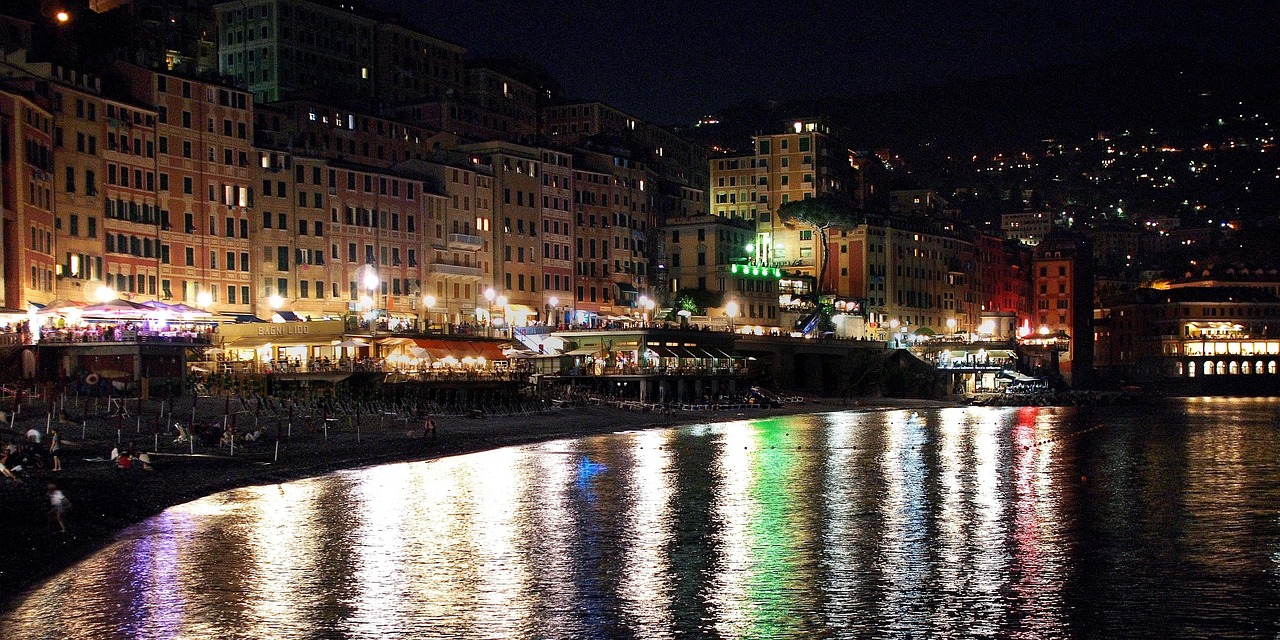
Why Visit the Gulf of Orosei
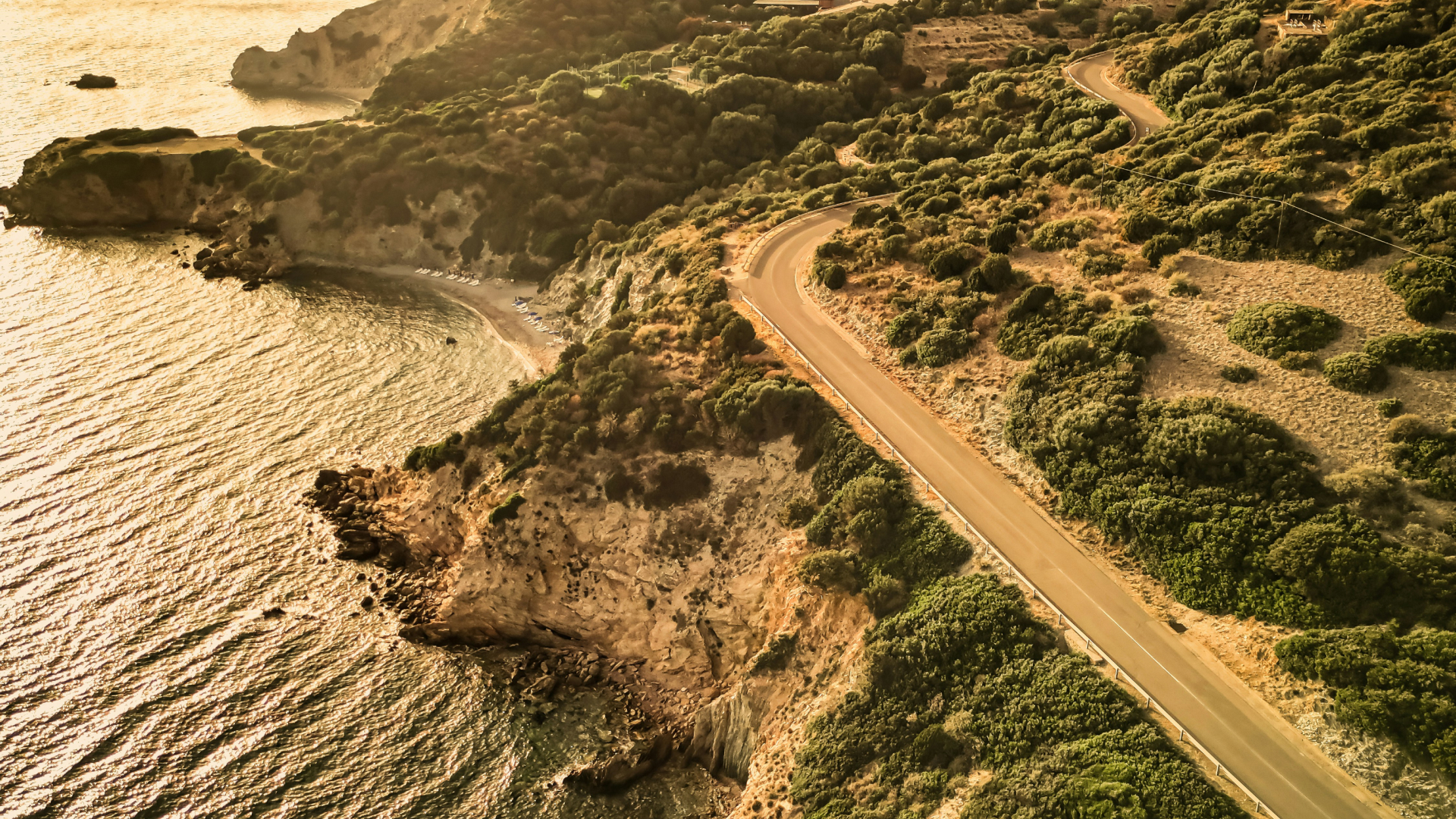
The Gulf of Orosei is the stretch of Sardinian coastline where the island finally lets its guard down and shows you its wild heart. Sheer limestone cliffs plunge into water so clear that boats look like they’re floating on glass; canyons slice deep into the Supramonte mountains; shepherds still move their flocks across the high plateau; and towns cling to the slopes as if holding on against time itself.
I’ve been coming here regularly since my first trip in 2012, and I still feel a jolt of awe every time the SS125 opens up to a sudden window of turquoise sea. Over a dozen visits later, including long stays in 2023, 2024 and early 2026, I’m convinced this is one of the most rewarding corners of the Mediterranean for travelers who like a mix of adventure, authenticity, and unpolished beauty.
This guide is written as if I’m handing you my personal notebook: the beaches where I still manage to find space in August, the trattoria in Dorgali where the owner still remembers my slightly clumsy Sardinian, and the Supramonte trails that feel like stepping back a thousand years. It’s for couples chasing a romantic, low-key escape, families balancing sandy beaches with easy adventures, and hikers and divers who want days that leave them pleasantly exhausted.
In 2026–2027, the Gulf of Orosei is also at an interesting turning point: better trail signage, some new eco-focused boat regulations, new agriturismi in the hills, and a calendar of festivals that’s finally being promoted internationally while still feeling fiercely local.
Table of Contents
- The Gulf of Orosei at a Glance
- Where to Base Yourself
- Suggested Itineraries (4–7 Days)
- Towns, Sub-Areas & Landscapes (18 Detailed Profiles)
- Things to Do & Must-See Attractions
- Regional Cuisine & Where to Taste It
- Evenings in the Gulf of Orosei
- Events & Festivals 2026–2027
- Day Trips & Nearby Attractions
- Cultural Etiquette & Local Customs
- Practical Travel Advice & Money-Saving Tips
- Summary & Final Recommendations
The Gulf of Orosei at a Glance
The Gulf of Orosei stretches along the eastern coast of Sardinia, roughly from the limestone bastions south of Orosei town down past the sea caves and hidden coves of Baunei. Inland, the Supramonte massif rises in a maze of canyons, sinkholes and scrub-covered plateaus. This juxtaposition of sea and mountain gives the region its character: you can swim in crystalline water in the morning and be eating lamb in a mountain sheepfold by evening.
Three key threads tie the region together:
- The Sea: Iconic beaches like Cala Luna, Cala Mariolu and Cala Goloritzé; sea caves such as Grotta del Bue Marino; boat trips and kayaking along the cliffs.
- The Mountains: Supramonte di Dorgali, Supramonte di Baunei, the Gorroppu gorge, Tiscali’s Nuragic settlement, endless hiking and canyoning possibilities.
- The Villages: Working Sardinian towns like Dorgali, Orosei, Baunei and small hamlets such as Santa Maria Navarrese or Cala Gonone that live between fishing and tourism.
In practical terms, this is a region where having a car makes life easier, but where you’ll want to park it often and explore on foot, by boat, or in some cases, by simply floating in the sea watching the cliffs rise above you.
Where to Base Yourself in the Gulf of Orosei
Over multiple trips, I’ve tested most of the obvious bases (and several less-obvious ones). Here’s how I’d summarize them:
- Cala Gonone: Best all-round base for first-timers. Direct sea access to the iconic coves, plenty of restaurants, good for families and couples.
- Orosei: Historic town with a more local feel, great for exploring north and inland. Better if you like evening strolls and fewer tourists.
- Dorgali: Mountain-side town above Cala Gonone, great for hiking, food, and culture. My pick for a more “Sardinian” experience.
- Baunei & Santa Maria Navarrese: Perfect for hikers and those who want a quieter, more soulful base at the southern end of the gulf.
- Agriturismi in the countryside: Ideal if you have a car and want silence, stars, and long dinners of local food.
Recommended Itineraries: 4–7 Days in the Gulf of Orosei
These itineraries are built from my own stays in 2024 and 2025, adjusted for 2026 opening times and new regulations. Each “day” includes a mix of iconic spots and lesser-known corners. You can compress or stretch them depending on whether you have 4 days in Gulf of Orosei, 5 days in Gulf of Orosei, 6 days in Gulf of Orosei or a full 7 days in Gulf of Orosei.
4 Day Itinerary for Gulf of Orosei – The Essentials
If you only have four days, focus on one main base (I’d choose Cala Gonone or Orosei) and avoid changing hotels. This is my tried-and-tested 4-day itinerary, which I last ran through in October 2025 with friends visiting for the first time.
Day 1 – Arrival, Cala Gonone & First Swim
I like to arrive via Olbia, pick up a rental car at the airport, and drive the 1.5 hours south. The moment the road drops down through the tunnel from Dorgali and the sea appears is one of those cinematic Sardinian moments that never gets old.
Morning / Early Afternoon: Check into your hotel or guesthouse in Cala Gonone. If you’re staying central, you’ll be minutes from the promenade. I usually grab a simple lunch—perhaps a plate of culurgiones (stuffed pasta) and a salad—at a seafront trattoria before I even unpack properly.
First Swim: For your first dip, stick to the in-town beaches. Spiaggia Centrale is the easiest, with calm, kid-friendly water and views of the cliffs to the south. If you walk a little north, you’ll find quieter patches with more locals.
Late Afternoon Stroll: Wander the small harbor, check out the boat kiosks along the promenade and book your boat excursion for Day 2 (either a small-group tour or a self-drive dinghy if you’re comfortable on the water). In peak season (June–September), I strongly recommend booking this as soon as you arrive—by 2026, the demand on peak weekends has become intense.
Evening: Have an aperitivo at a bar overlooking the sea—my ritual is a chilled Vermentino with a bowl of olives. Dinner might be grilled fish and a simple dessert of seadas drizzled with honey. Afterward, join locals and visitors alike on the promenade; this gentle passeggiata sets the tone for the days ahead.
Day 2 – Iconic Boat Trip: Cala Luna, Cala Mariolu & Grotta del Bue Marino
This is the day that usually seals people’s love for the region.
Morning: Be at the harbor early—by 8:30 in summer—to beat the crowds and ensure the calmest seas. I’ve done both organized tours and self-drive dinghies; with kids or if you’re not used to boats, the small-group option is easier and gives you a guide’s local stories.
Most classic routes hit a combination of Cala Luna, Cala Mariolu, Cala Biriola, and sometimes Cala dei Gabbiani or Cala Sisine. Each time I go, I fall a little harder for Cala Mariolu: the white pebbles, the sudden depth of the water a few meters from shore, the way the cliffs lean in protectively.
Grotta del Bue Marino: Many tours stop at this sea cave. Inside, the stalactites, ancient rock carvings, and echoing drip of water create a cool counterpoint to the bright beaches outside. The cave’s name, “Sea Ox,” comes from the monk seals that once lived here; I still get a small thrill every time the guide points out old markings and describes their habits.
Lunch: Pack a picnic from a Cala Gonone bakery (focaccia, local cheese, fruit) or grab simple snacks from the small kiosks that sometimes operate at the coves in high season. Remember: rubbish facilities are limited—bring a bag and pack everything out.
Afternoon: Swim, snorkel, nap in the shade of the caves at Cala Luna. On my last visit, I spent a half-hour following a school of tiny silver fish through the shallows, surfacing only when the boat horn called us back.
Evening: Return to Cala Gonone sun-tired and salt-crusted. Rinse off and head for a low-key dinner—pizza is perfect after a boat day, ideally with a chilled Ichnusa beer. Families will find kids fall asleep quickly after such a full day.
Day 3 – Supramonte & Gola di Gorroppu
After the sea, it’s time for the mountains. Gola di Gorroppu, sometimes called Europe’s Grand Canyon, is one of the most impressive gorges I’ve walked through anywhere in the Mediterranean.
Morning Drive: From Cala Gonone or Dorgali, drive towards the SS125 and follow signs for Gorroppu. You can either:
- Hike down from the Genna Silana pass (more demanding, spectacular views), or
- Take the jeep transfer from the valley floor to the trailhead (easier, better for families).
I’ve done both; with kids or in high heat, I now opt for the jeep one way at least.
Inside the Gorge: The canyon walls close around you, smooth and pale, and boulders the size of houses lie scattered along the dry riverbed. The walk is mostly rock-hopping, so wear proper shoes—this is not a flip-flop excursion. In quieter moments, especially in May and late September, you can hear nothing but the sound of your own footsteps and the occasional call of a bird high above.
Lunch: Simple packed lunch; there are no facilities inside. In 2026, there is talk of expanded ranger presence and improved information boards, but the gorge itself remains refreshingly wild.
Afternoon: Hike back out (or meet your jeep), and if you have energy, stop at a countryside agriturismo for a merenda: local cheese, pane carasau (paper-thin flatbread), and a glass of Cannonau.
Evening: Back at base, keep dinner light. On one of my recent trips, we ended this day with grilled vegetables, pecorino and honey, and a shared bottle of red on a simple balcony overlooking the sea.
Day 4 – Orosei Town & Bidderosa Oasis
On your last day, slow down and give some love to the region’s quieter charms.
Morning in Orosei: Drive north to Orosei (about 30–40 minutes from Cala Gonone). Park just outside the historic center and wander through its narrow streets. Whitewashed houses, hidden courtyards, and small churches tell of the town’s past as a trading and agricultural hub. I like to stop for a coffee in the main square and watch daily life—elderly men debating politics, kids cycling past, shopkeepers greeting each other.
Bidderosa Oasis: Around midday, head to the Oasi di Bidderosa, a protected coastal reserve with a limited number of daily visitors. You must either book in advance in high season or arrive early to secure a spot. The beaches here are long, pale, and backed by pine forest—very different from the cliff-backed coves further south.
I spent a full afternoon here in June 2024, alternating between reading under the pines and swimming in the shallow, calm water. Families love it because kids can run without drop-offs and there’s plenty of shade.
Evening: Depending on your departure plans, either head back to your base or enjoy dinner in Orosei—there are some excellent, understated trattorie where fresh fish and homemade pasta dominate the menu. Raise a final glass to a short but rich stay.
5 Day Itinerary for Gulf of Orosei – Adding Depth
With 5 days in Gulf of Orosei, you can slow the pace slightly and add more inland culture.
Use the 4-day structure above and add:
Day 5 – Dorgali’s Crafts, Nuragic Sites & Country Lunch
Morning in Dorgali: Drive up the switchbacks from Cala Gonone to Dorgali town. It’s only about 15 minutes, but the change in atmosphere is huge: you’re in a working Sardinian town, with workshops, schools, and a rhythm that’s not defined by beach hours.
Visit a ceramics or leather workshop—Dorgali is known for both. The last time I was here, I watched a ceramicist paint traditional Sardinian patterns while telling me about his grandfather’s work in the same room. Pick up a small piece; it’s a tangible memory that will outlast sunscreen-scented photos.
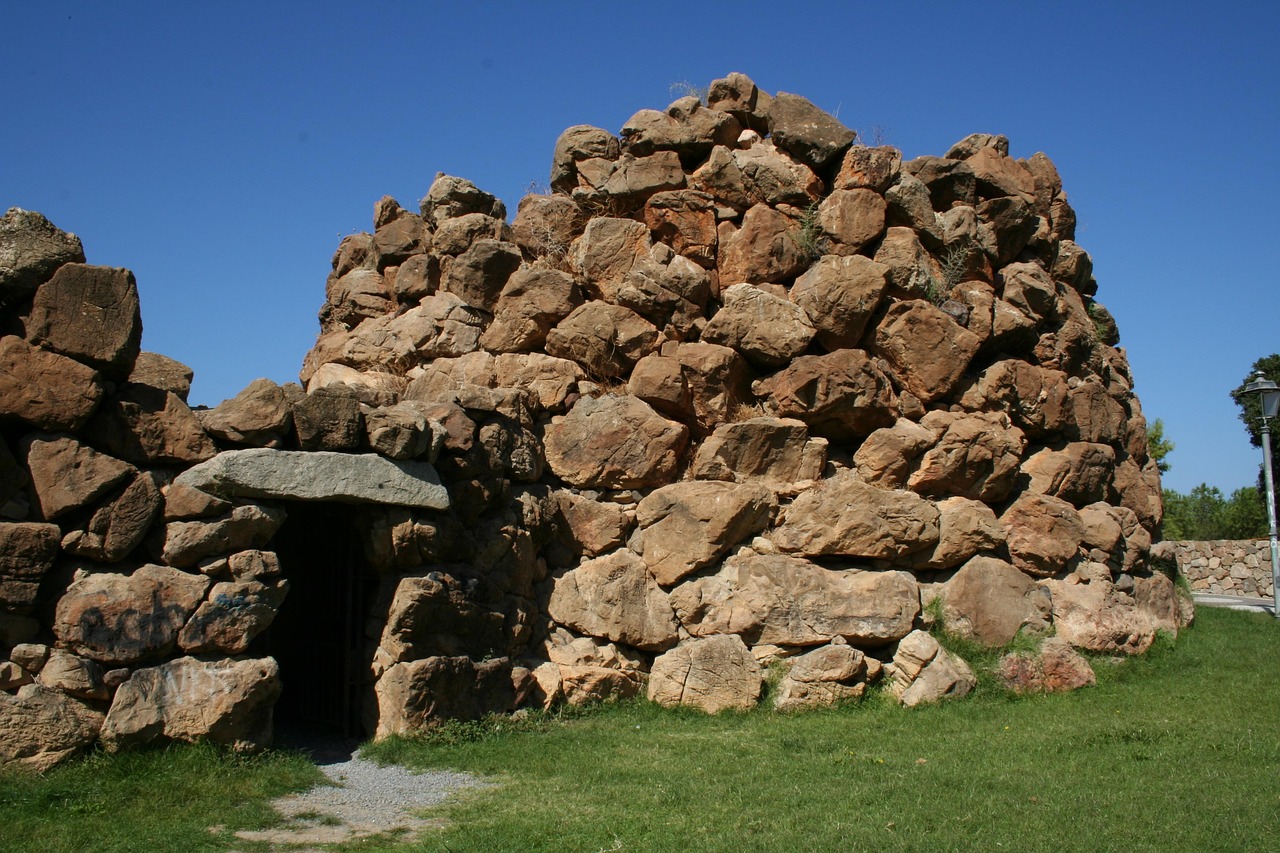
Nuragic Sites: Just outside town are several Nuragic remains, including Nuraghe Mannu, perched on a hill with magnificent views over the coast. The sun can be intense here, so go early or late; in spring 2025, I had the entire site to myself at 9 a.m., with only the sound of cicadas and distant bells.
Country Lunch: Book an agriturismo lunch in advance—these are set menus of local dishes, often served family-style. Expect antipasti of cheeses and cured meats, a pasta course (perhaps maccarones de busa), a meat course (suckling pig or lamb), dessert, wine, and liqueurs. It’s generous, slow, and very Sardinian.
Afternoon: Walk it off with a short countryside stroll or drive back to your base for a late siesta. If you still have energy, a sunset walk along Cala Gonone’s cliffs or Orosei’s beach is a gentle way to say goodbye.
6 Day Itinerary for Gulf of Orosei – For Hikers & Food Lovers
With 6 days in Gulf of Orosei, I recommend splitting your time between the northern (Orosei/Dorgali/Cala Gonone) and southern (Baunei/Santa Maria Navarrese) parts of the gulf.
Follow the 5-day structure, then add:
Day 6 – Transfer to Baunei & Santa Maria Navarrese
Morning Drive: From Cala Gonone or Orosei, drive south along the SS125 to Baunei (about 1.5–2 hours). This road is a destination in itself: dramatic hairpins, mountain vistas, and occasional glimpses of the sea far below.
Baunei Village: Stop in the village for a coffee or early lunch. Baunei feels perched between mountain and sea, and its narrow streets reward a slow wander. I like to slip into one of the small bars where locals still argue over football results and politics.
Santa Maria Navarrese: Continue down to Santa Maria Navarrese, your base for the southern gulf. This small seaside town has a laid-back charm, with a pretty little harbor that serves as the launch point for boat trips to Cala Goloritzé and beyond.
Afternoon: Settle into your accommodation, then walk the coastal path or relax on the town beach. The pace here is slower than in Cala Gonone; evenings revolve around simple meals, gelato, and long conversations.
7 Day Itinerary for Gulf of Orosei – The Complete Week
A full 7 days in Gulf of Orosei lets you combine sea, mountains, and culture without rush. Build on the 6-day plan and add:
Day 7 – Cala Goloritzé & Baunei Plateaus
Morning Hike to Cala Goloritzé: In 2026, access to Cala Goloritzé continues to be regulated, with limited daily numbers and a small entrance fee. Book online if possible or arrive early at the Su Porteddu parking area. The hike down takes around 1–1.5 hours on a rocky path with some steep sections.
Every time I do this hike, I’m struck by the first glimpse of the bay: a narrow cove of pale pebbles, with the Aguglia di Goloritzé spire rising like a stone needle behind it. The turquoise water here feels almost unreal.
Swimming & Relaxing: The cove is small and can feel crowded in peak season, but if you come in May, June, or late September, there’s usually enough room to find a spot. The water is cold but refreshing; snorkel if you can.
Afternoon on the Plateau: Hike back up before the hottest hours and drive onto the Altopiano del Golgo, Baunei’s karst plateau. Here you’ll find scattered farms, a small church, and the famous “Su Sterru” chasm—one of Europe’s deepest sinkholes. The landscape feels almost lunar, with gnarled trees and dry stone walls.
End the day with a rustic meal at a local agriturismo on the plateau: grilled meats, local cheese, and a sky studded with stars.
Towns, Sub-Areas & Landscapes of the Gulf of Orosei
Below are profiles of at least 18 of the main towns, sub-areas, and landscapes that make up the Gulf of Orosei, drawn from my repeated visits and conversations with locals between 2018 and 2026.
1. Cala Gonone – Seaside Hub of the Northern Gulf
Cala Gonone is where I often start and end my Gulf of Orosei journeys. Once a small fishing village isolated from the rest of Sardinia by steep mountains, it opened to tourism only after the road and tunnel from Dorgali were built in the 1960s. Yet it still manages to feel like a place where locals live their lives, not just a resort.
Why stay here: Easy boat access to the famous coves, good restaurant selection, relaxed family-friendly beaches, and enough infrastructure (supermarkets, pharmacies) to make longer stays easy.
My experience: I’ve stayed in everything from simple B&Bs above the harbor to self-catering apartments on the hills behind town. My favorite mornings here start early: watching fishermen prepare their boats as the sun rises over the cliffs, then grabbing a coffee and warm croissant from a bar where the TV inevitably plays Italian news.
Don’t miss: Booking a small boat in shoulder season (May or late September) and feeling like you have the coast almost to yourself; walking the cliffside path south of town at sunset; and ducking into tiny, family-run pizzerias one or two streets back from the seafront where locals outnumber visitors.
2. Dorgali – Crafts, Wine & Mountain Views
Perched above Cala Gonone, Dorgali is the region’s cultural and economic heart. It’s known for its artisans—especially ceramics, leather, filigree jewelry—and its wines and cheeses.
Atmosphere: Dorgali feels like a “real” Sardinian town: schoolchildren in uniforms, hardware stores, and noisy bars where old men play cards. Tourism is present but not dominant.
What to do: Visit the local museum for an overview of Nuragic and Roman history; browse workshops; taste Cannonau at a local winery. On one stay in 2023, I spent an afternoon hopping between workshops, ending with a long conversation with a leatherworker about how patterns differ between villages.
Food tip: Some of my best meals in the gulf have been in Dorgali’s backstreet trattorias: slow-cooked lamb, homemade pasta, and generous antipasti that could almost be meals themselves.
3. Orosei – Historic Streets & Long Beaches
Orosei sits slightly inland from the northern part of the gulf, with its beach district, Marina di Orosei, stretching towards the sea. Once a center of trade and agriculture, it retains an elegant historic core.
Character: White and pastel houses, narrow lanes, and a cluster of churches give Orosei a quietly dignified feel. Life here is slower than in Cala Gonone; evenings are all about the passeggiata and catching up in the square.
Why visit: For a base that balances beach access with history; for travelers who prefer a town that doesn’t revolve entirely around tourism; and for those looking to explore northwards to Siniscola or inland to the Barbagia region.
My memory: One of my favorite Sardinian evenings happened here in 2022, sitting on the steps of a small church during a summer concert as local teenagers passed around homemade sweets and grandmothers clapped in time to traditional songs.
4. Baunei – The Balcony over the Gulf
Baunei is a cliffside village that overlooks the southern Gulf of Orosei. Its steep streets, stone houses, and sweeping views make it one of my favorite inland bases.
Known for: Being the gateway to the Altopiano del Golgo, Cala Goloritzé, and several of the most spectacular coastal hikes in Sardinia.
Atmosphere: Baunei feels deeply local, with a strong sense of identity. In the evenings, kids play in the main square while older residents occupy the benches along the main street, keeping a close eye on everything.
Tip: If you stay here, be prepared for steep walks—but you’ll be rewarded with cool evenings even in high summer, and a perspective on the gulf that’s very different from sea level.
6. Cala Luna – Iconic Crescent of Sand & Caves
Cala Luna is perhaps the gulf’s most photographed beach: a crescent of pale sand backed by large, cave-like hollows in the cliff, and a small freshwater stream that sometimes reaches the sea.
Access: By boat from Cala Gonone or by a fairly demanding hike from the north or south. I’ve done both; in hot weather, the boat is definitely kinder.
Experience: The caves offer shade, making it a good beach for longer stays. I have happy memories of long afternoons lying on a sarong in the cool of the rock, watching kids build elaborate sandcastles near the water’s edge.
7. Cala Mariolu – Shimmering Pebbles & Deep Blue
Cala Mariolu is where the gulf shows off. The tiny, smooth white pebbles underfoot reflect light into the water, creating an almost electric blue. The beach itself is narrow, framed by cliffs.
Name & history: The name “Mariolu” is said to come from fishermen’s complaints about seals that “stole” (mariolu means “thief” in local dialect) their catch.
Tip: Bring water shoes; those beautiful pebbles can be tough on sensitive feet. Swimming here is deep almost immediately, so it’s less ideal for very small children but perfect for confident swimmers and snorkelers.
8. Cala Goloritzé – The Iconic Spire & Protected Cove
A UNESCO-listed natural monument, Cala Goloritzé is reached primarily on foot. The bay is small, edged with pale pebbles, and dominated by the 143-meter limestone spire of the Aguglia di Goloritzé, beloved of climbers.
Regulations: To protect this fragile environment, visitor numbers are capped and boats cannot land directly on the beach (they anchor further out). In 2026, the online booking system is expected to be fully operational; check local tourism sites before you go.
My take: Even after multiple visits, the interplay of rock and sea here feels almost surreal. It’s one of those places where I always end up quiet, just looking.
9. Cala Sisine – Wild Valley & Pebbly Shore
Cala Sisine sits at the mouth of a long valley that cuts deep into the Supramonte. The beach is a sweep of white pebbles, with steep sides and a wilder feel than some of its neighbors.
Access: By boat or via a long dirt-track drive and walk from inland. The inland route is bumpy and slow; I’ve done it once and was glad for a high-clearance vehicle.
Who it’s for: Travelers who enjoy a slightly less manicured feel, and hikers who might combine a swim here with walks on the plateau above.
10. Oasi di Bidderosa – Protected Dunes & Pines
North of Orosei, Bidderosa is a protected oasis where a series of beaches are backed by dunes and pine forest. It feels almost like stepping into a different Mediterranean, one of long, shallow shelves and calm waters.
Regulations: Daily visitor numbers are limited; in 2026, advance online booking for parking is recommended in high season. This control is why the area remains remarkably unspoiled.
Family factor: The gentle entry into the water, shade from the trees, and space to run make it ideal for families with young children.
11. Gola di Gorroppu – Europe’s Grand Canyon
Straddling the boundary between the Dorgali and Orgosolo territories, Gorroppu is a deep limestone gorge carved by the Flumineddu river.
Experience: Inside, the world narrows to towering walls and boulders. At its narrowest, the gorge is only a few meters wide, but the walls rise up to 500 meters. It’s humbling in the best way.
For adventurers: Beyond the standard trail, guided canyoning trips explore deeper sections, but these are only for the very fit and experienced, and always with certified guides.
12. Tiscali – Hidden Nuragic Village in a Sinkhole
Tiscali is an archaeological site hidden inside a giant sinkhole on the Supramonte. The remains of a Nuragic settlement cling to the inner walls, invisible from the outside.
Hike: The approach is a moderate hike from either the Dorgali or Oliena sides, with some rocky and exposed sections. I’ve done it in both spring and autumn and would avoid the midday heat of high summer.
Feeling: Standing inside the sinkhole, surrounded by cliffs and ancient stones, you feel very far from the beaches below. It’s a powerful reminder of how long people have called this rugged land home.
13. Altopiano del Golgo – Karst Plateau of Baunei
The Golgo plateau is a rough, stony expanse dotted with farms, dry stone walls, and patches of scrub. It’s the start point for several classic hikes, including those to Cala Goloritzé and Cala Sisine.
Highlights: The tiny country church of San Pietro, the vertiginous Su Sterru sinkhole, and the sense of being on the edge of the world.
My memory: One evening in 2021, I joined a local shepherd family for a simple outdoor dinner here: grilled lamb, potatoes cooked under embers, and red wine from plastic jugs. The stars that night felt close enough to touch.
14. Urzulei & Lanusei – Gateways from the Ogliastra Interior
Further south and inland, Urzulei and Lanusei are less directly on the gulf but important gateways. They’re where the mountains of Ogliastra start to roll down towards the sea.
Why include them: If you’re driving from Cagliari or exploring the broader Ogliastra region, you’ll likely pass through. They offer a glimpse of an even more rural, less touristed Sardinia.
Tip: Stop for a coffee, wander the main street, and notice how quickly tourism thins out once you leave the immediate gulf area.
15. Marina di Orosei – Long Sands & Quiet Corners
The beach district of Orosei, Marina di Orosei, stretches along the coast with long, mixed sand and pebble beaches backed by dunes and occasional ponds.
Who it suits: Travelers who like space, morning runs on the sand, and less focus on dramatic cliffs and more on long horizons.
My ritual: Early-morning walks here in April and May, when the light is soft and the only sounds are waves and birds, are one of my favorite ways to start a day before heading off on inland adventures.
16. Supramonte di Dorgali – Canyons, Forest & Shepherd Paths
This section of the Supramonte massif rises behind Dorgali, a rugged landscape of limestone, holm oak forest, and ancient shepherd trails.
Activities: Hiking, canyoning, visiting remote ovili (shepherd huts), and, for the adventurous, overnight treks. It’s not a beginner’s playground—paths can be faint and navigation challenging—so guided trips are recommended unless you’re experienced.
Impression: This is where the gulf’s touristic sheen falls away and you meet Sardinia as a mountain island. Every time I’m up here, I’m reminded that the sea, stunning as it is, is only half the story.
17. Supramonte di Baunei – Cliffs & Hanging Trails
The Baunei section of the Supramonte is where cliffs drop almost vertically into the sea, and where some of the most dramatic coastal hikes in Europe zigzag along ledges.
Famous routes: The Selvaggio Blu multi-day trek (for highly experienced hikers only), and shorter, guided routes that let you sample its flavor without committing to the full ordeal.
My respect: I’ve only done pieces of Selvaggio Blu with guides, and it’s enough to know this is serious terrain. For most travelers, a half-day hike to a viewpoint is plenty—and unforgettable.
18. The Open Gulf – Boat Routes & Hidden Coves
Finally, the open waters of the gulf itself form a “sub-area” of sorts. The boat routes that run from Cala Gonone and Santa Maria Navarrese trace the coastline, weaving between coves, caves, and cliff faces.
What ties it together: From sea level, you see how the entire region is one continuous wall, broken only by the occasional valley or canyon mouth. It’s from here that the unity of the Gulf of Orosei really becomes clear.
Hidden gems: Small, unnamed inlets where, on calm days and in shoulder season, skippers may pause for a quick swim. On a late-September trip in 2024, our captain cut the engine in a tiny cove and let us slide into water so clear it felt like floating in air.
Things to Do in the Gulf of Orosei
Beyond the obvious “go to the beach” answer, here are the experiences that, in my view, make for a complete travel guide for Gulf of Orosei:
- Boat Trips: To Cala Luna, Cala Mariolu, Cala Goloritzé (viewed from sea), and Grotta del Bue Marino.
- Hiking: Gorroppu, Tiscali, Cala Goloritzé, plateaus above Baunei and Dorgali.
- Caving: Inland caves like Grotta di Ispinigoli near Dorgali (with one of Europe’s tallest stalagmites).
- Diving & Snorkeling: Clear waters, underwater caves, and rocky reefs make this a diver’s dream; several dive centers operate from Cala Gonone and Santa Maria Navarrese.
- Cultural Visits: Nuragic sites, local museums, churches, and seasonal festivals.
- Food & Wine: Agriturismo dinners, winery visits, and long lunches under vine-covered pergolas.
Regional Cuisine & Local Food in Gulf of Orosei
The food of the Gulf of Orosei is, unsurprisingly, a marriage of sea and mountain. You’ll find both seafood (especially in Cala Gonone, Orosei, and Santa Maria Navarrese) and shepherd’s cuisine (more inland and on the plateaus).
Signature Dishes & Where to Taste Them
- Culurgiones: Plump, stuffed pasta with potato, mint, and pecorino, pinched into a wheat-ear shape. Try them in Dorgali or Orosei, preferably with a simple tomato sauce.
- Porceddu: Roast suckling pig, slow-cooked over embers. Best at agriturismi in the countryside or on the Golgo plateau.
- Pane Carasau: Paper-thin crispbread, often served with olive oil and salt or layered with tomato and egg (pane frattau).
- Fresh Fish & Frutti di Mare: Grilled fish, mixed fried seafood, and fish soups in Cala Gonone and Santa Maria Navarrese.
- Seadas: Fried pastry filled with fresh cheese, drizzled with honey. I order them almost every evening; quality varies, but when they’re good, they’re irresistible.
- Cannonau Wine: The local red, robust and slightly rustic, perfect with meat. Several producers around Dorgali offer tastings.
Agriturismi & Farm-Stays
An agriturismo is often the highlight of a trip here. Menus are usually fixed and seasonal. In 2025, I had a dinner near Dorgali that started with 12 different antipasti, moved through two pasta courses, then lamb, then dessert and liqueurs; we walked home very slowly.
Markets & Budget Tips
For saving money over a multi-day trip, buy picnic supplies at supermarkets and weekly markets: local cheese, cured meats, fruit, vegetables, and bread. Eating one big restaurant meal a day and picnicking for the other keeps costs fair and gives you more flexibility between hikes and swims.
Evenings in the Gulf of Orosei
Evenings here are about slowing down. In summer, towns shift into nocturnal mode: siestas in the heat of the afternoon, then life spilling into the streets as the sun sets.
- Passeggiata: Join locals in Orosei or Dorgali for the traditional evening stroll. It’s the best time for people-watching and feeling part of the place.
- Piazza Life: In Baunei and Santa Maria Navarrese, sit in the small square with a drink and let kids run around safely while older generations talk.
- Sunset Viewpoints: The cliff walk south of Cala Gonone, the Belvedere in Baunei, or simply the long beach at Marina di Orosei all offer memorable sunsets.
- Local Concerts & Festivals: Summer brings open-air concerts, folk dances, and religious processions. In 2026, local councils are investing in better promotion of these events, so check posters and tourist offices.
Events & Festivals in 2026–2027
Exact dates can shift yearly, but these are some of the major events to watch for in 2026–2027:
- Spring 2026 – “Primavera nel Cuore della Sardegna”: A series of open-house weekends across central Sardinian towns, often including Dorgali and nearby villages, with traditional food, crafts, and music.
- Early Summer 2026 – Orosei Music & Culture Evenings: Outdoor concerts in Orosei’s squares, often mixing classical, jazz, and Sardinian folk.
- Mid-August 2026 – Ferragosto Celebrations: Beach parties, processions, and fireworks along the coast, especially in Cala Gonone and Santa Maria Navarrese.
- Autumn 2026 – Harvest Festivals: Grape and olive harvest celebrations in Dorgali and inland villages, with tastings and farm visits.
- Easter 2027 – Holy Week Processions: Particularly atmospheric in Orosei and Dorgali, with traditional costumes and rituals.
Day Trips & Nearby Attractions from the Gulf of Orosei
If you’re based in the gulf for a week or more, consider these excursions:
- Oliena & Su Gologone: Inland, near Nuoro, famous for its karst spring and excellent restaurant-hotel complex. About 1–1.5 hours’ drive from Orosei/Dorgali.
- Nuoro: The cultural capital of central Sardinia, with museums and literary history. A good break on a cloudy day.
- Orgosolo: Known for its political murals and bandit folklore. Pair with Gorroppu or Tiscali for a full day.
- Baronia Coast North of Orosei: Quieter beaches and small towns like Siniscola and La Caletta.
Cultural Etiquette & Local Customs
Sardinia is Italian, but with its own strong identity and nuances.
- Greetings: A friendly “Buongiorno” or “Buonasera” goes a long way. In very small villages, greet shopkeepers and even people you pass on quiet lanes.
- Dress: Beachwear is for the beach. In towns, especially away from the seafront, cover up a bit more. When entering churches, avoid bare shoulders and very short shorts.
- Mealtimes: Lunch often runs 12:30–14:30; dinner rarely starts before 19:30 and is later in high summer. Don’t expect full restaurant service at 18:00.
- Language: Italian is widely spoken, Sardinian dialects at home and between locals. English is understood in tourist hubs, less so inland. A few words of Italian are appreciated.
- Respect for Nature: Don’t take pebbles from beaches, don’t light fires, and respect trail closures. Locals are very protective of their landscape; rightly so.
Practical Travel Advice & Travel Tips for Gulf of Orosei
Getting There
- By Air: Olbia is the nearest major airport (about 1.5–2 hours’ drive). Cagliari and Alghero are further but still feasible.
- By Ferry: Ferries arrive at Olbia, Golfo Aranci, Arbatax (closer to Baunei), and Cagliari.
Getting Around – Car vs Public Transport
For a multi-town, multi-activity trip, a car is practically essential.
- Car Rental: Best picked up at Olbia or Cagliari airports. Book ahead in July–August.
- Driving Distances: Olbia–Orosei: ~1.5 hours; Orosei–Cala Gonone: ~40 min; Orosei–Baunei: ~1.5–2 hours via SS125.
- Parking: Historic centers often have limited parking; look for blue lines (paid) and white lines (free). In Cala Gonone and Orosei, beach parking can fill up by mid-morning in August.
- Public Transport: Buses exist but are infrequent and not ideal for complex itineraries. Fine if you’re staying in one place and doing organized tours.
SIM Cards & Connectivity
Italian SIM cards (TIM, Vodafone, WindTre, Iliad) are easy to buy in larger towns or at airports. Coverage is good in towns and along main roads, patchy in canyons and remote plateaus. For navigation in the Supramonte, don’t rely solely on your phone.
Money & Saving Tips
- ATMs: Available in all main towns (Orosei, Dorgali, Baunei, Santa Maria Navarrese).
- Cards: Widely accepted in restaurants and hotels; some small bars and agriturismi still prefer cash.
- Saving Strategies: Self-cater some meals; picnic on beach days; travel in May–June or September–October for lower prices and better availability.
Visas & Driving Licenses
- Visas: Italy is part of the Schengen Area. EU/EEA/Swiss citizens can enter freely; many other nationalities can visit visa-free for short stays—check current rules before travel.
- Driving Licenses: EU/EEA licenses are accepted. Non-EU visitors may need an International Driving Permit (IDP) in addition to their home license; check your rental company’s requirements.
Best Seasons & What They’re Good For
- April–May: Wildflowers, cool but pleasant temperatures, great for hiking and quieter beaches (sea still cool).
- June: Warm seas, long days, lively but not yet peak crowds—my favorite month overall.
- July–August: Hottest and busiest; best for pure beach holidays and festivals. Book far in advance.
- September–October: Warm seas, cooler nights, harvest season inland, fewer crowds—ideal for mixed hiking and sea trips.
- November–March: Many tourist services shut; good for serious hikers and those seeking solitude, but sea activities are limited.
Hidden Tips from Repeat Visits
- Book Boat Trips Early: Especially in July–August; for self-drive dinghies, reserve as soon as you finalize dates.
- Start Early: For hikes like Gorroppu and Goloritzé, begin before 9 a.m. to avoid heat and crowds.
- Carry Cash for Rural Stops: Shepherd lunches, tiny bars, and some agriturismi may not take cards.
- Respect Local Rest Hours: In small inland villages, 13:00–16:00 can be very quiet; avoid making noise near residential areas.
- Sun & Water: Sun is strong even in May and September; always carry more water than you think you need on hikes.
Summary & Final Recommendations
The Gulf of Orosei is one of those rare places where the hype doesn’t oversell the reality. Its must-see attractions—Cala Luna, Cala Mariolu, Cala Goloritzé, Gorroppu—really are that beautiful. But what keeps me returning year after year are the quieter layers: evening chats in Dorgali bars, the first cool breath of wind on the Golgo plateau after a hot day, children’s laughter echoing in Baunei’s lanes, and the way the light shifts on the cliffs as the sun sets.
If you’re planning your own 4 day itinerary for Gulf of Orosei or stretching to 5, 6, or 7 days in Gulf of Orosei, my core advice is this:
- Choose one or two bases rather than moving every night.
- Mix sea and mountain days to appreciate the full character of the region.
- Anchor your plans around a couple of big experiences (boat trip, major hike, agriturismo dinner), and leave space for unplanned discoveries.
- Travel in shoulder season if you can, for the best balance of weather and calm.
Come ready for salt in your hair, dust on your boots, long meals, and the kind of quiet that modern life too often forgets. The Gulf of Orosei rewards those who give it time—and it has a way of calling you back.