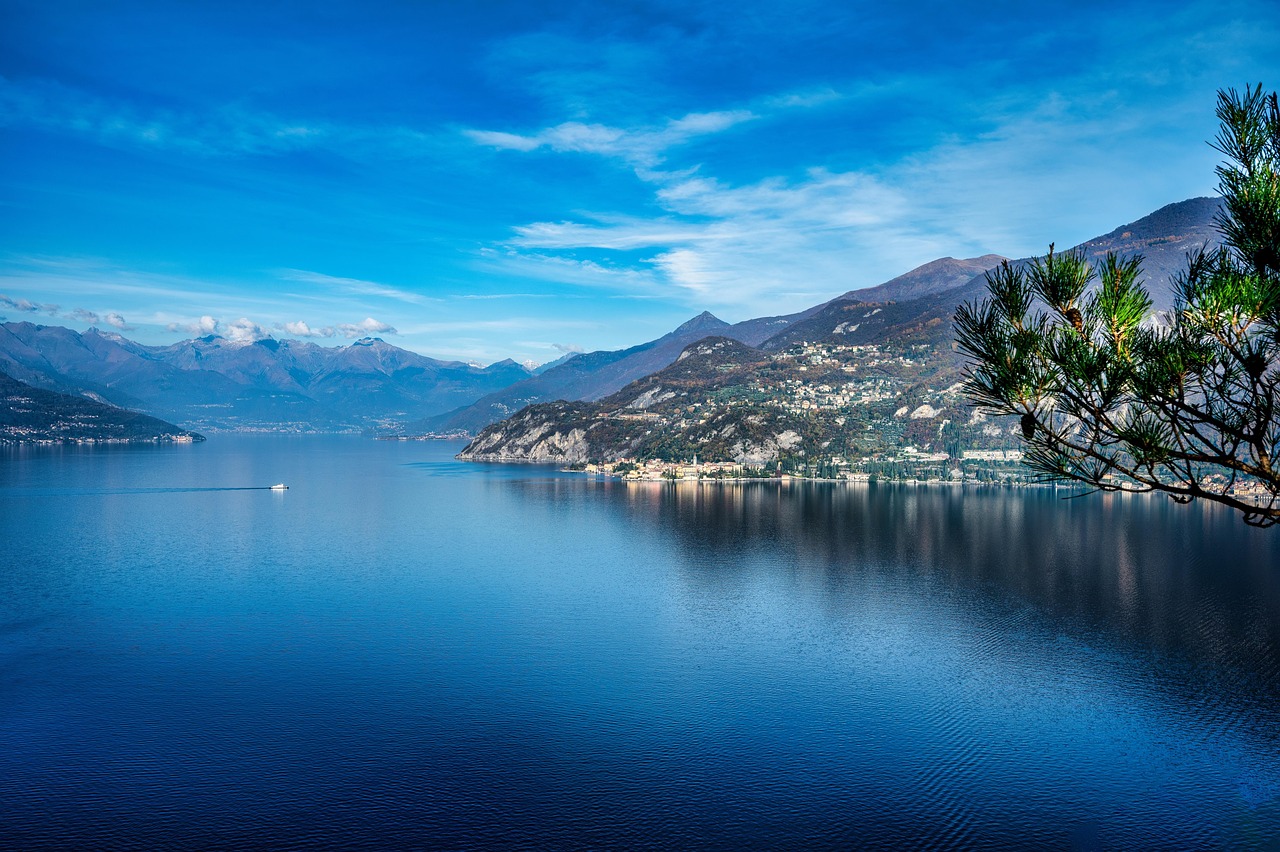
Why Visit Lake Como in 2026?
Every time I step off the train at Varenna-Esino and see the lake shimmering below, I have the same thought: “Ah, I’m back.” Lake Como is one of those rare places that lives up to the postcards – and then quietly exceeds them with the tiny, everyday details that don’t make it into glossy brochures: old men arguing about football over spritz, the smell of woodsmoke in October, the echo of church bells across the water at dusk.
What makes Lake Como special isn’t just the famous villas or the fact that celebrities moor their speedboats here. It’s the contrast: deep blue water and steep alpine slopes, pastel villages and rugged stone mule tracks, Michelin-starred dining and 10€ plates of perfect pizzoccheri in a family-run trattoria. In one day you can hike a mountain ridge in the morning, swim in the lake in the afternoon, and dress up for an elegant lakeside aperitivo at sunset.
In 2026, Lake Como is leaning even more into slow, sustainable travel: expanded hiking paths, better ferry schedules, more car-free old town centers, and a noticeable rise in agriturismi and wine-focused stays on the surrounding hills. It’s an ideal time to plan a 4–7 day itinerary for Lake Como that mixes the “must-see attractions” with local rhythm.
Table of Contents
- Why Visit Lake Como
- Lake Como Overview: Towns, Valleys & Landscapes
- Where to Stay: Best Bases Around Lake Como
- Suggested Itineraries (4–7 Days in Lake Como)
- 20 Must-See Attractions & Hidden Gems (In-Depth)
- Local Food in Lake Como & Where to Eat
- Evenings on Lake Como
- Events & Festivals 2026–2027
- Day Trips from Lake Como
- Local Customs & Cultural Etiquette
- Practical Travel Tips for Lake Como
- Final Summary & Best Time to Visit
Lake Como Overview: Towns, Valleys & Landscapes
Lake Como (Lago di Como) is shaped like an upside-down “Y”, with three main branches: the western arm toward Como, the eastern arm toward Lecco, and the northern top near Colico. The central meeting point of these three arms – around Bellagio, Varenna, and Menaggio – is where first-timers usually fall head over heels.
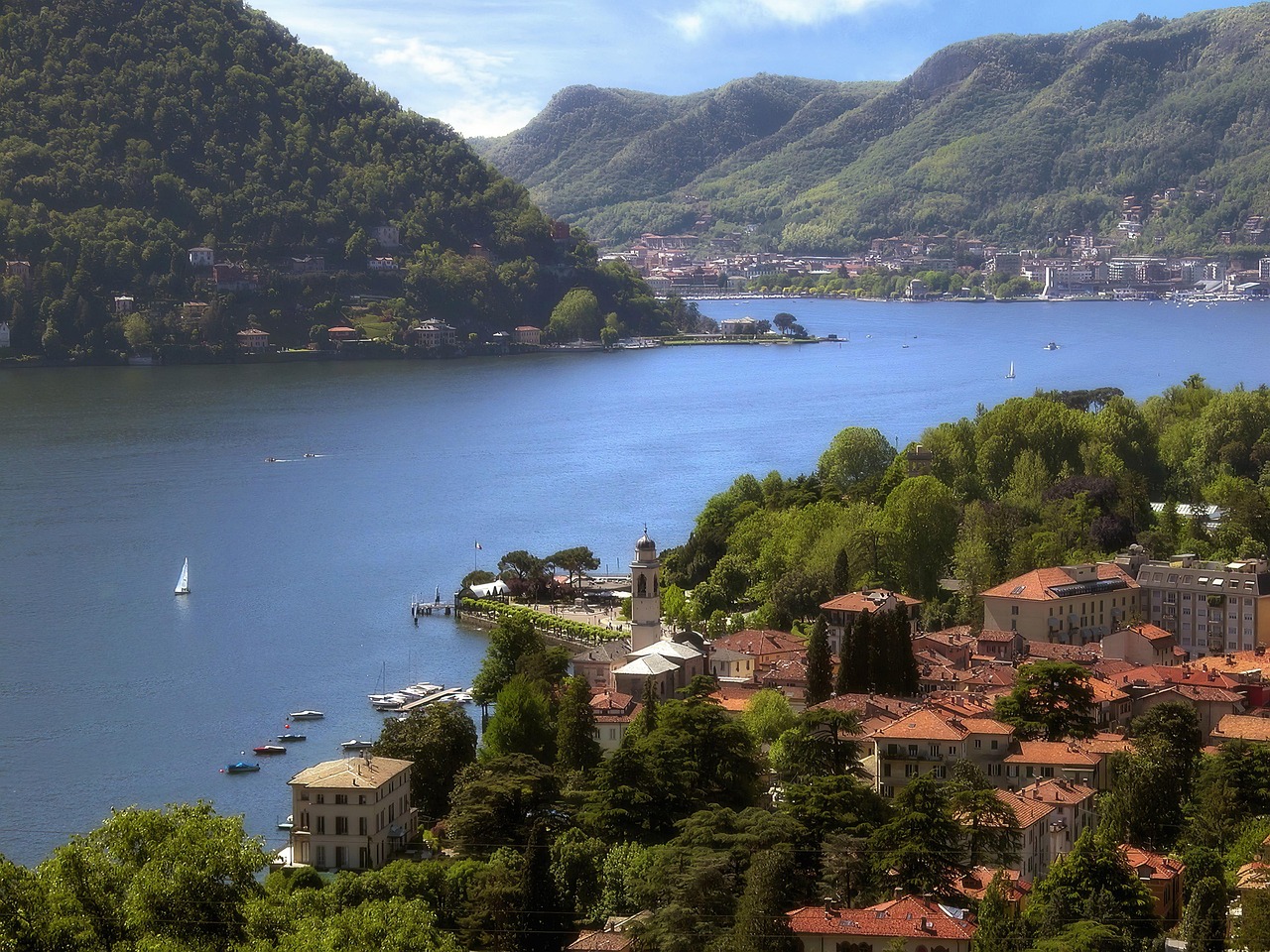
Here’s how I think of the lake, after several multi-week stays over the years:
- Como (city & western arm): An elegant small city with real local life, shops, and restaurants. Great for those arriving from Milan and wanting an urban base with easy day trips by ferry or train.
- Central Lake (Bellagio, Varenna, Menaggio, Tremezzo, Lenno): The classic postcard zone. Best for a first visit or a romantic trip; perfect base for a 4 day itinerary for Lake Como.
- Lecco arm (Lecco, Mandello del Lario, Varenna side valleys): More “Lombard working town” than resort. Excellent mountain hiking, fewer tourists, better prices. Great if you like a bit more authenticity and don’t mind less gloss.
- Northern Lake (Colico, Domaso, Gravedona): Wide open landscapes, windier, ideal for kitesurfing, sailing, and long bike rides. More laid-back, with a slightly Alpine feel.
- Hills & Valleys (Val d’Intelvi, Valsassina, Valle San Martino): Green, quiet, and still under the radar. This is where I go when I want chestnut woods, local cheese, and long hikes without crowds.
The common thread is water and stone: stone villages clinging to the slopes, stone steps leading down to tiny harbors, stone belltowers marking the hours. The higher you climb above the lakeside roads, the more you tap into the older network of mule tracks and farm hamlets that predate tourism by centuries.
Where to Stay: Best Bases Around Lake Como
Whenever friends ask me where to base themselves, I start with one question: Do you want mostly boats, mostly hikes, or a bit of city life? Then I narrow it down:
Bellagio: For First-Timers & Romance
Best for: Couples, first-time visitors, 4–5 day itineraries, those without a car.
Bellagio is famous for a reason: a perfect promontory splitting the lake in three, manicured gardens, cobbled lanes, and ferries going everywhere. It’s also busy and more expensive, but if it’s your first time and you want that “wow, I’m in Lake Como” feeling every minute, this is where to stay.
Varenna: For Views, Trains & Quieter Charm
Best for: Travelers arriving by train, photographers, a slightly quieter central base.
Varenna is my personal favorite base for a 4 days in Lake Como trip: one train ride from Milan, direct ferries across the lake, a romantic lakeside walk, and easy access to hikes above the village. It feels more authentic than Bellagio but just as beautiful.
Menaggio & Tremezzina: For Families & Balanced Access
Best for: Families, those with a car, travelers who want a mix of lakeside and hills.
Menaggio has a big lakeside promenade, playgrounds, a swimming lido, and quick ferries across to Bellagio and Varenna. The Tremezzina area (Tremezzo, Lenno, Mezzegra) strings together villas, gardens, and calm villages in one gorgeous stretch – ideal for a more relaxed stay with kids or a multi-generational group.
Como City: For Year-Round Life & Budget Options
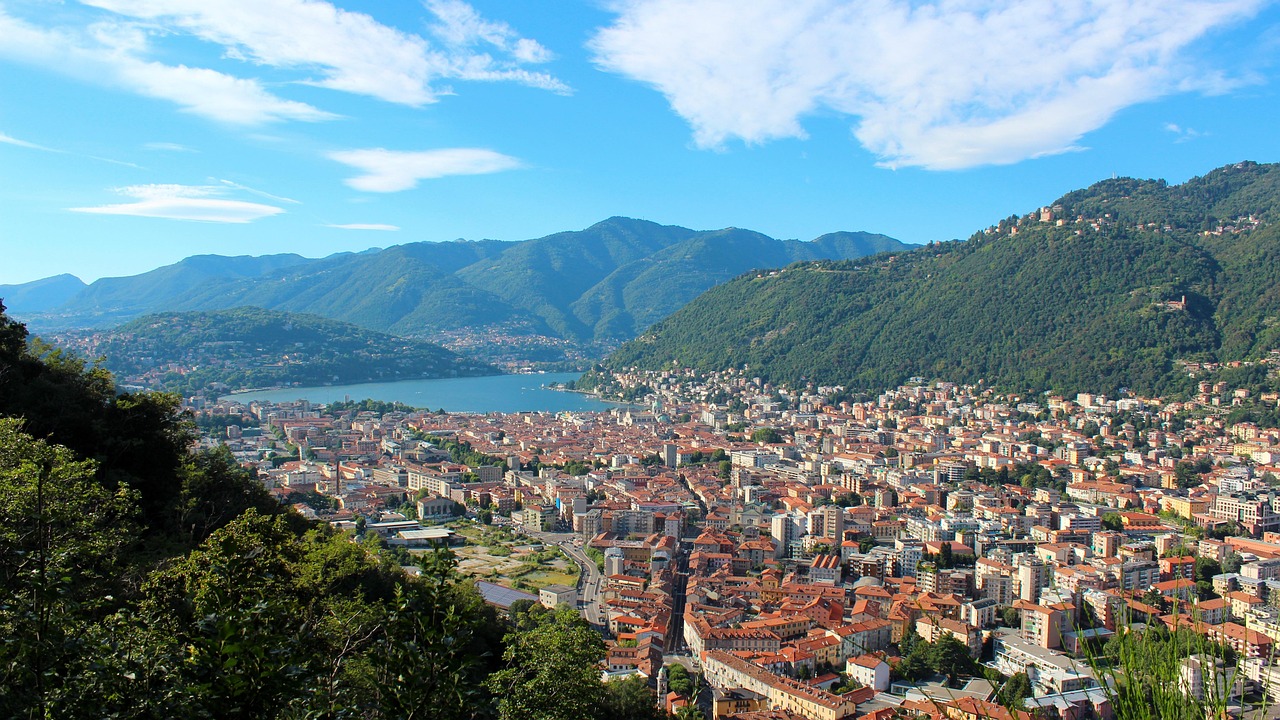
Best for: Off-season visits, food lovers, shoppers, budget-conscious travelers.
Como is a real city, with a cathedral, markets, and residential neighborhoods where people actually live and work. You have plenty of trains and buses, plus ferries up the lake. Prices are generally lower than the central lake, especially for longer stays.
Lecco & Northern Towns: For Adventure & Fewer Crowds
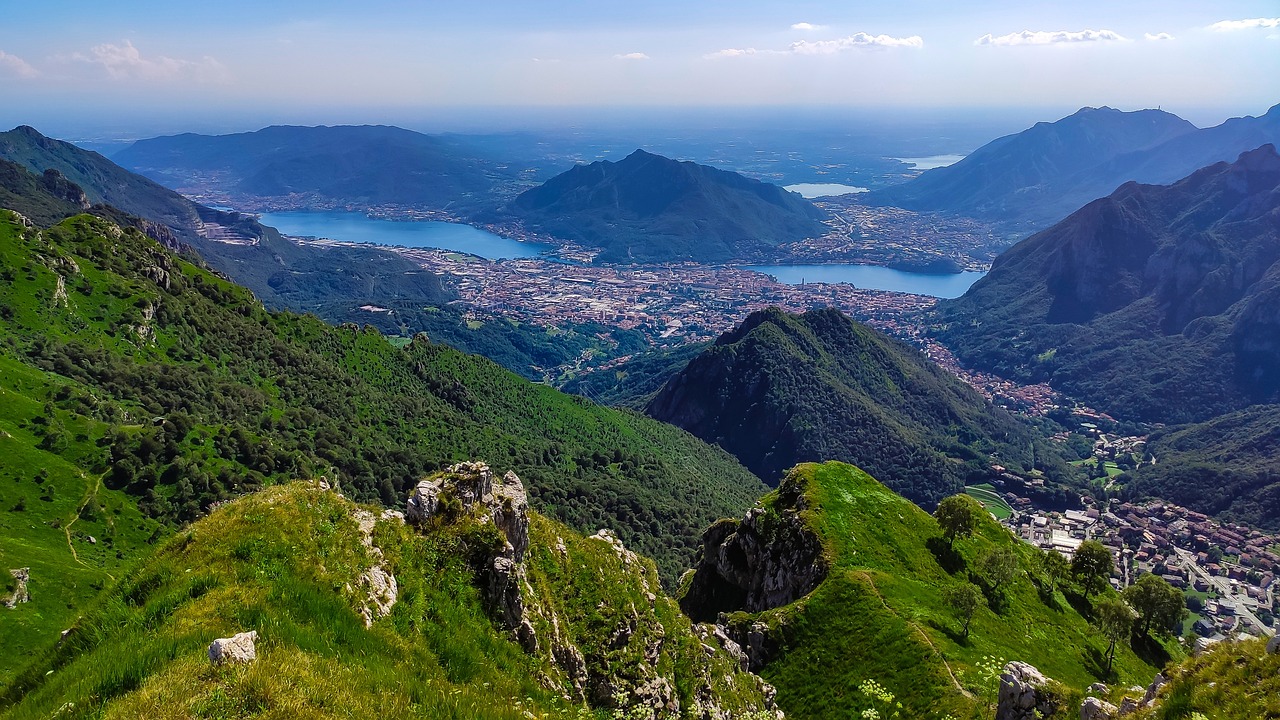
Best for: Hikers, climbers, windsurfers, and repeat visitors seeking new sides of the lake.
Lecco is framed by dramatic peaks; Colico and Domaso feel like wind-and-water playgrounds. This is where you base yourself for kitesurfing, mountain biking, and longer stays at more reasonable prices.
Suggested Itineraries: 4–7 Days in Lake Como
Below are outlines of my favorite itineraries. I’ll give you the structure and feel for each day, and later in the guide we’ll dive deep into the specific things to do in Lake Como and the must-see attractions one by one.
4 Day Itinerary for Lake Como (Classic First Visit)
Best base: Varenna or Bellagio. This plan balances iconic sights with a couple of quieter, local experiences. Think of it as a “greatest hits” album with a few B-sides only locals usually know.
- Day 1: Arrival, settle in, evening lakeside stroll and aperitivo.
- Day 2: Bellagio old town, gardens of Villa Melzi, sunset ferry ride.
- Day 3: Villa del Balbianello & Greenway del Lago hike, slow dinner in Lenno or Tremezzo.
- Day 4: Castle hike above Varenna (Vezio), lakeside lunch, last swim or coffee with a view.
If you only have 4 days in Lake Como, this itinerary hits the core highlights without rushing you from dawn to dusk.
5 Day Itinerary for Lake Como (Add a Mountain Escape)
With 5 days in Lake Como, you can add a mountain day to experience the lake from above.
- Days 1–3: Same as 4-day itinerary.
- Day 4: Take the funicular in Como or hike above Varenna to mountain hamlets and viewpoints; rustic lunch in a stone village.
- Day 5: Free day: choose a favorite town to revisit, rent a boat, visit another villa, or linger in markets and cafés.
6 Day Itinerary for Lake Como (Culture, Food & Hidden Gems)
A 6 day itinerary for Lake Como allows time for deeper cultural experiences and local food.
- Days 1–3: Classic central lake highlights.
- Day 4: Como city: Duomo, lakeside promenade, Brunate funicular, evening aperitivo.
- Day 5: Agriturismo lunch in the hills (Val d’Intelvi or Valsassina), cheese tasting, small village walk.
- Day 6: Leisurely day: swimming lido, kayaking, or a market visit with cooking class.
7 Day Itinerary for Lake Como (Full Week of Lake Life)
With 7 days in Lake Como, you can slow down and feel like a temporary local. This is the rhythm I usually follow when I stay a week:
- Day 1: Arrival, check-in, evening stroll and simple trattoria dinner.
- Day 2: Bellagio and Villa Melzi, leisurely lunch, late-afternoon gelato by the water.
- Day 3: Villa del Balbianello & Greenway walk; sunset in Tremezzo.
- Day 4: Varenna deep dive: Castello di Vezio, Villa Monastero, late swim.
- Day 5: Northern lake day trip (Colico, Domaso, or Gravedona); water sports or long lakeside bike ride.
- Day 6: Mountain & village day: funiculars, hikes, agriturismo dinner.
- Day 7: Free day to repeat your favorite spot, shop for local food and wine, and enjoy a long farewell dinner.
Later in this guide, I’ll flesh out these days with very detailed, story-style suggestions; for now, keep these as a framework while you read about the individual attractions.
20 Must-See Attractions & Hidden Gems (In-Depth)
This section is the heart of this travel guide for Lake Como. Each attraction here is more than a dot on a map; it’s a place I’ve walked, eaten, or gotten sunburned. I’ll keep each description concise but rich in practical detail, so you can mix and match into your own 4–7 day itinerary.
1. Bellagio Old Town & Punta Spartivento
Why it’s special: Bellagio is the lake’s “pearl”, sitting on the tip of the peninsula where the three arms meet. From Punta Spartivento you see water and mountains in every direction.
My experience: My ideal Bellagio morning starts with a ferry arrival before 10am, while the light is still soft and the day-trippers haven’t fully arrived. I walk straight up the main stepped lane (Salita Serbelloni), peeking into boutiques, then cut over to the quieter back alleys where laundry hangs over your head and you hear only the clink of cups from hidden cafés.
What to do: Wander the old town, visit small churches, then walk to Punta Spartivento (15–20 minutes from the center). This grassy point offers one of the best free views on the lake – I’ve sat there for an hour with just a takeaway cappuccino, watching ferries crisscross the water.
Food tip: For a simple but lovely lunch, I often grab a focaccia sandwich from a bakery just off the main street and eat it on a bench above the harbor. For something more formal, Bellagio’s lakefront restaurants are atmospheric, but check menus for the “coperto” (cover charge) and ask for the catch of the day – lavarello (local whitefish) grilled with lemon is a solid bet.
How to get there: Frequent ferries from Varenna, Menaggio, and many central-lake towns. In peak season, consider the slower, larger boats to enjoy the scenery from the deck.
Traveler tip: For photography, come early morning or late afternoon; midday light is harsh. If you’re here with kids, plan an afternoon gelato break by the small playground near the Lido.
2. Villa Melzi d’Eril Gardens
Why it’s special: A landscaped English-style garden gently sloping down to the water, just south of Bellagio. It’s one of the most peaceful, elegant places on the lake.
My experience: I’ve lost entire afternoons wandering here with a book. One October, light rain started while I was walking the lakeside path; the garden emptied and I had the Japanese pond and camellia-lined paths almost entirely to myself.
What to do: Stroll the lakeside walkway, sit on the stone benches, admire the small chapel and sculptures scattered among the lawns. The villa itself is private, so the focus is the garden.
Family & couples: Children enjoy the space to run, and couples gravitate toward the benches facing Varenna and the central lake peaks. This is one of the most romantic corners of Bellagio.
How to get there: 10–15 minute walk from Bellagio center, heading south along the waterfront. Entry fee applies (usually open March–October).
Traveler tip: Combine Villa Melzi with a morning in Bellagio: visit the gardens late morning, then walk back into town for lunch. In high season, it’s a quiet escape from the crowds.
3. Varenna & Passeggiata degli Innamorati
Why it’s special: Varenna combines raw, vertical beauty with a very walkable scale. The “Lovers’ Walk” – a red-railed path hugging the cliff above the water – is a simple joy.
My experience: Varenna was my first base on Lake Como. I still remember the shock of stepping off the train and seeing the entire village spilling down to the water. My ritual on every trip is the same: drop bags, walk the Passeggiata degli Innamorati, then climb up to the main piazza for an espresso under the plane trees.
What to do: Walk the lakeside path from the ferry to the old harbor, explore the narrow alleys, visit the church of San Giorgio, and sit by the tiny stone beach watching kids skip rocks. From here you can also reach Villa Monastero and Castello di Vezio (both below).
Food tip: Varenna’s small harbor has several trattorias with outdoor tables almost touching the water. For value, look slightly uphill from the waterfront – I’ve had excellent plates of risotto al pesce persico (perch risotto) in unassuming family places a bit back from the lake.
How to get there: Direct trains from Milan to Varenna-Esino (about 1 hour). Then it’s a downhill 10-minute walk to the village and ferries.
Traveler tip: For a 4 day itinerary for Lake Como, basing in Varenna makes logistics wonderfully easy: you can be unpacked and on the lake in under two hours from central Milan.
4. Villa Monastero
Why it’s special: A long, narrow villa and garden stretching along the water just south of Varenna, with some of the most photogenic terraces on the lake.
My experience: I love entering at the Varenna gate and slowly making my way along the terraced path, stopping in each little nook: benches tucked between cypress trees, balustrades with stone urns, and a view back to Varenna’s multicolored houses.
What to do: Visit the villa interior (often hosting exhibitions and conferences) and then linger in the gardens. This is one of my favorite spots for quiet reading – there are always a few shady corners where you can escape the sun.
How to get there: Five-minute walk from Varenna’s main piazza, along the lakeside promenade heading south.
Traveler tip: It pairs perfectly with an afternoon swim: visit Villa Monastero, then wander back to the tiny public beach near the harbor or the swimming platform near the ferry.
5. Castello di Vezio
Why it’s special: A medieval castle perched above Varenna with sweeping views over the central lake and ghostly white statues scattered around the grounds.
My experience: The first time I climbed up in midsummer, I underestimated the heat and arrived sweaty and slightly out of breath – only to be instantly rewarded by the view. I sat on the stone wall with a cold drink from the little bar and watched ferries draw white lines across the blue water far below.
What to do: Explore the ruined tower, walk the ramparts, and enjoy the panorama. In summer there are sometimes falconry demonstrations. The ghost-like plaster figures you see in photos are part of an ongoing art project and change over time.
How to get there: Steep but rewarding 30–45 minute walk from Varenna (trail starts near the cemetery), or a short drive if you have a car (small parking area above).
Traveler tip: Go in the late afternoon for softer light and cooler air. Bring water and decent shoes; the trail is stone and can be slippery when wet.
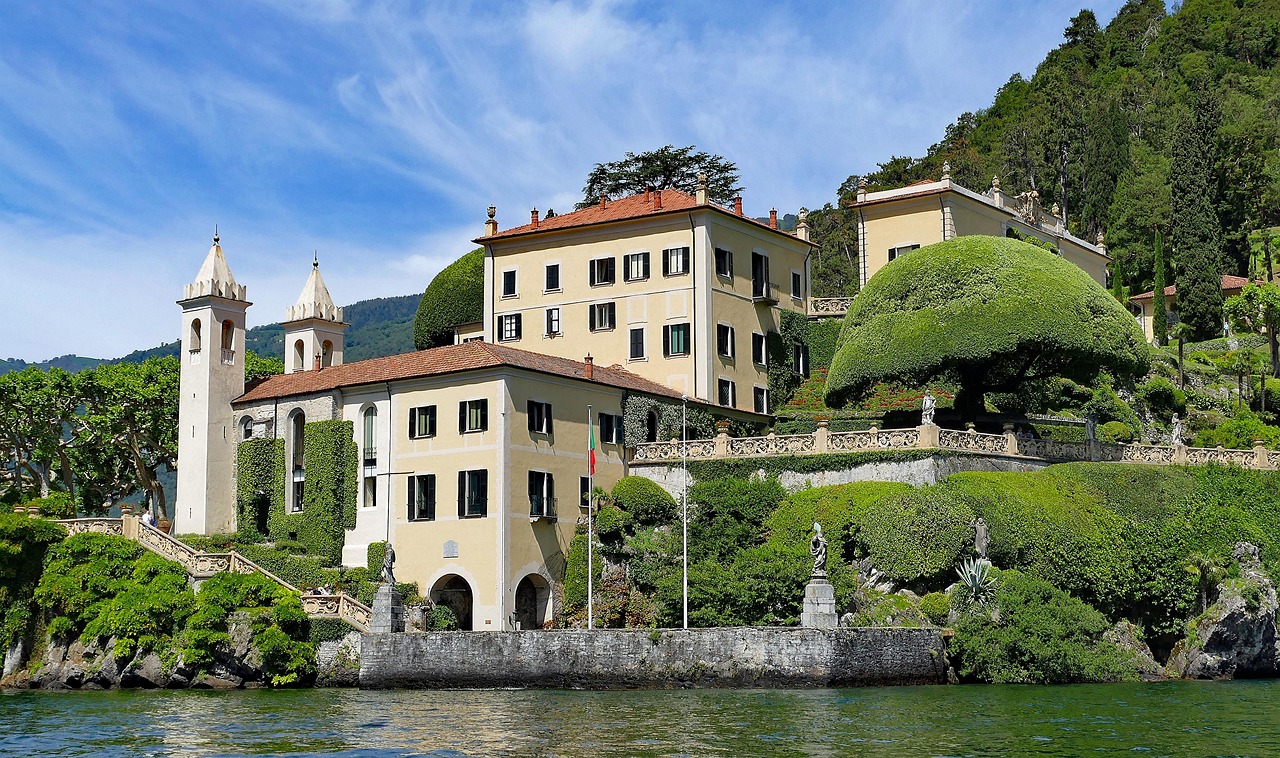
6. Villa del Balbianello (Lenno)
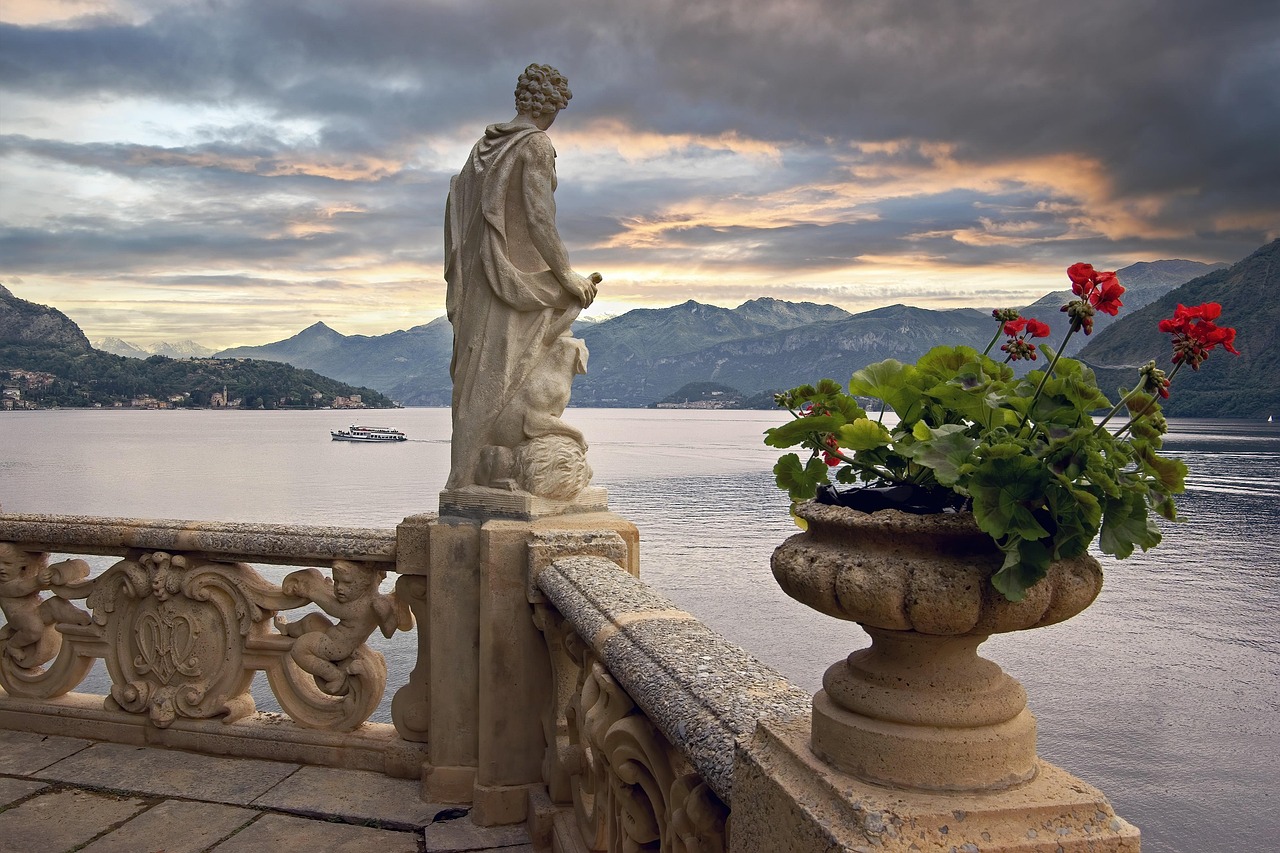
Why it’s special: Probably the most iconic villa on Lake Como. You’ll recognize it from films like Star Wars and James Bond. But beyond its fame, the setting – a peninsula jutting into the lake – is simply magical.
My experience: I’ve visited in both high summer and late October. Summer means crowds but stunning flowers; autumn means a quieter, golden-lit garden. One of my favorite memories is arriving by small taxi boat from Lenno early in the morning, mist still clinging to the water, and having the loggia almost to myself for 20 minutes.
What to do: Tour the villa interior (guided tours only, check schedules) to see its explorer-owner’s memorabilia, then wander the perfectly trimmed gardens. The stone loggia framing lake and mountains is the classic photo spot.
Family & couples: Romantic for couples (lots of proposals happen here). Families with patient kids do fine; there’s space to roam, but not many hands-on exhibits.
How to get there: Ferry to Lenno, then either walk 20–25 minutes along the lakeside path and uphill to the villa entrance or take a small boat from the Lenno dock straight to the villa’s water gate (my preference – more atmospheric).
Traveler tip: Buy tickets online in peak season to avoid being turned away during busy times. Combine with a relaxed lunch or swim at Lenno’s Lido afterward.
7. Greenway del Lago (Colonno to Griante)
Why it’s special: A scenic walking route connecting several lakeside villages on the western shore, weaving between old stone lanes, chapels, and lakeside promenades.
My experience: I rarely walk the entire Greenway in one go; instead, I treat it like a buffet. One favorite segment is the stretch from Lenno to Tremezzo, passing olive groves, small ports, and the backs of gardens you never see from the main road.
What to do: Choose a 2–3 hour section based on your energy. Stop for coffee in a piazza, gelato by the water, and lots of photos. The path is well-marked and relatively easy, suitable for families with school-age children.
How to get there: Start in Colonno, Sala Comacina, Lenno, or Tremezzo, all reachable by bus or ferry on the western shore.
Traveler tip: This is a fantastic, inexpensive way to experience everyday lakeside life. Bring water, a hat, and wear comfortable shoes; parts of the path are cobbled and uneven.
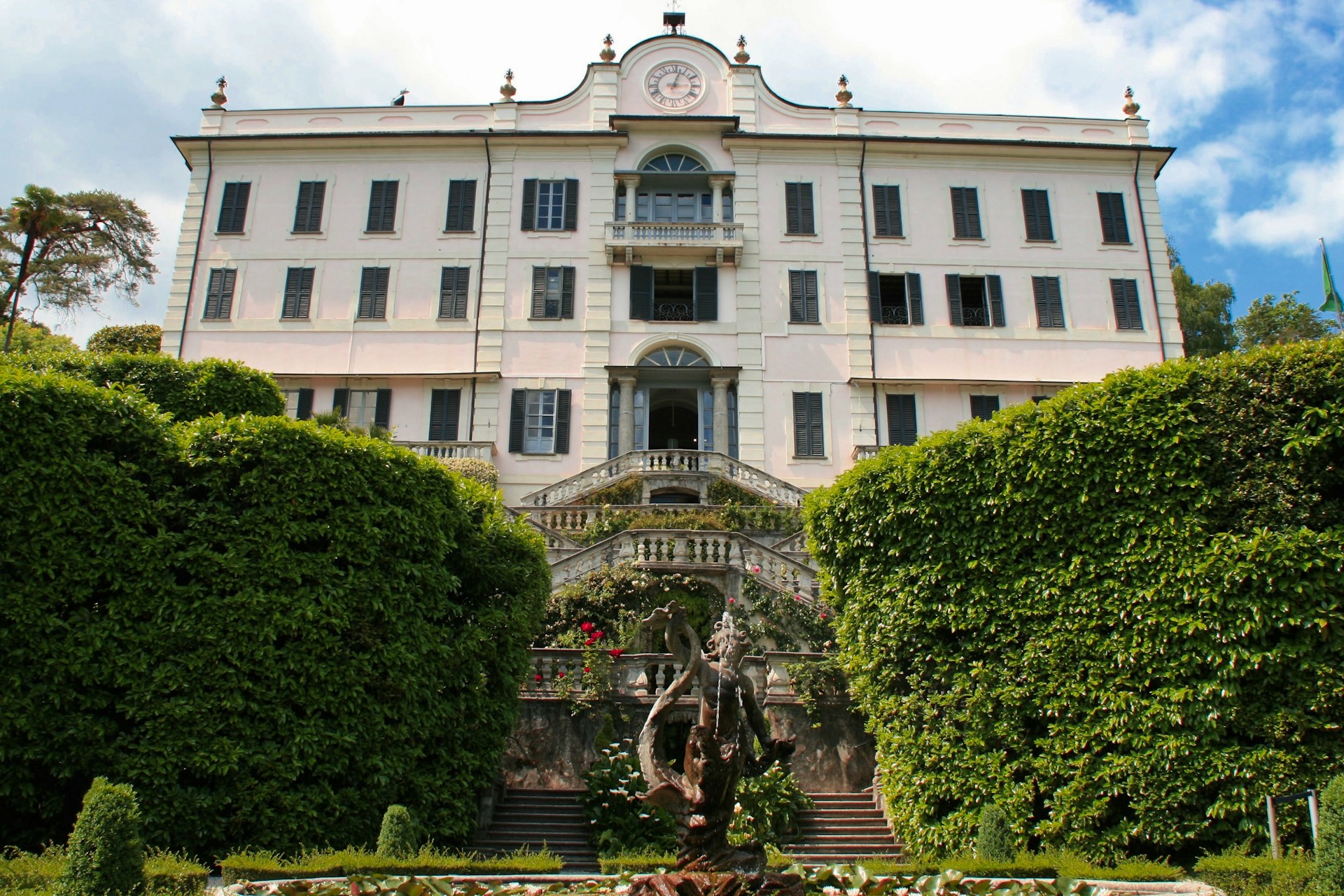
8. Villa Carlotta (Tremezzo)
Why it’s special: A grand villa with a renowned botanical garden in Tremezzo, famous for spring azaleas and rhododendrons – but beautiful in every season.
My experience: I try to time at least one visit in late April or early May, when the gardens explode with color. Even in summer, I love wandering up to the higher terraces for lake views framed by tall trees.
What to do: Visit the villa’s art collection (including works by Canova), then wander through the structured Italian gardens, wooded areas, and tropical plants. Children enjoy the variety of paths and viewpoints.
How to get there: Directly opposite the Tremezzo ferry dock; you practically step off the boat and into the gate.
Traveler tip: Combine Villa Carlotta with a stroll along Tremezzo’s lakeside promenade and a relaxed lunch in one of the nearby cafés.
9. Como City: Duomo, Historic Center & Lakefront
Why it’s special: Como is a compact, elegant city at the lake’s southern tip, perfect for mixing culture, shopping, and lakeside relaxation.
My experience: I often bookend my trips with a night in Como. There’s something grounding about having a proper city under your feet before heading into smaller villages. I love early evenings in Piazza Duomo, the façade glowing as the sun drops behind the hills.
What to do: Visit the Duomo (cathedral), wander the medieval lanes off Via Vittorio Emanuele, have an espresso at an outdoor table, then walk the lakefront promenade toward the modern “Life Electric” sculpture. If you have time, take the funicular to Brunate (next attraction).
Food tip: Como has excellent pastry shops and gelaterie; I almost always grab a brioche and cappuccino standing at the bar of a busy café to feel like a local on their way to work.
How to get there: Trains from Milan arrive at Como S. Giovanni or Como Lago stations; both are walkable to the old town.
10. Brunate Funicular & Panoramic Walks
Why it’s special: A vintage funicular climbs steeply from Como to Brunate, a hilltop village with panoramic views and access to easy walks.
My experience: My favorite time is late afternoon: I ride up, walk to the Volta Lighthouse (about 30–40 minutes), and watch the lake slowly turn silver as the lights of Como come on.
What to do: Take the funicular, explore Brunate’s small streets, and follow the signs for the lighthouse or shorter viewpoints. There are several simple trattorias with terraces overlooking the lake – perfect for an unhurried lunch.
Family & adventure: Great for families (kids love the funicular) and a gentle introduction to Lake Como hiking for anyone not used to mountain paths.
Traveler tip: In high season, go early or late to avoid queues. Bring a light jacket; it’s usually cooler up here, especially in spring and autumn.
11. Lenno & Lido di Lenno
Why it’s special: A calm village with a lovely bay, popular lido (beach club), and access to Villa del Balbianello.
My experience: On hot days, I plan my schedule so that I end up at Lido di Lenno around mid-afternoon. After walking or visiting Balbianello, nothing beats a lake swim followed by a spritz at a table with your feet in the sand.
What to do: Walk the lakeside promenade, swim or sunbathe at the lido (paid entrance, with loungers and bar), and explore the small historic center. Market days are especially fun; check locally for schedules.
Traveler tip: This is a great stop with kids: shallow entry into the water, bathrooms, and snacks close at hand.
12. Menaggio Promenade & Old Town
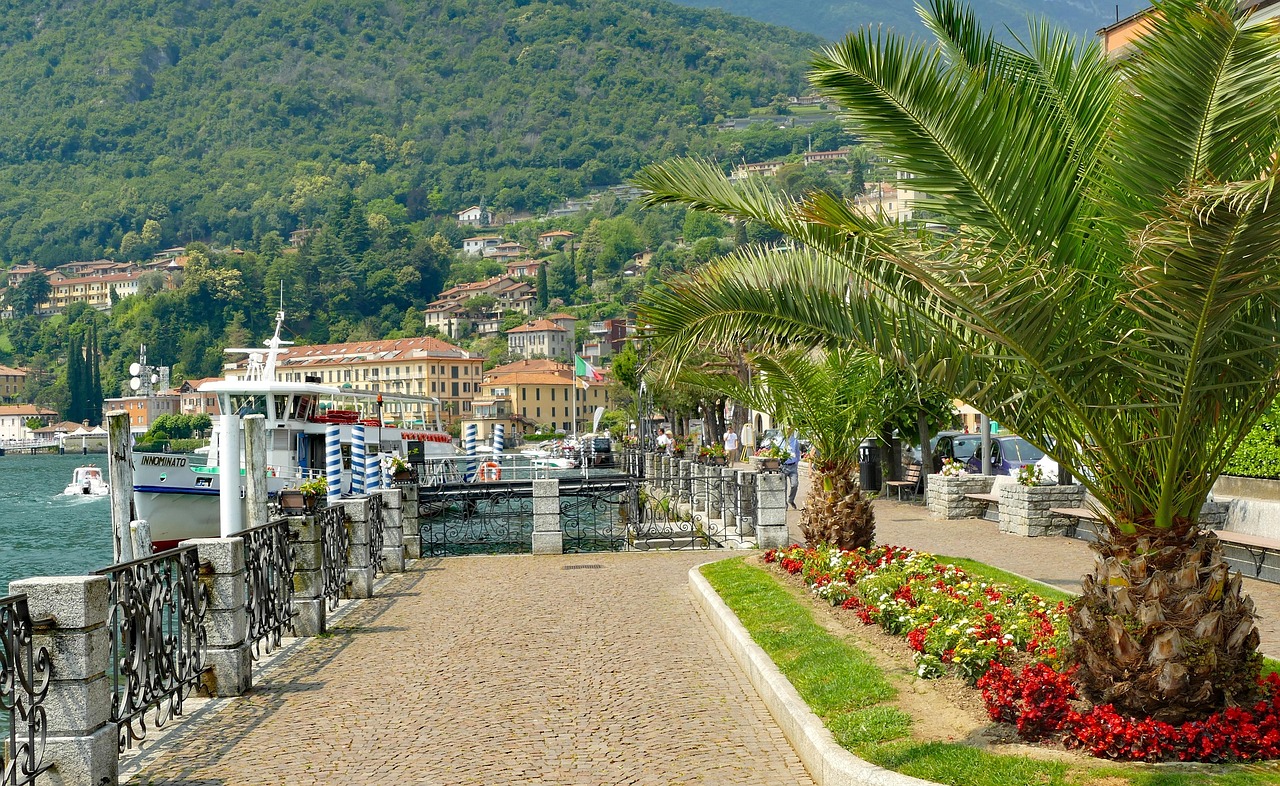
Why it’s special: Menaggio is a perfect “holiday town”: relaxed, with a big lakeside promenade, playgrounds, and good ferry connections.
My experience: When I stay in Menaggio, evenings are all about slow walks along the promenade, watching kids chase each other around the playground while older locals take their pre-dinner passeggiata.
What to do: Stroll the lakefront, explore the backstreets of the old town, take a ferry to Bellagio or Varenna, or hop on a bus into the Val Menaggio for hikes.
Family tip: Menaggio’s lido and public park area make it ideal for a family base. There’s space for kids to run and relatively easy access to supermarkets and services.
13. Tremezzo & Parco Teresio Olivelli
Why it’s special: A string of elegant villas and hotels along the waterfront, with a particularly charming lakeside park.
My experience: On one July trip, I spent a lazy half-day at Parco Teresio Olivelli, alternating between reading under the trees, quick dips in the lake from the stone steps, and people-watching as boats pulled up to the small harbor.
What to do: Relax in the park, swim from the lake access point, and enjoy views across to Bellagio. Tremezzo also has a small selection of restaurants and wine bars for a low-key evening.
Traveler tip: Bring a towel and water shoes if you have sensitive feet; the lake entry here is via steps and stones.
14. Lecco & Its Dramatic Mountains
Why it’s special: A real working town with towering peaks dropping almost directly into the water. Less polished than Como but full of daily life.
My experience: I’ve used Lecco as a base when I wanted serious hiking. Early mornings here feel very local: commuters crossing the piazza, kids heading to school, fishermen on the quay.
What to do: Stroll the lakefront promenade, explore the historical center, and use Lecco as a launchpad for mountain hikes (like Piani d’Erna via cable car, or more demanding routes for experienced hikers).
Traveler tip: Prices for accommodation and food are often lower than the central lake, making it attractive for budget-conscious or long-stay travelers.
15. Colico, Domaso & Gravedona (Northern Lake)
Why it’s special: The top of the lake widens into a breezy playground ideal for windsurfing, kitesurfing, and long bike rides along the shore.
My experience: My first kitesurfing lesson was in Domaso; I spent more time swallowing lake water than gliding gracefully, but I still grin when I think about it. In the evenings, the atmosphere is laid-back and outdoorsy – wetsuits drying on balconies, families eating pizza at long tables.
What to do: Take lessons or rent gear for watersports, cycle along the lakefront path (Gravedona has a lovely section), and enjoy less crowded swimming spots. The mountains at the far end of the lake make sunsets particularly dramatic here.
Traveler tip: If you’re planning a 6 day itinerary for Lake Como or longer and enjoy active travel, dedicate at least one day to the northern lake, even if you’re based centrally.
16. Val d’Intelvi & Hilltop Villages
Why it’s special: A green valley between Lake Como and Lake Lugano, dotted with small villages, chestnut woods, and agriturismi. Very few tourists, lots of local flavor.
My experience: I spent a long weekend in a stone farmhouse here, waking up to cowbells and fog lifting off the pastures. Days were for walking between villages and long lunches; nights were for stargazing and silence broken only by the occasional dog bark.
What to do: Hike or drive between villages like Pigra, Casasco d’Intelvi, and San Fedele; eat at agriturismi serving their own cheese, cured meats, and sometimes wine; enjoy cooler temperatures in summer.
Traveler tip: Best explored with a car. If you’re craving “real Italy” beyond the polished lakefront, this valley will feel like a secret.
17. Valsassina & Local Cheese
Why it’s special: A high valley above the eastern side of Lake Como, known for dairy farms and Alpine-style landscapes.
My experience: On a cool August day, I drove up from Varenna into Valsassina and spent hours tasting local cheeses in a small dairy cooperative. The owners were eager to explain the differences between their formaggella and aged varieties, even as I stumbled through my Italian.
What to do: Visit dairies and cheese shops, walk between small villages, and enjoy hearty mountain cuisine. In winter, there are small ski areas; in summer, lush green pastures.
Traveler tip: Combine this with a Lecco or Varenna base. Ask locally for caserecce (farm shops) where you can buy directly from producers.
18. Local Markets (Como, Bellano, Menaggio)
Why it’s special: Markets are where you see real life: older women bargaining over tomatoes, kids pointing at huge wheels of cheese, and local producers proudly offering tastes.
My experience: I love building picnic lunches from market finds: a wedge of local cheese, a handful of cherry tomatoes, a loaf of crusty bread, and maybe some figs if they’re in season.
What to do: Check which day is market day in your base town (e.g., Como has several weekly markets, Menaggio and Bellano have theirs), go early, and do a lap before buying. Look for local honey, salami, and seasonal fruit.
Traveler tip: Markets are an easy way to save money over a multi-day trip – picnics are far cheaper than restaurant lunches and often come with better views.
19. Swimming Lidos & Wild Swim Spots
Why it’s special: The lake itself is one of the main attractions. Lidos (paid beach clubs) and informal swim spots turn hot days into something glorious.
My experience: I’ve tried everything from chic lidos with cocktail service to tiny stone steps locals quietly slip into the water from. Some of my happiest memories are of late-afternoon swims with the sun dropping behind the mountains.
What to do: Visit lidos in Menaggio, Lenno, Bellagio, or Como for facilities and decks, or ask locals for nearest public access points. Always check for “divieto di balneazione” signs (no swimming) – they’re there for a reason.
Family tip: Lidos are worth the entry fee with kids: lifeguards, bathrooms, shade, and sometimes pools in addition to lake access.
20. Renting a Boat on Lake Como
Why it’s special: Seeing Lake Como from the water, at your own pace, is transformative. You suddenly understand the geography and why villas were built where they are.
My experience: The first time I steered a small boat out of Bellagio’s harbor, I was nervous about traffic. Ten minutes later, cruising along the shore below Villa Carlotta with a picnic onboard, I was converted. It’s still one of my top recommendations for couples and families.
What to do: Rent a small motorboat (no license needed up to a certain horsepower; rental offices will explain) for 2–4 hours. Circle past your favorite villages, stop in calm coves (where legal), and bring snacks and water.
Traveler tip: Book ahead in peak season, bring sunscreen and a hat, and ask the rental agency to mark no-go zones and suggested routes on a map. Respect speed limits and wake rules near villages.
Local Food in Lake Como & Where to Eat
Lake Como’s cuisine is a blend of lake and mountain: freshwater fish, polenta, butter, cheese, and hearty stews. Over multiple trips, I’ve learned to always ask two questions when I sit down: “What’s local?” and “What’s in season?”
Signature Dishes by Area
- Central Lake (Bellagio, Varenna, Tremezzo): Risotto al pesce persico (perch risotto), grilled lavarello (whitefish), lake fish fry, and delicate lake fish pâtés.
- Lecco & East Side: More mountain-influenced: pizzoccheri (buckwheat pasta with cabbage, potatoes, and cheese), polenta taragna, and stews.
- Northern Lake & Valleys: Cured meats, robust cheeses, game (in season), and hearty soups.
Agriturismi & Farm Stays
Agriturismi are working farms that host guests or serve meals. Around Lake Como, especially in Val d’Intelvi and Valsassina, they’re where you’ll taste the region at its most honest.
Personal note: One of my best meals was at an agriturismo above Menaggio: homemade tagliatelle with wild boar ragu, a plate of cheeses made on-site, and a carafe of house red. The bill was astonishingly reasonable compared to waterfront dining.
How to Eat Well Without Overspending
- Stay one block back from the water: Prices drop immediately, and quality often improves.
- Use markets: Build picnic lunches to enjoy on promenades or viewpoints.
- Look for “menu del giorno”: Fixed-price daily menus at lunch are excellent value.
- Book dinners in high season: Especially in Bellagio and Varenna; walk-ins after 8pm can find everything full.
Evenings on Lake Como
Evenings are when Lake Como truly breathes. The day-trippers vanish, ferries thin out, and the lake takes on a softer, more intimate mood.
Piazza Life
In places like Varenna, Menaggio, and Como, evenings mean kids on bikes weaving between café tables, friends meeting for an aperitivo, and older couples strolling arm in arm. Join them: grab a spritz or a glass of local wine and people-watch.
Sunset Viewpoints
- Punta Spartivento (Bellagio): Wide open views up the lake; bring a light jacket in spring/autumn.
- Varenna harbor: The cliffs catch the last light beautifully.
- Tremezzo promenade: Great for golden-hour photos of Bellagio across the water.
Seasonal Evening Events
Look out for small summer concerts in church squares, wine tastings at enoteche, and occasional open-air cinema nights. In autumn, harvest festivals and chestnut fairs in the valleys bring locals together for food, music, and dancing.
Major Events & Festivals 2026–2027
Exact dates change yearly, but these are key happenings to watch for in 2026–2027. Always confirm closer to your trip.
- Como Città dei Balocchi (Winter 2026–27): Christmas lights, markets, and events turning Como into a festive wonderland from late November through early January.
- Lake Como Film Festival (Summer 2026): Open-air film screenings in villas and parks around the lake, often with a strong focus on landscape cinema.
- Festival di Bellagio e del Lago di Como (Summer 2026 & 2027): Classical music concerts in churches and villas across the region.
- Local Patron Saint Festivals: Each town has its own, usually involving processions, fireworks, and street food. Ask your accommodation what’s happening while you’re there.
- Autumn Food & Wine Fairs (2026–27): Especially in the surrounding valleys – chestnut festivals, new wine celebrations, and cheese fairs in Valsassina and Val d’Intelvi.
Day Trips from Lake Como
Lake Lugano (Switzerland)
A quick hop over the border brings you to another glacial lake with a slightly different flavor – more Swiss, a bit more formal, but equally beautiful.
How to go: From Como, trains and buses connect to Lugano in about 1–1.5 hours. Bring your passport; Switzerland is in Schengen but you’re crossing a national border.
Bergamo
A superbly preserved medieval upper town (Città Alta) perched on a hill, reachable by train from Lecco or Como via Milan.
Why go: Cobblestone streets, impressive walls, and excellent food. It’s one of my favorite day trips when I want a full-on historic city fix.
Milan
If you’re flying in or out of Milan, consider adding a Milan day before or after your Lake Como stay for the Duomo, Last Supper, and urban culture.
Local Customs & Cultural Etiquette
Lake Como is touristy, but it’s also home. A bit of cultural sensitivity goes a long way toward warmer interactions.
Basic Etiquette
- Greetings: A simple “Buongiorno” (morning/day) or “Buonasera” (evening) when entering shops, cafés, or elevators is appreciated.
- Dress: Beachwear is for the beach or lido; cover shoulders and knees when entering churches; avoid walking shirtless through villages.
- Noise: Residential lanes echo. Keep voices low late at night; respect posted quiet hours in apartments or agriturismi.
Dining Customs
- Coffee: Cappuccino is typically a morning drink; locals switch to espresso after meals, but no one will scold you if you order one later in the day.
- Service: Tipping is modest; a few euros or rounding up the bill is enough. There is often a “coperto” (cover charge) per person – not a scam, just part of the system.
- Timing: Dinner usually starts around 7:30–8:00pm; showing up at 6pm for dinner can mean limited choices.
Lake & Nature Etiquette
- Swim only where allowed; respect “no swimming” areas.
- Pack out picnic trash, especially on hikes and at wild swim spots.
- Stay on marked trails and respect private property; not every pretty path is public.
Practical Travel Tips for Lake Como (2026 Edition)
Getting Around: Car vs Train vs Ferry
Trains: Excellent for reaching Como, Lecco, and Varenna from Milan. For a 4–5 day itinerary for Lake Como focused on the central lake, you don’t need a car at all.
Ferries: The backbone of lake travel. There are slow boats, fast hydrofoils, and car ferries. For most visitors, the slow passenger boats are ideal – scenic and cheaper.
Buses: Connect western-shore towns and some valleys; useful but sometimes infrequent. Check schedules carefully.
Car: Helpful if you’re staying in less-connected villages, exploring valleys (Val d’Intelvi, Valsassina), or traveling in shoulder season when some ferry routes are reduced. Roads are narrow and parking limited in historic centers.
Driving Distances (Approximate)
- Como to Bellagio: 45–60 minutes (winding lake road).
- Como to Menaggio: 45–60 minutes.
- Varenna to Colico (north): 30–40 minutes.
- Como to Lecco: 40–50 minutes (via inland road).
Parking & Historic Centers
Most old towns are partly or fully limited-traffic zones (ZTL). Never drive past a “ZTL” sign unless you’re sure you’re allowed; fines are automatic. Look for signed parking lots at the edge of towns and walk in.
Money-Saving Tips
- Use trains and ferries instead of taxis whenever possible.
- Stay in Como, Lecco, or lesser-known villages rather than Bellagio if on a tight budget.
- Self-cater breakfasts and some lunches if you have an apartment; local supermarkets are well-stocked.
- Travel in shoulder season (April–early June, late September–October) for cheaper accommodation and fewer crowds.
SIM Cards & Connectivity
In 2026, EU roaming rules still make life easy for EU SIM holders. Non-EU travelers have good options:
- Buy a local Italian SIM (TIM, Vodafone, WindTre, Iliad) at Milan or Como before heading to the lake.
- eSIM providers let you set up data before arrival; coverage around the lake is generally solid in towns, patchier in some valleys.
Visa Requirements & Driving Licenses
Italy is in the Schengen Area. Many nationalities (including US, Canada, UK, Australia, New Zealand, much of Latin America and Asia) can enter visa-free for short stays, but always check current rules and ETIAS requirements before travel.
Driving: A valid license from your home country is usually accepted for short stays, but an International Driving Permit (IDP) is recommended and sometimes required by rental agencies. Check with your rental company in advance.
Best Seasons for Different Activities
- Spring (April–June): Flowers in villa gardens, comfortable temperatures for hiking, fewer crowds than high summer.
- Summer (July–August): Best for swimming, lidos, and long evenings outdoors – but also busiest and hottest. Book well ahead.
- Autumn (September–October): Wine harvest, chestnuts, fall colors in the valleys, still-warm water early in the season.
- Winter (November–March): Quiet, some hotels and restaurants closed in smaller towns. Como city and Lecco stay lively; Christmas lights and markets are a highlight.
Hidden Tips from Repeated Visits
- Start early: Visiting popular villas at opening time transforms the experience – fewer people, softer light.
- Climb one level up: In almost every village, going up one row of lanes from the waterfront brings quieter streets and better prices.
- Mix big names with small corners: Balance famous villas with a half-day in a less-known village or valley; you’ll appreciate both more.
- Ask locals: “Where do you go for pizza?” has led me to some unforgettable meals.
Summary & Final Recommendations
Lake Como rewards both quick flirtations and long relationships. For a first visit, a 4 day itinerary for Lake Como based in Varenna or Bellagio will give you the classic highlights: villas, ferries, lakeside strolls, and a taste of local food. With 5–7 days in Lake Como, you can slow down, head into the hills, discover hidden gems, and start to feel the deeper rhythm of the region.
Best overall time to visit: Late April–June and September–mid-October, when ferries are running frequently, villas are open, weather is generally pleasant, and crowds are manageable. Summer is glorious for swimming and nightlife but requires more planning and a bigger budget; winter is for those who enjoy quiet, city stays, and Christmas lights more than lake-hopping.
However you shape your travel guide-inspired itinerary – 4, 5, 6, or 7 days – leave space for unscripted moments: an extra coffee on a sunny piazza, a spontaneous ferry ride to a village whose name you can’t quite pronounce, or an unplanned swim because the water just looks too inviting. That, more than any checklist of attractions, is where Lake Como truly gets under your skin.