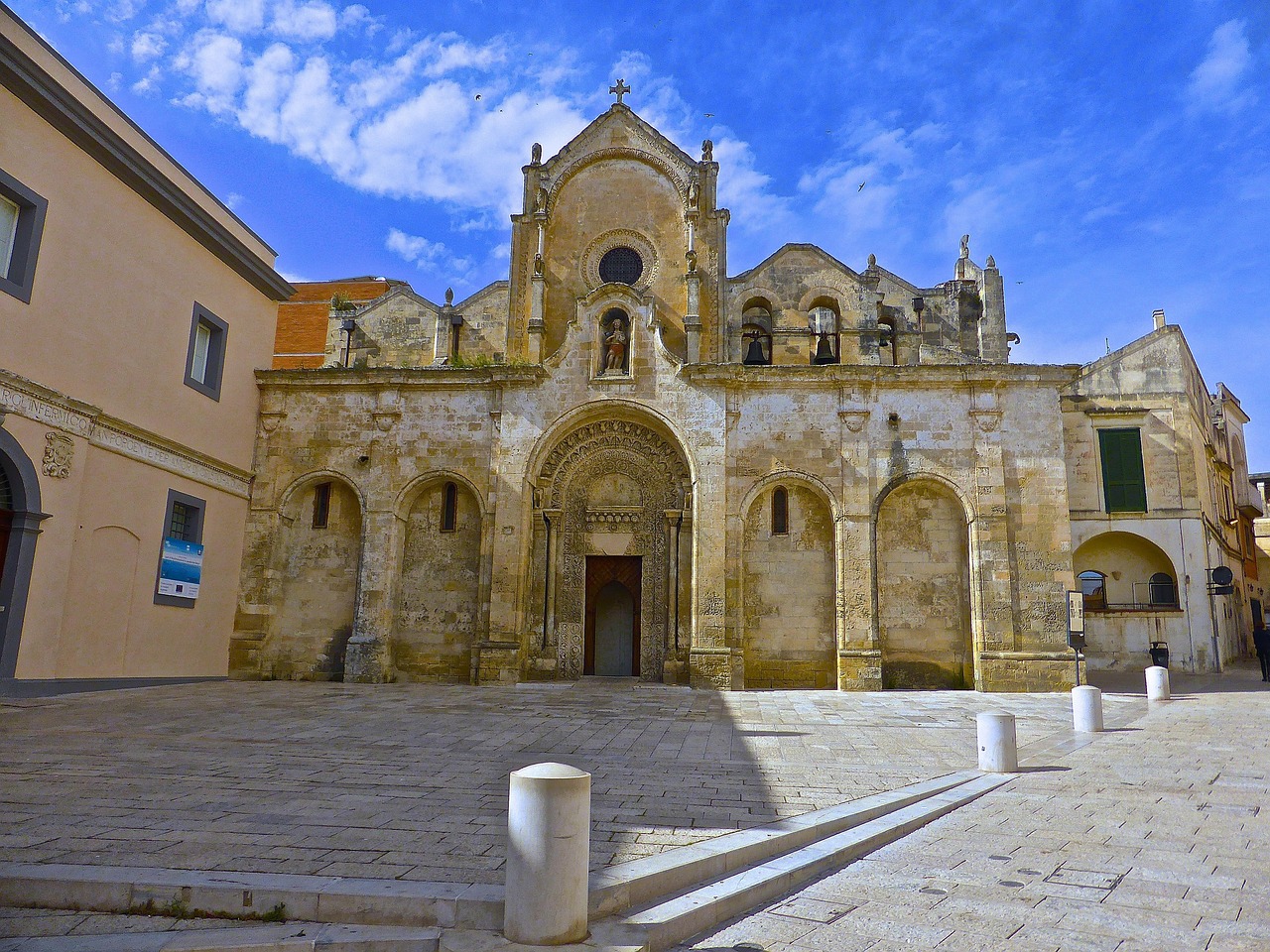
Why Visit Lecce in 2026
Lecce is often called the “Florence of the South,” but after several trips over the last decade, I’ve come to think that comparison sells it short. Lecce isn’t just a smaller Florence with palm trees; it’s a sun‑soaked, baroque stage where honey‑colored stone glows at sunset, conversations spill into the streets, and life moves at a deliciously slow Salento pace.
In 2026, Lecce is especially exciting: new direct rail links from Bari and Brindisi have shortened travel times, more car‑free spaces have made the historic center even more walkable, and a growing wave of young chefs and artisans is breathing fresh life into traditional Puglian culture. Yet it’s still under the radar compared to Rome, Florence, or the Amalfi Coast.
If you’re looking for a place where you can wander baroque lanes in the morning, swim in turquoise coves in the afternoon, and sip negroamaro in a lively piazza by night—without the crush of tour buses—Lecce is your city.
- Perfect for: Couples (romantic evenings in golden piazzas), families (safe streets, friendly locals, beaches nearby), solo travelers (walkable, social, relaxed), food lovers, architecture fans, and slow travelers.
- Trip length sweet spot: 3–5 days in Lecce itself, plus 1–3 day trips around Salento.
- Best seasons: April–June and September–October for warm weather, fewer crowds, and lower prices.
Table of Contents
- Why Visit Lecce
- Top 20 Must-See Attractions in Lecce
- 3–5 Day Itineraries for Lecce (With Personal Stories)
- Neighborhoods & Areas to Explore
- Local Food in Lecce: What and Where to Eat
- Nightlife, Entertainment & Cultural Experiences
- Day Trips & Nearby Attractions
- Cultural Etiquette & Local Customs
- Practical Travel Tips for Lecce (Money, SIM, Transport, Visas)
- Events & Festivals in Lecce 2026–2027
- Summary & Best Time to Visit Lecce
Top 20 Must-See Attractions in Lecce
These are the must-see attractions in Lecce—the places I find myself returning to every visit. I’ll start with the icons and gradually move to lesser‑known gems, mixing history, personal impressions, and practical tips.
1. Piazza del Duomo & Lecce Cathedral (Duomo di Lecce)
The first time I walked into Piazza del Duomo, it felt like stepping onto an open‑air theater stage. The square is enclosed on three sides, so you enter through a narrow opening and suddenly the whole baroque ensemble—cathedral, bell tower, bishop’s palace—reveals itself in one grand, golden sweep.
The Duomo itself, originally 12th century but rebuilt in the 17th, is the heart of the square. Its main façade is surprisingly simple, while the side façade, facing the piazza, is a full baroque drama of saints, scrolls, and cherubs. I like to sit on the low steps opposite the cathedral just before sunset; as the stone warms to a deeper honey color, locals drift in for their evening passeggiata, and the square fills with soft chatter.
Inside the cathedral, the cool air and dim light are a relief on hot summer days. Look up at the wooden coffered ceiling and the side chapels filled with intricate altars—you’ll see how seriously Lecce took its baroque makeover.
- Best time to visit: Golden hour (about an hour before sunset) and late evening when the square is lit up but not yet crowded.
- Family tip: Kids love the bell tower; if it’s open during your visit, climb it for a panoramic view of Lecce’s rooftops.
- Romantic tip: Come back after dinner. The quiet, softly lit piazza is one of the most romantic spots in Lecce.
- Dress code: Shoulders and knees covered inside the cathedral.
2. Basilica di Santa Croce
If Lecce had a single calling card, it would be the façade of the Basilica di Santa Croce. I still remember the first time I stood in front of it in 2014: I intended a quick photo and ended up rooted to the spot for half an hour, trying to decode the riot of carved fruit, animals, angels, and mythical creatures spilling across the surface.
Built between the 16th and 17th centuries, the basilica is the masterpiece of Leccese baroque, made from the city’s characteristic soft limestone. That stone is what allows for the insane level of detail: you’ll see lions, griffins, pomegranates, and vines swirling around a central rose window. It’s almost playful—baroque with a wink.
Inside, the church feels calmer, with a long nave and richly decorated side chapels. I like to sit for a few minutes just to let my eyes adjust; coming in from the bright street, there’s a soothing hush here.
- Best time: Early morning to admire the façade without crowds, or mid‑afternoon when the sun really brings out the carvings.
- Photography tip: Use the buildings across the narrow street to frame your shots; a wide‑angle lens helps.
- Nearby: The adjacent former Celestine monastery (now government offices) and its courtyard are worth a quick peek.
3. Roman Amphitheatre (Anfiteatro Romano)
Right in the center of Lecce, in Piazza Sant’Oronzo, you’ll find a Roman amphitheater unexpectedly sunken below street level. Half of it was uncovered in the early 20th century during construction works; the other half is still hidden beneath later buildings. There’s something magical about watching modern life swirl around the edges while the ancient stone seats sit quietly below.
I like to grab a caffè in ghiaccio (iced espresso with almond milk, a Lecce specialty) from one of the nearby cafés and sit on the edge of the square, imagining gladiatorial games taking place where kids now chase pigeons.
- Good for: A quick but atmospheric stop; families (kids enjoy seeing “real Roman ruins”).
- Tip: Look for the column with Saint Oronzo (the city’s patron) overlooking the square; it originally stood along the Appian Way in Brindisi.
- Seasonal events: In some summers, the amphitheater hosts concerts or performances—check local listings when you’re in town.
4. Castello Carlo V (Lecce Castle)
The Castello Carlo V, a 16th‑century fortress built by Emperor Charles V, guards the eastern side of the old town. Its heavy bastions and moat contrast nicely with the delicate baroque elsewhere in Lecce. I’ve visited several times for exhibitions, and each time I’m reminded how much Lecce has always been a crossroads and a stronghold.
Inside, you can wander through thick‑walled corridors, inner courtyards, and exhibition spaces that often host art shows or historical displays. On hot days, the cool stone interiors are a welcome break from the sun.
- Best for: History buffs, families (kids like castles), a rainy or very hot afternoon.
- Tip: Check the schedule at the entrance—temporary exhibitions can be excellent, and sometimes there are nighttime openings.
- Nearby: The eastern city gate, Porta Rudiae, and the lively streets that radiate from it.
5. Piazza Sant’Oronzo
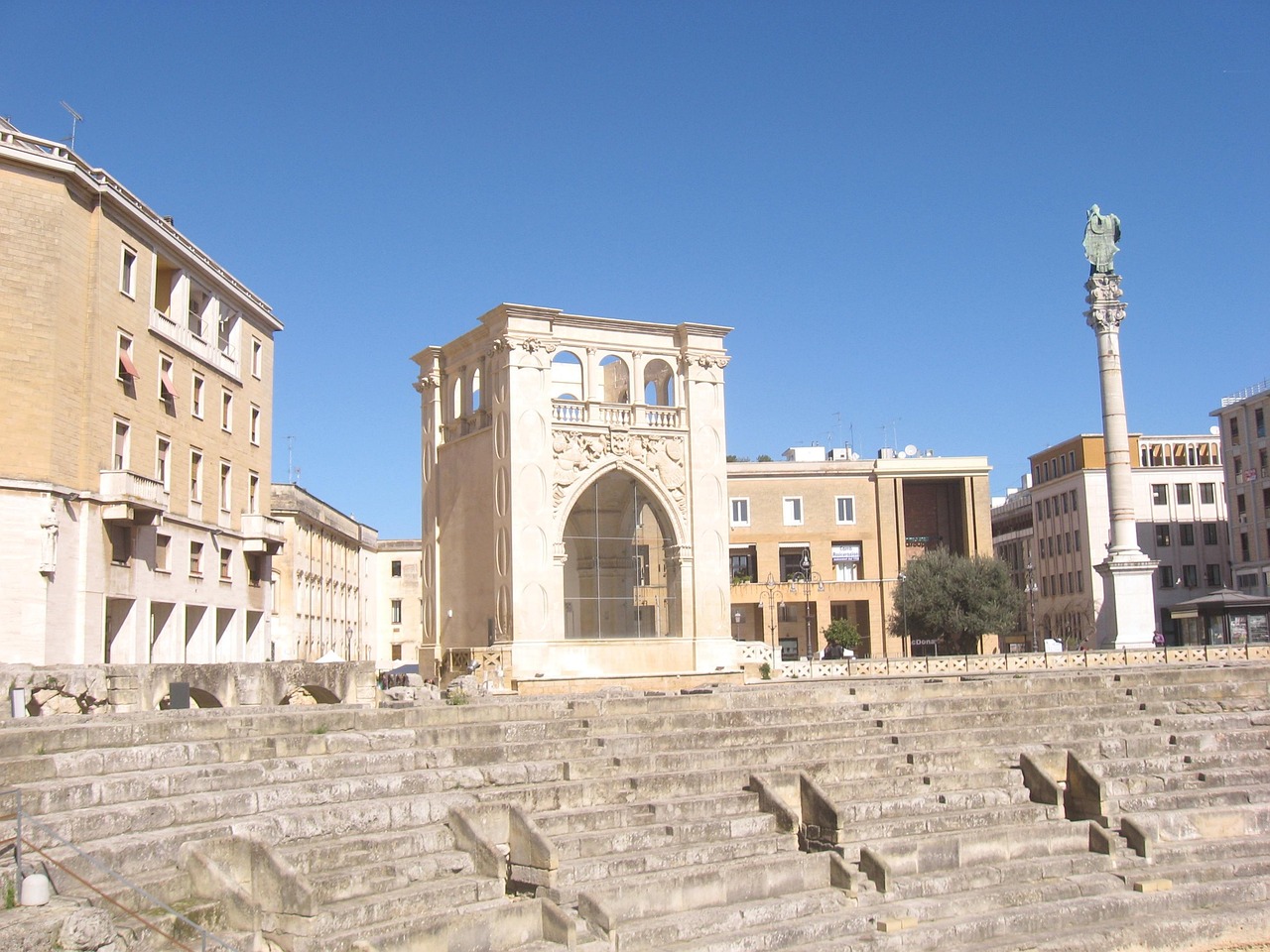
Piazza Sant’Oronzo is Lecce’s beating heart, where locals meet, students cross on their way to class, and travelers inevitably pass through several times a day. It’s a mix of eras: the Roman amphitheater, fascist‑era buildings, a medieval column with Saint Oronzo on top, and modern cafés all vying for your attention.
I often start my day here with a quick coffee at the bar counter, watching the square wake up. In the evening, it becomes a stage for street performers, buskers, and informal gatherings. During festivals, it’s packed shoulder‑to‑shoulder with people, lights, and music.
- Good for: People‑watching, orientation, a first taste of Lecce’s atmosphere.
- Hidden detail: Look for the city’s emblem—a she‑wolf under a holm oak—on the pavement.
- Tip: Prices for drinks are higher at terrace cafés here; for a cheaper coffee, stand at the bar.
6. Porta Napoli
Porta Napoli is one of Lecce’s monumental city gates, built in the 16th century in honor of Charles V. It’s a triumphal arch that once greeted travelers coming from Naples—today, it greets university students, dog walkers, and visitors exploring the northern edge of the old town.
In the late afternoon, I love to walk here from the center, passing through quieter residential streets until the arch appears framing the sky. Just beyond, a wide tree‑lined avenue leads out of the old city, a good place for an evening stroll if you need a break from the more crowded core.
- Good for: A short, scenic walk; photography; starting a loop around the city walls.
- Nearby: A cluster of student‑friendly bars and cafés, usually cheaper and more casual than in the main piazzas.
7. Chiesa di San Matteo
San Matteo is one of my personal favorite churches in Lecce, partly because it’s slightly off the main tourist drag and partly because of its unusual curved façade. Built in the late 17th century, it feels almost baroque‑rococo, with two large columns embracing the entrance.
I stumbled upon it on an evening walk my second trip to Lecce, following the sound of a choir rehearsal inside. I remember standing in the doorway, listening quietly as the voices echoed off the stone. It’s that kind of place—small, intimate, and often unexpectedly alive with local life.
- Good for: Lovers of baroque architecture, those looking to escape crowds.
- Tip: Combine with a stroll through the nearby artisan workshops and ceramics stores.
8. Chiesa di Sant’Irene
Sant’Irene sits along one of Lecce’s main spines, Via Vittorio Emanuele II, yet many visitors pass it without stepping inside. Don’t make that mistake. Dedicated to Saint Irene, Lecce’s former patron saint, the church has a dramatic façade and a spacious, serene interior.
On one spring morning in 2022, I slipped in during a light rain shower. The church was almost empty, and the sound of raindrops outside mixed with the muffled whispers of a few locals praying. It’s these simple, unscripted moments that make Sant’Irene special for me.
- Good for: A quiet pause between major sights; anyone interested in Lecce’s religious history.
- Tip: Look up at the ceiling and side chapels; their decoration is rich but less overwhelming than Santa Croce.
9. Roman Theatre (Teatro Romano)
The Roman Theatre is one of Lecce’s true hidden gems. Tucked behind buildings not far from Santa Croce, it was rediscovered only in the 20th century. You could easily walk past the narrow alleyway leading to it and never know there’s an ancient theater inside the block.
I first found it with the help of a local friend who insisted on “showing me something secret.” Through a gate, a small courtyard, and then suddenly the semicircular steps of the theatre appear. There’s a tiny museum explaining its history, but the main pleasure is simply standing there, alone more often than not, imagining performances that took place here two millennia ago.
- Good for: Off‑the‑beaten‑path seekers, history fans, photographers.
- Tip: Use a detailed offline map; the entrance isn’t obvious.
10. Lecce Historic Center (Centro Storico) Walking Lanes
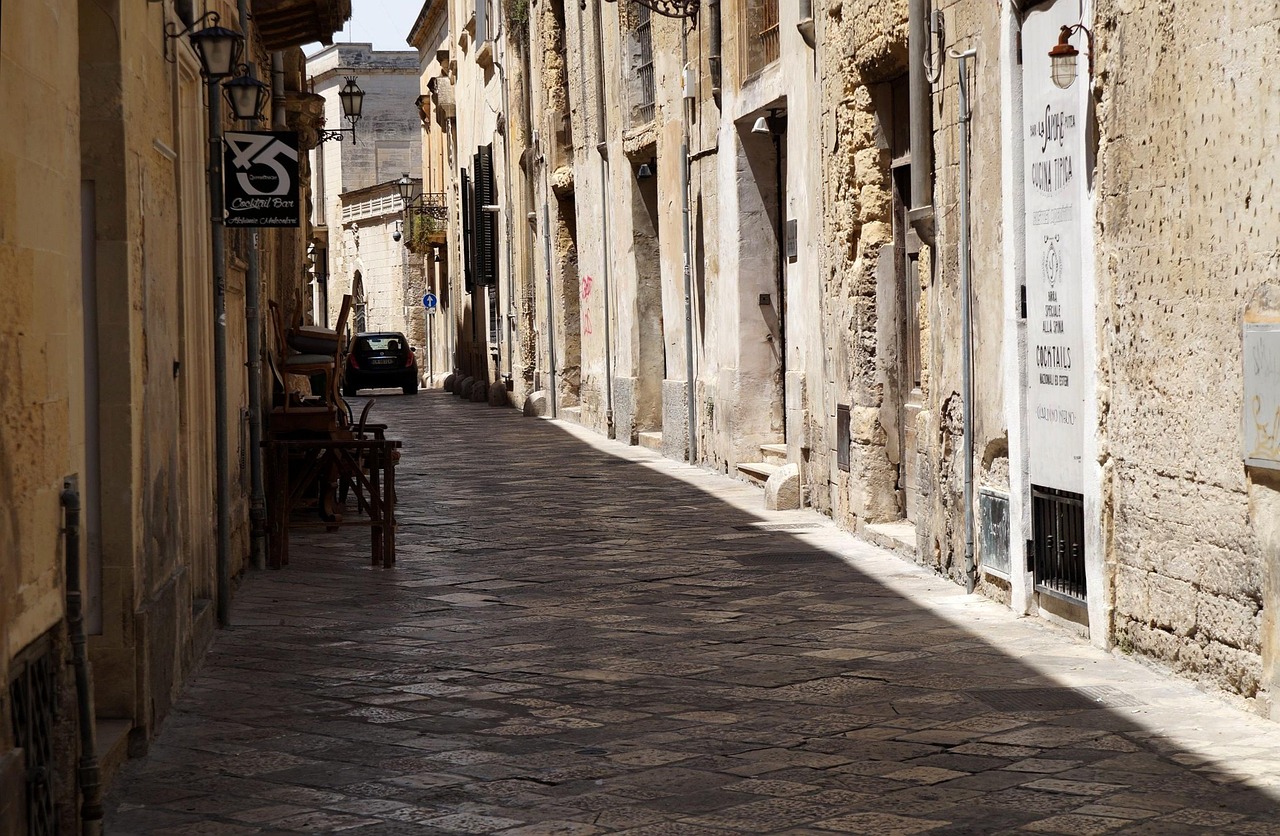
The real magic of Lecce lies not only in individual monuments but in the network of lanes weaving between them. Warm stone façades, balconies draped with plants, small shrines on street corners, and the occasional hidden courtyard—this is where I spend most of my time when I’m in town.
I like to walk without a strict plan: starting near Porta Rudiae, winding past small bakeries, lingering at workshop windows where artisans carve Lecce stone or paint ceramics, stopping for an espresso or pasticciotto whenever the mood strikes. Even after multiple visits, I still find new angles, new details, new favorite corners.
- Best time: Early morning for quiet streets; late afternoon and evening for atmosphere.
- Family tip: Turn it into a treasure hunt: find the funniest carved face, the narrowest street, the prettiest balcony.
- Romantic tip: Wander without maps after dinner. Getting a little lost here is part of the charm.
11. Palazzo Taurino – Medieval Jewish Museum of Lecce
Behind today’s baroque façade, Lecce has a layered medieval past, including a once‑vibrant Jewish community. Palazzo Taurino, a small but fascinating museum, explores that history. On my 2023 visit, I joined a guided tour that took us through archaeological remains of a medieval synagogue and mikveh (ritual bath), with a passionate local guide weaving together stories of faith, trade, and coexistence.
It’s a sobering but important stop that adds depth to the city beyond its churches and piazzas.
- Good for: History lovers, culturally curious travelers, older kids and teens.
- Tip: Book a guided tour if possible; the context makes all the difference.
12. MUST – Museo Storico della Città di Lecce
MUST (Museo Storico della Città di Lecce) is a compact city museum housed in a former monastery. I ducked in one sweltering July afternoon, mainly seeking air conditioning, and ended up staying for two hours. Through models, maps, and multimedia displays, it traces Lecce’s evolution from Messapian settlement to Roman town to baroque jewel.
Temporary art exhibitions often occupy part of the space, showcasing contemporary local artists—a nice contrast to all the historic stone outside.
- Good for: A structured overview of Lecce; families (interactive elements help keep kids engaged).
- Tip: Combine with a walk to Santa Croce and the nearby Roman Theatre.
13. Villa Comunale Giuseppe Garibaldi (City Park)
When you need a break from stone and churches, head to the Villa Comunale, Lecce’s main public park. It’s not huge, but it’s green, shady, and full of local life: kids on scooters, elderly men playing cards, teens hanging out on benches.
I often bring a takeaway sandwich here—maybe a rustico leccese (a puff pastry filled with mozzarella and tomato) from a nearby bar—and eat it under the trees. In spring and early summer, the flowerbeds are especially lovely.
- Good for: Families, picnics, a quiet half‑hour with a book.
- Tip: Respect local siesta hours; it can be very quiet midday but livelier in late afternoon.
14. Mercato di Lecce (Local Market)
To understand local food in Lecce, you need to walk through its markets. While Lecce’s central market isn’t as polished as some northern Italian ones, it’s full of life: crates of sun‑ripened tomatoes, glossy eggplants, piles of chicory, fresh fish from the Adriatic and Ionian seas, and vendors shouting friendly banter.
On a recent visit, a fishmonger insisted I try a raw shrimp on the spot—sweet, briny, and incredibly fresh. If you’re staying in an apartment, this is the place to stock up for home‑cooked meals; even if you’re not, it’s perfect for fruit, nuts, and picnic supplies.
- Good for: Food lovers, budget travelers, photographers.
- Tip: Go early in the morning; by midday, some stalls start to close.
15. Ex Conservatorio Sant’Anna & Hidden Courtyards
One of Lecce’s quiet pleasures is discovering hidden courtyards behind plain doors. The former Conservatorio Sant’Anna (now a cultural center) has one of the prettiest. Step through its entrance and you’ll find a tranquil cloister with arcades, potted plants, and a sense of timeless calm.
I like to wander the side streets nearby, peeking through any open doorway; many lead to private courtyards with citrus trees and old stone wells. You can’t enter those, of course, but they give you a glimpse of Lecce’s private world.
- Good for: Quiet exploration, photography, architecture lovers.
- Tip: Always be respectful; if a doorway looks very private or someone seems uncomfortable, move on.
16. Teatro Politeama Greco
Teatro Politeama Greco is Lecce’s main historic theater, hosting opera, concerts, ballet, and plays. Attending a performance here is one of the best cultural experiences in Lecce. The interior, with its red velvet seats and gilded balconies, adds a touch of old‑world glamour to any evening.
On one autumn trip, I watched a contemporary dance performance here, surrounded mostly by locals. Afterwards, everyone spilled into the nearby streets for a late dinner—exactly the kind of night that makes you feel briefly adopted by a city.
- Good for: Culture lovers, couples, anyone wanting to experience local life beyond the monuments.
- Tip: Check the theater’s program online and book tickets in advance if you have your heart set on a particular show.
17. Piazza Mazzini & Modern Lecce
While the old town grabs the headlines, Piazza Mazzini and the surrounding streets show you modern, everyday Lecce: clothing stores, electronics shops, gelaterias, and locals rushing about their daily business. It’s not “pretty” in the baroque sense, but it’s part of the real city.
I often come here if I need anything practical (a SIM card, sunglasses, a quick slice of pizza). In the evenings, the area is lively with young people and families out for a stroll.
- Good for: Shopping, errands, seeing non‑touristy Lecce.
- Tip: Combine with a walk back into the old town via Porta San Biagio, another historic gate.
18. Lecce Stone & Papier-Mâché Artisan Workshops
Some of my favorite hours in Lecce have been spent chatting with artisans in small workshops. Lecce is famous for its soft limestone and its delicate cartapesta (papier‑mâché) figurines, originally used in church processions.
In one workshop near Santa Croce, I watched an older artisan shape a saint’s face from papier‑mâché, his hands moving with practiced ease. When I asked (in halting Italian) how long he’d been doing this, he smiled and said, “Since I could hold scissors.” Many artisans are happy to explain their craft if you show genuine interest.
- Good for: Unique souvenirs, cultural immersion, supporting local crafts.
- Tip: Morning is best; workshops may close in the afternoon for long lunch breaks.
19. Off-the-Beaten-Path Streets & Street Art
Lecce isn’t known as a major street art city, but if you wander the edges of the old town and the neighborhoods just beyond, you’ll find pockets of colorful murals and graffiti. I like to walk out towards the train station area and loop back through residential streets, spotting small artistic interventions: a painted doorway here, a mural there.
It’s a reminder that Lecce isn’t just a baroque time capsule; it’s also a living, evolving city where contemporary expression coexists with centuries‑old stone.
- Good for: Repeat visitors, photographers, urban explorers.
- Tip: Go during daylight and stick to streets that feel comfortable; Lecce is generally safe, but common sense always applies.
20. Former Monasteries & Convents (Now Cultural Spaces)
Across Lecce, several former monasteries and convents have been transformed into museums, cultural centers, or university buildings. They’re often open for free or for special events and are some of the most atmospheric places in the city.
On my last visit, I attended a photography exhibition in a cloister I’d walked past dozens of times without noticing. Inside: a peaceful courtyard, old frescoes, and a blend of students and older locals enjoying the show. These “recycled” religious spaces embody Lecce’s ability to honor its past while living firmly in the present.
- Good for: Architecture fans, culture lovers, anyone who enjoys quiet, beautiful spaces.
- Tip: Keep an eye on local posters and flyers; they often advertise temporary events in these spaces.
3–5 Day Itineraries for Lecce (Personal, Flexible Plans)
Here are flexible itineraries for 3 days in Lecce, 4 days in Lecce, and 5 days in Lecce, based on how I actually structure my own trips. Think of them as frameworks you can adapt rather than rigid schedules.
3 Day Itinerary for Lecce (3 Days in Lecce)
Day 1: First Taste of Baroque Lecce
Morning: I like to start my first day gently. Grab breakfast standing at the bar of a local café—order a pasticciotto (custard‑filled pastry) and an espresso. From there, stroll to Piazza Sant’Oronzo to get your bearings, then wander towards the Roman Amphitheatre and the nearby Teatro Romano.
Continue along Via Vittorio Emanuele II to Sant’Irene and finally to the showstopper, Piazza del Duomo. Step inside the cathedral if it’s open and take your time in the square—this is the emotional center of Lecce.
Lunch: For your first lunch, try a trattoria in the historic center—somewhere small and traditional. Order orecchiette alle cime di rapa (ear‑shaped pasta with turnip tops) or ciceri e tria (chickpeas with pasta, some of it fried).
Afternoon: Head to Basilica di Santa Croce. Give yourself at least half an hour just to study the façade. Afterwards, pop into some nearby artisan workshops—this is a good time to see cartapesta artists at work.
Evening: Join the passeggiata—the evening stroll—circling between Piazza Sant’Oronzo and Piazza del Duomo. Choose a wine bar with outdoor seating, order a glass of local negroamaro or primitivo, and enjoy the people‑watching. For dinner, I like to go just outside the most touristy lanes, where prices drop and portions increase.
- Family note: Keep the pace gentle; Lecce is very walkable, but stone streets can tire small legs. Gelato breaks are essential.
- Budget tip: Have coffee at the bar counter instead of a table; it’s significantly cheaper.
Day 2: Castles, Museums & Local Life
Morning: Start at Castello Carlo V. Explore the fortress and see if there are any exhibitions on. Then walk to MUST, the city museum, for context about Lecce’s history. This combination gives you a solid grounding in where Lecce came from.
Lunch: Pick up something simple at a bakery or tavola calda (hot table): a rustico, focaccia, or a slice of pizzetta. If the weather’s nice, carry it to the Villa Comunale and eat under the trees.
Afternoon: Wander towards Porta Napoli, then loop back through quieter residential streets dotted with student bars and cafés. Spend an hour or two exploring artisan shops or visiting Palazzo Taurino if you’re interested in medieval Jewish history.
Evening: Consider booking a performance at Teatro Politeama Greco. If that’s not your style, opt for a relaxed aperitivo in a side‑street bar followed by dinner at a restaurant focusing on local seafood: grilled fish, cozze gratinate (baked mussels), or octopus salad.
- Romantic angle: After dinner, head back to Piazza del Duomo; the square at night is dreamy and rarely crowded.
- Saving money: Skip dessert at the restaurant and have gelato instead; usually cheaper and better.
Day 3: Markets, Hidden Corners & Optional Coast
Morning: Visit the local market for a crash course in Salento’s produce. Even if you’re not cooking, buy fruit and nuts for snacks. From there, spend a few hours just wandering: seek out San Matteo, hidden courtyards, and any open cloisters you can find.
Lunch: This is a good day to try a more contemporary bistro or wine bar offering modern takes on traditional dishes.
Afternoon options:
- Option A – Stay in Lecce: Dive deeper into artisan shops and street life, or visit any churches you’ve missed.
- Option B – Quick taste of the coast: Take a short train to San Cataldo (about 15–20 minutes) for a simple beach walk and a coffee by the sea, then return in the early evening.
Evening: For your last night, choose your favorite spot from the previous evenings or try somewhere new recommended by locals. I always ask my host or waiter, “Dove vai tu a mangiare bene ma semplice?” (“Where do you go to eat well but simple?”) and follow their lead.
4 Day Itinerary for Lecce (4 Days in Lecce)
With 4 days in Lecce, you can follow the 3‑day plan above and add:
Day 4: Full Day Trip to Otranto or Gallipoli
Option 1 – Otranto (Adriatic Coast): Take a morning train or bus (around 40–60 minutes). Explore the seaside town, its castle, and the cathedral with its extraordinary 12th‑century mosaic floor. Walk along the sea walls and, in summer, swim in the clear water. Lunch on fresh seafood and frisella (twice‑baked bread soaked and topped with tomatoes and olive oil). Return to Lecce in the early evening.
Option 2 – Gallipoli (Ionian Coast): Another easy train ride (about 1–1.5 hours). Visit the old town on an island connected by a bridge, with fishing boats and golden beaches nearby. The light here at sunset is just magical.
- Family tip: Both towns are excellent for kids; bring swimsuits in warmer months.
- Romantic tip: Stay in Otranto or Gallipoli for dinner, then return by later train or bus if schedules allow.
5 Day Itinerary for Lecce (5 Days in Lecce)
With 5 days in Lecce, you can truly slow down. Follow the 4‑day itinerary and add:
Day 5: Salento Hinterland & Wine
On my most recent 5‑day stay, I dedicated a day to the countryside. I joined a small group tour that visited a family‑run winery and an olive oil mill in the Salento hinterland. We tasted negroamaro, primitivo, and salice salentino wines under a pergola, then learned how extra virgin olive oil is produced—and how to spot the real stuff.
Alternatively, you can rent a car for the day and make your own loop: small towns like Copertino, Galatina (with its splendid frescoed basilica), and Nardò are all within easy reach.
- Good for: Food and wine lovers, repeat visitors, couples.
- Driving note: See the practical section below for foreign license info and road tips.
Neighborhoods & Areas to Explore in Lecce
Centro Storico (Historic Center)
This is where you’ll likely spend most of your time: a compact maze of baroque churches, palazzi, and tight stone streets. It’s ideal for staying if you want to be able to walk everywhere and soak up atmosphere from dawn to midnight.
- Best for: First‑time visitors, couples, culture lovers.
- Character: Romantic, historic, lively but not overwhelming (outside peak August).
Piazza Mazzini & Modern Grid
Just outside the old walls, the streets widen into a more modern grid. Here you’ll find apartment blocks, offices, shops, and local cafés. It’s less picturesque but more “real,” and often cheaper for accommodation.
- Best for: Budget travelers, longer stays, those who like a local neighborhood vibe.
- Character: Everyday, convenient, less touristy.
Train Station Area
South of the center, near the station, you’ll find simpler hotels, B&Bs, and some decent, unfussy eateries frequented by locals. It’s practical if you’re planning lots of day trips by train.
- Best for: Rail travelers, budget stays, short visits focused on day trips.
- Character: Functional, a bit scruffy in places, but convenient.
University & Student Quarter
Lecce’s university presence energizes parts of the city, especially near Porta Napoli and along certain side streets. Expect cheaper bars, late‑night snacks, and a youthful, laid‑back vibe.
- Best for: Night owls, budget eaters, solo travelers looking to meet people.
- Character: Casual, lively, creative.
Local Food in Lecce: What & Where to Eat
Food in Lecce is hearty, simple, and deeply tied to the land and sea of Salento. Here’s what to look for and how to eat well without blowing your budget.
Must-Try Dishes in Lecce
- Pasticciotto leccese: Shortcrust pastry filled with custard (sometimes pistachio or chocolate). Best eaten warm with espresso in the morning.
- Caffè in ghiaccio con latte di mandorla: Iced coffee with almond milk, a Lecce classic, especially in summer.
- Rustico leccese: Puff pastry filled with mozzarella, tomato, and béchamel; the perfect savory snack.
- Orecchiette alle cime di rapa: Ear‑shaped pasta with bitter greens, garlic, anchovies, and chili.
- Ciceri e tria: Pasta with chickpeas, some of it fried for crunch—a signature Salento comfort dish.
- Frisella: Twice‑baked bread ring, soaked and topped with tomatoes, olive oil, and oregano.
- Seafood: Grilled fish, octopus, mussels—fresh and simply prepared.
- Pezzetti di cavallo: Horse meat stew in tomato sauce, for the adventurous.
Where to Eat & Drink (Types of Places)
Rather than naming specific venues (which can change), here’s how I choose where to eat in Lecce:
- Trattorie & osterie: For traditional, home‑style meals. I look for handwritten menus, a mix of ages among diners, and fewer languages on the menu.
- Wine bars (enoteche): Great for aperitivo and small plates of local cheeses, cured meats, and bruschette.
- Panifici & bars: Bakeries and simple bars are ideal for cheap lunches: focaccia, rustici, pasticciotti.
- Gelaterie: Seek out places that make small batches, with seasonal fruit flavors.
Money-saving habits I use:
- Eat your main meal at lunch; many places have good value set menus.
- Stand at the bar for coffee; avoid sitting in the main piazzas if on a tight budget.
- Buy water, fruit, and snacks from supermarkets or markets.
Nightlife, Entertainment & Cultural Experiences in Lecce
Lecce’s nightlife is more about socializing in piazzas and bars than big clubs. Summer is the liveliest season, when tables spill onto the streets and music drifts from every corner.
- Piazza Sant’Oronzo & nearby lanes: Busy in the evenings with bars and gelato.
- Student bars near Porta Napoli: Cheaper drinks, casual vibes, some live music.
- Teatro Politeama Greco & other venues: Opera, concerts, dance, plus smaller cultural centers hosting exhibitions and performances.
- Summer festivals: From June to September, expect outdoor concerts, food fairs, and events across the city and province.
For a romantic evening, I like to start with an aperitivo in a side street, have dinner in the historic center, then wander to Piazza del Duomo for a quiet, starlit end to the night.
Day Trips & Nearby Attractions from Lecce
Otranto
On the Adriatic coast, Otranto is one of my favorite day trips: whitewashed houses, turquoise water, and a cathedral with a jaw‑dropping medieval mosaic floor depicting the Tree of Life, mythical creatures, and historical scenes.
- Getting there: Train or bus from Lecce (roughly 40–60 minutes).
- What to do: Visit the cathedral and castle, swim, stroll the seafront, eat seafood.
Gallipoli
On the Ionian coast, Gallipoli offers sunsets that seem painted. The old town, perched on an island, is ringed by sea walls perfect for an evening walk. In summer, nearby beaches are among the best in Salento.
- Getting there: Train from Lecce (about 1–1.5 hours) or car.
- What to do: Explore old town lanes, visit the castle, swim, enjoy aperitivo at sunset.
Galatina & Nardò
For an inland cultural day, Galatina and Nardò are gems. Galatina’s Basilica of Santa Caterina d’Alessandria is covered in vivid frescoes rivaling those of more famous Italian churches. Nardò has a beautiful baroque square and a relaxed small‑town feel.
- Getting there: Best by car or organized tour; regional trains and buses exist but are slower and less frequent.
Salento Coastal Drives
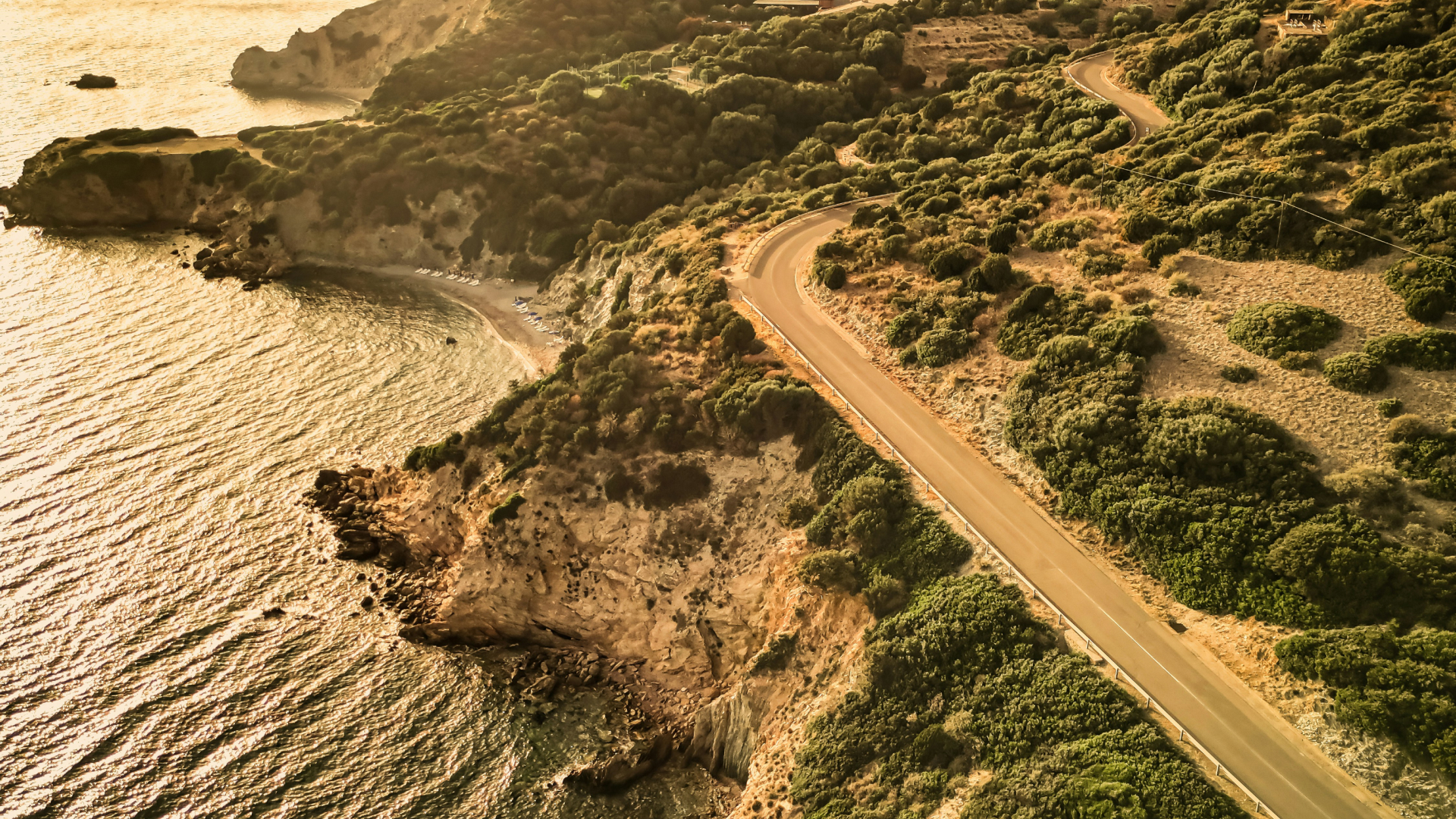
If you rent a car, you can trace either the Adriatic or Ionian coast, stopping at small coves, sea caves, and viewpoints. Places like Torre dell’Orso, Porto Badisco, and Santa Maria di Leuca (the southern tip of the heel) are all within reach.
Cultural Etiquette & Local Customs in Lecce
- Greetings: A simple “Buongiorno” (morning/early afternoon) or “Buonasera” (late afternoon/evening) goes a long way. In shops and cafés, greet on entering and thank on leaving (“Grazie, arrivederci”).
- Dress: Casual but neat. Cover shoulders and knees in churches. Beachwear belongs at the beach, not in town.
- Meal times: Lunch from 1–3 pm, dinner usually not before 8 pm. Many restaurants close between lunch and dinner; plan snacks accordingly.
- Quiet hours: Afternoons (roughly 1–4 pm) can be quieter, especially outside the center—shops may close for siesta.
- Ordering coffee: Cappuccino is typically a breakfast drink. After lunch or dinner, locals usually have an espresso or caffè in ghiaccio in hot weather.
- Tipping: Not obligatory, but rounding up or leaving 5–10% for good service is appreciated. Check for “coperto” (cover charge) on the bill.
- Personal space: Italians stand closer and talk more animatedly than some visitors are used to. It’s normal, not aggression.
Practical Travel Tips for Lecce
Getting To & Around Lecce
- By air: Fly into Brindisi (BDS) or Bari (BRI). From Brindisi, trains and buses to Lecce take about 30–40 minutes; from Bari, around 1.5–2 hours by train.
- By train: Lecce is the southern terminus of mainline services. Fast trains connect it to major Italian cities, often via Bari.
- In town: The historic center is best explored on foot. Local buses connect to outskirts and some nearby beaches.
- Car rental: Useful for exploring Salento’s countryside and coast. Avoid driving into the historic center (ZTL – limited traffic zones); park outside and walk in.
Money & Saving Tips
- Currency: Euro (€). Cards are widely accepted, but carry some cash for small purchases.
- ATMs: Plentiful around Piazza Sant’Oronzo and Piazza Mazzini.
- Saving strategies I use:
- Coffee and breakfast at the bar, main meal at lunch, light dinner of snacks or street food.
- Tap water is generally safe; refill a reusable bottle.
- Choose accommodation just outside the historic center for better value.
SIM Cards & Connectivity
- Providers: TIM, Vodafone, WindTre, Iliad all have good coverage in Lecce and Salento.
- Where to buy: Official shops around Piazza Mazzini and other commercial streets. Bring your passport; registration is required.
- eSIM: In 2026, many travelers prefer eSIMs; check if your provider offers Italy/Europe roaming packages.
Visa Requirements & Driving
- Visas: Italy is in the Schengen Area. Many nationalities (EU, UK, US, Canada, Australia, etc.) can enter visa‑free for short stays; always check current rules from official sources before travel, especially with the rollout of EU travel authorization systems.
- Driving: A valid license from your home country is usually accepted for short visits; some non‑EU citizens may need an International Driving Permit (IDP). Check your specific case beforehand.
- Road tips: Country roads can be narrow; drive defensively. Watch for speed cameras and ZTL zones in towns—fines can be issued months later.
Seasons & Weather: Best Time for Lecce
- Spring (April–June): My favorite time. Mild to warm weather, wildflowers, fewer crowds, lower prices.
- Summer (July–August): Hot (often very hot) and busier, especially on the coast. Great for beaches and festivals, but plan midday breaks.
- Autumn (September–October): Another sweet spot: warm seas, pleasant days, quieter after mid‑September.
- Winter (November–March): Cooler, quieter, some coastal businesses closed, but Lecce itself remains lively as it’s a real city, not just a resort.
Events & Festivals in Lecce 2026–2027
Exact dates vary each year, but these are some recurring highlights to watch for in 2026–2027 (always confirm closer to your travel dates):
- Festa di Sant’Oronzo (late August): Lecce’s biggest annual celebration for its patron saint, with processions, fireworks, concerts, and decorative lights. Expect crowds, especially in Piazza Sant’Oronzo.
- Summer music & cultural festivals (June–September): Concerts, theater, and dance across the city and wider Salento, including some events in the Roman Amphitheatre and city squares.
- Christmas lights & markets (December–early January): Festive decorations in the historic center, nativity scenes, and seasonal sweets.
- Local food and wine fairs: Throughout the year, smaller towns around Lecce host sagre (food festivals) celebrating everything from orecchiette to wine and olives.
Summary & Final Recommendations
Lecce is a city that reveals itself slowly: first through its golden baroque façades, then through its food and wine, and finally through the small, unscripted moments—an artisan at work, an old couple strolling hand‑in‑hand, kids playing football in a piazza at dusk.
- How long: Aim for at least 3 days in Lecce to see the essentials; 4–5 days lets you add day trips and truly relax.
- Must-see attractions in Lecce: Piazza del Duomo, Basilica di Santa Croce, Roman Amphitheatre, Castello Carlo V, Sant’Irene, San Matteo, and the atmospheric lanes of the Centro Storico.
- Best seasons: Late spring (May–June) and early autumn (September–October) for comfortable weather and a good balance of activity and calm.
- Don’t miss: A warm pasticciotto and coffee in the morning, an evening stroll through the lit‑up historic center, and at least one day trip to the Salento coast.
Whether you’re crafting a 3 day itinerary for Lecce or stretching to a 5 day itinerary for Lecce, you’ll find more than enough things to do in Lecce—and, just as importantly, enough space and time to do very little at all. That, in the end, may be Lecce’s greatest gift: an invitation to slow down and savor the southern Italian art of living well.