Why Visit Locorotondo?
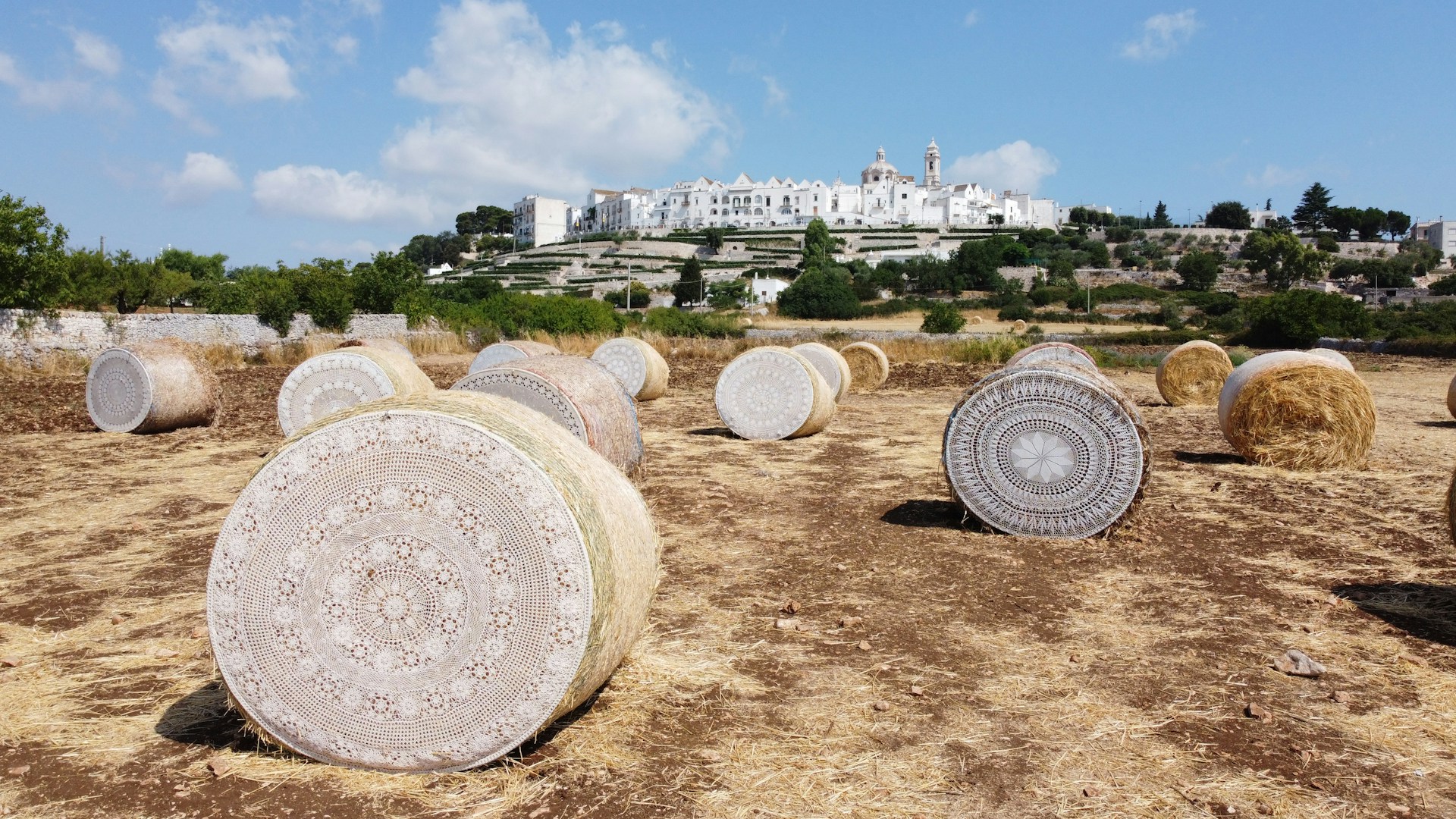
If you’ve ever dreamed of an Italian hill town that still feels genuinely local, Locorotondo is it. Perched in the heart of Puglia’s Valle d’Itria, this tiny circular town is a swirl of whitewashed lanes, flower-laden balconies, and quiet stone staircases where life moves at the pace of an afternoon espresso.
Locorotondo doesn’t shout for your attention like Rome or Florence. It whispers. You notice the scent of jasmine in the evening, the clink of coffee cups in the morning, the way the sunset turns the dry-stone walls golden. It’s the kind of place where you start recognizing faces after a day, and where the bartender remembers how you take your coffee by day three.
What makes it special?
- Its circular old town: a white, perfectly preserved centro storico laid out in concentric rings, ideal for wandering aimlessly.
- Trulli countryside: surrounded by conical-roofed stone houses, vineyards, and olive groves that you can explore on foot, bike, or by car.
- Wine culture: the home of crisp, aromatic Locorotondo DOC white wines, best enjoyed at a tiny enoteca perched over the valley.
- Proximity to everything: Alberobello, Martina Franca, Cisternino, Ostuni, Polignano a Mare, and the Adriatic coast are all easy day trips.
- Local life: this is still a lived-in town, not a museum. You’ll see nonni chatting on benches, laundry flapping above your head, kids playing football on piazzas.
Across multiple stays here (spring 2019, late summer 2021, and a longer return in autumn 2024), Locorotondo has become my slow-travel anchor in Puglia—the place I come back to when I want to feel like I’m living in Italy, not just visiting.
Table of Contents
- Why Visit Locorotondo?
- Quick Overview of Locorotondo
- Suggested 3–5 Day Itineraries
- Neighborhoods & Areas to Explore
- 20 Must-See Attractions & Experiences
- Local Food in Locorotondo & Where to Eat
- Nightlife, Entertainment & Cultural Experiences
- Day Trips from Locorotondo
- Events & Festivals 2026–2027
- Local Customs & Cultural Etiquette
- Practical Travel Tips for Locorotondo
- Summary & Best Time to Visit Locorotondo
Quick Overview of Locorotondo
Locorotondo sits in the province of Bari (administratively now more often associated with the Metropolitan City of Bari), in the region of Puglia, southeastern Italy. It’s a small town (around 14,000 residents) famous for:
- Its name: “Locorotondo” literally means “round place,” referring to the circular plan of the historic center.
- Architecture: whitewashed houses with pitched roofs called cummerse, narrow lanes, and Baroque churches.
- Elevation: perched at about 410 meters above sea level, it overlooks the lush Valle d’Itria.
- Wine: the Locorotondo DOC white wine, light and dry, perfect with seafood and local cheeses.
This travel guide is updated for 2026 and reflects recent changes—new wine bars, agriturismi, and a few subtle shifts as the town balances tourism with local life.
Suggested 3–5 Day Itineraries for Locorotondo
Below are flexible itineraries based on trips I’ve taken and ones I’ve planned for friends. You can use them as complete plans or mix and match. They all start from the assumption that you’re staying in or near the historic center.
3 Day Itinerary for Locorotondo: A Gentle Introduction
If you’ve got 3 days in Locorotondo, focus on savoring the town itself and one or two nearby highlights.
Day 1 – Getting Lost in the White Labyrinth
Arrive, drop your bags at your B&B or trullo stay, and head straight into the centro storico. On my first visit, I gave myself a simple rule: no maps for the first three hours. It’s hard to truly get lost (the circular structure eventually guides you back), and you’ll quickly understand why this is one of the best places to visit in Locorotondo.
Spend the morning visiting Centro Storico and Chiesa Madre di San Giorgio, then linger over lunch at a small trattoria just outside the old walls where prices are slightly lower and portions slightly bigger.
In the afternoon, walk down to the Belvedere Terrace for your first wide-open view of the Valle d’Itria. I still remember my first sunset here—low sun washing over trulli domes and vines. Have your camera ready.
Day 2 – Trulli Countryside & Wine
On your second day of this 3 day itinerary for Locorotondo, rent a bike or e-bike and ride a loop through the countryside: dry-stone walls, trulli clusters, tiny chapels. Stop at a masseria (farm estate) for a long, lazy lunch—homemade pasta, vegetables from the garden, and local wine. If you prefer, you can book a private driver instead; I did this once in August when it was too hot to enjoy cycling.
Late afternoon, book a tasting at Cantine & Wine Bars to sample Locorotondo DOC. This is a great romantic activity for couples, but it’s also relaxed enough to be family-friendly if kids are okay hanging out with a snack and a soft drink.
Day 3 – Day Trip to Alberobello or Martina Franca
Use your final of the 3 days in Locorotondo for a classic day trip: Alberobello if it’s your first time in the area, or Martina Franca if you prefer something less touristy.
- Alberobello: Iconic trulli town, very popular—go early or late to avoid crowds.
- Martina Franca: Baroque architecture, great shopping, and a quieter local vibe.
Return to Locorotondo for one last evening stroll and a gelato under the white facades.
4 Day Itinerary for Locorotondo: Add the Coast
With 4 days in Locorotondo, you can keep the 3-day structure and add a coastal escape.
Day 4 – Adriatic Sea & Cliffside Towns
On my second trip, I devoted a day to the coast: breakfast in Locorotondo, then a short drive or train ride to Polignano a Mare or Monopoli. Swim in the clear Adriatic, eat seafood with a sea view, and wander through another charming old town before heading “home” to Locorotondo’s calm.
This combination—white hill town and blue sea—is why a 4 day itinerary for Locorotondo works so beautifully; it feels like you’ve had two different trips in one.
5 Day Itinerary for Locorotondo: Fully Immersive Slow Travel
With 5 days in Locorotondo, you can truly slow down and add deeper cultural experiences and more hidden gems.
Day 1 – Settle In & First Wander
Same as the 3-day plan: focus on the centro storico, viewpoints, and a relaxed dinner.
Day 2 – Valley Walks & Local Food
Hike or bike a gentle loop through the Valle d’Itria, stopping at a bakery and a roadside bar where farmers gather mid-morning. I’ve had some of my best Italian conversations over bitter espresso and almond biscuits here.
Day 3 – Alberobello + Cisternino
Combine a morning in Alberobello (go early) with a late lunch or dinner at a fornello pronto (butcher-restaurant) in Cisternino. Return to Locorotondo at night, pleasantly full.
Day 4 – Sea Day or Ostuni
Choose between a lazy sea day in Polignano/Monopoli or an inland wander to Ostuni, the white city on the hill. I like doing this mid-week when things are a bit quieter.
Day 5 – Market, Cooking Class & Farewell Evening
Spend your final day doing what I now consider essential: shop at the weekly open-air market, join a local cooking class or informal home-style lunch, then spend your evening doing nothing more ambitious than a slow aperitivo, one last walk through the alleys, and a mental promise to yourself that you’ll come back.
Neighborhoods & Areas of Locorotondo
Locorotondo is small, but each area has its own flavor.
Centro Storico (Historic Center)
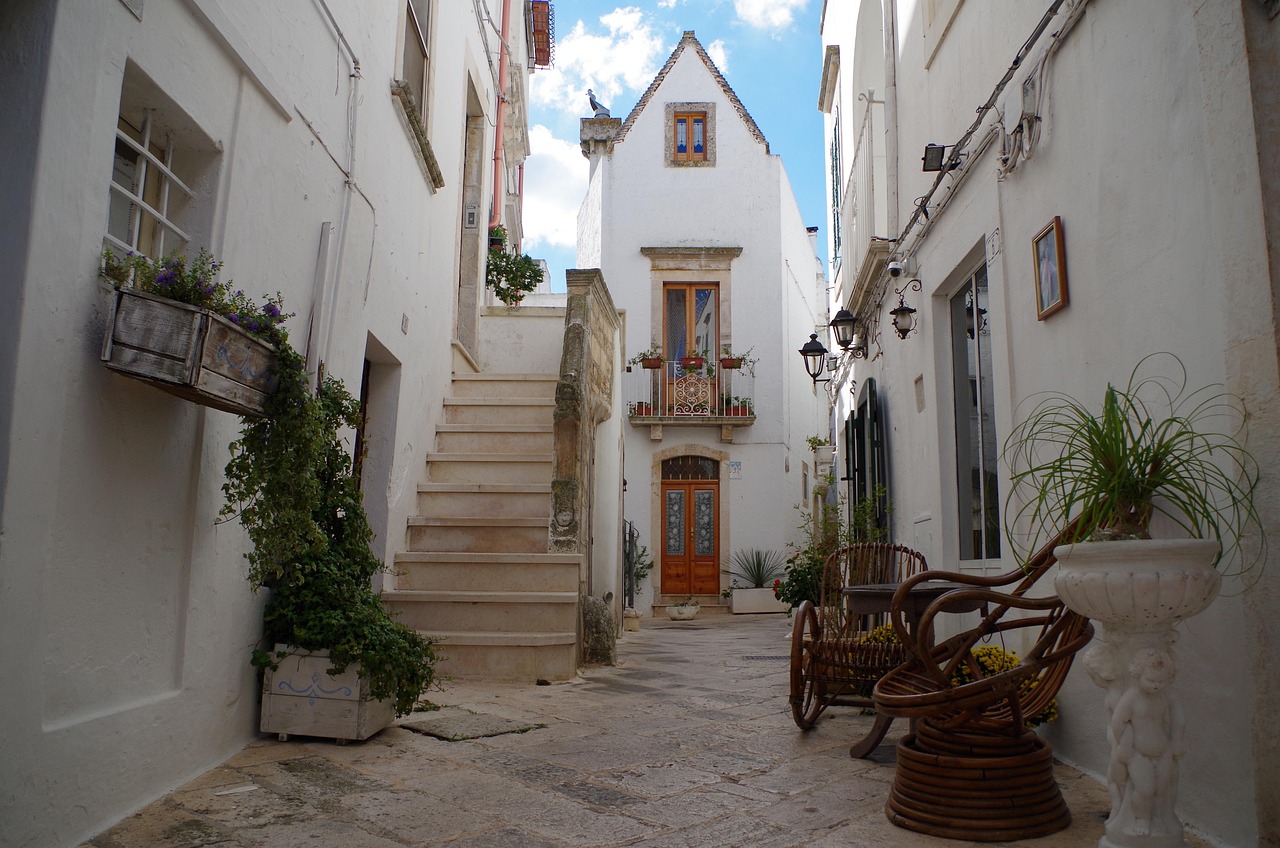
The heart of town and one of the must-see attractions in Locorotondo. Whitewashed cummerse, iron balconies, tiny piazzas. I like staying either just inside the walls or immediately outside so I can dip in and out of the calm, car-free streets.
Borgo Nuovo (Newer Town)
Just beyond the historic center, this is where you’ll find supermarkets, banks, and most everyday services. It’s less picturesque but more practical and often cheaper for food and accommodation.
Contrade (Countryside Districts)
The countryside is divided into contrade—rural hamlets and road clusters with names like Contrada Lamie di Olimpia, Contrada Trito, and Contrada Marangi. This is where the trulli, vineyards, and many agriturismi are. If you want a trullo stay, you’ll likely be in one of these contrade, a 5–15 minute drive from the old town.
20 Must-See Attractions & Experiences in Locorotondo
Below are twenty of the best places to visit in Locorotondo and its immediate surroundings, each with history, context, and personal tips drawn from multiple visits.
1. Centro Storico di Locorotondo (Historic Center)
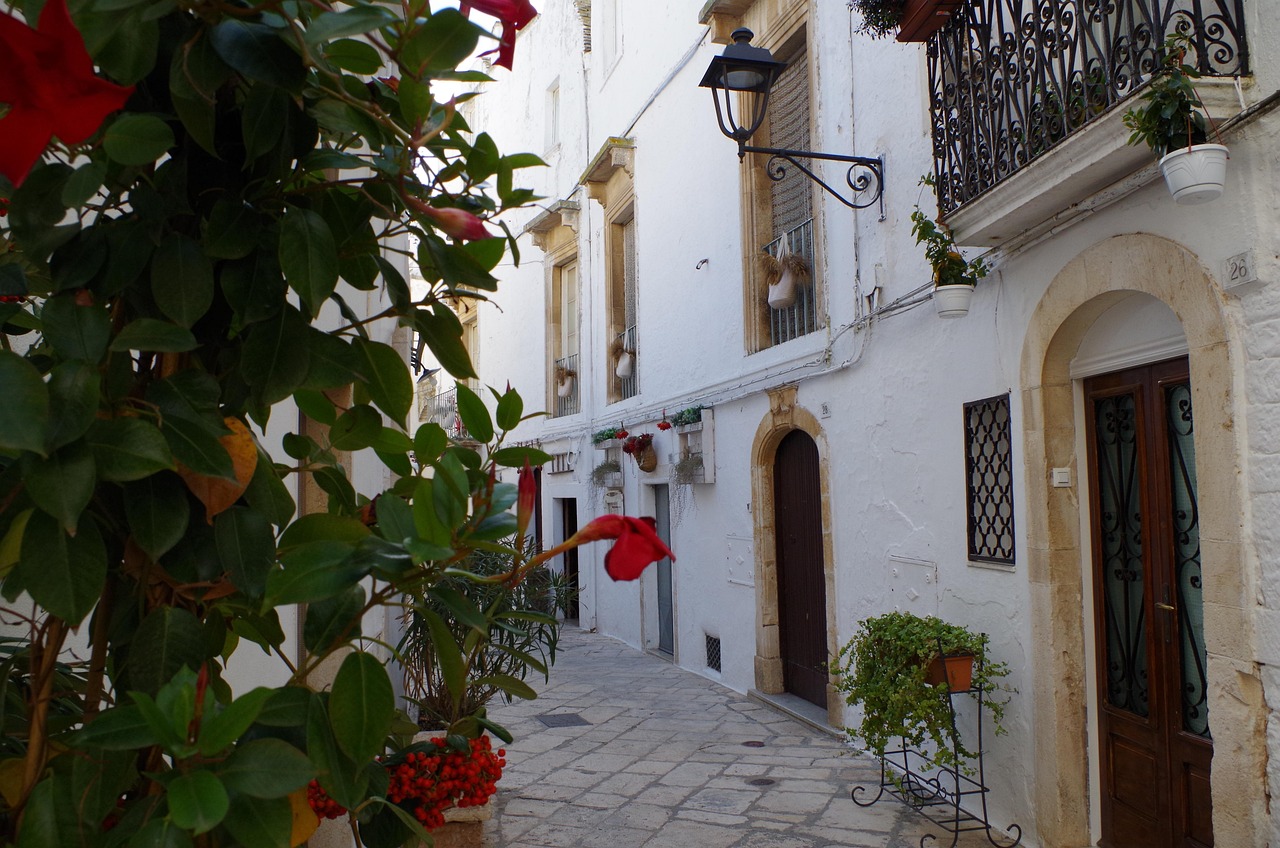
The centro storico is the soul of Locorotondo: a circular maze of white lanes, archways, and churches. Unlike some heavily restored old towns, this one still feels lived-in. You’ll see bikes leaned against walls, shopping bags on windowsills, and tiny shrines glowing at night.
History & significance: The circular plan dates back to medieval fortifications, with houses hugging the hilltop for protection. Over time, the fortifications softened into the pretty ring of buildings you see today. The whitewashing tradition is partly practical (reflecting heat) and partly aesthetic; it gives Locorotondo its almost Greek island brightness.
What I love doing here: An early-morning lap (or three) around the narrow lanes before the day fully begins. I grab a coffee at a bar just outside the walls, then slip in via one of the stone archways and wander with no agenda. Around 8–9 a.m., shutters crack open, the scent of baking bread drifts up, and the town feels like it’s slowly stretching.
Tips:
- Visit at different times—morning for quiet photos, late afternoon for golden light, and evening when the lit shrines and warm windows give it a magical feel.
- Wear non-slip shoes; some stones get slick when damp.
- Respect residents: many doors open directly onto the lanes; keep voices low at night.
2. Chiesa Madre di San Giorgio
This graceful church dominates the skyline and is one of the must-see attractions in Locorotondo. Its neoclassical façade stands at the highest point of the town, and its bell tower serves as a landmark when you’re navigating the lanes.
History: Built between the late 18th and early 19th centuries on the remains of an earlier medieval church, San Giorgio blends neoclassical lines with local stone and a few Baroque flourishes inside. Saint George, the town’s patron, appears in artwork and little statues all over the church.
My experience: I’ve dropped into this church on nearly every trip, usually during the quiet mid-afternoon hours. Once, during a summer heatwave, I slipped inside purely to cool down and ended up staying nearly an hour, watching the light filter through the high windows and listening to a handful of locals murmuring the rosary.
Visiting tips:
- Dress modestly (shoulders covered, shorts to the knee) out of respect.
- If you catch a mass or a small concert here, the acoustics are wonderful.
- Step outside and walk around the block for some of the best partial views over the rooftops.
3. Belvedere Terrace & Panoramic Viewpoint
On the southern edge of the historic center, the Belvedere is where the town exhales. Here, the tight lanes give way to the open bowl of the Valle d’Itria, dotted with trulli, vineyards, and olive trees.
Why it matters: This is the view you see in most postcards of Locorotondo: the white town on the ridge, facing a patchwork of green and stone. It’s also a favorite evening stroll for locals, from families with strollers to elderly couples arm-in-arm.
My ritual: Most evenings, I time my walk to be here about 30 minutes before sunset. I sit on the low wall, watching light roll across the valley as swallows loop above. One autumn trip, I brought a panzerotto from a nearby takeaway and had a quiet picnic here—no one blinked, and a passing nonna even gave me an approving nod.
Tips:
- Great for photos: come slightly before sunset; once the sun drops, the valley quickly becomes shadowy.
- Good for kids: there’s space to move, and the low walls are just high enough to make parents feel safe (still watch the little ones, of course).
- Look for small info boards pointing out nearby towns and features.
4. The White Lanes & Flowered Balconies
Less a single attraction and more an experience, the web of white lanes and balconies in Locorotondo is a living art installation. You’ll find bursts of geraniums, bougainvillea, and succulents spilling from every available ledge.
A bit of background: Locorotondo has won awards for its floral displays, and there’s a gentle sense of neighborly competition: whose balcony looks best this year? Residents take pride in keeping the alleys clean and bright.
My favorite corner: There’s a tiny side lane off Via Morelli where the walls close in tight and the balconies practically touch above your head. I discovered it by accident on a rainy day; the lane felt like a tunnel of white and green, sheltering me from the drizzle.
Tips:
- Go with your camera but also put it away occasionally; let your senses guide you.
- Avoid leaning on doors or sitting on steps; many are private homes.
- Early morning after a light rain is particularly beautiful—the stone glows, and the flowers look freshly washed.
5. The Valle d’Itria Countryside
Locorotondo overlooks one of Italy’s most distinctive landscapes: the Valle d’Itria, a gently rolling valley marked by trulli (conical-roofed stone houses), vineyards, olive groves, and low dry-stone walls.
Geography & culture: The valley sits between the Adriatic and Ionian seas and has been shaped by agriculture for centuries. Trulli began as temporary field shelters and evolved into permanent homes. Today, many are restored as holiday rentals, but plenty still serve as sheds or storage.
My favorite way to experience it: On a cool spring morning, I walked a looping route along country lanes, passing small farms and trulli clusters. A farmer waved me over to show me his new puppies; we chatted in a mix of Italian and hand gestures. Encounters like this are where Locorotondo’s countryside shines.
Tips:
- Consider renting a bike or e-bike for a day; the terrain is rolling but manageable.
- Download offline maps; GPS can be patchy in some pockets.
- Always close gates behind you if you cross farmland via marked paths.
6. Trulli Hamlets Around Locorotondo
While Alberobello is the most famous trulli town, the trulli hamlets around Locorotondo feel more authentic and less staged. You’ll see clusters of conical roofs emerging from fields, often with smoke curling from a chimney in winter.
Why they’re special: These hamlets show trulli as they were originally used: as practical rural architecture. Many are still in use as storerooms, simple homes, or holiday stays run by local families.
My stay: I once spent three nights in a restored trullo in Contrada Trito, about 10 minutes from Locorotondo by car. Mornings were all about birdsong and the clink of goat bells in the distance. At night, the sky was ink-black, and the stars felt impossibly bright.
Tips:
- If you stay in a trullo, ask about heating/cooling—stone can be cold in shoulder seasons and warm in high summer.
- A car makes exploring these hamlets much easier, though some guided bike tours include them.
- Always ask before photographing people’s homes up close; a friendly “Posso fare una foto?” goes a long way.
7. “Lungomare” di Locorotondo (The Promenade)
Locorotondo jokingly calls its panoramic walkway the lungomare (“seafront”) even though there’s no sea in sight—only waves of olive trees and trulli. It’s a long, slightly curved terrace just below the old town, with benches overlooking the valley.
Atmosphere: In the evenings, families stroll, teenagers gather in small groups, and older residents claim their favorite benches. Street musicians sometimes set up here on summer nights.
My best memory: One August, I sat here with a gelato, and a local band started an impromptu acoustic set—just guitar, accordion, and voice. Within minutes, people were clapping along; a couple even danced. It wasn’t an organized event, just life unfolding.
Tips:
- Benches fill up close to sunset; arrive a bit earlier if you want a prime spot.
- Family-friendly, stroller-friendly, and great for people-watching.
8. Weekly Open-Air Market
Locorotondo’s weekly market (usually Wednesday morning, check locally in case of changes) is where the town truly feels like itself: stalls piled with seasonal vegetables, cheeses, meats, clothes, and household goods.
Why it’s important: Markets in Puglia are weekly rituals. Locals stock up on everything from underwear to artichokes, and there’s a social element—catching up with neighbors, complaining about the weather, and negotiating over peaches.
My routine: I go early (around 8–9 a.m.) with a tote bag and buy picnic supplies: focaccia, tomatoes, burrata, olives, fruit. Once, a vendor insisted I try four different cherry varieties before I could decide which to buy; I left with a kilo and sticky fingers.
Tips:
- Bring cash and small change; some stalls now accept cards, but many don’t.
- Prices are usually marked but still somewhat negotiable if you’re buying in quantity.
- Watch your belongings; markets anywhere can attract pickpockets, though I’ve always felt safe here.
9. Festa di San Giorgio & Religious Celebrations
Saint George is Locorotondo’s patron, and his feast day (around April 23) is marked with processions, lights, and celebrations that spill into the streets.
Tradition: The statue of San Giorgio is paraded through town, accompanied by music, prayers, and formal dress. The streets are adorned with illuminations, and stalls sell sweets, toys, and street food.
My experience: I was lucky enough to be in town for the celebrations one year. I watched from a respectful distance as the procession moved slowly past, the sound of the band echoing off the walls. Later that night, fireworks lit up the valley. It felt deeply local—not a show put on for tourists, but an event for the community that I was allowed to witness.
Tips:
- Dress modestly and behave respectfully during religious events.
- Confirm exact dates locally; they can shift slightly each year.
- If you stay in the historic center, expect some noise from fireworks and bands.
10. Cantine & Wine Bars of Locorotondo
Locorotondo is synonymous with crisp white wines. Exploring its cantine (wineries) and wine bars is one of the most rewarding things to do in Locorotondo, especially for food and wine lovers.
About the wine: Locorotondo DOC is typically a blend of Verdeca, Bianco d’Alessano, and sometimes other local grapes. It’s dry, fresh, and perfect with seafood, local cheeses, or simply as an aperitivo.
My tastings: I’ve done both casual by-the-glass tastings at wine bars and more structured visits to nearby cantine. One small enoteca just off the main piazza poured me three different local whites side by side and patiently walked me through the differences, in a friendly mix of Italian and English.
Tips:
- Ask for a local recommendation: “Un vino bianco locale, per favore.”
- Some wineries in the countryside require advance booking for tours and tastings.
- If you’re driving, take it easy; Puglia’s rural roads are dark at night, and police do conduct checks.
11. Masserie & Agriturismi (Rural Farm Estates)
The countryside around Locorotondo is dotted with masserie—fortified farm estates that now often serve as guesthouses or restaurants. Eating at a masseria is one of the best cultural experiences in Locorotondo’s orbit.
History: Many masserie date to the 17th–19th centuries and were centers of agricultural life. Today, some are beautifully restored, blending stone architecture with modern comforts while keeping food traditions intact.
My favorite meal: One Sunday afternoon, I booked lunch at a family-run masseria 15 minutes from town. The menu was fixed: antipasti of local cheeses and grilled vegetables, two kinds of handmade pasta, roasted lamb, salad, and dessert, with house wine included. It was leisurely, generous, and incredibly good value.
Tips:
- Book ahead, especially on weekends and in high season.
- Arrive hungry; portions are generous.
- Some masserie are remote; check directions and road conditions, especially if you’re not used to rural Italian roads.
12. Contrada Walks & Cycling Routes
Beyond the main valley views, the network of contrada lanes is ideal for gentle walking or cycling. These quiet country roads take you past orchards, vineyards, and farmhouse courtyards.
Why I love it: On one autumn visit, I spent three mornings doing nothing more than exploring new lanes. I passed men pruning vines, women tending gardens, and delivery vans making their rounds. It was a window into everyday rural life.
Tips:
- Go early or late in summer to avoid midday heat.
- Stay aware of occasional cars and tractors; lanes can be narrow.
- Download a GPX track or use a local-guided walking map from the tourist office.
13. Small Churches & Chapels
Scattered through the town and countryside, small chapels and churches—from simple roadside shrines to Baroque interiors—reflect centuries of faith and local devotion.
Notable spots: Tiny chapels in the countryside often bear frescoes or simple painted icons. Some are dedicated to specific saints associated with harvests or weather. Inside town, smaller churches offer a quieter alternative to the main Chiesa Madre.
My experience: I once ducked into a nearly hidden chapel just off a back lane because I heard singing. Inside, a handful of elderly women were practicing hymns. I stood quietly at the back until one turned, smiled, and gestured that I was welcome to stay.
Tips:
- Always behave respectfully; avoid loud talking and flash photography.
- Some chapels are usually locked; they may open only for specific services or festivals.
14. Christmas Lights & Winter Atmosphere
In winter, especially December and early January, Locorotondo decks itself out in Christmas lights and decorations, turning the white town into something out of a storybook.
Seasonal magic: Twinkling lights trace archways, nativity scenes appear in niches, and Christmas markets and concerts bring people into the streets even on cold evenings.
My visit: One early-December trip, I wandered the lanes in a wool coat and scarf, warming my hands on a paper cup of hot chocolate from a bar near the main piazza. It was a completely different feel from summer: calmer, cozier, and more intimate.
Tips:
- Some restaurants close for part of winter; check ahead and book on weekends.
- Bring warm layers; nights can be surprisingly chilly on the hilltop.
15. Local Artisans & Crafts
Though Locorotondo is small, it hosts a handful of artisan workshops and boutiques—ceramics, textiles, and handmade souvenirs that feel more authentic than the mass-produced items you’ll see in bigger tourist hubs.
What to look for: Simple ceramics with traditional motifs, hand-embroidered linens, olive-wood kitchen utensils, and small paintings or prints of the local landscape.
My find: I bought a small, hand-painted ceramic tile of a trullo scene from a tiny shop tucked off the main piazza. The owner explained how her father had started the workshop decades earlier. It’s now on my desk at home and instantly transports me back whenever I glance at it.
Tips:
- Ask if pieces are made locally; many shopkeepers will happily explain.
- Pay in cash for small purchases; some micro-shops don’t take cards.
16. Cooking Classes & Home-Style Meals
One of the best cultural experiences in Locorotondo is learning how to make Puglian dishes: orecchiette (ear-shaped pasta), focaccia, and simple vegetable-based recipes that define local food.
What to expect: Classes might be held in a farmhouse kitchen, a restaurant, or even a private home. You’ll roll dough, shape pasta, and then sit down to eat with your hosts. Wine is almost always involved.
My experience: I joined a small class in 2024 where we made orecchiette with turnip greens (cime di rapa). My hands were nowhere near as quick as our host’s, but she laughed and said, “Piano piano” (slowly, slowly). We ate on a terrace as the sun dropped over the valley.
Tips:
- Book ahead; classes are small and can fill quickly.
- Let your host know about dietary restrictions in advance.
- This is great for families with older kids who enjoy hands-on activities.
17. Parco Comunale & Playgrounds
For a breather from stone and white walls, Locorotondo’s small public parks and playgrounds offer green space, shade, and a chance to sit with a book or let kids run off some energy.
Why it’s nice: The main park isn’t vast, but it’s enough: benches under trees, a small play area, and views peeking through toward the valley. It’s where I go when I want to be surrounded by local families rather than tourists.
Tips:
- Good picnic spot with market-bought snacks.
- Respect quiet hours; locals may be napping on benches or reading.
18. Summer Festivals & Concerts
Summer brings a rotating roster of festivals—music, food, and cultural events—that animate the piazzas and streets.
Highlights: Open-air concerts in the main square, wine and food festivals featuring local producers, and occasional street-theater performances. In recent years, Locorotondo has hosted small but high-quality jazz and folk events.
My evenings: I’ve stumbled into more than one concert just by following the sound of music as I wandered the lanes. One unexpected jazz trio performance in a tiny square stands out as one of my favorite nights in Puglia.
Tips:
- Check posters around town and ask at the tourist office for current schedules.
- Events are often free or low-cost; bring small cash for drinks or snacks.
19. Gelaterie & Sweet Stops
Gelato is serious business in Italy, and Locorotondo’s gelaterie do not disappoint. Local flavors often include fig, almond, pistachio, and seasonal fruits.
My go-to: A double scoop of pistachio and fig, eaten as I do my evening loop around the outer ring of the historic center. One gelateria near the main piazza rotates interesting flavors like ricotta-pear or salted caramel.
Tips:
- Ask for “panna” (whipped cream) on top if you’re feeling indulgent.
- In busy times, take a number and wait your turn; service is quick once you’re up.
Local Food in Locorotondo & Where to Eat
Puglian cuisine is simple, seasonal, and deeply satisfying. In Locorotondo, you’ll find many traditional dishes, often at very fair prices compared to Italy’s big cities.
What to Eat in Locorotondo
- Orecchiette con cime di rapa: ear-shaped pasta with turnip greens, garlic, and anchovies or chili.
- Focaccia barese: thick, olive-oil-rich focaccia topped with tomatoes, olives, and sometimes potatoes.
- Bombette: small meat rolls (usually pork) stuffed with cheese and herbs, grilled at fornelli pronti.
- Burrata & stracciatella: creamy cheeses from nearby dairy farms.
- Panzerotti: fried dough pockets filled with tomato and mozzarella.
- Taralli: crunchy ring-shaped snacks flavored with fennel or pepper.
Where to Eat – Personal Favorites
I’ll avoid listing specific restaurant names that might change, but here’s how I choose:
- Lunch: I often eat just outside the historic center, where locals go on their break. Look for a place with a short, handwritten menu.
- Aperitivo: Wine bars near the Belvedere are great for a glass of Locorotondo DOC with small snacks.
- Dinner: For a special night, I pick a small trattoria with a view over the valley or a covered courtyard inside the old town.
- On a budget: Bakeries and takeaways for focaccia, panzerotti, and simple salads. A picnic on a bench overlooking the valley can be as memorable as any restaurant meal.
Saving Money on Food
- Eat your main meal at lunch when fixed-price menus are more common.
- Buy breakfast from bakeries instead of always sitting at a café; take a pastry and coffee standing at the bar (al banco) to save the table service surcharge.
- Use the weekly market and local grocery stores for fruit, cheese, and bread if you have an apartment or simply want simple, cheap dinners.
Nightlife, Entertainment & Cultural Experiences
Locorotondo is not a party town, and that’s part of its charm. Nightlife here is about aperitivo, long dinners, and occasional outdoor concerts rather than clubs.
Evening Atmosphere
After dark, the white lanes glow warmly, locals emerge for a stroll, and bars fill with conversation. Families with kids, couples, and small groups of friends all share the same spaces.
Where to Go at Night
- Wine bars & enoteche: Best for relaxed drinks, local wines, and small bites.
- Cafés & gelaterie: Perfect for a post-dinner stroll and sweet treat.
- Piazzas & squares: Free entertainment via people-watching, occasional street performers, and the simple pleasure of sitting under the stars.
Cultural Experiences
- Religious festivals and processions (San Giorgio, Christmas, Easter).
- Small art exhibitions or photography shows in municipal or private spaces.
- Summer concerts and performances—often announced on posters around town.
Day Trips from Locorotondo
One of the biggest advantages of staying in Locorotondo is the easy access to nearby towns and the sea. Here are some excellent day trips:
Alberobello
About 15–20 minutes by car or local bus, Alberobello is a UNESCO World Heritage site famous for its dense clusters of trulli. It can be crowded, but it’s still special.
- Tips: Go early or late; avoid midday in high season. Explore the less-touristed neighborhoods beyond the central Rione Monti.
Martina Franca
10–15 minutes away, Martina Franca has a beautiful Baroque historic center and a lively local feel. Good for shopping, café-hopping, and evening strolls.
Cisternino
Another white hill town, famous for its fornelli pronti where you choose your meat cuts at the butcher and they grill them for you.
Ostuni
About 35–40 minutes by car, Ostuni’s cascading white old town and sea views make it a popular day trip.
Polignano a Mare & Monopoli
Coastal towns about 35–45 minutes away. Polignano is dramatic and cliffy; Monopoli offers a lovely old harbor and more relaxed beaches.
How to Get There
- By car: Easiest and most flexible; rural roads are mostly in good condition.
- By train: The local Ferrovie del Sud Est line connects Locorotondo with Martina Franca, Alberobello, and beyond. Schedules vary; check ahead.
- By bus: Some local buses connect nearby towns, though frequencies can be limited, especially on Sundays.
Events & Festivals in Locorotondo (2026–2027)
Dates can shift slightly year to year, so always confirm locally, but here are key events expected in 2026–2027:
- Festa di San Giorgio (April 2026 & 2027): Processions, illuminations, fireworks, and religious ceremonies honoring the town’s patron saint.
- Summer Music & Cultural Festivals (June–August): A mix of jazz, folk, and classical concerts in piazzas and courtyards. Expect more emphasis on local and regional performers in 2026 as Puglia continues promoting its cultural identity.
- Wine & Harvest Events (September–October): Grape harvest celebrations, winery tastings, and special menus featuring autumn produce.
- Christmas Lights & Markets (December 2026–January 2027): Illuminations throughout the historic center, nativity scenes, and occasional Christmas markets or concerts.
For up-to-date info in 2026–2027, check the Locorotondo tourist office or the municipality’s official website and social media.
Local Customs & Cultural Etiquette in Locorotondo
Understanding local customs makes your visit smoother and more respectful.
Daily Rhythm
- Morning: Starts early; cafés fill with locals having coffee and a pastry.
- Midday pausa: Many shops close from roughly 1–4 p.m., especially outside high season.
- Evening passeggiata: Around 6–9 p.m., locals stroll through the town; join in and enjoy the social vibe.
Greetings & Behavior
- Say Buongiorno (good day) or Buonasera (good evening) when entering shops or cafés.
- “Per favore” (please) and “Grazie” (thank you) are always appreciated.
- Keep voices low in residential lanes, especially at night.
Dress & Churches
- Casual but neat clothing is fine; beachwear belongs at the coast, not in town.
- Cover shoulders and knees when entering churches; remove hats.
Tipping
- Not mandatory but appreciated. Round up or leave 5–10% in restaurants if service is good.
- At bars, leaving small coins after table service is kind but not required.
Practical Travel Tips for Locorotondo
How to Get to Locorotondo
- By air: Nearest airports are Bari (BRI) and Brindisi (BDS), both about 1–1.5 hours away by car.
- By train: Regional trains via Ferrovie del Sud Est connect Locorotondo with Bari, Martina Franca, and Lecce (with changes). Trains are slower but scenic.
- By car: Renting a car gives you maximum flexibility for day trips and rural stays.
Getting Around Locorotondo
- On foot: The historic center is compact and best explored on foot.
- By car: Park outside the old town and walk in; driving inside the centro storico is mostly restricted.
- By bike: Great for exploring the countryside; consider e-bikes if you’re not used to hills.
Car Rental & Driving
- Foreign licenses: EU licenses are valid. Non-EU visitors (including from the US, UK, Australia, Canada) are generally advised to carry an International Driving Permit (IDP) along with their home license.
- Roads are mostly good, but be prepared for narrow lanes and assertive local driving styles.
- Always check parking signs; avoid resident-only zones near the center.
SIM Cards & Connectivity
- Italian SIMs from providers like TIM, Vodafone, and WINDTRE are widely available in larger towns (Bari, Martina Franca, etc.). In Locorotondo itself, you may find smaller resellers.
- Bring your passport to register a SIM.
- Coverage is generally good; some rural pockets in the valley can be weaker.
Money & Costs
- Currency is the euro (€); cards are widely accepted, but small bars and rural places may be cash-only.
- Locorotondo is more affordable than big Italian cities; expect very reasonable prices for coffee, pastries, and many meals.
- ATMs are available in the newer town area.
Visa Requirements
Locorotondo follows Italy and Schengen Area rules:
- EU/EEA and Swiss citizens can enter with a valid ID card or passport.
- Many non-EU travelers (including US, UK, Canada, Australia) can enter visa-free for short stays (up to 90 days in any 180-day period) for tourism; check your specific nationality’s requirements before travel.
- From 2025–2026, the EU is rolling out the ETIAS travel authorization system for some visa-exempt travelers; verify current requirements before your trip.
Safety
- Locorotondo is generally very safe, with low crime rates.
- Take standard precautions with valuables, especially in markets or crowded events.
- Streets can be uneven; watch your step on stone surfaces, especially after rain.
Best Seasons & What They’re Good For
- Spring (April–June): Ideal weather, green countryside, wildflowers. Great for walking, cycling, and a relaxed 3–5 day itinerary for Locorotondo without extreme heat.
- Summer (July–August): Hot, busy, and lively. Best for festivals, evening life, and combining hill towns with beach days. Book well in advance.
- Autumn (September–October): Warm days, cooler nights, harvest season. Perfect for wine lovers and food-focused trips; my personal favorite time.
- Winter (November–March): Quiet, some closures, but atmospheric—especially around Christmas. Good for those who love slow, introspective travel and don’t mind cooler weather.
How to Save Money in Locorotondo
- Stay in an apartment or small guesthouse and cook simple meals with local produce.
- Use regional trains and buses for some day trips instead of a car, if your schedule is flexible.
- Time your visit for shoulder season (late April–May or late September–October) for better value and fewer crowds.
- Choose tap water in restaurants (acqua del rubinetto) where accepted, or buy large bottles from supermarkets rather than individual small ones.
Summary & Final Recommendations
Locorotondo is a place that works its magic slowly. It’s not about ticking off a long checklist of museums and monuments; it’s about walking white lanes at dusk, looking out over the Valle d’Itria, and sharing plates of simple, perfect food with people you care about.
Whether you choose a 3 day itinerary for Locorotondo focused on the town and nearby trulli, a 4 day itinerary that adds the Adriatic coast, or a 5 day itinerary that lets you fully sink into the rhythm of local life, you’ll find more than enough things to do in Locorotondo to fill your days without ever feeling rushed.
Best time to visit: For most travelers, late April–June and September–October offer the ideal balance of pleasant weather, open businesses, and manageable crowds. Summer brings energy and festivals; winter offers hushed streets and twinkling Christmas lights.
If your idea of a perfect trip is a combination of must-see attractions, hidden gems, local food, and genuine cultural experiences, then Locorotondo deserves a place near the top of your list. Come for a few days—and don’t be surprised if, like me, you find yourself planning your return before you’ve even left.