Why Visit Lucca in 2026
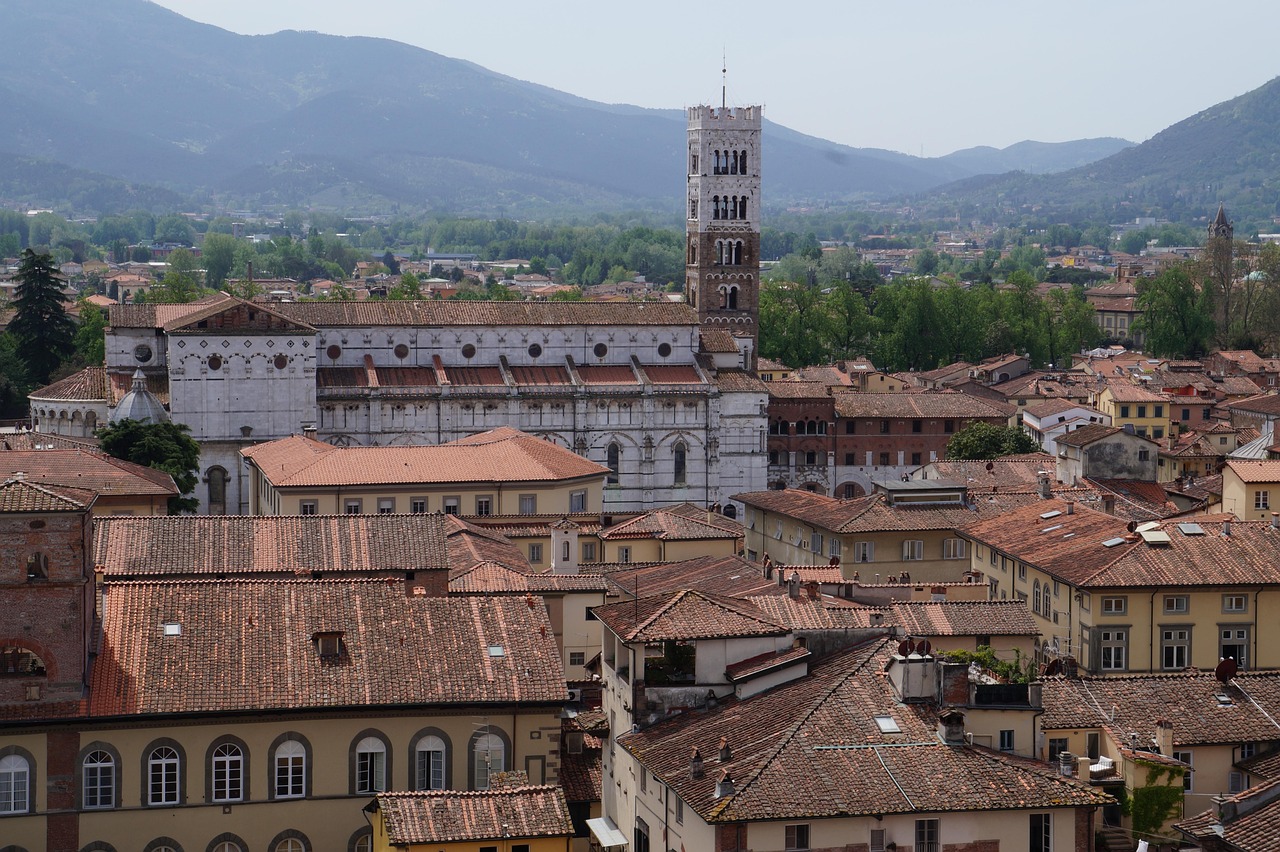
Lucca is one of those rare Italian cities that still feels lived-in rather than staged. It’s a perfectly preserved medieval town wrapped in 16th‑century walls, but behind those brick ramparts you’ll find kids biking to school, nonne leaning out of windows to chat across alleys, and students playing guitar in sunlit piazzas. I’ve been coming here regularly for over a decade, staying with friends just outside Porta San Donato, and every visit reminds me why Lucca is the place I recommend to anyone who’s fallen in love with Italy—or wants to.
In 2026, Lucca is especially exciting: the city is continuing its push toward sustainable tourism, expanding bike lanes beyond the walls, and hosting a packed calendar of music (this is Puccini’s hometown, after all), art, and food festivals. Yet it still feels small enough that the barista will remember your coffee order after two days.
Lucca is ideal if you’re looking for:
- A calm base in Tuscany that’s less intense than Florence or Pisa but within easy train reach of both.
- Romantic walks on the ancient walls at sunset, with terracotta rooftops on one side and the Apuan Alps on the other.
- Family‑friendly exploring on bikes, in car‑free streets where kids can run without you constantly yelling “Attento!”
- Local food in Lucca that’s rustic, hearty, and surprisingly affordable: farro soups, wild boar, and some of the best focaccia and gelato in Tuscany.
- Hidden gems in Lucca like tiny churches with jaw‑dropping frescoes, secret gardens, and towers you can have almost to yourself in the early morning.
This 2026 travel guide for Lucca is long and detailed on purpose. Think of it as a companion you can scroll through in your hotel room at night, planning the next day over a glass of local red.
Table of Contents
- Why Visit Lucca in 2026
- Quick Overview of Lucca
- 20 Must-See Attractions in Lucca (With Personal Notes)
- 3, 4, and 5 Day Itineraries for Lucca
- Neighborhoods and Areas to Explore
- Local Food in Lucca: What and Where to Eat
- Nightlife, Entertainment & Cultural Experiences
- Best Day Trips from Lucca
- Cultural Etiquette & Local Customs in Lucca
- Practical Travel Advice for Lucca (2026–2027)
- Summary & Best Time to Visit Lucca
Quick Overview of Lucca
Lucca sits in northern Tuscany, between the Tyrrhenian Sea and the Apennines, about 30 minutes by train from Pisa and 1 hour 20 minutes from Florence. The historic center is entirely enclosed by massive, tree‑lined Renaissance walls, now turned into a 4‑kilometer circular park. Inside those walls: Roman street grids, medieval towers, and Renaissance palaces, all layered together.
- Population: Around 90,000, but the historic center feels like a charming village.
- Vibe: Elegant but unpretentious; slow, musical, and very walkable.
- Best for: Couples, families, culture lovers, foodies, and anyone planning a 3 day itinerary for Lucca or longer.
- When to go: April–June and September–October for the best mix of weather and events.
20 Must-See Attractions in Lucca (With Personal Stories & Tips)
These are the best places to visit in Lucca, starting with the icons and moving gradually into the hidden corners. I’ve grouped them so you can easily weave them into a 3, 4, or 5 day itinerary for Lucca.
1. Le Mura di Lucca (The City Walls)
If you only do one thing in Lucca, walk or bike the walls. They’re not crumbly ruins but a broad, 16th‑century ring of brick and earth, wide enough for carriages (or, these days, strollers and joggers). I like to start near Porta San Donato around 8:30 a.m., when locals are out walking dogs and the light on the rooftops is soft.
Historically, these walls were Lucca’s defense against Florence and other rivals. They were never actually attacked, which is probably why they’re in such good shape. In the 19th century, the city turned them into a public promenade—one of the earliest examples of urban green planning in Europe.
My routine on the walls: grab a cappuccino and pastry to go from a bar near Porta Santa Maria, then stroll clockwise. In about an hour, with stops for photos, you’ll have circled the whole city. With kids, rent bikes for an easy, safe loop.
- Family-friendly: Absolutely—the path is flat, wide, and car‑free.
- Romantic: Come at sunset; bring a small takeaway aperitivo.
- Adventurous tip: Try running the full circuit at sunrise; the city feels like it’s yours alone.
Practical tips: Bike rentals are available just inside several gates (look near Porta San Donato and Porta Elisa). In 2026, expect e‑bikes with child seats at around €15–20 for a half day. There are fountains and shaded benches along the way, but few toilets—use a café before heading up.
2. Torre Guinigi (The Tower with the Trees)
Torre Guinigi is Lucca’s quirkiest landmark: a medieval brick tower crowned with a tiny rooftop garden of holm oaks. The first time I climbed it, on a hazy October afternoon, I remember stepping out onto the top and feeling like I’d wandered into a dream—trees rustling above a sea of terracotta roofs.
Built in the 14th century by the wealthy Guinigi family, the tower was a literal show of power. The garden symbolized rebirth and renewal; today, it’s the most photogenic viewpoint in town.
What it’s like to climb: It’s about 230 steps—narrow but manageable if you take your time. Inside, look for small windows that frame the city as you go up. When you reach the top, walk the full perimeter: on one side you’ll see the Cathedral of San Martino, on another the rolling Tuscan hills.
- Best time: Morning to avoid queues, or late afternoon for golden light.
- Family note: Kids love this, but the staircase can feel tight; hold younger ones’ hands.
Photography tip: Bring a wider lens if you have one; the space around the trees is smaller than it looks in photos. No tripods allowed.
3. Piazza dell’Anfiteatro
Piazza dell’Anfiteatro is Lucca’s postcard: an oval piazza built on the footprint of a Roman amphitheater. The original arena is gone, but its shape lives on in the ring of butter‑yellow, pale green, and soft ochre buildings that hug the curve.
I like to enter through the small archway off Via Fillungo. It’s almost theatrical: you squeeze through a narrow passage and suddenly the oval opens up, full of café tables and kids on scooters. In the evenings, musicians sometimes play under the arches, and the acoustics hint at the space’s ancient past.
History snippet: The Roman amphitheater could once hold thousands of spectators. Over centuries, stones were reused for other buildings, and houses were built into the remaining walls. You can still see Roman bricks in some doorways if you look closely.
My favorite moment: An early spring morning at 8 a.m., sharing the piazza with delivery carts and one elderly man reading a newspaper. I had an espresso and a warm cornetto, watching the light climb the curved facades.
Tip: Prices at the central bars are slightly elevated; pay for the view at least once, but for everyday coffee, use the quieter bars on side streets leading out of the piazza.
4. Via Fillungo
Via Fillungo is Lucca’s main artery, a long, gently curving street lined with shops, cafés, and historic buildings. On my first trip, I got lost within ten minutes of entering the city, only to realize that as long as I could find Via Fillungo, I could orient myself again.
Here you’ll find everything from high‑end Italian fashion to old‑school pastry shops. I always stop at a tiny pasticceria midway down the street for buccellato (Lucca’s famous sweet bread with raisins and anise). Don’t rush; this is a street made for strolling and window‑shopping.
- Best for: People‑watching, gelato stops, picking up gifts like olive oil and Tuscan linen.
- Hidden gem: Look up—many buildings still have traces of medieval towers or unexpected sculpted faces.
Money-saving note: Some boutiques are pricey, but side‑streets often hide more affordable shops and local artisans. Step off Via Fillungo whenever something catches your eye.
5. Duomo di San Martino (Cathedral of Saint Martin)
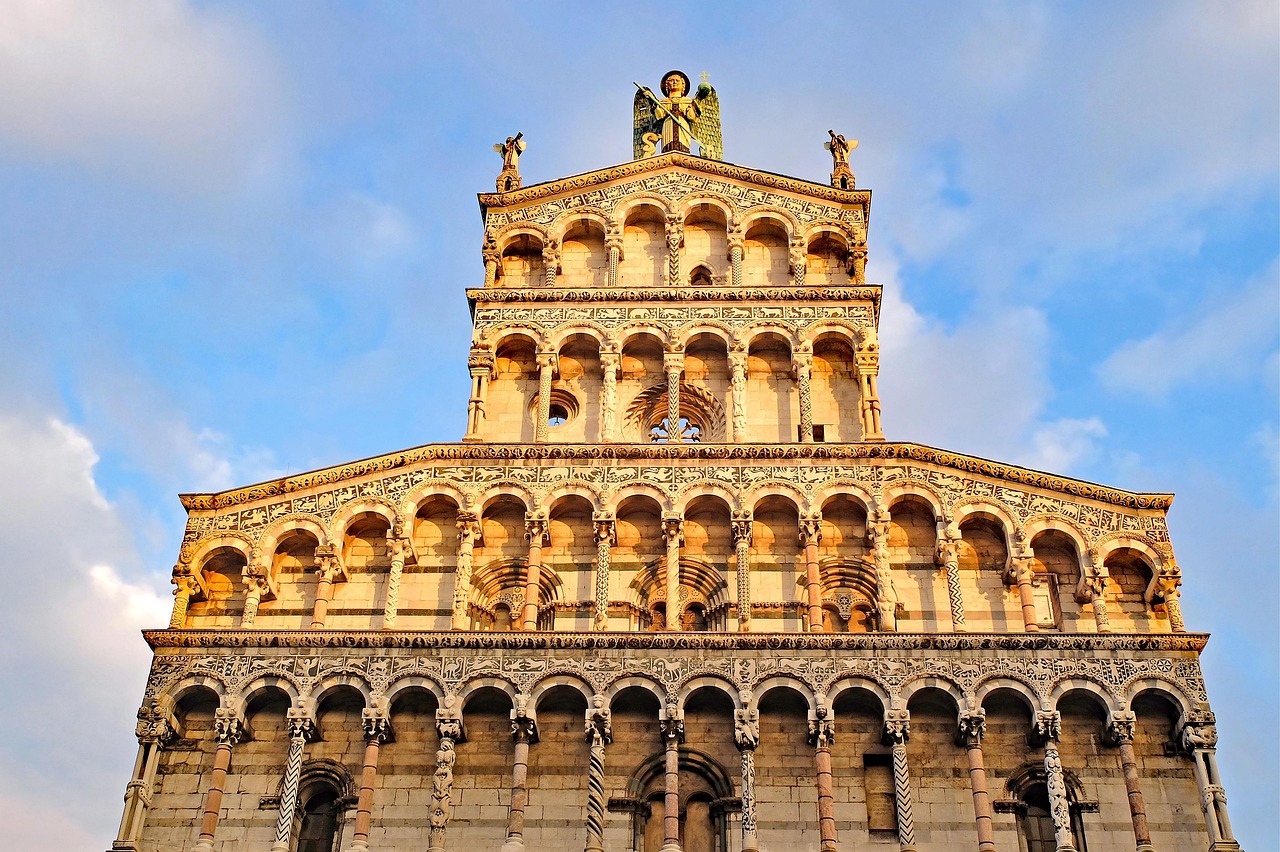
San Martino’s striped Romanesque façade is one of the most elegant in Tuscany. As you step into the piazza, the cathedral seems to lean toward you with its asymmetrical arches and intricate carvings. I remember my second visit in 2019, slipping inside during a brief rainstorm, and being stunned by how calm and dimly luminous it felt compared to the bright piazza outside.
Inside, look for the Volto Santo, a venerated wooden crucifix said to date back to the 8th century, and for works by Jacopo della Quercia and Tintoretto. The marble pulpit is a masterpiece of sculpted biblical scenes.
Why it matters: The Duomo has long been the spiritual heart of Lucca. Pilgrims on the Via Francigena—an ancient route from Canterbury to Rome—once stopped here to pray before continuing south.
Tip: Modest dress is required (shoulders covered). In 2026, combined tickets often include the cathedral, the Campanile (bell tower), and related museums—ask at the ticket desk for the current bundle.
6. Basilica di San Frediano
San Frediano is my personal favorite church in Lucca. You’ll recognize it by the glittering 13th‑century golden mosaic on its façade, depicting Christ ascending with a crowd of saints. On sunny days, it seems to float above the square.
Inside, the church feels earthy and ancient. Don’t miss the Romanesque baptismal font with its carved scenes and the chapel of Saint Zita, Lucca’s beloved housemaid‑saint, whose body lies in a glass case. Every April 27, the church fills with flowers in her honor.
One of my fondest memories is sitting on the low wall outside on a late May afternoon, sharing slices of pizza with friends while kids played football in the square and bells rang overhead. It felt like a living, breathing neighborhood church rather than a museum piece.
Tip: Pair a visit here with a coffee or aperitivo at one of the bars on Piazza San Frediano. The area is lively but less touristy than Piazza dell’Anfiteatro.
7. Torre delle Ore (Clock Tower)
While Torre Guinigi gets most of the fame, Torre delle Ore offers a more intimate climb. This medieval clock tower still has a hand‑wound mechanism, and if you time it right, you can hear and feel the chimes up close.
I climbed it one misty November morning and shared the top with just two other people. The view is different from Guinigi’s: more about narrow streets and hidden courtyards than wide panoramas. You can trace the curve of Via Fillungo and spot tiny rooftop terraces you’d never notice from below.
Tip: The stairs here are steeper and more rustic than at Torre Guinigi. Wear good shoes and avoid if you’re very afraid of heights. Check opening hours carefully; the tower sometimes closes in bad weather.
8. Piazza San Michele & Chiesa di San Michele in Foro
Built on the site of Lucca’s Roman forum, Piazza San Michele still feels like the city’s social and commercial heart. The Church of San Michele in Foro dominates the space with its layered marble façade and a statue of the Archangel Michael at the very top.
By day, the piazza buzzes with shoppers and café‑goers; by night, it becomes a stage for street performers and evening strolls. I often stop here between errands, sitting on the church steps with a gelato and watching the world go by.
Look for: The odd little carved faces and animals in the façade’s columns. Local legend says one of them is the sculptor’s self‑portrait. Inside, the church is surprisingly simple, with a sense of verticality that draws your eyes up.
Tip: This is a popular spot for events; in 2026, expect open‑air concerts and markets on some weekends. Check the city’s events calendar if you prefer it quieter—or livelier.
9. Palazzo Pfanner & Its Gardens
Palazzo Pfanner is one of Lucca’s most cinematic corners. You enter through a modest doorway and suddenly find yourself in a baroque garden with statues, fountains, and views of the city walls beyond. Parts of the film Portrait of a Lady were shot here, and it shows.
The palace itself houses a small collection of 18th‑century furnishings and medical instruments (once owned by the Pfanner family, who were surgeons and later brewers). But it’s the garden that I always linger in, especially in late afternoon when the light softens and the sound of the nearby river becomes a gentle backdrop.
Romantic moment: One summer evening, I came here with a friend just before closing. We had the garden almost to ourselves, and the scent of magnolias mixed with distant church bells. It felt miles away from the city, even though the walls were just beyond the hedges.
Tip: There’s a small entry fee; in busy months, it can be a welcome escape from the crowds. Great spot for quiet reading or sketching.
10. Orto Botanico di Lucca (Botanical Garden)
Tucked against the eastern stretch of the walls, Lucca’s botanical garden is one of those places many visitors miss—and that locals treasure. Founded in the early 19th century, it’s a compact but beautifully curated collection of trees, medicinal plants, and a small pond with resident turtles.
I like to come here on hot days. The shade is deep, and the air feels a few degrees cooler. A friend who lives nearby calls it her “green therapy.” There are signs in Italian and English describing the plants, and a small greenhouse with exotics.
Family-friendly: Kids enjoy the pond and the variety of plants; it’s a safe place to let them wander a bit.
Tip: Combine a visit with a walk on the nearby section of the walls. In spring 2026, the garden usually hosts small educational events and plant fairs—worth checking if you’re a garden lover.
11. Puccini Museum – Casa Natale
For music lovers, the Puccini Museum is a must‑see attraction in Lucca. This is the house where composer Giacomo Puccini was born in 1858, lovingly restored with period furniture, family photos, and original scores.
The first time I visited, an aria from La Bohème floated softly through the rooms, and I caught myself humming along as I looked at Puccini’s well‑worn piano. It’s moving to see the modest beginnings of someone whose music fills grand opera houses worldwide.
Good to know: Explanations are in multiple languages, and there’s a small but well‑stocked gift shop with recordings and books.
In 2026: Expect special exhibitions tied to the ongoing Puccini celebrations and the Lucca Summer Festival, which often features major international artists performing Puccini tributes.
12. Teatro del Giglio
Teatro del Giglio is Lucca’s elegant 19th‑century opera house, overlooking Piazza del Giglio. Inside, plush red seats, gilded balconies, and a painted ceiling create that classic Italian theater atmosphere.
I attended a small Puccini recital here one rainy February evening. Walking out at intermission to see the wet stones of the piazza glistening under lamplight is one of those moments that has stuck with me. If you can, see something here—opera, ballet, or even a concert; it’s a quintessential cultural experience in Lucca.
Tip: Check schedules in advance; tickets can be surprisingly affordable, especially for weekday performances or upper‑tier seats. Dress is generally smart‑casual, but locals do like to look nice for the theater.
13. Museo della Cattedrale (Cathedral Museum)
Just behind San Martino, the Cathedral Museum is an under‑visited treasure. It houses sculptures, reliquaries, liturgical objects, and art that once decorated the cathedral and other churches.
On a chilly January afternoon, I wandered through nearly alone, studying tiny details on silver processional crosses and marveling at illuminated manuscripts. The museum gives context to what you see in the churches and offers welcome quiet on busy days.
Tip: If you enjoy art and history, get the combined ticket with the cathedral and bell tower. Allow at least an hour if you like reading captions; less if you prefer to browse visually.
14. Basilica di San Paolino e San Donato
Often overlooked, this basilica lies just a few minutes’ walk from the city walls near Porta San Paolino. The interior is lofty and calm, with beautiful altars and a sense of being more of a neighborhood church than a tourist site.
I stumbled in once during an organ rehearsal and ended up sitting in a pew for half an hour, just listening. Nobody seemed to mind; an old man nodded at me on his way out as if to say, “You’ve discovered our little secret.”
Tip: It’s a good stop if you’re arriving via Porta San Paolino or staying nearby. Check posted mass times and be respectful if a service is in progress.
15. Piazza Napoleone (Piazza Grande)
Piazza Napoleone is a grand, tree‑lined square that hosts many of Lucca’s major events, from summer concerts to Christmas markets. It was redesigned in the early 19th century under Elisa Bonaparte, Napoleon’s sister, who governed Lucca and left her mark in wide boulevards and French‑style squares.
By day, it can feel a bit open and exposed; by night, especially during festivals, it transforms. I’ve seen open‑air rock concerts here during the Lucca Summer Festival, and winter stalls selling hot chestnuts and mulled wine.
In 2026–2027: Expect big‑name international artists during the summer festival (usually July). Tickets sell out early; check official announcements in spring 2026 if live music is a priority for you.
Tip: If you’re sensitive to noise, avoid staying in accommodations directly facing the square in July, when concerts can go late.
16. Domus Romana
Hidden beneath a modern building off a quiet side street, Domus Romana is an archaeological site revealing a Roman house and artifacts. It’s a reminder that Lucca’s story began long before medieval towers and Renaissance walls.
I visited on a hot afternoon when I needed a break from the sun. The small museum is cool, both literally and figuratively. The staff (often archaeologists themselves) are passionate and happy to answer questions about recent finds.
Tip: This is a great stop for history buffs or on a second or third day in Lucca when you want to go beyond the obvious sights.
17. Lucca Comics & Games (Event)
Not a building but an experience: every late October/early November, Lucca transforms into the beating heart of European comics, gaming, and pop culture. Lucca Comics & Games fills the streets with cosplayers, stalls, exhibitions, and gaming tents. The first time I visited during the festival, I barely recognized the city—medieval alleys were full of superheroes, anime characters, and fantasy knights.
For 2026–2027: Expect the festival to run across 4–5 days, attracting hundreds of thousands of visitors. If you love comics, board games, or cosplay, it’s an absolute highlight. If you prefer calm, avoid those dates or stay outside the walls and dip in for just a day.
Tip: Book accommodation months in advance if you plan to attend. The walls and piazzas become stages and exhibition areas; it’s intense but unforgettable.
18. Complesso di San Micheletto
This former convent and church complex now hosts cultural institutions, exhibitions, and concerts. It’s tucked into a quieter part of the center, with a peaceful cloister and a sense of retreat from the busier shopping streets.
I attended a small chamber music concert here one spring, and the acoustics were sublime. Between events, you can often wander the cloister and courtyard for free, enjoying the architecture and a few minutes of silence.
Tip: Check local listings; exhibitions here can be a good way to experience contemporary art in a historic setting.
19. Complesso di San Francesco & Piazza San Francesco
Recently restored, the San Francesco complex includes a church, cloister, and cultural spaces. The adjacent piazza feels like a local hangout: kids play, students sit on steps with laptops, and older residents linger on benches.
One warm evening, I bought a takeaway pizza from a nearby forno and ate it on the edge of the square, listening to a street musician. It was simple, inexpensive, and felt wonderfully authentic.
Tip: This area is also close to some of Lucca’s more affordable eateries and student bars—good for travelers watching their budget.
20. Porta Elisa & Eastern Walls
Porta Elisa is one of Lucca’s grand gates, built in the early 19th century and named after Elisa Bonaparte. It opens onto the eastern side of the walls, which I find particularly beautiful in late afternoon when the sun hits the brick and the trees cast long shadows.
This section of the walls is slightly less busy than the northern part, so it’s ideal for a quieter walk or run. I often enter or exit the city here when staying just outside the walls; there’s something about passing through the gate that makes every return feel ceremonial.
Tip: If you’re arriving by car and staying outside the walls, Porta Elisa has some of the better‑marked parking areas just beyond the ramparts. From there, it’s a short walk into the historic center.
3, 4, and 5 Day Itineraries for Lucca (With Personal Daily Stories)
Whether you have 3 days in Lucca, 4 days in Lucca, or a full 5 days in Lucca, you can craft a trip that’s relaxed yet rich. Below are suggested itineraries based on how I actually spend my time when I’m in town. I’ll keep them compact but structured so you can expand or slow down as you like.
3 Day Itinerary for Lucca: Essentials & Atmosphere
This 3 day itinerary for Lucca focuses on the must‑see attractions in Lucca and a taste of local life.
Day 1 – First Embrace: Walls, Towers, and Piazzas
I like to start my first day in Lucca with a literal overview: the walls. After dropping bags at my guesthouse near Porta San Donato, I’ll head straight up to Le Mura di Lucca. If you arrive by late morning, walk half the circuit and save the rest for sunset.
- Morning: Walk the walls from Porta San Donato to Porta Elisa, stopping to look down into the city. Drop into the Orto Botanico for a breather if it’s warm.
- Lunch: Grab focaccia or panini from a bakery near Via Fillungo. I often get a slice of tomato‑rosemary schiacciata and sit in Piazza Napoleone or a quieter bench on the walls.
- Afternoon: Explore Piazza dell’Anfiteatro and Via Fillungo. Duck into Basilica di San Frediano and watch the mosaic glow in the sun.
- Late afternoon: Climb Torre Guinigi for that iconic rooftop‑garden view.
- Evening: Aperitivo in Piazza San Michele, then dinner at a traditional trattoria (see food section below for names).
By the end of day one, you’ll have a mental map of Lucca and a feel for its rhythms: when the streets are busiest, when the bells ring, where the light falls at sunset.
Day 2 – Cathedrals, Puccini, and Hidden Corners
- Morning: Visit Duomo di San Martino and the Cathedral Museum. Climb the bell tower if you’re up for it; the view toward the walls is striking.
- Coffee break: Stop at a café near the Duomo for espresso and a small pastry; watch locals coming and going from the nearby courthouse.
- Late morning: Tour the Puccini Museum. Even if you’re not an opera fan, it’s a compact and engaging insight into Lucca’s most famous son.
- Lunch: Try a sit‑down meal featuring farro soup or tordelli lucchesi (Lucchese stuffed pasta) at a trattoria south of Piazza San Michele.
- Afternoon: Seek out a hidden gem: Domus Romana or the quiet San Paolino area. Meander back via side streets instead of main roads.
- Evening: If you can, catch a performance at Teatro del Giglio. Otherwise, enjoy a leisurely dinner and gelato in Piazza dell’Anfiteatro.
Day 3 – Gardens, Local Life & One More Wall Walk
- Morning: Visit Palazzo Pfanner and its gardens. Linger with a book or simply sit and absorb.
- Midday: Explore the San Francesco and San Micheletto complexes. Look for small exhibitions or quiet cloisters.
- Lunch: Grab something simple from a forno (bakery) or small osteria favored by locals; try cecina (chickpea flatbread) if available.
- Afternoon: Rent bikes and do a full leisurely circuit of the walls if you haven’t yet. Stop at multiple bastions; each has a slightly different view.
- Evening: Finish your 3 days in Lucca with aperitivo on the walls or in a favorite piazza you’ve discovered. Toast the city with a glass of local red or prosecco.
4 Day Itinerary for Lucca: Deeper Dive & Slow Time
With 4 days in Lucca, you can add more “living like a local” time and a short excursion.
Day 4 – Markets, Neighborhood Wandering, and Optional Short Trip
- Morning: Visit the local market (locations shift slightly by day; ask your host). Browse produce, cheeses, and cured meats. I like picking up picnic supplies for lunch: fresh bread, pecorino, tomatoes, and fruit.
- Late morning: Explore the less central neighborhoods inside the walls: the area near Porta Elisa or the quieter streets south of the Duomo.
- Lunch: Picnic on the walls or in a quiet corner near the Botanical Garden.
- Afternoon (Option A): Stay in town, visiting any churches or museums you missed, or simply café‑hop and people‑watch.
- Afternoon (Option B): Take a short trip to a nearby villa (Villa Reale or Villa Torrigiani) by bus or taxi for gardens and countryside views (see day trips section below).
- Evening: Try a different style of restaurant—maybe something more contemporary Tuscan, or a pizzeria popular with locals.
5 Day Itinerary for Lucca: Day Trips & True Slow Travel
A 5 day itinerary for Lucca is my ideal. It gives you time to savor the city and explore beyond.
Day 5 – Full Day Trip from Lucca
- Options:
- Pisa: 30 minutes by train; see the Leaning Tower and return by evening.
- Florence: About 1h20 by train; ambitious but doable for a first taste.
- Garfagnana: Mountain villages and hiking north of Lucca; best with a rental car or guided tour.
- Versilia Coast: Viareggio or Forte dei Marmi for a beach day in summer.
- Evening back in Lucca: Celebrate your last night with a favorite dish—maybe zuppa alla frantoiana (vegetable soup) or crostini with local toppings—and a final stroll on the walls.
With 5 days in Lucca, you’ll leave not just with photos, but with a sense of the city’s pulse: when shopkeepers sweep their doorways, which bells chime the loudest, and which alleys always smell faintly of baking bread.
Neighborhoods & Areas to Explore in Lucca
Lucca’s historic center is compact, but each area has its own flavor. Here’s how I mentally map the city when I wander.
1. Around Via Fillungo & Piazza dell’Anfiteatro
This is the busiest area: shops, gelaterie, and many of the must‑see attractions in Lucca. Great for first‑time visitors, but pricey for accommodation. Lively day and evening, quieter late at night.
2. San Michele & San Martino Quarter
Centered on Piazza San Michele and extending down to the Duomo, this area blends commerce with history. You’ll find both main sights and everyday shops. Good base if you want central access to everything.
3. San Frediano & Western Side
More residential, with artisan shops and local bars. I like staying near Piazza San Frediano for an authentic feel and easy access to the walls via Porta Santa Maria.
4. Eastern Side Near Porta Elisa
Quieter streets, some student life, and easy access to the Botanical Garden. Accommodation can be slightly cheaper here. You’re still only 5–10 minutes’ walk from everywhere.
5. Southern Quarter Near Porta San Gervasio & Porta San Jacopo
Less touristy, with a mix of families and older locals. You’ll find small grocery stores, laundromats, and eateries where English is less common but hospitality is warm.
6. Outside the Walls
Neighborhoods just beyond Porta San Donato, Porta Elisa, and Porta San Pietro are practical if you have a car or are watching your budget. You can walk inside the walls in 5–10 minutes but pay less for lodging and parking.
Local Food in Lucca: What to Eat & Where
Lucchese cuisine is rustic, seasonal, and hearty—perfect after a day of walking the walls. Here’s what I always look for.
Must-Try Dishes
- Buccellato: Sweet bread with raisins and anise, often eaten at breakfast. Best still slightly warm.
- Zuppa di farro: Farro (an ancient grain) soup with beans and vegetables—simple but deeply satisfying.
- Tordelli lucchesi: Handmade pasta pillows filled with meat and herbs, usually served with a rich ragù.
- Zuppa alla frantoiana: Vegetable and bean soup, traditionally made during olive pressing season.
- Cecina: Thin chickpea flour pancake, crispy at the edges; often eaten in a focaccia sandwich.
- Cinghiale: Wild boar, often stewed in a tomato‑red wine sauce and served with polenta or pasta.
Where I Like to Eat (Representative Types)
Specific restaurant scenes change, but in 2026 you can reliably find:
- Traditional trattorie inside the walls: For tordelli, farro soup, and slow‑cooked meats. Look for handwritten menus and lots of Italian being spoken at tables.
- Wine bars (enoteche): Offering local reds from Montecarlo (near Lucca) and Tuscan classics, plus small plates of cheeses and salumi.
- Forni & pasticcerie: For breakfast cornetti, buccellato, and lunchtime slices of pizza or schiacciata.
- Gelaterie: Seek places where flavors are seasonal (fig in late summer, chestnut in autumn) and colors are natural, not neon.
Money-Saving Eating Tips
- Stand at the bar: Coffee costs less if you drink it standing rather than sitting at a table.
- Lunch specials: Many places offer fixed‑price menus at midday; portions are generous.
- Tap water: Ask for acqua del rubinetto (tap water); some places may prefer to sell bottled, but it’s fine to ask politely.
- Picnics: Buy bread, cheese, and fruit from markets and eat on the walls; it’s both cheaper and scenic.
Nightlife, Entertainment & Cultural Experiences in Lucca
Lucca isn’t a hard‑party city, but it has a warm evening life centered on food, music, and conversation.
Aperitivo & Evenings Out
- Piazza San Michele & Piazza dell’Anfiteatro: Classic aperitivo spots; order a spritz or local wine and enjoy the included snacks.
- San Frediano area: Smaller bars with more locals, sometimes with live music or DJ sets on weekends.
Cultural Experiences in Lucca
- Puccini concerts: Regular Puccini recitals in churches or small venues—ask at the tourist office.
- Teatro del Giglio: Opera, classical concerts, and theater.
- Festivals: Lucca Summer Festival (July), Lucca Comics & Games (late Oct/early Nov), local Saints’ days and food festivals.
Family-Friendly Evenings
Even at night, Lucca stays family‑friendly. Children play in piazzas while parents chat; a post‑dinner stroll on the walls is a lovely routine with kids.
Day Trips from Lucca
If you base yourself in Lucca for 4–5 days, you can easily explore some nearby highlights.
Pisa
Trains run frequently (about 30 minutes). From Pisa Centrale, walk or bus to the Piazza dei Miracoli to see the Leaning Tower, Cathedral, and Baptistery. Go early to beat crowds, then return to Lucca by late afternoon.
Florence
About 1h20 by regional train. It’s a big day, but worth it if this is your only chance to see Florence. Focus on one or two main sights (Duomo area and one museum, for example) rather than trying to do everything.
Garfagnana & Apuan Alps
North of Lucca, this mountainous area offers hiking, small stone villages, and dramatic landscapes. Best explored by rental car or organized tour. In summer, it’s a cool escape from the heat; in autumn, the foliage is stunning.
Versilia Coast (Viareggio, Forte dei Marmi)
About 25–35 minutes by train to Viareggio. Long beaches, promenades, and seafood restaurants. In summer, it’s a classic Italian beach day; in winter, the seafront has a moody charm.
Historic Villas Near Lucca
Villas like Villa Reale and Villa Torrigiani offer manicured gardens, fountains, and countryside views. Reachable by bus or taxi from Lucca; check current schedules and opening times in 2026.
Cultural Etiquette & Local Customs in Lucca
Lucca is welcoming, but a few cultural habits will help you fit in and show respect.
Everyday Etiquette
- Greetings: A simple “Buongiorno” (morning/afternoon) or “Buonasera” (evening) goes a long way when entering shops or cafés.
- Quiet in churches: Dress modestly, speak softly, and avoid phone use inside churches.
- Lines: Italians queue, but in a loose way. Keep an eye on who arrived before you and maintain your place gently but firmly.
Dining Customs
- Table time: Meals—especially dinner—are unhurried. Your table is typically yours for the evening; you’ll need to ask for the bill (il conto, per favore).
- Tipping: Service is often included. Leaving a small extra (rounding up or 5–10% for excellent service) is appreciated but not obligatory.
- Coffee rules: Locals usually drink cappuccino only at breakfast; after meals, it’s espresso (caffè) or macchiato.
On the Walls & Streets
- Bikes: On the walls, cyclists and pedestrians share space politely. Keep right, signal when passing, and avoid blocking the path.
- Noise at night: Lucca’s stone alleys amplify sound. Keep late‑night voices low, especially in residential areas.
Practical Travel Advice for Lucca (2026–2027)
Getting To & Around Lucca
- By train: Easy connections from Pisa, Florence, and other Tuscan cities. The station is just outside Porta San Pietro; a 5–10 minute walk into the center.
- By car: Avoid driving inside the walls unless your accommodation has explicit permission. Park outside and walk in.
- On foot: The historic center is fully walkable; most points are within 15 minutes of each other.
- By bike: Ideal for the walls and quick cross‑town trips. In 2026, expect more marked lanes and some e‑bike-sharing options.
Public Transport & Car Rental
Local buses connect Lucca with outlying villages and villas, but schedules can be sparse on Sundays and holidays. For Garfagnana or deeper countryside, renting a car for a day or two gives you freedom—just be prepared for narrow roads and follow speed limits carefully.
SIM Cards & Connectivity
In 2026, major Italian providers (TIM, Vodafone, Iliad, WINDTRE) offer tourist SIMs with generous data. You’ll find shops in Pisa and Florence airports, and in Lucca itself just outside the walls. Bring your passport to register. Many cafés and accommodations offer Wi‑Fi, but mobile data is useful for maps and train schedules.
Money & Costs
- Currency: Euro (€).
- ATMs: Plentiful within the walls; bank ATMs generally offer better rates than currency exchanges.
- Budget tips: Stay just outside the walls, picnic on the walls, use regional trains instead of taxis for intercity travel.
Visa & Entry Requirements
Lucca follows Italy and Schengen Area rules:
- EU/EEA/Swiss citizens: Can enter with ID card or passport; no visa for stays under freedom‑of‑movement rules.
- Many non‑EU nationals: May enter visa‑free for up to 90 days in any 180‑day period for tourism (check your country’s status).
- Others: May need a Schengen visa in advance. Always confirm current requirements with your local Italian consulate or official government sites before travel.
Driving & Foreign Licenses
To rent a car in Italy in 2026, you’ll usually need:
- A valid driver’s license from your home country.
- In many cases, an International Driving Permit (IDP) if your license is not in EU format or not in Roman alphabet—check with your rental agency in advance.
- A credit card in the driver’s name.
Within Lucca, you won’t need a car. For day trips into the countryside, be aware of ZTL (limited traffic zones) in many Italian towns; fines are automated.
Seasons & Weather: What’s Best for What
- Spring (March–May): Mild temperatures, blooming trees on the walls, ideal for walking and cycling. Occasional rain; pack a light jacket.
- Summer (June–August): Hot, especially July–August. Perfect for evening walks, festivals, and pairing Lucca with beach days. Book accommodation with AC.
- Autumn (September–November): My favorite: warm early autumn, crisp later, with rich colors on the walls. Lucca Comics & Games brings huge crowds in late October/early November.
- Winter (December–February): Quiet, chilly but rarely deeply cold. Christmas markets and lights in the piazzas, plus lower prices and fewer tourists.
Major Events in Lucca (2026–2027)
- Lucca Summer Festival 2026 & 2027: Big-name concerts in Piazza Napoleone (usually July). Book tickets and lodging early.
- Lucca Comics & Games 2026 & 2027: Late October/early November. Entire city becomes a pop‑culture fairground.
- Puccini-related events: Regular concerts and special opera performances throughout the year, with peaks in summer.
- Local food & wine festivals: Smaller-scale events in spring and autumn celebrating chestnuts, new wine, olive oil, and more—check local listings closer to your travel dates.
Hidden Tips Only Regulars Tend to Know
- Early mornings are magic: Be on the walls by 7–8 a.m. at least once; you’ll share the city with joggers, dog walkers, and delivery bikes rather than tour groups.
- Side alleys beat main drags: Step off Via Fillungo whenever you can; that’s where you’ll find quieter cafés and more local shops.
- Use the tourist office: Located near the walls, it has current info on concerts, temporary exhibitions, and small festivals that don’t always appear online.
- Bring a reusable bottle: There are several public fountains (including on the walls); the water is drinkable and fresh.
Summary & Final Recommendations: When & How to Enjoy Lucca Best
Lucca is a city that rewards slowing down. You can see its headline sights in a day, but you’ll only start to feel its soul after a few unhurried mornings on the walls, a couple of evenings in the same piazza, and at least one chat with a barista who recognizes you.
If you’re planning a 3 day itinerary for Lucca, focus on the walls, towers, major piazzas, and a few key churches and museums. With 4 days in Lucca, add local markets, gardens, and slower neighborhood wandering. For a full 5 day itinerary for Lucca, build in a day trip or two and give yourself time simply to sit, sip, and watch Lucca life unfold.
Best seasons overall:
- April–June: Ideal blend of weather, greenery, and manageable crowds.
- September–early October: Warm days, cooler nights, and beautiful light.
Whenever you come, walk the walls at least twice—once by day, once near sunset. Let the sound of church bells guide you, follow the smell of baking bread down side streets, and remember that some of the best things to do in Lucca aren’t on any list at all; they’re the small, unscripted moments of being fully present in this walled city of music and stone.