Why Visit Merano in 2026?
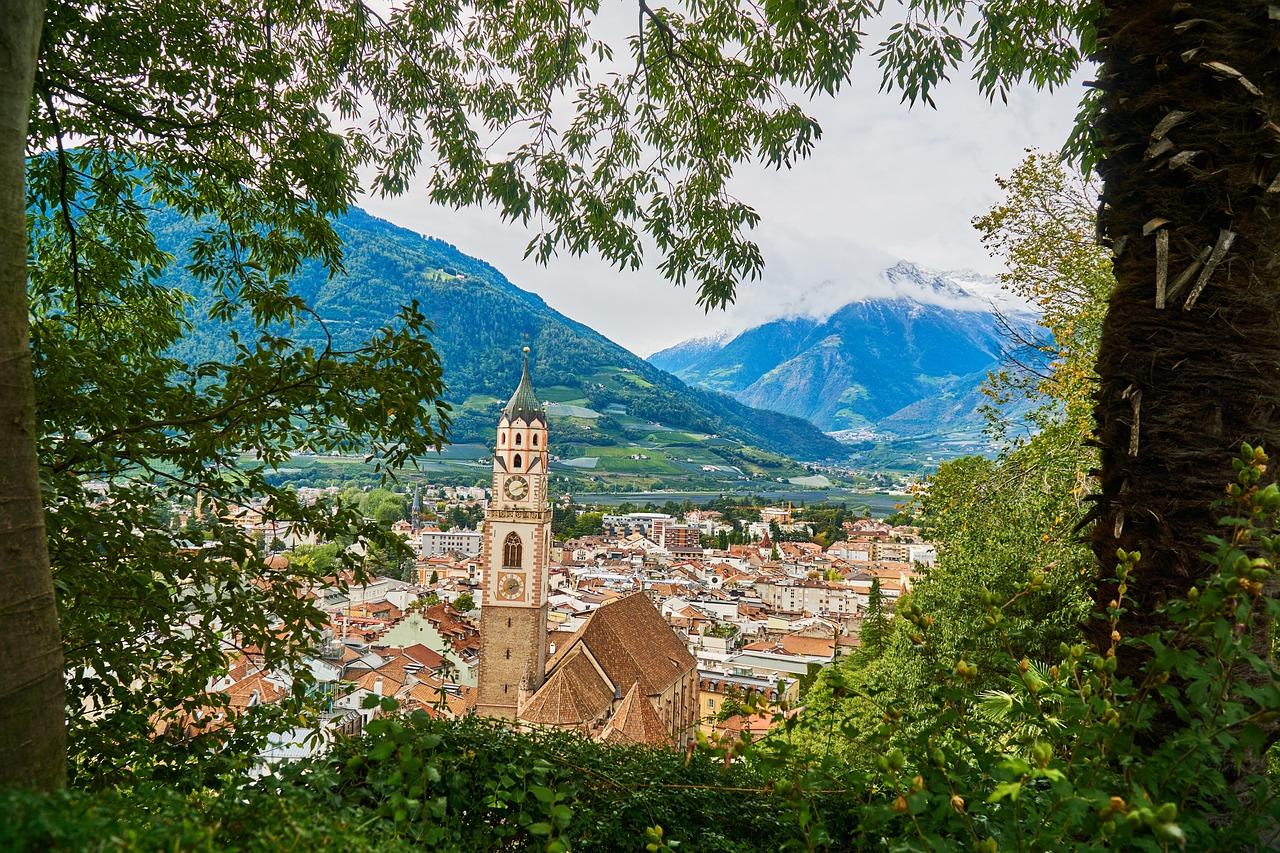
Merano (Meran in German) is one of those places that quietly steals your heart and then refuses to give it back. Tucked into a wide alpine valley in South Tyrol, Merano combines snow-dusted peaks with palm trees, Habsburg-era spa elegance with easy-going Italian café culture, and Germanic order with Mediterranean warmth.
I’ve been coming back to Merano for over a decade now, usually in shoulder seasons when the town feels like “mine.” I’ve watched the larches turn gold on the slopes above the town, soaked in the thermal baths in the middle of a snow flurry, and sweated through grape harvest festivals when the scent of must and roasted chestnuts filled every street.
What makes Merano special in 2026?
- Classic spa town vibes – Belle Époque architecture, riverside promenades, and the famous Terme Merano thermal baths.
- Mountains within arm’s reach – cable cars leave directly from town into hiking and skiing terrain.
- Unique culture – a bilingual region (Italian and German) with Ladin roots, festivals, and distinct local customs.
- Food that fuses two worlds – you can eat speck and knödel at lunch and perfect gelato and espresso after dinner.
- Manageable size – compact enough to walk almost everywhere, but with enough depth to keep you busy for 3–5 days or more.
- Great base for day trips – vineyards, castles, alpine lakes, and even the Dolomites are within easy reach.
Whether you’re here for a 3 day itinerary for Merano focused on highlights or you’re planning 5 days in Merano to really sink into the rhythm of local life, this guide pulls together my experiences, favorite spots, and hard-won travel tips for 2026 and 2027.
Table of Contents
- Why Visit Merano
- 3–5 Day Itinerary for Merano
- 20 Must-See Attractions & Hidden Gems in Merano
- Neighborhoods & Areas of Merano
- Local Food in Merano & Where to Eat
- Nightlife, Entertainment & Cultural Experiences
- Major Events & Festivals 2026–2027
- Best Day Trips from Merano
- Local Customs & Cultural Etiquette
- Practical Travel Advice for Merano
- Summary & Best Time to Visit Merano
How Many Days in Merano? (3–5 Day Itineraries with Personal Notes)
If you’re wondering how many days you need: 3 days in Merano is enough to see the classic sights, 4 days in Merano lets you add a mountain day or a wine-tasting escape, and a 5 day itinerary for Merano gives you time to both explore and truly relax.
Below is how I usually structure my trips when friends visit for the first time. I’ll outline the days concisely here, then go into full stories and attraction details in later sections.
Suggested 3 Day Itinerary for Merano (Highlights-Focused)
This is my go-to plan when someone has exactly 3 days in Merano and wants a mix of spa, scenery, and old town charm.
- Day 1: Old Town, Kurhaus & Promenades, Terme Merano at sunset.
- Day 2: Trauttmansdorff Castle Gardens & Tappeinerweg walk, evening aperitivo in the arcades.
- Day 3: Merano 2000 (easy hikes or alpine coaster in summer, skiing in winter), rustic lunch in a mountain hut.
Suggested 4 Day Itinerary for Merano (A Bit Deeper)
With 4 days in Merano, I always add a valley walk and some castle time.
- Day 1: Historic center, Kurhaus, Passer Promenade, Terme Merano.
- Day 2: Trauttmansdorff & Tappeinerweg, Wine tasting in Dorf Tirol or Lagundo (Algund).
- Day 3: Merano 2000 mountain day.
- Day 4: Val Passiria or Val Venosta excursion (or a castles loop: Tirol Castle & Schenna Castle).
Suggested 5 Day Itinerary for Merano (Slow & Satisfying)
A 5 day itinerary for Merano is my personal sweet spot: enough time to see the must-see attractions in Merano and still have lazy coffees and spontaneous detours.
- Day 1: Old Town immersion (Portici/Lauben, Kurhaus, promenades), sunset Terme Merano soak.
- Day 2: Trauttmansdorff Gardens, Tappeinerweg, evening in Dorf Tirol.
- Day 3: Merano 2000 & mountain hut lunch; evening in Maia Alta.
- Day 4: Val Venosta or Lake Resia day trip OR wine villages of Lagundo and Marlengo.
- Day 5: Castles & culture: Tirol Castle + Schenna Castle, then a final aperitivo crawl.
In the next sections, I’ll walk you through these days as if we’re traveling together, weaving in detailed attraction guides, hidden gems in Merano, and practical travel tips for Merano.
20 Must-See Attractions & Hidden Gems in Merano (With Personal Notes)
These are the best places to visit in Merano that I return to over and over. For each one, I’ll share what it is, why it matters, when I like to go, and how to fold it into your 3–5 day itinerary for Merano.
1. Trauttmansdorff Castle Gardens (Giardini di Castel Trauttmansdorff)
If you only have time for one major attraction, make it this. The gardens wrap around a pale-yellow castle once used by Empress Sissi as a winter retreat. The first time I walked in, it was like stepping into a living atlas: rice terraces, Mediterranean olive groves, cactus slopes, and a lily-dotted lake, all staged against a backdrop of jagged snow-capped peaks.
History & significance: The castle itself dates back to at least the 14th century, but the gardens as you see them now are a relatively recent creation (1990s–2000s) by the Province of Bolzano. They were designed as both a botanical wonder and a cultural attraction, with themed gardens representing different climate zones and landscapes of the world. They’ve won multiple “Garden of the Year” awards in Europe.
My routine here: I like to arrive as soon as they open, especially in spring or autumn. I usually start with the “Sun Gardens” section – olive trees, citrus, and a Mediterranean feel – and then meander up toward the “Forest Gardens” and the more exotic plantings. The lookout platforms (especially the one that seems to float over the valley) are phenomenal for sunrise or early morning light. In summer, bring a hat – the sun can be intense on the open slopes.
Family, romantic, or adventurous?
- Family: Kids love the animal areas (goats, birds), the water features, and the small interactive exhibits. Paths are stroller-friendly in many sections.
- Romantic: Countless quiet corners, benches with views, and shaded pergolas make this an ideal date spot.
- Adventurous: Not adrenaline-filled, but you can combine a visit with a longer hike up toward Scena/Schenna or back via the Sissi Path to town.
What to eat: The garden café has surprisingly good food, not just tourist fare. I’ve had excellent seasonal soups and light Tyrolean dishes here (try a plate of speck and local cheese with Schüttelbrot). For a splurge, book a table on the terrace overlooking the lily pond.
How to get there: From central Merano, it’s about a 30–40 minute walk (lovely, but uphill), or you can take a local bus (lines typically marked “Trauttmansdorff” or “Gardens” – routes are updated yearly, so check at the station). A taxi from the station is quick and not too expensive if you’re in a group.
Tips for 2026: The gardens have been adding more interactive exhibits around climate and biodiversity. In 2026–2027, there’s a rotating evening light installation schedule from late spring through early autumn that’s absolutely worth the separate ticket if you’re into photography or just atmospheric strolls. Book those evening slots ahead in high season.
2. Terme Merano (Merano Thermal Baths)
I still remember the first time snowflakes landed on my shoulders while I was floating in one of the outdoor pools at Terme Merano. The mountain peaks were glowing pink in the last light, steam curled around the glass walls, and the town’s lights blinked on one by one. This is Merano at its most indulgent.
About the baths: Terme Merano is a modern spa complex fed by natural thermal springs. Designed by architect Matteo Thun, it blends glass, stone, and water in a calm, minimalistic style that contrasts beautifully with the ornate Kurhaus nearby. There are indoor and outdoor pools, saunas, steam rooms, and a separate medical/therapy wing.
When I go: My favorite times are:
- Winter evenings: Magical with steam rising into the cold night air.
- Rainy days in any season: When hiking isn’t appealing, a long soak feels like the right answer.
- After a long hike: Nothing beats easing sore legs in the warm pools.
Family, romantic, or adventurous?
- Family: The main pool areas are family-friendly; kids love the outdoor pools.
- Romantic: Book a couple’s treatment or just drift together between the quieter pools and relaxation rooms.
- Adventurous: If you’re into sauna rituals, the sauna area (usually age-restricted, nude, and clothing-free as per central European tradition) is an experience in itself, with Aufguss (steam and essential oil rituals) scheduled regularly.
Practical tips:
- Bring flip-flops and a bathing suit; towels and robes can be rented.
- Sauna area is usually a separate ticket and, by local custom, textile-free. If that makes you uncomfortable, stick to the pool areas.
- Weekends and holidays can get crowded. For a calmer vibe, go on weekday mornings or later in the evening.
Food: There’s a café with salads, light dishes, and drinks. It’s fine for a quick bite, but for a memorable meal I usually head out afterward to one of the nearby restaurants in the old town.
3. Kurhaus & Kurpromenade
The Kurhaus is Merano’s calling card: a white, ornate spa building on the banks of the Passer River, framed by palm trees and backed by mountains. I’ve never managed to walk past it without taking a photo, even after all these years.
History & importance: Built in the late 19th and early 20th centuries, the Kurhaus was the centerpiece of Merano’s rise as a fashionable Habsburg spa resort. Royalty and aristocrats came here to “take the waters,” socialize, and promenade along the river. The building’s Jugendstil (Art Nouveau) details are gorgeous – inside, the Kursaal (main hall) shines with chandeliers, frescoes, and decorative flourishes.
What I do here: I like to start my first morning in Merano with an easy stroll under the palm-lined Kurpromenade. There’s a particular bench facing the Kurhaus where I almost always sit with a coffee to watch joggers, dog walkers, and older locals doing their slow morning circuits. In the evenings, the façade is beautifully lit.
Events: The Kurhaus hosts concerts, balls, and festivals (including parts of the Merano WineFestival). If you’re here in autumn or around Christmas, check if any performances or galas are open to the public – stepping inside for an event is a treat.
Photography tip: Sunrise and golden hour are the best times. For a classic shot, stand on the bridge just upstream and frame the Kurhaus, palm trees, and mountains all together.
4. Merano Old Town & Portici (Lauben)
Merano’s old town is compact, but it rewards slow exploration. The Portici (Lauben in German) are deep, medieval arcades lined with shops, cafés, and apartments stacked above. Even after dozens of visits, I still find new little courtyards and doorways to admire.
What makes it special: The arcades date back to the 13th century, originally built to protect goods and merchants from the elements. Today, they house everything from traditional Tyrolean clothing shops to sleek design boutiques and tiny wine bars.
My favorite moments here:
- Early morning: When shopkeepers are just opening the shutters and delivery vans are squeezing through impossibly narrow alleys.
- Late afternoon in winter: When the smell of roasted chestnuts and mulled wine hangs in the air.
- Rainy days: The arcades make the old town walkable even in a downpour.
Don’t miss:
- The small side passages leading to hidden courtyards and backstreets.
- Local food stores selling speck, cheese, and South Tyrolean specialties – great for self-catering or souvenirs.
- Historic signs and ironwork – look up; many details are above eye level.
Travel tip: This area can get crowded midday, especially in high season. For a quieter experience, go before 10am or after 6pm, when locals reclaim the streets for evening passeggiata.
5. Tappeinerweg (Tappeiner Promenade)
If I had to pick just one walk in Merano to do every single time, it would be the Tappeinerweg. This high-level promenade runs above the town, offering sweeping views of the valley and the mountains, lined with exotic plants and benches that practically beg you to sit and stare.
History: Named after Franz Tappeiner, a 19th-century doctor and botanist who championed Merano’s health benefits, the path was built as a sort of outdoor therapy route – a place to walk in clean air and sunshine, away from city dust.
My usual route: I typically climb up from near the parish church via one of the stepped lanes, then follow the Tappeinerweg toward Gratsch (Quarazze). It’s mostly flat once you’re up there, making it accessible for all fitness levels. I like to stop at one of the small cafés or kiosks along the way for an apple strudel and coffee, especially in autumn when the vineyards below are turning gold.
When to go:
- Morning: For crisp air and fewer people in summer.
- Golden hour: For warm light on the town and peaks.
Family & romantic factor: It’s perfect for families with older kids who can handle the initial climb and for couples looking for a peaceful walk with lots of viewpoints for photos (or proposals).
Tip: Combine the Tappeinerweg with a visit to Trauttmansdorff Gardens or with a descent into the vineyards near Dorf Tirol for a half-day outing.
6. Merano 2000 Cable Car & Alpine Plateau
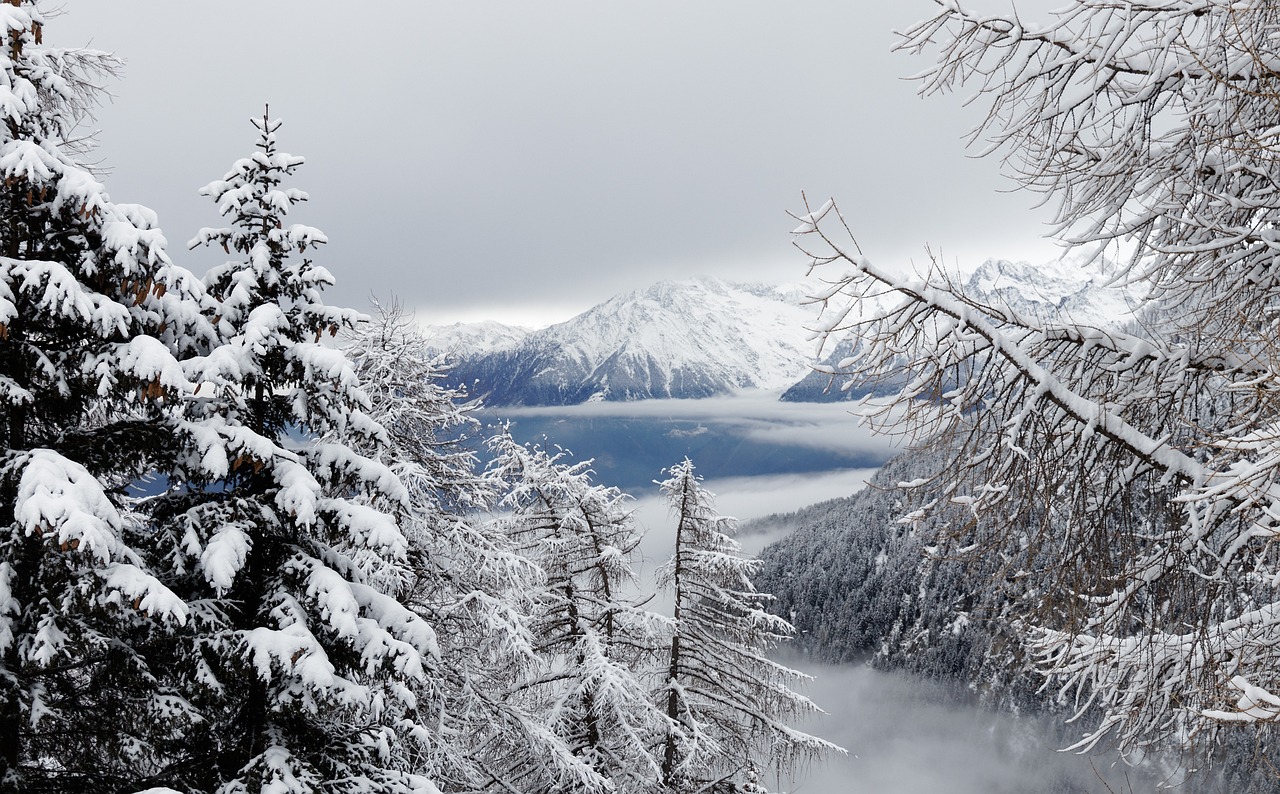
Merano 2000 is where I go when the valley feels too warm or too busy. A sleek cable car whisks you from the outskirts of town up to an open alpine plateau with views that stretch across the entire region.
In summer: You’ll find hiking trails of all levels, from gentle stroller-friendly paths to more ambitious routes toward the Ifinger peak. My favorite lazy day involves a loop hike between a couple of mountain huts (malghe), lingering over a plate of Kaiserschmarrn (shredded pancake with jam) and a Radler (beer-lemonade mix) while watching paragliders circle overhead.
In winter: Merano 2000 transforms into a mid-sized ski area, perfect for intermediate skiers and families. I’m not a hardcore skier, but I love a few relaxed runs followed by a long lunch on a sunny terrace. There’s also a fun alpine coaster (the Alpin Bob) that’s open in both summer and winter – kids and kids-at-heart adore it.
Getting there: A city bus (check current line numbers at the station) runs regularly from central Merano to the cable car base station. There’s paid parking if you’re driving.
Tips:
- Weather changes quickly at altitude. Bring layers, even in summer.
- Check lift schedules in shoulder seasons (spring and autumn) – some facilities close between winter and summer seasons.
7. Passer River Promenades (Winter, Summer & Gilf Promenade)
Merano’s promenades along the Passer River are like the town’s living room. Locals stroll, chat on benches, walk dogs, and lick gelato in all seasons. I’ve walked these paths in blazing sun, in soft snow, and in the gentle drizzle of autumn – they’re always atmospheric.
Different sections:
- Winter Promenade: Classic Belle Époque feel, palm trees, and elegant flowerbeds near the Kurhaus.
- Summer Promenade: Leafier and shadier, ideal for hot days.
- Gilf Promenade: More dramatic, with rocky outcrops and a slightly wilder feel as you walk upstream into a small gorge.
My favorite loop: Start at the Kurhaus, walk upstream on one side of the river along the Winter and Summer promenades, cross one of the bridges near the Gilf area, and walk back down on the opposite bank. It’s an easy, flat walk suitable for all ages.
Tip: Look for sculptures and art installations that appear along the paths during certain festivals. In 2026, the town is planning to expand its outdoor art program along the river.
8. Tirol Castle (Schloss Tirol)
Perched on a hill above Merano, Tirol Castle is the ancestral seat of the Counts of Tyrol and gives the entire region its name. The first time I visited, low clouds were wrapping around the towers, and I could almost hear the clank of armor and the hoofbeats of long-gone knights.
History: Parts of the castle date back to the 11th century. It was a key political and military center in the Middle Ages, controlling trade routes through the Alps. Today, it houses the South Tyrolean Museum of Cultural History, tracing the region’s complex story through artifacts, art, and architecture.
Why go:
- Views: The walk up from Dorf Tirol and the castle terraces offer superb views over Merano and the Etschtal (Adige) valley.
- Cultural insight: Exhibits explain why this area feels both Austrian and Italian, touching on everything from medieval life to 20th-century border politics.
- Atmosphere: The chapel frescoes and old walls exude history.
My routine: I usually take the bus up to Dorf Tirol, wander through the village (often grabbing a coffee and a slice of apple strudel), and then follow the signposted path to the castle. The approach through vineyards and orchards is half the fun. If I’m feeling energetic, I’ll walk back down toward Merano via trails through the woods and vineyards.
Tip: Tirol Castle is also adjacent to a bird care center and raptor rehabilitation facility that sometimes offers flight demonstrations – a hit with families.
9. Schenna Castle (Castello di Scena / Schloss Schenna)
Across the valley from Tirol Castle, on a sun-soaked slope, sits Schenna Castle. It feels more lived-in and intimate than many castles, partly because the Counts of Meran still own it and parts are furnished as if the 19th century never ended.
Why I love it: The guided tours (usually available in German and sometimes Italian; English varies) take you through rooms filled with portraits, armors, and curiosities collected over centuries. It feels like stepping into someone’s (very grand) home rather than a sterile museum.
Getting there: Take a bus or drive up to Scena/Schenna, then follow signs from the village center. The approach through orchards and flower-filled gardens is lovely in spring and early summer.
Tip: Combine Schenna Castle with a meal in one of the village’s traditional restaurants – many have terraces with wide views over the valley.
10. Maia Alta (Obermais) Villa District
Maia Alta is where Merano’s Belle Époque past really shows. Quiet, leafy streets, ornate villas with turrets and balconies, and gardens full of roses and citrus trees – it’s the kind of neighborhood where I like to wander with no real plan, imagining the lives of the families who built these homes when Merano was the toast of the Austro-Hungarian elite.
What to do:
- Take a slow walk along Via Winkel / Winklerweg and neighboring streets, admiring the architecture.
- Pause in local cafés that feel more residential than touristic.
- Look for details: wrought-iron gates, frescoes, statues in gardens.
Tip: This area is especially atmospheric in late afternoon light, when the villas’ colors warm up and the streets are at their quietest.
11. Maia Bassa (Untermais) & Local Life
Maia Bassa is often overlooked by visitors, but it’s where much of Merano’s everyday life happens. I come here when I want to step out of the postcard and into the town where people actually live, shop, and commute.
Why visit:
- Less touristy cafés and bakeries with lower prices.
- Local markets and supermarkets that are perfect for self-caterers.
- A feel for Merano beyond the spa-town image.
Hidden gem: There are a couple of small bakeries and gelato spots here that rival anything in the old town but without the crowds. I often grab picnic supplies here before heading out on a hike or day trip.
12. Steinach Quarter – The Oldest Part of Merano
Just a few steps from the busier arcades, the Steinach quarter feels like a tiny medieval village folded into the city. Narrow alleys, small squares, and houses leaning at odd angles give it a storybook look.
What I love: In the evenings, when the day-trippers have gone, Steinach becomes almost whisper-quiet. I like to slip through here on my way back from dinner, listening to the echo of my footsteps on the cobblestones.
Tip: Look for small art studios and galleries that open onto the lanes – they make nice stops if you’re interested in local artists.
13. St. Nicholas Parish Church & Old Churches
The tall Gothic tower of St. Nicholas Church is one of Merano’s landmarks, visible from nearly everywhere in town. I like using it as a compass when I’m wandering the old streets – if you can see the tower, you’re not lost.
Inside: The church interior is surprisingly serene, with ribbed vaults, stained glass, and frescoes that reward a slow circuit. It’s a good place to catch your breath between shopping and sightseeing.
Other churches: Nearby, the smaller St. Barbara Church adds another layer of history. Together, they show how important Merano once was as a regional center.
Tip: Respect local customs – dress modestly (shoulders covered) and keep voices low inside. Drop a small coin in the donation box if you can; it helps with maintenance.
14. Merano’s Bridges & City Views
Merano may not have skyscrapers, but its “skyline” of church towers, villas, and mountains is unforgettable. Some of the best views are from its bridges over the Passer River.
My favorite viewpoints:
- Post Bridge: Classic Kurhaus and promenade view.
- Bridge near the Gilf Promenade: More natural, with river rocks and greenery.
- Pedestrian bridges near the Terme: Great for evening lights and reflections.
Photography tip: In 2026, Merano is upgrading some bridge lighting – night photos should be even more rewarding, especially in winter when Christmas lights reflect in the water.
15. Merano Markets (Weekly & Seasonal)
I time many of my visits to include at least one market day. Markets are one of the most authentic cultural experiences in Merano, where you’ll hear both Italian and German, see locals stock up on produce, and get a feel for everyday life.
Regular markets: There’s typically a weekly market (often Fridays) with clothing, household goods, and food stalls. The farmers’ markets offer local cheese, cured meats, fruit, vegetables, and bread – perfect for budget-friendly picnics.
Seasonal markets:
- Easter & spring markets: Flowers, crafts, and seasonal sweets.
- Christmas market (Meraner Weihnacht): One of the coziest Christmas markets in the region, with wooden stalls, mulled wine, and local crafts lining the river and squares.
My habit: I almost always pick up apples (this valley is apple country), a hunk of mountain cheese, and some local bread. It’s an easy way to save money on meals and sample local food in Merano.
16. Lagundo (Algund) & Vineyards
Just west of Merano lies Lagundo (Algund in German), a wine village that’s technically its own municipality but feels like an extension of town. I go here when I want a vineyard walk without having to organize a full-blown day trip.
Why go:
- Gentle walking paths through vineyards with views back toward Merano.
- Wine cellars and taverns where you can taste local whites and light reds.
- A quieter, more rural feel just minutes from the city.
Tip: Combine a Lagundo vineyard walk with an afternoon at the Terme or a relaxed evening in the old town for a perfectly balanced day.
17. Dorf Tirol (Tirolo) Village
Dorf Tirol is perched above Merano like a balcony, looking down on the town and across the valley. It’s touristy, yes, but in a friendly, low-key way, and the views are irresistible.
What I do here: I wander the main street, sample a slice of cake in one of the cafés, then follow the panoramic path toward Tirol Castle. On warm evenings, I’ve lingered on terraces with a glass of white wine, watching the lights spark across Merano below.
Family tip: The paths around Dorf Tirol are generally easy and stroller-friendly; kids appreciate the playgrounds and the occasional farm animals along the way.
18. Val Passiria (Passeiertal) Gateway
The Val Passiria stretches north from Merano into wilder, narrower valleys. Even if you don’t go far, just a short bus ride or drive up the valley gives a different perspective: rushing rivers, steeper slopes, and a more rugged feel.
Why include it: It’s the easiest way to taste more remote alpine landscapes without a long journey. I like to go up to one of the mid-valley villages for lunch, a short walk, and a change of scenery.
19. Val Venosta (Vinschgau) Day Trip Hub
While technically beyond Merano, the Val Venosta is so well-connected by train that it becomes a natural extension of your stay. This broad, sunny valley is dotted with castles, apple orchards, and small towns like Naturno (Naturns) and Silandro (Schlanders).
My go-to: I often hop on the Venosta railway for a half-day or full day, getting off in Naturno for an easy bike ride along the river or a visit to local churches with ancient frescoes. The train ride itself is scenic and relaxing.
20. Merano Christmas Market (Meraner Weihnacht)
If you happen to be here from late November through early January, the Merano Christmas market adds an extra layer of magic. Wooden stalls along the river, the scent of Glühwein (mulled wine) and cinnamon, local crafts, and twinkling lights make the town feel like a snow globe – even if there’s no actual snow.
What I love:
- Drinking a steaming cup of mulled wine while listening to carols and watching kids on the small ice rink.
- Browsing for hand-carved wooden ornaments and local textiles.
- The way the Kurhaus and bridges are lit up at night.
Tip: Evenings and weekends can be very busy. For a calmer experience, visit on weekday afternoons. Dress warmly – standing around with a drink gets chilly quickly, especially by the river.
Neighborhoods & Areas to Explore in Merano
Merano is compact, but each district has its own character. Understanding them helps you choose where to stay and how to plan your days.
Historic Center (Centro Storico / Altstadt)
This is where most visitors spend their time: the arcades, Kurhaus, promenades, and main churches. Stay here if you want everything on your doorstep and don’t mind some noise during busy seasons.
Maia Alta (Obermais)
Elegant, leafy, and residential, with grand villas and quieter streets. Ideal if you want a more peaceful base still within walking distance (20–25 minutes) of the center.
Maia Bassa (Untermais)
More everyday and local, with good-value accommodations and easy transport links. Great if you’re traveling by car or train and want to save a bit.
Surrounding Villages (Dorf Tirol, Schenna, Lagundo)
These hill and vineyard villages make wonderful bases if you’re staying longer than 4–5 days and want a quieter, more rural experience. Expect stellar views but more reliance on buses or cars to get into Merano proper.
Local Food in Merano & Where to Eat
Food in Merano is a delicious fusion of Alpine heartiness and Mediterranean lightness. One night you might be eating knödel (dumplings) with goulash; the next, thin-crust pizza or delicate seafood. Here’s what to look for.
Must-Try Dishes
- Speck: Lightly smoked cured ham, often served with bread and cheese.
- Knödel: Bread dumplings with speck, cheese, or spinach, usually in broth or with gravy.
- Schlutzkrapfen: Half-moon ravioli filled with spinach and cheese, topped with brown butter and chives.
- Kaiserschmarrn: Fluffy, shredded pancake with powdered sugar and jam.
- Apfelstrudel: Apple strudel – a staple dessert or afternoon snack.
- Local wines: Especially white varieties like Gewürztraminer, Sauvignon, and Pinot Bianco.
Where I Like to Eat in Merano
I won’t list specific restaurant names exhaustively (ownership and quality change), but here’s how I choose where to eat and what kind of places to look for:
- Old town taverns: For traditional South Tyrolean plates in wood-paneled dining rooms.
- Wine bars under the arcades: For aperitivo – a glass of wine and a few small bites before dinner.
- Cafés on the Kurpromenade: For coffee, cake, and people-watching.
- Pizzerias slightly off the main squares: Often better value and more local clientele.
Money-saving tip: Have your main meal at lunch. Many places offer set lunch menus (Menù del giorno / Tagesteller) that are cheaper than evening à la carte options. For dinner, you can get by with a hearty aperitivo and shared dishes.
Markets & Supermarkets
For budget travelers, Merano’s supermarkets and markets are a blessing. I often stock up on:
- Local cheese, speck, and bread.
- Fresh fruit (especially apples and berries in season).
- Yogurt from local dairies.
Self-catering for breakfast and some lunches can significantly cut costs while still immersing you in local food in Merano.
Nightlife, Entertainment & Cultural Experiences in Merano
Merano is more about relaxed evenings than wild nightlife, but there’s still plenty to do after sunset.
Aperitivo Culture
Evenings start with aperitivo: a glass of wine, a Spritz, or a non-alcoholic drink with small snacks. My ritual is to find a terrace either in the old town or along the river, order a glass of local white, and watch the world go by.
Bars & Live Music
You’ll find wine bars, cocktail spots, and pubs scattered across the old town and along the promenades. Some host live music, especially on weekends and during festivals. Check local posters or tourist office listings for up-to-date schedules.
Cultural Experiences
- Concerts at the Kurhaus: Classical, jazz, and festival performances.
- Local museums: Including the Women’s Museum and the Jewish Museum, which offer deeper insight into Merano’s social history.
- Festivals: From the Merano Music Weeks to wine festivals and Christmas market events, the town’s calendar is busy (see the events section below).
Major Events & Festivals in Merano (2026–2027)
Merano’s annual calendar blends traditional Tyrolean customs with modern cultural events. Exact dates shift yearly, so always confirm closer to your trip, but here’s what to expect in 2026–2027:
- Spring 2026: Flower and garden events linked to Trauttmansdorff, plus Easter markets and processions.
- Summer 2026: Open-air concerts on the promenades, evening openings at Trauttmansdorff Gardens, and various local village festivals in the surrounding communities.
- Autumn 2026: Harvest celebrations, Törggelen (traditional autumn feasts with new wine and chestnuts), and the Merano WineFestival (typically November) at the Kurhaus, drawing winemakers and enthusiasts from across Europe.
- Winter 2026–2027: Merano Christmas Market, New Year’s events, and winter sports competitions at Merano 2000 and nearby ski areas.
By 2026, the town has also been expanding its cultural experiences in Merano with more outdoor art installations and themed weeks (e.g., wellness weeks, gastronomy festivals). Check the official Merano tourism website for updated listings before your trip.
Best Day Trips from Merano
Merano makes an excellent base for exploring northern Italy and the Alps. Here are a few of my favorite day trips, all doable without too much hassle.
Val Venosta (Naturno & Beyond)
Take the Venosta railway west for 20–40 minutes to reach small towns like Naturno. Rent a bike to ride the riverside path, visit churches with early medieval frescoes, or just wander through orchards and fields.
Getting there: Regional trains run regularly from Merano station. Tickets are affordable and can often be combined with bike rental deals.
Val Passiria Villages
Head up the Val Passiria by bus or car to experience more rural, traditional villages. Have lunch at a local inn, do a short hike along the river, and enjoy a slower pace of life.
Bolzano (Bozen)
Bolzano, the regional capital, is about 30–40 minutes by train. Visit the South Tyrol Museum of Archaeology to see Ötzi the Iceman, stroll the arcades, and enjoy urban cafés before returning to Merano’s quieter atmosphere.
Alpine Lakes & Dolomite Excursions
With a car (or organized tour), you can reach alpine lakes and Dolomite viewpoints in 1–2 hours. These make more intense, adventure-focused days – great if you have 5 days in Merano and want at least one big mountain outing.
Local Customs & Cultural Etiquette in Merano
South Tyrol’s culture is a blend of Italian and Austrian influences, with its own quirks. Understanding a few local customs in Merano will make your visit smoother and more respectful.
Language
Both German and Italian are official languages. In Merano, you’ll hear a lot of German and the local South Tyrolean dialect, but Italian is widely spoken, and many people in tourism speak some English.
It’s appreciated if you greet people in one of the local languages:
- German: “Guten Tag” (good day), “Danke” (thank you).
- Italian: “Buongiorno” (good day), “Grazie” (thank you).
Meals & Tipping
Meal times are slightly later than in some northern countries, but earlier than in southern Italy. Lunch around 12:00–14:00, dinner from 19:00 onward.
Tipping: Service is usually included, but it’s customary to leave small change or round up the bill (5–10% for particularly good service). Hand the tip directly to the server or tell them the total when paying in cash.
Dress & Behavior
- Dress modestly when entering churches (covered shoulders, no very short shorts).
- Swimwear is for pools and lakes, not for walking through town.
- In sauna areas at Terme Merano and other wellness centers, textile-free is standard; follow posted rules and keep voices low.
Quiet Hours
Residential areas observe quiet hours, especially at night. Keep noise down on balconies and in hallways after 22:00.
Practical Travel Advice for Merano (2026 Edition)
Getting To & Around Merano
By train: Merano is well-connected via Bolzano. Regional trains run frequently, and connections to Verona, Innsbruck, and Munich are straightforward with one or two changes.
By car: The A22 motorway (Autostrada del Brennero) is the main route; from Bolzano you follow the SS38 toward Merano. Parking in town is mostly paid; check if your accommodation offers a space.
Getting around town:
- Merano’s core is walkable; most things to do in Merano are reachable on foot.
- City buses connect the center with Maia Alta, Maia Bassa, Merano 2000, and surrounding villages.
- Bike rentals are available and useful for riverside paths and trips toward Lagundo.
Public Transport & Discount Cards
South Tyrol offers various transport passes that can save money if you’re using buses and trains regularly. In 2026, many hotels still include a guest card that provides free or discounted transport and museum entry – check with your accommodation.
SIM Cards & Connectivity
For reliable data in 2026:
- Buy a local Italian SIM (TIM, Vodafone, WindTre, Iliad) at a shop in Bolzano or Merano – bring your passport for registration.
- Or use an eSIM from a travel provider before you arrive.
Coverage in Merano and main valleys is generally good, though mountain areas may have weak signal.
How to Save Money in Merano
- Visit in shoulder seasons (April–June, late September–early November) for lower prices and fewer crowds.
- Use markets and supermarkets for some meals.
- Take advantage of guest cards and transport passes.
- Plan a mix of paid attractions (Terme, Trauttmansdorff) and free activities (Tappeinerweg, promenades, old town walks).
Visa Requirements & Driving
Visa: Italy is in the Schengen Area. Citizens of the EU and many other countries (including the US, Canada, UK, Australia, New Zealand, and more) can enter visa-free for short stays; others may need a Schengen visa. Always check current regulations well before travel, as policies can change.
Driving & licenses: If you plan to rent a car:
- An EU or EEA license is generally accepted as-is.
- Many non-EU visitors are advised to carry an International Driving Permit (IDP) along with their national license; some rental agencies require it.
- Remember that Italy has strict rules on speed limits, seat belts, and drink-driving, with frequent enforcement.
Best Seasons for Different Activities
- Spring (April–June): Ideal for gardens, valley hikes, and mild weather. Trauttmansdorff is at its lushest.
- Summer (July–August): Warm to hot in the valley, perfect for mountain hikes at Merano 2000 and beyond. Busier and pricier.
- Autumn (September–early November): My favorite: grape harvest, golden foliage, Törggelen feasts, and cooler but still pleasant temperatures.
- Winter (December–March): Best for Christmas markets, spa days, and skiing at Merano 2000; town can be quiet between holiday peaks.
Summary: Key Takeaways & Best Time to Visit Merano
Merano is a place where you can soak in thermal baths while gazing at snowy peaks, wander through Habsburg-era promenades fringed with palm trees, and be in the middle of vineyards or alpine pastures within half an hour. It’s big enough to keep you occupied for 3–5 days in Merano and small enough to feel intimate and manageable.
For a first visit:
- Plan at least a 3 day itinerary for Merano to cover the spa, gardens, old town, and one mountain outing.
- Consider 4–5 days in Merano if you want day trips, vineyard walks, and real downtime.
- Don’t skip Trauttmansdorff Gardens, Terme Merano, the Tappeinerweg, and the old town promenades.
Best times to visit:
- Spring & autumn: The sweet spots for comfortable weather, moderate prices, and gorgeous landscapes.
- Summer: Great for mountains and long days, but busier.
- Winter: Perfect if you love Christmas markets, spas, and skiing.
What keeps me coming back is not just the list of things to do in Merano, but the rhythm of the place: morning walks along the river, midday espresso in the arcades, late-afternoon light on the vineyards, and evenings floating in warm water as the mountains fade into the dark. Build your own routine here, and chances are you’ll find yourself planning your own return to Merano long before you leave.