Why Visit Monopoli, Italy?
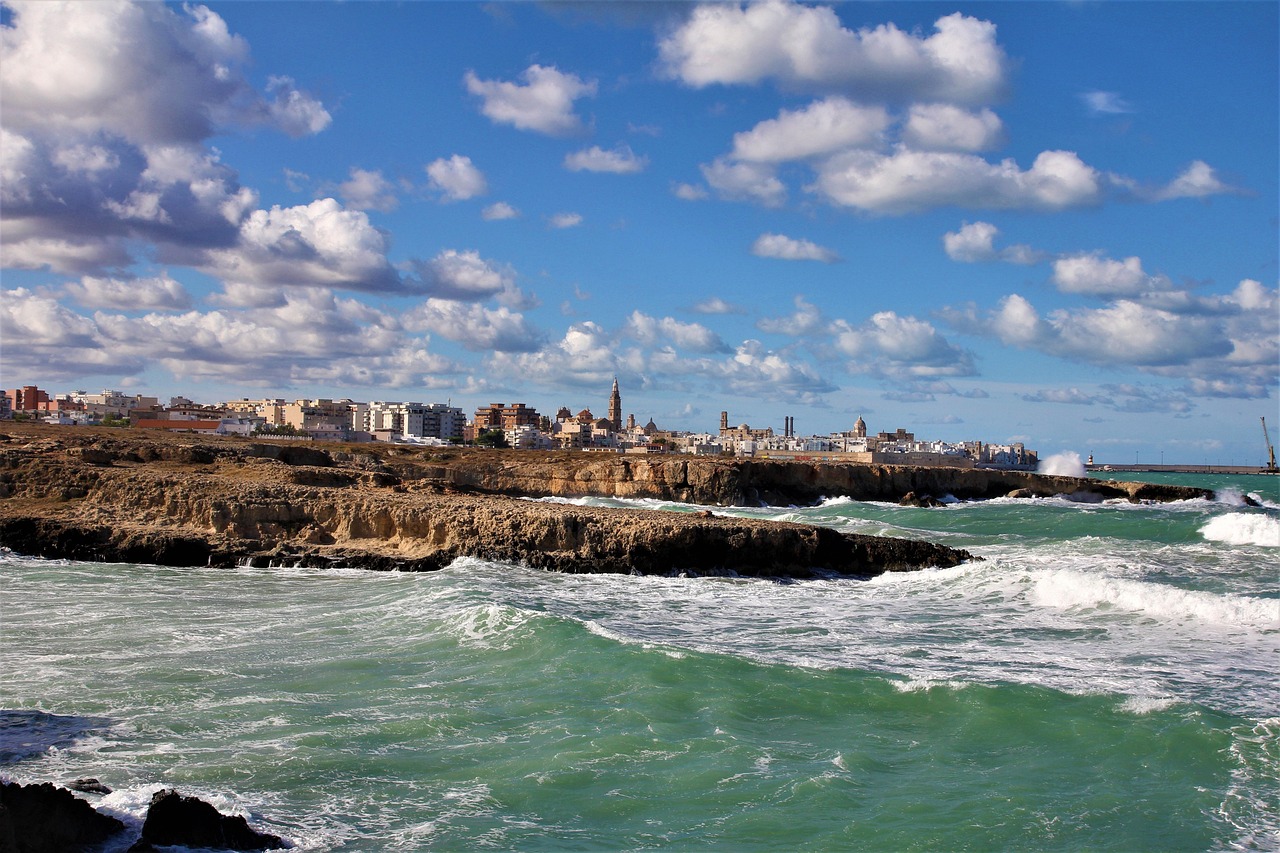
Monopoli is where Puglia’s Adriatic coastline feels most like a lived-in postcard: whitewashed alleys, turquoise water licking at ancient walls, laundry lines strung across stone lanes, and grand churches tucked between fishermen’s houses. It’s less glossy than Polignano a Mare, more authentic than many over-touristed coastal towns, and still very much a working city where nonnas gossip in dialect on doorsteps.
I’ve been returning to Monopoli every year since 2015, sometimes for a weekend, sometimes for weeks at a time. I’ve watched it quietly rise from “where the locals go to the beach” to one of the most interesting small coastal cities in southern Italy. You come here for:
- Walkable, atmospheric old town wrapped in centuries-old sea walls.
- Real life: fishermen fixing nets at dawn, kids playing soccer in piazzas, families out for evening passeggiata.
- Swimmable city coves right under the old walls and a string of sandy beaches to the south.
- Local food in Monopoli – ultra-fresh seafood, oven-hot focaccia, and rustic Pugliese classics.
- Easy base for day trips to Alberobello, Polignano a Mare, Ostuni, and the Valle d’Itria.
- Romantic sunsets, family-friendly beaches, and laid-back nightlife rather than wild clubs.
If you’re planning a 3 day itinerary for Monopoli, or stretching it into a 4 day or 5 day itinerary, this in-depth travel guide for Monopoli will walk you through the best places to visit in Monopoli, hidden gems, cultural etiquette, and practical travel tips for Monopoli from someone who genuinely loves this town.
Table of Contents
- Why Visit Monopoli
- Neighborhoods & Areas of Monopoli
- 20 Must-See Attractions & Hidden Gems in Monopoli
- Suggested 3–5 Day Itineraries
- Best Local Food & Drink in Monopoli
- Nightlife, Entertainment & Cultural Experiences
- What’s New: Events & Festivals 2026–2027
- Day Trips from Monopoli
- Cultural Etiquette & Local Customs in Monopoli
- Practical Travel Advice for Monopoli
- When to Visit Monopoli & Final Takeaways
Neighborhoods & Areas of Monopoli
Monopoli isn’t huge, but each area has its own personality. Understanding them helps you choose where to stay and what to do.
Centro Storico (Old Town)
This is the Monopoli you see on postcards: narrow white alleys, archways, flowered balconies, and little shrines on corners. It wraps around the port and city walls, with most of the major must-see attractions in Monopoli inside: the cathedral, castle, seafront bastions, tiny churches, and intimate piazzas.
I usually stay here when I want to walk everywhere and soak up evening life. It’s ideal for couples and photographers, and still manageable with kids if you choose a quieter lane away from bar clusters.
Borgo Murattiano (New Town Grid)
Laid out in a grid just west of the old town, this is where locals shop, do errands, and meet for coffee. You’ll find supermarkets, bakeries, budget-friendly apartments, and the large Piazza Vittorio Emanuele II. Staying here is cheaper than the old town, and you’re still only 5–10 minutes on foot from the sea.
Porto Vecchio & Waterfront
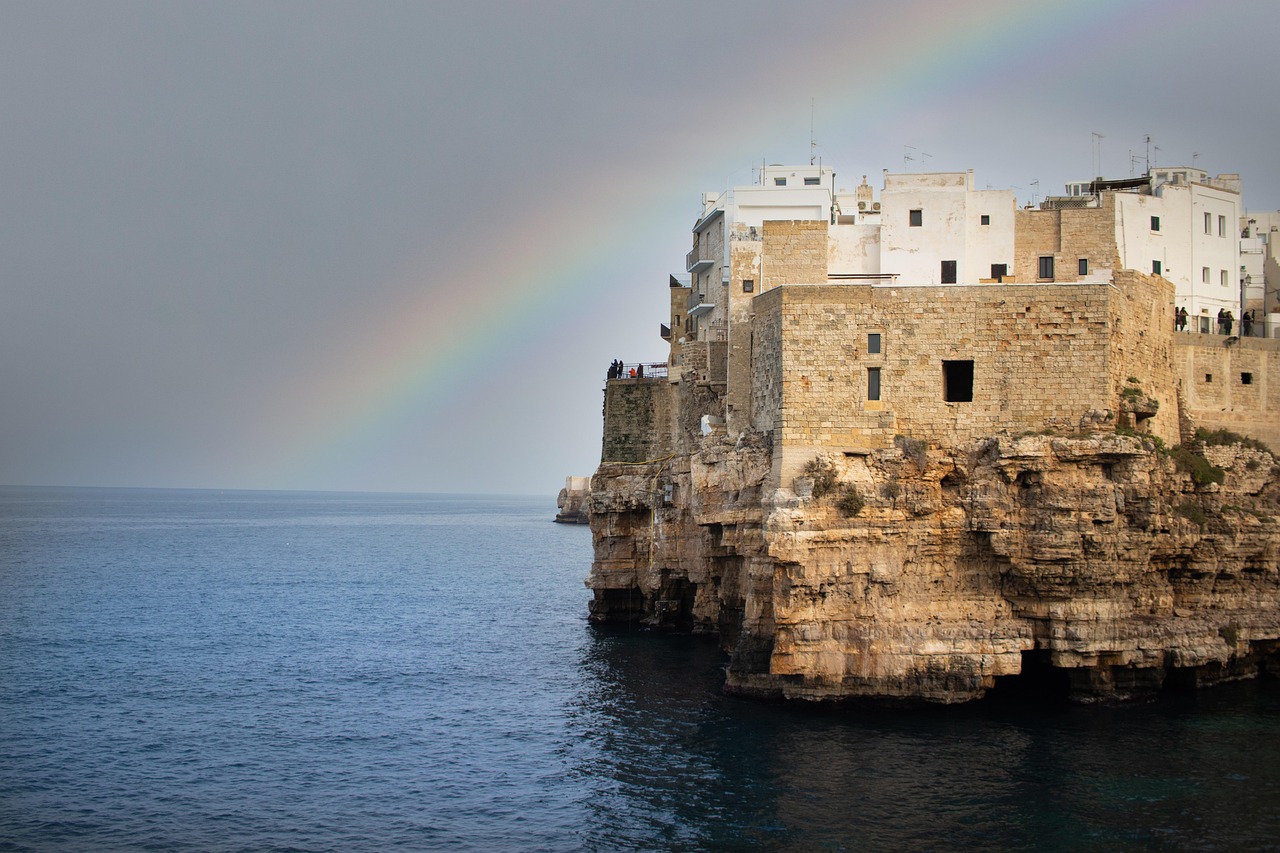
The historic harbor and promenade is the most atmospheric area at sunrise and sunset. Fishing boats bob against the stone quay, and the city walls glow pink in the low light. You’ll stroll this area daily, even if you don’t stay here.
Southern Beach Strip (Porto Bianco to Capitolo)
South of the old town, a string of rocky coves and sandy beaches runs toward the resort hamlet of Capitolo. In summer, beach clubs sprinkle the shore with umbrellas and music. Perfect for families wanting easy sea access, or anyone planning a more relaxed, beach-focused 4 day itinerary for Monopoli or longer.
Contrade & Countryside (Olive Groves and Masserie)
Back from the sea, Monopoli’s territory stretches into a patchwork of stone-walled lanes, centuries-old olive trees, and traditional farm estates called masserie. If you have a car and want peace, a countryside masseria stay is magical—especially in spring and autumn.
20 Must-See Attractions & Hidden Gems in Monopoli
These are the places I return to every visit. I’ll start with the most iconic and work toward lesser-known corners. Think of this section as your menu of things to do in Monopoli and building blocks for any 3, 4, or 5 day itinerary.
1. Basilica Cattedrale Maria Santissima della Madìa
The cathedral is Monopoli’s spiritual and architectural heart. Its creamy baroque façade rises above the tangle of old town lanes, and inside it’s all marble, frescoes, and hushed light. The church is dedicated to the Madonna della Madìa, whose icon, legend says, arrived in 1117 on a raft of beams that were later used to complete the roof.
I like to visit twice: once mid-morning, when light slants through the windows, and once in the evening when the town is quieter. Step into the crypt to feel the layers of history—you’re standing on centuries of earlier churches.
- Best for: Culture lovers, history buffs, quiet moments
- Tip: Dress modestly (shoulders covered). Slip a €1–2 coin into the offering box if you linger.
2. Castello Carlo V & Seafront Walls
Guarding the harbor on a rocky promontory, the 16th-century Castello Carlo V is the solid stone reminder that Monopoli was once strategic military real estate. From the bastions you get some of the best views of Monopoli’s skyline: domes, bell towers, and the Adriatic stretching to the horizon.
I like to walk the loop around the castle near sunset, when the walls warm to honey tones and locals come out for a stroll. Sometimes there are small exhibitions inside (check posters at the entrance).
- Best for: Photography, couples at sunset, families (mini “castle adventure” for kids)
- Tip: Combine with a walk along the sea wall to Porto Antico and Porto Vecchio.
3. Porto Vecchio (Old Harbor)
Porto Vecchio is the beating maritime heart of Monopoli. Bright blue wooden fishing boats, known as gozzi, nudge against the quay as fishermen mend nets, chat, and sell their catch directly from the boat.
On my last trip, I made a habit of coming here with a takeaway espresso just after sunrise. The city is still sleepy, but the harbor is already buzzing. Kids will love the boats; photographers will love the reflections of the old town in the water.
- Best for: Early risers, photographers, authentic local life
- Tip: Go early for the real working atmosphere; by midday it’s more of a backdrop.
4. Lungomare & Bastione Santa Maria
The promenade that runs along the old sea walls is my favorite “do nothing” activity in Monopoli. Start near the castle and follow the water around to Bastione Santa Maria for sea views, little coves, and glimpses into stone courtyards.
In summer, locals perch on rocks below to sunbathe. In winter, waves crash dramatically against the walls. It’s a perfect, stroller-friendly walk if you’re traveling with kids.
- Best for: Everyone – families, couples, solo travelers
- Tip: Bring a light jacket even in summer; the sea breeze can be strong at night.
5. Cala Porta Vecchia & City Beaches
Cala Porta Vecchia is the classic city cove: a crescent of sand tucked under the old town walls, shallow turquoise water, and kids splashing from April to October. It’s small, it gets busy, and yet I still swim here almost every trip because the setting is unbeatable.
Walk 10–15 minutes south and you’ll find a series of coves: Porto Bianco, Porto Rosso, and more. Some are sandy, some rocky; all have clear water. They’re ideal for a quick dip between sightseeing stops in a packed 3 days in Monopoli schedule.
- Best for: Families (shallow water), quick swims, people-watching
- Tip: No shade – bring a hat and water. For quieter time, go early morning.
6. Piazza Giuseppe Garibaldi
This triangular piazza just inside the old town is my “office” whenever I’m in Monopoli. It’s ringed with cafés and restaurants, shaded by trees, and always humming with life—kids zig-zag on scooters, locals sip aperitivo, and visitors linger over gelato.
On one visit, I spent an entire afternoon here writing, ordering an espresso, then a spritz, then a plate of taralli, just watching the town swirl around me.
- Best for: People-watching, aperitivo, families
- Tip: Prices are slightly higher than deeper in the new town, but the atmosphere is worth it.
7. Chiesa di Santa Maria Amalfitana
This understated church near the sea has roots in the 12th century and a legend of Amalfi sailors who found refuge here, shaping its name. It’s less ornate than the cathedral, but its stone interior and quiet, almost maritime feel make it special.
It’s often empty; I like to duck in on hot afternoons when I need a cool, contemplative break from the sun and crowds.
- Best for: Quiet reflection, history lovers
- Tip: Combine with a stroll along the nearby bastions for a peaceful circuit.
8. Museo Diocesano
The Diocesan Museum next to the cathedral holds religious art, vestments, and artifacts from Monopoli’s long ecclesiastical history. It’s small but well-curated, and a good option if you hit a rainy day or need some shade.
I enjoyed the old maps and documents that show Monopoli’s changing footprint over the centuries, especially if you’re into layering history over the streets you’re walking.
- Best for: History and art lovers
- Tip: Check current opening hours; they can be seasonal and sometimes split (morning/evening).
9. Piazza Vittorio Emanuele II
This enormous square in the newer part of town is where Monopolitani gather for fairs, markets, and local events. It feels very different from the labyrinthine old town: wide, open, more modern.
On summer evenings there’s often a fairground vibe with rides and stalls, making it a fun stop in a family-oriented 4 days in Monopoli plan.
- Best for: Families, feeling the “non-touristic” side of town
- Tip: Look for posters about upcoming concerts and events; many happen here.
10. Cala Cozze, Porto Rosso & Porto Nero (Local Swim Spots)
Beyond the main sandy coves are rockier, smaller swimming spots like Cala Cozze, Porto Rosso, and Porto Nero. These are where locals go when Porta Vecchia is jammed in July and August.
I like these for late afternoon dips. Bring water shoes if you’re not comfortable on rocks; the trade-off is clearer water and fewer crowds.
- Best for: Confident swimmers, couples, adventurous families with older kids
- Tip: Facilities are minimal or non-existent—bring your own water and snacks.
11. Capitolo Beach Clubs
About 10–15 minutes’ drive south is Capitolo, a low-key resort area with long sandy beaches and a mix of free stretches and lidi (beach clubs). In high season it feels like Monopoli’s backyard playground.
On one hot August day, I rented a sunbed at a family-run lido for under €20, ordered grilled fish and a cold beer from my chair, and alternated between reading and swimming all day. It’s ideal if your 5 day itinerary for Monopoli includes a full beach day.
- Best for: Beach days, groups, families, accessible facilities
- Tip: Book your sunbeds ahead in late July–August, especially on weekends.
12. Masserie & Olive Grove Countryside
Puglia’s countryside is dotted with masserie—fortified farmhouses that now often operate as agriturismi or boutique stays. Just inland from Monopoli you can visit or stay in these historic estates among gnarled olive trees and dry-stone walls.
One of my favorite evenings was a farm-to-table dinner at a masseria: homemade orecchiette with cime di rapa, local wine, and a sunset over the olive groves. It’s a completely different vibe from the seaside city.
- Best for: Couples, food lovers, anyone wanting peace
- Tip: You’ll need a car or arranged transfer; book dinners in advance as they often serve only guests or by reservation.
13. Local Markets & Mercato Coperto
Monopoli’s markets are where you feel the town’s daily rhythm. The covered market (mercato coperto) and surrounding streets fill with stalls selling fish, vegetables, cheeses, and olives.
I like to pick up picnic supplies here: sun-warmed tomatoes, fresh mozzarella, olives, and focaccia, then take them to a quiet corner of the sea wall for lunch.
- Best for: Budget-conscious travelers, foodies, self-caterers
- Tip: Go in the morning; markets wind down by early afternoon. Cash is easiest.
14. Street Shrines & Everyday Architecture
One of Monopoli’s most charming features isn’t a single attraction but its architecture: stone arches connecting houses, carved doorways, weathered green shutters, and countless small shrines to the Madonna lit by votive candles.
I often wander aimlessly, following laundry lines and pots of geraniums. For me, this unstructured time is as essential as ticking off big sights in any 3 day or 4 day itinerary for Monopoli.
- Best for: Photographers, slow travelers, romantics
- Tip: Be respectful; these are people’s homes. Avoid pointing cameras directly into open doors or windows.
15. Chiesa del Purgatorio & Skull Decor
Near the cathedral, the Church of Purgatory (Chiesa del Purgatorio) is famous for its baroque façade adorned with skull motifs, a reminder of mortality typical of its era.
Inside, it’s an evocative space that contrasts with the more polished cathedral. I like this stop for a slightly macabre but historically fascinating glimpse into religious art.
- Best for: History and art fans, older kids/teens
- Tip: Check if it’s open; hours can be irregular. Look closely at the door carvings.
16. Lungomare Cristoforo Colombo (Extended Seafront Walk)
South of the old town’s walls, the waterfront expands into a longer promenade along Lungomare Cristoforo Colombo. Locals jog here in the morning and stroll in the evening, often with gelato in hand.
If you’re doing a fitness-focused 5 days in Monopoli, this is perfect for a sunrise run with sea views.
- Best for: Walkers, runners, families with strollers
- Tip: Benches along the way make it easy to stop and just watch the sea.
17. Boat Trips & Coastal Caves
From the harbor you can join small-boat trips along the coast, sometimes combining Monopoli and Polignano a Mare. Expect sea caves, cliff views, and swims in clear coves.
The most memorable for me was a late-afternoon cruise: diving off the boat into warm water, then watching the old town glow golden as we returned.
- Best for: Couples, families (check life jackets), friends groups
- Tip: Book in advance in July–August; shoulder season trips are more relaxed and often cheaper.
18. Coastal Cycling & Countryside Bike Routes
Monopoli is increasingly bike-friendly, with quiet country lanes inland and relatively flat coastal stretches. Renting a bike for a day lets you connect beaches, masserie, and viewpoints at your own pace.
On one spring visit, I cycled between olive groves scented with wildflowers, stopping at a roadside bakery for still-warm focaccia barese.
- Best for: Active travelers, couples, solo adventurers
- Tip: Start early in summer to avoid heat; wear a hat and bring plenty of water.
19. Religious Processions & Local Festivals
Monopoli’s religious calendar still shapes its public life. Holy Week, Corpus Domini, and especially the Festa della Madonna della Madìa fill streets with processions, music, and fireworks.
In December, I once stood on the chilly seafront watching as a raft symbolizing the Madonna’s arrival approached the harbor—a moving, communal moment that tourists often miss.
- Best for: Cultural immersion, photographers
- Tip: Ask at the tourist office or your accommodation about upcoming processions; dates shift with the liturgical calendar.
Suggested 3–5 Day Itineraries for Monopoli
Below are flexible outlines to help you plan 3 days in Monopoli, extend to a 4 day itinerary, or linger for a 5 day itinerary for Monopoli. They blend top sights, hidden gems, food stops, and downtime.
3 Day Itinerary for Monopoli
This plan is for first-timers who want a balanced mix of old town, sea, and a little countryside without rushing.
Day 1 – Old Town, Harbor & City Beach
Arrive, drop your bags, and head straight into the heart of the centro storico. I usually start in Piazza Giuseppe Garibaldi with a quick espresso and a pasticciotto, then wander toward the cathedral.
- Visit the Cathedral and Museo Diocesano.
- Duck into Chiesa del Purgatorio to see the baroque skulls.
- Walk to Porto Vecchio and the Castello Carlo V area.
In the afternoon, change into swimwear and stroll to Cala Porta Vecchia for your first dip. I like to grab focaccia from a bakery in the new town on the way—a cheap, delicious beach lunch.
Evening is for passeggiata: walk the sea walls from the castle past Bastione Santa Maria, then back into the old town for dinner (seafood pasta or a mixed grill of fish is a must). Finish with gelato in Piazza Garibaldi.
Day 2 – Coastal Walks, Hidden Coves & Boat Trip
Start with a relaxed breakfast, then follow the Lungomare Cristoforo Colombo south, stopping at coves like Porto Bianco or Porto Rosso for swims. This is a great day for families: short walks, frequent swim breaks, and gelato as motivation.
In the afternoon, join a boat tour from the harbor. Some itineraries include an aperitivo on board; others stop for swimming in deeper water. Either way, you’ll see the old town and coastline from a different angle.
Dinner back on land: head slightly outside the tourist core for more local-priced trattorie. Look for handwritten menus and orecchiette alle cime di rapa or cozze ripiene (stuffed mussels).
Day 3 – Markets, Countryside or Polignano a Mare
On your last day, lean into food and either countryside or a quick day trip.
- Morning: Visit the local market for picnic supplies and people-watching.
- Option A – Countryside: Arrange a transfer or rent a car and visit a nearby masseria for lunch, olive oil tasting, or a cooking class.
- Option B – Polignano a Mare: Take the 10-minute train north to this dramatic cliff-top town, then return to sleep in Monopoli’s calmer atmosphere.
End with a final sunset walk along the bastions and a special-occasion dinner—maybe a splurgey seafood restaurant by the harbor.
4 Day Itinerary for Monopoli
With 4 days in Monopoli, you can slow down and add a full beach day or a major inland highlight.
Day 4 Option A – Full Beach Day in Capitolo
Take a bus, taxi, or car to Capitolo and claim a sunbed at a beach club. Order lunch on the sand, read, nap, swim, repeat. This is ideal for families or anyone needing a break from structured sightseeing.
Day 4 Option B – Alberobello & Valle d’Itria
If you’re okay with a busier day, use your extra time for a day trip to Alberobello and the Valle d’Itria. Wander among trulli, then maybe continue to Locorotondo or Martina Franca. Return to Monopoli for dinner by the sea.
5 Day Itinerary for Monopoli
A 5 day itinerary for Monopoli lets you blend sea, countryside, and nearby towns without rushing.
Day 4 – Countryside Masseria & Olive Groves
Dedicate a day to the inland world: bike or drive between olive groves, visit a masseria for lunch or a tasting, and explore small contrade. It’s a restorative contrast to the coastal vibe.
Day 5 – Flex Day: Your Choice of Repeat or New Adventure
Use your fifth day to:
- Revisit your favorite cove or repeat a boat trip you loved.
- Take a shorter day trip (e.g., Ostuni or Polignano a Mare if you haven’t yet).
- Join a cooking class or wine tasting.
- Do absolutely nothing beyond espresso, sea, and reading on a balcony.
I often keep my last day unplanned; by then I know what I want more of.
Best Local Food & Drink in Monopoli
Puglia is one of Italy’s great food regions, and Monopoli leans heavily into the sea. Eating well here doesn’t have to be expensive if you follow locals and avoid only-harborfront tourist menus.
What to Eat in Monopoli
- Focaccia Barese: Thick, olive-oil-rich bread topped with tomatoes, olives, and oregano. Ideal budget snack or beach lunch.
- Orecchiette alle cime di rapa: Ear-shaped pasta with bitter greens, anchovy, garlic, and chili. Quintessential Puglia.
- Frutti di mare crudi: Raw seafood (for the brave) – mussels, clams, and more, super fresh.
- Cozze gratinate: Mussels baked with breadcrumbs, garlic, and parsley.
- Polpo alla pignata: Slow-cooked octopus in a terracotta pot.
- Panzerotti: Fried dough pockets stuffed with tomato and mozzarella.
- Pasticciotto & cartellate: Traditional sweets, especially around holidays.
Where to Eat (and Save Money)
Specific restaurant scenes shift year to year, but these general strategies have never failed me:
- New town over harborfront: Walk 5–10 minutes inland. You’ll find more locals, better prices, and hearty portions.
- Menu del giorno: Look for daily fixed-price menus at lunch; they’re fantastic value.
- Panifici (bakeries): For budget lunches, hit bakeries for focaccia, rustici, and taralli.
- Aperitivo buffets: Some bars in the Borgo offer generous aperitivo spreads with your drink—light dinner if you’re not too hungry.
What to Drink
- Local wines: Primitivo, Negroamaro, and Verdeca from nearby areas; house wine is often excellent and cheap.
- Birra artigianale: Local craft beers are increasingly common in bars.
- Caffè leccese: Espresso over ice with almond syrup—perfect on hot days.
- Amari pugliesi: Local bitters after dinner; ask what’s typical in the house.
Nightlife, Entertainment & Cultural Experiences
Monopoli’s nightlife is more about passeggiata and piazza time than clubs. It’s lively, social, and family-friendly.
Evenings in the Old Town
From about 7pm, locals of all ages spill into Piazza Garibaldi, the seafront, and little squares. Kids run around while parents sip wine; couples stroll the bastions hand in hand.
Bars & Aperitivo
You’ll find wine bars and cocktail spots tucked into stone vaults and spilling into side streets. I like to pick a place with outdoor tables, order a spritz or local wine, and let the complimentary nibbles (olives, taralli, chips) tide me over until dinner.
Live Music & Events
In summer, keep an eye out for:
- Small concerts in Piazza Vittorio Emanuele II.
- Occasional jazz or acoustic sets in bars.
- Religious festivals with bands and fireworks.
Family-Friendly Evenings
Families tend to head to the big square in the new town, where kids’ rides, games, and pop-up stalls appear in high season. Gelato is practically mandatory.
What’s New: Events & Festivals 2026–2027
Specific dates are usually confirmed close to each season, but based on recent years, here’s what to expect in 2026–2027:
- Festa della Madonna della Madìa (May & December 2026/2027): Processions by land and sea, fireworks, concerts, and food stalls celebrating Monopoli’s patroness.
- Summer Music & Culture Program (June–September): Open-air concerts, theater, and film screenings in piazzas and at the castle.
- Religious Processions for Holy Week and Corpus Domini: Atmospheric if you’re in town; expect some road closures.
- Food & Wine Events: Occasional street food festivals and local product fairs, especially in late summer and early autumn.
As 2026 approaches, check Monopoli’s official tourism site or ask at the tourist office on arrival; they’ll have an up-to-date calendar.
Day Trips from Monopoli
One reason I love using Monopoli as a base is how easy it is to explore nearby gems while returning to a calmer, more authentic town each night.
Polignano a Mare
Just one stop north by train (~10 minutes), Polignano is famous for its cliff-hugging houses and dramatic cove beach. It’s stunning but more crowded and polished than Monopoli.
- How to get there: Regional train from Monopoli station, frequent and cheap.
- What to do: Walk the cliff viewpoints, explore old town lanes, swim at Lama Monachile, and try a coffee with ice and almond (claimed as a local specialty).
Alberobello & Valle d’Itria
Alberobello’s trulli—white cone-roofed houses—are UNESCO-listed and unique. Combine with nearby Locorotondo or Martina Franca for a perfect inland day.
- How to get there: Train or bus via Conversano/Putignano, or easiest by car/organized tour.
- What to do: Wander trulli neighborhoods, taste local wines, and enjoy countryside views.
Ostuni
The “White City” perched on a hill, about 30–40 minutes by car or train-plus-bus. Its maze of whitewashed lanes and views toward the sea make it an excellent afternoon-into-evening excursion.
Grotte di Castellana
One of Italy’s most impressive cave systems, reachable in under an hour. If your group includes kids or geology lovers, it’s a fun half-day trip.
Cultural Etiquette & Local Customs in Monopoli
Puglia is warm and welcoming, but a few local customs will help you blend in and avoid faux pas.
Greetings & Politeness
- Say “Buongiorno” (until late afternoon) or “Buonasera” when entering shops or addressing staff.
- “Per favore” (please) and “Grazie” (thank you) go a long way.
- People may seem reserved at first but warm quickly with a smile and simple Italian phrases.
Dress & Behavior
- Churches: Cover shoulders and avoid very short shorts; speak quietly.
- Beachwear: Fine at the beach, not in town; cover up when leaving the shore.
- Evenings: Locals tend to dress neatly for passeggiata and dinner, though it’s still relaxed.
Dining Customs
- Dinner rarely starts before 8pm; 9pm is common, especially in summer.
- Coffee with milk (like cappuccino) is typically a morning thing, though no one will arrest you for ordering it later.
- Tips are appreciated but not obligatory: rounding up or leaving ~5–10% for good service is enough.
Quiet Hours & Local Life
- Afternoon riposo (siesta-like break) is still a thing; some small shops close roughly 1–4pm.
- In residential alleys, keep voices down late at night; sound carries in the stone streets.
Practical Travel Advice for Monopoli
Getting To & Around Monopoli
By Air: The nearest airports are Bari (BRI) and Brindisi (BDS), both about 1 hour away by car or train/bus combinations.
By Train: Monopoli is on the main Adriatic rail line. Regional trains connect it to Bari, Brindisi, Lecce, and other towns. The station is about 10–15 minutes’ walk from the old town.
Within Monopoli
- On foot: The old town and seafront are very walkable; many streets are pedestrian-only.
- Bus: Local buses link the center with outlying neighborhoods and Capitolo beaches in season.
- Car: Useful for exploring countryside and day trips, but inconvenient inside the historic center (ZTL restricted area). Park in designated lots outside the old town.
- Bike: Great for coastal and countryside rides in cooler months; in peak summer, go early to avoid heat.
SIM Cards & Connectivity
For 2026, Italy’s main operators (TIM, Vodafone, WindTre, Iliad) all have tourist-friendly prepaid plans.
- Bring your passport to buy a SIM at official shops in Bari/Brindisi or Monopoli’s new town.
- Expect ~€15–25 for a month of generous data, calls, and texts.
- eSIM options from international providers also work well if your phone supports them.
Money & Costs
Monopoli is still relatively good value compared with big Italian cities.
- Espresso: ~€1–1.50 at the bar.
- Focaccia slice: ~€2–3.
- Simple trattoria meal with wine: ~€15–25 per person.
- Midrange hotel/apartment (high season): ~€90–160+ per night; lower in shoulder season.
ATMs are common; cards widely accepted in restaurants and shops, but small vendors may be cash-only.
Accommodation: Where to Stay
- Old Town: Best for charm and walking everywhere; ideal for couples and short stays. Expect a bit more noise in peak season.
- New Town (Borgo): Better value, more local feel, and easier parking; still an easy walk to the center.
- Capitolo & Southern Beaches: Good for beach-focused trips and families who want immediate sea access.
- Countryside Masserie: Romantic, peaceful, best if you have a car or are okay with taxi costs.
Car Rental & Driving
Car rental is helpful if you want to explore beyond the coast. In Italy:
- Foreign driver’s license: Most non-EU visitors should also carry an International Driving Permit (IDP); check your country’s agreement with Italy.
- Drive on the right; watch for narrow lanes and stone walls in the countryside.
- Respect ZTL (limited traffic zones) signs in the old town to avoid fines.
Visa Requirements
Italy is part of the Schengen Area. Many nationalities (including US, Canada, UK, Australia, New Zealand, much of Latin America and Asia) can enter visa-free for short stays (typically up to 90 days in any 180-day period) but may need to complete ETIAS-style pre-travel authorization once implemented. Always check the latest rules for your nationality before traveling in 2026.
Safety
Monopoli feels very safe, including at night in busy areas. Usual common-sense precautions apply: watch bags in crowded places, don’t leave valuables on the beach unattended, and keep an eye on kids near sea walls and rocky coves.
Best Seasons & What They’re Good For
- Late April–May: Mild weather, wildflowers, quieter streets. Great for walking, cycling, and lower prices.
- June: Warm, beach-ready but not yet peak-crowded. Excellent for any 3–5 day itinerary.
- July–August: Hottest and busiest. Lively atmosphere, warmest sea, lots of events—but higher prices and crowded beaches.
- September–early October: My favorite: sea still warm, crowds thinning, golden light, and harvest season in the countryside.
- November–March: Quiet, some businesses seasonal; better for slow travelers and those focusing on culture rather than beach time.
Money-Saving Tips
- Travel in May, early June, or September for lower prices and great weather.
- Eat your main meal at lunch with menu del giorno when available.
- Use bakeries and markets for some meals; picnics by the sea are wonderful.
- Rely on regional trains and buses rather than taxis where possible.
- Book accommodation early for 2026–2027 high season; Monopoli is getting more popular each year.
Summary & Final Recommendations
Monopoli is one of those places that quietly gets under your skin. It doesn’t scream for attention with blockbuster sights; instead, it wins you over with everyday beauty: fishing boats in the morning light, church bells echoing off stone walls, kids playing in alleys, the smell of focaccia drifting out of a bakery.
Use this travel guide for Monopoli to shape your 3 day itinerary, expand to 4 days or a leisurely 5 days in Monopoli, and then leave room for serendipity. Make time for:
- At least one sunrise at Porto Vecchio.
- A sunset walk along the bastions and castle.
- Swimming at Cala Porta Vecchia or a quieter cove.
- A long, simple meal focused on fresh seafood and local wine.
- Unplanned wandering through the old town’s vicoli.
For the best mix of weather, sea, and manageable crowds, I recommend visiting between late May and June or September to early October. If you can, give yourself at least 4 days in Monopoli—enough to see the main things to do in Monopoli, enjoy the sea, and still feel the slower rhythms of local life.
Monopoli rewards those who linger. Whether you’re coming with family, a partner, or solo, it’s a place that feels instantly welcoming and, if my own repeat visits are any sign, quietly unforgettable.