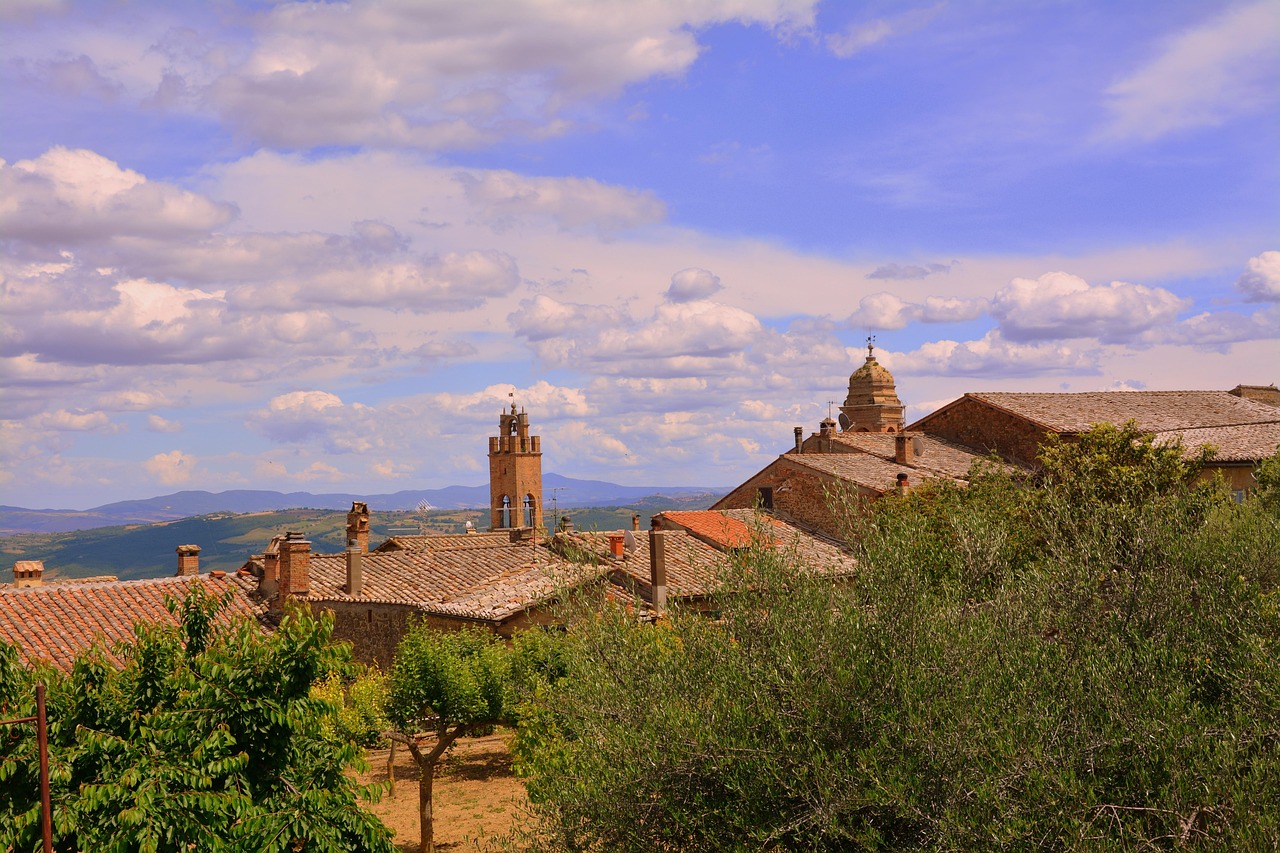
Why Visit Montalcino?
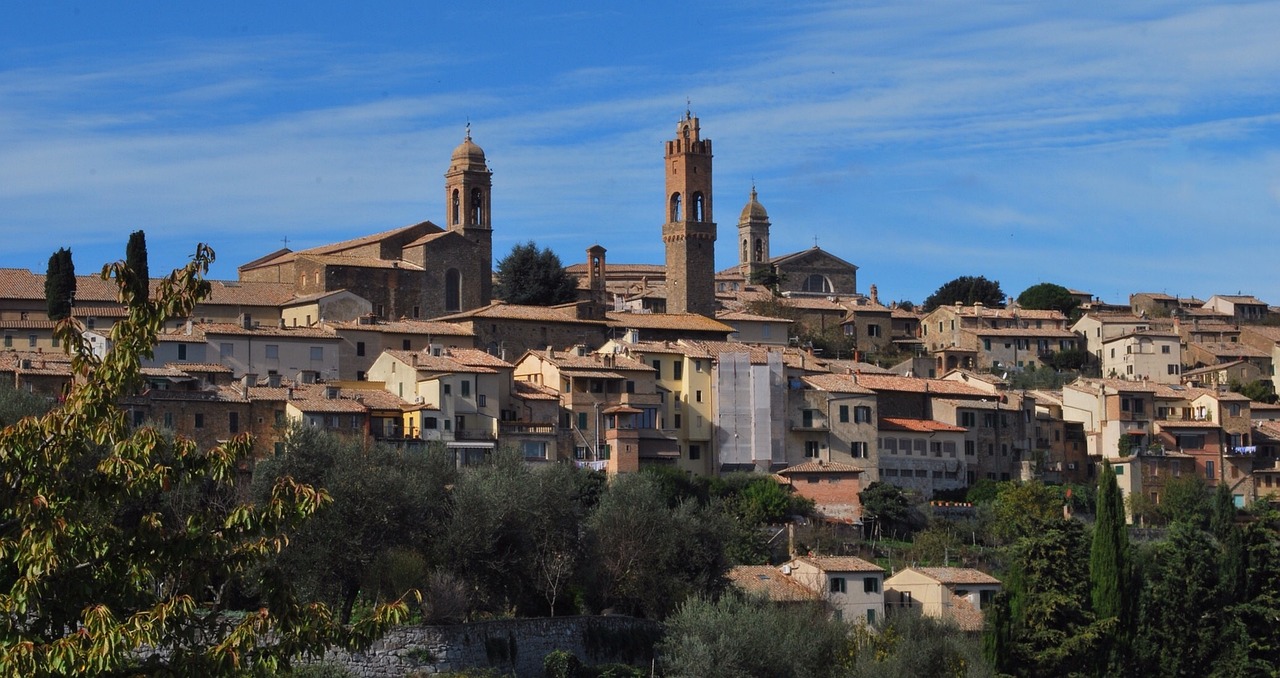
If you’ve ever daydreamed about golden hills, cypress-lined roads, and long lunches that stretch lazily into dusk, Montalcino is probably what your imagination has been trying to draw. Perched on a hilltop in southern Tuscany, about 40 km south of Siena, this small town is world-famous for one thing in particular: Brunello di Montalcino, one of Italy’s most prestigious red wines.
But that label barely scratches the surface. Montalcino is a place where you can wander cobblestone streets nearly free of traffic, duck into tiny wine bars carved into stone cellars, and feel like you’ve stepped into a postcard and then quietly slipped behind it into real life.
I’ve been returning to Montalcino almost every year since my first visit in my early twenties. I’ve come with a backpack and a tight budget, with friends for a wine-fueled weekend, with my partner for a slow, romantic escape, and once with my niece and nephew (who were mostly interested in gelato and castles). Each time, the town has felt both familiar and somehow new.
In this comprehensive travel guide for Montalcino (2026 edition), I’ll walk you through the best places to visit in Montalcino, from the iconic fortress to hidden chapels, and share personal stories and practical details: where I stayed, how I got around, how I kept costs reasonable in a famously “wine-expensive” town, and what I’d do differently next time.
Whether you’re planning a 3 day itinerary for Montalcino, stretching it to 4 days in Montalcino, or settling in for a luxurious 5 day itinerary for Montalcino, this guide is designed to help you choose the right rhythm: family-friendly, romantic, food-and-wine focused, or a blend of everything.
Table of Contents
- Why Visit Montalcino?
- Quick Overview of Montalcino
- Suggested Itineraries (3, 4, and 5 Days in Montalcino)
- 20 Must-See Attractions & Experiences in Montalcino
- Neighborhoods & Areas of Montalcino
- Local Food & Wine: What and Where to Eat & Drink
- Nightlife, Entertainment & Cultural Experiences
- Best Day Trips from Montalcino
- Events & Festivals in 2026–2027
- Cultural Etiquette & Local Customs
- Practical Travel Advice for Montalcino
- Final Summary & Best Time to Visit
Quick Overview of Montalcino
Region: Tuscany (Toscana), Province of Siena
Population: ~5,000 (including surrounding countryside)
Famous for: Brunello di Montalcino wine, medieval hilltop town, Val d’Orcia landscapes (UNESCO World Heritage area)
Vibe: Quiet, refined, and deeply tied to the land. Less touristy than places like San Gimignano or Florence, but increasingly popular with food and wine lovers.
Good for: Couples, foodies, wine enthusiasts, photographers, slow travelers, and families who enjoy a calm base with day trips.
Not ideal if: You want nightlife until 3 a.m. or a big-city buzz. Montalcino sleeps early and happily.
Suggested Itineraries: 3, 4, and 5 Days in Montalcino
The most common question I get is: “How many days do I need in Montalcino?” You can technically “see” the town in one afternoon, but you’d be missing the point. The best experiences here unfold slowly: lingering over lunch, watching the light move across the hills, chatting with a winemaker in their cellar.
Below are outlines for a 3 day itinerary for Montalcino, a slightly slower 4 day itinerary for Montalcino, and an immersive 5 day itinerary for Montalcino. Later in this guide, we’ll dive deep into each main attraction.
3 Days in Montalcino: Classic Intro (Wine, Views, and Medieval Charm)
This 3 days in Montalcino plan is perfect if you want the highlights without rushing too much. Think of it as “Montalcino Essentials.”
- Day 1: Explore the historic center, Fortezza di Montalcino, main viewpoints, evening wine tasting.
- Day 2: Brunello-focused winery visits in the countryside, Sant’Antimo Abbey at golden hour.
- Day 3: Val d’Orcia panoramas, walking trails, casual trattoria lunch, and last gelato in town.
4 Days in Montalcino: Slow Travel & Hidden Corners
With 4 days in Montalcino, you can add an extra layer: spend more time in tiny hamlets, fit in another winery, or take a relaxed afternoon for spa time in nearby thermal waters.
- Day 1: Historic center, Fortezza, main churches.
- Day 2: Brunello vineyards, Sant’Antimo, sunset drive.
- Day 3: Val d’Orcia day trip (Pienza, Bagno Vignoni, and viewpoints).
- Day 4: Hidden chapels, enoteca hopping, free time for shopping and photography.
5 Days in Montalcino: Deep Dive into Wine Country
A 5 day itinerary for Montalcino is where the magic really happens. You stop “visiting” and start living here: regular coffee spots, chats with shopkeepers, knowing exactly which corner gets the best evening light.
- Day 1: Orientation in town, Fortezza, slow dinner.
- Day 2: Northern Brunello estates & countryside lunch.
- Day 3: Southern estates, Sant’Antimo, starry skies.
- Day 4: Val d’Orcia exploration, Pienza & thermal baths.
- Day 5: Free day: cooking class, extra winery, or just lingering in cafés and viewpoints.
20 Must-See Attractions & Experiences in Montalcino (with Personal Notes)
Below are twenty core experiences and attractions—some famous, some quietly wonderful. For each, I’ll share what it is, why it matters, how to visit, and a slice of my own time there. Use this as your menu for building the perfect travel guide for Montalcino in real life.
1. Fortezza di Montalcino (The Fortress)
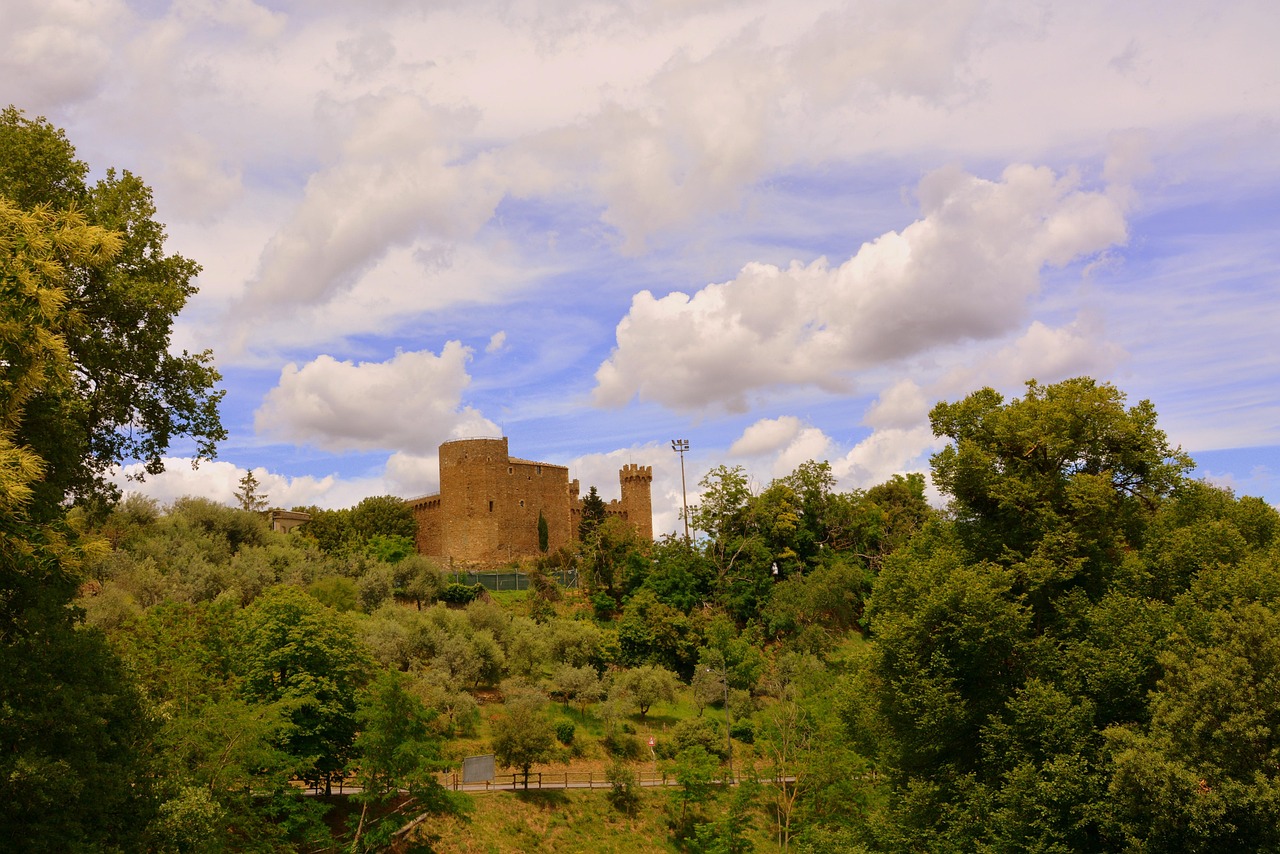
The Fortezza di Montalcino is the stone guardian of the town, a 14th-century fortress that still feels very much alive. Every time I arrive in Montalcino, I drop my bags and walk straight up here, even before checking in properly. It’s the best way to say hello to the town.
History & significance: Built around 1361 when Siena extended its influence here, the fortress has seen sieges, rival city-states, and (more recently) an endless stream of wine lovers. From its ramparts you get a 360° panorama: the Val d’Orcia on one side, the Crete Senesi on the other, and the tiled roofs of Montalcino below.
What to do:
- Climb the walls: The short climb up the stone steps to the ramparts rewards you with one of the best views of Montalcino. I once watched a thunderstorm roll across the hills from up here—lightning in the distance, sun still on the town. Unreal.
- Visit the enoteca: Inside the fortress courtyard is a renowned wine shop / bar where you can taste different Brunelli by the glass. It’s a smart way to sample multiple producers before committing to full bottles.
- Check for events: In summer, the fortress sometimes hosts concerts and tasting events. In 2026, local tourism boards are planning more evening cultural events here, especially around harvest season.
Tips: Come in the late afternoon on your first day, when the light is soft. If you’re traveling with kids, the walls and towers feel like a real-life castle—my nephew still talks about “his” fortress in Tuscany. Bring a light jacket; wind can be strong even in warm months.
2. Piazza del Popolo & Palazzo dei Priori
This is the heart of Montalcino: an intimate stone square framed by porticoes and the slender tower of the Palazzo dei Priori, the town hall. It’s not grand like Florence’s squares; it’s compact, human-sized, and deeply charming.
I love coming here in the morning when the town is still shaking off sleep. Locals cluster at café tables, kids run across the stones, and delivery vans squeeze through impossibly narrow lanes.
What to do:
- Have a cappuccino under the loggia and people-watch.
- Look up at the coats of arms and medieval details on the Palazzo dei Priori.
- Use this square as your navigation anchor; nearly every walk in town passes through here.
Family & romantic angle: Families will appreciate the car-free space where kids can safely roam. Couples might prefer the evening, when the lights come on and the square glows softly.
3. Wandering the Historic Center (Centro Storico)
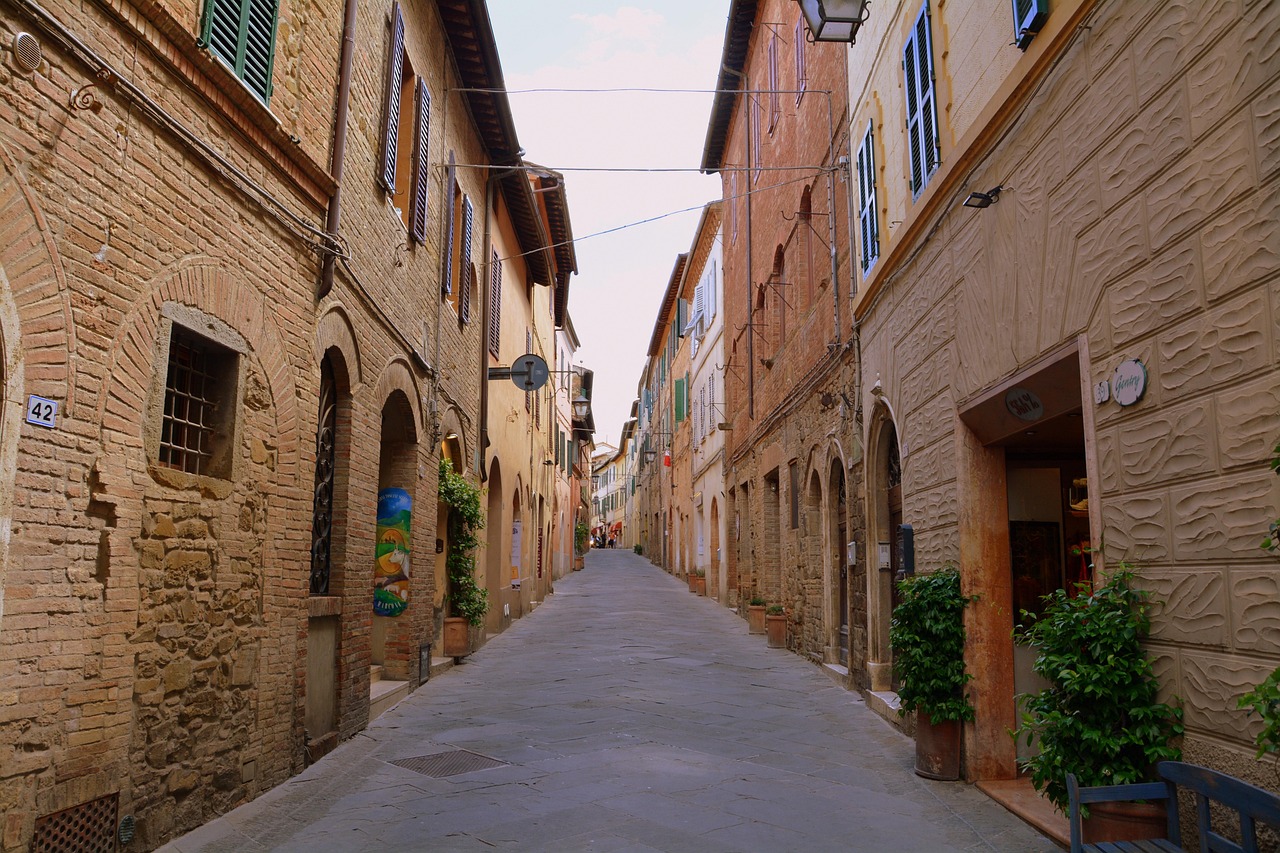
Spend at least a few unstructured hours just getting lost in the centro storico. The old streets of Montalcino are narrow, sloping, and patchworked with stone and brick. They reveal tiny workshops, wine bars tucked into arches, and archways that frame the countryside like paintings.
On my last visit, I followed a cat (yes, really) along Vicolo del Pino and ended up at one of the loveliest little side viewpoints I’d never noticed before. That’s the kind of town Montalcino is: you think you know it, and then a new corner surprises you.
Tips:
- Wear comfortable shoes. Some streets are steep and uneven.
- If you’re a photographer, mornings and late afternoons are best for soft light on the stone facades.
- Look out for small artisan shops—ceramics, local honey, salumi, and olive oil are all worth bringing home.
4. Montalcino Cathedral (Duomo di Montalcino)
The Duomo di Montalcino, dedicated to the Madonna del Soccorso, stands slightly apart from the busiest streets, giving it a calm, almost contemplative air. The neoclassical facade might not be as ornate as big-city cathedrals, but the interior is a quiet sanctuary when you need a break from the sun (or from wine tasting).
I like slipping in here midday. The coolness, the faint smell of incense, and the echo of footsteps on stone make it a brief reset before heading back into the sensory overload of food and vineyards.
Good to know: Dress respectfully (shoulders covered, no super-short shorts). There’s no entrance fee, but a small donation is appreciated if you light a candle.
5. Abbazia di Sant’Antimo
About 9 km south of town, the Abbazia di Sant’Antimo sits in a quiet valley surrounded by olive trees and vineyards. It’s one of the most beautiful Romanesque churches in Tuscany and, for me, one of the most peaceful spots anywhere.
The first time I visited, it was early spring. The grass was still damp, and a low mist clung to the hills. I arrived just as a small group of monks began chanting. The sound filled the stone nave, rising and falling like a tide. I still get goosebumps thinking about it.
History & significance: Legend says the abbey was founded by Charlemagne in the 8th century after he survived a plague. The current structure dates mainly from the 12th century. Its pale stone changes color throughout the day, from cream to honey to almost pink at sunset.
How to visit:
- By car: About 15–20 minutes from Montalcino, with a small parking area.
- By foot: There’s a lovely walking trail from Montalcino (allow 2–3 hours one way, depending on your pace). In cooler months, this is one of the most atmospheric hikes in the area.
Tips: Check updated schedules for any chant services. Even if there’s no chanting, sit for a few minutes in silence anyway. The interior has a way of quieting the mind.
6. Enoteca della Fortezza (Fortress Wine Shop)
Inside the fortress, the Enoteca della Fortezza is a temple to Brunello. Rows and rows of bottles line the stone walls, and the staff are friendly, knowledgeable, and thankfully not snobbish.
I like coming here early in my stay for a “survey tasting.” Once, I did a flight of five Brunelli from different subzones around Montalcino—northern cooler vineyards vs. southern warmer slopes. Tasting them side by side changed the way I thought about “one” Brunello; it’s really many small terroirs in one appellation.
Tips:
- Ask for guidance instead of choosing blindly; they’re good at reading your tastes and budget.
- Order a small cheese or salumi plate to go with your tasting. Wine hits harder in the afternoon sun than you think.
- If you fall in love with a bottle, ask about shipping; they often arrange international shipping at reasonable rates.
7. Brunello di Montalcino Wineries (Various Estates)
You can’t talk about things to do in Montalcino without diving into the wineries. There are over 200 Brunello producers in the area, from big names to tiny family-run estates. Visiting a few is essential—not just for tasting, but for understanding how deeply wine is woven into this landscape.
Over the years, I’ve visited estates across the region: some grand with sleek tasting rooms, others where Nonna still brings out the glasses. The magic is in the variety.
Types of visits:
- Large estates: Polished tours, structured tastings, often with food pairings.
- Medium-sized family estates: My favorite balance—serious wines, but personal stories.
- Small boutique producers: Limited slots, but unforgettable if you can get in.
How to plan: Book at least 2–3 winery visits spread over a couple of days. Don’t try to visit more than two in one day unless you’re on an organized tour with a driver. Spacing them out lets you enjoy the countryside and keeps the day safe and pleasant.
Budget tip: Tasting fees can be high, especially for Brunello. If you’re traveling on a budget, look for estates that offer tastings including Rosso di Montalcino (usually cheaper but still excellent) and consider sharing a tasting flight with a travel companion.
8. Rosso di Montalcino & Everyday Wines
While Brunello gets the headlines, Rosso di Montalcino is the wine locals actually drink more often. It’s younger, fresher, and more affordable. Think of it as Brunello’s relaxed little sibling.
I fell in love with Rosso on a rainy October evening, holed up in a tiny trattoria while a storm hammered the roof. My bowl of pici al ragù arrived, followed by a carafe of Rosso that smelled of cherries and wet earth. To this day, that combination—pici and Rosso—is my instant Montalcino memory.
Tips: When you sit down at a casual restaurant, ask for their house Rosso. It’s usually excellent value and often from a local producer. If you’re collecting bottles to bring home, don’t overlook Rosso; it’s easier to drink young and easier on your wallet.
9. Val d’Orcia Viewpoints Around Montalcino
The Val d’Orcia is the reason so many of us fall in love with Tuscany from afar: rolling fields, lone cypress trees, and dusty white roads winding toward stone farmhouses. Montalcino sits on the edge of this UNESCO-protected valley, making it a perfect base for exploring.
Some of my favorite moments here have been unscripted: pulling the car over to the side of a narrow road, climbing a small embankment, and just standing in silence, listening to the wind in the grass.
Notable viewpoints near Montalcino:
- Road toward Sant’Antimo, especially at sunset.
- Hilltop roads between Montalcino and San Quirico d’Orcia.
- Viewpoints just outside town walls looking south and west.
Photography tip: Dawn and the last hour before sunset are best. In summer, heat haze can soften midday views, so plan early or late outings if you want crisp photos.
10. Museo Civico e Diocesano d’Arte Sacra
When the afternoon heat peaks or a sudden storm rolls in, slip into the Museo Civico e Diocesano d’Arte Sacra. It’s housed in a former convent and holds an unexpectedly rich collection of paintings, sculpture, and religious objects from Montalcino and the surrounding area.
I spent a long rainy afternoon here once, nearly alone. The creak of the floorboards and the soft echo of my footsteps made it feel like the art and I were sharing secrets. You’ll find works by Sienese masters and lesser-known pieces that are no less moving.
Good to know: The museum often has changing small exhibits. Check local listings in 2026; there’s talk of new collaborations with Siena’s museums, which may bring additional temporary displays.
11. Sanctuary of the Madonna del Soccorso
This sanctuary, just a short walk from the center, offers both spiritual calm and one of the best nearby panoramas. It’s dedicated to the Madonna del Soccorso, Montalcino’s patron, credited with protecting the town in times of danger.
I like walking here in the early evening, when the bells sometimes ring and the sky begins to soften. Step inside to see the altars, then circle around outside for wide views across the valley.
Tip: It’s a gentle uphill walk from the main square—manageable for most, but take your time if it’s a hot day.
12. Tuscan Cooking Class in the Countryside
One of the most memorable days I’ve had in Montalcino wasn’t in the town at all, but in a farmhouse kitchen a few kilometers away. A local family welcomed our small group and taught us to make pici (hand-rolled thick spaghetti), ragù, and a simple but perfect crostata with seasonal jam.
If you have even a passing interest in food, book a cooking class near Montalcino. It’s a fantastic family-friendly activity and great for couples too. Kids love playing with dough, and adults get all the satisfaction of learning dishes they can recreate at home.
Tips:
- Ask if the class includes a visit to the vegetable garden or a local market. Those extras make it special.
- Most classes adapt easily for vegetarians; just mention your needs when booking.
13. Local Wine Bars (Enoteche) in Town
Beyond the fortress enoteca, the town itself has a handful of characterful wine bars where you can sample Brunello, Rosso, and other Tuscan wines by the glass. Each has its own personality: some sleek and modern, others rustic with wooden beams and old barrels as tables.
I like dropping into a different bar each evening, chatting with the owners, and asking what they’re excited about that week. This is how you discover small producers and limited releases you’ll never see in big-city shops.
Money-saving angle: Wine by the glass at enoteche can be very good value compared to buying full bottles at restaurants. It’s also a good way to taste high-end wines without committing to a whole bottle.
14. Pici & Local Pasta Dishes
Food deserves its own spotlight here. Pici is the star: thick hand-rolled pasta, somewhere between spaghetti and udon in texture, usually served with hearty sauces like ragù di cinghiale (wild boar), aglione (garlicky tomato), or simple breadcrumbs toasted in olive oil.
On my second visit to Montalcino, I ate pici at the same small trattoria three nights in a row, each time with a different sauce. No regrets.
What to try:
- Pici al ragù di cinghiale
- Pici all’aglione
- Tagliata di manzo (sliced steak) with Brunello reduction
We’ll go deeper into local food in Montalcino in a later section, with specific restaurant recommendations.
15. Bagno Vignoni Thermal Village (Nearby)
About 25–30 minutes from Montalcino by car lies Bagno Vignoni, a tiny village built around a steaming thermal pool in its main square. It’s not technically Montalcino, but it’s one of the best day trips from Montalcino and fits beautifully into a 4 or 5 day itinerary.
I like coming here in the late afternoon, soaking in one of the nearby spa facilities, then having dinner as the mist rises from the pool in the center of the village. It feels timeless.
Tip: The main pool in the square is for viewing only, but nearby spas offer access to thermal waters. Bring a swimsuit and book your slot ahead, especially in high season.
16. Pienza & Cheese Tasting (Nearby)
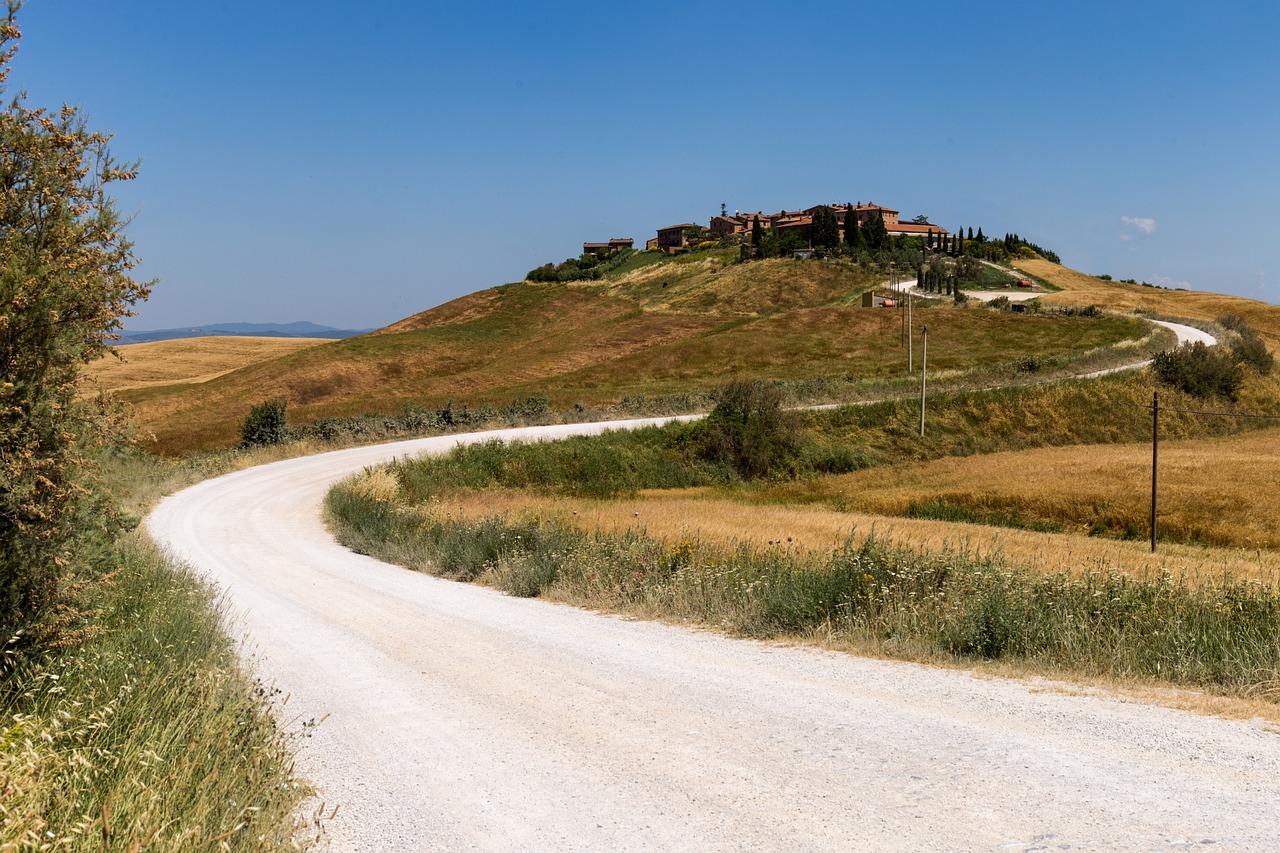
Pienza, another hill town about 30–40 minutes from Montalcino, is known for its perfect Renaissance town plan and its Pecorino cheese. Combine it with Montalcino for a fantastic food and scenery day.
The drive itself is the main attraction: winding through some of the most photographed landscapes in Italy. In Pienza, stroll the stone lanes with romantic names like Via dell’Amore, sample pecorino from different aging stages, and enjoy yet another set of sweeping views.
17. San Quirico d’Orcia & Cappella della Madonna di Vitaleta (Nearby)
San Quirico d’Orcia is a charming small town between Montalcino and Pienza, and just outside it lies the Chapel of the Madonna di Vitaleta, a tiny stone chapel framed by cypress trees. You’ve probably seen it on posters and calendars.
I once arrived here just as the sun was setting, the chapel silhouetted against a sky streaked with pink and orange. A few photographers stood quietly along the path, shutters clicking softly. It felt like a shared, almost reverent moment.
Tip: You can’t approach the chapel up close by car; there’s a parking area and then a short walk. Wear shoes you don’t mind getting dusty.
18. Hiking & Country Walks Around Montalcino
While Tuscany might not be your first thought for hiking, the area around Montalcino has several lovely country walks, from gentle vineyard loops to longer routes that drop down into the valleys.
My favorite is the walk from Montalcino down to Sant’Antimo, especially in spring and autumn when the temperatures are mild. Wildflowers, birdsong, and the distant ring of church bells make it feel like you’re walking through a painting.
Tips:
- Bring proper footwear; paths can be rocky or muddy depending on the season.
- Carry water—there are long stretches without fountains.
- Check the weather and avoid mid-day summer hikes; early morning is best.
19. Sunset & Sunrise Spots in and Around Montalcino
The play of light is part of what makes Montalcino so magical. The town’s hilltop position gives it great sunrise and sunset opportunities.
I’m not a natural early riser, but the one time I dragged myself out before dawn and walked to the town walls on the east side, I watched fog slowly lift from the valleys as the sun edged up. It was so worth the bleary eyes.
Recommended spots:
- Fortezza ramparts (either side, depending on season).
- Viewpoints near the Madonna del Soccorso sanctuary.
- Roads leading out toward Sant’Antimo and Sant’Angelo in Colle.
20. Local Markets & Small Festivals
Montalcino isn’t a big market town like some others, but small weekly markets and occasional festivals bring local products and seasonal energy into the streets.
I remember stumbling upon a small autumn food fair one year: stalls of porchetta, truffle products, chestnuts, honey, and lots of wine, of course. There was live music and kids running around with sugar-dusted pastries.
We’ll cover major events like Benvenuto Brunello and harvest celebrations in the events section, but leave some space in your schedule for whatever small happenings might pop up while you’re there.
Neighborhoods & Areas of Montalcino
Montalcino is small enough that you can cross the historic center in 10–15 minutes, but it still has distinct areas and nearby hamlets worth knowing about. Understanding these helps you pick where to stay and what to explore on foot vs. by car.
Centro Storico (Historic Center)
This is where most visitors stay and spend their time: stone houses, narrow lanes, the fortress, main square, and many restaurants and enoteche. It’s perfect if you want to step out your door and immediately be in the middle of things.
Who it’s best for: First-time visitors, couples, travelers without a car, and anyone who wants to walk everywhere.
Lower Slopes & Just Outside the Walls
Below the main historic center are quieter residential areas and some agriturismi (farm stays) within walking distance or a short drive. You get more space, often parking, and sometimes stunning views back up to the town.
Who it’s best for: Families, travelers with cars, those seeking quieter evenings and larger accommodation.
Sant’Angelo in Colle
A tiny medieval village about 8 km from Montalcino, surrounded by Brunello vineyards and open fields. It has a couple of excellent restaurants and a very peaceful vibe.
I stayed here once instead of in Montalcino proper, and the trade-off was clear: fewer services at your doorstep, but incredibly quiet nights and the feeling of having your own little hilltop world.
Torrenieri
Part of the Montalcino municipality, Torrenieri lies in the lower valley. It’s more of a practical town with a local feel and some budget-friendly stays, especially useful if you’re exploring by car and want easier access to roads in all directions.
Who it’s best for: Road-trippers looking for economical accommodation and fast access to the wider region.
Local Food & Wine in Montalcino: What & Where to Eat
Food in Montalcino is hearty, seasonal, and closely linked to the land: grains, legumes, game, olive oil, and, of course, wine. Here’s what to look for and how to eat well without blowing your budget.
Must-Try Dishes
- Pici: Thick hand-rolled pasta, often with ragù di cinghiale, aglione, or breadcrumbs and olive oil.
- Ragù di cinghiale: Slow-cooked wild boar sauce, rich and deeply flavored.
- Bistecca & tagliata: Tuscan-style beef, often simply grilled and served rare to medium-rare.
- Bruschette: Grilled bread with toppings like tomatoes, liver pâté, or truffle spreads.
- Crostini neri: Chicken liver crostini, a Tuscan classic.
- Pecorino: Sheep’s milk cheese from nearby Pienza and locals, ranging from young and soft to aged and sharp.
- Cantucci & Vin Santo: Almond biscuits dipped in sweet dessert wine.
Where I Love to Eat (Examples)
Restaurant names can change, but here’s the kind of places I gravitate toward in Montalcino:
- Family-run trattorie just off the main streets: they serve daily specials based on what’s in season. I once had a simple plate of grilled vegetables and local sausage that still haunts me (in the best way).
- Wine bar with kitchen near the fortress: great for sharing plates—cheeses, salumi, bruschette—and a curated wine list.
- Agriturismi in the countryside: book dinner in advance; you’ll often get multi-course meals made from the farm’s own produce.
Saving Money on Food & Wine
- Pranzo (lunch) as your main meal: Many restaurants offer better-value lunch menus. Have your big meal at midday and a lighter dinner of wine and small plates.
- House wine: The “vino della casa” is frequently excellent, especially Rosso. Don’t be shy about ordering it.
- Picnics: Buy bread, cheese, cured meats, and fruit from small shops and have a picnic at a viewpoint. It’s romantic, family-friendly, and budget-conscious all at once.
Nightlife, Entertainment & Cultural Experiences
Montalcino is not a “nightlife” destination in the clubbing sense. Even in peak season, the town winds down relatively early. But there’s still plenty to enjoy after dark.
Evening Wine & Strolls
Most evenings, I follow a pattern: aperitivo (pre-dinner drink) at a wine bar, slow dinner, then a gentle walk around the quiet streets. The town feels safe and intimate at night, with warm lights glowing from windows and the occasional sound of laughter drifting from a bar.
Cultural Events
In summer, look for outdoor concerts, small theater performances, and occasional film screenings, sometimes in the fortress or town squares. Posters appear on noticeboards around town, and your accommodation host will often know what’s on.
Family-Friendly Nights
Families often enjoy an early dinner followed by a gelato walk. Kids love climbing small steps, peeking into alleys, and listening for church bells. Bring a light sweater even in summer—hilltop towns cool down at night.
Best Day Trips from Montalcino
Montalcino works beautifully as a base for exploring southern Tuscany. Here are a few day trips and nearby attractions I return to again and again.
Pienza & Bagno Vignoni Combo
Pair Pienza (for architecture and cheese) with Bagno Vignoni (for thermal waters) in one full day. Drive from Montalcino to Pienza in the morning, have lunch there, then spend the afternoon soaking in Bagno Vignoni before returning to Montalcino for dinner.
Tips: Start early to avoid crowds in Pienza. Book thermal spa access ahead, especially in high season and weekends.
Siena
About an hour away by car or bus, Siena is a must if you haven’t been before. Its shell-shaped Piazza del Campo, striped Duomo, and Gothic streets offer a more urban counterpoint to Montalcino’s small-town calm.
Personally, I like doing Siena as a full-day outing, then returning to the quieter embrace of Montalcino in the evening. It makes you appreciate the town’s tranquility even more.
Abbeys & Wine Loop
Design your own loop: Montalcino → Sant’Antimo Abbey → a couple of wineries → a small village like Sant’Angelo in Colle → back to Montalcino for sunset. It’s the quintessential Tuscan day: art, history, wine, and landscapes.
Events & Festivals in Montalcino (2026–2027)
While specific dates can shift slightly each year, here are key events to watch for in 2026–2027. Always confirm dates closer to your trip.
Benvenuto Brunello (February 2026 & 2027)
The big one for wine lovers. Benvenuto Brunello is when the new Brunello vintage is officially presented. Expect tastings, events, and a surge of visitors and professionals.
- Best for: Serious wine enthusiasts.
- Consider: Higher accommodation prices and busy restaurants—book everything well ahead.
Estate in Fortezza (Summer 2026)
Summer evenings often bring concerts, cultural performances, and special tastings to the fortress. The 2026 program is expected to expand, with more classical music and jazz nights planned.
Harvest Season (September–October 2026 & 2027)
Harvest itself is not a single festival, but many wineries hum with activity. If you’re there at the right moment, you may be able to tour vineyards during picking or see grapes arriving at the cellars. Some estates offer special harvest-themed tastings.
Cultural Etiquette & Local Customs in Montalcino
Understanding a few local habits will make your time in Montalcino smoother and more enjoyable.
Basic Italian Politeness
- Greet with “Buongiorno” (good day) until late afternoon, then “Buonasera” (good evening).
- Say “Per favore” (please) and “Grazie” (thank you) often.
- When entering a small shop or café, it’s common to greet the staff and sometimes other patrons.
Restaurant Customs
- Italians eat later than many visitors: lunch 12:30–14:30, dinner from 19:30 onward.
- Table service is relaxed; you won’t be rushed. Ask for the bill (“Il conto, per favore”) when you’re ready—waiters won’t assume.
- A small coperto (cover charge) per person on the bill is normal; it’s not a scam.
Wine Tasting Etiquette
- Book appointments ahead, especially at smaller wineries.
- Arrive on time; these are working farms, and the schedule matters.
- Buying a bottle after a tasting is appreciated, though not strictly mandatory if there’s a clear tasting fee.
Dress & Behavior
- Dress modestly when visiting churches: no bare shoulders or very short shorts.
- Keep voices down in sacred places and during services.
- Public drunkenness is frowned upon; wine is to be savored, not abused.
Practical Travel Advice for Montalcino (2026)
Getting There & Getting Around
By car: The easiest way. From Siena, it’s about 1 hour via scenic roads. A car gives you flexibility for wineries and day trips.
By public transport: You can reach Montalcino by bus from Siena (with possible changes). Services improve in high season but can be limited on Sundays and holidays. Once in town, everything is walkable, but reaching wineries without a car requires tours or taxis.
Getting Around Without a Car
- On foot: Perfect for the town itself.
- Taxi / NCC (private drivers): Good for wine touring days; split costs with friends if possible.
- Organized wine tours: Ideal if you want to visit multiple wineries without worrying about driving.
Car Rental & Driving
- Rent from major hubs like Florence, Pisa, or Rome and drive in.
- Check your accommodation’s parking situation; some places in the historic center do not have onsite parking.
- Be mindful of ZTL (limited traffic zones) in Italian towns; fines are automatic if you drive where you shouldn’t.
How to Save Money in Montalcino
- Visit in shoulder season (April–May, late September–October) for better prices.
- Stay in an agriturismo slightly outside town; often better value and includes breakfast.
- Make lunch your main meal and choose house wines.
- Limit paid winery visits and balance them with free walks and church visits.
SIM Cards & Connectivity (2026)
Italy in 2026 has strong 4G and expanding 5G coverage in towns, with patchier service in remote valleys.
- eSIM options: Many travelers use international eSIM providers that cover Italy; activate before arrival.
- Local SIM: TIM, Vodafone, and WindTre remain major providers. You can buy prepaid SIMs in larger towns or at airports; bring your passport.
- Wi-Fi is common in hotels and many restaurants, though speeds vary.
Visa Requirements & Entry
Montalcino is in Italy, part of the Schengen Area. Requirements depend on your nationality.
- EU/EEA/Swiss citizens can enter with a national ID or passport.
- Many non-EU travelers (e.g., from the US, Canada, UK, Australia) can enter visa-free for short stays, but may need to comply with new EU travel authorization systems due to launch around 2025–2026. Check official EU and Italian government sources before travel.
- Others may need a Schengen visa; apply in advance via Italian consulates.
Always verify the latest rules from official sources before your 2026 trip, as regulations can change.
Foreign Driver’s Licenses
Italy usually accepts EU/EEA licenses without issue. For many non-EU visitors, an International Driving Permit (IDP) in addition to your home license is recommended and often required by rental companies.
- Obtain an IDP before leaving your home country.
- Carry both the IDP and your original license when driving.
Best Seasons & Weather: What’s Good When
- Spring (April–May): Green hills, wildflowers, moderate temperatures. Great for walking, photography, and quieter wineries.
- Early Summer (June): Warm but not yet scorching; long days, lively but not overwhelmed.
- High Summer (July–August): Hot and busier. Good for late-evening strolls and festivals, but expect higher prices and midday heat.
- Autumn (September–October): Harvest, golden light, and rich food. My personal favorite for a wine-focused trip.
- Winter (November–March): Quiet, some places may reduce hours or close, but you’ll get a very local feel. Great if you enjoy moody landscapes and don’t mind cool temperatures.
Final Summary: Key Takeaways & When to Visit Montalcino
Montalcino is small but deep. It’s not a place to rush through a checklist; it’s a place to settle into, whether you have 3 days in Montalcino or stretch it to a 4 day itinerary for Montalcino or a luxurious 5 days in Montalcino. The must-see attractions—the fortress, Sant’Antimo, Brunello wineries, historic center, and Val d’Orcia viewpoints—are only the beginning.
What makes Montalcino special is the combination of world-class wine, timeless landscapes, and an unhurried rhythm of life. It’s ideal for couples seeking a romantic escape, families who enjoy calm days with castles and countryside walks, and food and wine lovers who want to go beyond labels and meet the people behind them.
Best times to visit:
- For scenery & walking: April–May, late September–October.
- For wine events: February (Benvenuto Brunello) and harvest season (September–October).
- For quiet reflection: Winter months, when the town returns to the locals.
Return if you can. Each visit layers new experiences over old ones: a new favorite wine, a different sunset, a new café where they start to recognize your face. That’s when Montalcino stops being a destination and starts feeling like a small, faraway home.