Why Visit Montepulciano in 2026
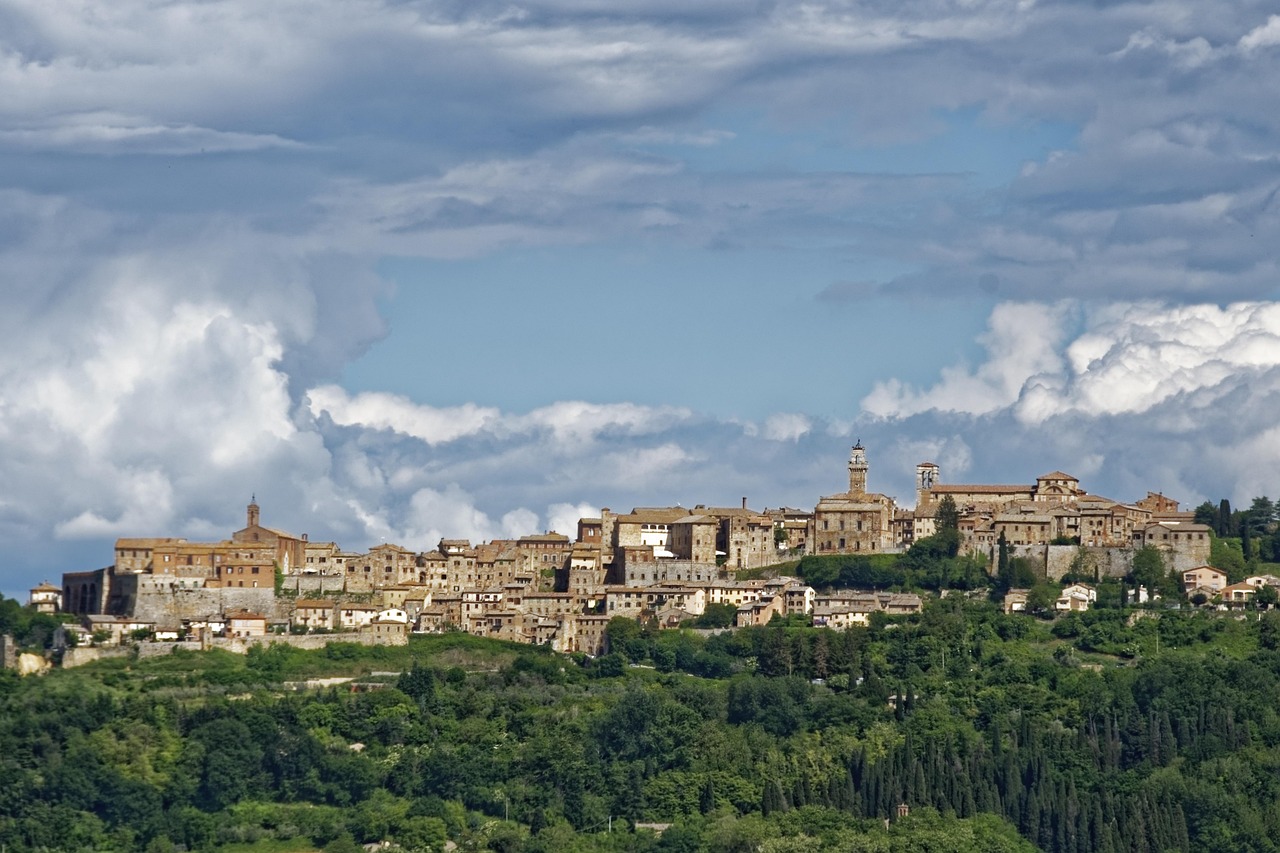
Perched on a ridge in southern Tuscany, Montepulciano feels like a Renaissance film set that people forgot to pack up. Yet it’s very much alive: wine cellars carved into volcanic tufa, local families chatting in the piazza, kids running between centuries-old palazzi, and sunsets that stain the Val d’Orcia in oranges and golds. I’ve been coming here, on and off, for over a decade, and every visit in Montepulciano still manages to surprise me.
If you’re looking for a destination that balances romance, family friendliness, slow travel, food and wine, and easy day trips, Montepulciano is the sweet spot. It’s compact enough to explore on foot, but layered enough to fill 3, 4, or even 5 days in Montepulciano without feeling repetitive. It also works beautifully as a base for exploring nearby Pienza, Montalcino, Bagno Vignoni, and the Val d’Orcia.
In 2026–2027, Montepulciano is leaning even more into its cultural and wine heritage, with new exhibitions, expanded wine events, and some smart, sustainable tourism initiatives aimed at keeping the town authentic and livable for locals. If you want a Tuscan hill town that still feels genuinely Tuscan (and not like a film set designed for Instagram), this is it.
Table of Contents
- Why Visit Montepulciano
- Quick Overview & Orientation
- Neighborhoods & Areas of Montepulciano
- Top 20 Must-See Attractions in Montepulciano
- Suggested Itineraries: 3, 4, and 5 Days in Montepulciano
- Local Food & Wine in Montepulciano
- Nightlife, Entertainment & Cultural Experiences
- Best Day Trips from Montepulciano
- Cultural Etiquette & Local Customs
- Practical Travel Tips for Montepulciano (2026–2027)
- Summary & Best Time to Visit Montepulciano
Montepulciano at a Glance
Montepulciano sits roughly halfway between Florence and Rome, in the province of Siena, at about 605 meters above sea level. It’s best known for its Vino Nobile di Montepulciano wine, Renaissance architecture, and sweeping views over the Val d’Orcia and Val di Chiana.
- Population: Around 13,000 in the comune; the historic center feels like a village.
- Best for: Couples, food and wine lovers, photographers, families with older kids, slow travelers.
- Less ideal for: People who hate hills—this town is steep and cobbled.
- Good base for: Pienza, Montalcino, Siena, Cortona, Val d’Orcia, thermal baths.
Neighborhoods & Areas to Explore
Montepulciano’s historic center is basically one long spine running from Porta al Prato up to Piazza Grande. But each section has its own character; once you’ve walked it a few times (and trust me, you will), you start to feel the differences.
Porta al Prato & Lower Corso
This is the “gateway” to Montepulciano, where most people arrive from the parking lots below. It’s lively, with everyday shops, cafés, and the first wine bars you’ll encounter. In the mornings, you’ll see locals doing errands; in the evenings, it’s where people gather for a pre-dinner stroll.
Middle Corso (Via di Gracciano / Via di Voltaia)
As you climb, the shops turn more artisanal—ceramics, leather, delicatessens piled with pecorino and salumi. This stretch always smells like coffee, bread, and occasionally truffles. It’s also where I tend to duck into wine cellars when the afternoon heat becomes too much.
Piazza Grande & Upper Town
The crown of Montepulciano: Piazza Grande with its cathedral, grand palazzi, and the elegant city hall tower. This is where festivals, concerts, and major events unfold. Early mornings and late evenings here are magic—almost empty, with just the sound of your footsteps and swallows darting overhead.
San Biagio & The Terraced Slopes
Just outside the walls, below the town, sits the iconic Tempio di San Biagio, surrounded by vineyards and olive trees. This area is quieter and wonderfully scenic, especially golden at sunset. It’s also where some of my favorite agriturismi are located.
Residential Lanes & Hidden Stairways
Behind the main street, Montepulciano splinters into tiny alleys, arches, and stairways that plunge down the hill with unexpected outlooks over the countryside. I still discover new corners every year—little shrines, vegetable gardens, laundry flapping between stone walls.
Top 20 Must-See Attractions in Montepulciano (with Local Insights)
Below are 20 of the best places to visit in Montepulciano. Each one includes a personal angle: when I like to go, what to look for, and how to fold it into your own 3–5 day itinerary for Montepulciano.
1. Piazza Grande
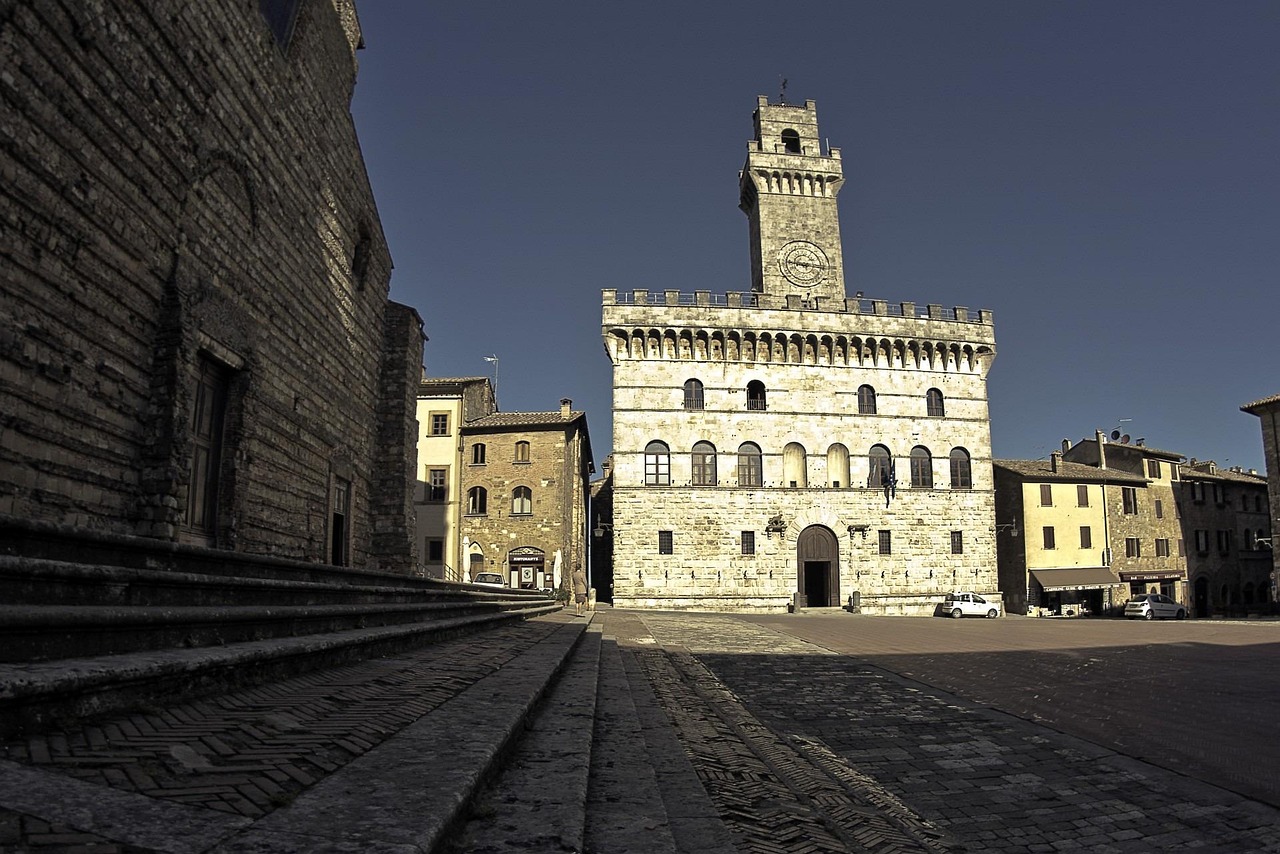
Piazza Grande is the heart of Montepulciano, a perfectly proportioned Renaissance stage ringed by the cathedral, the Palazzo Comunale, and noble palaces. I always tell friends: if you do nothing else, spend time here at three moments of the day—early morning, late afternoon, and after dark.
History & significance: The square took its current shape mostly in the 15th–16th centuries, when Montepulciano’s noble families competed to outdo each other with ever more impressive palazzi. The piazza has long been the political and social center of town, still hosting events like the Bravio delle Botti barrel race and summer concerts.
My experience: My favorite memory here is from a September visit. The air was just starting to cool, and a jazz trio began playing spontaneously near the well. Locals leaned from their windows, kids chased each other around the cobbles, and we sat on the cathedral steps with plastic cups of Vino Nobile, feeling like we had stumbled into the end of a movie.
Tips for visitors:
- Best time: Sunrise for photos (no crowds), sunset for atmosphere, late evening for romance.
- Family-friendly: Yes—kids love the wide open space. Just watch toddlers near the steps.
- Budget tip: Skip the priciest bars on the square for a drink; buy a bottle at an enoteca on a side street and enjoy it discreetly on the steps (respectful, no loud behavior).
2. Montepulciano Cathedral (Duomo)
The cathedral dominates Piazza Grande with its unfinished brick façade—one of those quirks that makes Tuscany so photogenic. Step inside for soaring, sober lines, a contrast to the square’s ornate palaces.
History & art: Built between the late 16th and early 17th centuries, the Duomo houses the famous triptych by Taddeo di Bartolo and several fine altarpieces. Don’t miss the organ loft; if you happen to catch a rehearsal, just sit quietly and let the sound fill the nave.
My routine: I like to pop in around midday when the sun slants through the high windows. Once, during a July heatwave, I spent a blissful half hour just sitting in the cool dim light, listening to the soft murmur of a small group praying quietly in the side chapel.
Tips:
- Dress modestly: Shoulders covered; no super-short shorts.
- Photos: Usually allowed without flash, but check signs.
- Accessibility: The entrance has a slight step; inside is mostly flat.
3. Palazzo Comunale & Tower Climb
This town hall, with its crenellated tower and white stone façade, often draws comparisons to Florence’s Palazzo Vecchio. The real draw for travelers, though, is the tower climb—one of the best skyline views in Montepulciano.
What to expect: After a short wander through the palazzo’s inner courtyard and rooms, you climb a series of narrow stairs. At the top, a small terrace opens onto a 360° panorama: terracotta roofs tumbling down to vineyards, cypress-lined roads, distant hill towns on the horizon. On a clear day, it’s breathtaking.
My experience: I first climbed the tower on a windy October afternoon. The light was crisp and sharp, slicing through the landscape. I could actually see the line of clouds casting moving shadows over the Val d’Orcia. Ever since, I try to go up at least once per trip, ideally an hour before sunset.
Tips:
- Timing: Go early or late in the day to avoid tour groups.
- Romantic: Very—sunset is ideal for couples.
- For kids: Adventurous children love the climb, but supervise closely—stairs are narrow.
4. Tempio di San Biagio
San Biagio sits below the town like a Renaissance jewel dropped into a sea of green. Its symmetrical, honey-colored stone and perfect dome are visible from almost every viewpoint in Montepulciano.
History: Built in the early 16th century by Antonio da Sangallo the Elder, San Biagio is considered one of the finest examples of Renaissance church architecture in Tuscany. Legend says it was built on the site of a miraculous image of the Virgin Mary.
My visits: I love walking down from the town walls just before sunset. The path winds through olive trees, and as you approach the church the dome glows softly. One April evening, after a rainstorm, the wet stone reflected the sky’s pink streaks—it felt almost unreal. Inside, the space is simple, calm, and perfect for a few minutes of quiet.
Tips:
- How to get there: 10–15 minute walk downhill from Porta dei Grassi; uphill on the way back, or taxi.
- Picnic idea: Pick up bread, pecorino, and salami in town and picnic on the grass nearby (respect the grounds, pack all trash).
- Photography: Best light late afternoon / golden hour.
5. Historic Vino Nobile Cellars
Montepulciano is practically hollow inside; beneath the palazzi lie a warren of wine cellars, some dating back to the Etruscans. Visiting at least a couple is essential if you care about wine—or if you just like the atmosphere of candlelit barrels and cool stone tunnels.
Highlights: Cantina Contucci, Cantina De’ Ricci, and Cantina Ercolani are three of the most accessible and atmospheric, all within the historic center. You’ll descend past ancient cisterns and arches into vaulted rooms where Vino Nobile di Montepulciano ages in huge oak barrels.
My ritual: On hot summer afternoons, I use the cellars as my “air-conditioned” break. One July, I ducked into De’ Ricci, where the guide mentioned the temperature stays around 13°C year-round. Emerging back into the sunlight with a glass of Vino Nobile in hand felt like traveling between seasons.
Tips:
- Tastings: Often free or low-cost with a short tour; reservations recommended in high season.
- Family-friendly: Older kids/teens may enjoy the underground tunnels; younger children may get bored.
- Buying wine: Many ship internationally; if you’re flying, ask about shipping vs. carrying bottles.
6. Fortezza di Montepulciano & Enoteca
The town’s fortress has been restored and now houses an enoteca (wine shop and tasting space) representing many producers of Vino Nobile. It’s also a lovely spot simply to linger, with its courtyard and views toward the countryside.
Why visit: The Fortezza is a one-stop intro to the region’s wines, perfect if you don’t have time to visit multiple wineries. Staff are generally happy to talk you through the differences between Rosso di Montepulciano, Vino Nobile, and Riserva.
My experience: One rainy March day, I spent nearly two hours here, tasting small pours of different producers while chatting with a sommelier about changing climate conditions and how they’re affecting harvest dates. It was one of the most educational wine experiences I’ve had in Tuscany.
Tips:
- Best for: Wine lovers who want variety in one place.
- Weather backup: Excellent rainy-day option.
- Budget: You can control costs by choosing tastings by the glass.
7. Via di Gracciano nel Corso & Main Street Stroll
The main spinal street that runs from Porta al Prato up to Piazza Grande changes names several times, but it’s all essentially “the Corso.” Wandering it slowly is one of the simplest joys of Montepulciano.
What you’ll find: Cafés, gelaterie, small boutiques, artisan shops, salumerie, and several enoteche. Keep ducking into side alleys—some end in tiny viewpoints that most people miss.
My practice: I like to walk the full length of the Corso right after breakfast, when shopkeepers are opening shutters and sweeping doorsteps. The town feels like it belongs more to locals at that hour. I usually reward myself with a second espresso halfway up.
Tips:
- Footwear: Proper walking shoes or sandals with grip—cobbles can be slippery.
- Pace: Don’t rush; half the charm is people-watching and window-shopping.
- Hidden gem: Look out for small arched passages that lead to terraces over the valley.
8. Palazzo Bucelli & Etruscan Stones
Palazzo Bucelli looks like any other stone palace until you realize its lower façade is embedded with Etruscan tomb slabs and stones. It’s a quiet, slightly eerie reminder of how deep Montepulciano’s history runs.
History: The 18th-century owner, Pietro Bucelli, was an antiquarian who collected Etruscan artifacts and used some of them in the building’s external wall. Today it functions partly as a private building, so you’re here mainly to admire the exterior.
My experience: I walked past this palazzo many times before actually stopping to look closely. Once I did, I ended up spending 15 minutes tracing the worn carvings with my eyes and imagining the people who had commissioned them over two thousand years ago.
Tip: Combine this stop with a slow wander of the lower town after entering at Porta al Prato.
9. The Contrade & Bravio delle Botti Traditions
Montepulciano is divided into contrade (districts) that compete each year in the Bravio delle Botti, a barrel race up to Piazza Grande. Even outside race day, you’ll notice contrada flags and colors hanging from buildings.
Why it matters: The contrada system is a core piece of local identity. People are born into their contrada, and it shapes friendships, rivalries, and community events. If you’re in town in late August, you’ll feel the energy building all week before the race.
My anecdote: One year I stayed in a small guesthouse owned by a very proud member of the Collazzi contrada. She sat me down with a glass of wine and explained, in passionate detail, why her contrada’s banner was obviously the most beautiful and why they had been unfairly robbed of victory the previous year. It was like being dropped into a friendly soap opera.
2026–2027 Bravio Notes: The Bravio usually takes place on the last Sunday of August. In 2026 and 2027, expect extra emphasis on sustainability and crowd management, with more organized viewing areas and cultural events in the lead-up week.
10. Museo Civico Pinacoteca Crociani
The Civic Museum is small but surprisingly rich, with paintings, sculptures, and archaeological finds that tell Montepulciano’s story from Etruscan times through the Renaissance.
Highlights: Works by artists of the Sienese and Florentine schools, local artifacts, and a few quietly beautiful pieces that often sit in near solitude—this is rarely crowded.
My experience: On a hot August afternoon, I took refuge here when the streets felt too busy. The museum was nearly empty; I ended up in front of a single painting for ten minutes, enjoying the rare luxury of silence in a tourist town.
Tips:
- Good for: Art lovers, history buffs, and anyone needing a quiet hour.
- Combine with: A coffee break on a nearby side street afterwards.
11. Chiesa del Gesù
This Baroque church, slightly off the main tourist path, offers a different flavor from the sober Renaissance lines of San Biagio and the Duomo.
Why go: For its gilded interior, painted ceilings, and the sense that you’ve found a “local” place of worship. I’ve often found someone quietly praying here, and it always makes me lower my voice instinctively.
My tip: Stop in while exploring the upper-town side streets. Even a five-minute visit adds another layer to your sense of Montepulciano’s spiritual life.
12. Panoramic Terraces & Viewpoints
Some of the best things to do in Montepulciano are simply to pause at its many natural balconies. Over the years, I’ve collected a mental map of favorite viewpoints.
Top spots:
- The terrace near the Medici fortress, looking toward the Val di Chiana.
- The small belvedere near Porta Farina, with views over the Val d’Orcia.
- Various dead-end alleys off the Corso that suddenly open onto sweeping vistas.
My routine: I often grab a gelato and wander until I find a terrace with an empty bench. On one spring trip, I watched a storm sweep across the valley, the rain clearly visible as a gray curtain moving between sunlit fields.
13. Local Markets & Food Shops
While Montepulciano’s weekly market is smaller than those in bigger towns, it’s still worth a visit if your schedule aligns. The real everyday heart, though, is in the permanent food shops: butchers, bakeries, and cheese shops.
What to look for: Pecorino di Pienza, local salumi, seasonal fruits (figs and cherries in early summer are a joy), and bakery treats like cantucci and ricciarelli.
My savings tip: When I’m traveling on a tighter budget, I’ll often have picnic-style lunches from these shops instead of sit-down meals. A hunk of bread, some cheese, and a couple of slices of salami can easily feed two for under what you’d pay for one restaurant main course.
14. Gelaterie & Sweet Stops
Tuscany is not all about wine; gelato is a serious subject here too. Montepulciano has several solid gelaterie along the Corso and side streets.
Personal favorite: I tend to return to spots that make seasonal fruit flavors that actually taste like fruit, not sugar. In late summer, fig and grape sorbets are wonderful; in autumn, look for chestnut or pear.
Tip: Order the smallest size first; portions can be generous, and you can always go back for another round.
15. Historic Cafés & Wine Bars
From old-school bars where locals stand at the counter for their morning espresso to cozy wine bars with shelves stacked to the ceiling, Montepulciano does café culture well.
My habits: I like to start the day at a simple bar with a cappuccino and a cornetto, then later in the afternoon settle into a wine bar for a glass of Rosso di Montepulciano and a small tagliere of local meats and cheeses.
Romantic: Many wine bars dim the lights and play soft music in the evenings—ideal for couples.
16. City Gates & Medieval Walls
Montepulciano’s historic center is still largely encircled by walls, punctuated by imposing gates like Porta al Prato and Porta delle Farine.
Why go: Walking from gate to gate gives you a different perspective on the town, away from the main tourist drag. You’ll see more of everyday life—locals tending gardens, hanging laundry, chatting on doorsteps.
My tip: Try an early-morning “wall loop,” circling as much of the perimeter as possible before the day heats up. It’s also a good way to work off last night’s pasta.
17. Festivals & Cultural Events (2026–2027)
Montepulciano punches above its weight in cultural events. In 2026–2027, look out for:
- Bravio delle Botti (late August): The famous barrel race, with a full week of events beforehand—flag-waving, processions, food stalls.
- Cantiere Internazionale d’Arte (July): An international arts festival with concerts, performances, and exhibitions scattered around town.
- Montepulciano Christmas Market & Winter Village (December–early January): Lights, stalls, and a small ice rink that kids love.
- Vino Nobile Events (throughout the year): In 2026, several wineries are planning special tastings to mark recent vintage anniversaries.
My advice: If you’re flexible, plan your 3 or 4 days in Montepulciano around one of these events—they add an extra layer of life and local color. Just book accommodation early.
18. Artisan Workshops
Leather workers, ceramicists, painters, and woodworkers still have small studios in Montepulciano. Some are right on the main street; others are tucked away in side alleys.
Why it matters: Supporting these artisans keeps Montepulciano from becoming just a stage set of restaurants and wine bars. I try to buy at least one small handmade item each visit—a mug, a print, a notebook.
Tip: If you’re curious, ask politely if you can see the workshop area; many artisans are proud to show their process when they’re not too busy.
19. Tuscan Cooking Classes
Several agriturismi and local cooks offer half-day or full-day cooking classes: making fresh pasta, simple sauces, and traditional Tuscan dishes.
My experience: In one small farmhouse just outside Montepulciano, I spent a rainy November afternoon rolling pici (hand-rolled thick spaghetti) with a local nonna who had been making it since childhood. We laughed a lot at my uneven noodles; they tasted amazing anyway.
Great for: Couples, groups of friends, and families with older children who like cooking.
20. Vineyard Walks Around Montepulciano
Even if you don’t have a car, you can reach vineyards on foot from Montepulciano. Gentle dirt roads wind between rows of vines and olive trees; in spring they’re lined with wildflowers, in autumn with golden leaves.
My favorite moments: Early morning walks with a thermos of coffee, or late afternoon strolls before dinner. Once, in late September, I passed a small harvest team bringing in grapes; they waved me over to taste a few straight from the crate.
Tip: Ask your hotel or host for safe walking routes and always respect private property—stay on marked roads and paths.
Suggested Itineraries: 3, 4, and 5 Days in Montepulciano
Here’s how I’d structure 3, 4, or 5 days in Montepulciano based on multiple visits, balancing must-see attractions, hidden gems, and time to simply breathe and enjoy being here.
3 Day Itinerary for Montepulciano
Day 1 – First Impressions & Historic Core
Arriving in Montepulciano for a short stay, I always dedicate the first day to getting my bearings along the town’s main spine, from Porta al Prato up to Piazza Grande.
Morning: Start at Porta al Prato. Grab a cappuccino and a pastry from a bar near the gate, then begin your slow climb up the Corso. This is your introduction to Montepulciano’s rhythm: locals greeting each other, the soft clatter of cups, deliveries being made.
As you walk, duck into a couple of artisan shops. I like to pause at a ceramic studio to see what’s new—one year I bought a small mug painted with Montepulciano’s skyline that still makes my coffee feel more Tuscan at home.
Late morning: Continue up to Piazza Grande. Step into the Duomo for a first taste of Montepulciano’s religious art, then wander the piazza slowly, circling to admire the architectural details. If the weather is clear, head into the Palazzo Comunale and climb the tower for your first panoramic view; it will help you understand the geography of the valleys below.
Lunch: Choose a trattoria a little off the main square to save money and avoid the most touristy menus. I usually look for places where the daily specials are handwritten in Italian and locals are eating. Try pici all’aglione (thick hand-rolled pasta with a garlicky tomato sauce) or pici al ragù di cinghiale (wild boar ragù).
Afternoon: Devote a few hours to exploring historic wine cellars. Pick two: for instance, Cantina De’ Ricci and Cantina Contucci. Learn about Vino Nobile di Montepulciano, taste a couple of different vintages, and ask questions—staff are used to visitors with all levels of wine knowledge.
Between cellar visits, wander side alleys off the Corso and see where you end up. I often find myself on tiny terraces overlooking the Val di Chiana, with just enough space for a bench and a cat sunning itself.
Evening: As the light softens, return to Piazza Grande. Sit on the cathedral steps with a gelato or a glass of wine from a nearby bar and watch the sky change color. For dinner, book somewhere cozy in the upper town—ideally with a view from the window. End the night with a slow stroll back down the Corso under lanterns and starlight.
Day 2 – San Biagio, Countryside & Deeper Exploration
Morning: After breakfast, walk down to the Tempio di San Biagio. The route from the town gate near the fortress winds downhill with increasingly dramatic views of the church and surrounding vineyards. Spend time inside, then circle the exterior slowly to admire its symmetry.
Late morning stroll: From San Biagio, follow small country roads for a short vineyard walk. In spring and autumn, this is especially beautiful. I like to bring a small notebook and sit on a low stone wall, jotting impressions while swallows skim overhead.
Lunch: Either picnic near San Biagio with supplies from town, or head back up and choose a casual spot. On cooler days, I often order a bowl of ribollita, a thick Tuscan bread and vegetable soup that’s pure comfort.
Afternoon: Visit the Museo Civico to add context to what you’ve been seeing: paintings, Etruscan pieces, and objects from Montepulciano’s noble families. Afterwards, continue your exploration of the side streets: seek out Palazzo Bucelli and its Etruscan stones, and walk through another city gate you haven’t used yet.
Sunset: Head toward the Fortezza and its nearby viewpoints. If the enoteca inside the fortress is open, consider a pre-dinner tasting flight to compare several local producers.
Evening: Tonight, look for a restaurant that does grilled meats well—Tuscans are masters of simple, high-quality secondi. Order a steak or pork with local olive oil and a side of seasonal vegetables. If you have energy, finish with a short passeggiata (evening stroll) and a nightcap in a wine bar.
Day 3 – Hidden Gems, Relaxation & Optional Mini Day Trip
Morning: Keep this day a bit looser. Start with a coffee in a local bar where people are reading newspapers and chatting. Then wander without a fixed plan, aiming to walk sections of the town you haven’t yet seen: residential lanes, stairways down the hillside, small churches like Chiesa del Gesù.
If your visit coincides with market day, spend some time browsing stalls and people-watching. Buy fruit or nuts for snacks later.
Midday options:
- Option A – Stay in town: Book a cooking class or food-focused experience. Learning to roll pici or make cantucci is both fun and useful; you’ll bring home skills, not just souvenirs.
- Option B – Short outing: Take a taxi or bus to a nearby thermal bath (like Chianciano Terme) for a few hours of soaking and spa time, then return for dinner.
Afternoon: Reserve time for simple pleasures: reading on a terrace, tasting a final glass of your favorite local wine, or revisiting a viewpoint you loved on Day 1 or 2 to see it in different light.
Evening: For your last night, choose a restaurant you saved for the finale—ideally one recommended by your host or a local shopkeeper. Ask for their seasonal recommendations and trust them. End with a grappa, amaro, or Vin Santo and cantucci, lingering as long as you like; no one will rush you.
4 Day Itinerary for Montepulciano
With 4 days in Montepulciano, you can follow the 3-day structure above and add a full day trip or a deeper countryside immersion.
Day 4 – Val d’Orcia Highlights (Pienza & Beyond)
Morning: Take a bus or taxi to Pienza, about 20–25 minutes away. This UNESCO-listed town is famous for its perfect Renaissance plan and its pecorino cheese. Wander its streets, walk the Passeggiata Panoramica overlooking the Val d’Orcia, and taste different pecorino ages in small cheese shops.
Lunch: Enjoy a simple lunch in Pienza: perhaps crostini, a salad, and a cheese plate with honey and jams. In cooler months, try pici cacio e pepe (with pecorino and black pepper).
Afternoon: If you have a car or hire a driver, continue to Bagno Vignoni, a tiny village built around a thermal pool, or to scenic spots like San Quirico d’Orcia. Without a car, spend more time in Pienza, visiting its small museums and churches, before returning to Montepulciano by late afternoon.
Evening: Back in Montepulciano, keep dinner light with a tagliere (board) of meats and cheeses and some local wine in an enoteca. Reflect on the contrast between Montepulciano’s vertical drama and the Val d’Orcia’s rolling curves.
5 Day Itinerary for Montepulciano
With 5 days in Montepulciano, you can slow down further and experience more of the surrounding area and local life.
Day 5 – Winery Visit & Slow Tuscan Day
Morning: Arrange in advance to visit a local winery just outside town. Many offer tours of the vineyards and cellars followed by tastings. If you don’t have a car, ask about transfer options; some can pick you up from Montepulciano.
On one trip, I spent a long morning at a family-run estate where the grandfather still walked through the vines every day. After the tour, we tasted wines with homemade bruschette and olive oil. Stories about drought years and abundant harvests made the wines feel deeply connected to the land.
Lunch: Some wineries offer light lunches or full meals; if not, return to town and eat somewhere you haven’t tried yet. By now, you may have a favorite restaurant you want to revisit.
Afternoon: Keep the final afternoon relaxed. Browse any shops you meant to return to, buy gifts (wine, olive oil, ceramics), and take one last walk to your favorite viewpoint. I like to revisit San Biagio or the terrace near the fortress for a final goodbye.
Evening: For your last dinner of a 5-day stay, splurge a little—perhaps a tasting menu or a special bottle of Vino Nobile. Raise a toast to Montepulciano and start plotting when you can return.
Local Food & Drink in Montepulciano
One of the strongest reasons to choose Montepulciano is the food and wine. Even on a modest budget, you can eat very well if you follow a few local patterns.
Must-Try Dishes
- Pici: Thick, hand-rolled pasta. Try it all’aglione (tomato-garlic sauce), al ragù, or cacio e pepe.
- Ribollita: Hearty bread and vegetable soup, ideal in cooler months.
- Crostini: Toasted bread topped with liver pâté, mushrooms, or seasonal spreads.
- Tagliata di Manzo: Sliced grilled beef, often with arugula and parmesan.
- Cinghiale: Wild boar, usually in ragù or stewed with olives.
- Pecorino: Sheep’s milk cheese from nearby Pienza, aged from fresh and soft to very hard.
- Cantucci & Vin Santo: Almond biscuits dipped into sweet dessert wine.
Local Wines to Know
- Vino Nobile di Montepulciano: The flagship red, aged longer, structured, perfect with meat and rich dishes.
- Rosso di Montepulciano: Lighter and younger; great with pasta or as a lunchtime wine.
- Vin Santo: Sweet wine often served with cantucci.
Where to Eat (Styles & Budget Tips)
I won’t list specific restaurant names (they change more quickly than guidebooks), but here’s how I approach eating in Montepulciano:
- Trattorie: Look for modest places with short menus and seasonal specials. These are my go-tos for pici and hearty mains.
- Enoteche: Wine-focused spots serving boards of meats, cheeses, and small plates. Great for lighter meals or tastings.
- Pasticcerie & bakeries: Ideal for breakfast or a budget-friendly sweet snack.
- Picnics: Use food shops and markets to assemble picnic lunches, especially in summer.
Money-saving tips:
- Have at least one meal a day as a picnic or simple panino.
- House wine (vino della casa) is often excellent and cheaper than bottled.
- Cover charges (coperto) on restaurant bills are normal; factor them in.
Nightlife, Entertainment & Cultural Experiences
Montepulciano’s nightlife is more about relaxed evenings than clubbing. Think glasses of wine on terraces, live music in summer, and occasional cultural performances.
Evenings in Montepulciano
- Wine Bars: The main social hubs after dark. Great for couples and small groups.
- Summer concerts: During the Cantiere Internazionale d’Arte, look for open-air performances.
- Piazza time: Families and couples alike stroll the Corso and gather in squares until late, especially in warm months.
Cultural Experiences
- Cooking classes: Hands-on way to engage with local culture.
- Festivals: Bravio delle Botti, Christmas markets, arts festivals.
- Church services: Attending a mass (respectfully) can be a meaningful window into local life, even if you don’t share the faith.
Best Day Trips from Montepulciano
Montepulciano makes an excellent base for exploring southern Tuscany. Here are some top options:
Pienza
Travel time: 20–25 minutes by car or bus. Famous for its ideal Renaissance plan and pecorino. Great for a half or full day.
Montalcino
Travel time: Around 1 hour by car. Home of Brunello di Montalcino. Combine with abbeys or scenic drives through the Val d’Orcia.
Bagno Vignoni & Bagni San Filippo
Travel time: 40–60 minutes by car. Thermal baths and hot springs, perfect for a relaxing day.
Cortona
Travel time: About 45 minutes by car. Another beautiful hill town with Etruscan roots and a strong arts scene.
Siena
Travel time: About 1–1.5 hours by car or combination of bus/train. A bigger commitment, but worth it if you haven’t been.
Practical tips: Public transport exists but can be limited; renting a car gives far more flexibility for day trips. If you’re not comfortable driving, consider private drivers for one or two key excursions.
Cultural Etiquette & Local Customs in Montepulciano
Understanding a few local habits will make your time in Montepulciano smoother and more respectful.
Daily Rhythm
- Morning: Busy with errands and coffee. Shops generally open around 9:00.
- Midday break: Many shops close for several hours (roughly 13:00–16:00/17:00), especially outside high season.
- Evening: Social time; locals stroll, meet friends, and eat late compared to many visitors.
Dining Etiquette
- Greet with a polite “Buongiorno” (morning/day) or “Buonasera” (evening).
- Don’t expect to rush meals; they’re meant to be enjoyed slowly.
- Tipping is modest: round up or leave a few extra euros if service was good.
Religious & Social Respect
- Dress modestly in churches; keep voices low.
- Ask before photographing people, especially children or those at work.
- Public drunkenness is frowned upon; wine is part of life, not a challenge.
Language
Many people in tourism speak some English, but learning a few Italian phrases goes a long way. Even a simple “Per favore” (please) and “Grazie” are appreciated.
Practical Travel Tips for Montepulciano (2026–2027)
Getting To Montepulciano
- By train: Nearest main station is Chiusi-Chianciano Terme. From there, bus or taxi (30–40 minutes).
- By car: Easy to reach from Florence, Rome, Siena. Park in lots outside the walls; the historic center is largely traffic-restricted.
- By bus: Regional buses connect Montepulciano with Siena, Pienza, and other towns, though schedules can be sparse on Sundays/holidays.
Getting Around
Inside Montepulciano, you’ll walk. The town is steep; allow more time than maps suggest, and wear good shoes. For the countryside, a car is very useful, though taxis or private drivers can substitute for a few key excursions.
Where to Stay
- Inside the walls: Perfect if you want to be steps from everything, especially good for shorter 3-day stays.
- Agriturismi nearby: Farm stays with views, often with pools—great for families and longer 4–5 day stays.
- Budget options: Guesthouses and small B&Bs; book early for summer.
SIM Cards & Connectivity (2026)
Italy in 2026 has widespread 4G/5G coverage in and around Montepulciano. For travelers:
- eSIMs: Many visitors use international eSIMs purchased online before arrival.
- Physical SIMs: Available from major Italian providers (TIM, Vodafone, WindTre) in larger towns or at airports; you may need ID.
- Wi-Fi is common in hotels, many restaurants, and cafés, though speeds vary in older stone buildings.
Money & Costs
- Currency: Euro.
- Cards widely accepted, but carry some cash for small bars, bakeries, and rural shops.
- Expect mid-range restaurant dinners with wine to cost more than picnics or simple trattoria meals; mixing both keeps costs reasonable.
Visa Requirements & Entry (Check for Updates)
As of 2026:
- EU/EEA/Swiss citizens: Travel with ID card/passport; no visa for Italy.
- Many non-EU visitors (e.g., US, UK, Canada, Australia): Typically allowed short stays without a visa but may need to comply with EU-wide entry systems (like ETIAS, when fully implemented). Check official government sites before travel for up-to-date rules.
- Others: May require a Schengen visa—verify well before your trip.
Driving, Car Rental & Foreign Licenses
- Driving: Right-hand side. Roads are generally good, but some country lanes are narrow and winding.
- Licenses: Many non-EU visitors are required to carry both their home license and an International Driving Permit (IDP). Check your country’s specific rules with the rental company.
- Parking: Use designated pay lots outside the walls; avoid ZTL (restricted traffic zones) inside the historic center to dodge fines.
Best Seasons & What They’re Good For
- Spring (April–June): Ideal for 3–5 day itineraries. Mild weather, green countryside, wildflowers. Some rain, but fewer crowds than high summer.
- Summer (July–August): Lively festivals and long evenings, but hot and often crowded. Good for nightlife and cultural events; plan midday breaks.
- Autumn (September–October): My favorite: harvest season, golden vineyards, comfortable days. Perfect for wine-focused travel and photography.
- Winter (November–March): Quiet, some businesses may close or reduce hours, but Christmas period is atmospheric with markets and lights. Good for slow travel and lower prices.
Health & Safety
- Montepulciano is generally very safe; standard common sense applies.
- Streets can be steep and slippery when wet; take your time, especially at night.
- Carry a small water bottle; refill at public fountains where marked potable.
Hidden Tips to Make the Most of Your Trip
- Walk early: Explore between 7:30–9:00 for near-empty streets and local life.
- Ask locals: For restaurant advice, viewpoint suggestions, or favorite walks—the best tips usually come from your host or the person pouring your wine.
- Layer your days: In summer, plan sightseeing early, a long lunch and rest in midday heat, then more exploring and social time in the evening.
- Book key experiences: Reserve winery tours, cooking classes, and special dinners in advance, especially in high season.
Summary & Final Recommendations
Montepulciano rewards those who give it time. With 3 days in Montepulciano, you can see the essentials: Piazza Grande, San Biagio, a couple of cellars, and core viewpoints. With 4 days, you fold in a taste of the Val d’Orcia via Pienza. With 5 days, you slow down fully, weaving in a winery visit, a cooking class, or thermal baths.
What makes Montepulciano special is not just its architecture or wines, but the way it still feels lived-in: kids kicking a ball in a Renaissance square, nonne chatting in doorways, shopkeepers who remember you from yesterday. It’s a place where you can balance must-see attractions with unstructured hours of wandering, eating, and simply watching the light change on ancient stone.
Best time to visit: For most travelers, late April–June and September–October offer the best combination of weather, atmosphere, and manageable crowds. If festivals, especially the Bravio delle Botti, excite you, aim for late August and book early. For quiet reflection and lower prices, consider winter, especially December around the Christmas markets.
However you structure your 3, 4, or 5 day itinerary for Montepulciano, leave space for serendipity. The most enduring memories from my many trips here have rarely been the big sights themselves, but the unexpected: a conversation in broken Italian over a counter, a thunderstorm rolling over the Val d’Orcia, a glass of Vino Nobile shared on a stone step at the blue edge of evening.
If you let Montepulciano set the pace, it will quietly work its way under your skin—and you’ll start planning your return before you’ve even left.