Table of Contents
- Why Visit Ostuni in 2026
- Neighborhoods & Areas of Ostuni
- 20 Must-See Attractions in Ostuni
- Suggested 3–5 Day Itineraries
- Local Food in Ostuni & Where to Eat
- Nightlife, Entertainment & Cultural Experiences
- Day Trips & Nearby Attractions
- Cultural Etiquette & Local Customs
- Practical Travel Tips for Ostuni
- Summary & Best Time to Visit Ostuni
Why Visit Ostuni – What Makes It Special
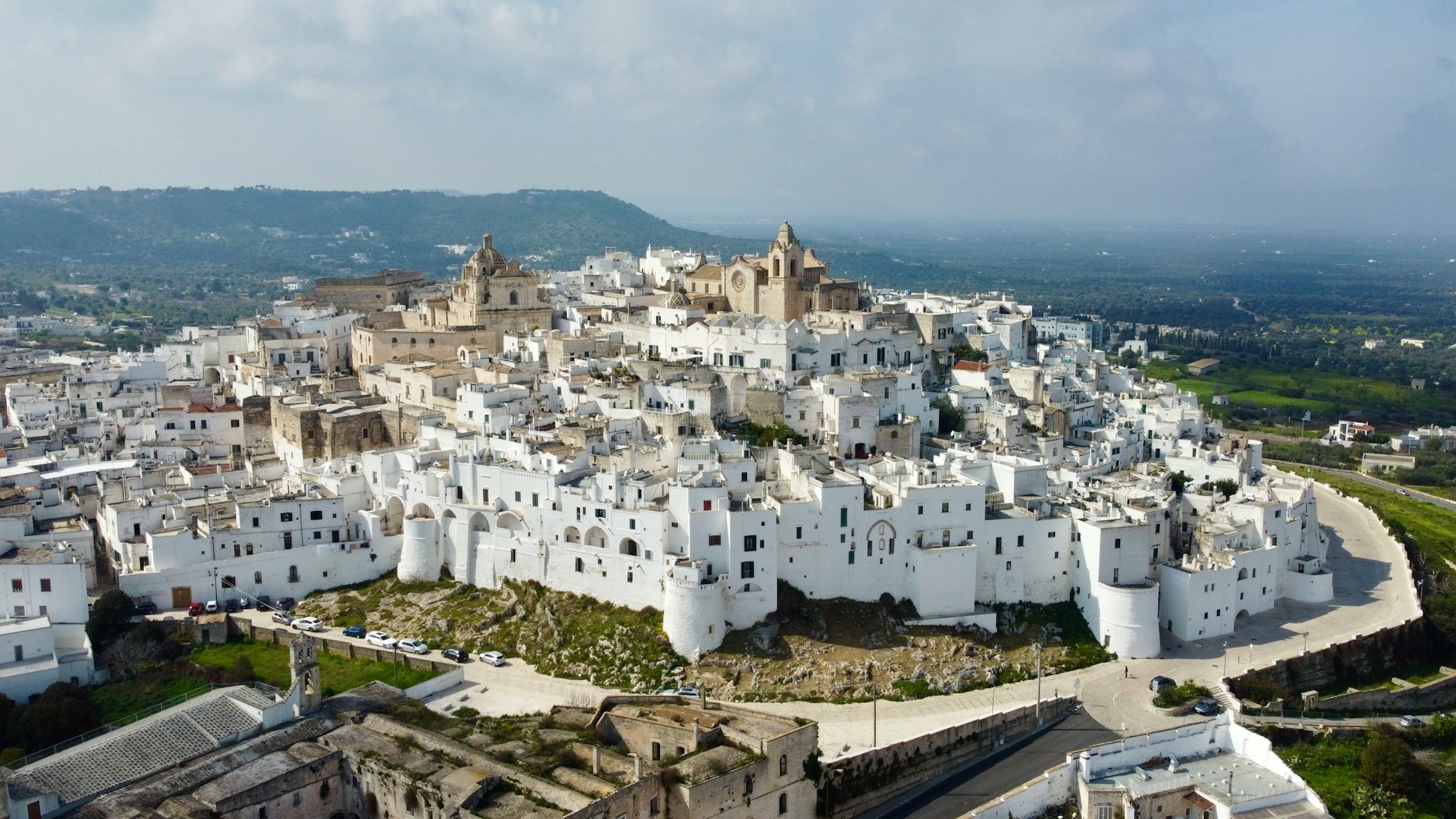
Ostuni is known as La Città Bianca – the White City – for its brilliant whitewashed houses stacked up a hill overlooking the Adriatic. But the color is just the beginning.
What makes Ostuni special to me is the contrast: ancient lanes and baroque churches above, and wild beaches and centuries-old olive groves below. You can be wandering medieval alleyways in the morning, having a long seafood lunch in the afternoon, then swimming in clear water before sunset.
For travelers planning a 3 day itinerary for Ostuni, it’s the perfect taste of Puglia: walkable, romantic, and full of hidden gems. If you have 4–5 days in Ostuni, you can slow down, explore the countryside, and use it as a base for day trips to places like Alberobello, Locorotondo, and the coastal dunes.
- Romantic travelers: sunset viewpoints, rooftop bars, quiet alleys, and candlelit courtyards.
- Families: shallow sandy beaches, relaxed piazzas, and easy day trips with short drives.
- Adventurous travelers: coastal hikes, cycling among olive groves, SUP and kayaking along the coast.
- Food lovers: rustic osterie, seafood shacks, and some of the best olive oil and burrata you’ll ever taste.
2026–2027 in Ostuni: the town is leaning even more into slow, sustainable tourism. New bike routes through the olive groves are being promoted, several masserie (farm estates) have added agritourism stays, and the Estate Ostunese festival calendar has expanded with more outdoor concerts and food events.
Neighborhoods & Areas of Ostuni
Ostuni is compact, but each zone has its own personality. When you’re planning where to stay or how to structure your 3–5 day Ostuni itinerary, it helps to understand the main areas.
Centro Storico (Historic Center)
This is the iconic Ostuni you’ve seen in photos: whitewashed houses, narrow stairways, and views of the Adriatic. I usually stay here when I want to walk everywhere and enjoy the evening buzz.
- Best for: first-time visitors, couples, photographers, nightlife.
- Pros: atmospheric, car-free lanes, close to all main attractions.
- Cons: summer crowds, more expensive, lots of stairs (not ideal for mobility issues).
Piazza della Libertà & Lower Old Town
The large square between the historic center and the modern town. This is the social heart of Ostuni: kids on bikes, older locals on benches, and bars spilling onto the pavement.
- Best for: families, people-watching, easy access to buses and taxis.
- Pros: flatter streets, central, lots of cafés and restaurants.
- Cons: can be noisy late on summer nights.
New Town (Zona Ottocentesca & Beyond)
Spread out below the old town, this is where most locals live – residential streets, everyday shops, bakeries, and less touristy restaurants. I often book an apartment here when I’m staying a week or more.
- Best for: budget travelers, long stays, a more local feel.
- Pros: cheaper accommodation, easy parking, more services.
- Cons: you’ll walk uphill to the old town; less “storybook” charm.
Countryside & Masserie Belt
Just outside town, the landscape opens into a sea of ancient olive trees dotted with white stone farm estates called masserie. Some are luxury stays, some are rustic and simple, but almost all are peaceful and beautiful.
- Best for: couples, nature lovers, those with a car.
- Pros: quiet, starry skies, pools, immersive countryside feel.
- Cons: need a car or taxi, less nightlife on your doorstep.
Coastal Strip (Marina di Ostuni & Beaches)
Ostuni’s coast is about 10–15 minutes’ drive from the hilltop town. You’ll find sandy beaches, dunes, and small lidos. In summer I love starting early with a swim, then heading up to town for a lazy lunch.
- Best for: beach-focused trips, families in summer.
- Pros: easy beach access, holiday villages, relaxed vibe.
- Cons: less character than the old town; a car is useful.
20 Must-See Attractions & Experiences in Ostuni
These are the must-see attractions in Ostuni that I return to again and again. I’ve organized them roughly from most iconic to more hidden gems. If you’re building a 3 day itinerary for Ostuni, start with the first 8–10; for 4–5 days in Ostuni, you can easily cover all 20 at a relaxed pace.
1. Ostuni Cathedral (Cattedrale di Santa Maria Assunta)
The Ostuni Cathedral crowns the old town like a stone ship. Completed in the late 15th century, it blends Romanesque, Gothic, and a hint of Baroque, with a façade dominated by a stunning rose window.
I still remember my first visit: it was a hot June afternoon, and the cool dim interior felt like stepping into another century. The polished stone floor and the quiet murmur of locals lighting candles gave me a sense of how central this place is to Ostuni’s identity.
What to look for:
- The intricate rose window with 24 rays – one of the largest in Italy.
- Side chapels with 18th-century paintings and altars.
- The view when you step out the side door, where the town drops away toward the sea.
Tips: arrive around 9:00–9:30 a.m. before day-trippers; shoulders should be covered. If you’re staying nearby, come back again at dusk when the façade glows in the golden light.
How to get there: from Piazza della Libertà, follow the main sloping street (Via Cattedrale) uphill for about 10 minutes. It’s a gentle climb with plenty of shops and cafés along the way.
2. Piazza della Libertà & the Column of Sant’Oronzo
Piazza della Libertà is Ostuni’s living room. I like to think of it as the place where every good Ostuni day eventually begins or ends. Children race across the stone pavement, older men nurse espressos, and you’re never far from a gelato.
At its center, the Column of Sant’Oronzo stands tall, topped by the town’s patron saint. In 2026, as every year, the square becomes the focal point of the Festa di Sant’Oronzo in late August, with lights, concerts, and fireworks.
What I usually do: in the mornings, I sit outside at a bar with a cappuccino and a pasticciotto, answering emails and watching deliveries arrive. In the evenings, this is aperitivo central: a spritz, some olives, and a chance to watch the sky slowly turn pink behind the white buildings.
Family tip: this is the perfect spot to let kids burn energy while adults sit nearby with a drink.
3. The White Lanes of the Centro Storico
The real magic of Ostuni isn’t a single monument – it’s the maze of whitewashed lanes that twist and climb around the hill. These alleys were once fortified defenses; today they’re a labyrinth of arches, tiny squares, and unexpected viewpoints.
On my favorite mornings, I leave my phone in my bag and simply wander: following a cat around a corner, ducking under a stone arch, pausing at a doorway festooned with bougainvillea. This is where you’ll find some of the best hidden gems in Ostuni: tiny artisan shops, quiet residential corners, and balconies overlooking the olive groves.
Photography tip: visit early (around 7:30–8:30 a.m.) for soft light and empty streets. Late afternoon is also beautiful, but busier in summer.
4. Belvedere & City Viewpoints
One of the best things to do in Ostuni is simply to admire the view. From the belvedere terraces just below the old town, you see the white city stacked above a carpet of ancient olive trees, with the Adriatic shimmering beyond.
My favorite viewpoint lies along Via Giosuè Pinto, where locals gather at sunset. In winter, I’ve stood there wrapped in a scarf, watching storm clouds roll in from the sea; in August, I’ve squeezed in among holidaymakers as the town glows warm against the darkening sky.
Romantic tip: grab a takeaway gelato or a paper cone of fried seafood and stroll the edge of the walls at sunset. It’s busy but undeniably romantic.
5. Diocesan Museum of Ostuni (Museo Diocesano)
The Museo Diocesano, near the cathedral, is compact but surprisingly rich. It’s one of my favorite places to duck into during the heat of the day. Housed in the former episcopal palace, it showcases sacred art, manuscripts, and archaeological finds from the area.
The highlight is the display about the famous Ostuni pregnant woman, a Paleolithic skeleton discovered in a nearby cave, though the original remains are preserved elsewhere. The story adds a deep time dimension to a town that already feels ancient.
Practical tip: combine a visit here with the cathedral on a hot afternoon. The ticket is inexpensive, and you’ll gain context for much of what you see around town.
6. Via Cattedrale & Artisan Shops
Via Cattedrale is the main artery that connects Piazza della Libertà with the cathedral. While some shops are touristy, there are still genuine artisans here if you know where to look.
Over the years I’ve gotten to know a few of the local ceramicists and leatherworkers. One elderly artisan once invited me into his workshop to show how he still hand-paints traditional Puglian patterns by memory. I left with a small bowl that’s now part of my morning ritual back home.
Shopping tips:
- Look for ceramics with regional motifs (olive branches, pomegranates, stylized roosters).
- Avoid the cheapest production-line souvenirs; ask if items are made in Puglia.
- Many shops will ship fragile pieces home for you.
7. Parco Naturale Regionale Dune Costiere
The Dune Costiere Regional Natural Park stretches along the coast between Ostuni and Fasano, protecting dunes, wetlands, and olive groves. It’s one of the best places near Ostuni for gentle adventure and nature.
I’ve biked here on quiet mornings, following sandy tracks past grazing cattle and old watchtowers, then locking the bike to a fence and walking across the dunes to a nearly empty beach. In spring, wildflowers dot the paths; in autumn, the light is soft and golden.
What to do:
- Easy hikes across the dunes to the sea.
- Guided bike tours through olive groves and coastal paths.
- Birdwatching around the wetlands (especially in shoulder seasons).
Practical tip: bring water, a hat, and proper shoes; there’s little shade and few facilities. Access points are easiest by car or bike.
8. Ostuni Beaches: Rosa Marina, Torre Pozzelle & Costa Merlata
Ostuni’s coastline is a string of coves, sandy stretches, and rocky shelves. For a 3–5 day itinerary for Ostuni, I always suggest dedicating at least half a day to the sea.
My go-tos:
- Rosa Marina: sandy, family-friendly, with lidos and free areas.
- Torre Pozzelle: a series of rocky-sandy coves with a wilder feel.
- Costa Merlata: dramatic rocky inlets and clear water, great for snorkeling.
One July morning, I arrived at Torre Pozzelle around 8 a.m. The beach was almost empty except for a local couple setting up with an umbrella and a thermos of coffee. We all watched the sun climb higher as fishermen checked their nets just offshore.
Family tip: Rosa Marina and some lidos along the coast have shallow entry and lifeguards, good with kids.
9. Ancient Olive Groves & Masserie Visits
The olive trees around Ostuni are as impressive as any cathedral. Many are over 500 years old; some are believed to be more than a thousand. Their twisted trunks look like sculptures shaped by time.
I once spent a late September afternoon at a local masseria, walking among these giants with the owner, whose family had been farming there for generations. He showed me how to recognize the oldest trees and explained how the olives are harvested and pressed.
What to do:
- Book an olive oil tasting and tour at a masseria.
- Walk or bike the signed “Via degli Ulivi Secolari” (Ancient Olive Tree Route).
- Buy a small can of extra virgin olive oil to take home – it’s liquid gold.
Practical tip: many masserie require advance booking for tours, especially in summer. Ask your accommodation to help call ahead in Italian if needed.
10. Porta Nova & City Walls
Porta Nova is one of the historic gates into Ostuni’s old town. This area, slightly less polished than the main tourist route, has a more lived-in feel that I love.
Walking along the walls here, you see laundry hanging above alleyways and hear the clink of dishes from open windows. It’s a reminder that the historic center isn’t just a backdrop – people still live their entire lives within these white walls.
Hidden gem: there’s a small terrace near Porta Nova where locals sometimes gather with takeaway pizza. It’s a low-key, budget-friendly way to enjoy a view and a meal.
11. Via Bixio Continelli & Evening Passeggiata
Just off Piazza della Libertà, Via Bixio Continelli is one of my favorite streets for an evening stroll. It slopes gently up toward the old town, lined with bars, small restaurants, and boutiques.
In summer, this becomes part of the informal passeggiata route, the Italian evening ritual of walking, chatting, and being seen. I’ve spent many evenings here flitting between friends’ tables, trying to decide whether to have “just one more” spritz.
Nightlife tip: this street and the lanes just above it are where much of Ostuni’s summer nightlife concentrates. For a quieter stay, book accommodation a bit further away.
12. Church of the Holy Spirit (Chiesa dello Spirito Santo)
Often overlooked, the Chiesa dello Spirito Santo sits near Piazza della Libertà and features an elegant baroque façade. Inside, it’s modest compared to the cathedral, but it’s usually quiet – a good place to sit for a moment away from the crowds.
On a rainy November visit, I ducked in here to escape a sudden downpour and ended up sitting through part of a weekday mass with mostly elderly locals. It was a small, intimate window into daily religious life in Ostuni.
13. Ostuni Weekly Market
If you want to experience local life, don’t miss the weekly market (usually on Saturdays, just outside the center; schedules can shift slightly, so double-check locally). It’s a chaotic mix of produce, cheese, clothes, and household goods.
I love wandering the food section: mountains of tomatoes, crates of figs in late summer, piles of wild greens in spring. More than once, I’ve bought picnic supplies here – mozzarella, salami, fruit, and fresh bread – and taken them to a viewpoint or back to my apartment.
Money-saving tip: this is one of the cheapest places to stock up on fruit, snacks, and picnic ingredients. Bring cash and your own bag.
14. Ostuni by Night: Illuminated Lanes & Rooftop Bars
At night, Ostuni transforms. Soft yellow lights wash the white walls, musicians set up in small squares, and the air smells of grilled seafood and sweet pastries. Walking the lanes after dark is one of the most atmospheric things to do in Ostuni.
My usual pattern: dinner around 8:30–9:00 p.m., then a slow wander up and down the alleys, stopping for a drink on a rooftop bar with a view of the lit-up cathedral. On busy August nights, the energy is almost festive; in May or October, it’s calmer and more romantic.
15. Church of San Vito Martire & Former Carmelite Monastery
The Chiesa di San Vito Martire, with its attached former Carmelite monastery, is a baroque gem hidden in the upper part of the old town. Its curving façade and elegant details are a reminder that Ostuni’s wealth once came from agriculture and trade.
Inside, I once stumbled into a small classical concert advertised only in Italian on a local noticeboard. There were maybe 30 people present, and the acoustics were sublime. Keep an eye on posters around town; Ostuni often hides its best cultural experiences in plain sight.
16. Cavalcata di Sant’Oronzo (Festival & Parade)
If you’re visiting in late August (typically around the 25–27th), you may witness the Cavalcata di Sant’Oronzo, Ostuni’s most important festival honoring its patron saint. Horsemen in elaborate red costumes escort a statue of San Oronzo through town.
I attended in 2023 and plan to be back for the 2026 edition, when the town expects a bigger program for the 350th anniversary of a major historical vow to the saint. The mix of religious devotion, pageantry, and community is powerful – even if you’re not religious yourself.
Practical tip: accommodation books up months in advance for these dates; if your 3–5 day Ostuni itinerary includes the festival, reserve early.
17. Street Art & Modern Murals
Outside the pure white old town, Ostuni has a quieter side of street art and modern murals, especially in some of the newer neighborhoods. They don’t shout for attention, but if you walk a little off the main routes, you’ll spot colorful pieces on side walls and near schools.
One of my favorite morning walks is to grab a coffee in the new town and wander back slowly toward the center, spotting new murals that have appeared since my last visit. It’s a reminder that Ostuni isn’t frozen in time.
18. Puglian Cooking Class in a Local Home or Masseria
For a truly immersive cultural experience in Ostuni, book a cooking class. Several local cooks and masserie offer hands-on courses where you’ll learn to make orecchiette, focaccia, and seasonal dishes.
One of my most memorable afternoons here was spent in a countryside kitchen, rolling orecchiette under the watchful eye of a grandmother who scolded me (gently) for making them too big. We ended the day eating our work outside under a pergola with local wine.
Tip: ask specifically for classes that focus on traditional Puglian recipes and small groups. They book up especially in June–September.
19. Local Wine Bars & Enoteche
Puglia is red wine country, and Ostuni’s wine bars are ideal for a low-key evening. Look for regional varietals like Primitivo, Negroamaro, and Susumaniello, along with fresh local whites from nearby valleys.
I like to let the staff choose for me, giving them a rough idea of what I’m in the mood for. More than once this has led to discovering a small family producer whose bottles don’t make it far beyond Puglia.
Budget tip: ordering wine by the glass (calice) is common and affordable; pair with a plate of local cheeses for an inexpensive dinner.
20. Sunrise Walk Through a Sleeping White City
One of the most underrated things to do in Ostuni is simply to wake up early and walk. In peak summer, when streets are crowded at night, sunrise belongs mostly to locals: bakers, cleaners, and the occasional jogger.
On my last visit, I set out at 6:30 a.m. in late June. The sky was pale blue, the stone still cool underfoot. I walked from the cathedral down to the walls and watched the first rays hit the olive groves below. By the time the cafés opened, I felt like I’d had the town to myself.
Romantic tip: this is a beautiful experience to share with a partner – followed by an early breakfast at a quiet café.
3–5 Day Itineraries for Ostuni
Here’s how I’d structure 3 days in Ostuni, and how to expand that into a 4 day itinerary for Ostuni or a leisurely 5 days in Ostuni. Each day mixes must-see attractions, hidden corners, and plenty of food.
3 Day Itinerary for Ostuni
This plan is ideal if you’re short on time but want to hit the best places to visit in Ostuni while still feeling the town’s rhythm.
Day 1 – First Taste of the White City
Morning: arrive and settle into your accommodation in or near the historic center. I always drop my bags and head straight to Piazza della Libertà for a coffee. Sit facing the Column of Sant’Oronzo and let your eyes adjust to all the white.
Afterward, stroll slowly up Via Cattedrale, ducking into artisan shops. Visit the Ostuni Cathedral and spend some time in the Diocesan Museum to get your historical bearings.
Lunch: choose a trattoria just below the cathedral. I usually order orecchiette alle cime di rapa (ear-shaped pasta with turnip tops) or a simple grilled fish. Don’t feel rushed; meals in Puglia are meant to be savored.
Afternoon: wander the white lanes, heading toward the belvedere viewpoints. Take photos, get lost a little, then find your way back down via a different route. If it’s hot, retreat to your hotel for a siesta.
Evening: join the passeggiata along Via Bixio Continelli. Choose a spot for aperitivo – a spritz or local wine with snacks – then dinner in the old town. After dinner, stroll the illuminated alleys; maybe end on a rooftop bar with a view of the lit-up cathedral.
Day 2 – Sea, Olive Trees & Countryside
Morning: rent a car or arrange transport and head to the Ostuni beaches – I like Rosa Marina for an easy, sandy start. Swim, nap, and soak up the Adriatic. If you prefer wilder spots, choose Torre Pozzelle or Costa Merlata.
Lunch: eat at a seaside trattoria or lido: grilled seafood, impepata di cozze (peppered mussels), and a cold beer or crisp local white wine.
Afternoon: drive or bike into the countryside and ancient olive groves. Visit a masseria for an olive oil tour and tasting. Ask about harvesting if you’re visiting in late autumn.
On my last trip, I spent hours listening to a farmer explain how climate changes are affecting their harvest; it was both sobering and inspiring, and I left with a deeper appreciation for every drop of oil on my plate.
Evening: return to Ostuni. If you still have energy, explore the less busy Porta Nova side of the old town. Dinner can be simpler tonight – maybe pizza or a plate of local cheeses and cured meats at a wine bar.
Day 3 – Markets, Hidden Corners & Cultural Experiences
Morning: start with the weekly market if your days align. Otherwise, explore the new town a bit – local bakeries, small cafés, and everyday shops. Buy some fruit and snacks for the day.
Midday: join a cooking class or food tour. Spend a few hours learning to make pasta or traditional dishes, then enjoy them for lunch with your group.
Afternoon: spend some quiet time in lesser-known churches like Chiesa dello Spirito Santo or San Vito Martire. If you’re interested in photography or painting, this is a great time to capture details in the softer late-afternoon light.
Evening: for your last night, pick a special restaurant – maybe in a courtyard or terrace with a view. Linger over dessert (try sporcamuss or a simple gelato) and a digestivo like limoncello or amaro. Walk one last loop through the lanes; say a quiet goodbye to the White City.
4 Day Itinerary for Ostuni
With 4 days in Ostuni, you can keep the 3-day plan and add a dedicated day trip.
Day 4 – Valle d’Itria: Alberobello & Locorotondo
Morning: pick up a rental car or book a tour and head into the Valle d’Itria. First stop: Alberobello, the UNESCO-listed town of trulli (cone-roofed stone houses). Yes, it’s touristy, but also genuinely unique.
Lunch: in Alberobello or en route to Locorotondo, a white hilltop town with circular old streets and great wine. Have a leisurely meal and taste local whites.
Afternoon: stroll Locorotondo’s calm lanes, then maybe stop by nearby Cisternino on your way back – famous for its grilled meats.
Evening: return to Ostuni in time for a relaxed aperitivo in Piazza della Libertà. This is usually the night I keep dinner light – maybe just bar snacks and a glass of wine – after a big lunch day.
5 Day Itinerary for Ostuni
With 5 days in Ostuni, you can truly slow down and sprinkle in more hidden gems and relaxation.
Day 5 – Dune Costiere, Active Adventures & Pure Relaxation
Morning: head to the Dune Costiere Regional Park. Rent bikes or join a guided tour through the dunes and olive groves. Stop for a swim at a quiet cove.
I still remember one October ride: the air was just cool enough, the beaches nearly empty, and the only sounds were waves, birds, and my tires crunching on the path.
Lunch: picnic with supplies from the market, or eat at a simple beach shack if open (hours vary shoulder season).
Afternoon: return to town and spend time on something you’ve grown curious about: maybe a second visit to your favorite viewpoint, a long coffee session in the piazza, or a nap before your last night out.
Evening: for your final night, consider timing your visit with a local event – a small concert, art exhibition, or in 2026–2027 one of the expanded Estate Ostunese summer cultural evenings. End your trip with an after-dinner stroll along the walls, committing the white curves and sea view to memory.
Local Food in Ostuni – What & Where to Eat
Puglia is one of Italy’s great food regions, and Ostuni is a perfect place to dive in. The cuisine is simple, seasonal, and deeply tied to local agriculture – olives, wheat, vegetables, and seafood.
Must-Try Dishes & Drinks
- Orecchiette alle cime di rapa: ear-shaped pasta with bitter turnip greens, garlic, and anchovy.
- Fave e cicoria: pureed fava beans with sautéed bitter greens – peasant food turned comfort classic.
- Focaccia barese: thick, olive oil–rich bread topped with tomatoes and olives.
- Friselle: twice-baked bread rings, soaked with water, topped with tomatoes, olive oil, and oregano.
- Bombette: small rolled pork parcels, often stuffed with cheese and grilled – common in nearby Cisternino but served in Ostuni too.
- Fresh seafood: clams, mussels, octopus, and daily catch from the Adriatic.
- Taralli: crunchy ring biscuits, perfect with wine.
- Dolci: pasticciotto, sporcamuss, almond cookies, and seasonal pastries.
- Local wines: Primitivo, Negroamaro, Susumaniello, and crisp whites like Verdeca.
Where I Love to Eat in Ostuni
(Names kept general as places change year to year – ask your host or check recent reviews for current openings.)
- Traditional osterie in the old town: look for simple places with handwritten menus and a short list of daily dishes. I trust any kitchen where the nonna is visible.
- Seafood trattorie near the coast: for the freshest fish and shellfish; ask for the pescato del giorno (catch of the day).
- Wine bars (enoteche): perfect for cheese and charcuterie boards, and informal dinners.
- Bakeries in the new town: ideal for budget breakfasts and picnic supplies; I grab focaccia and taralli here often.
Money-Saving Food Tips
- Eat your main meal at lunch; many restaurants have better deals and set menus then.
- Use markets and bakeries for breakfasts and some lunches; splurge on dinners only a few nights.
- House wine (vino della casa) is often excellent and much cheaper than bottled options.
- A standing coffee at the bar is cheaper than sitting at a table.
Nightlife, Entertainment & Cultural Experiences in Ostuni
Nightlife
Ostuni’s nightlife is seasonal. From June to early September, it’s lively: bars stay open late, DJs spin on terraces, and the lanes hum until 1–2 a.m. The rest of the year is quieter but still pleasant, focused more on wine bars and restaurants.
- Rooftop bars: best for romantic evenings and views; usually more relaxed than ground-level spots.
- Street bars near Piazza della Libertà: busier, with a younger crowd in summer.
- Beach clubs: in high season, some coastal lidos host evening events and DJ nights.
Cultural Experiences
- Estate Ostunese (Summer Festival): June–September, with concerts, theater, and food events.
- Cavalcata di Sant’Oronzo: late August, major religious and cultural festival with parades.
- Small concerts in churches or courtyards: watch for posters around town or ask at the tourist office.
- Workshops: ceramics, cooking classes, and sometimes olive oil or wine tastings with educational components.
Family-Friendly Evenings
Families will appreciate that Ostuni’s evening scene is more social than wild. Kids are welcome in most restaurants, and it’s normal to see families out late in summer. Gelato, a walk through the lit-up lanes, and some time in the piazza watching street performers can easily fill a night.
Day Trips & Nearby Attractions from Ostuni
Ostuni makes a great base. With a car (or occasional tours), you can reach many of Puglia’s highlights.
Valle d’Itria Towns
- Alberobello: UNESCO trulli town, ~40 min drive. Best early or late to avoid crowds.
- Locorotondo: pretty white town with wine culture, ~35 min drive.
- Cisternino: famed for grilled meats and a cozy old town, ~25 min drive.
- Martina Franca: baroque architecture and a summer opera festival, ~40 min drive.
Coastal & Nature Day Trips
- Dune Costiere Park: half- or full-day for hiking, biking, and beach time.
- Polignano a Mare: cliffside town with dramatic views and a famous beach, ~45–60 min drive.
- Monopoli: charming port town with a lively historic center, ~45 min drive.
How to Get There
- By car: easiest and most flexible; roads are generally good.
- By train: Ostuni has a station down the hill; regional trains connect to many coastal towns. You’ll need a bus or taxi between town and station.
- By organized tour: especially convenient for Alberobello/Valle d’Itria if you don’t want to drive.
Cultural Etiquette & Local Customs in Ostuni
Social Etiquette
- Greetings: a simple “Buongiorno” (morning/early afternoon) or “Buonasera” (late afternoon/evening) goes a long way. Use it entering shops and cafés.
- Personal space: Italians stand closer and talk more with hands – don’t be put off; it’s normal.
- Noise: Ostuni can be lively, but loud, drunken behavior is frowned upon, especially in residential alleys at night.
Dress & Churches
- Dress modestly when entering churches: shoulders covered, shorts/skirts at least mid-thigh.
- Beachwear is for the beach; cover up in town, especially in the historic center.
Dining Customs
- Italians eat later: dinner often starts around 8–8:30 p.m.
- Coffee with milk is generally a morning drink; after lunch, locals switch to espresso.
- Tipping is modest: rounding up or leaving 5–10% for good service is appreciated but not obligatory.
Religious & Local Traditions
Feast days and processions are taken seriously. If you encounter one, step aside respectfully, avoid blocking participants for photos, and keep noise low. During the Cavalcata di Sant’Oronzo, locals may appear in traditional dress; always ask before taking close-up photos.
Practical Travel Tips for Ostuni (2026–2027)
Getting To & Around Ostuni
Arriving
- By air: nearest airports are Brindisi (approx. 35 min drive) and Bari (approx. 1 hr 15 min).
- By train: Ostuni station lies below the town; regional trains connect to Bari, Brindisi, Lecce, etc.
- From station to town: local buses run during the day; taxis and transfer services are also available.
Getting Around
- On foot: the historic center is walkable but steep and cobbled; wear good shoes.
- By car: useful for beaches and day trips. You can’t drive through much of the old town; use paid or free parking below and walk up.
- Public transport: local buses run between town, station, and some coastal areas, but schedules can be sparse, especially off-season.
- Bikes & scooters: possible, but be cautious on busy roads; better for countryside paths and the Dune Costiere.
SIM Cards & Connectivity
- Major providers (TIM, Vodafone, WindTre, Iliad) have good coverage in and around Ostuni.
- Buy a local SIM at the airport or in the new town; you’ll need ID (passport).
- Many cafés and restaurants offer Wi-Fi, but speeds vary; don’t rely on it for heavy work.
Money & Costs
- Currency is the euro (€). Cards are widely accepted, but carry some cash for small bars, markets, and rural spots.
- Ostuni is cheaper than major Italian cities, but prices rise in July–August.
- Budget travelers can eat well with market picnics, bakeries, and occasional trattoria meals.
Accommodation Tips
- Centro Storico: atmospheric but pricier; great for short stays.
- New town: better value and easier parking; more local feel.
- Masserie & countryside: ideal for romantic or longer stays; a car is very helpful.
- Book early for August, late July, and festival dates (especially Sant’Oronzo).
Visa & Driving Requirements
- Visas: Ostuni follows Italy/Schengen rules. Many nationalities can stay 90 days in 180 without a visa; check your specific country’s requirements before travel.
- Driving: an International Driving Permit (IDP) is recommended and often required alongside your home license if you’re from outside the EU. Rental agencies in 2026 are stricter about this than in the past.
- Drive defensively; Italian driving can feel assertive, but rural roads around Ostuni are generally calm.
Best Seasons for Different Activities
- Spring (April–June): ideal for walking, cycling, and sightseeing. Flowers, mild temperatures, fewer crowds.
- Summer (July–August): best for beaches and nightlife. Hottest, busiest, and most expensive; book everything ahead.
- Autumn (September–October): warm seas, harvest season, quieter towns. My favorite time for a 3–5 day itinerary for Ostuni.
- Winter (November–March): very quiet; some restaurants and hotels close. Good if you want a contemplative, local experience, but plan carefully.
Hidden Money-Saving Tricks
- Stay just outside the center or in the new town and walk in daily.
- Use lunchtime set menus and house wine; keep dinners lighter.
- Use public beaches instead of private lidos, especially if you bring your own umbrella.
- Travel in May–June or September–October: lower prices, same beauty.
Summary – Key Takeaways & When to Visit Ostuni
Ostuni is one of those places that manages to be both iconic and intimate. The whitewashed alleys, the views over olive groves to the sea, the slow rhythm of piazza life – they all combine into a destination that works wonderfully for 3, 4, or 5 days, and just as well as a base for exploring wider Puglia.
Key takeaways for your trip:
- For a 3 day itinerary for Ostuni, focus on the historic center, viewpoints, one beach morning, and a taste of the countryside.
- With 4 days in Ostuni, add a Valle d’Itria day trip (Alberobello, Locorotondo, or Cisternino).
- With 5 days in Ostuni, slow down: bike the Dune Costiere, take a cooking class, and repeat your favorite spots.
- Eat where the locals eat, shop in markets, and don’t rush meals – the food is a central part of the experience.
- Respect local customs: dress appropriately in churches, greet people, and keep noise down in the alleys at night.
Best time to visit:
- Overall best: May–June and September–early October for balance of weather, prices, and crowds.
- For festivals & nightlife: late July–August, especially during Cavalcata di Sant’Oronzo, if you don’t mind heat and crowds.
- For quiet contemplation: late autumn–early spring, when Ostuni is mostly locals and the White City feels like yours alone.
However you structure your travel guide for Ostuni into reality, give yourself time to do nothing: sit in the piazza, wander a lane with no destination, or watch the light change on the white walls. That’s where the real magic of Ostuni lives – in the quiet moments between the must-see attractions.