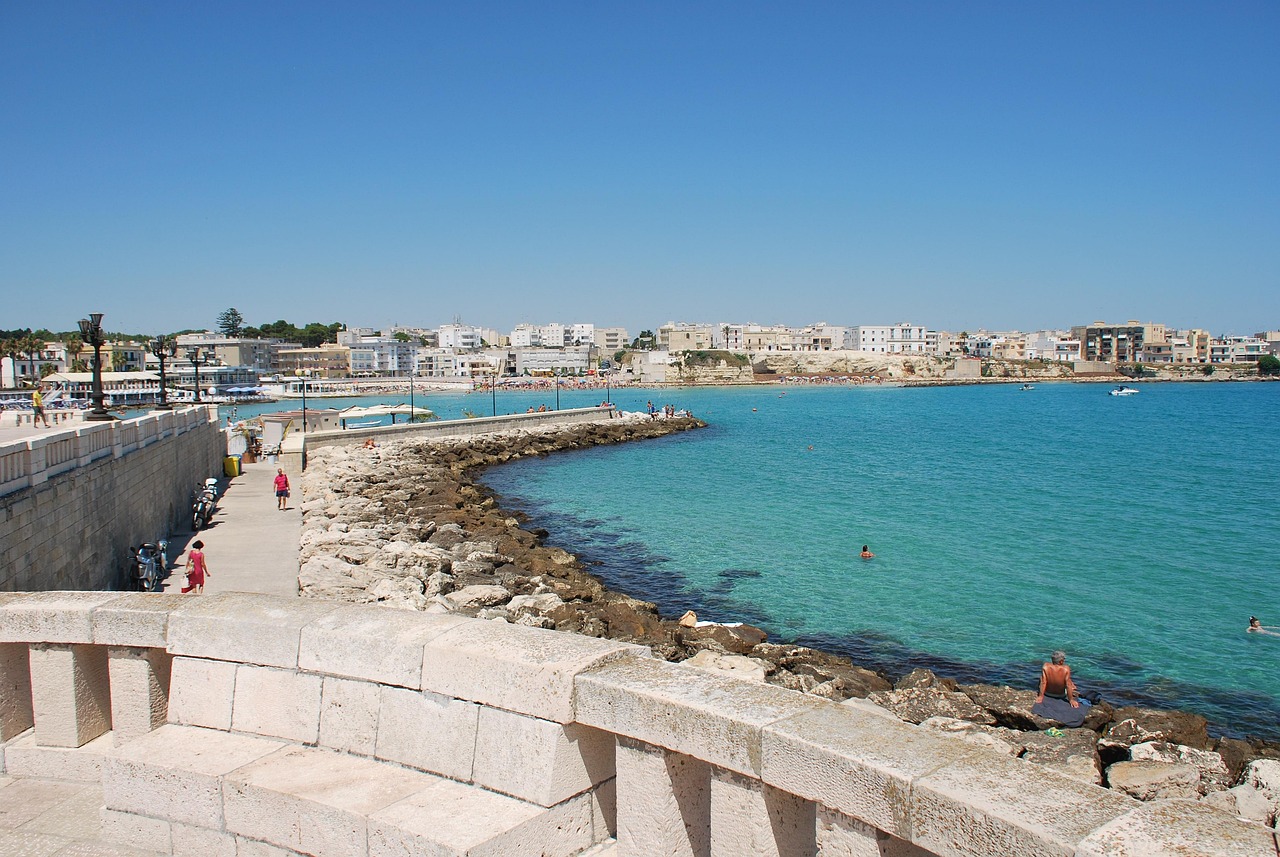
Why Visit Otranto?
Otranto is the kind of place that sneaks up on you. I first came here “just for a night” on a wider Puglia road trip and ended up staying five days, canceling the rest of my plans. Since then, I’ve come back almost every year.
Perched on the easternmost tip of Italy, Otranto is where whitewashed alleys meet a turquoise Adriatic, and where a medieval fortress and cathedral stand just a few steps from lively bars and beach clubs. It’s small enough to feel intimate, but layered with history, food, and local life that reward slow exploration.
This 2026 travel guide for Otranto is written like I’d plan a trip for my best friend: detailed 3, 4 and 5 day itineraries, deep dives into at least 20 of the must-see attractions in Otranto, plenty of hidden gems, and very practical travel tips for Otranto—from SIM cards and car rentals to cultural etiquette and saving money.
Whether you’re planning a 3 day itinerary for Otranto, stretching it into 4 or 5 days in Otranto, or just passing through, this guide will help you experience the town the way locals do.
Table of Contents
- Why Visit Otranto?
- Otranto at a Glance
- Neighborhoods & Areas to Explore
- Top 20+ Attractions & Experiences
- Recommended 3, 4 & 5 Day Itineraries
- Best Local Food & Drink in Otranto
- Nightlife, Entertainment & Cultural Experiences
- Events & Festivals 2026–2027
- Day Trips from Otranto
- Practical Tips & Travel Advice for Otranto
- Summary & Best Time to Visit Otranto
Otranto at a Glance
Otranto is a small coastal town in the Salento peninsula of Puglia, southern Italy. It faces Albania across the narrowest stretch of the Adriatic, and you feel that edge-of-Europe vibe everywhere: in the winds, the food, even the language.
- Region: Puglia, Province of Lecce
- Population: ~5,500 (swells in summer)
- Known for: Medieval castle and walls, Romanesque cathedral with extraordinary mosaic floor, crystal-clear sea, beaches, lighthouse at Punta Palascia
- Best for: Couples, culture lovers, families, road-trippers, slow travelers
Unlike the big-name Italian cities, Otranto still feels lived-in. Fishermen mend nets along the harbor, older locals play cards in shady squares, and in winter you can have entire stretches of seafront almost to yourself.
Neighborhoods & Areas to Explore in Otranto
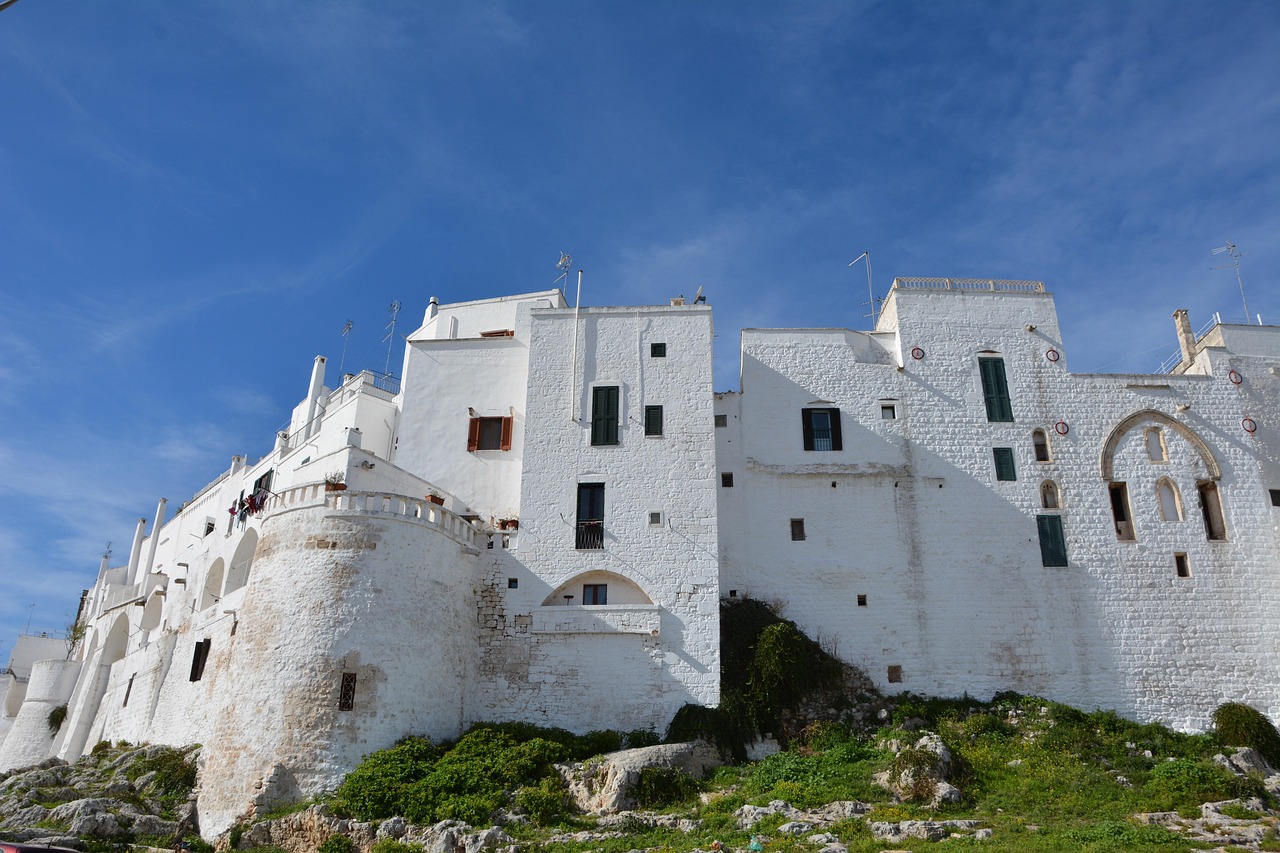
1. Centro Storico (Historic Center)
The centro storico is the heart of Otranto: a tangled maze of stone alleys, arches, and staircases wrapped within defensive walls.
In the early morning, when I like to go out with a coffee and camera, it’s almost silent except for church bells and the occasional scooter. By evening, families, couples, and groups of friends spill into the streets, and the air smells like grilled seafood and warm pastry.
- Highlights: Otranto Cathedral, Castello Aragonese, bastion viewpoints, tiny artisan shops
- Vibe: Romantic, atmospheric, touristy but still authentic off-season
2. Lungomare & Harbor Area
The seafront promenade runs from the little marina around the curve of the bay. This is where you come for that classic skyline-style view of Otranto’s white buildings stacked above the sea.
- Highlights: Evening passeggiata (stroll), gelato stands, harbor-side aperitivo bars
- Vibe: Family-friendly, relaxed, especially nice at sunset
3. Alimini & North Coast
North of town, the coast shifts into long sandy beaches, pine forests, and wetlands near the Alimini Lakes. I usually rent a bike and ride out here for a beach day when I need a break from stone and history.
- Highlights: Alimini Beach, Baia dei Turchi, beach clubs, dune walks
- Vibe: Laid-back, beachy, more resort-like in high summer
4. Punta Palascia & South Coast
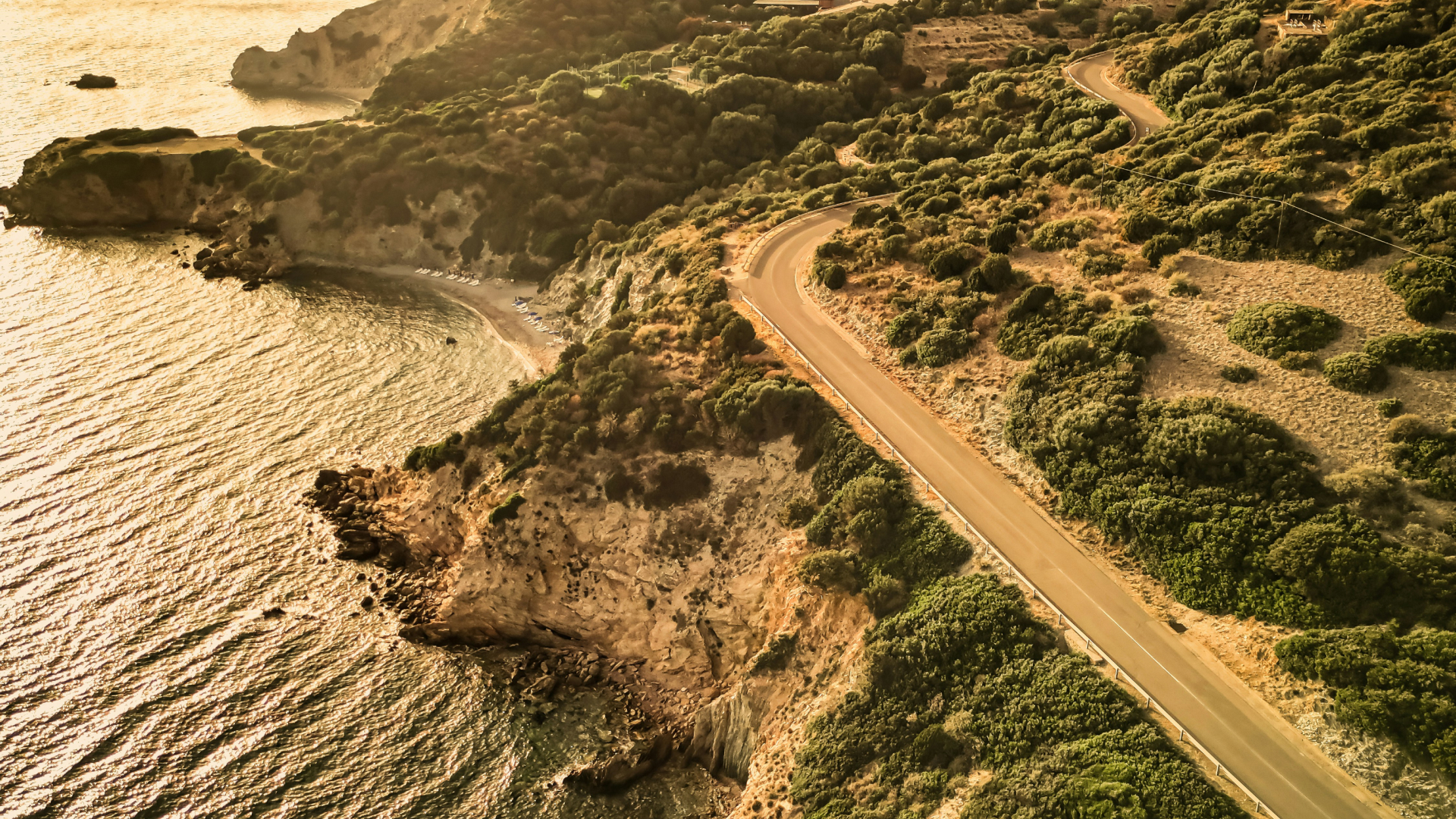
South of Otranto, the coast becomes wilder and more dramatic. Cliffs tumble into deep blue water, and remote coves hide between rocky headlands.
- Highlights: Punta Palascia lighthouse, Torre Sant’Emiliano, coastal hiking
- Vibe: Adventurous, quiet, perfect for sunrise lovers
Top 20+ Attractions & Experiences in Otranto
This section dives into the best places to visit in Otranto—the ones I return to on every trip. You’ll find history, personal tips, and ideas for food stops nearby.
1. Otranto Cathedral (Cattedrale di Santa Maria Annunziata)
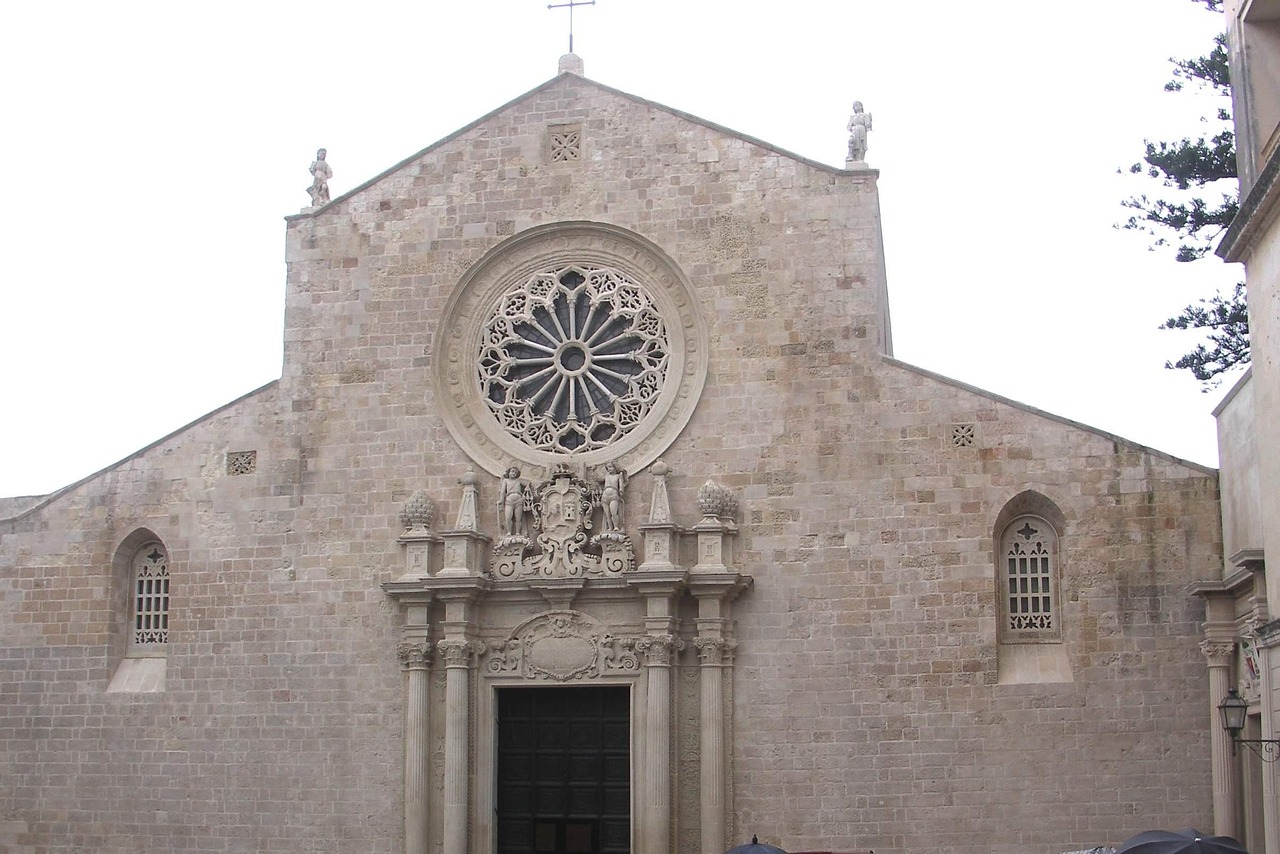
If you see only one thing in Otranto, make it the cathedral. I still remember my first step inside: my eyes went straight to the floor and I froze. The entire nave and aisles are covered by a 12th-century mosaic “Tree of Life”, a fantastical carpet of scenes from the Bible, mythology, and everyday medieval life.
History & significance: Built in the 11th century, the cathedral was later the site of one of Otranto’s darkest moments: the 1480 Ottoman siege. Inside, in the chapel to the right, you’ll see a wall of skulls and bones—the Martyrs of Otranto, 800 locals who refused to convert and were executed. They were canonized in 2013, and their presence still gives the place a solemn undertone.
What I love doing here: I like to come twice: once early morning when it opens (usually around 7:30–8:00) to see the mosaic floor in soft side light, and again late afternoon when the interior is calmer. Sit quietly halfway down the nave and just trace the mosaic from the Tree of Life near the entrance toward the apse; you’ll spot knights, elephants, zodiac signs, and strange beasts.
Tips:
- Dress modestly (shoulders covered) out of respect—it’s an active church.
- In peak summer, mid-day is very crowded; come early or late.
- Combine with a coffee break at a nearby bar in the piazza; I usually stop at a small café on the corner for a quick caffè leccese (espresso over ice with almond milk).
2. Castello Aragonese (Otranto Castle)
The Aragonese Castle is the hulking fortress that guards the old town. It’s one of the most recognizable silhouettes in Otranto, especially if you’re walking along the walls at sunset.
History & significance: While an earlier fortification stood here, most of what you see today dates from the late 15th century, built by the Aragonese after the Ottoman siege. The thick bastions, moat, and angular design reflect the shift to cannon warfare. It has inspired writers for centuries, even giving its name to Horace Walpole’s Gothic novel “The Castle of Otranto.”
Personal experience: On my second trip, I visited during a summer art exhibition. Wandering through the dim corridors and courtyards, with contemporary sculptures framed by arrow slits and stone walls, was unexpectedly moving. Kids were having a blast exploring the ramparts and pretending to be knights—very family-friendly.
Don’t miss:
- The panoramic views from the bastions over the harbor and old town.
- Temporary exhibitions (often photography or contemporary art) in summer 2026–2027.
- The moat area at twilight—romantic spot for photos.
Tip: Visit late afternoon, then walk straight out onto the bastioni (city walls) for a golden-hour stroll.
3. Lungomare degli Eroi & Otranto Bay
The lungomare is Otranto’s living room. Every evening—especially in summer—locals and visitors alike join the passeggiata, strolling the seafront with a gelato or a spritz in hand.
What to do:
- Walk from the harbor to the far end of the sandy town beach, stopping at viewpoints.
- Swim at the central beach if you want a quick dip between sightseeing stops.
- Have an aperitivo at a bar with outdoor seating overlooking the bay.
Personal ritual: Every visit, I pick one evening to do nothing but walk this strip slowly, sit on the low wall watching kids play with light-up toys, and listen to the sea. It’s simple, but it’s the moment when I feel most in sync with the town.
4. Otranto Town Beach (Spiaggia del Centro)
The small, crescent-shaped beach right in front of the town is not the most spectacular in the region, but it’s incredibly convenient and beautiful in its own right, with shallow, clear water perfect for families.
Best for: A quick swim between exploring the cathedral and castle; family-friendly paddling; people-watching.
Tip: If you’re planning a full beach day, I’d head out to Alimini or Baia dei Turchi, but for a half hour of cooling off in town, this place is unbeatable.
5. Baia dei Turchi
About 10–15 minutes’ drive north of Otranto, Baia dei Turchi is a sandy cove framed by low cliffs and Mediterranean scrub. Legend says Ottoman troops landed here in 1480 before attacking Otranto.
Why I love it: The walk down through pine-scented paths, the sudden reveal of that impossible turquoise, and the feeling of being tucked between nature and sea. In shoulder season, I’ve had sections almost to myself.
Practical tips:
- Parking lots along the main road (paid in summer) + a short walk down; wear sandals you can walk in.
- Arrive early in July–August; it gets busy by mid-morning.
- Bring water and snacks; there are beach kiosks in high season but not always off-season.
6. Alimini Beaches & Lakes
The Alimini area combines long sandy beaches with two freshwater lakes just inland. It’s more spacious and open than Baia dei Turchi, with both free beach and lidos (beach clubs).
Best for: A full lazy beach day; families who want facilities; groups who like a lively beach club atmosphere in summer; long seaside walks.
My tip: I like to rent a sunbed at a simple lido for the day, then take a long walk along the shore in the late afternoon when the crowds thin and the light softens.
7. Punta Palascia Lighthouse (Capo d’Otranto)
Punta Palascia is the easternmost point of Italy. On clear days, you can sometimes glimpse the mountains of Albania on the horizon. A white lighthouse stands guard atop rugged cliffs; waves crash against rocks far below.
Why go: This is one of the most atmospheric spots near Otranto, especially at sunrise. One January, I came here in the dark with a thermos of coffee and watched the first light of the year hit Europe. Even in summer, early morning is magical.
Practical tips:
- Reachable by car (about 10–15 minutes from Otranto) + short walk down from parking.
- Wear sturdy shoes; the paths can be rocky.
- Often windy—bring a light jacket even in shoulder seasons.
8. Torre Sant’Emiliano
One of my favorite hidden gems near Otranto, this ruined watchtower stands on a promontory south of town. The walk out along the cliff is relatively easy and rewards you with wide-open sea views.
Why I love it: Even in August, it’s quieter than the beaches. I often bring a picnic here—local bread, cheese, tomatoes—and sit in the grass watching the waves. It’s a romantic spot for couples and peaceful for solo travelers.
9. Otranto Harbor & Boat Trips
The small harbor is lined with fishing boats and small yachts. It’s also the starting point for coastal boat trips that explore caves and hidden coves.
Activities:
- Half-day boat tours (swimming stops, coastal views, often include snacks and drinks).
- Kayak or SUP rentals for a more active, adventurous outing.
- Strolling the docks in the evening for photos.
Tip: In high season, book boat trips a day or two in advance along the harbor kiosks or online. For families, look for tours with shaded boats and life jackets for kids.
10. City Walls & Bastions (Le Mura)
Walking the bastioni (bastions) of Otranto at twilight is one of those simple, unforgettable experiences. You get views over the bay on one side and down into the tangle of the old town on the other.
My favorite time: Just before dinner, when the sky is turning pink and orange, and restaurants are lighting candles on their terraces. It’s very romantic and doesn’t cost a cent—perfect for saving money while still having a special moment.
11. Church of San Pietro (Chiesa di San Pietro)
This small Byzantine church tucked in the old town is easy to miss, but absolutely worth seeking out. Inside, faded frescoes cover the walls and dome, remnants of Otranto’s Greek-Byzantine past.
Why visit: It offers a completely different feel from the grand cathedral—intimate, almost cave-like. Stand in the center and spin slowly to take in the saints and scenes painted on every surface.
Tip: Check opening hours posted outside; they can be irregular. I often find it open in the late morning and early evening.
12. Bauxite Quarry Lake (Laghetto della Cava di Bauxite)
A short drive or bike ride inland from Otranto brings you to a surreal landscape: a bright green lake nestled in a hollow of vivid red bauxite earth. It looks almost Martian.
Personal note: The first time I went, it was a windy day on the coast, so I decided to explore inland. I ended up spending an hour just walking the paths around the lake, taking photos of the contrast between red earth, green water, and blue sky.
Practical tips:
- No facilities; bring water.
- Wear closed shoes—the paths are dusty and uneven.
- Swimming is not officially allowed; treat it as a viewpoint, not a beach.
13. Spiaggia della Riviera degli Haethey & South Town Beaches
South of the main bay, smaller beaches and coves dot the coastline. These spots are popular with locals and can be less crowded than the main town beach.
Good for: A more relaxed swim close to town; families staying in nearby hotels; sunset walks along the waterline.
14. Otranto Street Markets & Evening Stalls
In summer, evening markets pop up around the town and seafront, selling everything from handmade jewelry to local food products and ceramics.
Tip: This is a great place to pick up edible souvenirs (taralli, flavored olive oils, jams) and support local artisans. Bargaining is gentle; you can politely ask if there’s a small discount for buying multiple items.
15. Local Wineries & Olive Oil Farms (Near Otranto)
The countryside around Otranto is dotted with vineyards and olive groves. Many offer tastings and tours, giving you a deeper sense of Salento’s rural culture.
My favorite kind of afternoon: Renting a car, visiting a small family-run winery, tasting Negroamaro and Primitivo, then driving back along the coast at sunset.
16. Masseria Stays & Dinners
Masserie are fortified farmhouses, many lovingly restored into agriturismi (farm stays) or restaurants. Spending a night or even just having dinner at one near Otranto is a quintessential Puglian experience.
Why go: Long tables under fig trees, food made from ingredients grown meters away, and starry skies with almost no light pollution. Ideal for couples and food lovers.
17. Sea Caves & Snorkeling Spots
The coastline around Otranto hides sea caves and underwater rock formations perfect for snorkeling and boat exploration.
Activities: Join a small-group boat tour or rent a kayak. The water visibility can be excellent on calm days, and you’ll often spot fish and interesting rock formations.
18. Religious Processions & Local Festivals
Even if you’re not religious, experiencing a local procession through the old town’s alleys—candles, banners, brass band—gives you a powerful sense of community and tradition.
Tip: Ask your host or check posters in town to see if there’s a procession or festa during your stay. Be respectful: don’t block the path, and dress modestly.
19. Small Museums & Cultural Centers
Otranto has a few small museums (often within the castle or civic buildings) that host temporary exhibits on local history, art, or photography.
Why visit: Great for a break from the sun, and you’ll often find insightful displays on topics like the Ottoman siege, maritime history, or Salento folk culture.
20. Best Sunset & Sunrise Spots
Because Otranto faces east, it’s actually more of a sunrise town. But there are still some incredible sunset views over the landward side and across the bay.
- Sunrise: Punta Palascia, lungomare, town beach.
- Sunset: City walls near the castle, south-facing beaches, countryside viewpoints inland.
3, 4 & 5 Day Itineraries for Otranto (With Personal Stories)
Here’s how I’d structure 3 days in Otranto, then how to extend to a 4 day itinerary for Otranto and a 5 day itinerary for Otranto. Each day blends must-see attractions, local food, and hidden gems.
3 Day Itinerary for Otranto
Day 1: Old Town, Cathedral & Seafront
On my first full day in Otranto, I always start with the historic core. It sets the tone for the whole trip.
Morning: Grab a simple Italian breakfast—cornetto and cappuccino—at a bar just outside the old town gate. Then wander up to the Otranto Cathedral as the town is still waking up. Spend time tracing the mosaic, visiting the crypt, and pausing in front of the martyrs’ chapel.
Afterward, lose yourself in the centro storico: dip into artisan shops, peek into small churches, and climb up to the city walls for your first full view of the bay.
Lunch: I like to find a simple trattoria just off the main tourist streets—slightly away from the cathedral—where locals are eating. Order orecchiette alle cime di rapa (ear-shaped pasta with turnip tops) or a seafood pasta, plus a carafe of local white wine.
Afternoon: Head to the Castello Aragonese. Take your time exploring the courtyards and ramparts. If there’s an exhibition on, it’s worth the small extra fee. After the castle, stroll along the lungomare, stopping for gelato and maybe a quick swim at the town beach if it’s warm.
Evening: Do the full passeggiata loop: city walls, seafront, and back through the old town. For dinner, pick a restaurant with a terrace overlooking the sea—great for couples. Try fritto misto (mixed fried seafood) or polpo alla pignata (octopus stew).
Day 2: Beaches & Bauxite Quarry
Morning: Rent a bike or car and head north to Baia dei Turchi. Arrive by 9:30 in high season to get a good spot. Spend the morning swimming, sunbathing, and walking the shoreline. This is perfect for families and anyone wanting a relaxed beach day.
Lunch: Snack at the beach kiosk or pack a picnic from a local bakery (forno) in Otranto: focaccia, fresh fruit, and bottled water.
Afternoon: On the way back, stop at the Bauxite Quarry Lake. Walk the loop trail, take photos, and enjoy the contrast from the coast. If you still have energy, detour to one of the Alimini beaches for a late-afternoon swim.
Evening: Back in Otranto, shower off the sand and head out for a more casual dinner—maybe a pizzeria in the new town or a simple osteria in the old town. After dinner, check if there’s any live music in the squares or bars.
Day 3: Punta Palascia, Coastal Walks & Hidden Corners
Early morning: If you’re a morning person (I am when I’m here), drive or taxi out to Punta Palascia for sunrise. Bring a light jacket and coffee. Stand by the lighthouse and watch the first light reach Italy.
Late morning: On the way back, stop at Torre Sant’Emiliano for a short coastal walk. It’s a good gentle adventure for families with older kids and for couples who want a quiet scenic spot.
Lunch: Back in Otranto, have lunch at a harbor-side restaurant—try grilled fish of the day, salad, and house white wine.
Afternoon: Use this time for anything you’ve missed: Chiesa di San Pietro, a boat trip from the harbor, or simply more wandering and shopping in the old town.
Evening: For your last night, splurge a bit: pick a special restaurant or a masseria dinner just outside town. End the trip with a slow walk along the sea, mentally planning when you’ll come back.
4 Day Itinerary for Otranto
With 4 days in Otranto, follow the 3-day plan above and add:
Day 4: Inland Countryside, Wineries & Masseria Dinner
Morning: Rent a car if you haven’t already and drive into the countryside. Visit a local winery for a tour and tasting—many are casual and family-run, with a mix of Italian and sometimes English explanations.
Lunch: Either eat at the winery (some offer light lunches) or in a nearby village trattoria. I like simple places where the menu is handwritten and changes daily.
Afternoon: Drive slowly back toward Otranto through olive groves and stone-walled lanes. Stop at viewpoints or small churches along the way. Take a rest in your accommodation before the evening.
Evening: Book a dinner at a masseria near Otranto—many offer set menus of traditional Salento dishes. This is one of the best cultural experiences in Otranto for food lovers: you’ll taste dishes that rarely appear on tourist menus, made from hyper-local ingredients.
5 Day Itinerary for Otranto
With 5 days in Otranto, you can slow down and add a proper day trip.
Day 5: Day Trip Along the Salento Coast
Option 1: South Coast to Santa Cesarea Terme & Castro
Drive south along the coast road, stopping at viewpoints and small coves. Visit Santa Cesarea Terme (thermal town with Moorish architecture) and Castro (clifftop town with a pretty harbor).
Option 2: West to Lecce
Spend the day in Lecce, the “Florence of the South,” about 45 minutes away. Explore its baroque churches, Roman amphitheater, and vibrant streets, then return to the quieter charm of Otranto for the night.
Either way, your 5 day itinerary for Otranto becomes a great base to experience both sea and city.
Best Local Food & Drink in Otranto
Puglia is one of Italy’s great food regions, and Otranto is a superb place to taste local food from both sea and land. Here’s what to look for and how I like to eat my way through town.
Must-Try Local Dishes
- Orecchiette alle cime di rapa: Ear-shaped pasta with turnip tops, garlic, anchovies, and chili—bitter, garlicky, addictive.
- Frutti di mare crudi: Raw seafood (for adventurous eaters) served ultra-fresh at seafood-focused spots.
- Polpo alla pignata: Octopus slow-cooked in an earthenware pot with tomato and herbs.
- Fave e cicoria: Fava bean puree with wild chicory, a rustic classic.
- Rustico leccese: Puff pastry filled with béchamel and tomato—perfect snack on the go.
- Pasticciotto: Shortcrust pastry filled with custard; my favorite breakfast treat.
- Caffè leccese: Espresso over ice with almond milk, the iconic Salento summer coffee.
Where to Eat & Drink (Types of Places)
I avoid naming specific businesses since they change quickly, but here’s how to find good spots:
- Old Town Trattorie: Look for places with handwritten menus, more Italian than English spoken, and locals at the tables.
- Harbor Seafood Restaurants: Great for grilled fish and seafood pastas with views.
- Pasticcerie (Pastry Shops): For pasticciotto, cookies, and cakes. Go before 10:00 for best selection.
- Wine Bars: Try local Negroamaro, Primitivo, and Malvasia Bianca by the glass.
- Gelaterie: There are several along the seafront and old town; pistachio and fig flavors are usually excellent.
How to Save Money on Food in Otranto
- Opt for lunch as your main meal—many places have better-value menus midday.
- Grab picnic supplies (bread, cheese, olives, fruit) from local alimentari for beach days.
- Stand at the bar for coffee instead of sitting at a table to avoid the coperto (service charge).
- Order house wine by the carafe; it’s usually local and very drinkable.
Nightlife, Entertainment & Cultural Experiences in Otranto
Otranto’s nightlife is more about evening atmosphere than huge clubs, though you’ll find beach parties in peak summer.
Evening Life & Bars
- Seafront Bars: Perfect for aperitivo (spritz, glass of wine) with sea views.
- Old Town Wine Bars: Cozy, intimate, ideal for couples.
- Gelato & Passeggiata: The most local “nightlife” of all—families strolling late into the night.
Cultural Experiences
- Summer concerts and performances in the castle or main squares.
- Religious festivals with processions and fireworks.
- Cooking classes offered seasonally—great for small groups.
Events & Festivals in Otranto (2026–2027)
Dates can shift slightly each year, but here are recurring highlights expected in 2026–2027:
- Festa dei Santi Martiri di Otranto (Feast of the Martyrs) – Around August 13: Religious celebrations, processions, and fireworks honoring the Otranto martyrs.
- Ferragosto (August 15) – Italy’s big summer holiday, with packed beaches, special dinners, and sometimes concerts.
- Estate Otrantina (Otranto Summer Festival) – June to September: A rolling program of concerts, theater, food events, and cultural happenings.
- New Year’s Sunrise at Punta Palascia – New Year period: Many people gather at the lighthouse to watch the first sunrise of the year in Italy.
Day Trips from Otranto
Lecce
About 45 minutes by car (or roughly 1 hour by bus, depending on schedules), Lecce is a must if you’re into architecture and city life. Its ornate baroque churches and palaces are on a different scale from Otranto.
Santa Cesarea Terme & Castro
These two coastal towns south of Otranto make a perfect day trip: spa-town architecture in Santa Cesarea and a charming harbor and historic center in Castro.
Santa Maria di Leuca
At the tip of the Salento peninsula, where the Adriatic meets the Ionian, you’ll find a lighthouse, sanctuary, and a coastline full of caves and boat-trip opportunities.
Practical Tips & Travel Advice for Otranto
Getting There & Getting Around
Arrival:
- By air: Nearest airports are Brindisi (BDS) and Bari (BRI). From there, rent a car or use trains/buses via Lecce.
- By train: Reach Lecce on mainline trains, then local train or bus to Otranto (service is better in summer; check 2026 timetables).
- By car: Driving is the most flexible way, especially for day trips and beaches.
Getting around Otranto:
- The historic center is walkable; you won’t need a car inside the town.
- Bikes are great for reaching nearby beaches and the bauxite quarry.
- Local buses run more frequently in summer along the coast—but schedules can be limited off-season.
Car Rental & Driving
- Rent in Brindisi, Bari, or Lecce for best choice.
- Foreign driver’s licenses: EU licenses are accepted. Many non-EU visitors (e.g., from the US, Canada, Australia) are strongly advised to carry an International Driving Permit (IDP) along with their home license—Italian law expects it, and rental agencies may ask.
- Parking in Otranto: Pay attention to blue lines (paid parking) and white lines (usually free). Avoid yellow (reserved).
SIM Cards & Internet
For 2026, Italian mobile coverage around Otranto is good, especially in town and along main roads.
- Major providers: TIM, Vodafone, WindTre, and low-cost brands.
- You can buy a prepaid SIM in Lecce, Brindisi, or Bari airports/city centers. Bring your passport; registration is required.
- EU visitors can usually roam on their home plans without extra charges, but confirm with your provider.
Saving Money in Otranto
- Visit in May–June or September–October for lower prices and fewer crowds.
- Stay in guesthouses or apartments just outside the historic center; you’ll often get more space for less.
- Use the town beach or free sections of Alimini instead of renting sunbeds every day.
- Take advantage of free attractions—city walls, seafront, markets, and many churches.
Local Customs & Cultural Etiquette
- Greetings: A friendly “Buongiorno” (morning/day) or “Buonasera” (evening) goes a long way in shops and cafés.
- Dress: Beachwear is for the beach. Cover shoulders and knees when entering churches.
- Meal times: Lunch is usually 12:30–14:30; dinner rarely starts before 19:30–20:00.
- Tipping: Not obligatory, but rounding up or leaving 5–10% for good service is appreciated.
- Noise: In the old town, sound carries; keep late-night noise down in residential alleys.
Safety & Health
- Otranto is generally very safe. Usual travel common sense applies.
- Tap water is typically drinkable; ask your host if in doubt.
- Summer sun is strong; use sunscreen and a hat, especially on boat trips and hikes.
Visa Requirements
Otranto is in Italy, part of the Schengen Area. Visa rules depend on your nationality and can change, so always check official sources before travel, but as a general guide for 2026:
- EU/EEA/Swiss citizens can travel freely with an ID card or passport.
- Many non-EU visitors (including US, Canadian, Australian, and some others) can enter visa-free for short stays (up to 90 days in 180) but may need to complete an ETIAS-style travel authorization when it launches—check current regulations close to your trip.
- Others may require a Schengen visa obtained before travel.
Always verify with the Italian consulate or official government websites for the latest 2026–2027 requirements.
Best Seasons & What They’re Good For
- April–May: Mild weather, wildflowers, quieter town. Great for hiking, exploring, and photography.
- June: Warm, swimmable sea, lively but not yet peak crowds. Ideal for a balanced trip.
- July–August: Hot, busy, vibrant nightlife. Best for beach lovers and families, but expect higher prices and crowds.
- September: My favorite month—warm sea, softer light, slightly fewer visitors.
- October: Quieter, some businesses may close earlier, but still pleasant for walks and culture.
- Winter: Very quiet, many tourist services closed, but atmospheric if you like solitude and storms over the sea.
Hidden Tips from Repeated Visits
- Walk the old town very early at least once—before 8:00—to see it almost empty.
- Always carry some cash; small cafés and kiosks sometimes prefer it.
- Ask locals about hidden swimming spots along the south coast; there are rock platforms only people in town usually mention.
- On windy days, one side of the peninsula often has calmer water—ask at your hotel which coast (Adriatic vs Ionian) is better that day.
Summary & Final Recommendations
Otranto may be small, but it packs in a remarkable mix of history, sea, food, and everyday Italian life. As a base for 3, 4, or 5 days in Otranto, it lets you experience both the drama of the Salento coastline and the calm of a lived-in town.
For most travelers:
- Best time to visit Otranto: Late May–June and September for balance of weather and crowds; July–August if you want maximum beach time and nightlife; April–May and October for quieter, more reflective trips.
- Don’t miss: The cathedral mosaic, castle, city walls at sunset, at least one sunrise at the sea, Baia dei Turchi, and a long dinner featuring local dishes and wines.
- Allow yourself to wander: Some of my best memories here are unscripted—getting lost in back alleys, finding a tiny bar with old men playing cards, or stumbling on a local festival in a square.
If you’re looking for a place that feels distinctly Italian yet a little off the main tourist radar, Otranto is an excellent choice. I came for a quick stop and ended up falling in love with its light, its sea, and its rhythm—chances are, you will too.