Why Visit Ravello? What Makes It Special
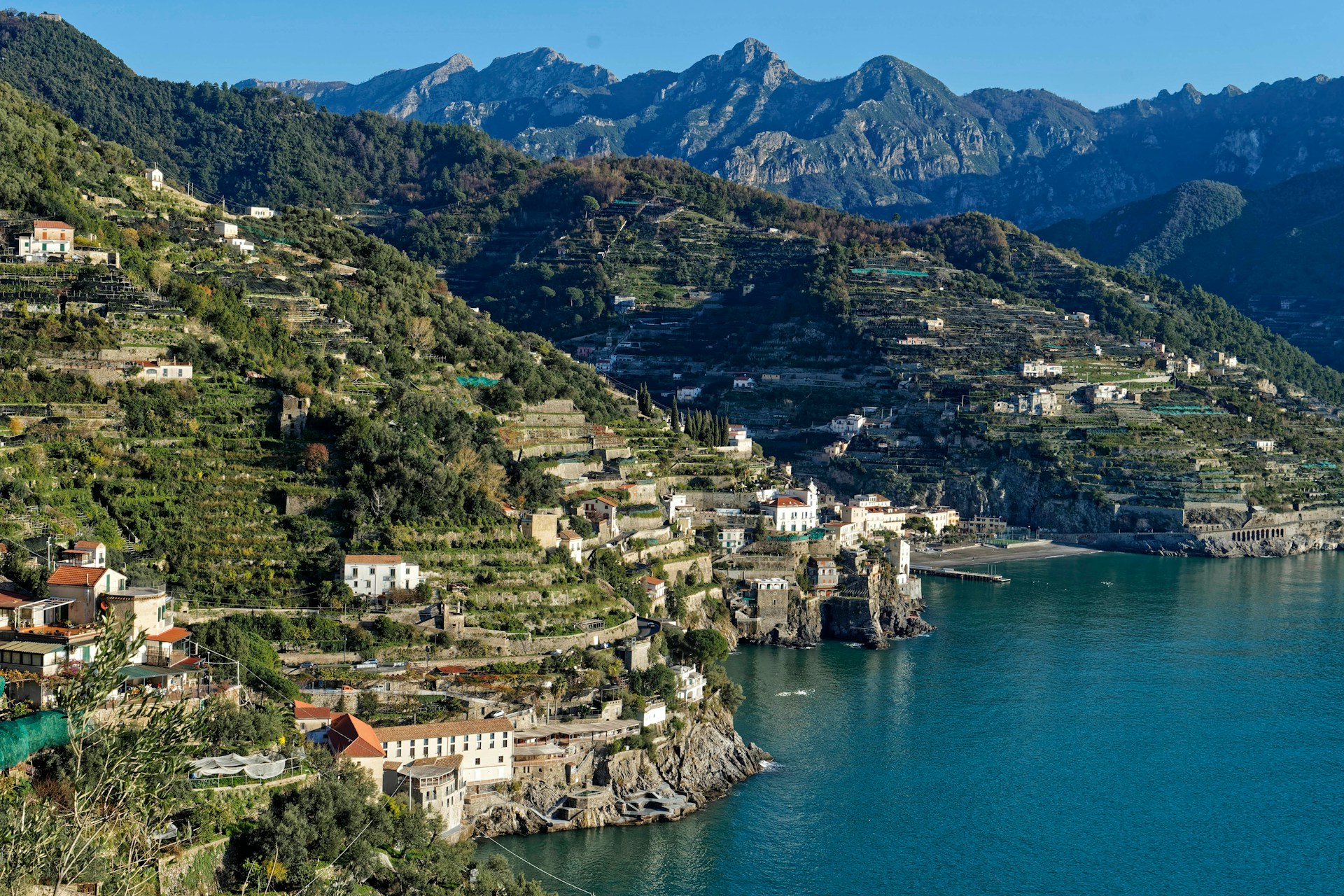
Perched on a cliff 365 meters above the Amalfi Coast, Ravello feels like a quiet balcony hanging over the sea. The buses and traffic of Amalfi and Positano seem very far away up here; in their place you get church bells, faint music from a distant wedding band, and the rustle of lemon trees in the breeze.
I’ve been coming to Ravello since my early twenties, and every visit reminds me why this hilltop village is so beloved. It’s small enough to feel intimate but layered with history, gardens, music, and food that go far beyond its size. This isn’t a “checklist” town—it’s a place to wander, linger on terraces, and watch the sky shift from blue to rose to deep indigo over the Tyrrhenian Sea.
Ravello is perfect if you:
- Want a calmer base than Amalfi or Positano while still enjoying the coast.
- Love gardens, architecture, and panoramic viewpoints.
- Are planning a romantic escape, a honeymoon, or a relaxed family trip.
- Enjoy music and culture (Ravello’s festival calendar is surprisingly rich).
- Like walking and gentle hikes without committing to hardcore trekking.
This 2026 travel guide for Ravello is written as if we’re planning your trip together over coffee in Piazza Duomo: I’ll take you through the must-see attractions, hidden gems, local food, and detailed 3–5 day itineraries, with plenty of personal stories and very practical tips sprinkled in.
Table of Contents
- Why Visit Ravello
- Quick Overview of Ravello in 2026
- Ravello’s Neighborhoods & Areas
- 20+ Must-See Attractions in Ravello
- 3, 4 & 5 Day Itineraries for Ravello
- Local Food & Drink in Ravello
- Nightlife, Music & Cultural Experiences
- Day Trips & Nearby Adventures
- Cultural Etiquette & Local Customs
- Practical Travel Tips for Ravello
- Summary & Best Time to Visit
Quick Overview of Ravello in 2026
Ravello in 2026 feels lively but not overwhelmed. The town has continued to cap large tour groups in peak hours, which helps preserve its quiet charm. A few boutique guesthouses opened in 2025 along the quieter lanes near Via Santissima Trinità, giving more mid-range options beyond the famous luxury hotels.
Key 2026–2027 events & changes:
- Ravello Festival 2026 (June–September): Classical concerts, jazz evenings, and dance performances in the gardens of Villa Rufolo and other venues. The 2026 theme is rumored to celebrate “Mediterranean Dialogues,” with collaborations across Italy, Greece, and North Africa.
- Duomo façade restoration (completed late 2025): The main cathedral now gleams after a careful clean and light restoration, and evening lighting has been improved for subtle nighttime views.
- New eco-shuttle links (2026 pilot): Electric minibuses now run more frequently between Amalfi and Ravello in high season, easing traffic on the hairpin road.
- 2026–2027 Special Exhibitions: The Annunziata Historic Complex and Villa Rufolo often host temporary art and photography exhibitions; check local posters when you arrive.
Ravello’s Neighborhoods & Areas to Explore
Ravello isn’t a big city with “districts” in the urban sense, but its tiny areas each have their own mood. Understanding them helps you choose where to stay and wander.
1. Piazza Duomo & Historic Core
This is Ravello’s heart: the white façade of the Duomo, a scattering of café tables, kids chasing pigeons, and locals greeting each other every few minutes. The main pedestrian streets (Via Roma and Via Wagner) radiate from here towards Villa Rufolo and Villa Cimbrone.
Best for: First-time visitors, short stays, being close to everything, people-watching.
2. Around Villa Rufolo & Via Wagner
Leafy lanes, small guesthouses, art galleries, and the path to Villa Rufolo. Slightly quieter than the Piazza but still central, with easy access to the main viewpoints and festival venues.
3. Villa Cimbrone Side & Via Santa Chiara
Follow Via Santa Chiara out of the center and the crowds thin quickly. This is one of my favorite walks, lined with stone walls, bougainvillea, and glimpses of the sea. The area around Villa Cimbrone is romantic and peaceful, especially early morning or late evening.
Best for: Couples, honeymooners, anyone craving quiet evenings.
4. Ravello–Scala Ridge
Scala is technically a separate village across the valley, but it feels like Ravello’s shy sibling. Small hamlets like Minuta and Pontone are reachable by footpaths, offering fantastic views back to Ravello’s skyline. I often escape here when Ravello feels busy.
Best for: Walkers, photographers, travelers seeking local life and value stays.
5. Castiglione & Torello Hamlets
Terraced lemon groves, stone stairways, and quiet lanes: this is countryside Ravello. The hamlets of Torello and Castiglione cling to the slopes below; you can reach them via staircases from Ravello, and they’re especially magical during September’s Torello fireworks festival.
20+ Must-See Attractions & Hidden Gems in Ravello
Below are more than twenty of the best places to visit in Ravello—each with personal notes, history, and tips. These are the building blocks for any 3 day itinerary for Ravello, 4 days in Ravello, or even a slow 5 days in Ravello.
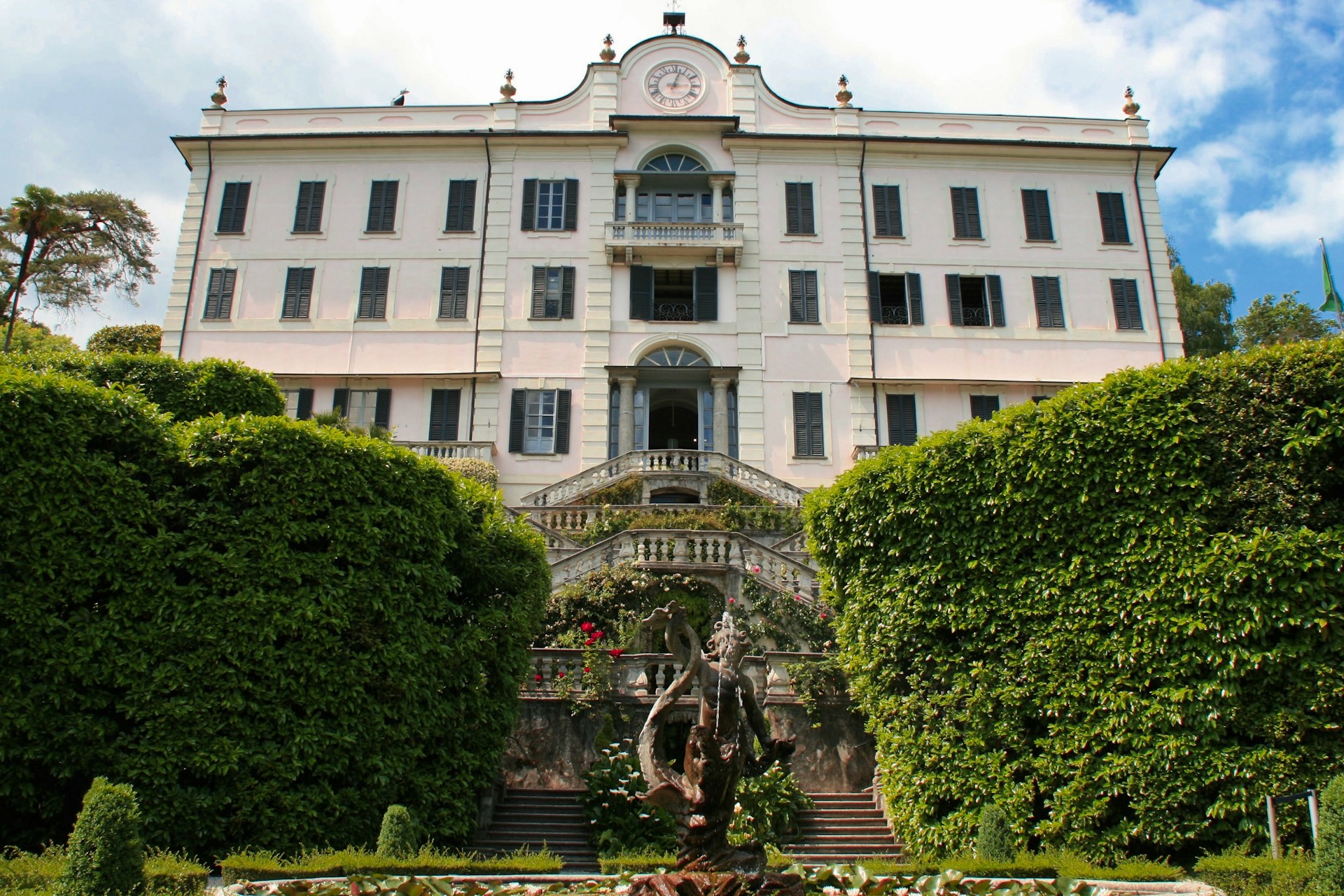
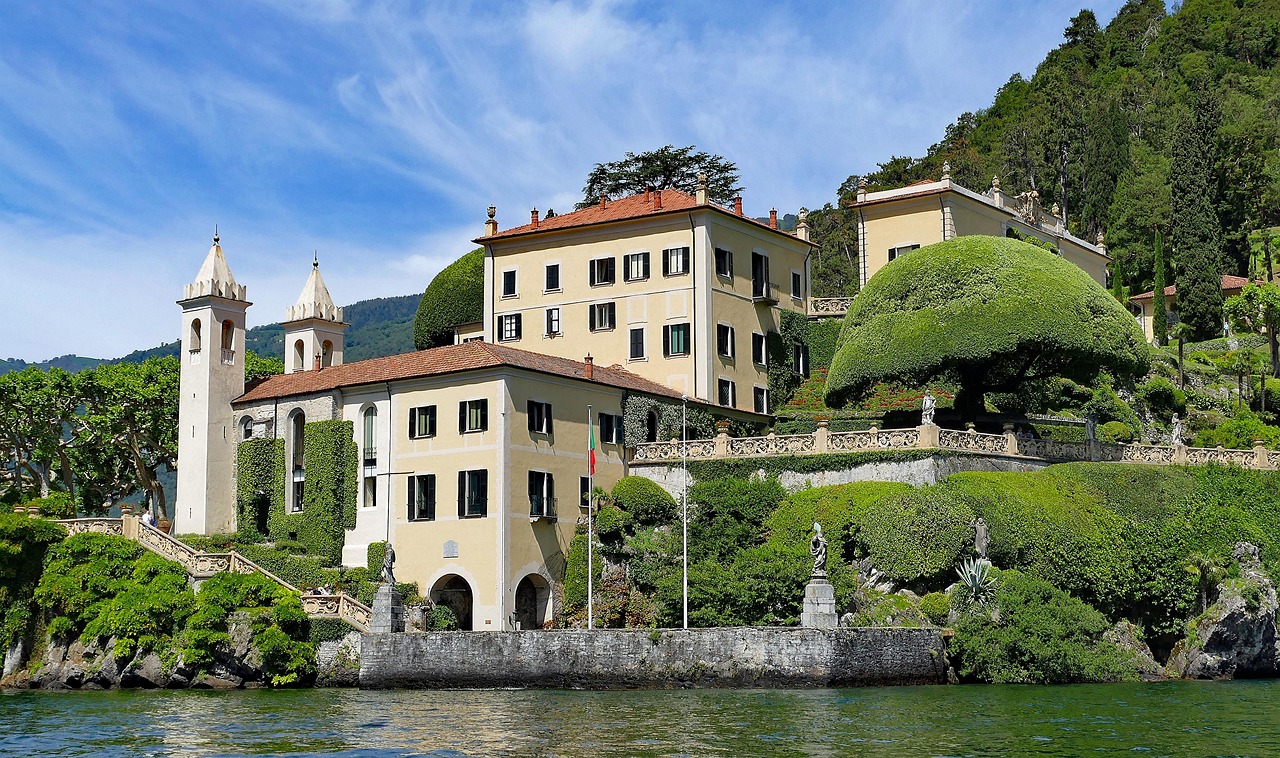
1. Villa Rufolo: Ravello’s Iconic Postcard View
If you’ve ever seen a photo of Ravello—turrets framed by umbrella pines against an endless sea—it was probably taken at Villa Rufolo. The first time I walked through its gate, a summer storm had just passed. The stone was wet, the flowers almost neon against the dark clouds, and the Gulf of Salerno seemed to go on forever. I understood immediately why Wagner called this place a “magical garden.”
History & significance: Built in the 13th century by the wealthy Rufolo family, the villa was once famed for its opulence. Over centuries, it fell into disrepair until a Scottish gentleman, Francis Neville Reid, restored it in the 19th century, adding the romantic gardens we see today. Composer Richard Wagner visited in 1880 and found inspiration here for “Parsifal.” Today, Villa Rufolo is the beating heart of the Ravello Festival.
What to do:
- Stroll the upper gardens and look for the viewing terrace where most famous photos are taken.
- Descend to the lower garden, where a stage is set up in summer seemingly floating above the sea.
- Visit the small museum and tower, with exhibits on the villa’s history and views from above.
- Pause on a bench and just listen: you might hear rehearsals from festival musicians.
My tip: Go right at opening (usually 9:00) or about an hour before closing in shoulder seasons. I once had an almost private wander in late October at 5 p.m.—the sky, the soft light on the sea, and the near-silence made it unforgettable.
Practical info: Located just off Piazza Duomo on Via San Giovanni del Toro. Easy, flat access from the main square. Allow 1–2 hours.
2. Villa Cimbrone & The Terrace of Infinity
Villa Cimbrone is where Ravello feels like it’s floating. The Terrazza dell’Infinito (Terrace of Infinity) is one of the most dramatic viewpoints on the Amalfi Coast: a stone balustrade punctuated by marble busts, with a sheer drop to the sea. The first time I stepped out there, a light breeze made the lemons sway behind me and, in front, nothing but blue.
History & significance: The estate dates back to at least the 11th century, but its current romantic guise is from the early 20th century, thanks to British expatriate Ernest William Beckett, Lord Grimthorpe. He turned it into an English-style garden with classical statues, follies, and quiet corners. Famous visitors have included Virginia Woolf, D. H. Lawrence, and Greta Garbo.
What to do:
- Wander the avenue of immensity (Viale dell’Immenso) lined with cypresses.
- Seek out hidden spots like the Temple of Bacchus and the Tea Room.
- Spend time simply standing at the Terrace of Infinity, watching boats drift below.
- Enjoy a drink in the hotel’s cloister bar if you’re not staying there; it’s pricey but special.
Personal note: I love coming here near closing time with a book. Once, in September, a thin mist started rising from the sea as the sun set—it felt like the world was dissolving at the horizon.
Practical info: About a 10–15 minute walk from Piazza Duomo along Via Santa Chiara (pleasant, mostly flat). Entry fee for gardens; the villa functions as a luxury hotel. Allow 2 hours.
3. Ravello Cathedral (Duomo di Ravello)
The Duomo anchors Piazza Duomo with its simple white façade. Inside, though, it holds unexpected treasures and a serenity that I’ve often retreated to on hot afternoons when the outside light feels too bright.
History & features: Founded in 1086, the cathedral has seen multiple restorations. Highlights include:
- The bronze doors (1179) made in Constantinople, covered with reliefs and inscriptions.
- The beautiful pulpit supported by lions (13th century), decorated with mosaics.
- The chapel of San Pantaleone, where the town’s patron saint is venerated.
- The small Diocesan Museum below, showcasing medieval art and relics.
My experience: I once slipped into the Duomo during a late afternoon mass; even as a non-Italian speaker, the rhythm of the prayers and the smell of incense made me feel oddly at home. If you do wander in during a service, sit quietly at the back and avoid photos.
Practical info: In Piazza Duomo. The church is usually free; a small fee may apply for the museum. Shoulders should be covered; bring a light scarf in summer.
4. Auditorium Oscar Niemeyer
From medieval cloisters to bold modern curves: the Auditorium Oscar Niemeyer feels like a spaceship lightly landed on a cliff edge. Designed by the legendary Brazilian architect and inaugurated in 2010, it’s Ravello’s most strikingly contemporary structure.
Why visit:
- The auditorium hosts concerts, film screenings, and festival events, especially in the shoulder seasons when the main festival is quieter.
- The view from the terrace is phenomenal and much less crowded than the villas.
- Architecture lovers will enjoy Niemeyer’s fluid lines against the rugged landscape.
Personal note: One November evening, I attended a small jazz concert here. The music spilled onto the terrace during intermission, mixing with the sound of distant waves. It reminded me that Ravello is not just a summer town—it has a year-round cultural life.
Practical info: A short walk downhill from the main bus parking area. Check the Comune di Ravello or Ravello Festival websites for 2026–2027 event schedules.
5. Church of San Giovanni del Toro
This small, Romanesque church sits slightly above the main center, near the hotel Caruso. It’s one of my favorite quiet corners of Ravello—often nearly empty, with a feeling of ancient calm.
History: Built in the 11th century by noble families, the church has a lovely marble pulpit decorated with mosaics and some fading frescoes that seem to emerge from the walls as your eyes adjust.
Tip: Combine a visit here with a walk along Via San Giovanni del Toro, which has some beautiful viewpoints over the valley and sea. Early morning light from this side is especially gentle and photogenic.
6. Church & Convent of San Francesco
Tucked away near Villa Rufolo, the Convento di San Francesco is a working convent with a lovely cloister and gardens. It’s easy to walk past without realizing you can step inside.
Why visit:
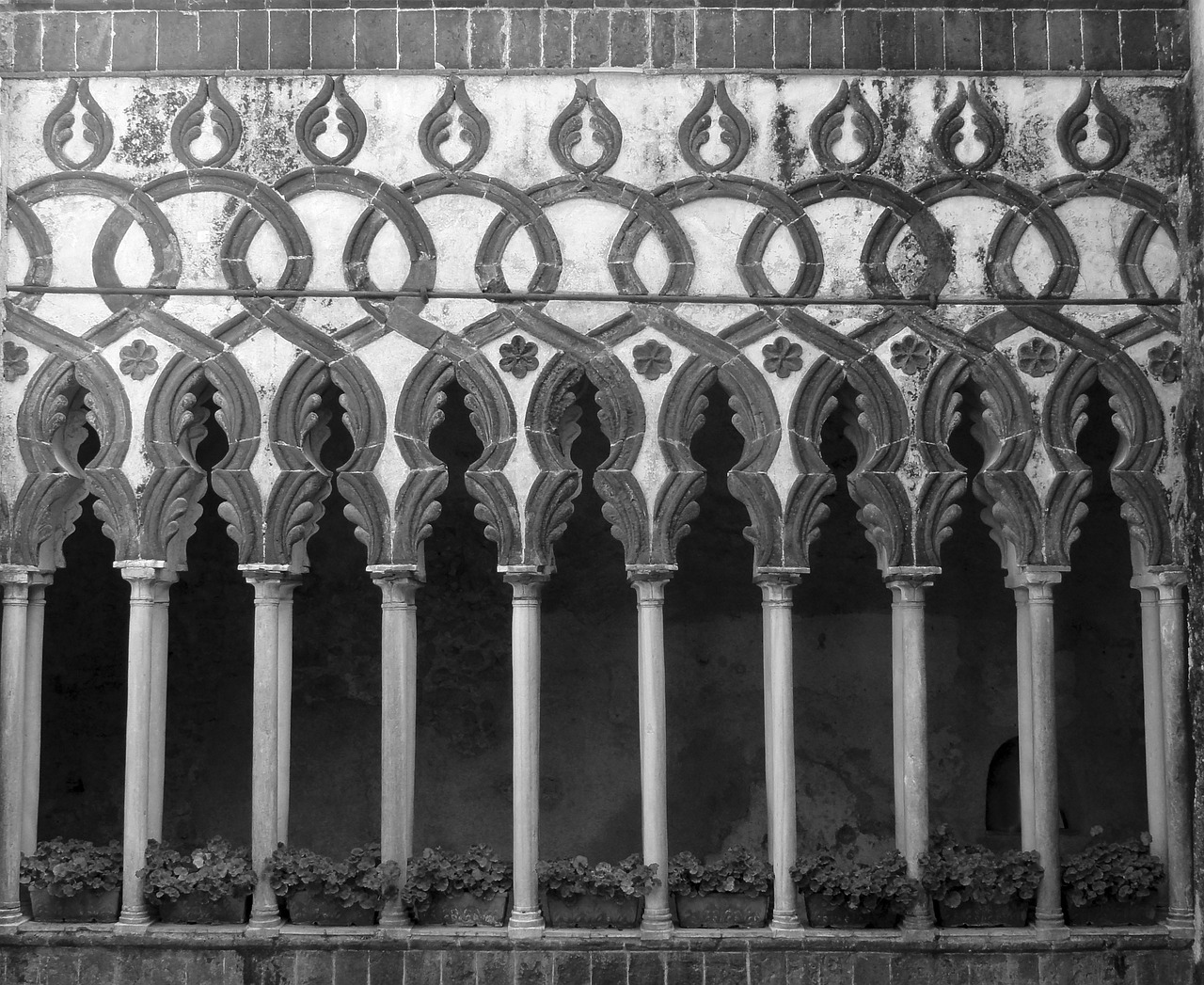
- A peaceful cloister, with arches framing the sky and a quiet garden.
- Occasional small art exhibits and religious events.
- A sense of everyday spiritual life continuing beyond the tourist flow.
My experience: Once, passing by on a drizzly March afternoon, I ducked into the cloister just to stay dry. The soft sound of rain on the tiles and the scent of damp earth turned it into an unexpected highlight of my trip.
7. Chiesa della Santissima Annunziata & Belvedere
Below Villa Rufolo, down a series of steps, lies the Annunziata church and its terrace—a spot that blends history, views, and often music rehearsals drifting up from below.
Highlights:
- A simple, atmospheric church that often hosts chamber music concerts.
- A broad belvedere terrace with sweeping views toward Minori and the coast.
- Fewer people than the main villa viewpoints, especially in the mornings.
Tip: Come here around golden hour with a takeaway coffee or gelato and watch the light creep across the terraces below.
8. Via delle Repubbliche Marinare & Scenic Walks
Ravello rewards walkers. One of my favorite ambles is along the lanes and paths fanning out from the town, including stretches of the Via delle Repubbliche Marinare and neighboring stairways.
What you’ll see:
- Terraced lemon groves and vineyards, sometimes with farmers at work.
- Stone staircases with hand-painted ceramic tiles marking house numbers.
- Unexpected vistas back to Ravello’s skyline framed by pines.
My tip: Wear good shoes; even short distances can involve plenty of steps. I once counted over 1,000 steps on a round-trip walk to Torello and back—my legs complained, but my camera roll did not.
9. Torello Village & Fireworks Festival
Torello is a tiny hamlet below Ravello, reachable by stairways threading through lemon terraces. It’s quiet most of the year, but in early September it erupts in one of the coast’s best fireworks displays.
Festival of Torello: Dedicated to Our Lady of Sorrows, the festival usually falls around the third weekend of September. Fireworks are launched from the terraces, exploding almost at eye level for viewers in Ravello above.
My experience: One year, a local friend insisted we skip the crowded main viewpoints and watch from a smaller terrace near San Giovanni del Toro. The fireworks bloomed directly below us, reflecting in the sea—it felt like the sky and water were answering each other.
Practical tip: If you’re in Ravello in mid–late September 2026 or 2027, ask around for the exact festival dates—they’re sometimes announced late and posted on flyers in town.
10. Scala, Minuta & Pontone: Ravello’s Quieter Cousins
Across the valley, Scala claims the title of the Amalfi Coast’s oldest town. Its hamlets—especially Minuta and Pontone—are wonderful for a half-day wander from Ravello if you like stairs and stone villages.
Why go:
- Minuta has a tiny piazza and the ruins of the Church of Sant’Eustachio with spectacular views back to Ravello.
- Pontone offers paths down toward Amalfi and the Valle delle Ferriere nature reserve.
- Prices in local bars are often lower than in Ravello.
My tip: On one spring visit, I walked from Ravello to Minuta, had a simple espresso with locals watching football on TV, and then continued toward Pontone and down to Amalfi. It made a lovely full-day loop (with bus back up).
11. Valle delle Ferriere Hike (from Pontone/Scala)
If you’re after an adventurous touch, the Valle delle Ferriere offers a surprising world of ferns, streams, and small waterfalls hidden behind the coastal cliffs.
About the hike:
- Multiple routes lead into the valley; a popular one starts from Pontone above Amalfi.
- You’ll pass old ironworks ruins (hence the name) and enter a cooler, shaded microclimate.
- Ideal for hot days when the coastal sun is intense.
Personal note: After a week of salty air and stone streets, the smell of wet earth and moss in the valley felt like stepping into another country. Bring water and proper shoes; rocks can be slippery.
12. Ravello Festival & Summer Music
The Ravello Festival transforms the town into an open-air cultural stage each summer, usually from June through September. Imagine symphony orchestras performing on platforms suspended above the sea, or jazz quartets playing under the stars in Villa Cimbrone’s gardens.
2026–2027 outlook: The 2026 theme is expected to spotlight cross-Mediterranean collaborations, so you might hear everything from Italian classical to Lebanese jazz on the same weekend. Program details are typically released in spring.
My tip: Even if you’re not a classical music devotee, book at least one evening concert. I still remember a violin concerto at Villa Rufolo where the final notes faded just as the moon rose over the sea—a moment burned into memory.
Practical info: Tickets range from affordable to premium. Book online early for July–August weekends. Dress is smart-casual; a light shawl or jacket is handy for breezy nights.
13. Local Ceramics & Artisan Shops
While Vietri sul Mare is the Amalfi Coast’s ceramic capital, Ravello has its own small but talented group of artisans. You’ll see colorful plates, lemon-themed tiles, and hand-painted house numbers in shop windows along Via Roma and side streets.
What to look for:
- Hand-painted tiles depicting Ravello’s skyline or lemon motifs.
- Small bowls and cups that are easy to pack.
- Custom house number plaques if you want a quirky souvenir for home.
Personal tip: I always ask if items are entirely hand-painted and where the kiln is located. In one tiny workshop, the owner proudly showed me photos of her father firing tiles in the 1970s—it made buying a small plate feel like joining a story rather than just shopping.
14. Ravello’s Small Food Shops & Wine Bars
Ravello doesn’t have big markets, but its small alimentari (grocery shops) and wine bars are part of its charm. These are where you’ll find picnic supplies, local cheeses, salami, and bottles of Costa d’Amalfi wine.
Why visit:
- Assemble an impromptu picnic to enjoy on your terrace or a quiet bench.
- Ask for recommendations on local wines, especially those from Tramonti and Ravello’s hills.
- Pick up limoncello made with local lemons.
My money-saving tip: On longer stays, I like to alternate restaurant dinners with simple picnic evenings—fresh bread, tomatoes, mozzarella, and a bottle of wine can be as memorable as a restaurant meal, especially with Ravello’s views as your backdrop.
15. Little Terraces & “Secret” Gardens
One of Ravello’s joys is its many tiny terraces and semi-hidden gardens. Some belong to hotels or private homes, but others are public spaces tucked down side alleys.
How to find them:
- Follow small lanes away from the main streets, especially between Villa Rufolo and Villa Cimbrone.
- Look for short flights of stairs that don’t seem to go anywhere—it’s often where you’ll find a bench and a view.
- Respect private property; if a gate is closed or a sign says “privato,” admire from afar.
Personal note: On my second trip, I stumbled on a bench shaded by an old olive tree, overlooking the sea but completely deserted. I’ve never seen it in any guidebook. Ravello rewards slow, curious wandering.
16. Amalfi Coast Cooking Classes in Ravello
If you love food (and you’re in Italy, so you probably do), a cooking class in or near Ravello is a fantastic cultural experience.
What to expect:
- Market or garden visits to pick fresh herbs, tomatoes, and lemons.
- Hands-on preparation of dishes like gnocchi alla sorrentina, eggplant parmigiana, and lemon desserts.
- Plenty of wine and conversation over the meal you’ve cooked.
My experience: In one family-run class up in the hills, the grandmother quietly corrected my gnocchi rolling technique, then nodded approvingly. That nod felt like a culinary diploma.
Tip: Classes can book up in high season; reserve in advance for June–September 2026. If you’re here during shoulder season, you may enjoy more personalized attention.
17. Local Wine Tasting & Vineyards
The hills above Ravello and nearby Tramonti produce some lovely Costa d’Amalfi DOC wines, often from ancient pergola-trained vines clinging to terraces.
Why go:
- Learn about indigenous grape varieties like Piedirosso, Aglianico, and Falanghina.
- Visit small, family-run vineyards where you might meet the winemaker.
- Enjoy long, lazy lunches paired with local wines.
My tip: Ask your accommodation in Ravello to recommend a vineyard; many arrange transport or combined tours. Avoid driving yourself if you’ll be tasting generously—the roads are beautiful but demanding.
18. Scenic Drives & Bus Views Between Amalfi & Ravello
The winding road up from Amalfi to Ravello is not just transportation—it’s an attraction in its own right. The bus hugs the cliffs, hairpin turns reveal new views every few seconds, and villages appear and disappear in the folds of the hills.
My experience: I’ve taken this bus in all seasons: in July, windows open, everyone slightly salty from the beach; in November, rain streaking the glass and the sea a dramatic grey. Sit on the right side going up for the best views.
19. Boat Tours from Amalfi (Ravello’s Sea Escape)
While Ravello itself is high above the water, it’s easy to combine your stay with a day on the sea via boat tours from Amalfi, just a bus ride below.
Options:
- Group cruises along the coast to Positano.
- Excursions to Capri with stops for swimming.
- Private boat hires for a custom day out (romantic but not cheap).
Personal tip: I like to do a boat day in the middle of a longer Ravello stay—it balances the quiet hilltop days with salty, sun-drenched sea time. Bring a hat and sunscreen; the reflection off the water is intense even in May and September.
20. Amalfi & Castiglione Beaches
If you’re craving a swim, the pebbly beaches of Amalfi and nearby Castiglione are your go-to. From Ravello, you can bus down in the morning, swim and sunbathe, then retreat to the cooler air above in the late afternoon.
My tip: Castiglione beach, just west of Amalfi, is smaller and often slightly less crowded than Amalfi’s main beach. Access is via a staircase; bring water and sandals you can walk on pebbles with.
21. Best Sunset & Sunrise Spots in Ravello
Ravello faces mostly south and slightly east, so you won’t always get a classic “sun into the sea” sunset, but the way the light hits the coastal curves is magical.
- Sunrise: Terrace of Infinity (if you can enter early), lanes near Villa Cimbrone, and viewpoints toward Minori.
- Sunset: Benches near San Giovanni del Toro, the upper end of Via Santa Chiara, or hotel terraces facing west.
Personal ritual: I like to grab a gelato from a small bar off Piazza Duomo and walk slowly toward the quieter lanes as the light softens, letting the day wind down with the colors in the sky.
3, 4 & 5 Day Itineraries for Ravello (With Personal Stories)
Here’s how I’d structure 3 days in Ravello, 4 days in Ravello, or a relaxed 5 days in Ravello. Each day blends must-see attractions, hidden gems, and local experiences, with pacing that matches Ravello’s slow rhythm.
3 Day Itinerary for Ravello
This 3 day itinerary for Ravello focuses on the essentials: gardens, views, a taste of the sea, and plenty of time to simply be.
Day 1: Arrival, Piazza Duomo & Villa Rufolo
Morning: Arrive in Ravello via bus or taxi from Amalfi. Check into your accommodation—if you can, choose somewhere within a 5–10 minute walk of Piazza Duomo so you’re close to everything. After dropping your bags, step straight into the square.
My own first-day ritual is always the same: sit at a café in Piazza Duomo, order an espresso or a spritz depending on the hour, and just watch. You’ll see tour groups sweep in and then disappear, kids biking in circles, brides and grooms posing by the cathedral steps.
Midday & afternoon: Visit the Duomo and then walk a few meters to Villa Rufolo. Give yourself time not just to photograph but to sit—on a bench, by the balustrade, under a pine. If it’s festival season, you might catch a soundcheck on the lower garden stage.
Have a light lunch nearby—maybe a simple plate of gnocchi alla sorrentina or grilled vegetables—and then retreat to your hotel for a brief siesta, especially in summer.
Evening: Stroll toward the Annunziata belvedere for your first real panorama at golden hour. For dinner, choose a trattoria just off the main square; I like to start with bruschetta al pomodoro and end with a lemon dessert. Walk a slow loop through the quiet lanes before bed. The town feels completely different after day-trippers leave—this is when Ravello belongs to you.
Day 2: Villa Cimbrone & Ravello’s Lanes
Morning: After breakfast, follow Via Santa Chiara to Villa Cimbrone. The walk itself is part of the experience: stone walls, vistas opening unexpectedly, and the occasional cat sunning itself. Arrive as close to opening time as possible to enjoy the Terrace of Infinity without crowds.
On one visit, I spent almost an hour just at that terrace, watching clouds drift in from the sea. It’s the sort of place where time blurs.
Midday: Explore the rest of the gardens, then stop for a coffee or light snack at the villa’s bar if your budget allows. Walk back slowly into town, detouring along smaller lanes to discover hidden terraces.
Afternoon: Visit San Giovanni del Toro and nearby viewpoints. If you’re traveling as a couple, this area is especially atmospheric for photos. Families with kids might prefer to return to Piazza Duomo, where little ones can run while adults relax at a café.
Evening: If you’re visiting in festival season, this is a good night to book a concert at Villa Rufolo or the Auditorium. Otherwise, enjoy a leisurely dinner and possibly a wine tasting at a small enoteca. For dessert, try delizia al limone, a sponge cake with lemon cream that tastes like Ravello in cake form.
Day 3: Amalfi & the Sea (Plus Ravello at Night)
Morning: Take the SITA bus down to Amalfi (or a taxi if you prefer). Spend the morning strolling Amalfi’s cathedral, lanes, and then heading to the beach for a swim. Grab a simple lunch—pizza al taglio or a caprese sandwich—near the waterfront.
Afternoon: If you have time and good weather, join a short boat tour along the coast. Even a 1–2 hour excursion gives you a completely different perspective of the villages clinging to the cliffs.
By mid–late afternoon, head back up to Ravello. I love arriving back as the sun drops, the air cooler and scented with evening cooking.
Evening: For your final night, choose a restaurant with a sea-view terrace. Toast Ravello with a glass of local white wine or limoncello. Walk one last loop through Piazza Duomo, then find a quiet bench to sit and commit the night sounds—the clink of cutlery, distant conversations, the occasional scooter—to memory.
4 Day Itinerary for Ravello
If you have 4 days in Ravello, you can add more walking, Scala, and deeper cultural experiences.
Day 4: Walk to Scala & Minuta
Morning: After an unhurried breakfast, follow stairways and paths toward Scala. The exact route varies (ask your hotel for a current map), but you’ll descend through lemon terraces and small lanes.
Pause in Scala’s main square for a coffee. On one of my trips, I spent a happy half-hour chatting in broken Italian with an elderly resident who’d lived in both New York and Scala—his accent a perfect Amalfi–Brooklyn blend.
Midday: Continue to Minuta and the ruins of Sant’Eustachio for astounding views back to Ravello. Bring a simple picnic or grab something from a bar in Scala.
Afternoon: Either loop back to Ravello or continue toward Pontone if you’re feeling energetic. This is a great day for photos and for seeing everyday local life beyond the main tourist track.
Evening: Back in Ravello, treat yourself to a relaxed dinner. If your visit coincides with a concert at the Annunziata or a small festival event, this is a perfect night to attend.
5 Day Itinerary for Ravello
With 5 days in Ravello, you truly settle into the rhythm of the town. Use the 3 or 4 day itinerary for Ravello as a base, then add these slower, deeper experiences.
Day 5: Cooking Class, Wine & Secret Corners
Morning: Join a cooking class either in Ravello or nearby. Spend the morning chopping, stirring, and learning the tiny tips that make Italian home cooking sing—when to salt the pasta water, how much lemon zest is “too much” (hint: almost never here).
Afternoon: After a leisurely lunch featuring your creations, visit a nearby wine bar or small vineyard for a tasting. Ask specifically for Costa d’Amalfi Ravello or Tramonti wines to keep things local.
Late afternoon & evening: Use the last part of the day to wander without a map, seeking those hidden terraces and small lanes you haven’t explored yet. This is a good time for souvenir shopping—ceramics, limoncello, or even a small bottle of olive oil.
For your final dinner, pick a place you’ve walked past several times and been curious about. Some of my best meals in Ravello have been at spots I only chose on the last night, after “scouting” them with my eyes on previous evenings.
Local Food & Drink in Ravello
Local food in Ravello is simple, fresh, and deeply tied to the sea and terraces around you. Portions of this will help you decide where to eat during your 3, 4, or 5 days in Ravello.
What to Eat: Must-Try Dishes
- Scialatielli ai frutti di mare: Thick, fresh pasta ribbons with mixed seafood—shrimp, clams, mussels, and sometimes squid.
- Gnocchi alla sorrentina: Baked gnocchi in tomato sauce with mozzarella and basil, bubbling hot.
- Parmigiana di melanzane: Eggplant parmigiana, often a vegetarian highlight.
- Fresh fish of the day: Grilled and simply dressed with olive oil, lemon, and herbs.
- Insalata caprese: Mozzarella, tomatoes, basil, and local olive oil—deceptively simple and perfect when ingredients are top-notch.
- Delizia al limone & lemon sorbets: Ravello loves lemon desserts; indulge often.
What to Drink
- Costa d’Amalfi white wines: Crisp, mineral, perfect with seafood.
- Aglianico-based reds: Fuller-bodied, ideal with meat or parmigiana.
- Limoncello: Sipped cold after dinner; look for locally produced bottles.
- Negroni or Aperol spritz: Classic aperitivi to enjoy on a terrace at sunset.
Saving Money on Food
Ravello isn’t cheap, but you can eat well without breaking the bank:
- Alternate restaurant dinners with picnics from local shops.
- Opt for lunch at view restaurants and a simpler dinner to reverse the usual pattern—the midday menus can be slightly less expensive.
- Avoid ordering bottled water at every meal; ask for “acqua naturale del rubinetto” (tap water) where acceptable, though some places may insist on bottled.
Nightlife, Entertainment & Cultural Experiences in Ravello
Evenings in Ravello: Quiet, Musical, Romantic
Ravello is not a “clubbing” destination. Nightlife here means music, wine, and conversation more than dancing till dawn. After dark, the town glows softly; lights trace the coast far below, and the sky feels vast.
Music & Festivals
- Ravello Festival (June–September): Book ahead for major weekend concerts.
- Off-season chamber concerts at churches like Annunziata or San Francesco.
- Occasional jazz or piano evenings at hotel lounges (check flyers or ask at your hotel).
Romantic Evenings
Couples can enjoy:
- Drinks at a terrace bar overlooking the sea.
- Strolling quiet lanes around Villa Cimbrone side under the stars.
- Sharing a limoncello and gelato on a bench in Piazza Duomo after dinner.
Family-Friendly Evenings
If you’re here with kids:
- Let them play in Piazza Duomo while you relax at a café.
- Attend an earlier concert if your children enjoy music.
- Enjoy pizza nights and early dinners; most restaurants welcome well-behaved kids.
Day Trips & Nearby Attractions from Ravello
Amalfi & Atrani
Getting there: SITA bus or taxi (20–30 minutes). Combine Amalfi’s bustle with Atrani’s quiet charm; they’re connected by a short walk through a tunnel and lanes.
Positano
Further west, Positano is reachable via bus or boat from Amalfi. I prefer boat in peak season to avoid traffic. Spend a few hours strolling its vertical streets before returning to Ravello’s calm.
Capri
Book a day tour to Capri from Amalfi. It’s a long day but feasible. You’ll get your fill of glamorous piazzas and sea caves, then relish Ravello’s tranquility that night.
Paestum & Salerno
History buffs might dedicate a long day to the Greek temples of Paestum, combining them with a stroll in Salerno’s old town. This is easier with a private driver or rental car, but can be done by combining buses and trains from Amalfi.
Cultural Etiquette & Local Customs in Ravello
Greetings & Politeness
- Use “buongiorno” (good day) until evening, then “buonasera”.
- A simple “grazie” (thank you) and “per favore” (please) go a long way.
- Locals appreciate a respectful tone and patience; life moves more slowly here.
Dress & Churches
- In churches like the Duomo, cover shoulders and avoid very short shorts.
- Beachwear belongs at the beach; in town, put on a shirt or dress over swimwear.
Dining Customs
- Dinner starts later than in some countries; 8 p.m. onward is common.
- It’s normal to linger; you usually must ask for the bill: “Il conto, per favore.”
- Tipping is modest; rounding up or leaving 5–10% for good service is appreciated but not mandatory.
Noise & Respect
Ravello values its quiet. Keep voices low at night in lanes and respect siesta hours (roughly 1–4 p.m.) when some shops may close and locals rest.
Practical Travel Tips for Ravello (2026 Edition)
How to Get To Ravello
- By air: Nearest major airport is Naples (NAP).
- By train: From Naples or Rome to Salerno, then ferry or bus to Amalfi, then bus/taxi up to Ravello.
- By bus: SITA buses connect Amalfi and Ravello regularly in season (check 2026 schedules locally).
- By car: Possible but parking is limited and expensive; consider parking once and using buses/walking.
Getting Around Ravello
Ravello is compact and mostly pedestrian. Be prepared for:
- Steps: Many staircases; pack comfortable shoes.
- Buses: To Amalfi, Scala, and nearby villages.
- Taxis: Handy for late-night returns or luggage days; agree on price beforehand or ensure meter use.
SIM Cards & Connectivity (2026)
Italy’s major providers (TIM, Vodafone, WindTre, Iliad) offer tourist eSIMs and physical SIMs with generous data:
- Buy at airports or in Salerno/Naples before heading to Ravello.
- Coverage in Ravello is generally good, though some stone buildings and valleys can cause weak spots.
Money & Budget Tips
- Currency is the euro (€).
- Cards are widely accepted, but carry some cash for small cafés and buses.
- Save by staying in guesthouses slightly off the main square, using picnics for some meals, and traveling in shoulder seasons (April–May, late September–October).
Visa & Entry Requirements (Non-EU Visitors)
Italy is part of the Schengen Area. Many nationalities (including US, Canada, UK, Australia, New Zealand, Japan, etc.) can visit for up to 90 days within 180 days without a visa, but new ETIAS pre-authorization is expected to be required by or around 2026. Always check the latest information from official EU and Italian government sites before travel.
Driving & Foreign Licenses
- Non-EU visitors often need an International Driving Permit (IDP) alongside their home license—check rules before renting.
- Roads are narrow and winding; only confident drivers should consider renting a car here.
- Parking in Ravello is limited; many visitors park in paid public lots.
Best Seasons for Different Activities
- April–May: Ideal for gardens, walking, cooler temperatures, fewer crowds.
- June–August: Best for beach days and the full Ravello Festival; hottest and busiest.
- September–October: Warm sea, harvest season, Torello fireworks, slightly calmer than peak summer.
- November–March: Quiet, some hotels and restaurants close; good for writers, artists, and those craving stillness (but expect limited services and possible rain).
Health & Safety
- Ravello is generally very safe; standard precautions suffice.
- Carry a small daypack with water, sunscreen, and a hat—sun can be strong even when air feels mild.
- Watch your footing on steps, especially after rain.
Summary: Key Takeaways & Final Recommendations
Ravello is a place to slow down. In an Amalfi Coast often characterized by traffic and crowds, this hilltop village offers space—literal and emotional—to breathe. Whether you follow a tight 3 day itinerary for Ravello, stretch to 4 days in Ravello, or savor 5 days in Ravello or more, you’ll find enough beauty and quiet corners to fill your time without rushing.
Best time to visit: For most travelers, May–June and September–early October are ideal—balancing good weather, open venues, and manageable crowds. July–August suit those who prioritize beach time and festival buzz, while March–April and late October–November are for contemplative travelers who don’t mind some rain and quieter streets.
However long you stay, prioritize:
- At least one slow morning in Villa Cimbrone or Villa Rufolo.
- Time to simply sit in Piazza Duomo and watch life unfold.
- A day touching the sea—in Amalfi, on a boat, or at a beach.
- One musical evening, if your dates align with a concert.
- Wandering the lanes with no goal except to be surprised.
On my last evening in Ravello, I stood near San Giovanni del Toro as the lights came on along the coast below. Church bells marked the hour, somewhere a dog barked, and the sea merged with the night. That’s the feeling I hope you carry home from Ravello—a quiet, expansive sense of having been suspended, briefly, between sky and sea.